
Apps
5 dreamy Airbnb stays and experiences in Bali
Soak yourself in nature and culture


Bali has been one of the top destinations in every traveler’s bucket list. Some want it for adventure, some want to visit the place for their honeymoon, others want it for the ‘gram, and some just want to embark on their own quest à la Eat, Pray, Love. Whatever your reason is, there’s always a place for you to stay in Bali.
Here are our recommended stay and the experiences you can try using the Airbnb app:
Ubud
If you’ve watched Eat, Pray, Love, chances are you want to experience Bali the way Liz Gilbert did. Ubud is filled with green valleys and rice terraces, a perfect setting for contemplating about life and meditation. It’s also rich in arts, culture, and history so if it’s your jam, this is the place to go.
Where to stay: The Studio Villa Madella


What to do: Go on a cultural tour
Take a trip around Ubud and take photographs of its scenic and picturesque landscapes. Visit a volcano, a temple, and walk around rice terraces. Drop by the bamboo forest at Penglipuran village, and stop at the coffee garden to capture a glimpse of a traditional coffee making session.
Lovina Beach
Fancy watching time slip away? Lovina beach is the place to go! There’s not much to do, and people who want to take a break from doing anything should stay here. Go and play around the volcanic beaches, or spend the night slowly while sipping Bintangs.
Where to stay: Spice House Inn


Spice House Inn is a beachfront boutique-style apartment house located in Kaliasem village. It’s situated within a unique and historical community, and of course, a harmonizing sound of waves crashing down the shore.
What to do: Nothing
Lovina is a place where you can sit back, relax, and enjoy the ocean breeze. Go and read a book, sleep to your heart’s content, or just be at ease. Just don’t spend lots of time on your phone, and remember to make time to those who matter.
Seminyak
If you have the money, then let’s burn it. Seminyak is a quieter spot that attracts jet-setters instead of backpackers frequenting Kuta Beach. It has a relaxing atmosphere that every traveler craves. If you’re a jet-setter, Seminyak offers luxe accommodations surrounded with upscale restaurant and bars. Sounds like your style? Better add this to your itinerary!
Where to stay: Chloe Villa


What to do: Charter a private boat!
Use that hard-earned money and take a once-in-a-lifetime experience! There are tours being offered to tour Nusa Penida via a private boat. If a private boat isn’t enough to convince you, let me tell you this: You’ll also get a chance to swim with manta rays, snorkel, explore the island and see the iconic Kelingking cliff that you always see on Instagram. Sounds fun, right?
Canggu
Recommended by a friend who frequently visits Bali, Canggu is a laid-back town tucked behind the popular Kuta and Seminyak. Backpackers, young travelers, surfers, and digital nomads are attracted with the vibe this town offers, along with its lush greenery and hipster cafes. Oh, it’s also filled with yoga stations and sites where you can get a lot of creative inspiration.
Where to stay: Ethnic Wooden House


What to do: Surf and chill!
Canggu has a quieter surfing scene compared to Kuta. Take advantage of having less crowd so you can learn how to surf without being bothered by numerous swimmers and surfers in the sea. If you get exhausted, grab some snacks on any hipster cafe and watch the sunset!
Jimbaran
Jimbaran exudes a luxe vibe offering a quieter atmosphere. Prices here are a little bit expensive, but it guarantees you a good rest compared to when staying in Kuta, Legian, or Seminyak. Jimbaran might not have a vibrant nightlife but it’s definitely one of the best places to soak yourself under the sun.
Where to stay: Villa Jiwa


What to do: Worship the sun!
Go out and take outdoor activities like stand-up paddling or surfing. Sunbath on different beaches, and enjoy this quintessential seaside town. When you’re done with your outdoor activities, head out to munch on yummy seafood restaurants. If you have a lot of spare time, you can visit fishing villages and shop on markets. Feeling creative? Make a pot or make your own perfume! The possibilities seem endless in this beautiful town.
Images courtesy of Airbnb


Apps
Firefox ad reunites all your favorite memes from decades ago
The Numa Numa Guy, Annoying Orange, and Chocolate Rain are back!


Before Tung Tung Tung Sahur and Skibidi Toilet, the early internet was populated by charismatic personalities looking to make their presences felt in a land that didn’t have a lot of rules yet. As early users, we danced to “Dragostea din tei,” belted out “Chocolate Rain,” and copied “Shoes” word-for-word. Today, Firefox is bringing all those good memories back for a grand reunion.
In a new ad, the web browser featured ten of the biggest stars of the early internet including the aforementioned Numa Numa Guy, Tay Zonday, and Shoes’ Kelly. You can also see Annoying Orange, Chuck Testa, Overly Attached Girlfriend, Bad Luck Brian, Where the Hell is Matt?, the Apparently Kid, and the Success Kid.
Now, this isn’t just a reunion. The ad has a clear message about today’s most concerning issue: AI. Everything has “built-in AI, always asking, asking, asking,” as the Annoying Orange said.
“They make money by following us, and somehow, I’m the creepy one?” the Overly Attached Girlfriend asked.
All these famous personalities are asking what happened to the internet today. Obviously, the big takeaway is that we should all go back to Firefox.
Compared to other browsers, Firefox has a lot of built-in features that offer a lot of control for users. For one, it has its own VPN for privacy. Secondly, reflecting the ad’s message against AI, the browser has a toggle to minimize AI features.
SEE ALSO: Google illegally destroys 250,000 trees for a single AI data center
Apps
Salesforce introduces Slack Frontline for deskless workers
Simple, secure, mobile-first way for deskless teams across retail, healthcare, manufacturing, field service

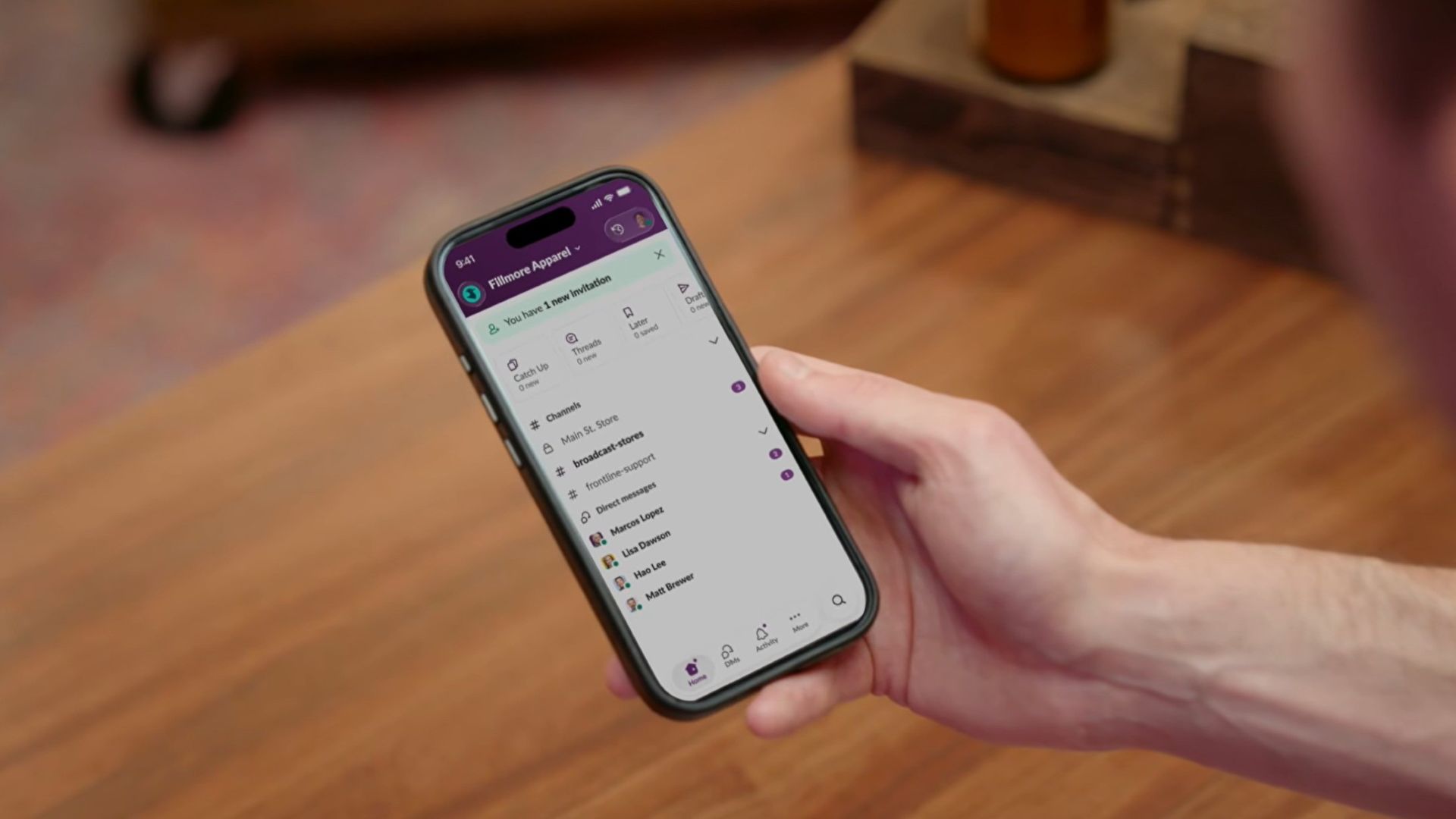
Salesforce is bridging the massive divide between corporate headquarters and deskless workers with the launch of Slack Frontline.
This new solution is designed specifically for retail associates, healthcare providers, factory workers, and field crews.
The mobile-first workspace brings communication, data, role-specific tools, and AI together in a single clutter-free app.
While frontline employees make up about 80 percent of the global workforce, they have historically been left out of workplace transformation, often relying on paper checklists, group texts, and broken communication loops.
Slack Frontline addresses these challenges by giving mobile workers up to 10 role-relevant channels, instant Huddles with headquarters, on-demand AI agents, and automated workflows.
Backed by Salesforce data and enterprise-grade security, the platform lets IT teams govern the entire workforce under one secure layer with employee ID sign-ins, multifactor authentication, and compliance configurations like HIPAA.
This ensures that critical updates, training materials, and shift handoffs reach workers directly in their pockets without needing corporate email addresses or shared terminals.
Moreover, the platform is tailored to transform operations across multiple industries, including retail, home healthcare, manufacturing, hospitality, and field services.
For instance, retail teams can instantly sync promotions and monitor inventory, while healthcare professionals can securely review patient histories and coordinate care on the go.
Manufacturing and hospitality teams benefit from drastically reduced downtime and faster issue resolution, cutting response times significantly.
Slack Frontline is available now as an add-on for businesses on the Slack Enterprise+ plan.
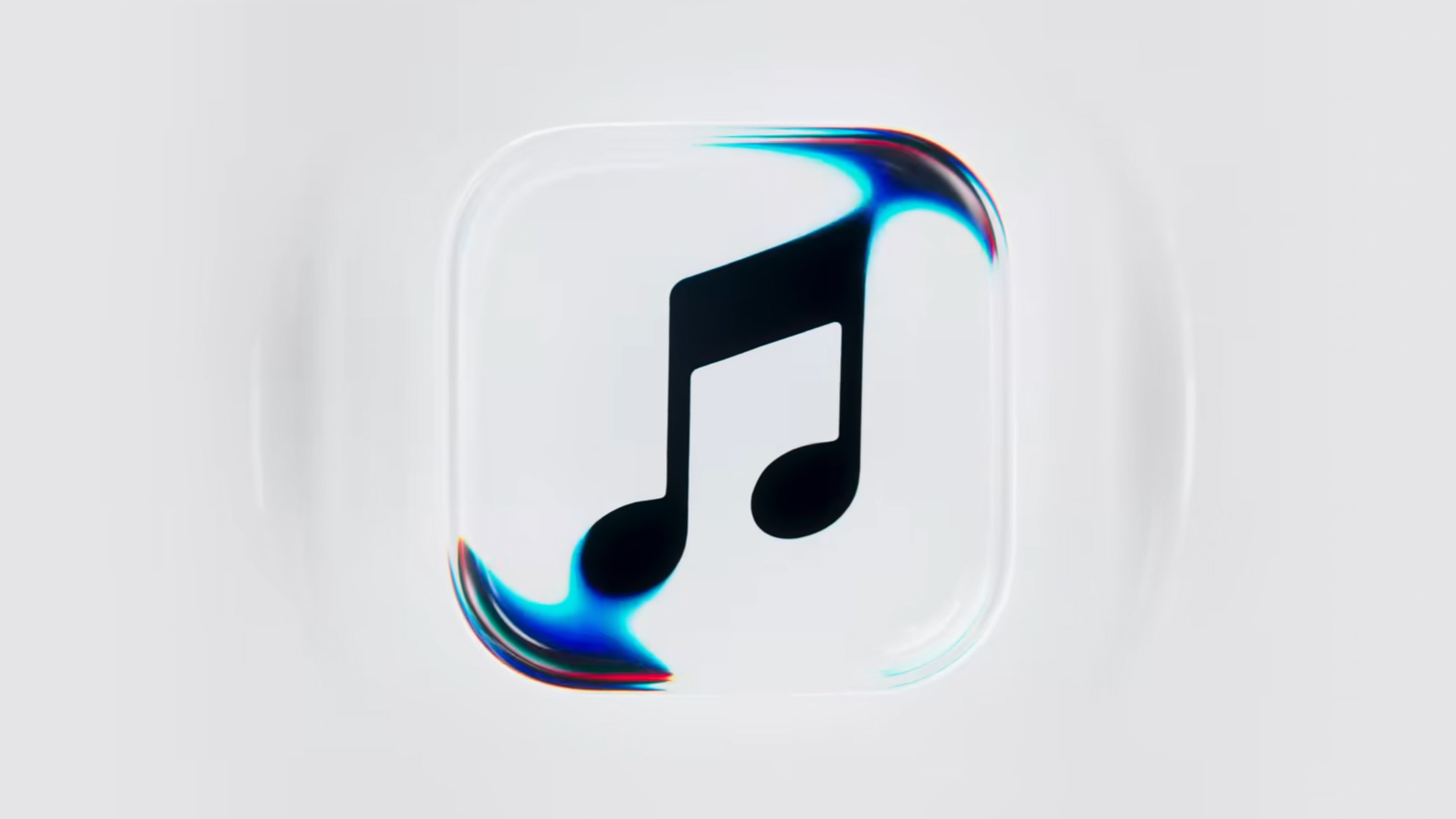
Apple Music is getting a revamp. In one of the tamer things going on with the brand today, Apple has introduced a new design language for its native music streaming platform.
In the midst of all the hubbub surrounding the iPhone Duo, Apple released a change in the visual identity of Apple Music. Rather than a static logo, the platform’s newest evolution offers a dynamic look that melds Liquid Glass and the power of sound together.
Confirmed through a behind-the-scenes video, Apple says that the new aesthetic was made with practical effects. Music producer Fred Again and NEST Acoustics submerged the platform’s logo in a tank of mineral oil and creating ripples with sound. The new language matches well with the chrome aesthetic typical of today’s trends and… well, Liquid Glass, of course.
Apple says that the more ripple-filled version will play before longer content like concert recordings (similar to Netflix’s startup stinger). Meanwhile, a black-and-white version will replace the app’s icon currently colored red and white. Current previews show off a simple logo, but it’s unknown whether Apple is adding a but more elements when the final version drops.
The updated version will debut for users after next week’s iOS 27.2 and macOS 27.2 updates.
SEE ALSO: Apple iPhone Duo Unboxing and Hands-on
-

 Lifestyle5 days ago
Your coffee nook is getting a makeover with Starbucks’ holiday collections
-

 Lifestyle7 days ago
Sticker season is back, and so is the planner your ~friends~ might fill in for you
-

 Gaming5 days ago
Wild Rift Patch 7.3, celebrates K/DA comeback
-

 Gaming1 week ago
ROG G700 review: The best prebuilt PC you can get off the shelf
-

 Gaming1 week ago
PlayStation unveils Prism Collection
-
 News2 weeks ago
Apple unveils its biggest iPad mini update yet
-

 Laptops1 week ago
Apple unveils MacBook Pro with PROLED XDR display and Touch
-

 Gaming1 week ago
FromSoftware’s The Duskbloods delayed to 2027