

People I know would describe me as an ultimate “techie” for knowing bits and pieces of both software and hardware. Ever since the pandemic started, almost all of them ask me the same question: “what’s the best budget laptop I can buy?” — either for their Zoom-powered online classes or basic WFH (Work From Home) setup. I always respond with “how much is your budget?” and that already gives me an idea what’s the closest laptop model I can recommend for them.
But here’s what I’ve observed. Most of them can only afford laptops that are priced below US$ 500 (around PhP 25,000 or INR 38,000). The problem is clear. Despite the need for it, not everyone has the resources to spend on a shiny new laptop.
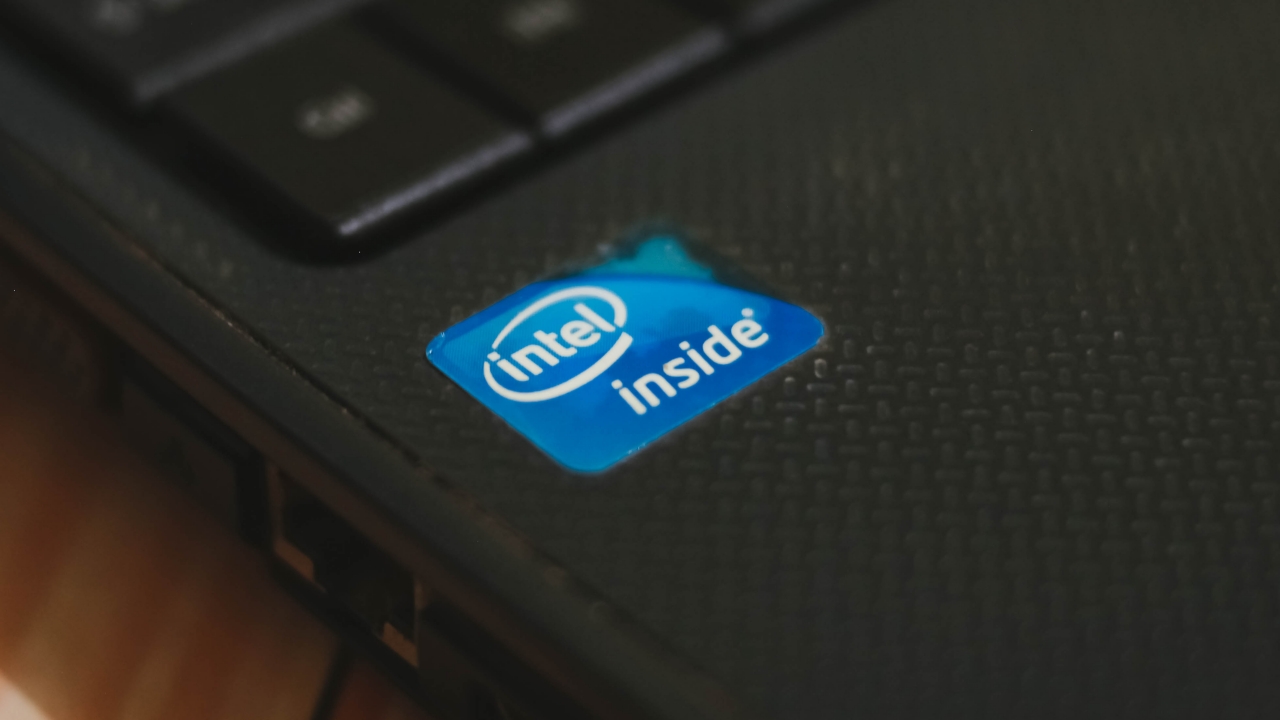
An Acer laptop I upgraded running an old Intel chipset
In certain Facebook groups, Twitter threads, and comments sections, I’ve been seeing a lot of people posting “minimum laptop specifications” as a handy buyer’s guide for those who need it. But the thing is, buying a lower-end 10th Generation Intel Core i3 or the latest AMD Ryzen chipset would still cost an arm and a leg for most consumers.
Others even refer to high-spec professional and/or gaming laptops — which most people don’t even need since they’re only going to do basic tasks. The thought of helping is there but those who are not particularly into tech still wouldn’t understand the differences between these chipset models, as well as how RAM and storage devices are different from one another.
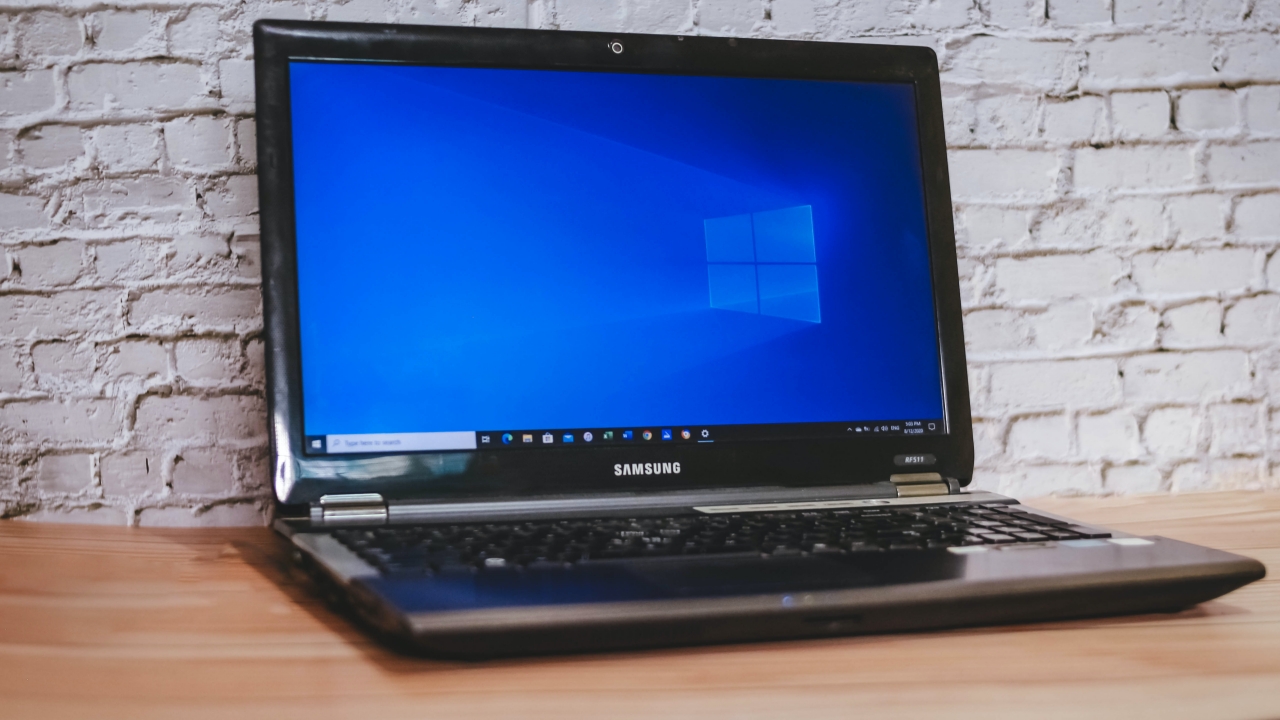
Fortunately, laptops (and PCs) are not like smartphones that need to be replaced once the performance degrades. If you have a laptop that still works even if it’s already sluggish, this article might help you in saving money instead of buying a completely new one. In my case, I decided to upgrade our 2011 Samsung RF511 that’s become as slow as a snail over the years.
SSD is the key
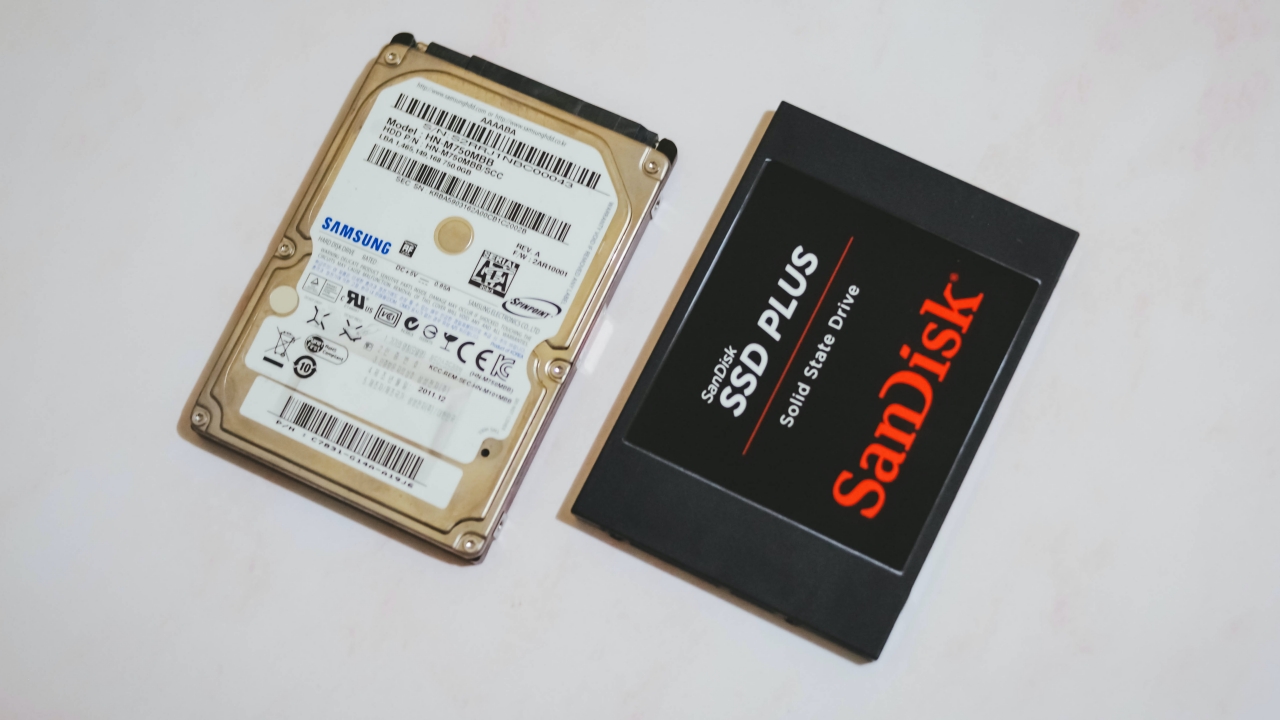
Difference between 2.5″ SATA HDD vs 2.5″ SATA SSD (HDD already faulty)
Upgrading to SSD (Solid State Drive) is a big factor in making your ultra-slow laptop run faster. Most laptops are still equipped with old Hard Disk Drives (HDDs). Here’s our SSD vs HDD explainer if you really want to dive into the specifics of it.
Basically, SSD is a better option since the Operating System (OS) directly runs in that drive. A high-capacity 512GB SSD might cost more than a 1TB HDD — which sums up the logic that essential OS files and apps should be stored in lower-capacity SSDs while most of your files should still be in a larger HDD capacity since they don’t need to be run as frequent as the OS and apps.
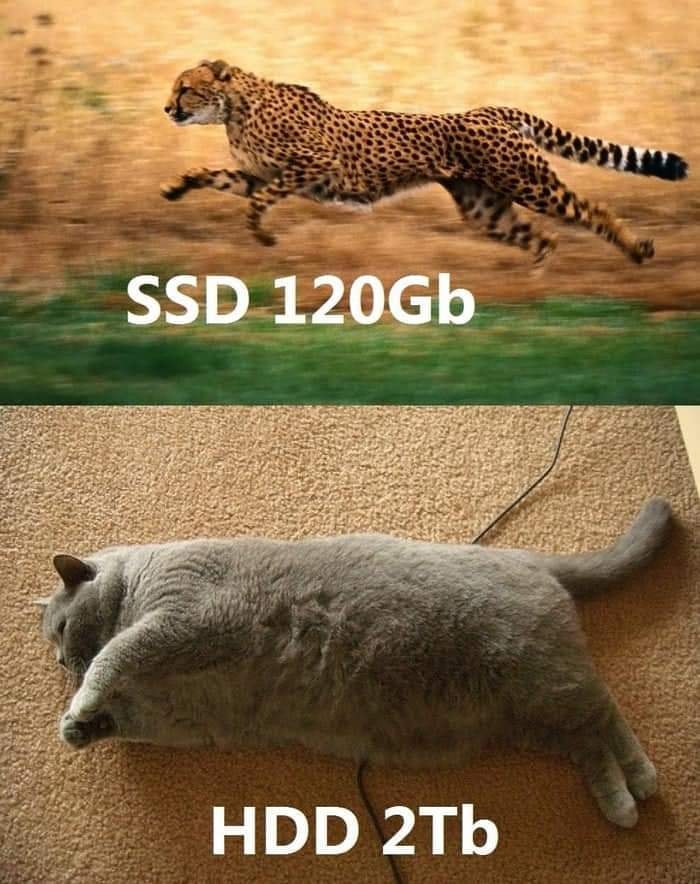
A meme that sums it up: Fast SSD cheemtah or a chonky HDD catto
Also, SSD is a lot slimmer and lighter, runs cooler, and is quieter than the thick and heavy HDDs that always rely on spinning disks instead of a non-volatile set of chips.
With the ongoing demand for SSDs, a 120GB SSD can now be bought for as low as US$ 20 / PhP 1,300 / INR 2290 — particularly a SanDisk SSD. It’s the pure nature of commerce that the bigger capacity you get, the more you need to pay for it.
There are other cheaper brand options out there like Kingston, Silicon Power, PNY, ADATA, while the likes of WD/Western Digital (SanDisk’s mother brand) and Samsung lean more into the pricier side. Buying a more expensive drive might mean you’ll get better disk speeds (especially if you’re a gamer or a power user) but for an everyday consumer, the cheapest options will just be alright for the basic tasks you do.
Not all SSDs are made equal
I’m not talking about unequal storage size options. In our explainer, it wasn’t mentioned that there are several types of SSD connectors — but most of the common ones are either SATA and m.2 SSDs. So what’s the difference?
In layman’s term, 2.5″ SATA SSDs are those that are shaped like regular hard disk drives — that’s why it can still be used on older laptops and PCs. There’s even a smaller version called mSATA that runs on the same SATA interface.
For newer laptops, motherboards, and gaming rigs, they use a smaller, thinner, and more space-efficient m.2 SSD (almost the same size as a chewing gum stick) that runs even faster than a regular SATA SSD. But here’s the catch! There are two subtypes of m.2 SSDs that are different in the shape of connectors:
- m.2 SATA SSD has both B and M connectors; while
- m.2 NVMe SSD only has an M connector at the end

Graphics by Vincenz Lee | GadgetMatch
Since this is an article meant for people who have slow laptops, I wouldn’t dive deeper into the nitty-gritty of these types of SSDs. But for visual comparison, here’s how you can differentiate them in different sizes and connector shapes.
RAM upgrade is an essential but not a requirement

During the quarantine period, I received several laptop repairs by replacing their old disk drives and upgrading their laptops’ memory sticks. In one instance, I ordered both SSD and RAM upgrades. The SSD was delivered ahead of time and just by replacing the hard disk drive alone did a lot in speeding up the laptop — even with just 2GB of RAM.
That being said, RAM is still essential, especially when opening multiple apps at once without totally closing other apps that are minimized/in idle. If you’re the type of power user who always multitasks, you will gain more with a RAM upgrade. The higher the capacity, the more apps you can open at once — of course with the help of your laptop’s processor.
Just like SSDs, not all RAM modules are the same
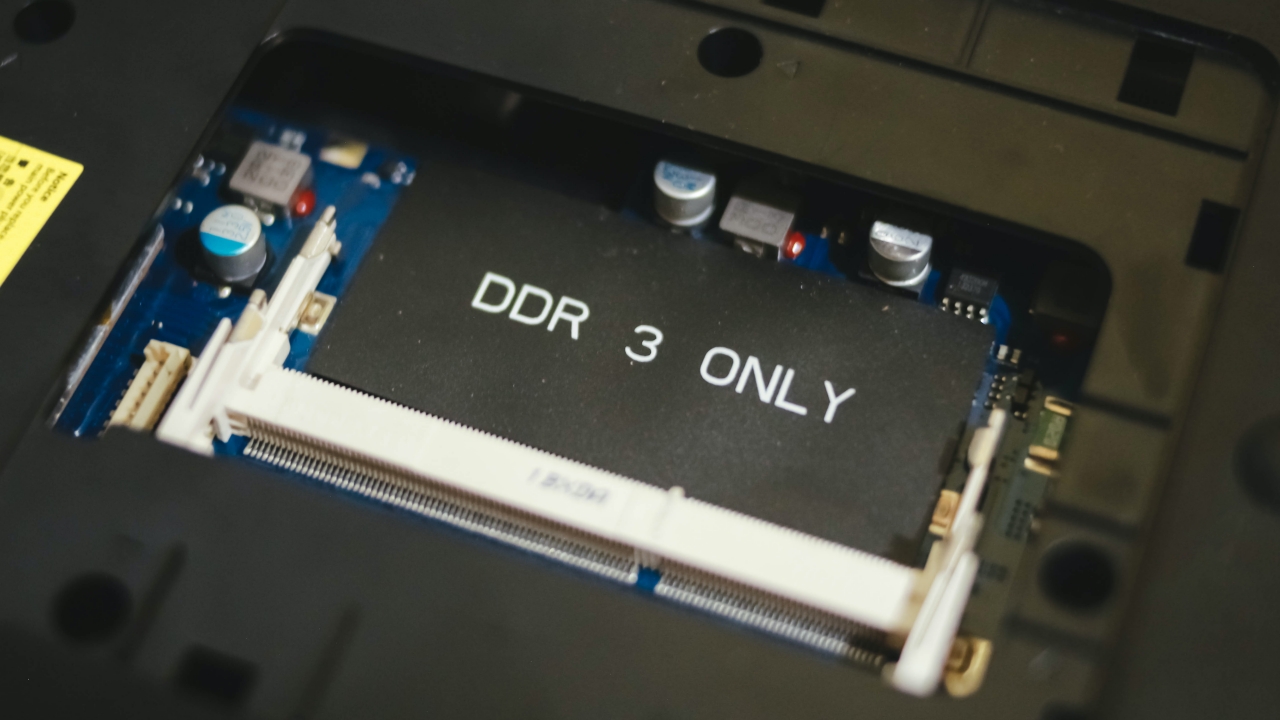
In the case of SSDs, it’s easy to tell which is which just by looking at the size and connector type. For RAM modules, it’s different. These RAM sticks all have similar connectors, but it doesn’t mean all of them will work on older machines. In my case, the old Samsung laptop I have indicates that it runs “DDR3 ONLY”. There are even different types of RAM bandwidth ranging from the slow 1600MHz all the way to a maximum of 3200MHz. Here’s a quick summary:
- DDR2 configuration runs on older laptops manufactured 2007 (or earlier)
- DDR3 configuration runs on older laptops manufactured 2013 (or earlier)
- DDR3L configuration is a re-configured DDR3 module that’s found on newer low-end laptops but can still run on older laptops with DDR3 slots (but not vice versa);
- and DDR4 configuration runs on most latest laptops manufactured 2014 onwards.
You can further check the configuration based on the labels on the module.
Know your laptop’s specific requirements before buying
I have to mention this for the nth time: NOT all laptops are created equal. Just because there’s an 8GB or 16GB memory available around, it doesn’t mean you can immediately buy it for your aging laptop.
There aren’t many restrictions when upgrading storage capacities aside from the type of hard drive connector your laptop (or PC build) has. I even cautioned about not all RAM modules being alike — and that also means not all laptops support higher RAM capacities.
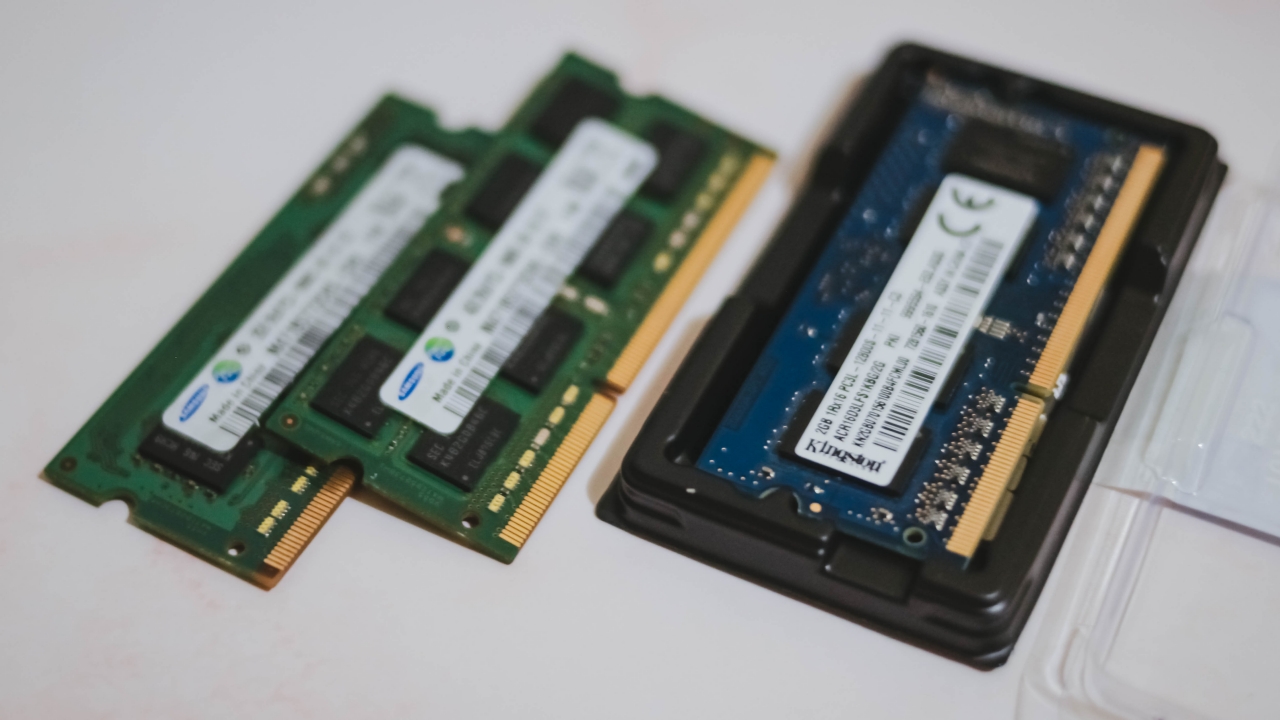
No one can really tell the difference between a DDR3 and a DDR3L RAM just by looking at them from afar. Labels really matter 🥺👉🏼👈🏼
I recently upgraded an acquaintance’s laptop. It may look new but the thing is, it only supports a maximum RAM capacity of 8GB. Most newer laptops support higher than that, which means it’s not totally based on the year of release. This is also why it’s crucial to know your laptop’s specifications.
Speaking of, the quickest workaround I can think of is by visiting Crucial’s website where you can search your laptop’s exact model and it will give you the closest and most compatible types of RAM and storage options which can be your source of reference.
From there, you can quickly go ahead and find a cheaper alternative to an online shopping app that’s closest to your heart — whether that may be Lazada, Shopee, Amazon, or AliExpress, as long as they sell legit PC parts. And oh! Don’t forget to see product reviews before adding it to your cart and checking out.
I bought the right parts, so what now?
Option 1: DIY upgrade
With the ongoing COVID-19 crisis, it’s hard to go out of your home just to go to the nearest repair shop in your area. If you’ve read my DIY iPhone repair before, upgrading laptop parts isn’t as complex as that one which requires a lot of tools just to open one.
When opening laptops, I just use a single, regular-sized Phillips screwdriver (the ones you can see in your dad’s toolbox) — not the smaller ones and not the bigger screw head for furniture. If you can’t find one, you can just buy a toolset in online shops and hardware stores.

What I’ve encountered when fixing laptops is that there are differences in the way they are opened. Most laptop screws are found at the bottom part of the laptop — and it’s the easiest way to replace hard drives and RAM modules.

But in another example, we also have an old Dell Inspiron N4050 laptop. I was able to add more RAM sticks by completely pulling and opening it up through a tedious keyboard removal. To make it harder, I removed the laptop’s outer shell and several flex cables just to get access to the hard drive itself found beneath the metal enclosure.
Anyhow, when you’ve decided to do the upgrade by yourself, just make sure you know how to completely unscrew and disassemble your laptop. Tutorials online (particularly in YouTube) are always helpful.
Option 2: Hire a repairman / family member / friend / acquaintance who knows how to fix laptops
If DIY isn’t workable, you can still look for people who’ll do it for you. Just remember to pay appropriately. Most upgrades shouldn’t be as expensive as buying a new 128GB SSD.
Why is it not turning on? Is it defective?
Just like any other fresh storage device, it needs a fresh OS installation. If you know how to install a fresh copy of Windows 10 (which can be directly downloaded from Microsoft’s website), rest assured it will work — and even install faster. Don’t worry, older laptops with low specifications are still supported.
To start the installation process, you just need an 8GB flash drive (or higher) where you can store the needed OS files. To not over-extend this article, watch this step-by-step YouTube tutorial.
For those who are still not capable of doing so, ask someone who can do it for you for a fee (or maybe free for those who are eager to help).
Real-world usage

There are a lot of speed tests and benchmarks out there but most wouldn’t care about specific read and write speeds as they value real-life experiences more. With my usage, the time it takes me to turn it on from clicking the power button going to the Login screen was massively cut from a minute and a half to just around fifteen (15) seconds.
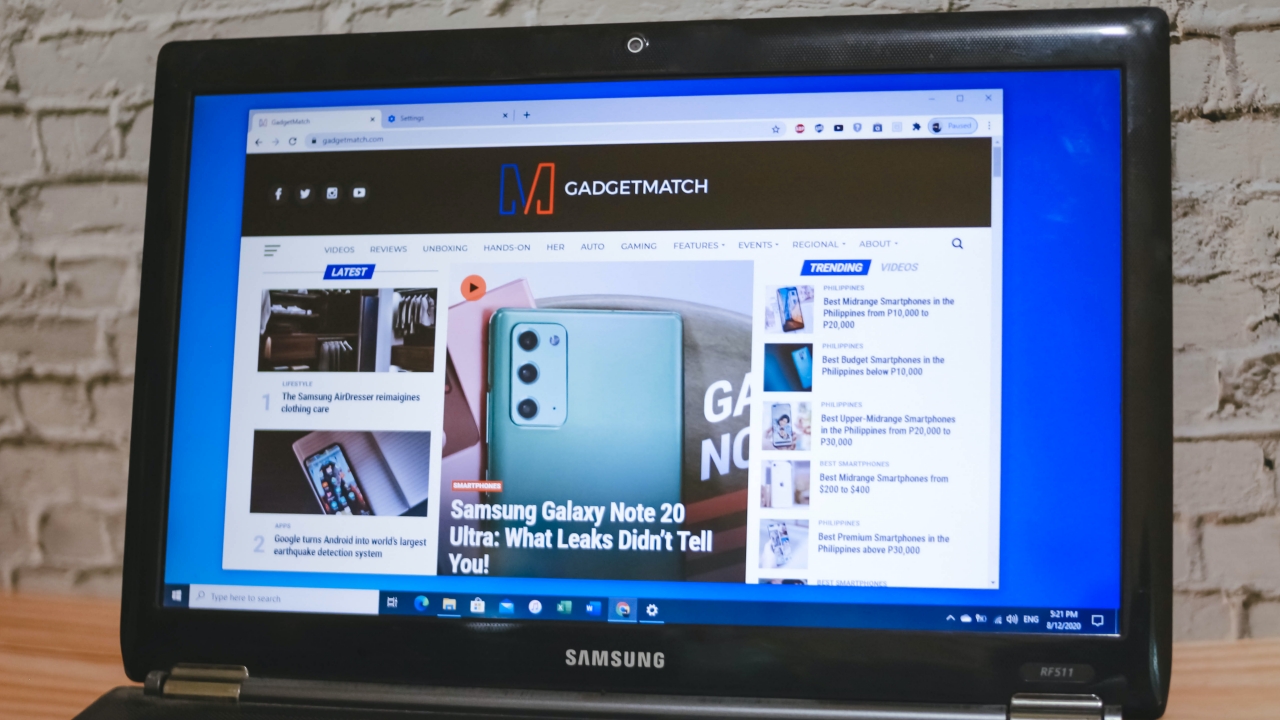
Other than that, there’s little to no lag and freezing when opening apps. In my case, I was able to open apps in a breeze. As this old Samsung laptop runs with an aging second-generation Intel Core i7 chipset, it’s surprising to see that Adobe Photoshop, Lightroom, Illustrator, and Premiere Pro are all running well.
Another testimony to how SSD improves a slow laptop’s performance is when one acquaintance told me how the SSD replacement totally helped him get over with his laggy online class and work setup due to a slower HDD paired with a low-tier Intel Pentium processor.
But where are the Office apps when I need them the most?

Online classes and work tasks require Microsoft Office services. If you can’t find an original copy (since piracy shouldn’t be tolerated), you can sign up for a one (1)-month trial of Office 365 instead. Other options are the freeware OpenOffice or real-time, online-based Google alternatives like Docs (Word), Slides (Powerpoint), and Sheets (Excel).
Older MacBooks can also be upgraded

Although newer MacBooks (Air, Pro, and Retina) cannot be upgraded anymore, older MacBook Pros (2012 or earlier) with non-Retina Display and CD drives can still be upgraded. You have options to replace your clunky HDD with a SATA SSD or even upgrade RAM sticks up to 16GB.
Just like any Windows laptop, be sure to check your Mac’s specific model/manufacturing year before purchasing essential parts. For more help, you can check out this old MacBook Pro list and their max upgradeable options.
Also, macOS / OS X installation is a little different than that of Windows. Here’s a workaround.








Apple has introduced Apple Upgrade, a new leasing program that makes it easier to get an iPhone, Mac, iPad, or Apple Watch through monthly payments. The program also gives customers more flexibility to upgrade to newer devices over time.
Apple Upgrade replaces new enrollments for the iPhone Upgrade Program with a single offering that covers four product categories. Apple partnered with Klarna to power the service.
Customers can lease an iPhone or Apple Watch for one or two years. Mac and iPad leases are available for two or three years.
At the end of the lease, customers have three options. They can upgrade to a newer device, purchase the leased device by paying the remaining balance, or return it with no further obligation.
Monthly payments start at US$17.99 for iPhone and US$24.99 for Mac, depending on the selected model and configuration. Customers must also qualify through Klarna before enrolling.
More than iPhones
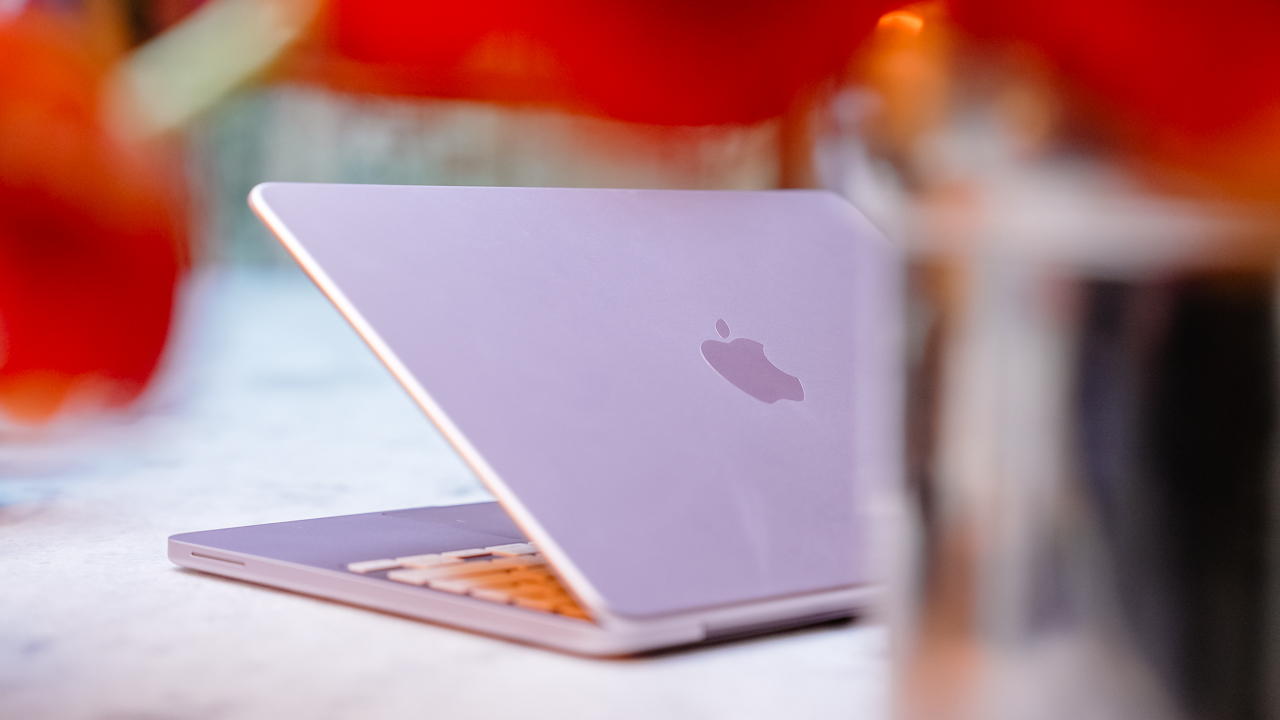
Apple Upgrade expands beyond the company’s previous iPhone-only financing program. It brings iPhone, Mac, iPad, and Apple Watch under one leasing service, making upgrades more consistent across Apple’s hardware lineup.
Customers can manage their lease through Apple, while Klarna handles financing and lease administration. They can also pay off their device early, although additional terms and fees may apply depending on the agreement.
Apple Upgrade is currently available only in the United States. Apple has not announced plans to expand the program to other regions.
Accessories
OBSBOT’s Meet Flip is your next best pocketable 4K webcam
Fold the Flip for further protection
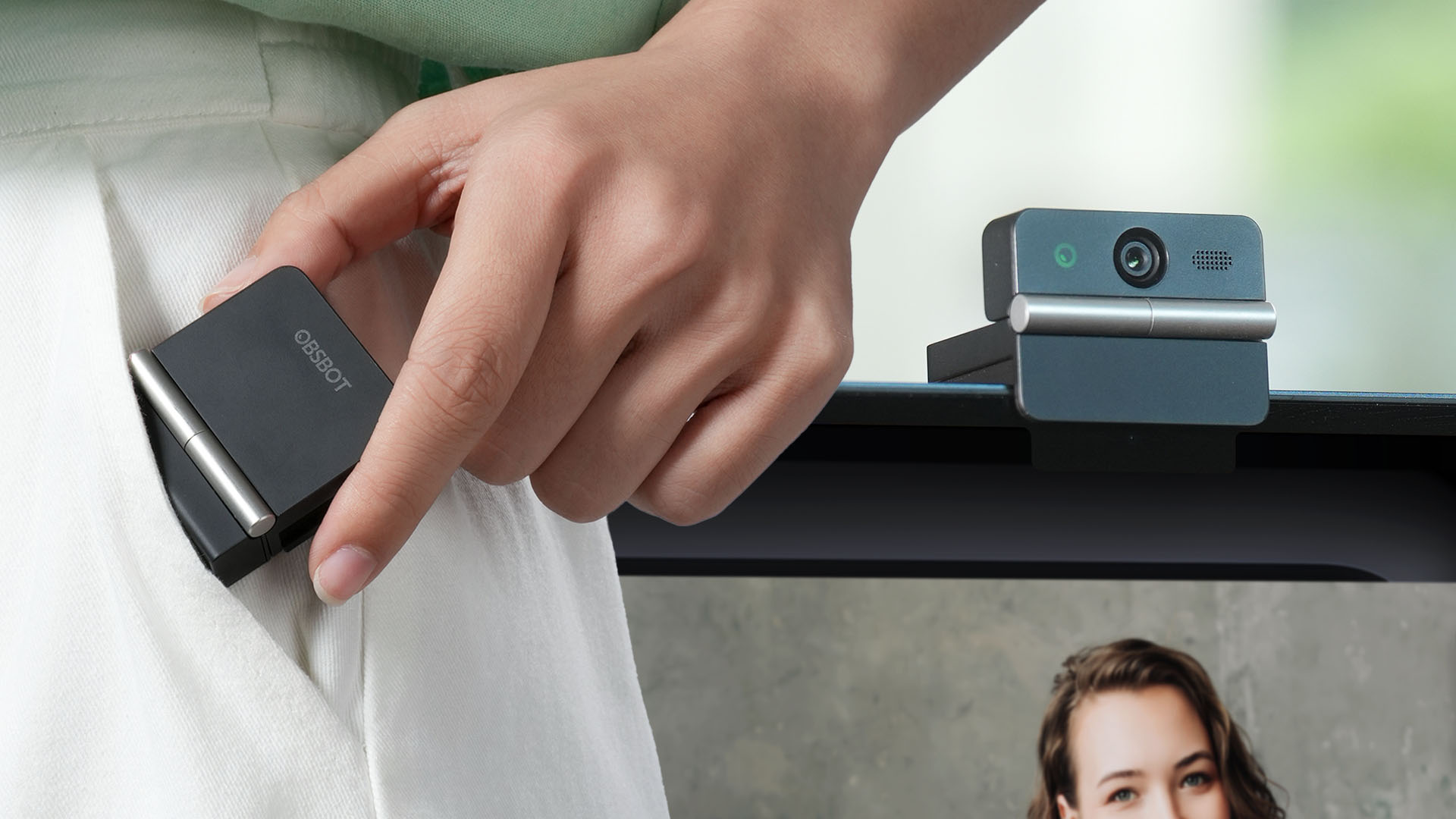
Several months ago, you might remember that OBSBOT revealed the Tiny 3 series of web cameras.
Six months after, they also unveil the all-new Meet Flip. From the name itself, it’s the company’s latest foldable 4K webcam that puts hardware privacy front and center.
Foldable and pocketable
Despite weighing just 37.7 grams, the Meet Flip aims to deliver premium webcam features for all types of users. Be it remote workers, professionals, or content creators.
Graphics by Vincenz Lee | GadgetMatch
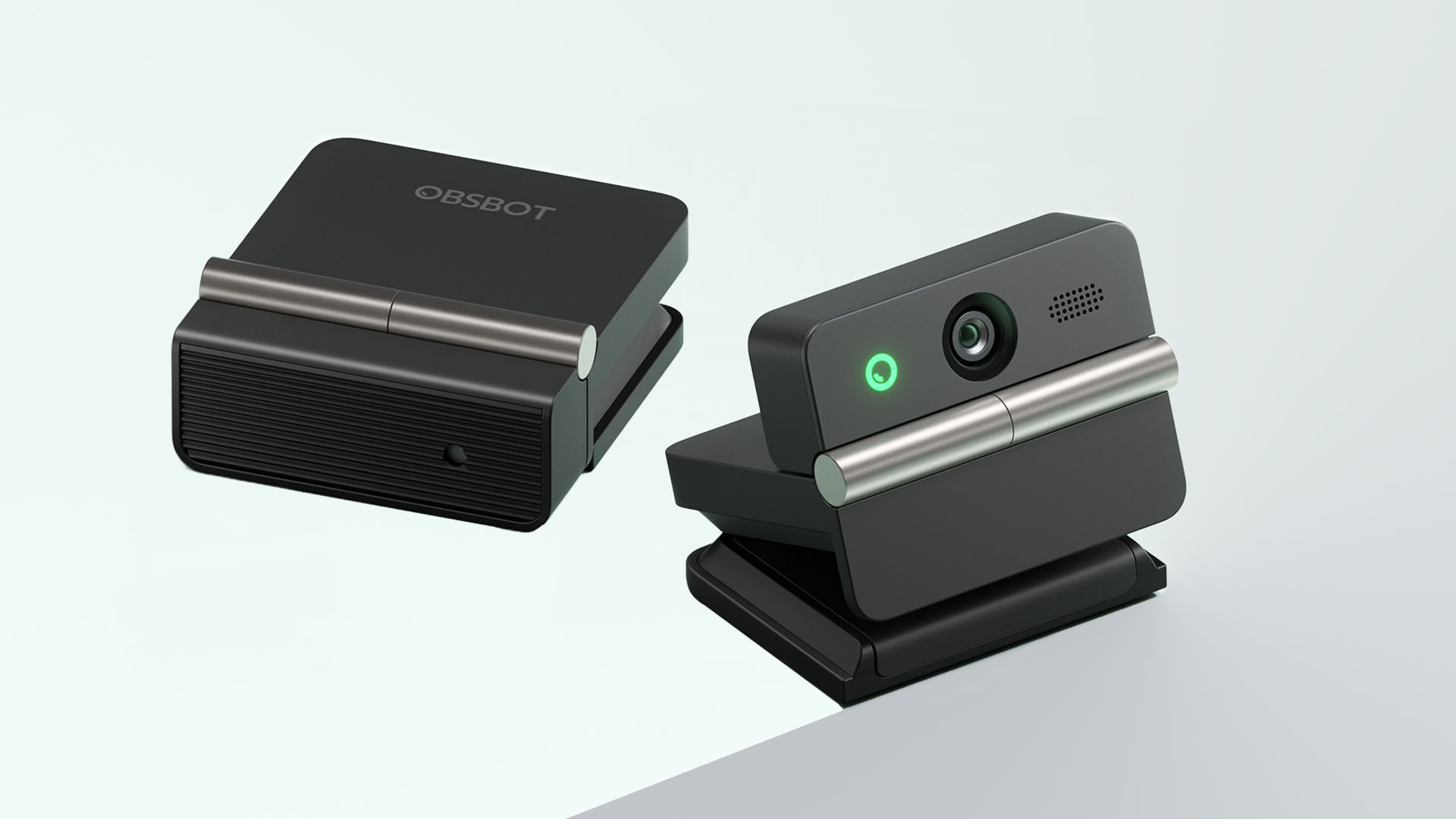
Undoubtedly, the biggest highlight has got to be the webcam’s folding design. Not only it’s portable, it protects your privacy too.
Closing the device physically blocks the lens, giving users a visual confirmation that the camera is no longer active. When it’s time for a meeting, simply unfold it and it’s ready to go.
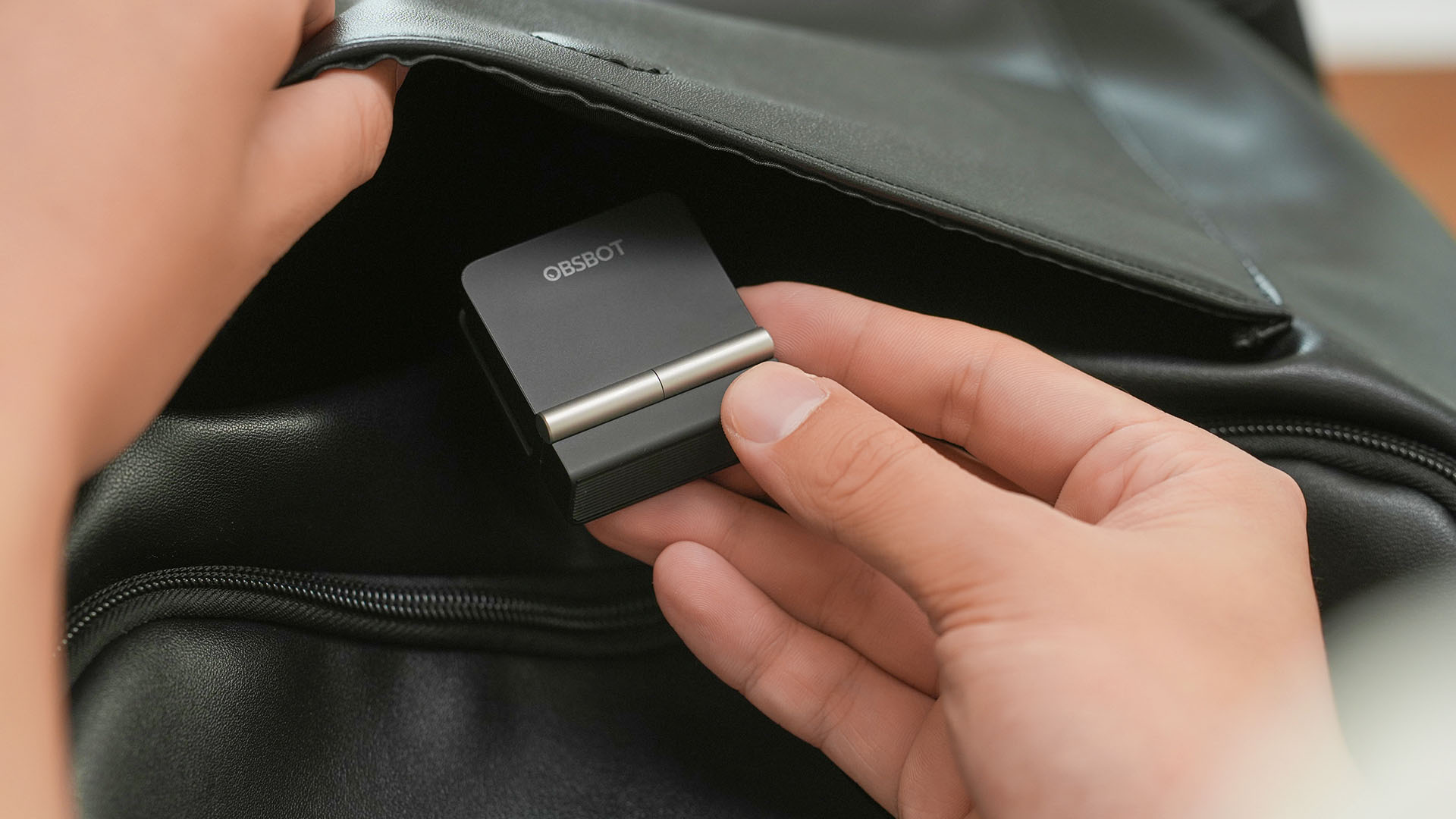
That lightweight body also features a built-in mounting clip that works with laptops, monitors, and tripods. Users can mount it in landscape, portrait, or even upside-down orientations depending on their setup.
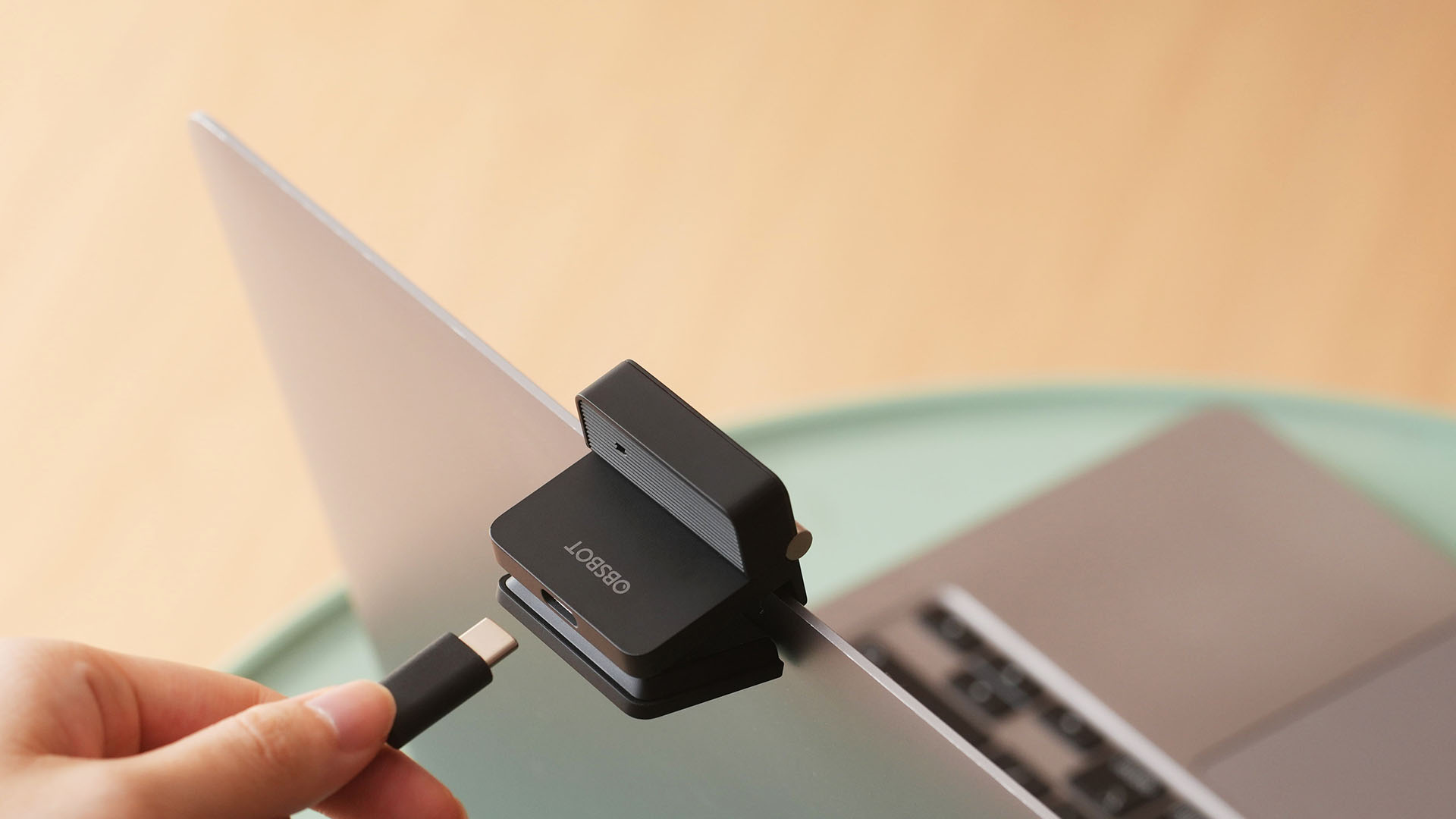
Despite that absurd amount of lightweightness, the OBSBOT Meet Flip is still able to house a 1/2-inch Exmor RS stacked CMOS sensor with Quad Bayer technology. That’s something more commonly found among bigger and higher-end web cameras.
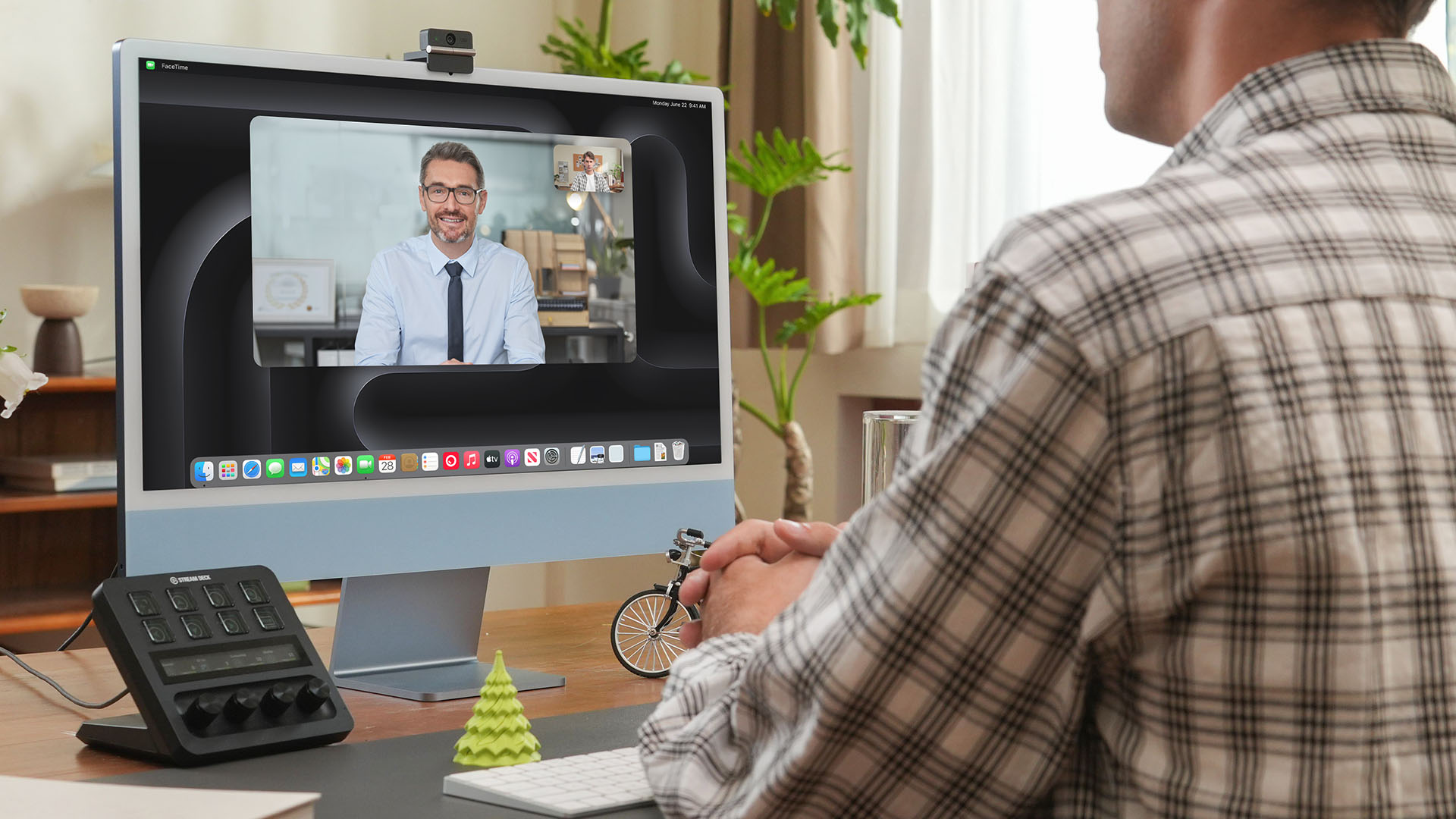
Other camera features include:
- 4K video recording / 30fps
- 1080p recording / up to 60fps
- HDR support for challenging lighting
- Phase Detection Autofocus (PDAF)
- 4x digital zoom
- f/1.8 aperture with ISO 100-6400 support for low-light environments
Beyond just video calls
The OBSBOT Meet Flip isn’t just packed with serious camera hardware, it’s seriously intelligent as well.
The Meet Flip supports AI Auto Framing. This automatically keeps users centered during meetings — regardless if they are presenting alone or with a group. Gesture controls also let users activate framing or adjust zoom without touching the keyboard or mouse.
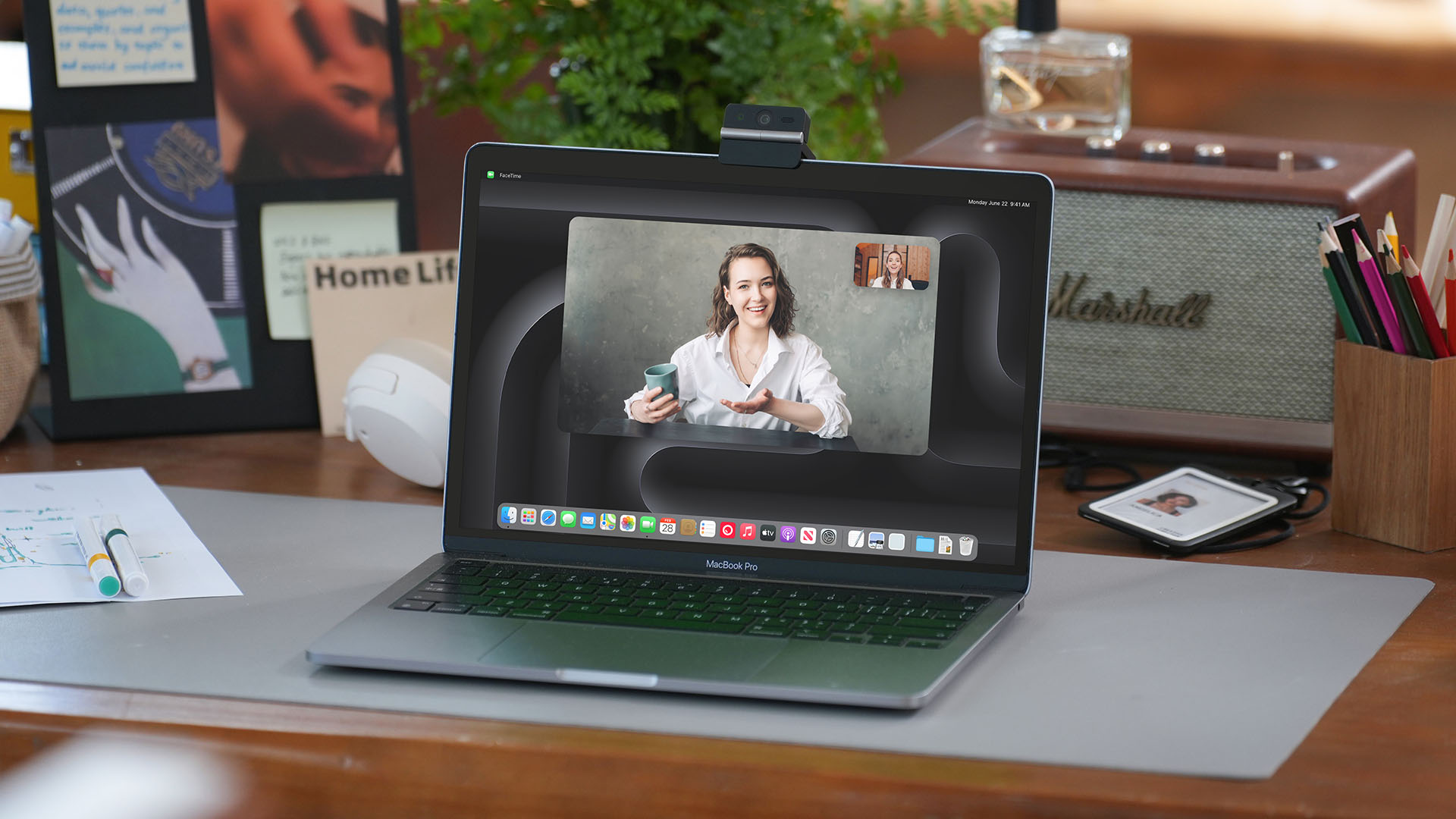
Another standout feature is AI Magic Notes which provides real-time meeting transcription and automatically generates summaries, action items, and key discussion points.
The feature works with Google Meet, Zoom, and Microsoft Teams through OBSBOT Center. Every webcam includes complimentary transcription of 120 minutes.

With that being mentioned, OBSBOT Center also makes users gain access to software features such as background blur, virtual backgrounds, beauty mode, and picture-in-picture overlays for presentations.
Those who want more advanced controls can enable Smart Eye Tracking, teleprompter support, and manual image adjustments.
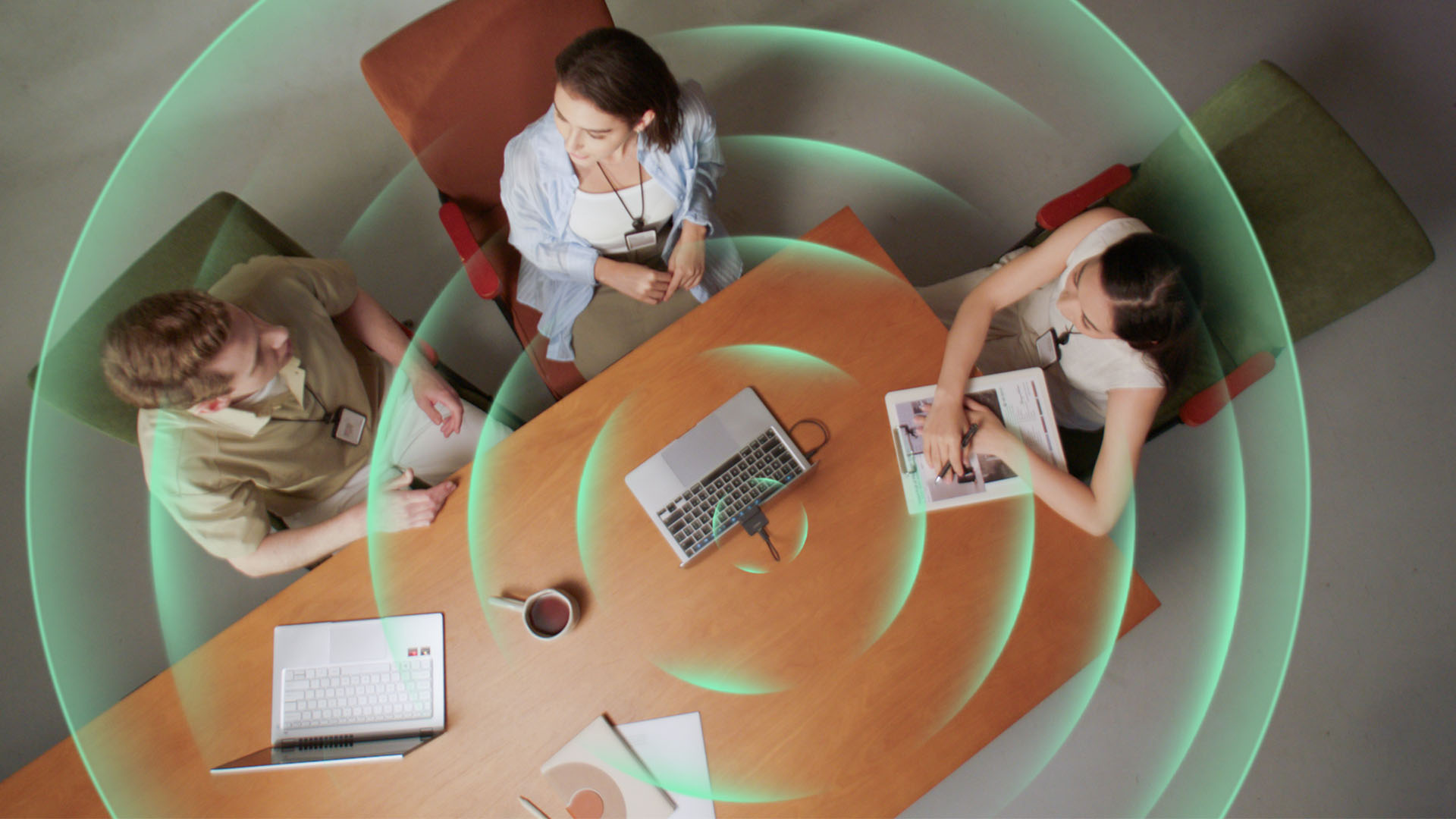
Audio also gets an upgrade through an intelligent dual-microphone system that offers four recording modes:
- Directional Mode / solo calls
- Dual-Directional Mode / interviews
- Smart Omni Mode / group meetings
- Pure Audio Mode / unprocessed stereo recording
AI Noise Reduction and Automatic Gain Control are also available across most modes to help improve voice clarity.
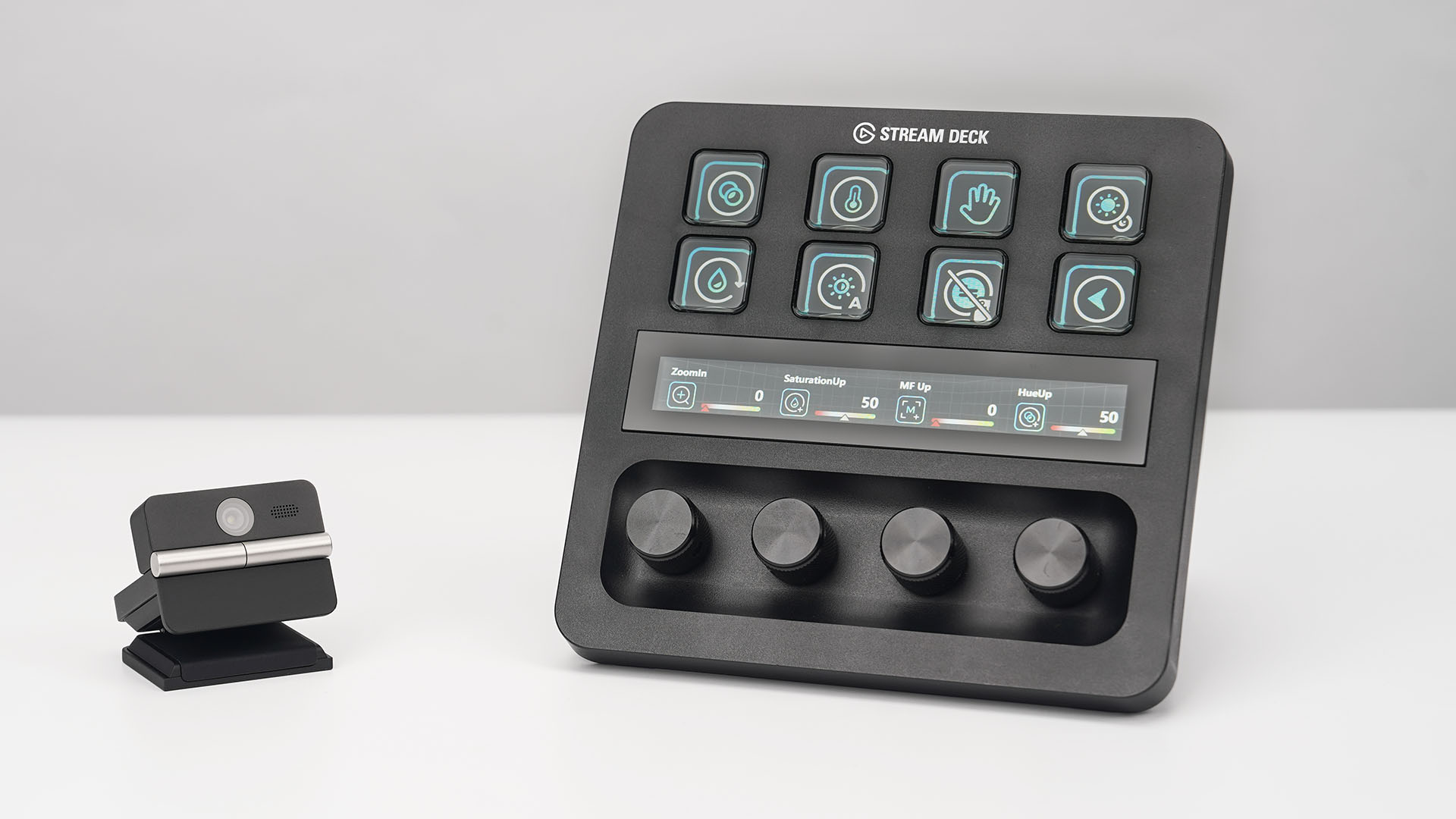
OBSBOT’s Meet Flip is also compatible with mobile devices through the OBSBOT Live app and supports integrations with accessories including Elgato Stream Deck, Nintendo Switch 2, and UVC-to-NDI/HDMI adapters.
Pricing and Availability
The OBSBOT Meet Flip is available starting today for US$119 through OBSBOT’s online store, Amazon US, and select retailers worldwide. Regional pricing may vary.
This is coming from someone who has done countless unboxings and has touched a wide variety of devices — the ASUS ExpertBook Ultra was… alright.
My first impression was that it certainly didn’t wow me as much as I expected it to after having read the brief, nor even after attending the tech seminar where ASUS laid out its vision for the laptop.
That’s probably the strangest thing about the ExpertBook Ultra. Because after having spent more time with it, the laptop grew on me.
Put cheekily, the ASUS ExpertBook Ultra wasn’t the laptop that made my head turn. Instead, it was the laptop that kept showing up consistently. Before I realized it, it’s become the one I wanted to keep coming back to.
And I think that’s the best way to describe my experience with ASUS’ flagship business notebook.
The laptop sneaks up on you.
Built to be carried

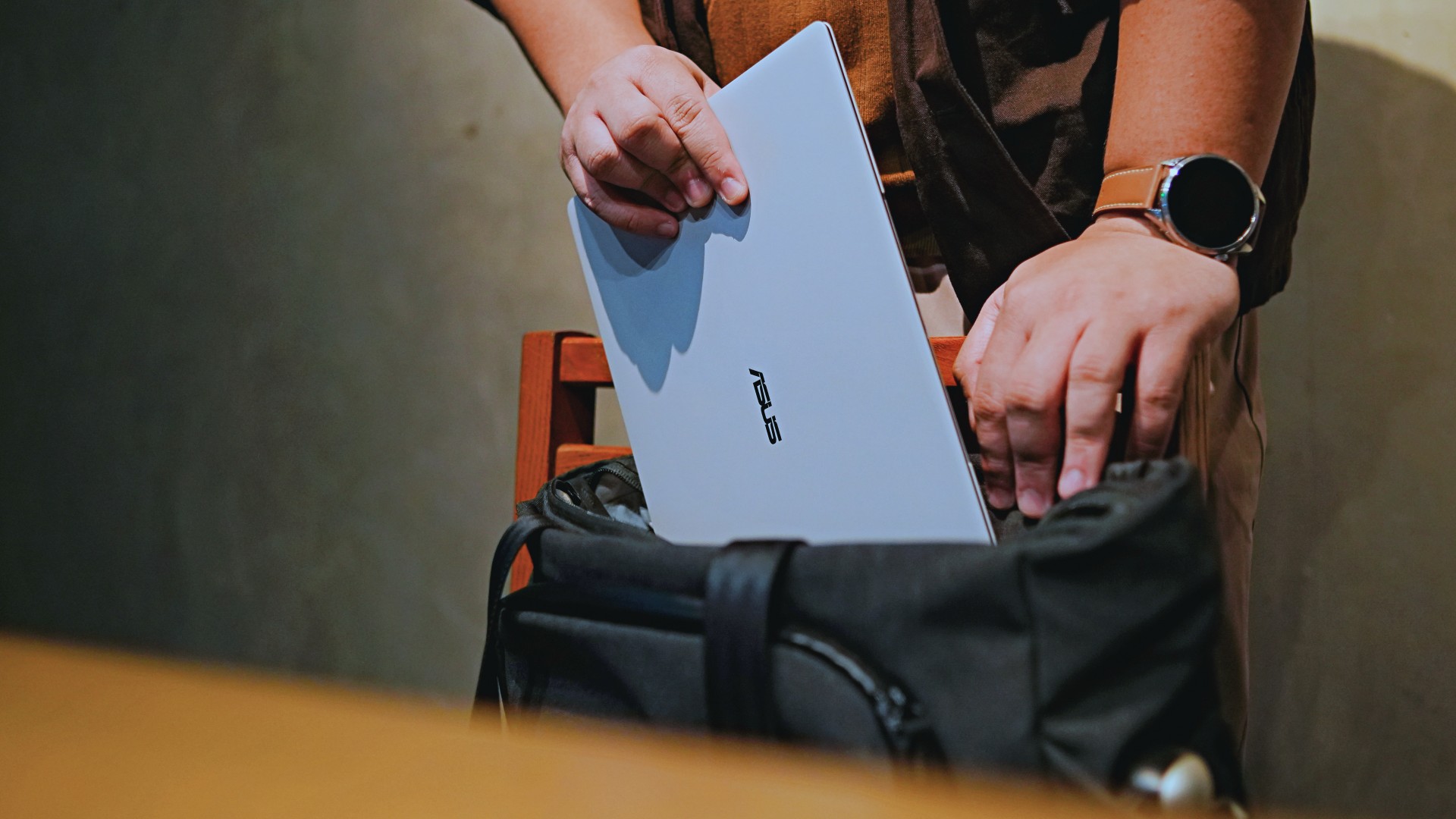
I got the laptop right after Computex 2026 coverage. That meant my days were closer to how they normally are. That also meant I had to be more intentional about going out and bringing it with me as I tackled my day-to-day duties.
I normally carried it using my trusted EDC — the Alpaka Bravo Tote — and I have to say it definitely felt lighter than my usual laptop, which is the MacBook Pro M4.
The Apple laptop I regularly carry is, I have to admit, chunkier than I would prefer. So having the ExpertBook Ultra for about a week or so literally felt like some load was taken off my shoulders.
Did I ever forget it was there? I wouldn’t go that far.
But if you’re asking me which one I’d rather carry based on build and weight alone, I would, with no hesitation, reach for the ExpertBook Ultra.
That says a lot considering how attached I am to my usual setup.
ASUS likes talking about how light the ExpertBook Ultra is. Normally, that’s the sort of marketing line I acknowledge and quickly move past.
This time, I actually felt it.
The Nano Ceramic effect

One of the first things ASUS will tell you about the ExpertBook Ultra is its Nano Ceramic finish. I’ll admit, it felt like one of those things that sounds good on a slide presentation.
It’s one of those things that look gimmicky at first but actually feels incredible once you come across it on a daily basis.
It’s still early, so you can consider this very much part of the honeymoon phase with the laptop. Even so, the Nano Ceramic finish continues to inspire a bit of awe every time I pick it up.
I do feel like a little weirdo caressing the laptop ever so gently before I begin the day’s work wherever I may be. But that’s just a testament to how good it feels to touch.
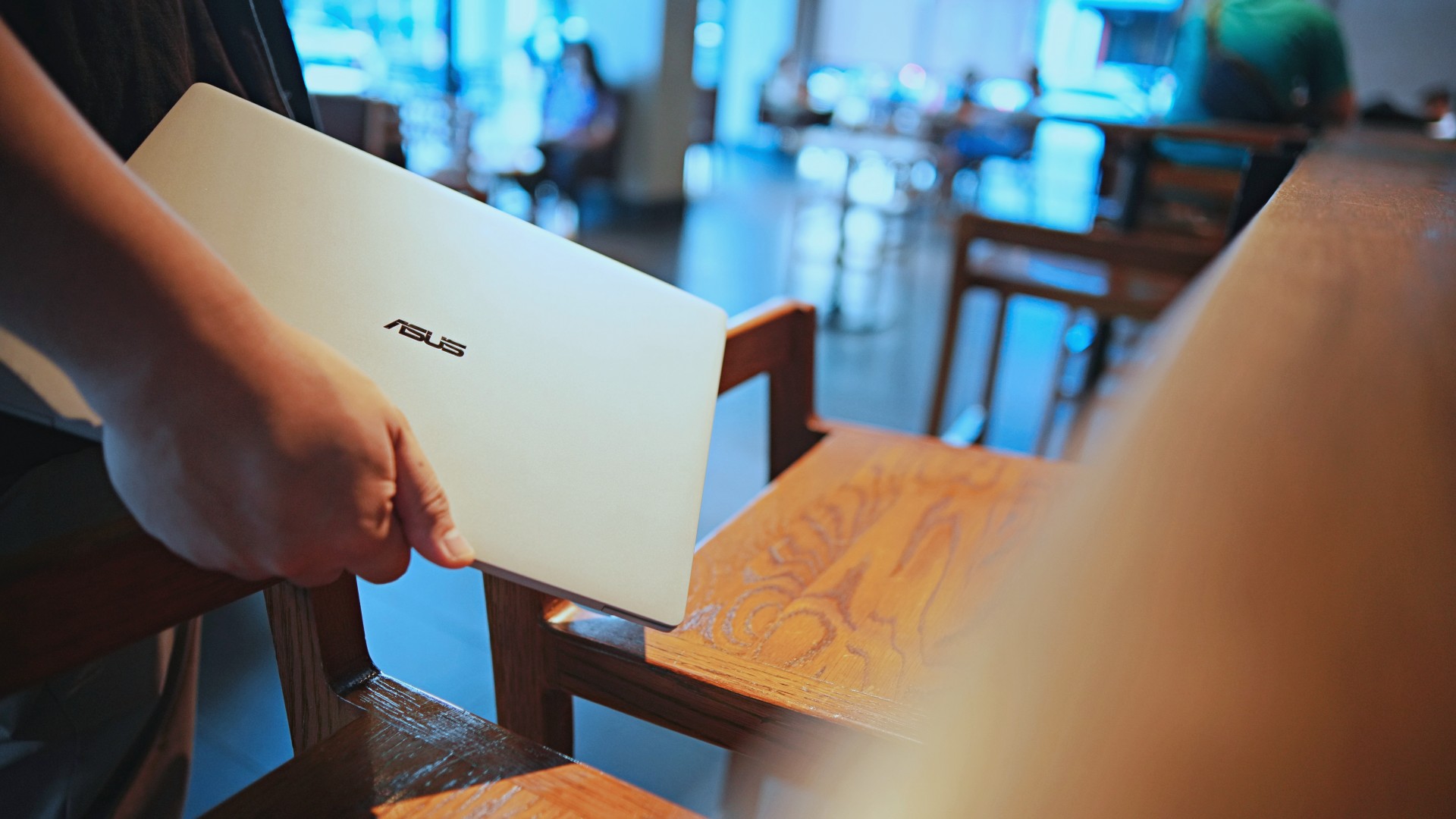
And yes, it does reinforce the feeling that, “Hey, I’m working on a pretty fancy piece of machinery.”
It’s easy to underrate the effects of that feeling, but it’s those little intangible things that can sometimes help unlock perspectives and possibilities.
That’s not something you’ll find on a spec sheet. But it’s absolutely part of the experience.
A display that’s difficult to stop staring at

It also helps if STAYC Isa is on screen.
The display is magnificent.
As Captain America would say, “I can look at this all day.” Not the exact phrase, but you’re smart. You get it.
The OLED and matte coating is just a killer combo. Kind of like the Chaewon and Yeji “That’s a No No” challenge collab. Pardon the months-old K-pop reference. I’ve been so busy I haven’t really kept up with what’s new.
Anyway, the combination just comes at you unapologetically and you have no recourse but to bask in it. Maintaining the deep blacks and crisp colors is such a gift to your eyes.
I often sit right next to big windows when I’m out in cafés and the light did nothing to dull the effect of the display.

Two love, two love. I’m falling.
It was so good I often found myself fully diving into STAYC’s 2 LOVE music video in between writing this very review and coordinating with my team.
The matte coating deserves special mention here.
OLED panels already look fantastic. Pairing one with a matte finish that helps cut reflections without sacrificing the strengths of OLED makes for one of my favorite laptop displays in recent memory.
Typing just clicked

This is one of my favorite keyboard experiences. Things just clicked right from the start. No awkward feeling-out phase whatsoever.
I was touch typing like I was Doctor Strange trying to look into over 14 million possible outcomes and still landing on the right key every single time.
The keys feel closer to chiclet-style keyboards than anything else. Even so, the spacing is perfect and the travel satisfying.
Then there’s the haptic touchpad.

I typically don’t like using mice, especially when I’m out and about. With most Windows laptops I’ve used in the past, that eventually becomes a necessity.
That wasn’t the case with the ExpertBook Ultra. It’s easily one of the best-feeling touchpads I’ve used in recent memory.
My standard for touchpads has always been MacBooks. While the software is also doing some heavy lifting in that particular setup, the ExpertBook’s own comes pretty close.
That’s not praise I hand out lightly.
Performance that feels like overkill
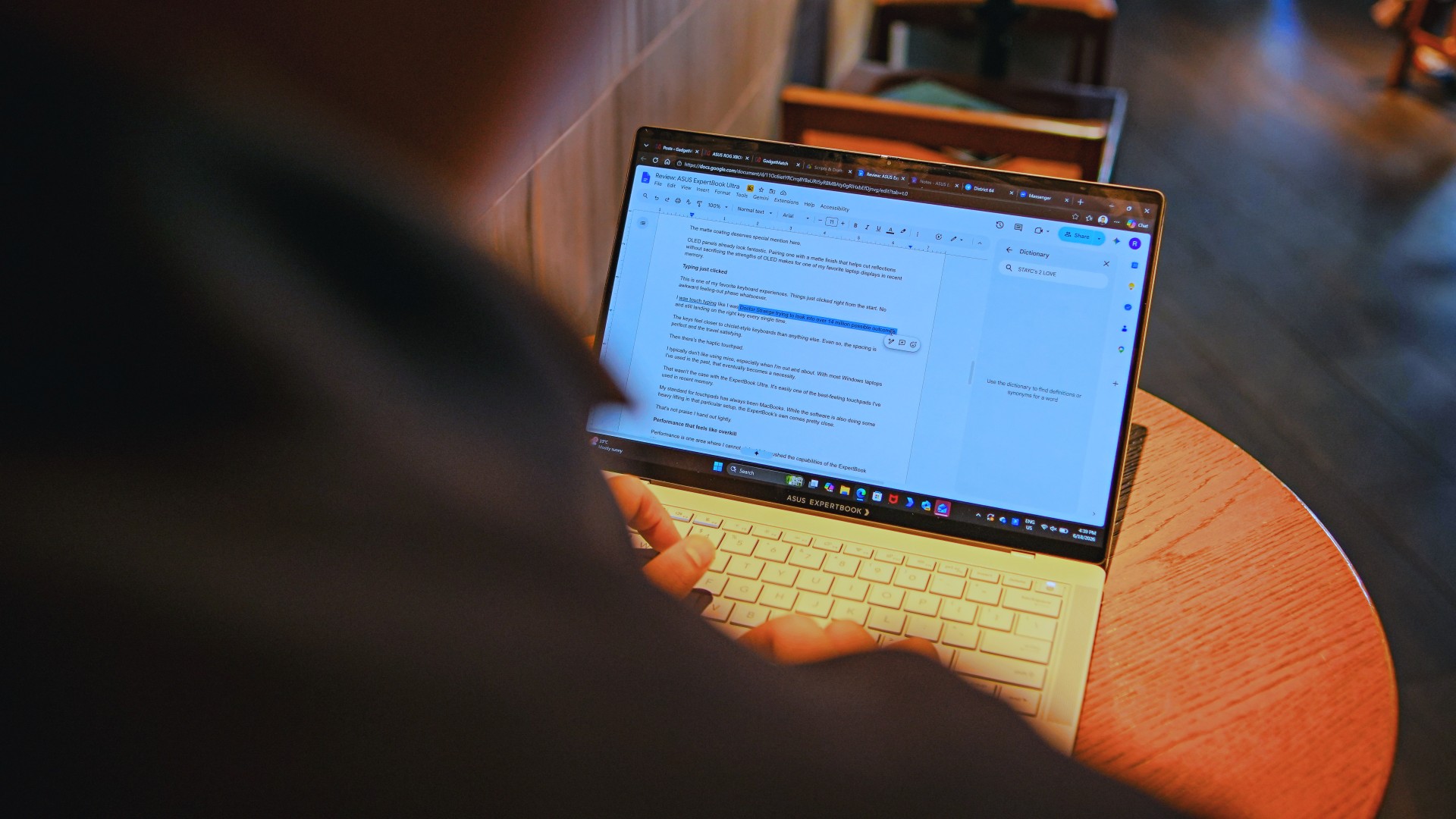
Performance is one area where I cannot claim I fully pushed the capabilities of the ExpertBook Ultra.
Most of my tasks are browser-based. Plenty of tabs open, sure, but I don’t think I ever came close to really testing the capabilities of this business notebook. I imagine that would be the case for most of ASUS’ target audience.
Upon seeing the specs, I already knew this was going to be a bit of an overkill for my own use case. My time with it only proved that assessment.
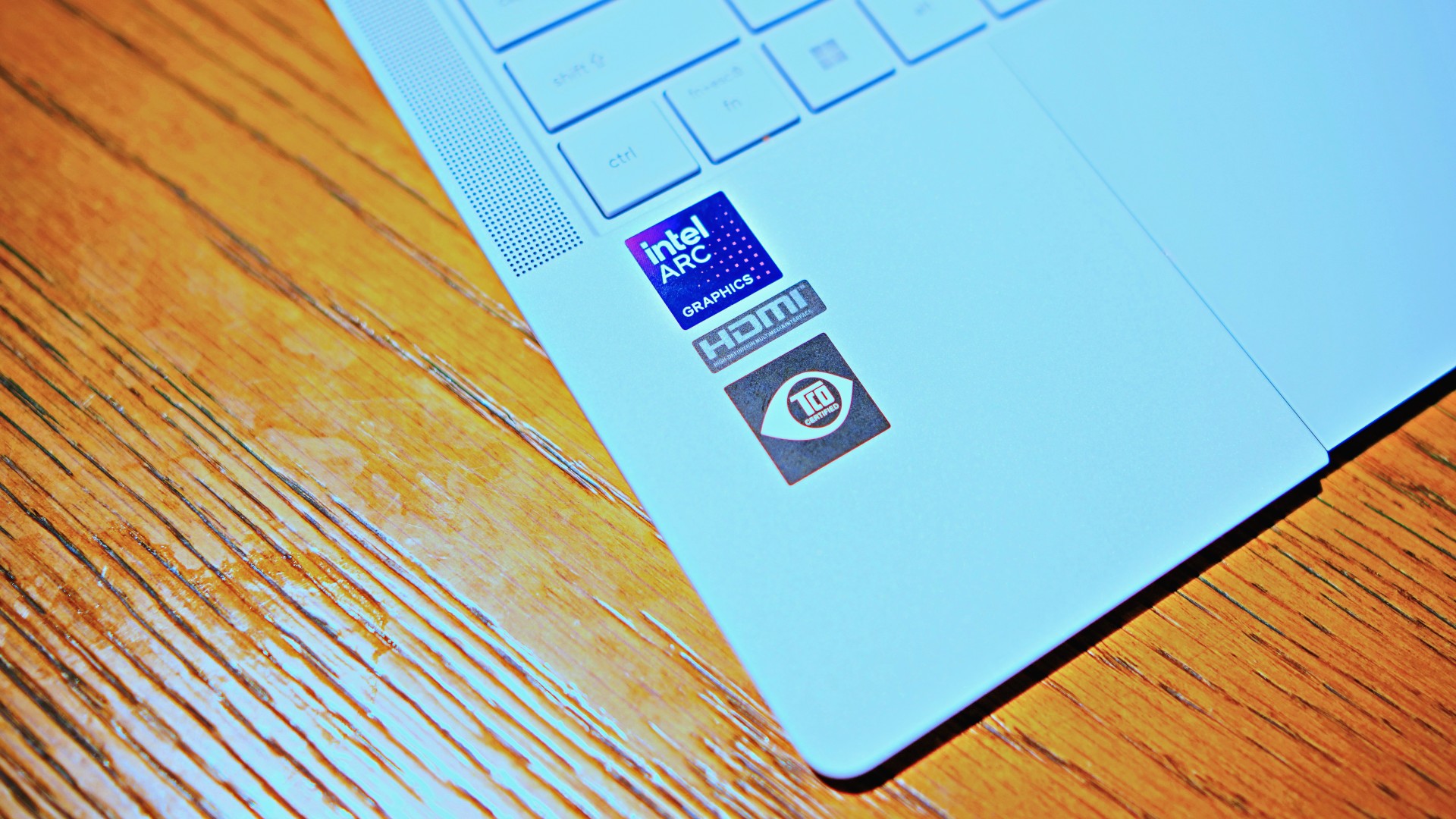
The most I did with it was jump between browser tabs and chat apps, letting ChatGPT help me process unresolved feelings and questionable timing while I dealt with coordinating shoots, writing scripts and reviews, and dealing with external forces that leave me feeling drained.
Never once did the laptop feel slow. Never once did I find myself waiting.
What noise?
Speaking of things I didn’t notice, let’s talk about fan noise.
Again, since I didn’t really push this thing to its absolute limits, the fan never really kicked into high gear at any point during my time with it.
The same goes for thermals.
No task I did ever raised the temperature to uncomfortable levels. The laptop simply went about its business. Which, come to think of it, is probably the most business-laptop thing I can say about it.

Battery life that simply works
I was very impressed with its overall efficiency.
When I go out to work, I typically don’t stay out longer than five to six hours. Most of the time that’s five to six hours of really focused work—with some K-pop loving in between.
Being generally risk-averse, I still always brought my usual charger with me. Not once during my time with the device did I feel the need to plug in while working outside.
I would typically end my café work days somewhere between 30 to 40 percent and only juice the thing up once I got home while it was closed and not in use.
That’s exactly the kind of battery experience I want from a business laptop.
The AI question
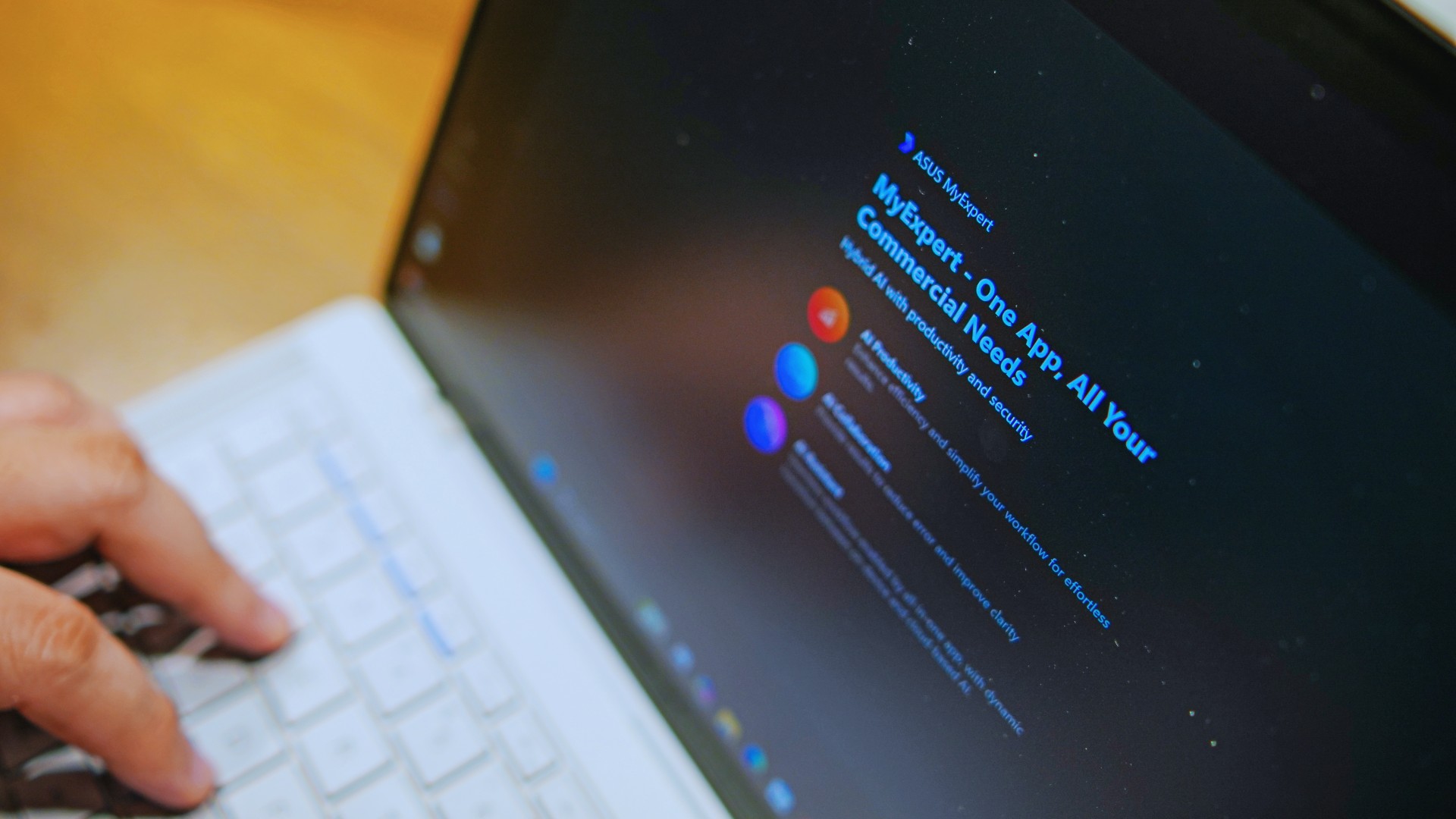
The thing I struggle with when it comes to AI features on this machine is that a lot of them are Windows-based and that’s just not the AI I find reliable.
Right now, many of these features are nice-to-have.
I’m sure one of ASUS’ target users will likely find a use case for them.
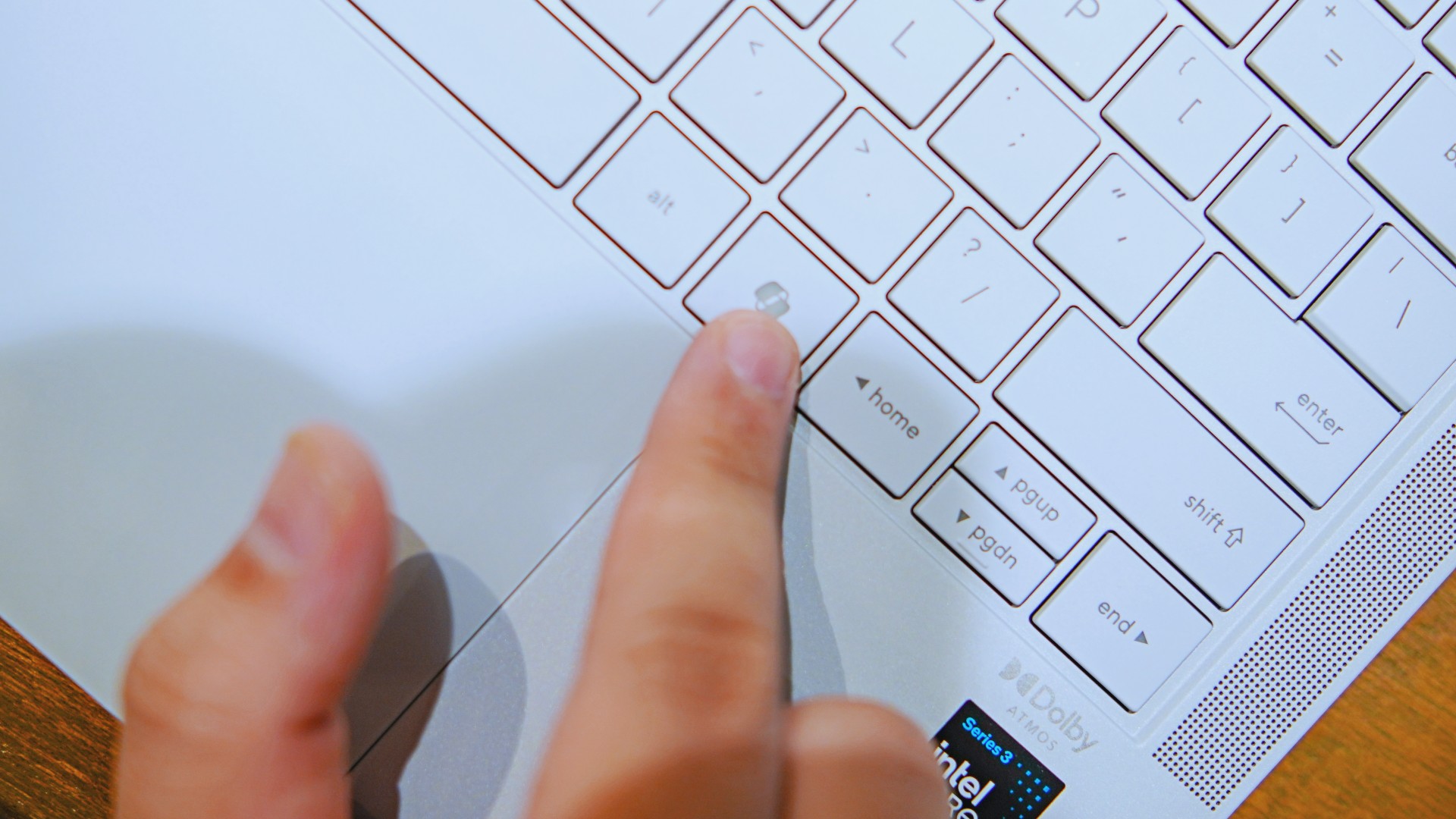
As for me personally, this is one area I’d have to dig deeper into to actually find ways to integrate them into my workflow and general usage.
And honestly, that’s okay. The AI features weren’t the reason I kept reaching for the laptop.
Who is this actually for?

That’s a loaded question. Really, it’s built for anyone who can afford it.
With a starting price of PhP 129,995, this device comfortably sits in aspirational territory.
What I know for sure is that this is a machine for someone who’s already built some momentum in their chosen field and would like to level up.
The ASUS ExpertBook Ultra gives you a machine that can handle your business now and inspire you to dream bigger about your future.
Is the ASUS ExpertBook Ultra your GadgetMatch?
The thing I kept coming back to with the ExpertBook Ultra is that there is no one thing that made me turn to it.
Instead, it’s the combination of everything that it brings to the table. The premium-feeling build, lightweight design, wonderful display, excellent keyboard and touchpad. efficient performance, and the thoughtful extras. Together, they make it a laptop that’s easy to recommend to anyone who’s ready for it.
But what does ready for it actually mean?

It means it’s for people who have leveled up quite a bit in their grind and want a machine that matches their current status and future aspirations.
That’s what the ASUS ExpertBook Ultra represents. A modern classic that’s ready for now and whatever comes next.
That’s why it didn’t wow me. But it certainly won me over.

realme C100: Enduring and durable in spite of entry-level realities
Enough power but needs more agility


The ASUS ExpertBook Ultra wins you over
The laptop sneaks up on you


Nexal Watch Sport review: A rugged watch for small budgets
I couldn't believe that watches this good could come for this cheap.

Google will force Android users to use Gemini next month

Tides of Annihilation opens first public demo at Gamescom 2026

Street Fighter 6 adds first Filipino fighter Yasmine to its roster

Peak Design’s new City Line combines minimalism and color

Gangstar Mirage City launches on August 20 with SEA localization

New York becomes first state to ban smart glasses

Sony launches IER-M500 in-ear monitors

Microsoft dictates that a new Fallout game is coming

HoYo FEST 2026 details announced; tickets on sale from July 16
realme C100: Enduring and durable in spite of entry-level realities


-

 Automotive3 days ago
VinFast debuts two-wheeler models, opens 21 e-motorcycle showrooms
-

 Gaming2 weeks ago
FINAL FANTASY X | X-2 HD Remaster launches on Nintendo Switch 2
-

 Accessories2 weeks ago
CASETiFY revives Spider-Man collection for Brand New Day
-

 Computers2 weeks ago
AORUS MASTER 16 Gen 2 2026 AI gaming laptop launches
-
 Computers7 days ago
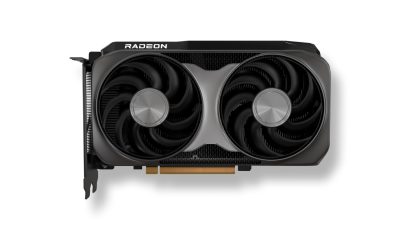
AMD launches Radeon RX 9050 graphics card
-

 Gaming1 week ago
God of War Laufey finally confirms its highly anticipated launch date
-

 Automotive5 days ago
Xiaomi debuts SkyNomad Series featuring new Kunlun platform
-

 Philippines2 weeks ago
OPPO Reno16 Series 5G is coming soon to the Philippines