


Hands-On
The marriage of engineering, technology, and design
The Mate Xs 2 reminded us of what we used to love about Huawei

Thin. Light. Flat.
These words got me ecstatic, knowing that it’s been years since the first foldable devices came out and these aren’t the words we used to describe them.
Huawei certainly has come a long way, fighting head-to-head with Samsung back in 2019 in bringing a taste of the future.
The company, pressing on after the US-Google-Huawei fiasco, strives to refine its portfolio of foldable smartphones.
Now, in case you’re confused, the first foldable — the Huawei Mate X — was launched in 2019. Huawei introduced the Mate Xs in 2020, and then the Mate X2 in 2021. Later that year, Huawei also brought the P50 Pocket, the direct rival of the Galaxy Z Flip 3.
In 2022, the Huawei Mate Xs 2 undoubtedly succeeds the Mate Xs, continuing its prominent outward-folding design. Let’s take a look at the world’s thinnest and lightest foldable yet.
Elegantly refined in a design that’s imperfectly perfect

One thing I like about Huawei’s smartphones is how they all look classy and elegant. The formula they’ve used to win many hearts over — as seen on the Huawei P and Mate line from a few years ago — is carried vehemently to its foldable lineup.
Up front, when folded, the Mate Xs 2 looks like your regular slate. Tall, boxy yet somehow curvy, and looks and feels sturdy. It has a 6.5-inch OLED display, much like the same slab you see today.

Behind that sleek glass is the folded, extended screen. It makes the device look thick when you check its bottom. But somehow, the cuts and edges fit perfectly, housing the speaker grilles, the SIM Card slot, and the USB-C port.

Flipping the device, you’ll find the extension of the screen. It snugs tightly, locking beside the camera strip together with a button that unfolds the Mate Xs 2.

When you press the button, it releases the lock and the screen rises.
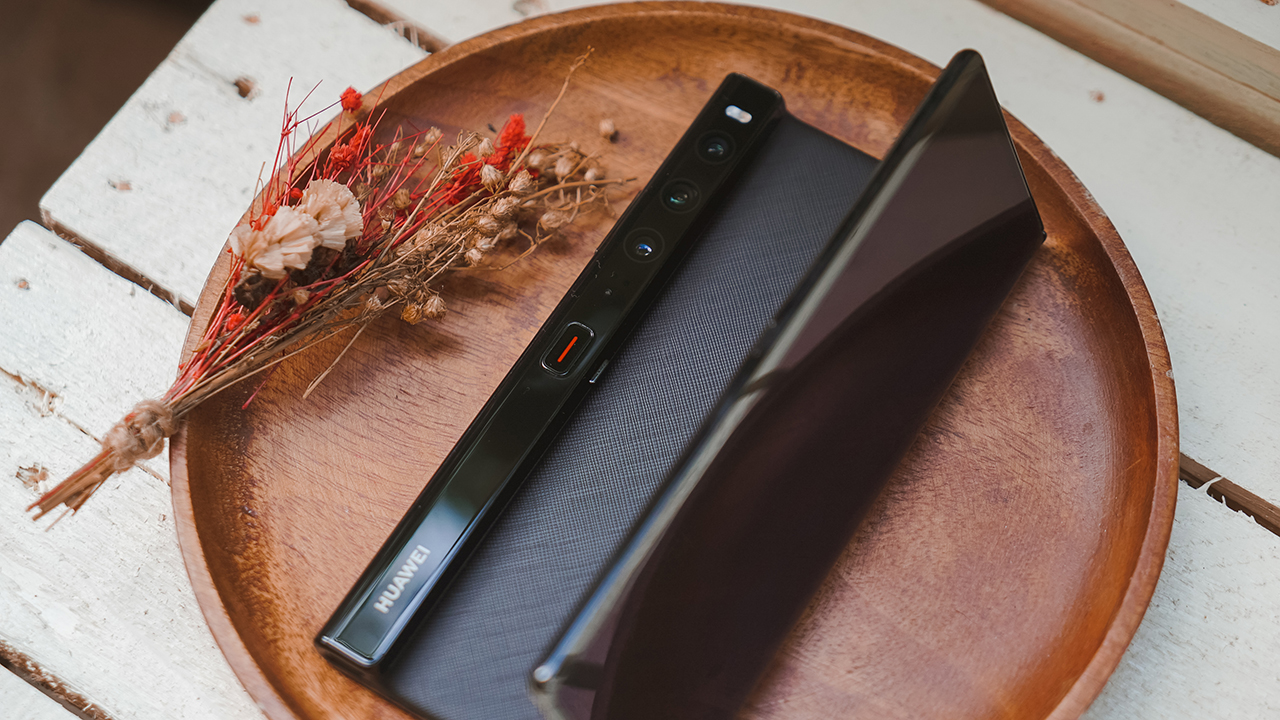
Releasing the lock allows the device to stay in the same position. Yes, it’s still up to you to force it to get that large, square-like screen you expect out of a foldable device.
But let’s forget about that for a moment. Underneath, you can find a diagonal plaid pattern in a leather-like texture. While I loved anything and everything white, Huawei refined the way black smartphones should be. J’adore!

This one has more personality, looks sophisticated, and — beyond the marvelous appearance — has a sense of functionality, too. The texture aids the phone in keeping it durable and scratch-resistant.
A friendly reminder that style without substance is nothing. Don’t be fooled by grand showcases if it only exhibits lavishness without addressing the more important stuff.
Thin but not like ice

Upclose to its back, you can find the hinge gluing the screen together. Huawei attributes its precise and fluid movement to its new-generation Double-rotating Falcon Wing Hinge design.
With this proprietary technology, I’m still gobsmacked by how Huawei packed all the components tightly. This feels like the ASUS Zenfone 8 which shrank its components to achieve a compact form factor, but with a trickier and more intensive process.
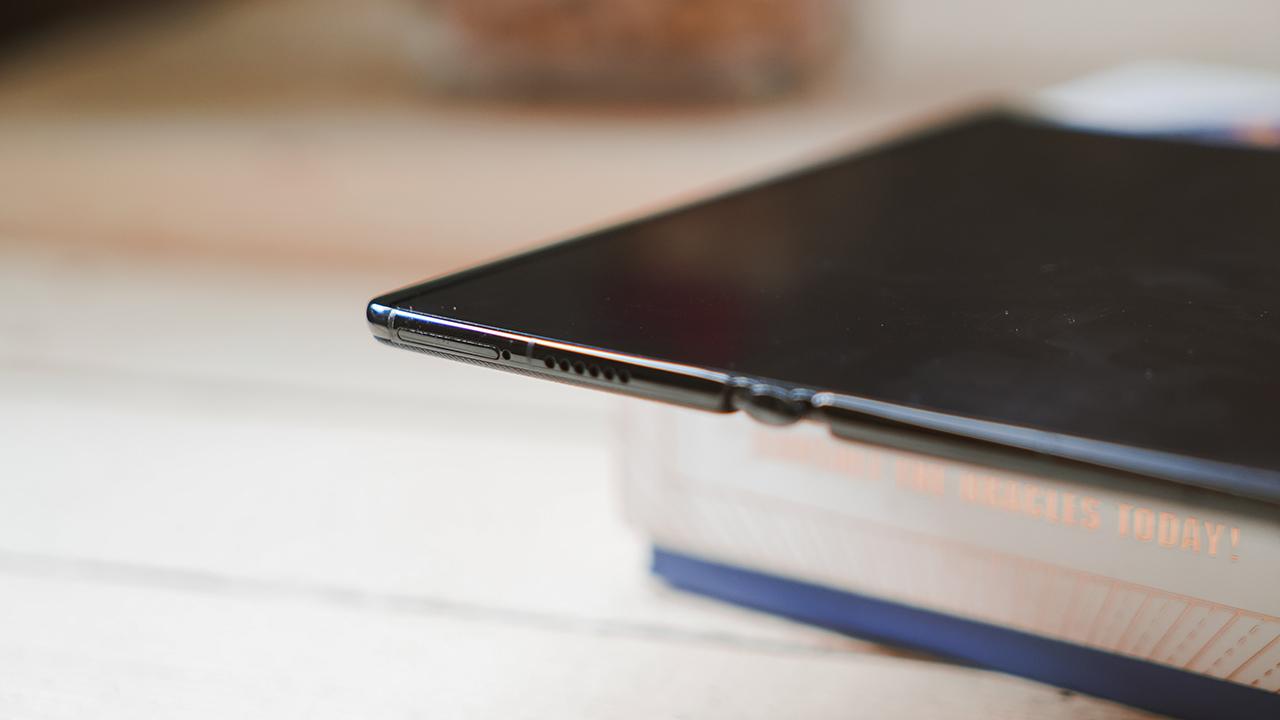
Nevertheless, this fusion of engineering and design allowed Huawei to create the thinnest, flattest, and lightest foldable — with no visible crease.

Regardless of the angle and lighting condition, the Mate Xs 2 really doesn’t exhibit any crease on its display.
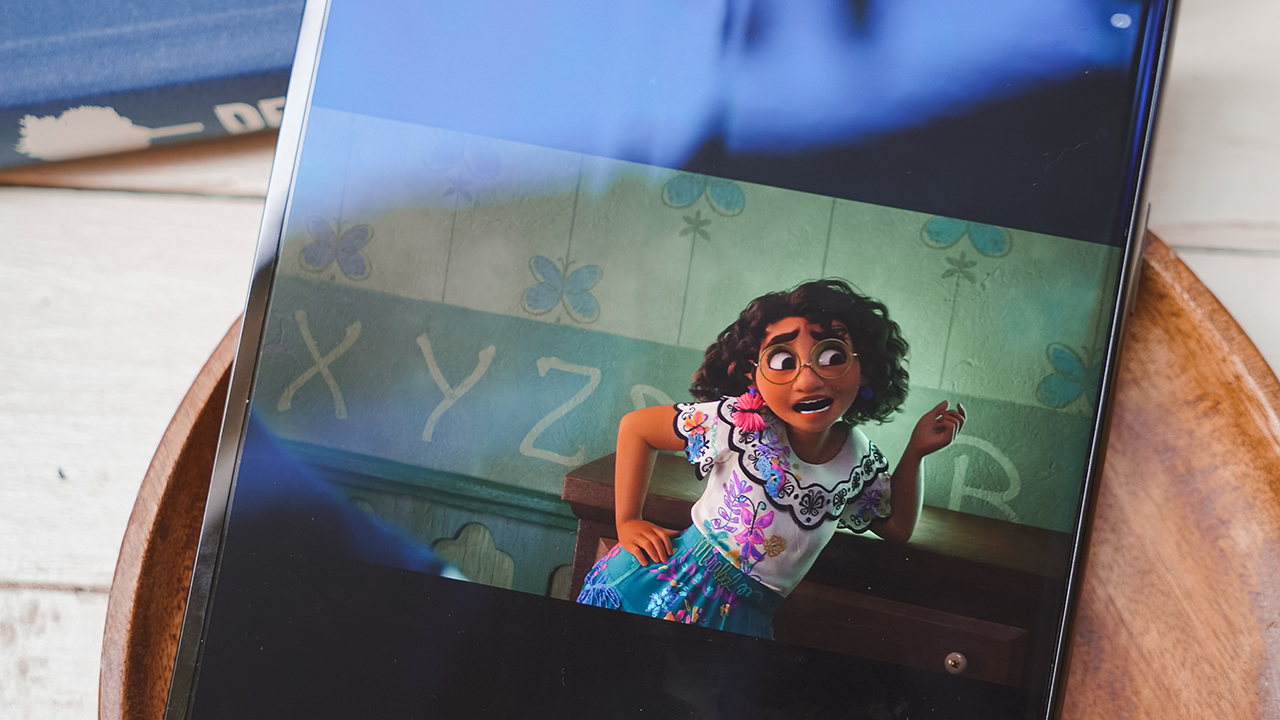
It makes the smartphone usage pleasant to the eyes — and even your fingers, simply because the crease is barely felt. And frankly, you’re more likely to swipe and scroll on the right side of the phone instead of the part where the hinge is.

While the Mate Xs 2 is pretty thin, weighing only 255g with a thickness of 5.4mm when unfolded, it’s easy to carry and hold.

Even when folded, which comes with a thickness of 11.1mm, the Mate XS 2 is easily gripped and fits your spaces like any slab smartphone.
Gorgeous, “sturdy” display
Besides the huge leap in engineering and design, the Huawei Mate Xs 2 is emblazoned with top-of-the-line display technology.
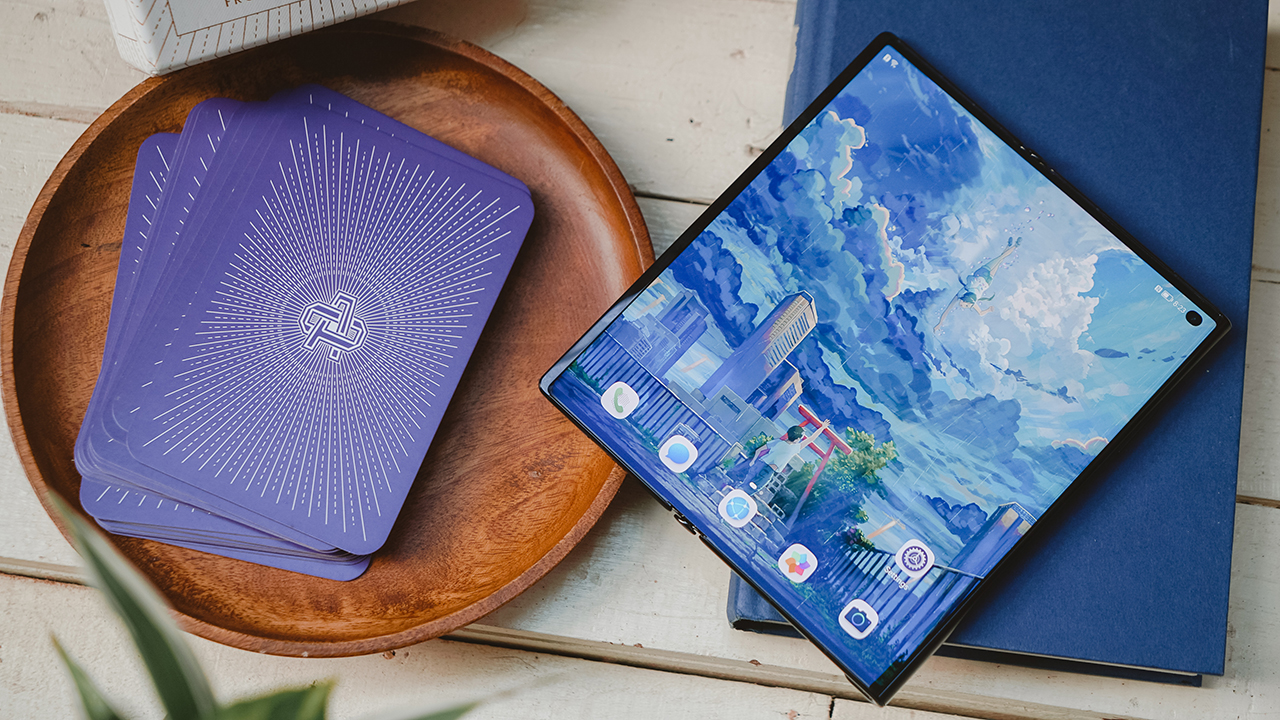
With already a creaseless screen, the unfolded device sports a 7.8-inch high-resolution OLED display. It reportedly packs a billion colors and supports P3 wide color gamut.

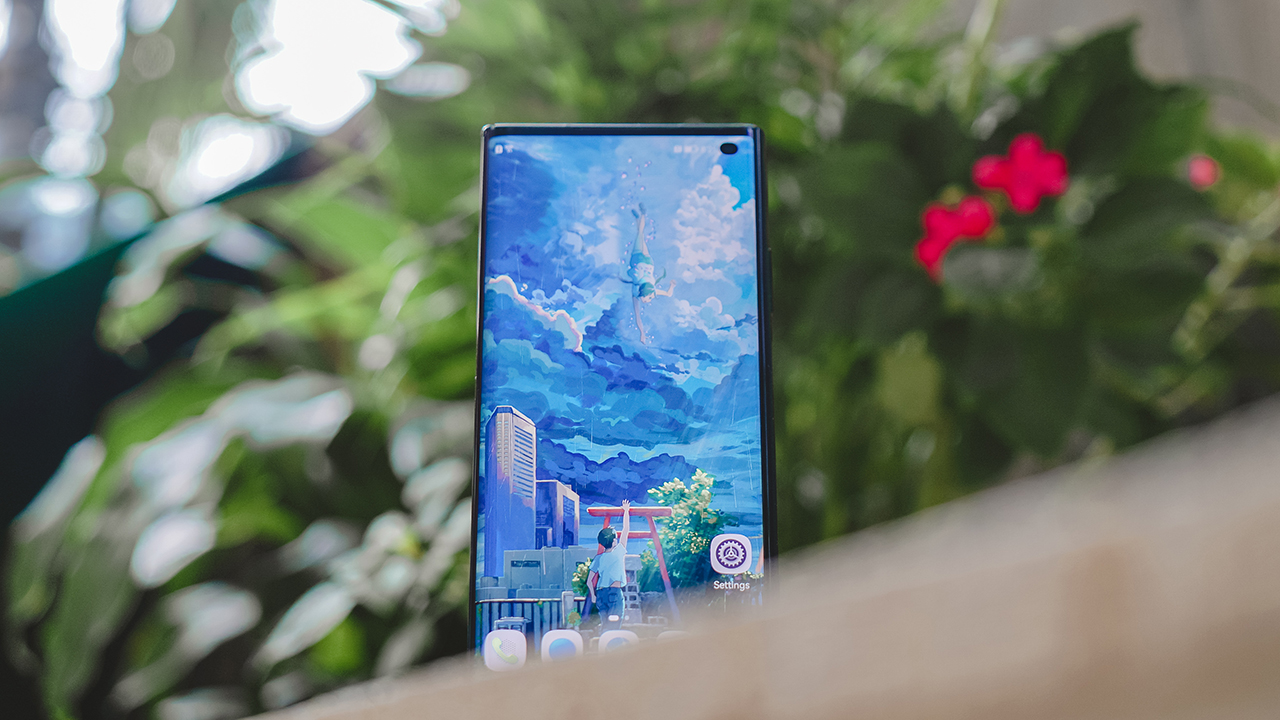
With an artistic rendition of Weathering With You through a 4K wallpaper, the Mate Xs 2 exhibited rich and vibrant colors.

Watching a show is quite different though, especially with its strange aspect ratio. It doesn’t provide a full-screen experience even if you rotate the screen.
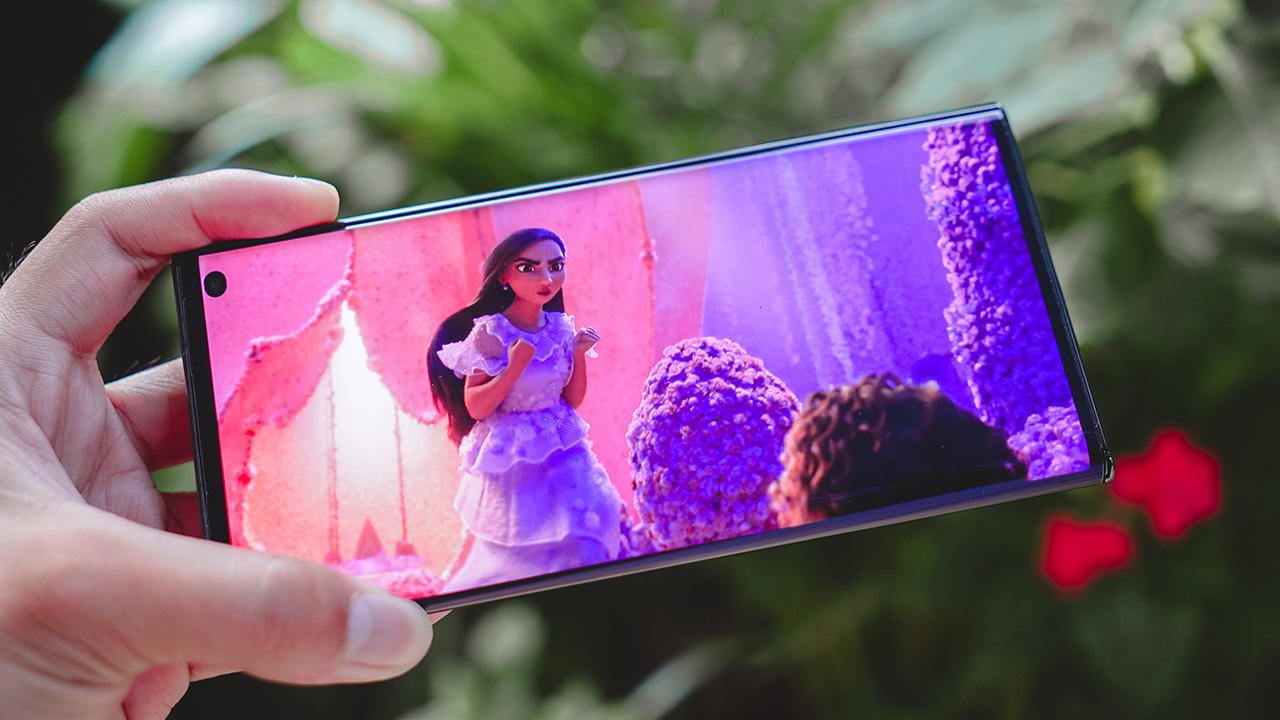
But fold the phone back… and you can enjoy an immersive viewing experience. It was delightful to watch Encanto and sing along with Isabela and Mirabel Madrigal.
Aside from the beauty and grandeur of the Mate Xs 2’s display, Huawei made sure it’s durable. The Mate Xs 2 adopted a bulletproof Composite Structure screen with a protective film, support layer, and rotating shaft.
I haven’t had a chance to test its resistance to drops, crushing, or impact. I still believe foldables are fragile, even with their claims of being ‘sturdy’ and ‘reliable.’

What I worry about is the folded part of the screen, since, without a case, the surface directly touches the folded rear. While Huawei assures us with an aluminum alloy protective frame around the screen that keeps it scratch-resistant, I can’t help but feel anxious whenever I place it on any rough, hard surface.
Is there power under the hood?
Okay, let’s talk specs. Huawei, for most of its flagship devices, pushes the limits of its hardware. It runs on EMUI 12, comes with an 8GB RAM and 512GB of ROM, a 4600mAh battery capacity capable of 66W SuperCharge, and a 120Hz refresh rate.
The only drawback that got me taken aback is its processor. Sadly, the Huawei Mate Xs 2 houses a Snapdragon 888 4G. While we have the thank the US government for that, the processor is somewhat limiting especially in terms of future-proofing.
Don’t get me wrong, Snapdragon 888 is still powerful. But plenty of chipsets are going above and beyond, and this flagship foldable getting left behind.
As for the user experience and the lack of Google Mobile Services (GMS), this has been addressed multiple times — from ways to augment your experience to the improvements Huawei made, especially for HarmonyOS. But that’s a story for another time because there are plenty of features to talk about.

Are the cameras still flagship-grade?
The Huawei Mate Xs 2 houses a 50-megapixel True Chroma camera system, including a 13-megapixel ultra wide-angle lens, and an 8-megapixel telephoto camera. Upfront, it has a 10.7-megapixel selfie camera.
A few tests here and there made me think that the photos are color-accurate, detailed, and flagship-worthy. But that wouldn’t be fair to be this subjective when I hardly have any photos to showcase. Hang tight! As of this writing, we’re brewing something cool about its cameras.

Anyhoo, the Huawei Mate Xs 2 — like its previous iterations — comes with a Mirror Shooting mode where the photographer can take a photo while the subject can see how they look on the rear screen.
This is similar to most foldables nowadays. Frankly, it’s a handy feature that might come in handy when you travel or want to capture an iconic moment.
Remembering the love for Huawei
The Huawei Mate Xs 2 reminds me of everything we’ve loved about Huawei. Elegantly-designed smartphones. Sleek and vibrant display technology. Impressive hardware. Huge leaps in engineering and design. Actual innovation.
The only barriers that propel it from taking back its crown are the people who can’t adapt to a new user experience, and the geopolitical issues surrounding the company. Nevertheless, the Mate Xs 2 is Huawei’s proof that they can still be a trailblazer, and they’ll probably keep on doing so.
Price and availability

The Huawei Mate Xs 2 retails for PhP 99,999. It will be available in Shopee, Lazada, or the Huawei Store. Learn more about the flagship foldable on Huawei’s website.
Editor’s Note: The article has been updated with new information. Previously, the story indicated pre-order details.






The OPPO Reno15 Series 5G made its way to the Philippines last month, and reception has been pretty great so far.
With a powerful camera package, AI, and a slew of upgrades, there’s a lot to love and not much negative to say. But that’s with both the standard and Pro models.
On the other hand, with the Reno15 F 5G — the series’ supposed budget-friendly “lite” variant —there were more question marks than exclamation points.
I attack this piece once more from a consumer standpoint: shelling out PhP 23,000 to PhP 26,000 for a midrange smartphone that feels and performs like it’s a few notches below its segment doesn’t sound too pleasant.
Performance
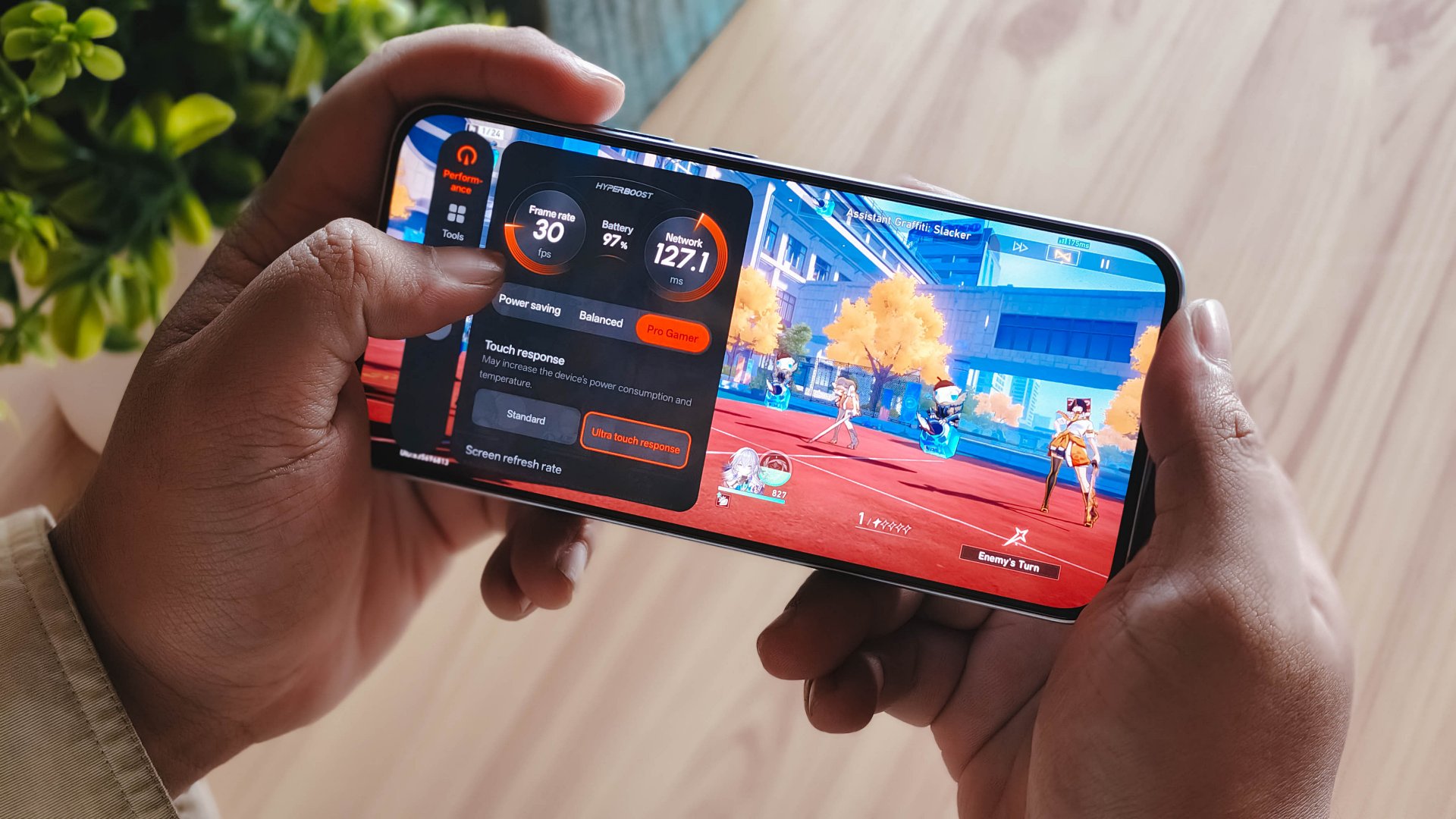
With a Snapdragon 6 Gen 1 processor, the OPPO Reno15 F performs pretty much like any sub PhP 20,000 mid-ranger. It’s acceptable, but does not punch above its weight as expected.
No major hiccups for light and casual usage. But performance struggles a lot for demanding video games.
It also heats up significantly just 10 minutes into a title like Honkai: Star Rail. This is a stark contrast to the marketed 25℃ and up to 10 hours straight of smooth gameplay.
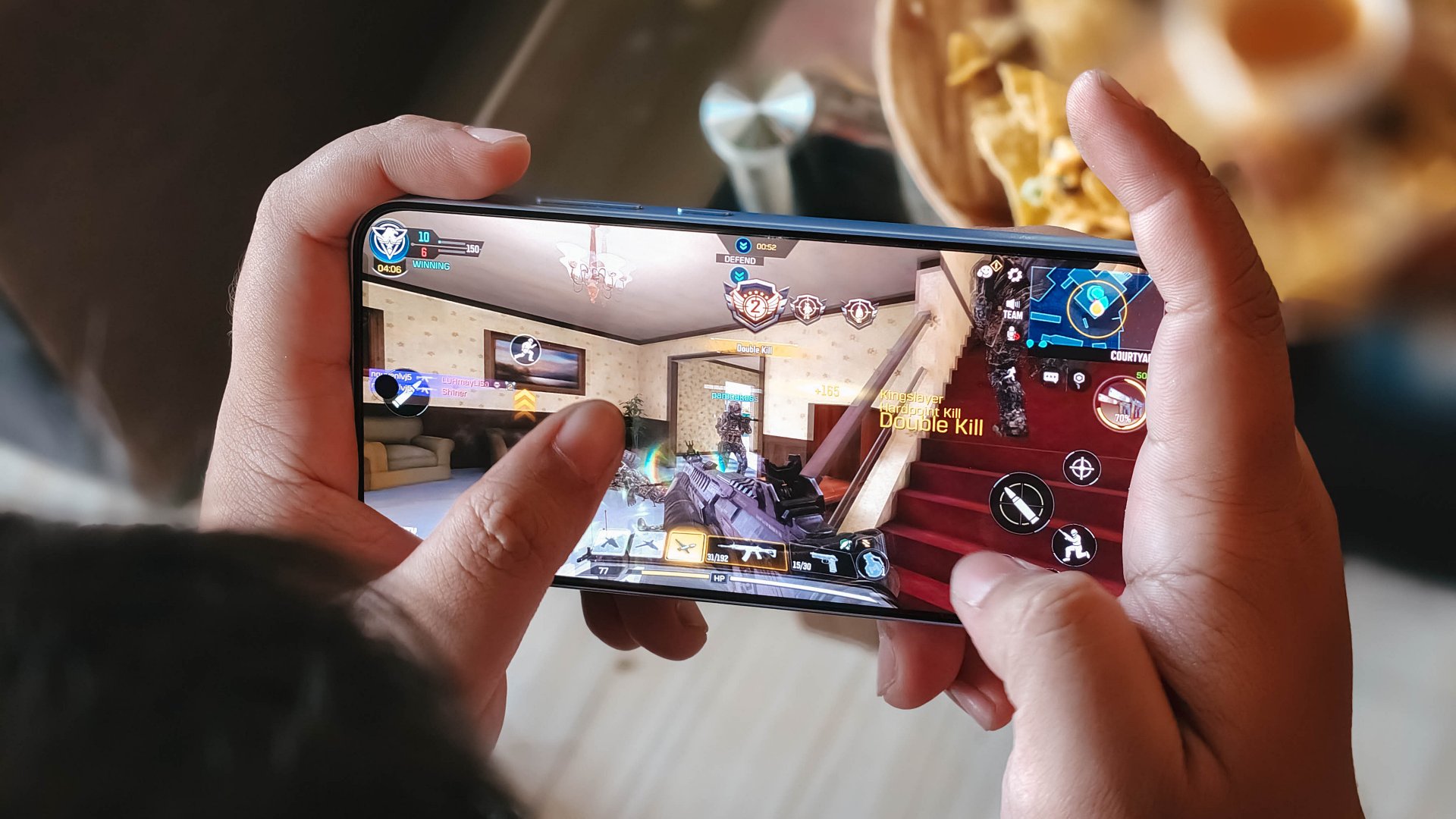
Although, the experience was still enjoyable with several wins and MVP runs in Call of Duty Mobile. It only means the F variant remains a more camera-centric phone rather than an a hard-hitting all-arounder.
As with other devices, the 7000mAh battery with 80W SUPERVOOC is a strong suit. You’re fueled from dawn ’til dusk, with much to spare. Recharging takes a breeze, too.
Display
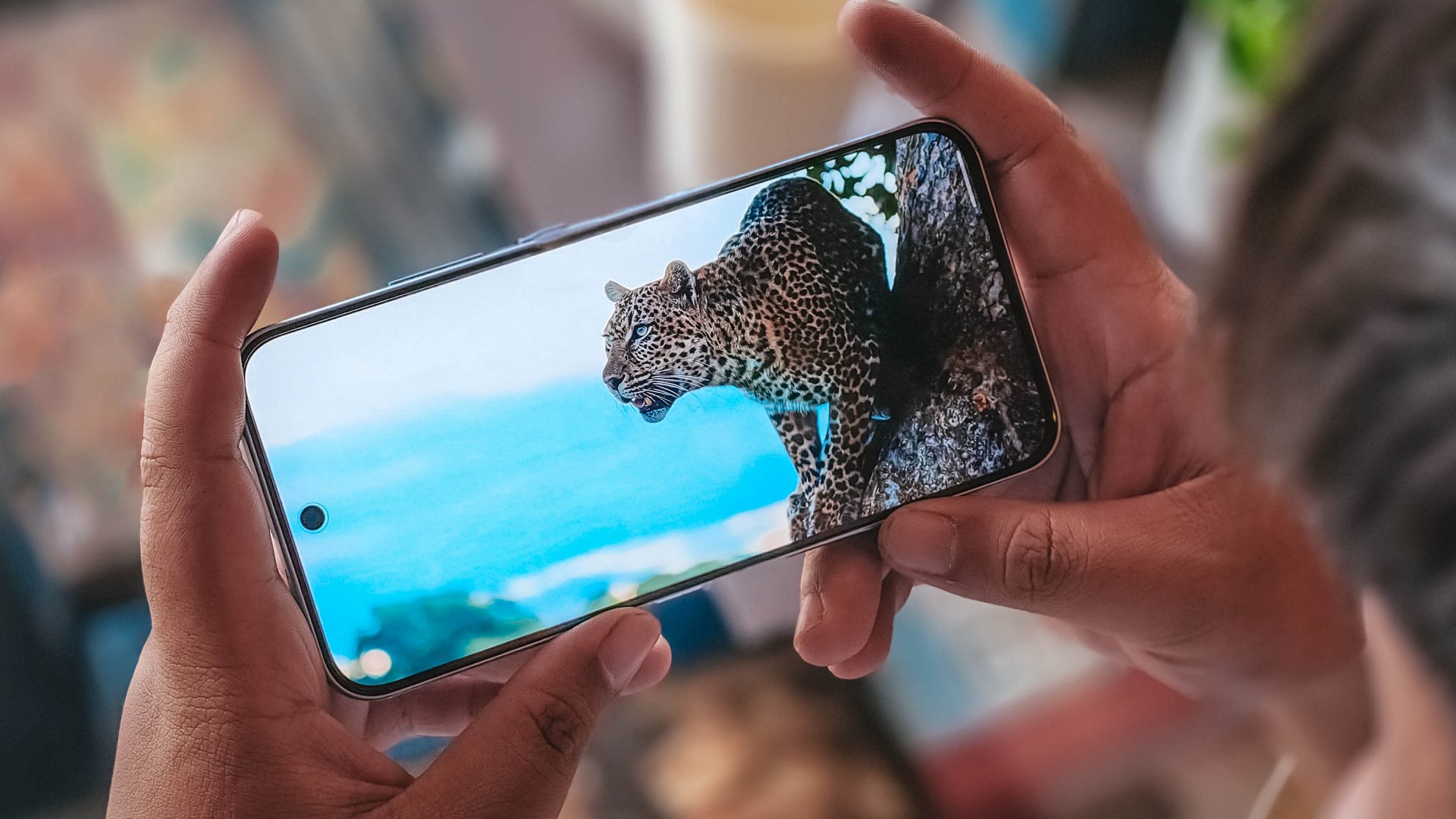
The OPPO Reno15 F has a 6.57-inch 120Hz display, with a 92.8% screen-to-body ratio. At least, that allows you to focus on content on the screen.
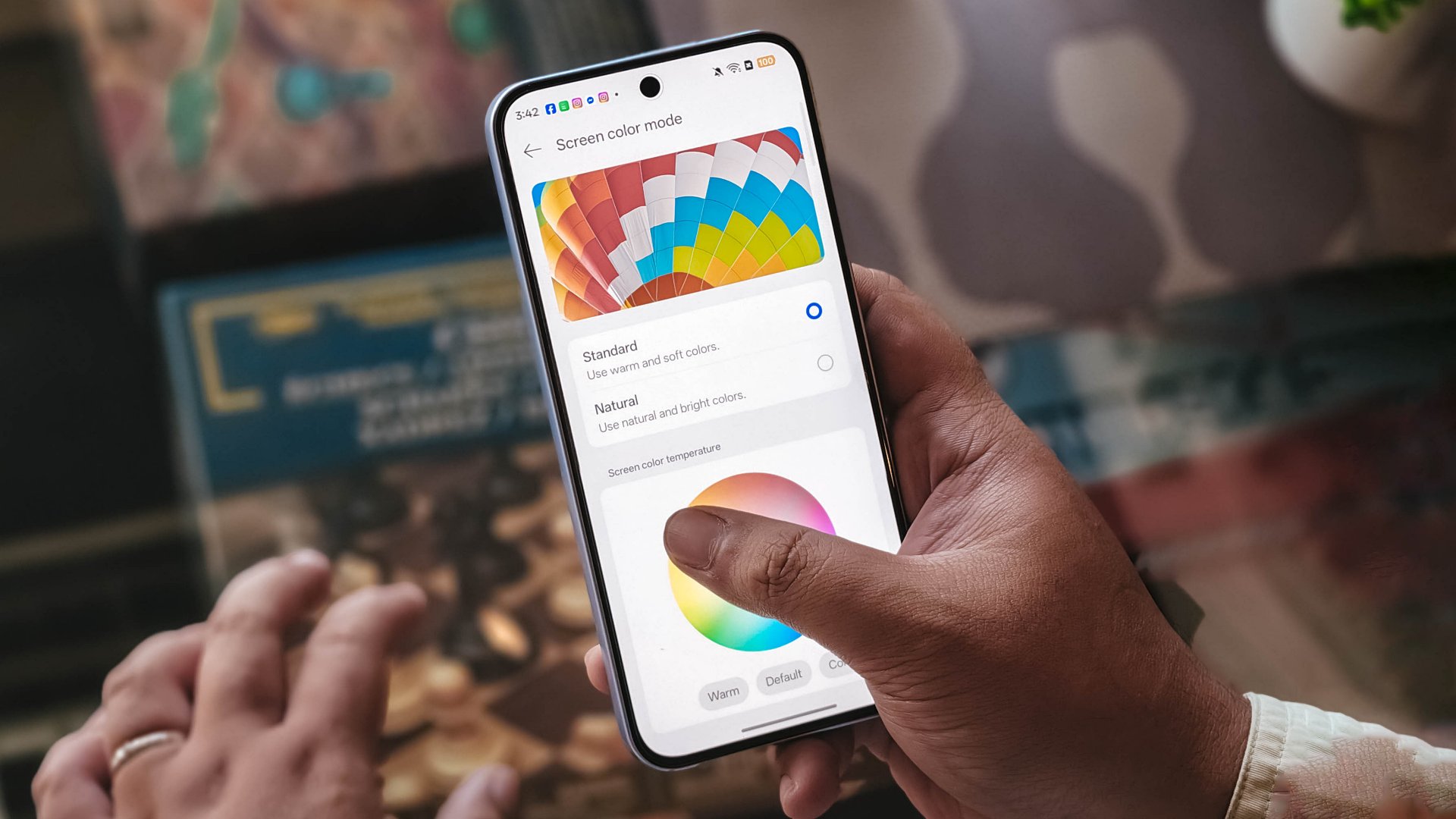
Content leans more towards the cooler tone, so you’ll have to adjust it manually if you want a warmer or more vivid look.
The 397ppi pixel density is fine to ensure sharper visuals, while the 1400 nits peak brightness is helpful outdoors.
Camera
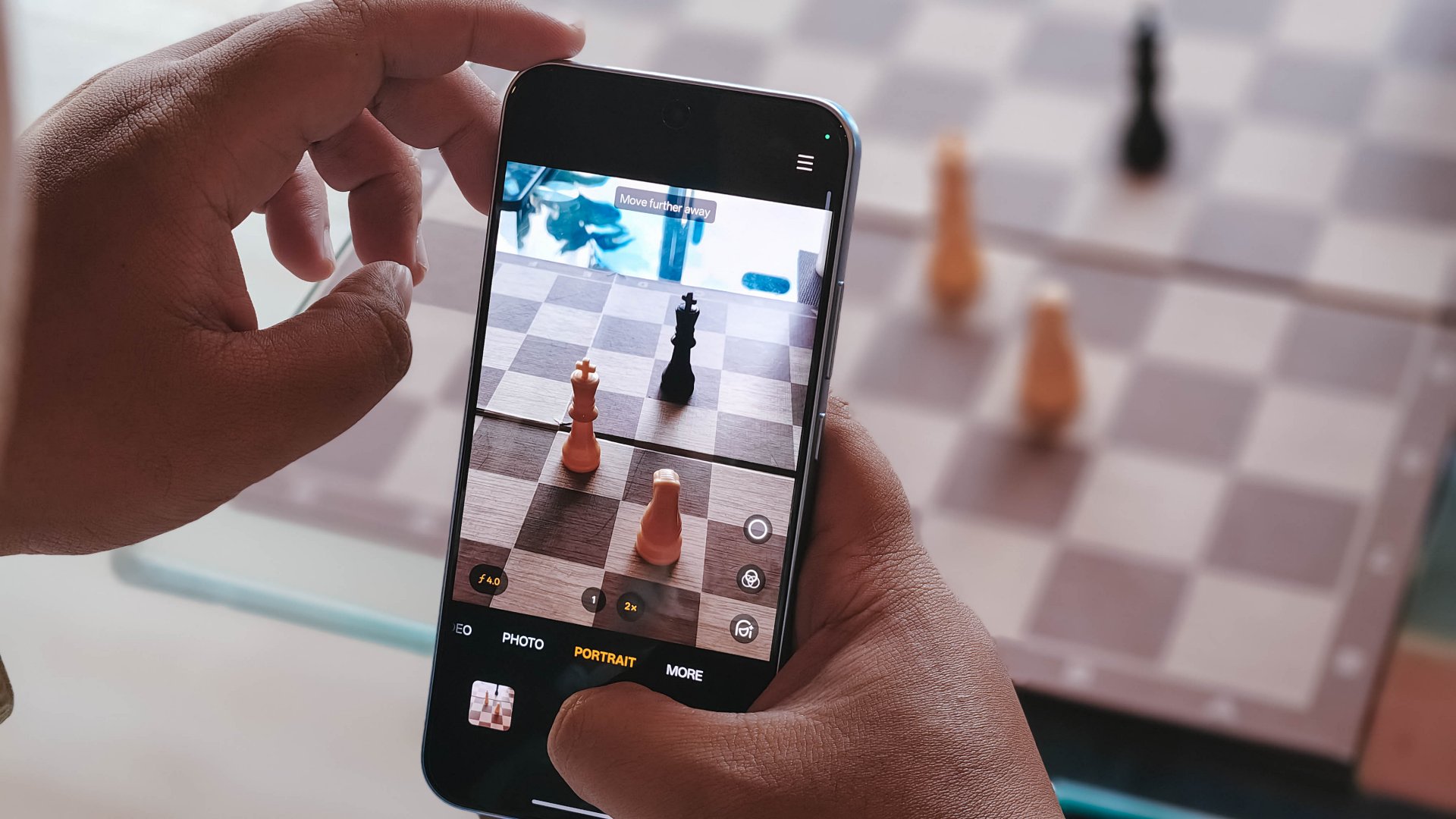
The device’s 50MP main camera captures decent quality. The color science leans on being natural anew, without being too dull nor washed out. You can pull off smooth portraits too.
I hardly used the phone for stills as I focused on videos, but here are some samples, on the occasions I was able to take the handset with me:










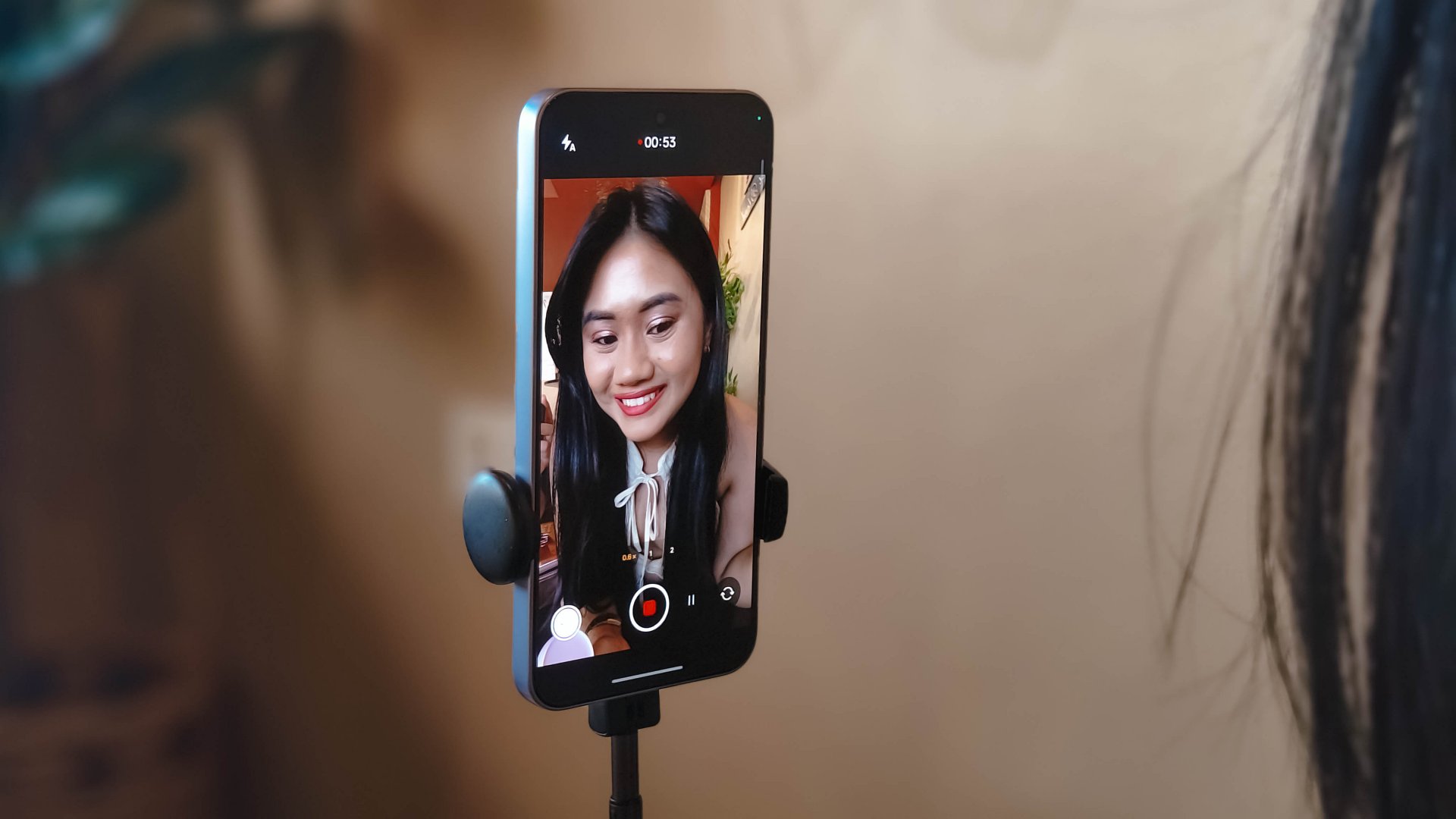
The 50MP front camera is an intriguing add-on, as it is capable of up to 4K video and a wide 100° field of view.
What this does is it essentially removes the need to flip your phone for the popular “0.5” shots. And the quality doesn’t get compromised given the pixel count.
Here are some selfies from different focal lengths:




To its credit, filming with the back camera at 60fps does look and feel smooth, although it can be improved.

Same with the front camera; and the zoom range can be switched from 0.6 to 2x without cutting the recording.
Although, it’s still best to use a selfie stick or small tripod if you’re just after talking head videos.
Speaking of which, here are a few I’ve made with just this device:
@manilaconnoisseur Naka 99 pesos pala ‘yung large Golden Milk Tea ni @highlandscoffeeph until February 28! Oolong base, cream, and okay pala ang chickpeas as sinker along with red jelly. #highlandscoffee #goldenmilktea #oolongmilktea #freeupsize
@manilaconnoisseur Laging sold out ‘yung fun run? Try The Conqueror Virtual Challenges. Stay motivated in your running era, make every run count, and get cool medals after every completed challenge. You can even get a free run or discounted bundles! @theconquerorchallenges #virtualrun #funrun #runningera #staymotivated
But for travel and on-the-go captures, as OPPO markets for the series in general, even the Reno15 F can cover a lot of background along with your or your groups’ faces.
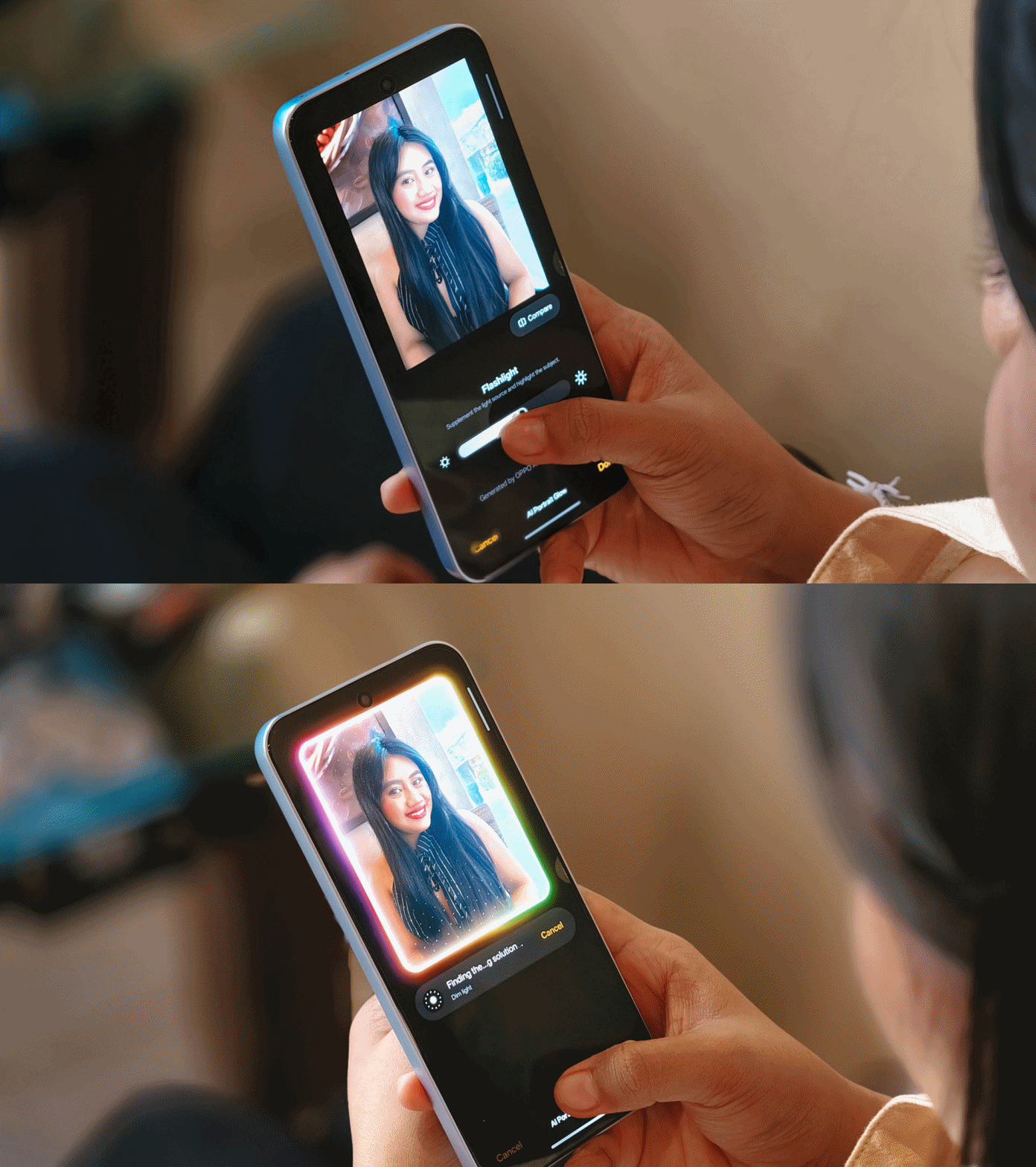
Make no mistake, there are some useful AI editing features here. In particular, AI Portrait Glow gives your raw capture an effect to make it look it was taken with flash.
I do not recall the device heating up as well when taking many photos or videos, so you can say it’s more optimized for that task rather than gaming.
Connectivity issues
Meanwhile, AI LinkBoost 3.0, as in the case of the OPPO A6 Pro, doesn’t seem to punch above its weight either.
Once, I also played Mobile Legends: Bang Bang and the session opened to a jittery start despite being on Wi-Fi and having a stable connection. I don’t know what triggered this.
Design, feel
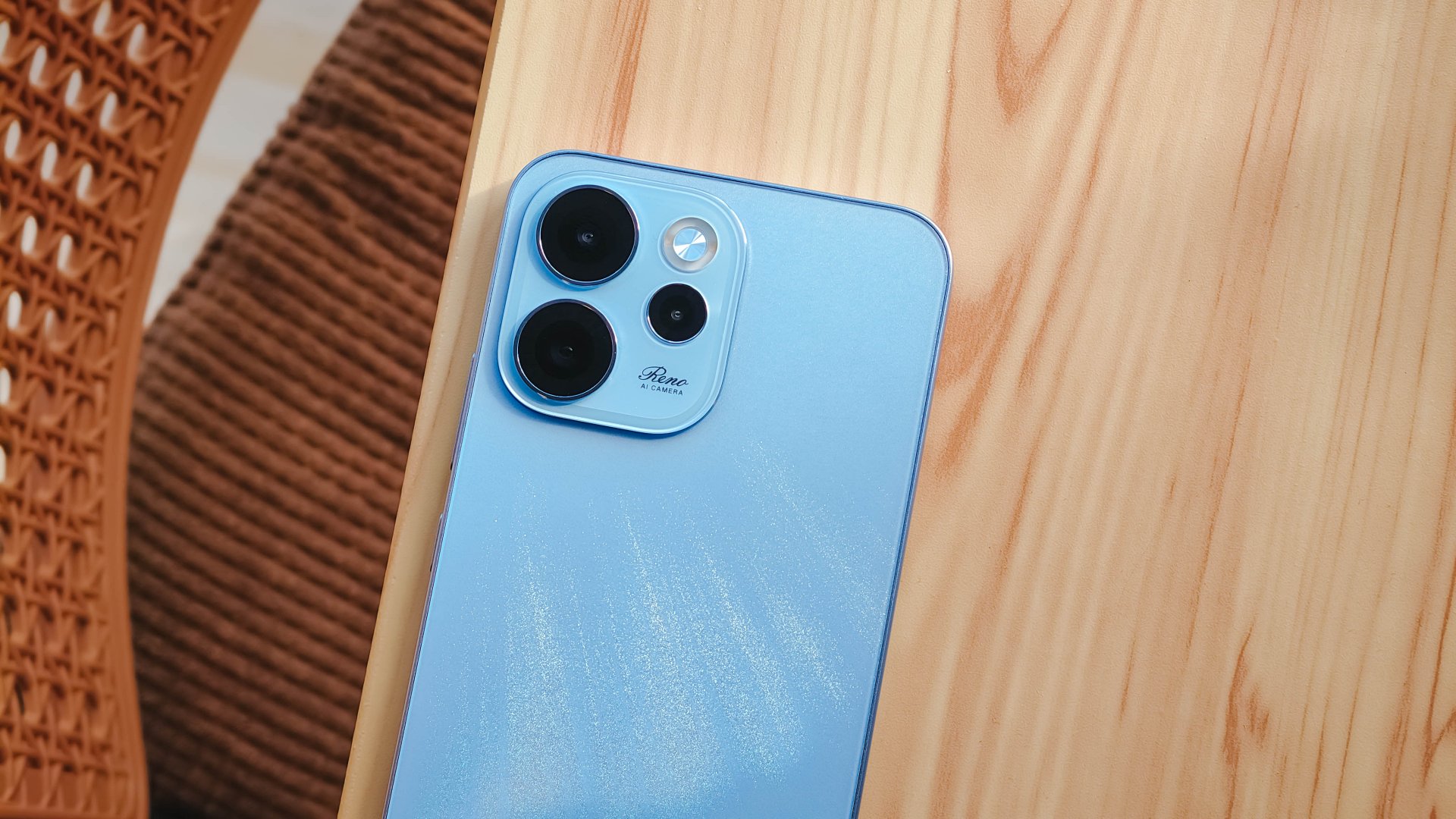
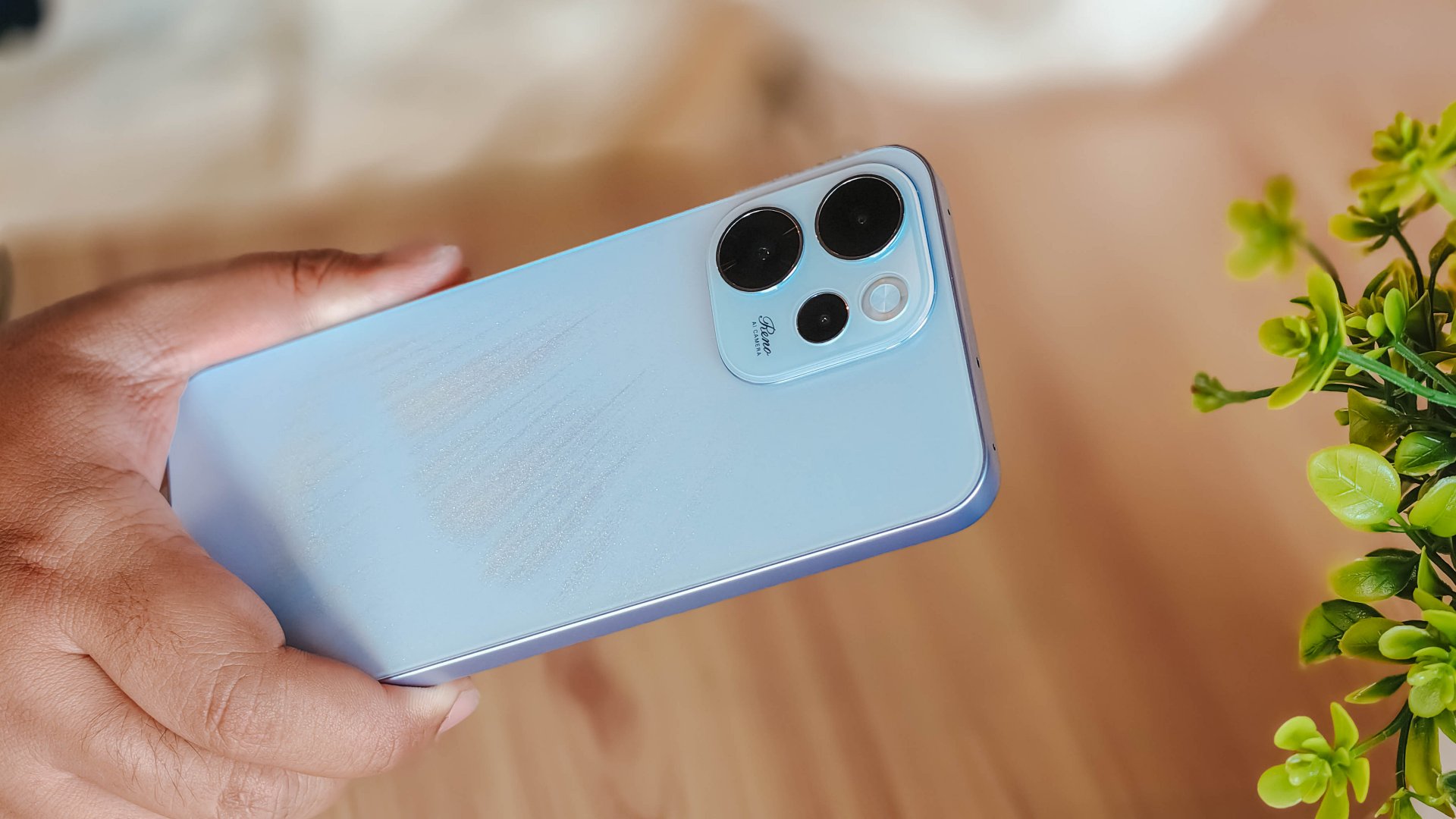
We got the Aurora Blue variant which does kind of resemble the northern lights when you tilt the phone a certain way and when light hits its back panel.
The cursive “Reno” on the large, protruding camera island gives it more style.
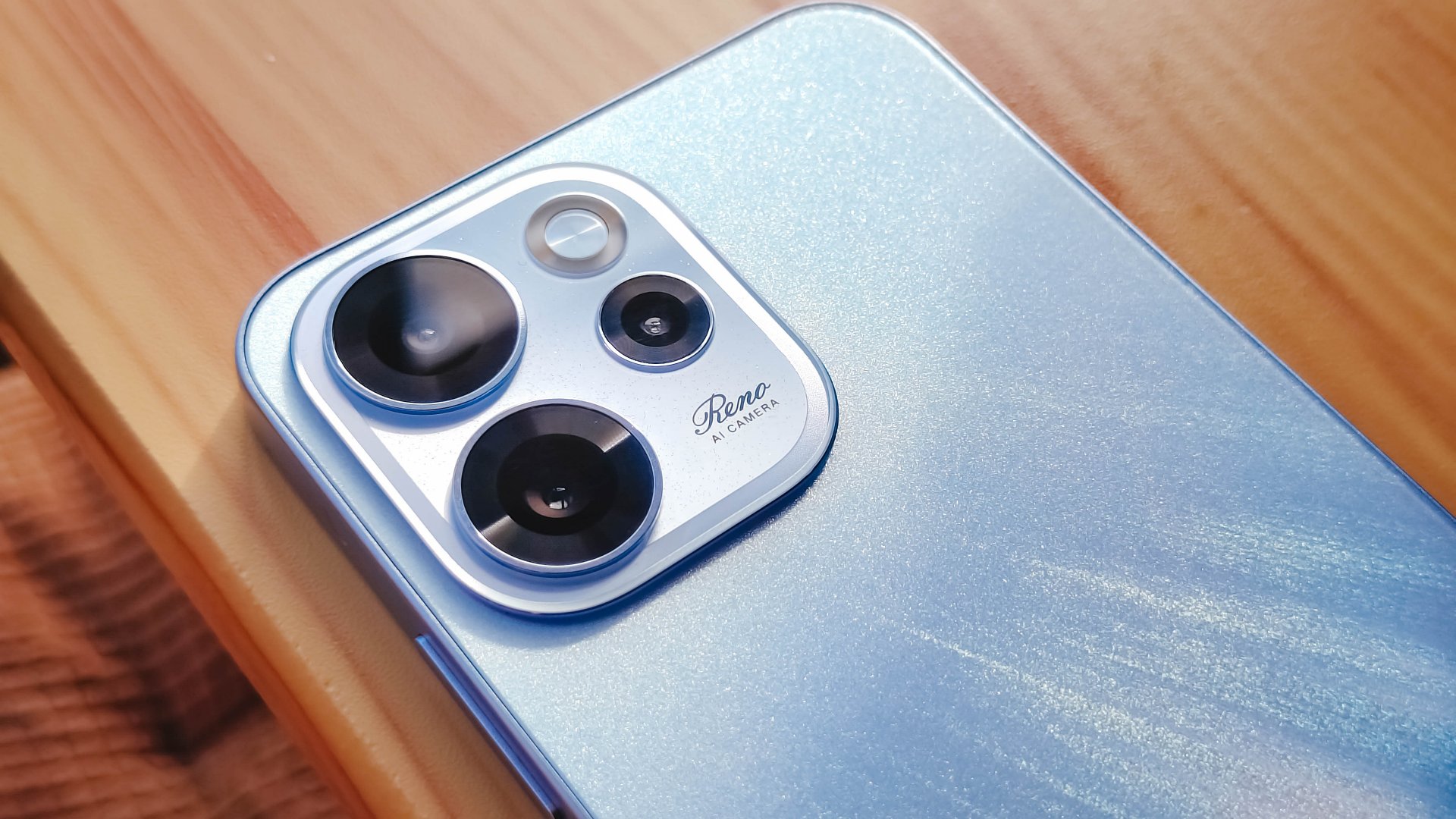
However, it’s all just aesthetics. On the downside, the phone is all sorts of slippery.

I couldn’t hold it properly without think of it slipping away from my hands; nor could I put it on my lap with confidence.
So I guess it’s good that it has structural integrity and waterproofing, because you’ll need that.
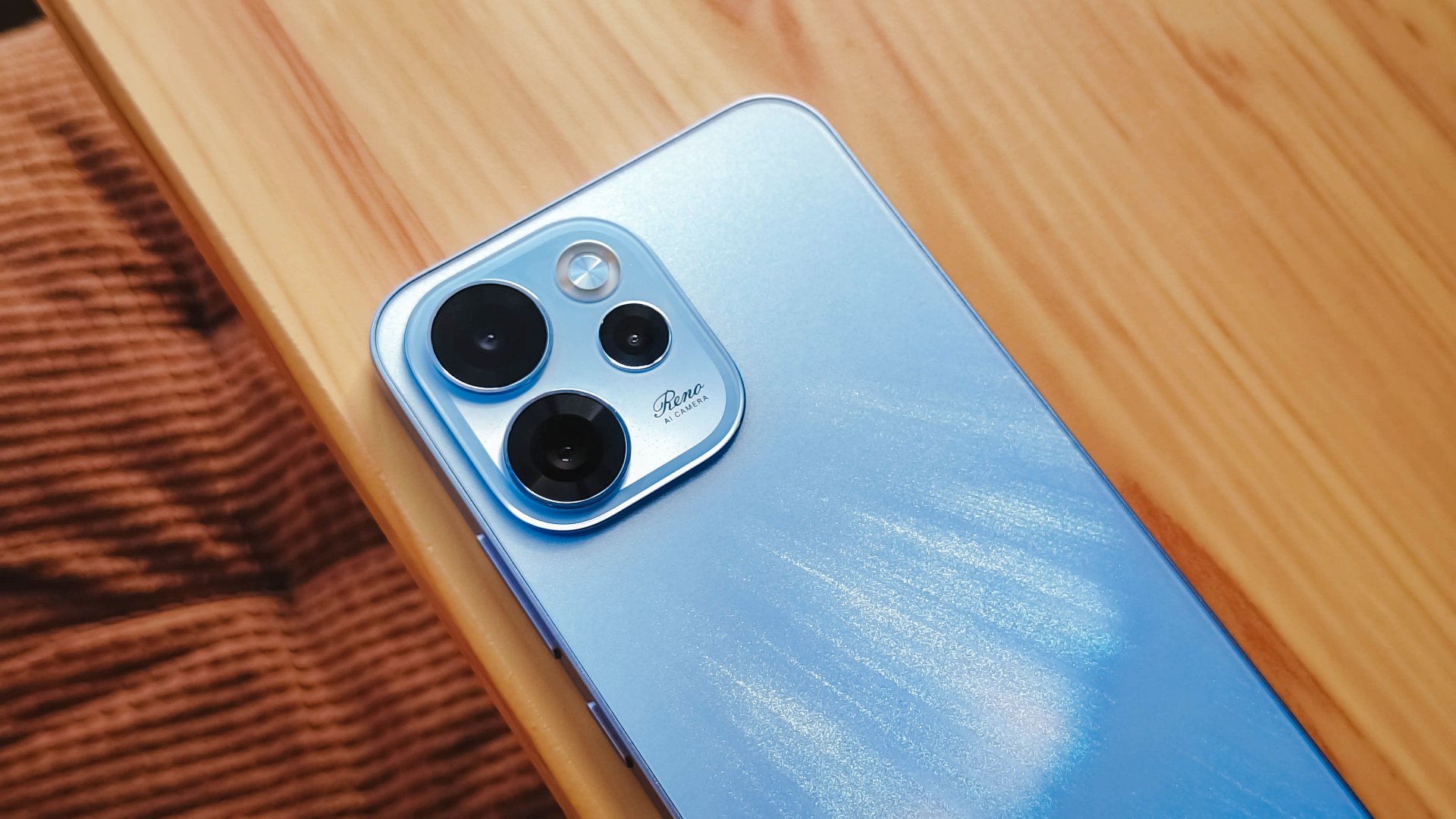
oplus_16
The 6.57-inch body does have a good balance between being too compact and too large, like ultras and pro maxes.
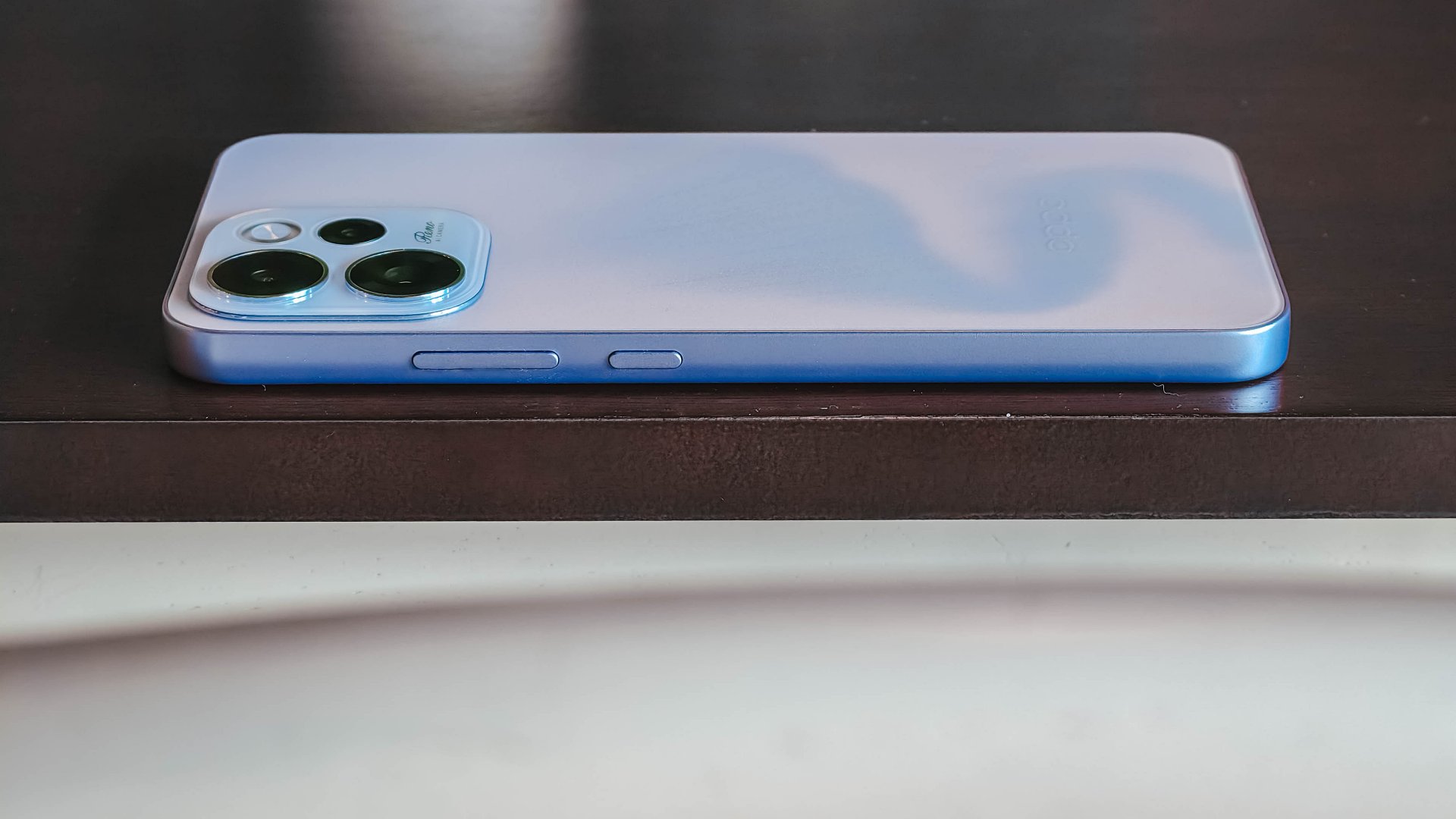
It has a squarish body and has already adapted to the premium, aluminum frame look from the sides.

Is this your GadgetMatch?
Sadly, the OPPO Reno15 F 5G is a Swipe Left unlike its bigger, more capable siblings. There are plenty of plus points for the camera package but take that away, and I don’t see much difference between the Reno15 F and something like the A6 Pro.
Granted, the asking price of this phone will drop significantly in a few months. But throw in a little more, and you’ve got a legitimate mid-ranger that’s more on the premium side rather than the cheap end of the spectrum.

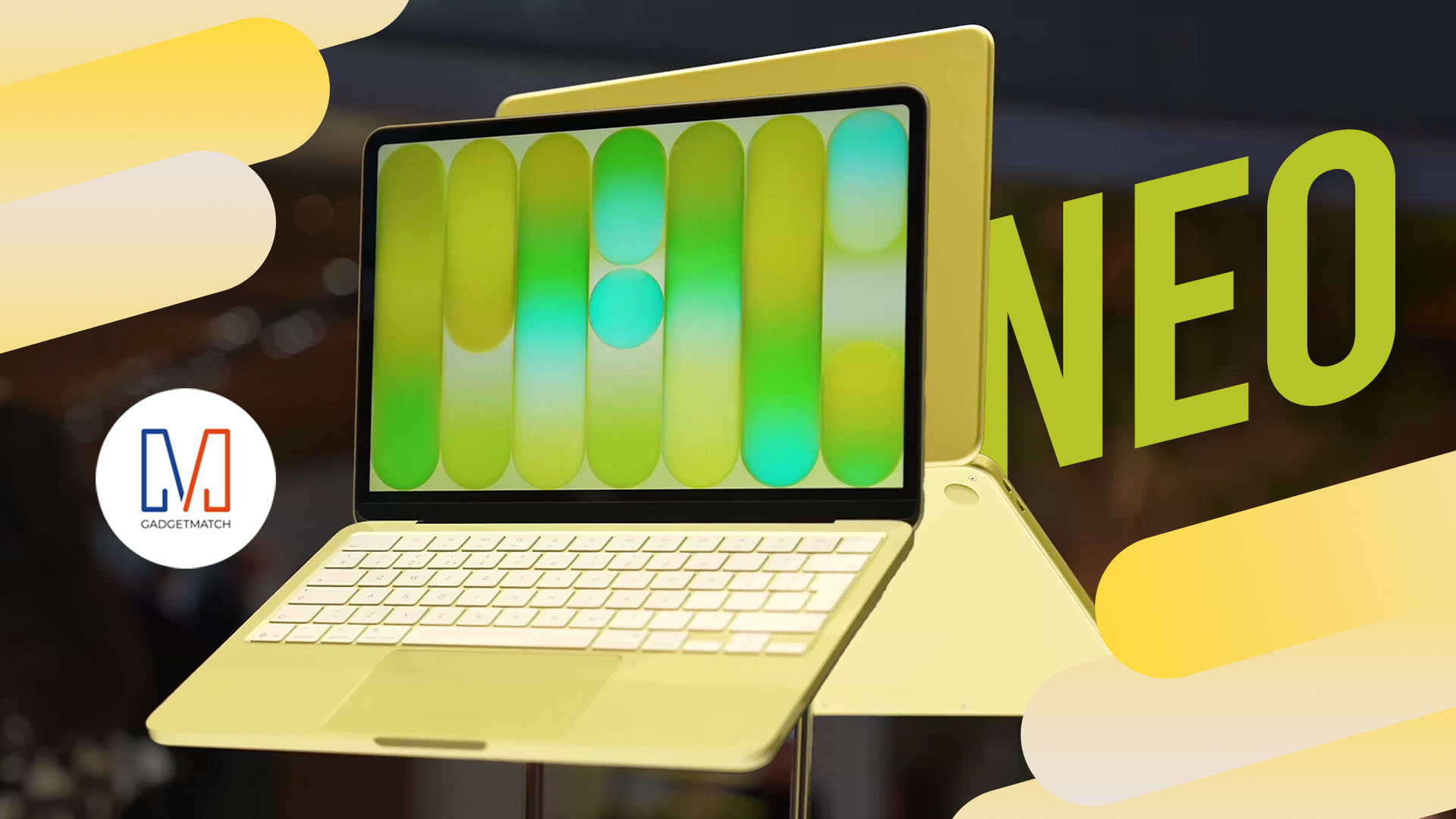
Apple finally has a MacBook for the budget-conscious!
In this video, we take a look at the latest MacBook Neo — Apple’s most affordable laptop at $599.
It’s the perfect first computer for students, families, and anyone who’s always wanted a Mac but couldn’t justify the price.
Here’s our exclusive hands-on with the all-new MacBook Neo for you to check out.
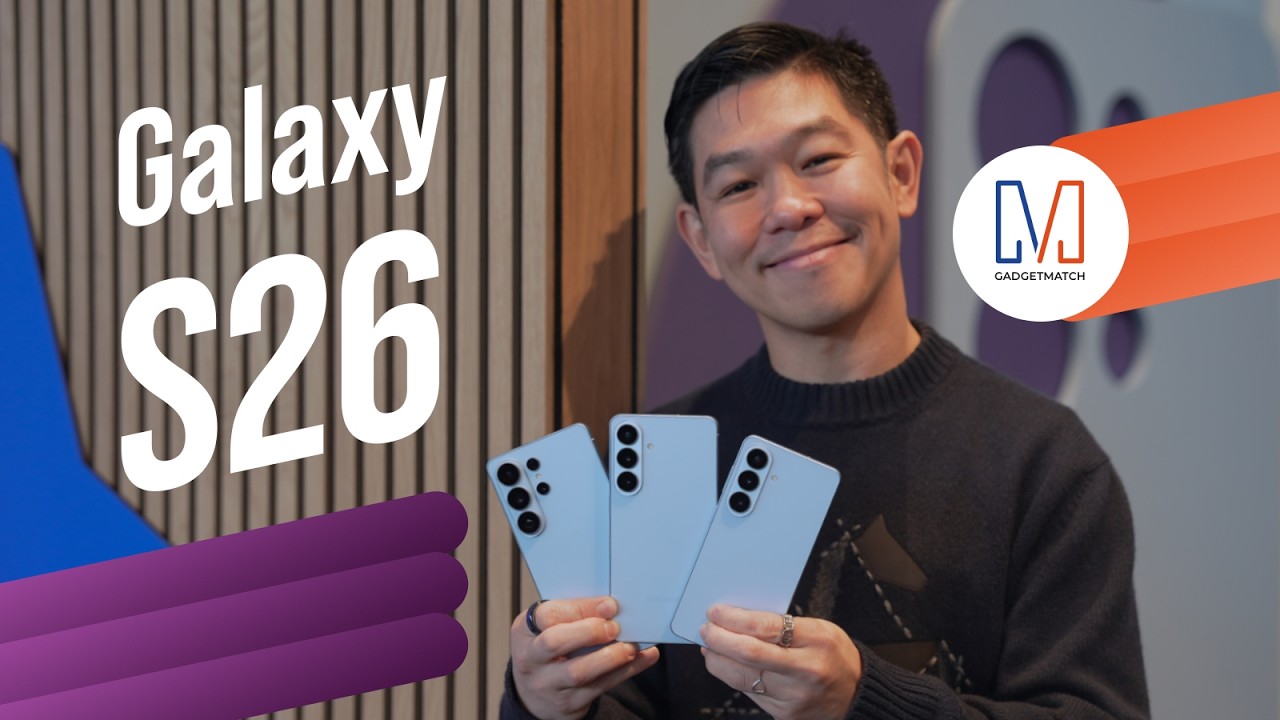
Did Samsung push forward or play it safe with the Samsung Galaxy S26 Series? Well, it’s a little bit of both.
Here’s our Hands-on with the new Samsung Galaxy S26 series to find out.
PRE-ORDER and SAVE up to $900 with enhanced trade-in credit:

Shokz OpenFit Pro: Somewhere between awareness and focus
Find your balance

Why this 180-degree gimbal projector is a “small win” for solo living
At $200, the XGODY N6 Pro transformed my one-bedroom apartment into a sanctuary of independence

Nothing Phone (4a) + (4a) Pro review
Is "different" actually better?

LE SSERAFIM Chaewon flexes Galaxy S26 Ultra Privacy Display

Power Mac Center opens 1st branch in Boracay

Samsung develops QuantumBlack: Low-reflection, high-durability QD-OLED film

vivo X300 Ultra wants to beat the iPhone 17 Pro Max in pro video
Shokz OpenFit Pro: Somewhere between awareness and focus


-
 Reviews2 weeks ago
POCO X8 Pro Max review: A new beast from the far east
-

 News2 weeks ago
POCO X8 Pro Series: Price, availability in the Philippines
-

 Reviews2 weeks ago
POCO X8 Pro Iron Man Edition review: Midrange phone in superhero armor
-

 Automotive2 weeks ago
VinFast extends free unlimited charging in 3 markets amid rising fuel prices
-
 Philippines2 weeks ago
The HONOR X8d is serviceable
-
 News2 weeks ago
POCO X8 Pro Series launches in Singapore with early bird prices
-

 Gaming1 week ago
WWE 2K26 lets you live out all the fantasy matches you could want
-
 News2 weeks ago
POCO introduces X8 Pro Series with Dimensity 9500s