



The competition for the best smartphone gets tighter by the minute. If you’ve been up-to-date with tech news, you’ll notice that more smartphones are being released. And the features just keep getting better.
Many of us aspire to have these latest and greatest smartphones. But let’s be honest, not all of us can afford it.
So what can we get our hands on that’s possibly within the budget? We have here the newest member of the vivo’s Y series this year — the vivo Y16.
Now let’s check out what this new player can offer us.
Dazzling design in Drizzling Gold
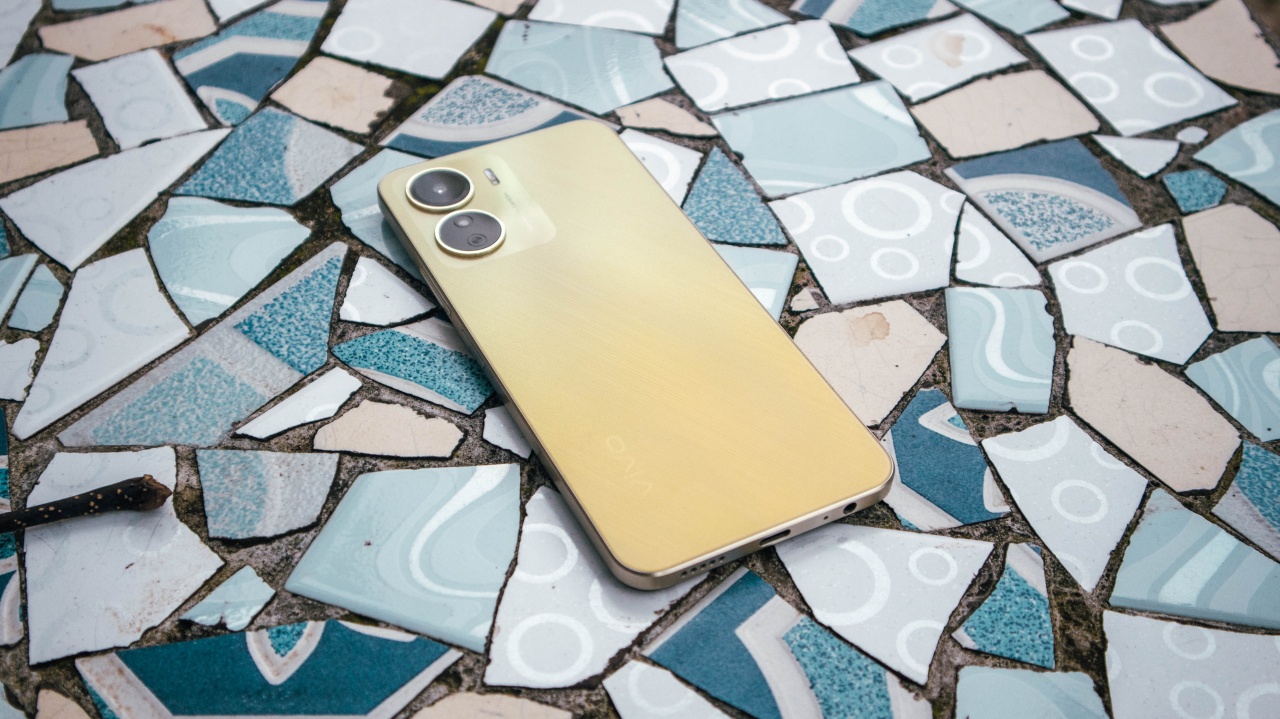
One thing that vivo’s been consistent with is how they make their smartphones look and feel premium, even the ones belonging in the budget range.
The 8.19mm-slim Y16 weighing 183g really feels premium, especially with its 2.5D curved flat frame that makes it comfortable to grip.

I also understand why people can’t help but glance at it especially when I’m using it outdoors because its design is striking, especially this Drizzling Gold variant that we have. When hit with light perfectly, its design actually makes it seem like I’m holding a piece of the sun.
I also prefer smartphones that are not fingerprint magnets. Even if I’m using a flagship phone, I tend to dislike it when I see fingerprint smudges all over its body. So I was really pleased that the Y16 is smear-free no matter how sweaty my hands get.
Decently sized display but colors could be improved

Up front, the vivo Y16 comes with a 6.51-inch 720p Fullview Display with a dewdrop notch. While I do like its size, I noticed that the colors do seem a bit washed out. This is more noticeable when side by side with other phones, nonetheless, it was still an enjoyable experience to watch music videos on it.
The bottom bezel is noticeably thicker than the rest which makes the screen look more dated paired with the notch.

I did walk around Baguio City and BGC with this and found that it was a bit of a struggle to use it outdoors, especially on sunny days.
Mediocre Performance but tons of storage
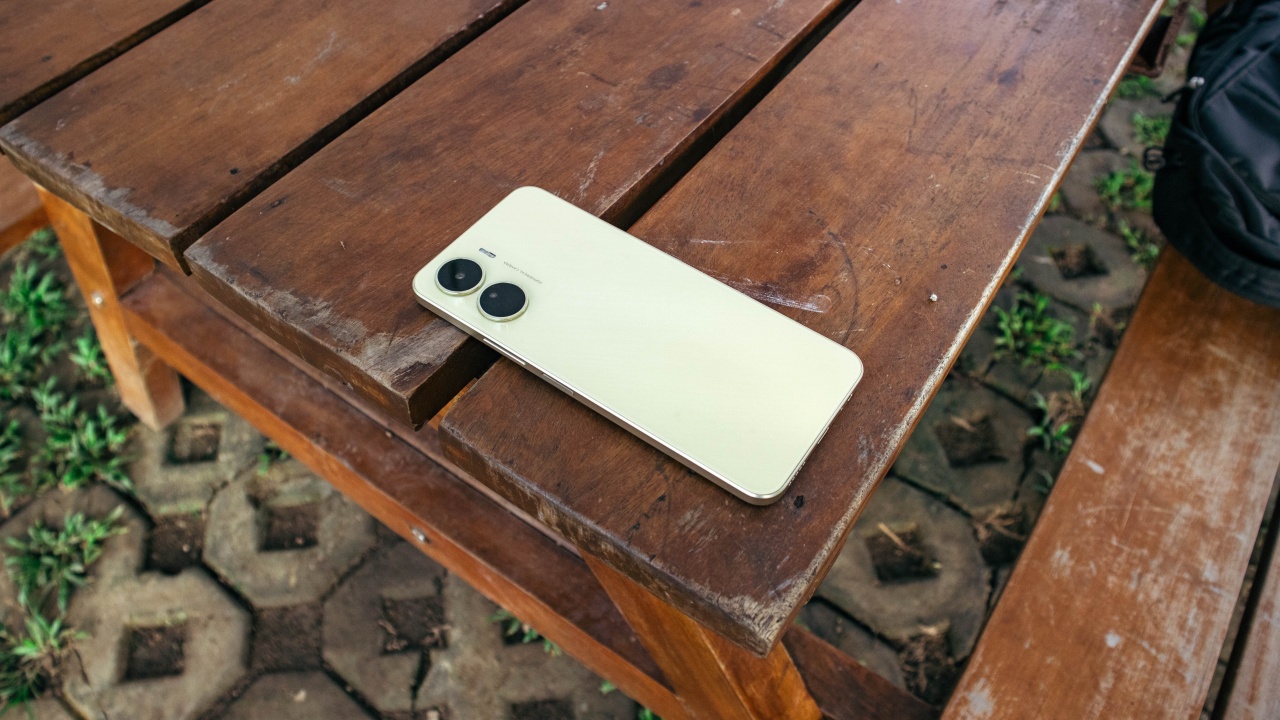
Under the hood, the vivo Y16 comes with the Media Helio P35 octa-core processor, 4GB + 1GB Extended RAM storage and 128GB of internal storage. Which is quite refreshing to me since most phones I’ve encountered in this level are commonly just 32 and 64GB variants.
Not being a big gamer, I did try to play a few games such as Asphalt 9 and Crash on the Run while I was out at BGC and the experience was mostly pleasant.
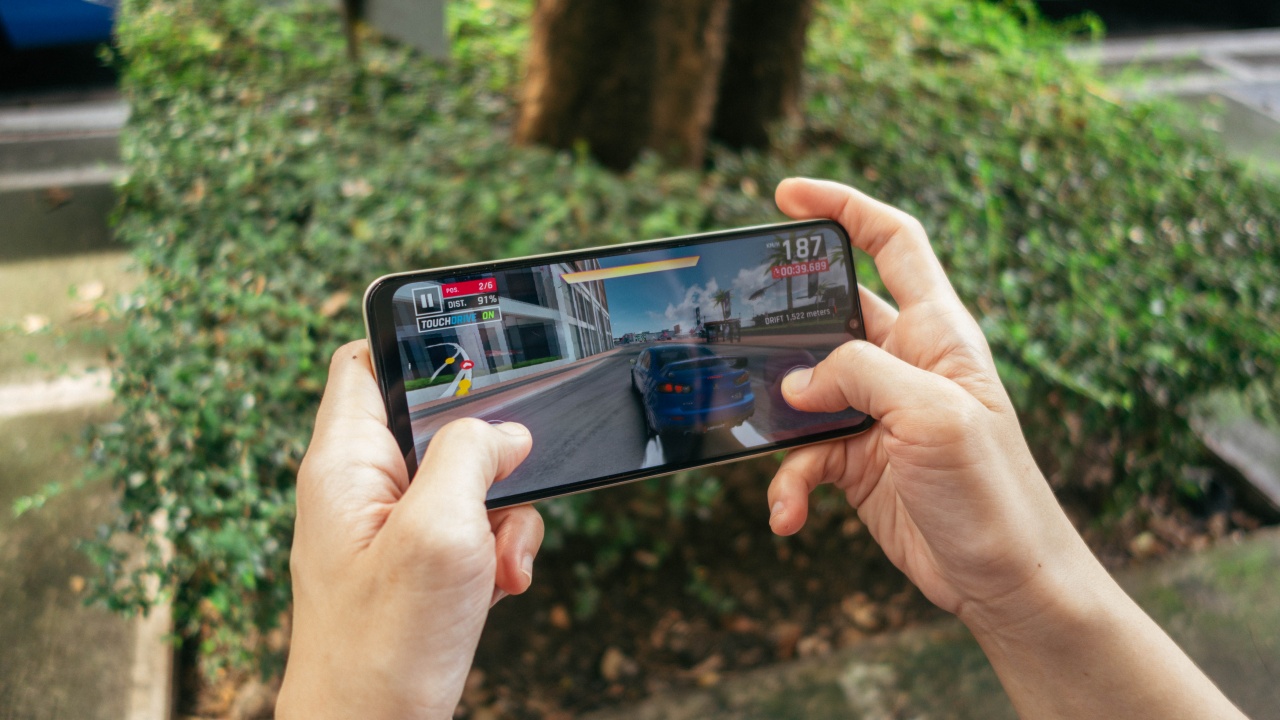
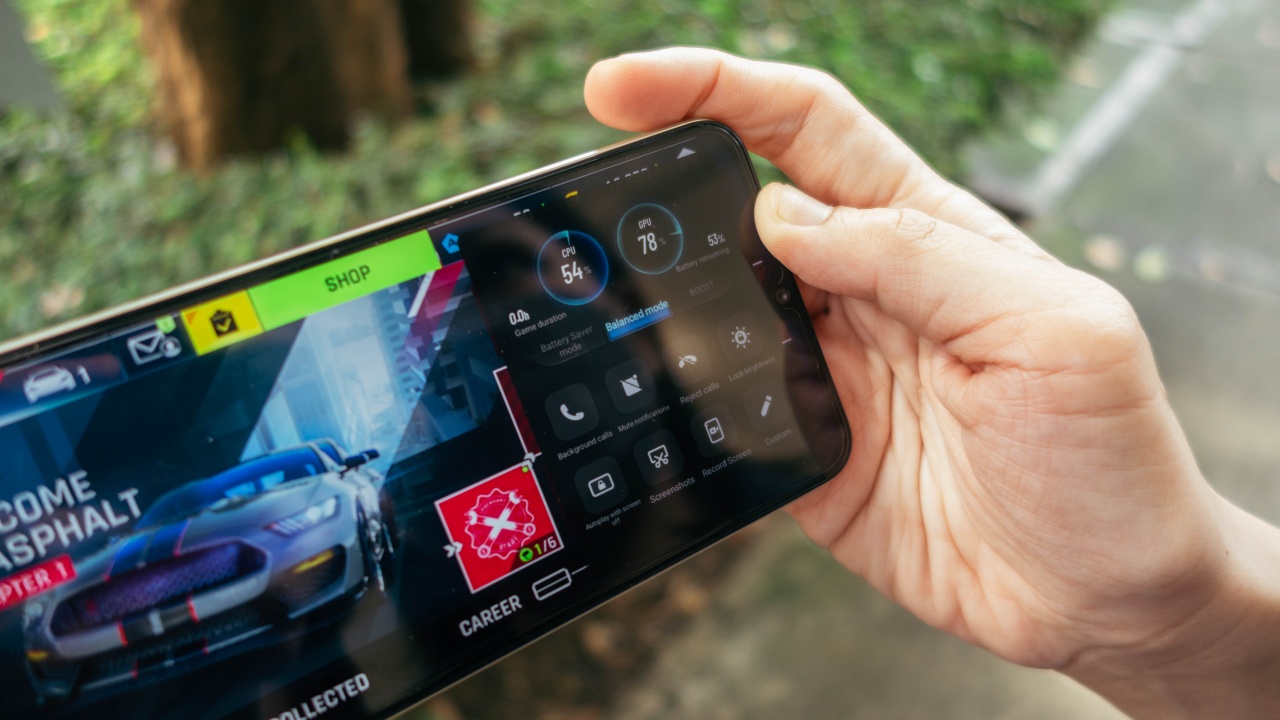
It does have vivo’s Multi-Turbo 5.5 performance gaming mode which optimizes the phone as it is running games. I’m guessing this may have contributed to reducing stuttering and lag so I was able to play smoothly.
In addition, it also has what vivo calls an Ultra Game Mode. It lets users experience 4D Game Vibration, mute and block incoming calls, and hide visual notifications. To add in having a more immersive and focused gameplay.
But ironically, it was when I was not playing that I noticed that the phone’s performance was not as snappy and fast as I wanted it to be.
I often notice that there’s a bit of delay while swiping, tapping and opening apps. It didn’t affect my usage and productivity that much but I just really can’t help but notice it.
Capable camera by day, needs improvement by night

We’re very much familiar with the fact that vivo is well established in the smartphone camera scene especially with its flagship phones. But even in the entry-level spectrum, vivo did not underwhelm.
A dual camera setup with 13MP main rear camera and 2MP macro camera is loaded in the Y16.
I used it as my secondary shooter during our 3-day trip in Baguio and the photos taken with decent lighting actually look pretty good. Colors looked natural and the photos didn’t look badly processed and saturated.


While taking snaps at Camp John Hay, photos even looked better when I adjusted the exposure a bit. This worked well with its HDR mode which I found to be effective in capturing the bright sky and keeping the whole image nicely exposed.


Personally, I think they’re very usable despite not having a bunch of megapixels unlike its contemporaries. I was quite pleased with the outcome that I can consider posting it on socials without much needed tweaking.

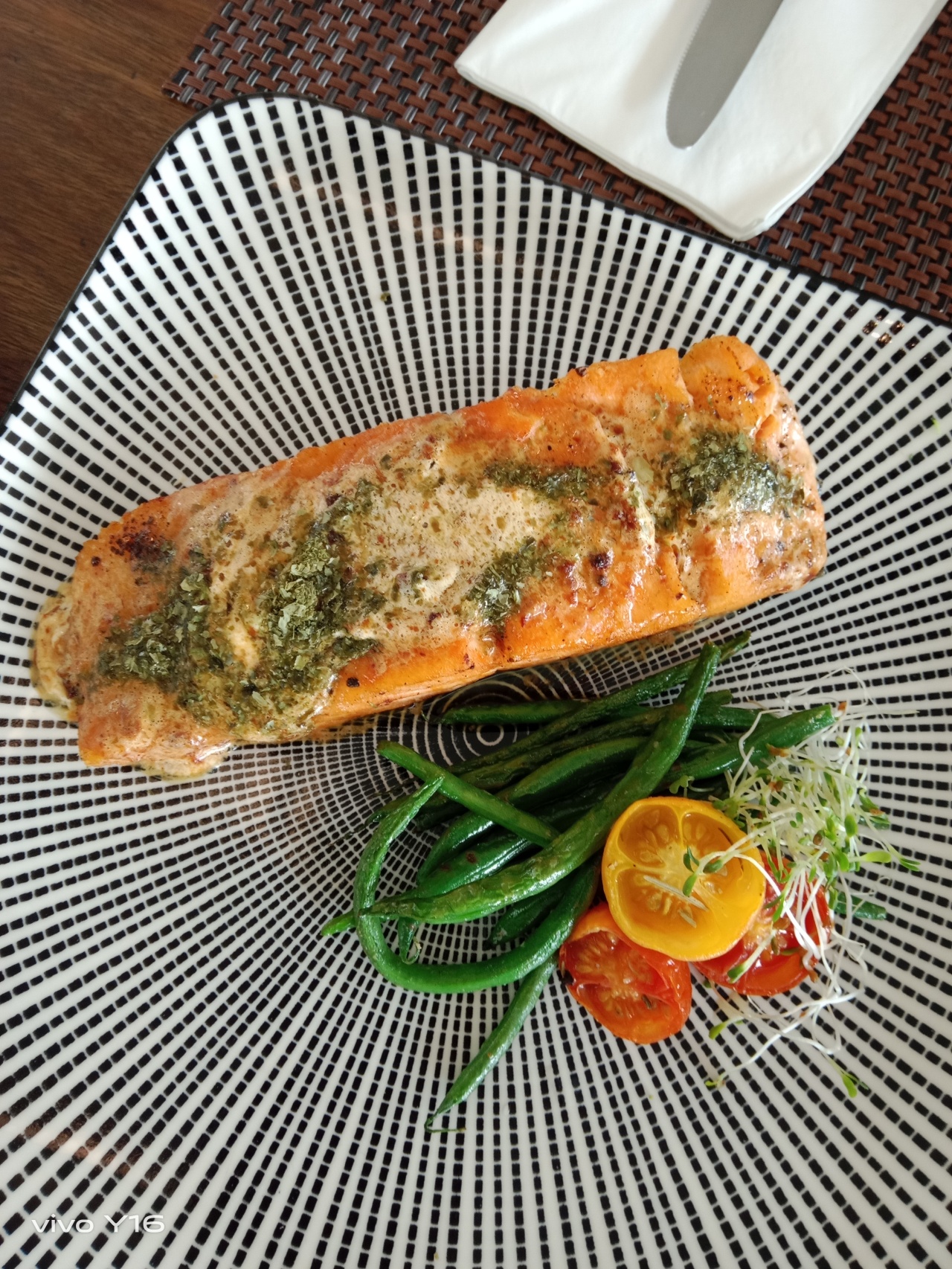
Selfies taken with the 5MP front camera looked okay. But I did feel it needed a bit of editing on Snapseed before posting as that seemed a bit dull.

As for night shots, the Y16 didn’t have a dedicated Night Mode so you can only shoot in standard photo mode. We gave it a try and did a short photowalk before heading back to the hotel and as we had expected, photos looked grainy.


Adequate battery life

We started our days early when we were in Baguio. So. it was quite commendable that its 5000mAh battery lasted me throughout the day. That’s with me using the phone mostly for photos, a bit of web browsing, and listening to music. Oh and also there’s navigating around the city.
Getting back to the hotel, I still had around 20 to 30 percent battery. I didn’t need to immediately reach for the charger. When I juiced it up with its 10W charger in the morning, it took a little over two hours to be fully charged. Seemed pretty standard for its rated battery capacity.
Is the vivo Y16 your GadgetMatch?

The vivo Y16 may not have many remarkable features aside from its mesmerizing design and sizable memory. However, there really isn’t too much that we can demand from devices that are within its price range.
The Y16 has a capable battery. It has hardware that is enough to do light gaming and media consumption. Plus, nice enough cameras that lets you keep memories through beautiful photographs.

If you’re looking for a smartphone that’s within your budget and your criteria fit everything that we mentioned, then surely the vivo Y16 deserves to be among the options for you to choose from.
The vivo Y16 retails at PhP 7,999 for its 4GB + 32GB variant. The 4GB + 128GB variant retails for PhP 8,499 and is available in Drizzling Gold and Stellar Black.




Health
Spring reset: Growing more at home with Auk Mini
From kitchen counter experiment to everyday habit


Spring and summer rolling around almost always makes me want to reset something in my routine.
A few years ago, it was growing broccoli sprouts in a jar. Getting the Auk Mini over Christmas felt like the natural next step.
From sprouts to something more
Starting with sprouts was easy. After having them at a family gathering, it clicked that I could actually grow something, even in our small apartment. Anyone, including my husband can do it on the kitchen counter, and upkeep takes less than a minute a day. Watching something grow and actually eating it made me realize how nice it is to have fresh greens around all the time.
The Auk Mini builds on that. Instead of just one thing in a jar, now I have herbs growing consistently at home.
Getting started was easy
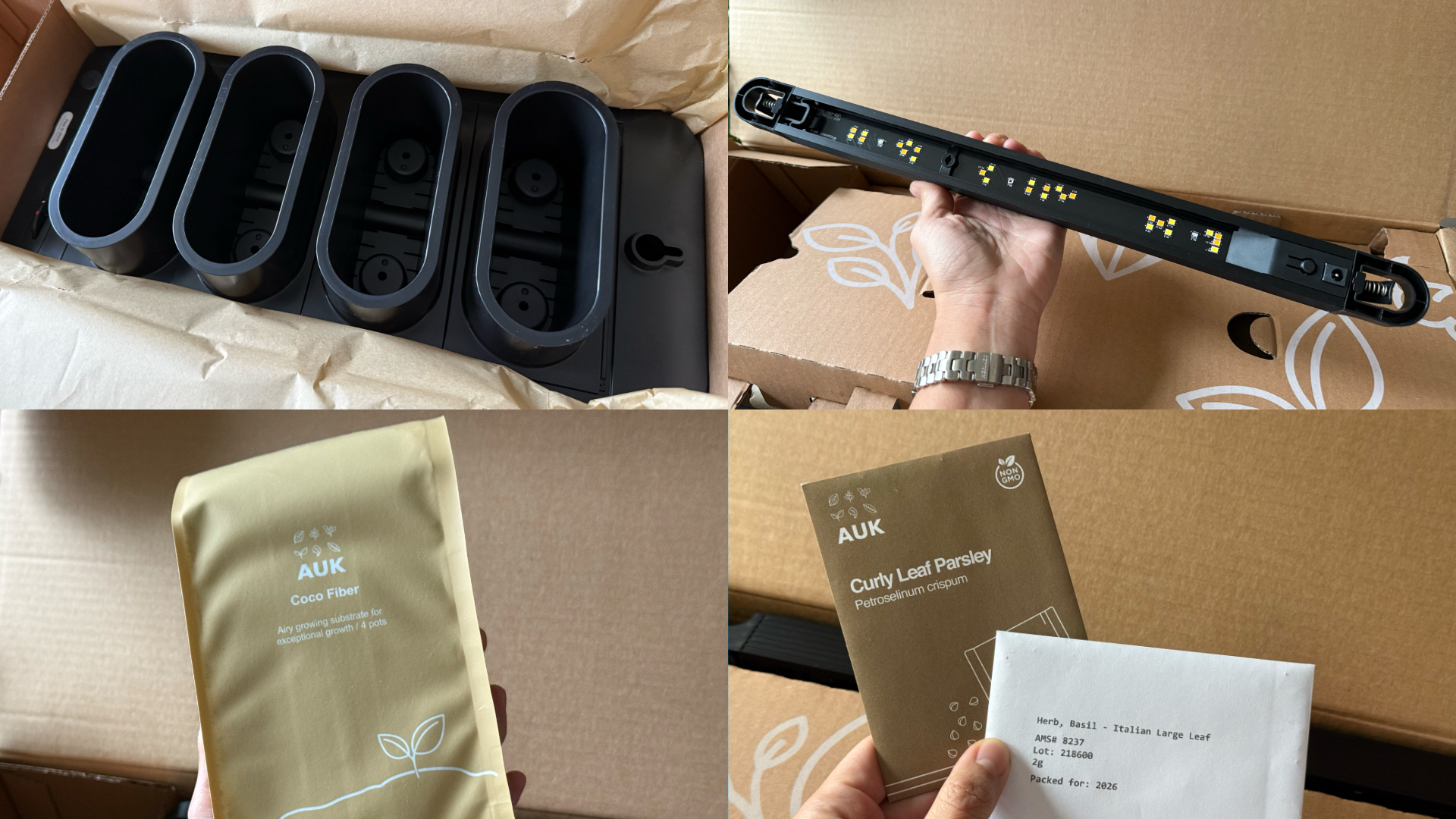
This was the part I was most unsure about, but it ended up being very straightforward. Setup took a few minutes, the instructions were clear, and nothing felt overly technical. The kit comes with everything you need to start: Auk Mini itself, seeds for planting, coco fiber, and nutrients that you add to the water to support both growth and flavor.
Once it’s up and running, it mostly takes care of itself. The lighting system handles what the plants need throughout the day, and the watering system keeps everything consistent. I have been away on trips, and I still come home to herbs that are healthy and fresh, waiting to be trimmed and added to my food.
It fits real life and small spaces

Fresh herbs growing beside my microwave
Living in a New York apartment, space is limited. While there are community gardens I could participate in, it’s not as convenient as having access to your own, especially when you’re in the middle of a snowstorm or a heatwave.
The Auk Mini sits beside my microwave, on a table that used to be my desk. It doesn’t feel like I added a new project to my life – it just blends in. I have the black and walnut version, which works well with the rest of my space, but it also comes in white, with oak or cork as other finishes, if you want something lighter.
Watching and competing
My husband and I set it up together and turned it into a challenge: who would harvest first?
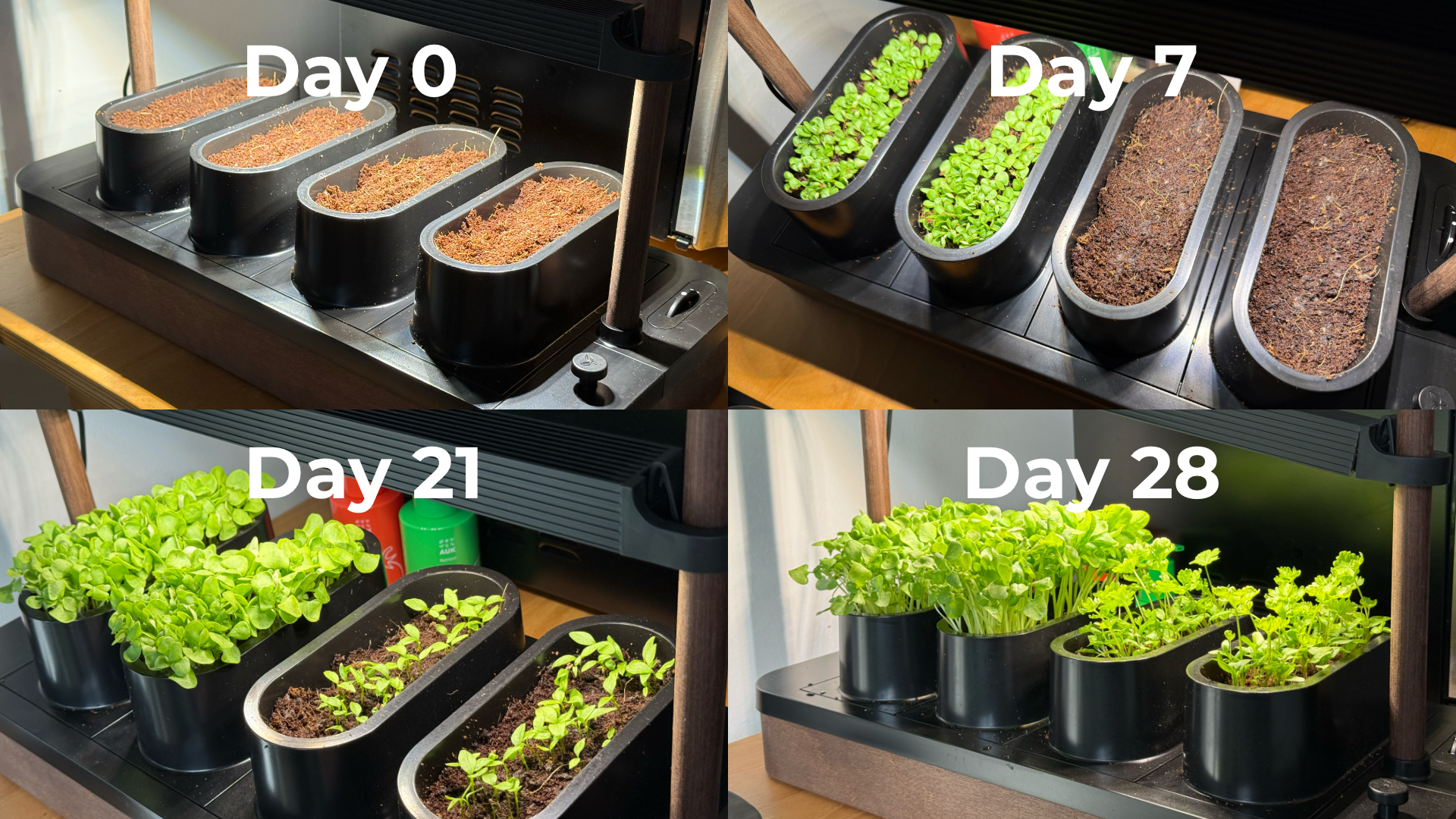
Our kit came with basil and parsley. He planted basil, which sprouted first. I took on parsley, which grew much slower and wasn’t ready for harvest until a little over six weeks later. The competition was a small thing, but it made the whole process more fun. We started paying attention to growth day by day, and it’s satisfying when you finally get to use what you grew.
One thing we learned pretty quickly is that different plants grow at different speeds, which can make lighting placement a little tricky in a shared setup like the Auk Mini. Since the basil grew faster and taller, we had to angle the light unevenly so it wouldn’t burn the basil while still giving the parsley enough exposure to catch up.
It changed how I use herbs
Basil and parsley used to be something I added as garnish. Now I’m using them all the time because they’re right within arm’s reach.

Learned to be creative and made pasta from scratch, made better with fresh herbs
I’ve been making sauces, marinades, pesto, even building meals and cocktails around them. It’s expanded the flavors we use in home cooking, and forced me to experiment instead of defaulting to our go-to recipes inspired by East Asian cooking. In fact, the biggest hurdle I’ve encountered is not having enough recipes in my repertoire that use herbs.
Even when a dish doesn’t call for it, I’ll cut some and add it anyway. Every time I did, it made the dish better. When something is always available and always fresh, you naturally start using more of it. And if you trim it properly, it just keeps growing back. It doesn’t go bad or get forgotten in the fridge.
You can grow anything you want
One of my favorite things about Auk Mini is that it’s not a proprietary system. They do offer other kits like a chili and tomato set or an Italian cuisine mix, but you can also grow your own choices.
I joined a Facebook group of Auk growers, and it’s been inspiring to see how others are using and expanding their indoor gardens. It makes me excited to try things that are harder to find or expensive in the U.S., especially vegetables and herbs I grew up with, like pechay, moringa, lemongrass, pandan, and kangkong.
A small step toward something bigger

Constant fresh herbs within reach
Growing herbs indoors reminds me of something from years ago. In university, I did an immersion program in a low-income community. We recommended sustainable food systems for the stay-at-home moms we met — including hydroponics systems — both as a source of extra income and fresh food.
That experience stayed with me, but I never acted on it. This feels like a small, techie version of that idea: a hydroponic system that works in real life, in a small space, and is easy to keep up with.
Is the Auk Mini your GadgetMatch?
Starting with sprouts showed me I could easily grow something. The Auk Mini showed me I can keep going and expand it. Now I have fresh greens ready whenever I need them.
It starts at $239, which isn’t the cheapest way to get into hydroponics. If you don’t use herbs on the daily like I do, the cost is even harder to justify. But that’s also why I recommend it even more. It’s convenient, it’s fresh, and at the same time it challenges you to be more creative with food.
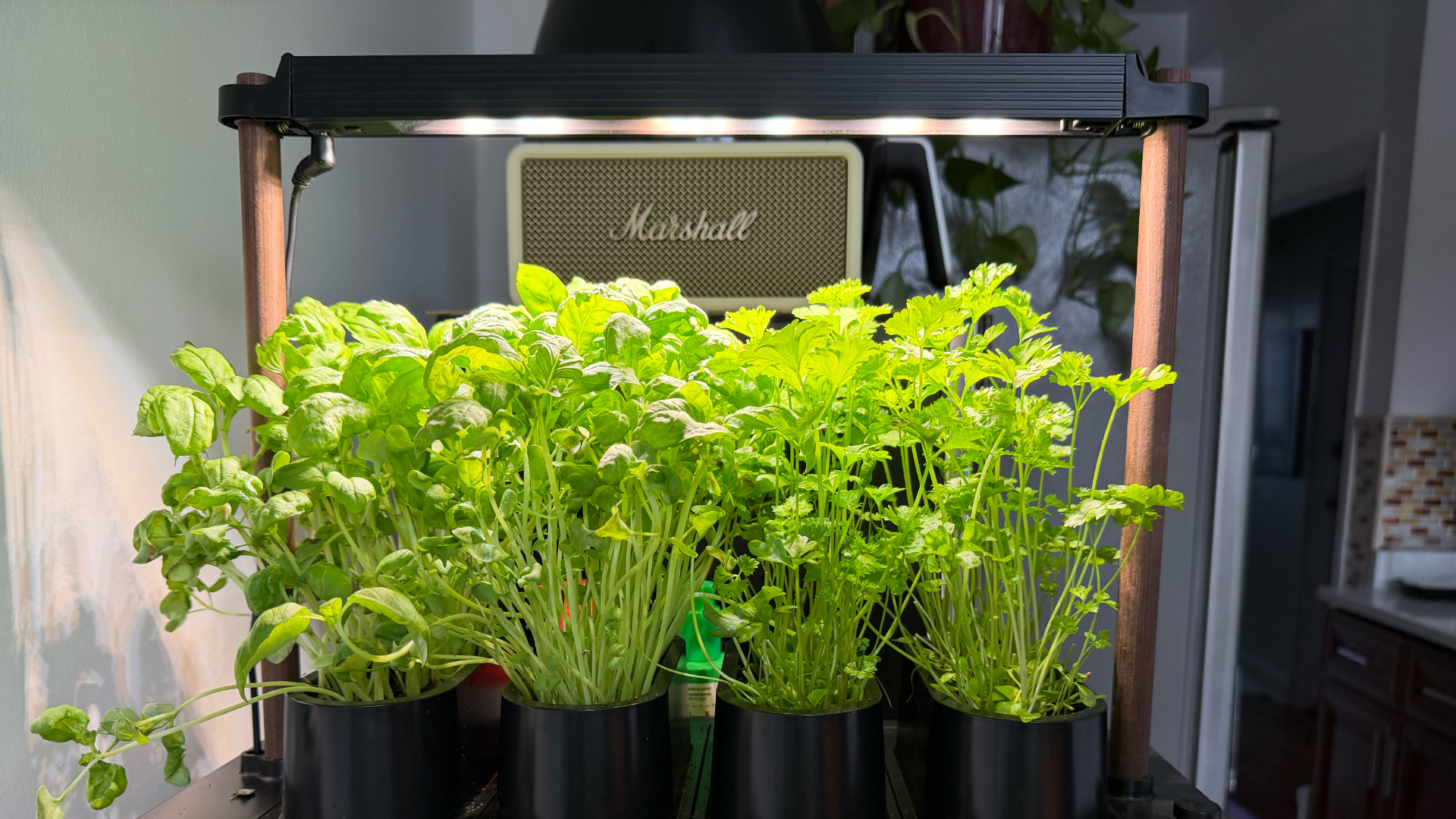
Basil and parsley keep growing in the Auk Mini after multiple harvests
Auk Mini’s ease of setup and maintenance, and flexibility make it worth it, especially if you don’t know where to start. It was a great hobby to start the year with, and an even better habit I’ve kept building on five months on. It’s given me confidence I can grow my own food for the rest of my life, one way or another.
Accessories
UGREEN MagFlow Air review: Airy Yet Mighty
Slim and light power bank with a strong suit and core

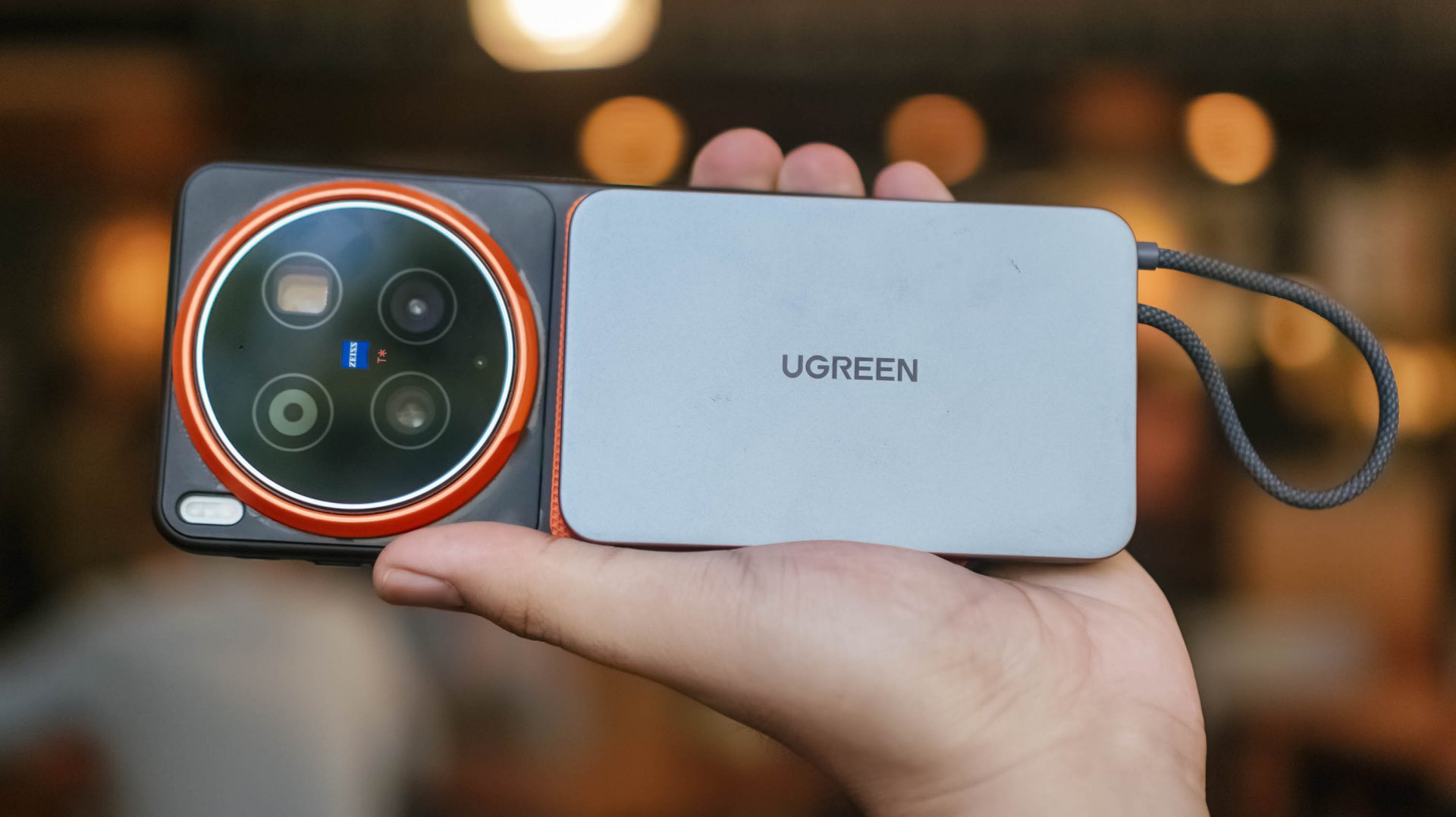
Power banks (or battery packs on the other side of the world) have gone through loops of ups and downs.
While it’s ever-popular for juicing up smartphones and several devices in a pinch, it’s also notorious for making you flinch whenever your airplane’s overhead bin blows some white smoke all of a sudden. Or worse: engulfing flames when left unattended.

But, with the advent of bigger yet slimmer (and safer) batteries this 2026, it’s hard not to wonder and ponder when such tech will arrive in power-packed accessories most of us use.
Very, Very Airy
For a refresher, UGREEN launched the MagFlow series not too long ago. That’s specifically eight months from the time of this writing.
One of its standout features is its LED display. Removing that feat with some running on the treadmill gives you a power bank that managed to shed some weight and trim down its waist.
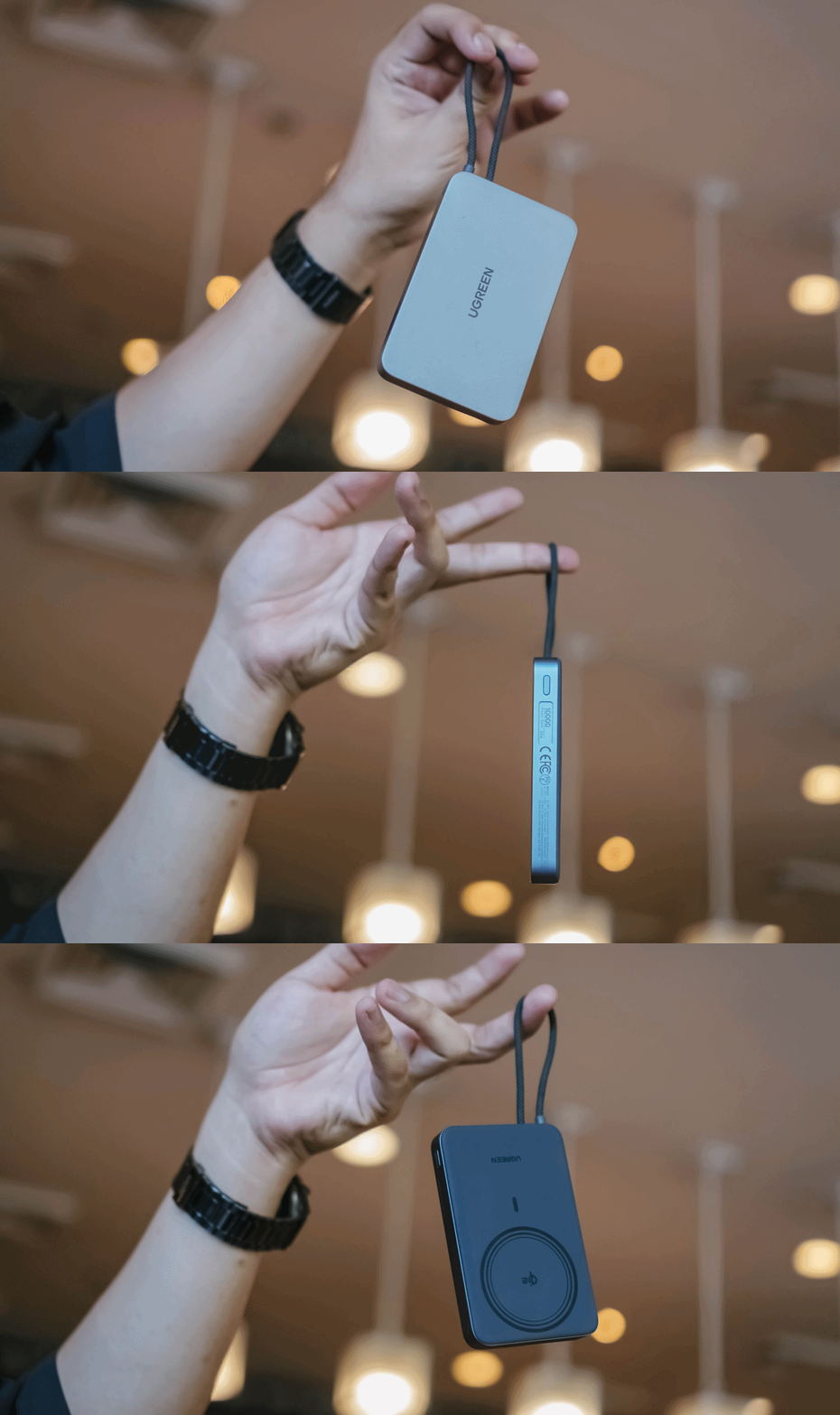
Thus, the UGREEN MagFlow Air truly stands out on the show floor.
By the numbers, UGREEN’s MagFlow Air takes it to the next level with its 13.9mm slim chassis and 213 grams of feather-lightness.
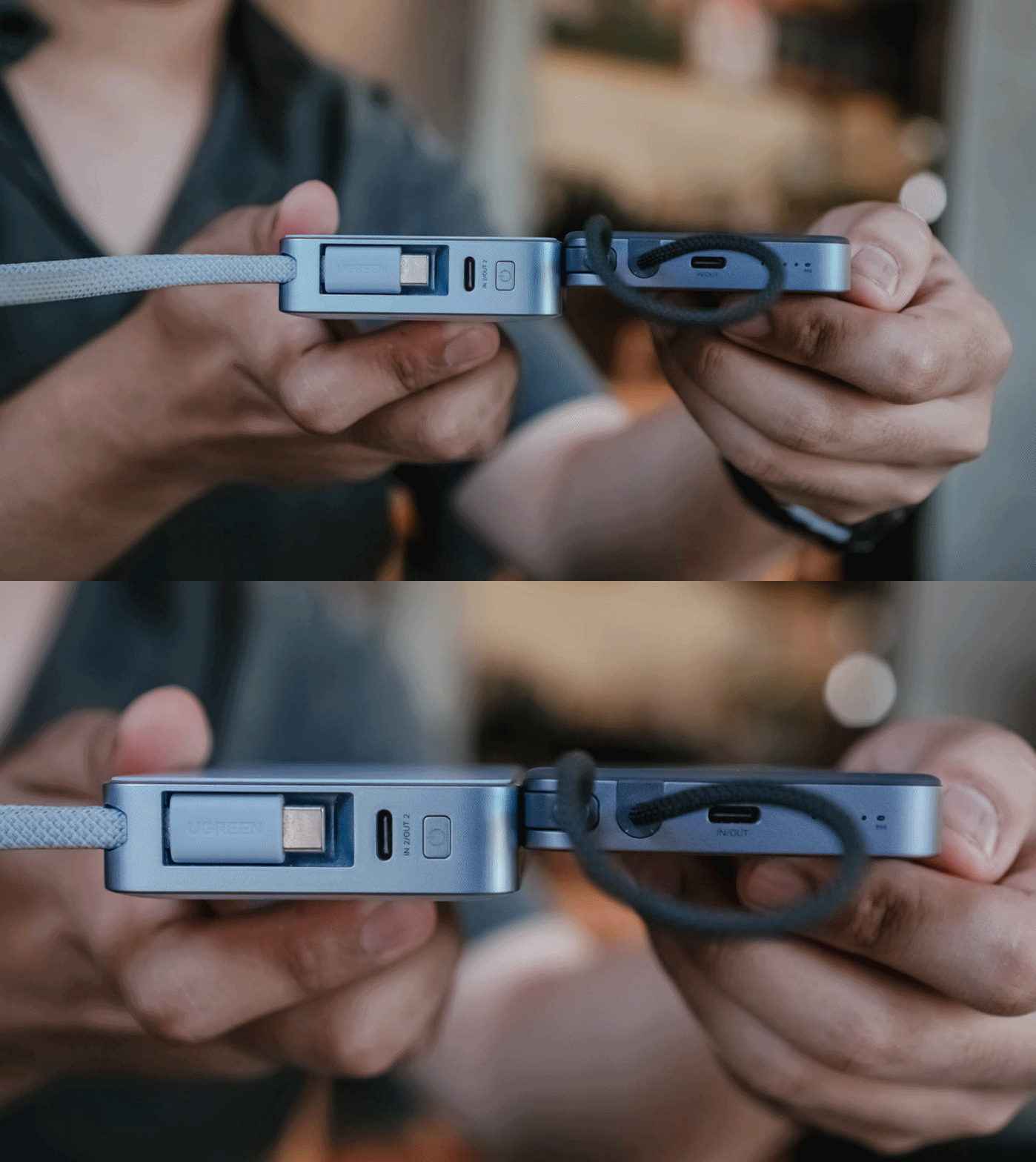
The regular MagFlow, on the other hand, is heavyweight at 254g and oh-so-juicy-thicc at 21mm.
I even tried putting the new model up against UGREEN’s first-gen MagSafe power bank I personally bought from 2023. My OG power bank was still thick at 19mm and weighed as much as 235 grams.
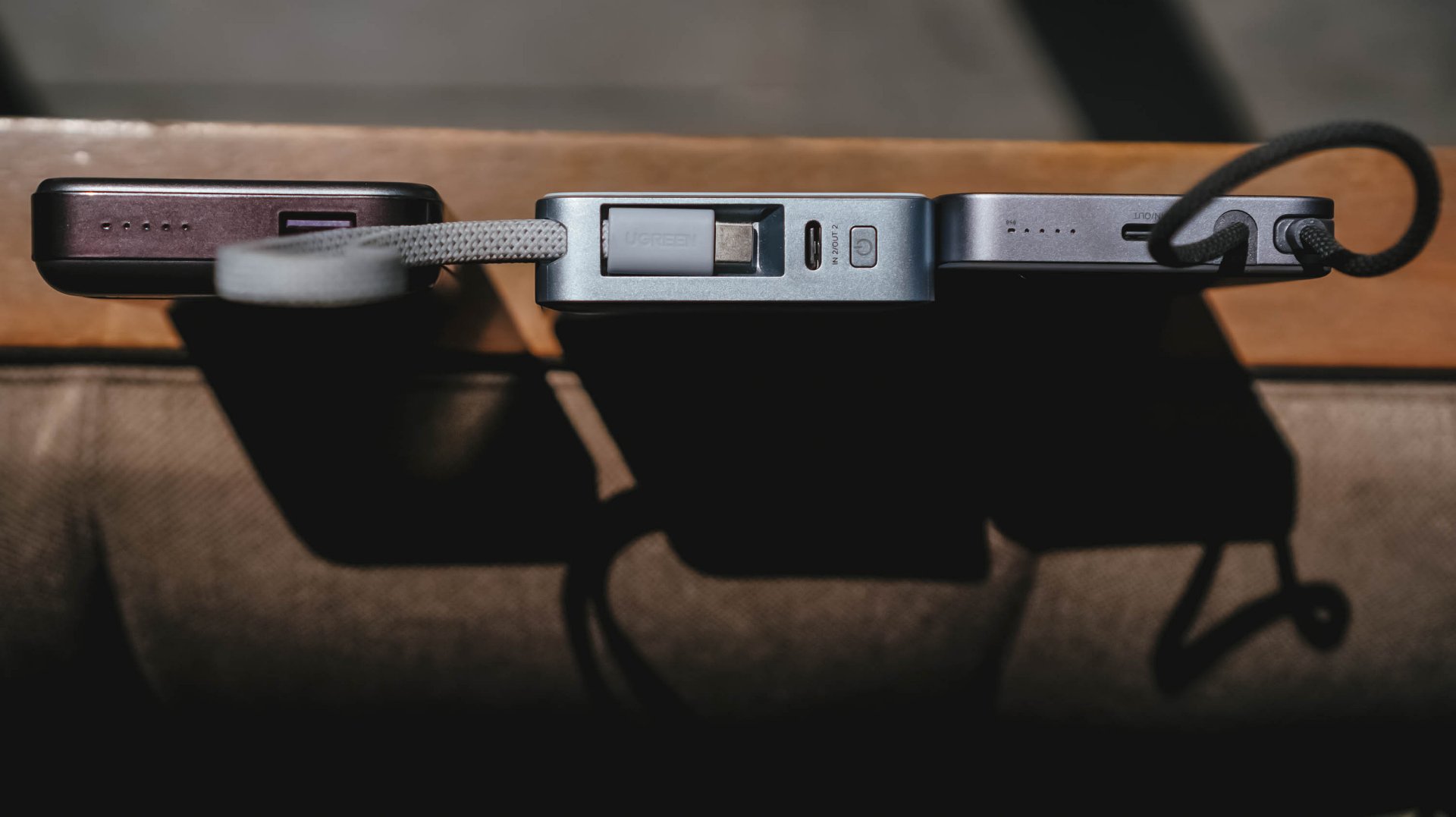
Visual differences aside, I’ve held it enough to say the size and weight differences were truly felt from every inch within.
But at what cost?
Just like its THICCer brother, the UGREEN MagFlow Air shares the same Qi2 wireless charging standard alongside the inclusion of Apple’s legendary MagSafe feature.
But, to achieve its thinner and lighter form factor, UGREEN clearly needed to make some sacrifices.
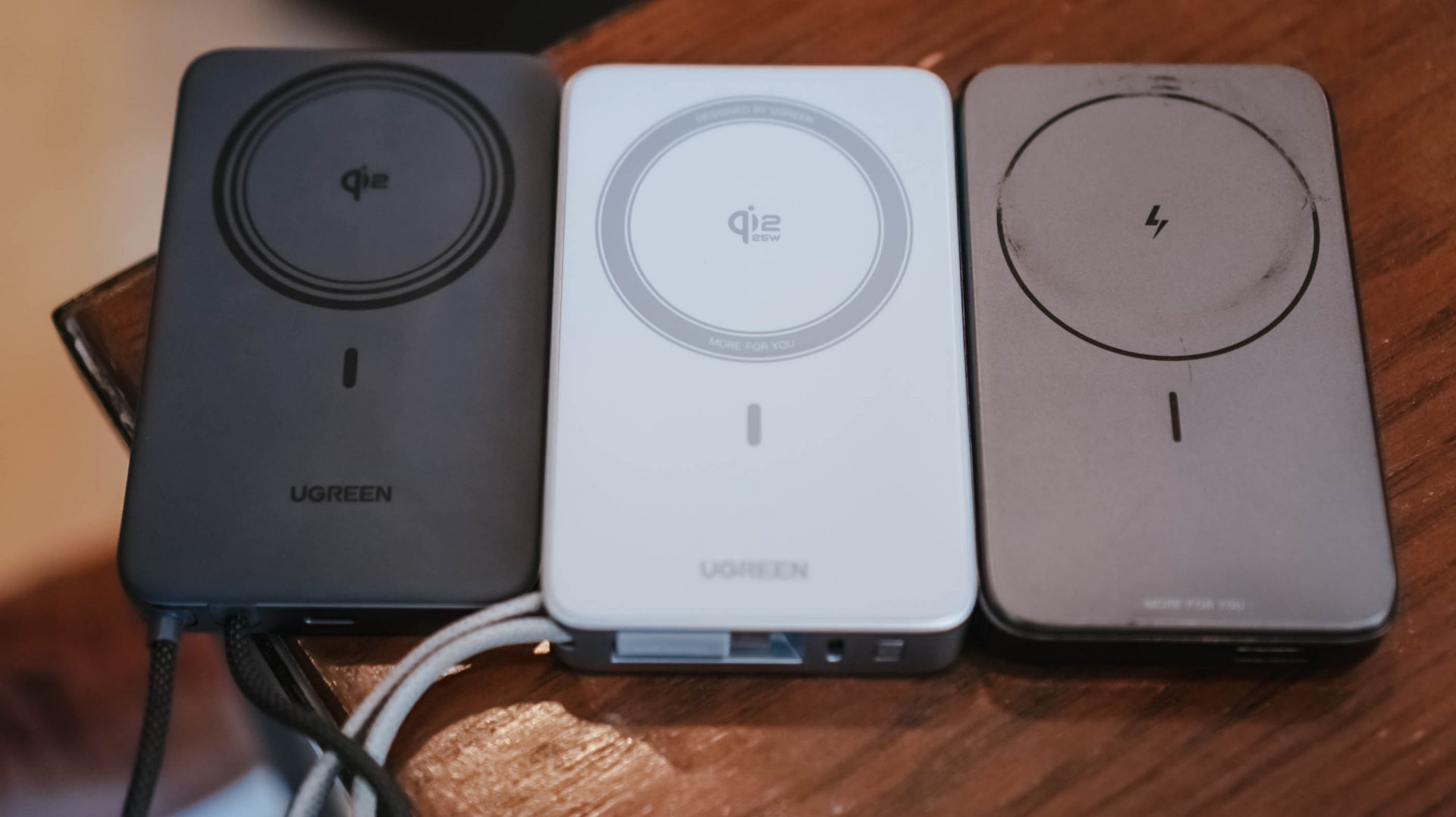
MagFlow Air vs MagFlow vs PB206
First and foremost: its wireless charging capabilities.
The first MagFlow power bank boasts as much as 25W wireless charging speeds. That has been downgraded to just 15W wireless in the newer MagFlow Air.
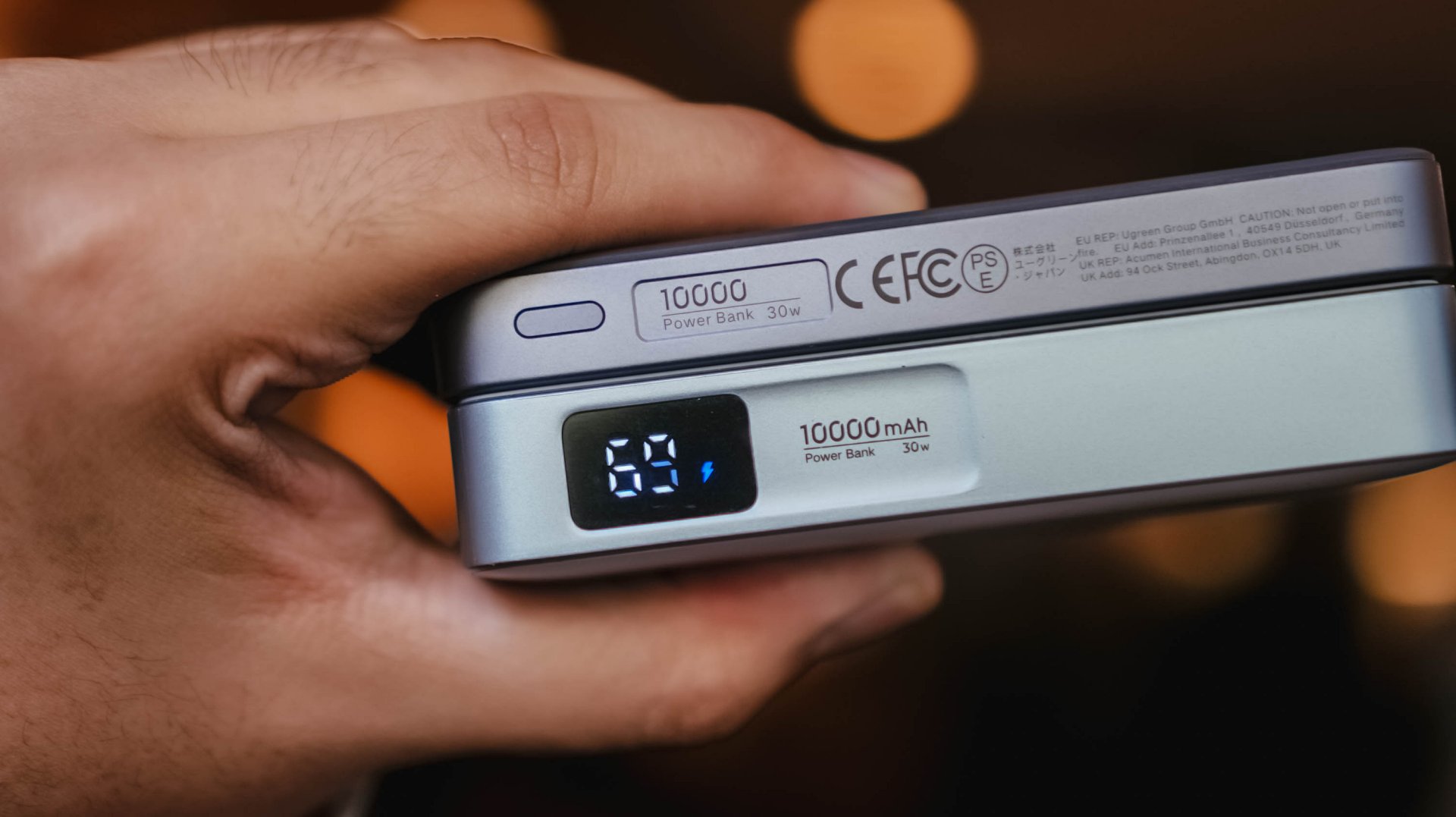
And another: the removal of its special LED display. This hinders possible buyers from checking if it actually fast charges one’s device.
Although some users prefer it, others don’t. It’s something that ends up on the buyer’s priorities at the end of the day.
Which further brings me to my extensive charge tests and how I tried conducting it.
Feel that fill
With the absence of that dedicated display, knowing the power bank’s overall charge status relies on the conventional 4-bar indicator.
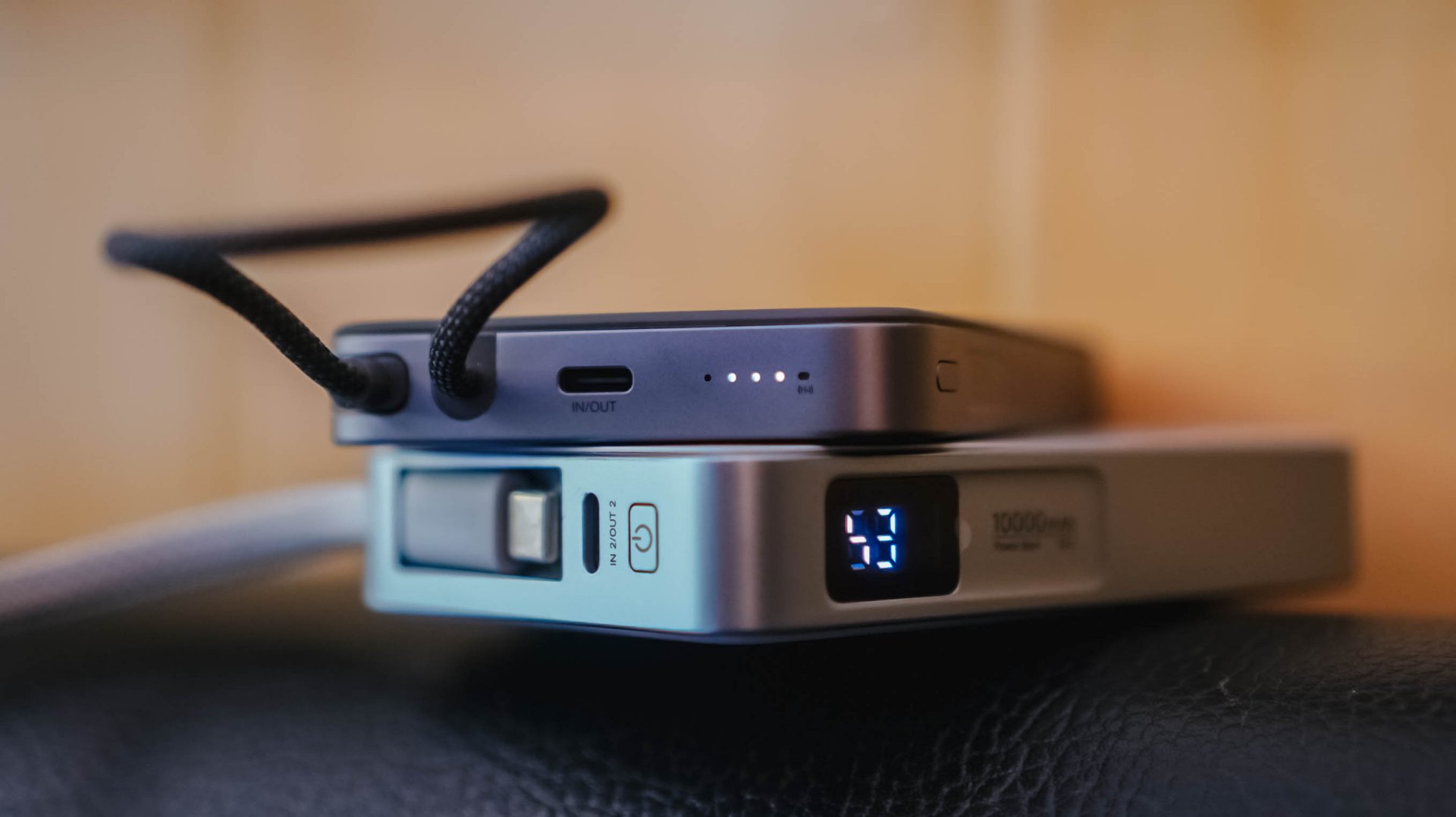
While percentage accuracy is clearly impossible, it didn’t hinder me from conducting my GadgetMatch Charge Test.
With my smart watch timer and dedication on keeping tabs with the power bank’s actual battery level, the test was still a success.

UGREEN claims this 10,000mAh power bank can be charged up for around two hours.
I am not sure what type of charger and cable UGREEN used for their test. On my end, I used two of the most extreme combos I have with me.

First, their very-own UGREEN 100W Uno GaN charger paired with ADATA’s magnetic USB-C to USB-C cable that supports Qualcomm’s Quick Charge (QC 3.0) speeds.
For another, vivo’s newest 100W FlashCharge adapter — now with a better USB-C port (instead of USB-A).
UGREEN 100W Uno + ADATA
|
vivo 100W FlashCharge +
|
|
START TIME (from 0%) |
1:57PM |
3:15PM |
1 bar |
approx. 45 minutes |
approx. 50 minutes |
2 bars |
approx. 1 hour 5 minutes |
approx. 1 hour 5 minutes |
3 bars |
approx. 1 hour 20 minutes |
approx. 1 hour 20 minutes |
4 bars |
approx. 1 hour 30 minutes |
approx. 1 hour 30 minutes |
END TIME (Full Bar 100%) |
4:18PM
|
6:02PM
|
While UGREEN did not explicitly specify if it’s exactly a two-hour charging time, these results prove that you can fully fill the power bank to the very brim as long as you got the fastest chargers and cables around.
Power up to the top
My extensive charging benchmarking doesn’t end there.
Just like any other power bank in the market, smartphones are also built different. While flagships lead the race in having the best charging speeds possible, modern-day midrangers barely feel “mid” now especially with their behemoth battery tanks.
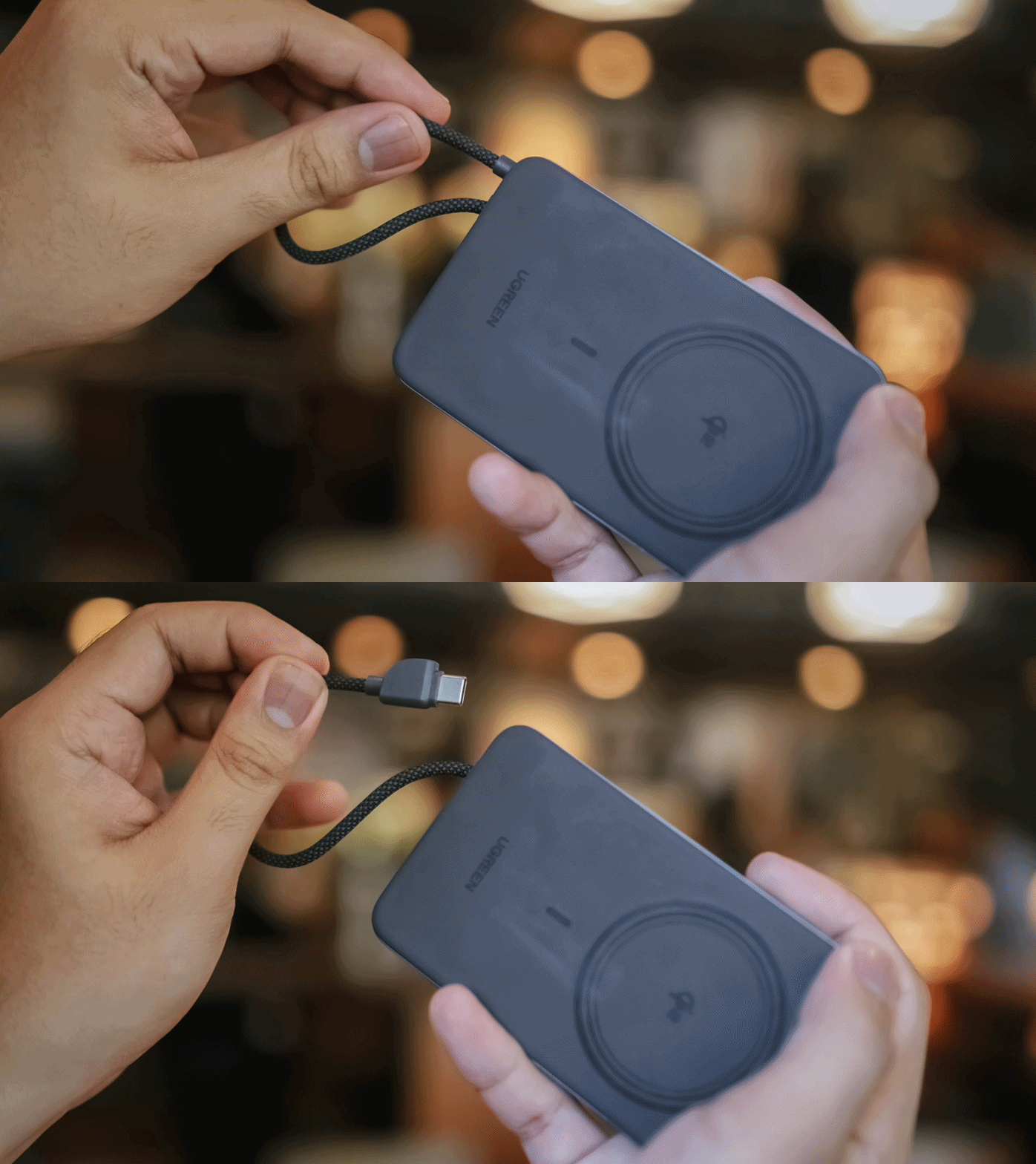
For the most objective yet inclusive test possible, I’ve decided to use the MagFlow Air and its built-in USB-C cable to charge two phones from my stash: the all-new vivo X300 Ultra and the TECNO POVA Curve 2 5G.
ICYMI, vivo’s X300 Ultra boasts a 6600mAh Si/C battery that supports speedy 100W wired FlashCharge speeds.
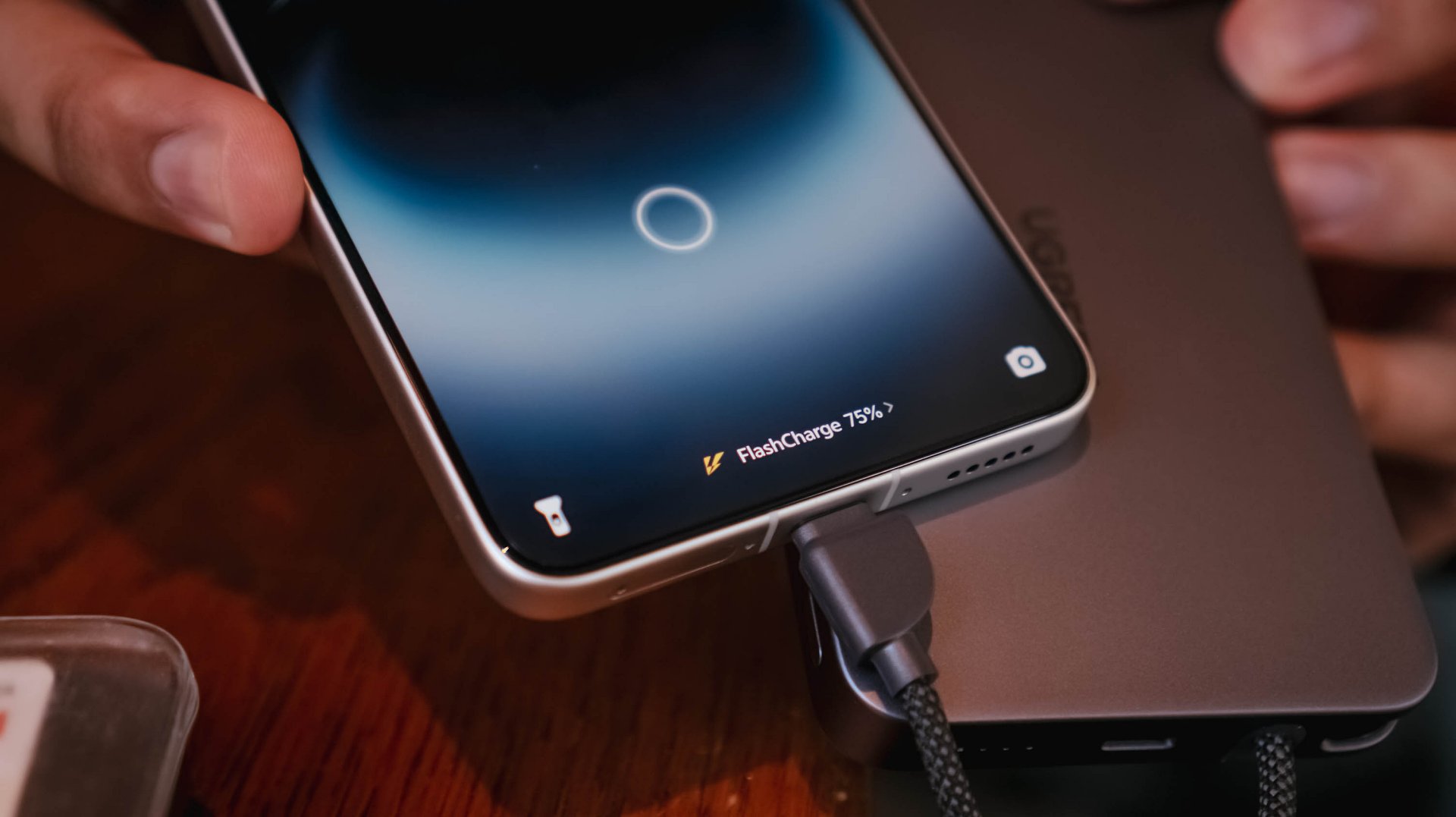
However, that’s not just limited to its bundled charger and cable. Thanks to a leveled-up USB-C PPS protocol, I was able to maximize its charging speeds even with just MagFlow Air’s stationary body cable.

On the other hand, the TECNO POVA Curve 2 5G has a gargantuan 8000mAh battery. Albeit, slower charging at 45W with the absence of PPS.
That said, my test shows differences affect overall charging time.
vivo X300 Ultra
|
TECNO POVA Curve 2 5G
|
|
START TIME (from 0%) |
4:54PM |
3:53AM |
5 minutes |
5% |
2% |
10 minutes |
13% |
8% |
15 minutes |
20% |
17% |
30 minutes |
47% |
21% |
45 minutes |
68% |
31% |
60 minutes |
96% |
40% |
75 minutes |
– |
46% |
90 minutes |
– |
53% |
120 minutes |
– |
72% |
150 minutes |
– |
88% |
END TIME (100%) |
4:18PM
|
6:43AM
|
Status Bar Indicator |
1 battery bar |
1 battery bar |
Moreover, this not only proves how fast and sturdy the built-in USB-C cable of the MagFlow Air is. It was also able to live up to its 10,000mAh battery capacity with both tests being able to keep one (1) battery bar alive and kicking.
Of course, using the USB-C port (given you have the right type of cable) can supply your phones and other devices as much as 30W of maximum charging output.
1-bar wonder?
As preluded to earlier, knowing the actual charge of the power bank after using it was never possible at all. Still, that never stopped me from trying to use it even under such a silly circumstance.
vivo X300 FE
|
vivo X300 Ultra
|
|
START TIME (from 0%) |
11:55AM |
1:45PM |
5 minutes |
1% |
7% |
10 minutes |
2% |
– |
15 minutes |
4% |
– |
30 minutes |
10% |
– |
45 minutes |
20% |
– |
FINAL PERCENTAGE |
27% |
8% |
Power bank dead after |
59 minutes |
7 minutes |
With that 1-bar left. it’s nothing but a guessing game. A battle against your anxious mind if it will actually help charge up your device or not.
This is also another testament that wired charging standards and protocols also matter as much as the charging cables and bricks we are also using for our power banks.
Safety is a HUGE priority
If you worry about bringing this in your upcoming trip, the UGREEN MagFlow Air is definitely allowed when you board your airplanes with its “airline-friendly” or “travel-friendly” mark.
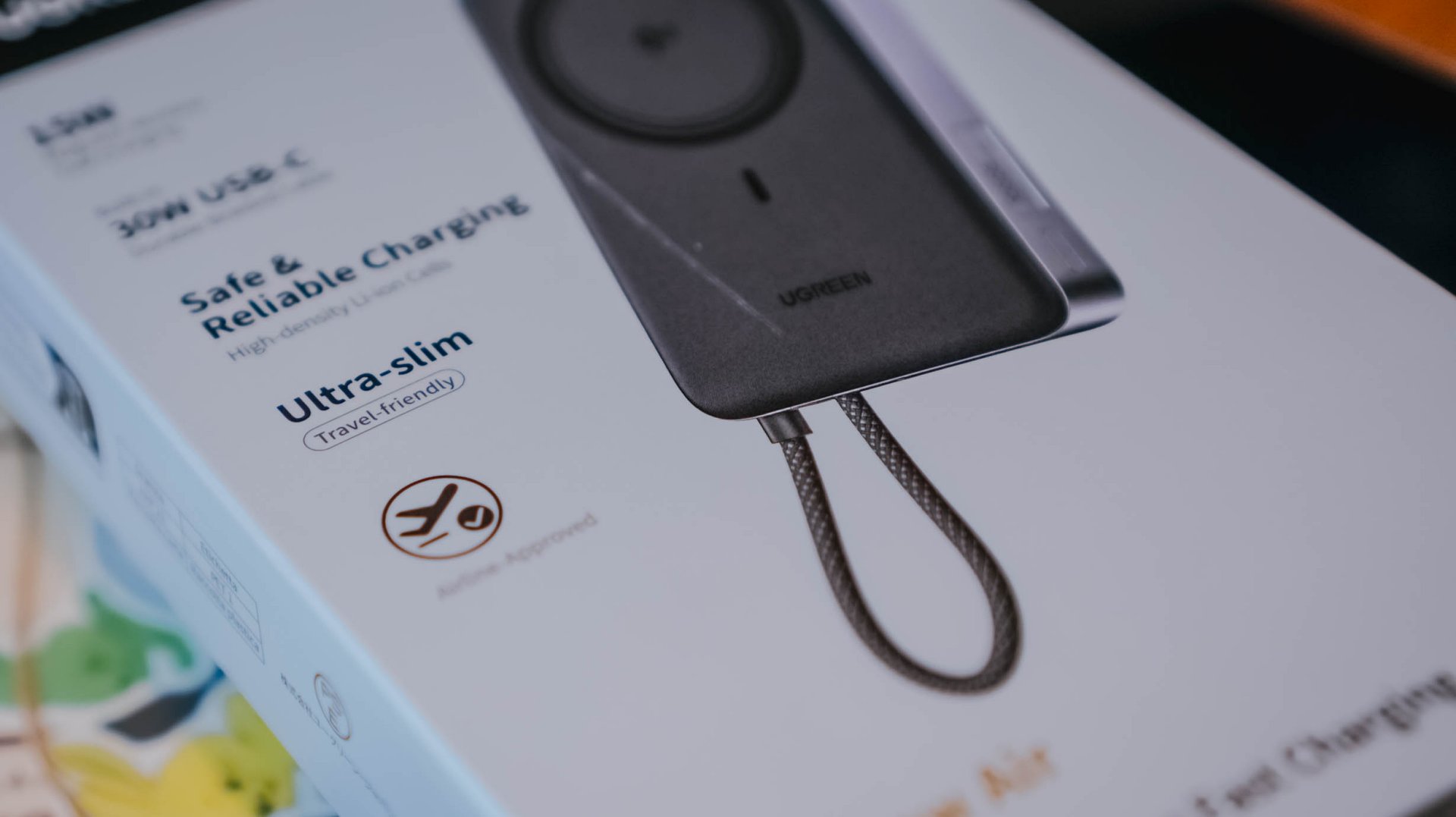
My only cause of concern: Despite the brand originating in Mainland China, they still don’t put that much-needed CCC (triple C) Certification. Personally, this affected my work trips last year going to China.
Not being able to bring any certified power bank made me struggle — especially as someone who uses my phone as the main device when taking snaps and stills while still being connected to the internet via foreign SIM card (and/or eSIM).
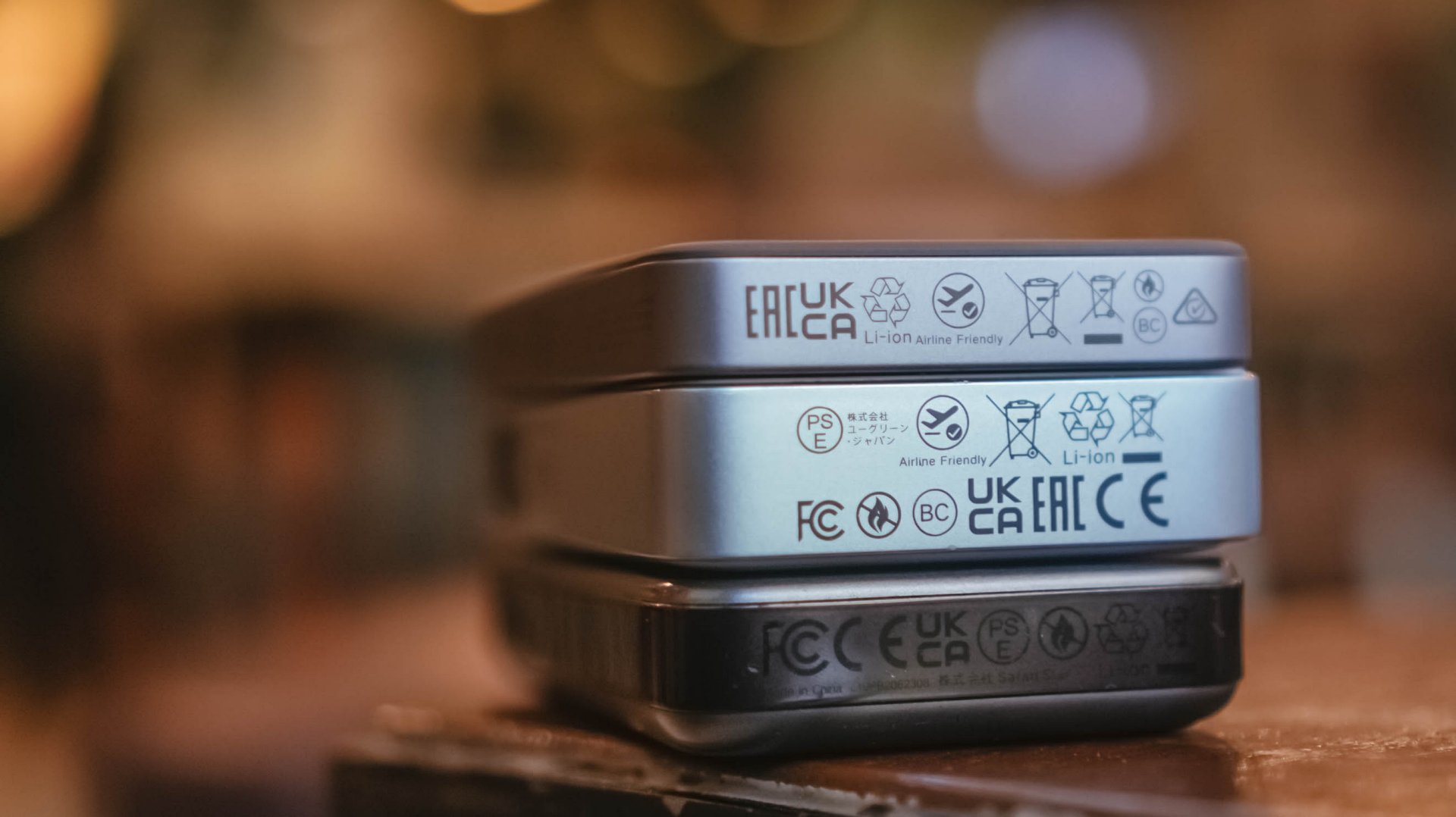
Hopefully, UGREEN will secure all needed safety standards and certifications for it to be deemed as a “travel-friendly” power bank.
That said, even without China’s strict regulation against portable power packs, UGREEN’s multiple safety protections still make it a safe product to use whenever you’re out and about.
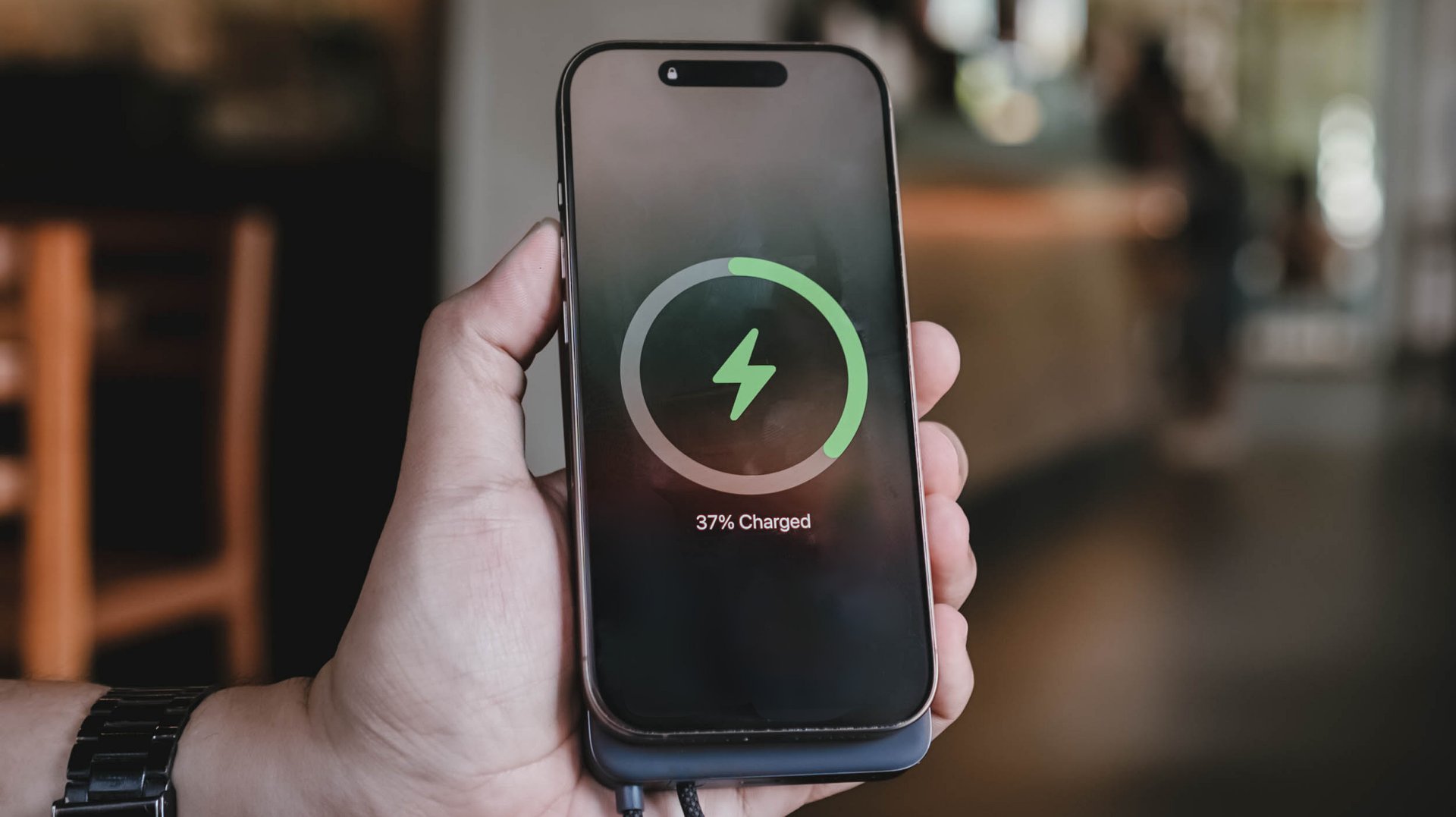
More so, that ThermalGuard feature that intelligently controls the overall temperature of the power bank when being used. A clear sign that it regulates heat caused by charging even in prolonged usage periods.
And now that we’re already at it, this is a friendly reminder not to use unauthorized third-party chargers and/or cables.
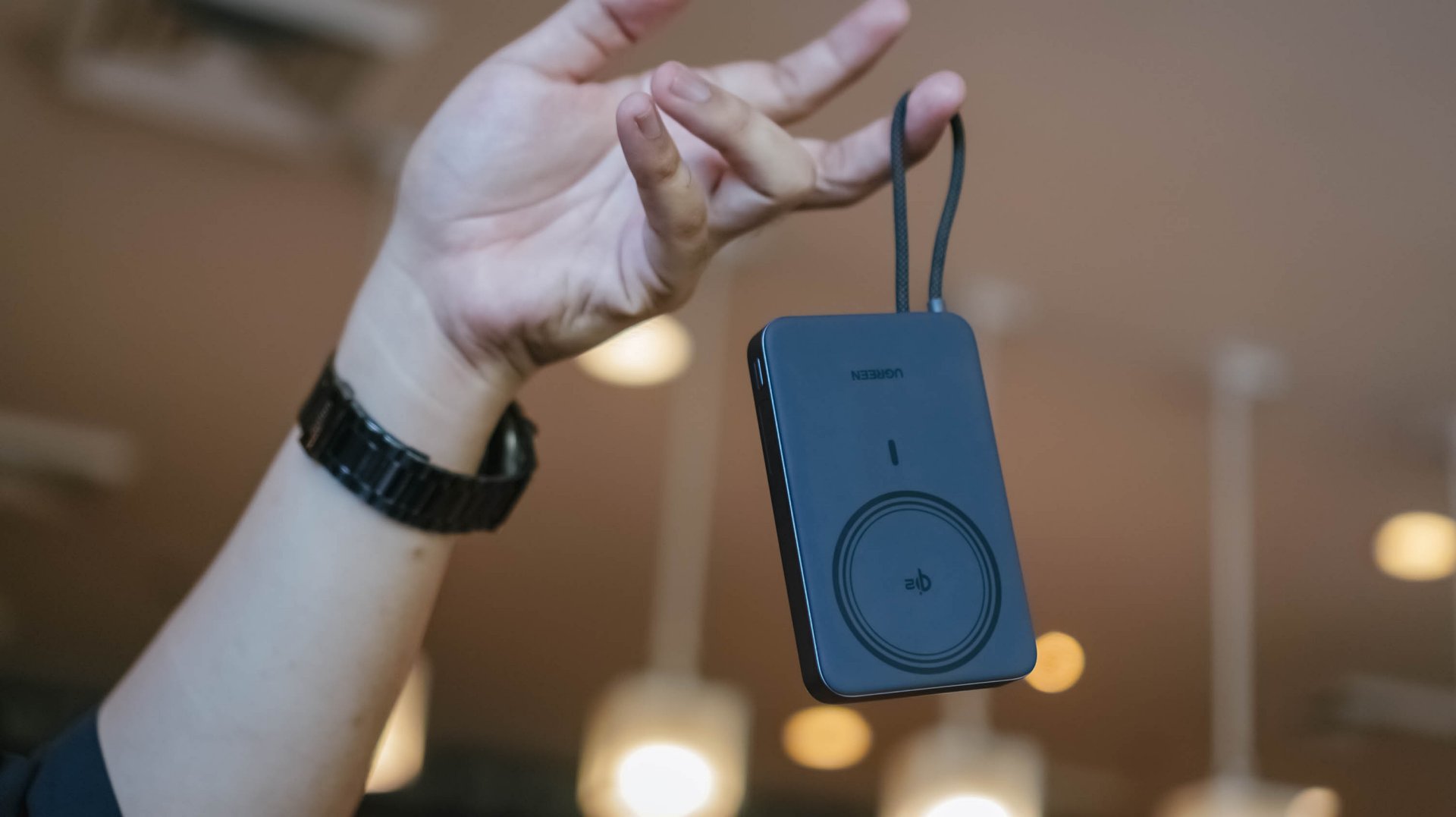
As much as you want your power banks, phones, and other devices to be safe from unsolicited battery blowouts, you should also be able to invest on authentic power adapters and charging cables that won’t harm or degrade the MagFlow Air.
Is the UGREEN MagFlow Air your GadgetMatch?
With a price of US$ 79.99, UGREEN’s MagFlow Air is definitely a power bank (or battery pack) worth considering and purchasing.
Without an ounce of doubt, the UGREEN MagFlow Air is a solid Super Swipe and deserves the GadgetMatch Seal of Approval.

If you’re not being too nitpicky about the lack of a dedicated status display or the slower 15W wireless charging speeds, the MagFlow Air is still as powerful as its MagFlow brother alongside other power banks in the same league.
While it’s overall slim and light, it still has a strong suit and core that makes it a must-have accessory to bring — especially if you’re the type who lugs, roams, or travels out a whole lot.
Reviews
The Infinix GT 50 Pro has the most inspired design for a gaming phone
Liquid cooling that actually shows the liquid cooling.

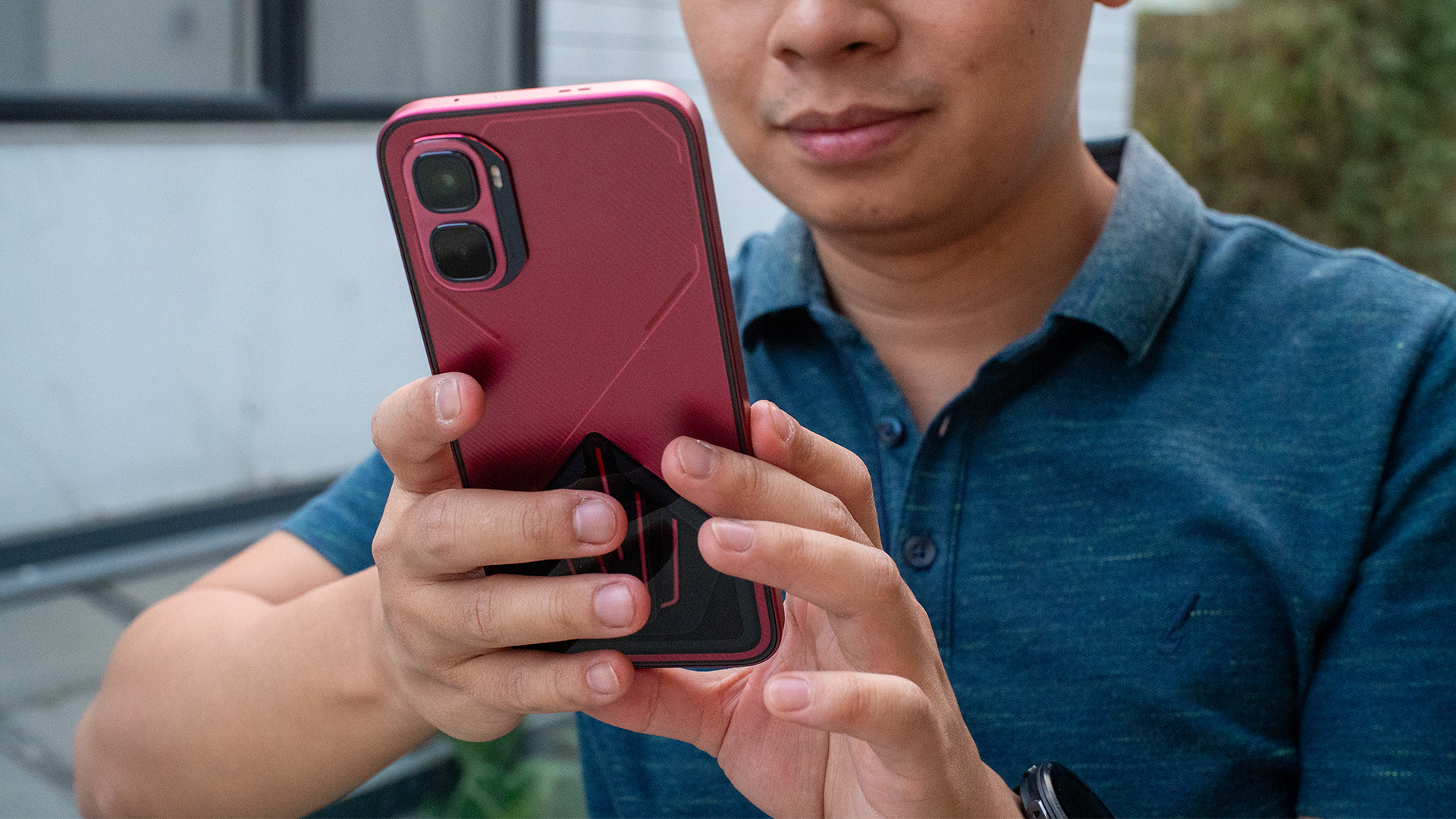
I have a love-hate relationship with Infinix. While I appreciate how affordable its phones are, there’s always some little thing that makes me cringe: an uninspired design, a lackluster processor, or a deluge of bloatware, for example. Now, after an age of testing Infinix’s phones, the brand might have finally released a smartphone that ticks all the boxes. Ladies and gentlemen, here’s the Infinix GT 50 Pro.
The most inspired transparent design I’ve seen
Smartphone designs today are soooo boring. I miss the days when brands weren’t scared to try something daring for their devices. By far, the only design philosophy that manages to wow me is the transparent rear popularized by Nothing.
The Infinix GT 50 Pro has something similar. The chassis features a nice matte red finish that also feels pleasant to the touch. It also has a carbon fiber pattern and some futuristic decals that light up.
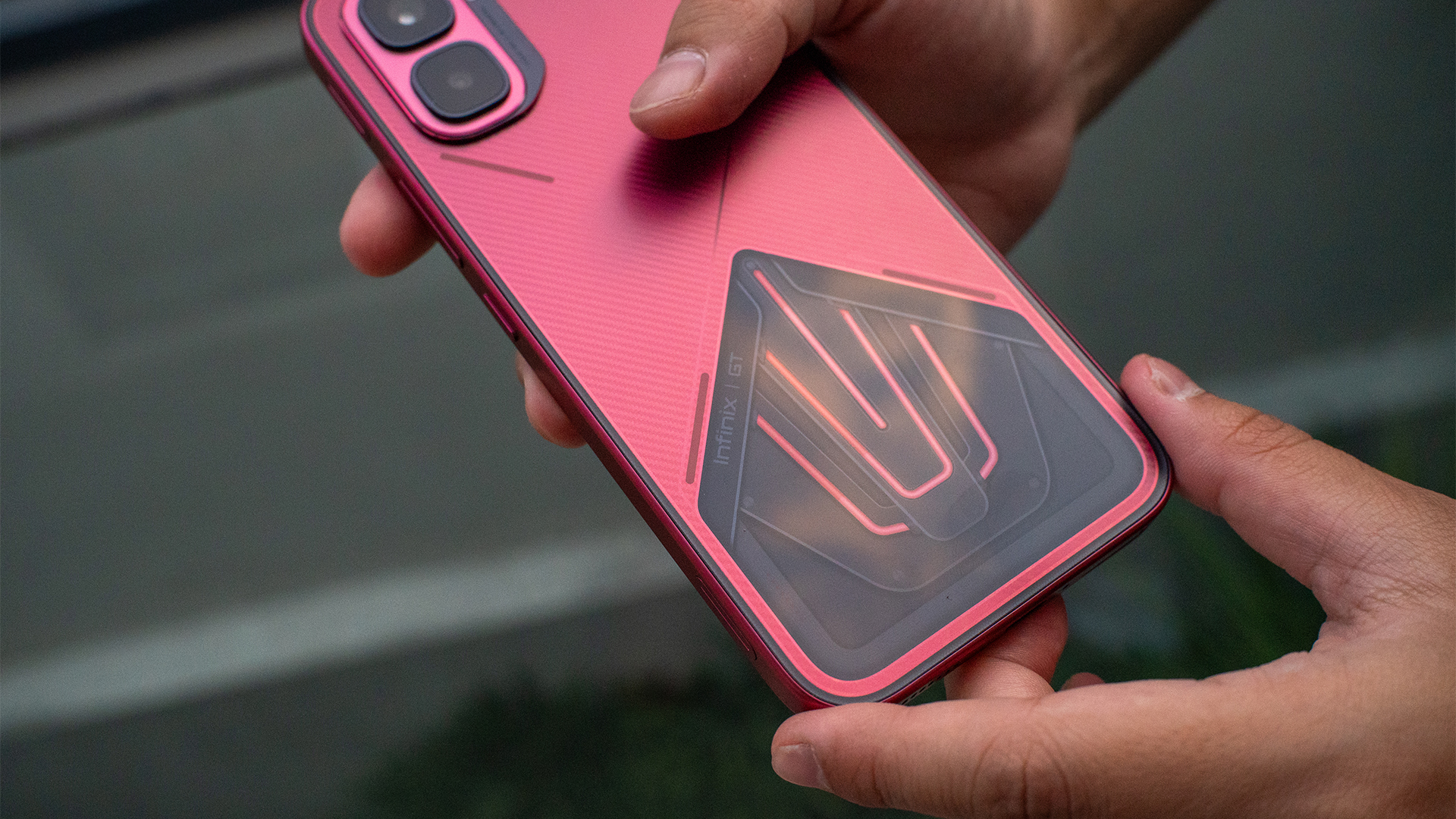
The highlight, however, is a transparent portion of the rear, enclosed by glass. Although, compared to Nothing, Infinix’s take does not pretend to give you a peek into the inner workings and the chips inside. Rather, it shows the actual pipes used for the phone’s liquid cooling. And yes, it works. While the phone’s under a heavy load, you can see the liquid circulating.
Overall, the Infinix GT 50 Pro doesn’t really break what a normal smartphone looks like these days. However, the addition of the transparent liquid cooling chamber just adds so much. It’s so inspired. Sure, it’s gimmicky, but it’s one that doesn’t force you to engage with it every two seconds.
This is truly a gaming phone
Though the subtle design hides the phone’s nature, the Infinix GT 50 Pro is a true gaming phone. It has the Dimensity 8400 Ultimate, a screen capable of 144fps framerate, and a pressure-sensitive trigger. Rounding this out, you’re also getting 12GB of RAM and up to 512GB of internal storage.
“Capable” is one way to describe the abilities of this phone. But you can just as well use “powerful” or “impressive”. As usual, my favorite test is Zenless Zone Zero. Though the game can be run on lower machinery, it can also push phones to their limits.
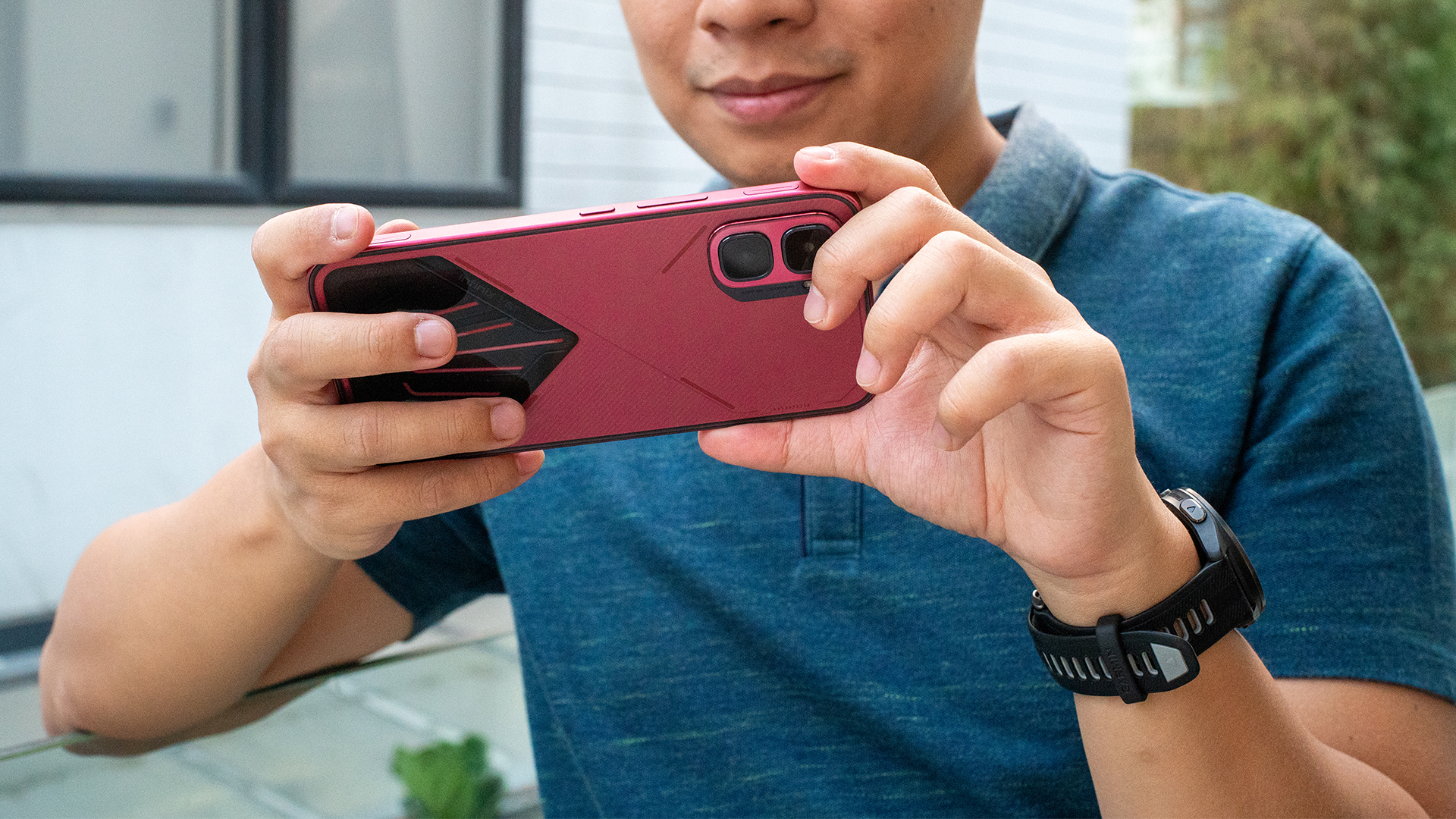
That said, the GT 50 Pro doesn’t seem to have any limits. Though the game defaulted to medium settings at first, the phone had no complaints about pushing the settings to its absolute maximum, including framerate. The game performed quite well for hours.
Even better, the phone didn’t really get to an uncomfortably hot level. The liquid cooling really does work. Despite not needing one, the package also has a plug-in fan you can attach with a MagSafe-like case. It’s overkill, but I appreciate the additional love.
The phone also has two pressure-sensitive triggers on the left and right sides. If you’re more attuned to console gaming, the triggers add a feeling of familiarity.
A decent camera package
So far, I’m loving the GT 50 Pro. But you can’t really win them all.
The phone has a 50-megapixel main sensor and an 8-megapixel ultrawide camera. It’s capable of shooting videos at 4K resolution and 60 fps.
Now, these two cameras are very decent at their jobs. The photos are more on the vibrant side. They’re neither too warm nor too cool. This was in comparison to the default settings of my daily driver, the Nothing Phone (3).


Quality aside, the bigger problem is the lack of zooming capabilities. The cameras can only zoom optically by 2x. Beyond this, there’s a digital zoom going up to 10x, but the quality, buoyed heavily by enhancing software, is barely anything to speak out.
The UI finally gets it right
Throughout all the times I’ve reviewed an Infinix phone, I’ve always had a problem with the brand’s operating system and its overabundance of bloatware. When you first open a new Infinix phone, the chances are high that it’s drowning in unnecessary apps (or suggestions for them).
The Infinix GT 50 Pro is the first time that I feel like I’m holding an actual phone, rather than a repository of ads for apps. The UI is slightly based on Apple’s Liquid Glass. The icons are customized with a futuristic aesthetic. It’s the cleanest I’ve seen in an Infinix device.
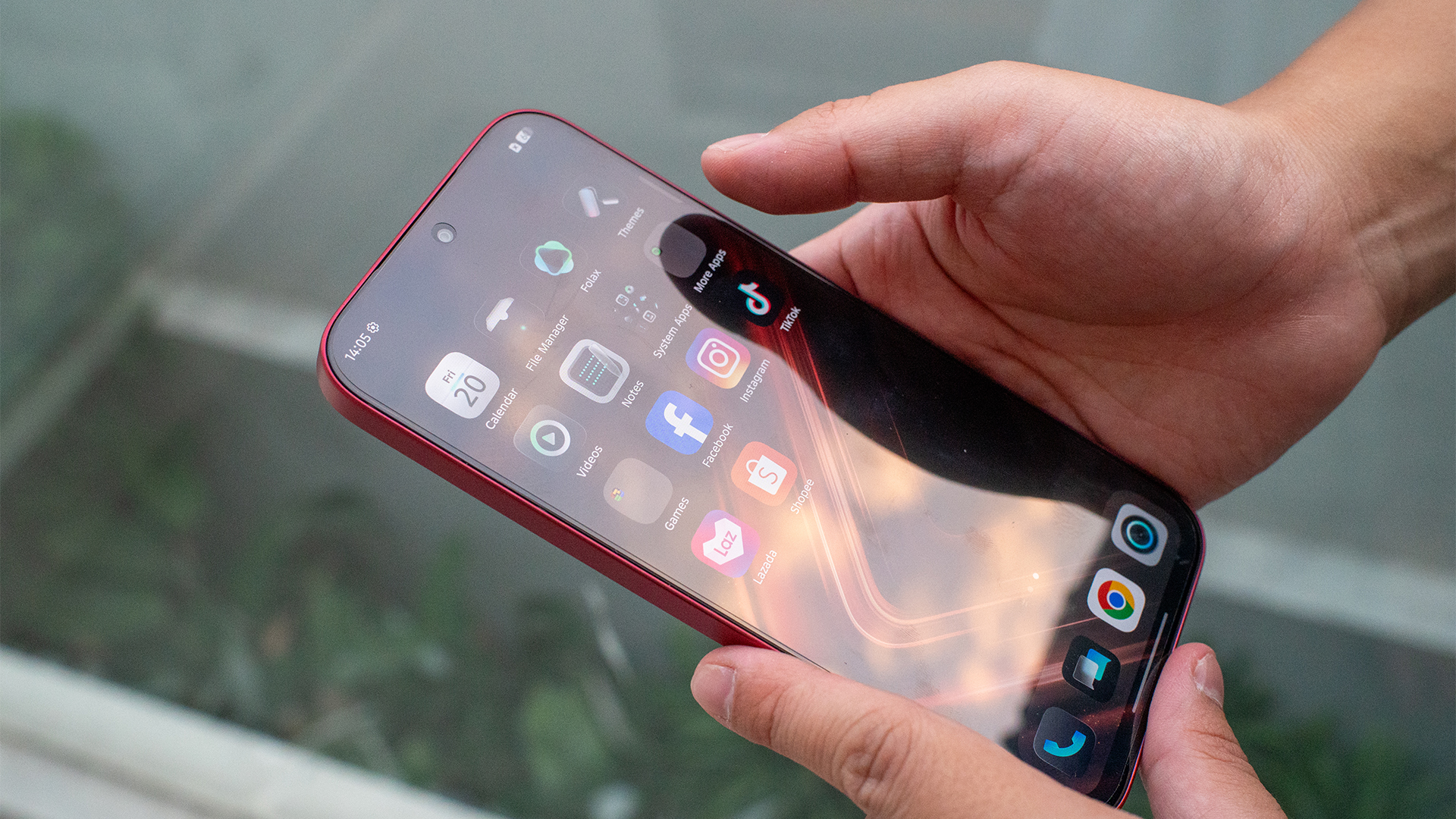
To be fair, there’s still a few dedicated folders for suggested games and apps, which includes, disgustingly, casino apps. The difference is that it’s only in two folders, rather than scattered all over the system. And thankfully, this can be turned off with a single switch.
Still, it’s a welcome improvement.
It can last how long?
The Infinix GT 50 Pro has a huge 6500mAh battery. On paper, this doesn’t seem like a huge jump from the norm. But the way it handles all this juice is impressive.
The phone lasted for exactly six hours playing Zenless Zone Zero. As I said previously, the game was on the highest possible setting. Lasting up to six hours on a stress test is an impressive feat.
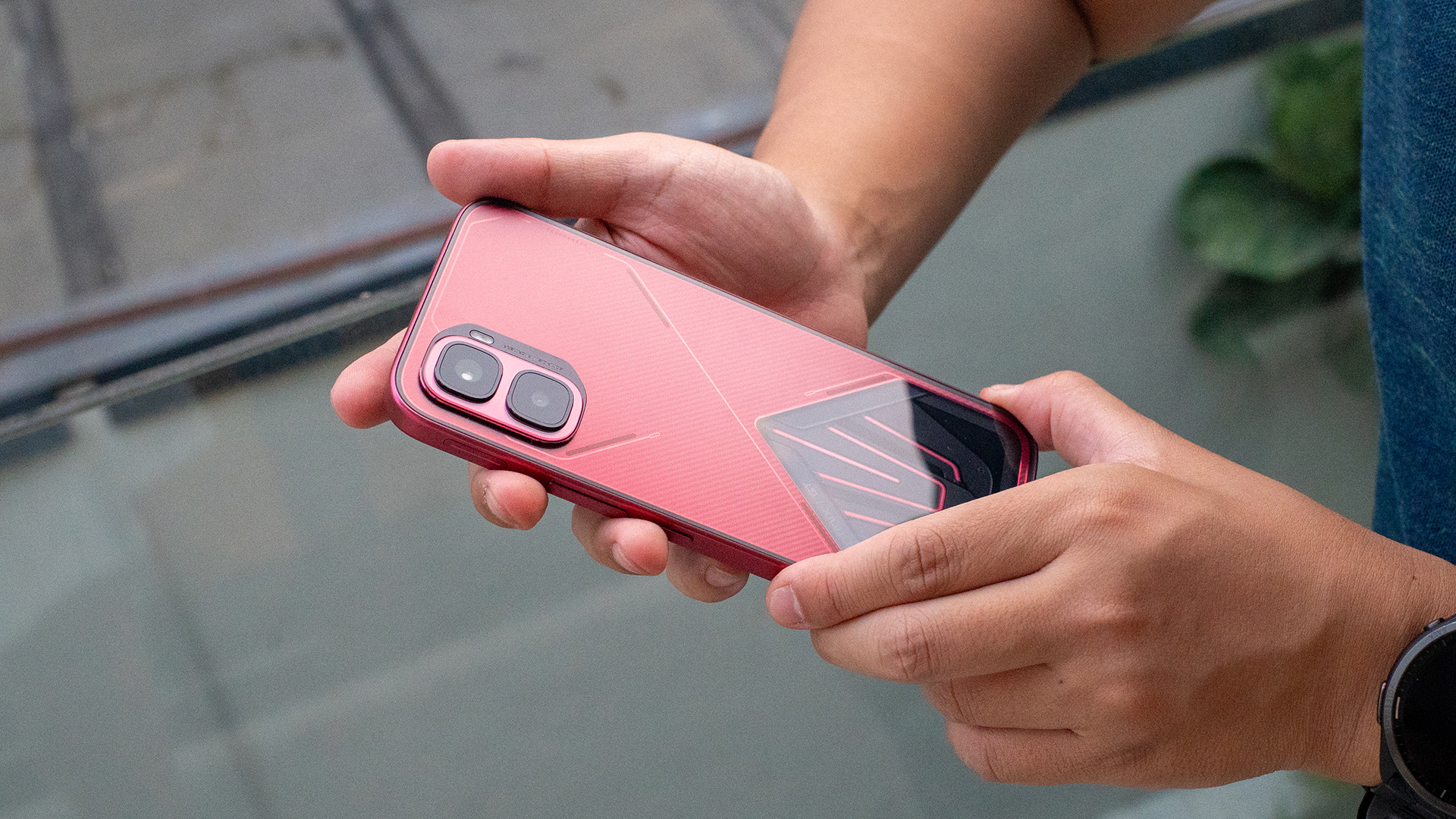
For regular use, the phone is just as notable. It can last an entire day on less intensive software. If you don’t mind lighter gaming, you can squeeze out a lot more juice on a single charge. For example, I took the phone out for a spin while playing only the mobile version of Balatro, the day ended without me feeling even a slight tinge of battery anxiety.
Meanwhile, battery charging was not as notable, but that’s alright. For me, the norm is already at a pace that I’m more than happy with. Like others, the GT 50 Pro can charge to full in only an hour and 30 minutes. It will also naturally slow the charging down at 80 percent after an hour. In the unlikely event that you’re about to run out of battery while you’re going through your day, even a small break can keep you going for a while.
Is the Infinix GT 50 Pro your GadgetMatch?
It’s rare for a phone now to wow me as the Infinix GT 50 Pro did. The phone’s interesting design is more than just a foot in the door. If you’re tired of today’s uninspiring designs, Infinix’s latest phone will convince you that there are still some designers out there who aren’t afraid to experiment.
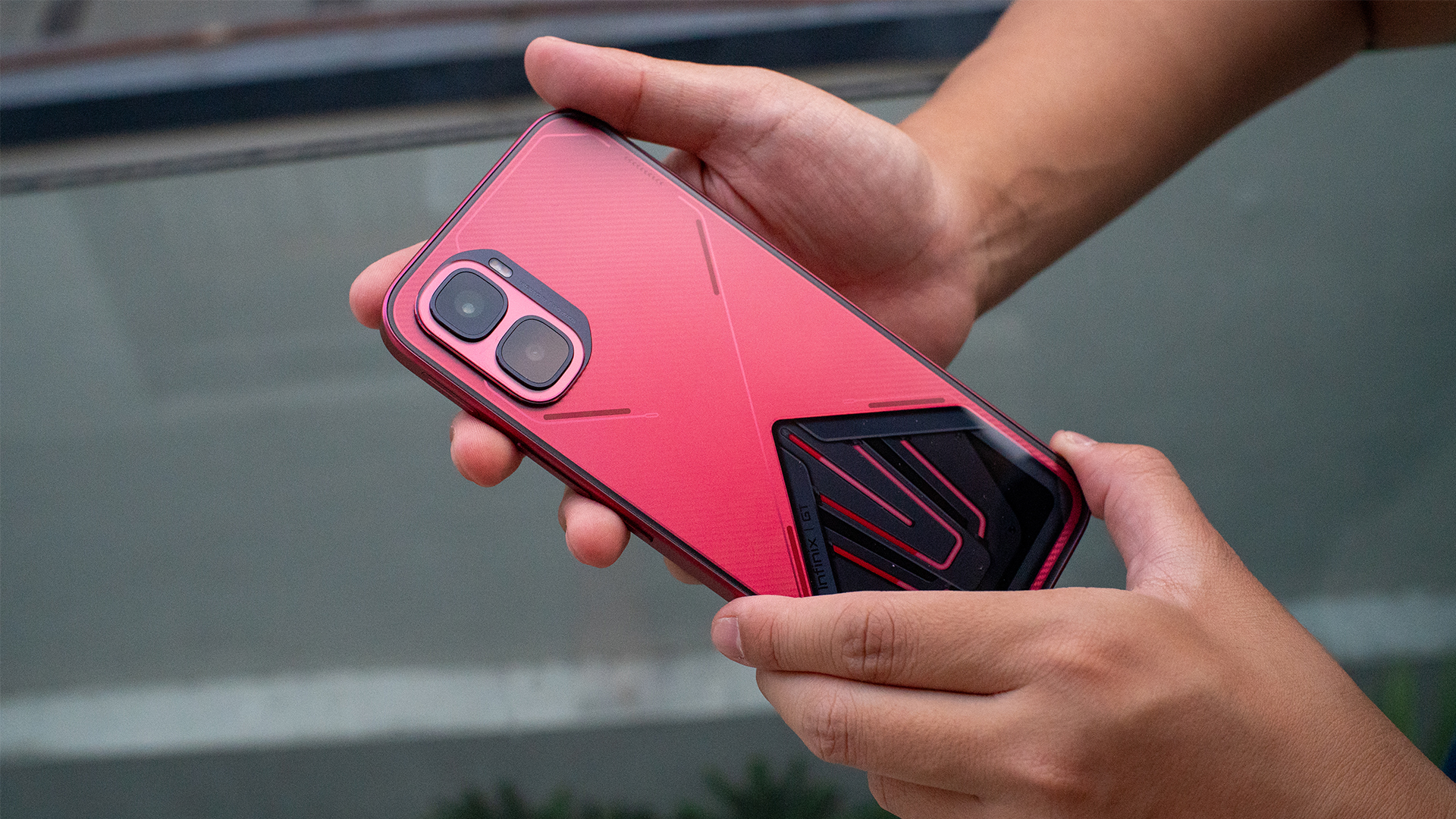
On the inside, the GT 50 Pro can match its bark with its bite. It’s gaming without limits. Plus, the durable battery and cool exterior is just the right amount of overkill to keep you satisfied for long gaming sessions.
With all that, the Infinix GT 50 Pro is a good Super Swipe for me. It’s a perfect gaming phone by today’s standards.


Spring reset: Growing more at home with Auk Mini
From kitchen counter experiment to everyday habit


UGREEN MagFlow Air review: Airy Yet Mighty
Slim and light power bank with a strong suit and core


The Infinix GT 50 Pro has the most inspired design for a gaming phone
Liquid cooling that actually shows the liquid cooling.

Next-gen Ploom AURA offers smokeless but real tobacco experience

Verizon is offering the new moto razr 2026 for US$ 0

Anker’s soundcore Liberty 5 Pro series is powered by an AI chip

Samsung’s SECRET That Made OLED Even Better

Recap: Google I/O 2026

HONOR 600 Pro review

vivo Y Series launches in Singapore with bigger battery, durability upgrades

Sony Xperia 1 VIII arrives with AI Camera Assistant, bigger telephoto sensor

5 games with the nubia Neo 5 GT 5G

Level Infinite launches Gangstar Mirage City exclusively in PH


-
 Reviews1 week ago
HONOR 600 Pro review
-
 Singapore2 weeks ago
Sony Xperia 1 VIII arrives with AI Camera Assistant, bigger telephoto sensor
-

 News2 weeks ago
HONOR Magic8 Pro gets Android 17 Beta 3 support early
-

 Accessories5 days ago
The UGREEN Nexode Air 65W is the only charger I travel with now
-

 Accessories6 days ago
UGREEN unveils pocket-sized Nexode and MagFlow Air Editions
-

 News1 week ago
Xiaomi is making it easier for customers in the PH to shop
-

 Buyer's Guide2 weeks ago
2026 MacBook Neo vs Air vs Pro: Buyer’s Guide
-

 Accessories6 days ago
JBL marks 80th anniversary with AI-powered audio ecosystem