
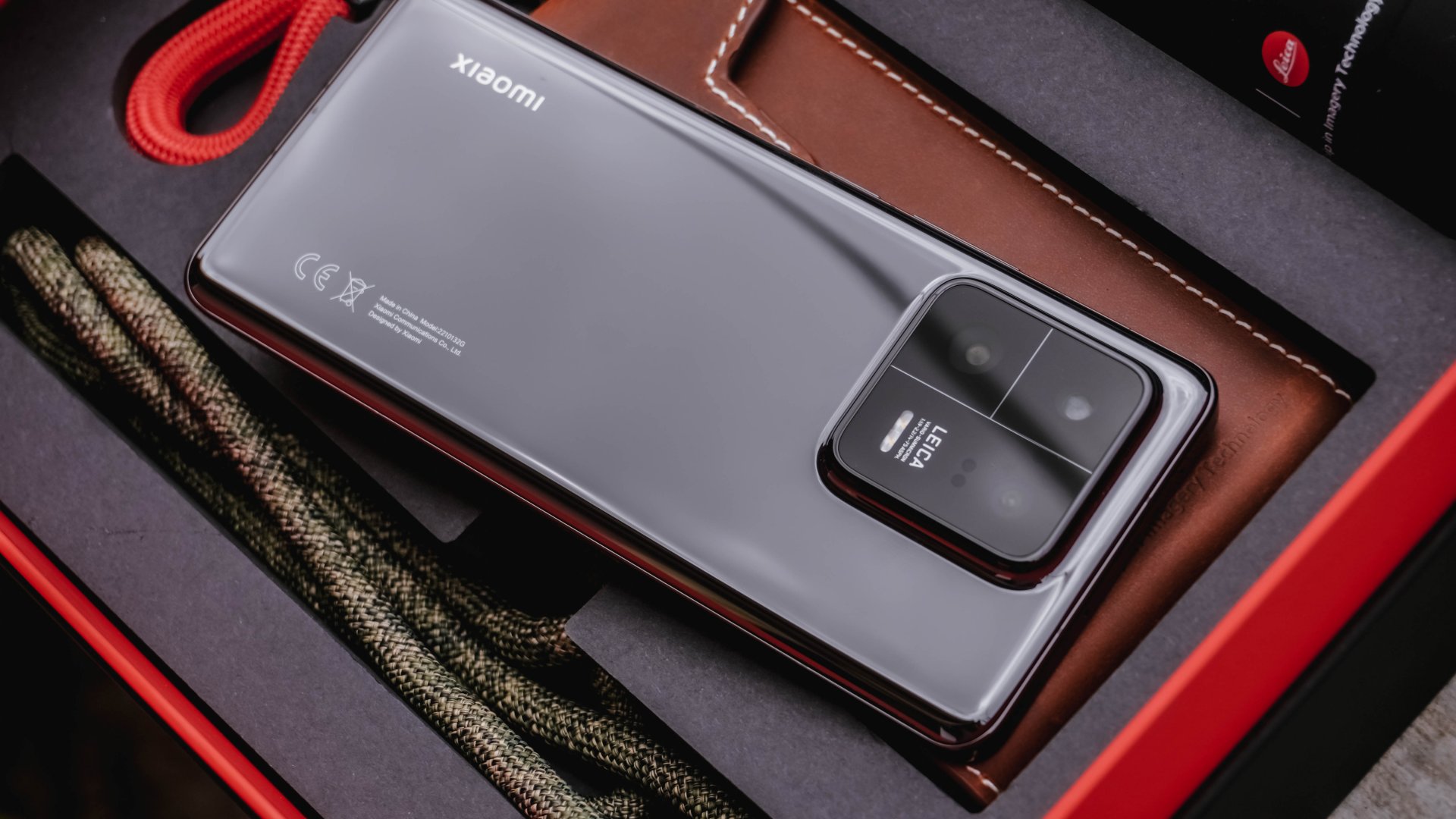


The Xiaomi 13 Pro launched to much fanfare at MWC 2023. However, the company has since released a smartphone usurping the Pro as the king in its smartphone photography hierarchy. The said phone is the Xiaomi 13 Ultra.
While that may be the case, it is the Pro that I spent the most time with. And it’s also the gadget that reinvigorated my fancy for photography.
Before I expound on its camera performance, let me give you a background of myself being a lowkey (and frustrated) “photographer”.
Unintentional introduction
When I was five, the memory of our old Ricoh film camera, Kodak + Fujifilm canisters, and even a Samsung digital camera in my mom’s dusty drawers still remain as one of my core memories.
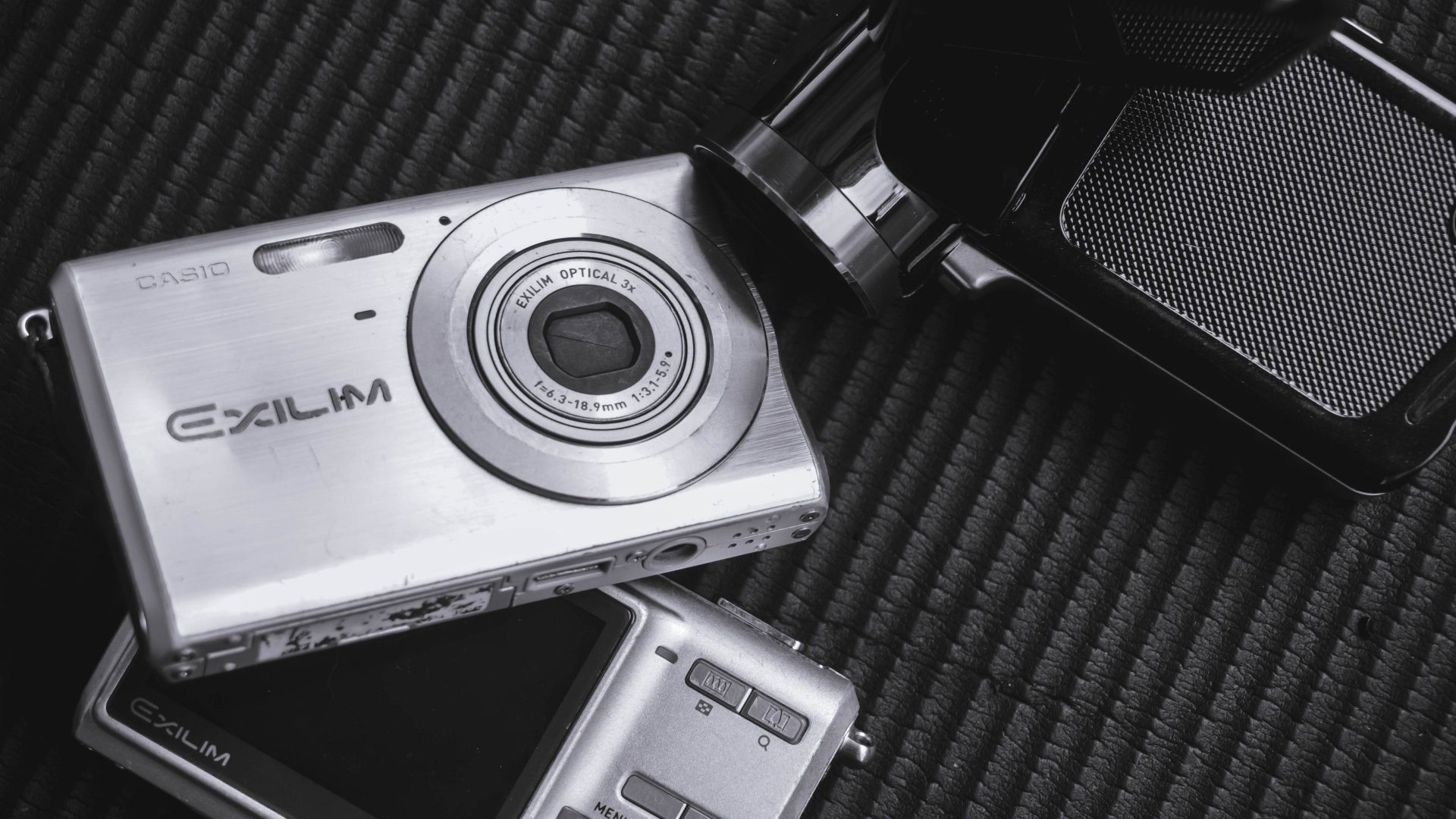
Back in grade school, I used our Casio EXILIM EX-Z60 digital camera for school events and trips. High school went by and our Yashica camcorder plus my classmate’s Canon EOS 1100D added to that list — which all contributed to my photography mesmerization.
Mesmerization and ambition
Back in 2014, my aunt gave me a Canon EOS 60D as a gift. That’s also my life’s crucial moment where I started learning photography and wanted to solely focus on it after I graduate.

And while on the topic, I made this college project (watch at your own risk).
While the endeavour was a group work, I had the core idea of equipping all kinds of spec absurdities in this imaginary smartphone — including a DSLR’s interchangeable lens system coupled with an APS-C sensor.

Can’t believe this absurd idea actually became a reality years later
I just thought it’s a great solution to the lackluster imaging quality of smartphones (and hefty bodies of DSLR cameras) of yesteryears.
The frustration

The usual Sony a6500 we use for pro shooting
I became a GadgetMatch intern back in 2018. I then remember having to hold a Sony a7S during my first day. The rest was history as I was able to hold several more pro-grade cameras such as the Fujifilm X-T30 and the Canon EOS RP.
SEE ALSO: Learning street photography with the Canon EOS RP

But all of us in the team know how to shoot great photographs. My main role is to edit videos for our YouTube channel. That’s also when I felt like my photography skills became rusty and my frustration as a “photographer” grew further.

Compounding the frustration, I’m the type of “photographer” who doesn’t have a “forte” as I love shooting any and every interesting subject I see — be that a pet, product, portrait, food, architecture, landscapes, or even the challenging ones like wildlife/nature and even photojournalism.
Utmost fascination
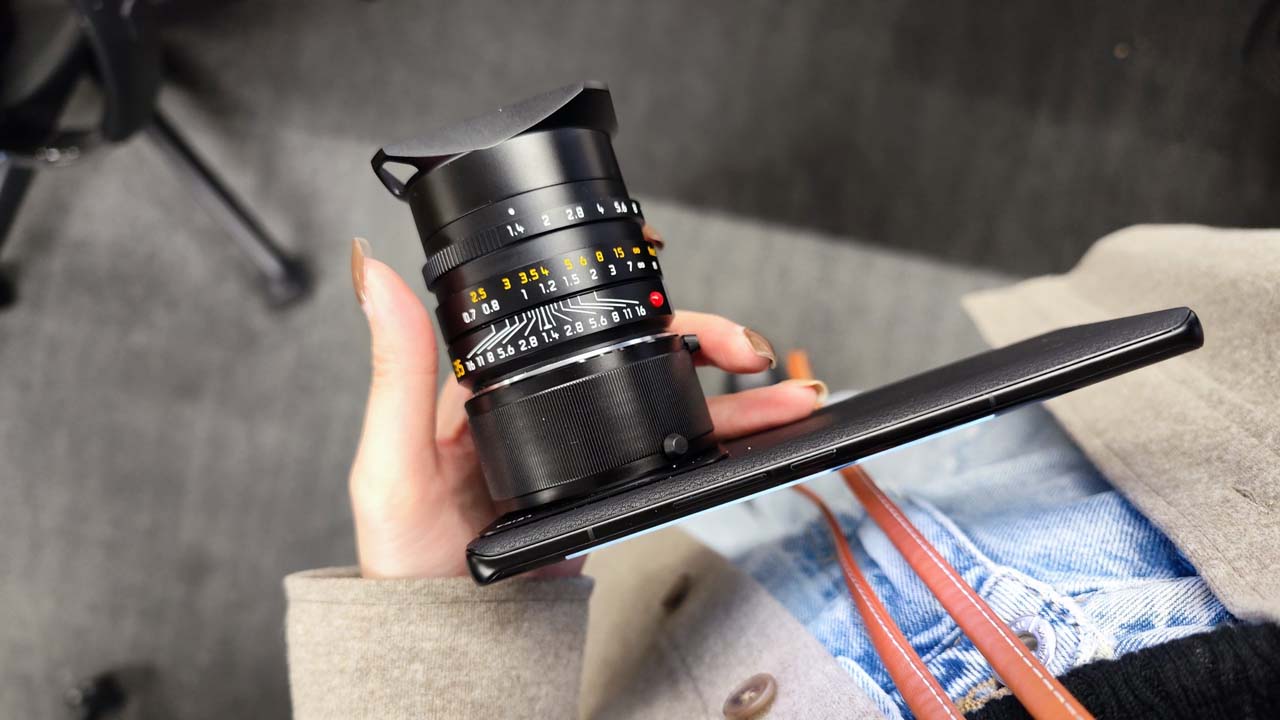
Xiaomi 12S Ultra Concept (2022)
Surprisingly, eight years after that college project, a phone with a detachable lens system became a real thing with the Xiaomi 12S Ultra Concept.

From previous 1-inch sensor headliners like Sharp’s Aquos R6, the Leica Leitz Phone 1, and eventually the Xiaomi 12S Ultra, I felt nothing but excessive excitement when I was assigned to play with this crazy 1-inch-sensor-touting Xiaomi 13 Pro — even crazier that it’s co-engineered with Leica.
Leica’s special sauce
If you’re like me who focuses the most on a smartphone’s camera performance, the Xiaomi 13 Pro is more than enough to capture picture-perfect photographs taken through its revolutionary camera system.
However, it’s not just about its advanced camera sensors. Leica’s partnership with Xiaomi is more than just bringing in photo filters and Summicron optics. They also wanted you to use their two special camera concoction.
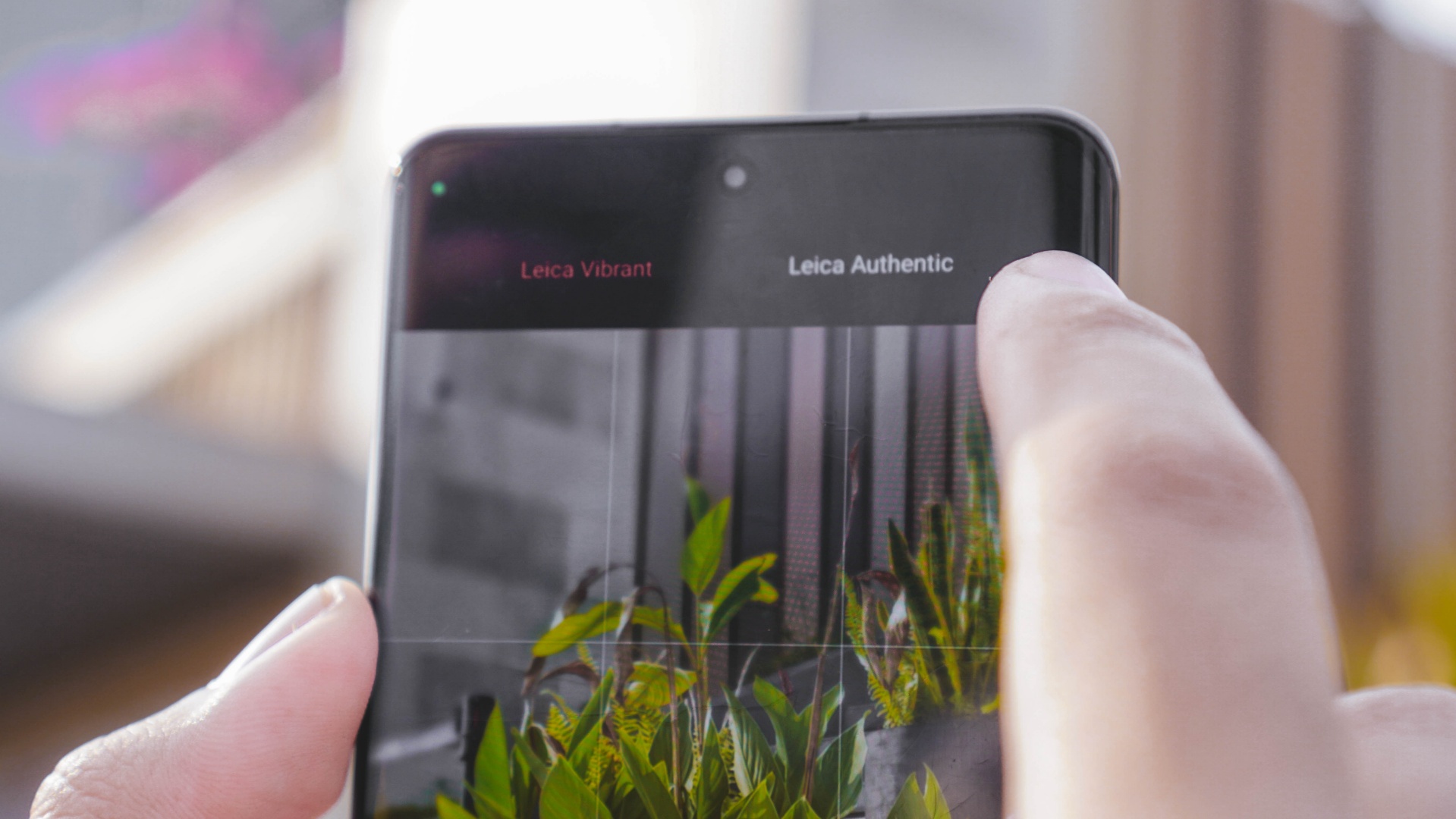
If you were able to read my Xiaomi 13 Pro vs Samsung Galaxy S23 Ultra: Camera Shootout article, this shouldn’t be new information to you. But for the rest, Xiaomi lets you choose between ‘Leica Vibrant’ (more saturated) and ‘Leica Authentic’ (less saturated) looks.
Don’t confuse them as color filters. Rather, built-in color calibration techniques based from Leica’s color science. Together with Xiaomi’s AI algorithm, they work together to bring out the best look for each photo taken.

Picking between these two Leica looks is mandatory and obviously, your choice will affect the overall mood of the photographs you take. However, you cannot totally turn this off. The Pro mode isn’t even exempted as you still need to choose between the two while you take “RAW” photos.
Pro-tography within your fingertips
The main highlight of the Xiaomi 13 Pro is none other than its 1-inch camera based on the Sony IMX989 sensor — which isn’t different from last year’s Xiaomi 12S Ultra as well as the newer Xiaomi 13 Ultra. The 13 Ultra just has the upper hand of having a variable aperture instead of relying on a fixed f/1.9 aperture.
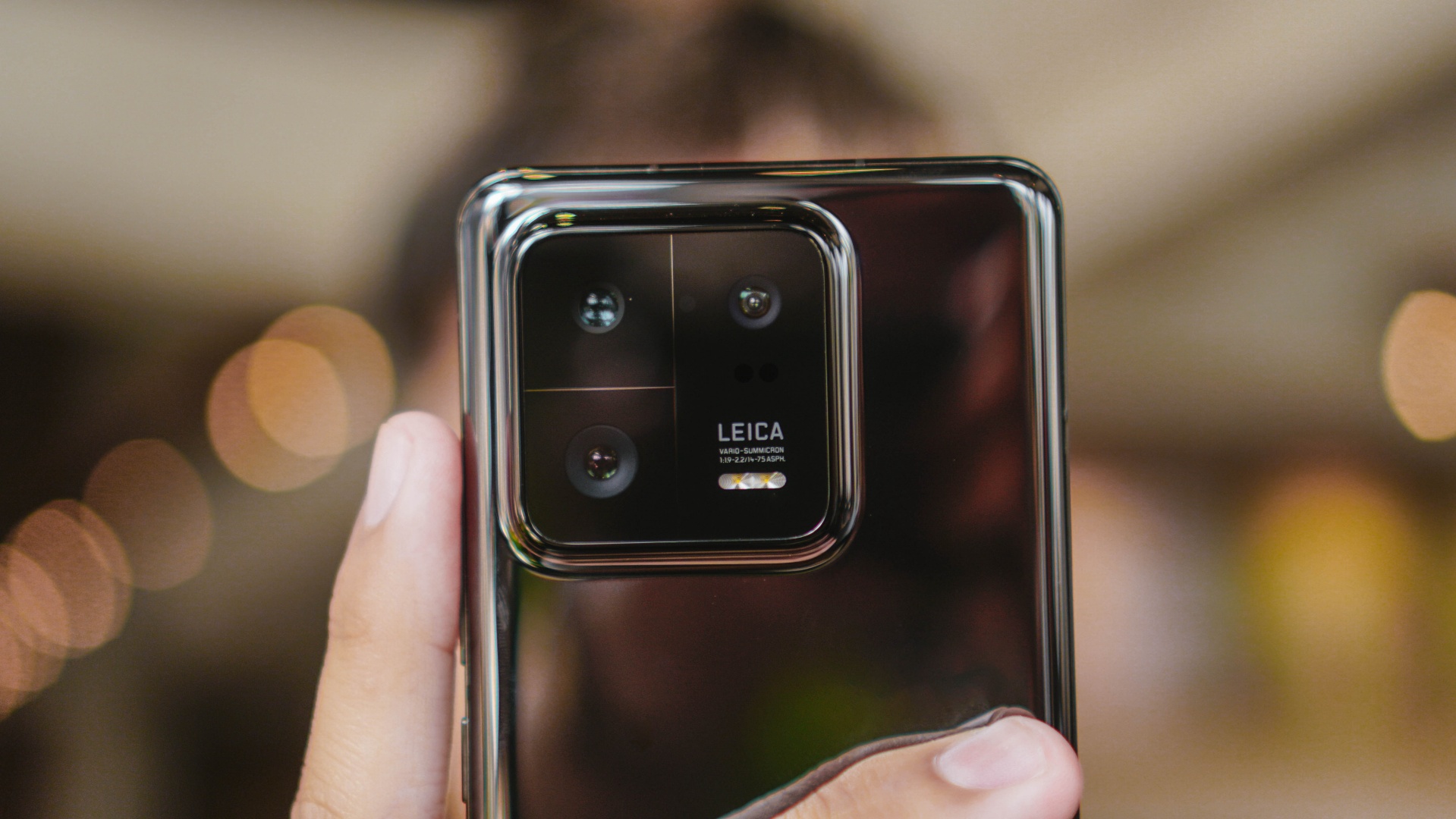
That’s also the reason why I said earlier that getting the Pro variant over the Ultra doesn’t make it “less capable”. The wide 1x samples below (23mm lens equivalent) will prove my very bold statement





Even with a dark subject like my indoor cat Kaori with her visible strands of black fur and whiskers, or a random black cat walking outside, its fast shutter release will just blow your mind — all thanks to that large 1-inch sensor.

On the other hand, its 50-megapixel ultra-wide shooter relies on a totally different Samsung JN1 sensor with a 1/2.76-inch size. But even if it’s smaller than its wide lens counterpart, these photos still show superb quality.



Its 115-degree FoV (Field of View) is wider than the competition. I usually use this lens mode when shooting architecture to emphasize the vastness of a structure — especially when indoors such as churches, cathedrals, pathways, and even alleyways.
50mm + 75mm lens excellence
Another great thing about Leica x Xiaomi’s partnership is being able to bring in special 35mm B/W, 50mm, and 75mm portrait modes which not only mimics how prime lenses of pro-grade cameras perform, but also being able to apply Leica’s post-processing techniques after clicking the shutter button.

However, it’s worthy to point out that while the 50mm still relies on the phone’s ginormous 1-inch sensor, its 75mm portrait mode uses the dedicated 3.2x telephoto lens instead.
Good mood for food
Whenever good food is served, I automatically take out the Xiaomi 13 Pro (regardless if I have other flagship phones with me) and shoot ’em using the handy-dandy 50mm “swirly bokeh lens” feature.


I just love how Xiaomi processes food shots without actually over-saturating and over-sharpening the shot just to make it “scrumptious” to viewers. Leica’s color science preserved the real colors of the food — which was also how I perceived them IRL.

If you look closely, shots taken using any of the special portrait modes always has a vignette (or that subtle radial black border around the image). I’m all for it as it emphasizes the subjects I capture regardless of who or what it is.

I’m not fond of using the regular wide (1x) lens as it requires you to get closer to the food subject. But relying on that 1-inch sensor through 2x cropping reduces the amount of that nasty radial blur but still preserving details. The 2x option is also helpful in avoiding pesky shadows when shooting food indoors.

Nonetheless, food still looks great when shot on 1x (23mm) as long as you’re on the right shooting distance with ample amount of light.

While its 75mm relies on a completely different 3.2x telephoto camera, it was still able to quickly capture my brother’s hand while he was rolling that melted cheese on his fried chicken.

Another testament: this cup of lychee lemonade I drank taken in a not-so-well-lit environment. The only source of light was the measly bright LED TV while I was binge-watching one of the best K-dramas around (*coughs* Taxi Driver Season 2).
Portrait Xpert

While using the dedicated 50mm swirly bokeh lens requires you to be farther from your shooting subject, it also lets the camera get closer to the subject.

Other than that, the tighter Field of View (FoV) makes me frame my shot better and looking symmetrical than ever.

And just like a real 50mm prime lens for DSLRs and mirrorless cameras, it’s also the best lens when shooting portraits as it requires just the right amount of distance between the lens and the subject — whilst delivering a creamy background blur.

Even when the subject is moving such as my bestie walking on the side of the pool, its 75mm was fast enough to catch the candidness of his actions — all while being able to separate the foreground from the background precisely.
Fast AF
Whether you read that as “Auto Focus” or “As F***”, both of those terms are acceptable.

The Xiaomi 13 Pro truly takes photos quickly and swiftly — just like how I captured this river scenery while walking on a ginormous bridge between Intramuros and Binondo.

I took this 50mm while I was in a hurry, yet it still looked clear and crisp with the appearance of gradual blurring between the foreground and the subject in focus. It really felt like this was shot on a pro-grade DSLR/mirrorless camera.
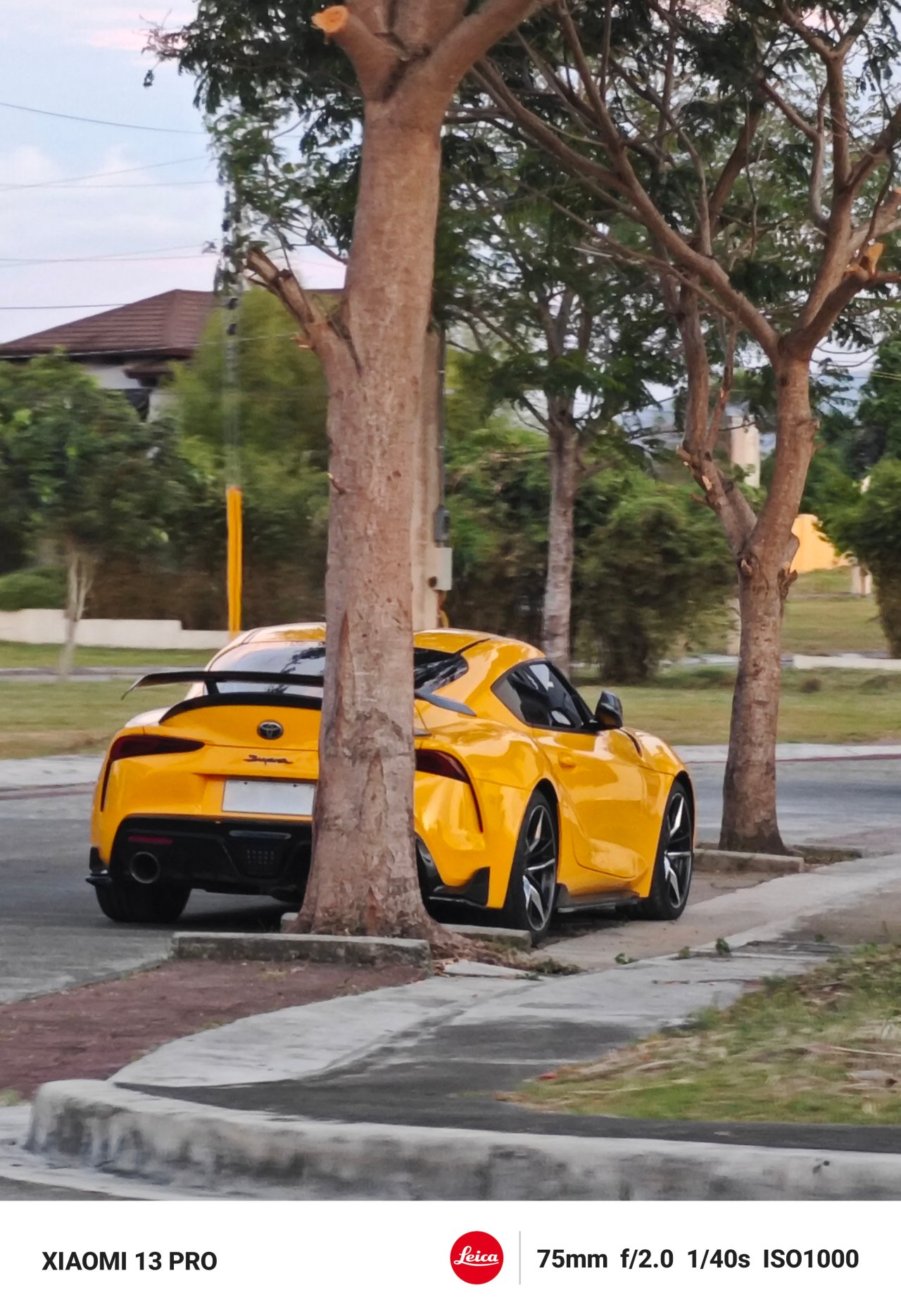
This 75mm shot of a very handsome Toyota GR Supra was shot while I was in the back seat of a speeding Honda Civic. Despite using the 3.2x telephoto lens, it was still able to shoot fast with enough details and less blurriness altogether.

The same thing can be said when I took these zoomed-in shots of two structures while I was walking on the sidewalk without actually trying to slow down.

The zoom shooter was also able to capture these kids in fast playing motion — and even felt like the time froze.

Surprisingly, that 75mm shooter performed fast too even in conditions where the presence of natural light is fading.

In my wildest dreams
Back then, my ambitious self dreamt of being a wildlife photographer for National Geographic. I admit how foolish that sounded. Still, I was delighted and astounded that the Xiaomi 13 Pro can capture the beauty of nature like I have a real DSLR and that long-ass telephoto “bazooka” lens with me.





Photojournalism on a phone? Why not?
Another aspiration I’ve had in college is being a photojournalist. Unlike most photographers, photojournalists should have the utmost courage to capture the world without the added sugarcoating.

Having to use the Xiaomi 13 Pro and its speedy shutter release during our special one-day photowalk definitely proves how it can be one of (if not) the best gears for photojournalism.

The photography technique I always bring with me is none other than being able to put juxtaposition into context.

In the easiest of terms, it’s putting two different subjects in one frame with a contrasting effect — like this lady and her vibrant stuff against a dull and busy background (two opposing hues)…

…or this bird kite flying on the vast sky (man-made versus nature).

My shot above is one of my favorites. Technically speaking, the presence of that artificial light added drama to the shot. But actually, there’s more than that.
Despite having different kinds of social classes, all of us have our right and freedom to go and enjoy our time along with our family and friends outdoors.
Low-light goodness
The Xiaomi 13 Pro may not have the brightest low-light photos ever taken in a smartphone, but as I always say in my reviews, being the brightest of the bunch doesn’t mean it’s the best performer.

With that large 1-inch sensor, it takes night mode photos pretty quick and doesn’t exceed a second in shutter duration — unless it’s a really dark environment.
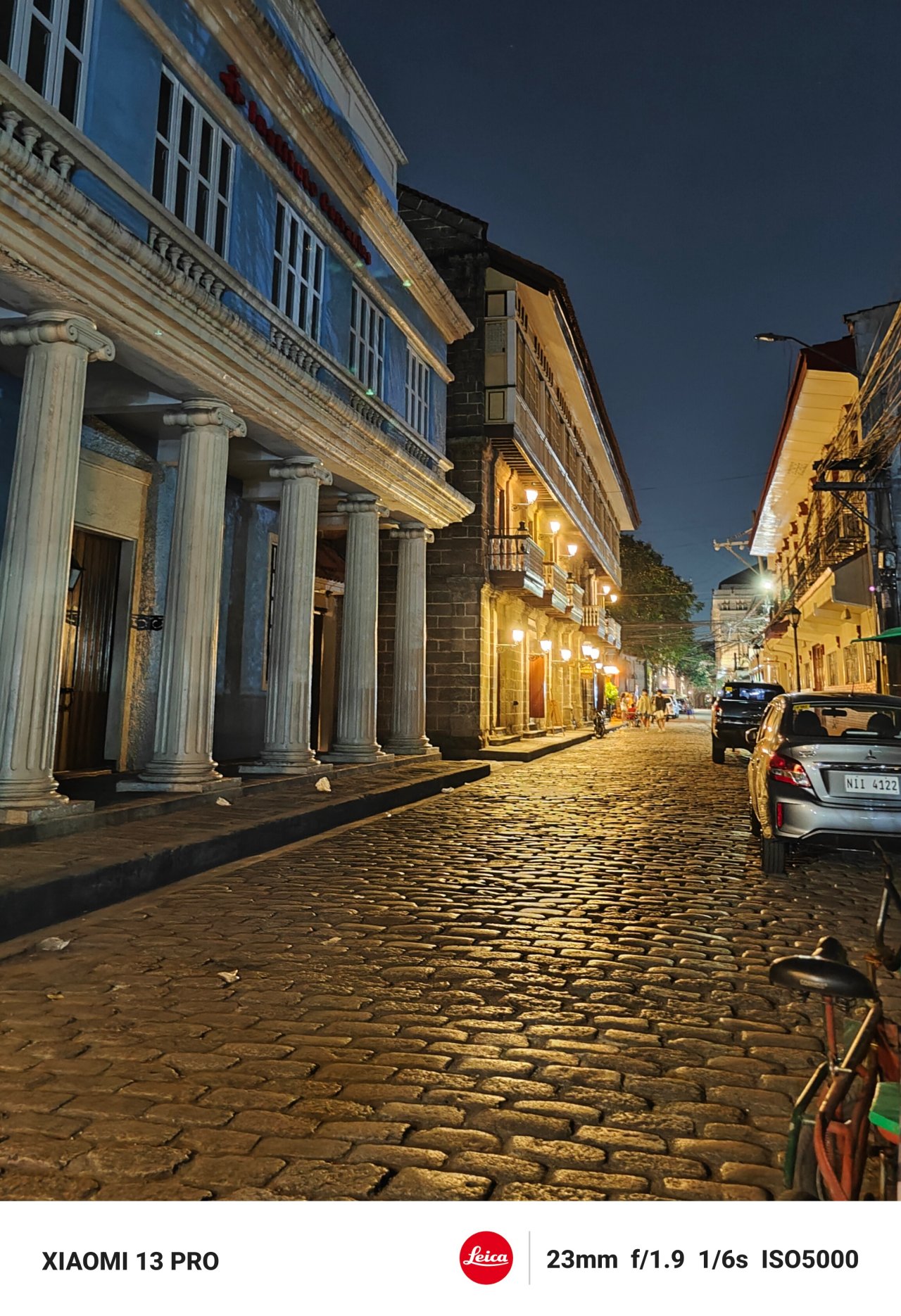



Remember those special 50mm and 75mm special lenses I showcased earlier? Well, they both work well in low-light scenarios too!

Most phones usually struggle when you take portrait shots under low-light shooting conditions, but the Xiaomi 13 Pro is built different.
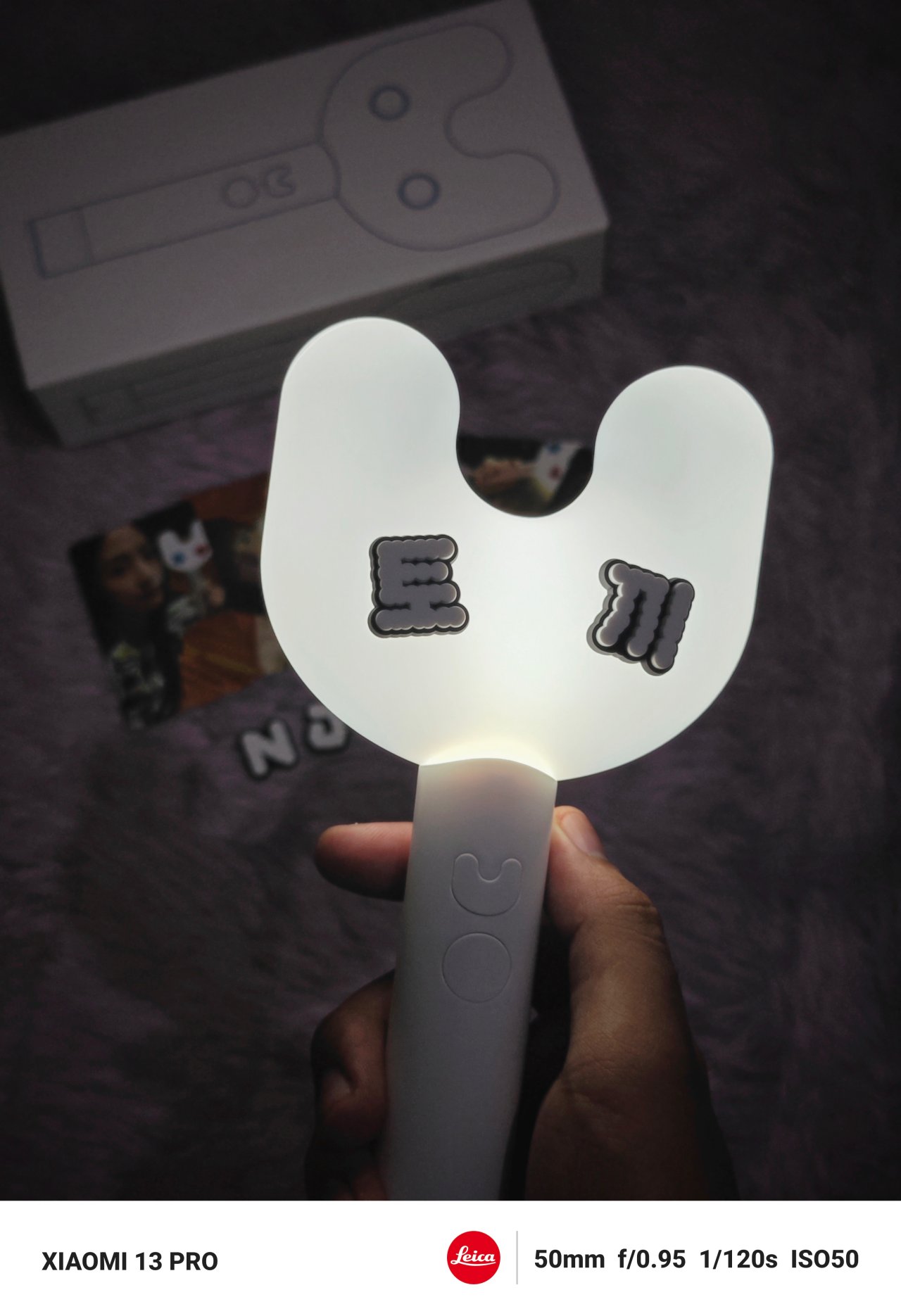
Even in harsher low-light conditions, the Xiaomi 13 Pro was very capable. It showed the beauty of my NewJeans Binky Bong as well as its box content with the littlest amount of noise.

This sign of a famous taco joint isn’t any different. The Xiaomi 13 Pro was able to preserve the authenticity of the shot without bumping too much exposure, highlights, and most of all, shadows.
For comparison’s sake, the difference is quite stark between the 50mm and 75mm portrait shots of my two lovey-dovey friends.


While 50mm relies on the 1-inch sensor and the wide f/1.9 aperture of the main lens (artificially widened to f/0.95), the 75mm was able to give a shallower Depth of Field (DoF) and a clearer foreground-background segmentation thanks to the farther focal length — mimicking what telephoto zoom lenses do.
And despite how high the ISO sensitivity of the two photos are, the photos are still sharp with barely visible noise. I also have to thank Xiaomi’s AI algorithm for cutting out subjects more accurately than the rest of the competition.





Regardless of what type of shooting subject you shoot in low-light, the 75mm does the job well and consistent.
Leica B/W
It wouldn’t be a full Leica experience without trying Leica’s classic B/W (black and white) looks.

But unlike what Leica previously did with other smartphone manufacturers (specifically Huawei), the B/W calibration actually looks closer to what Leica offers in its cameras.

Don’t take my word for it though. Those came from the words of the Leica photographers I’ve been with in that special one-day photowalk I mentioned earlier.
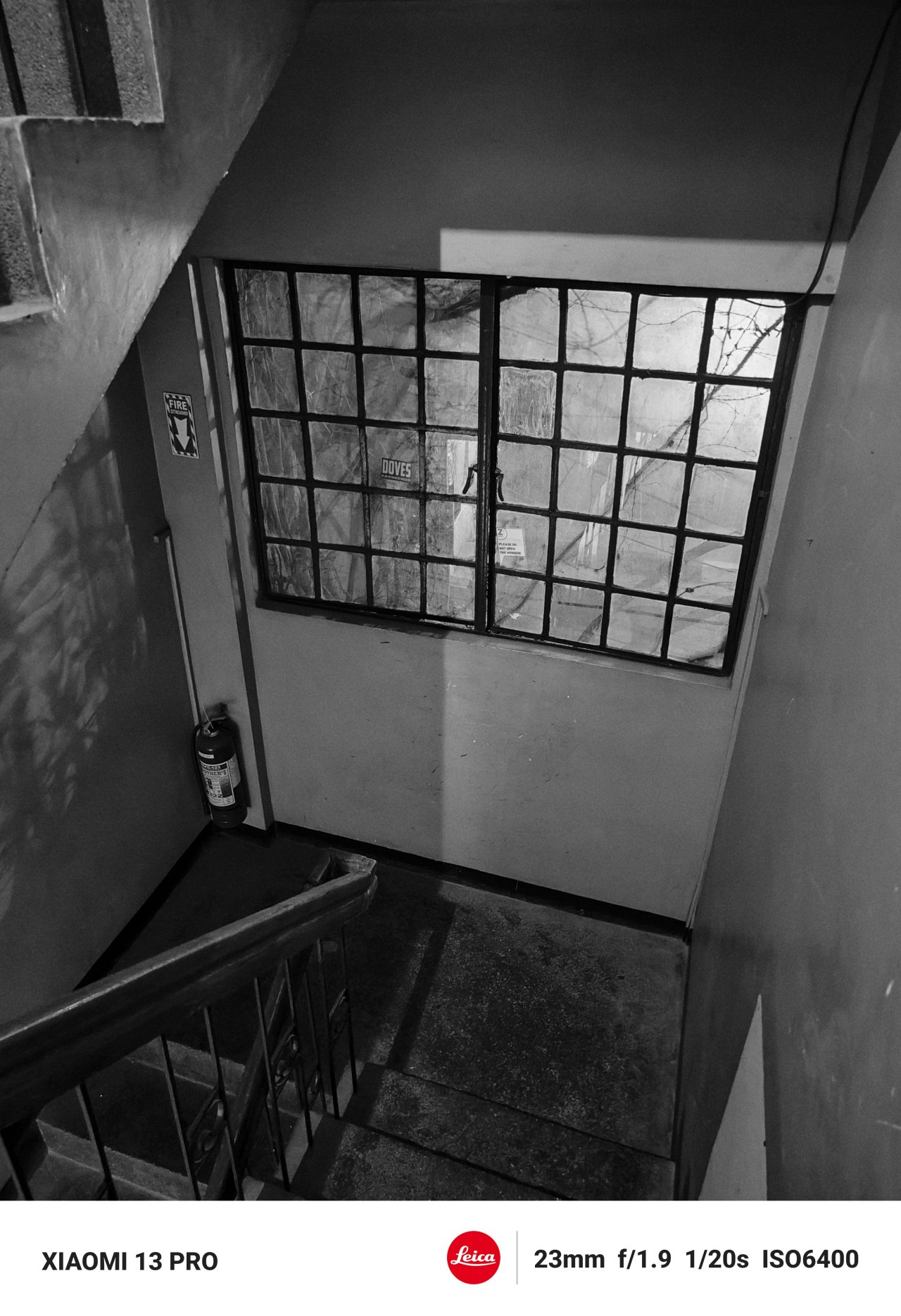
Leica’s special B/W and B/W NAT color filters add flare to your existing shots.

And just like how I mentioned “juxtaposition” earlier, taking B/W into consideration gives more depth and drama to your already “controversial” and “heart-wrenching” photographs.

Surprisingly, the presets look good even in candid shots — even if the subjects convey happiness and enjoyment.

BONUS: AI Removal
In instances where you have no control over the unwanted humans or objects in your shots, Xiaomi’s AI removal feature in its in-app gallery editor comes in very handy.
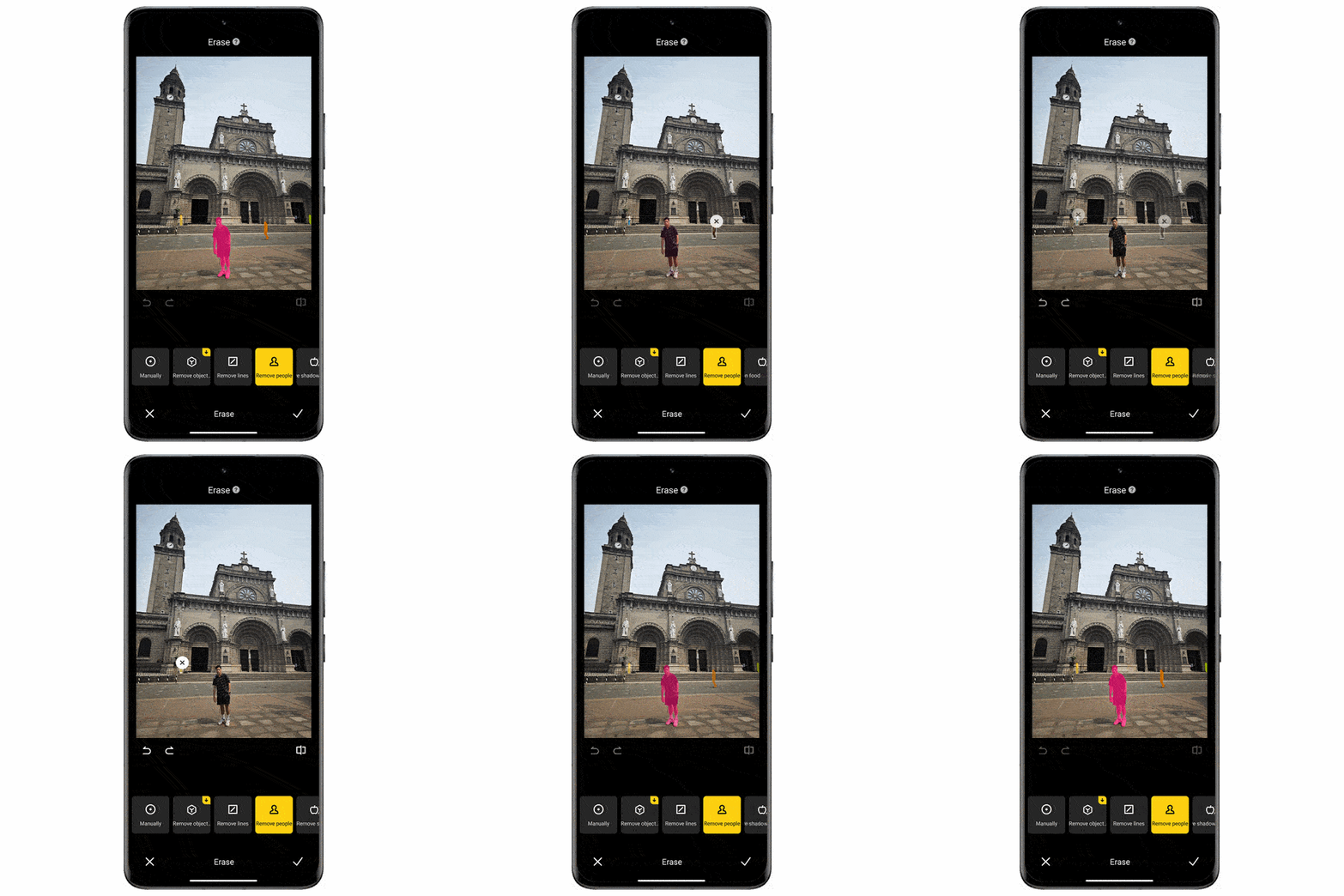

We gotta give credit where credit is due. Even though it’s not a fresh feature (as this was introduced by Google as “Magic Eraser” during the Pixel 6 launch), I’m still stoked that Xiaomi offers the same AI-based feature out of the box.


From the term itself, it lets you remove distractions from your shots. Other than the typical manual erasures, Xiaomi’s AI algorithm also detects people, objects, lines, and even shadows.


Although to be very frank, the most usable of the bunch is none other than the removal people selection. It worked 95% of the time and only had trouble identifying people in a couple of shots. Other times, the AI removal isn’t clean, like in the last sample above.
Featured by Xiaomi
Back in March 2023, Xiaomi Philippines held a one-day photoshoot with select media friends and Leica photographers towards the sights of San Fernando and Clark in the province of Pampanga.
That’s the time when I finally started using the smartphone after given to me by our team head, Rodneil, when he came back from Barcelona, Spain for MWC 2023.

SEE ALSO: GadgetSnaps: Xiaomi 13 Pro in Barcelona
Xiaomi’s Founder and CEO Lei Jun even tweeted about it (unfortunate though how I wasn’t in this first group photo session because the irritable morning heat led me to stay inside the van).
TMI aside, here are some of my shots that Xiaomi PH chose to feature on their Instagram page.
View this post on Instagram
View this post on Instagram
View this post on Instagram
View this post on Instagram
And just a day after, I went to Intramuros by myself, thinking how I needed to take more photographs using the amazing camera system of the Xiaomi 13 Pro.
View this post on Instagram
View this post on Instagram
View this post on Instagram
Fondness for flagship

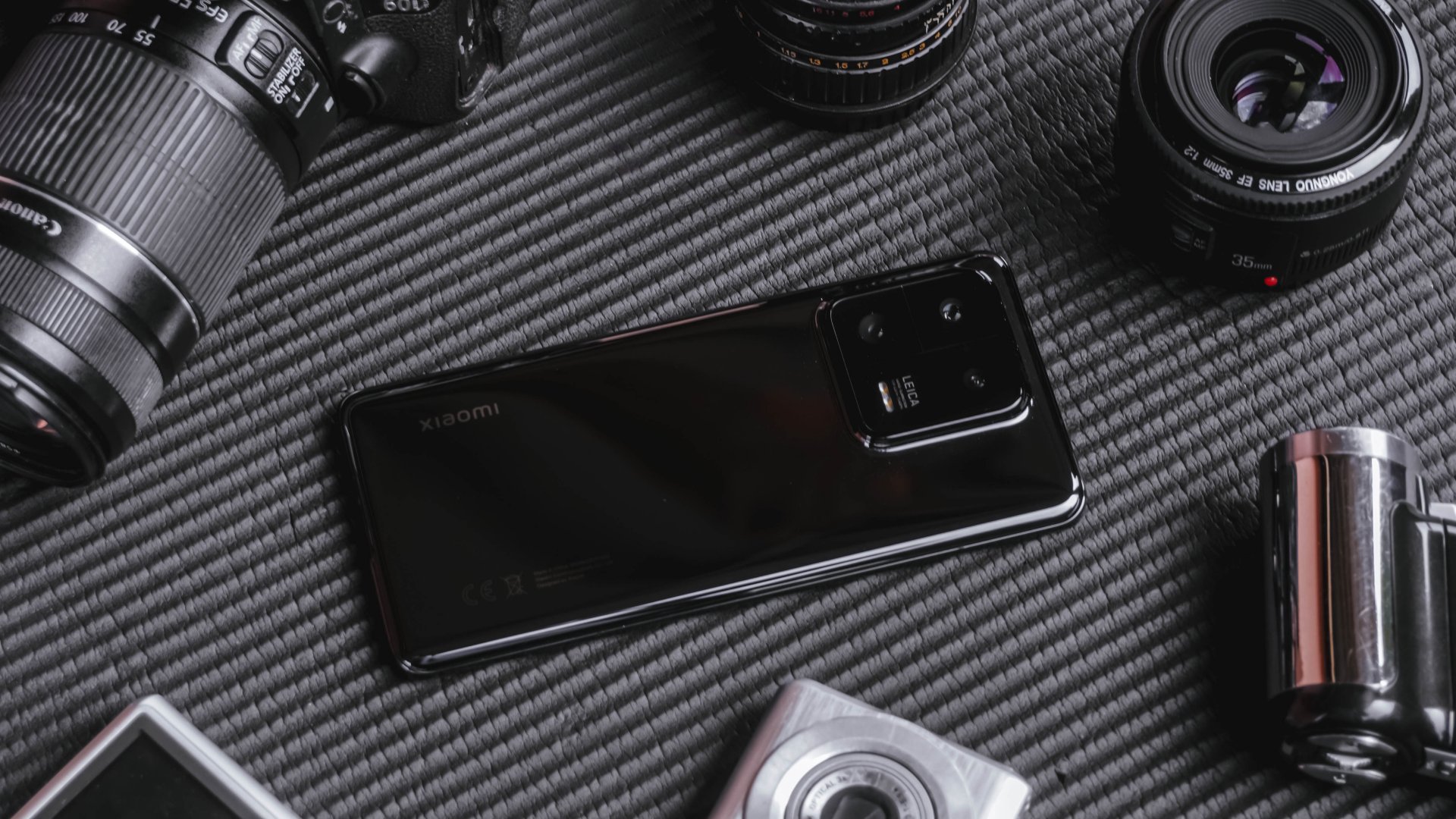
Other than the excellent camera system the Xiaomi 13 Pro possesses (and the thicc camera bump proves that), what makes it a true flagship experience is none other than its hardware.

Being equipped with the latest Snapdragon 8 Gen 2 chipset paired with the speedy LPDDR5X RAM and a UFS 4.0 storage standard guarantee the longevity of the phone both in performance and power.
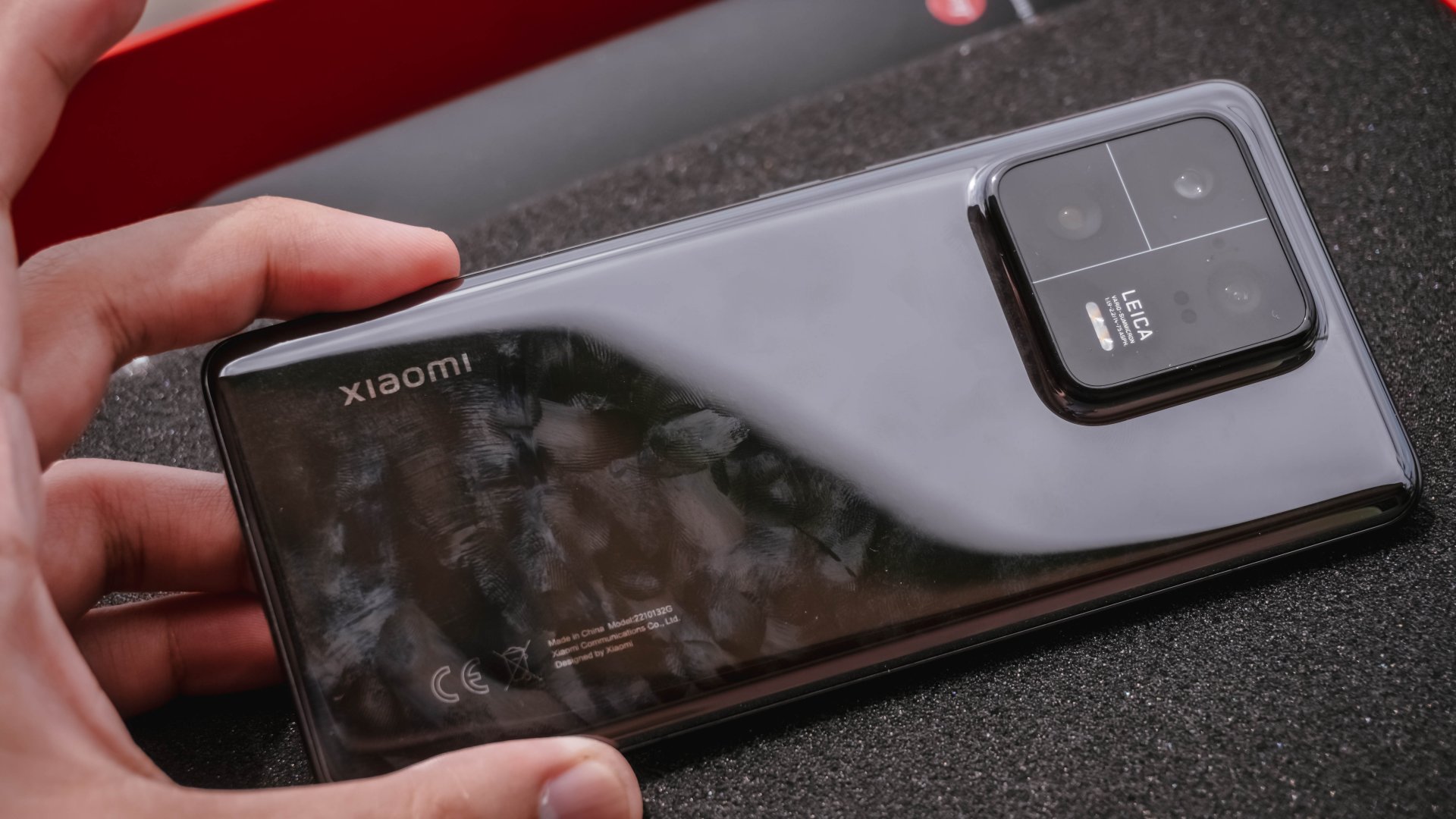
I have to be honest though that I’m not a fan of the phone’s overall material selection — mainly because the black colorway I have is a huge dust + fingerprint smudge magnet. My opinion would differ though if it was offered in that clean-looking Ceramic White slate.

Still, I love how slim and light the phone feels even if it has a gigantic 6.73-inch curved display. For my XL hands, it’s a perfect fit.

LE SSERAFIM is UNFORGIVEN – but forgive me for I have sinned
Speaking of that display, I enjoyed watching multimedia whenever, wherever. Its 120Hz refresh rate is buttery smooth, while its 2K AMOLED display and Dolby Atmos speakers bring the best out of the content I watch — especially those in 4K.

Lastly, one of the best features of this phone is none other than the support of 120W HyperCharge with a bundled charger and cable. The Xiaomi 13 Ultra doesn’t even have this as it only relies on a “slower” 90W fast charging.
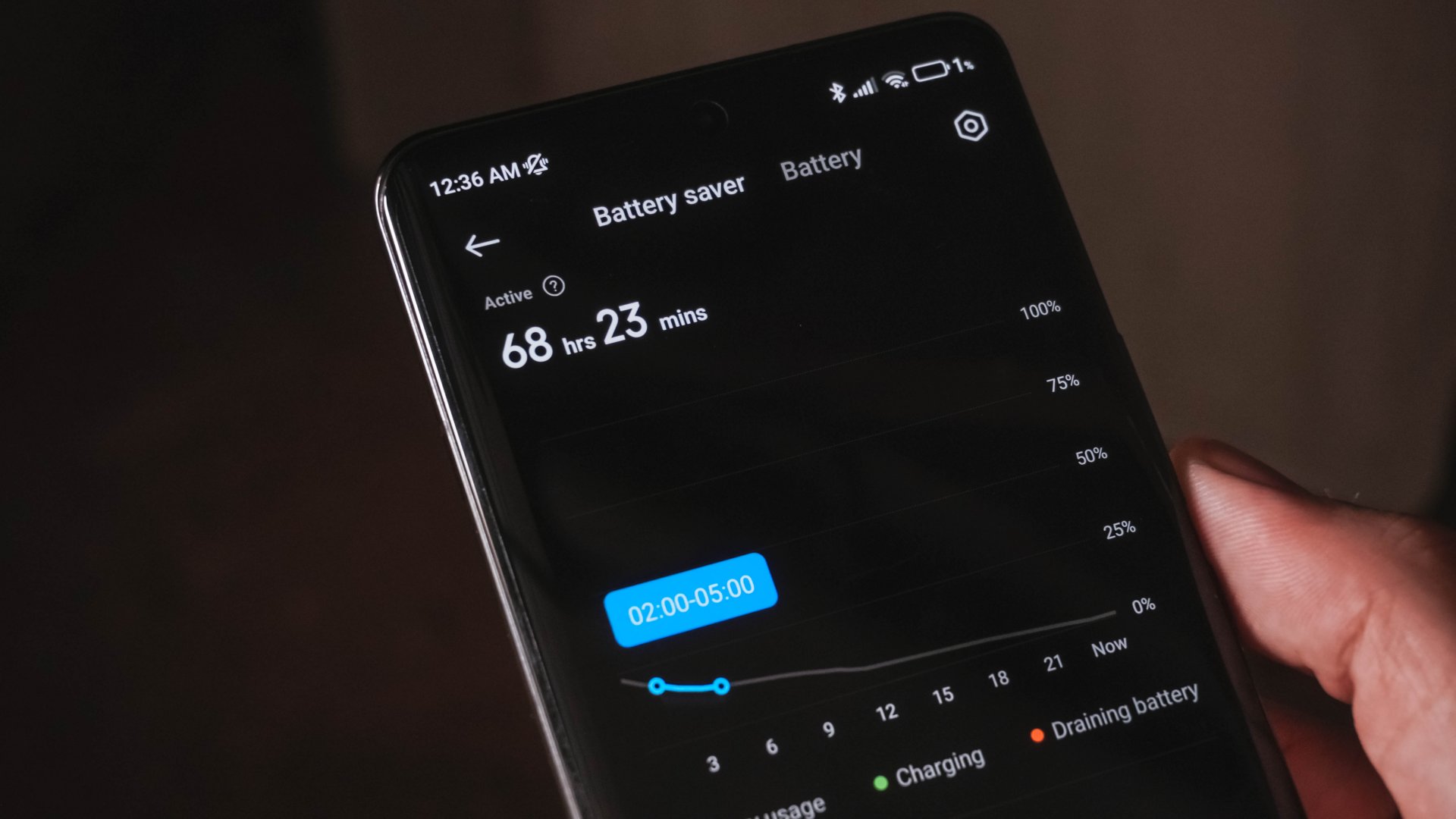
It honestly saved me from times where I have to leave the house unplanned. That 30-minute charge from 0 to 100 percent is a huge lifesaver. Let alone, its battery life efficiency is topnotch as it lasts me until the end of day at the very least — and more than that when used lightly.
Is the Xiaomi 13 Pro your GadgetMatch?
The Xiaomi 13 Pro is already available in major Asian and European markets. Retail pricing starts at PhP 59,999 (SG$ 1699 / INR 89,999 / EUR 1299 / GBP 1099).

The Xiaomi 13 Pro is a great smartphone meant for photographers, casual shooters, and aspirers alike. If the plethora of photo samples I took aren’t enough to prove that, you’d be amazed to see more photographs taken with the Xiaomi 13 Pro by other talented individuals around.
Although at the end of the day, any photographer will be able to nail the device they are using as long as they know the basics as well as having a unique shooting style. Lastly, trusting their own creative process.

That said, the Xiaomi 13 Pro still offers the flexibilities of a smartphone while having the excellence of today’s advanced imaging system — plus a well thought-out partnership with a world-renowned camera brand. It’s a smartphone that isn’t gimmicky and actually offers the real deal compared to other smartphone photography contenders.
Where have you been all my life?!
I’ve been dreaming of owning a smartphone that can at least keep up with the quality of a DSLR or a mirrorless camera.
The Xiaomi 13 Pro (or any existing 1-inch-equipped smartphones around) can’t and won’t “replace” any professional cameras anytime soon. However, I can confidently say that the Xiaomi 13 Pro lives up to its professional photography promises.
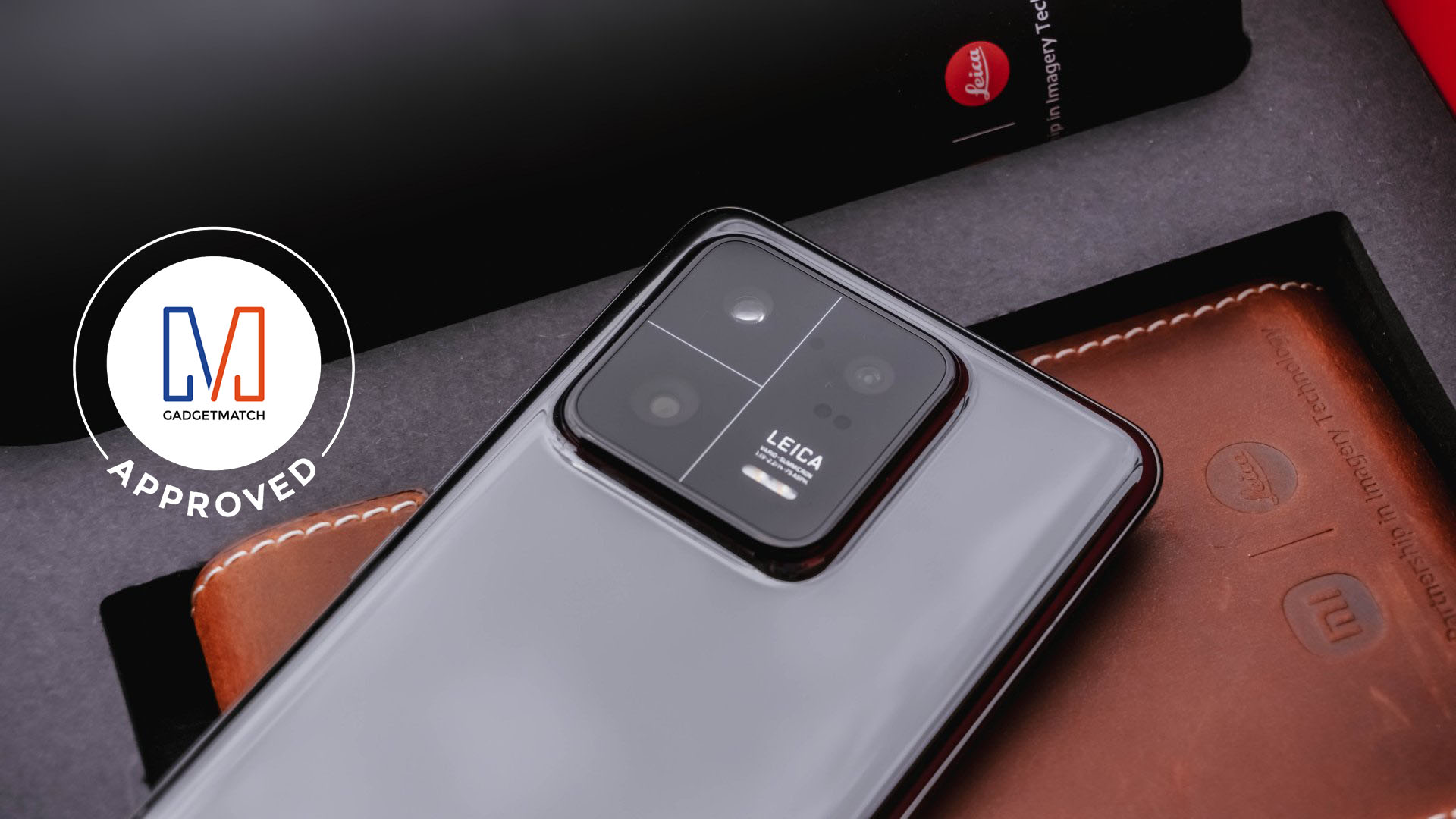
It may not have the most affordable price tag for flagships out now. But the Xiaomi 13 Pro still a worthy recipient of the GadgetMatch Seal of Approval. That’s especially if you’re one among those prospect buyers who are looking for the best cameras in a smartphone today.









Apple’s smallest tablet just got its biggest upgrade after two long years!
The 2026 iPad mini now features a brighter than ever OLED display, a more powerful A20 Pro chip, improved (and almost non-existent) speakers.Plus, ever durable with its IP67 water and dust resistance rating.
In this video, THE Michael Josh takes a closer look at everything that’s new, what he loves, what’s still missing, and whether the new iPad mini is worth upgrading to.
Here’s our in-depth review of the all-new 2026 iPad mini OLED.
Gaming
ROG G700 review: The best prebuilt PC you can get off the shelf
This PC will make you stop worrying about specs.

The last time I touched a PC was 2014.
At the time, I’d just finished moving houses. While my old house had space for a desk and a fairly decent PC for its time, I opted for a smaller workstation because I was confident that laptops were the future.
Now, more than ten years later, I wish I didn’t dismiss PCs so readily. Thanks to AI, the price of a new PC has reached new levels of absurdity today. It’s not easy to stock up on components anymore.
So, it was like a very heavy blessing falling down from heaven and crash-landing on my lap when the ROG G700 arrived on my doorstep. It’s my first PC in over a decade, and, wow, what a return.
A box with everything you need
The art of building a PC takes a lot of effort these days. You’ll need a command over every little detail that every single component can do. Obviously, you also need to time the market for better prices.
That said, the ROG G700 is not for the minmaxers. It’s a fully built tower you can — gingerly — pick up from the shelf and play on just as soon as you get home.
It’s perfect for people like me. Now, if I had the time and the money, I’d definitely make a little more effort to explore every single detail. However, as someone returning to the PC world after a decade, this prebuilt PC is more than enough to dip my toes back into it.
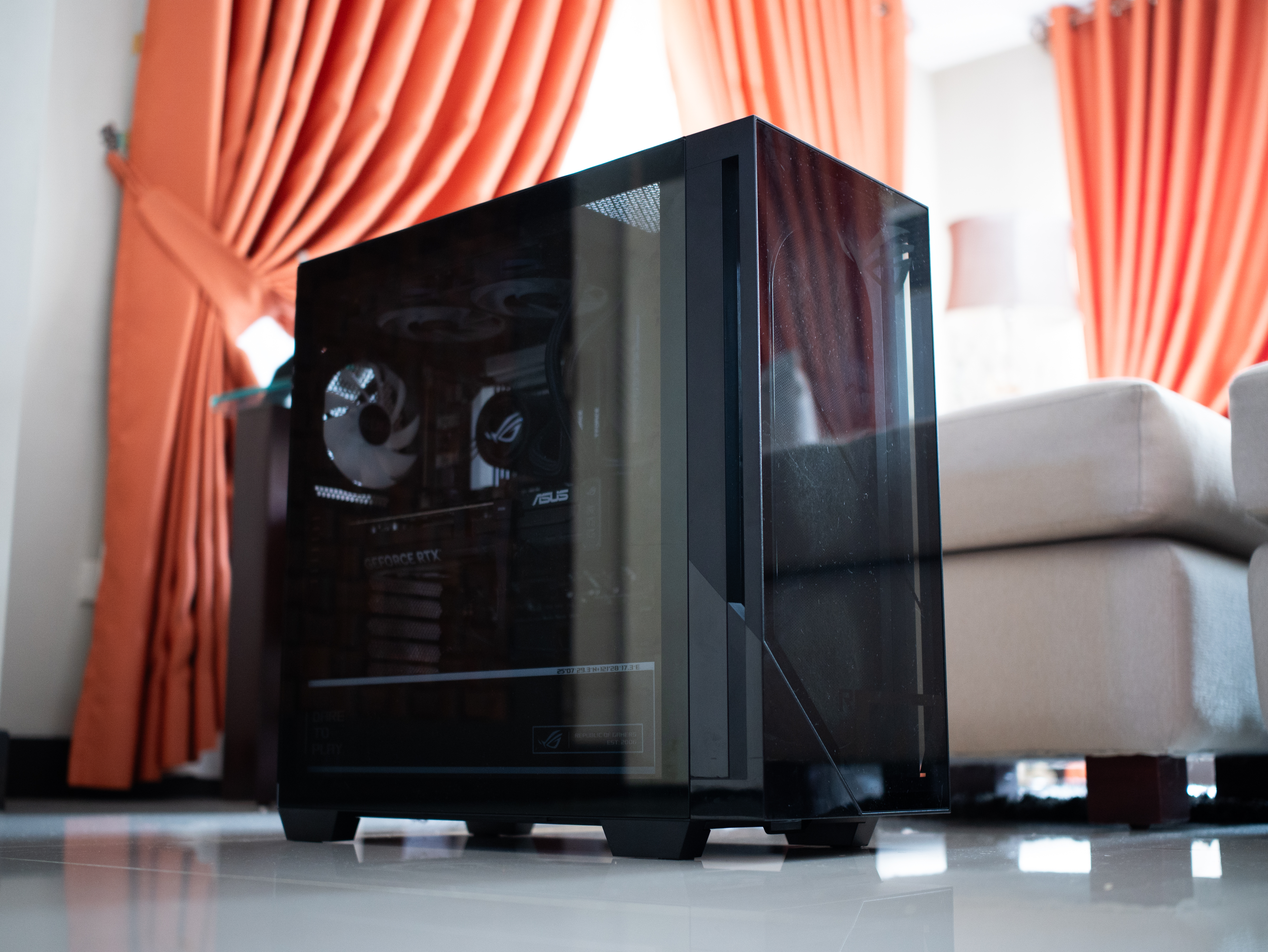
It is quite the package, though. The tower is 9.45 inches wide by 20.05 inches long. It’s also 18.88 inches tall. If you have a small space, you might struggle to find a space for this behemoth.
Plus, it weighs 40.39 pounds. If you live up a flight of stairs, you’d better not skip leg day. Even then, it was scary to handle this tower, knowing how much hardware I was holding up a few feet from the ground.
A clean design for gamers
Usually, I’m not a fan of heavy gamer aesthetics. As much as I identify as a gamer, I prefer keeping that part of my identity lowkey from how I look. I don’t go for all the edgy angles and the RGB lighting.
But the ROG G700 is one exception to my rule. Even then, it’s not that huge of an exception.
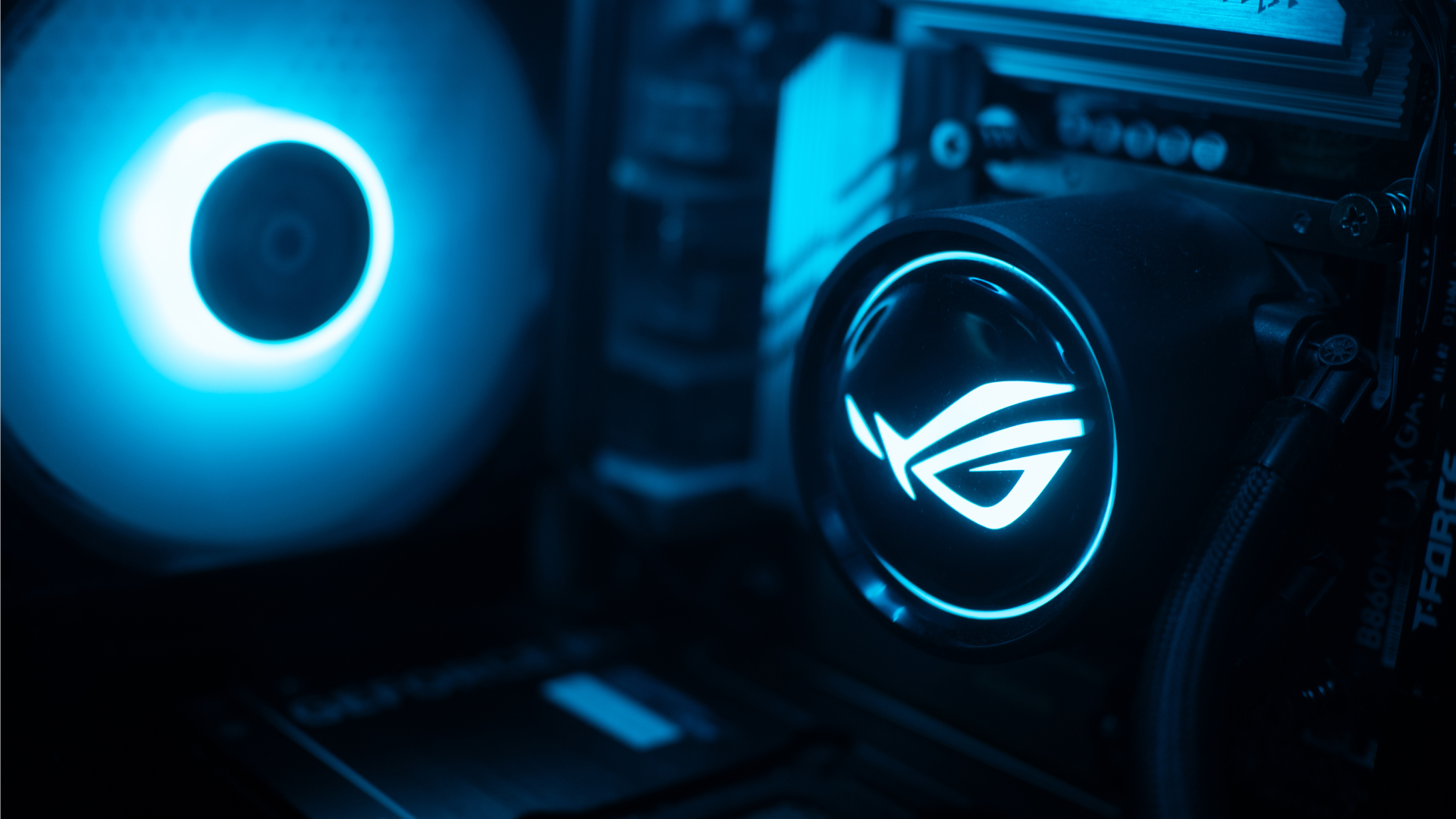
The ROG G700 exudes that gamer aesthetic, but it’s still pretty clean. The chassis has subtle grilles that ease cooling. The main panel is transparent that peeks into a cleanly organized system with heavy ROG visuals. The brand’s logo is peppered throughout the system. The RGB lighting, though bright at times, was easy to get used to.

Personally, I liked how clean the internals are organized. It always hits the right part of my brain when I see something well put together.
Additionally, though it could use a tiny bit more, the G700 has an ample number of ports well situated at the back and up top. When I was setting everything up, I had enough space to make sure I didn’t end up with wire clutter. My workstation was clean at all times.
The 2026 machine
Now, let’s get into the performance. With the highest configuration, the ROG G700 goes up to an Intel Core Ultra 7 processor, up to a 16GB NVIDIA GeForce RTX 5080 GPU, 32GB RAM, and 2TB of SSD storage. All thing considered, this is a very powerful machine for today’s world.
If you’re not down on particulars and just want something off the rack, this is more than enough. I tested the G700 on this year’s games like 007 First Light and Forza Horizon 6. Both games performed without a hitch. In fact, I appreciated both games a lot more than when I played them on older laptops. The graphics were absurdly crisp without sacrificing a smooth performance.

Also, as a hard multitasker, I love alt-tabbing even while I’m playing. While other setups usually complain, the G700 doesn’t really care. You can run a Twitch stream, play a YouTube video, or have Spotify open in the background, all while playing an intensive game. This is a machine that tells you to leave your worries at the front door because it can handle everything.
If anything, it can get too powerful. Despite the cooling system with a tri-fan intake, the tower still gets hot with heavy loads. After an hour on 007 First Light, my room started getting much warmer. Though you won’t get performance dips, all that heat is coming your way.
Is the ROG G700 your GadgetMatch?
As someone getting back into PCs, the ROG G700 is a powerful off-the-shelf prebuilt PC. Now, do you need all this hardware for day-to-day gaming? Probably not. But if you don’t want to worry if your rig can do certain things, get the ROG G700.
If you have the money, that is.

Being a powerful machine, the G700 comes with a hefty price tag. When it was launched, the machine started at PhP 179,995. Now, with prices of RAM steadily climbing, prices are likely higher today. Plus, you need good peripherals to maximize this PC, so expect to spend a lot more. Overall, it’s very expensive, but at least you’re getting your money’s worth on the investment.
For that, the ROG G700 gets a Swipe Right and a Super Swipe for being a powerful machine you can get today. It is, however, a Swipe Left if you’re looking for cheaper options that won’t break your bank.
Gaming
HP OMEN Max 16 review: Gamer-maxxing in deep black
Peripherals deemed necessary to max this out

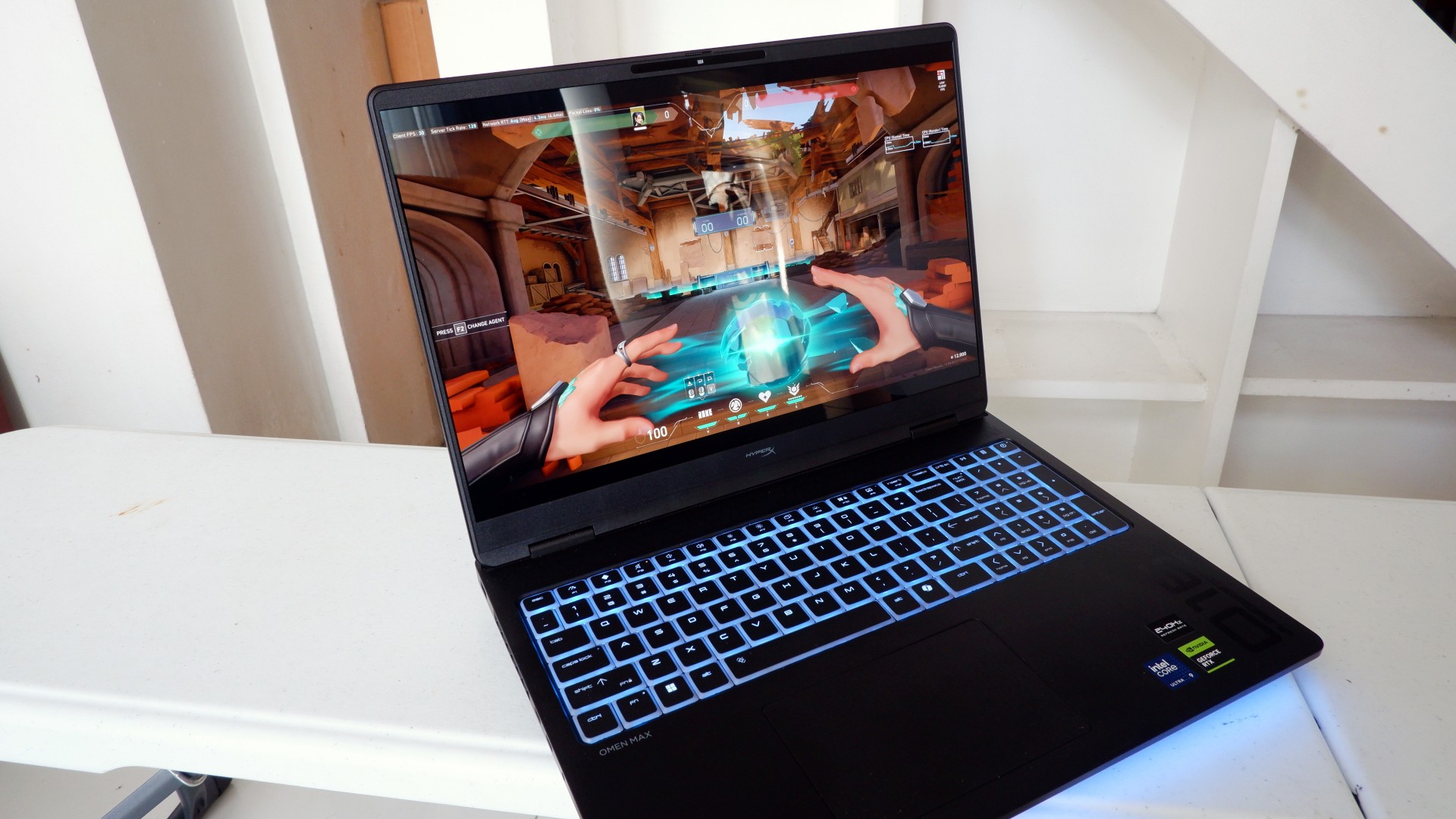
It’s not every day that you come across a machine that looks good and plays even better. Oftentimes, subtle aesthetics take a back seat to sheer performance and power. Whenever a gaming machine looks sleeker, it seems to lack the power to push it forward. Simply put, you can’t have the best of both worlds these days.
But what if you could have it all? Not just money, fame, and other fortunes, but also a machine with everything you’re looking for! Gone are the days of wanting only power to keep you playing all day or wanting to look good while playing. On paper, this is what the HP OMEN Max 16 promises: the best of both worlds.
Unboxing a beast inside
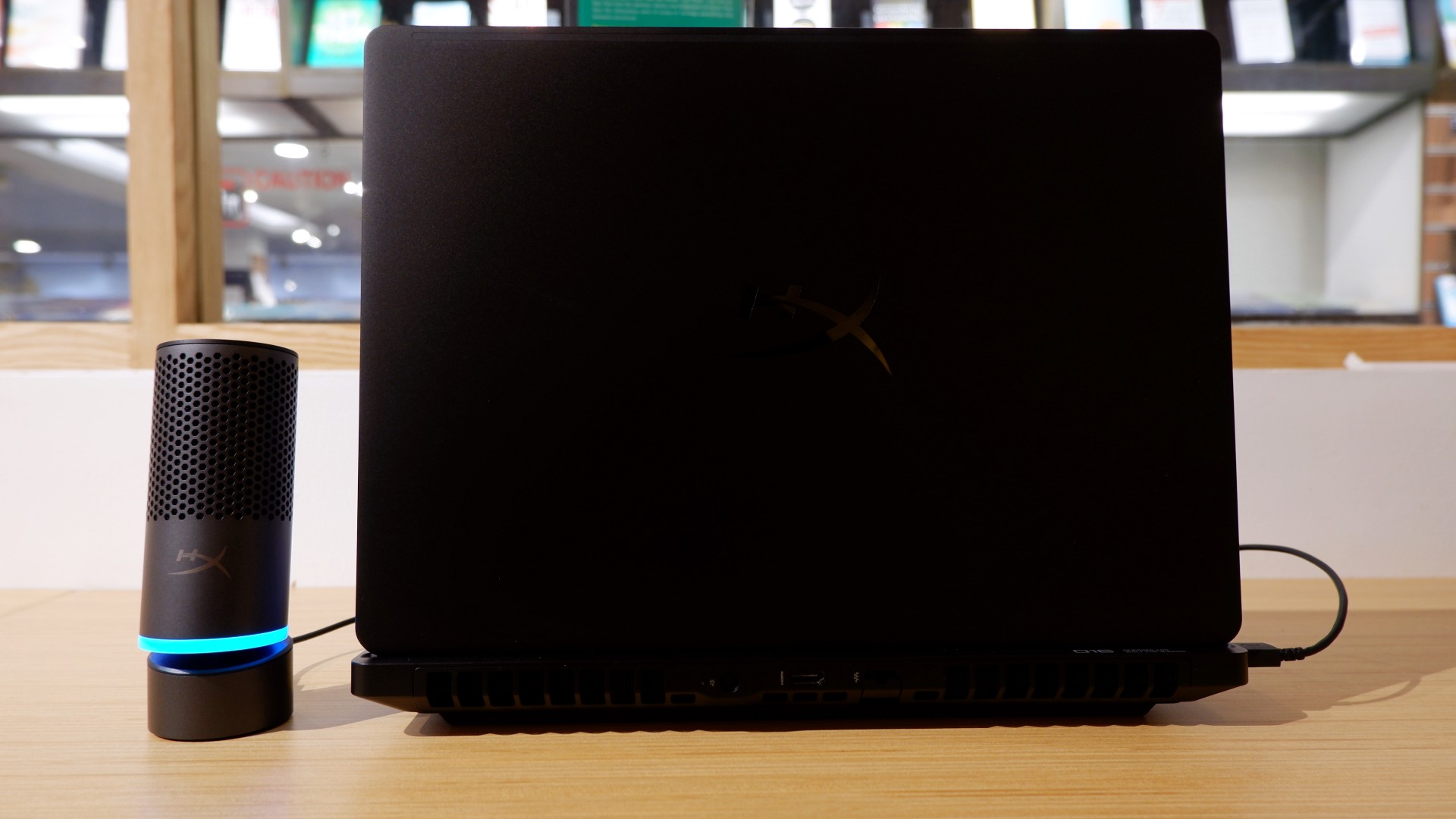
When you first take it out of the box, the HP OMEN Max 16 looks unassuming in its overall design. It’s bulky yet sleek in its Shadow Black colorway, with nothing too fancy or flashy while powered down. From the outside, the machine screams premium, even though its dark color can attract more visible dirt than lighter finishes.

Opening it up reveals a 16-inch OLED display with a peak refresh rate of 240Hz, seamlessly connected to a base with a full-sized keyboard and a large trackpad. The bright, seemingly anti-glare display makes colors pop when watching or editing videos on the go.

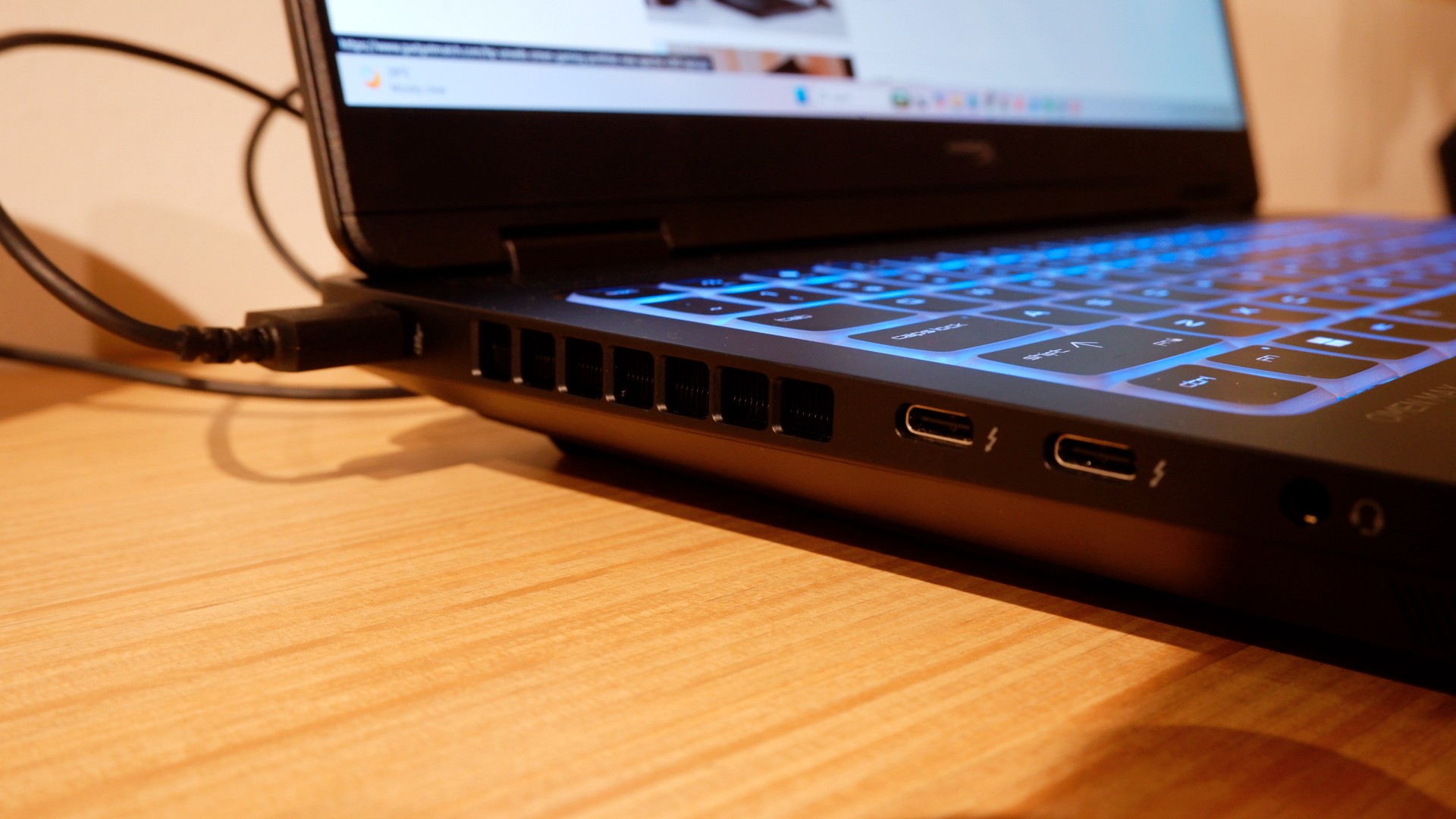

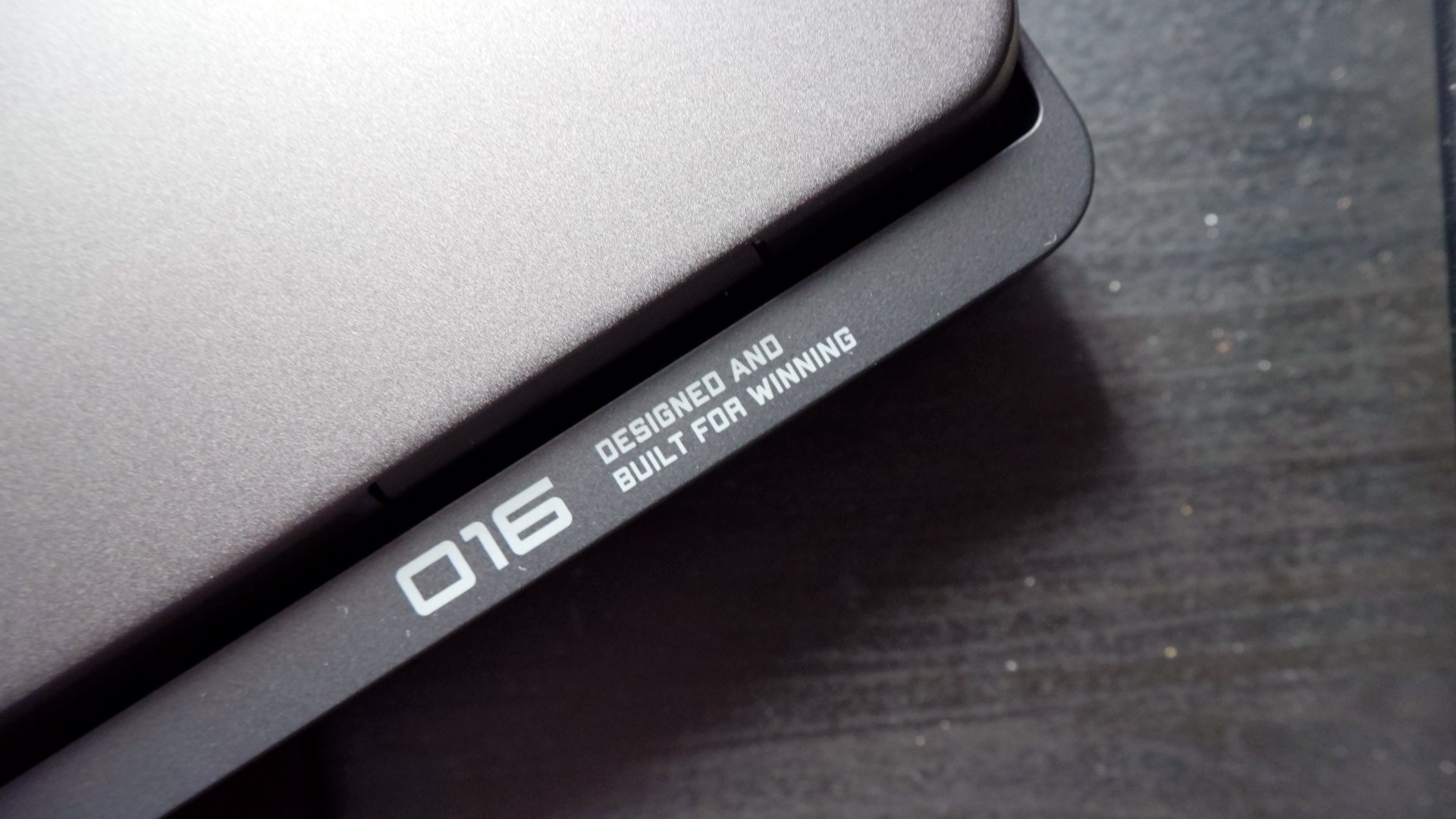
Furthermore, HP places the ports in convenient spots along the rear and sides of the laptop. This makes it incredibly easy to set up and manage external peripherals while providing more room for ventilation under heavy loads.
Of course, the device’s biggest features lie in the hardware powering it from within. An Intel Core Ultra 9 processor, 32GB of RAM, and an NVIDIA RTX 5090 Laptop GPU should give you an idea of how well this machine can perform. It’s also a great combination for demanding productivity tasks and creative work!
Power that AI can only hope to replicate
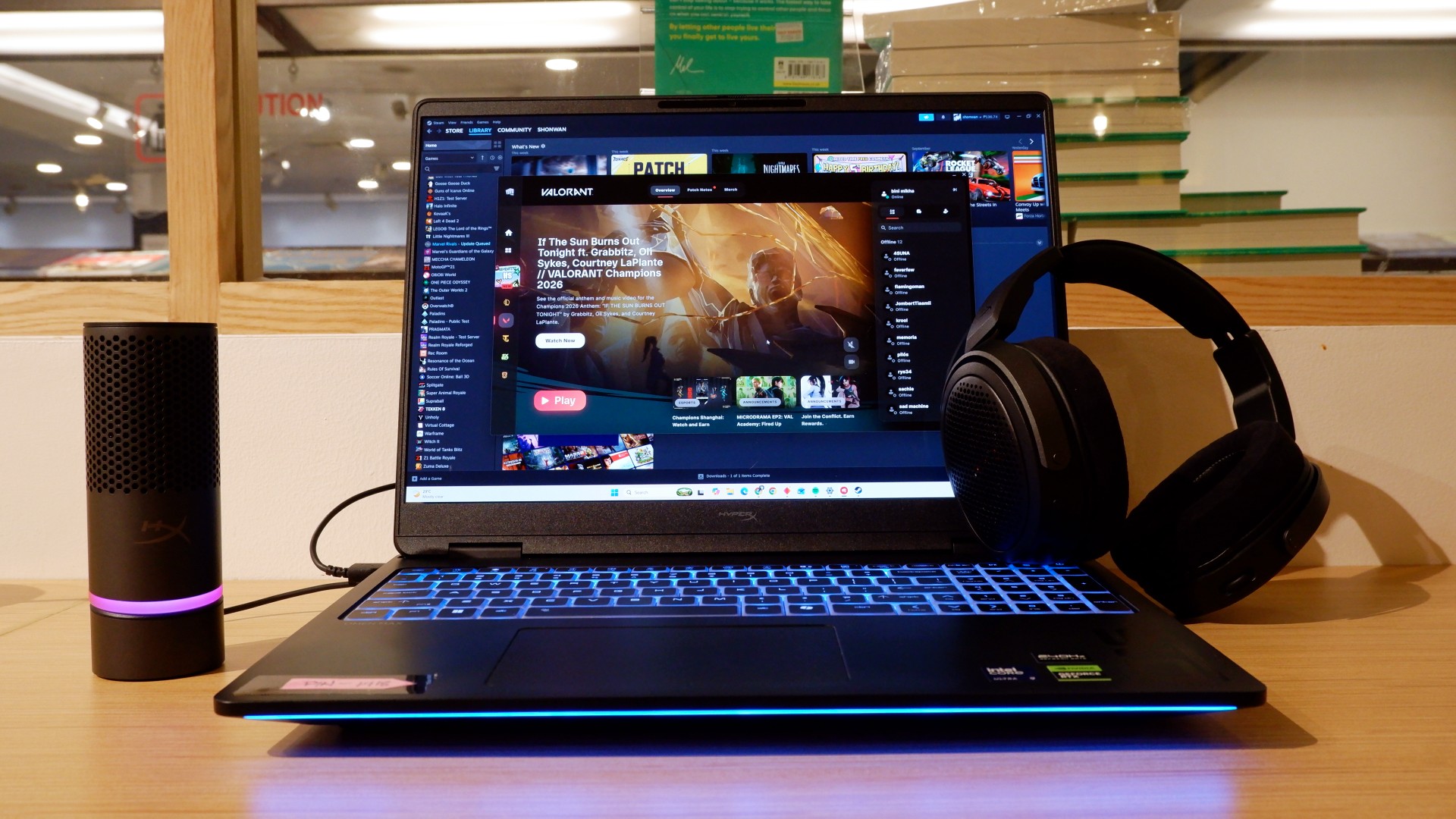
The HP OMEN Max 16 lived up to many of our expectations in terms of performance. From startup to shutdown, it delivered on what its hardware promised. You can watch videos for longer, edit photos and videos to your heart’s content, and enjoy casual gaming without slowing down. Furthermore, the wide display gives you plenty of space to accommodate all these activities.

When you step up to more competitive gaming, the machine doesn’t miss a beat. Most titles deliver high frame rates regardless of the quality or performance settings you choose. With more advanced visual settings enabled, the RTX 5090 does a fantastic job of keeping supported games within a solid 40–50 FPS range. Pair it with a high-refresh-rate OLED display, and you get crisp details and faster input response to help you get ahead in ranked games all day long.
If there’s one thing to complain about, it’s the extra optimization required through the OMEN Gaming Hub. Features such as network prioritization, automatic power-mode switching, and system optimization are useful, but you’ll need to spend time configuring them during initial setup. The laptop also comes with OMEN AI, which promises to maximize FPS with a single click. However, it was only okay at best.
Runs longer, cools off smoother
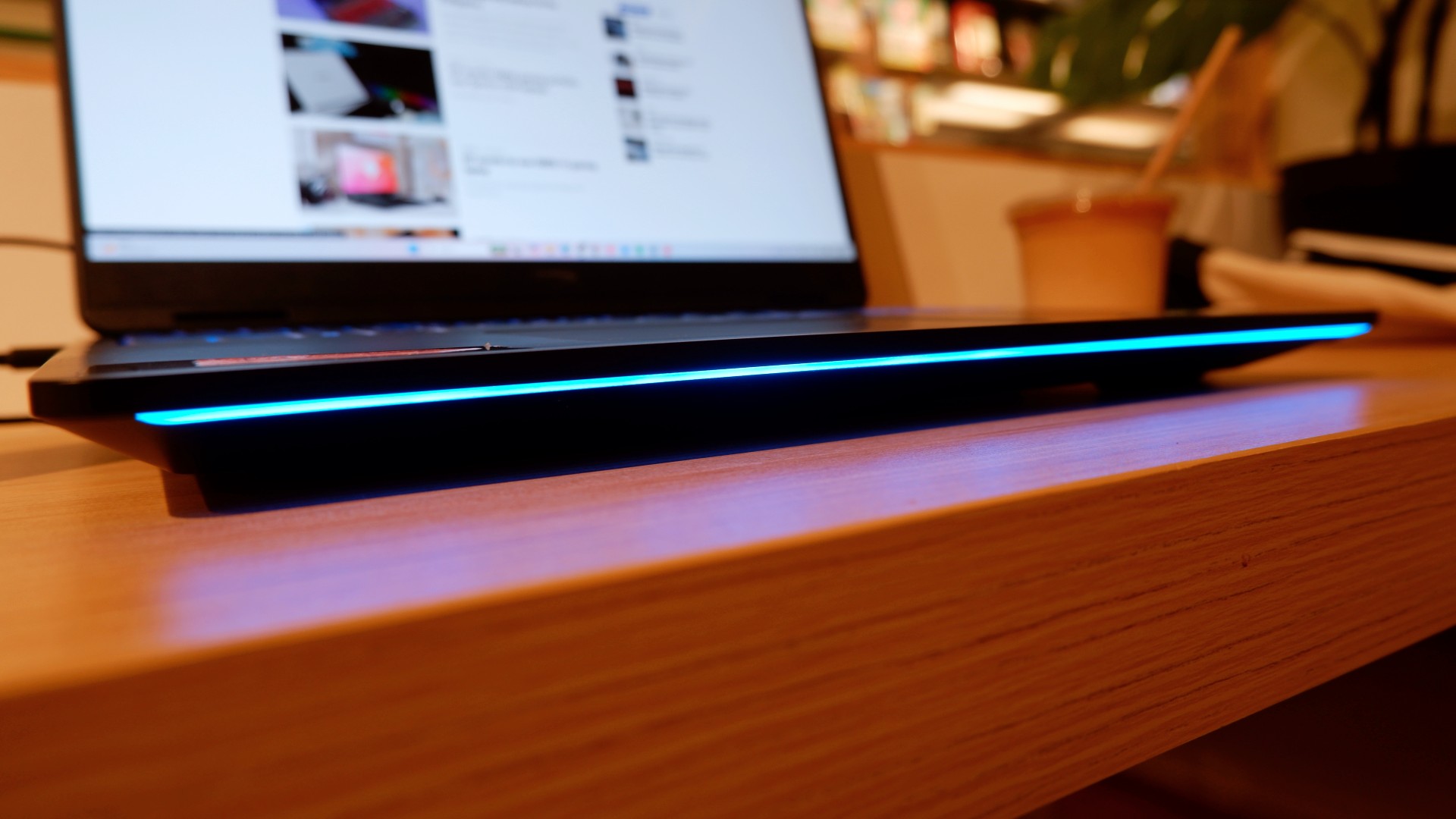
Surely, a gaming laptop this bulky and powerful can’t last that long on battery, right? Well, the HP OMEN Max 16 averages around three hours of battery life during intensive gaming, which gives you a decent amount of playing time. For general use, battery life extends to around five and a half hours with Balanced power settings. It holds up reasonably well if you forget to bring your charger.
When you do have the massive 330W charger with you, charging doesn’t take too long either. During our tests, a full charge took two hours, with charging progressing slightly faster when we left the laptop idle. Charging the battery to 50% took around 20 minutes, giving you enough juice to squeeze in another game!
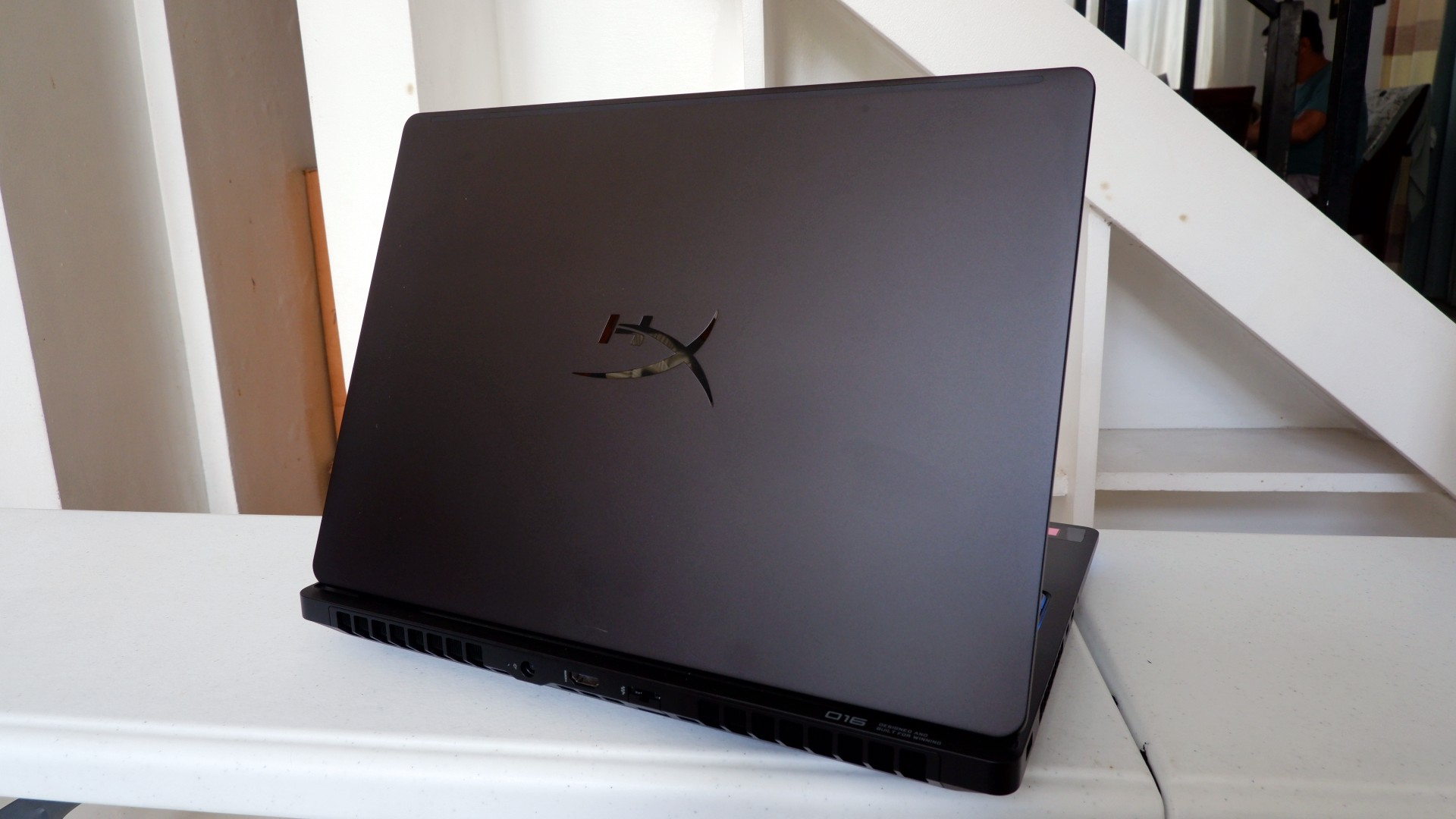
Another factor in prolonged use is how the device expels hot air through its sides and rear. We touched on this earlier, but it bears repeating: the laptop provides plenty of ventilation through its vapor chamber and multiple external vents. Instead of directing heat toward the keyboard, it pushes hot air through the vents, where it can hit your hands or peripherals. At least the keyboard stays cooler, right?
Is this your GadgetMatch?
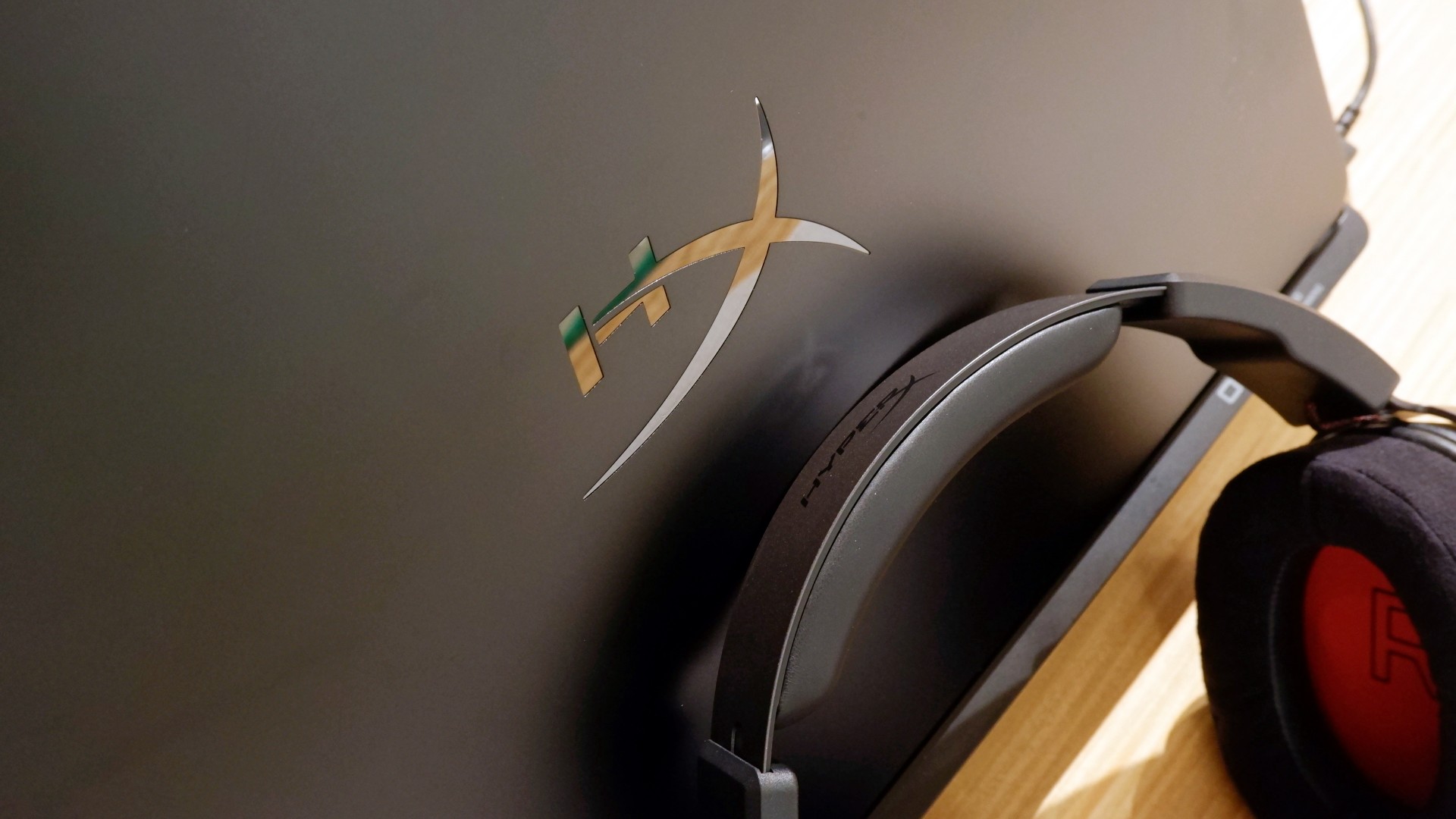
At PHP 229,990, the HP OMEN Max 16 is a sleek-looking machine with incredible power under the hood. Despite its initial bulk, it delivers impressive performance for both casual and competitive gamers. Inside and out, it packs plenty of hardware and features to let you tailor the experience to your needs.
If you’re looking for a gaming laptop with decent battery life, this is a solid choice, but don’t expect it to last half a day. Of course, you wouldn’t use this machine entirely on its own, even if the unboxing experience might suggest otherwise.
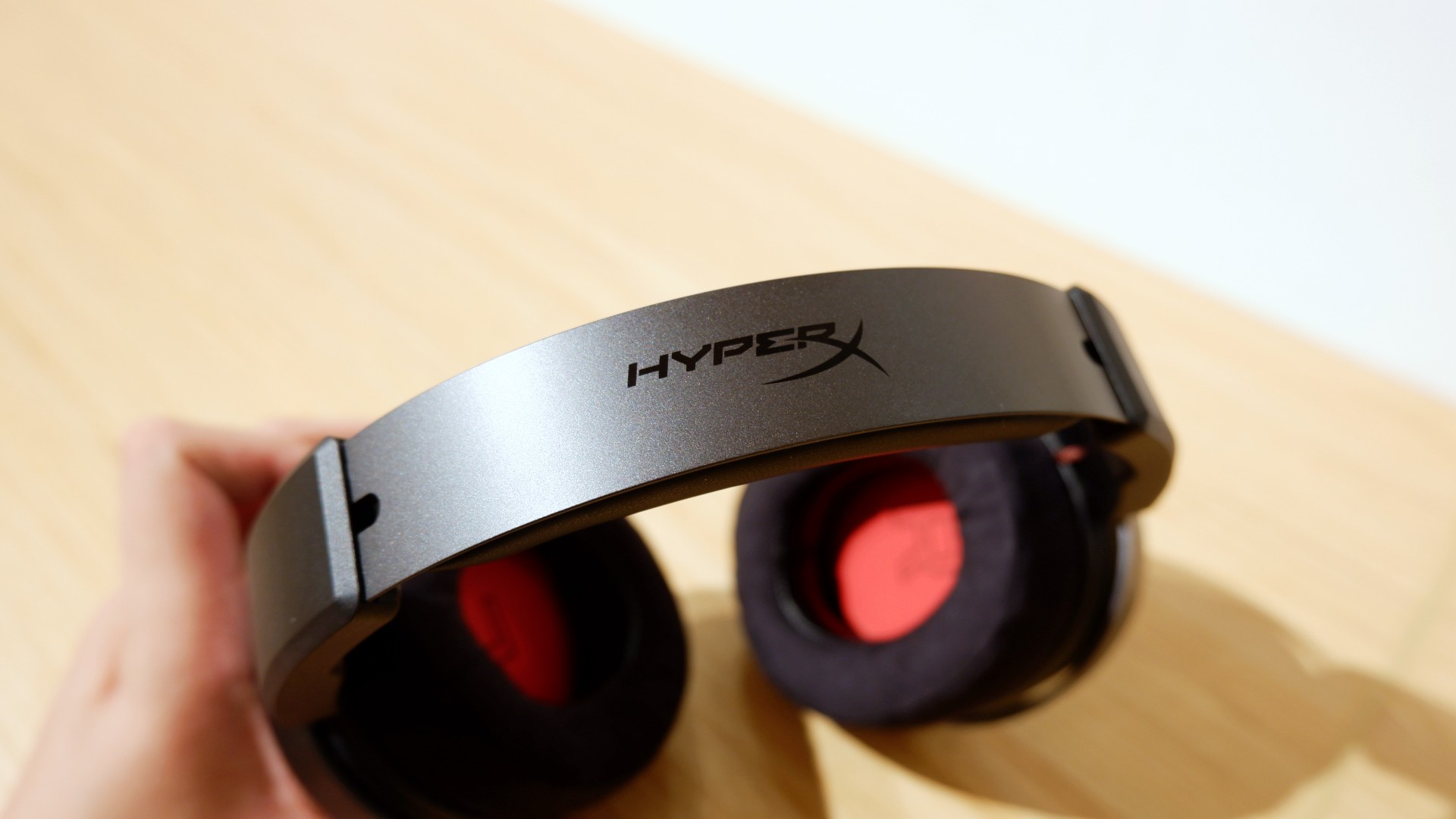
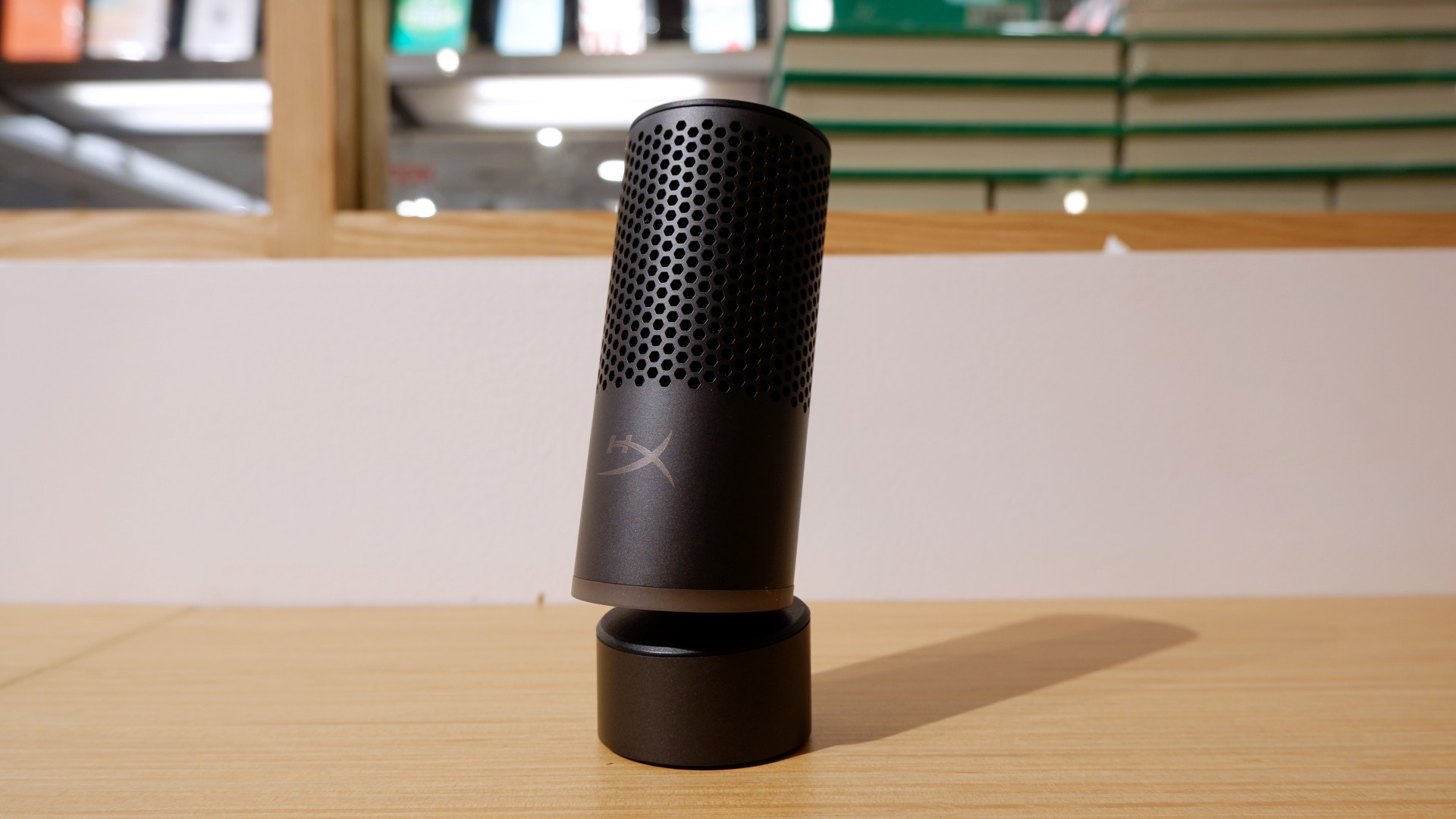

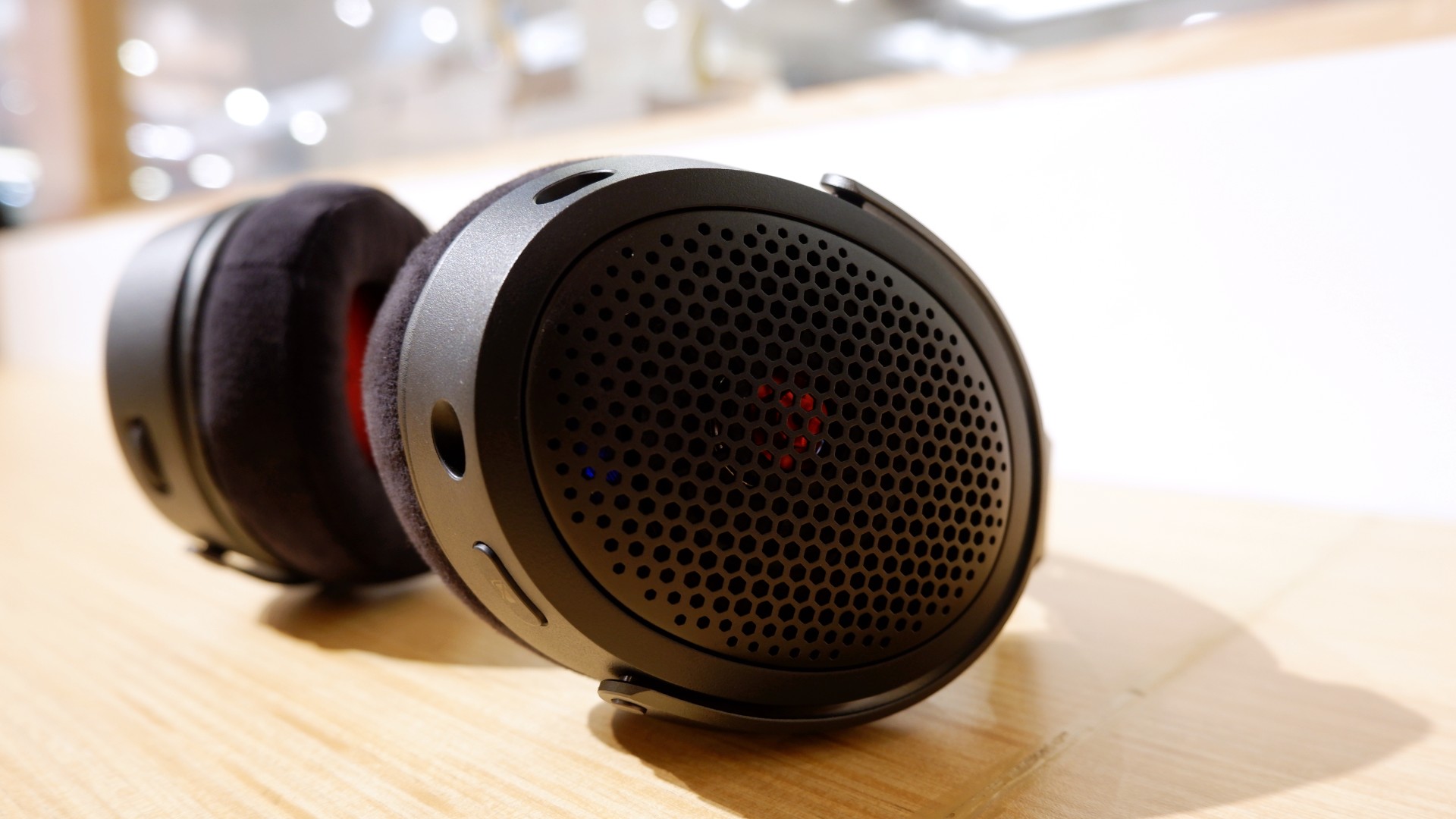
Peripherals such as the HyperX Cloud Alpha Air and Solocast 2 Pro can further enhance the experience.
Overall, this is a Swipe Right for its features, performance, and premium design. However, if you don’t have an infinite money glitch to buy it right now, you’re better off saving up for this beast of a machine!
-

 Lifestyle4 days ago
Your coffee nook is getting a makeover with Starbucks’ holiday collections
-

 Gaming2 weeks ago
HP OMEN Max 16 review: Gamer-maxxing in deep black
-

 Lifestyle6 days ago
Sticker season is back, and so is the planner your ~friends~ might fill in for you
-

 Gaming4 days ago
Wild Rift Patch 7.3, celebrates K/DA comeback
-

 Gaming1 week ago
ROG G700 review: The best prebuilt PC you can get off the shelf
-

 Gaming1 week ago
PlayStation unveils Prism Collection
-

 News2 weeks ago
Apple unveils its biggest iPad mini update yet
-

 Accessories2 weeks ago
CASETiFY Match: Finding the right case for your Galaxy Z8 Series phone