
Smartphones
Here are new Pixel 6 features you should definitely try
Get that Magic Eraser out


The Pixel 6 series has finally launched. More than previous iterations, Google’s new flagships have a host of fresh hardware and new features underneath its smooth and sexy frame. If you’re getting either the Pixel 6 or Pixel 6 Pro, you might miss out on a few features introduced in the new series. Here’s a rundown of some tips and tricks you should definitely try out.
Customize your home screen
Wallpapers aren’t the only ways to customize your phones anymore. Android 12’s biggest design change revolves around personalization. Now, whenever you change your wallpaper, the phone’s theme changes along with it. It can change its icon’s themes and color palettes.
Harness the power of AI
With the new Tensor chipset, Google is going all-in on AI technology. As such, the Pixel 6 series has a flurry of AI-enhanced features to make its users’ lives easier.
For one, the Pixel 6 can save you a lot of time whenever you call business’ toll-free numbers. Google Assistant can now tell you when the best times to physically go to a business, transcribe automated menu options, and hold for you during long hotline calls.
Speaking of transcriptions, Google Assistant now has a much better transcribing feature for Messages. It adds the ability to transcribe emojis and spell out difficult words.
For languages, Google can now transcribe messages and media better and faster in real time. The Recorder can also transcribe more languages now.
Finally, you don’t need to go “Hey, Google” all the time anymore. The Pixel 6 now offers a few quick phrases available without the need for Google’s usual call phrase — such as snoozing an alarm or answering a phone call.
An improved camera
Google’s new AI doesn’t just affect Google Assistant. It also improves the device’s camera features. Most especially, the camera has a new Magic Eraser feature which automatically removes photobombers and distractions from the background.
The camera also has new ways to handle moving images. Action Pan can focus on a moving subject but blur the background to improve focus. On the other hand, Long Exposure mode can add a creative blur for subjects portrayed while keeping the background crystal clear. Not a fan of either? The Pixel 6’s camera can also remove facial blurs for moving subjects (human ones and not animal ones yet).
Further, the auto adjustment feature now takes the subject’s skin color into account. It ensures that the Pixel 6 remains inclusive, rather than focusing on only a few skin colors.
*
Obviously, besides the ones listed, the Pixel 6 series and the new Android 12 have a lot more features packing inside. With the smartphone series now launched, it should be easy to discover these new features for yourself.
SEE ALSO: Pixel Pass bundles a Pixel 6 with a subscription service




News
The iPhone 18 might sell out for an unexpected reason
The ongoing shortage might play a part in the phone selling out earlier than expected.
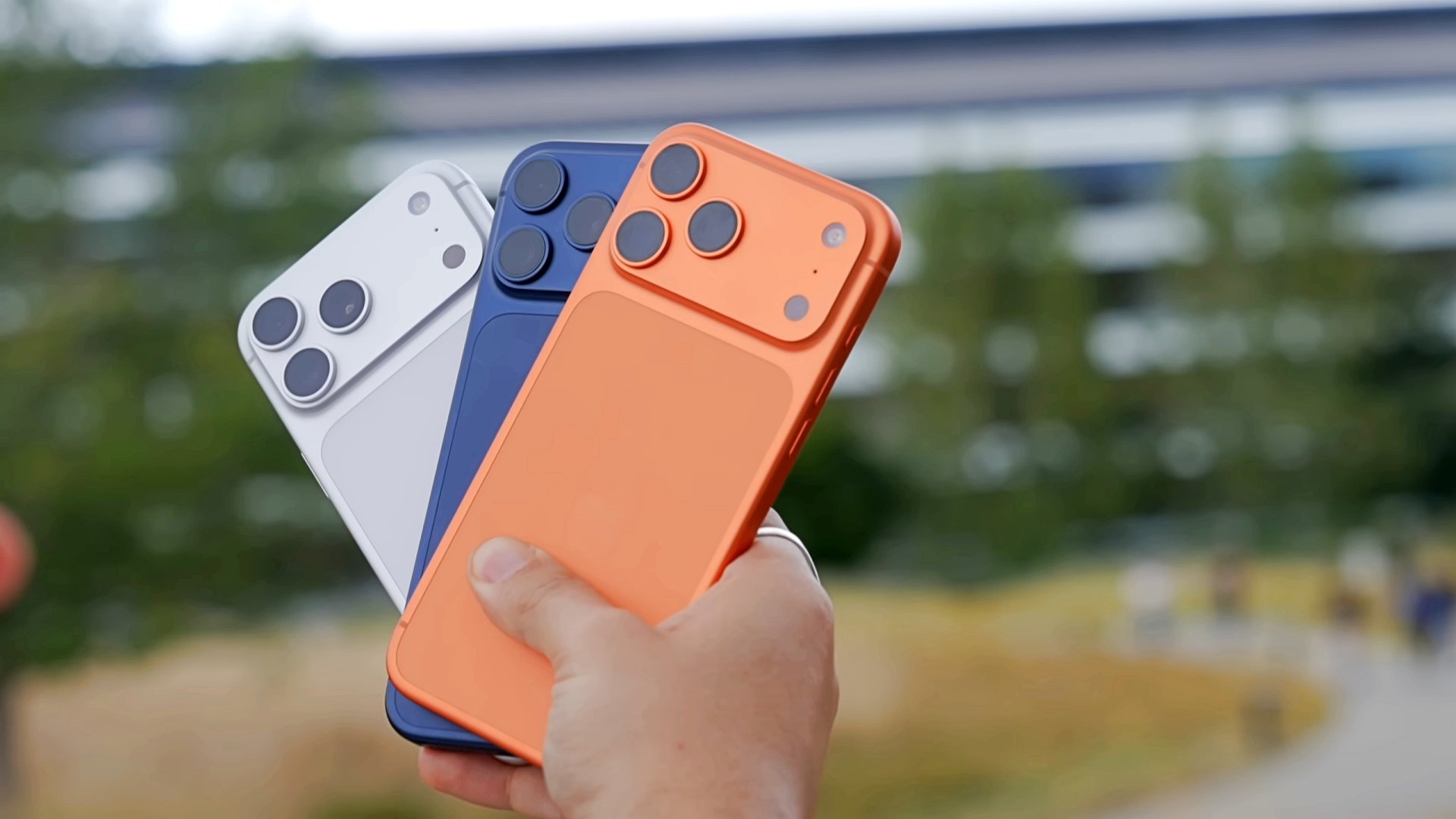
An iPhone selling out is not news. Because of how popular the phones are, it’s within the realm of probability that Apple runs out of stock at some point. According to a new report, this year won’t be any different… but it’s for an entirely different reason.
First reported by analyst Tim Culpan, Apple is reportedly struggling to meet its demand for semiconductors for the iPhone 18 and the foldable iPhone. The ongoing memory shortage is cutting off Apple’s ability to deliver the required supply of smartphones in a timely fashion. The report even claims that TSMC, which helps produce the iPhone, is sitting on a shipment of processors, worth US$ 1 billion, that don’t have memory chips.
Now, Apple is still confident that it can weather the launch. However, if the shortage persists, the iPhone 18 generation will likely sell out much more quickly than expected.
It’s an interesting time for Apple to experience such a shortage. It’s been heavily rumored that the company will launch its very first foldable phone next month, creating a new market for the brand. Apple definitely wants this attempt to succeed after the tepid response to its last new product, the Vision Pro.
SEE ALSO: Did Tim Cook just confirm that iPhone prices are going up?
Deals
nubia expands gaming lineup with Neo 5 Max, Neo 5 GT Special Edition
Get them with freebies until August 8

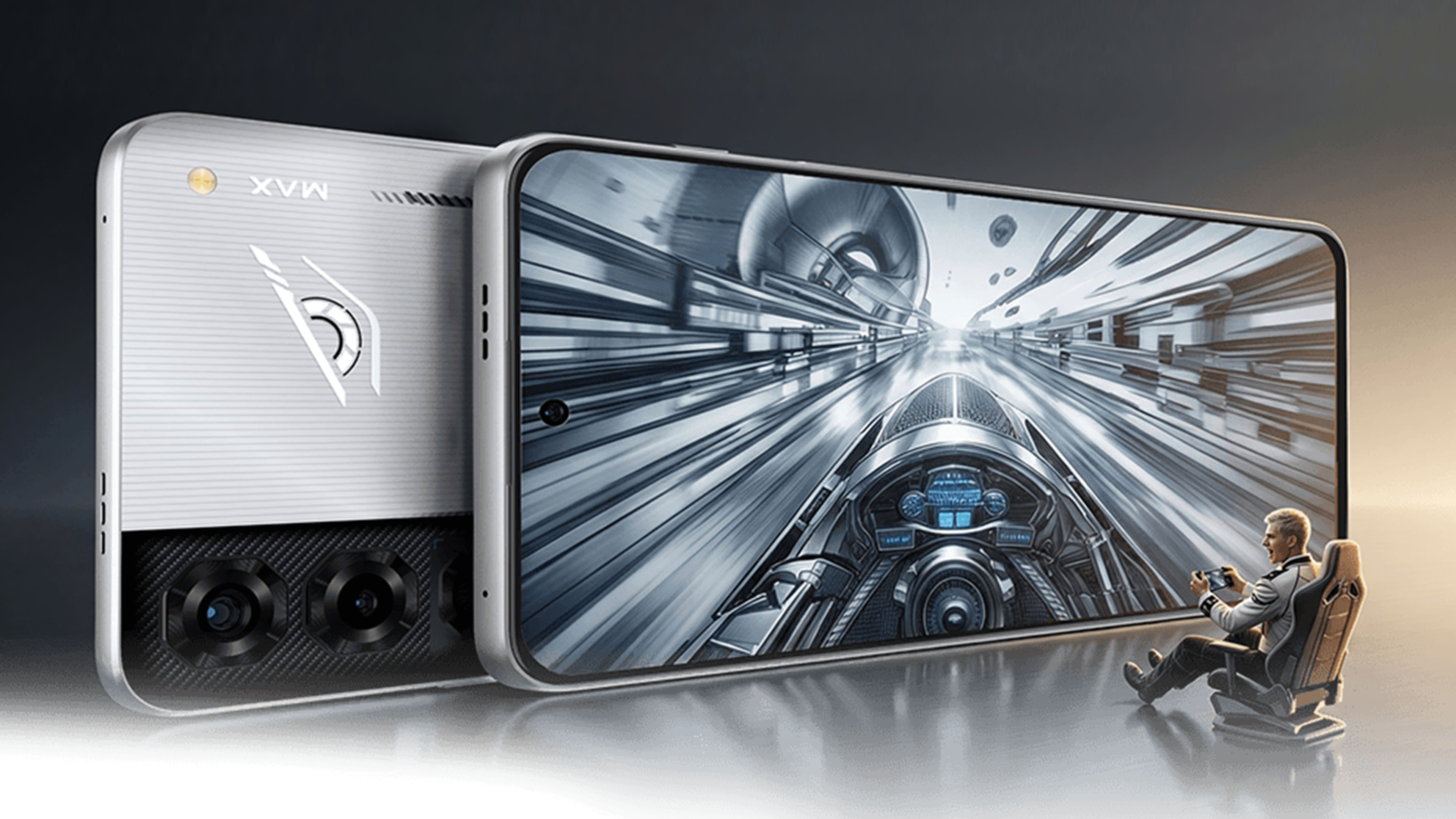
Mobile gamers are in for a treat as the newly-released nubia Neo 5 Max PadPhone, as well as the Neo 5 GT Special Edition, have special deals throughout the weekend.
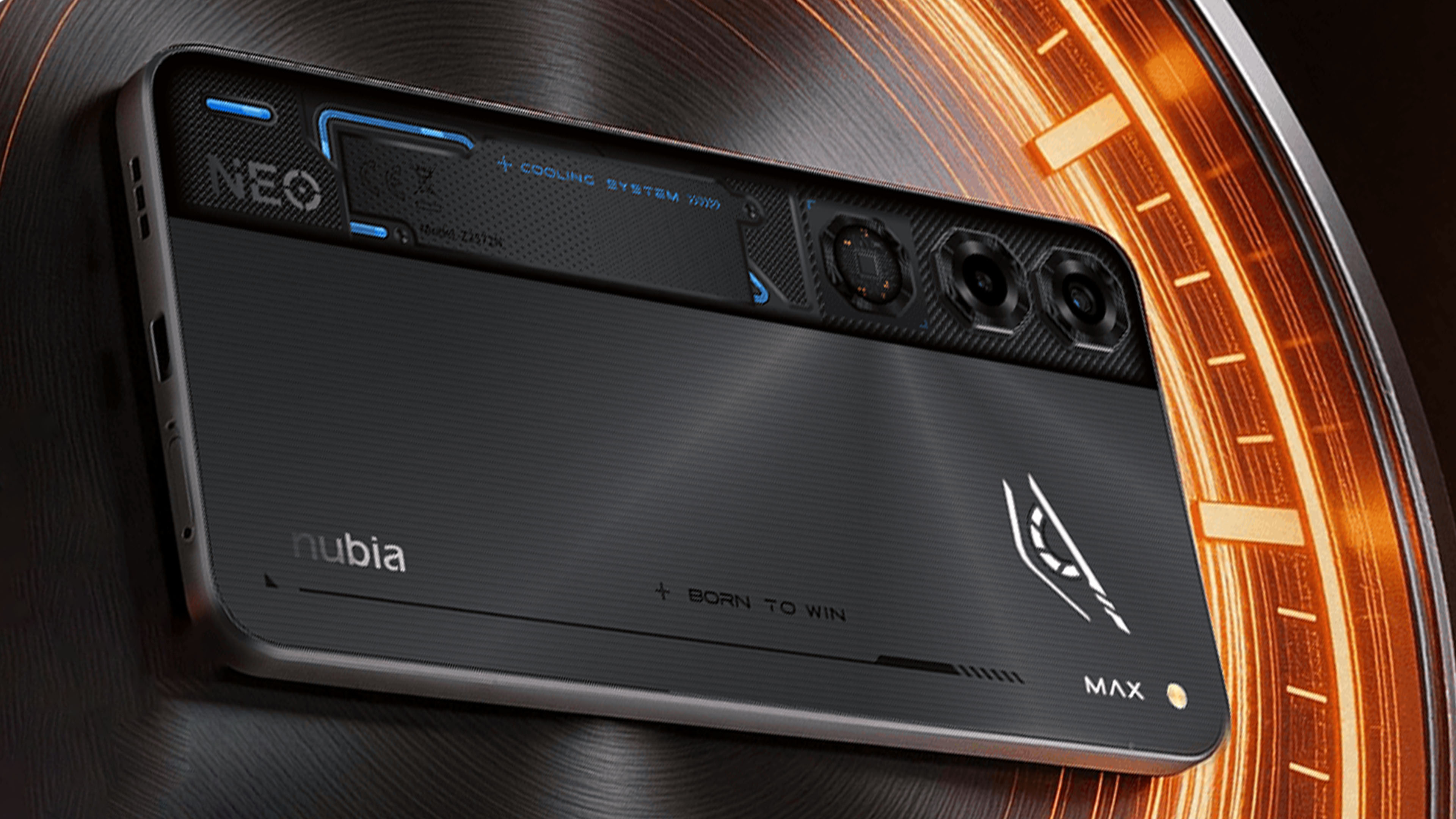
This is as part of the “#NEOVerseMaxOut: Max Out Your World” campaign, with nubia offering the two new models under their popular Neo series.
Purchases until August 8 come with a free 3-month Viu Premium subscription, as well as up to PhP 7,999 worth of freebies.
Freebies include power banks, Bluetooth speakers, earbuds, portable fans, and more.

Both smartphones offer users more ways to enjoy immersive entertainment, gaming, and everyday productivity.
The recently-launched Neo 5 Max comes with a 7.5-inch display for more room for content consumption and gaming.
It also houses a 7,100mAh dual-cell battery for more power, specially in extended sessions, streaming marathons, or busy days.
The phone is powered by a MediaTek Dimensity 7100 chipset, along with more features like Dolby Atmos, Neo Triggers 5.0, RGB Eagle Eye Lighting, and IP64 dust and water resistance.
It is priced at PhP 19,999.

Meanwhile, the Neo 5 GT Special Edition brings together nubia’s most advanced gaming technologies.
At the heart of the device is the AquaCore Cooling System. This is the only liquid and air dual active cooling system in its class.
The handset comes with a 6.8-inch 1.5K 144Hz AMOLED display (SGS-certified Eye Care), a Dimensity 7400 processor, and up to 24GB of dynamic RAM.
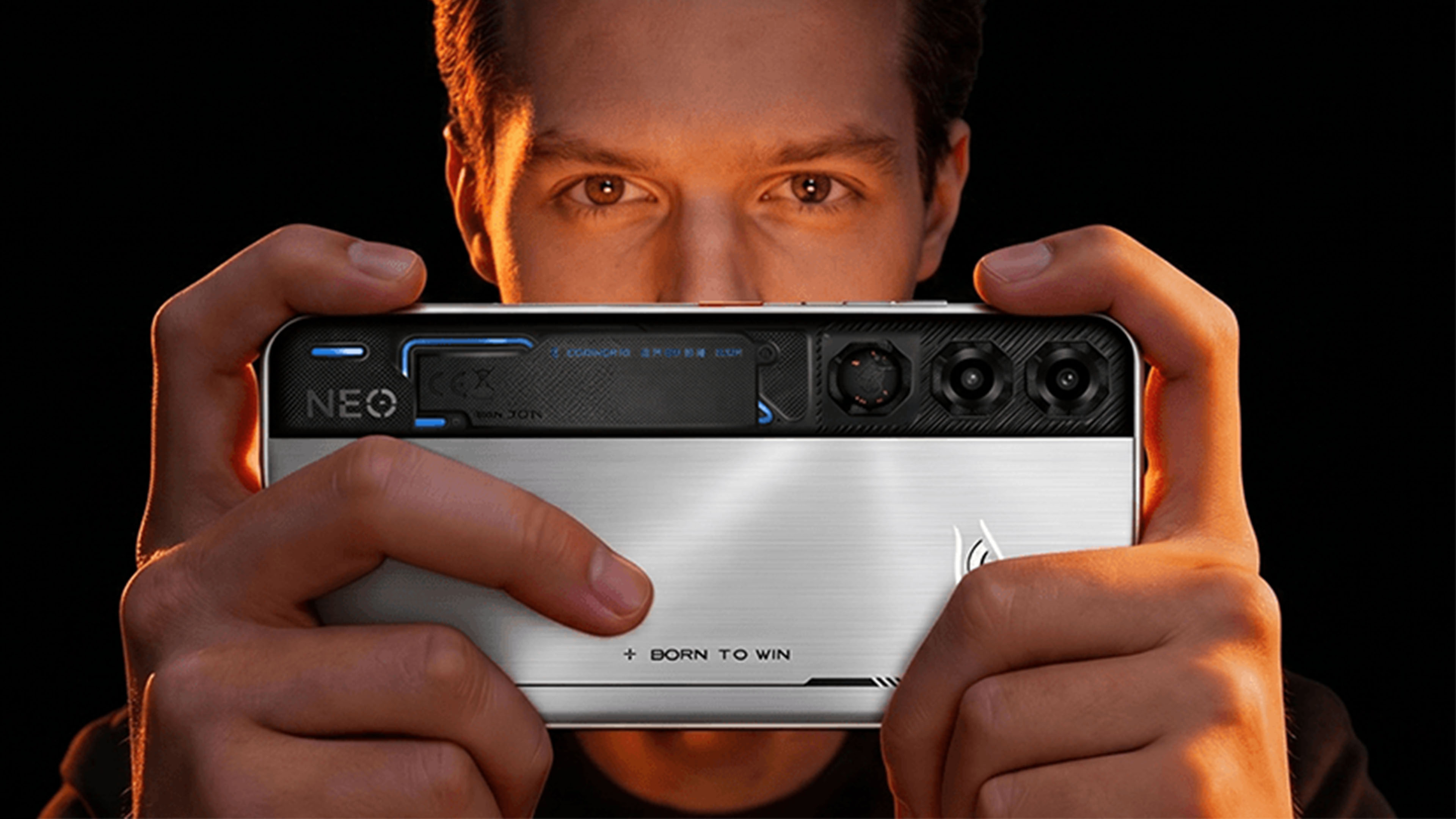
Inside is a 6,210mAh battery with support for 80W charging. It has a similar 50MP camera as well as IP64 rating.
This variant is priced at PhP 26,999.
News
Google will force Android users to use Gemini next month
Google Assistant will be retired as well.
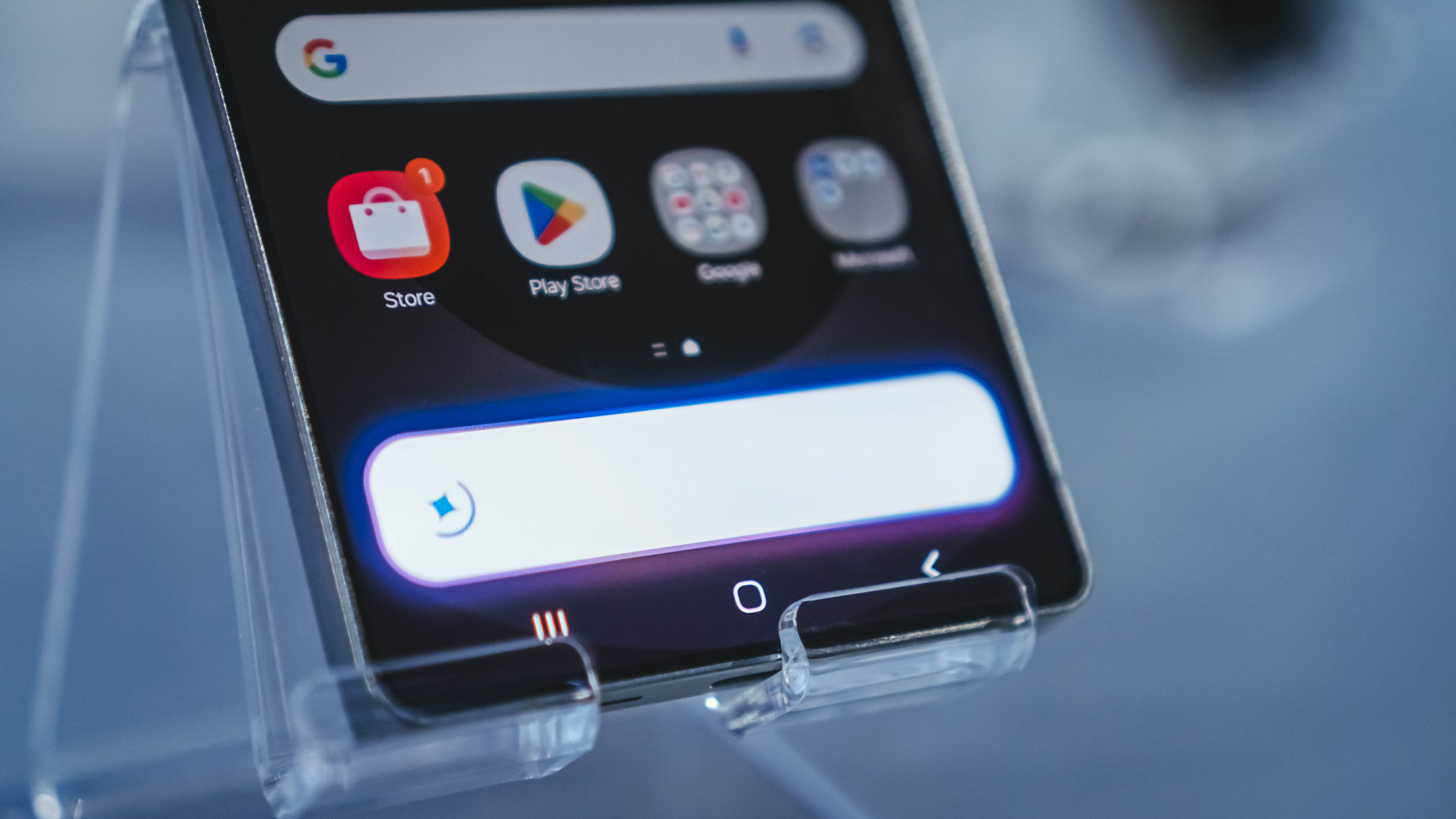
What is Google’s voice assistant called? Technically, there are two possible answers: Google Assistant and Gemini. Despite Google’s push for Gemini, the ubiquitous Google Assistant is still a common option for most users. However, the company will soon take that choice away as the voice assistant will retire in favor of Gemini.
First reported by 9to5Google, Google has sent emails to users, declaring that Google Assistant will no longer be an option for Android users starting September 4. On that date, the company will slowly roll out an update to get rid of the assistant’s availability on device.
Google also makes it clear that Gemini will be “the assistant experience on Android” moving forward. If you’re used to Google Assistant to help you with handsfree use, you’ll have only one option soon. This also affects other peripherals including smartwatches and audio accessories.
Of course, there are a few exceptions. Devices that can’t support an AI-powered assistant like Gemini are mercifully spared of the forced transition. Likewise, devices in countries that don’t support the AI assistant are also saved.
Despite the tepid reception of AI today, Google remains adamant about pushing Gemini to more users, regardless of whether they want it or not. In fact, a forced move like this will likely inflate the numbers that more devices are using Google’s AI software than ever before, while conveniently hiding the fact that most users never really had much of a choice.
SEE ALSO: Apple gives up on making AI, inks a deal with Gemini to power Siri

realme C100: Enduring and durable in spite of entry-level realities
Enough power but needs more agility


The ASUS ExpertBook Ultra wins you over
The laptop sneaks up on you


Nexal Watch Sport review: A rugged watch for small budgets
I couldn't believe that watches this good could come for this cheap.

SQUARE ENIX STORE Plus expands presence in Asia, Oceania

Maya: Convert purchases to 0% interest Mini Payment plans

Netflix: Kris Aquino makes on-screen comeback with fictional role

Hatsune Miku: Colorful Stage! Exclusive shop, Fair, and Gratte schedule

The iPhone 18 might sell out for an unexpected reason

New York becomes first state to ban smart glasses

Sony launches IER-M500 in-ear monitors

Microsoft dictates that a new Fallout game is coming

HoYo FEST 2026 details announced; tickets on sale from July 16
realme C100: Enduring and durable in spite of entry-level realities


-

 Automotive4 days ago
VinFast debuts two-wheeler models, opens 21 e-motorcycle showrooms
-

 Computers1 week ago
AMD launches Radeon RX 9050 graphics card
-

 Computers2 weeks ago
AORUS MASTER 16 Gen 2 2026 AI gaming laptop launches
-

 Gaming2 weeks ago
God of War Laufey finally confirms its highly anticipated launch date
-

 Automotive7 days ago
Xiaomi debuts SkyNomad Series featuring new Kunlun platform
-

 News3 days ago
OnePlus officially leaves the United States and Canada
-

 Gaming1 week ago
NBA 2K27 gameplay trailer showcases new dunk mechanics, Rucker Park, and more
-

 Gaming6 days ago
Call of Duty: Modern Warfare 4 clip shows Losing Ground 1st look