
News
Xiaomi 13 Ultra finally makes its much-awaited global debut
Four 50MP cameras plus a 1-inch sensor with variable aperture


Xiaomi first launched their very first smartphone with a 1-inch sensor through last year’s Xiaomi 12S Ultra. But unlike its predecessor, the Mi 11 Ultra, the 12S Ultra was only available in China.
After numerous speculations from leakers and much anticipation from fans, the company has revealed their latest and greatest flagship smartphone yet.
The Xiaomi 13 Ultra isn’t limited to their home turf anymore as it simultaneously made its much-awaited global debut.
The Ultra-fication of the Pro
The Xiaomi 13 Ultra isn’t that different from its “Pro” sibling. You still get that already great flagship-grade experience with a Snapdragon 8 Gen 2 chipset plus Adreno 740 graphics.

However, the Xiaomi 13 Ultra has better configurations up in its sleeve. The base model starts at 12+256GB (versus 8+128/256 on the Pro). Getting a 512GB or a 1TB UFS 4.0 storage automatically gives you a whopping 16GB of LPDDR5X memory (instead of just 12GB). What a smartphone overkill!

While both are equipped with the same 6.73-inch 120Hz 2K (or WQHD+) display, the Xiaomi 13 Ultra boasts the LTPO3 technology while the Pro variant relies on first-generation LTPO. The Xiaomi 13 Ultra is also 100 nits brighter (at 1300 nits) when in HBM (High Brightness Mode). Meanwhile, its peak brightness maxes out at 2600 nits (versus 1900 nits on the 13 Pro).

The Xiaomi 13 Ultra also features a bigger 5000mAh battery (compared to 4820mAh) but uses the less speedy 90W proprietary charging support over Xiaomi 13 Pro’s 120W HyperCharge. However, the Ultra keeps the Pro’s 50W wireless charging + 10W reverse wireless charging support.

Other premium features still remain such as the Gorilla Glass Victus glass protection as well as being IP68-rated.

Lastly, instead of relying on a silicone polymer or a smudgy ceramic glass back, all Xiaomi 13 Ultra colorways have an eco-leather back. Not only it features a better design, it also adds more grip thanks to that leather texture backing that will truly remind you of professional Leica cameras.
Quad-boggling 50MP cameras
Xiaomi has already marketed the Xiaomi 13 Pro as an ultimate mobile photography companion with its triple 50MP camera setup. But the Xiaomi 13 Ultra takes everything on a whole new level.

The headlining (and the biggest, literally) feature of the Xiaomi 13 Ultra is none other than its ultra-massive Leica-branded circular camera bump that houses not just one, but four massive 50-megapixel cameras beneath.

While both of these Xiaomi phones sport a similar 50MP 1-inch Sony IMX989 sensor, the Xiaomi 13 Ultra has an extra handy feature — its dual-variable aperture that lets the user choose between f/1.9 or f/4.0 depending on the photography subject being taken. This rivals the Huawei P60 Pro as well as the Mate 50 Pro.

The rest of Xiaomi 13 Ultra’s 50MP cameras are then based from Sony’s IMX858 sensor (versus Samsung JN1). But aside from the existing 3.2x telephoto lens, they’ve added an extra f/3.0 5x periscope zoom lens (or a 120mm-based “Super Telephoto lens” according to Xiaomi) with EIS for blurry-free zoomed shots.
It seems like Xiaomi is trying to hit two birds with one stone as the newly-added periscope lens directly hits the 10x lens of the Samsung Galaxy S23 Ultra.

Looking further at the nitty-gritty camera differences, the ultra-wide and 3.2x telephoto lenses of the Xiaomi 13 Ultra vs Pro are also different (in particular order):
- 122 versus 115 degree UWA FoV (Ultra-Wide Angle Field of View)
- f/1.8 on both lenses versus f/2.2 (UWA) / f/2.0 (3.2x telephoto)
- OIS (Optical Image Stabilization) is present on Xiaomi 13 Ultra’s telephoto and periscope lenses; Xiaomi 13 Pro only relies on PDAF (Phase Detection Auto Focus)
These cameras also have Leica’s color modes and Summicron optics. A ToF 3D depth sensor is also present that the Pro model lacks.
Pricing and availability
The Xiaomi 13 Ultra is available in three colors: black, white, and the signature olive green.

Even though the smartphone will be available globally, Xiaomi only revealed Chinese pricing in three configurations:
- 12GB + 256GB = CNY 5999 (US$ 873 / EUR 795 / GBP 701 / SG$ 1162 / PhP 49,090 / INR 71,568)
- 16GB + 512GB = CNY 6499 (US$ 945 / EUR 862 / GBP 759 / SG$ 1259 / PhP 53,182 / INR 77,533)
- 16GB + 1TB = CNY 7299 (US$ 1062 / EUR 968 / GBP 853 / SG$ 1414 / PhP 59,729 / INR 87,077)

Xiaomi also offers the Professional Photography Kit for CNY 799 (US$ 116 / EUR 106 / GBP 93 / SG$ 155 / PhP 6538 / INR 9532). This includes a 67mm filter ring adapter, lens cap, nano skin protective case, and a wireless camera handle with lanyard/strap for that added grip.





News
HUAWEI Pura X View is 2026’s first WIDE slab-type smartphone
2026’s first non-foldable WIDE smartphone makes its surprising debut
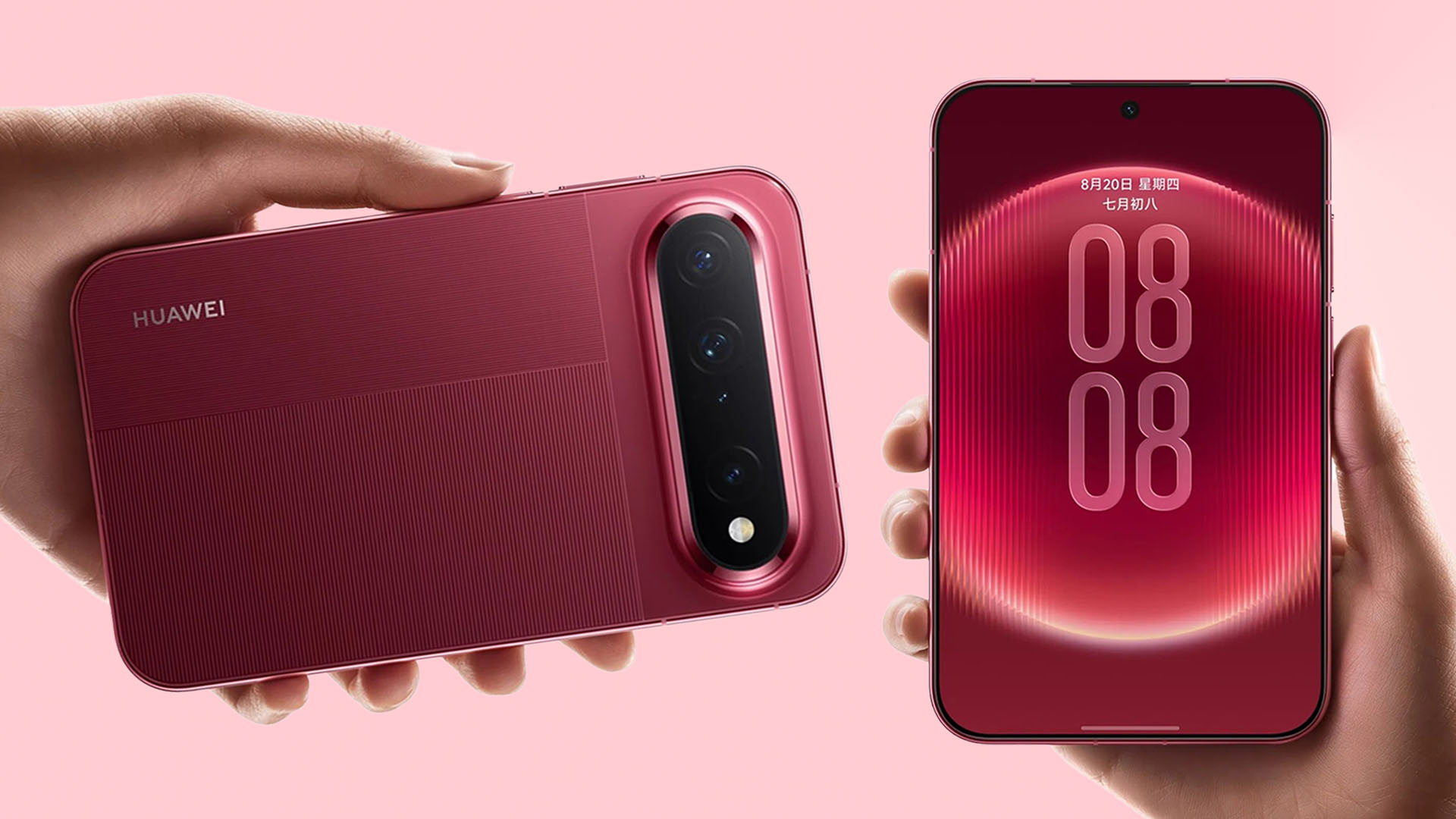
It seems like the WIDE smartphone craze is getting out of hand.
Surprise, surprise! Out of nowhere, HUAWEI reveals the Pura X View — 2026’s first WIDE smartphone that does not fold at all.
Tied to WIDE
With the massive success of HUAWEI’s Pura X Max as well as the newly-released Samsung Galaxy Z Fold8, it’s hard to ignore the sudden trend behind WIDE smartphones. Let alone, Apple’s much-awaited iPhone foldable (dubbed the “iPhone Ultra”) will be announced in less than a month.
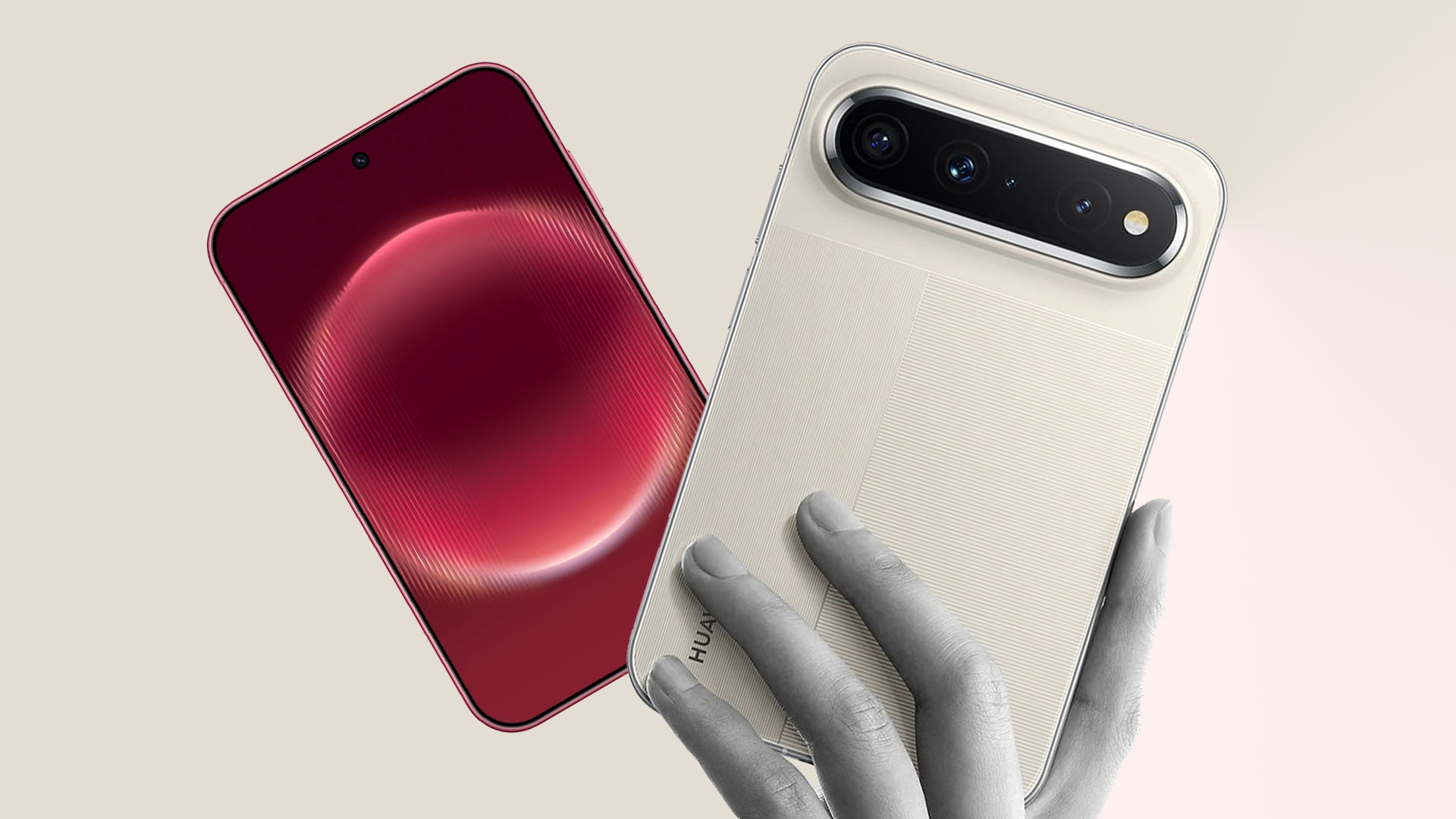
Graphics by Vincenz Lee | GadgetMatch
Opposed to the usual tall and narrow form factor, the Pura X View comes in a wider body with a 16:9.5 aspect ratio. Display bezels are extremely narrow too at just 1.09mm and StB (Screen-to-Body) ratio reaches a whopping 96.1%.
This wider than usual body means better ergonomics with better content consumption — from images, books, documents, all the way to movies and shows, as well as games.
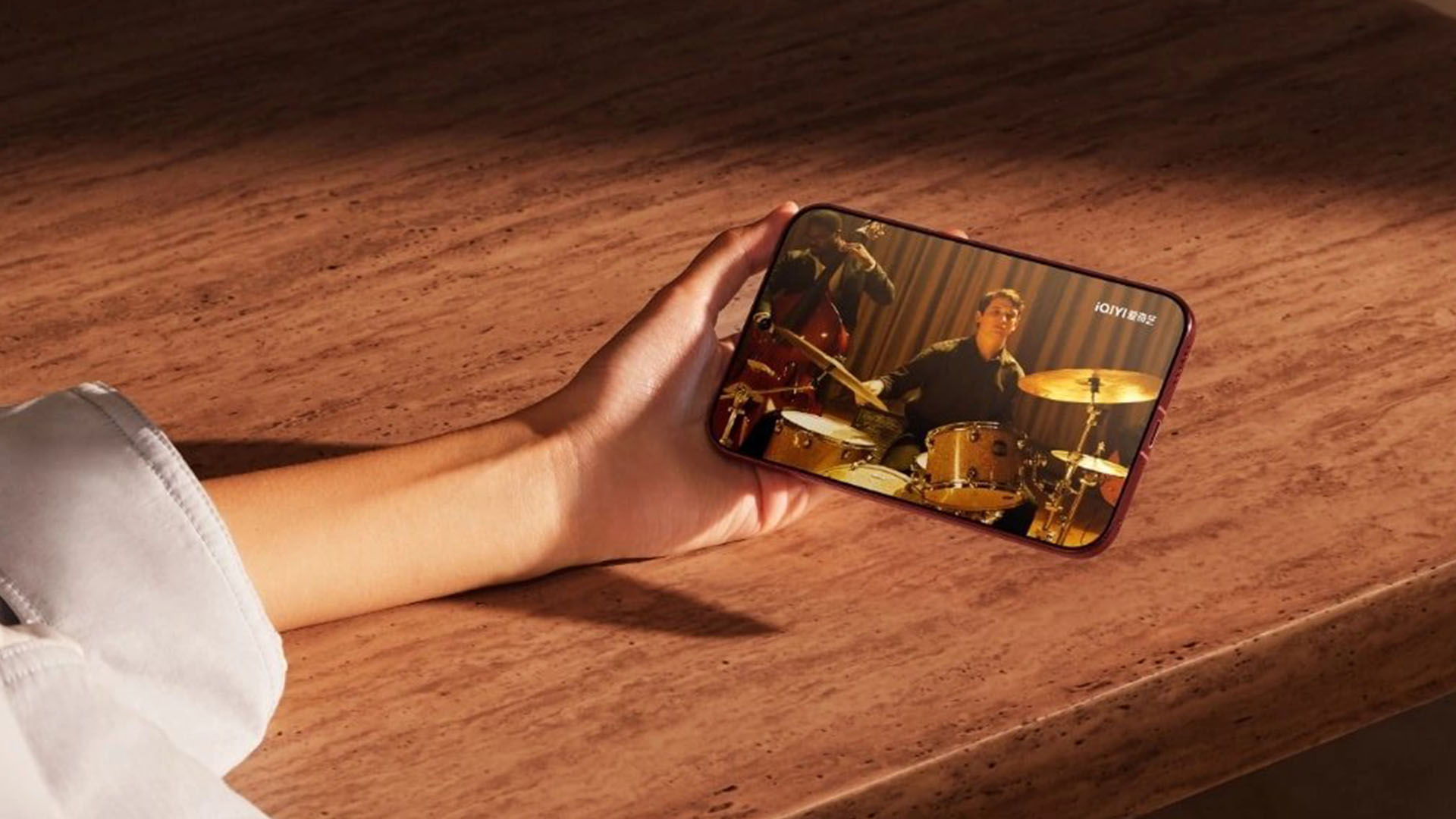
While it has a smaller 6.39-inch display, the Chinese electronics giant says it has greater content area compared to 6.9-inch flagship smartphones.
Other display feats include a 2160Hz PWM Dimming, resolution of 2232 × 1320, and max brightness of up to 6500 nits.
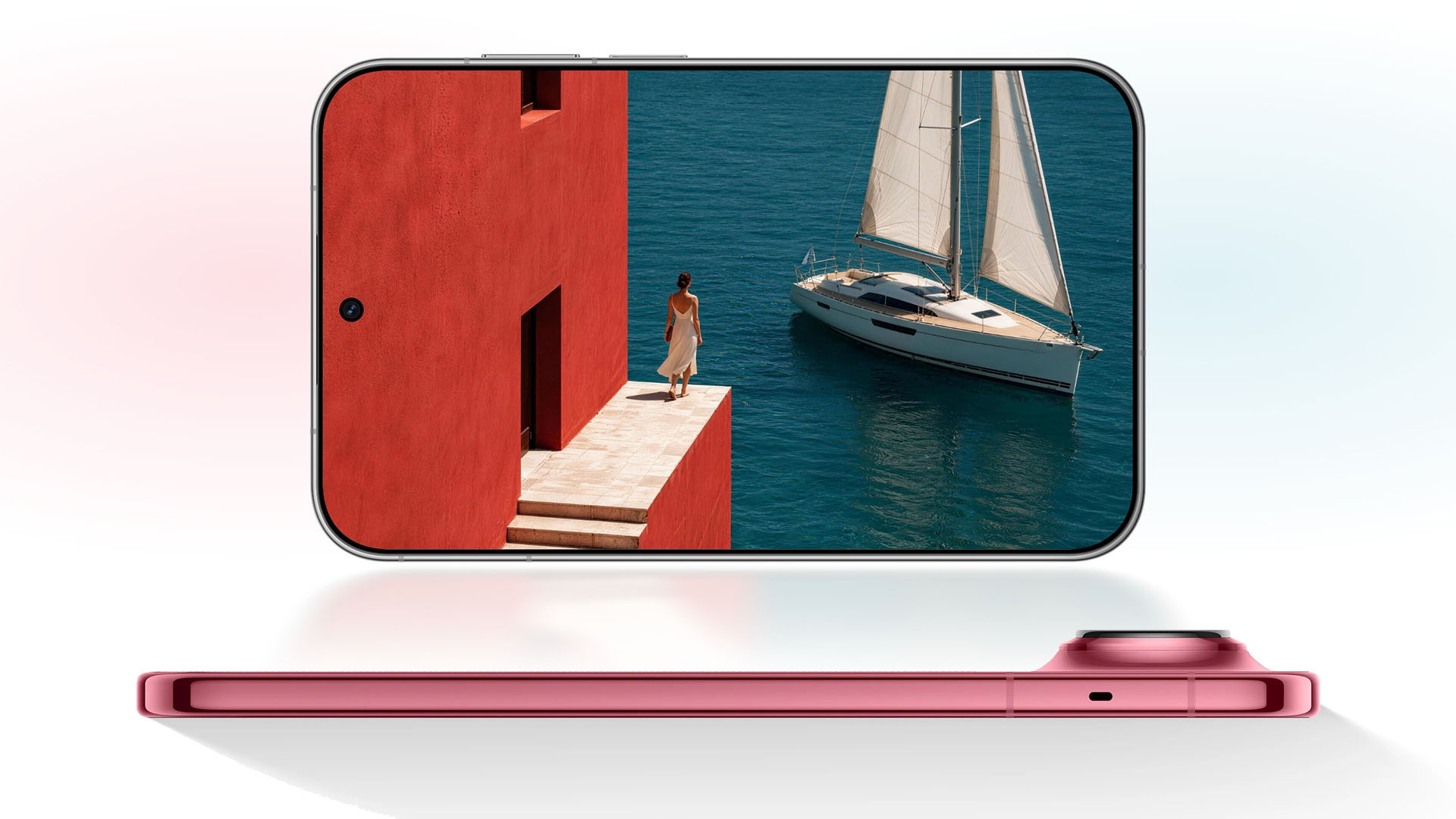
Graphics by Vincenz Lee | GadgetMatch
Despite all these, HUAWEI still managed to put a monstrous 7000mAh battery capacity inside its super slender 6.68mm chassis — which also happens to be lightweight at only 201 grams.
Unfortunately, at the time of this writing, HUAWEI did not reveal every bit of spec on their website.
Pricing and Availability
The HUAWEI Pura X View comes in four colorways: Illusion Dark Night, Zero-degree White, Leap Shadow Red, and Linen Ash.
It’s currently open for pre-orders in China alongside three configurations:
- 12+256GB
- 12+512GB
- 12+1TB
Just like its unrevealed specifications, HUAWEI did not reveal the exact pricing of the Pura X View.
Make GadgetMatch.com your daily habit so you don’t miss out on these updates!
News
Samsung might launch the Galaxy S26 FE next week
A new event is hinting at the smartphone’s debut.


It wasn’t too long ago when Samsung launched the new Galaxy Fold and Flip series. Historically, the brand is done for the year after two major Galaxy Unpacked events. However, if you’re still hankering for a few more morsels of Galaxy devices, Samsung is hosting another event next week, which might mean the debut of the Galaxy S26 FE.
This week, Samsung has just released an official invite for a Galaxy Event on August 27. The invite itself looks like a tray with two glasses of matcha and a coaster in between them. It’s visually similar to a modest camera setup, hinting at a new smartphone coming during the event.
Because Samsung has already filled its usual quota of flagships and foldables, it’s highly likely that the event is meant for the Galaxy S26 FE. The Galaxy FE series is Samsung’s way of extending the life cycle of the current generation of Galaxy phones, while also catering to another segment of the market.
As for what the Galaxy S26 FE might hold, it looks like AI might be a prime focus. Samsung confirms that the invite graphic has AI-generated images. The text accompanying the graphic also indicates that AI will be a part of the event.
It’s only a week left before the August 27 event, so we’ll get to know more about everything soon.
SEE ALSO: Samsung Galaxy Z Fold8 Review
Gaming
Leaked Grand Theft Auto VI footage surfaces online
The leakers says they are protesting the game’s lack of a physical release.

We’re nearing the dreaded date that all game publishers are rightfully fearing: the launch of Grand Theft Auto VI. Since we’re so near, it’s only right that Rockstar Games starts teasing their upcoming game, which is officially happening later this month via a special presentation on Netflix. However, ahead of that highly anticipated date, a leaker has apparently leaked the footage in protest of the game’s lack of a physical release.
Let’s parse that out piecemeal. First up, Rockstar Games is scheduled to release an extended first look at Grand Theft Auto VI through Netflix on August 27. If you don’t have the platform, the publisher will release the same footage on more public outlets six hours later. The footage will represent our biggest peek at the game after months of relative silence.
Secondly, a leaker has released the said footage ahead of time. Now, this isn’t the first time that a major leak spoiled details about the game. Previously, a leak was the first to reveal that the sixth entry in the series is getting two playable protagonists.
Third, the why: The leaker says that they will continue to reveal more information about the game to protest the game’s lack of a physical release. Like new PlayStation games next year, Rockstar Games does not plan to release a disc version of the game.
The footage itself
And, finally, the leak itself. Rockstar Games is currently issuing DMCA notices against anyone posting the leaked footage. It lends credence to the authenticity of the footage but also ensures that we can’t post the leaks themselves.
If anything, there are two reportedly legitimate clips, while others were seemingly generated with AI. The first clip has Jason, one of the two protagonists, playing basketball in his hideout, which gives him a stat boost. The clip confirms the return of minigames you can play in between missions.
The second clip sees Jason fight with a truck driver after a traffic incident. He kills the driver with a wrench, which earns him a two-star wanted level and summons a police chase as the series often does.
There’s not much to glean from these two short clips. In fact, it’s hard to say whether this footage represents the final release or something left over from previous leaks. Thankfully, Rockstar Games is releasing the official extended look soon on August 27.
After that, Grand Theft Auto VI launches on PlayStation 5 and Xbox Series X|S on November 19.

TECNO MEGAPAD 2 review: Eyes on the size
The MEGA pad for two base users


MARVEL Tōkon: Fighting Souls review: Easy to pick up, hard to put down
Welcomes casual and experienced fighting game players


Now Playing: Assassin’s Creed Black Flag Resynced
Nostalgia does a lot of heavy lifting.
TECNO MEGAPAD 2 review: Eyes on the size

UNDERTALE: The Determination Symphony gets two more shows

HUAWEI Pura X View is 2026’s first WIDE slab-type smartphone

These Polaroid x Pokémon cameras are just the cutest things
MARVEL Tōkon: Fighting Souls review: Easy to pick up, hard to put down

VinFast debuts two-wheeler models, opens 21 e-motorcycle showrooms

OnePlus officially leaves the United States and Canada

Xiaomi debuts SkyNomad Series featuring new Kunlun platform

REDMI Note 17 Series focuses on long-term reliability

ROG STRIX G16 Review: Building for the moment


-
 Singapore7 days ago
REDMI Note 17 Series focuses on long-term reliability
-
 Laptops2 weeks ago
ROG STRIX G16 Review: Building for the moment
-

 Laptops2 weeks ago
30 days later with the ASUS ExpertBook Ultra: Like seeing an ex
-

 News7 days ago
realme 16T to come with 8,000mAh battery, 7-year battery health guarantee
-

 Philippines2 weeks ago
Smart opens HUAWEI Pura 90s Series pre-orders with exclusive freebies
-

 News2 weeks ago
TCL expands mobile lineup with latest NXTPAPER series
-
 Gaming2 weeks ago
Marvel Wolverine Limited Edition PS5 bundle SEA pricing
-
 Reviews1 week ago
Samsung Galaxy Z Fold8 Review