
Gaming
Final Fantasy XVI review: Reigniting the embers of a waning flame
An elixir for the franchise

WARNING:
Potential mild spoilers ahead for Final Fantasy XVI.
Turn away now if you want to venture into Valisthea with fresh eyes.
The mainline Final Fantasy games have had a tumultuous past 10 or so years. Some might even argue that the last mainline game to be widely celebrated and critically acclaimed is Final Fantasy X. And that came out in 2001 — well over 20 years ago. Now comes Final Fantasy XVI, exploding into the scene with a new combat system, more mature themes, and the promise of an epic tale.
Fair or not, one can say that Final Fantasy XVI (FF16) carries the burden of reinstating faith in the franchise. Its predecessor, Final Fantasy XV, rose from development hell unpolished and in disjointed parts (a feature film, an animé, a game, and late DLCs).
Helming the latest installment of the franchise is Naoki Yoshida, more commonly known as Yoshi-P. He leads the Creative Business Unit III (CBU3) of Square Enix — the same unit responsible for breathing new life to Final Fantasy IV. His task this time is to do the same, not for a single game, but for the entire mainline series.
A legendary prologue
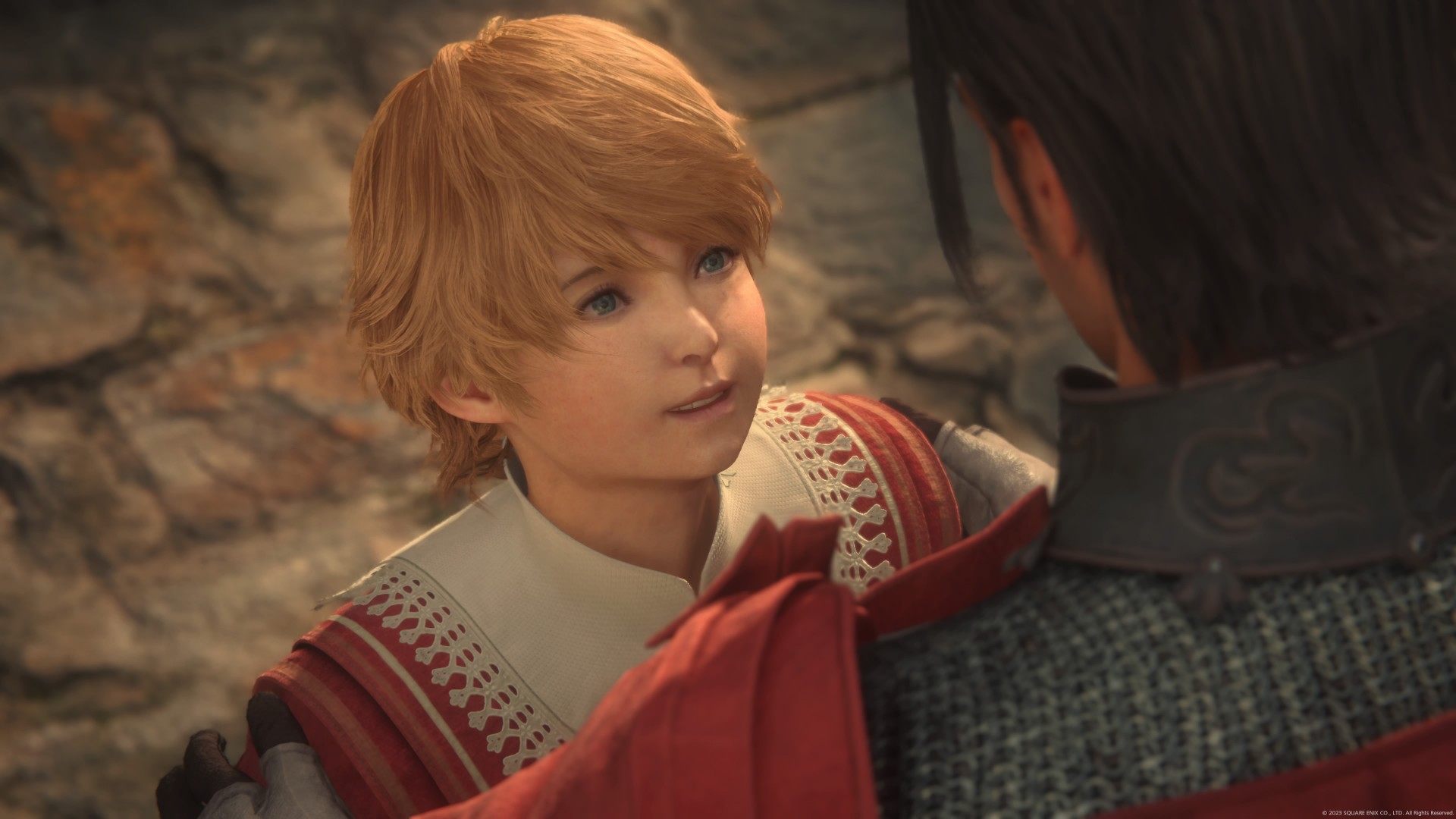
Joshua Rosfield, the young Phoenix, Dominant of Fire.
Leading up to its launch, there was plenty of skepticism with everything that has been revealed about FF16. While some of it remains, it has largely been extinguished thanks to the game’s demo and from the ashes rose a burning anticipation.
The FF16 demo featured two key segments: the game’s prologue, revealing key details and setting the stage of the epic story, and one that’s combat-focused to warm naysayers into the new battle system.

The Phoenix rises.
The demo created plenty of buzz online, with many saying they’re buying a PlayStation 5 – the console this game is exclusive for – to see what happens next. That’s how gripping the prologue is. It lit a fire that would only burn brighter as you progress to the game.
Clive Rosfield, the second Dominant of Fire
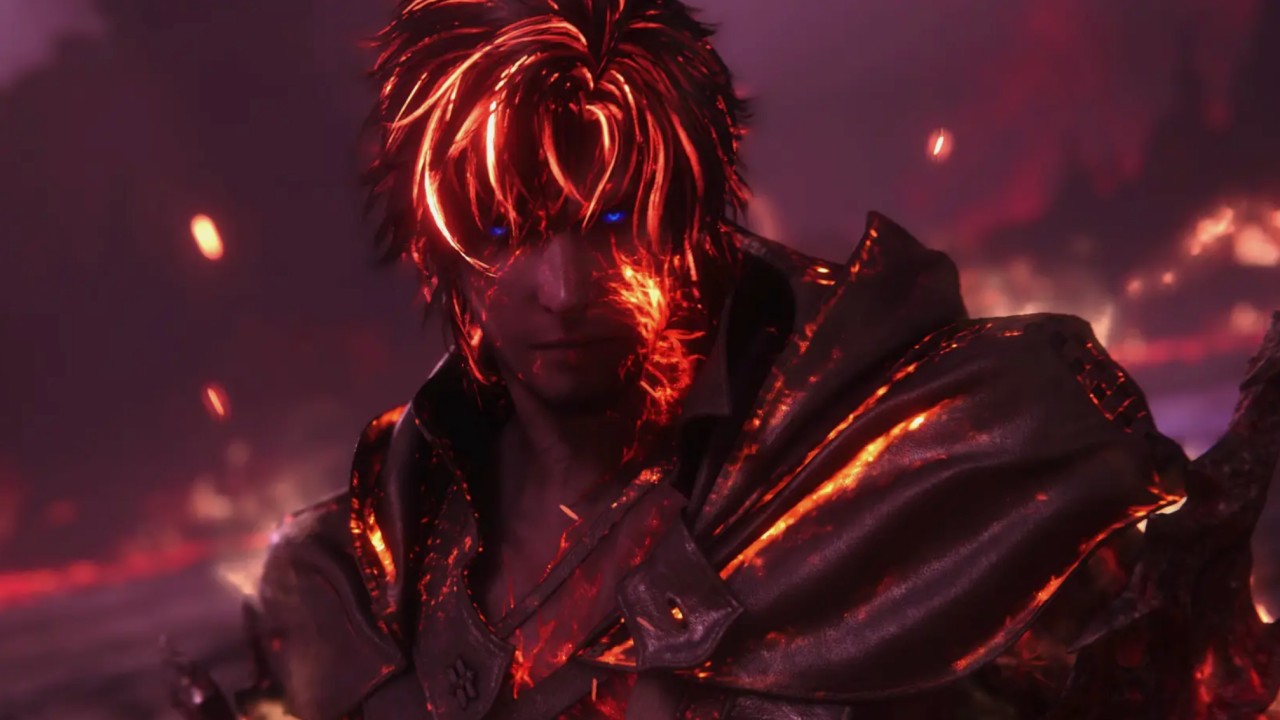
Final Fantasy XVI is told primarily through the lens of Clive Rosfield. The story is told in three key phases of his life: his teens, late 20s, and early 30s. All of which feature monumental events that not only affect him but the entire realm of Valisthea which is where the story is set.
FF16 is hyper focused in telling the story through the trials and tribulations of Clive. Unlike Final Fantasy games that came before it, you control only Clive throughout the game. While you do meet key characters that join your party, exploration and combat is strictly all the second Dominant of Fire.
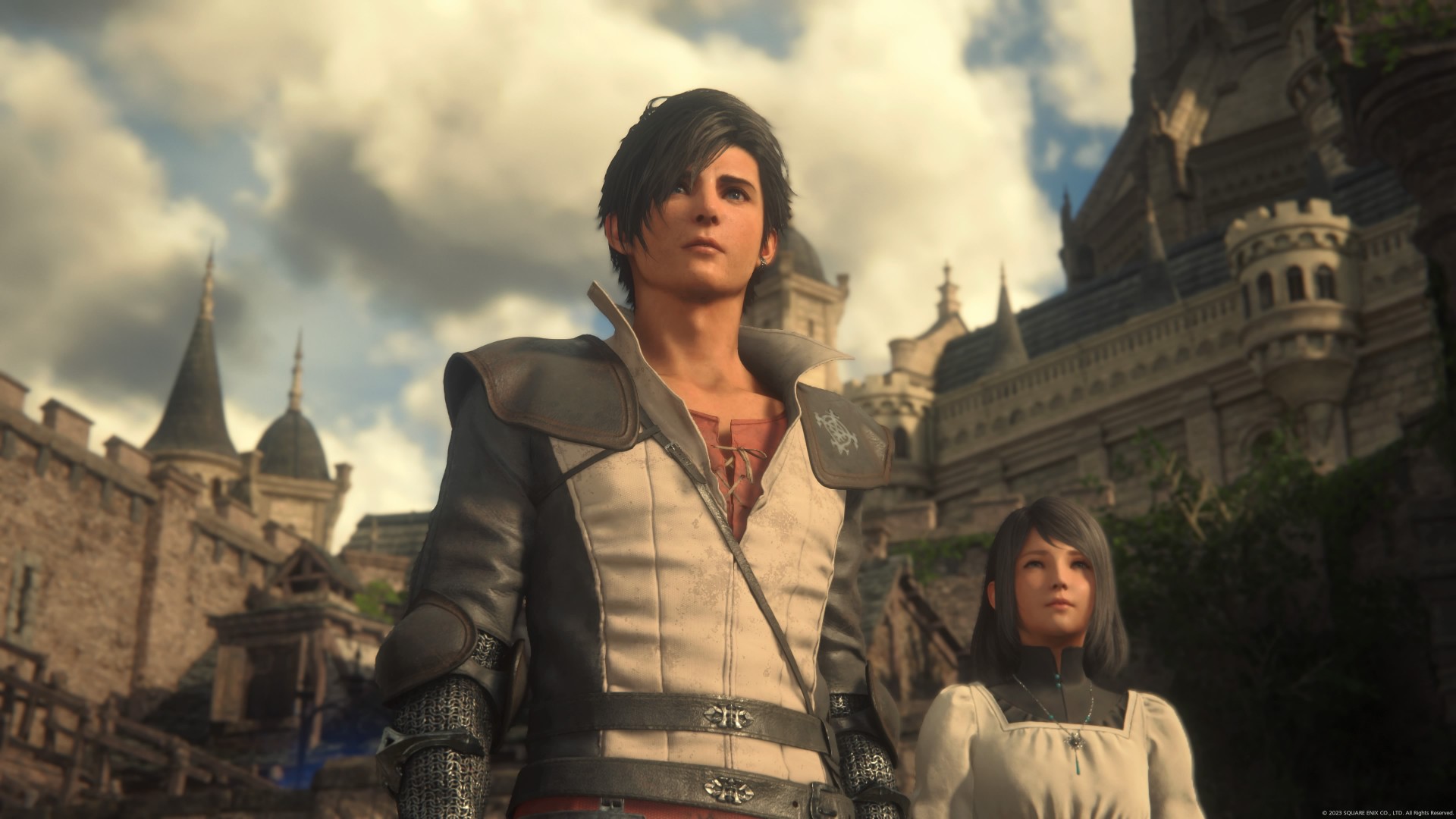
Throughout the journey, you’ll see his growth from a steadfast knight, to a battle-worn soldier, and finally a leader with purpose. He isn’t the broody protagonist that most associate with Final Fantasy games. Instead, he is an earnest character, dealing with the cards life has dealt him with a strong will.
Shield of Rosaria, Wyvern, and an Outlaw
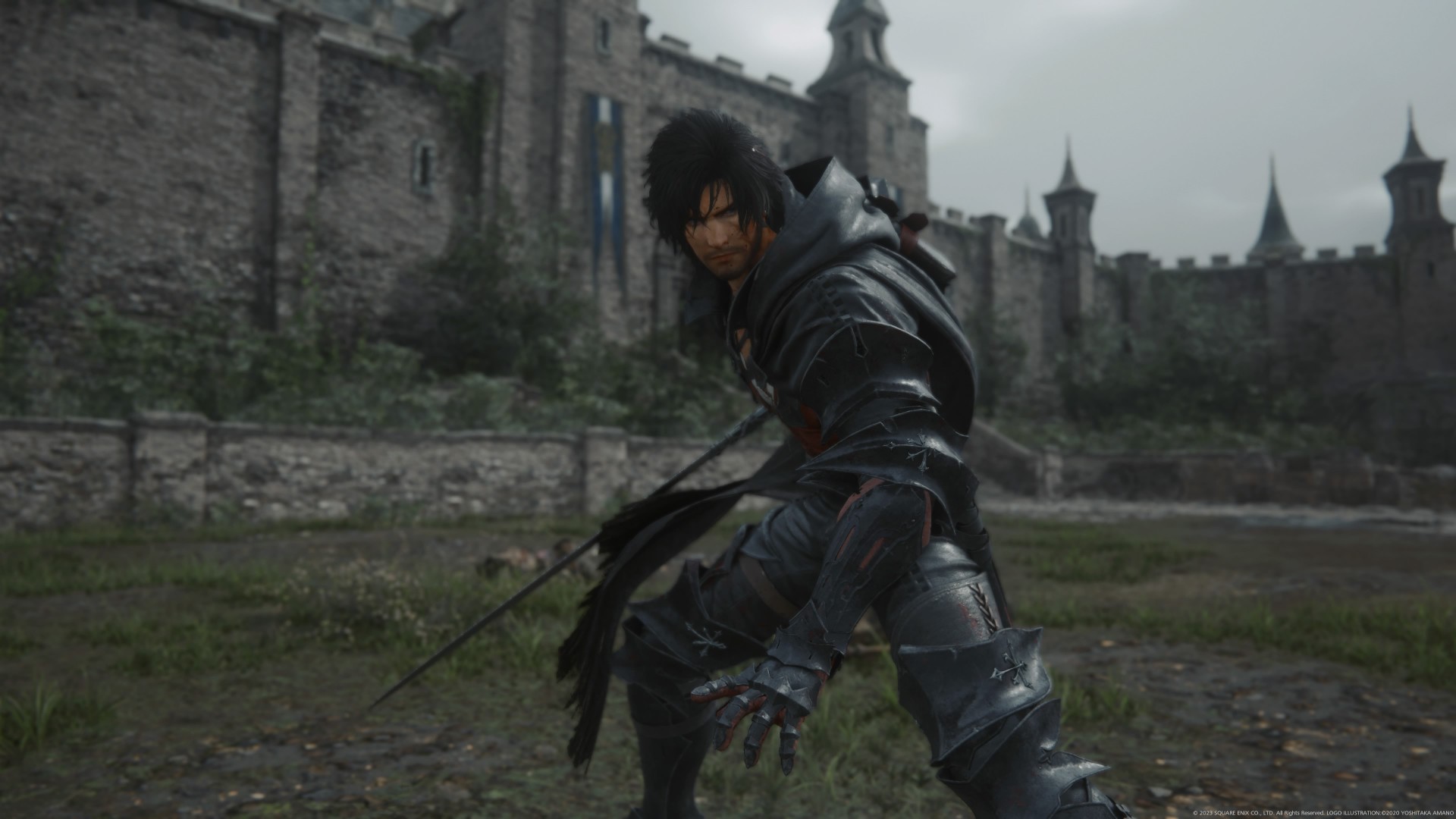
Clive Rosfield in action.
The biggest change and one of the most talked about aspects of FF16 is its combat. The game switches from turned-based battles to one that’s heavily action-focused. Combat Director Ryota Suzuki lists the likes of Devil May Cry 5 and Dragon’s Dogma among others. He recently called FF16 his “masterpiece.”
Final Fantasy XVI combat starts off simple enough, but deepens as you add more Eikon abilities. You gain these abilities as you progress through the story.
Basically, you have the melee attack (square), magic attack (triangle), Eikon ability (circle), jump (cross/X), and dodge (R1). Holding R2 changes square and triangle to other Eikon abilities. These range from single enemy attacks to those that deal damage to multiple ones, perfect for crowd control.
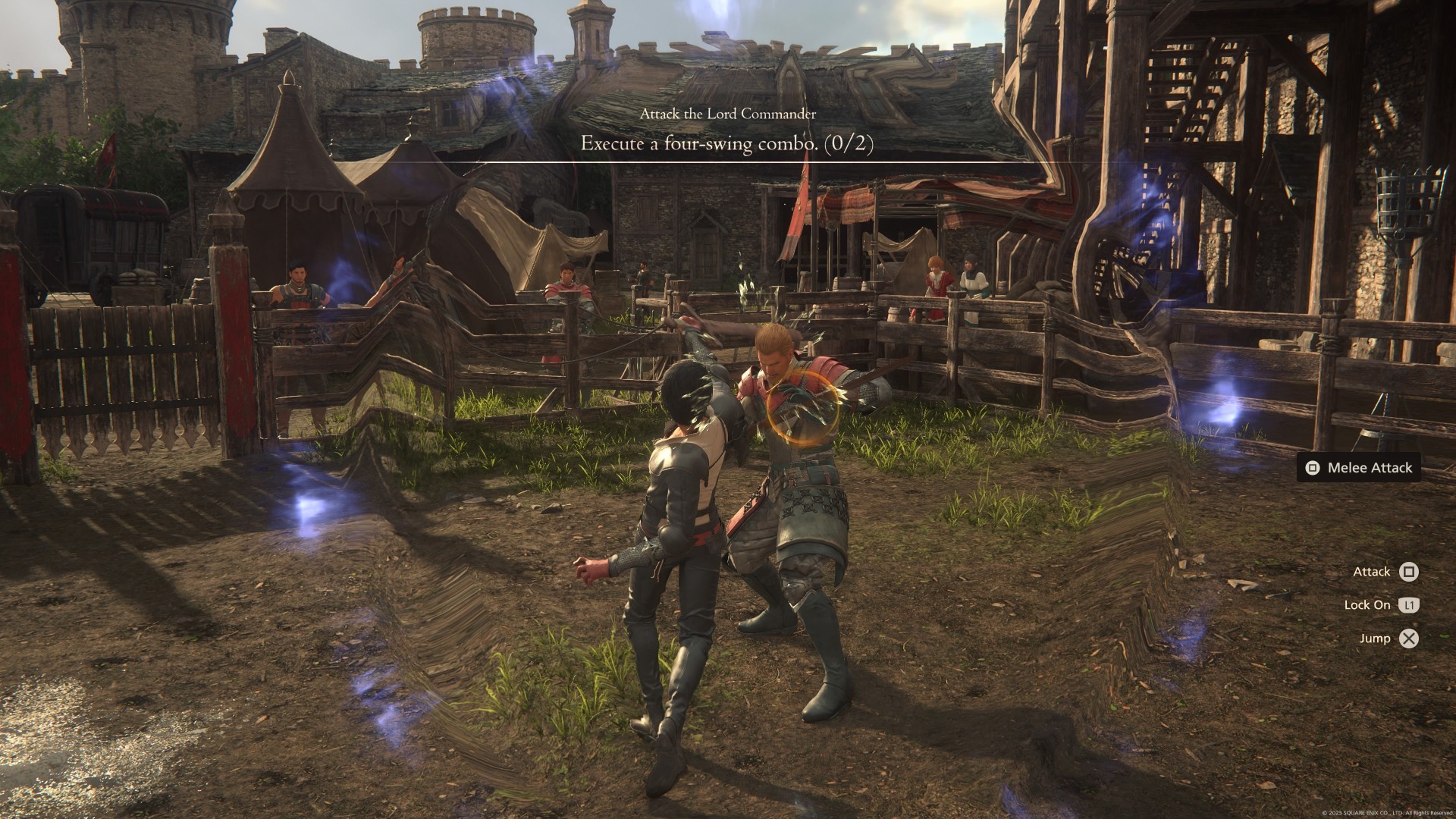
The game eases you into the battle system.
Different melee, magic, and jump button presses also result in ground and aerial combos. Yours truly isn’t too adept in FF16 swordsmanship. However, more creative action-game veterans shouldn’t be left wanting as there is plenty of room for experimentation. That’s even more true when you add the Eikon abilities to the mix.
Counters and parrying are especially satisfying. Dodging an attack provides you a generous window to counter either with a melee or a magic attack. Parrying results in the enemy being out of balance and leaving them open to taking heavy damage.
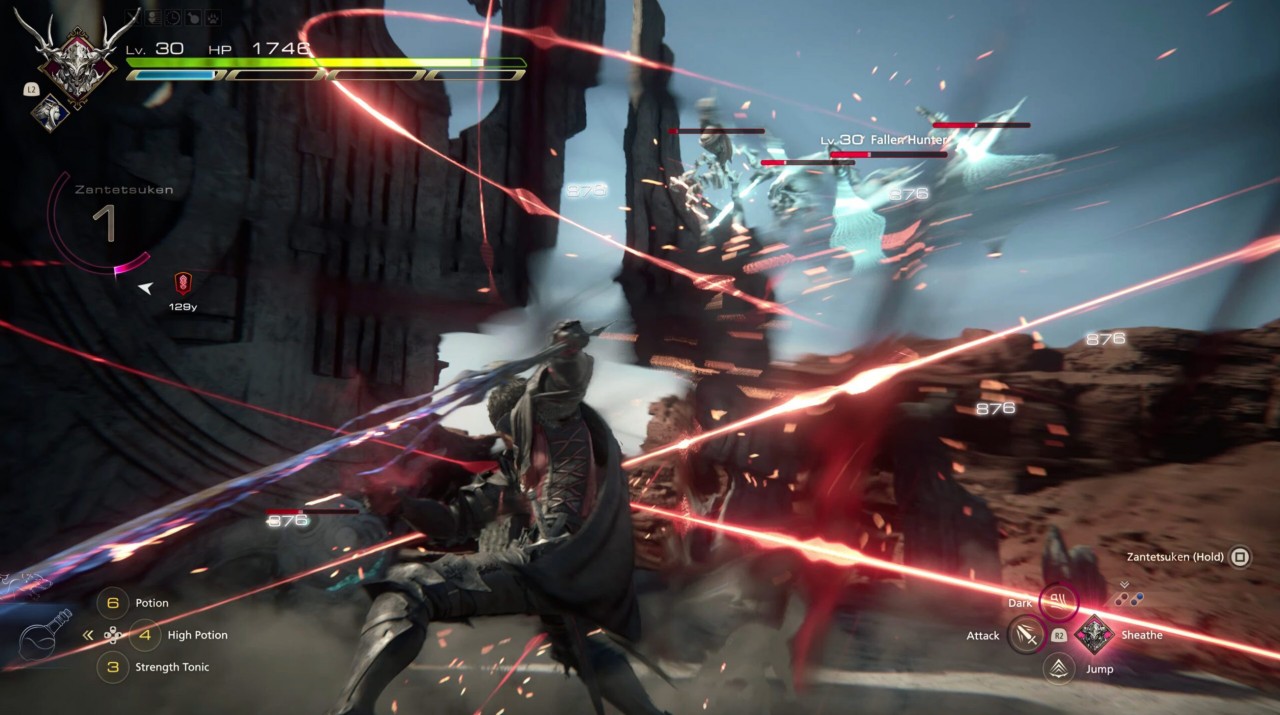
It looks like there’s a lot going on, but combat feels more manageable while you play.
Enemies also have a stagger meter. Landing multiple attacks and magic abilities that the enemy is weak too hastens the stagger meter build-up. Once staggered, the enemy is down and you are free to unleash everything in Clive’s arsenal without fear of retaliation.
“Come to me, Ifrit!”

Perhaps one of the biggest draws of Final Fantasy XVI are its Eikon battles. Eikons or Summons are a staple in Final Fantasy games. Usually, these are larger-than-life figures that aid you in battle. In FF16, they feel grander than ever.
The Eikons are very much tied to the story. They are abilities inherited by a select few in Valisthea. Their wielders are called Dominants and they are primarily treated as weapons of war. Whichever kingdom has one gains leverage over the others.
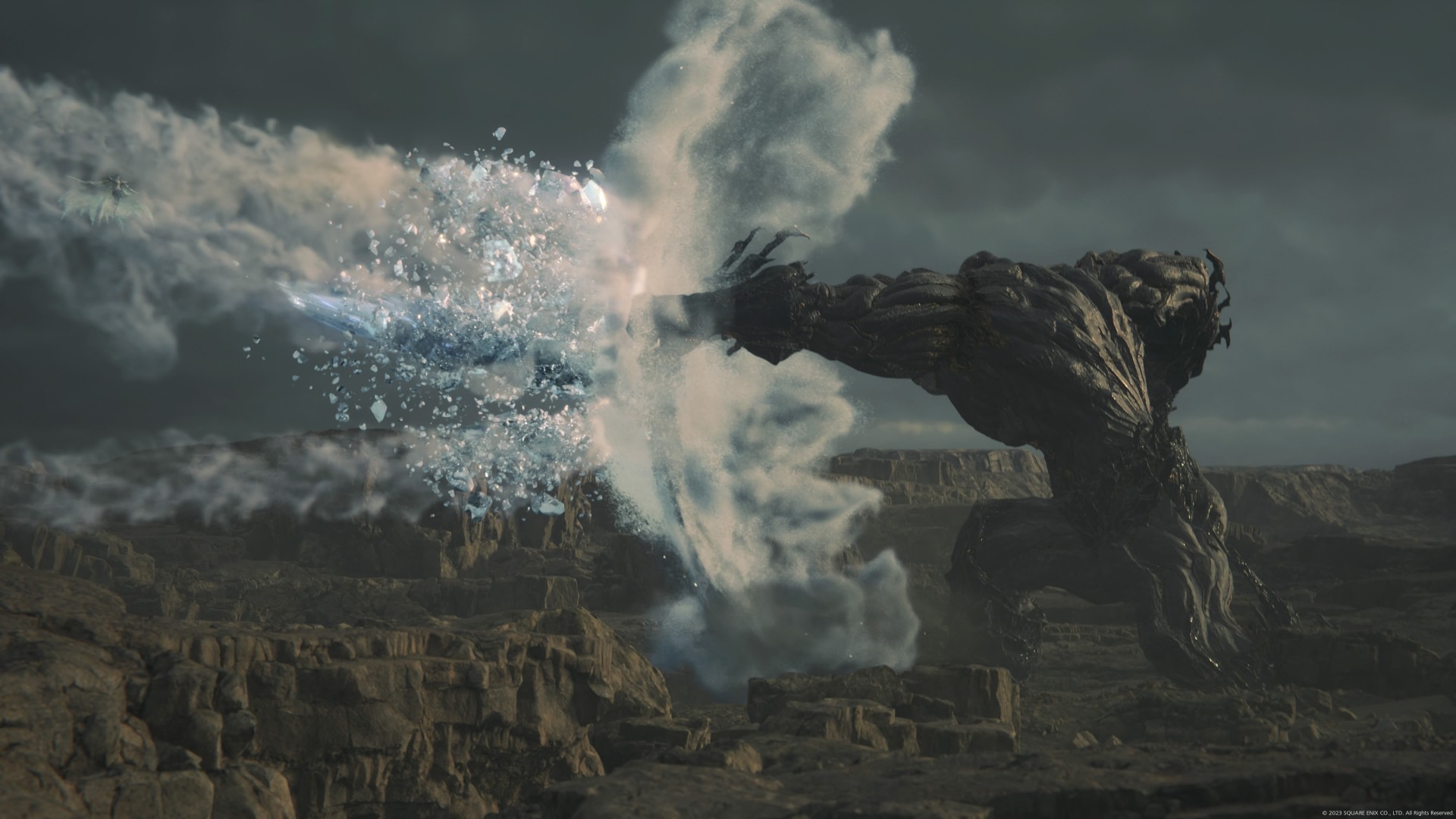
Shiva clashes against Titan.
The Dominants and their Eikons are as follows:
- Joshua Rosfield – Phoenix (Fire)
- Clive Rosfield – Ifrit (Fire)
- Jill Warrick – Shiva (Ice)
- Cidolfus Telamon – Ramuh (Lighting)
- Benedikta Harman – Garuda (Wind)
- Hugo Kupka – Titan (Earth)
- Dion Lesage – Bahamut (Light)
- Barnabas Tharmr – Odin (Air)
In the world of Valisthea, there’s supposed to be only one Dominant attuned to an element. Clive being a second Eikon of Fire is an anomaly, and so is his ability to absorb the essence of the other Eikons.
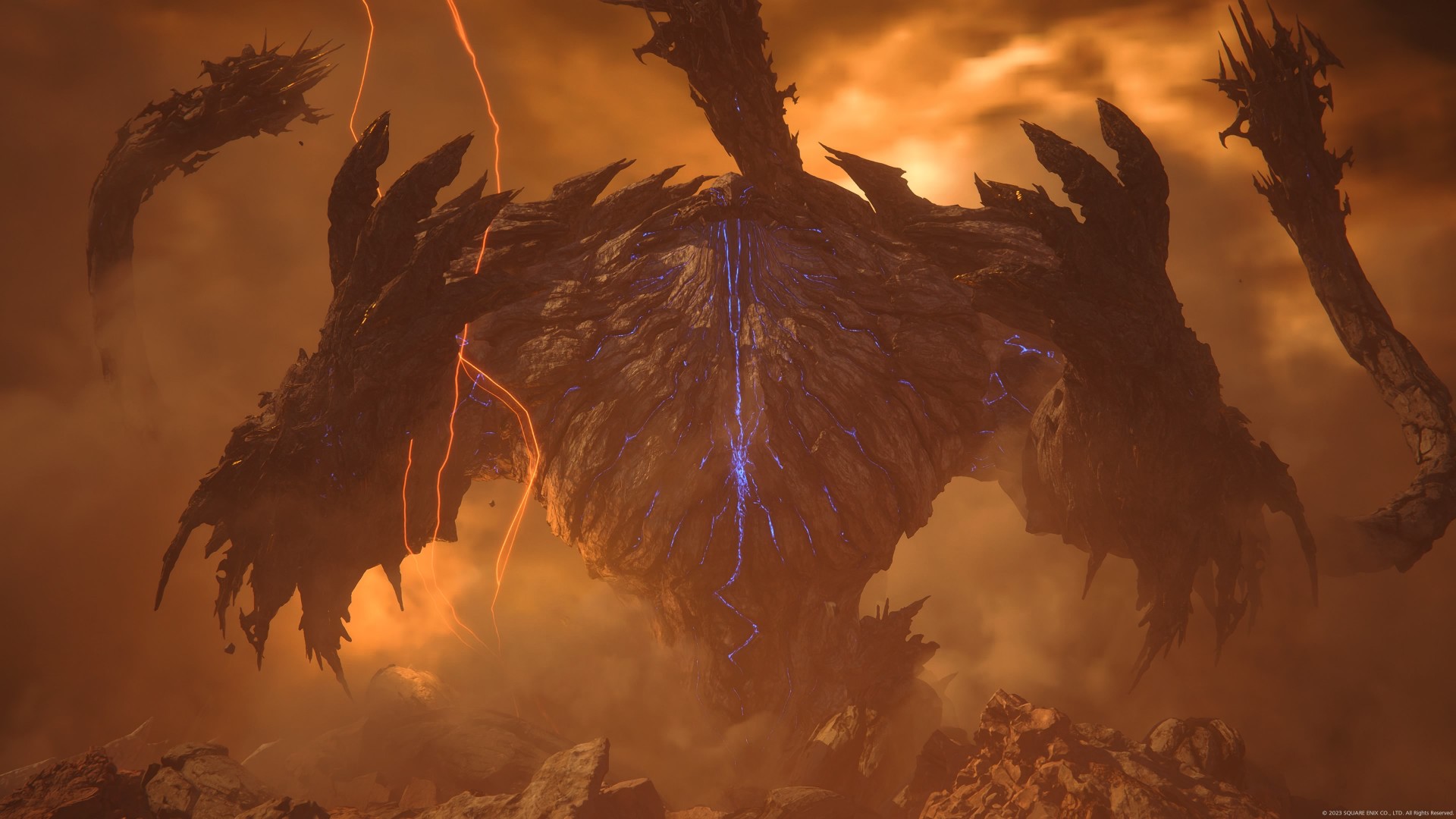
Titan Lost towering over everything.
The Eikon battles are as grand and epic as they are made out to be. Without spoiling anything, all I shall say is that these colossal clashes are what legends are made of. These are the spectacle and set pieces that will set Final Fantasy XVI apart from both the rest of the franchise and potentially other action-focused games.
Journey across Valisthea
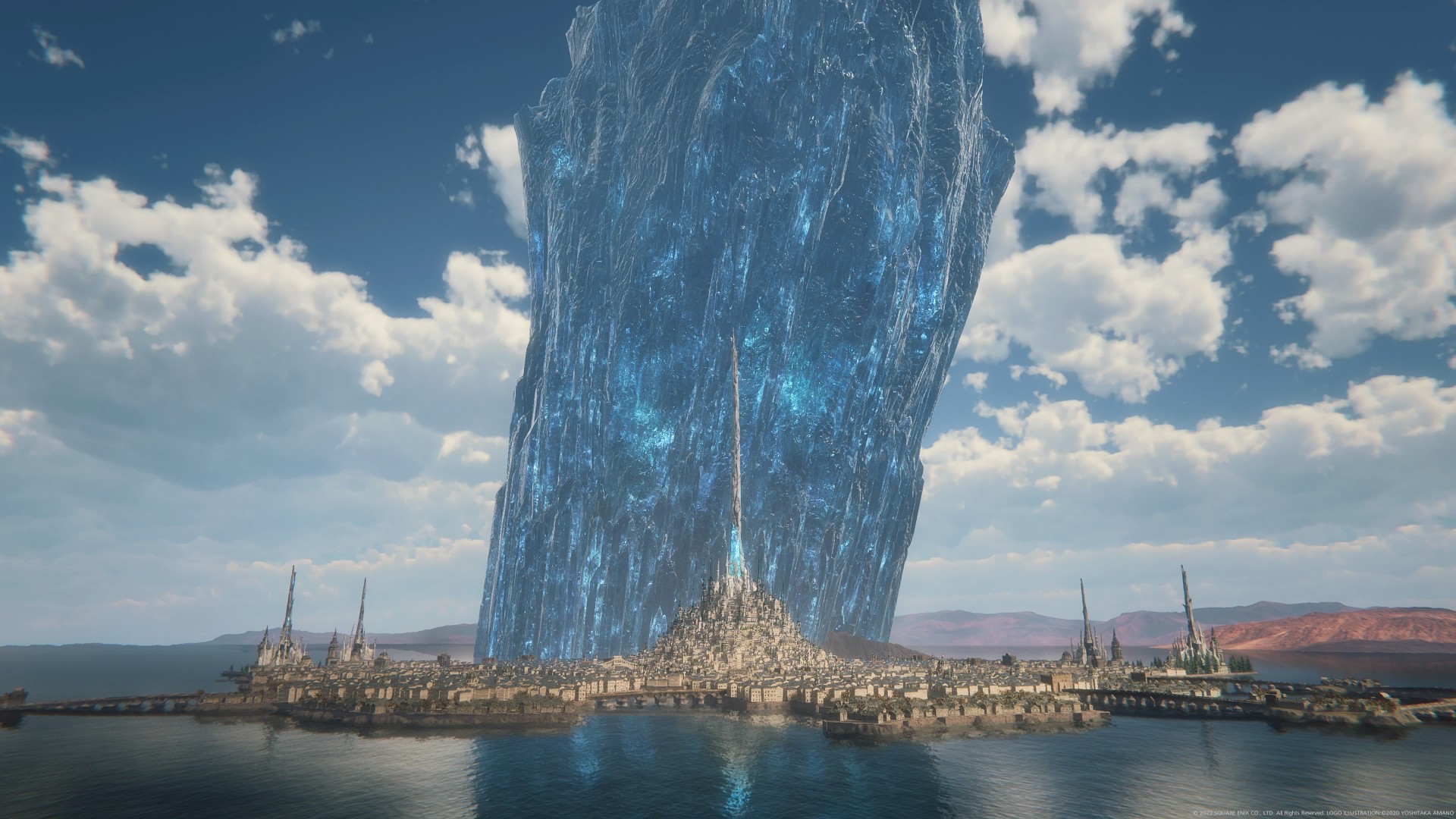
Clive’s story will have him traveling across Valisthea. And in these travels he shall meet a varied and colorful cast of characters. In classic Final Fantasy fashion, you will be treated to a fair share of adventures and misadventures.
All of these happen in the beautiful but dying landscapes of Valisthea. As the plot goes, the realm is haunted by what they call the Blight. Any area ravaged by it becomes a desolate wasteland where no magic, let alone life, can survive. This drives the many kingdoms to inevitable conflict, battling for whatever land is left.

Valisthea is breathtaking.
As a narrative-driven game, there isn’t much by way of exploration and traversal in FF16. There are no platforming no puzzles to solve. What it does have is a world teeming with stories. Side quests in Valisthea are mere fetch quests and battles, but ingrained in them are world-building narratives both personal and grand. These tales will have you smirking, squirming, and possibly even shedding tears.
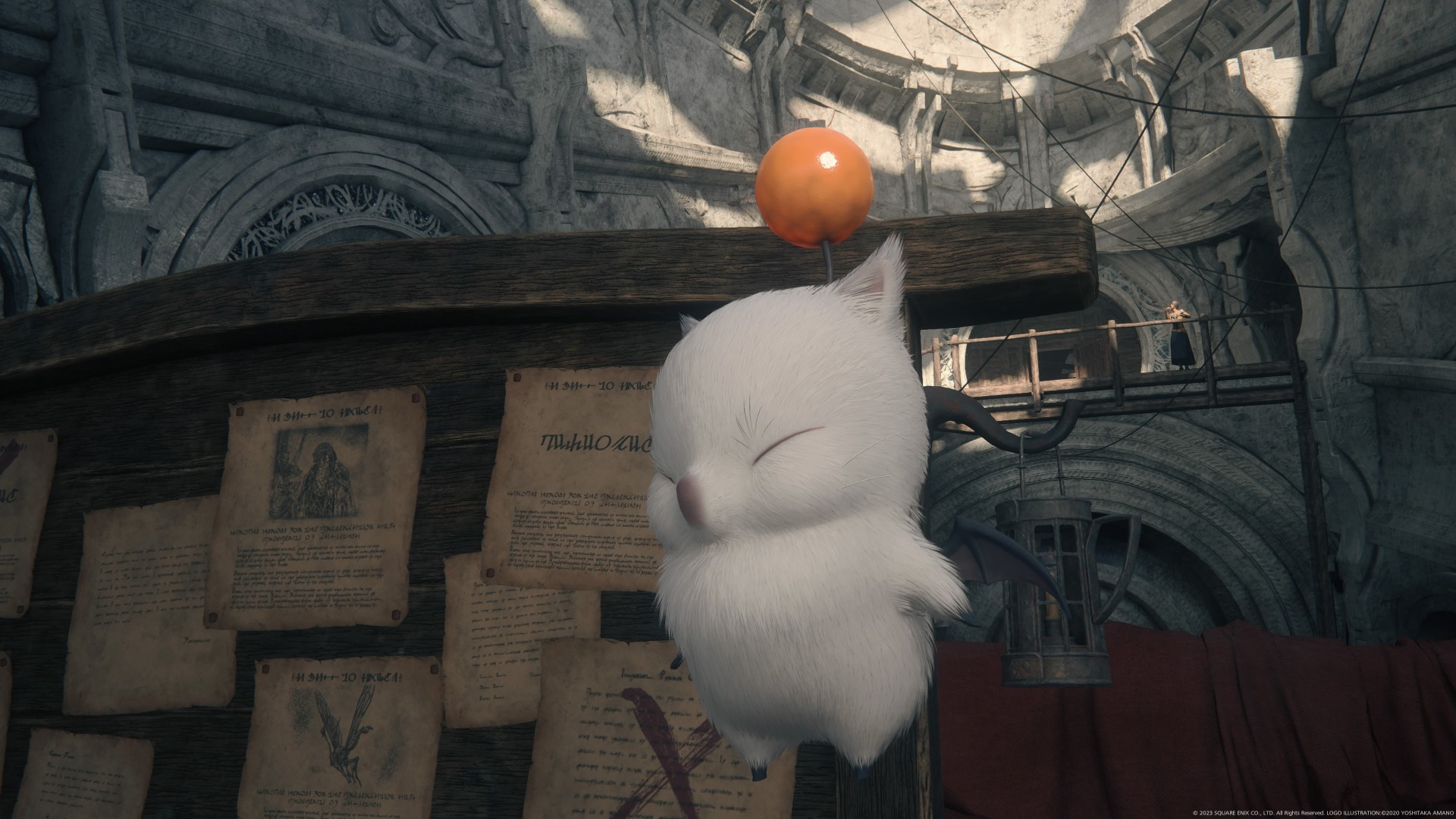
Familiar Final Fantasy figures are present like Nektar the Moogle
Speeding through large areas is much easier through Chocobo riding. This, however, can only be unlocked through a side quest about close to halfway through the game. There’s no complicated platforming. What you’re treated to instead are guided paths with breathtaking views and masterful camera work.
Let the Fire burn

Final Fantasy XVI is a tale both grand and grounded. It succeeds in what its immediate predecessor fell short on in combat. It then raises the stakes by weaving into the story what Summons have been treated as all this time — an ace up a sleeve to turn the tides of battle.
At the center of it all is Clive Rosfield — Shield of Rosaria and the second Dominant of Fire. His story is personal but the consequences have repercussions in the entire realm of Valisthea. It’s a delicate balance that was handled with excruciating care and executed with surgical precision.
Final Fantasy XVI is under a lot of heat. But we wager, it’ll burn through it all with inextinguishable flames.
Final Fantasy XVI is out June 22.
Review copy provided by Sony PlayStation.




Gaming
CRISIS CORE -FINAL FANTASY VII- REUNION physical edition now available for Switch 2
Zack Fair’s story comes to Switch 2.

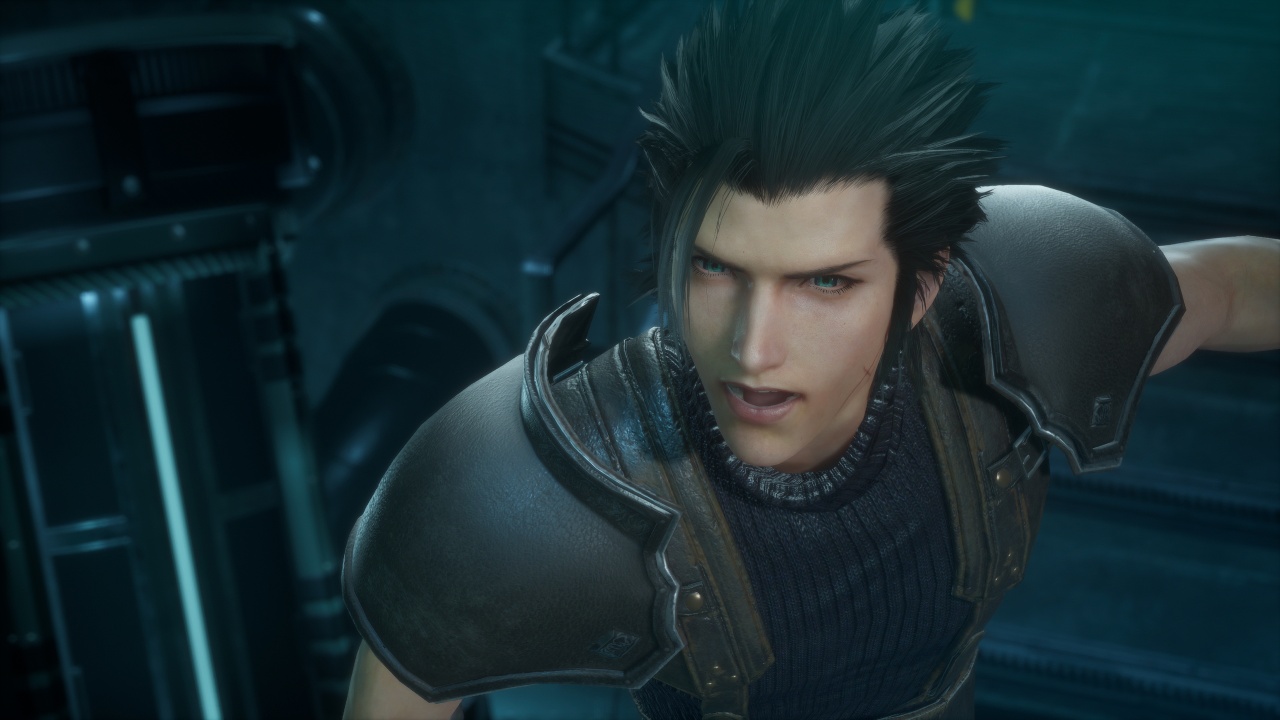
Bandai Namco Entertainment Asia and SQUARE ENIX have released the physical edition of CRISIS CORE -FINAL FANTASY VII- REUNION for Nintendo Switch 2 in Southeast Asia.
Players can also purchase the game digitally on the platform. Availability may vary by region and retailer.
Zack Fair’s story returns
Set in the mako-powered metropolis of Midgar, CRISIS CORE -FINAL FANTASY VII- REUNION follows Zack Fair, a young operative in Shinra’s elite SOLDIER unit.
Zack investigates the mysterious disappearance of SOLDIER operatives alongside his mentor, Angeal, and the legendary Sephiroth. His journey reveals the events that shaped the world of FINAL FANTASY VII and his connection to Cloud Strife.
The game revisits Zack’s story with an HD graphical overhaul of its character models, user interface, and environments. It also features fully voiced dialogue in English and Japanese, alongside an updated action-combat system.
Players can trigger Limit Breaks and Summons as they battle their way through the story. The game also supports handheld and docked play on Nintendo Switch 2.
A look back at Zack’s legacy
Originally released as a remaster of the PSP classic, CRISIS CORE -FINAL FANTASY VII- REUNION offers a refreshed take on one of the franchise’s most significant prequel stories.
In our GadgetMatch review, we explored how the remaster brings Zack Fair’s journey to modern platforms while preserving the emotional core of his story.
The release also gives players another way to experience the events leading into FINAL FANTASY VII, ahead of the upcoming FINAL FANTASY VII REVELATION, the third and final entry in the FINAL FANTASY VII Remake series.
For more information about CRISIS CORE -FINAL FANTASY VII- REUNION and other Bandai Namco Entertainment Asia titles, visit the official website.
Gaming
Dune: Awakening makes it way to the PS5 and Xbox Series X
Surviving the harsh land of Arrakis one sandstorm and bloodlust at a time

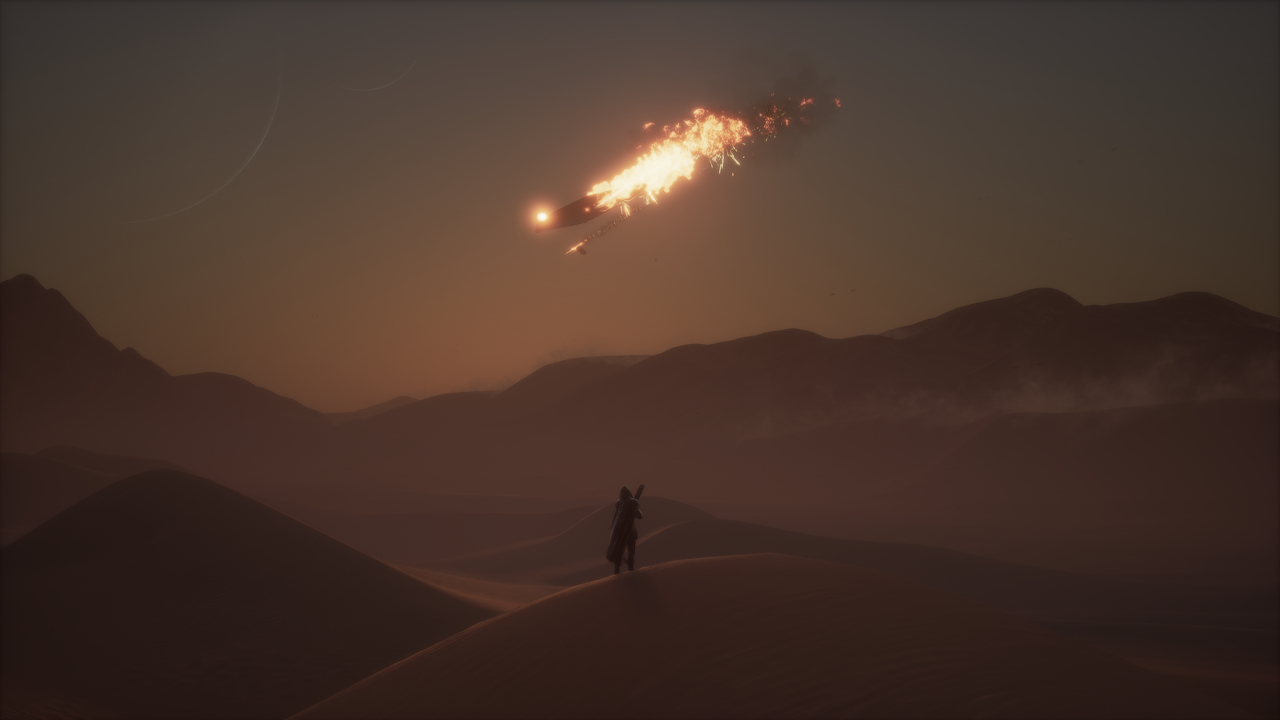
Back in June of 2025, Funcom released its multi-nominated open world survival game, Dune: Awakening. Inspired by the renowned movie franchise, the game takes place within the deserts of Arrakis as players survive and thrive through intense combat and strategic decision making. Now, in the big 2026, Funcom is finally bringing that experience to PlayStation 5 and Xbox Series X|S players as Dune: Awakening officially launches on console!
For the newbies finally getting it on console, here’s all you need to know:
Take the lead or do it together
Dune: Awakening takes you into the desolate land of Arrakis, and gives you the option to do it on Single Player or Multiplayer upfront. Through your own bidding in strategy, combat, and resource management, your goals are simple: survive the terrain, make more allies than enemies, and conquer the land through your affiliation to the powers that be.
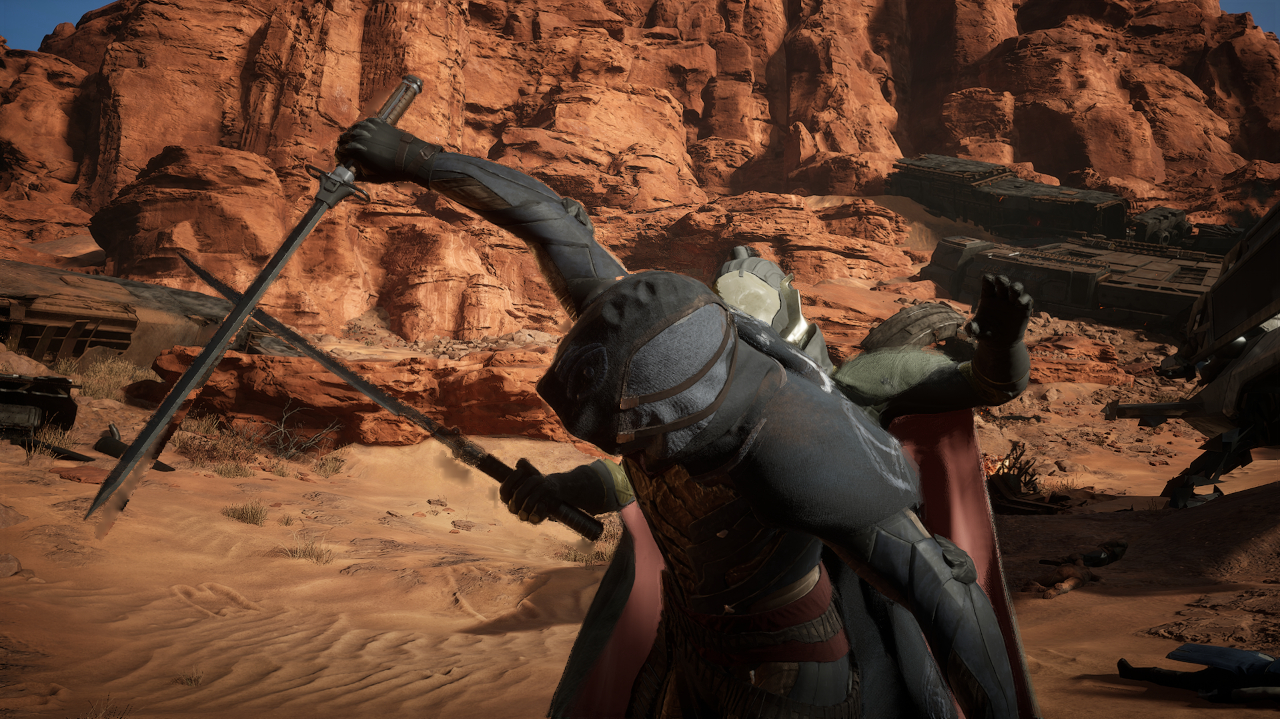
This version of the game is as exact and as one-to-one as it possibly could with the PC version released last year, down to the story arcs, quests, and PvE/PvP areas you take on. Since launch, Funcom has introduced new weapons, areas, and cosmetics through DLCs that will be available to console players, as well. Also, several key features in story and mission progression that have changed on the PC version will take into effect.
If you want to engage with multiplayer, it is still a viable option when you want to gather more resources and reinforce your bases against other players and the natural elements. However, you still won’t be able to host your own server on a console just yet, as it is more stable to do so on the PC version.
Become whoever and whatever to survive
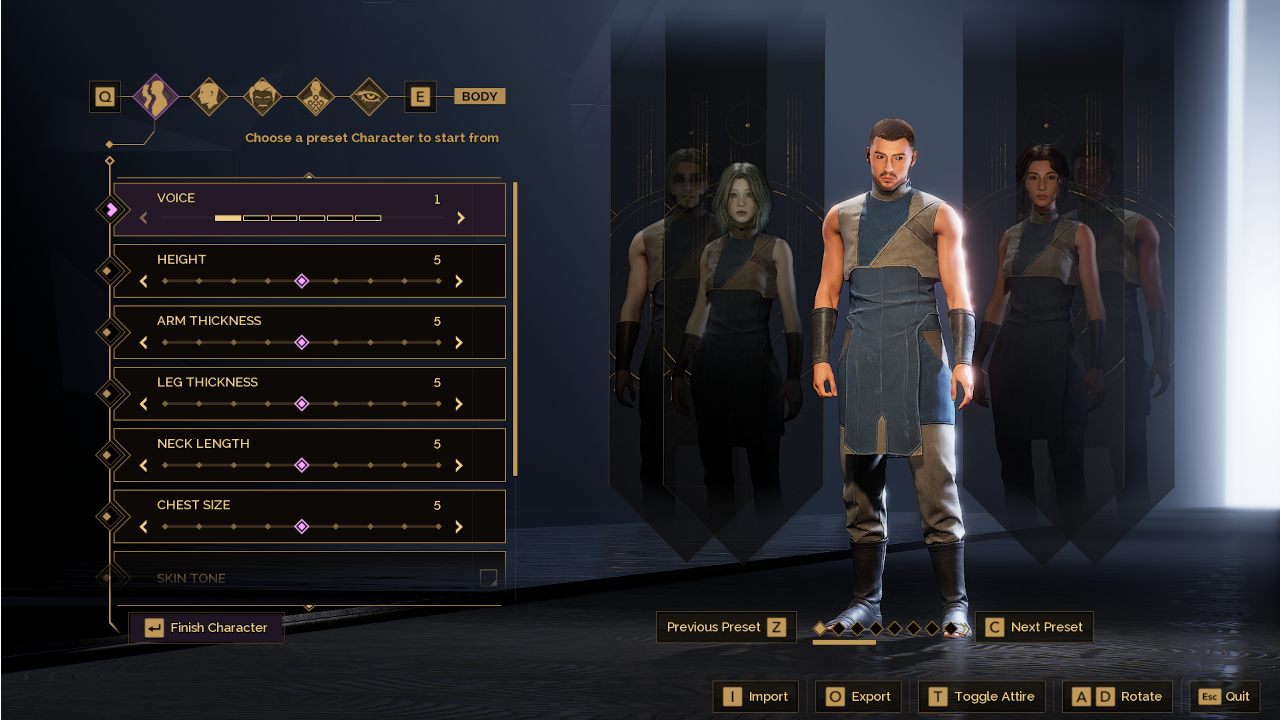
Character customization became the game’s bread and butter through its extensively library of features and unique take on story progression. As you begin your journey, Lady Jessica welcomes you in and asks you on your origin story, mentorship, and initial skill set — all of which are to your choosing based on your play style. Honestly, none of these completely influence the difficulty in progressing the story too much but it will give you full control of the experience.
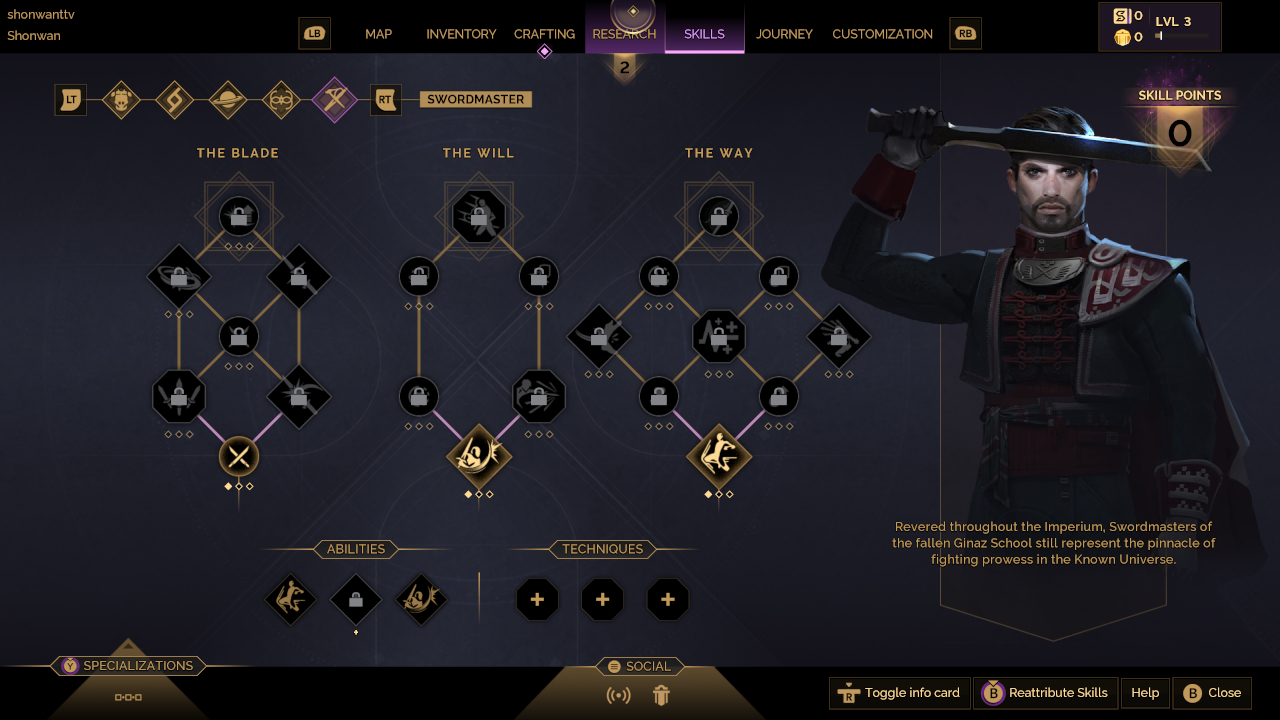
As you progress further into the game, you will unlock more skills and abilities to aid you in your quest for power and survival. These will help you earn XP, along with accomplishing tasks, gathering resources and researching newer technologies, plus engaging in combat both within the PvE and PvP areas. Ultimately, you and, potentially, other players must build enough rapport and influence to shape the world of Arrakis to your liking.
Consistent visual expectations
For most players on the PC version, graphical fidelity relied heavily on the hardware of choice. When transitioning the game into a console-friendly environment, Funcom worked out the details seamlessly by adding a Performance and Quality mode. In this fashion, you can opt for crystal-clear graphics at a decent 30 FPS or go for a constant 60 FPS to keep up with the action.
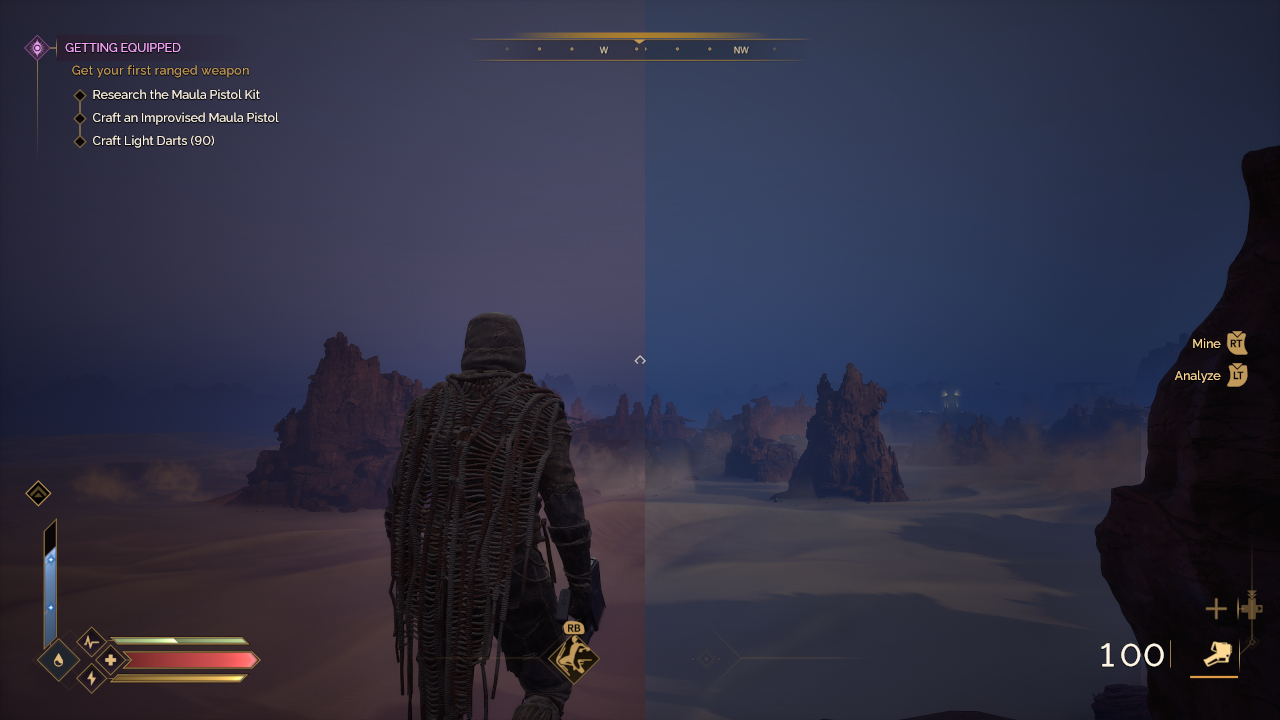
Left: Performance | Right: Quality
No matter which mode you choose, the overall visual identity of the game doesn’t change drastically. Environments look rich and vibrant, while the tiniest of details within character models are preserved. Although, given frame rate differences, rendering of background elements also reflects that but it won’t ruin the gaming experience.
Dune: Awakening will be available on the PlayStation 5 and Xbox Series X|S on September 22. For Xbox Game Pass owners, this will also be a Day One release with Play Anywhere support and cross-play within Xbox and PC players upon launch.
Funcom has also planned an exciting map update later this year plus potential DLC tie-ins to the upcoming Dune: Part Three theatrical release in December.

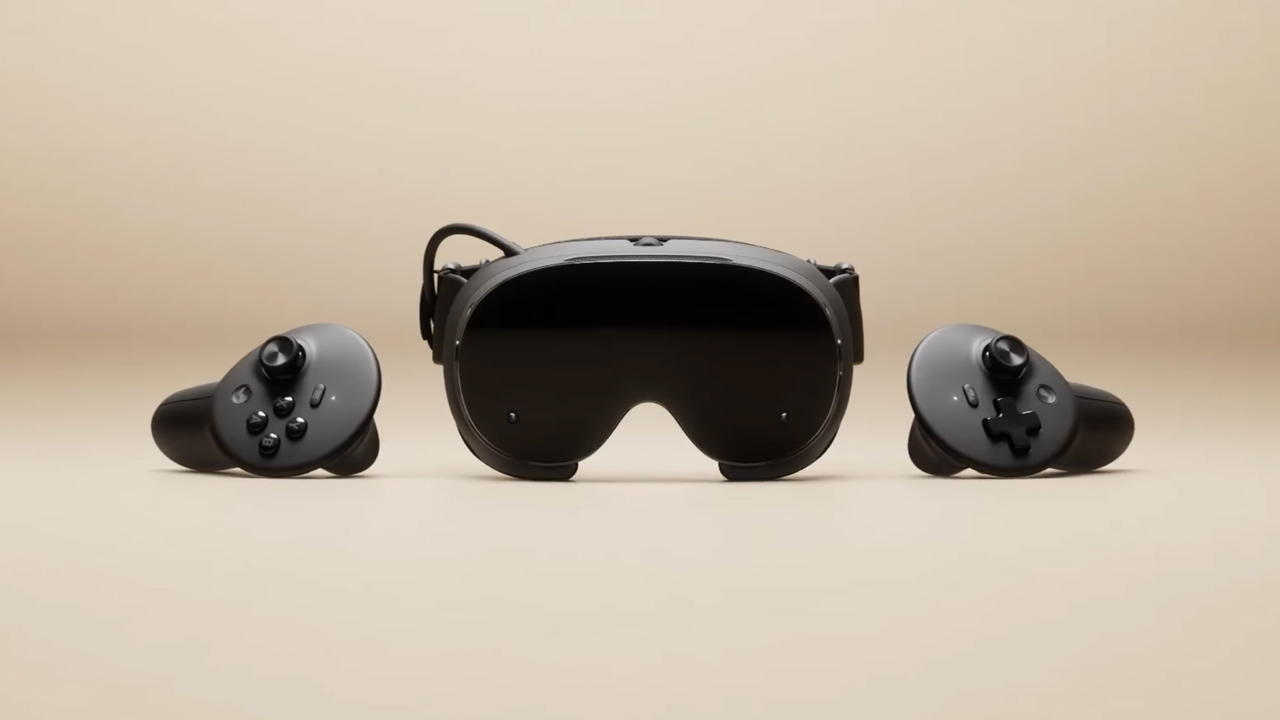
The trifecta is complete. Almost a year after announcing their new hardware, Valve has finally unveiled the price tag of the Steam Frame, complementing the Steam Machine and Steam Controller revealed a few months ago.
Whereas the Steam Machine is a console of its own, the Steam Frame is a traditional VR headset with a pair of controllers for both hands. Unfortunately, despite being in a different segment, the headset is not immune to the rising prices of technology. The Steam Frame will start at US$ 1,059 for a 256GB model and can go up to US$ 1,299 for the 1TB model. On the plus side, each box will come Half-Life: Alyx packaged along with the headset.
Here’s a more detailed rundown of what you’re getting. The Steam Frame will ship with the Snapdragon 8 Gen 3 chipset, paired with 16GB of RAM. Each eye comes with a 2160 x 2160 LCD screen, putting out images at up t0 a 144Hz experimental refresh rate. As mentioned above, the headset will start with 256GB of storage but can go up to 2TB. It will come packaged with SteamOS 3 and a rechargeable 21.6Wh battery.
This might be a hard buy for some. The industry currently has more affordable options, for one. Also, virtual reality isn’t the most thriving segment of gaming today.
If you’re still decided on buying one, however, Valve is using its lottery system. Interested customers can sign up from now until September 17. The company will then randomize the purchasing order. Those who draw the first ones in the lottery can get a purchase email as soon as September 18. Meanwhile, anyone who registers after September 17 will automatically be put at the back of the queue.
SEE ALSO: Valve announces its own console called the Steam Machine

TECNO POVA 8 Pro Tonino Lamborghini review
Truly a rare gem in 2026


DJI Lito X1 review: Is this the best lightweight drone for creators?
Making a strong case as a travel companion and a capable B-cam!


REDMI Note 17 Pro Max review: A new breed born from AI greed
Welcome to the new normal
TECNO POVA 8 Pro Tonino Lamborghini review

When TECNO-logy meets Tonino Lamborghini legacy

Spotlight: Amazon Kindle Scribe Colorsoft

Chimelong’s newest attraction might be the robots themselves

Xiaomi 18 Pro series is launching globally, Xiaomi confirms

realme 16T 5G with 8000mAh battery, IP69 Pro rating launches in PH

HUAWEI Pura X View is 2026’s first WIDE slab-type smartphone

The CAMON Slim 5G is TECNO’s latest ultra-slim smartphone

iPhone 18 Pro series: Price, availability in the Philippines

DJI Osmo 360 II review: Going all-in on the ecosystem


-

 News6 days ago
vivo X500 Series launches with major imaging upgrades
-

 Hands-On2 weeks ago
Apple iPhone 18 Pro Series Hands-on
-

 News4 days ago
OPPO Find X10 Pro Max is the first phone with a triple 200MP camera system
-

 Gaming2 weeks ago
BlizzCon 2026 announces World of Warcraft: Forever and Diablo V
-
Reviews2 weeks ago
REDMI Note 17 Pro Max review: A new breed born from AI greed
-

 Singapore1 week ago
Epson Lifestudio Grand Plus EH-LS970B with 4K projection, more launches
-

 News6 days ago
vivo introduces OriginOS 7 with smarter multitasking and AI features
-
 Gaming2 weeks ago
Valve unveils price of the Steam Frame