
News
vivo unveils the much anticipated X100 Ultra
The brand’s first “Ultra” smartphone

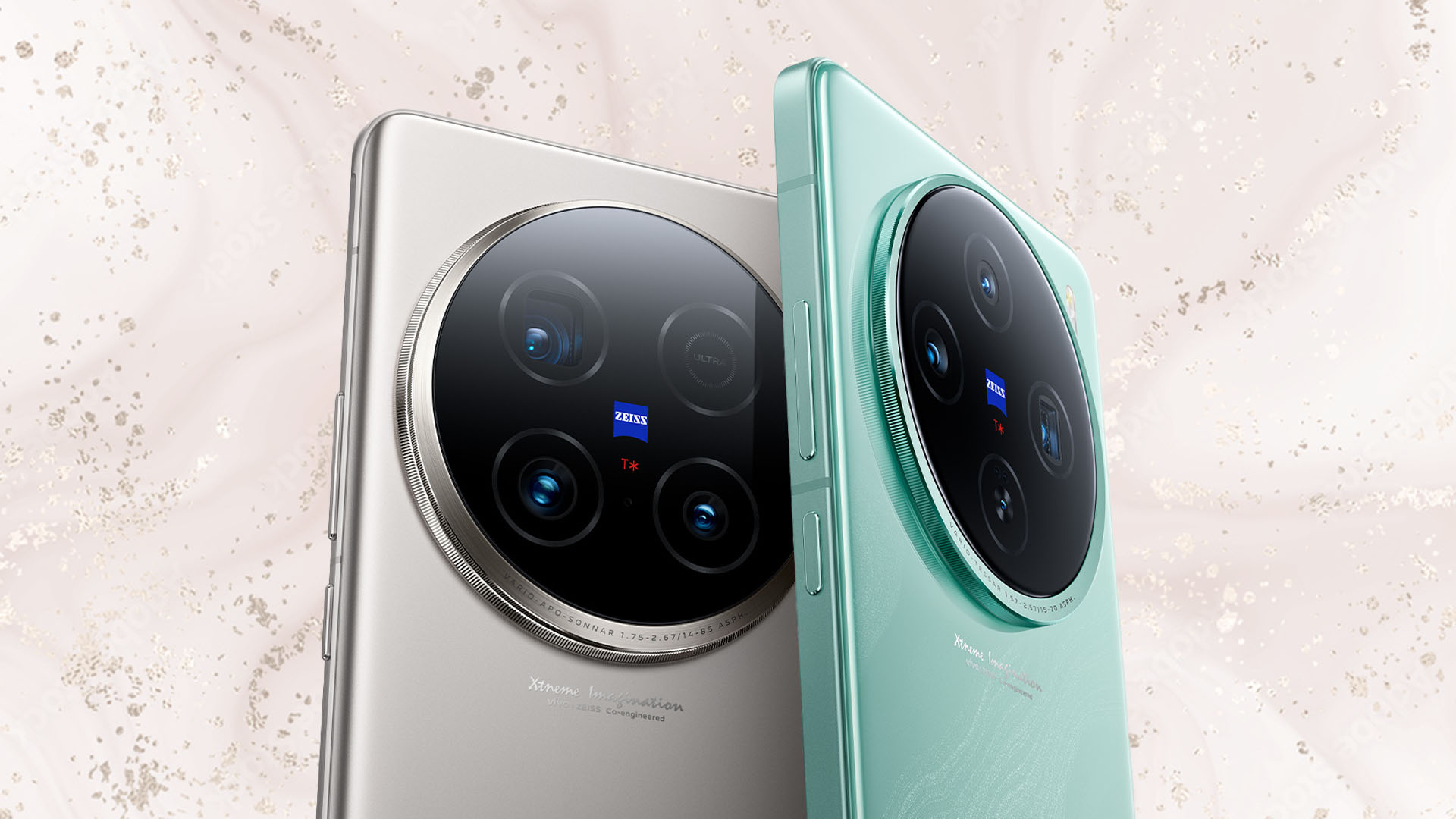
As the saying goes: “Once is enough, twice is too much” — but that doesn’t exist in vivo’s vocabulary.
Just this May 13, 2024, exactly six months after the X100 series‘ November 13 release, the Chinese phone maker announces not just one, but three new flavors to their already superb X100 duo.
X100 Ultra
Fans and naysayers alike all waited for the Ultra variant of the X100 ever since the reveal of the vanilla and Pro models last year.
This not only kills their used-to-be top-of-the-line “Pro+” model (X90 Pro+ to be very specific), it also marks vivo’s first ever Ultra smartphone. They’ve joined forces with the rest of Android smartphone brands pioneered by Samsung, as well as other homegrown brands like Xiaomi, motorola, ZTE, OPPO, and just recently, HUAWEI.
Graphics by Vincenz Lee | GadgetMatch
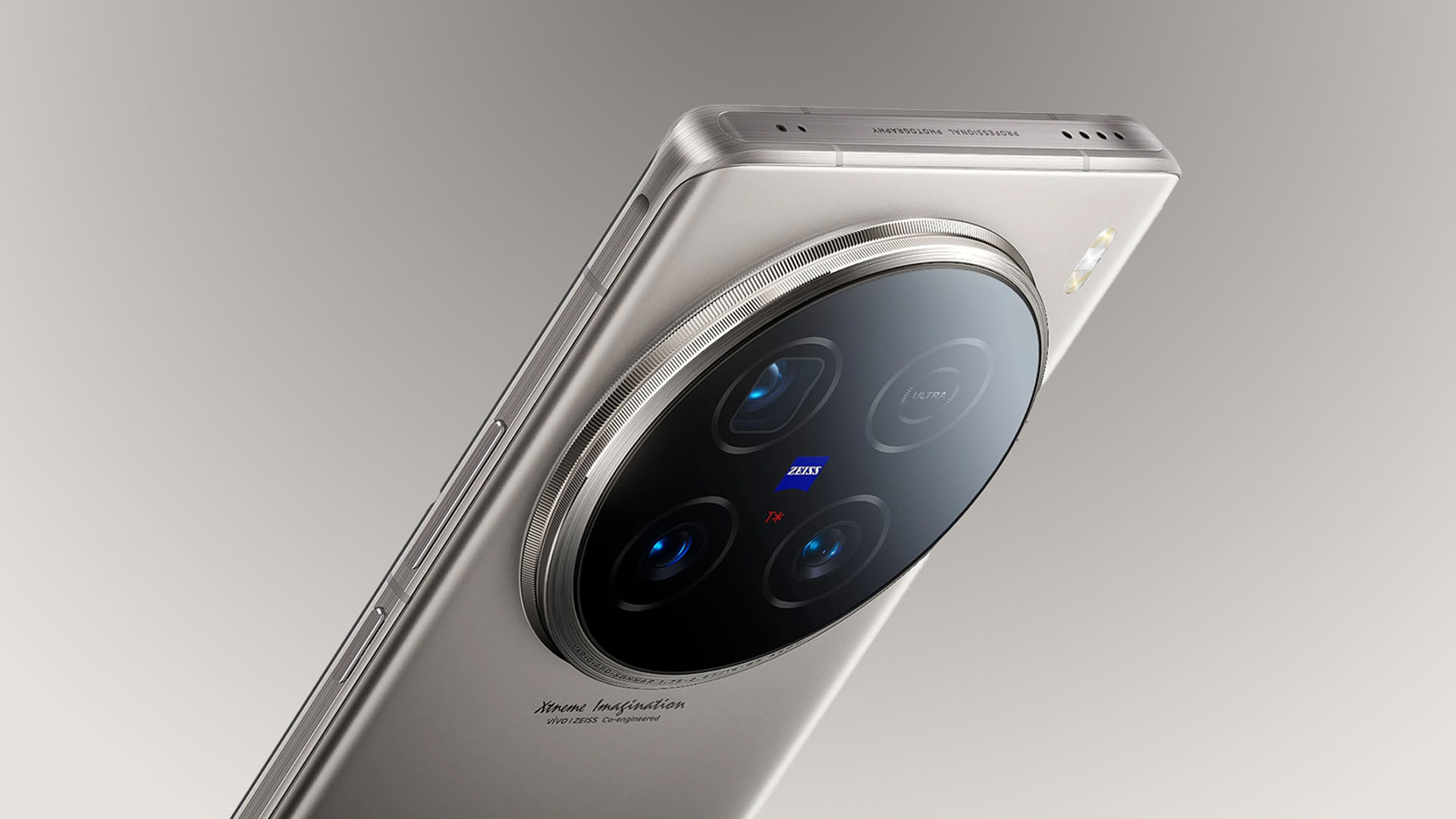
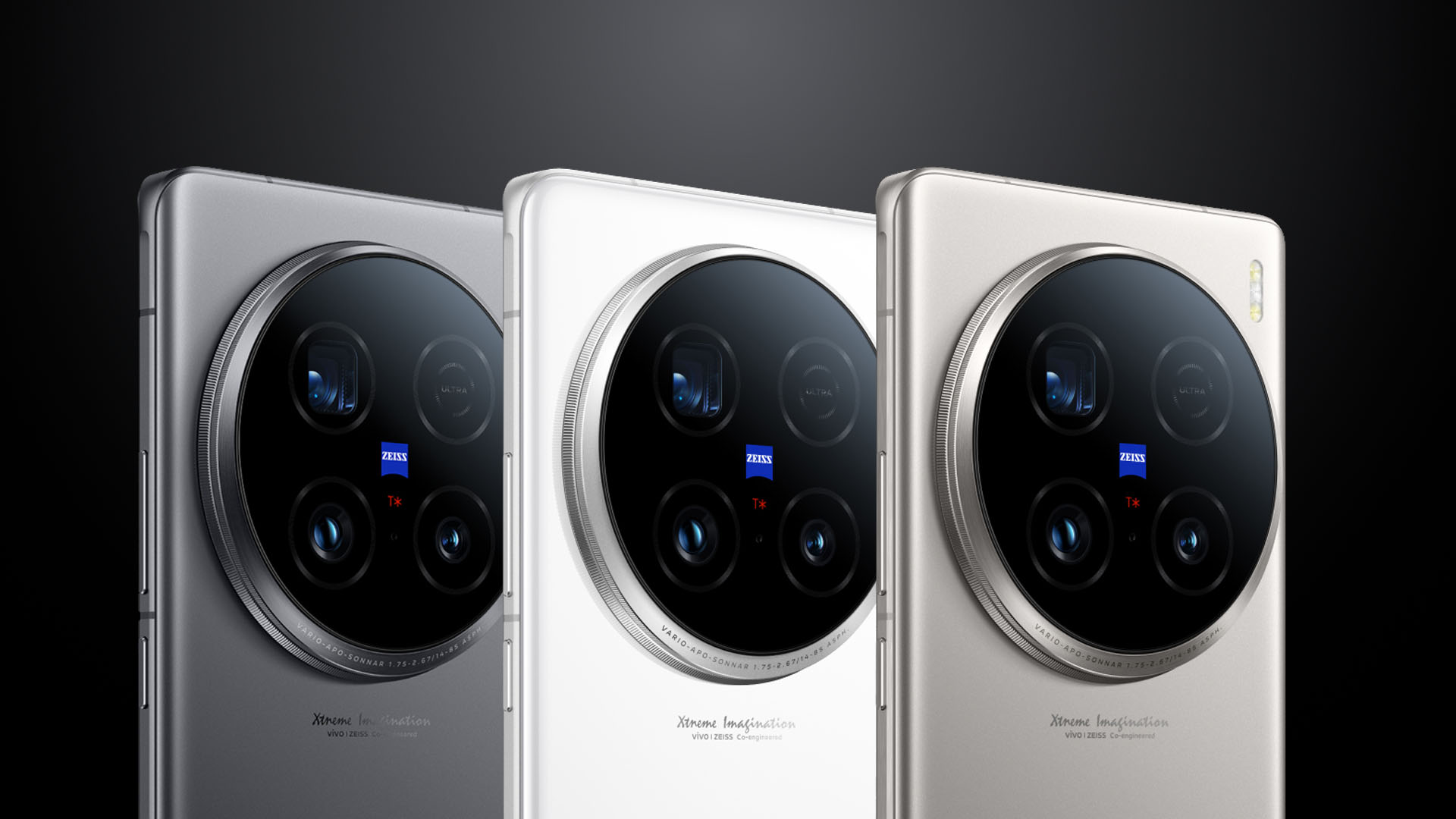
But what makes the vivo X100 Ultra an “Ultra”? Well, the crème de la crème is its revamped camera hardware.
While it has a similarly-looking eclipse-like camera bump, it has a distinct square-like layout instead of the diamond pattern found on the less-powerful X100 and X100s series.

Graphics by Vincenz Lee | GadgetMatch
Ditching the Sony IMX989 is a newer Sony LYT-900 1-inch main sensor, specifically found on the likes of the OPPO Find X7 Ultra and Xiaomi 14 Ultra.
But the game-changer is none other than the new class-leading 200MP f/2.67 periscope telephoto lens based on the new Samsung ISOCELL HP9 1/1.4-inch sensor — the biggest in any smartphone camera just yet.
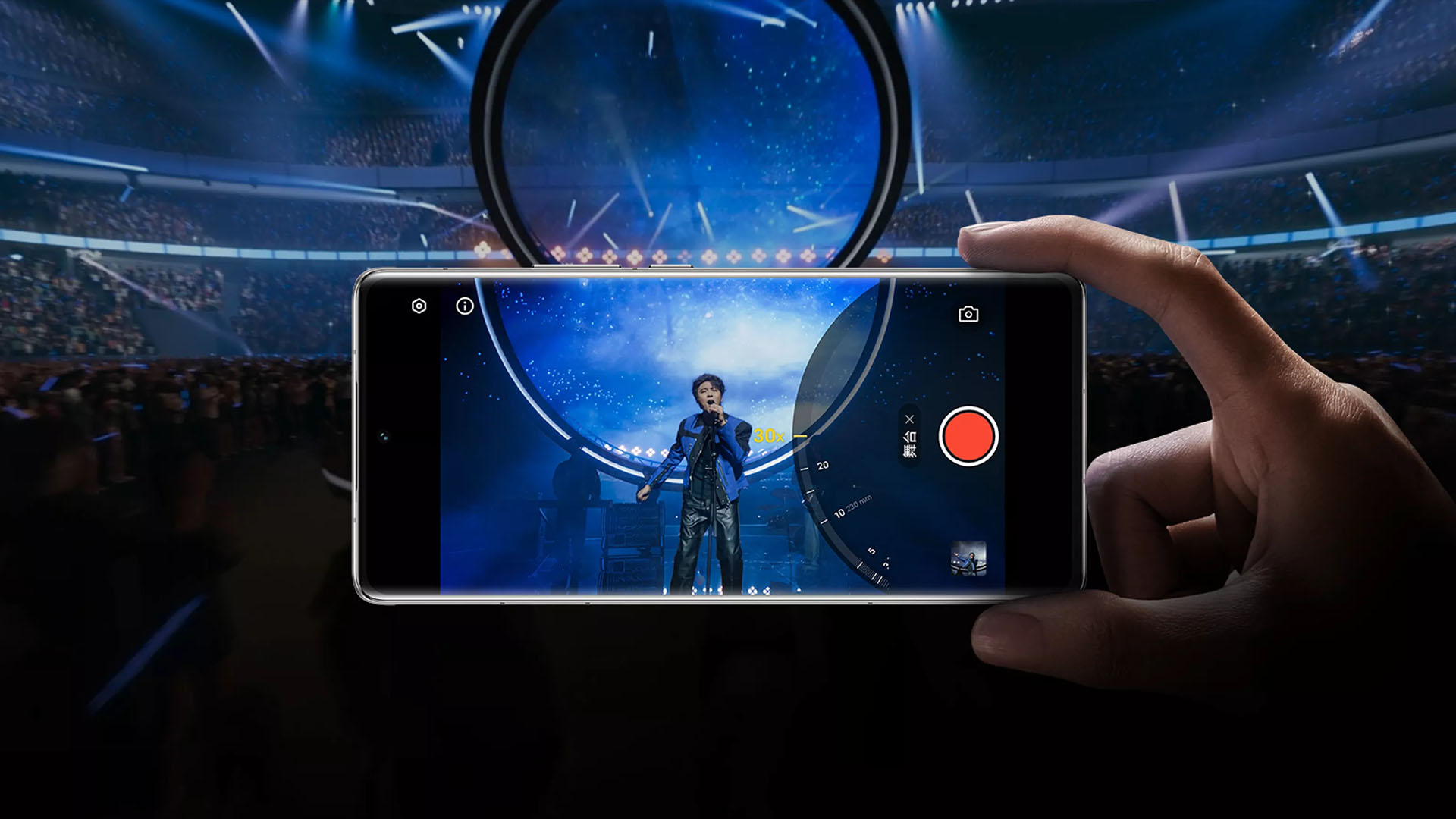
That’s with 3.7x optical zoom and a focal length that goes as far as 460mm. vivo even flaunts how it can zoom up to 30x while in video recording mode with ample clarity and image quality retention. While on the topic, it’s also worthy to point out that the vivo X100 Ultra is one among the few smartphones that can shoot 4K in 120fps slo-mo.
Another main feat that makes it even more special is its ZEISS APO floating lens design — which already made its debut on the X100 Pro. Speaking of, ZEISS T* coating plus the signature Biotar, Sonnar, Planar, Distagon, and B-speed ZEISS portrait lens mode all still remain as vivo signifies that their partnership is growing stronger than ever.
Finally, there’s the 50MP f/2.2 ultra-wide lens with a 116-degree FoV (Field of View), as well as a 50MP f/2.45 front camera.
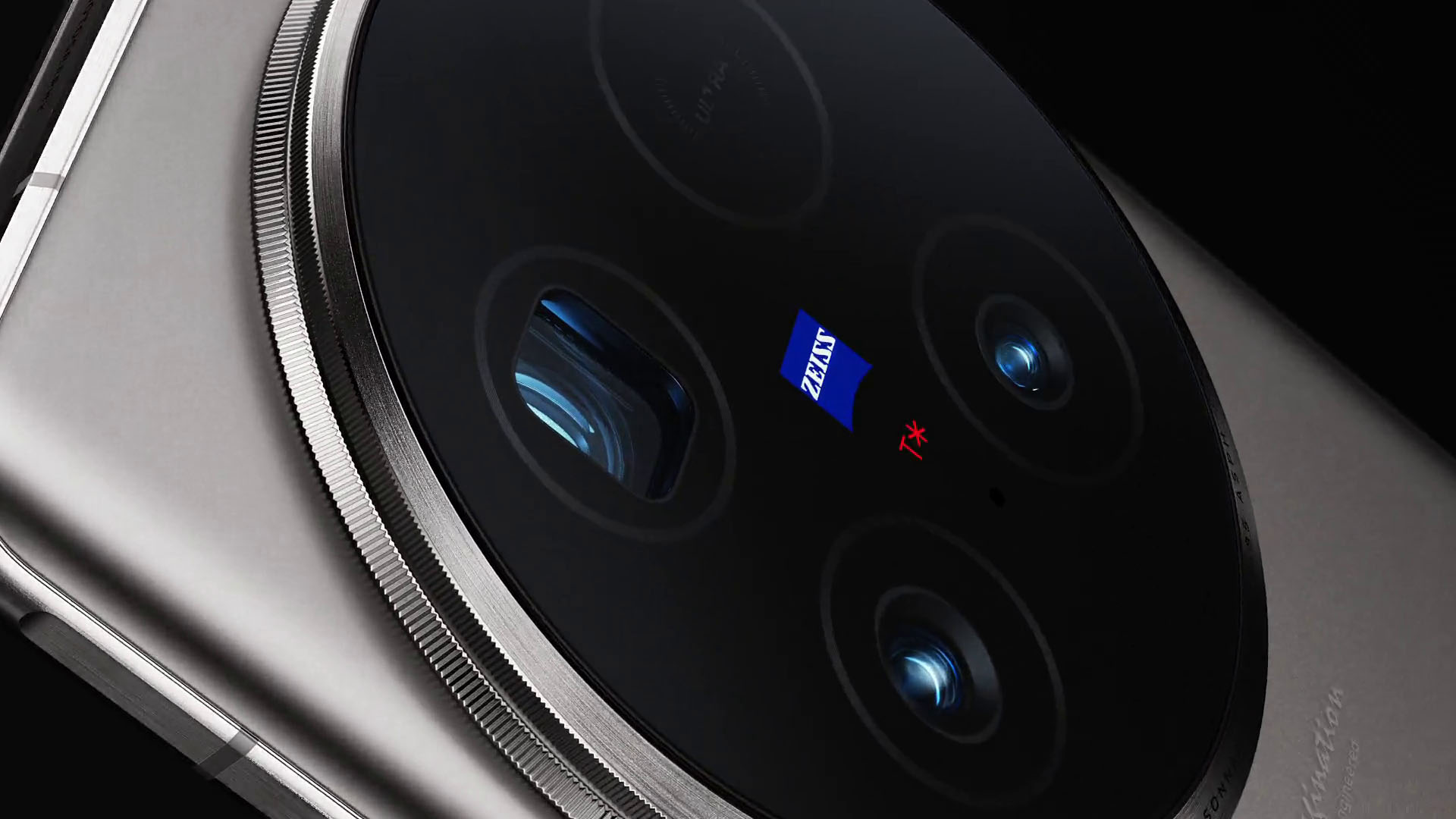
To make it more ultra-packed than ever, vivo also debuts their very own BlueImage technology that incorporates not just its new V3+ imaging chip, but also better image processing algorithms in the long run that will solve most smartphone cameras’ dilemma.
More “Ultra” features under the hood are none other than the class-leading Snapdragon 8 Gen 3 4nm pocessor with Adreno 750 GPU — which is the only X100 model to have it.

Users can opt from either 256/512GB or 1TB storage options (in a speedy UFS 4.0 standard) plus choices between 12 or 16GB of LPDDR5X memory.
The already outstanding 6.78-inch E7 OLED display with 120Hz refresh rate and 2K resolution from the X100 Pro is expected to remain. That’s also with 3000nits peak brightness, pixel density of 517ppi, PWM dimming at 1440Hz, DCI-P3 wide color gamut, HDR10+, and Dolby Vision support.

Moreover, the X100 Ultra packs an even larger 5500mAh battery — 100mAh more than its Pro counterpart. Albeit, a slightly slower 80W wired FlashCharge and 30W wireless FlashCharge speeds (versus X100 Pro’s 100W + 50W protocol).
Lastly, it’s also the very first smartphone to feature a dual IP69 + IP68 rating. It’s also future-proof with Qualcomm’s aptX Lossless wireless audio technology, support for 5.5G connectivity, as well as two-way satellite communication service in Mainland China.
X100s + X100s Pro
vivo supplies different suffixes for their smartphone line. While their midrange S-line in China (or V globally) has “e”, their budget-friendly Y-line has “t” and “i”, there’s “s” in their flagship X-series.
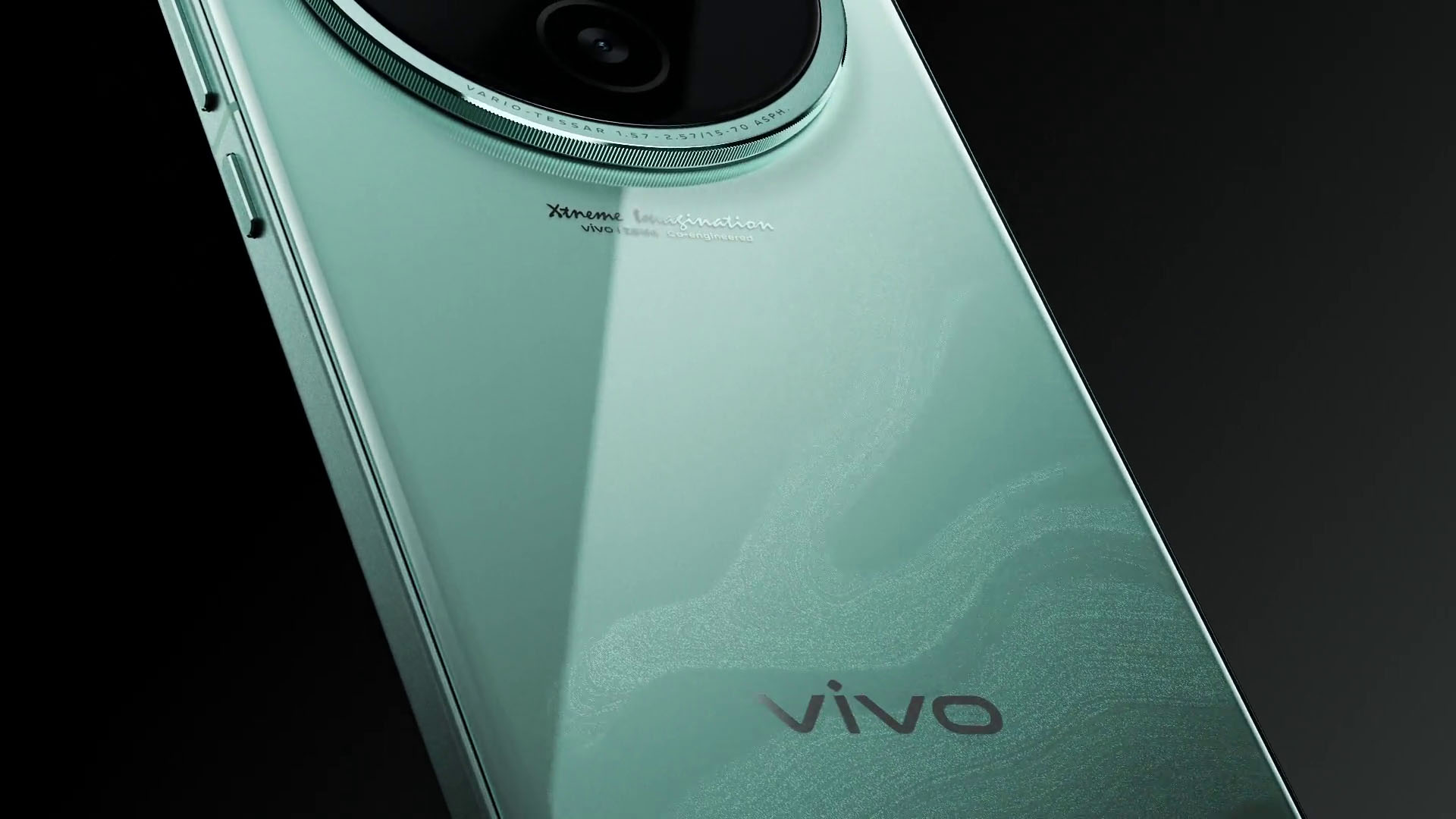
The “s” branding might mean “super”, “slightly tweaked” or “somewhat improved”, but the new X100s and X100s Pro have truly brought improvements to the table over its predecessors.
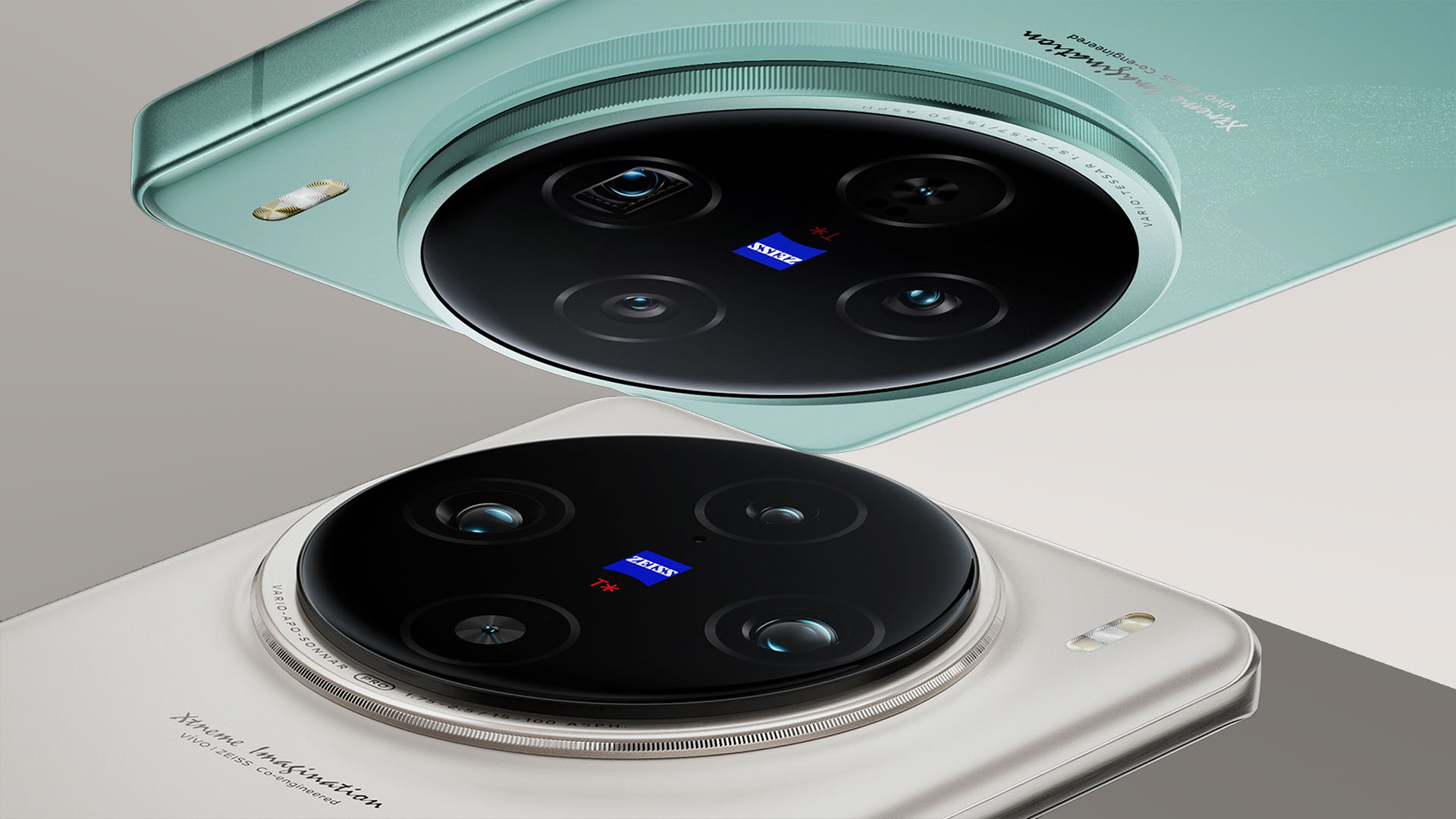
Graphics by Vincenz Lee | GadgetMatch
One of the key differences between the base and the Pro variants of the X100s are its form factor.
To put it in simpler terms, the vanilla variant has flat edges and display. Meanwhile, the Pro, like recent “Pro” Android flagships, has slight curves around its display and curved edges for better hand feel.

Graphics by Vincenz Lee | GadgetMatch
Still, the display size is similar with a changed tech compared to its Ultra sibling: 6.78-inch 1.5K 8T LTPO display with an adaptive 120Hz refresh rate, 3000 nits of peak brightness, and 2160Hz PWM dimming.

vivo has even managed to make the base X100s even thinner — from the 8.8mm of X100 down to just a merely 7.8mm thin!

Graphics by Vincenz Lee | GadgetMatch
Battery and charging are slightly tweaked as well. The X100s has a 5100mAh battery while its Pro sibling shares the bigger 5400mAh battery like the X100 Pro. Both have 100W wired FlashCharge support but only the X100s Pro supports wireless charging of up to 50W.

Graphics by Vincenz Lee | GadgetMatch
What the two models have in common is having an improved MediaTek Dimensity 9300+ 4nm processor with Immortalis-G720 graphics that promises increased CPU and GPU performance with less energy consumption compared to the last generation.
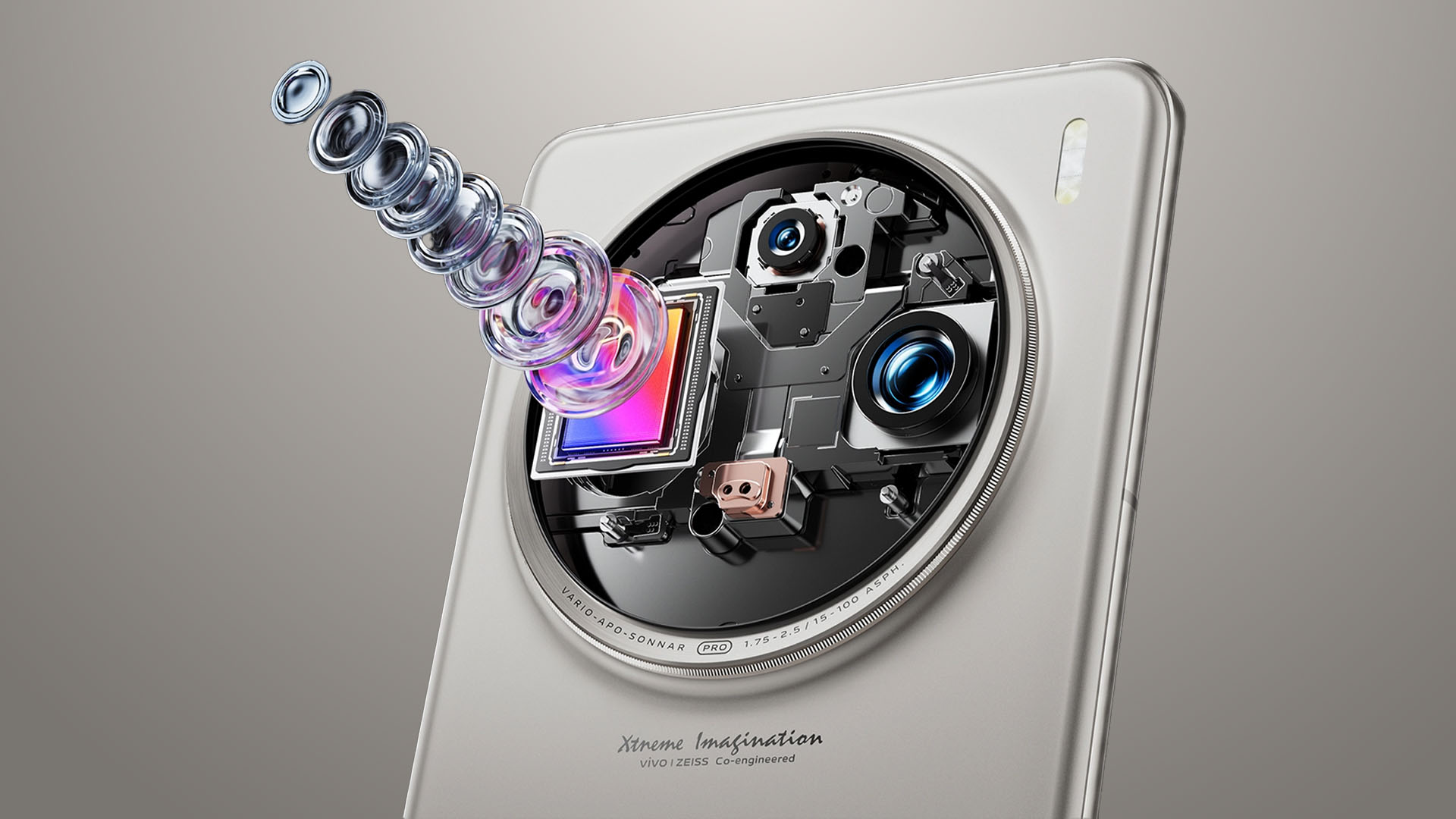
Graphics by Vincenz Lee | GadgetMatch
As for its camera system, both phones share the same as the X100 — all with the ZEISS goodies. The only difference is that the X100s uses V2 imaging chip while the X100s Pro uses the newer V3 chip like its X100 Pro counterpart.
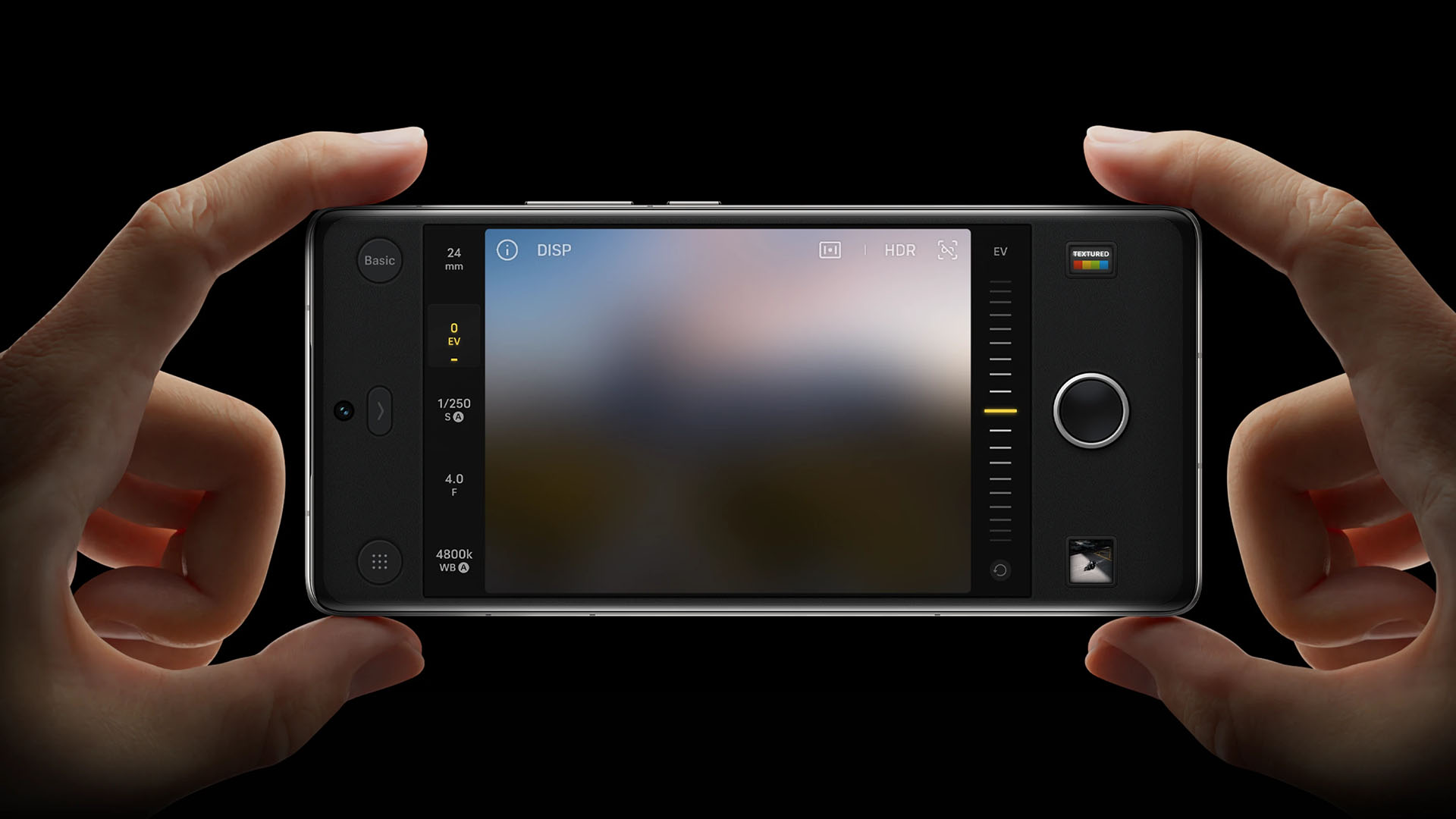
As expected, all models run OriginOS 4 based on Android 14. The special SLR-like camera UI are all available on the three models as well.
Pricing and Availability

Graphics by Vincenz Lee | GadgetMatch
The vivo X100 Ultra and X100s Pro are available in Titanium, White Moonlight, and Darkness of the Night (Black) colorways.
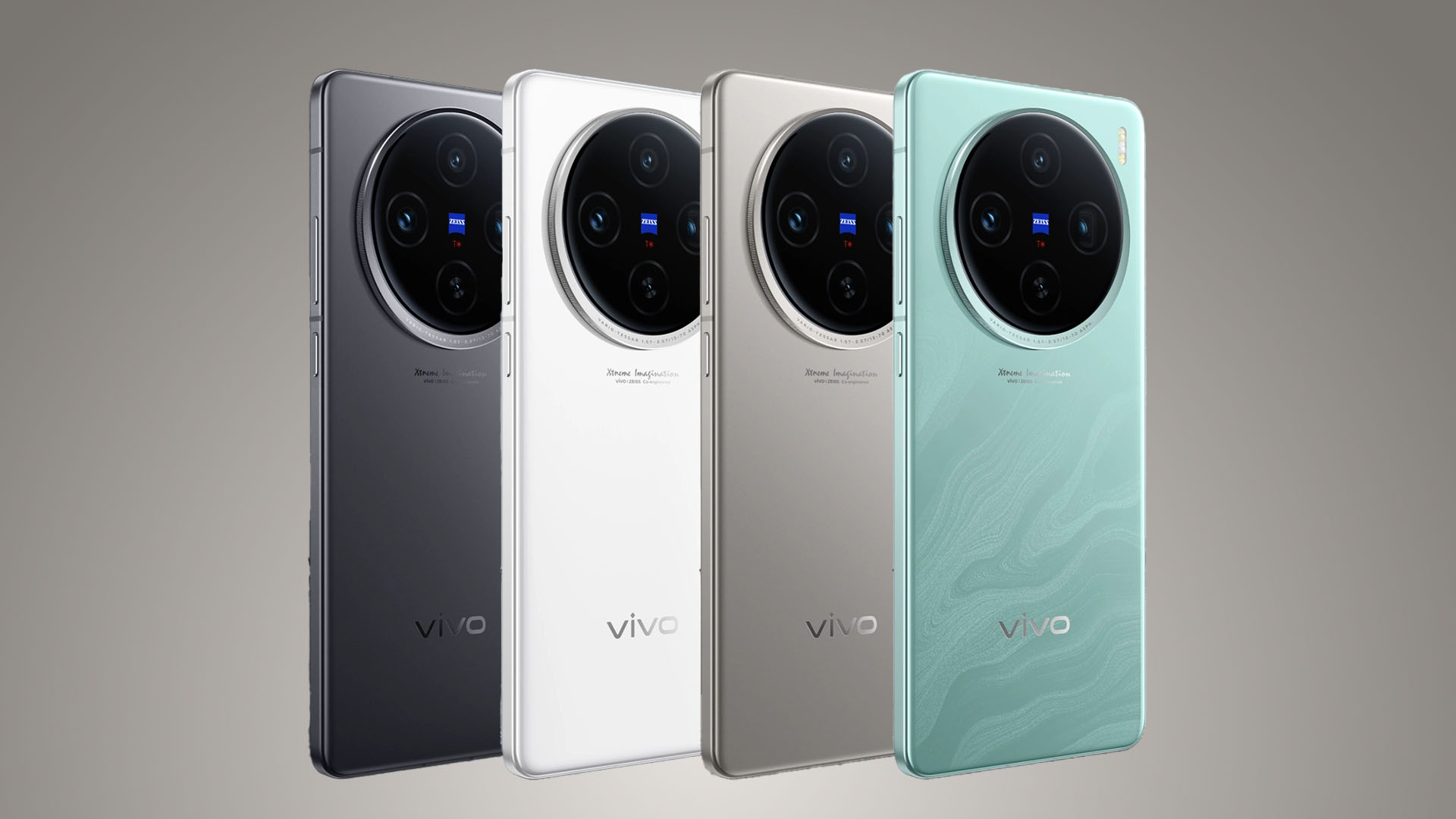
Graphics by Vincenz Lee | GadgetMatch
Meanwhile, the vanilla X100s has unique Deep Space Ash and Blue Cloud offerings aside from the usual Titanium and White Moonlight.
Configuration and respective prices of each model are as follows:
- 12+256GB = CNY 3999 (US$ 553 / EUR 515 / GBP 443 / SG$ 750 / PhP 31,745 / INR 46,196)
- 16+256GB = CNY 4399 (US$ 609 / EUR 567 / GBP 487 / SG$ 826 / PhP 34,921 / INR 50,817)
- 16+512GB = CNY 4699 (US$ 650 / EUR 605 / GBP 521 / SG$ 882 / PhP 37,302 / INR 54,282)
- 16+1TB = CNY 5199 (US$ 719 / EUR 670 / GBP 576 / SG$ 977 / PhP 41,272 / INR 60,058)
- 12+256GB = CNY 4999 (US$ 691 / EUR 644 / GBP 554 / SG$ 938 / PhP 39,684 / INR 57,748)
- 16+512GB = CNY 5599 (US$ 775 / EUR 721 / GBP 620 / SG$ 1050 / PhP 44,447 / INR 64,679)
- 16+1TB = CNY 6199 (US$ 857 / EUR 798 / GBP 687 / SG$ 1163 / PhP 49,211 / INR 71,610)
- 12+256GB = CNY 6499 (US$ 900 / EUR 835 / GBP 718 / SG$ 1218 / PhP 51,687 / INR 75,122)
- 16+512GB = CNY 7299 (US$ 1010 / EUR 937 / GBP 807 / SG$ 1367 / PhP 58,049 / INR 84,370)
- 16+1TB = CNY 7999 (US$ 1107 / EUR 1027 / GBP 884 / SG$ 1499 / PhP 63,616 / INR 92,461)
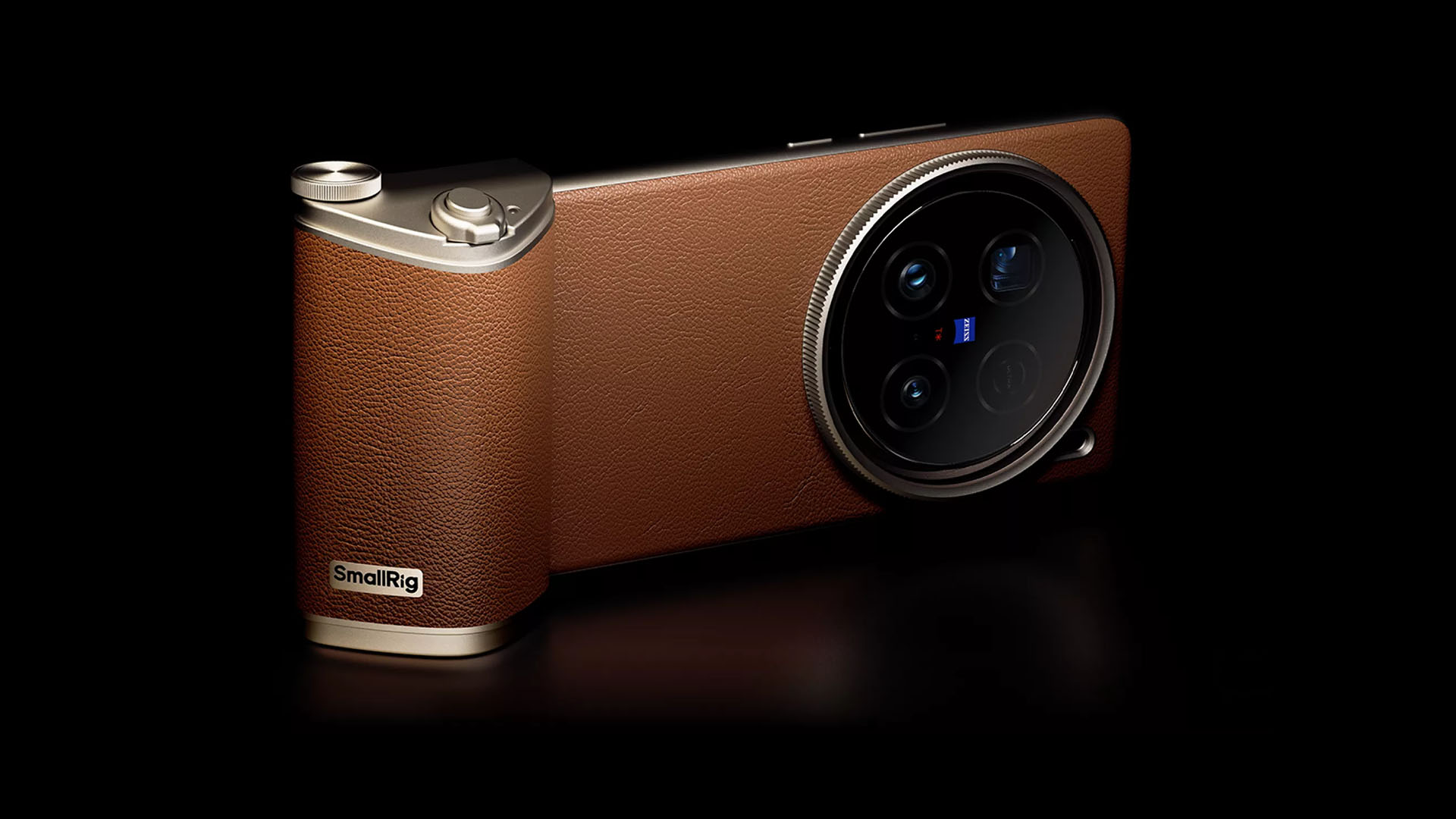
In collaboration with SmallRig, vivo offers an optional SLR-like accessory for the X100 Ultra that costs as little as CNY 399 (US$ 55 / EUR 51 / GBP 44 / SG$ 75 / PhP 3173 / INR 4612).
Pre-orders for vivo’s newest flagship phones start this May 13, 2024. The X100s and X100s Pro go on sale on May 17 (Friday) while the X100 Ultra will be on the 28th (Tuesday).
Graphics by Vincenz Lee | GadgetMatch
Just like any other Chinese phone announcement, there’s no word on global availability. Still, we are hoping vivo would at least bring the X100 Ultra outside China to make way for a very competitive list of “Ultra” smartphones. After all, they’re the official partner of the 2024 UEFA EURO Cup hosted by Germany.



Finance
HONOR, Fidesmo partner for contactless payments across Europe, Middle East
Enabling contactless payments on the HONOR Watch 6


HONOR and Fidesmo have partnered to launch contactless payments across Europe and the Middle East on the HONOR Watch 6.
Powered by Fidesmo Pay, the integration enables users to connect an existing Mastercard or Visa card to their watch and complete contactless transactions directly from the wearable device.
This brings Fidesmo’s network of over 900 banks and financial institutions to HONOR’s customers. Users can connect an existing card to the HONOR Watch 6 instantly through the HONOR Health App, which installs a unique token directly onto the watch.
Acting as a secure reference to the payment method, this token allows customers to pay without storing their actual payment details on the device. Once installed, users can tap the watch at any
contactless terminal to pay, just as they would with a card or phone.
HONOR joins a group of device partners that already includes Swatch, Polar, and Mondaine as Fidesmo continues to build momentum across categories.
Entertainment
Max vs 100 will feature Max Verstappen race against 100 go-karters
The live event will stream at midnight on September 17.


As a child, one of my favorite thought experiments is to imagine who would win in a fight between my favorite characters at the time and a number of other random beings. For example, will Superman prevail against 100 Magnetos? Those are the ways I kept my young mind occupied. Now, as a former child, I still do the same thing but with more realistic people, like imagining if Steph Curry can win against 100 high schoolers. This week, ESPN and Disney+ are making one of those imaginary fights real: Formula 1 legend Max Verstappen versus 100 go-karters.
In an upcoming live event streaming exclusively on Disney+, Max vs 100 will pit the four-time world champion against 100 go-karters from everywhere in pop culture. This gaggle of 100 will include popular content creators such as Twitch streamer ExtraEmily, car photographer Larry Chen, and NBA shooting coach Chris Matthews.
All 101 drivers will race around one of the most iconic tracks in Formula 1 history, Silverstone in England. The track will be reconfigured to match the special race.
Of course, this is more than just a parade of go-karts. Max Verstappen will start at the back of the grid, meaning he has to overtake all 100 racers to win. Now, the Dutch driver is no stranger to winning from the back. In 2024, he won the Sao Paulo Grand Prix despite starting from P17 (out of 20 racers). Max vs 100, though familiar for the driver, presents a different challenge. Can he overtake 100 times to win the race?
Max vs 100 will stream live through Disney+ on September 17, 12:00am PHT.
Apps
Apple’s best feature to cure motion sickness is finally on Android
Google copies a good page from Apple’s playbook.
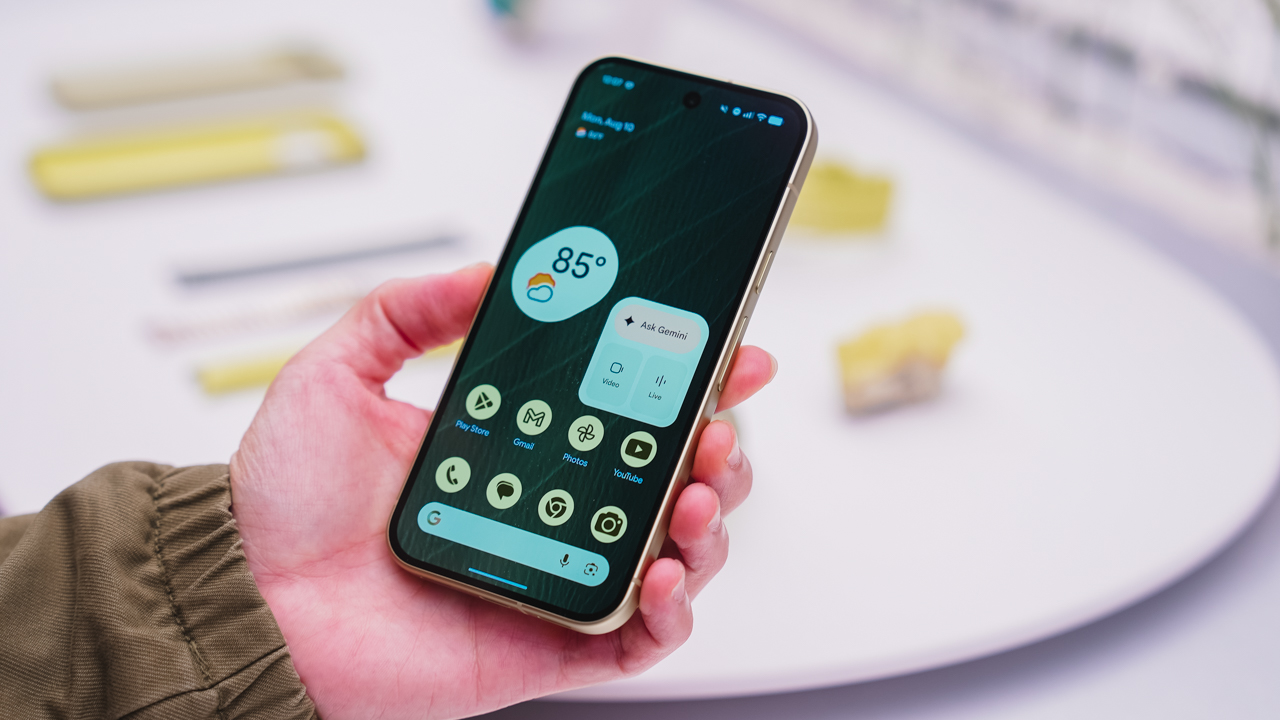
As an Android user, I’ve been jealous of iPhone users for a while now, but it’s not for the reason you might think. See, I’m ridiculously prone to motion sickness when I’m not driving. So, when I discovered that Apple has a software-based cure called Vehicle Motion Cues, I wanted it immediately. Now, Android does have third-party apps that do the same thing, but they’re not as good as a fully native version. Well, those dark, nauseating days are about to come to an end. Android 17 is finally getting a similar tool called Motion assist.
Before that, let’s rewind for a bit. What do these features do? How can they cure motion sickness?
Whenever you open Vehicle Motion Cues or Motion assist, the interface spawns a series of dots on the screen. These dots respond to movement. For example, if the vehicle turns to the left, the dots also go to the left, mimicking the movement. Without cues like this, the stationary nature of the screen clashes with our brain’s perception of movement. The disparity creates that feeling of nausea. Basically, our eyes are desperately trying to focus on the static screen, but our brains are telling us that we should be seeing motion. Having moving dots reorients our brain and places the phone inside our perception of movement.
Now, you can enable the same feature on your Android 17 device through Settings > All services > Motion assist under Personal & device safety. You can also set it so that the feature turns on automatically when the phone detects that you’re in a moving vehicle. Finally, you can also tweak the shape, color, and opacity of these dots.
Android 17’s Motion assist is rolling out now to compatible devices.
SEE ALSO: These are the best Android 17 features (if you hate AI)


DJI Lito X1 review: Is this the best lightweight drone for creators?
Making a strong case as a travel companion and a capable B-cam!


REDMI Note 17 Pro Max review: A new breed born from AI greed
Welcome to the new normal


Marvel’s Wolverine review: When the claws come out
A brutal, cinematic superhero adventure
DJI Lito X1 review: Is this the best lightweight drone for creators?

Now Playing: Resident Evil

HONOR, Fidesmo partner for contactless payments across Europe, Middle East

Ford revs up Truck Month with extended 5-star care offers
REDMI Note 17 Pro Max review: A new breed born from AI greed

TECNO MEGAPAD 2 review: Eyes on the size

realme 16T 5G with 8000mAh battery, IP69 Pro rating launches in PH

HUAWEI Pura X View is 2026’s first WIDE slab-type smartphone

REDMI reveals the refreshed Note 17 and Note 17 Pro series

REDMI Note 17 Series: Price, availability in Singapore


-
 News1 week ago
HUAWEI Pura X View is 2026’s first WIDE slab-type smartphone
-

 News1 week ago
The CAMON Slim 5G is TECNO’s latest ultra-slim smartphone
-

 IFA 20262 weeks ago
TECNO MEGABOOK T15 360 unveiled at IFA 2026
-

 Gaming2 weeks ago
NBA 2K27 review: A two-way All-Star
-

 News1 week ago
iPhone 18 Pro series: Price, availability in the Philippines
-

 IFA 20262 weeks ago
TECNO’s POVA 8 Pro gets a stealthy makeover
-

 Automotive2 weeks ago
Ford’s new Everest lineup brings V6 engine to the top, tech down the line
-

 Gaming2 weeks ago
Now Playing: Elden Ring Tarnished Edition