
Gaming
Kunitsu-Gami: Path of the Goddess is a dance of its own
Action, strategy, fighting, tower defense all rolled into one

Early feedback for Kunitsu-Gami: Path of the Goddess spoke highly of the game’s uniqueness in terms of its gameplay system, 18th century Japan-inspired character art, and a lot more in between. Even its ratings on Steam proved to be impressively high in the first month or so.
Indeed, Capcom’s 3D action-strategy-fighting hybrid piqued my interest. Many noted its “tower defense” element. I’ve had my fair share of tower defense games on tablets to kill boredom during my college days. They typically involved fending off hordes of zombies or placing missile-firing towers to destroy heavy artillery.
I always saw tower defense titles as a means to challenge my thinking while also providing an entertainment factor. That’s what really pushed me to try Kunitsu-Gami: Path of the Goddess. This, along with the game’s straightforward story of purging Mt. Kafuku’s defilements from evil spirits through 17 stages of sword-dance combat, made up for an absolute adrenaline rush.
Reviving a stained land

For the unacquainted, the game is set in the once lush Mt. Kafuku that serves as the home of the Goddess. However, an ominous black substance has since engulfed the mountain and turned it into a shadow of its former self.
This evil has defiled the Torii gates spread across the mountainside. Worse, it has also stolen the 12 masks containing the Goddess’ power. This event has likewise thrown villagers in turmoil — a sad, pestilent state called Amatsutsumi.
To stop the havoc, players must step in to command villagers, assign them roles, purge the defilement, and bring everything back to normal.
This is the game’s simple premise. For game completion, there are 17 stages and 10 boss fights, with Mt. Kafuku being the last stage.
Simple mechanics

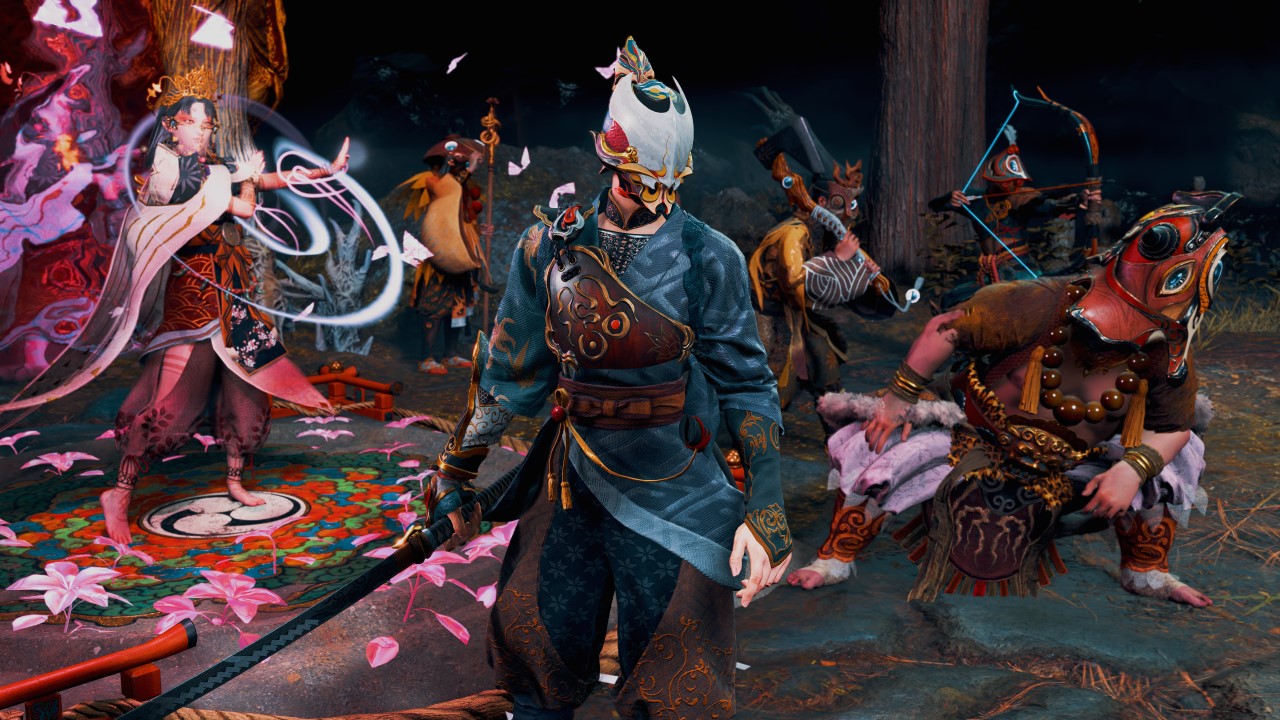
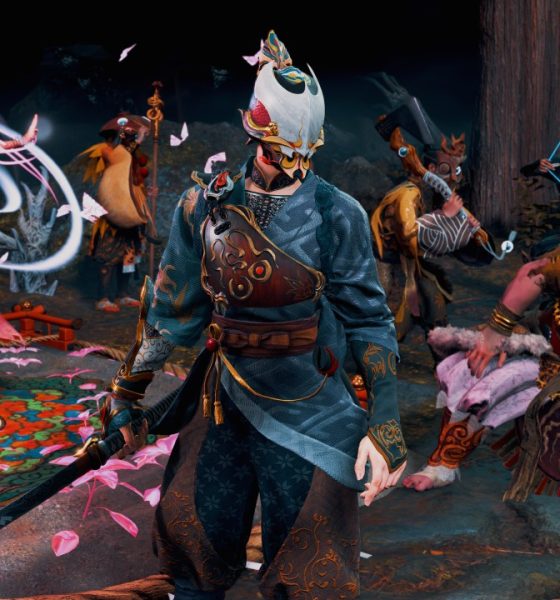
Players play Soh, a bad-ass, samurai-wielding protagonist who does the heavy lifting while protecting the Maiden (who purifies the paths) each step of the way. In defeating the Seethe, they restore the mountain back to its lush and lively form.
The in-battle mechanics are quite simple. On a Legion Go, the combinations are just X-Y, X-X-Y, and X-X-X-Y. These combos allow Soh to hack and slash incoming Seethe, all while twisting and turning in the air (hence, the flying sword dance).
It takes anywhere from three to five rounds of Seethe to finish the stage, before moving on to the stage’s boss. Players get rewards for completing each stage, in the form of musubis which can strengthen villagers through upping their overall HP, durability, and attacking capabilities.
In a way, that straightforwardness is why some who’ve tried this game say it has tower defense elements. That kind of no BS progression where you just finish the round, earn rewards, and move on to the next one does remind me of the usual tower defense or zombie survival titles I’ve tried on a tablet before.
Night and day

Furthermore, gameplay is divided into night and day. The actual battles happen at night. During daytime, Soh explores the surroundings where he purifies defilements and collect more credits to assign roles to villagers. Roles include Woodcutter (melee), Archer (ranged), and Ascetic, to name a few.
After completing each stage, players also enter a screen wherein the areas in Mt. Kafuku covered by that stage gets repaired. Again, Soh will assign villagers to finish the repairs to gain points. There is also a tent there which serves as the hub where Soh can view the game progress or equip Mazo Talismans which gives him a power-up in battle.
Awesome art
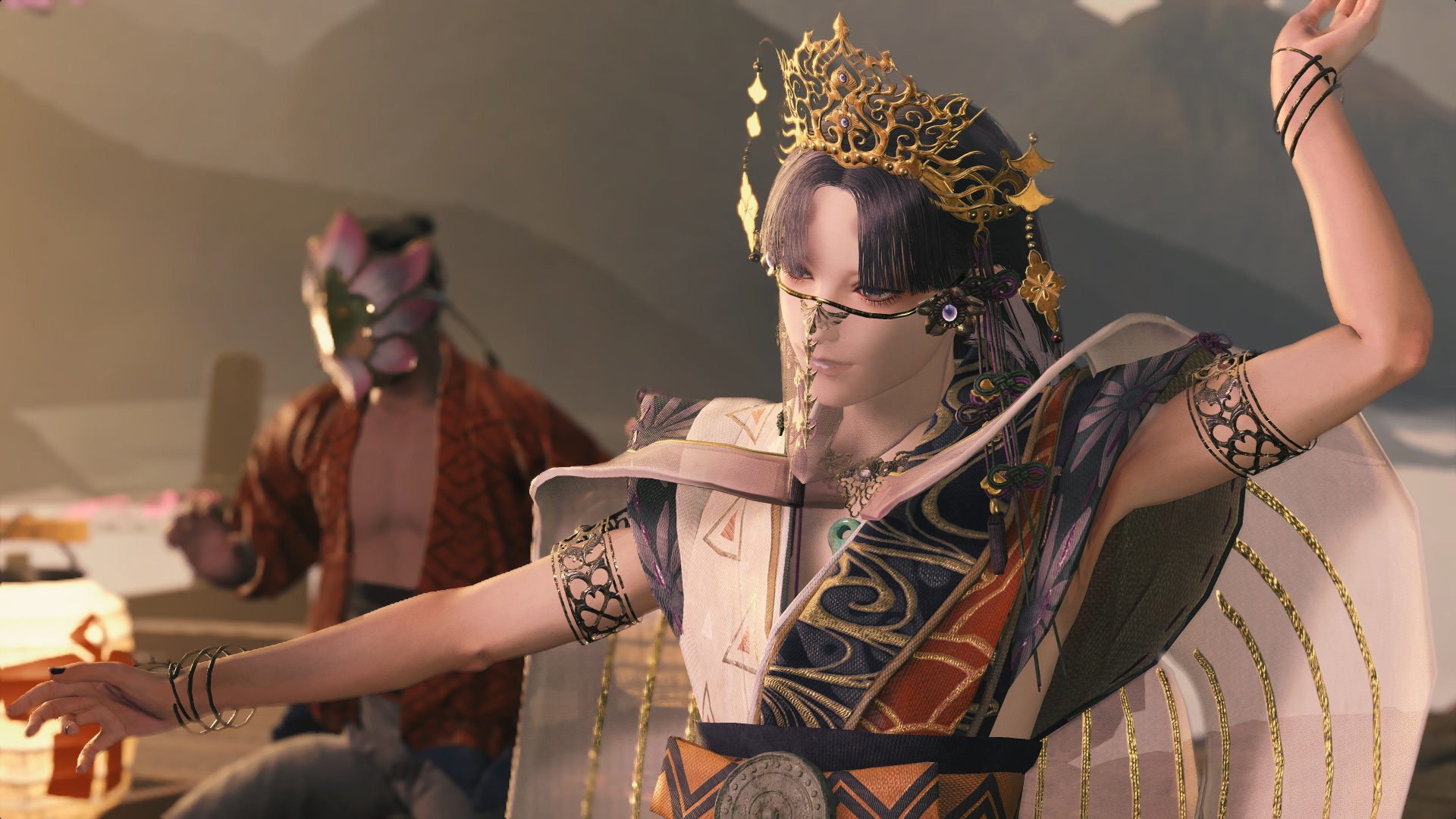
What else can we say? The 18th century Japan-inspired character art was absolutely stunning. The Seethe came out really disgusting and filthy-looking. The outfits of the villagers were simple yet all the details were appropriate for the theme, like their hats, tops, and bottoms. The overall color palette of the game’s surroundings also proved to be art gallery-worthy to the eyes.
I’m no hiking enthusiast either but Mt. Kafuku reminds me of my college days where I stayed at a dorm located well into a forestry area on the foot of a real-world mountain. The surroundings have a vibrant and lively vibes, and the colors make up for an appealing and picturesque look.
Challenging bosses, maldistributed difficulty?

I found the progression during the first couple of stages quite doable. You’d spend a few “days” in the game per level to advance the path.
Where I got stuck was in Stage 3, where the boss, Gakinyudo, is an annoying giant caterpillar who simply refused to die. I tried beating this level for about 50 times (no exaggeration). I tried to follow all tips and tricks I found online and also tried my own approach.
Fittingly, I did read that some players pointed out how the difficulty level of each boss in Kunitsu-Gami sort of felt randomly distributed, instead of the usual progression you’d expect where it would get a lot harder in the latter stages.
Curiously, on Steam, this level was only accomplished by 60% of players, meaning as early as Stage 3, it proved to be challenging for almost half of those who tried — myself included.
Final thoughts
Kunitsu-Gami: Path of the Goddess is a challenging puzzle that involves a lot of action and fighting, minus the exploration from action-adventure genres. It’s a unique action-strategy blend of its own with a linear story progression that will serve you your dose of adrenaline-pumping, brain-puzzling gaming sessions.
If you have what it takes to star in the tale of the Kami, this is a title worth trying. As for me, I’ll stick to actual strategy games that involves more thinking rather than action. That’s on me.







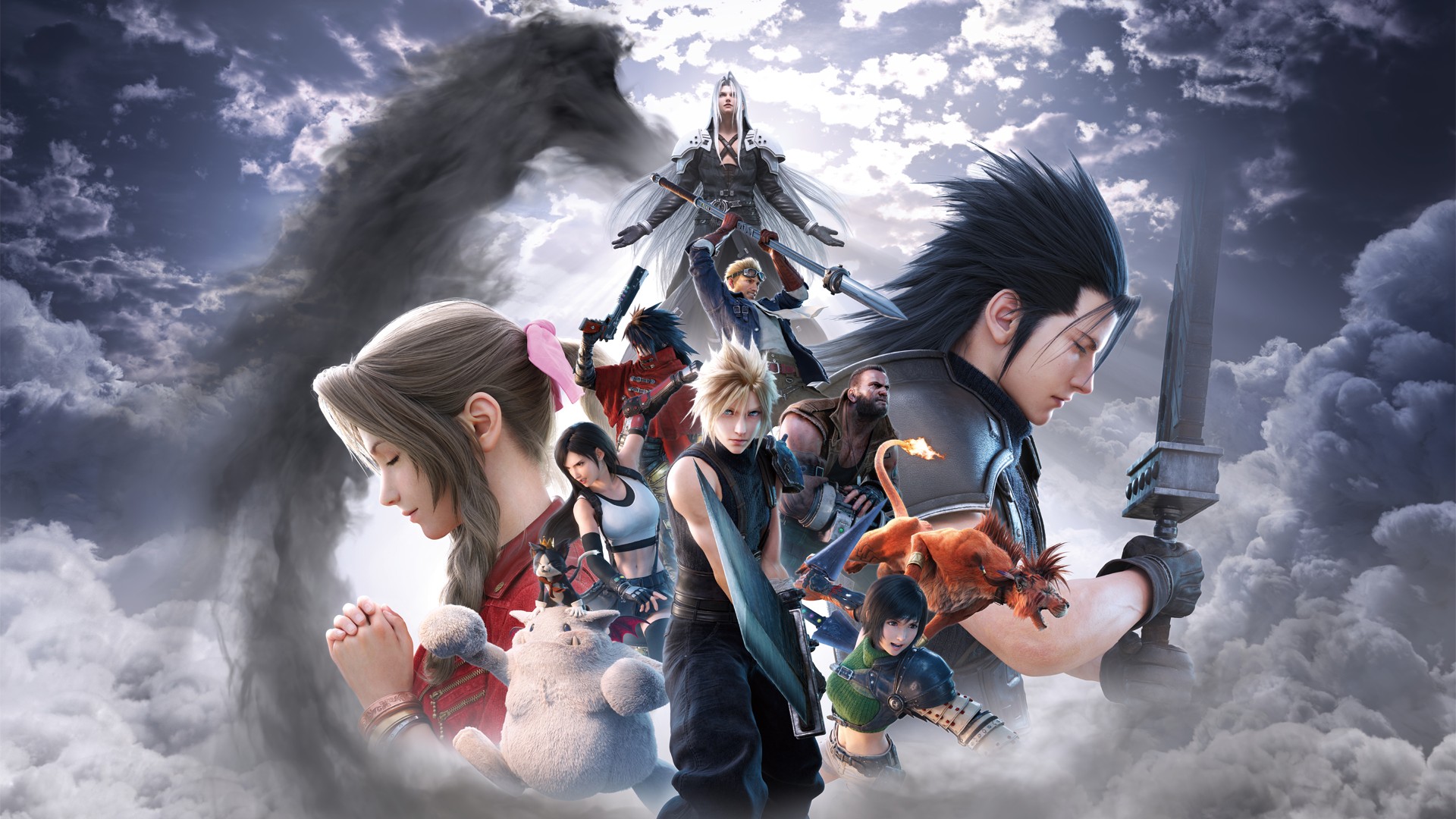
Square Enix has officially unveiled Final Fantasy VII Revelation, the third and final entry in the Final Fantasy VII Remake trilogy. The game launches in Spring 2027 for PlayStation 5, Nintendo Switch 2, Xbox Series X|S, and PC via Steam, Epic Games Store, and Xbox PC.
Revealed at Summer Game Fest Live
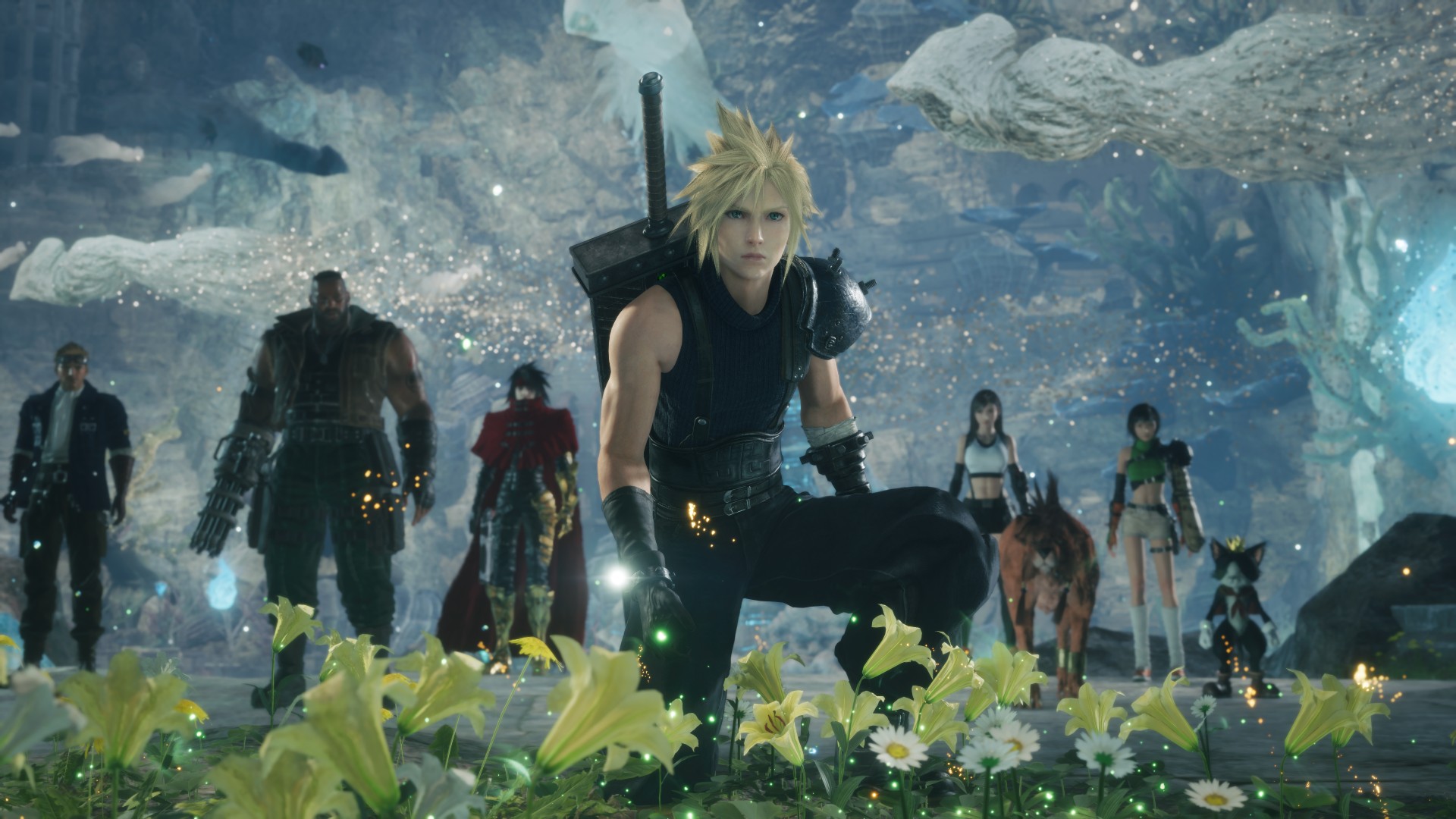
The announcement debuted during Summer Game Fest Live. Director Naoki Hamaguchi and Vincent Valentine voice actor Matt Mercer also showcased the game’s first trailer and an extended gameplay presentation.
Revelation picks up as Cloud Strife and his allies race to stop Meteor and prevent the destruction of the planet. Sephiroth stands closer than ever to godhood, while the party takes flight aboard the iconic Highwind airship for the trilogy’s final adventure.
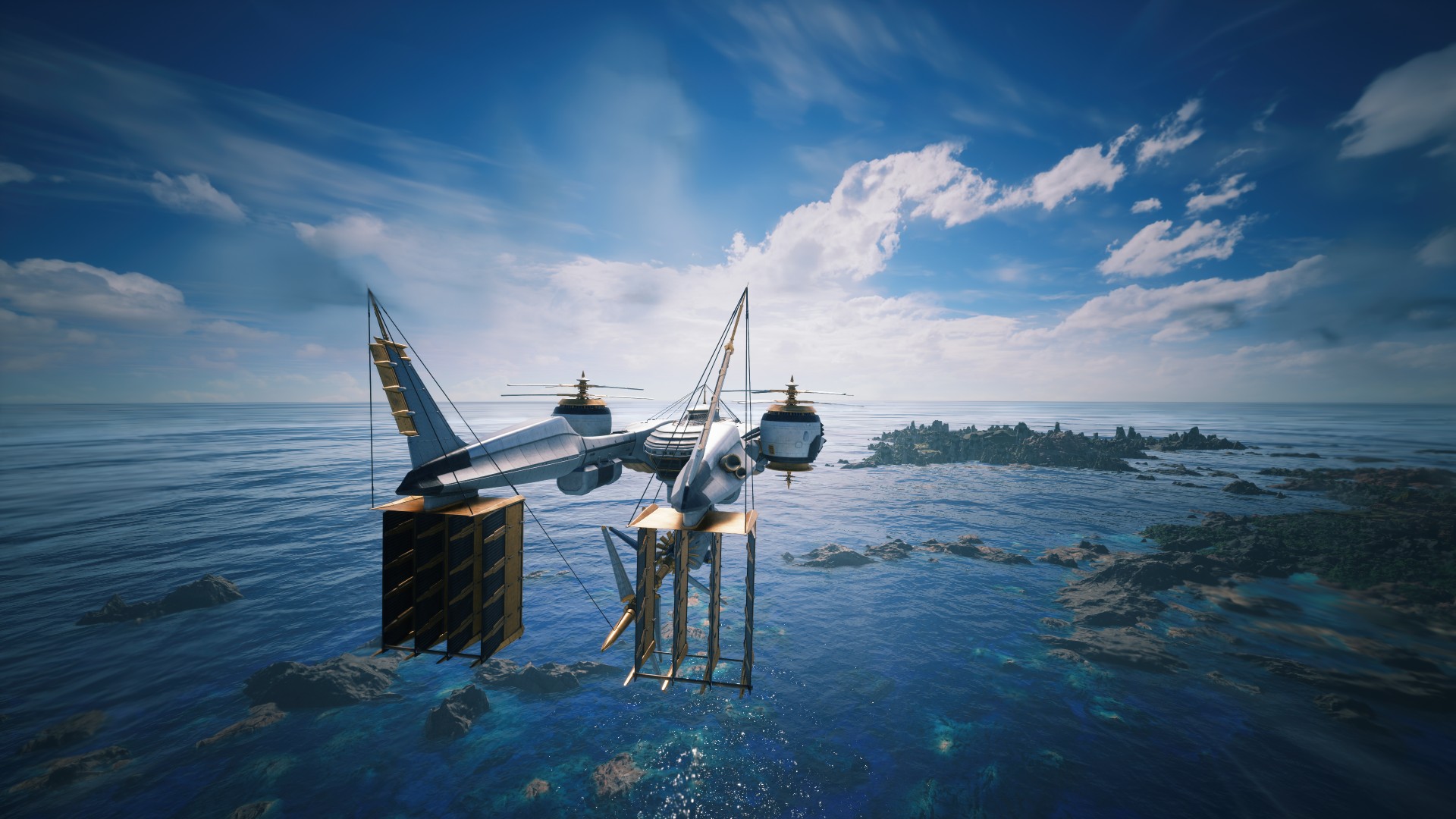
For the first time in the Remake series, players can freely explore the entire world using the Highwind. They can parachute into locations, tackle objectives in different orders, and make decisions that affect parts of their companions’ stories. The hybrid combat system also returns with new playable characters and expanded abilities.
Major locations revealed
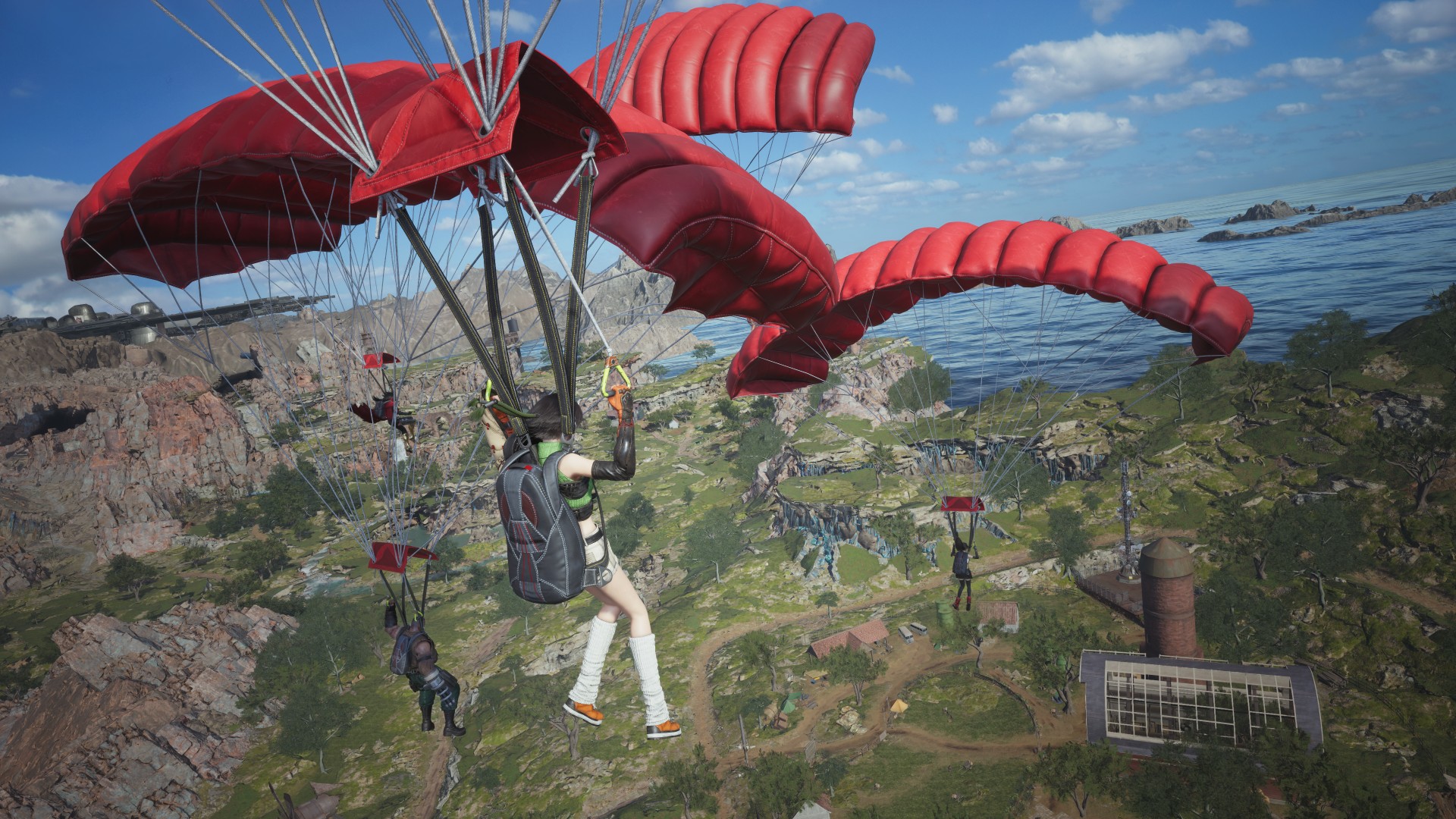
The gameplay showcase revealed several major locations, including Wutai, Mideel, and the Northern Continent. Vincent Valentine and Cid Highwind will also join the playable roster. A new FITS system lets players equip outfits that unlock different abilities inspired by classic Final Fantasy jobs such as Black Mage and Warrior.
Producer Yoshinori Kitase described Revelation as the culmination of 30 years of Final Fantasy VII storytelling. Director Naoki Hamaguchi added that the game’s central theme is “resolve” as Cloud and his companions move toward the battle that will decide the planet’s fate.
Remake and Rebirth available in multiple platforms
Players can prepare for the finale by playing Final Fantasy VII Remake Intergrade and Final Fantasy VII Rebirth, both of which are already available across current platforms. Save data from those games will also unlock bonus summon materia in Final Fantasy VII Revelation.
Final Fantasy VII Revelation launches in Spring 2027.

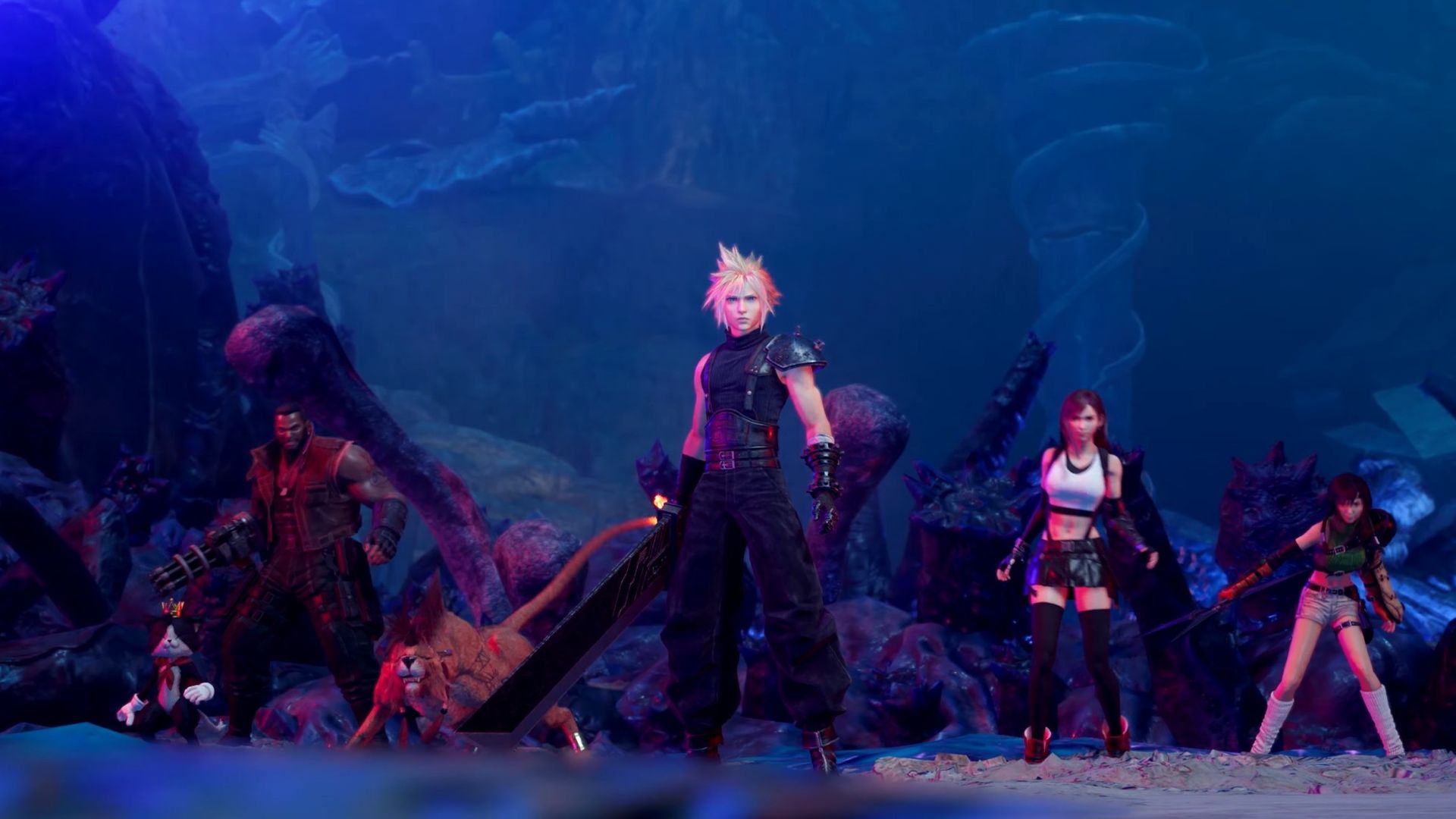
The FINAL FANTASY VII REBIRTH physical edition for Nintendo Switch 2 is now available in Southeast Asia.
As previously announced, the award-winning, critically acclaimed RPG made its way to the Nintendo Switch 2, Xbox Series X|S, and Xbox on PC (complete with Xbox Play Anywhere and Xbox Cloud Gaming support).
The new physical release brings the massive adventure to retail shelves across the region.
And with FINAL FANTASY VII REMAKE INTERGRADE already available on the platform, the physical and digital arrival of REBIRTH means the first two entries in the remake trilogy are now available across all modern platforms.
No matter where they play, fans can catch up and prepare for the third installment — which is currently in production.
To make diving into the massive sequel easier, Square Enix has highlighted the optional “Streamlined Progression” feature. Originally introduced in REMAKE INTERGRADE, this option allows players to focus entirely on the narrative without worrying about the grind.
When toggled, it grants players unlimited HP (hit points), MP (magic points), limit breaks, and a constantly maxed-out ATB gauge during combat.
It also boosts attack power to a flat 9,999 damage and simplifies weapon ability acquisition. For those who want a smoother ride, the feature is also available on the PlayStation 5 and Steam versions via a free update.
Free demo
For players still on the fence, a free playable demo is available on Nintendo Switch 2 and Xbox. This demo covers Chapters 1 and 2 of the main game.
Players can control a younger Cloud Strife alongside the legendary war hero Sephiroth during the infamous Nibelheim incident in Chapter 1.
Afterwards, Chapter 2 opens up into the expansive Grasslands region, offering several hours of open-world exploration, hidden treasures, side quests, and early matches of the popular Queen’s Blood card mini-game.
Best of all, all progress made in the demo seamlessly carries over to the full game.
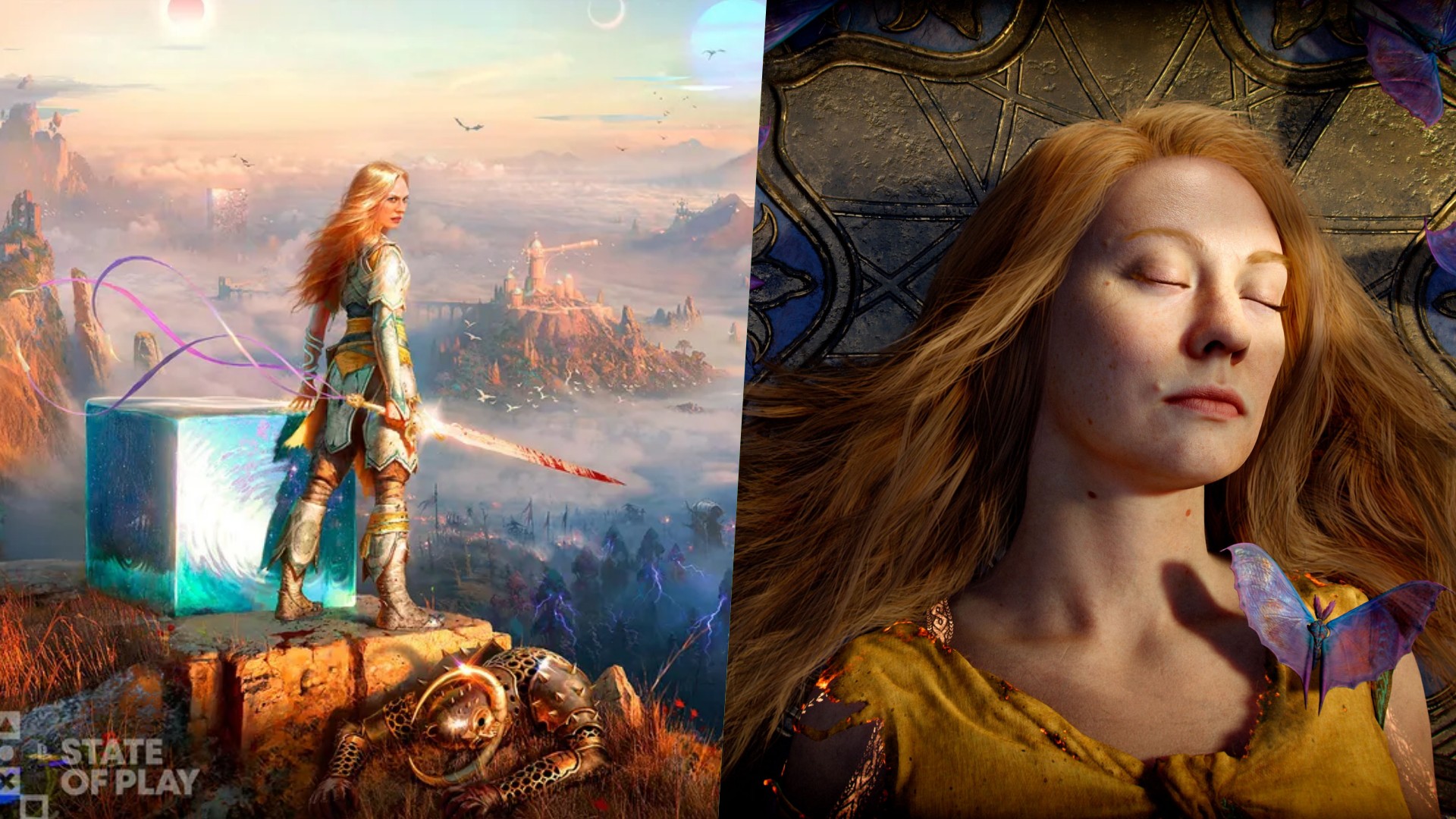
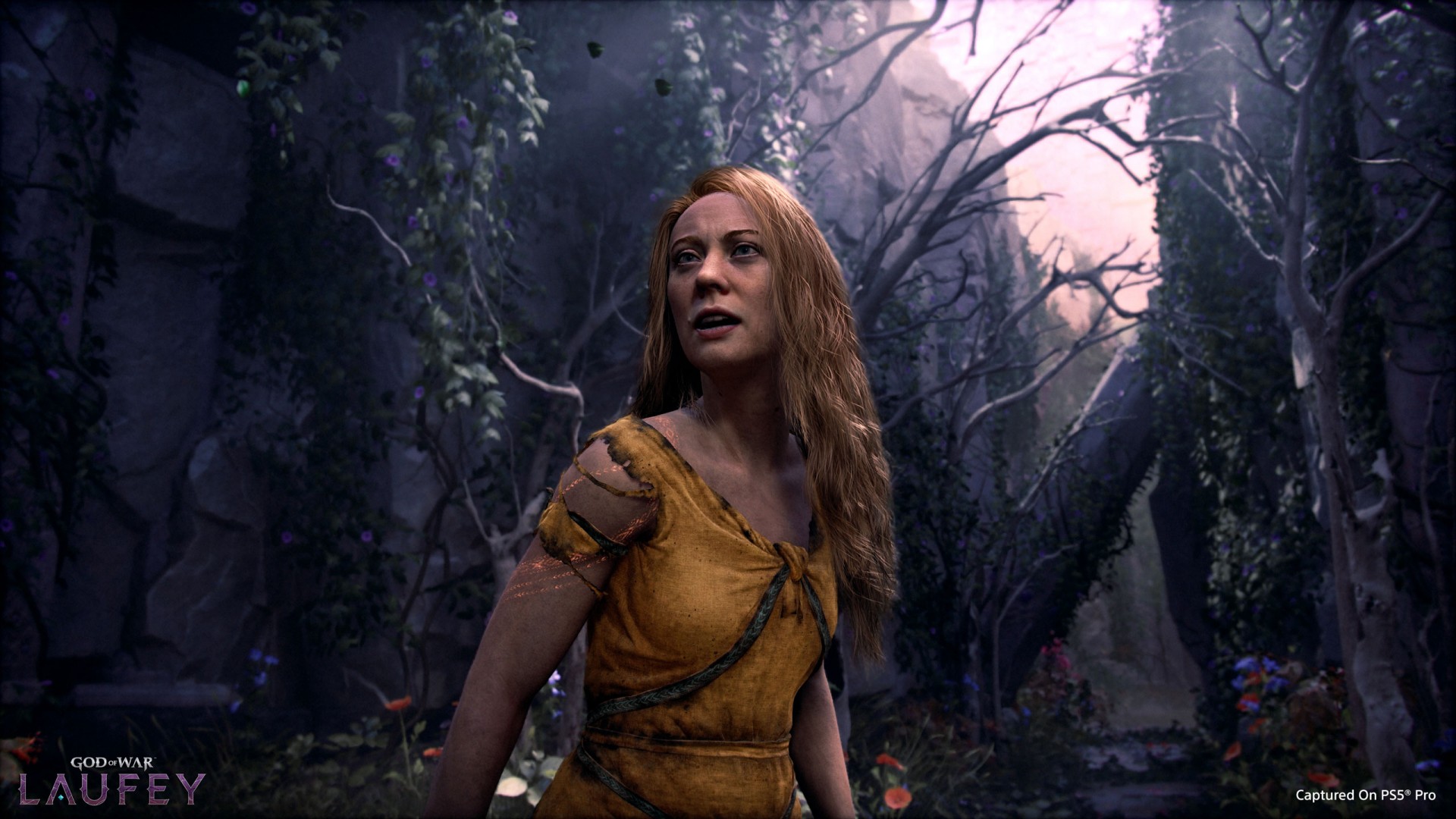
Santa Monica Studio has officially revealed God of War Laufey. It’s the next mainline entry in the franchise and the first game to put Faye at the center of the story. The announcement came during PlayStation’s State of Play presentation and showed an unusually large look at the opening of the game.
The story begins after Faye’s funeral. She awakens in a mysterious realm called the Everywhen and quickly discovers that the plans she set in motion to protect Kratos and Atreus are now at risk. To save the people she loves, she must fight her way through an afterlife where gods from different mythologies compete for power.
Santa Monica Studio says the game builds on the foundations established by 2018’s God of War and the Norse saga while taking the series in a new direction. The team combines the speed and movement of the Greek-era games with the world-building and character-driven storytelling of the modern entries.
Exploring the afterlife of the gods
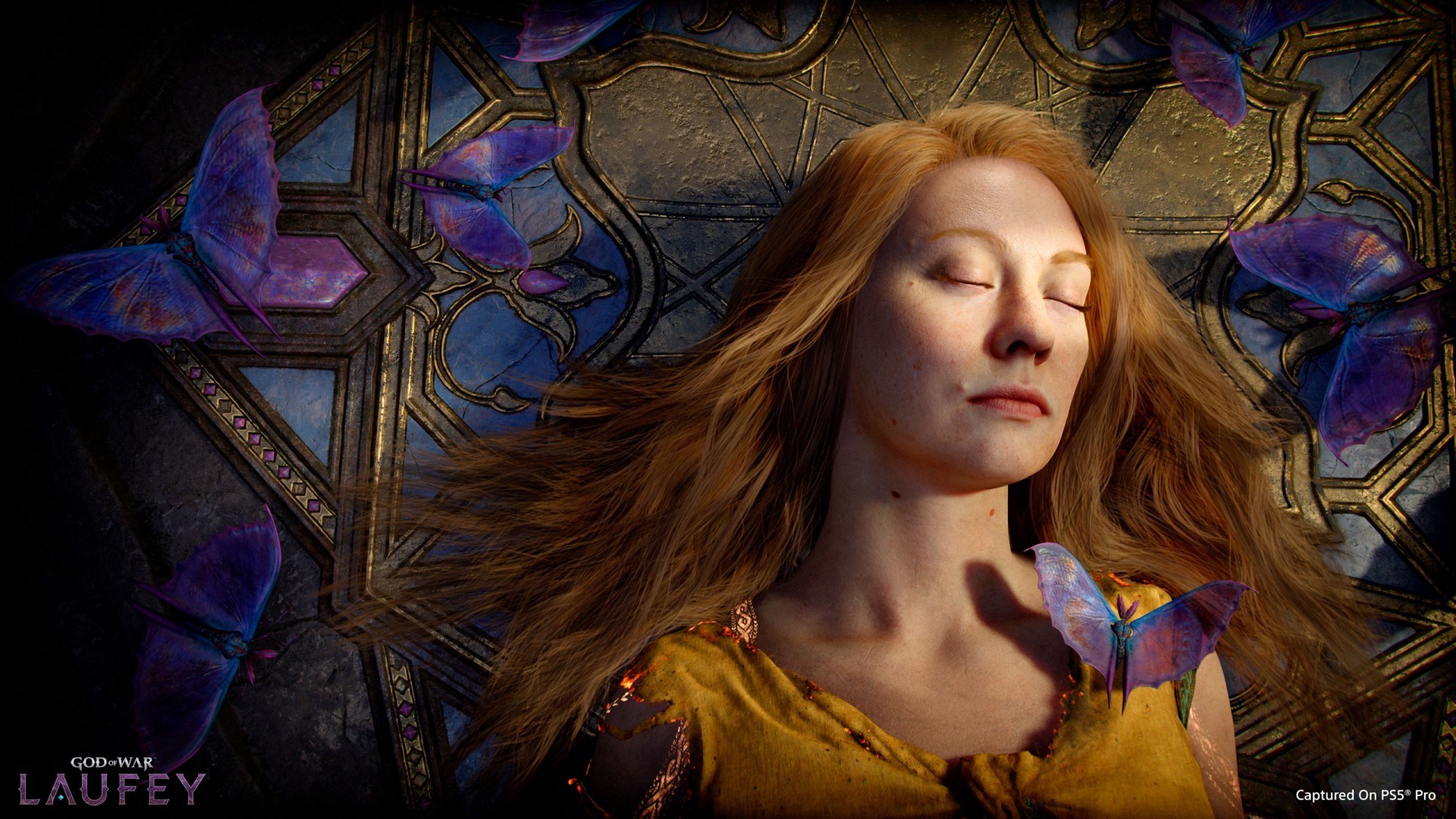
One of the game’s biggest mysteries centers on a question raised during God of War Ragnarök: what happens to gods when they die?
The answer is the Everywhen. Santa Monica Studio describes it as the birthplace and final destination of all magic. The realm exists beyond the worlds players have visited before and serves as a meeting point for gods, creatures, and mythologies from across existence.
The reveal trailer offered a first look at Sekhmet and Begtse, two powerful gods Faye encounters during her journey. Neither appears eager to welcome a newcomer into their domain.
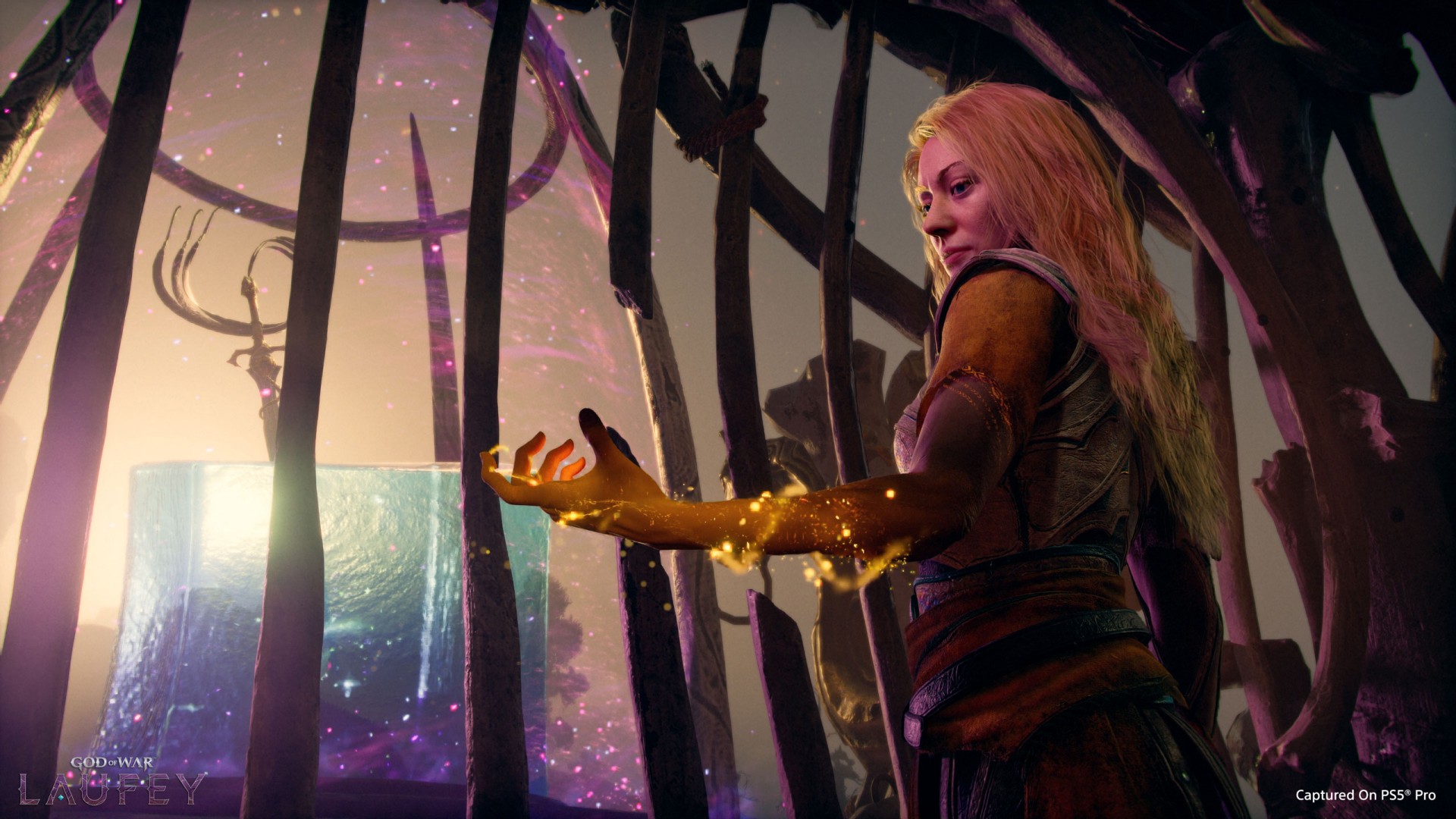
Faye also finds allies along the way. Phranque, a cosmic cube voiced by Jack Quaid, joins her adventure alongside Rue, an enchanted ribbon guardian voiced by Perlina Lau. Together, they venture deeper into the Everywhen while uncovering its secrets and searching for a way home.
Faster combat built around Faye
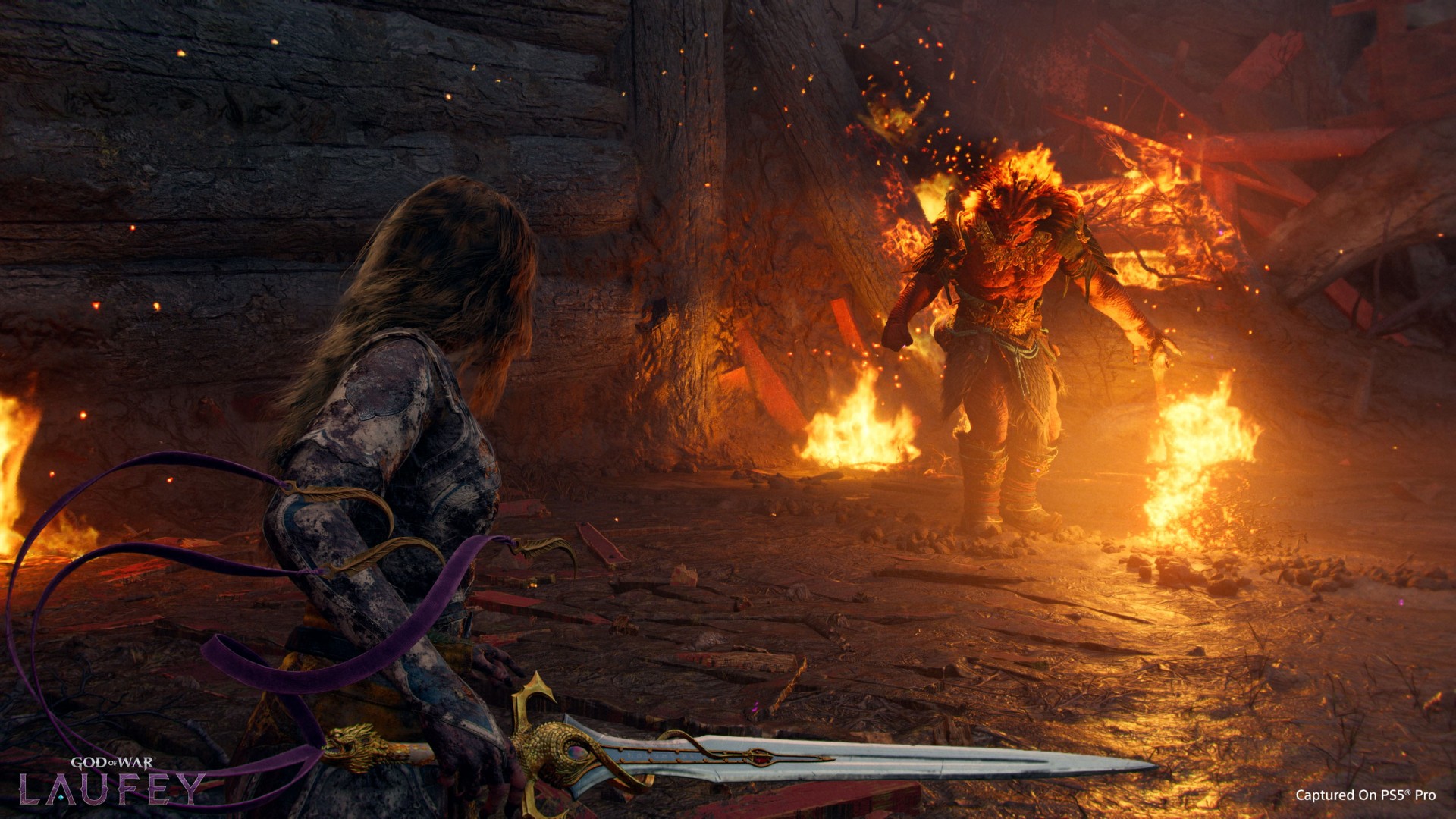
Faye may not wield the Blades of Chaos, but Santa Monica Studio says she is every bit the warrior fans expect from a God of War protagonist. As the Golden Hand of the Jötnar, she fights with speed, mobility, and precision.
The studio redesigned combat around her strengths. Players can move seamlessly between ground and aerial attacks while maintaining momentum. Faye can dodge, reposition, and launch extended combos without slowing the pace of battle. The result looks noticeably faster than Kratos’ combat style while retaining the weight and impact that define the series.
Her abilities also draw heavily from Giant magic. Faye can strike enemies with enough force to separate their souls from their bodies. Once exposed, those souls become weapons. Players can attack them directly, launch them into other enemies, and create new combo opportunities.
The reveal also showcased a legendary sword that becomes Faye’s primary weapon in the Everywhen. Combined with her soul-based powers, it forms the core of a combat system that Santa Monica Studio says still has plenty of surprises left to reveal.
Deborah Ann Woll reprises her role as Faye after appearing in God of War Ragnarök. Santa Monica Studio has not announced a release date, but players can wishlist God of War Laufey now.


Close without crossing: A Xiaomi 17T Pro photo essay
Distance and closeness are not always opposites.


Spring reset: Growing more at home with Auk Mini
From kitchen counter experiment to everyday habit


UGREEN MagFlow Air review: Airy Yet Mighty
Slim and light power bank with a strong suit and core

Final Fantasy VII Revelation arrives in Spring 2027

HONOR Magic V6 debuts in Malaysia

Here’s all the RTX Spark notebooks announced at COMPUTEX 2026

The No-Nonsense guide to mid-year shopping

realme launches P4 Series 5G, including Power with 10,001mAh battery

HONOR 600 Pro review

Sony Xperia 1 VIII arrives with AI Camera Assistant, bigger telephoto sensor

The Infinix GT 50 Pro has the most inspired design for a gaming phone

vivo X300 FE review: Don’t judge the camera by its cutout

The UGREEN Nexode Air 65W is the only charger I travel with now


-

 Computers2 weeks ago
Samsung’s SECRET That Made OLED Even Better
-

 Events2 weeks ago
Recap: Google I/O 2026
-

 Accessories2 weeks ago
Anker’s soundcore Liberty 5 Pro series is powered by an AI chip
-
Reviews1 week ago
Close without crossing: A Xiaomi 17T Pro photo essay
-

 Deals2 weeks ago
Sony Days 2026: Unmissable deals, exclusive roadshows, and experiences
-

 Accessories1 week ago
UGREEN launches FineTrack Series with Apple Find My support
-

 Philippines1 week ago
Xiaomi 17T series Philippines price, availability, offers
-

 Gaming1 week ago
Acer unveils Predator Atlas 8 handheld with Intel Arc G-Series power