
News
Galaxy S25 battery lasts twice as long as iPhone and Pixel, EU says
Samsung can last for years and years

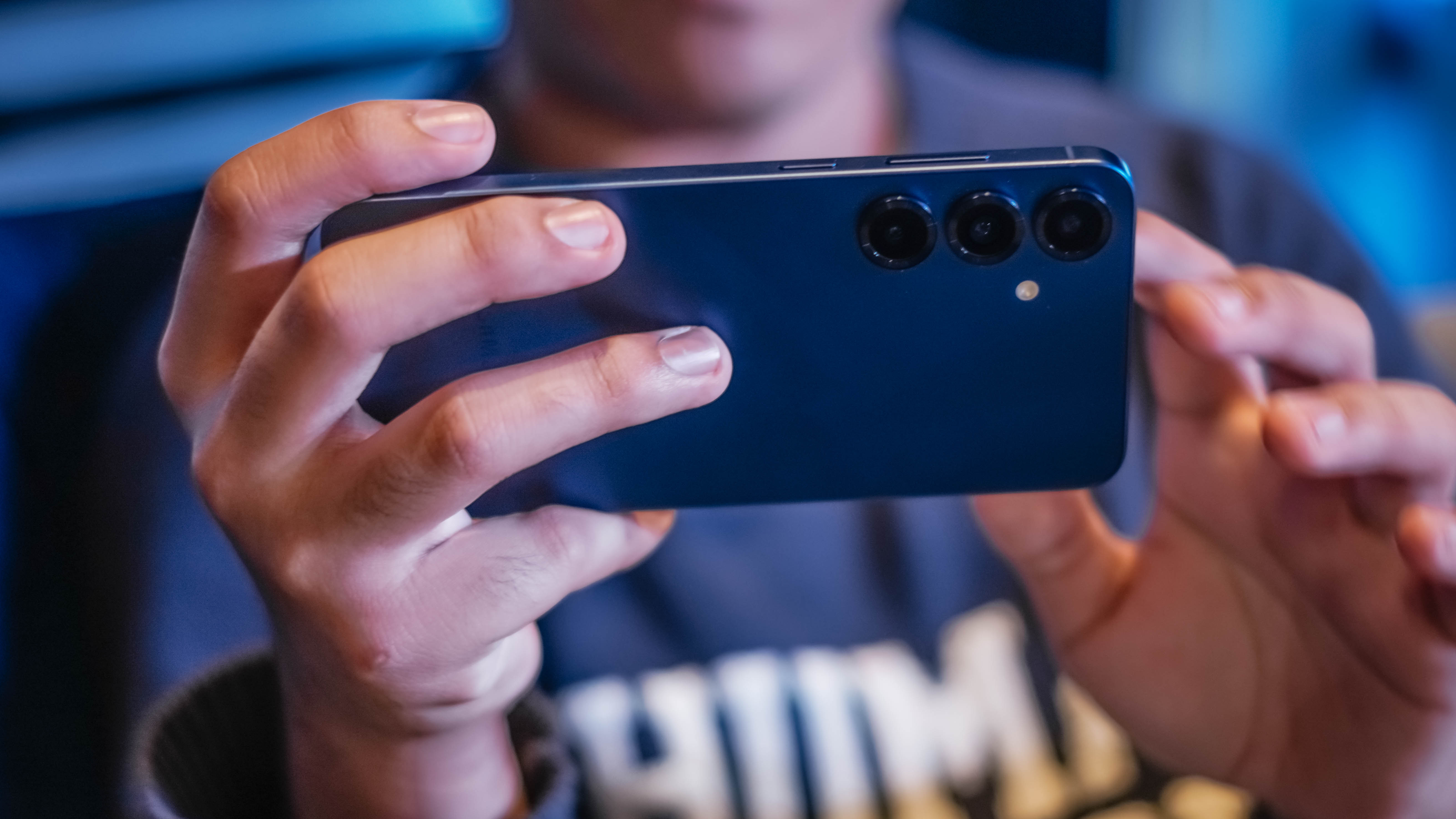
A few months ago, the European Union decreed that smartphone makers should be more transparent about their batteries. The new requirement introduced an improved label which tells consumers what they can expect from a recently purchased phone. Now, the label has started rolling out, and the results are surprising. The Samsung Galaxy S25 series can reportedly last twice as long as its biggest competitors.
Before we overexaggerate, let’s break down what this means. This comparison doesn’t talk about how long a single full charge will last out in the field. With how similar everyone’s battery capacities are, those numbers should be relatively similar to one another. Rather, this specific comparison, called “battery endurance in cycles,” talks about how many charging cycles a smartphone battery can last. Basically, how many times can I charge this smartphone before it starts to deteriorate (specifically, below 80 percent)?
Given how smartphones can expectedly last for several years, their numbers should be around a thousand. And they are, but Samsung is clearly shining a lot brighter.
The Galaxy S25 series, the Galaxy S24, and the Galaxy S24 FE are currently rated to last for 2,000 charging cycles. Assuming you charge any of these phones once per day from empty, they can last around five-and-a-half years. That’s very impressive.
It’s even more impressive when you look at the brand’s biggest competitors. All of Apple’s products, regardless of model, last only 1,000 cycles. The same goes for Google’s Pixel 9 series.
In comparison, other smartphone brands outside of the big three are also doing well. For example, the OnePlus 13 series can last for 1,400 cycles. Several in OPPO’s A series can last for 1,600 cycles.
SEE ALSO: All smartphones might get better batteries, thanks to Europe





News
The iPhone 18 might sell out for an unexpected reason
The ongoing shortage might play a part in the phone selling out earlier than expected.
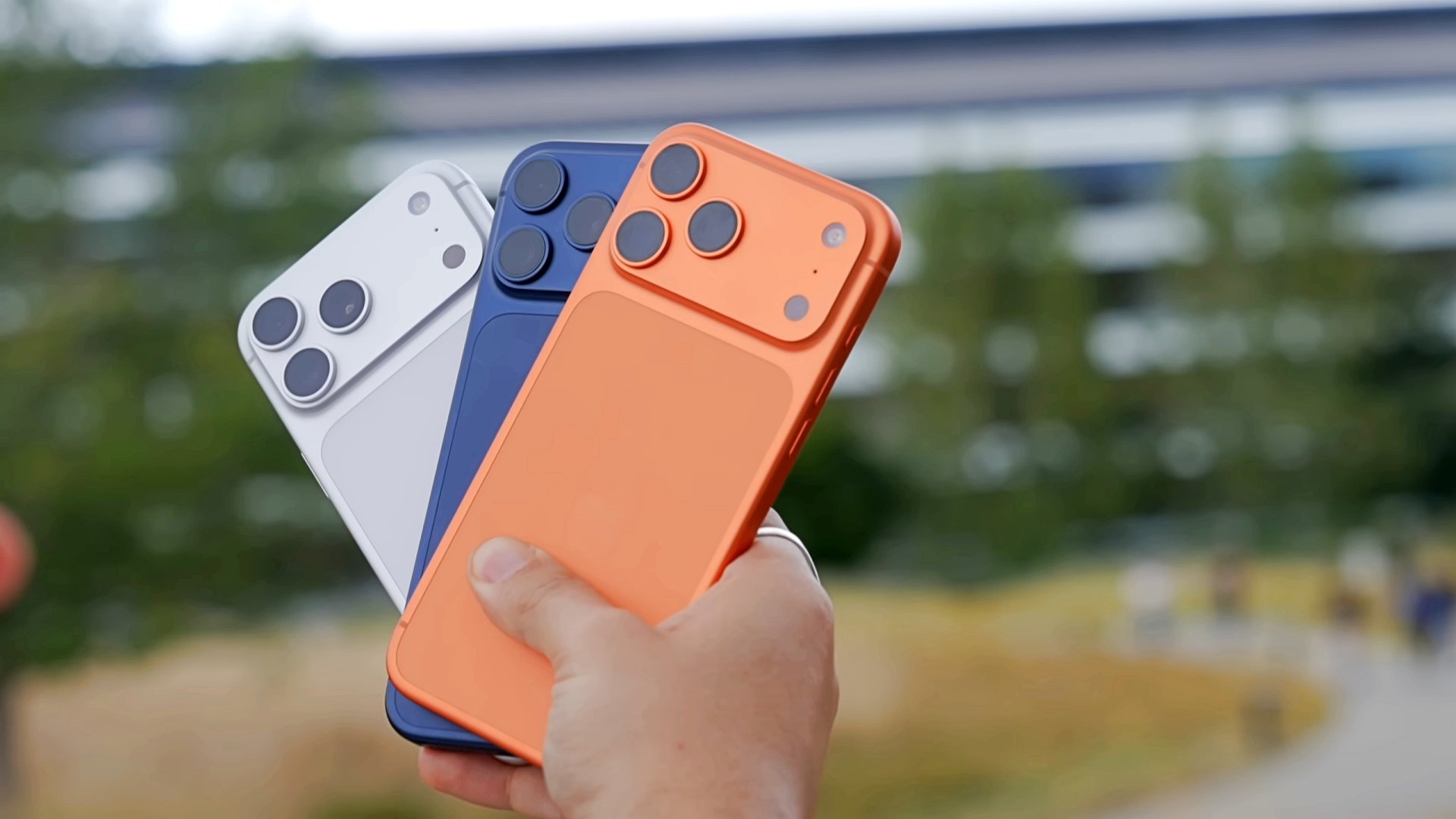
An iPhone selling out is not news. Because of how popular the phones are, it’s within the realm of probability that Apple runs out of stock at some point. According to a new report, this year won’t be any different… but it’s for an entirely different reason.
First reported by analyst Tim Culpan, Apple is reportedly struggling to meet its demand for semiconductors for the iPhone 18 and the foldable iPhone. The ongoing memory shortage is cutting off Apple’s ability to deliver the required supply of smartphones in a timely fashion. The report even claims that TSMC, which helps produce the iPhone, is sitting on a shipment of processors, worth US$ 1 billion, that don’t have memory chips.
Now, Apple is still confident that it can weather the launch. However, if the shortage persists, the iPhone 18 generation will likely sell out much more quickly than expected.
It’s an interesting time for Apple to experience such a shortage. It’s been heavily rumored that the company will launch its very first foldable phone next month, creating a new market for the brand. Apple definitely wants this attempt to succeed after the tepid response to its last new product, the Vision Pro.
SEE ALSO: Did Tim Cook just confirm that iPhone prices are going up?
News
These “smart” glasses just sold out in under a week
DuckDuckGo touts that these glasses have zero AI, zero cameras, and an infinite battery life.
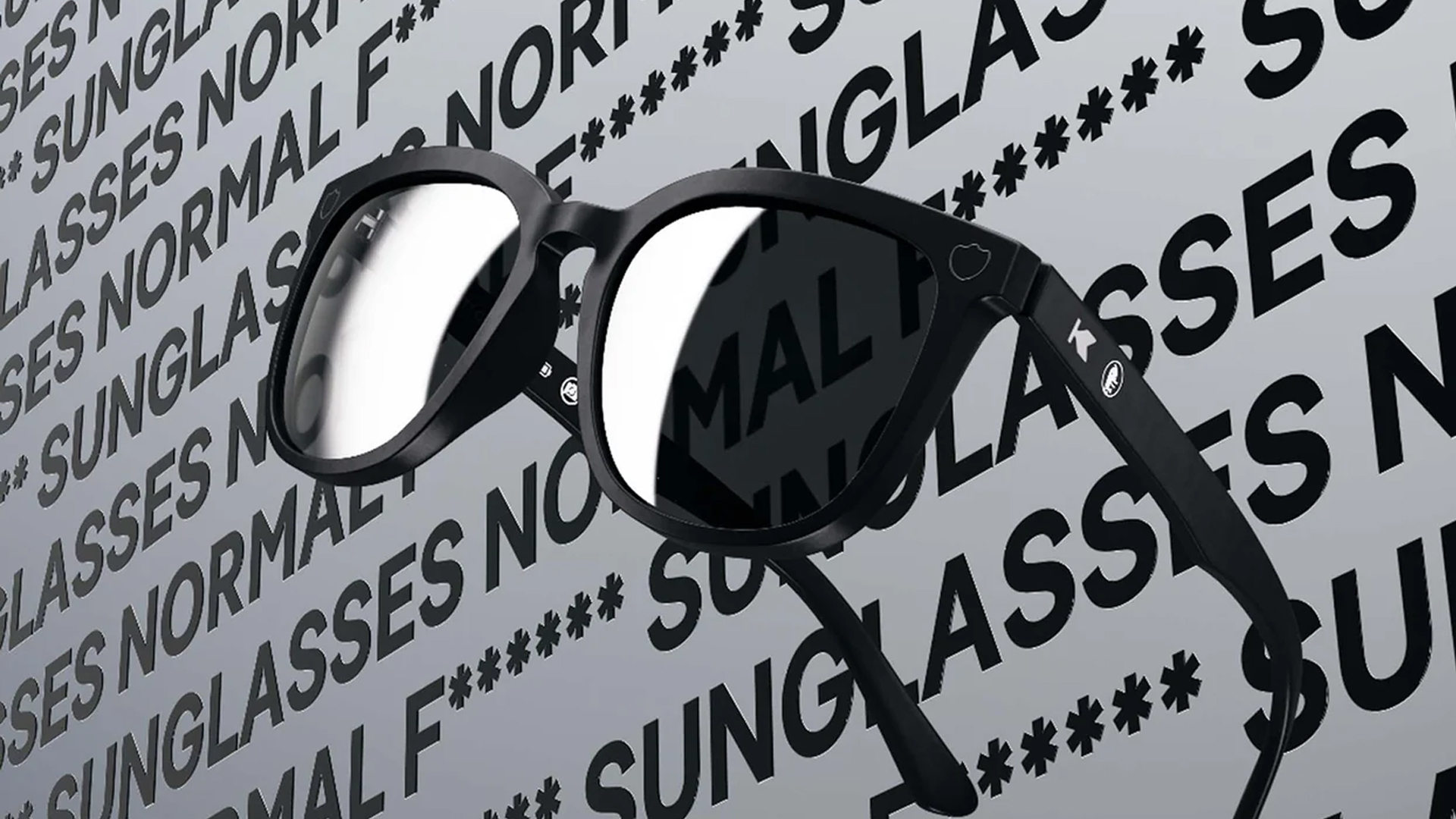
Smart glasses are in a weird place right now. While a chunk of the population views them as cool and innovative, another significant chunk sees them as a privacy nightmare. If you’re in the latter group but want to see what life is like on the former, DuckDuckGo has a new product: a pair of anti-surveillance glasses with no camera or AI, otherwise known as just normal sunglasses.
If it’s not obvious, yes, it’s a troll product. DuckDuckGo is a search engine famously known for pushing privacy as a priority, opposing Google’s penchant for advertising and AI. Now, the search engine is taking on the smart glasses market.
Partnering with Knockaround, DuckDuckGo released the Paso Robles, a pair of sunglasses touted as having zero cameras, an always-offline mode, and a battery life of infinity.
It’s a statement piece. The rims have a logo mark, similar to the Meta’s glasses. The packaging also states that the glasses are “designed to block the sun, not send data to the cloud.”
Now, if you want a pair, they cost only US$ 35, as opposed to Meta’s US$ 299 price tag, but they are already sold out.
Which says quite a bit about today’s sentiment against AI and for privacy. Of course, to be fair, DuckDuckGo’s supply is certainly less than Meta’s stock for their smart glasses. It does, however, prove that the sentiment is there.
As of now, the world is slowly realizing that unimpeded smart glasses aren’t such a good idea, leading to people concerned about their privacy. In fact, some states have already started banning the technology in certain public spaces.
News
Google will force Android users to use Gemini next month
Google Assistant will be retired as well.
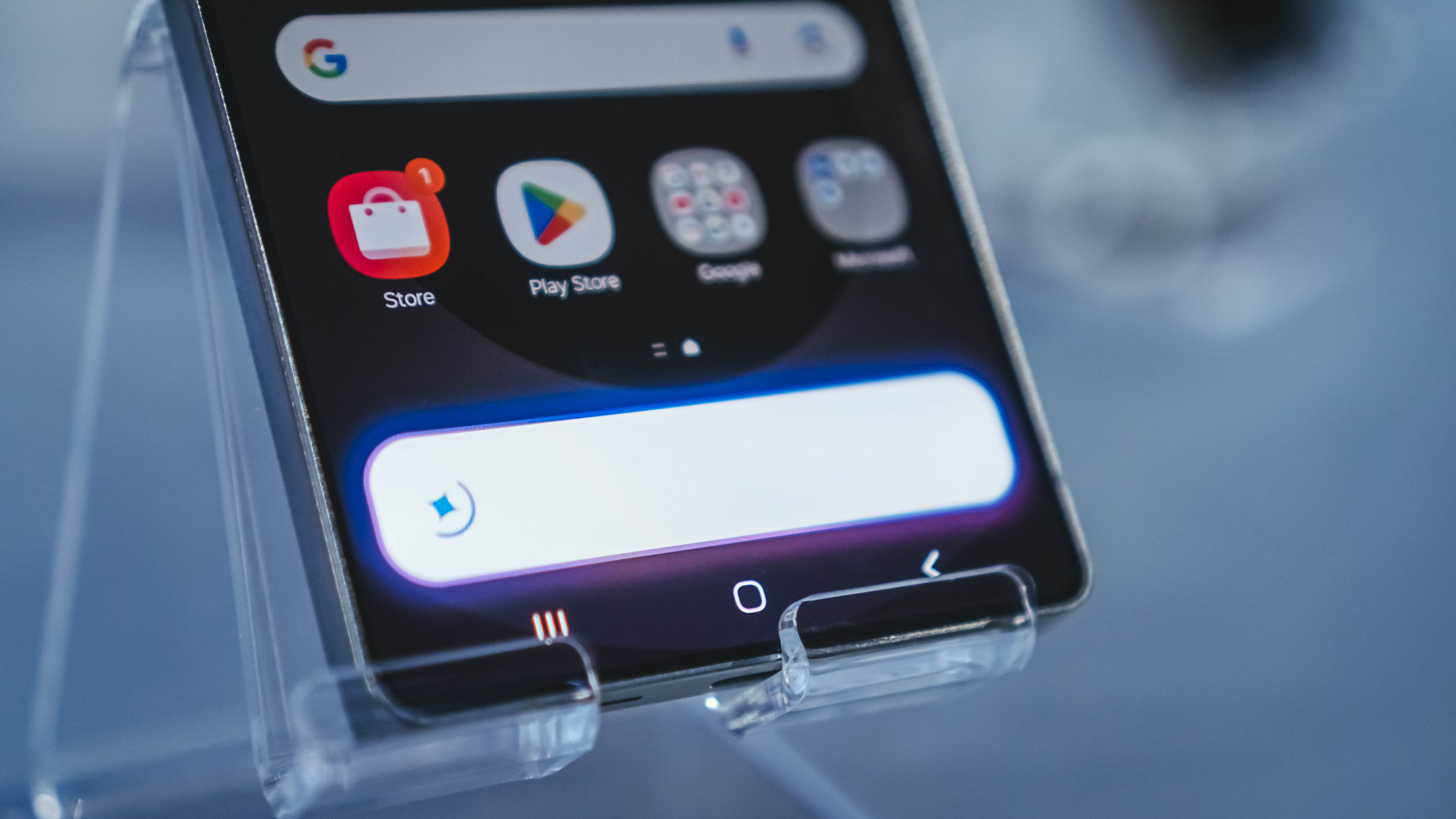
What is Google’s voice assistant called? Technically, there are two possible answers: Google Assistant and Gemini. Despite Google’s push for Gemini, the ubiquitous Google Assistant is still a common option for most users. However, the company will soon take that choice away as the voice assistant will retire in favor of Gemini.
First reported by 9to5Google, Google has sent emails to users, declaring that Google Assistant will no longer be an option for Android users starting September 4. On that date, the company will slowly roll out an update to get rid of the assistant’s availability on device.
Google also makes it clear that Gemini will be “the assistant experience on Android” moving forward. If you’re used to Google Assistant to help you with handsfree use, you’ll have only one option soon. This also affects other peripherals including smartwatches and audio accessories.
Of course, there are a few exceptions. Devices that can’t support an AI-powered assistant like Gemini are mercifully spared of the forced transition. Likewise, devices in countries that don’t support the AI assistant are also saved.
Despite the tepid reception of AI today, Google remains adamant about pushing Gemini to more users, regardless of whether they want it or not. In fact, a forced move like this will likely inflate the numbers that more devices are using Google’s AI software than ever before, while conveniently hiding the fact that most users never really had much of a choice.
SEE ALSO: Apple gives up on making AI, inks a deal with Gemini to power Siri

realme C100: Enduring and durable in spite of entry-level realities
Enough power but needs more agility

The ASUS ExpertBook Ultra wins you over
The laptop sneaks up on you

Nexal Watch Sport review: A rugged watch for small budgets
I couldn't believe that watches this good could come for this cheap.

SQUARE ENIX STORE Plus expands presence in Asia, Oceania

Maya: Convert purchases to 0% interest Mini Payment plans

Netflix: Kris Aquino makes on-screen comeback with fictional role

Hatsune Miku: Colorful Stage! Exclusive shop, Fair, and Gratte schedule

The iPhone 18 might sell out for an unexpected reason

New York becomes first state to ban smart glasses

Sony launches IER-M500 in-ear monitors

Microsoft dictates that a new Fallout game is coming

HoYo FEST 2026 details announced; tickets on sale from July 16
realme C100: Enduring and durable in spite of entry-level realities


-

 Automotive5 days ago
VinFast debuts two-wheeler models, opens 21 e-motorcycle showrooms
-

 Computers1 week ago
AMD launches Radeon RX 9050 graphics card
-
 Computers2 weeks ago
AORUS MASTER 16 Gen 2 2026 AI gaming laptop launches
-

 Gaming2 weeks ago
God of War Laufey finally confirms its highly anticipated launch date
-

 Automotive7 days ago
Xiaomi debuts SkyNomad Series featuring new Kunlun platform
-

 News3 days ago
OnePlus officially leaves the United States and Canada
-

 Gaming1 week ago
NBA 2K27 gameplay trailer showcases new dunk mechanics, Rucker Park, and more
-

 Gaming6 days ago
Call of Duty: Modern Warfare 4 clip shows Losing Ground 1st look