

Buyer's Guide
Which new Samsung monitor is your GadgetMatch?
Samsung releases latest Smart, ViewFinity, and Odyssey monitors

As far as monitors go, there are plenty of options coming in different sizes, features, and materials. If you’re planning on upgrading or simply getting started for your endeavors, Samsung has just released its latest monitors.
They come with impressive gaming features, Knox Security, and other nifty additions like Samsung OLED Safeguard+ for burn-in protection. In case you don’t know where to look and how to get going, here’s a quick buyer’s guide.
For those looking for lifelike visuals on a larger scale: 37″ ViewFinity S7

The 37-inch ViewFinity S7 displays unmatched color accuracy on Samsung’s largest 16:9 4K monitor yet.
It features 99% sRGB color gamut, 1.07 billion colors, and HDR10 for true-to-life visuals. Faithfully representing colors as seen by the naked eye makes this model ideal for creatives.
This monitor also has a built-in LAN port for seamless Ethernet connectivity, and a DisplayPort.
And for those having to work tirelessly for projects, the ViewFinity S8 is also TÜV-certified Intelligent Eye Care. It is also Flicker-Free and has an Eye Saver Mode.
Regardless of content, be it exhilarating live sports or gut-wrenching movies and series, as well as the popping colors of your favorite girl group’s music videos, the ViewFinity S8 delivers an unmatched spectrum of shades.
It’s a good step up from inferior monitors, and one that still has an accessible asking price of just below US$ 600.
For those looking for a smart and powerful 4K display: Smart Monitor M9
Price: PhP 80,100
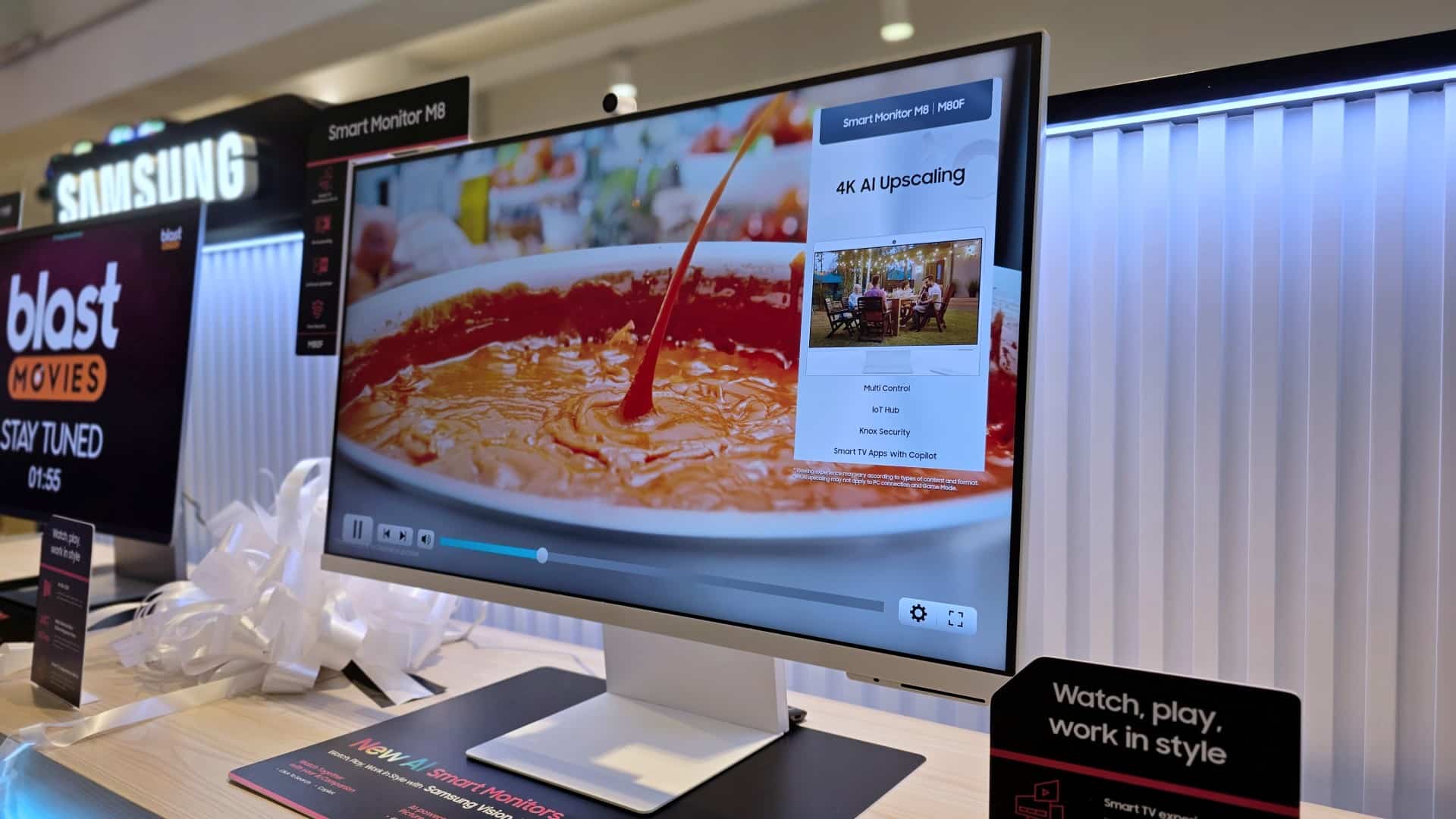
Meanwhile, if you want to jump further from your current display to one that can carry its own weight exceptionally well, the Smart Monitor M9 is the ideal offering.
The Vision AI-powered monitor uses 4K AI Upscaling Pro technology to enhance lower-resolution content to 4K quality on a QD-OLED display.
It is one of the first Samsung monitors to incorporate OLED technology in the screens, providing viewers with deep blacks, rich color contrast, and a Glare-Free experience.
Gamers can also take advantage of the 165Hz refresh rate and low 0.03ms response time. Furthermore, the monitor easily recognizes the genre of the game being played using AI Picture Optimizer, subsequently fine-tuning the picture settings.
Talk about a smart monitor that delivers an optimal and immersive gaming experience suited to your liking.
Elsewhere, this monitor even has Click to Search and Copilot, for whatever scenarios you might need them.
For gamers who want the best picture quality and performance: 32″ Odyssey OLED G8
Price: PhP 73,099
Furthermore, the 32″ Odyssey OLED G8 takes detail and picture quality to the next level. It packs a 166 pixels-per-inch pixel density in a QD-OLED screen.
The Glare-Free monitor is VESA Display HDR TrueBlack 400 certified for true and rich blacks. But quality is just half of the equation.
This monitor also delivers on performance with an impressive 240Hz refresh rate and a response time of as low as just 0.03ms.
Pair this screen with an equally-capable system and you’ll prevent screen tearing, ghosting, and other gaming-related graphics problems.
It also comes with Samsung OLED Safeguard+ to protect the display from burn-ins, ensuring the display lasts long even when it is pushed to the limit each time.
For those wanting a new dimension of immersion: Odyssey 3D 27″ monitor

Price: PhP 130,999
If you want an entirely new level of immersion, there’s the Odyssey 3D 27″ monitor. It uses advanced eye-tracking technology and a proprietary lenticular lens to deliver a natural-looking, high-definition 3D image.
There’s no need for specialized glasses. The visuals will just pull you in as the action jumps out of the 4K screen.
This monitor can even unlock possibilities with a 3D AI Video Conversion feature that adds depth and realism to your content.
Of course, as it also caters to gaming, players can leverage its 165Hz refresh rate, 1ms GtG response time, and support for advanced graphics features with the proper accompanying systems.
For the ultimate gamer wanting to be transported: 49″ Odyssey OLED G9
Price: PhP 111,399
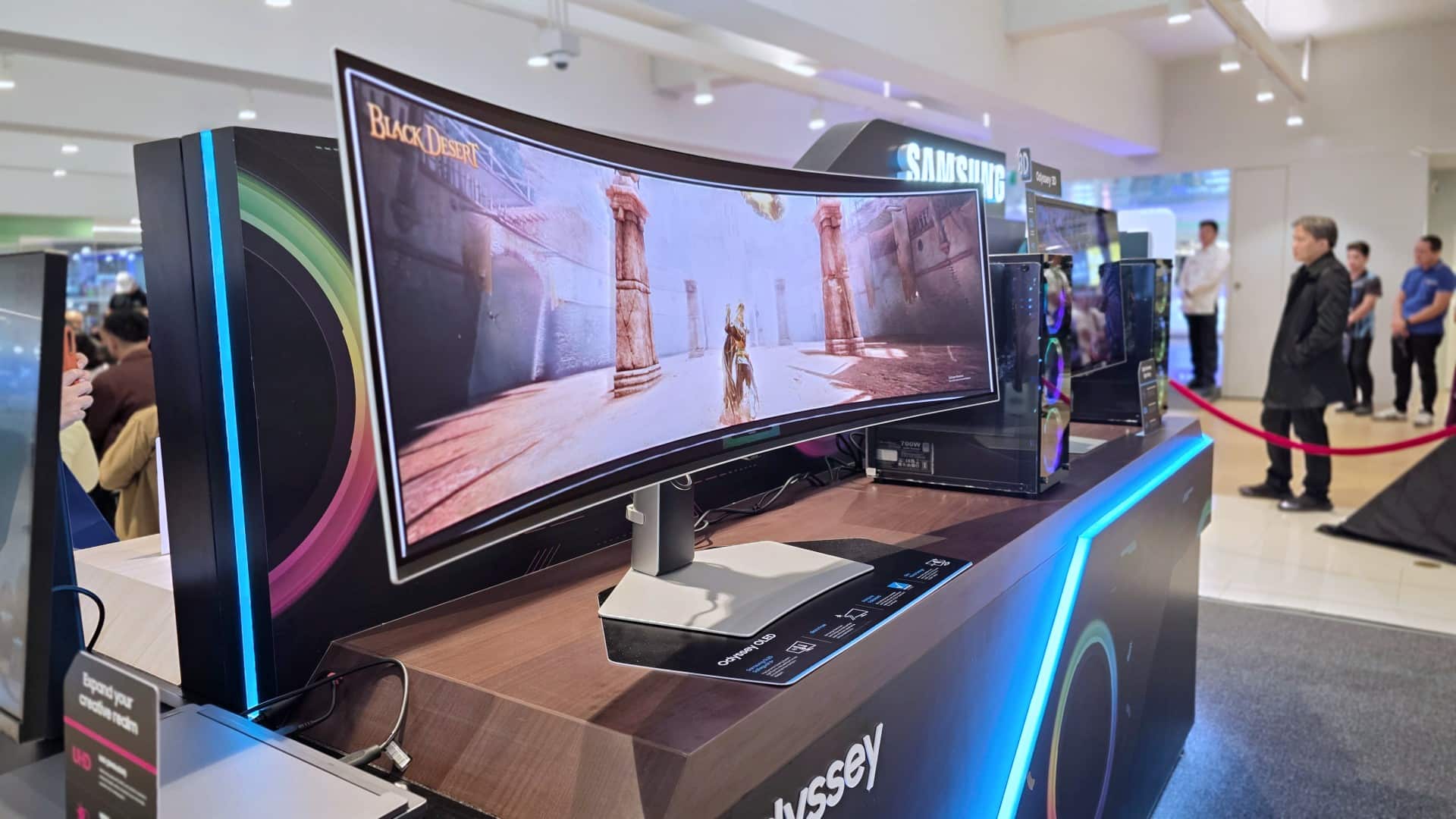
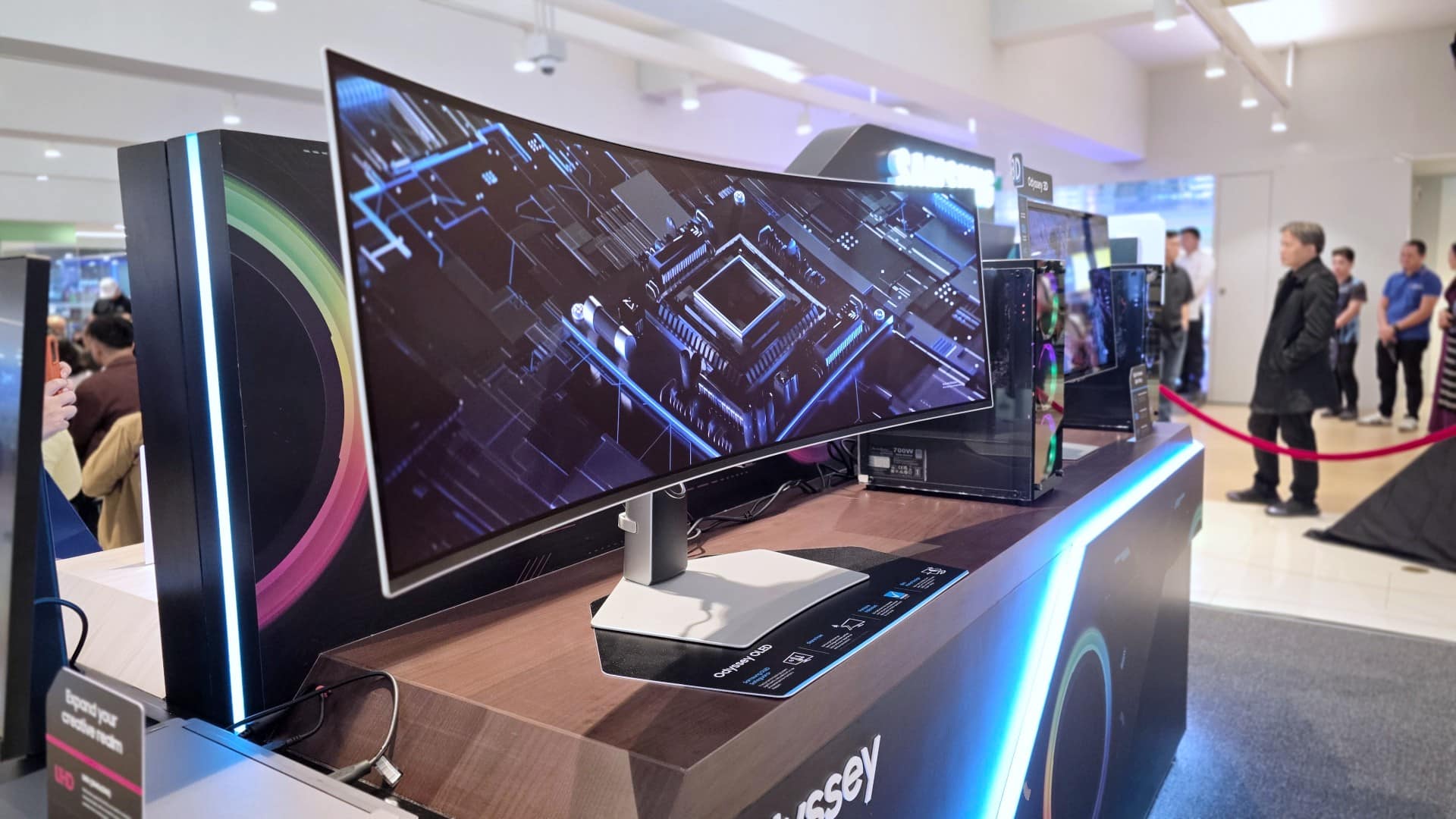
Lastly, if your space permits and you want to take the immersion further up a notch, nothing beats the Odyssey OLED G9.
With a 32:9 aspect ratio and a 1800R curvature, this 49-inch behemoth will transport you from your seat to what’s in front of you.
The screen provides wide QHD visuals with excellent contrast, color gamut, and dynamic range. It supports 240Hz refresh rate, 0.03ms response time, and HDR10+ Gaming.
And like the other Samsung offerings above, the Odyssey OLED G9 has advanced features for eye care and protection, in case you’re going to be in front of it for countless hours.
These latest Samsung monitors are now available for purchase at www.samsung.com/ph or at any of Samsung’s authorized dealers nationwide.


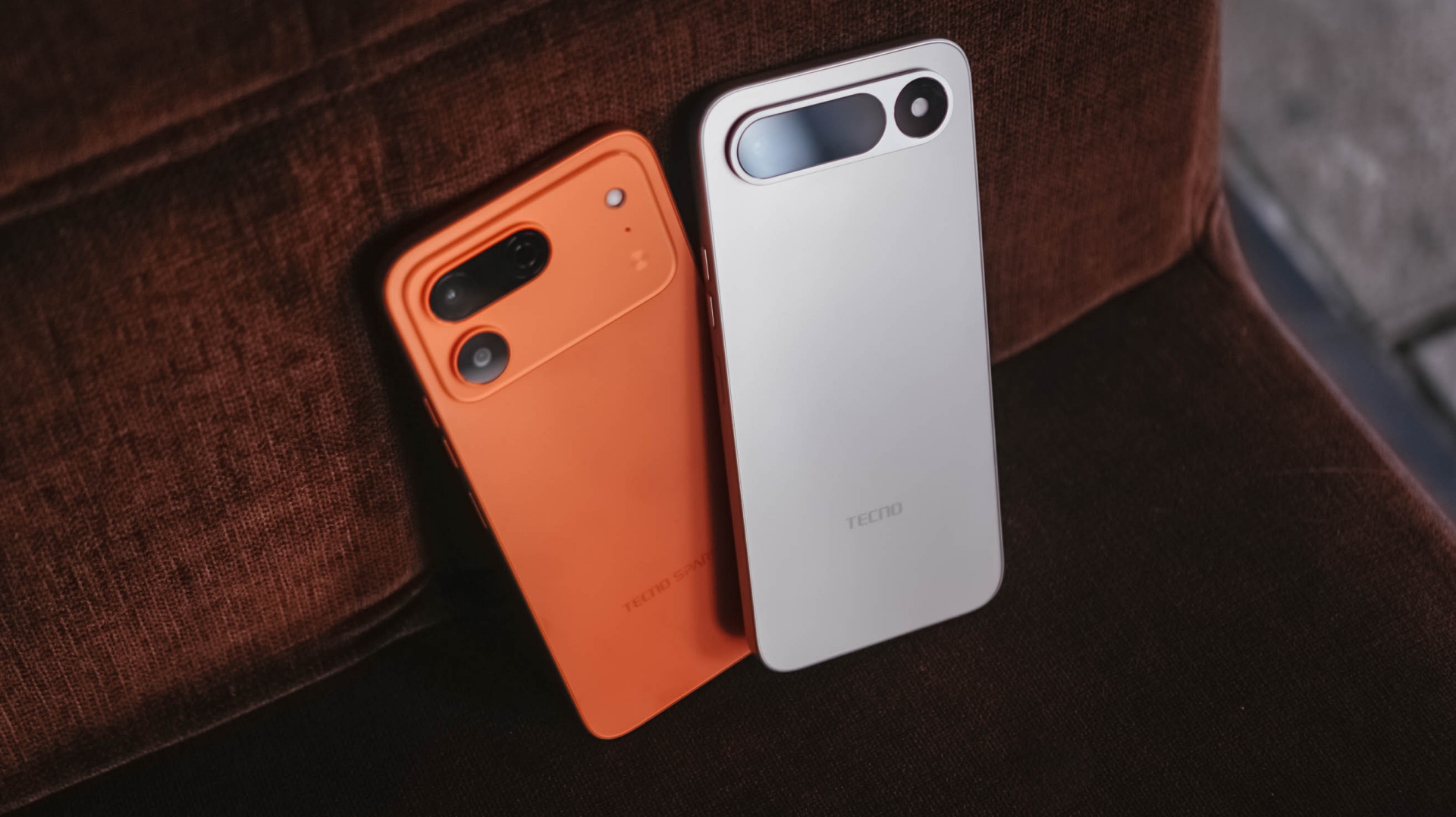
Within two months, TECNO separately launched the SPARK 50 Pro and SPARK 50 5G.
Clearly, the uprising brand aims to target consumers who want to buy a shiny new smartphone within their means. This also meant budget buyers might get confused which to get between the two.
Interested yet still confused? Read more to know which SPARK is your GadgetMatch.
Design
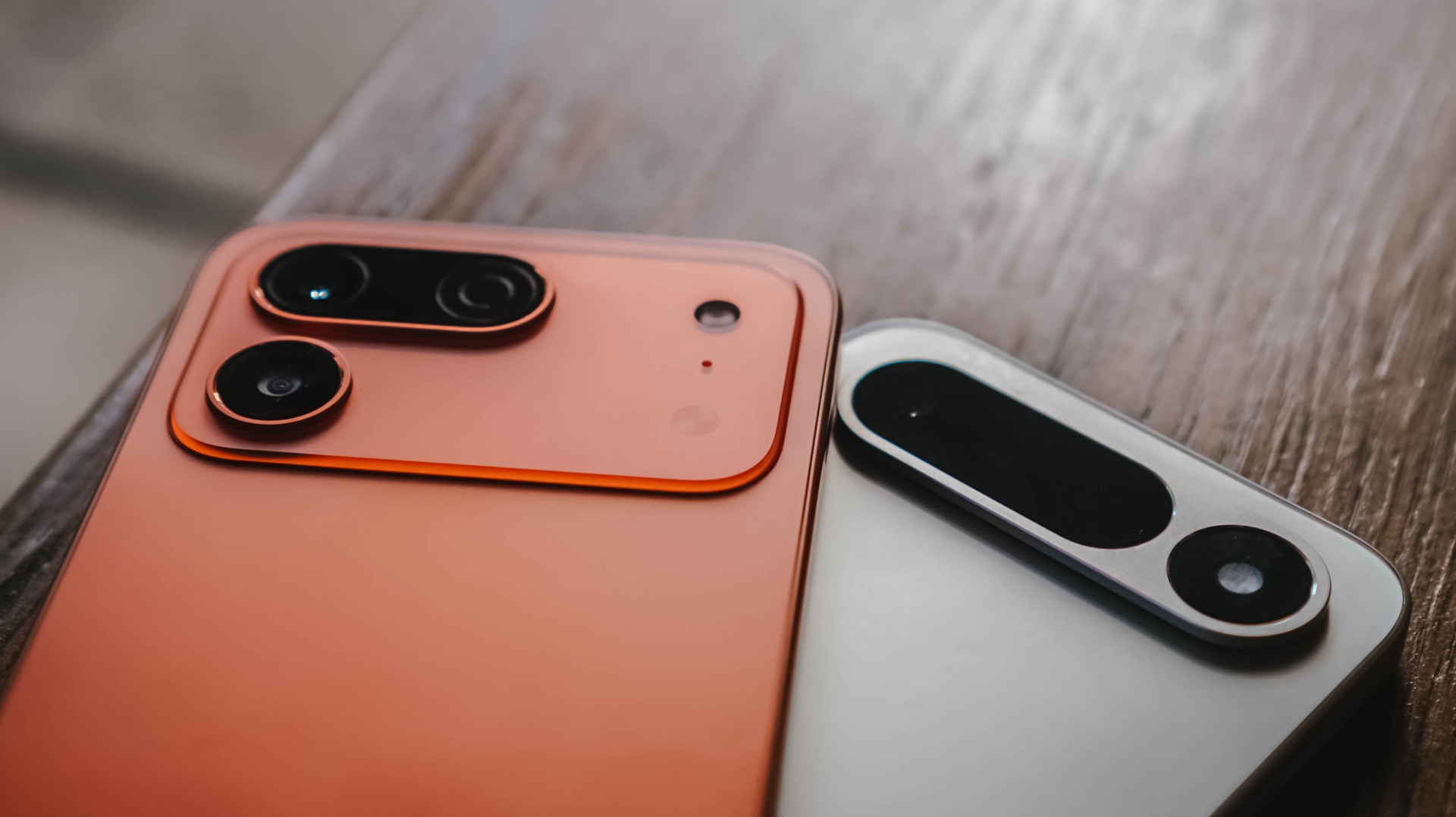
While design is (and will always be) subjective, the design of the TECNO SPARK 50 Pro and SPARK 50 5G are on two different sides of the coin.
The newer SPARK 50 Pro is offered in stronger color choices — from Midnight Blue to the Dynamic Orange I own. Albeit, there are the less flashy Ink Black, Titanium Grey, and Cloud White shades.

On the other hand, the SPARK 50 5G has classier colorways: Champagne Gold, Mint Green and Fantasy Purple. That’s alongside the subdued Ink Black and Titanium Grey options.

Personally, the SPARK 50 5G’s clean-looking horizontal camera bar design was the clear giveaway. While the SPARK 50 Pro is a bit slimmer at 7.8mm, the SPARK 50 5G is still comfortable to hold despite being thicker at 8.18mm.
Furthermore, the Champagne Gold unit I rock looks more premium and doesn’t try to be in with the unnecessary “orange” trend.
Editor’s Choice: SPARK 50 5G
Durability
Usually, design and durability coincide with one another. But, that’s not always the case.
Despite the SPARK 50 5G having an aviation-grade body, it only has an IP64 rating. It can withstand dust particles but, only water splashes and light sprays. Good to note though that it is MIL-STD-810H compliant.
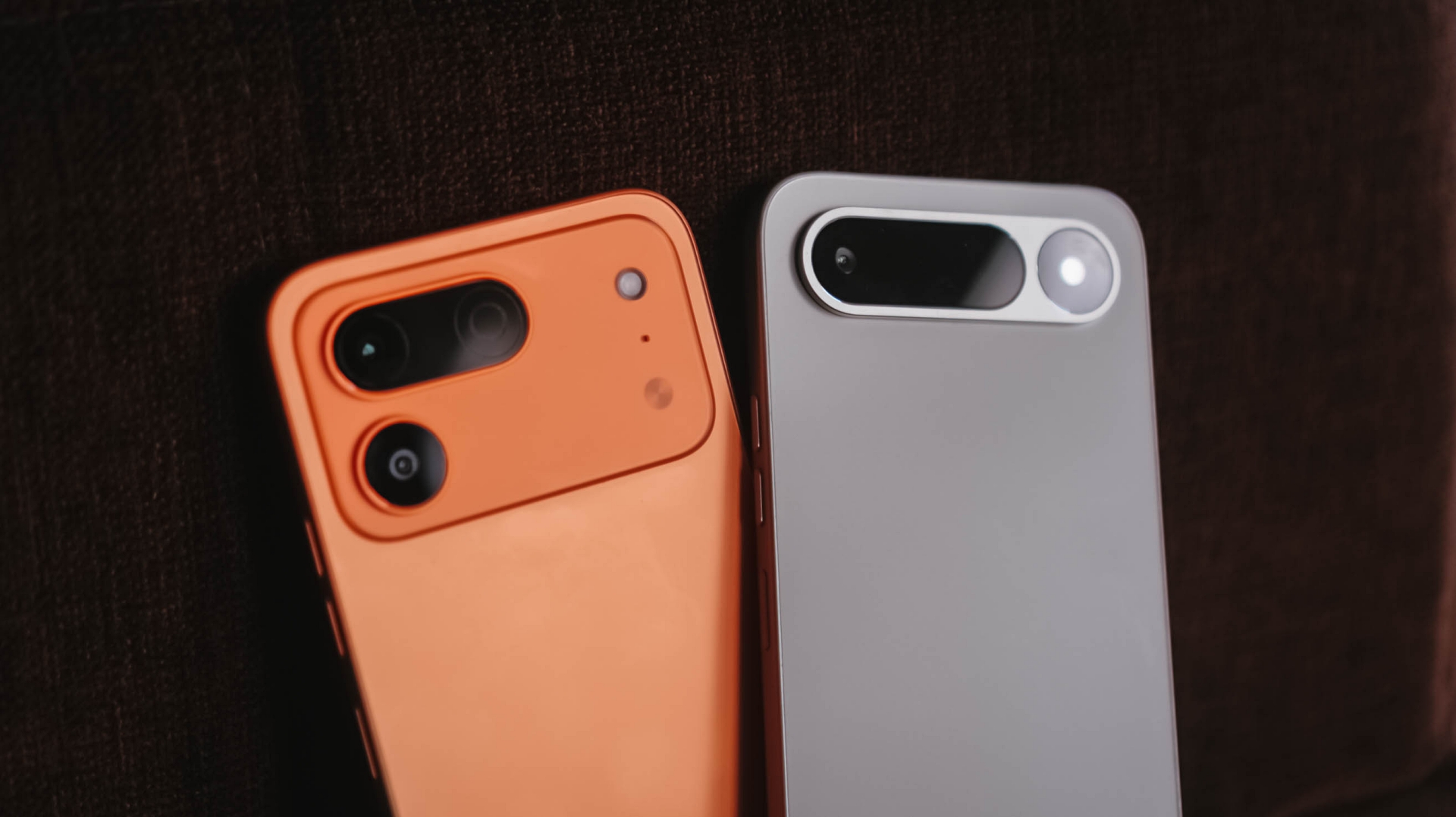
Meanwhile, the less premium-looking SPARK 50 Pro actually boasts the sturdier IP68 and IP69 water and resistance ratings. This means it can withstand dust, water immersion, and even stronger, high-pressure sprays.
This makes the SPARK 50 Pro one of the few phones to have an IP rating previously limited to flagships and higher-end midrangers.
Editor’s Choice: SPARK 50 Pro
Audiovisual
Both the SPARK 50 Pro and SPARK 50 5G share a 6.78-inch IPS LCD display. Both are also 720p in resolution and refresh rate maxes out at 120Hz.
Obviously, these phones don’t have the best in class displays. But, for such segment and price, having such display tech alongside a punch-hole cutout (instead of a raindrop notch) means a lot.

Stereo speakers are also powered by DTS sound. Undoubtedly, these two phones are like identical twins in this segment.
The only thing that the SPARK 50 5G has the upper-hand is none other than its inclusion of 3.5mm audio jack that the SPARK 50 Pro lacks. Still beneficial for people who fully rely on wired audio.
Editor’s Choice: SPARK 50 5G
Performance
While the front part is harder to distinguish from one another, each inner core is what separates these phones apart.
The TECNO SPARK 50 5G is powered by the MediaTek’s Dimensity 6400 SoC.
Of course, it’s not the most powerful out there. But, for its league, it’s a capable chipset that can multitask and run most game titles. Even 5G support never forgotten.
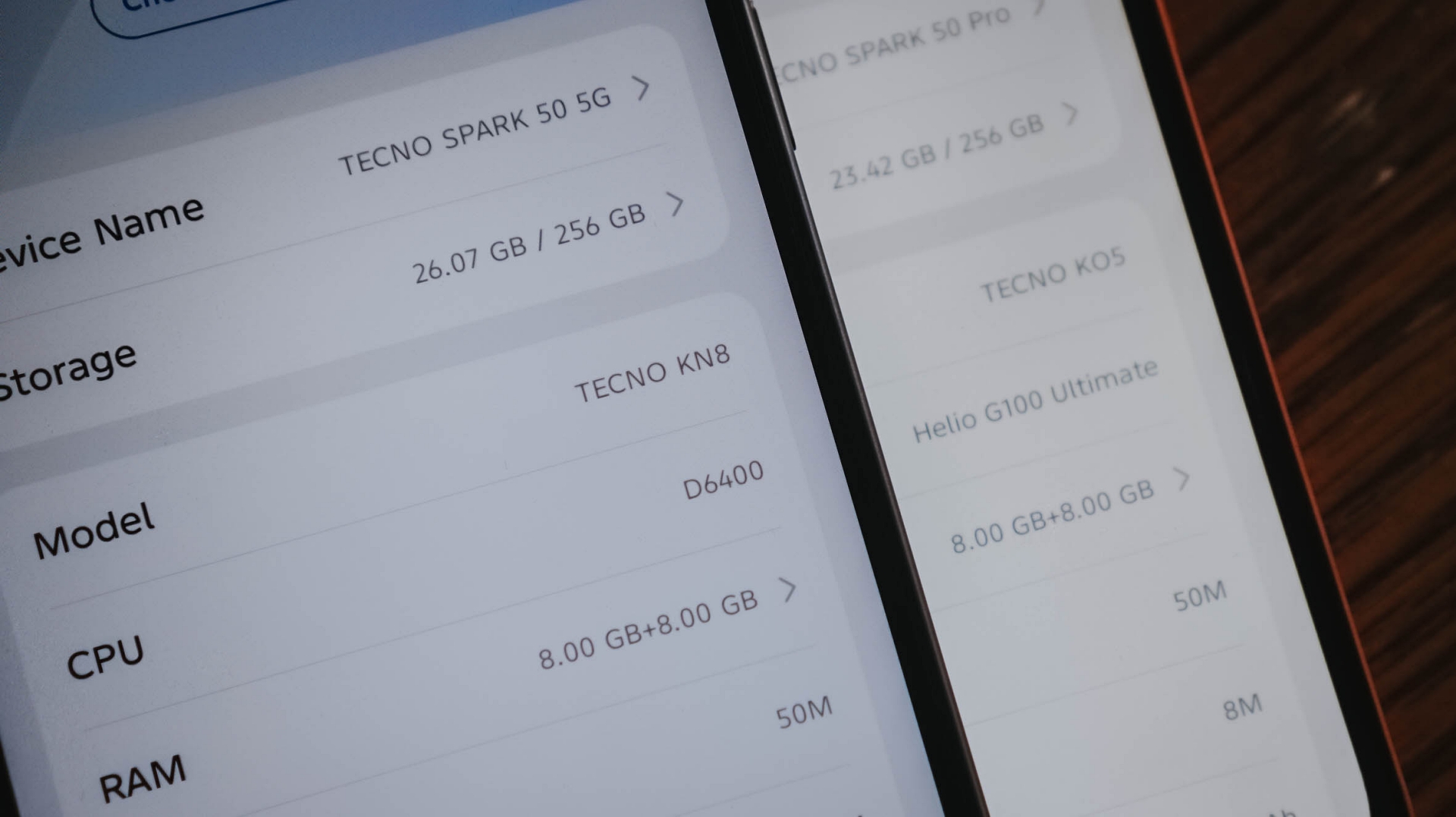
Meanwhile, the SPARK 50 Pro, despite having that “Pro” superlative, only runs the Dimensity G100 Ultimate. CPU speeds are obviously lower. Worse? It’s only limited to 4G speeds.
On the positive note, it gives better camera support.
Memory sizes are available in 4,6, and 8GB with storage options in either 128 or 256GB. Fortunately, these phones still have a dedicated microSD slot.
Editor’s Choice: SPARK 50 5G
Camera
With the camera talk already mentioned, most would think that the 50MP main rear camera of the SPARK 50 Pro and SPARK 50 5G are just the same. Well, they’re not.
Photography duties of the SPARK 50 Pro are mainly handled by Sony’s LYTIA 600 (or LYT-600) image sensor. For reference, that’s the same image sensor found on most modern midrangers.

The SPARK 50 5G uses an older Sony Exmor sensor. Aperture slightly differ at f/1.9 and f/1.8 respectively.
For further context, here’s how the two smartphones produce photos.










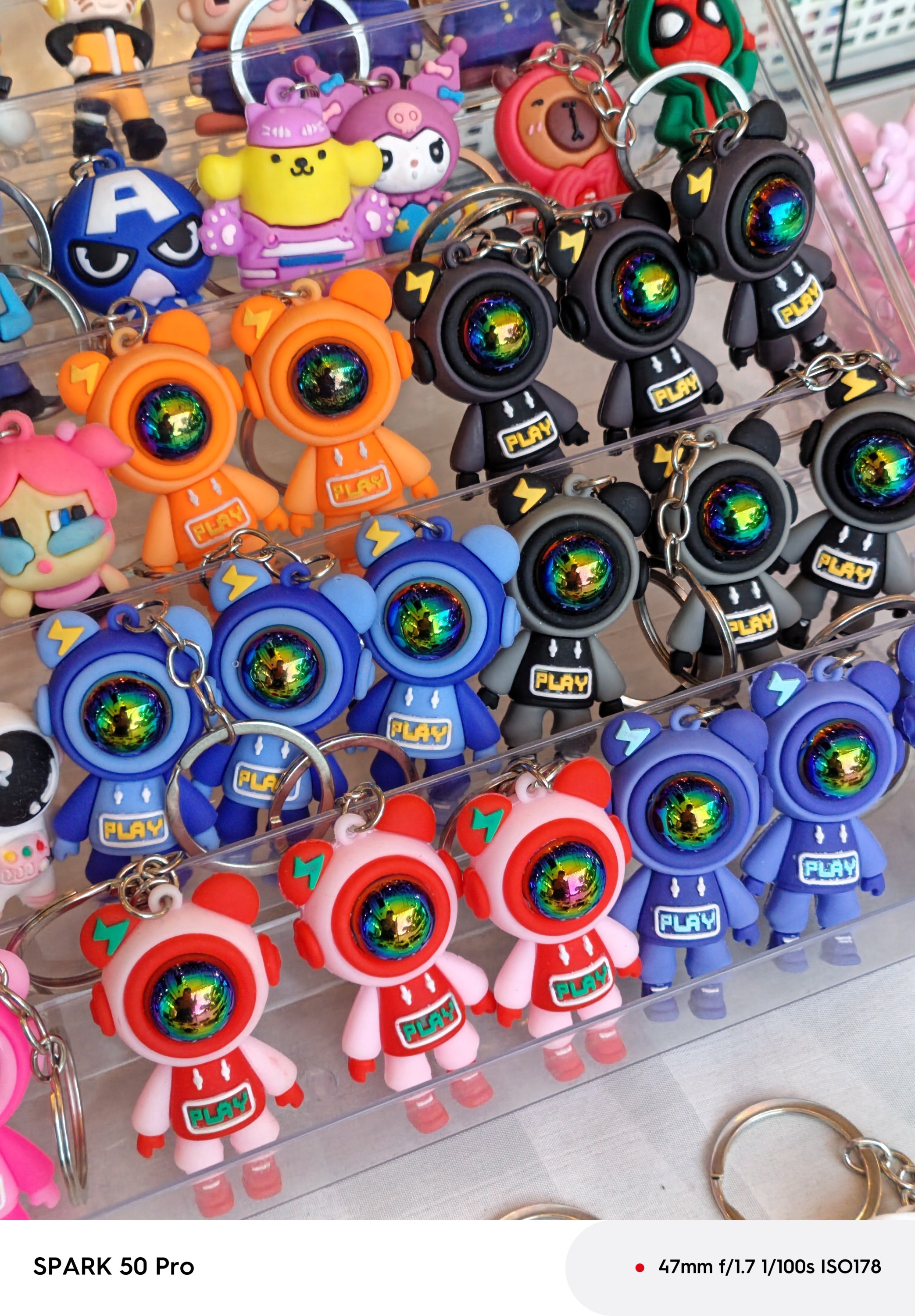
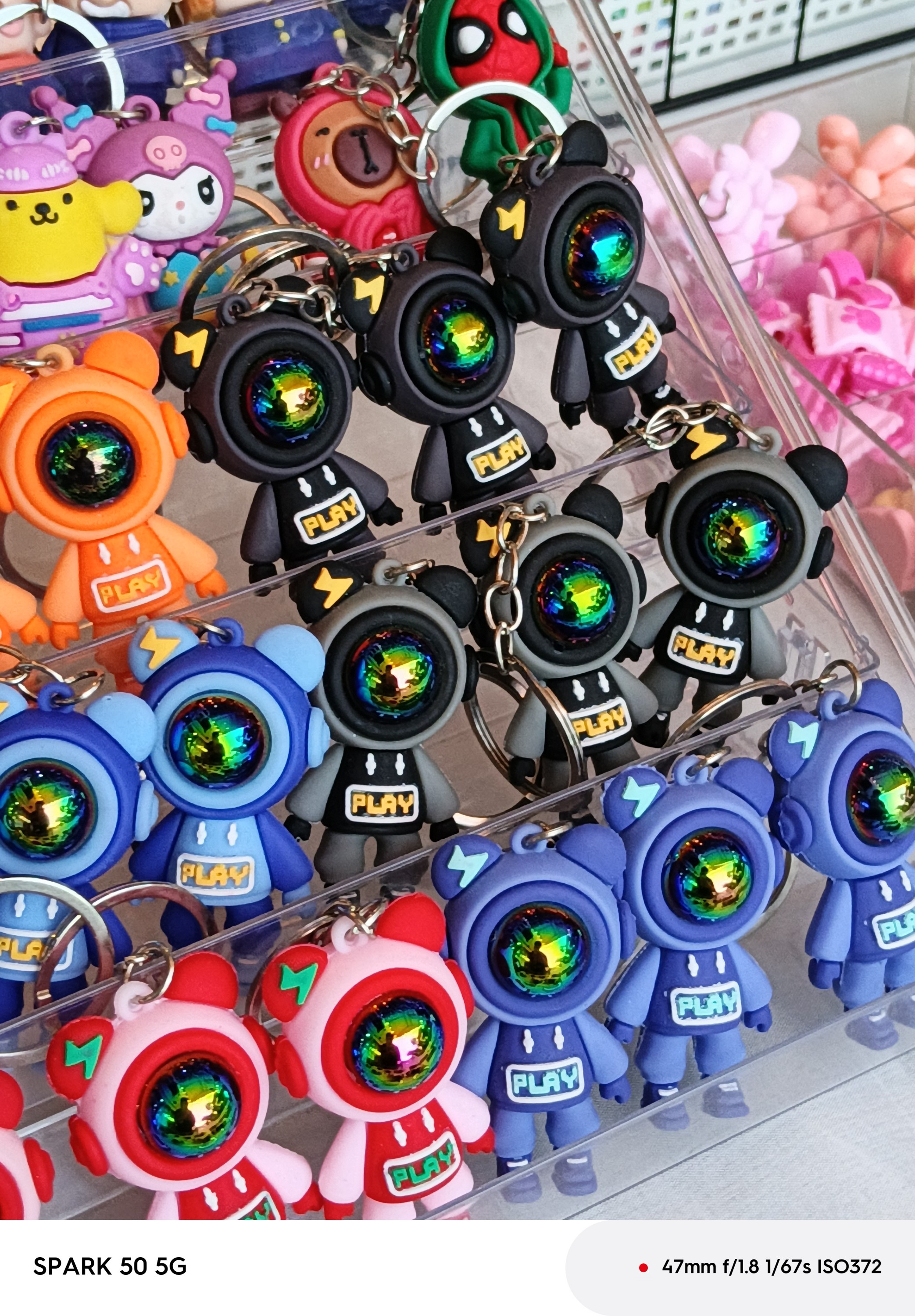

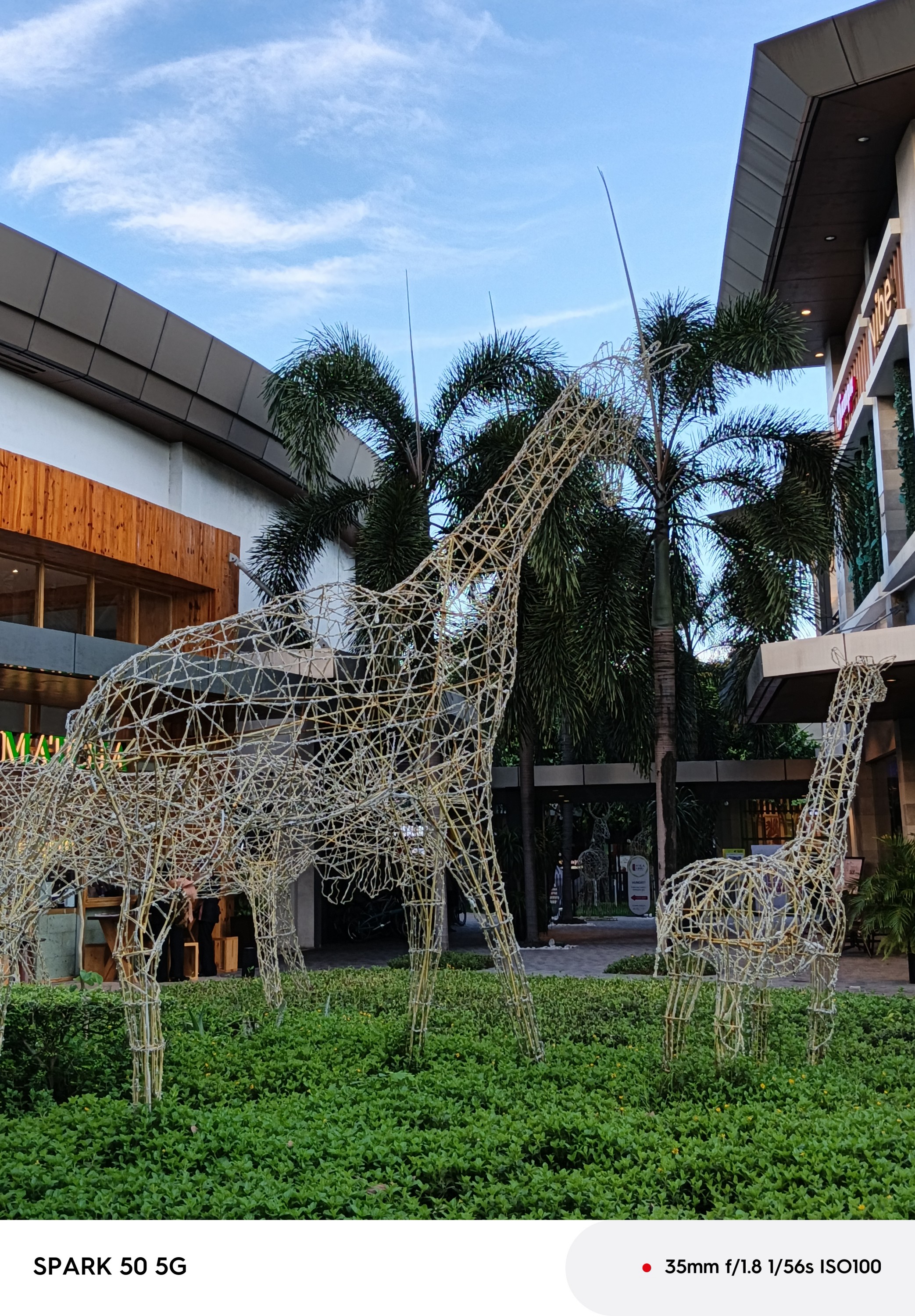








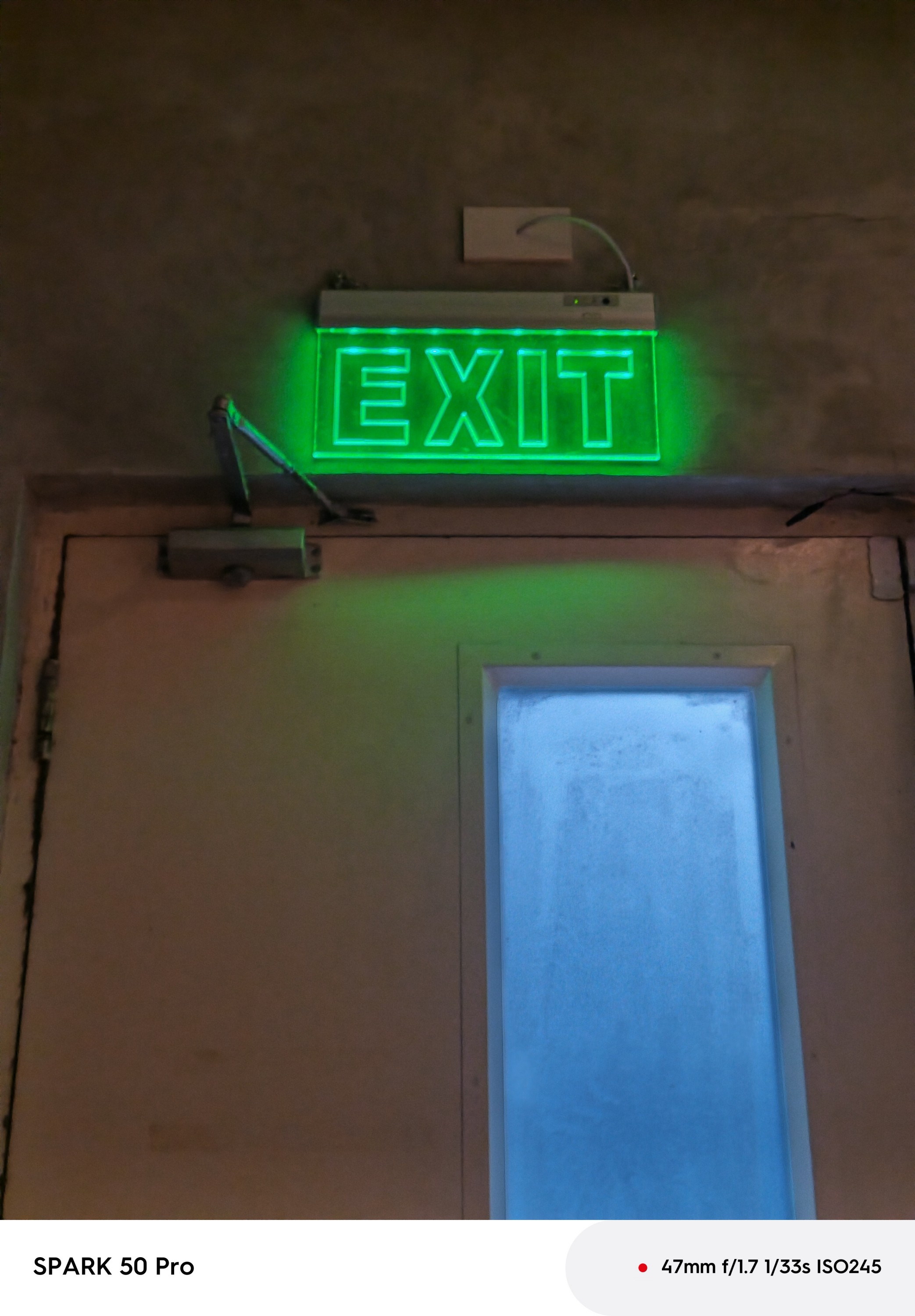
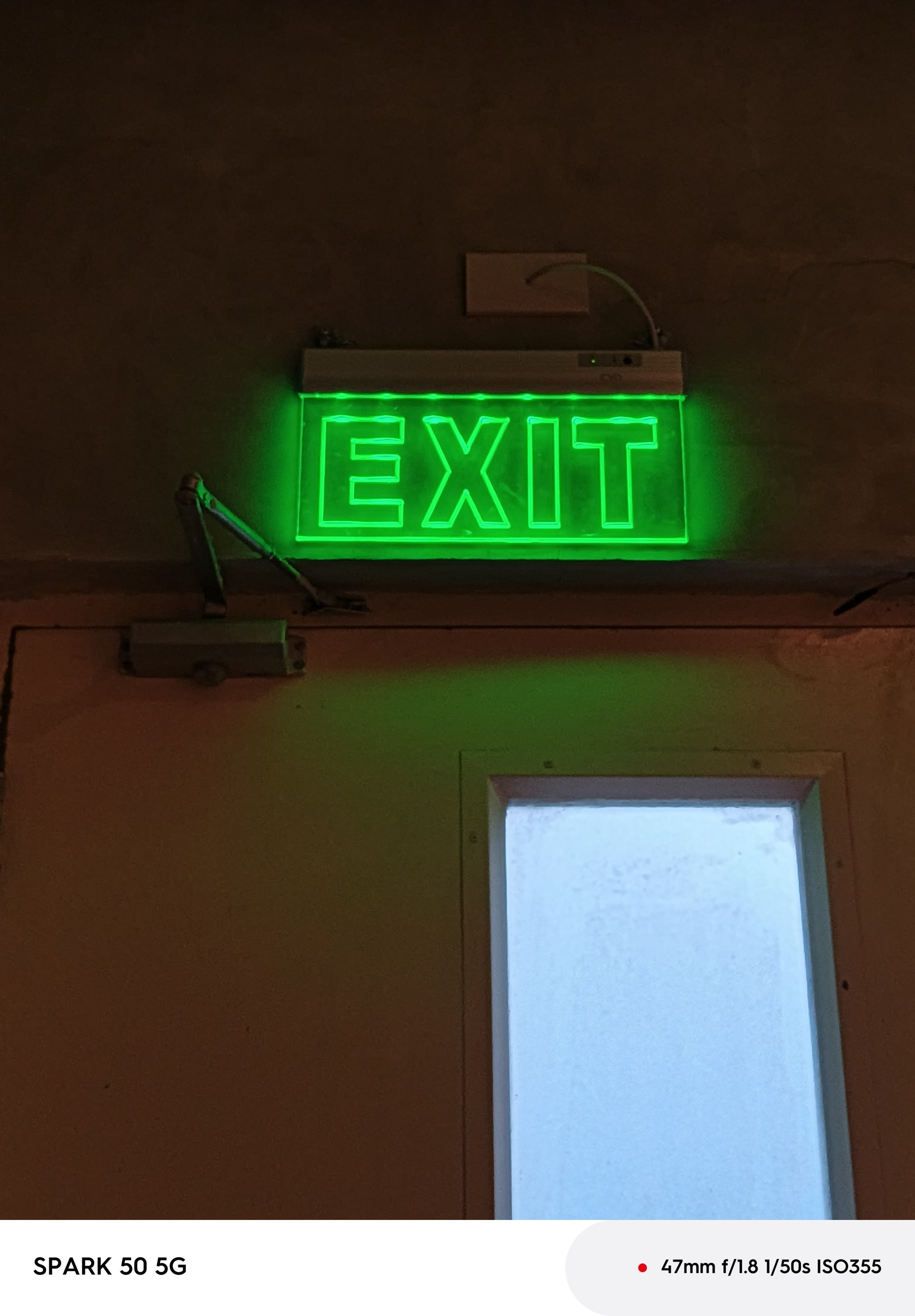
To compensate for that, the SPARK 50 5G tends to over-sharpen and color boost its photo output over SPARK 50 Pro’s natural image rendering.
The SPARK 50 Pro also has a better-looking bokeh falloff than its 5G counterpart.
Editor’s Choice: SPARK 50 Pro
Power
Finally, the highlight of both phones: battery capacity.
ICYMI, the TECNO SPARK 50 Pro has two versions: a single-cell 5600mAh model and a bigger 6000mAh dual-cell version.
The SPARK 50 5G takes it up a notch with an even bigger 6500mAh capacity.

Although that is only a 500mAh (or 900mAh) discrepancy, that battery boost still means a lot for an every day user.
Charging-wise, the SPARK 50 Pro has a faster 60W speed over the regular 45W charging in the 5G version.
IMHO, I would still choose a bigger battery over faster charging speeds. Still, it’s great to have both in a single package.
Editor’s Choice: SPARK 50 5G
Which afforda-phone SPARKs more joy?
If we are going to tally the scores, the clear afforda-phone choice is none other than the TECNO SPARK 50 5G.
It ticks 4 out of 6 boxes — from that classier design to its beastly battery despite that thin chassis. Even better, a 5G-capable chipset and 3.5mm audio jack inclusion that the “Pro” variant simply lacks.
However, that doesn’t mean the SPARK 50 Pro is lackluster.
If you value the cameras and durability more than anything else, the TECNO SPARK 50 Pro is clearly the one you should get.
At the end of the day, it all boils down to how much of your hard-earned savings you are willing to let go.

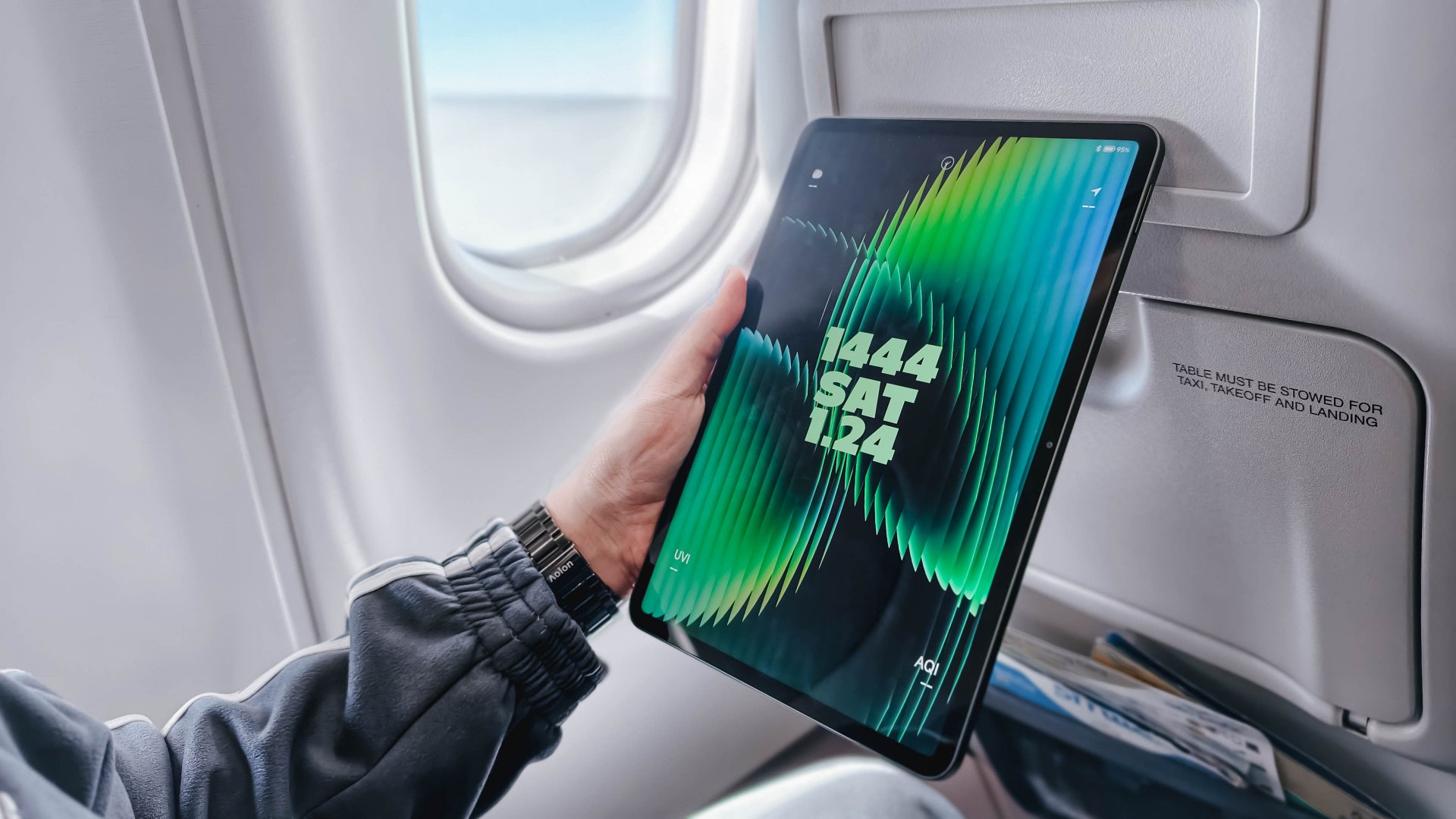
Choosing between the Xiaomi Pad 8 and the Xiaomi Pad 8 Pro feels like picking between a “sweet treat” and a “full-course meal.”
It’s deciding between a reliable travel companion and a specialized workstation. Both tablets rock a slim 5.8mm profile and a manageable 485-gram weight, and a 9200mAh battery.
However, under the hood, they are playing in different leagues. Especially since the “Pro” moniker adds serious muscle to the internals, and a solution for that glossy screen distraction.
Specs at a glance
| Product | Xiaomi Pad 8 | Xiaomi Pad 8 Pro |
| Processor | Snapdragon 8s Gen 4 (4nm) | Snapdragon 8 Elite (3nm) |
| Display | 11.2″ 3.2K IPS LCD (144Hz) | 11.2″ 3.2K IPS LCD (144Hz) |
| Surface | Ultra-Glossy Glass | Optional Matte Nano-Texture |
| Storage/RAM | Up to 12GB LPDDR5X / 256GB | Up to 16GB LPDDR5T / 512GB |
| Rear Camera | 13MP | 50MP |
| Front Camera | 8MP | 32MP |
| Charging | 45W Turbo Charge | 67W HyperCharge |
| Pricing | Starts at PhP 20,999 | Starts at PhP 38,999 |
Why you should pick the Xiaomi Pad 8
The standard Pad 8 is that “Goldilocks” device, hitting that sweet spot between price and premium hardware.
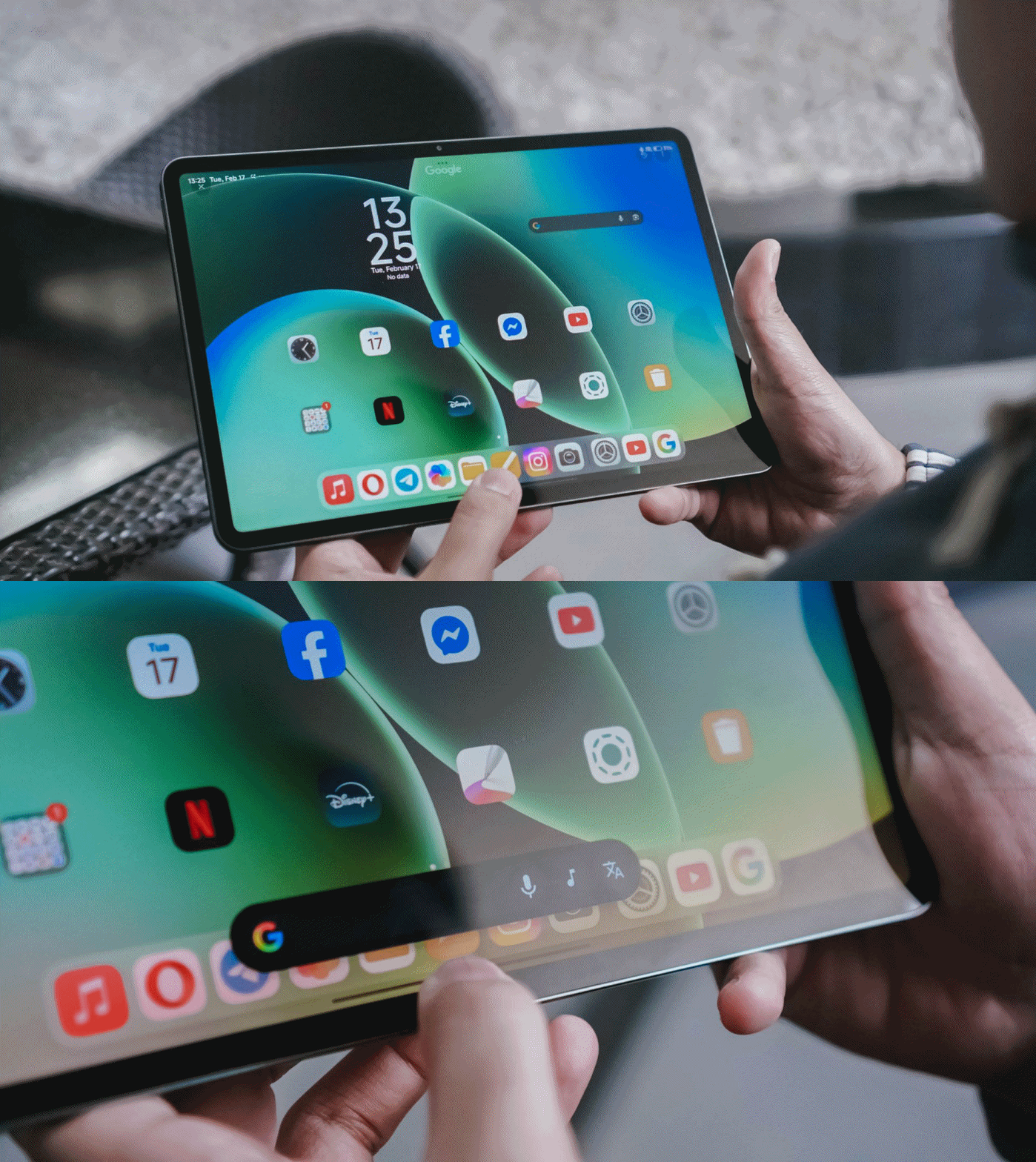
It’s ideal if your tablet usage is centered on media consumption and light productivity. Since it shares the same 11.2-inch screen size as the Pro, it fits perfectly on an airplane tray table, making it a dream for frequent flyers.

The Snapdragon 8s Gen 4 is no slouch; it still runs titles like Racing Master at 60fps on Ultra-High settings. If you’re a fan of XG or KiiiKiii, you’ll appreciate the quad-speaker setup and Hi-Res Audio support without needing to pay the “Pro” tax.
It’s the smart choice for those who want a capable second screen to complement their main laptop.
Why you should level up to the Xiaomi Pad 8 Pro
The “Pro” is for those who found the standard model’s limitations — like the glossy screen reflections or the 128GB storage ceiling — to be a dealbreaker.
The biggest upgrade is the Snapdragon 8 Elite, a powerhouse chip that turns the tablet into a legitimate workstation for video editing in CapCut or heavy multitasking in HyperOS 3.0.

Beyond power, the Pro version offers a Matte Glass Edition, which completely solves the “reflection” issue that can ruin your movie sessions or drawing time under bright lights.
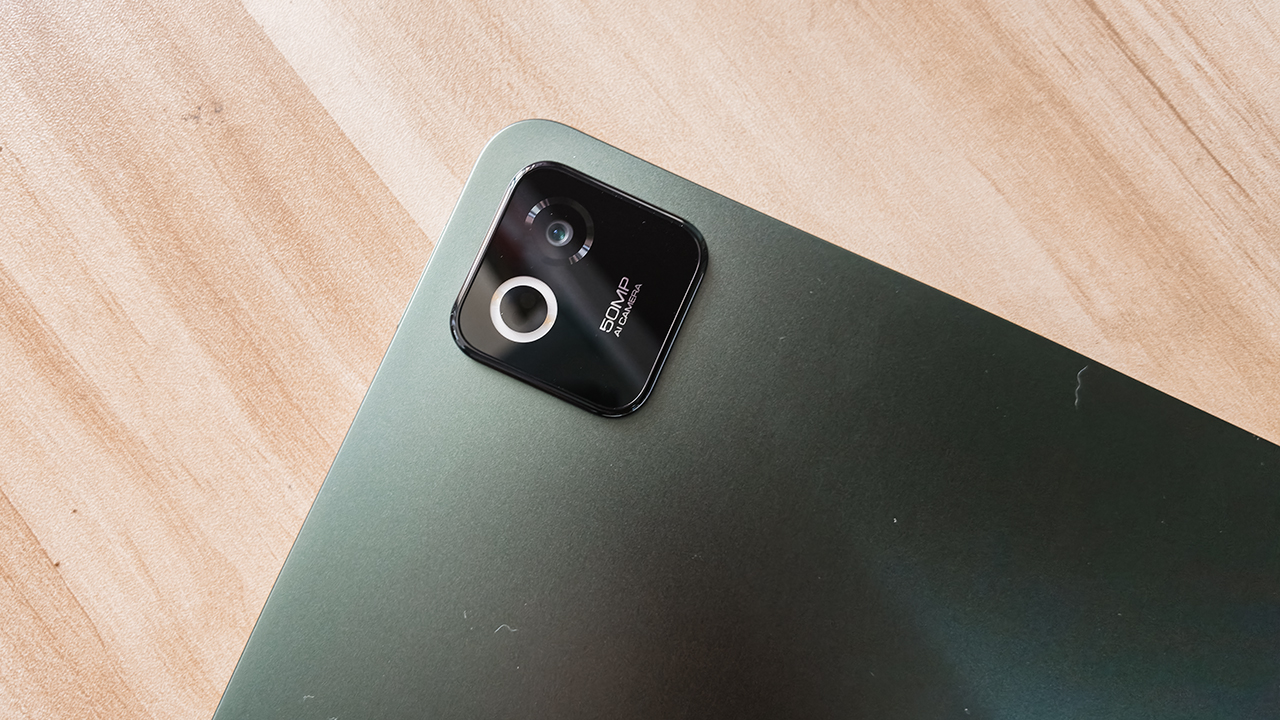
You also get significantly better cameras, such as a 32-megapixel front sensor for professional-looking video calls. There’s also a 50-megapixel rear camera for high-res document scanning.
Finally, the 67W HyperCharge means you spend less time tethered to a wall and more time being productive.
Which Xiaomi Pad is your GadgetMatch?
Swipe Right on the Xiaomi Pad 8 if you want the best value for your money.
It’s thin, light, and powerful enough for 90% of users. It handles gaming, writing, and music playback with ease, making it a worthy recipient of a seal of approval for anyone on a budget.
Just be sure to skip the 128GB entry model and go for the 256GB version to ensure you get those faster storage speeds.

Swipe Right on the Xiaomi Pad 8 Pro if you are a “power user” who hates screen glare. If you plan to use the Focus Pen Pro for serious creative work or need 512GB of space for a massive game library, the Pro is worth the extra investment.
It’s a high-speed machine that charges faster, captures better photos, and runs every app with flagship-level fluidness.
The Xiaomi Pad 8 starts at PhP 20,999 with Normal Keyboard while the Xiaomi Pad 8 Pro starts at PhP 38,999 with Touch Keyboard. Both tablets come with free Focus Pen Pro.
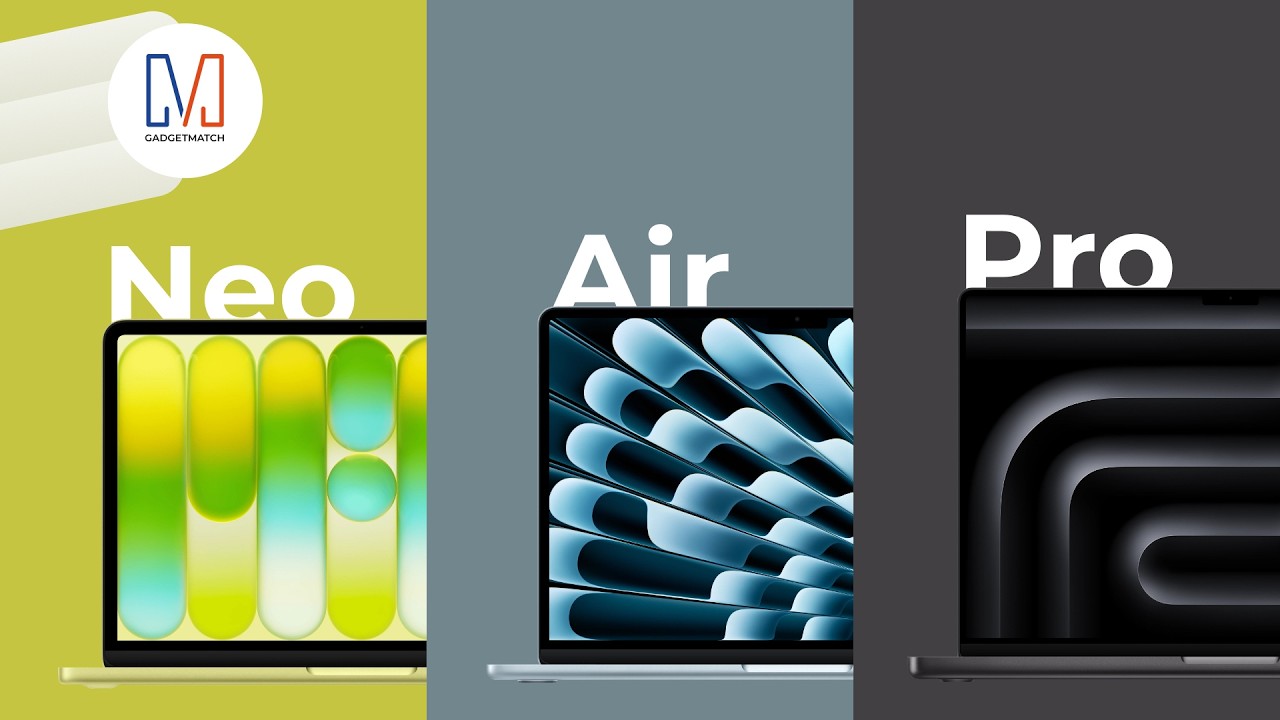
Apple’s MacBook lineup has never offered more choice.
From the $599 MacBook Neo to the ultra-powerful MacBook Pro, there’s now a MacBook for almost every kind of user.
But, are you overwhelmed and torn buying between the MacBook Air, MacBook Pro and the all-new MacBook Neo?
Watch our 2026 MacBook Buyer’s Guide to find your GadgetMatch!


DJI Lito X1 review: Is this the best lightweight drone for creators?
Making a strong case as a travel companion and a capable B-cam!


REDMI Note 17 Pro Max review: A new breed born from AI greed
Welcome to the new normal


Marvel’s Wolverine review: When the claws come out
A brutal, cinematic superhero adventure

OPPO Find X10 Pro Max is the first phone with a triple 200MP camera system

70mai launches the A900 series with 4K front, rear recording

Dune: Awakening makes it way to the PS5 and Xbox Series X

The Kia EV3 brings gallery-worthy design in a compact electric form

vivo introduces OriginOS 7 with smarter multitasking and AI features

realme 16T 5G with 8000mAh battery, IP69 Pro rating launches in PH

HUAWEI Pura X View is 2026’s first WIDE slab-type smartphone

REDMI reveals the refreshed Note 17 and Note 17 Pro series

REDMI Note 17 Series: Price, availability in Singapore

The CAMON Slim 5G is TECNO’s latest ultra-slim smartphone


-

 News2 weeks ago
iPhone 18 Pro series: Price, availability in the Philippines
-
 Singapore2 weeks ago
iPhone 18 Pro series: Price, availability in Singapore
-
 News2 weeks ago
iPhone Duo: Price, availability in the Philippines
-

 News2 weeks ago
iPhone Duo: Price, availability in Singapore
-
 News2 weeks ago
vivo introduces refurbished versions of X300 FE, X300 Ultra for less
-

 Accessories2 weeks ago
CASETiFY upgrades iPhone 18 cases, teases iPhone Duo lineup
-

 News2 weeks ago
HONOR teases Magic9 Pro Max at Venice
-

 Editors' Choice2 weeks ago
GadgetMatch Awards: Best of IFA 2026