
Unfiltered
When your fiber Internet connection is treated like a disposable slot
Converge turned me into an evicted subscriber after a year of service.

In the Philippines, we’ve been trained to treat a stable internet connection like a miracle.
We pay our bills on time, hoping the “fiber-fast” gods smile upon us so we can work and study, or even stay connected from the comfort of our homes.
But as I found out in the past two weeks after I came from vacation, Converge ICT Solutions doesn’t see you as a loyal customer with a guaranteed service.
To them, you might just be a “slot” in a box; one that can be unplugged the moment it’s convenient for the system.
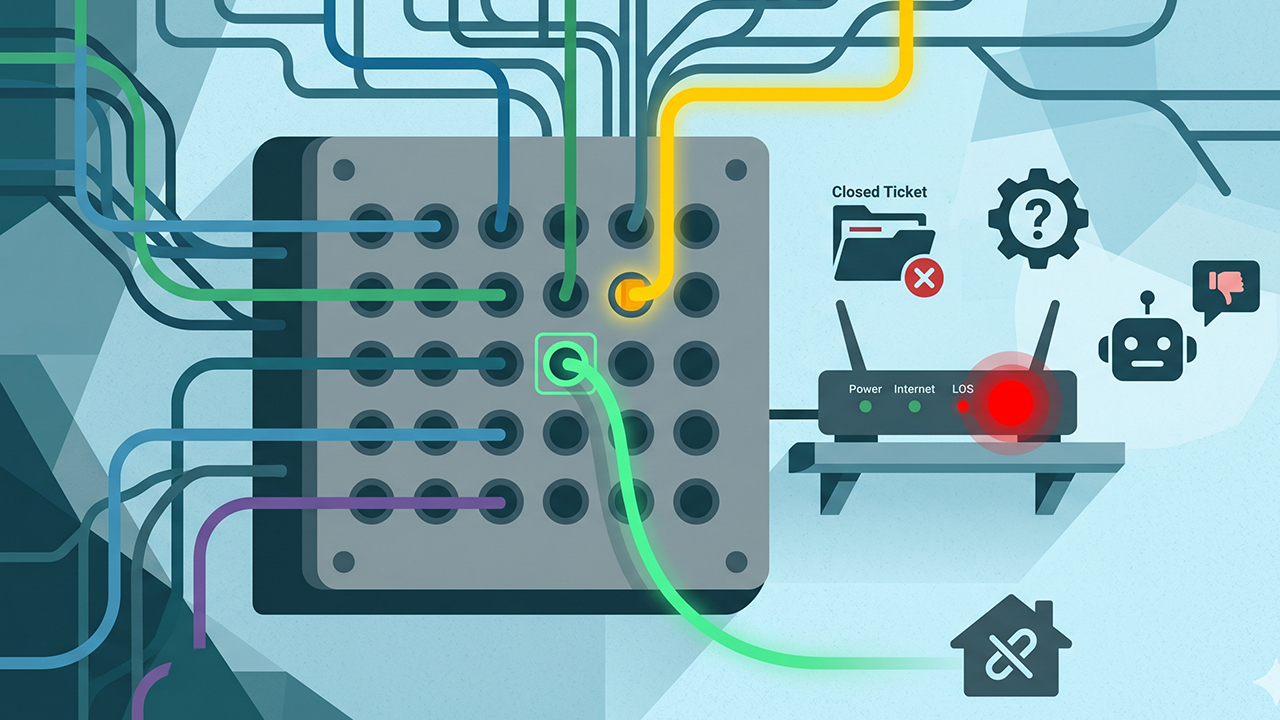
On May 1, at 11:30 AM, my internet just… died. There were no outage. Just that dreaded blinking red LOS (Loss of Signal) light.
We’ve all been there, right? You restart the modem, you wait, you use your mobile data, and you hope it’s just a temporary glitch. I didn’t know then that I hadn’t just lost my connection. I had been replaced.
Port-snatchers in the telephone room
The next morning, a repair crew showed up at my condominium. After checking the lines inside my unit, we went out to the hallway to check the telephone room where the NAP box is located.
This is the central hub for our floor, and I’ve been plugged into it for over a year now. I was there first. But when the technicians opened that box, they told me something so ridiculous I thought it was a prank.
My fiber line had been pulled out of its assigned slot. In its place, a newer subscriber — someone who had likely just signed up — was plugged in. I dreaded the fact that my connection wasn’t broken. It was manually removed.
It’s like paying for a reserved parking space in your own building for a year, only to come home and find the building manager gave it to a new tenant because they didn’t want to find a new spot.
In the world of Converge, your seniority and your contract mean nothing if there’s a new installation to be finished.
The “QA” trap where logic dies
This is where it gets truly frustrating. A second repair team came by a few days later and confirmed the situation. They saw the problem, and they knew exactly how to fix it by simply swapping the wires back.
They actually tried to help. But then came the “QA” (Quality Assurance) roadblock. The team told me they couldn’t leave me connected because they needed to “investigate” first.
Even though everyone knew my line was removed to make room for someone else, the “process” became more important than the customer.
It was a total circus. The technicians knew what was wrong but weren’t allowed to fix it. Meanwhile, the office claimed they were investigating while I sat in the dark. To top it off, the automated system kept closing my tickets because I wasn’t “responding” to their automated messages, even though the only response I wanted was a working connection.
I wasn’t a resident in their eyes. I was just an inconvenience in their workflow.
Scary reality of the empty slot
After I started talking about this, I realized I wasn’t alone. I heard stories from other people who had their lines “reassigned” or “swapped” just to get a new installation done quickly.
It’s a scary thought: if a NAP box is full, it seems easier for a technician to just unplug an old client to hook up a new one. It makes the company’s “new activations” look great on paper, while those of us who have been paying for years are suddenly erased from the system.
The most frightening part? As I write this, I am still offline. Despite the technicians seeing with their own eyes that my port was taken, the red light is still blinking.
To add insult to injury, the system already closed my ticket through an automated notice, even though the problem is very much unresolved. I am still waiting for “QA” to finish an investigation into a problem that has an obvious physical fix.
Even with continuous attempts to escalate the issue properly, they were still unable to address the issue.
It makes you realize how powerless you are once you’re stuck inside their machine. We’re not really paying for data. We’re paying for a commitment that seems as thin as a fiber wire.
Next time your LOS light starts blinking red, ask yourself: Is my line actually broken, or did they just give my slot to someone else?





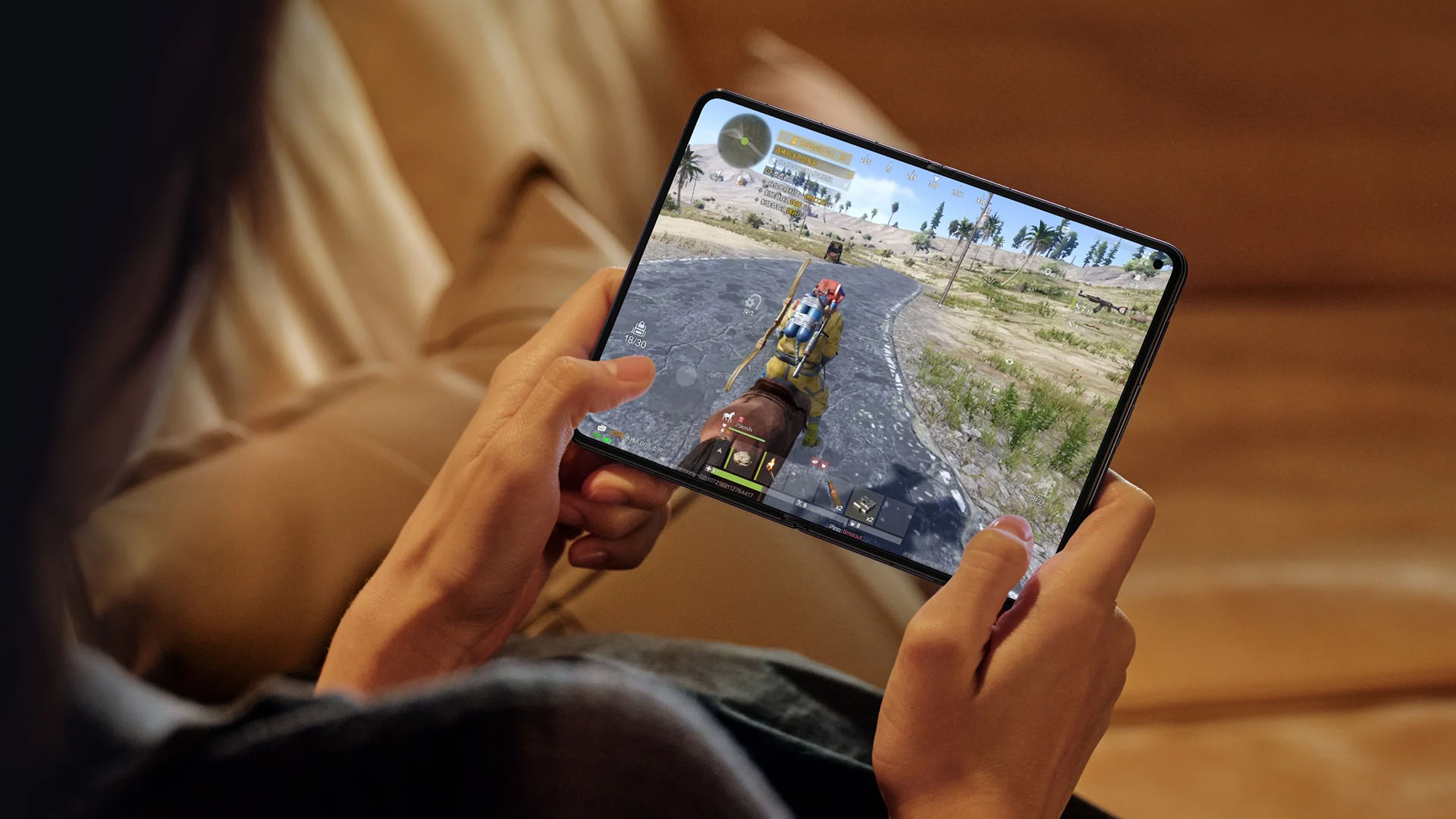
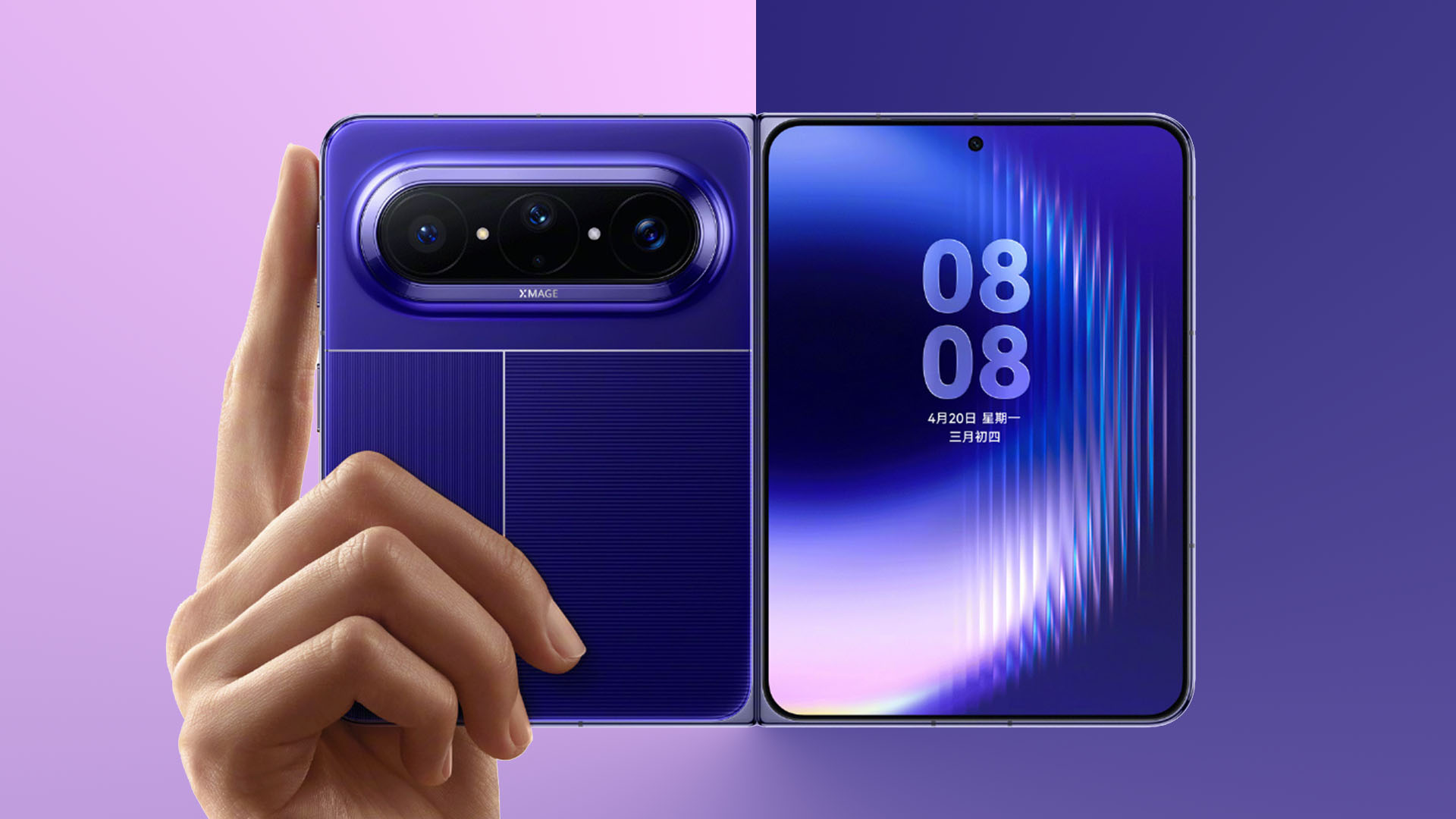
The ongoing WIDE foldable rumors have completely hijacked my brain lately. Not in the “this will change smartphones forever” kind of way. We’ve heard that speech enough times already. I think I’m more fascinated by the fact that the industry seems willing to experiment again.
If we’re being honest, slab phones have kind of reached the point where most improvements now feel like somebody adjusting a character creator slider by two percent and calling it a generational leap.

Foldables were supposed to shake things up. And to be fair, they did. I love big foldables. I love working on them. But after using a bunch of them over the years, it also started feeling like we collectively settled into one idea of what a foldable should be. Tall outer screen. Big square-ish inner screen. Make it thinner every year. Repeat.
Which is why these newer WIDE foldable concepts immediately stood out to me.
WIDE foldables
I’ve seen some people react to the recent WIDE foldable rumors with the usual “nobody asked for this” comments. I get it. We’ve all become a little cynical after years of iterative updates and increasingly microscopic improvements.
But as someone who has covered tech for years now, I think that mindset is a little disingenuous. This is what we’re here for. The weird ideas. The risky ones. The “wait… hold on a minute” devices. Not just endlessly refining the safest possible version of a slab phone.
Graphics by Vincenz Lee | GadgetMatch
Maybe this sounds dramatic, but I had a similar realization during a leadership meeting recently. We talked about how content sometimes falls into the trap of sticking to what already works. Safe formats, ideas, and execution. Then I realized I do the exact same thing in my own life.
Sometimes I change my phone case or wallpaper just to make a device feel fresh again. Humans naturally seek renewal. We like rediscovering things. That’s partly why these WIDE foldables immediately caught my attention.
Not because current foldables are bad. Far from it. I love big foldables. I love working on them. But after using a variety of them over the past half decade, it started feeling like the category had settled into one lane. And maybe, just maybe… that lane isn’t the only answer.
We became obsessed with hinges and forgot the experience
A lot of foldable conversations today revolve around hinges, creases, and thinness.
And yes, those are incredible engineering achievements. I’ll never pretend otherwise. Some of these devices are borderline absurd from an engineering standpoint.
But at some point, coverage and marketing around foldables started feeling a little too focused on whether the crease disappeared by 0.3 millimeters or whether the hinge can survive the apocalypse.
That stuff is cool. But none of it matters if the device doesn’t actually feel great to use.
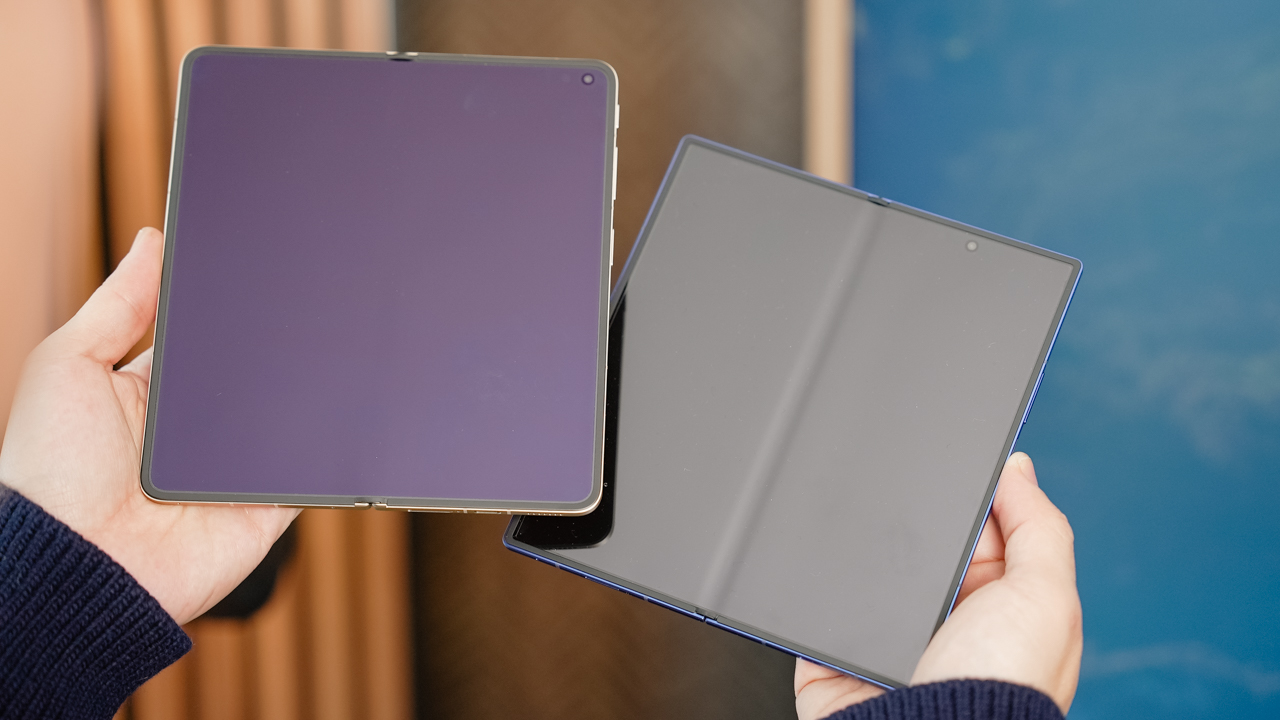
Crease comparo: OPPO Find N6 vs Galaxy Z Fold7
For me, current book-style foldables occasionally feel like the industry asking: “Where else can we take slab phones?”
Instead of asking: “What shape actually makes the most sense for a handheld computer?”
That’s why the potential of WIDE foldables feels so interesting.

And to clarify what I mean here: I’m talking about the form factor that resembles a passport handbook when folded, then opens into a proper rectangular mini-tablet or phablet. Honestly, I think the phablet era might quietly be making a comeback.
The aspect ratio immediately feels more natural to me. Not necessarily revolutionary. Just… coherent.
Maybe we’ve normalized awkward aspect ratios
One thing I’ve always found slightly strange with current foldables is how disconnected the outer and inner screen experiences can feel.
The outer display is usually this tall, narrow portal. Then you unfold it and suddenly you’re looking at a squarer canvas. That works for some things. But not always seamlessly.

Meanwhile, devices like the HUAWEI Pura X Max immediately caught my attention because both displays seem to share a more similar philosophy. Wide rectangles. One smaller. One larger.
Almost like an A5 paper unfolding into A4.
And yes, I know. Saying “paper ratios” in 2026 probably makes me sound like someone who still gets excited about Muji notebooks and mechanical keyboards. Totally not me, but a few people come to mind. I digress.
But think about how we consume media now.
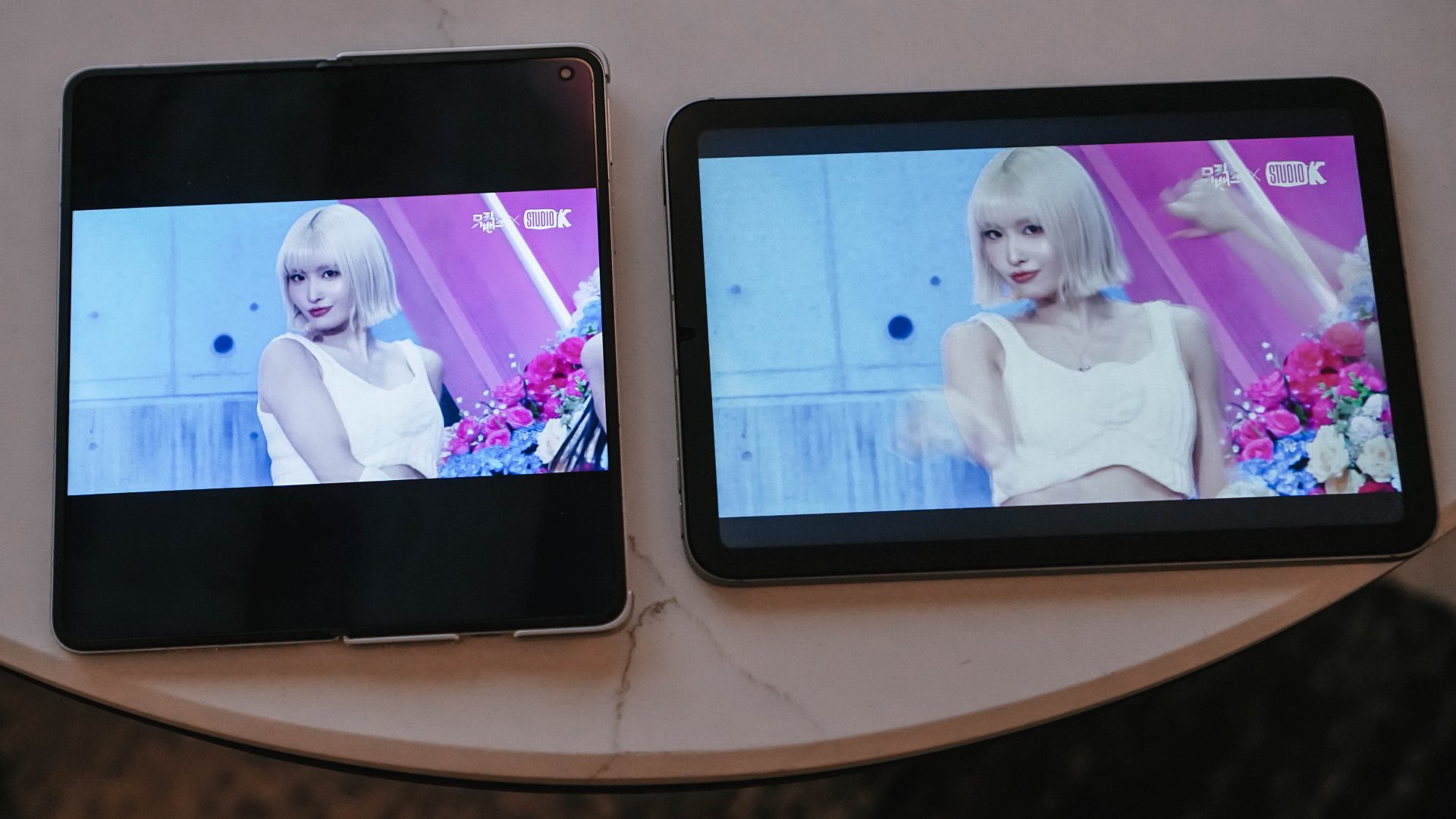
TWICE Momo fancam on the OPPO Find N5 and the iPad Mini
I’m especially excited for this current K-pop comeback season. LE SSERAFIM’s Pureflow Pt. 1. ITZY’s Motto. aespa’s LEMONADE. My algorithm is about to become an absolute disaster.
On a WIDE foldable, going from an MV to member fancams feels significantly more seamless. You simply rotate the device instead of aggressively negotiating with black bars every five seconds.
And if split screen works well enough? Simultaneous bias and bias wrecker fancams. Efficient. Productive, even.

Concept WIDE foldable image generated on ChatGPT
A device like this is also great not only for single person consumption. It also becomes big enough that you can snuggle up and share it with someone you get tactical smooches from.
These feel closer to palm computers than phones
The more I think about WIDE foldables, the more I stop seeing them as phones. Or at least not phones in the traditional sense. They feel closer to modern palm computers.
Maybe this is the part where my inner tech romanticism fully takes over, but when I was younger, I always imagined myself somewhere in a business district handling… well, business… on some sleek handheld device that fit perfectly in my palm.
That fantasy probably came from old depictions of Palm computers, communicators, sci-fi gadgets, and every impossibly cool fictional device that made adulthood look sophisticated.
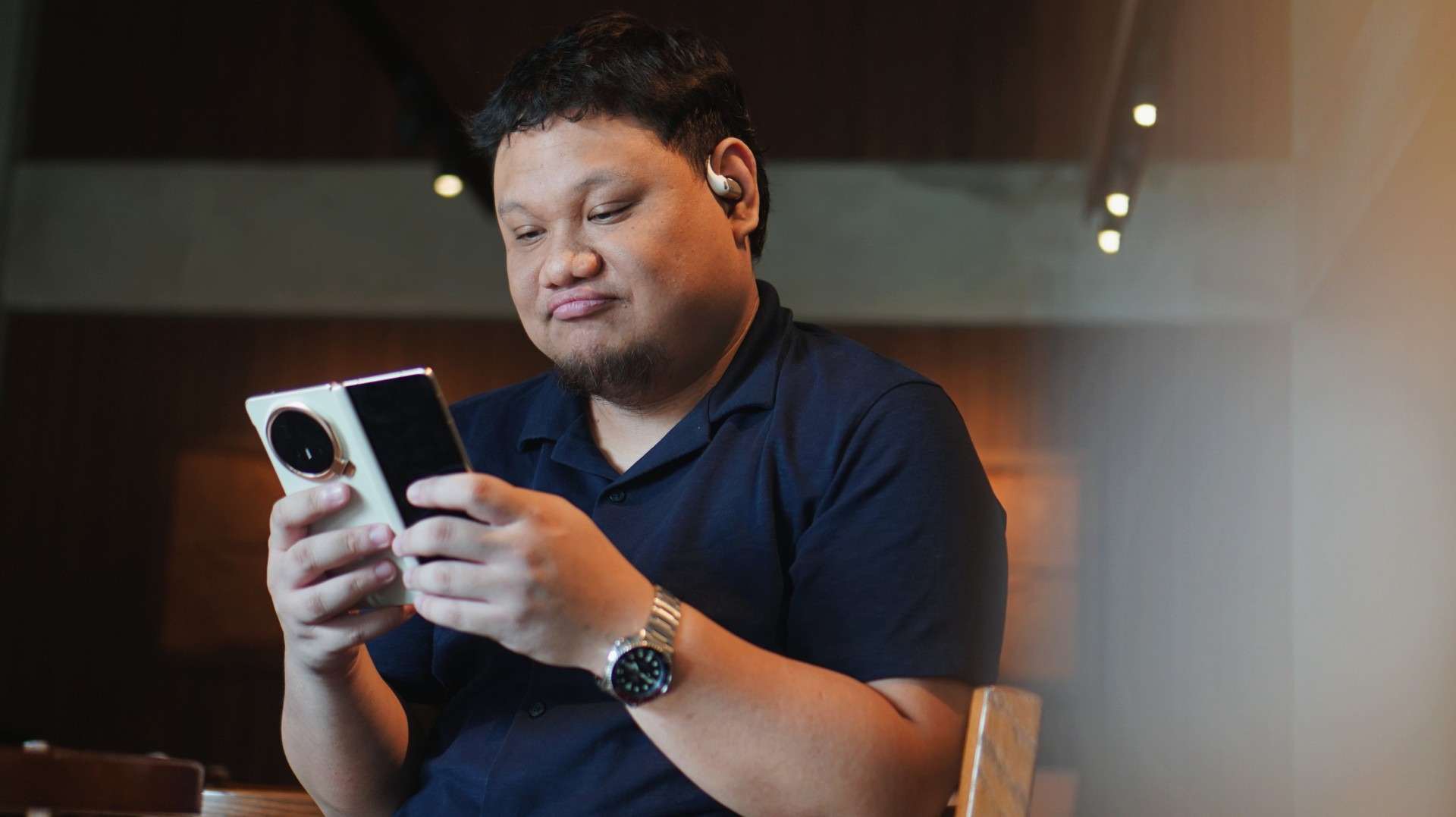
Working on the HONOR Magic V6
Now, here we are revisiting those ideas while carrying devices that are exponentially more powerful than the computers that sent people to the moon. And yet we still mostly interact with them through vertical slabs.
That’s why WIDE foldables feel important to me. Not because they’re objectively better, but because they challenge assumptions we’ve normalized for years.
Perhaps that’s really what resonates with me. Not necessarily the promise that this is the “next big thing,” but the fact that it feels like the industry is experimenting again instead of endlessly refining the same shape over and over.
Because if we’re being honest, most foldable conversations lately have devolved into hinges, crease visibility, and how thin manufacturers can make them before someone accidentally folds one with the power of friendship.
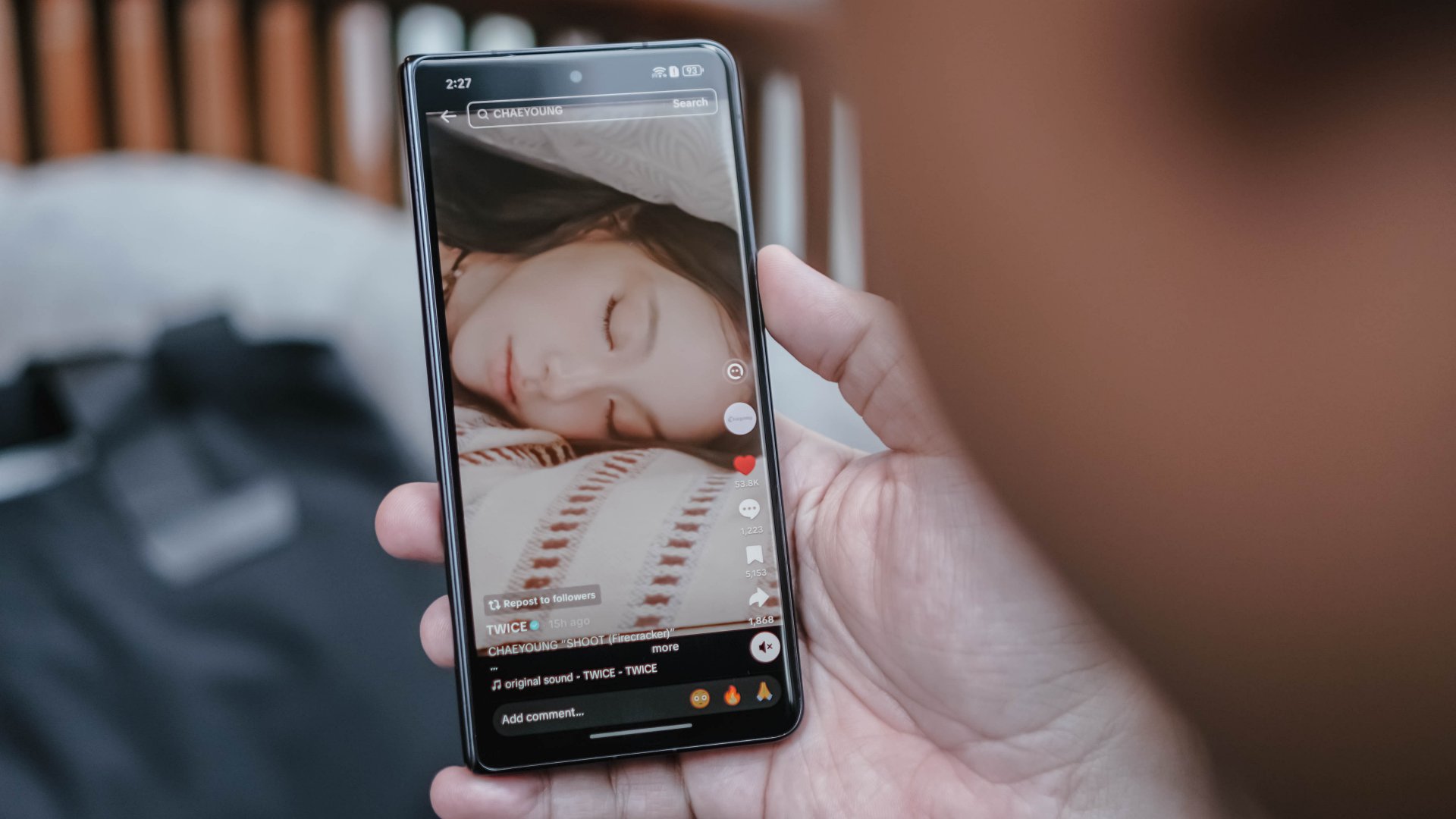
Meanwhile I’m over here wondering if we’ve simply gotten too comfortable with vertical slabs.
Maybe WIDE foldables become massive. Perhaps they stay niche. Maybe they become the physical manifestation of “this could’ve been an email.”
I genuinely don’t know.
What I do know is this form factor made my brain light up in a way phones haven’t done in a while.
And after years of covering increasingly iterative devices, that’s refreshing enough for me.
Automotive
The price I paid for trusting my car too much
A minor crash forced me to confront how technology and misplaced trust can erode the responsibility every driver still carries.

I never imagined I would be the kind of person who crashes into someone else’s car.
I drive slowly and gently, and practice restraint when another car provokes me on the highway. I’ve made it a habit to pray right before I roll out of the garage. It’s my small ritual asking for protection and patience.
I’ve watched countless videos of drivers making terrible decisions, caught in road rage, accidents, and violations that somehow get tolerated by culture and circumstance. Years of driving and I never thought I would be one of them.
It was a Wednesday morning when I decided to drive south to meet colleagues for a project in Tagaytay. I was already carrying an aching heart, passing through my own version of Cornelia Street along the long stretch of the South Luzon Expressway.
Grief and memory sat beside me in the passenger seat. What was meant to be a coffee run, heavy with nostalgia, became something I wish I could undo.
While reversing out of my parking spot, my right leg twitched. In a flash, my rear bumper hit someone else’s car.
I know that sound. Anyone who drives knows it. I froze before my brain even caught up. My stomach dropped and my chest tightened. I sat there, eyes flicking between the screen, the side mirror, and the rearview mirror, trying to understand how this had happened.
What unsettled me most was the silence.
There were no warning beeps. No flashing icons and no alerts telling me to stop. The sensors that had trained me to trust them went quiet all at once. In that moment, there was no one else to blame. It was only me and a mistake I failed to prevent.
I was lucky. The people whose car I hit were around my parents’ age. They were kind and willing to settle things without turning the situation into something heavier than it already was.
Their brunch was interrupted by my carelessness, and that thought stayed with me longer than the dent itself.
The damage was minor. Their front bumper was dented and the radiator cover cracked. My car only carried scratches on the plastic stepper.
Still, my heart pounded harder than the situation seemed to warrant. The inconvenience stretched on for months through insurance and repairs, unfolding at the same time my life was already unraveling from heartbreak and forced transition into a new home.
It took me months to recover emotionally. I stopped driving the way I used to. Driving once gave me relief when my thoughts felt too loud. After that day, it only reminded me of how easily I failed to be present.
My mistake was allowing technology to take over a part of my responsibility.
I had grown comfortable believing that if something was behind me, my car would tell me. If danger was close, the system would sound the alarm.
Somewhere along the way, I let my awareness be filtered through cameras and sensors instead of relying fully on my own body and judgment. That comfort cost me time, money, and peace of mind.
We live in the most advanced era of driving the world has ever known. Cars can see farther than mirrors ever could. Brakes are designed to react faster than human reflexes. Our car’s systems warn us when we drift or speed up, and when something approaches from the side.
These features save lives, and I am deeply grateful for them. Still, assistance is not replacement.
Without realizing it, I behaved less like a driver and more like a supervisor watching a machine do the work. Even though I checked behind me, I failed to be more careful.
I relied on expecting a warning and trusted that the car would intervene before I had to.
When systems fail and sensors miss angles, there’s no safety net waiting for you.
There’s only the person behind the wheel.
I was lucky that day that I hit a car, and not a person. No one was walking behind me and no child crossed at the wrong moment.
The consequences were small enough for the world to forgive, though my conscience hasn’t fully done the same. I know how easily this could have been worse.
I should’ve done the simplest thing a driver can do. I should have turned my head and looked again. No matter how advanced a vehicle becomes, the most important safety system is still human attention.
Because when the warning never comes, you’re responsible for what happens next. And sometimes, it only takes one missed glance to remind you how fragile everything really is.
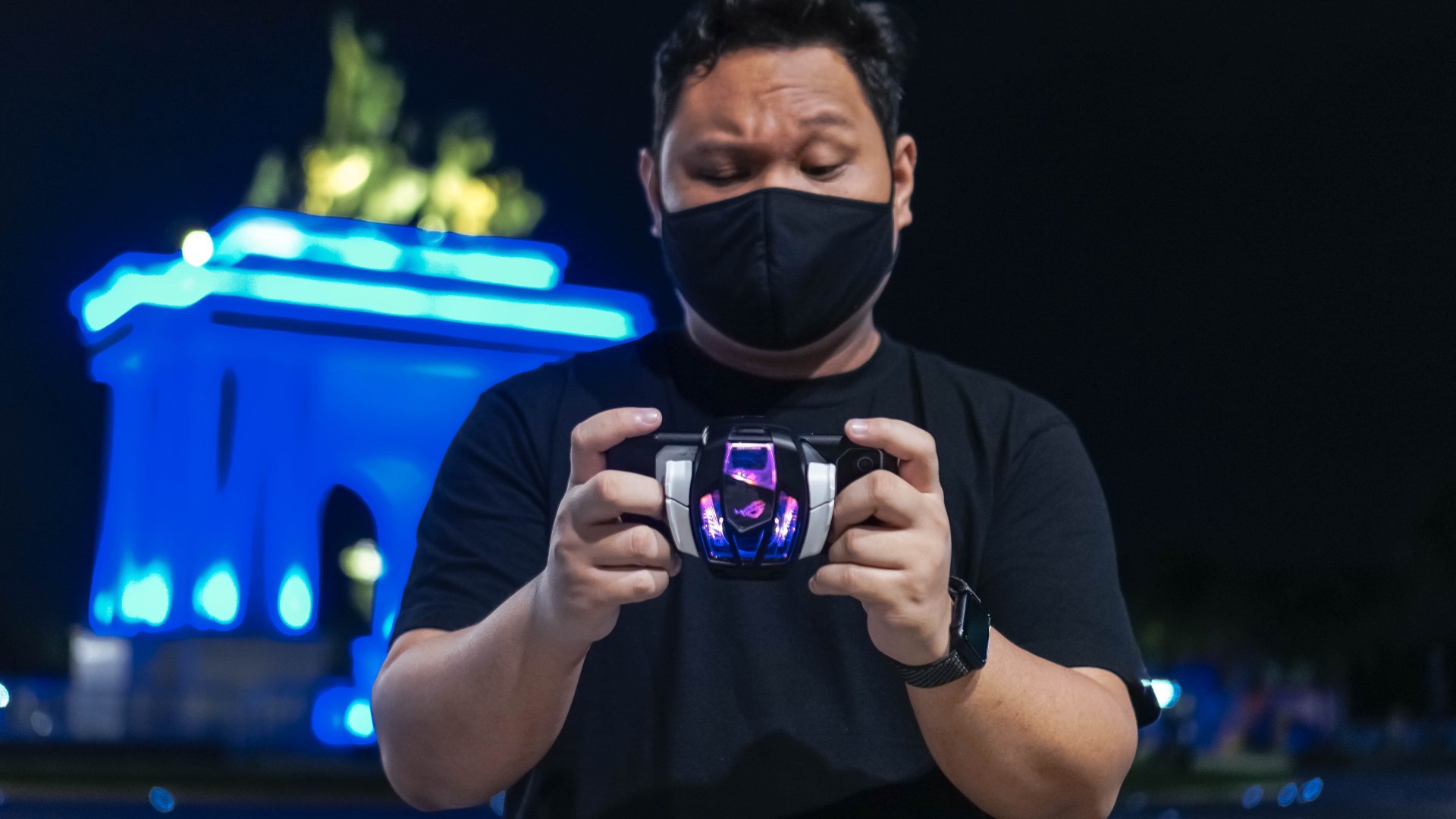
It’s been five years since the first ROG Phone was released. In just half a decade, it has established itself as THE go-to gaming smartphone. And the ROG Phone 7 Ultimate is the latest in this line that ROG seems to have perfected.
In a media briefing, I asked ROG if the goal of the ROG Phone 7 Ultimate is to attract new users or get older ones to upgrade. To which they answered, “a little bit of both.” The company said they see a core user base that upgrades every two or three years. That behavior appears to be in line with most other smartphone users.
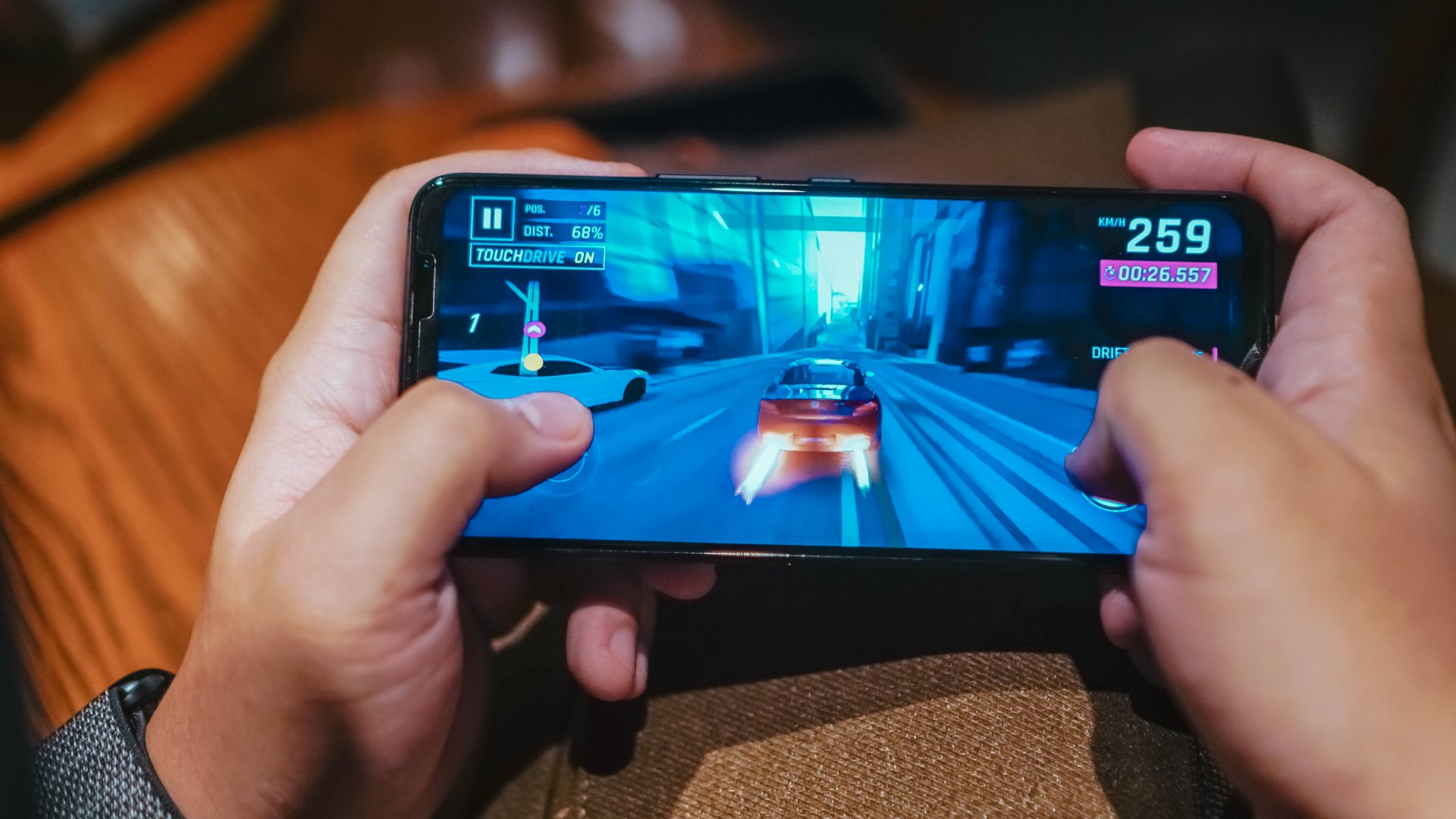
But the ROG Phone isn’t just any other smartphone. It’s a smartphone designed specifically for someone who wants to play mobile games. So, I asked current and former ROG Phone owners what made them buy one. Unsurprisingly, the two most prominent reasons are Gaming Capability and Battery Life.
What mobile gamers want
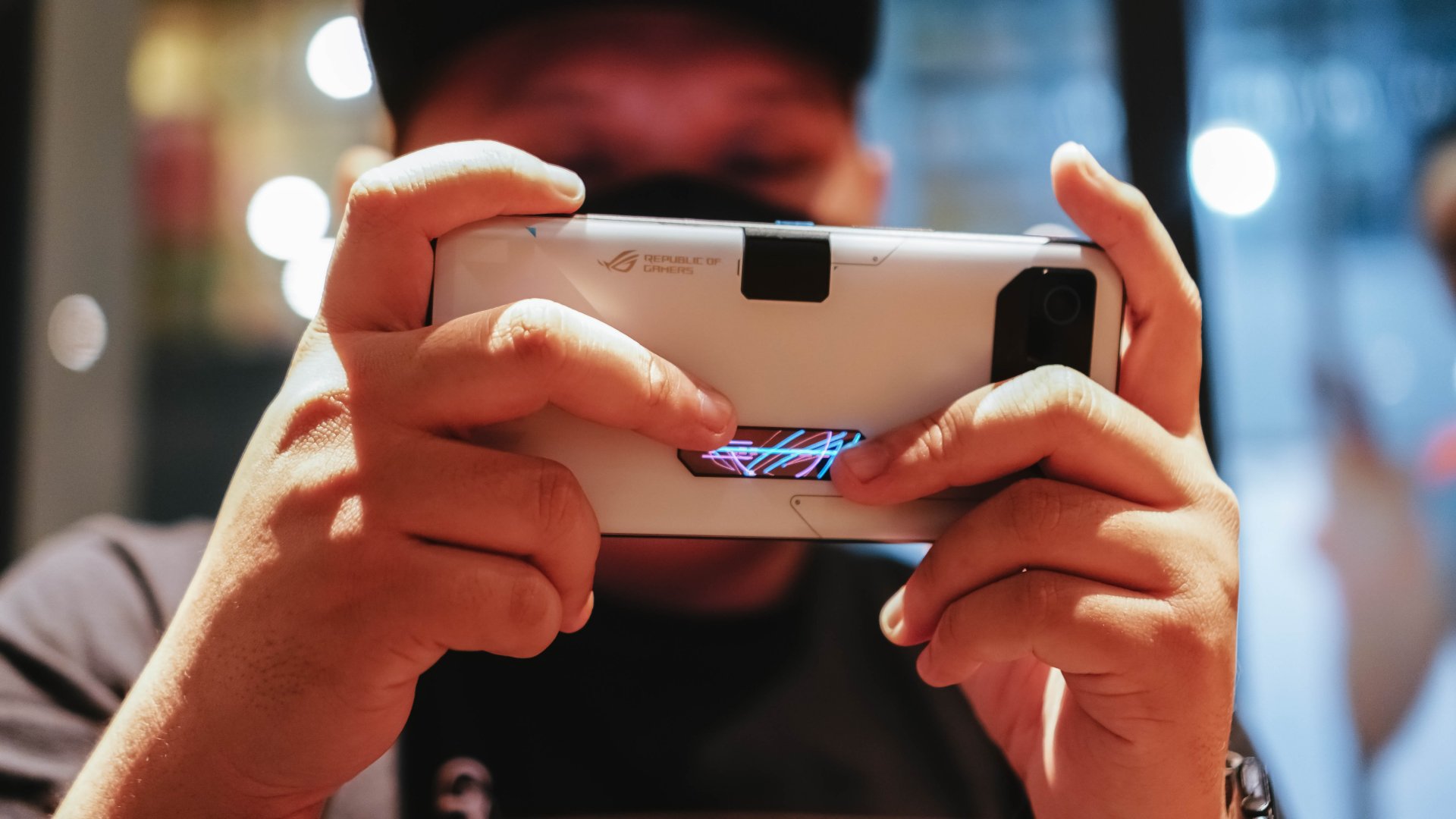
ASUS has had five years to perfect the ROG Phone formula. And you can say that they have to some extent. The improvements over the last two iterations of the phone have been marginal. They have maintained and refined everything that made users want to buy the phone in the first place.
Gaming performance
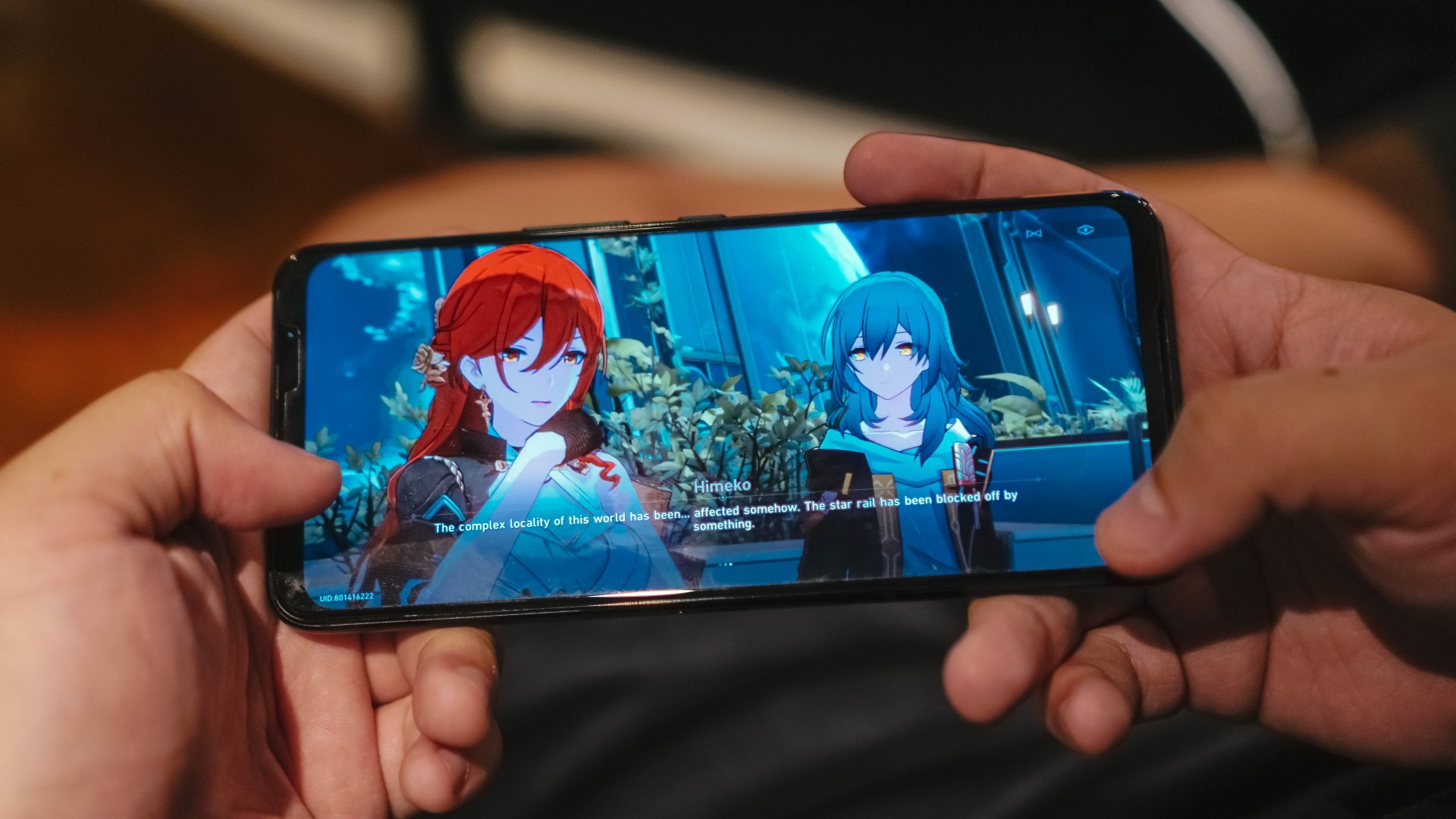
While the ROG Phone 7 Ultimate does use a processor that other Android flagships use — the Qualcomm Snapdragon 8 Gen 2. The company does a few things to draw out more of its power.
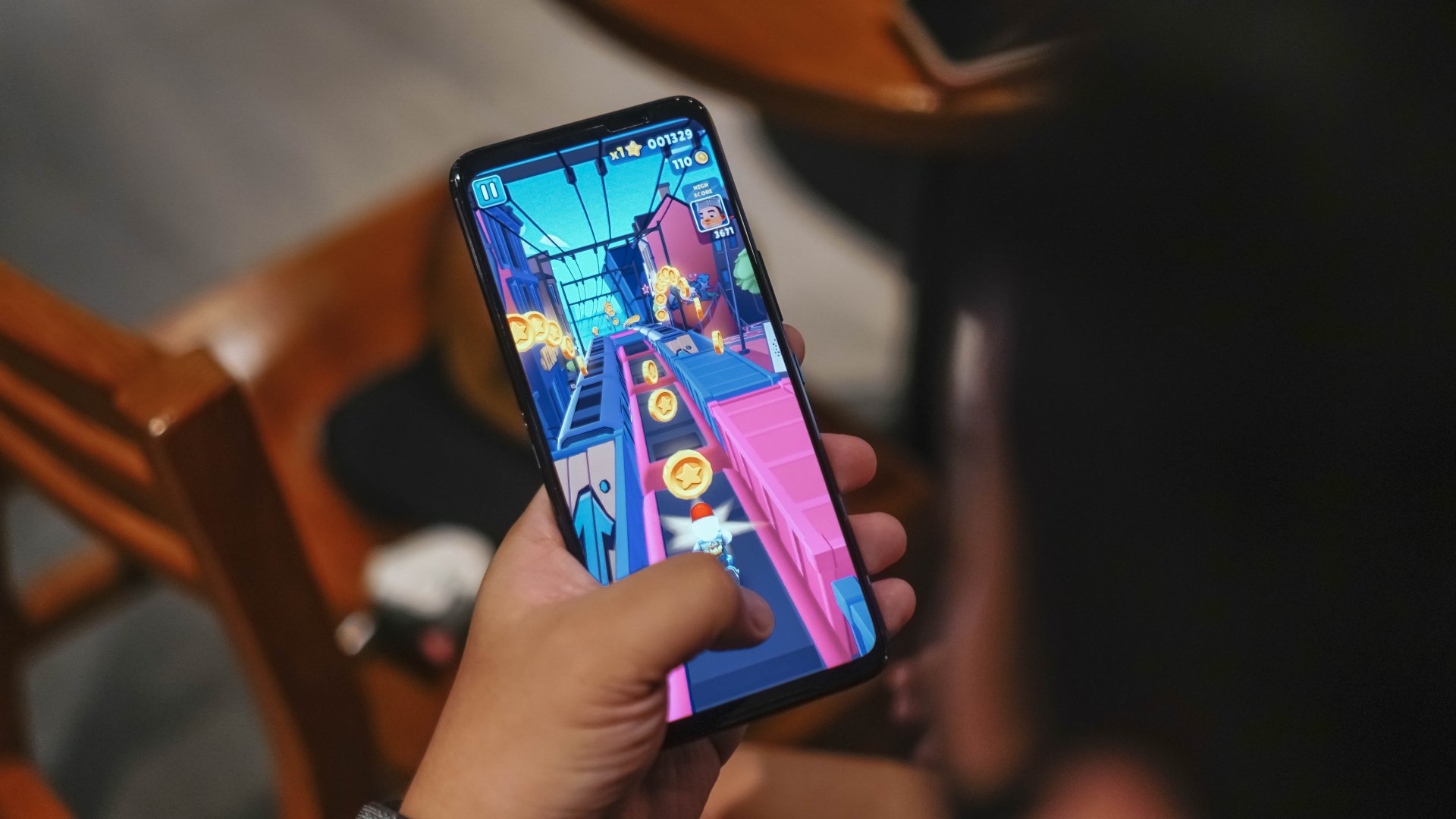
It showed no signs of struggle in playing any of the games I played. Then again, this is par for the course for any recent ROG Phone. And I tried everything from the power-heavy Honkai Star Rail, the criminally free on Netflix TMNT Shredder’s Revenge, the racing game staple Asphalt 9, and a timeless classic, Subway Surfers.
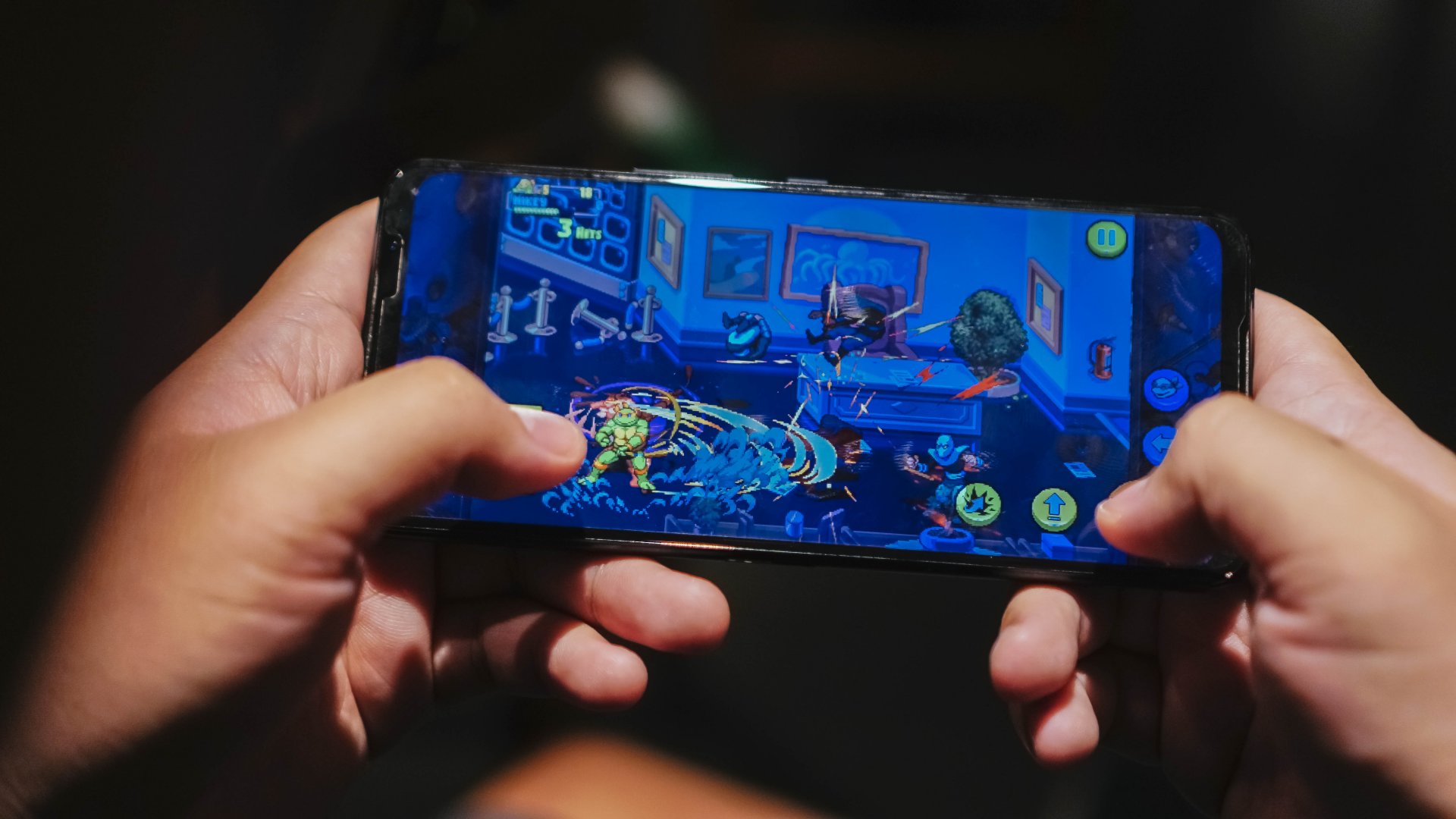
TMNT Shredder’s Revenge is a free game if you’re subscribed to Netflix
Interestingly enough, it’s this same reason that keeps the ROG Phone from supporting models beyond 2-3 years. Its features are so specific that it makes more sense to just release a new one over maintaining active support for older models.
Air Triggers
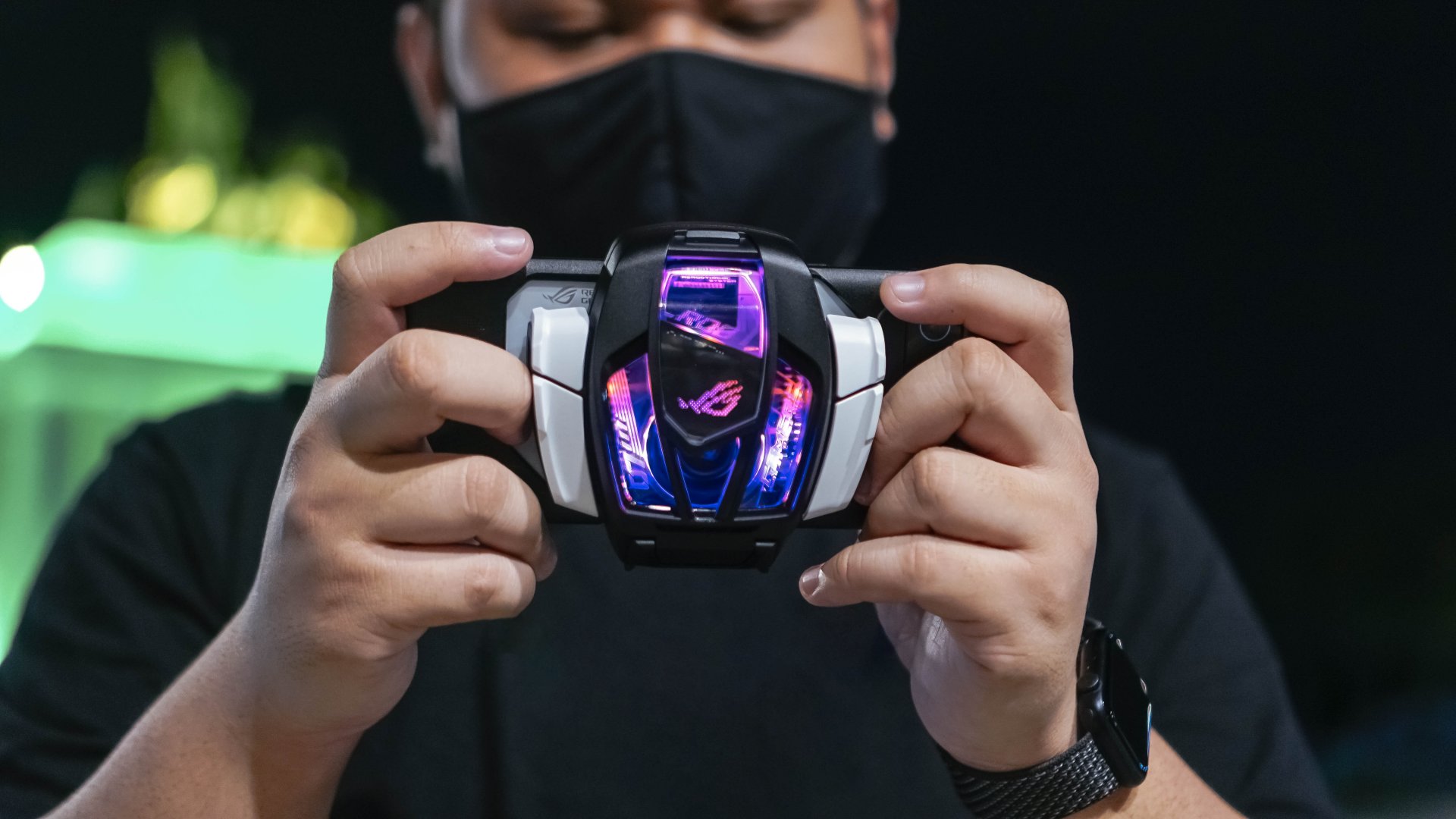
No other manufacturer does air triggers as well as the ROG. The ROG Phone, being especially skewed to gaming, means they’re really the only ones taking the time to master this pretty handy feature.
The air triggers function much like shoulder/trigger buttons on more traditional controllers. They are mappable and can help any player have a more comfortable, if not advantageous, gaming experience while gaming competitively.
It has been especially useful to gamers who play Call of Duty: Mobile and other shooter-type games.
Front-firing speakers

Watched plenty of aespa Karina, “Spicy” fancam on this thing
A boon for both gamers and video enjoyers. This is one of the other aspects of the ROG Phone that make just as much of a daily smartphone like other flagship.
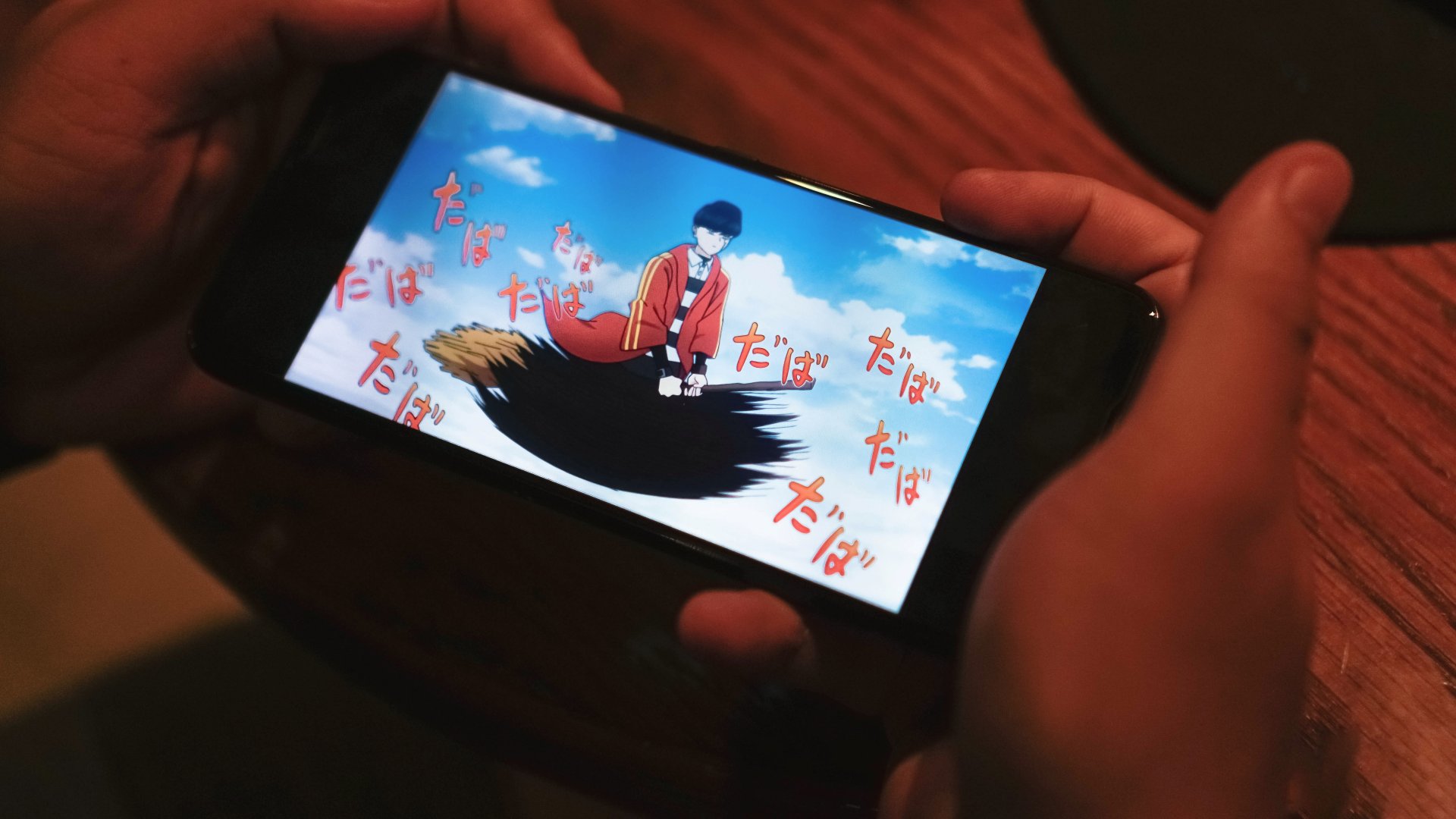
It’s great for catching up on anime like “Mashle”
Like a broken record, year-after-year, it’s one of the best. It’s loud without distorting the audio. And the sound is generally balanced, as full a sound you can get from a smartphone’s form-factor.
Battery endurance maxed out
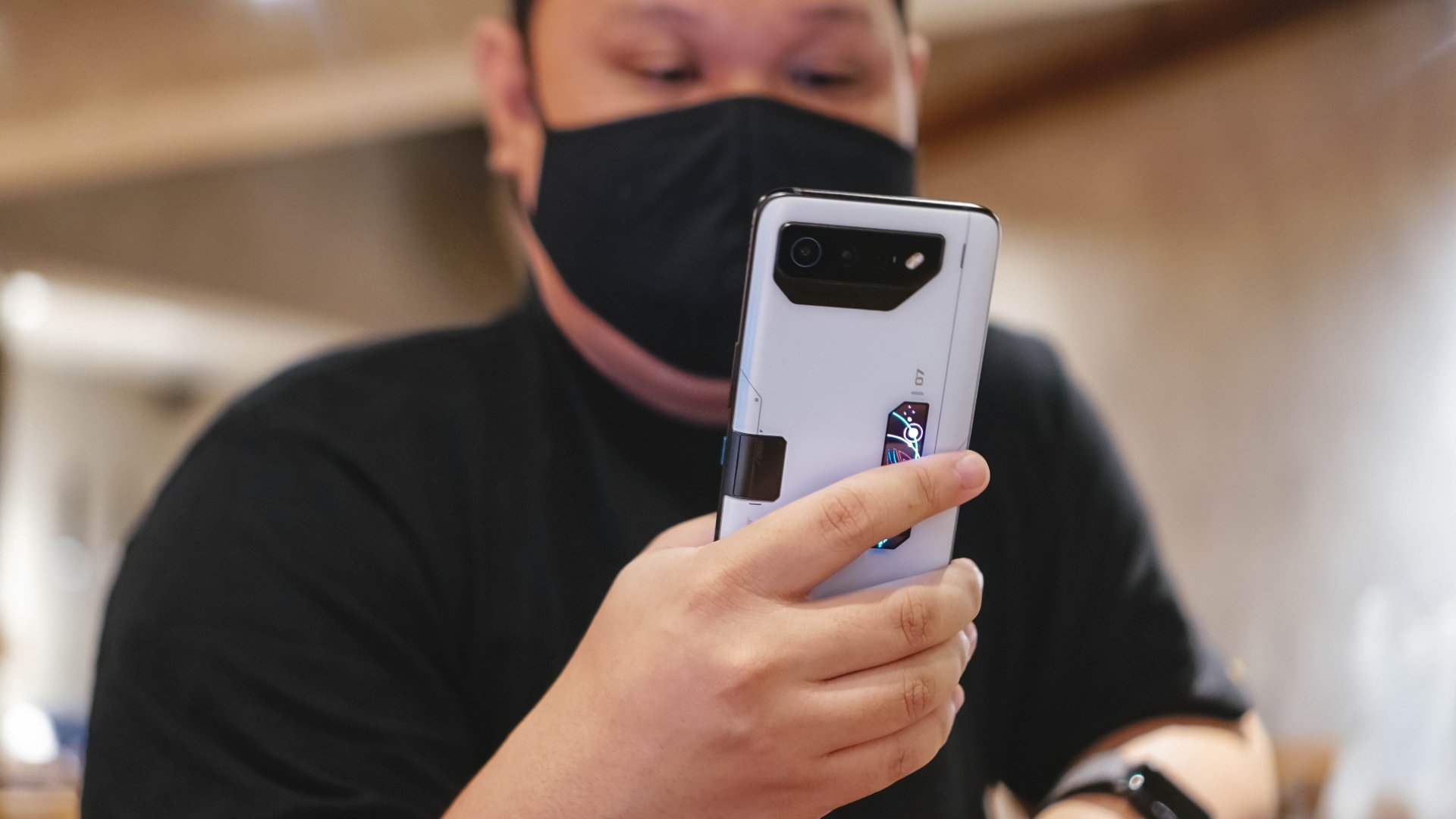
It’s pretty great as just a regular smartphone.
Again, this is one of the things that the ROG Phone is fantastic at. If you use it for a couple of days only as a regular smartphone, you won’t feel the need to rush to the nearest power outlet.
When I knew I was pretty much done testing its gaming capabilities, I didn’t use it much to play — only to browse socials, watch a few videos, and answer a few chats. With this usage, it took about two and a half days before I felt the need to juice it up again.
Cool to be cool

AeroActive Cooler 7
A huge talking point during the briefing with the ROG Phone 7 Ultimate is what they did with cooling. In fact, for a few devices now, that’s been one of their main talking points.
Naturally so. You play a demanding game for an extended period and the phone will heat up. To keep the performance at a manageable level, the manufacturer has to be creative with how the cooling works.
And for extra cooling, they also apply the same solution they’ve had for users – an extra cooling unit called the AeroActive Cooler, now also with a “7” to its name.
Is the ROG Phone boring now?
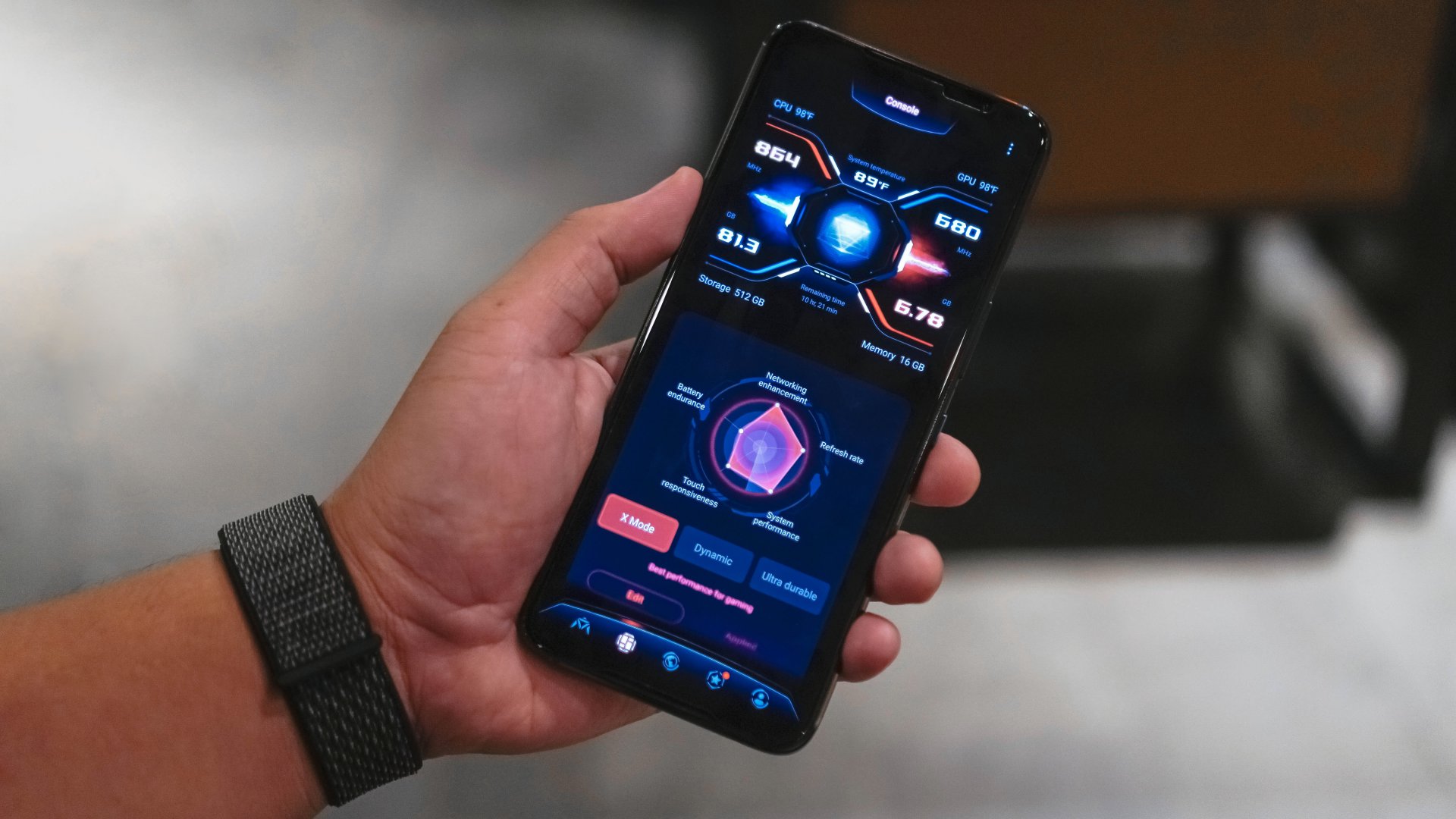
Armoury Crate on ROG Phone
Hear me out. I’m not saying it’s a bad smartphone. But the ROG Phone has reached a level of notoriety that it’s just not as exciting to report on anymore. And that’s true even for the Samsung Galaxies and the iPhones of the world — but that’s another topic altogether.
With the ROG Phone, you know what you’re getting: A gaming smartphone with gaming-specific features. There’s the distinctly gamer look with a bunch of lines that evoke a mech-vibe. In both the top-line models of the ROG Phone 6 and ROG Phone 7, you even get the ROG Vision. It’s a tiny display on the back of the phone whose only real purpose is for showing off.
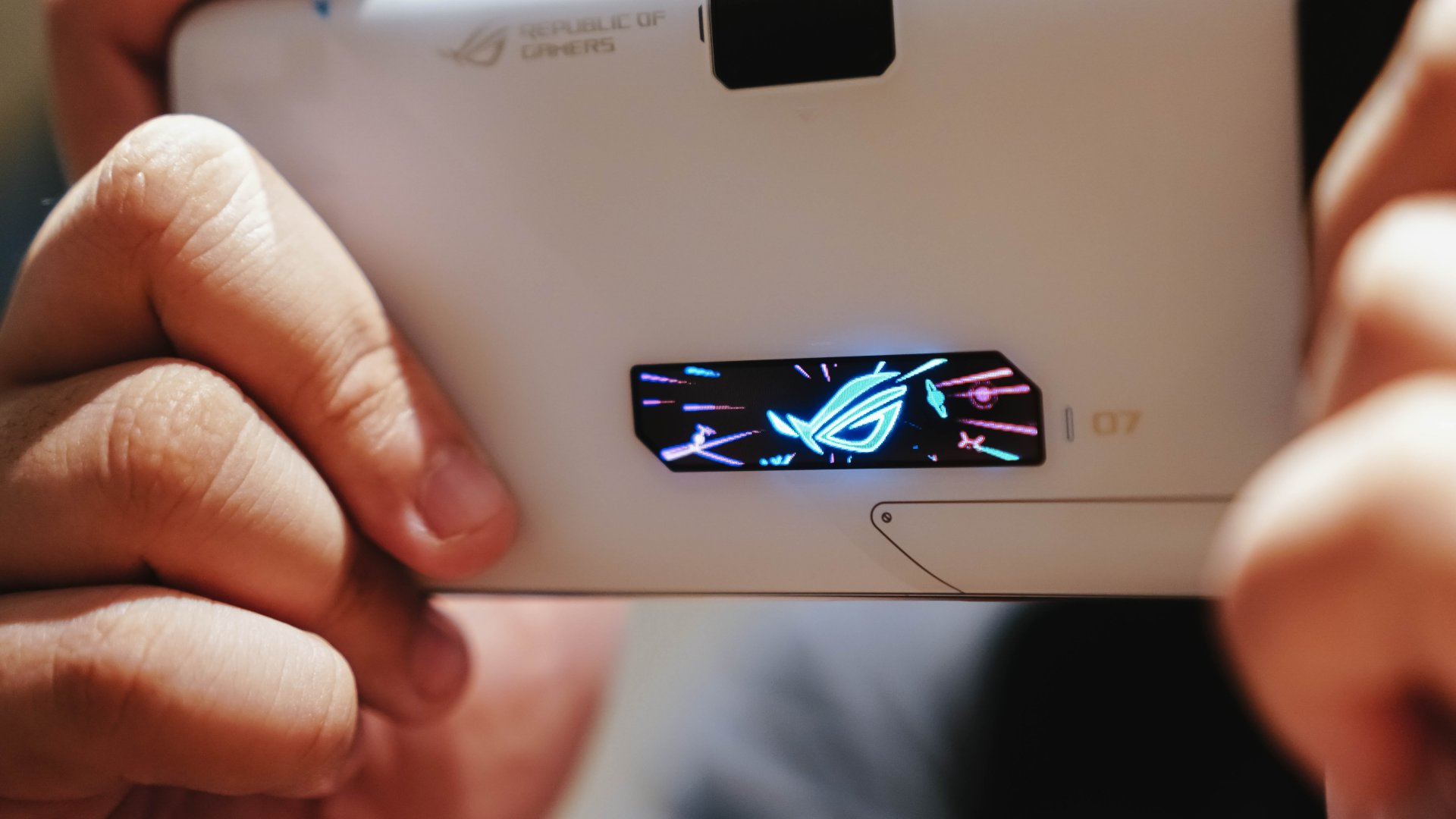
ROG Vision just for kicks
Of course, you also have the staples — the Air Triggers, front facing speakers, and a display that’s built to keep you immersed. Battery life hovers around the same ballpark too. But writing all of that felt like a slog. Absolutely nothing new
Point is, the ROG Phone is a known quantity. That’s a great thing for fans of the product line. But it doesn’t leave much room to be talked about in the pretty crowded smartphone space.
Is the ROG Phone 7 Ultimate your GadgetMatch?

As a product to report on or write about, I would argue that, yes, it kind of is boring now. Writing about the ROG Phone 7 Ultimate felt like taking a test I already knew the answers to. But that’s only because it knows exactly what it is and who it is for.
Literally no one else is doing it quite like the ROG Phone. From form to function, it’s THE undisputed gaming smartphone of choice. And the ROG Phone 7 Ultimate continues that tradition. It’s the best that the ROG Phone has ever been and that’s something we’ve come to expect year in and year out.
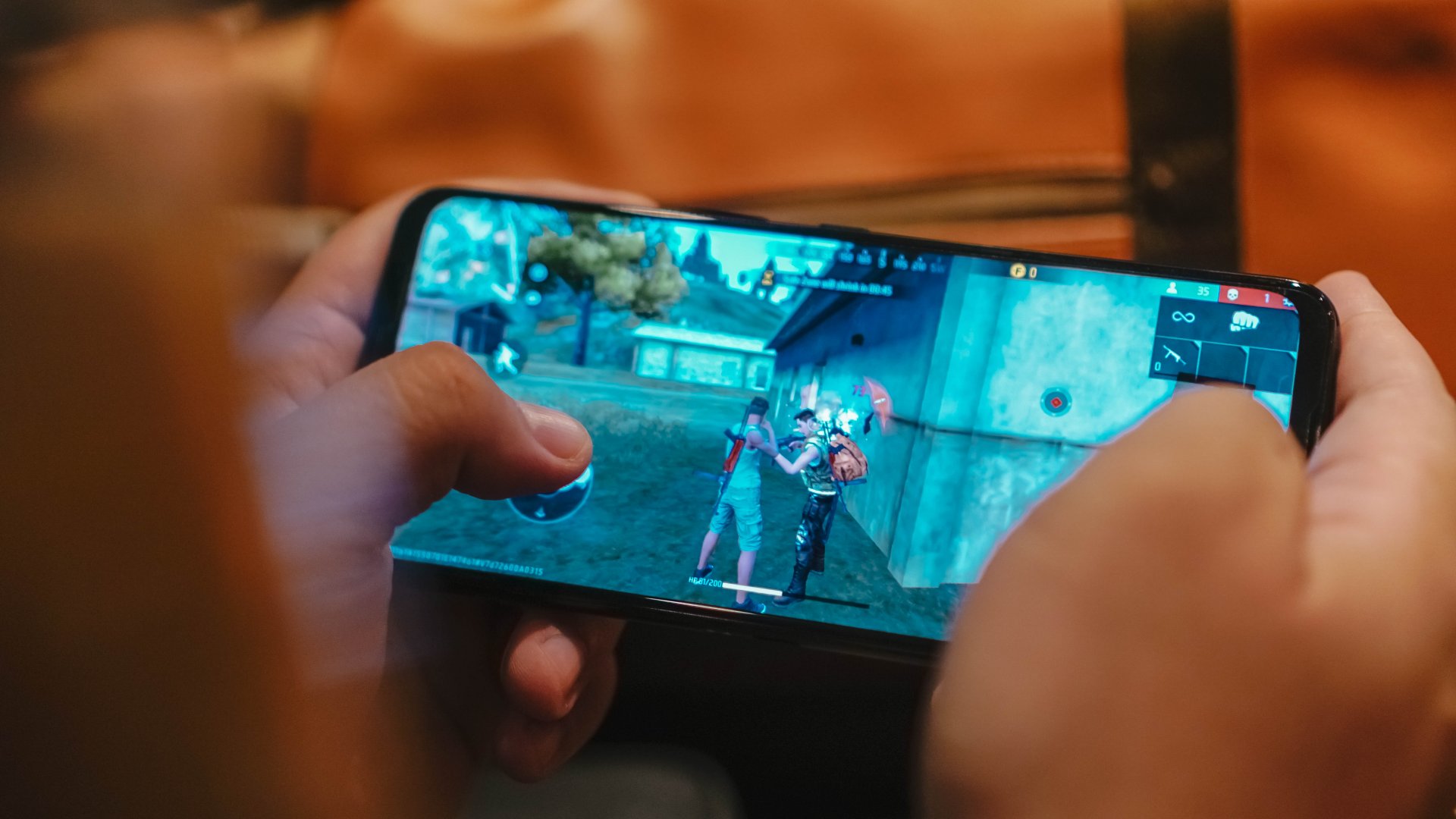
If your smartphone priorities align with that of the ROG Phone, then it is an excellent product. It’s certainly a mobile gamer’s GadgetMatch.
Is it newsworthy? In the general sense, not really. Not anymore. But is it a goddamn good product? Hell yeah it is. One that deserves the GadgetMatch Seal of Approval.
More on the ROG Phone 7 Ultimate here.


vivo X300 FE review: Don’t judge the camera by its cutout
A midrange-sized camera bar doesn't mean mid camera performance


PRAGMATA is not for the faint of heart
Already a Game of the Year contender for all the feels

5 games with the nubia Neo 5 GT 5G
Niche device, but is worth the price?

HONOR Magic8 Pro gets Android 17 Beta 3 support early

When your fiber Internet connection is treated like a disposable slot

Why WIDE foldables genuinely excite me
vivo X300 FE review: Don’t judge the camera by its cutout

SEGA/ATLUS, animate launch year-long collaboration featuring popular IPs


-
 Singapore1 week ago
vivo Y Series launches in Singapore with bigger battery, durability upgrades
-
Reviews2 weeks ago
5 games with the nubia Neo 5 GT 5G
-

 Automotive2 weeks ago
The VinFast VF6 is perfect for urban travelers
-

 Gaming2 weeks ago
The Blood of Dawnwalker launches September 3
-

 Gaming2 weeks ago
Final Fantasy VII Rebirth demo out now on Switch 2 and Xbox
-
Gaming1 week ago
PRAGMATA is not for the faint of heart
-

 Features2 weeks ago
A Galaxy summer to remember
-

 Gaming1 week ago
Star Wars: Galactic Racer launches October 6