
Features
Sony Xperia XZ1: What is 3D scanning and how does it work?


Sony released their latest flagship in IFA a few months back and the device has built-in 3D scanning capabilities. Obviously, this was a feature that I got particularly excited over, and finally, I got to test it out.
This is the Sony Xperia XZ1
In true Sony fashion, the handset is sleek, boxy, and to me, very reminiscent of a chocolate bar.

It has flagship functionalities like powerful cameras (which take great photos and have super slow-mo video capabilities), a Full HD display, and a top-of-the-line Snapdragon processor.
But, most importantly, it has 3D scanning capabilities!
Now, I know that 3D scanning isn’t particularly new — you could download apps to be able to get this function on most devices — but Sony’s implementation allows you to do more fun things with your scan. You’ll see later on.
Let the 3D scanning begin!
All scanning is done via the 3D Creator app that’s built in. Though originally available on the Xperia XZ1, the app has been made available to other Sony devices, as well.
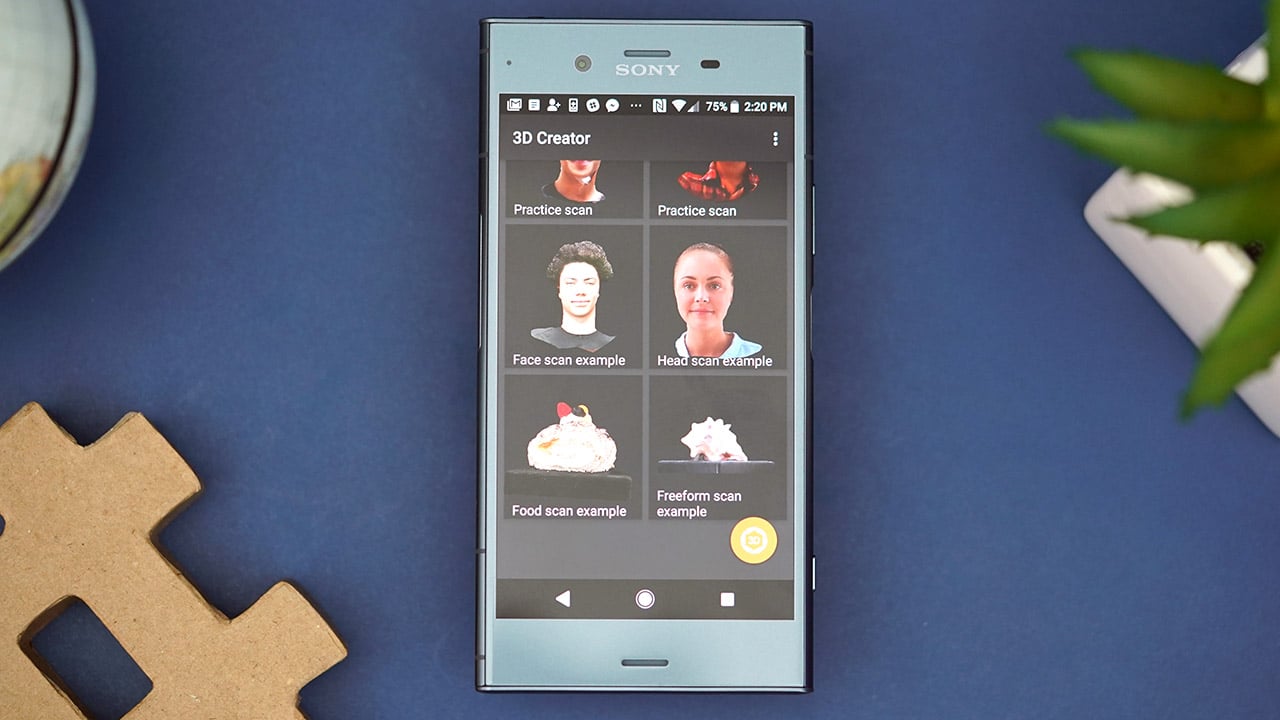
Said app allows for four different types of scanning modes: 360 degrees of your head, face, free form, and food. Now, I know what you’re thinking: What ever would I need to scan? Well, I’d imagine a lot. Food photography, for one, will never be the same. Imagine having 3D scans of your meals instead!

Or, scan your friends to remember them by, always! Below is a scan or Marvin, our Managing Editor, which is an effective reminder to always double-check the grammar in my articles.

Besides, at this point, it’s not a matter of what you need to do, but what you can do with the 3D scanning — and you can do a lot.
How to 3D scan
Sony, in theory, makes it easier for people with no prior 3D scanning experience (i.e., me) to create scans.

Figure 1
I enlisted the help of Chay, GadgetMatch’s Creative Director (perfect because I’d imagine this to be a creative activity), to put the 3D scanning app to the test.
This is how it goes: You open 3D Creator and start off by picking which type of scan you’d want to do. I chose the “head scan” for this tutorial. This means we scan 360 degrees of Chay’s likeness. The first step (as shown in Figure 1) entails fitting the subject’s face into an outline. You are then instructed, by big directional arrows, to move around the subject for the actual scanning (see Figure 2).

Figure 2
Seems easy enough, yes? I’ve seen people do it during the launch in IFA, and I’ve even witnessed it being done to me at the Xperia XZ1’s local launch. So, I tried…

Figure 2.1
… and tried…

Figure 2.2
… and tried harder.

Figure 2.3: Chay getting really bored
Guess what? It wasn’t as easy as it looked. Who knew following a line could be so hard?
You also need perfect lighting and very accurate spacial-navigation skills for the perfect scans. But, let’s be honest — no one’s perfect, especially at first try. And then, there were times when the app just froze. It’s a learning process with the end of each scan telling you what went wrong, or what you could fix to better the scan (Figure 3).

Figure 3
When we finally finished, we ended up with less than perfect scans. Still, workable 3D scans are very impressive feats in themselves.

Figure 4
In theory, we could make really detailed mini versions of Chay’s head — if we were patient enough to perfect how to do it.
Final product!
So, okay, I scanned Chay. Now what?
Well, you can 3D print all the mini-Chays you want! In some countries, Sony has even partnered with 3D printing services to make this process quick and seamless.
But, if you’re not the figurine-lover type like me, fret not: 3D Creator also has AR integration. You can dress up your mini-Chays in funky dino suits (just one among the many options) and make it dance around the real Chay like I did! Think Snapchat’s Bitmoji AR features, only better.

There are pre-set poses and actions you can make the 3D-scanned avatar do. Take photos, shoot videos, you name it. You can even use your 3D scan as a live smartphone wallpaper because, why not? The app also has social media integration so you can share said scans away. Also, a crowd favorite: GIF stickers are a possibility! See below:

So, is Sony’s 3D scanning worth it?
There’s still much to be improved. Don’t get me wrong — this is some great tech, but user experience can be made better, easier. I have no doubt, however, that the developments would come sooner or later.
Bottomline is: Sony has found an enjoyable way to integrate 3D scanning tech in our 2017 lives because let’s be real, who 3D prints stuff for fun? On the other hand, I send fun GIFs to people on a daily basis and this level of personalization is a dream.
Some may argue this is another useless smartphone feature, but in the age of animated emojis, I would argue otherwise.
SEE ALSO: Sony Xperia XZ1 and XZ1 Compact Hands-On
[irp posts=”19367″ name=”Xperia XZ1 and XZ1 Compact stick to Sony’s proven formula”]






Camera Shootouts
Camera Shootout: HONOR 600 Pro vs OPPO Reno15 Pro
Camera clash of the two Mainlander midranger


Year after year, major phone brands are defying the manufacturing and costing challenges just to give the mid-class the smartphone cameras they deserve.
This 2026 and beyond, it seems like it’s the new norm for the freshest breed of premium midrangers.
Mainlander Midranger
The HONOR 600 Pro and OPPO Reno15 Pro are two smartphones positioned in the peak of the midranger pyramid.
On paper, they are highly likely the closest in terms of camera hardware.
HONOR 600 Pro |
OPPO Reno15 Pro |
|
Wide |
200MP f/1.9
|
200MP f/1.8
|
Ultra-Wide |
12MP f/2.2
|
50MP f/2.0
|
Telephoto |
50MP f/2.8
|
50MP f/2.8
|
Selfie |
50MP f/2.0 |
50MP f/2.0 |
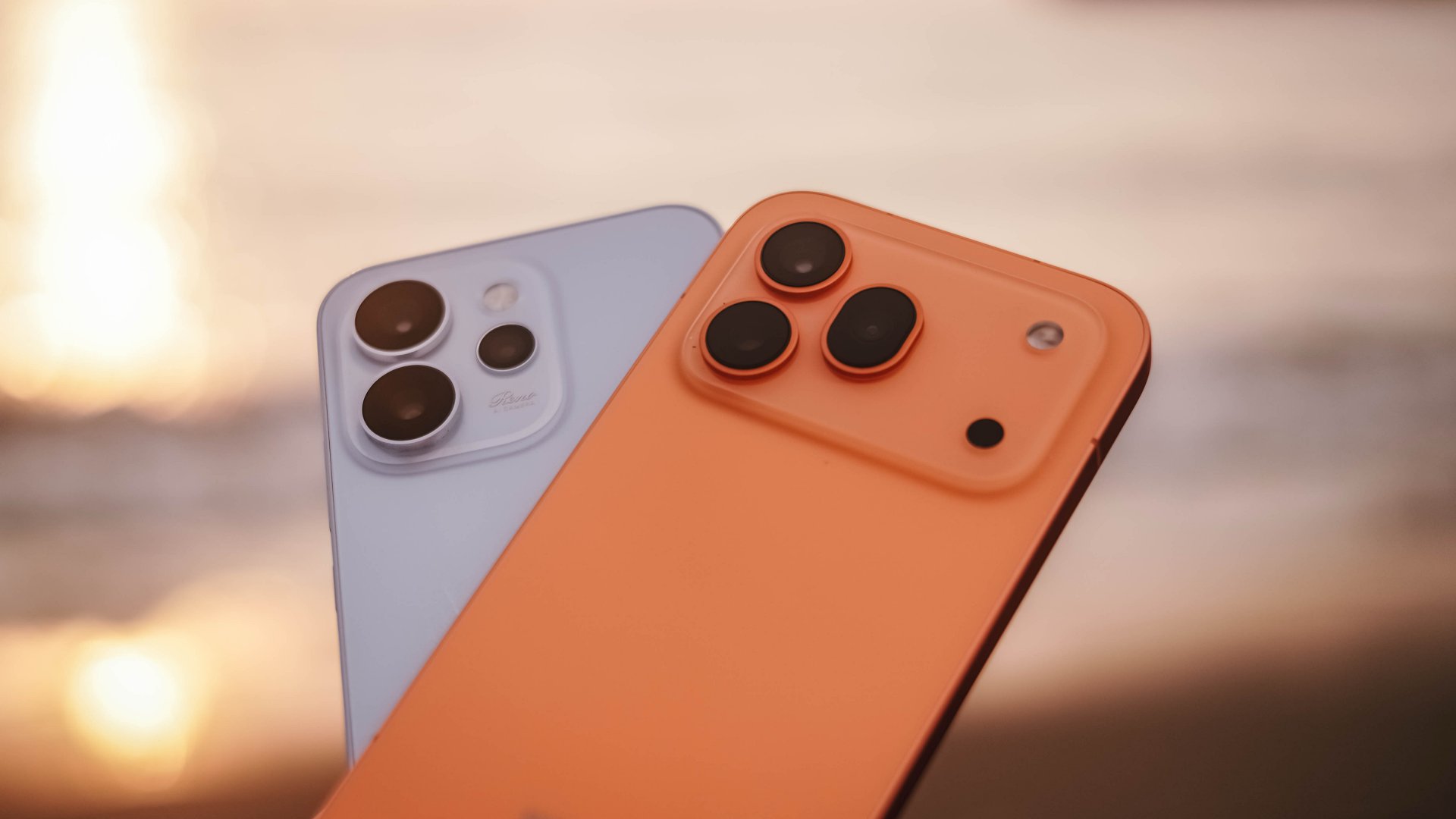
First and foremost, while these phones rock a similar 200MP cameras by Samsung, the sensor sizes and age are quite different.
The HONOR 600 Pro has a bigger yet older (2022) 1/1.4-inch ISOCELL HP3. Meanwhile, a newer (2025) yet standard-sized ISOCELL HP5 was used in the Reno15 Pro.
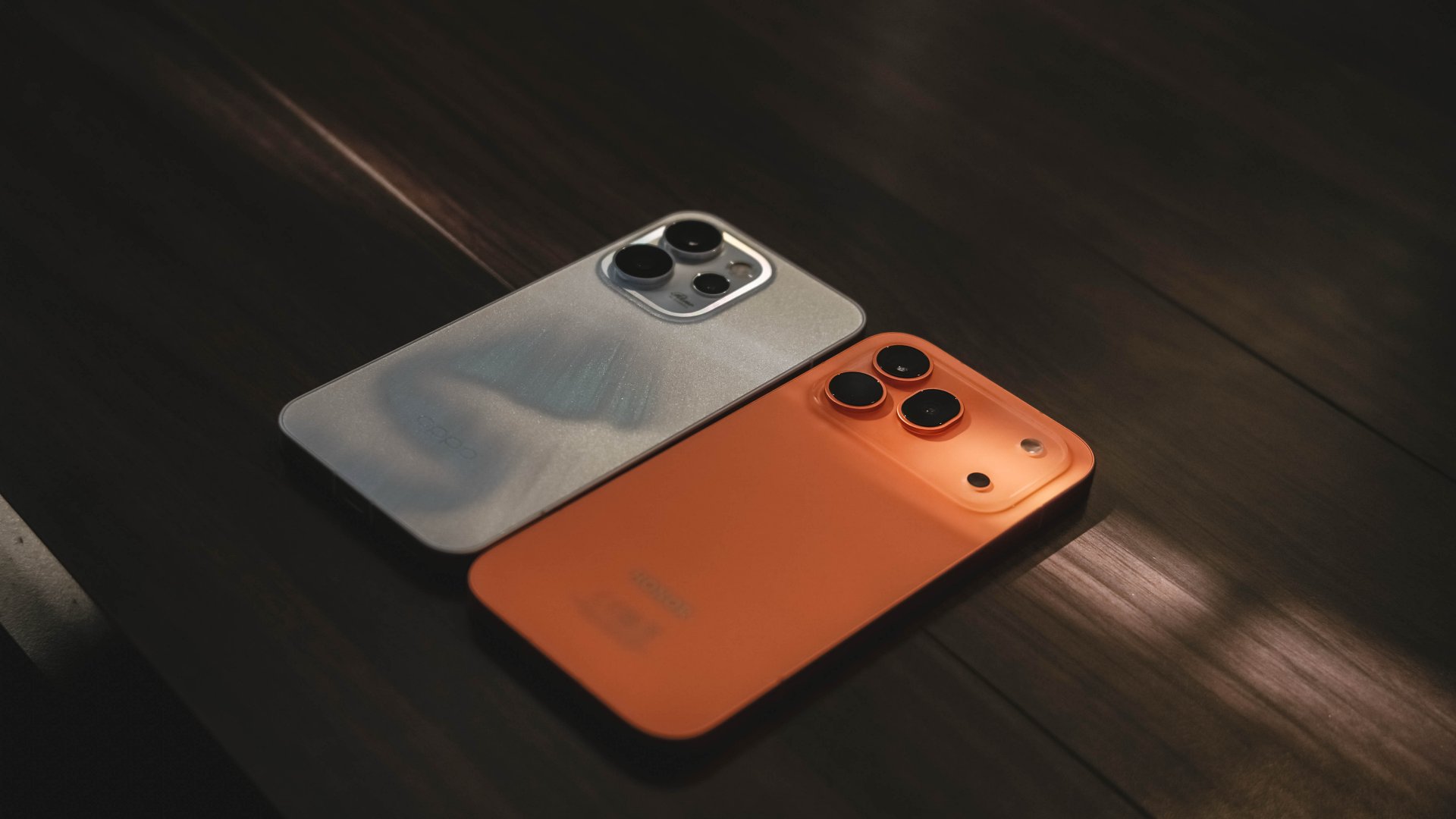
The biggest disparity can be seen in their ultra-wide modules. HONOR didn’t focus too much on it by giving a smaller 12MP f/2.2 with a tighter 112-degree FoV (Field of View).
On the other hand, the OPPO equipped a bigger 50MP module with a brighter f/2.0 aperture, and an even wider 116-degree FoV.
Lastly, both the telephoto and selfie shooters are at 50MP. Both telephoto cameras are capable of optically zooming in to 3.5x.
Fair and Square
Both of these midrangers have their own set of special sauces. But, for the sake of fairness, I’ve stuck with each of their default camera color profiles: Natural for the HONOR 600 Pro while Original in the OPPO Reno15 Pro.
Disclaimer: If you are new here, sample photos were all taken using the default AI Camera Mode. These images were resized and labeled for faster loading and better online preview. No color correction, zoomed-in cropping, nor any other type of photo manipulation were applied.
3.5x Telephoto
Starting with the common denominator of both phones: their 3.5x 50MP f/2.8 telephoto shooters
T1


T2
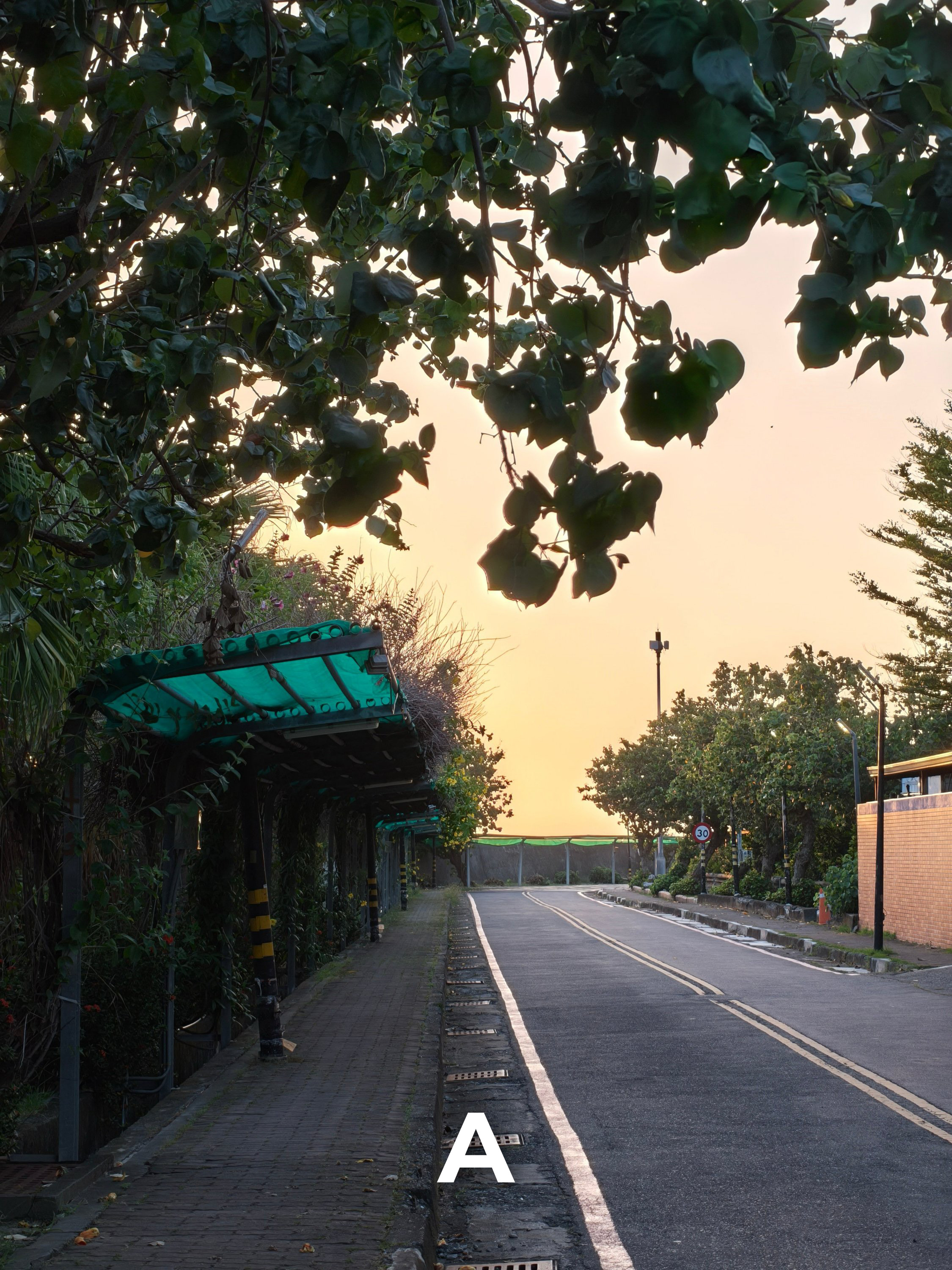
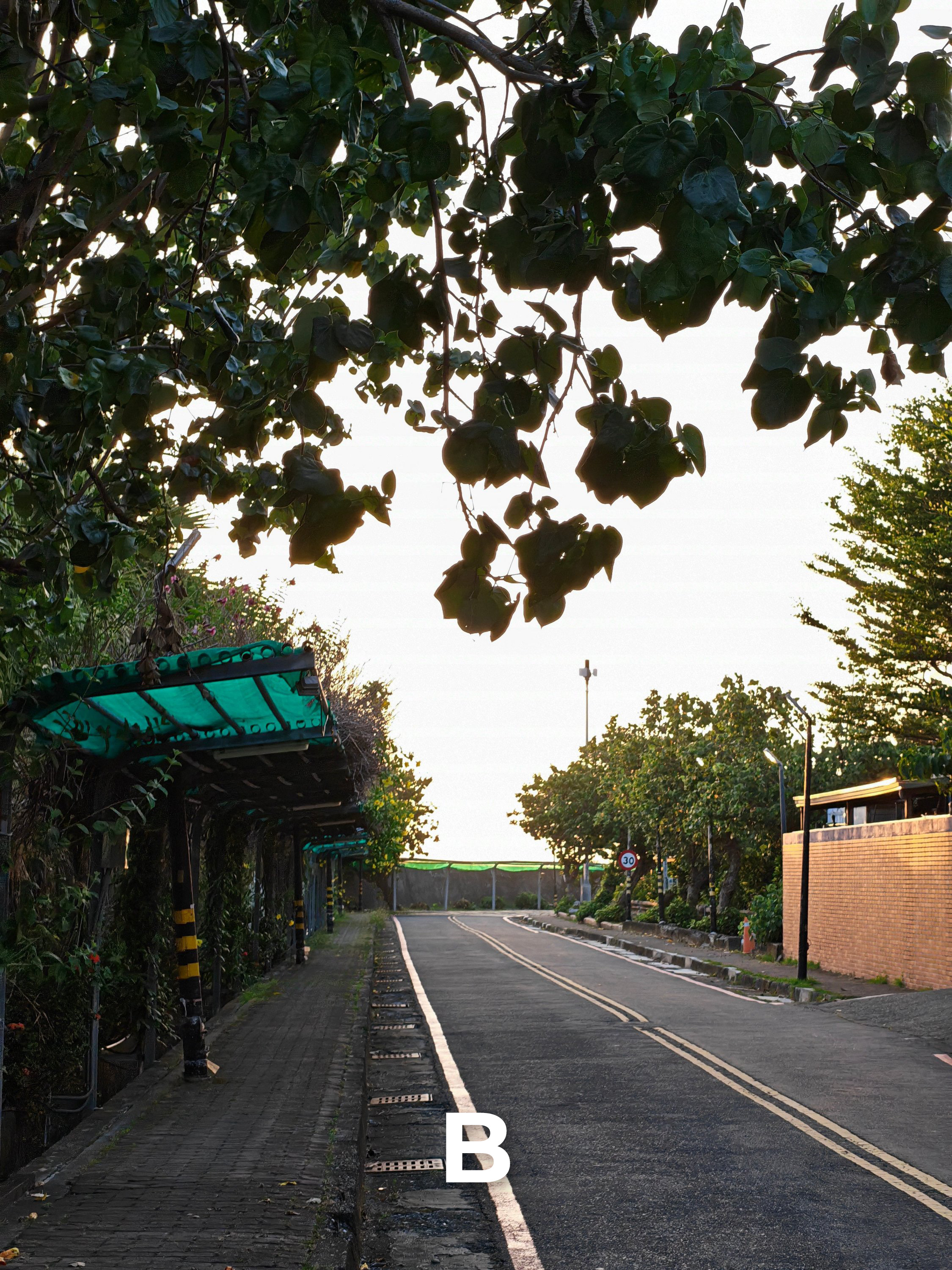
T3

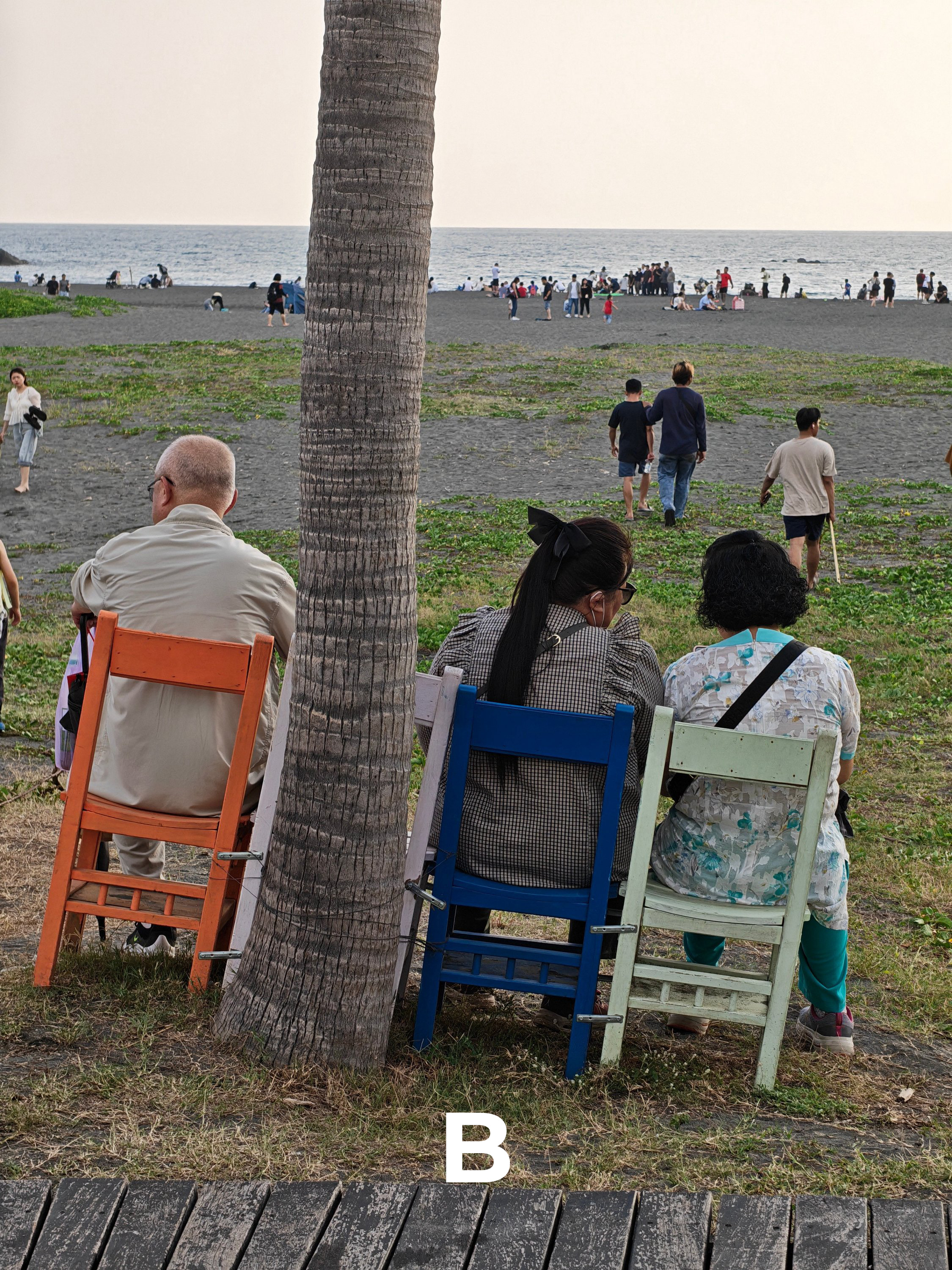
T4


T5


T6


T7
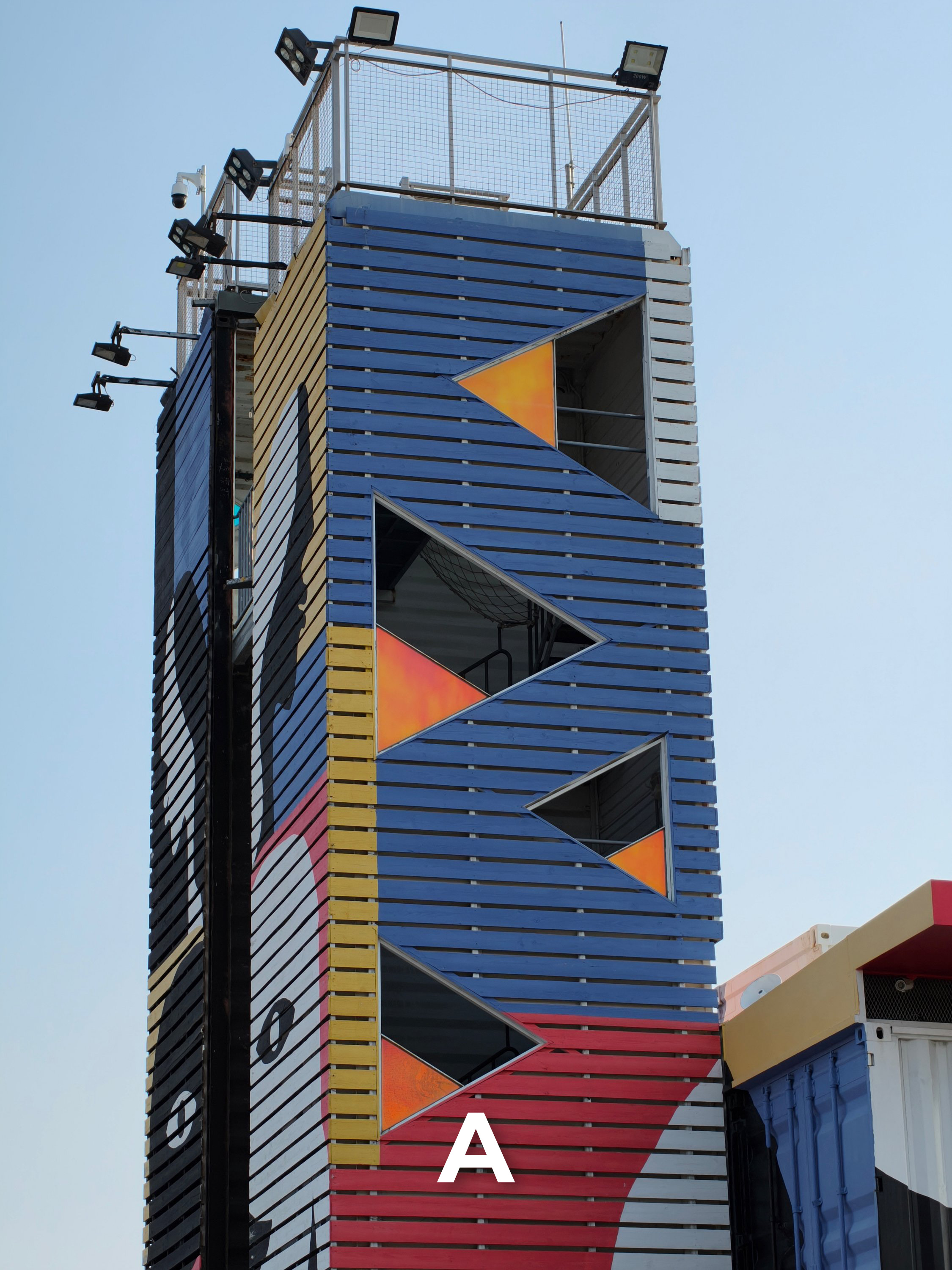
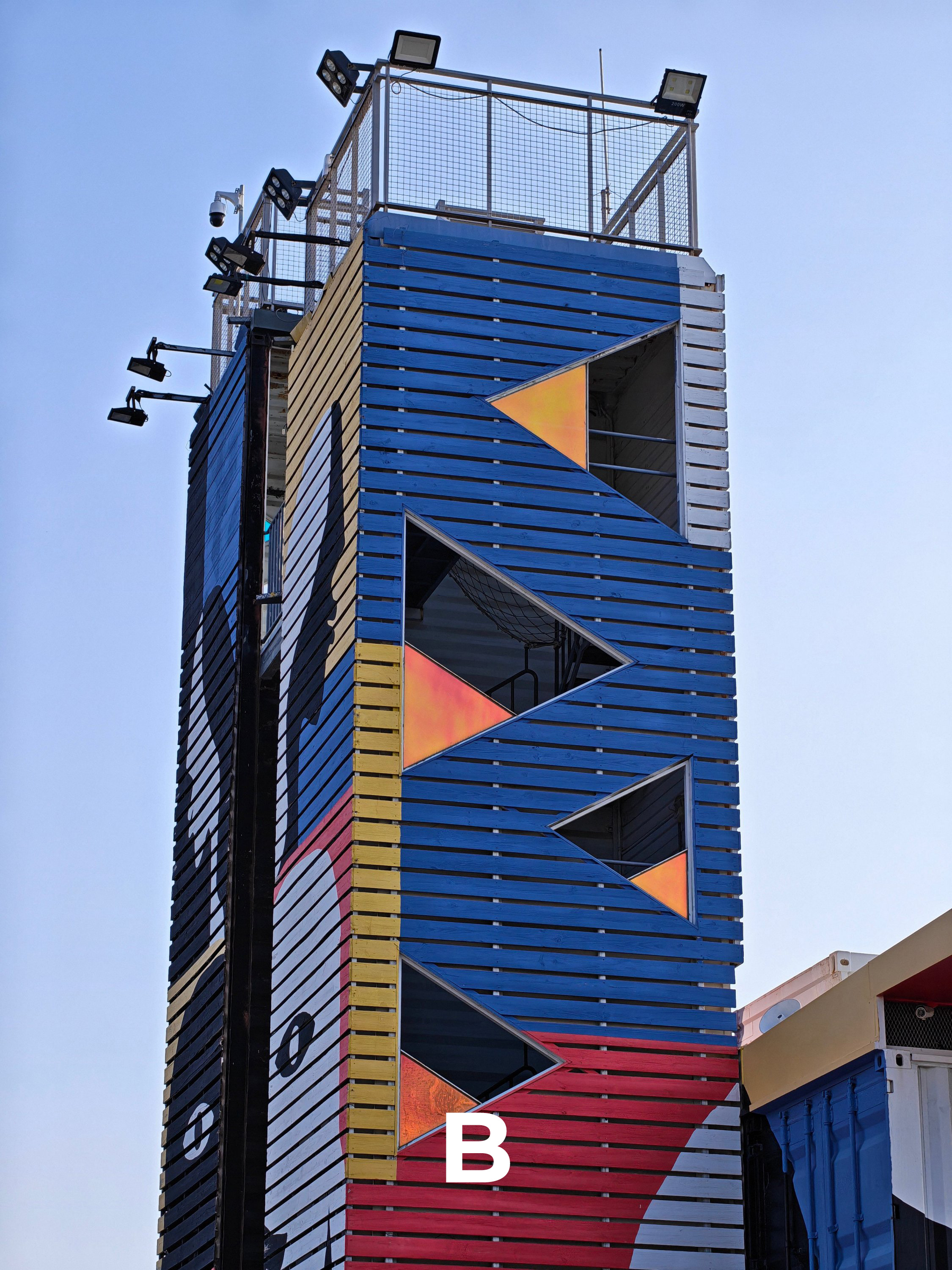
T8

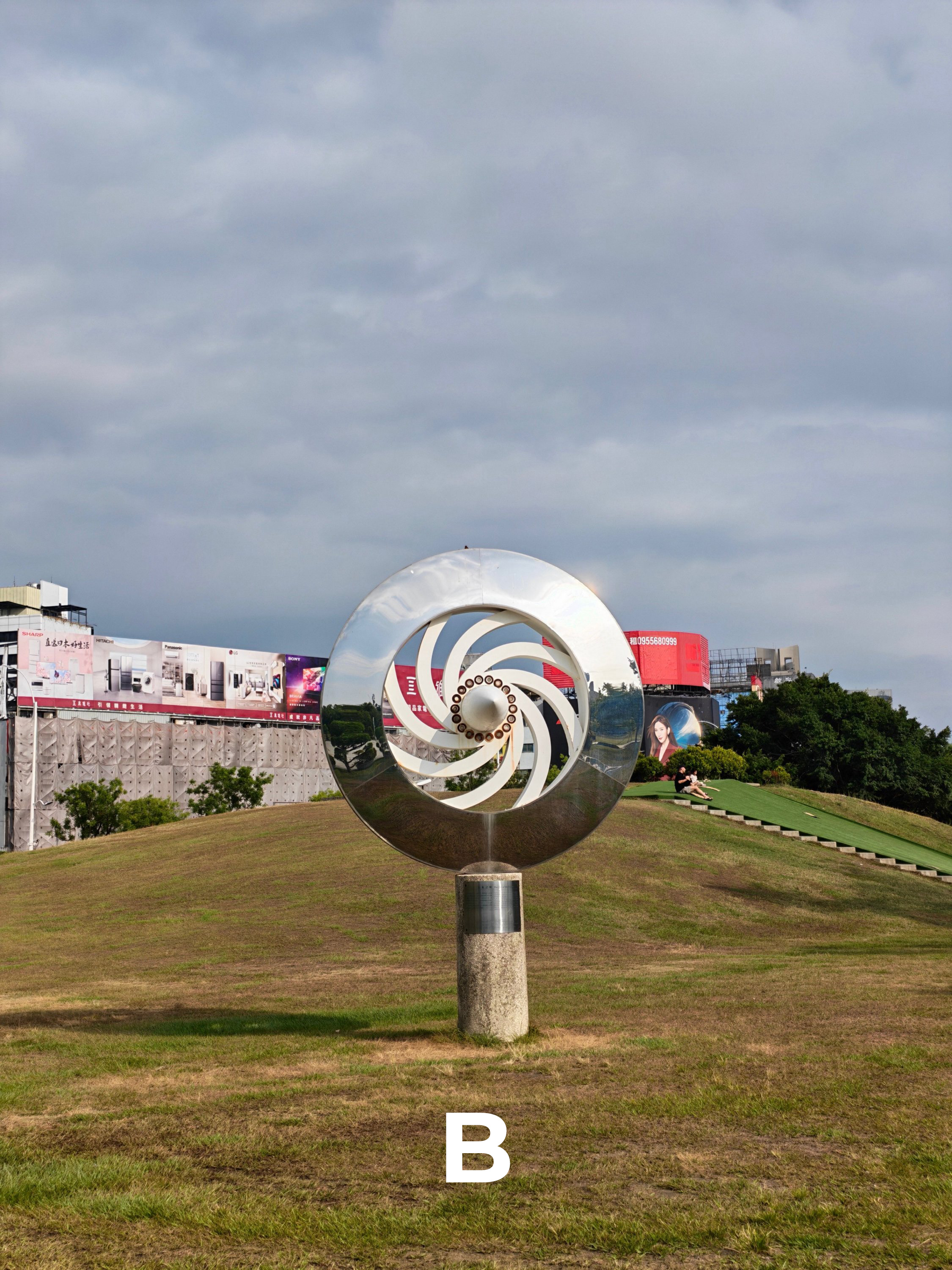
T9
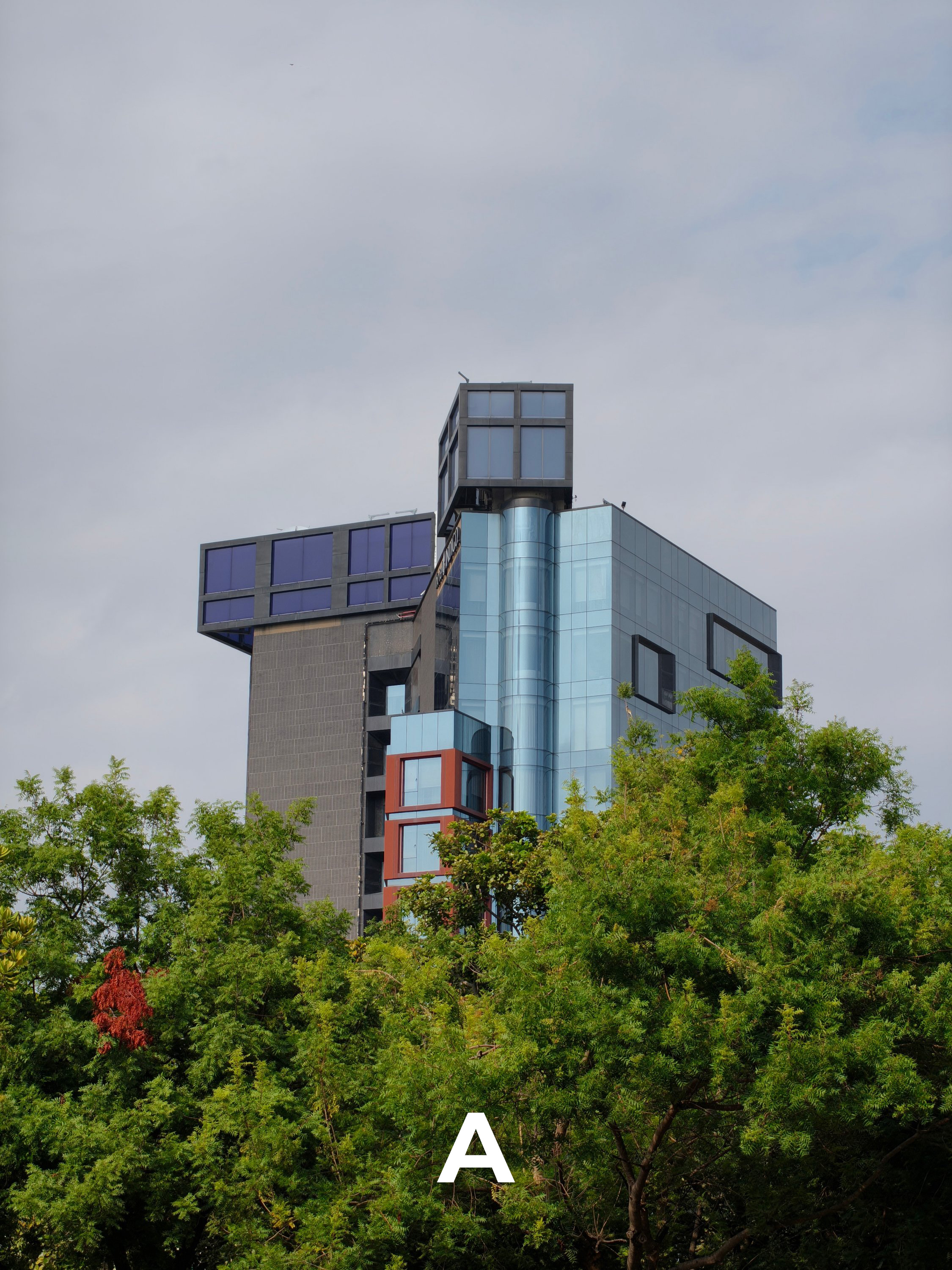
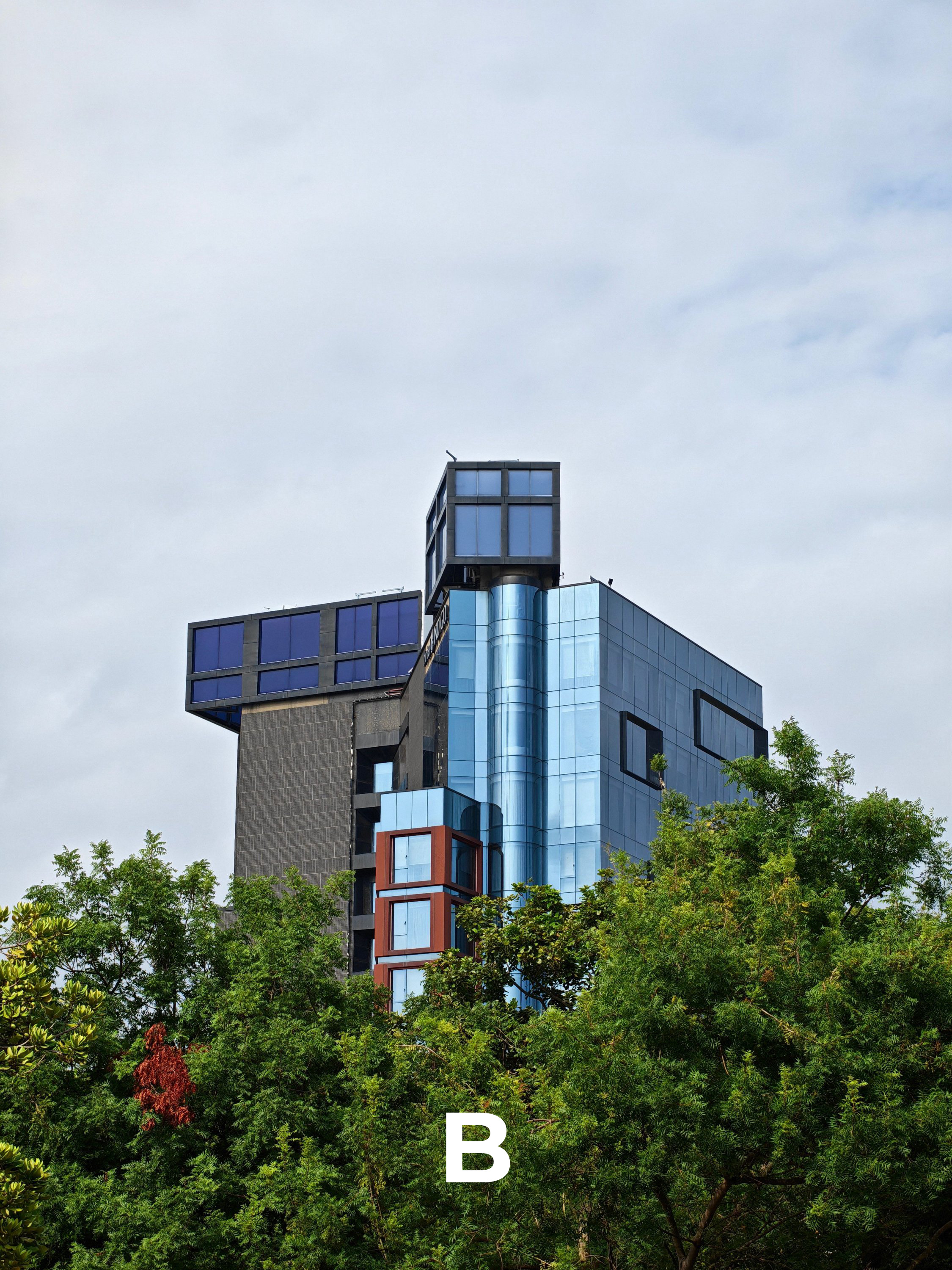
T10


T11
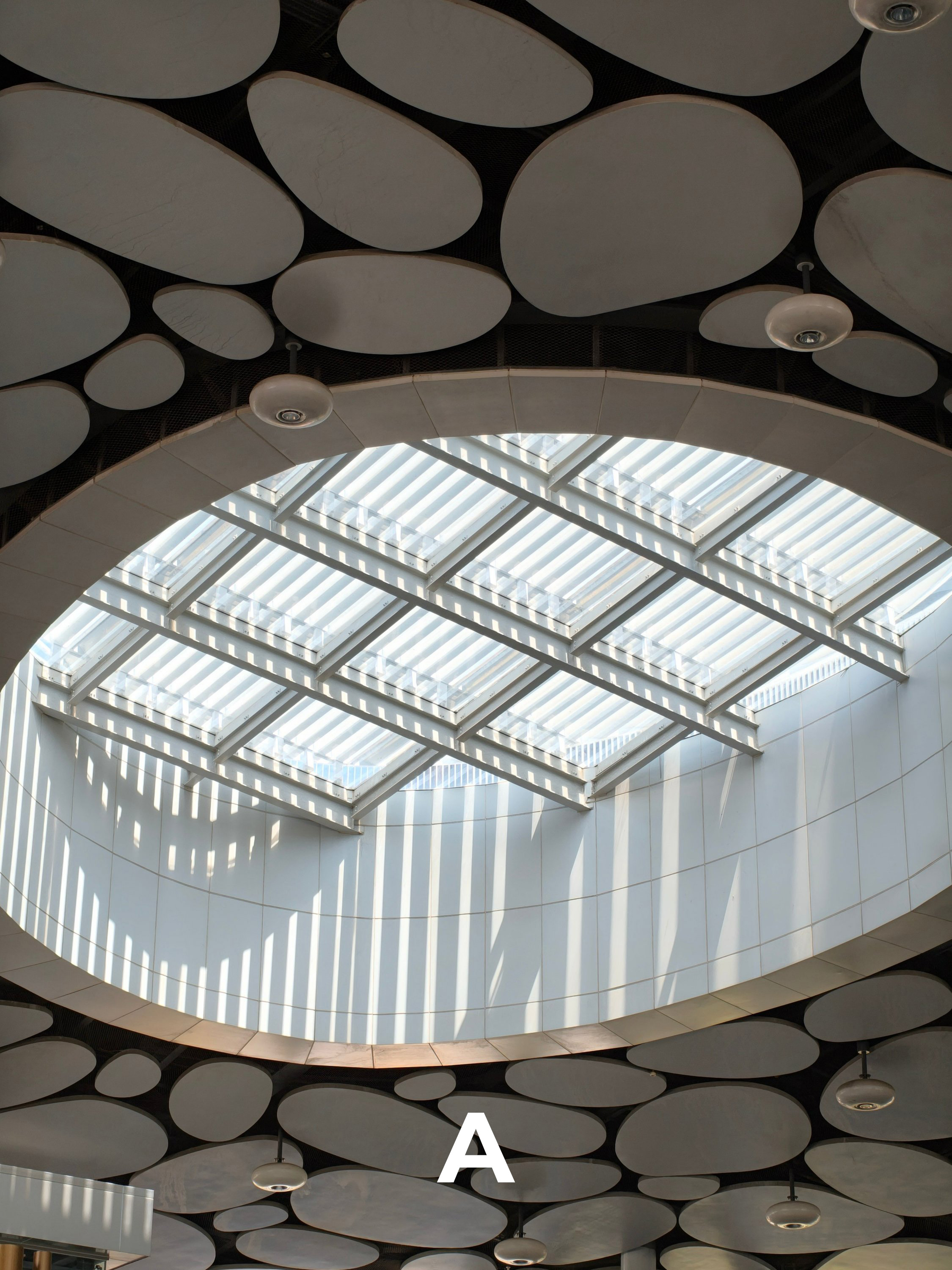
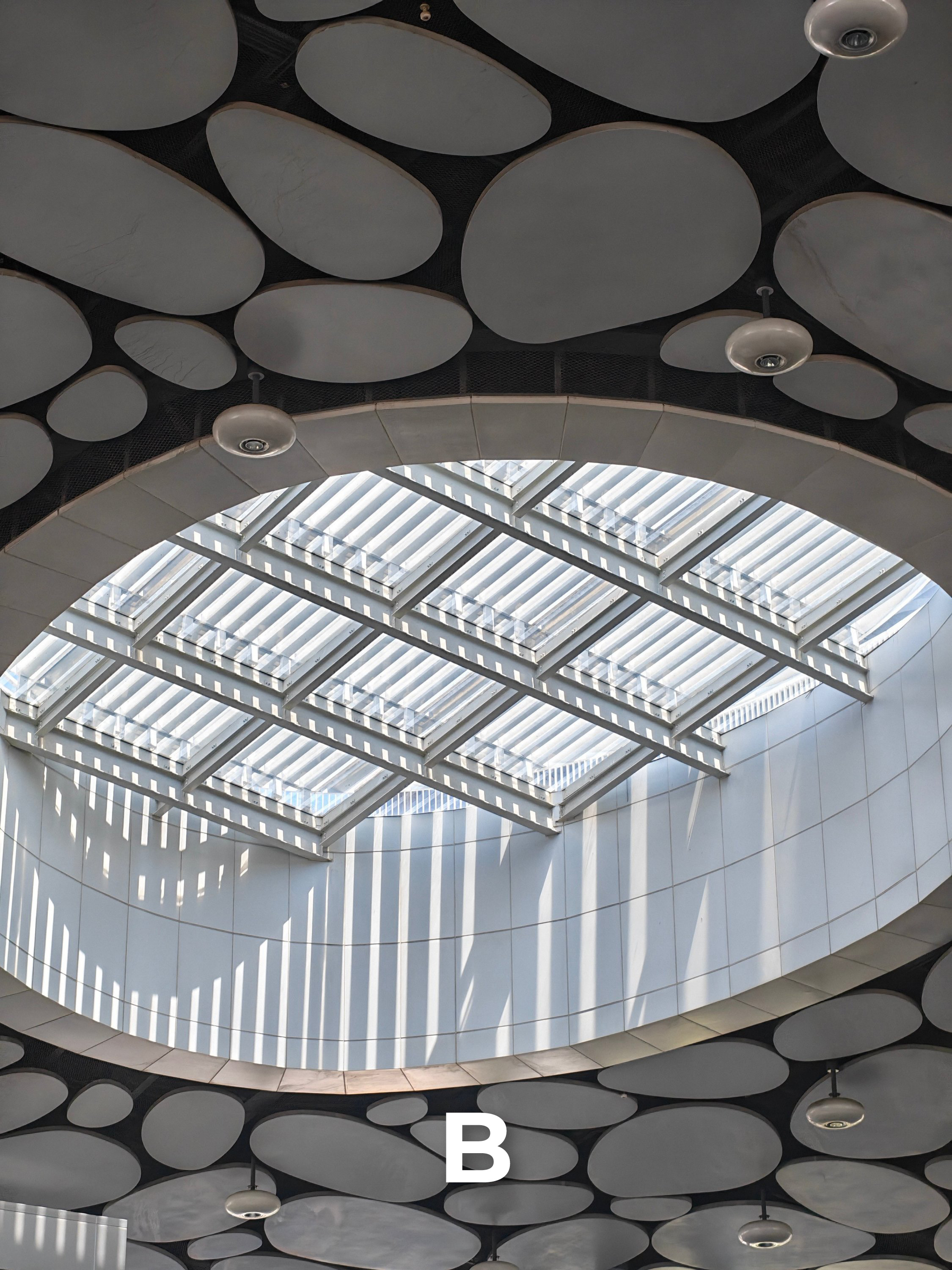
T12
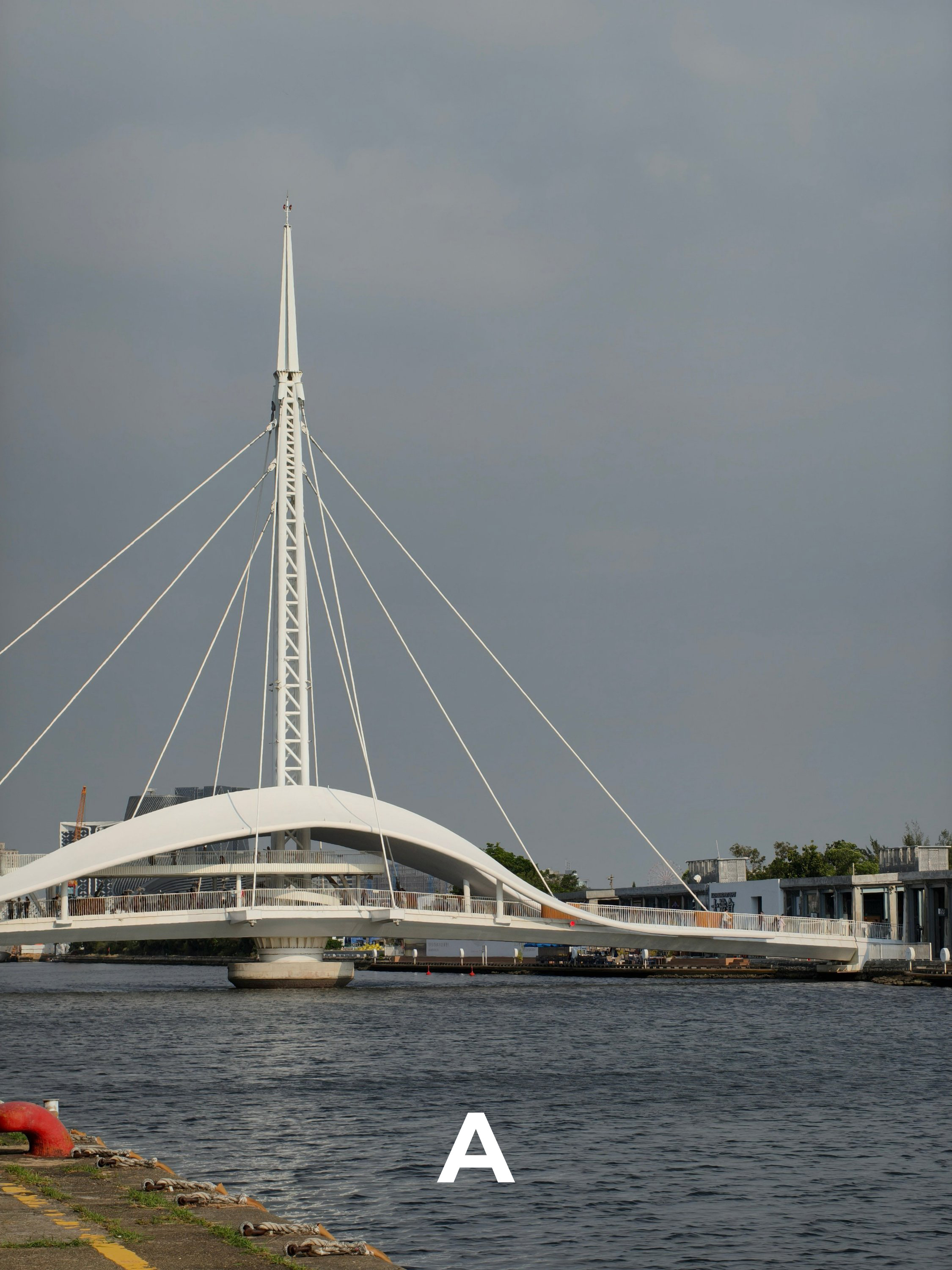
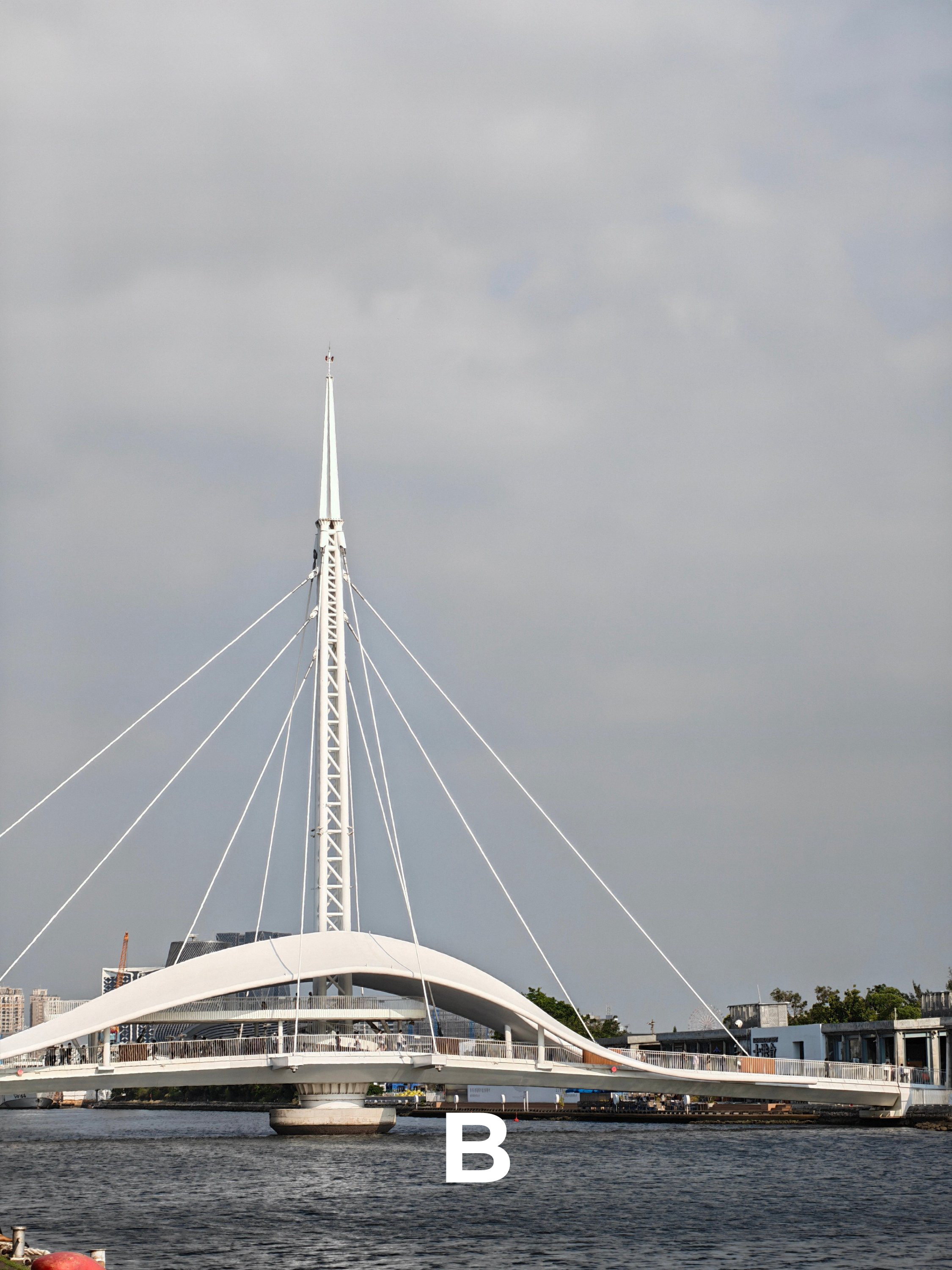
Beyond Telephoto Zoom
We have to break the barriers just to test each phones’ telephoto unit limit.
ZB1

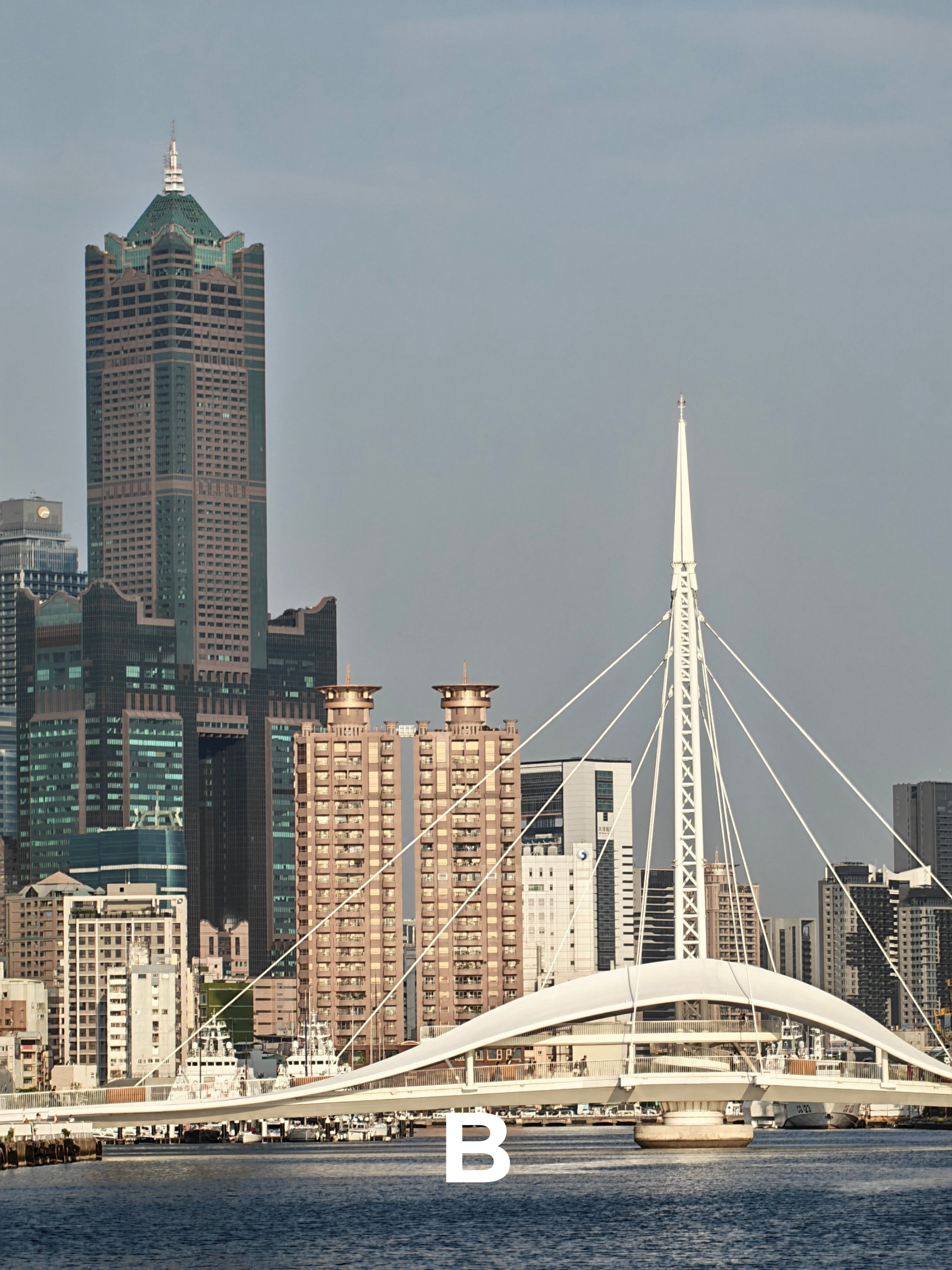
ZB2
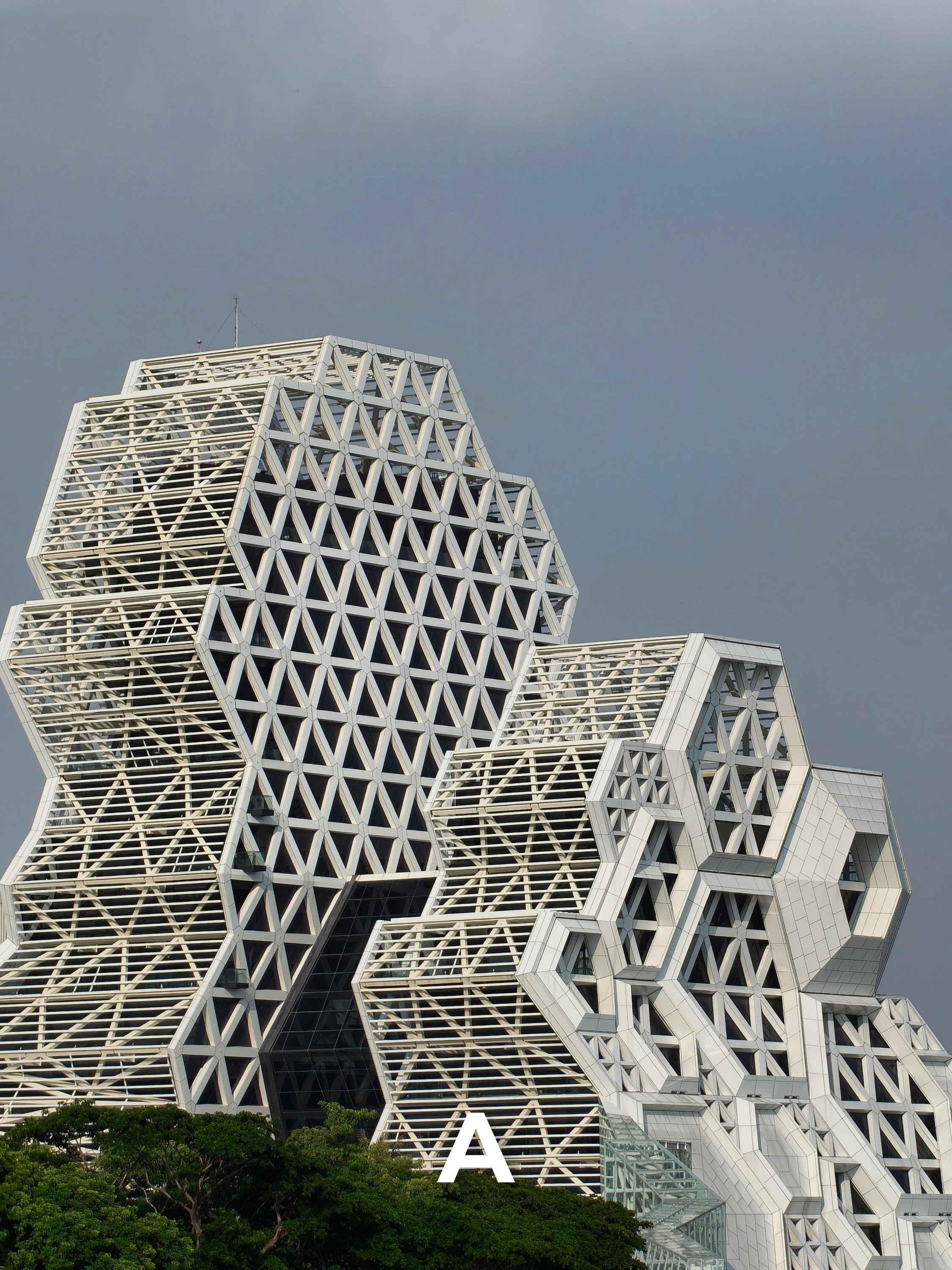
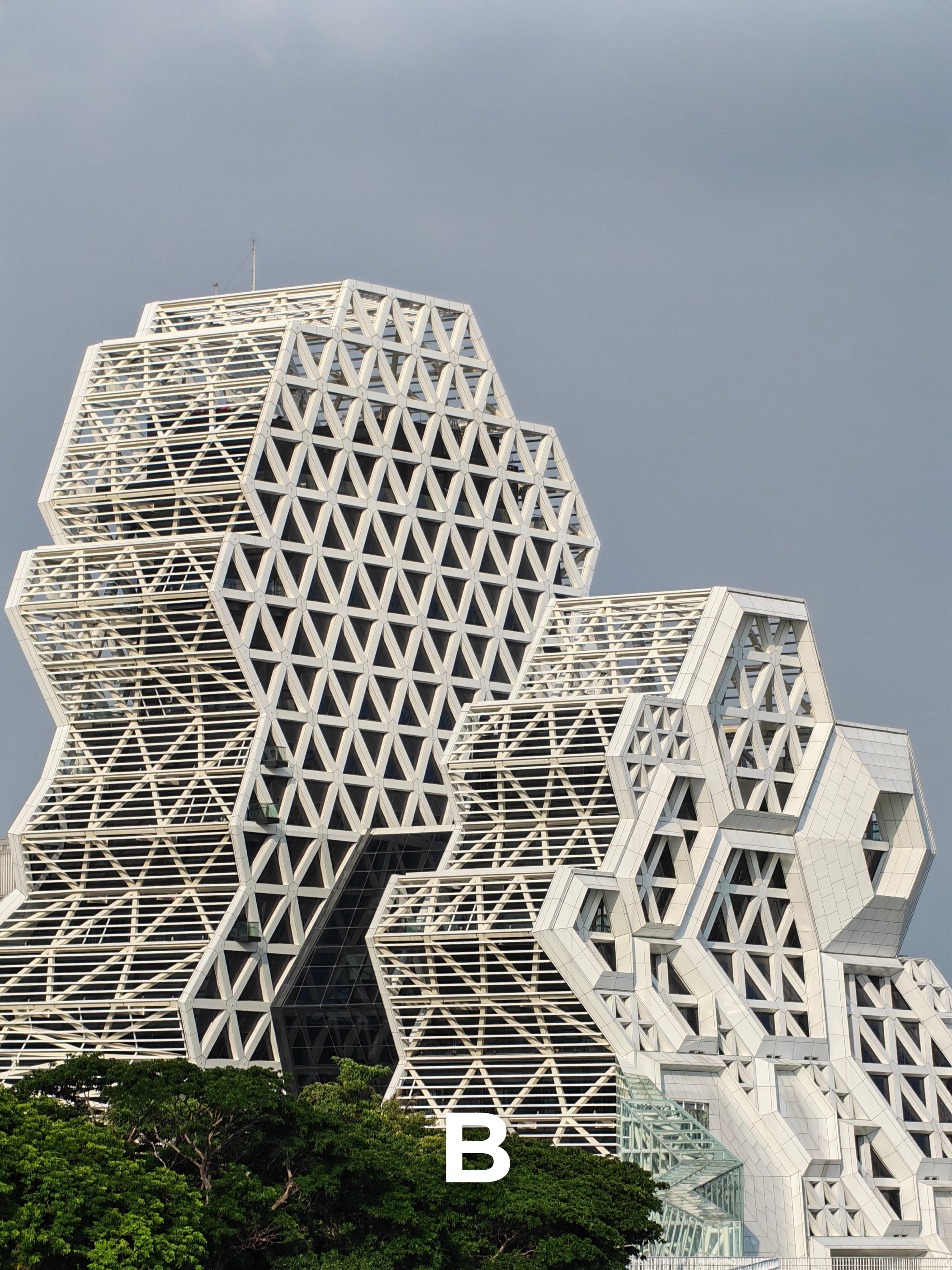
ZB3
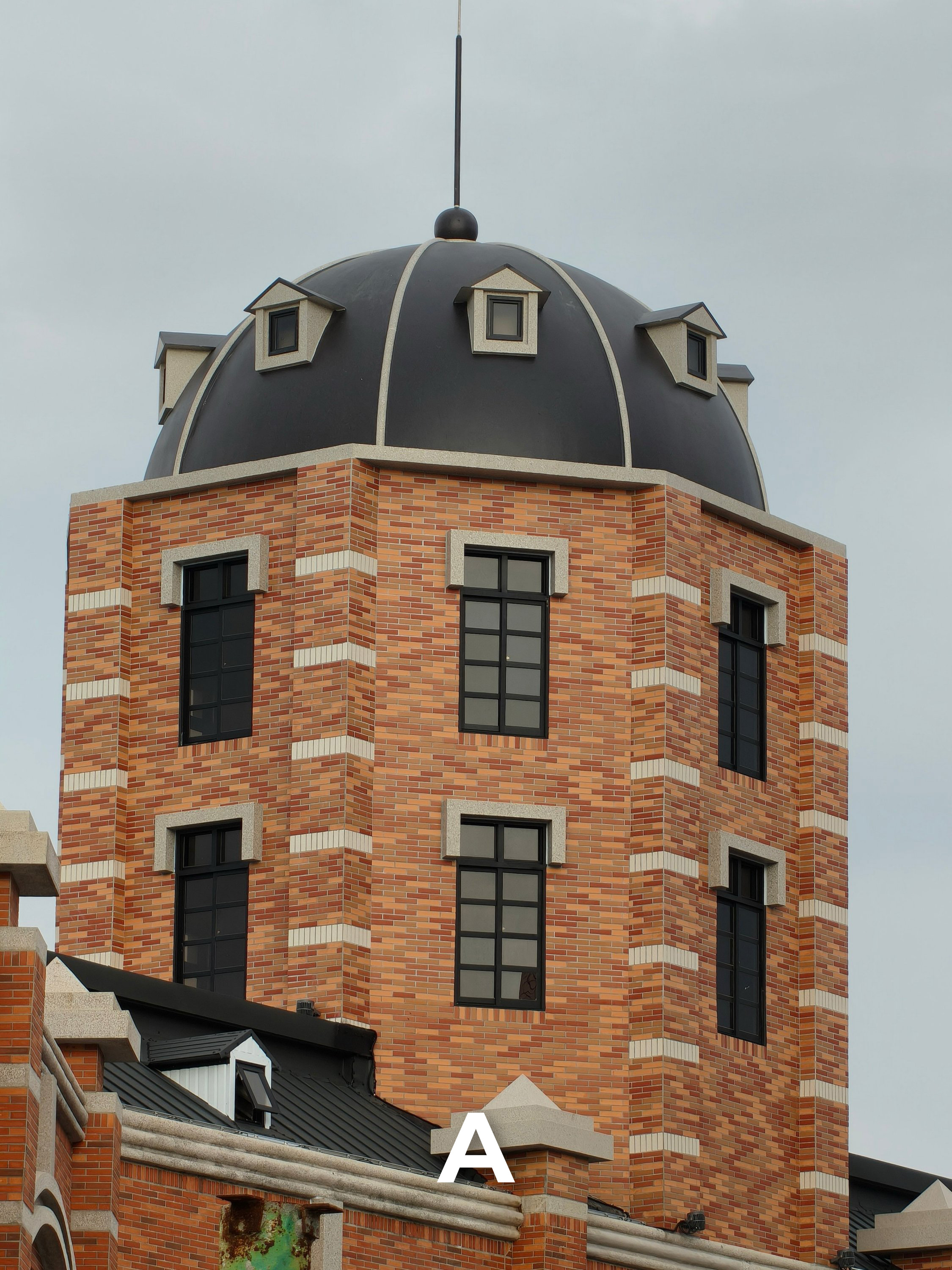
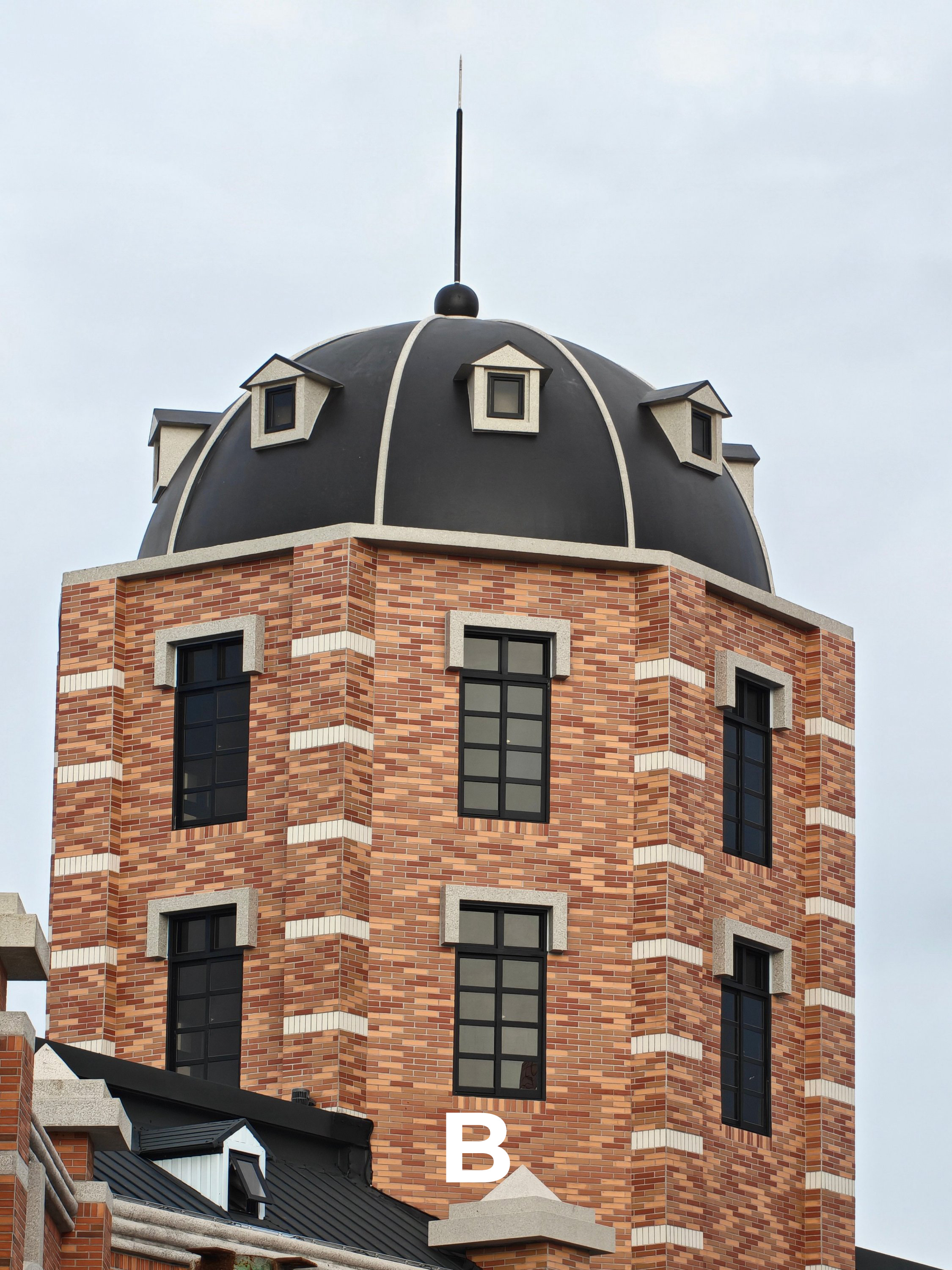
ZB4


ZB5


ZB6
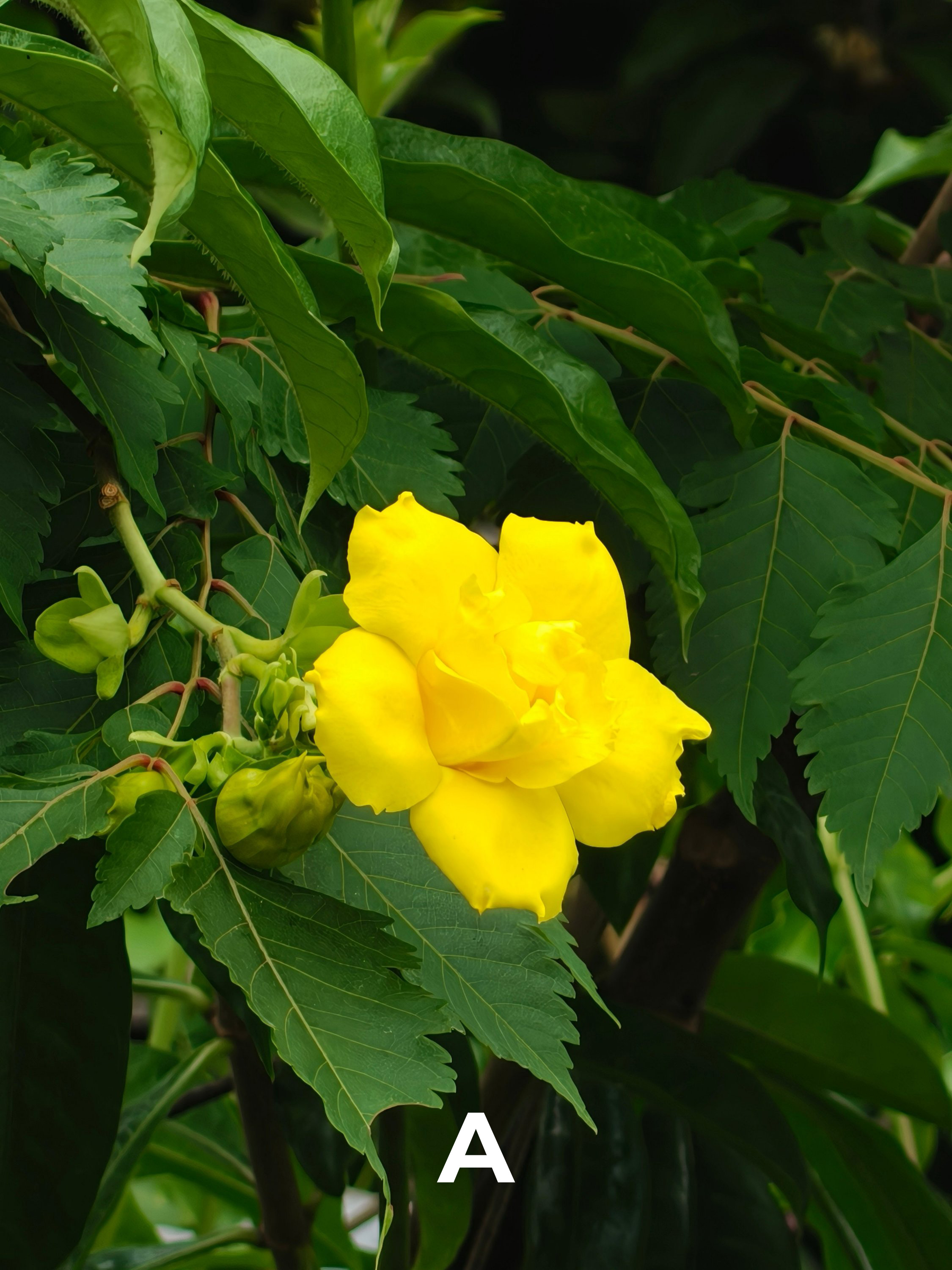
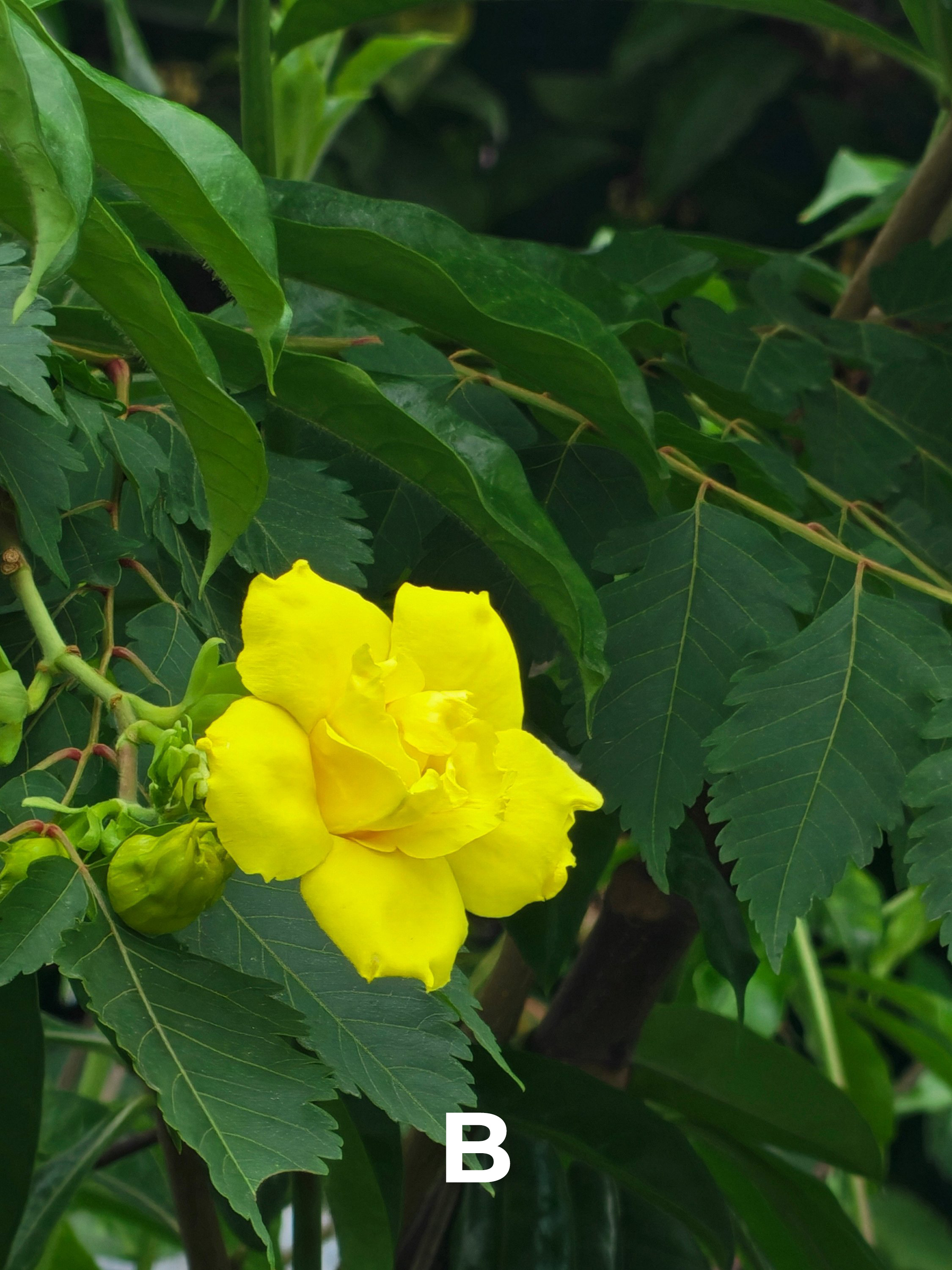
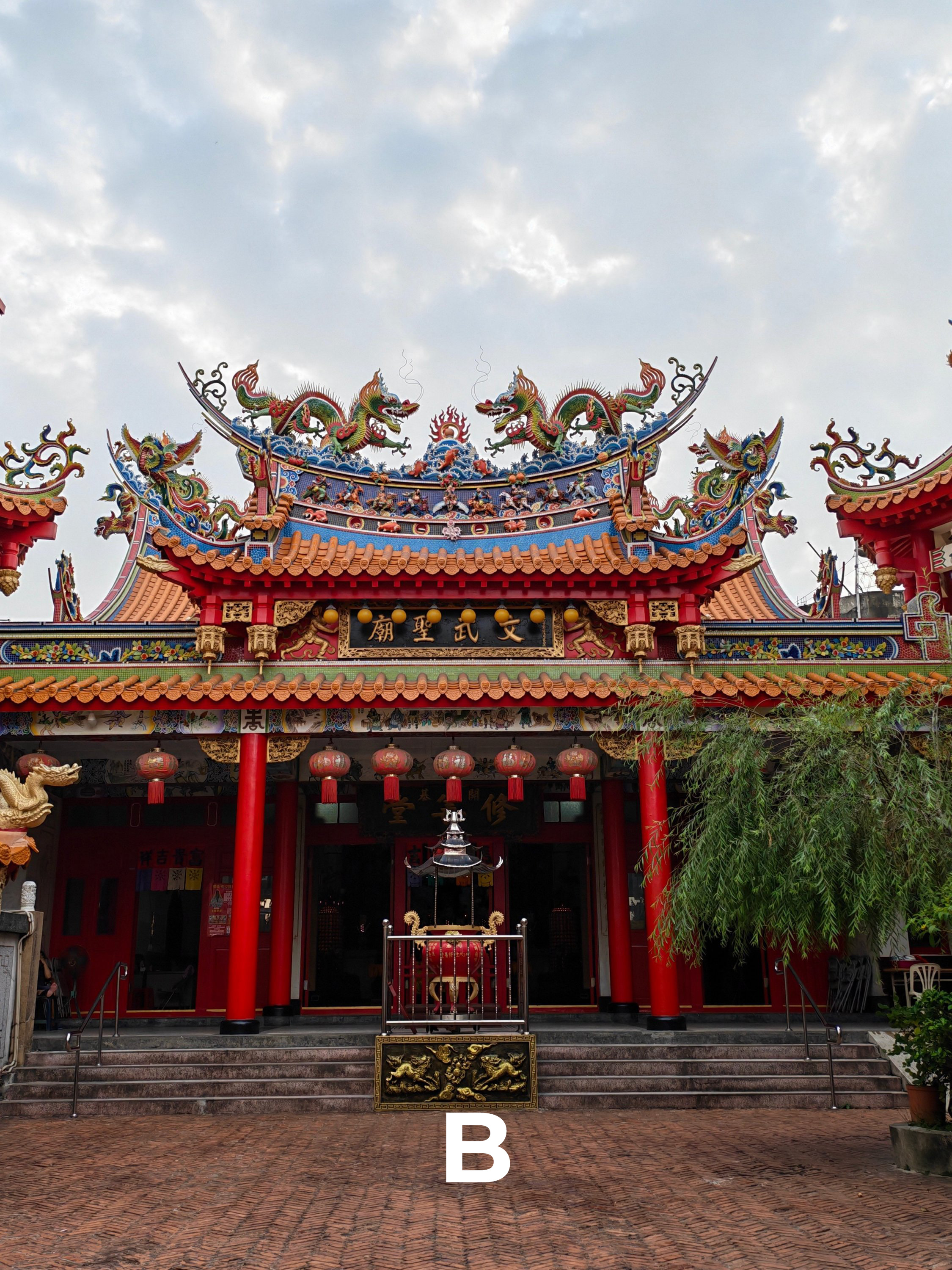
1x Wide (Main)
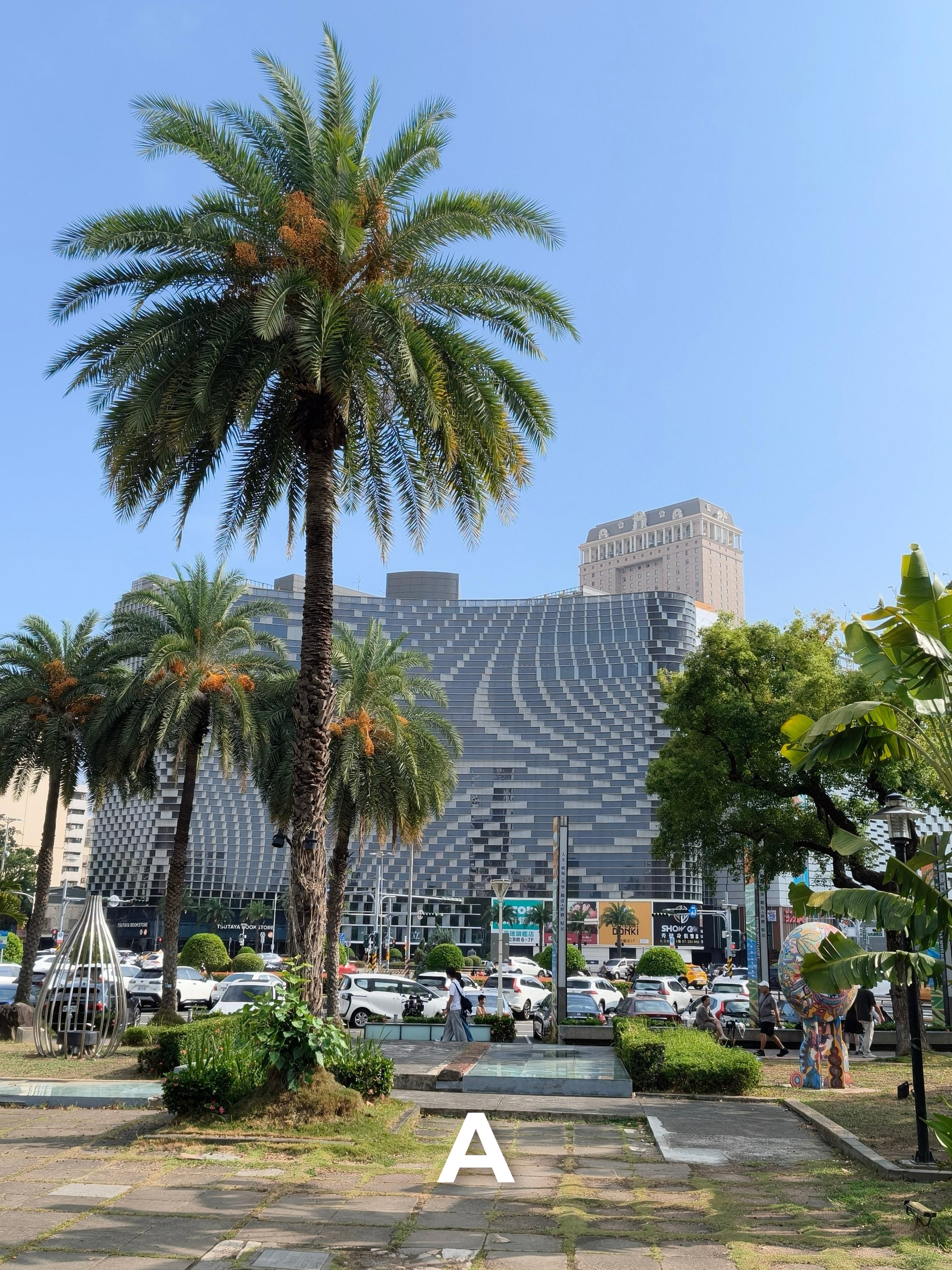
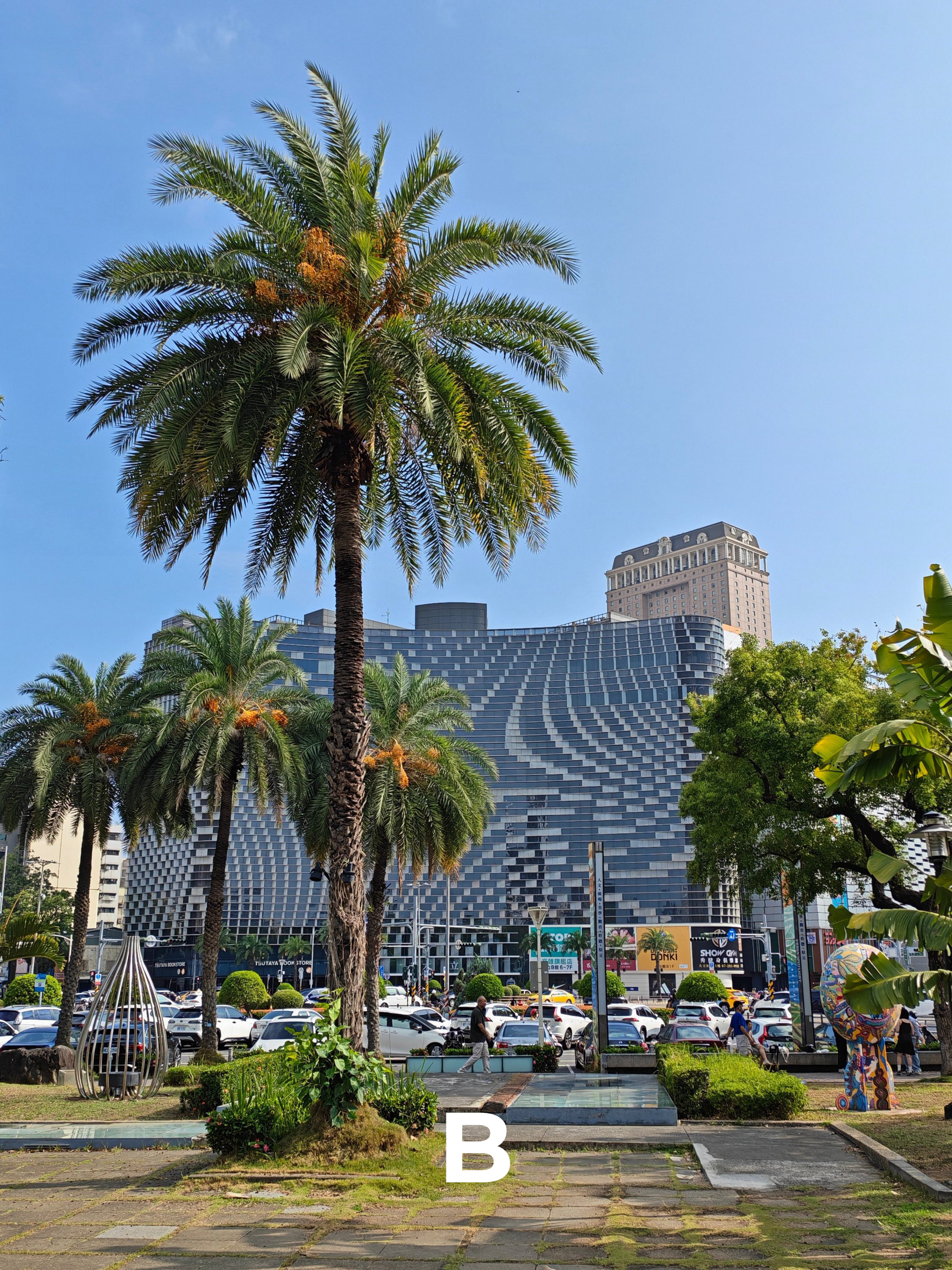
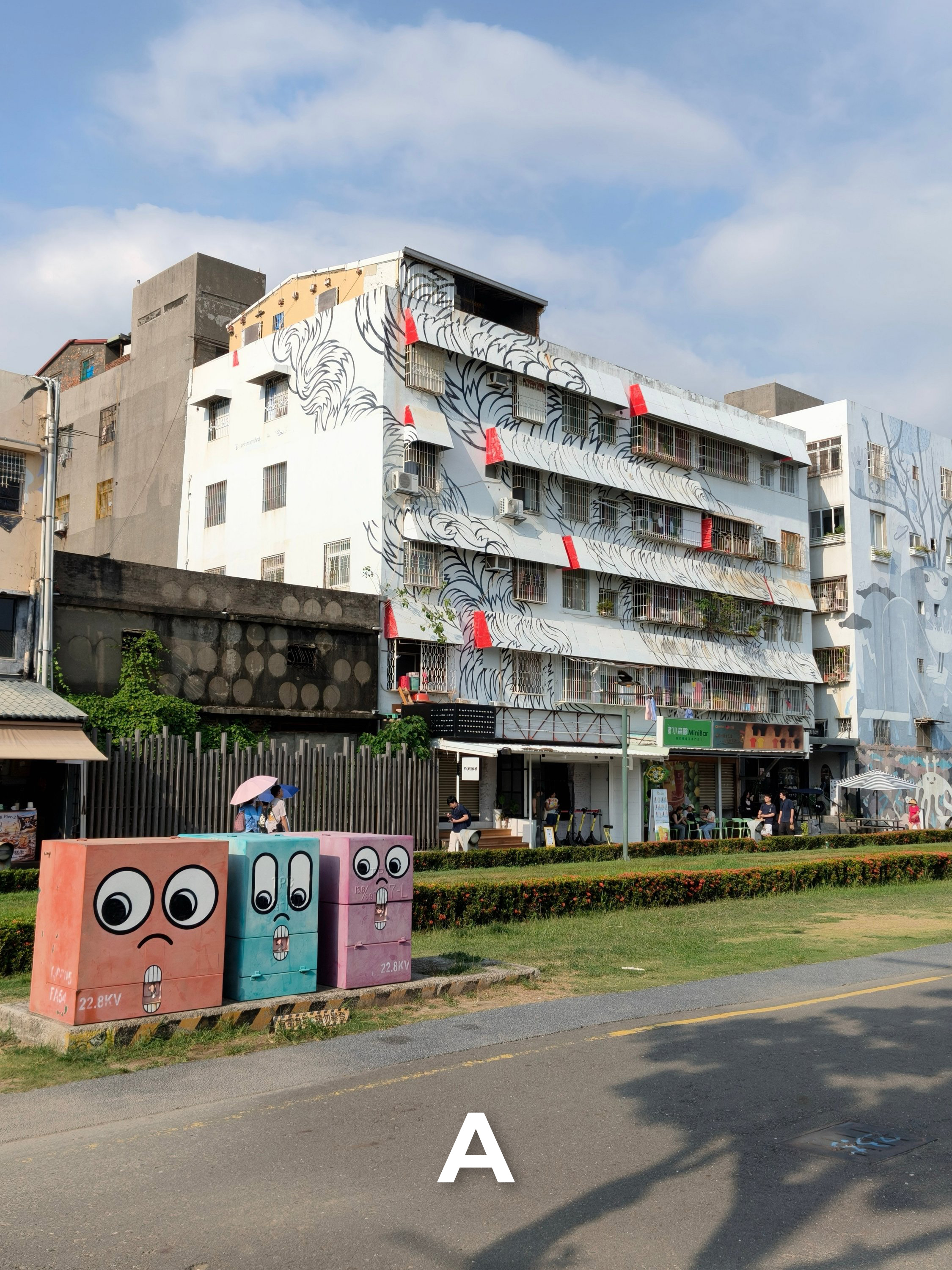
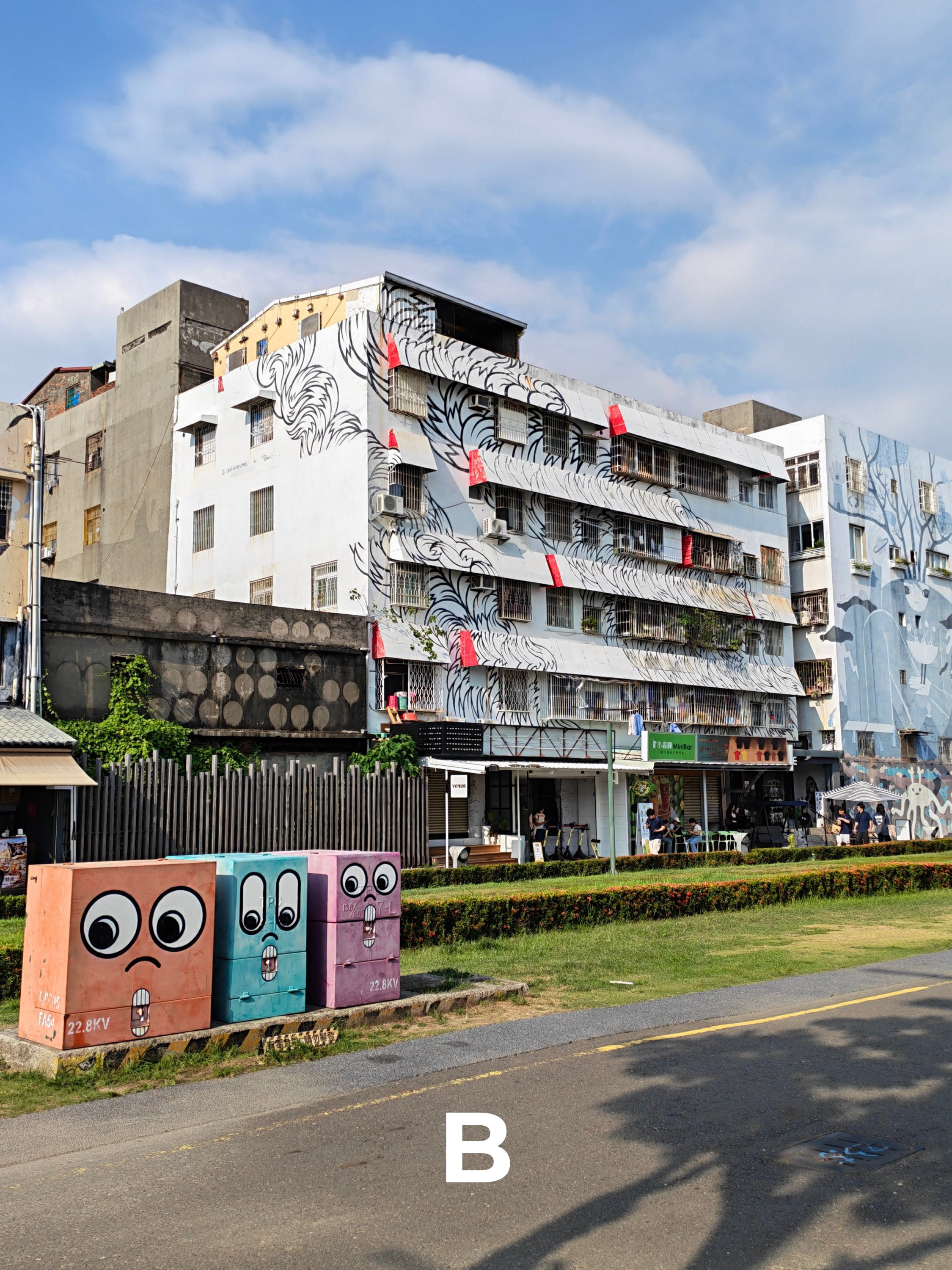
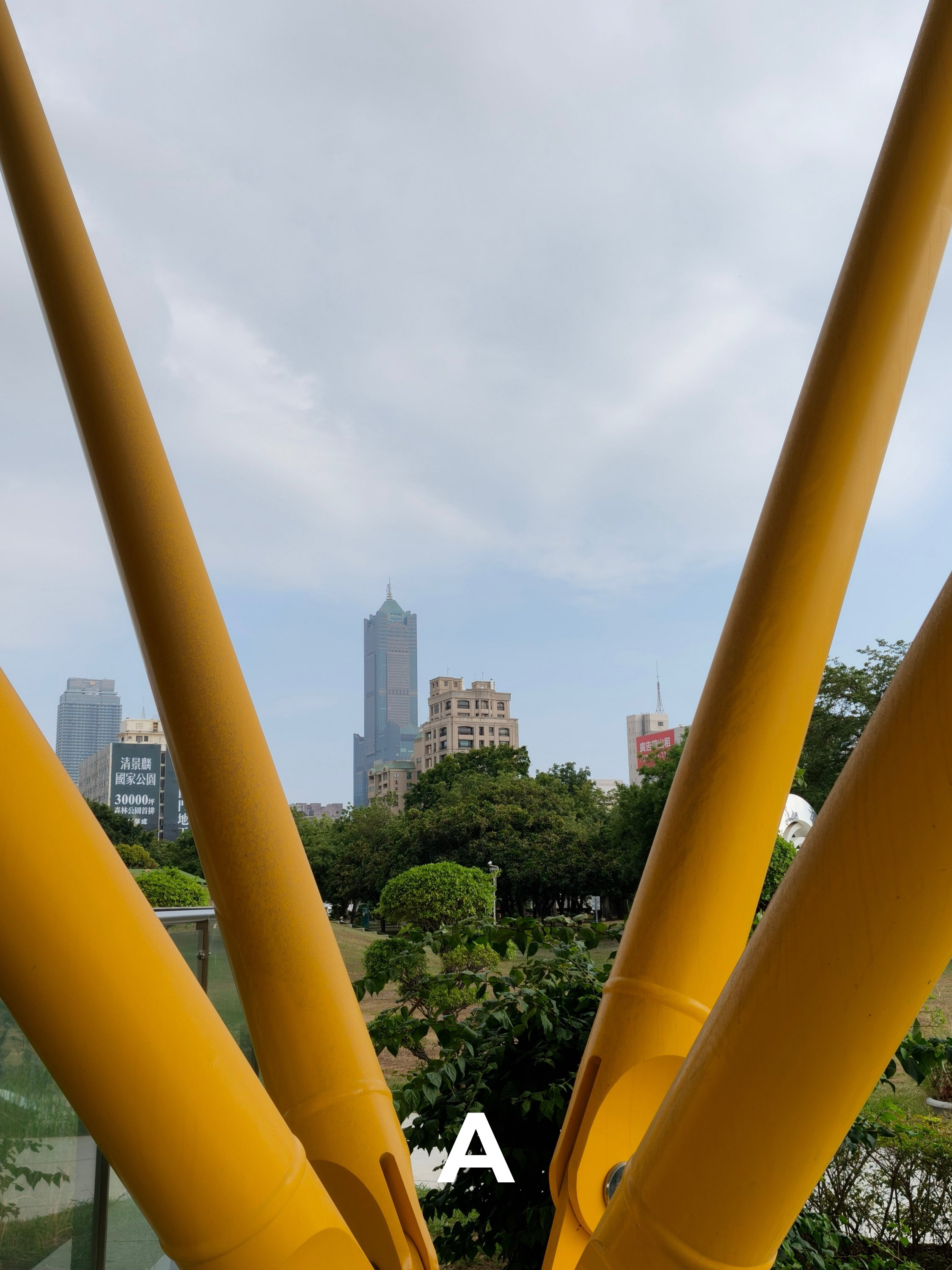
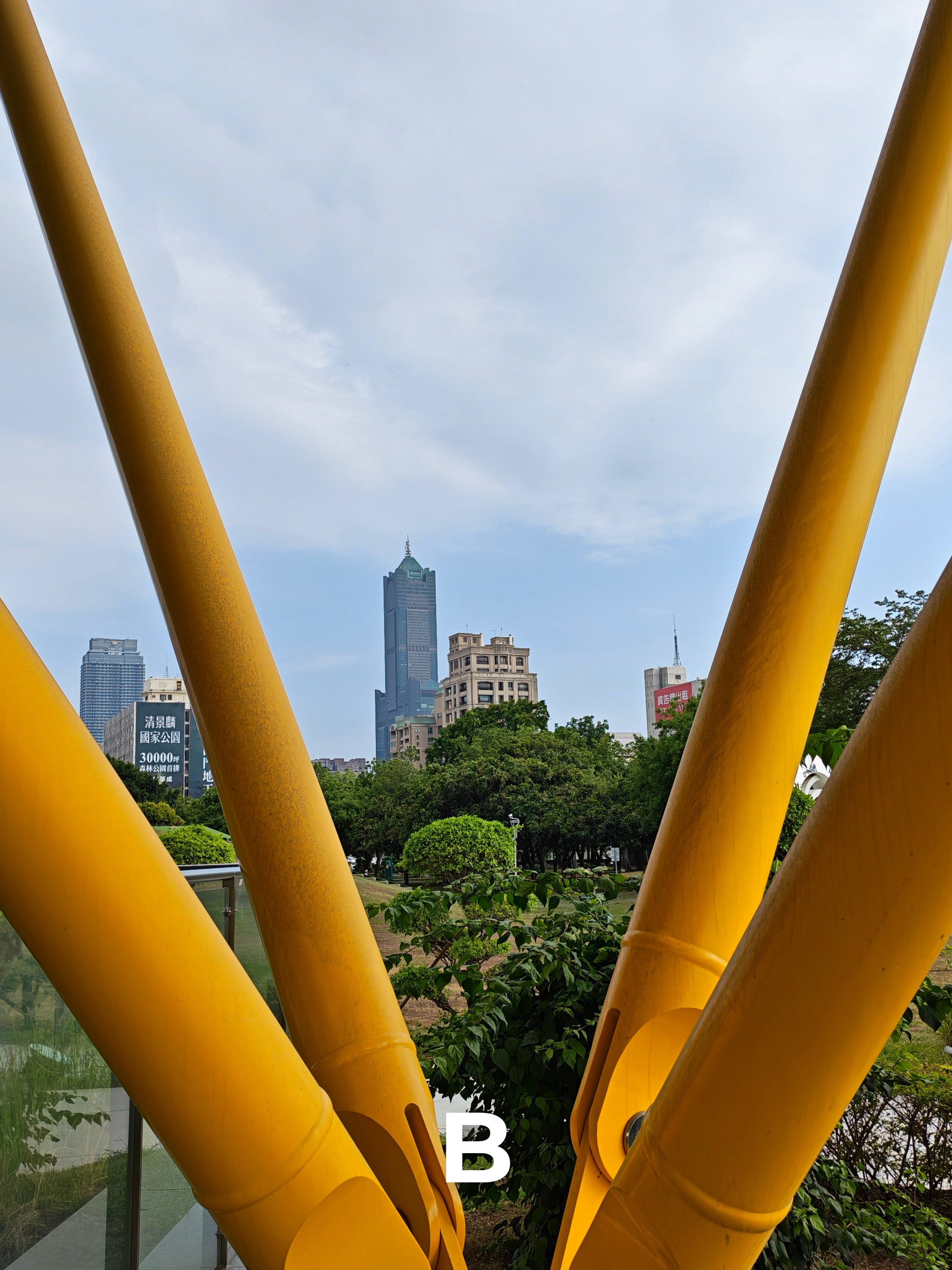
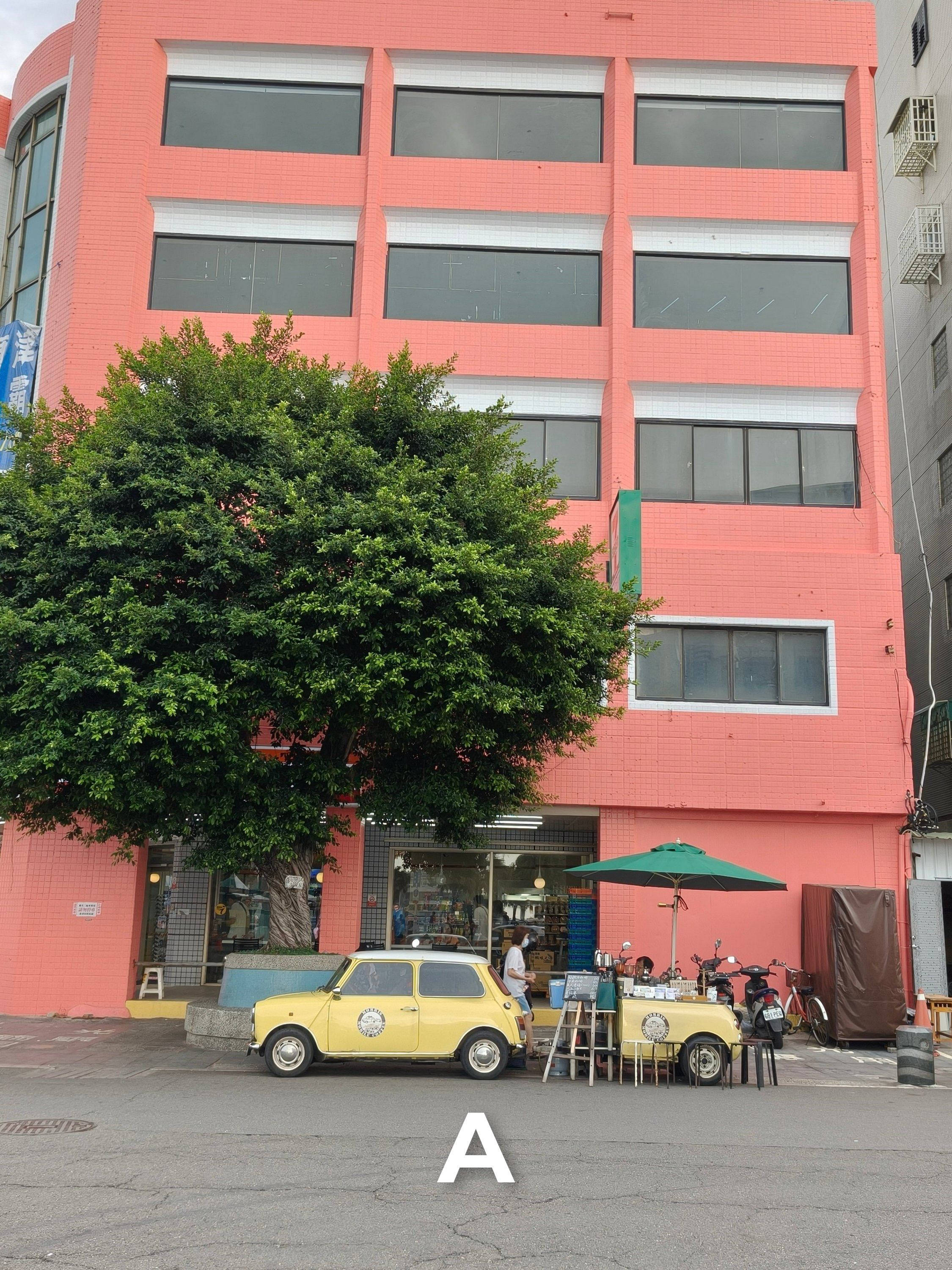
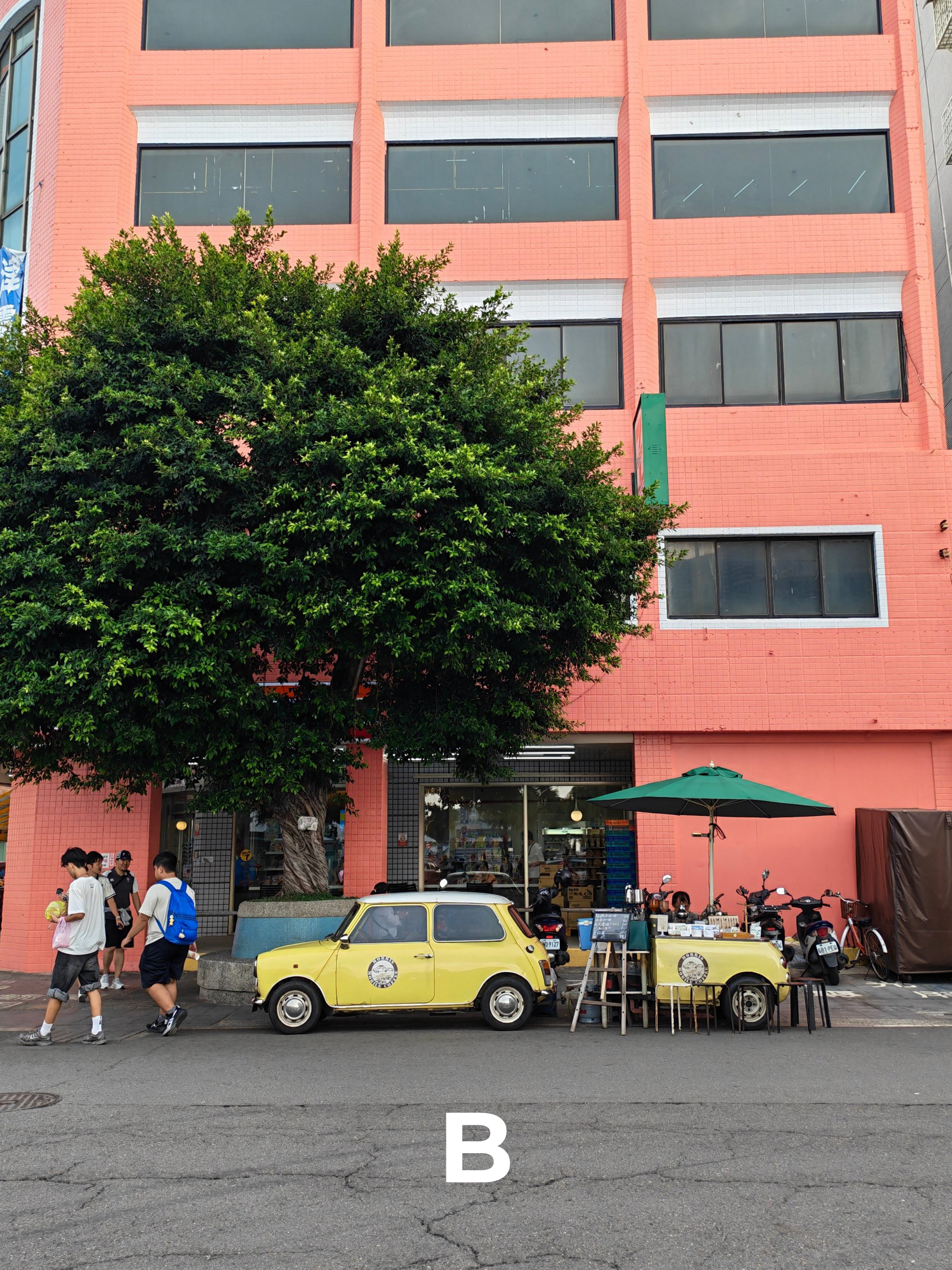
Again, both phones rock a 200MP camera but of different aperture and sensor sizes. Can you differentiate them from another though?
W1
W2


W3
W4


W5


W6
W7


W8
W9

W10
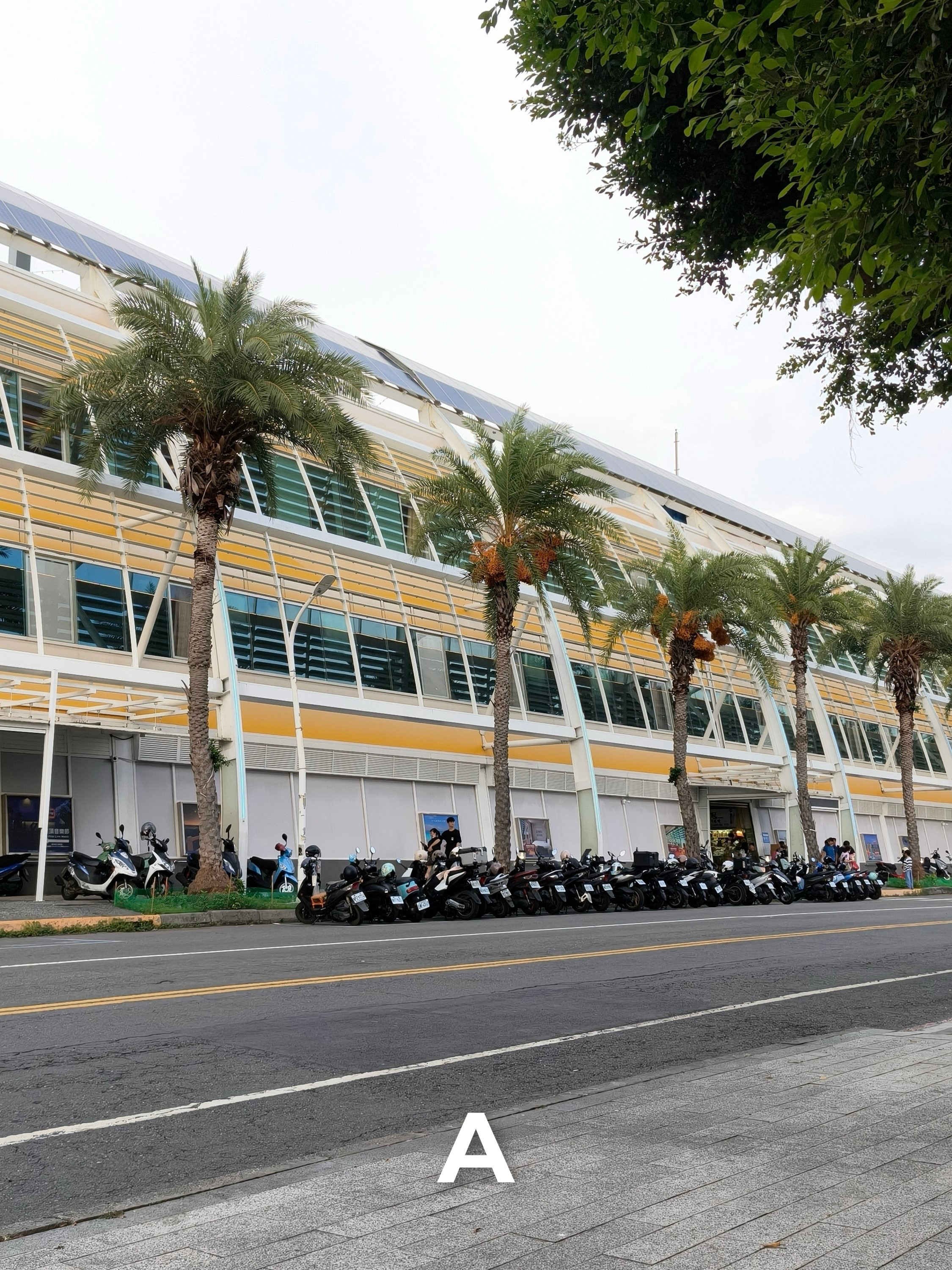
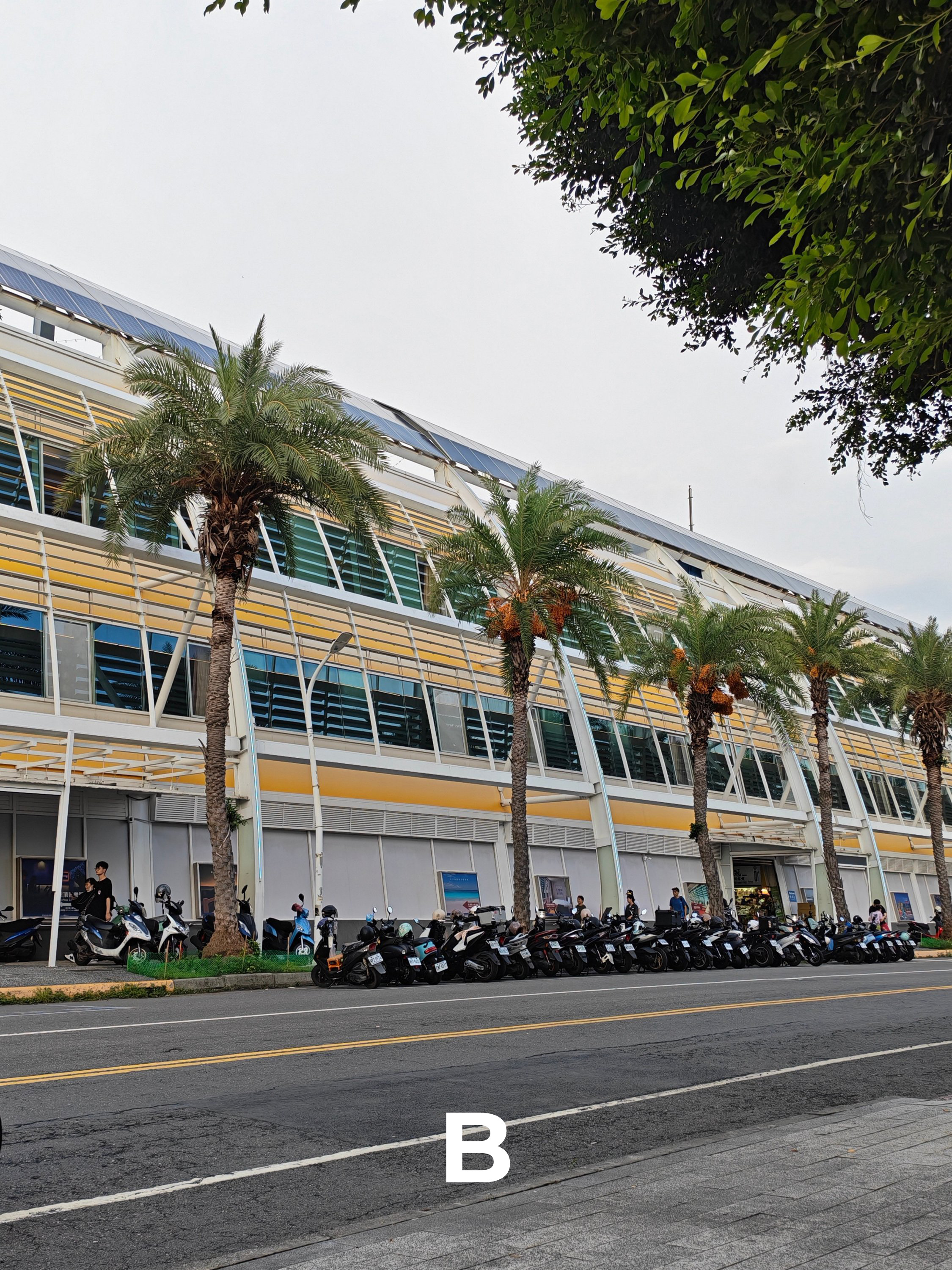
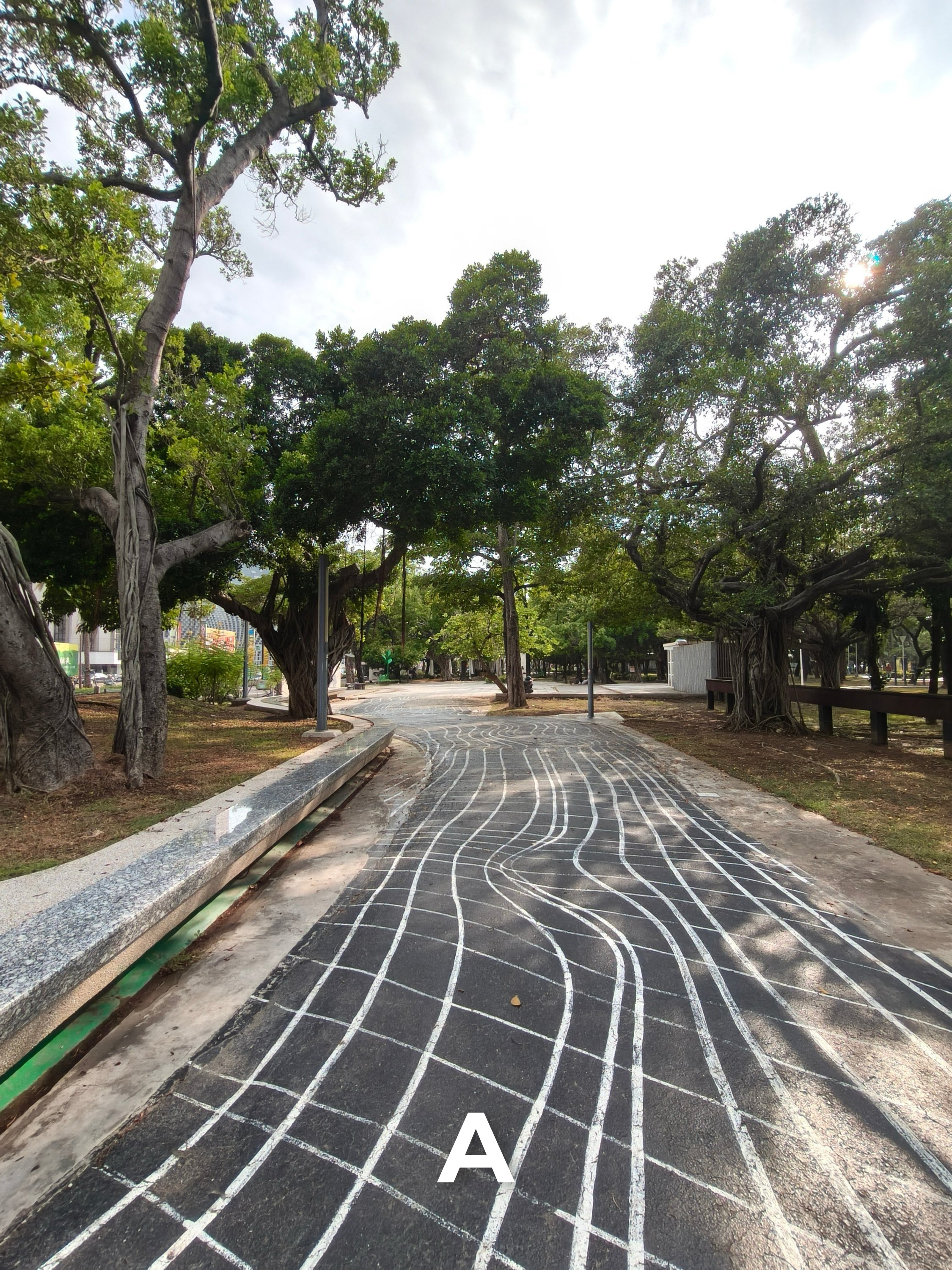
Ultra-Wide Angle (UWA)
Each FoV value can be your primary hint to determine which is which. But, is it enough for you to tell who’s the better performer?
U1
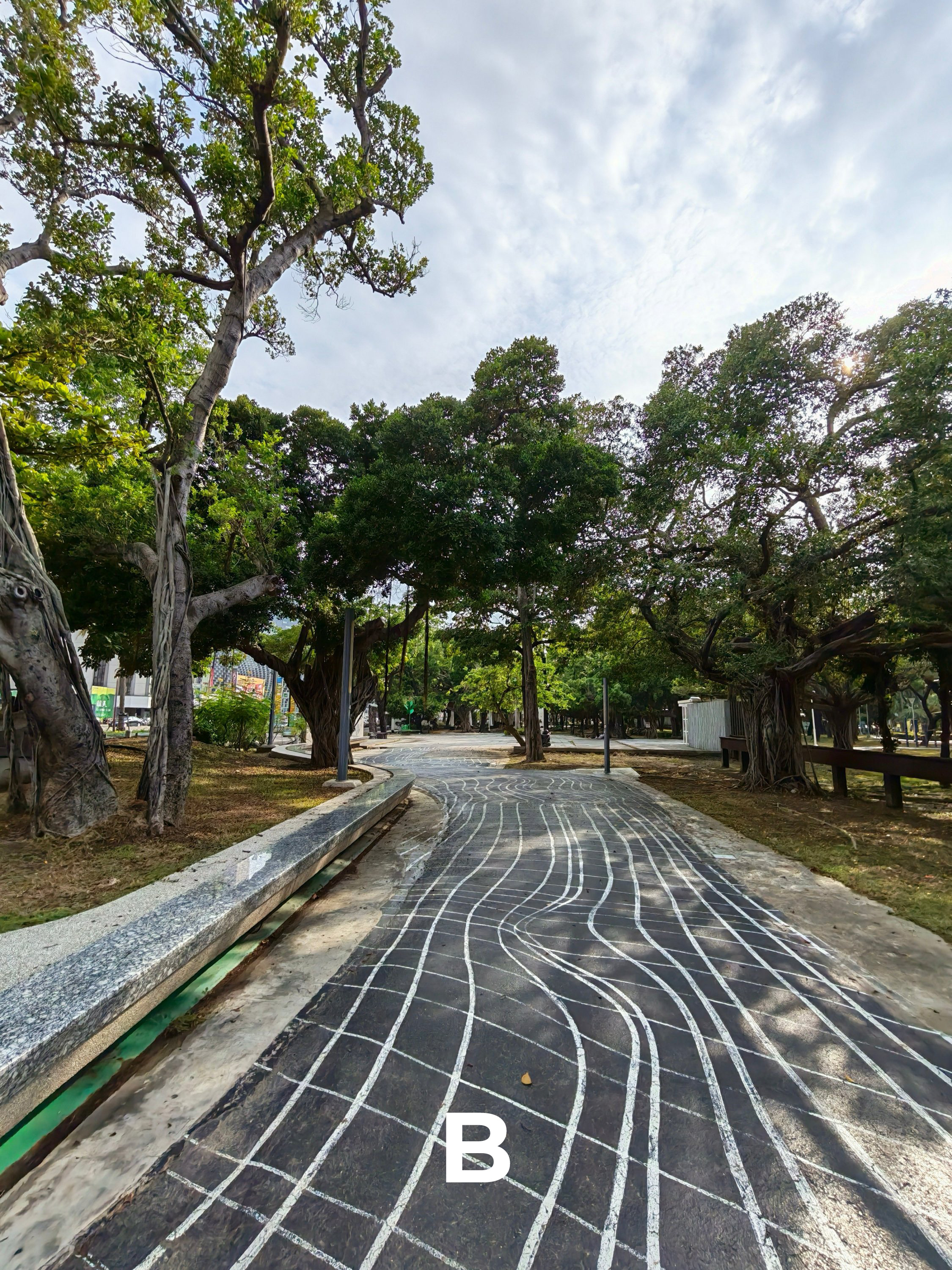
U2

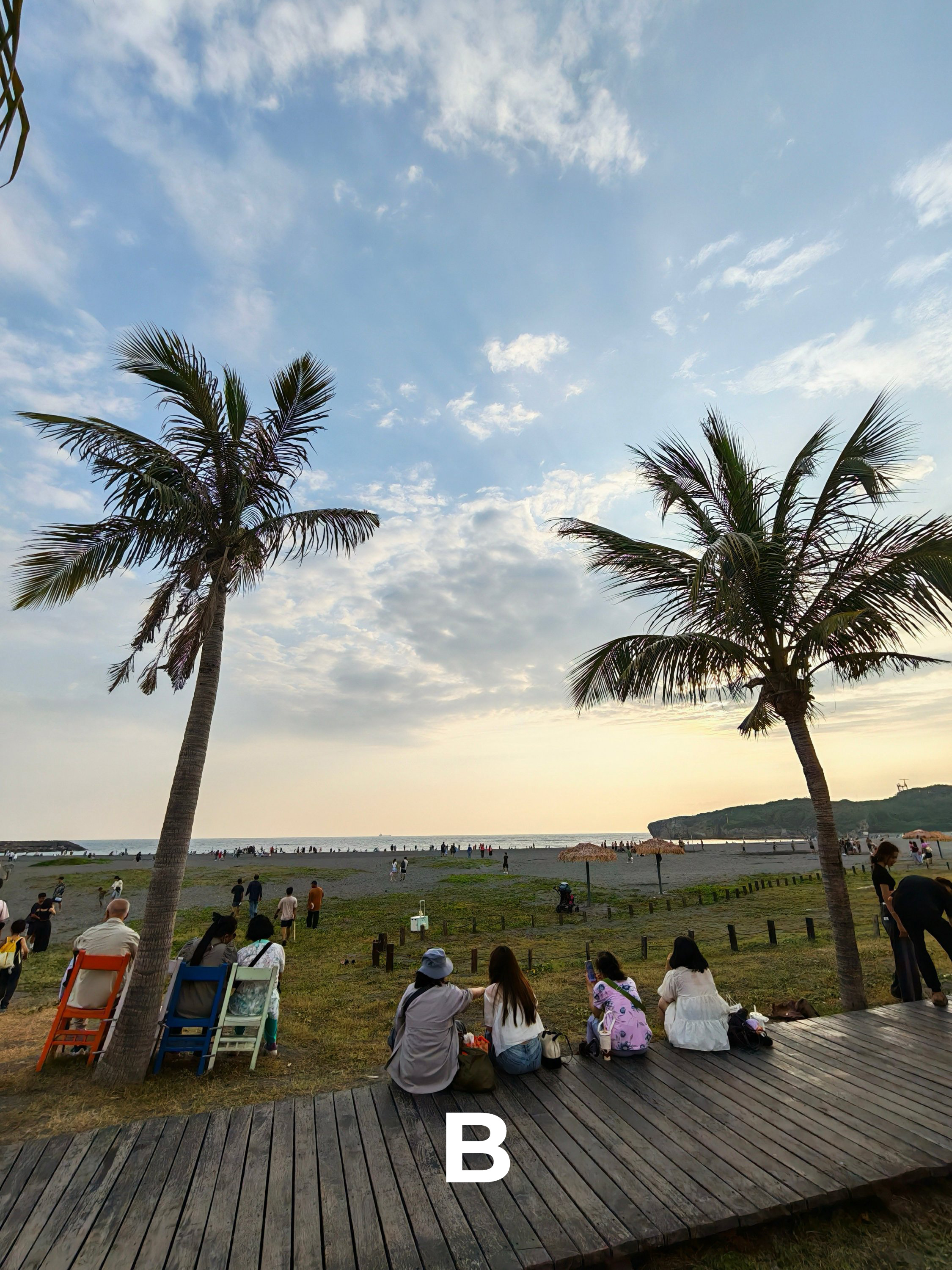
U3


U4


U5


Mood for Food
A separate section for prospective users who will use one of these for food shots.
F1


F2


F3


F4


F5
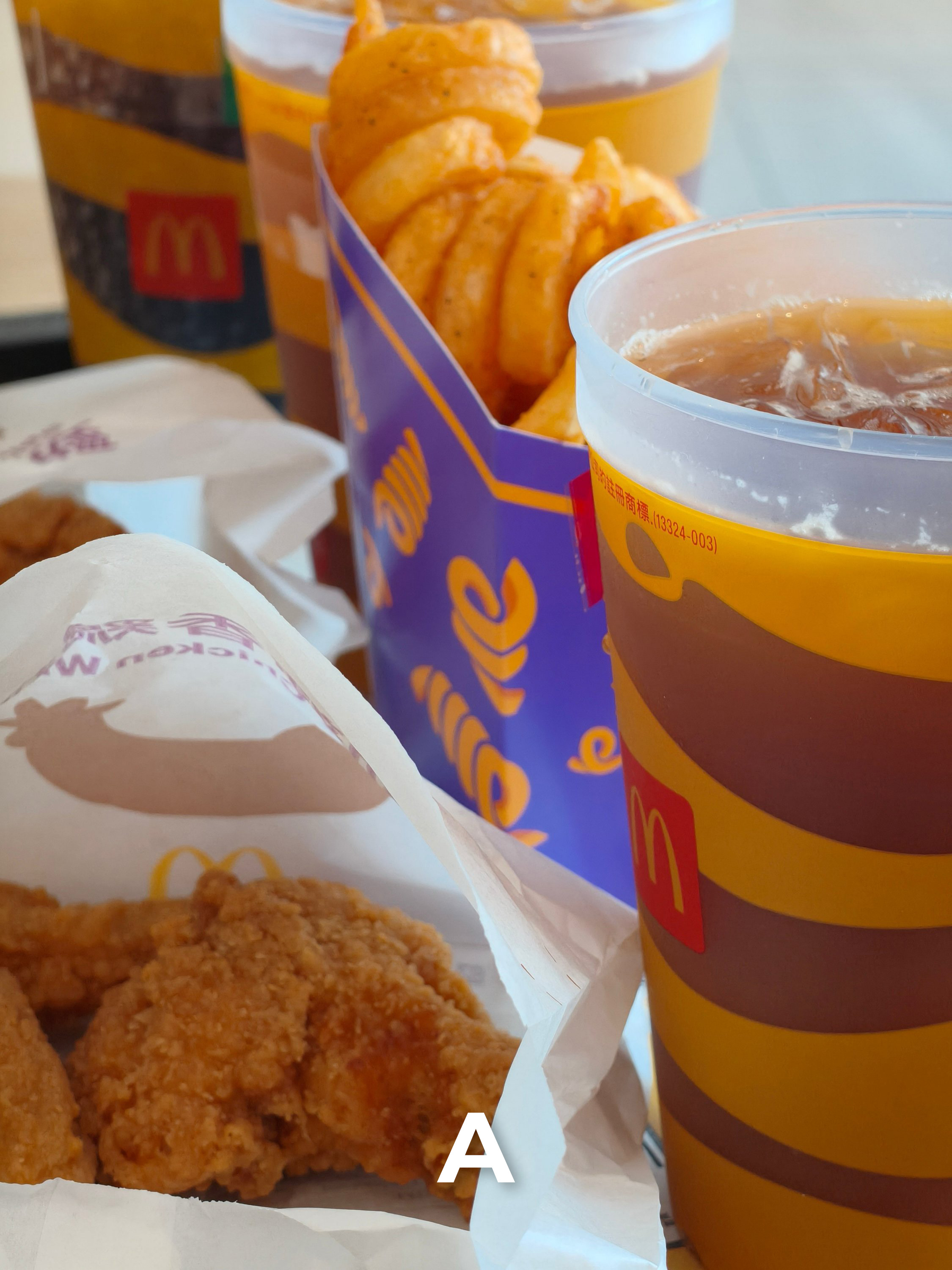
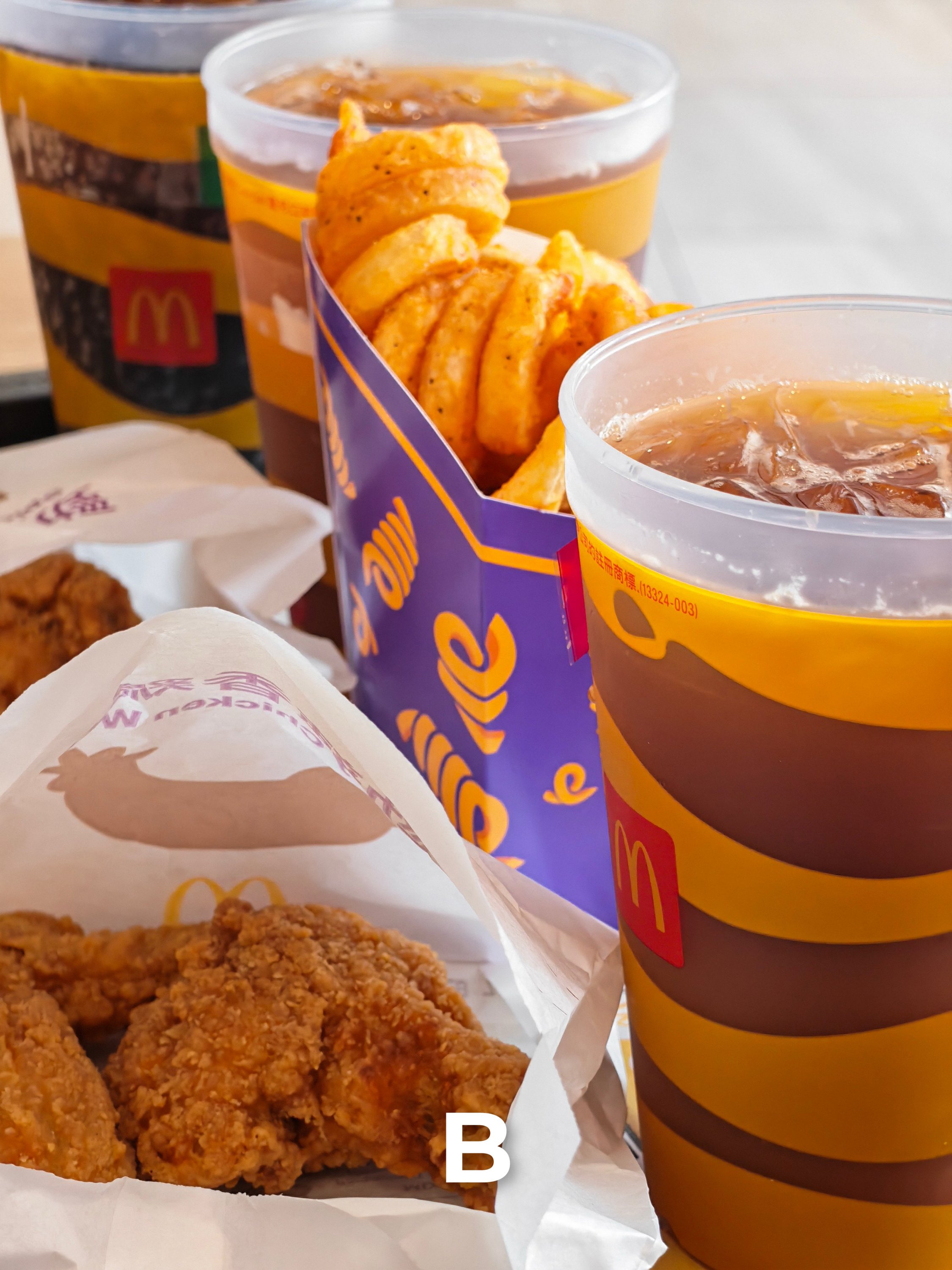
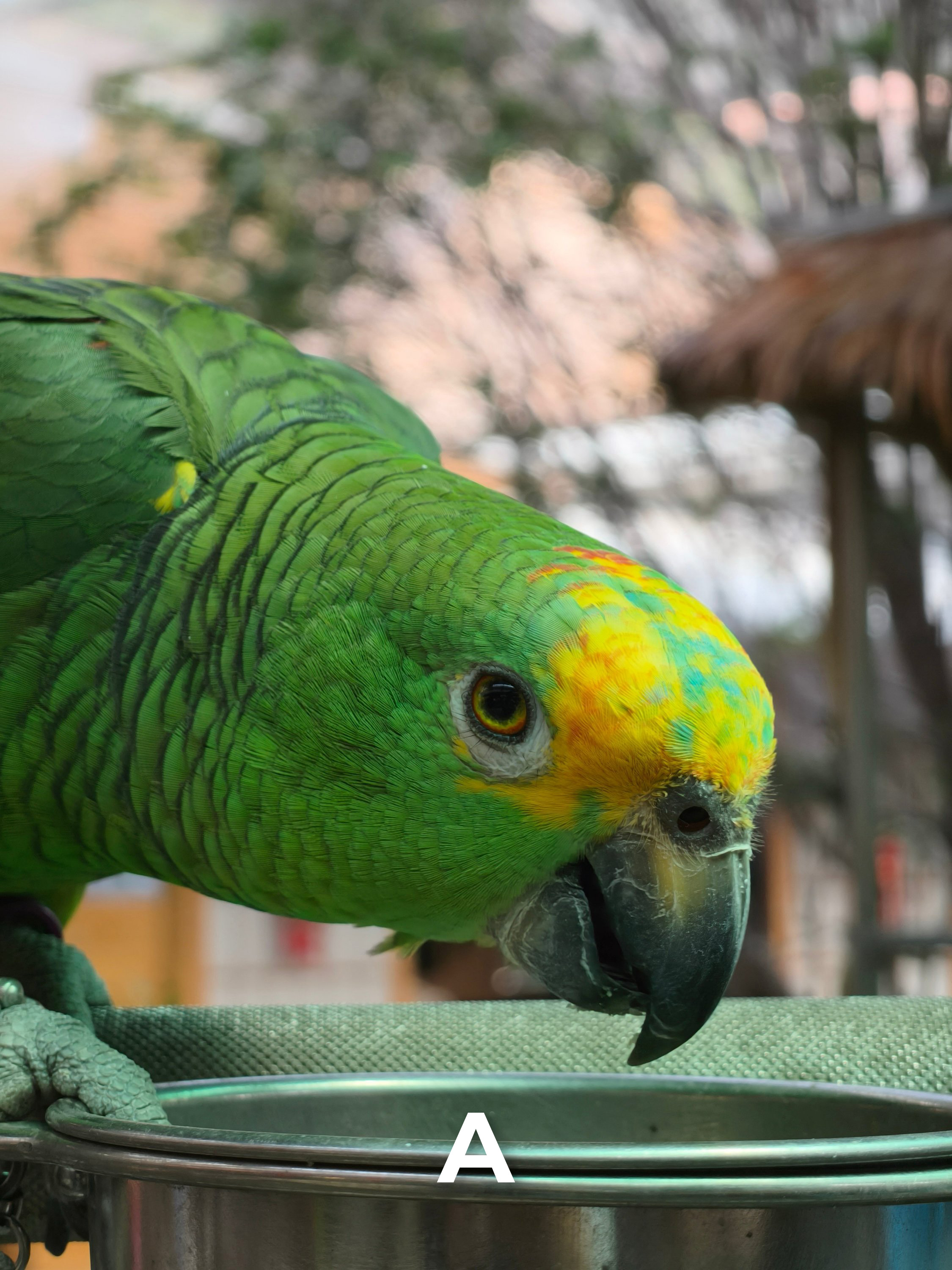
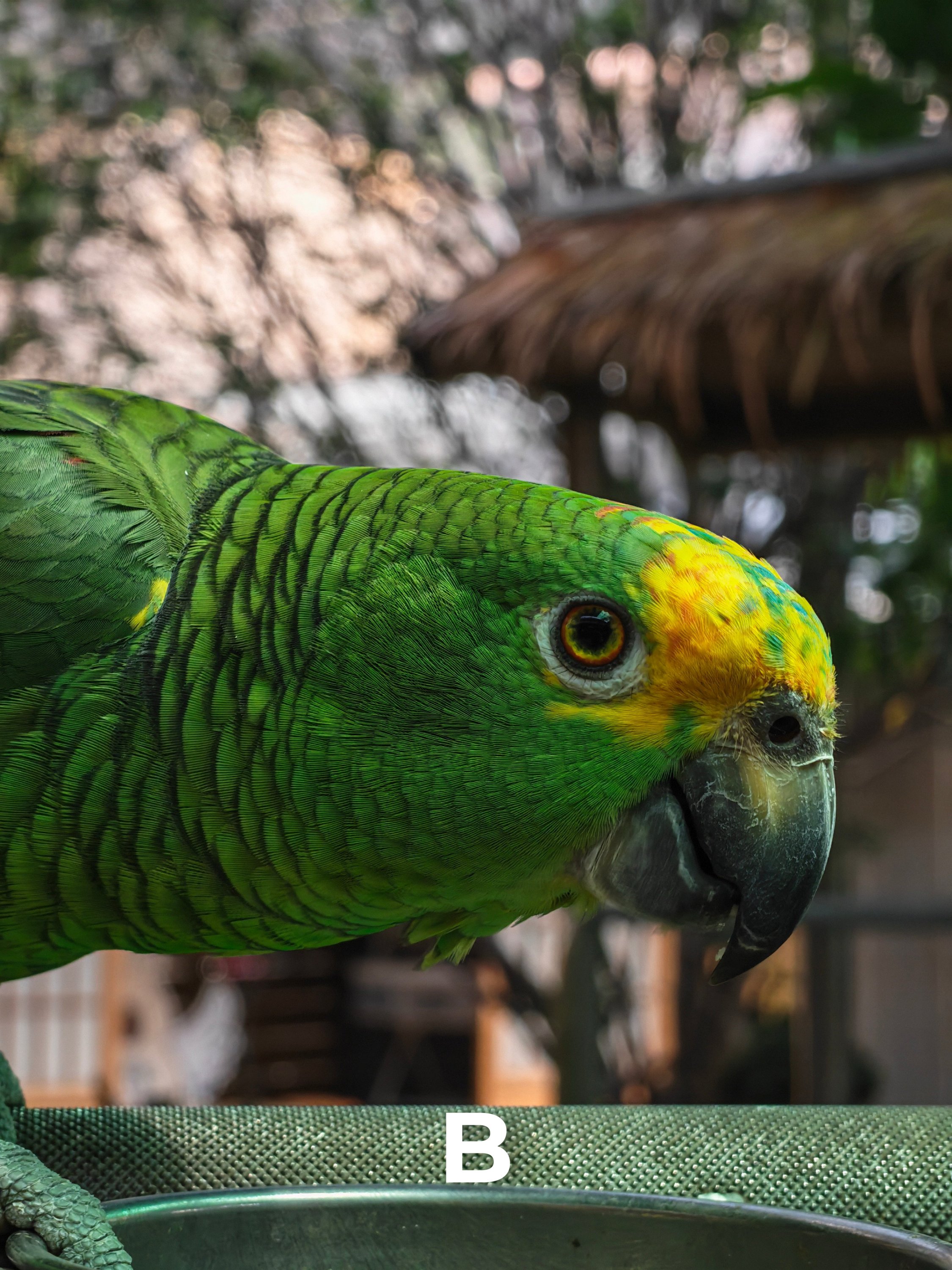
Furry Friends
Whether it’s our pets or wild animals, they all have one thing in common: they are all very hard to capture especially when in motion.
FF1
FF2
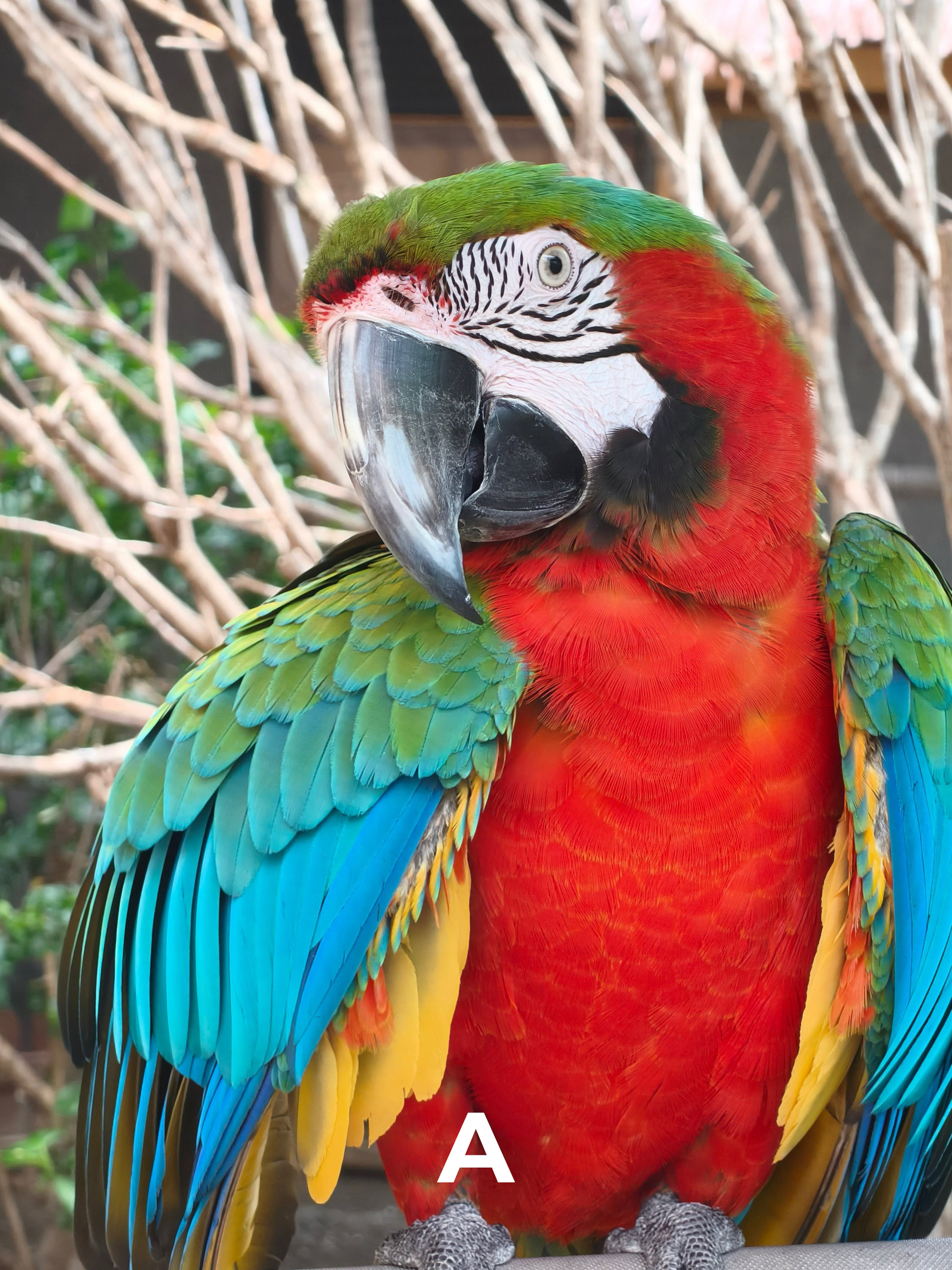
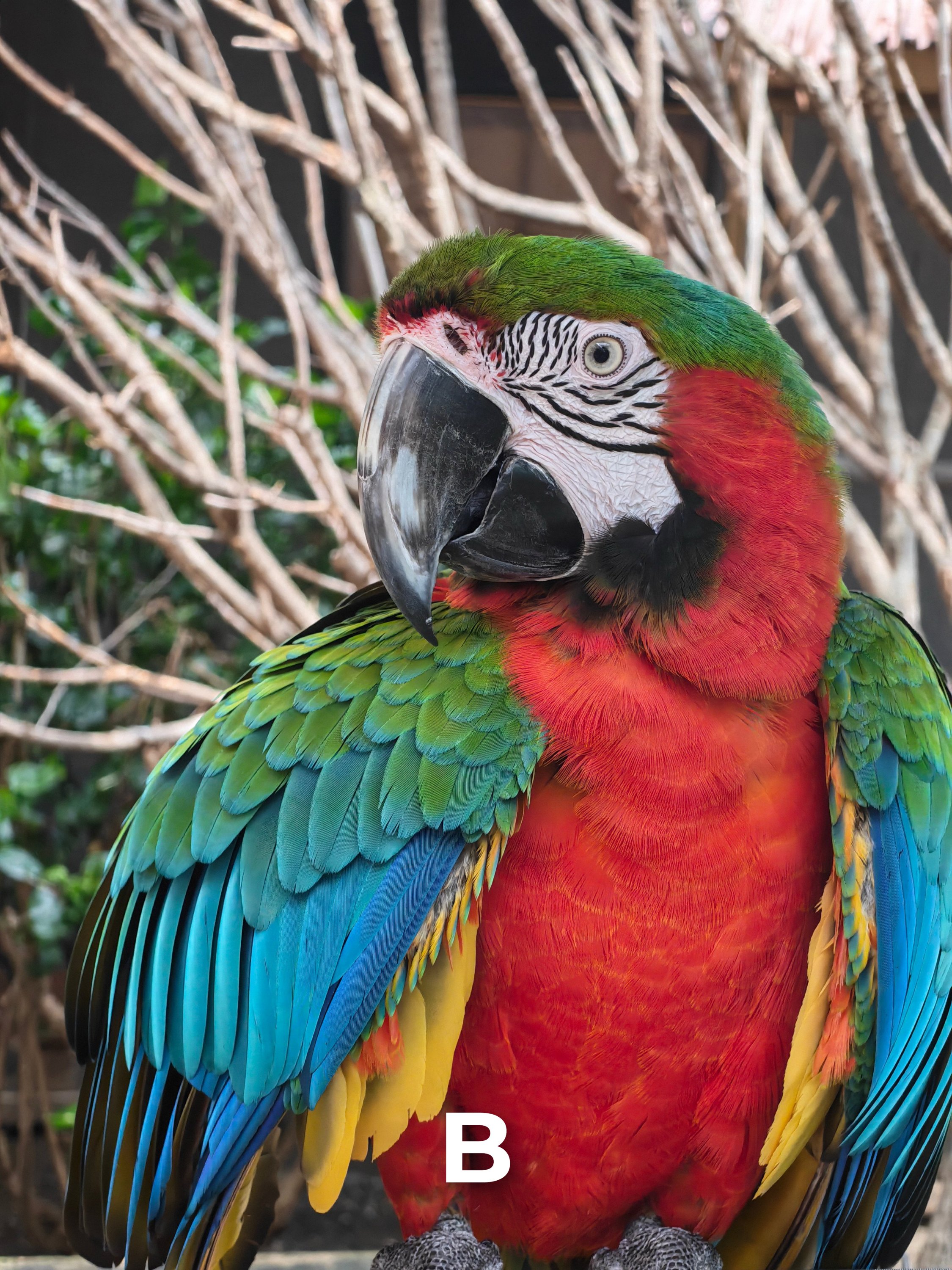
FF3

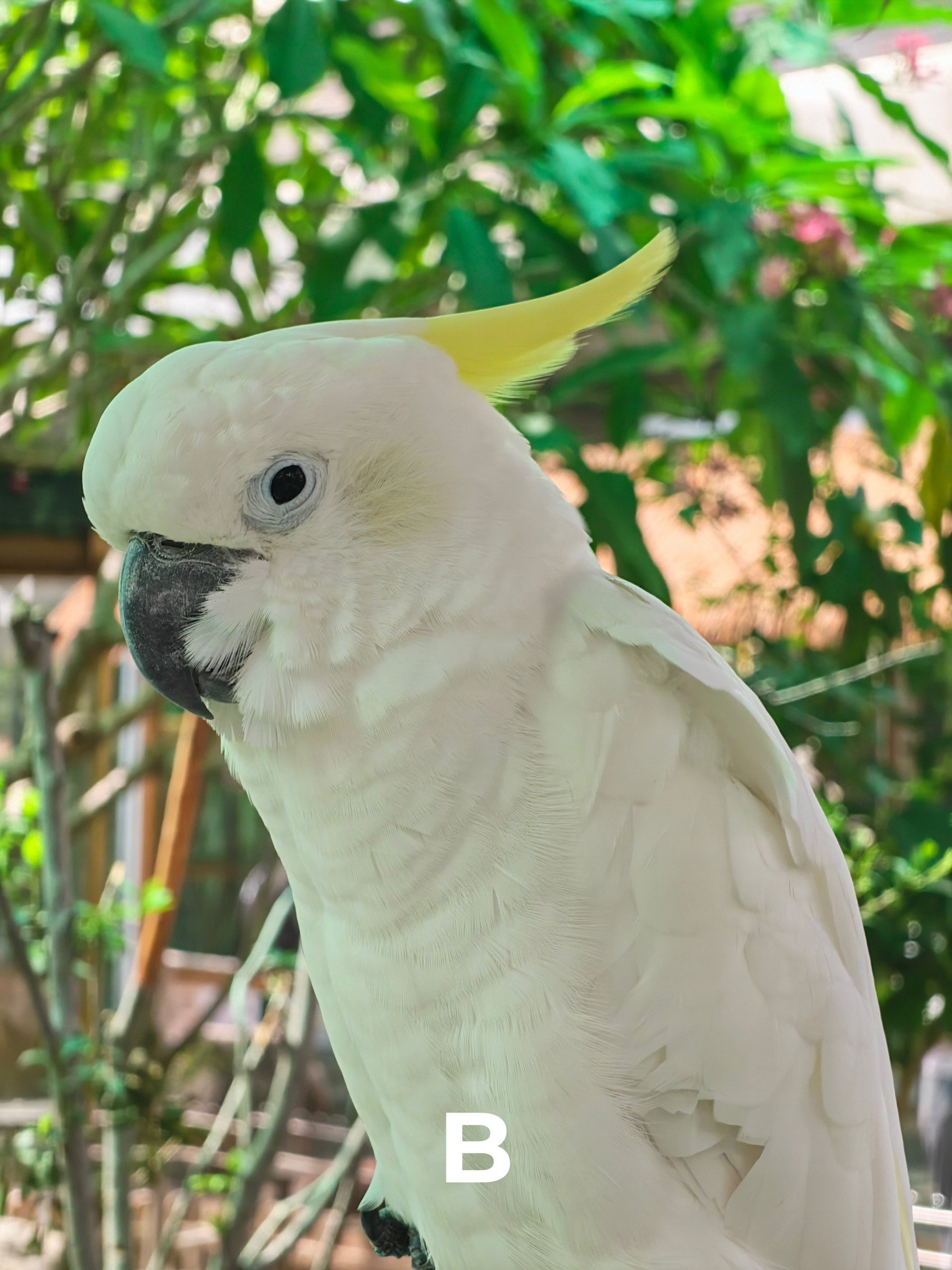
FF4


FF5

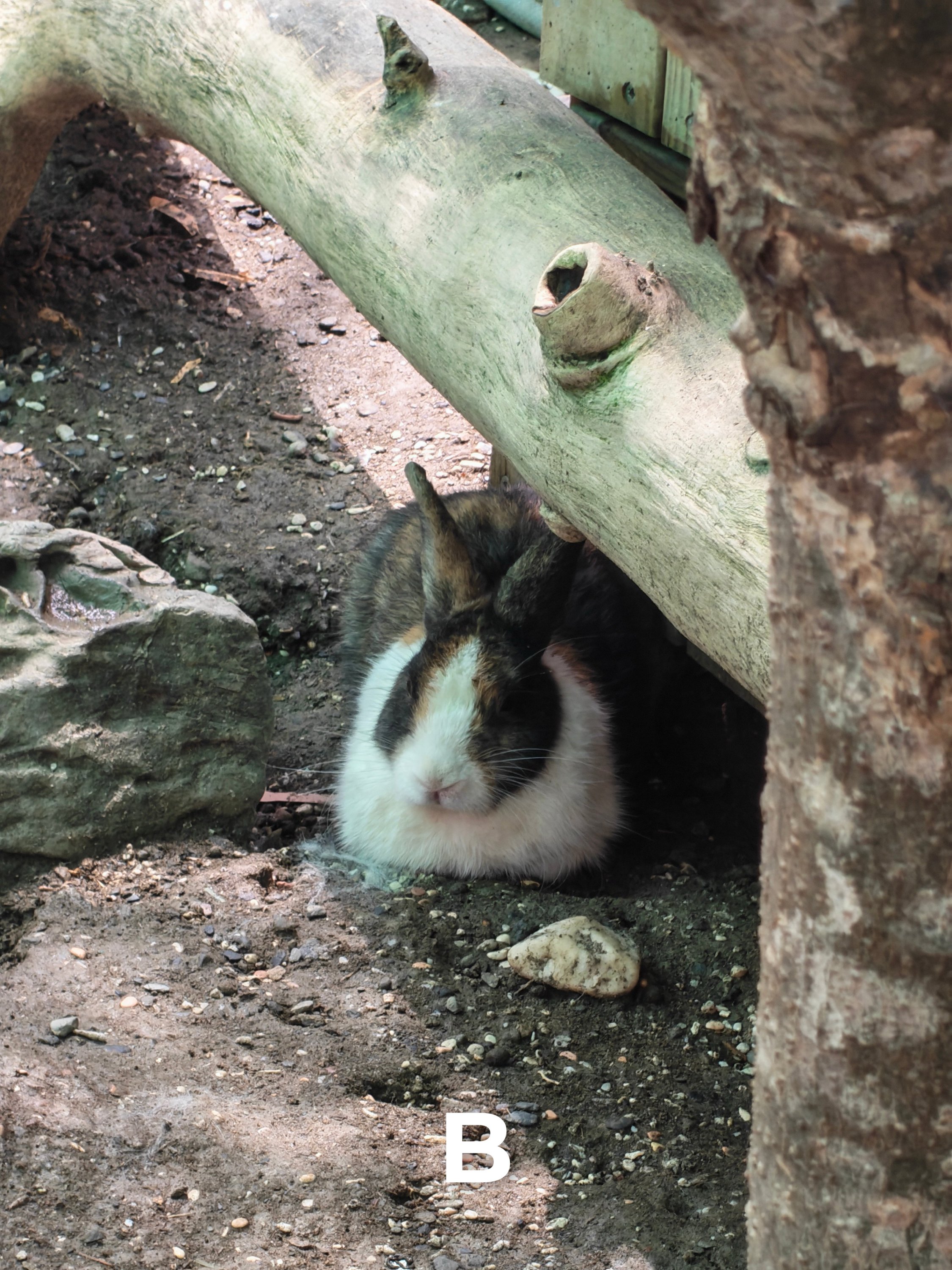
FF6


FF7
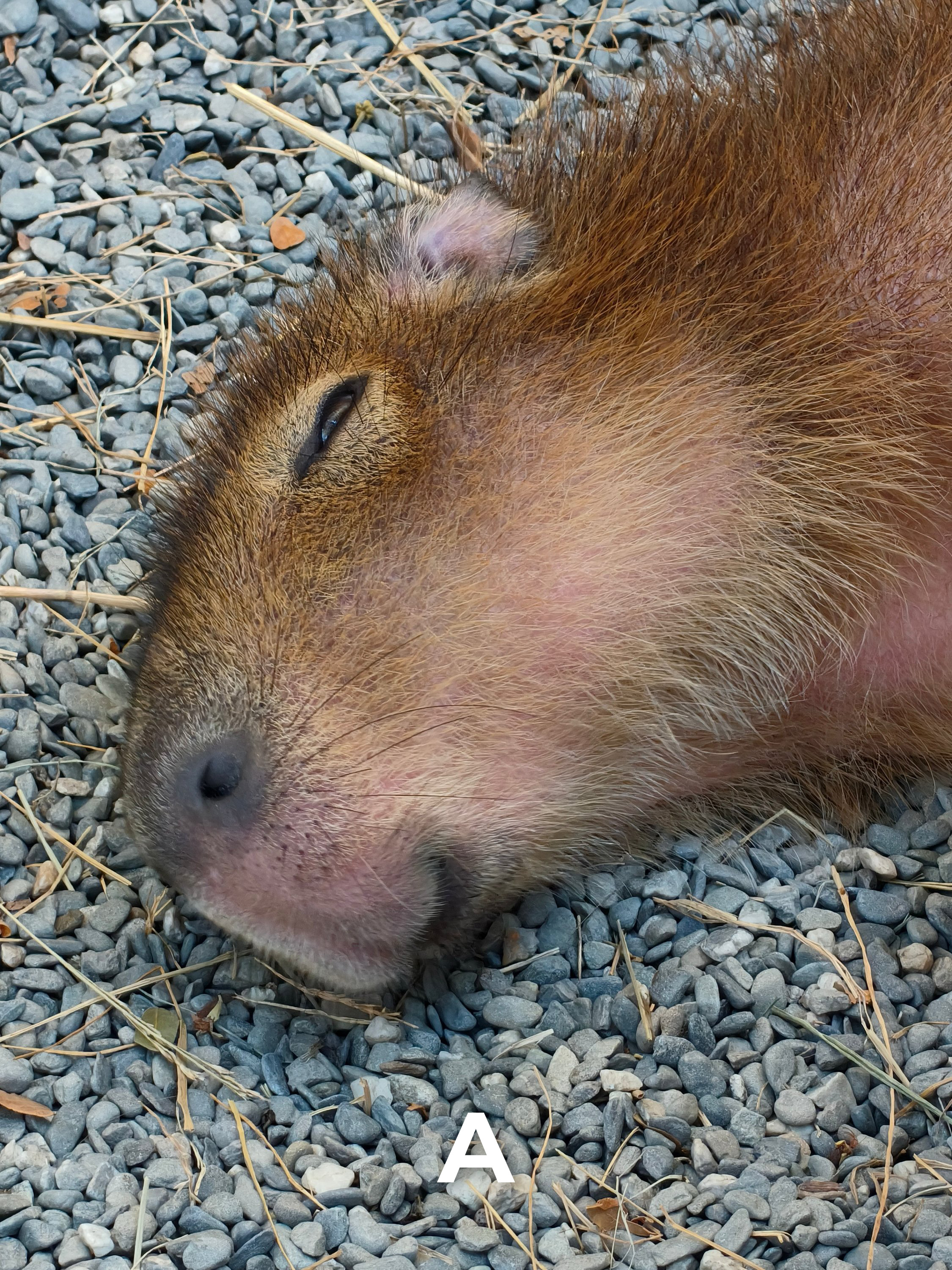

FF8
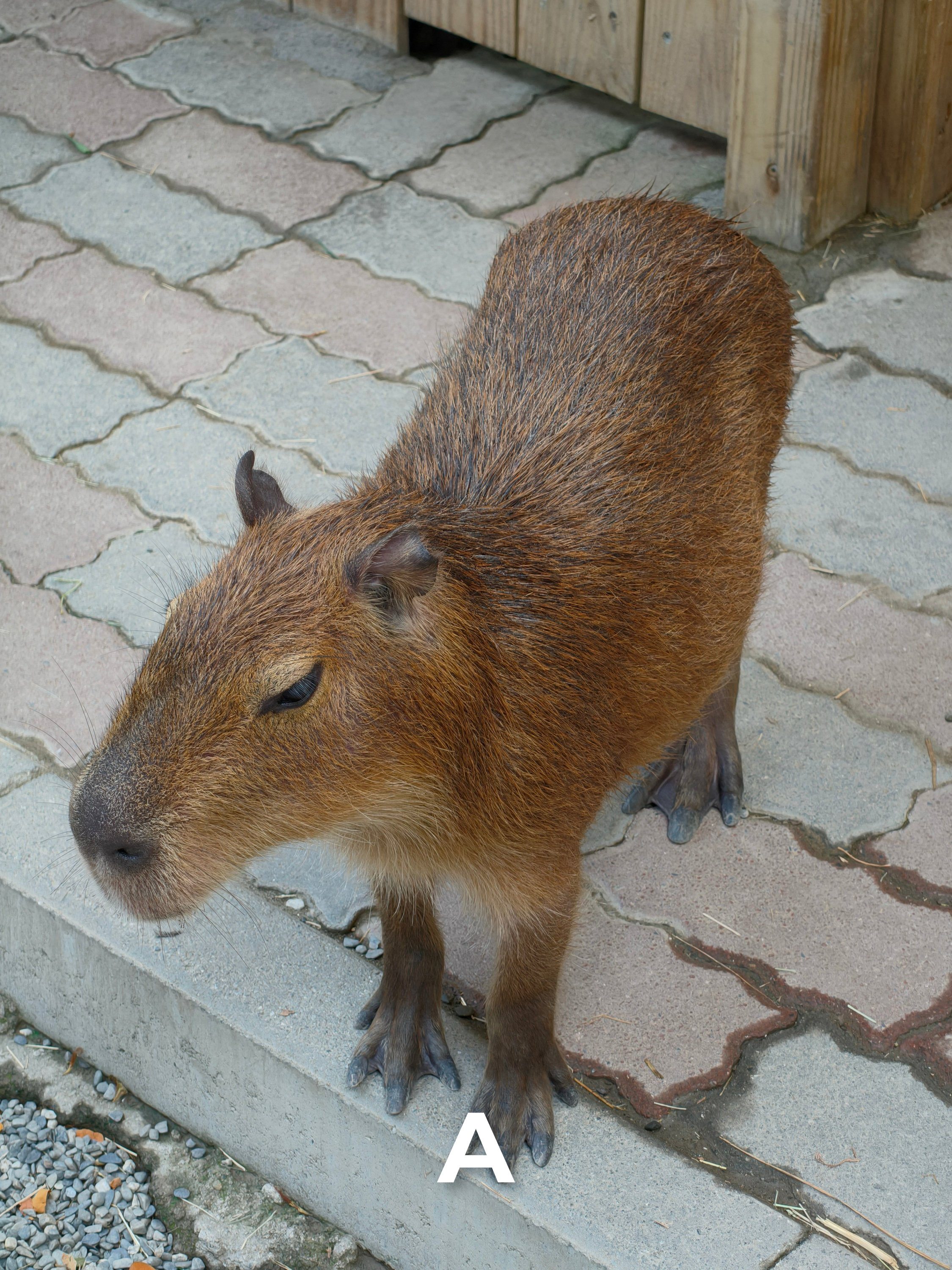

Indoors
Subjects taken in any controlled lighting is another tricky test for both of these smartphones.
IN1


IN2

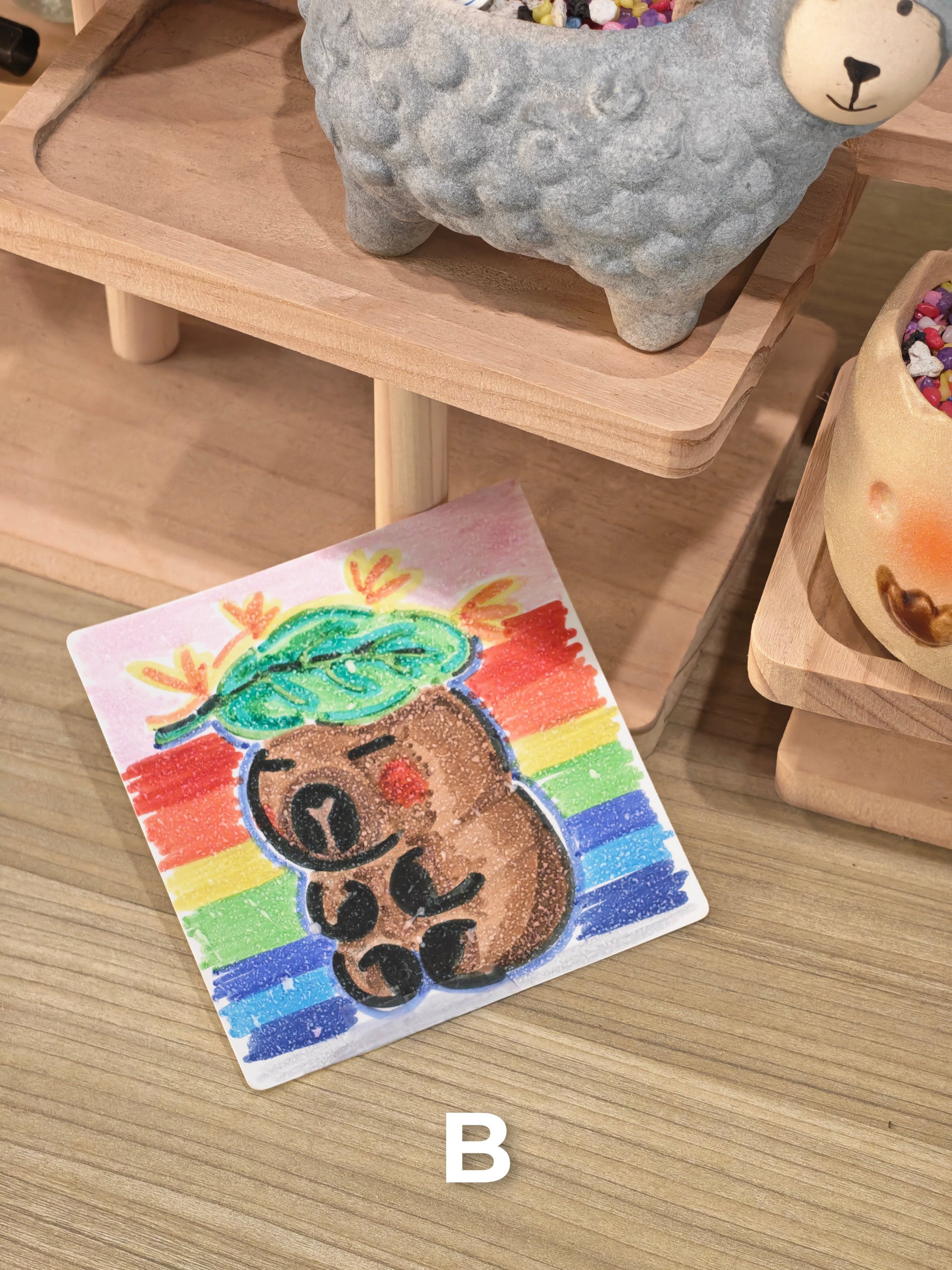
IN3


IN4
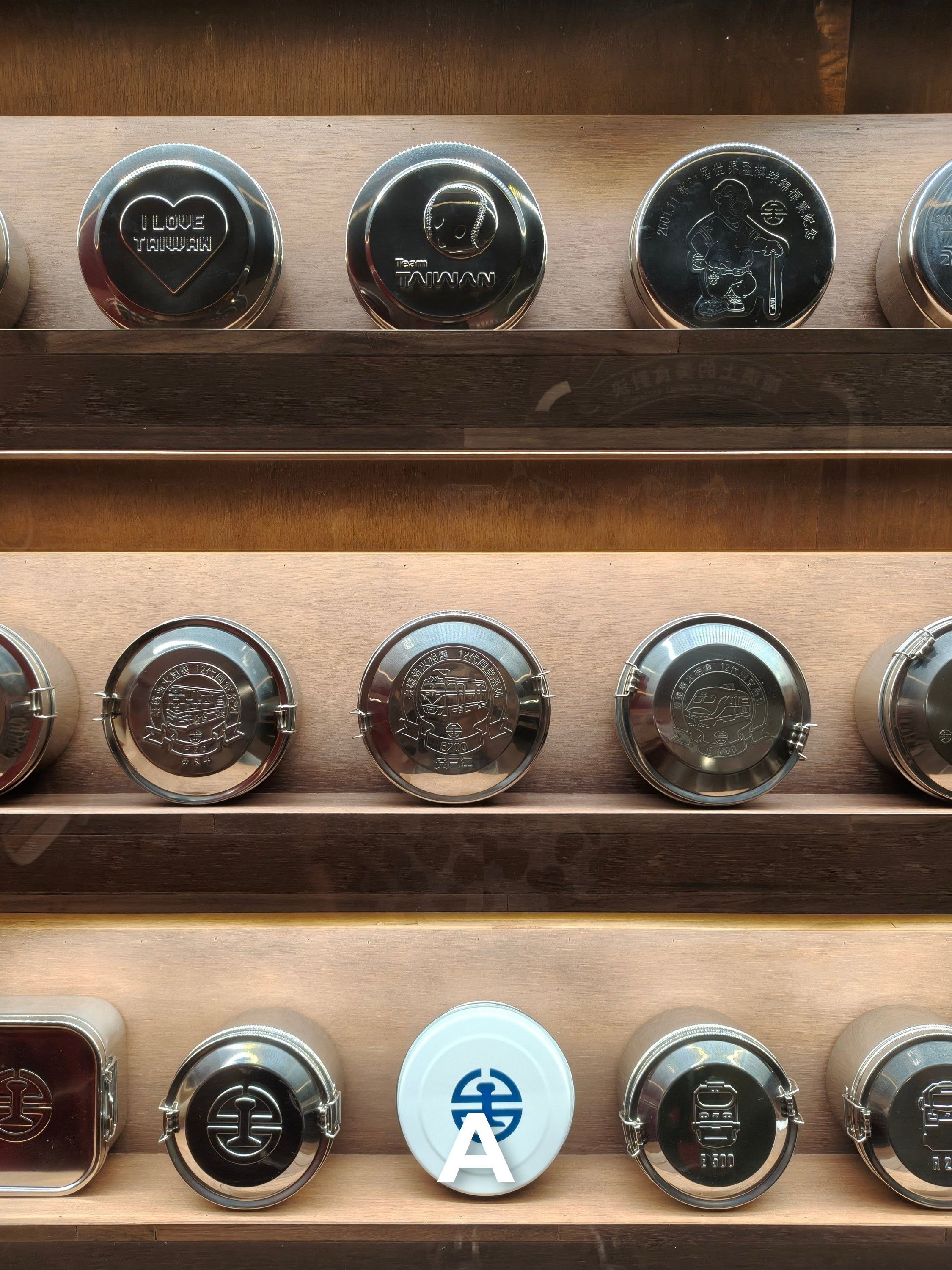

IN5


IN6


IN7


IN8
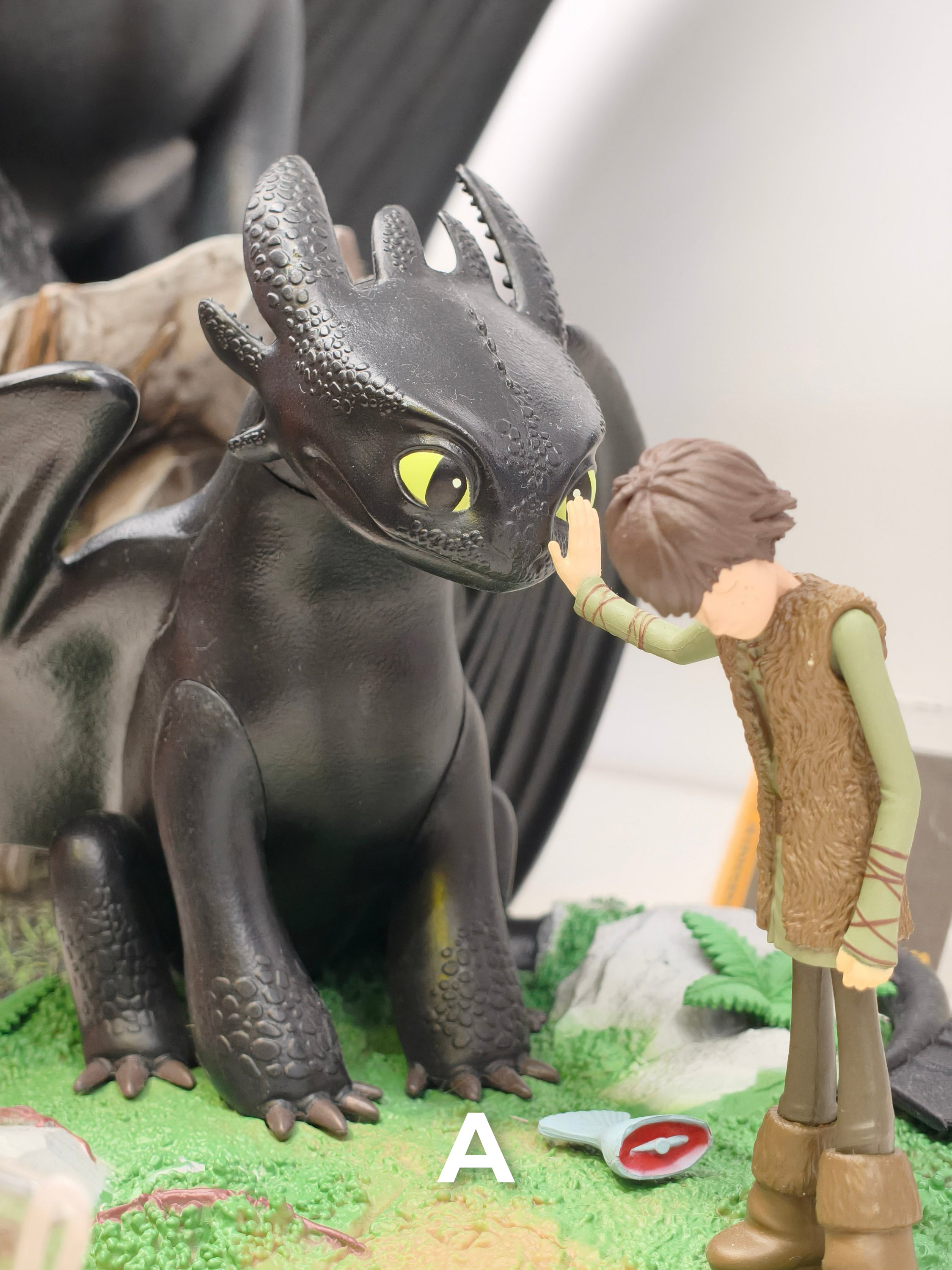
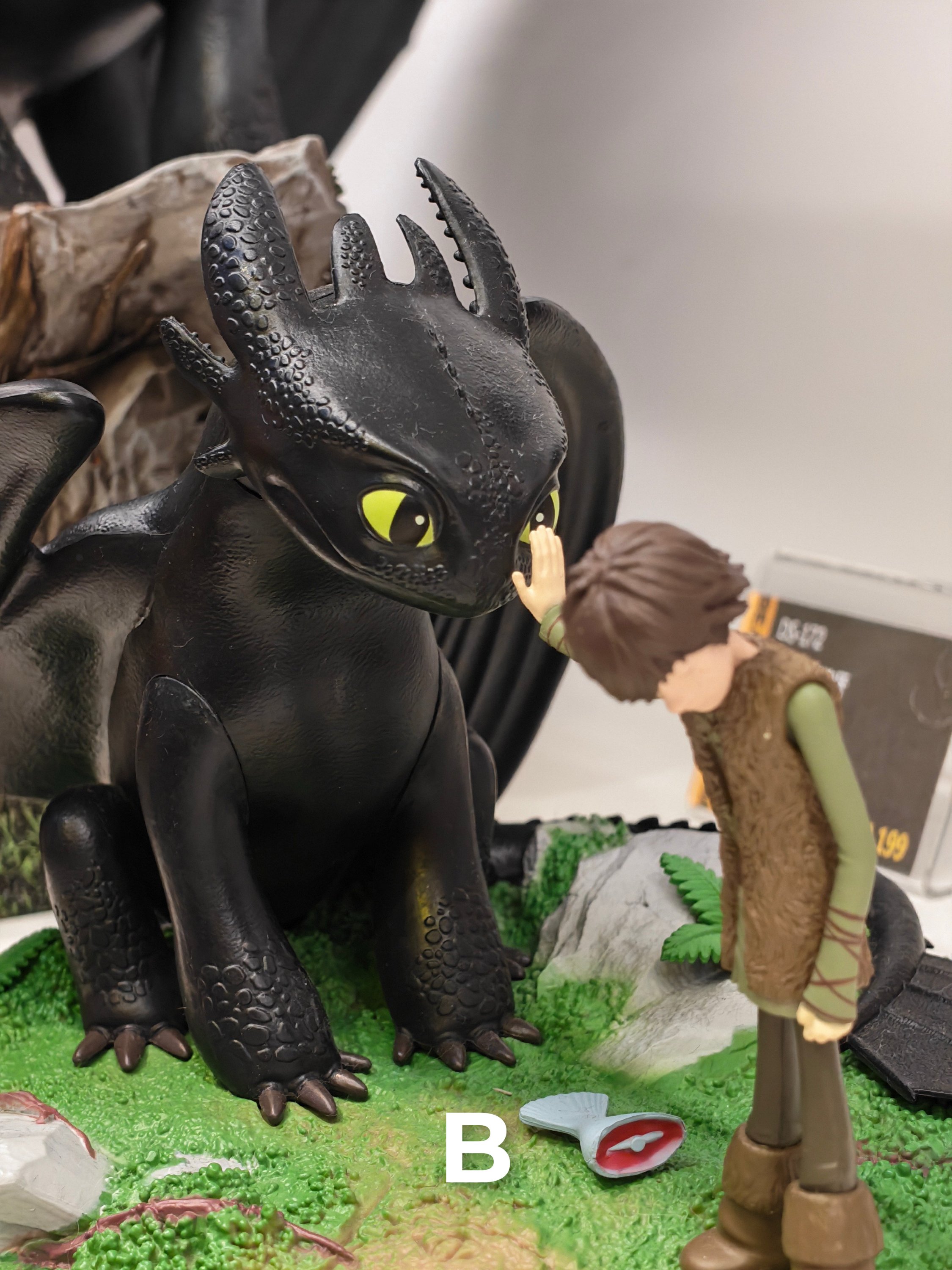
IN9


IN10


IN11


IN12


The Night is Right
The ultimate camera test all boils down to shots taken at night (or low-light).
Actual camera processing is one. Added AI algorithms and the actual output for another.
N1A | 1x Wide


N1B | 3.5x Optical Zoom
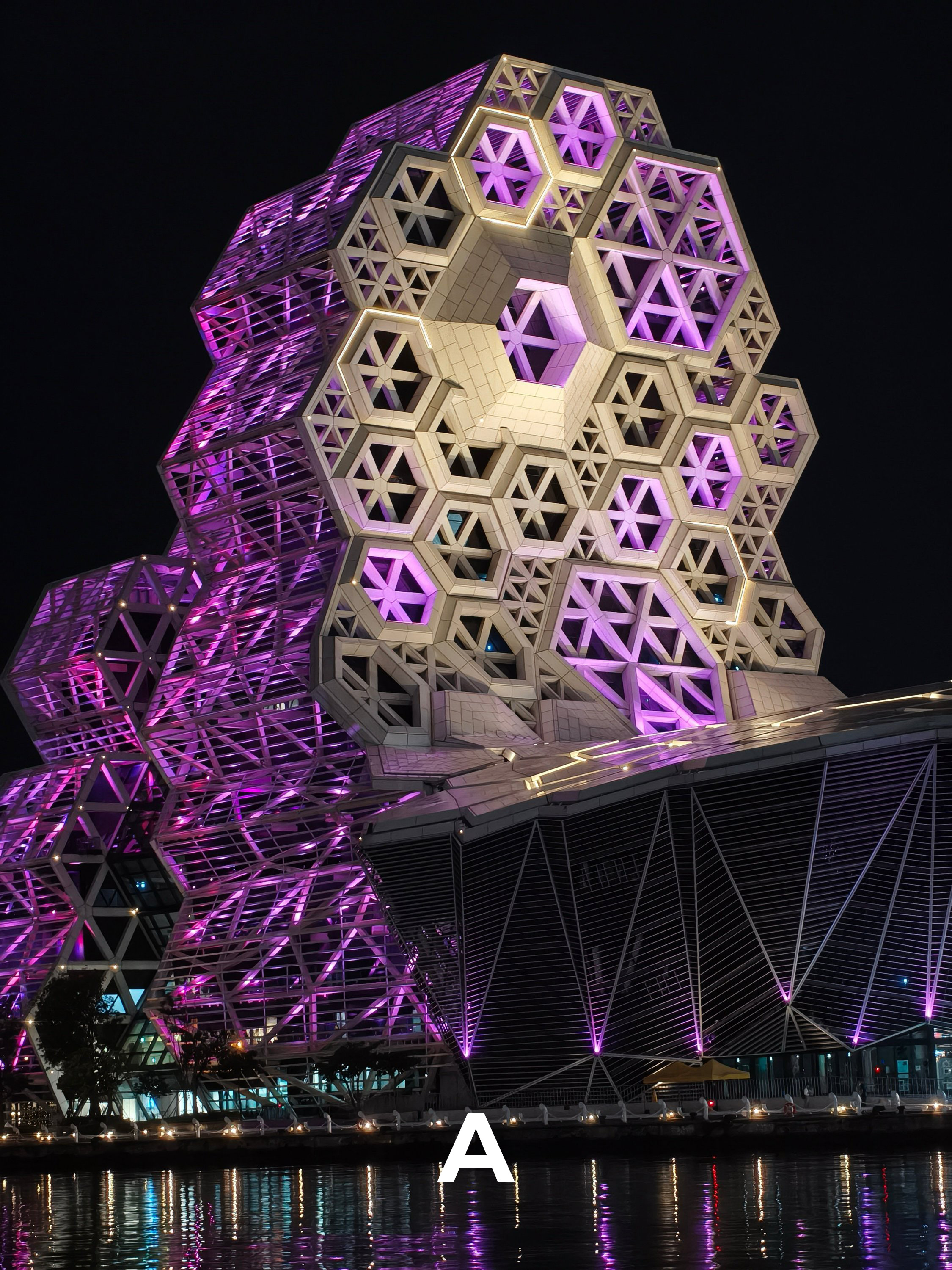
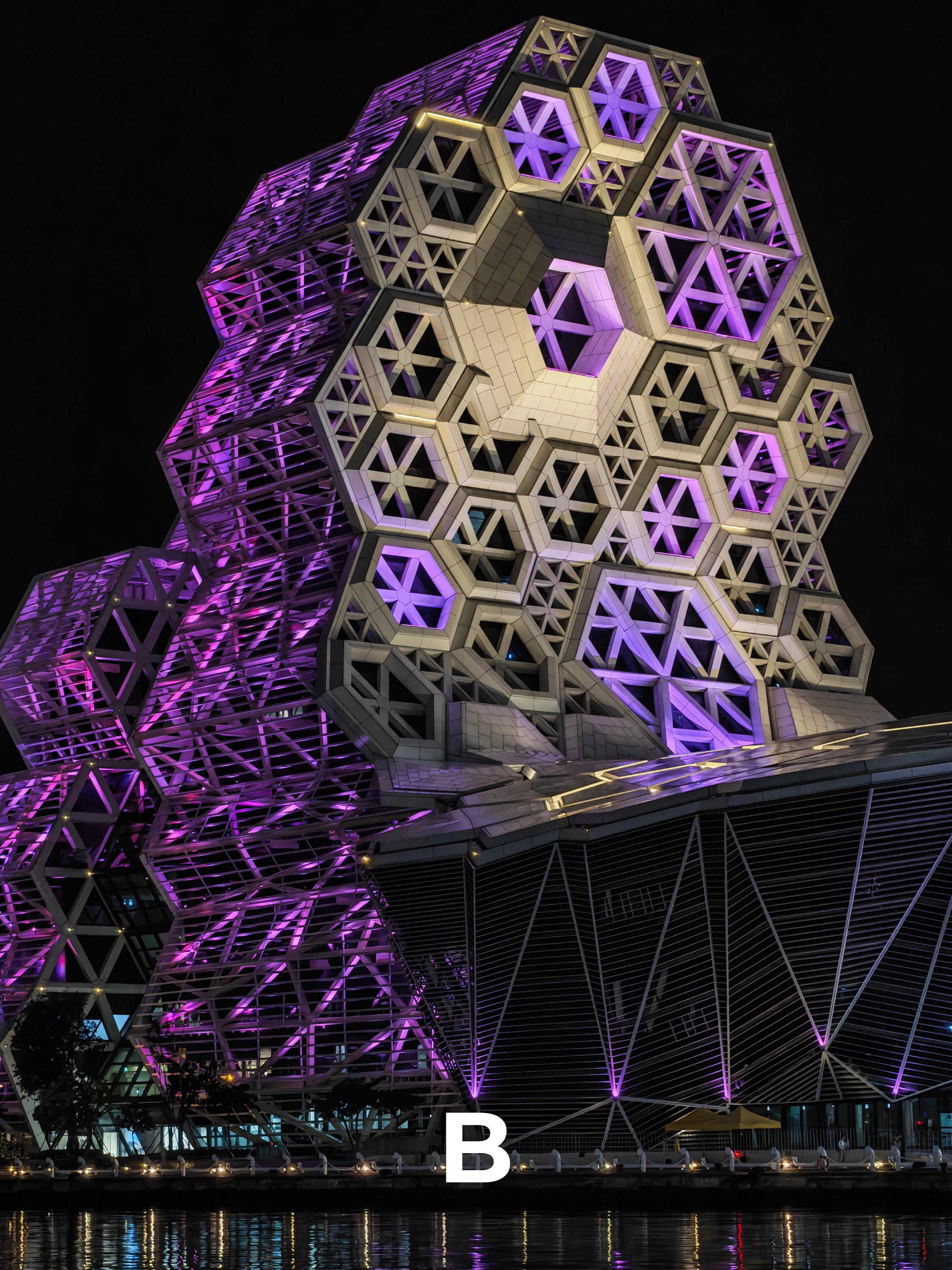
N2 | Ultra-Wide
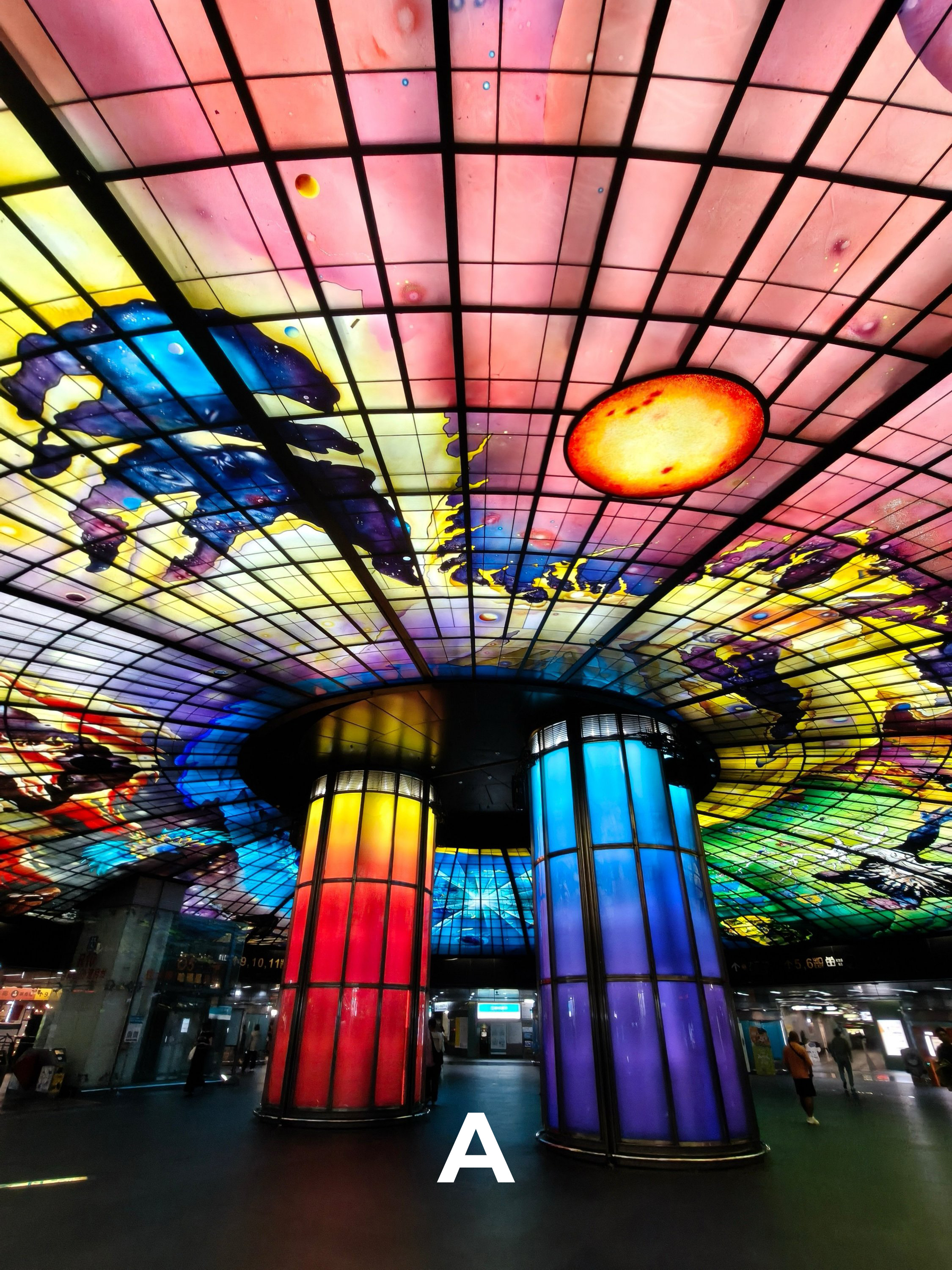
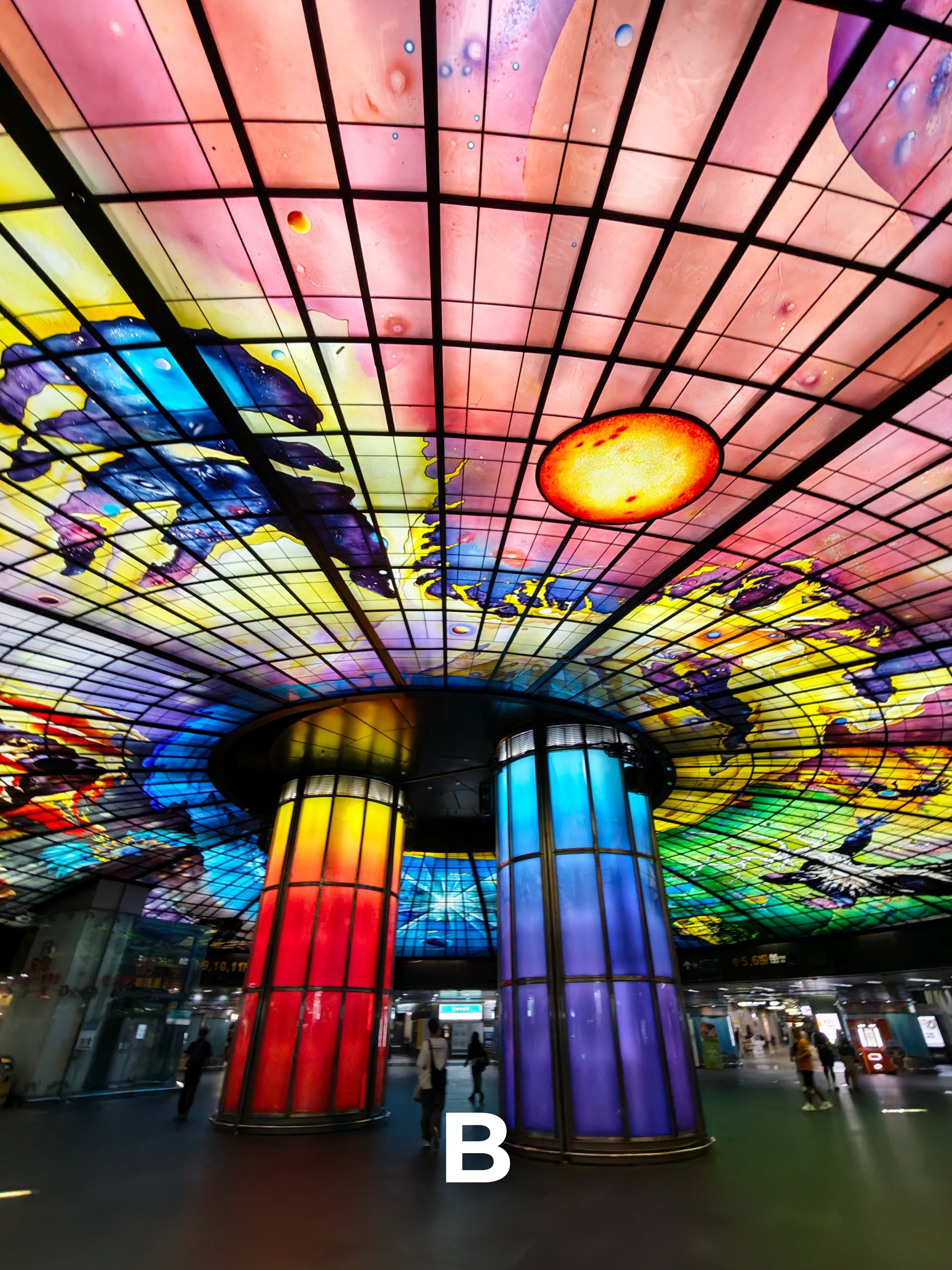
N3A | 3.5x Optical Zoom


N3B | 5x Lossless Zoom

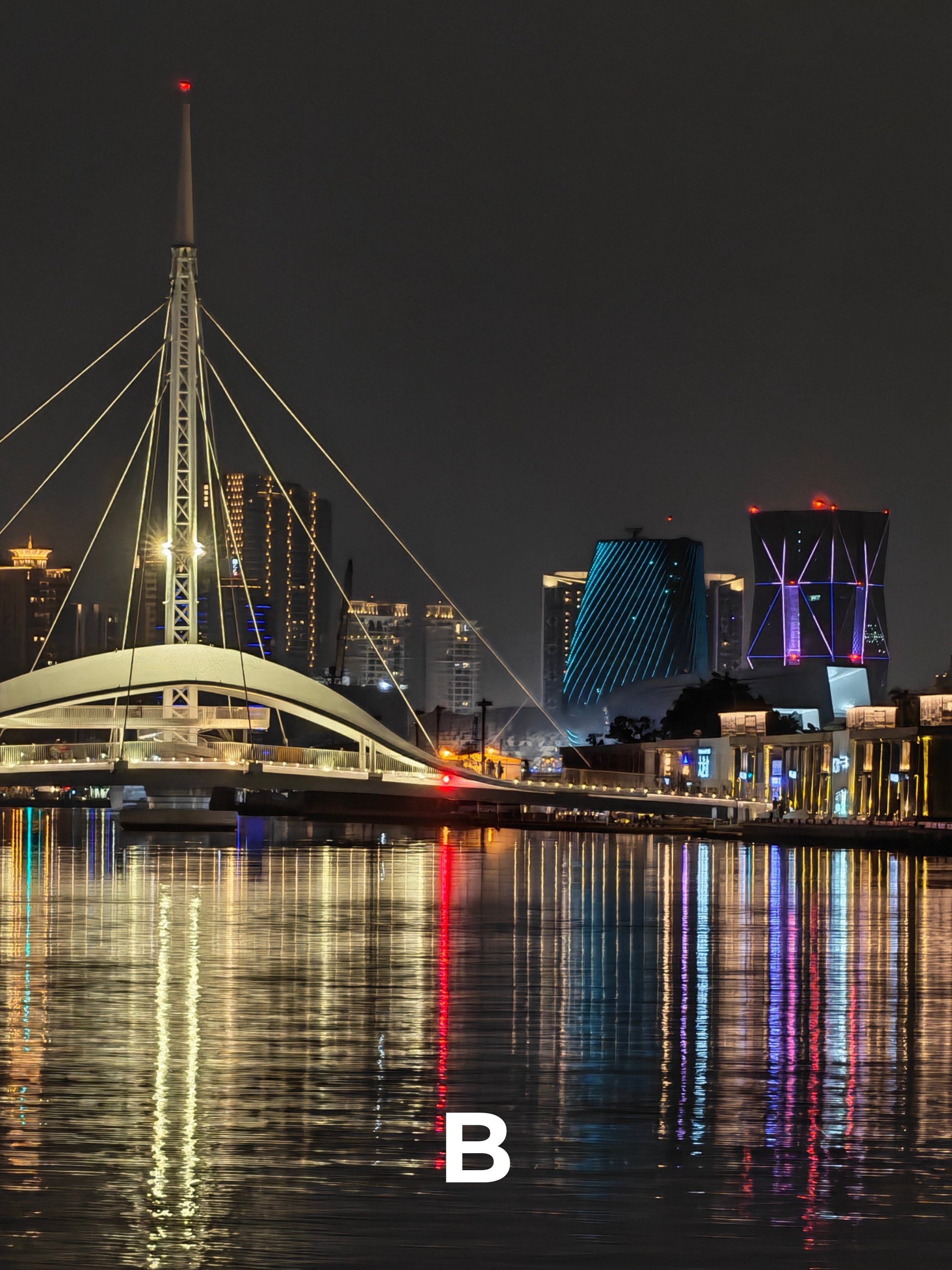
N4 | 5x Zoom


N5 | 2x In-Sensor Zoom


N6 | 3.5x Optical Zoom


N7 | 1x Wide
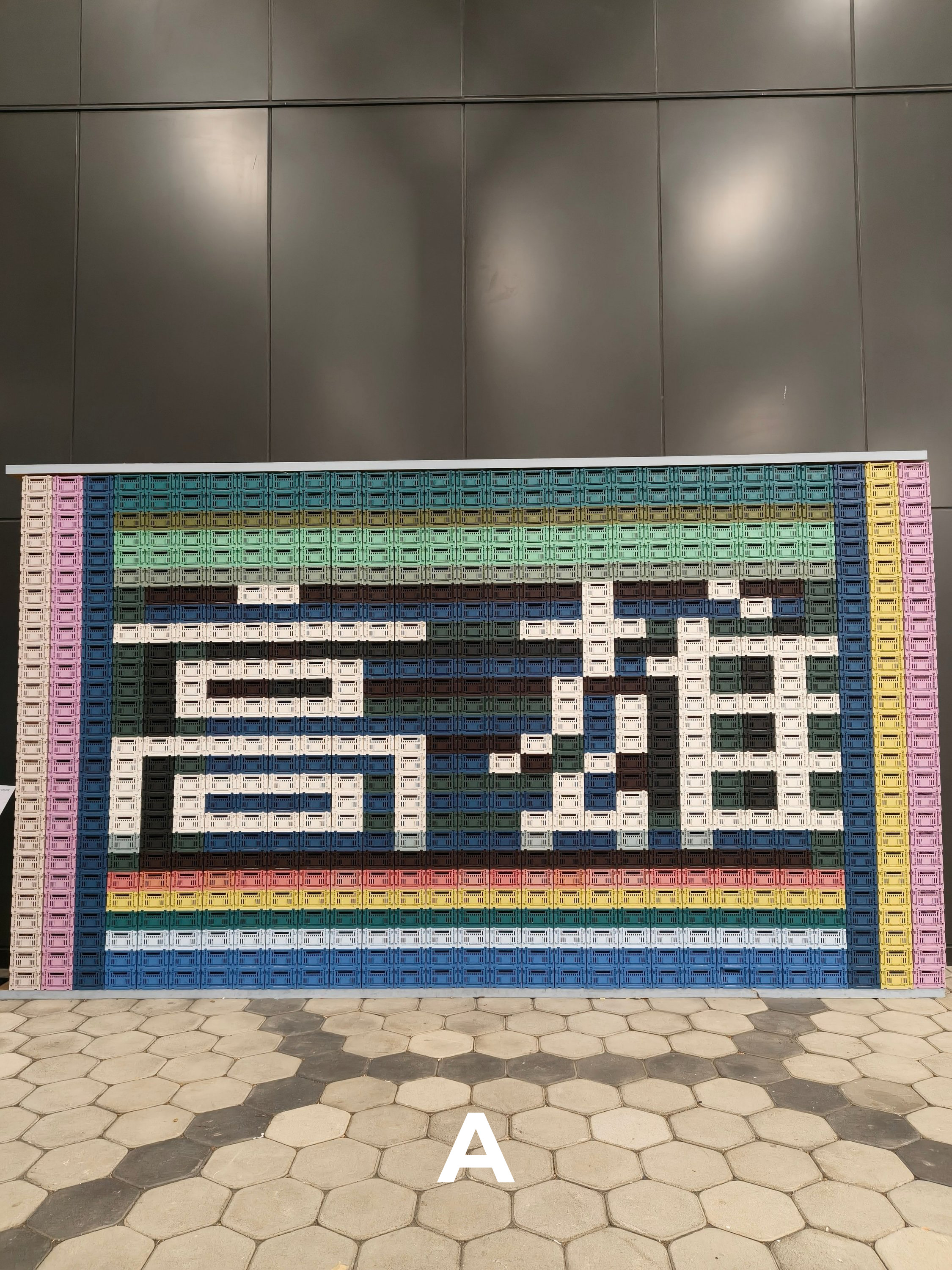
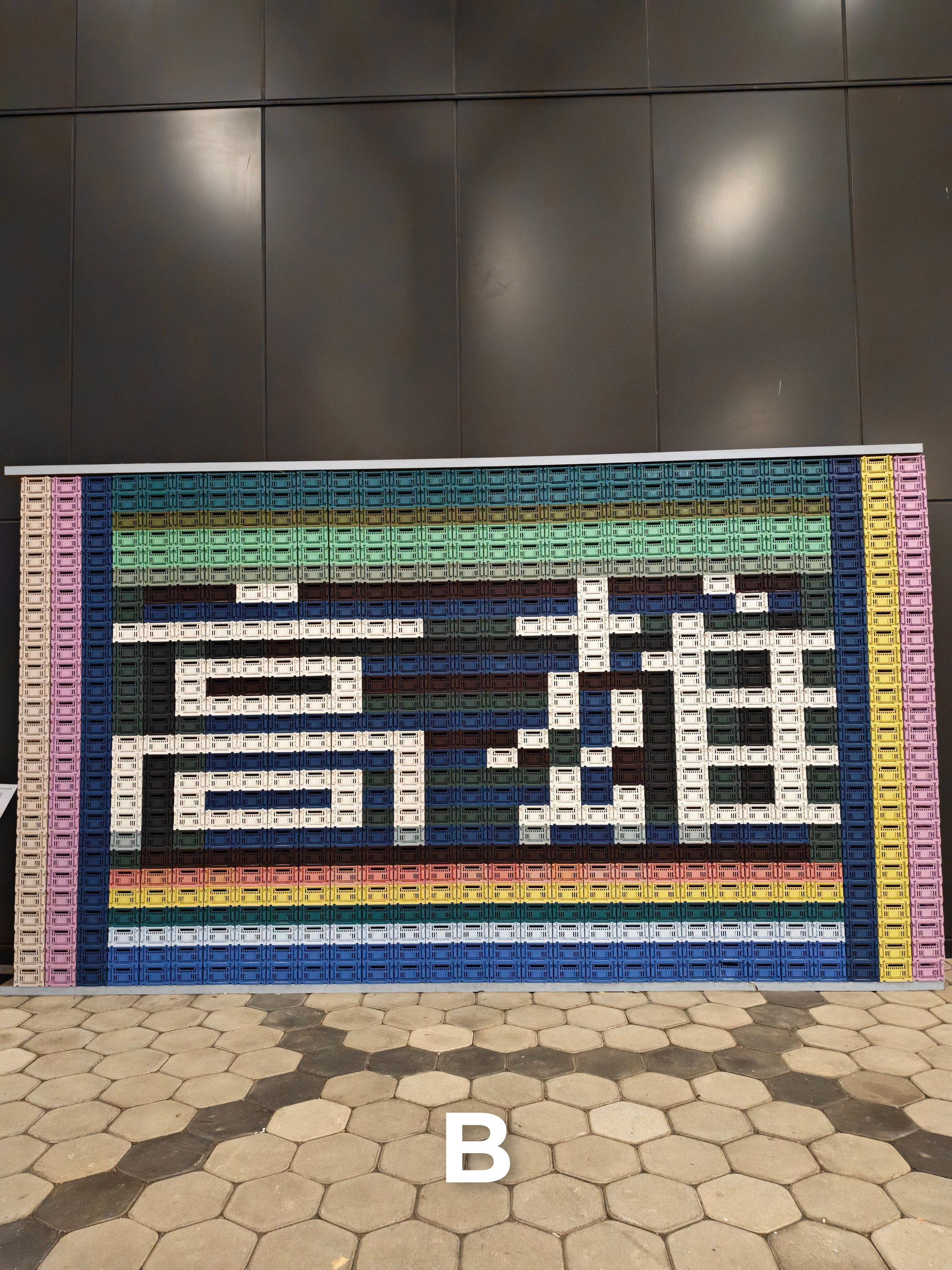
N8A | UWA
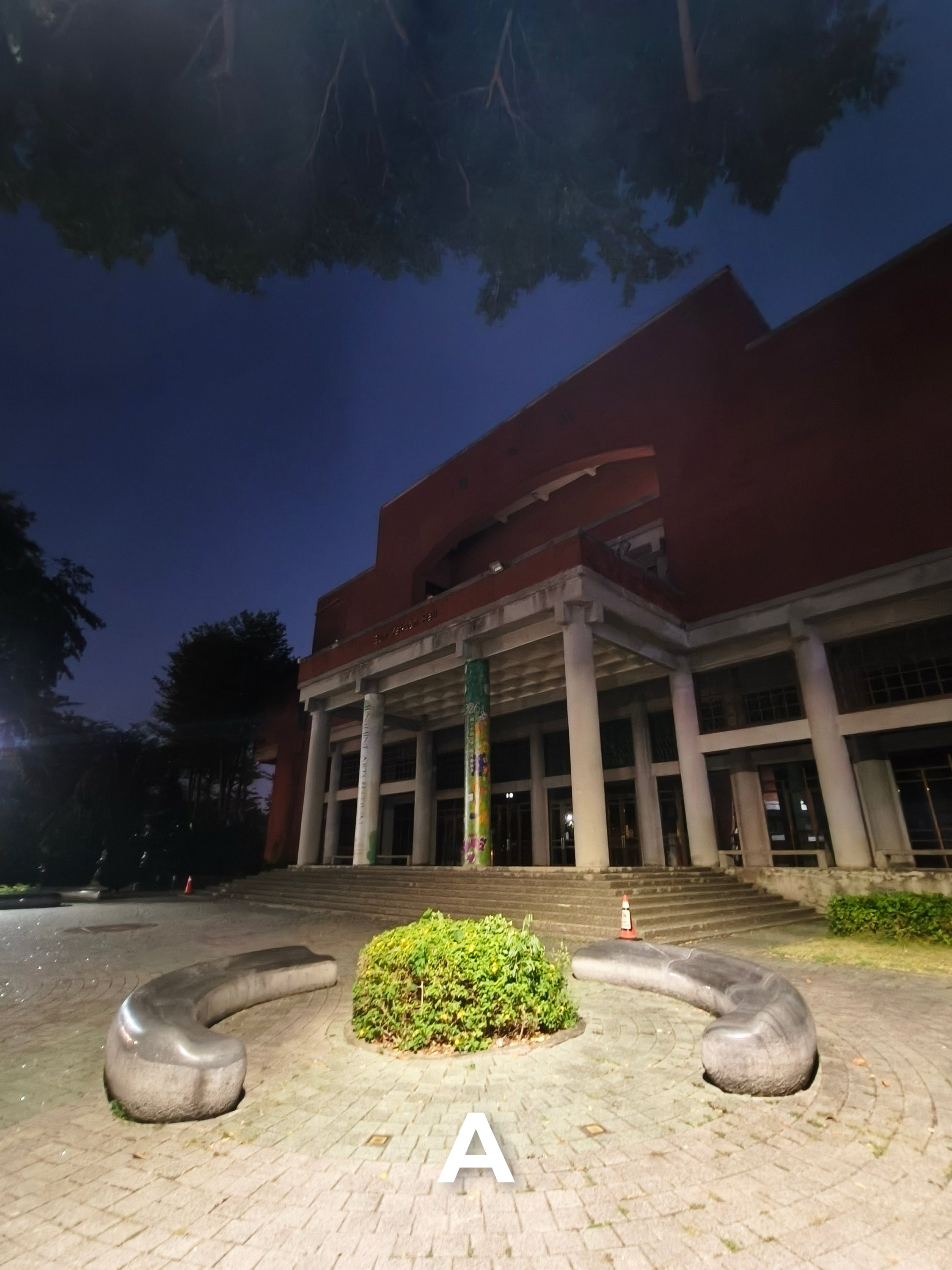
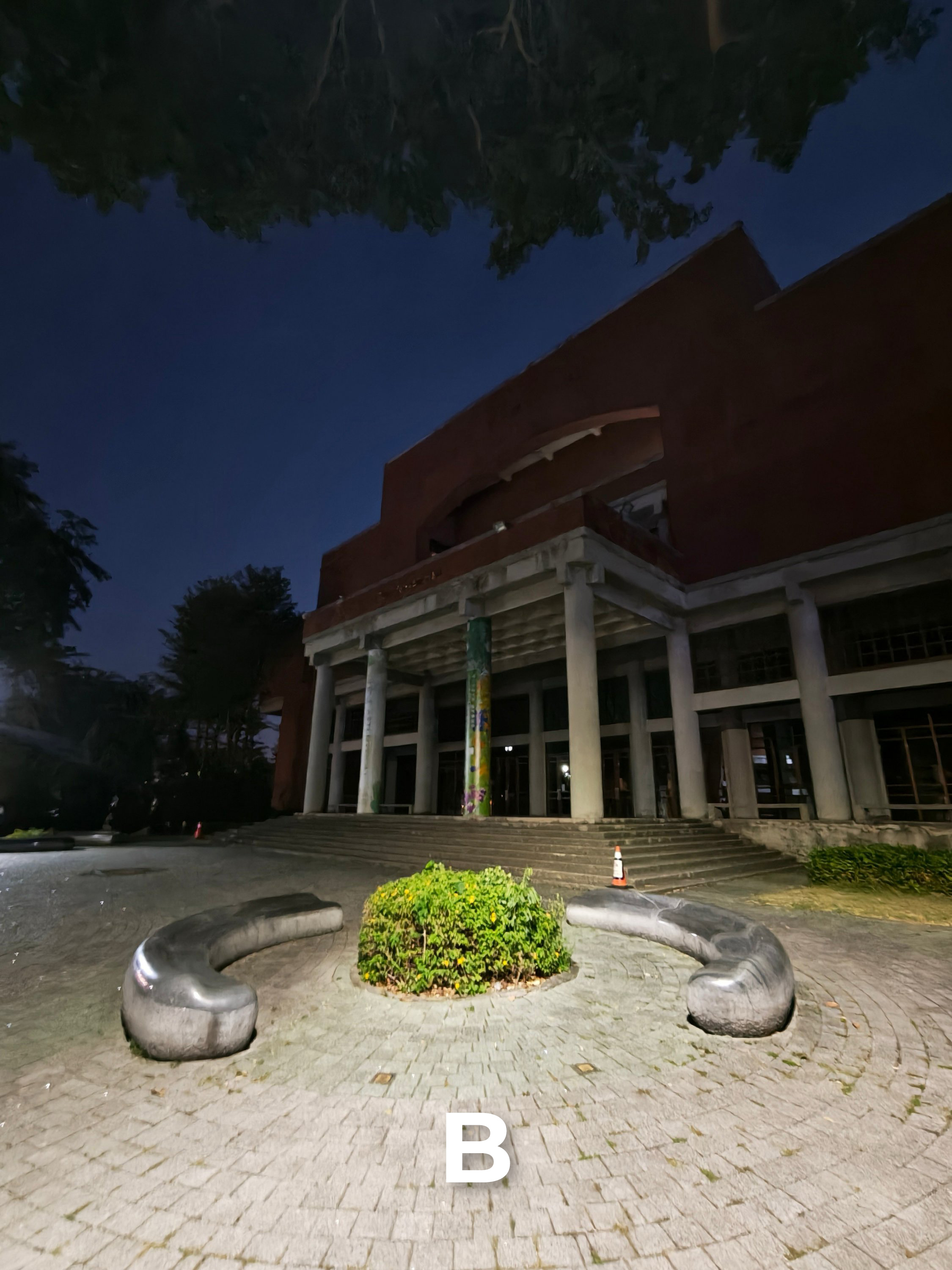
N8B | 1x Wide

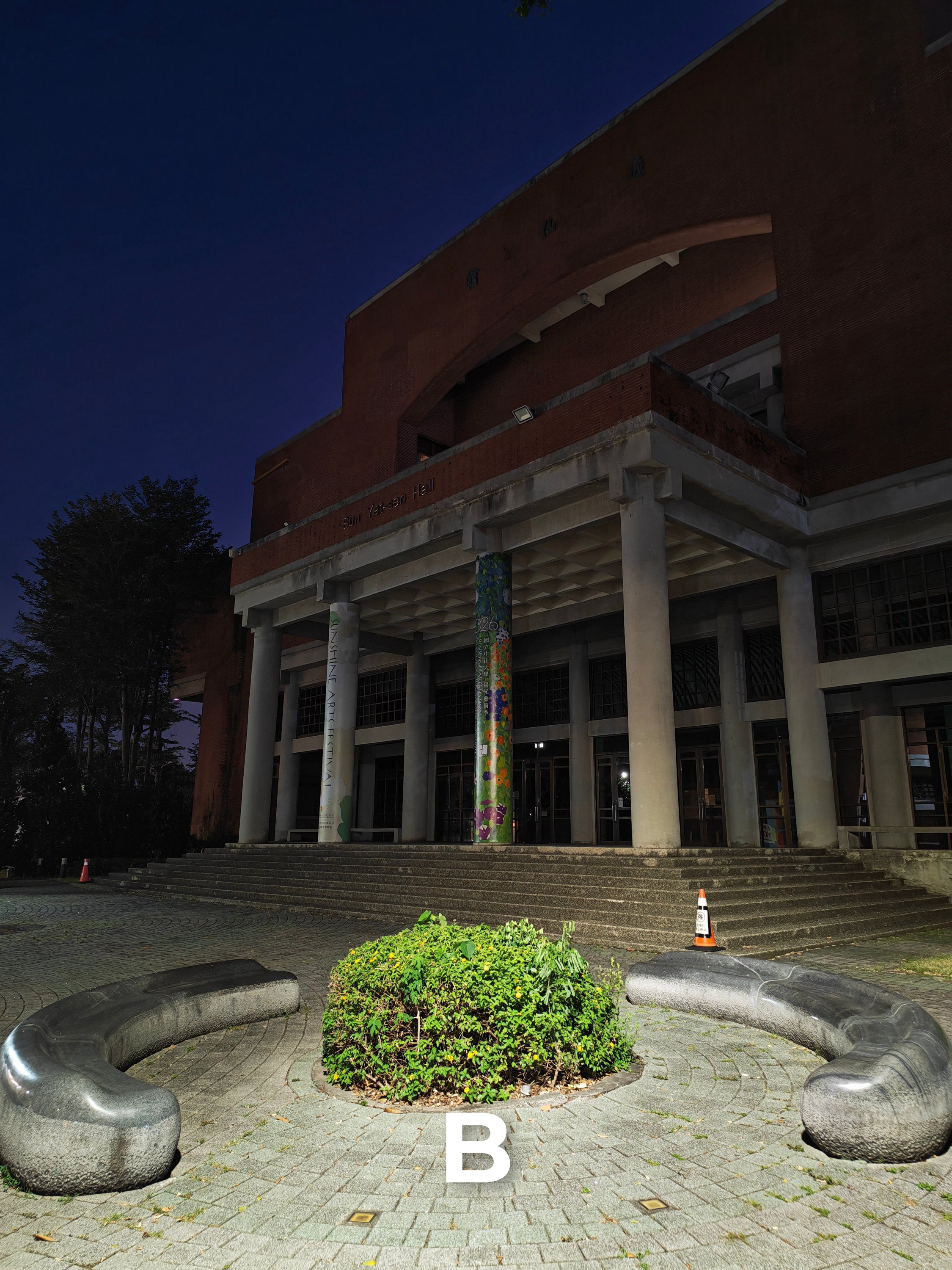
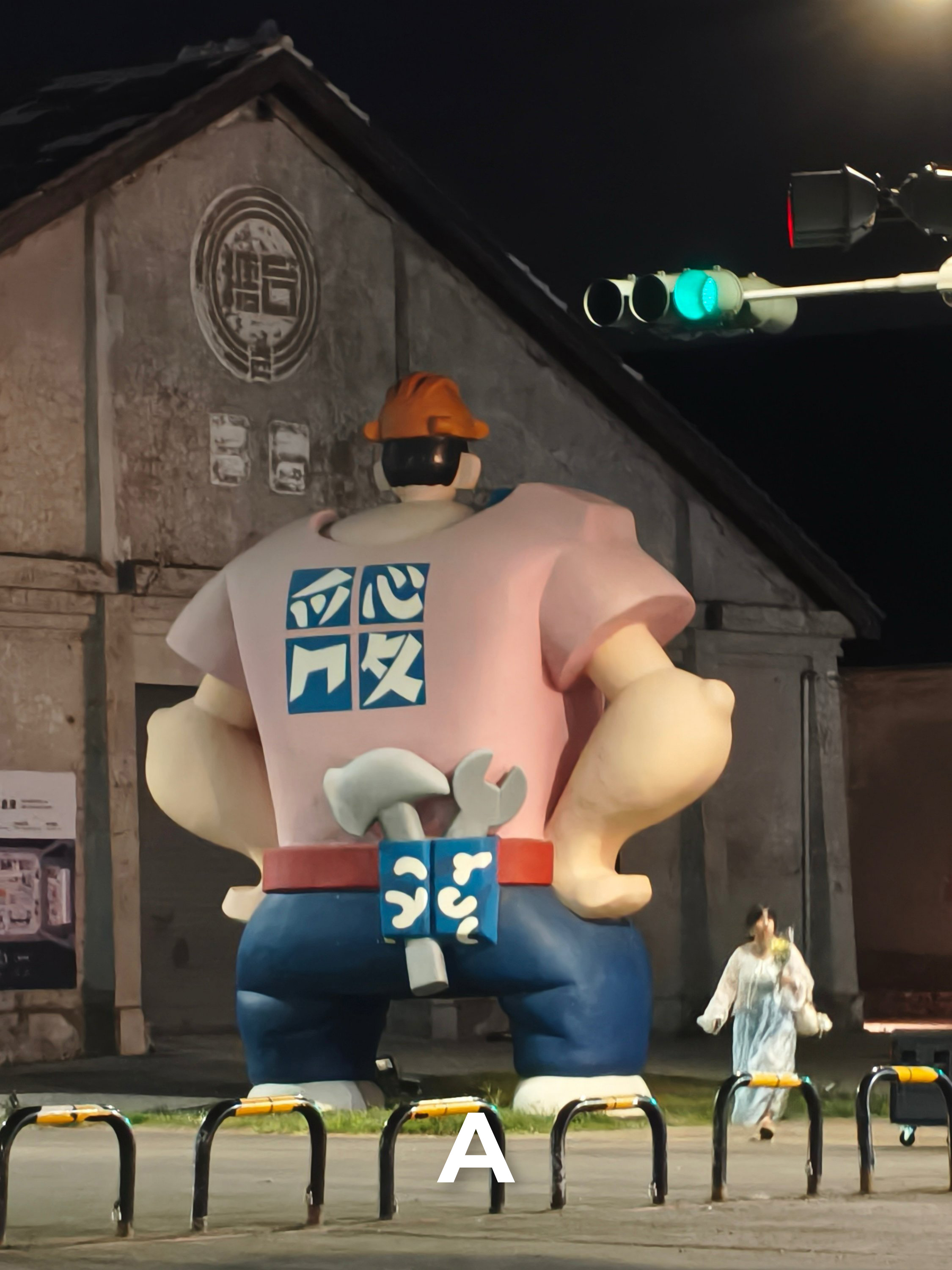
N9 | 3.5x Optical Zoom


N10 | 5x Lossless Zoom

BONUS: Super Moon
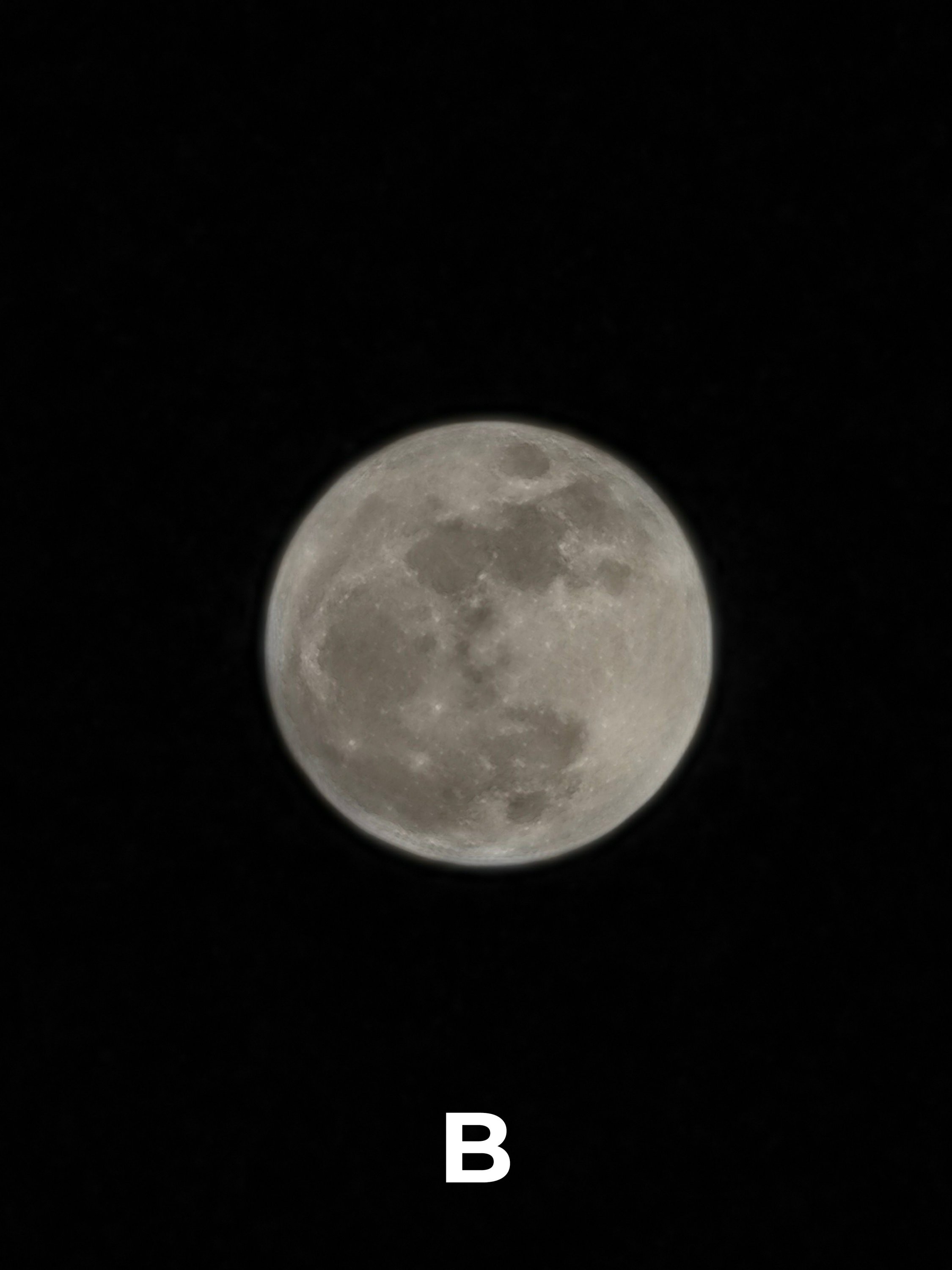
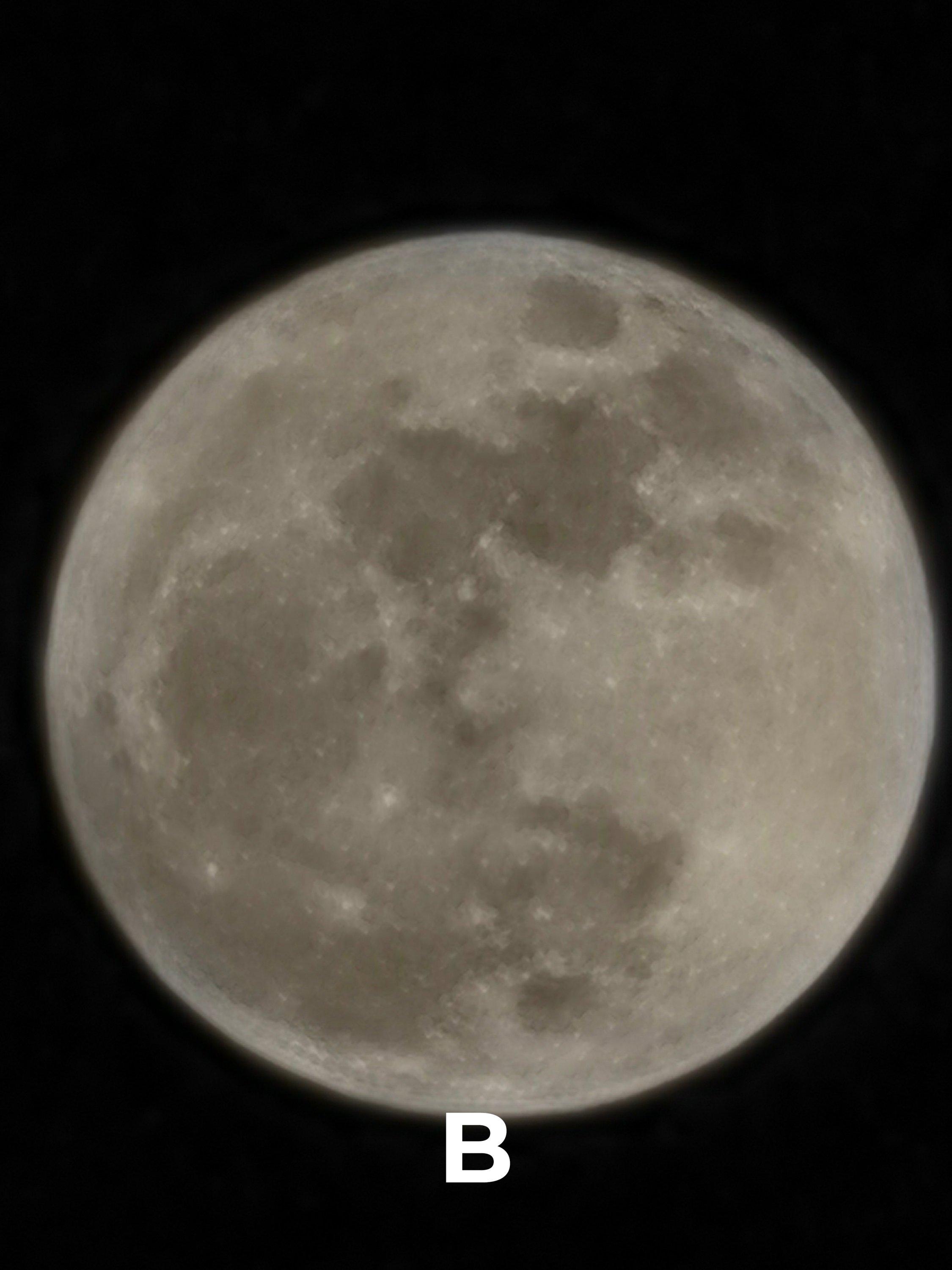
That same telephoto module gives both the HONOR and OPPO midrangers a zoom reach as far as 120x.
M1 | 40x Digital Zoom
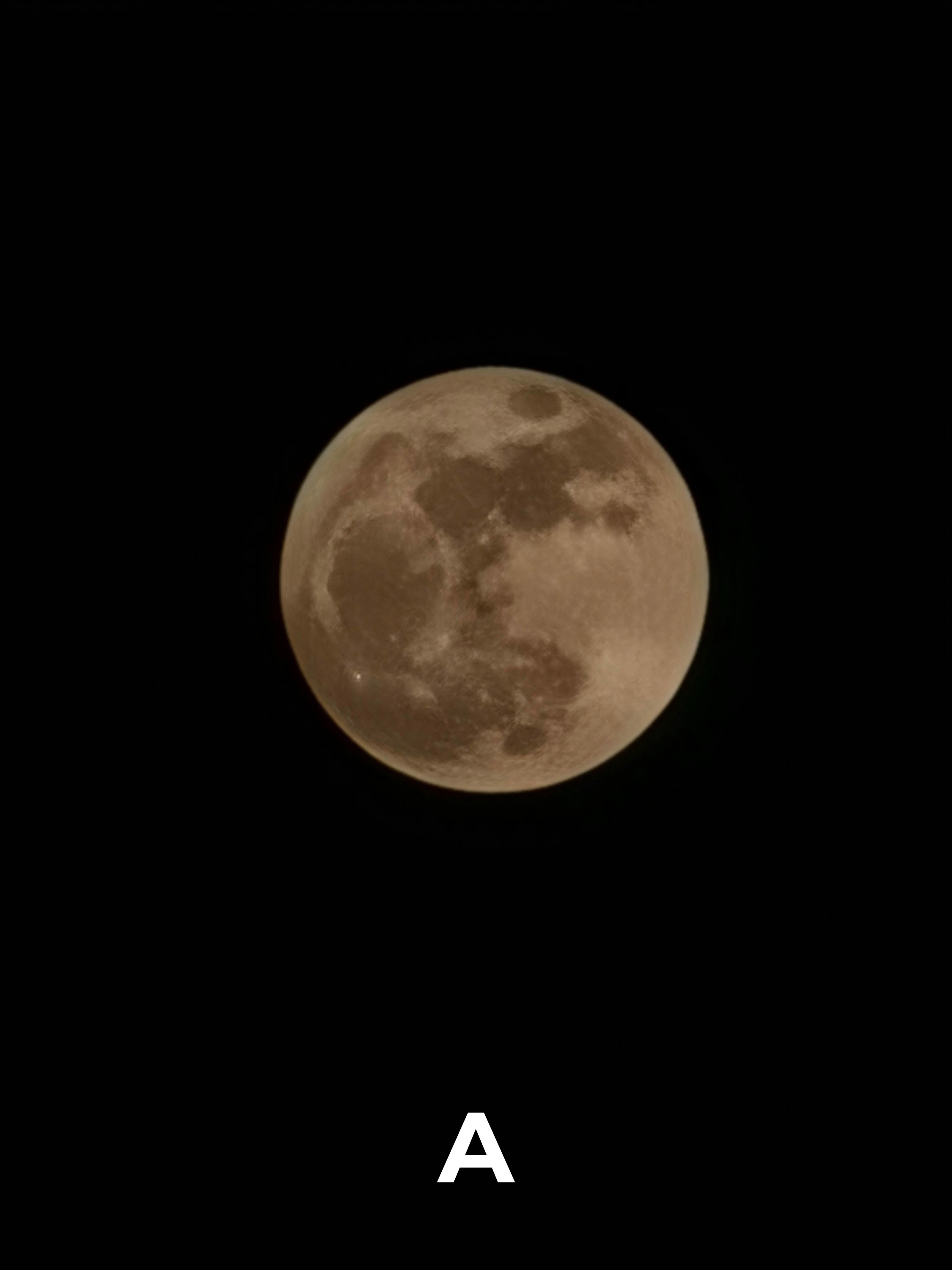
M2 | 120x Max Zoom

Results
Were you able to write down and tally your picks? Well, here are the results:
Conclusion
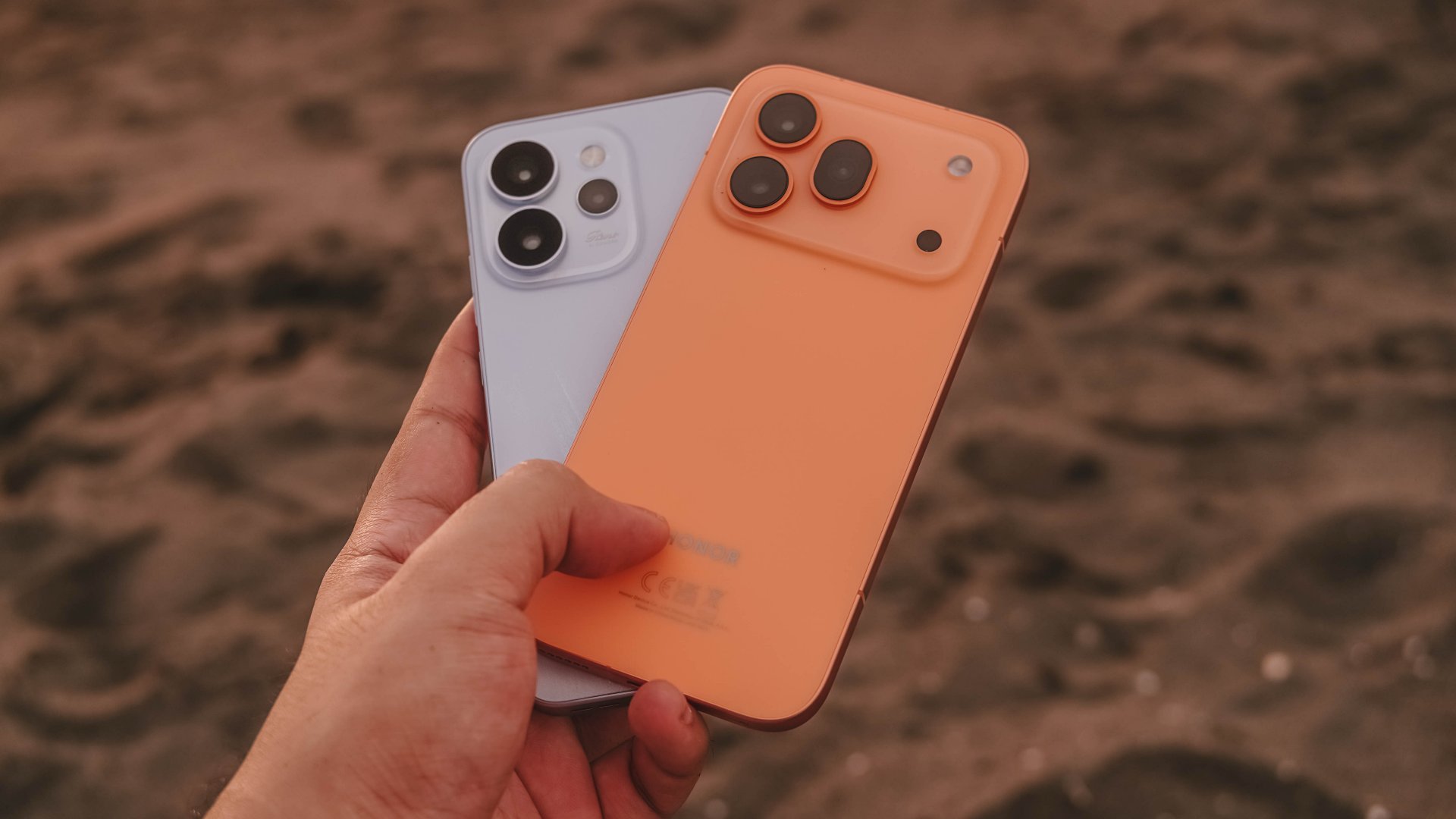
For the most part, samples taken on the HONOR 600 Pro are already social media-ready. They require little to no effort prior sharing it as your Facebook post or Instagram story.
And by that, the saturation and contrast game is strong as opposed to its rival — a look preferred by most users. These are clearly seen in Sets T1 / T5 / ZB5 / W1 / W2 / N1A.
Meanwhile, the OPPO Reno15 Pro leans more into the “natural” side.
Despite the absence of that premium Hasselblad partnership, it still gave desirable results for those who want the less “AI-processed” look (softer, reduced saturation, minimized contrast) which are evident in Photos T2 / T4 / T8 / T12 / ZB1 / ZB3 / W7 / W8 / FF7 / FF8.
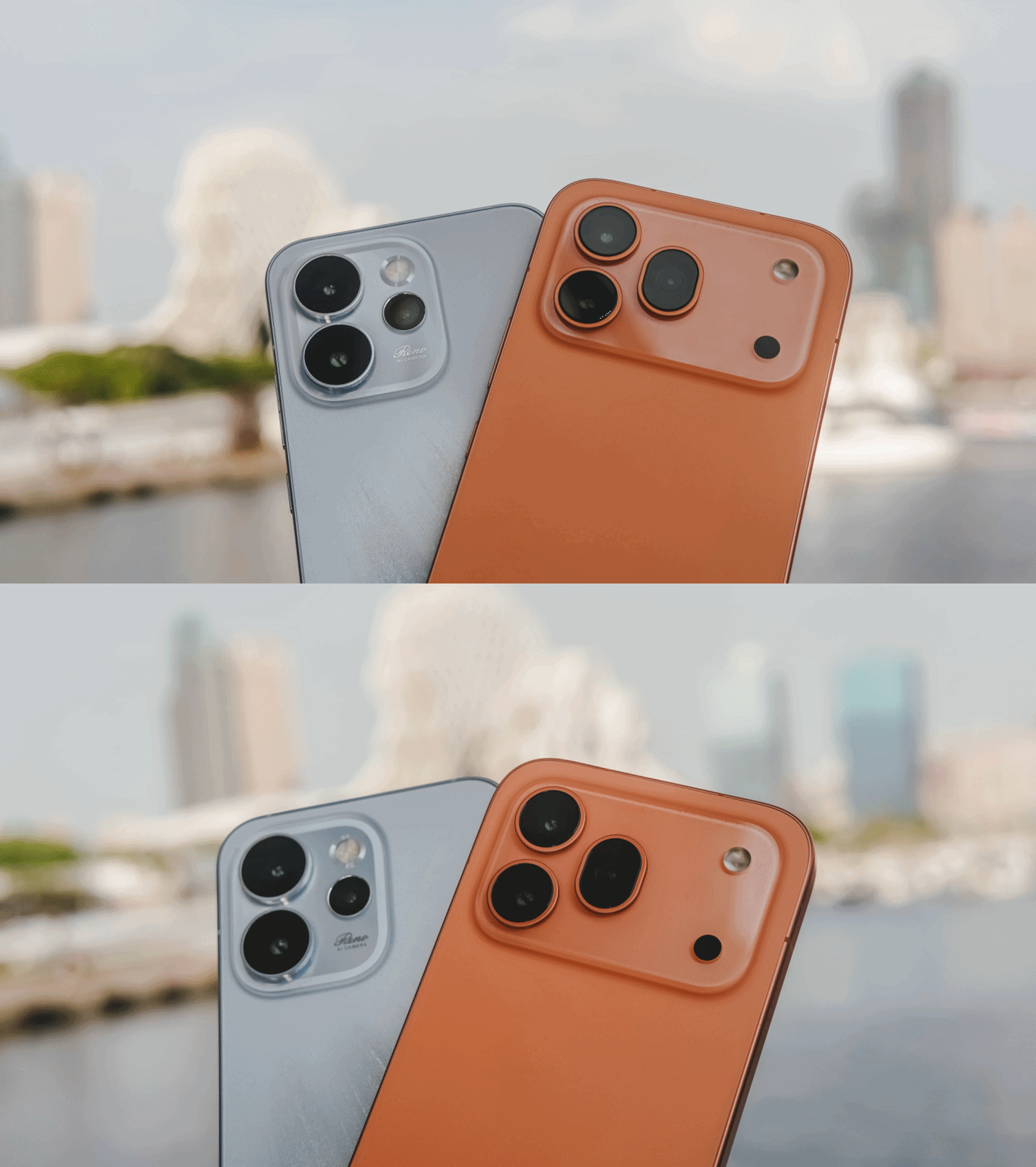
Definitely, the results are not totally consistent. The OPPO Reno15 Pro mostly had a brighter and warmer output (T1 / T5 ~T7 / ZB6 / W1 / W4 / W5 / W8 / W10 / U1 / U2 / F1 / F2 / F4 / FF1 / FF2 / IN3 / IN8 / IN12 / N3A / N5).
Other times, the latter is brighter yet cooler (T12 / ZB1 / ZB2 / ZB3 / ZB4 / FF3 / FF8 / IN1 / IN2 / IN7 / IN9 / IN10 / IN11). Even the super moon shots on the HONOR 600 Pro were brighter, too.
These differences and inconsistencies might make or break your final decision which smartphone best suits your overall camera taste.
Pro-grade for less
Despite the continuous innovation and evolution of flagship smartphones when it comes to mobile imaging, phone manufacturers still try to balance everything out with midrange smartphones in the horizon.
The HONOR 600 Pro and OPPO Reno15 Pro are two among the handful midranger wonders meant for any pro-grade user who lacks the purchasing power to buy the bestest in the lineup — but, still want a very capable device for their smartphone-tography needs.
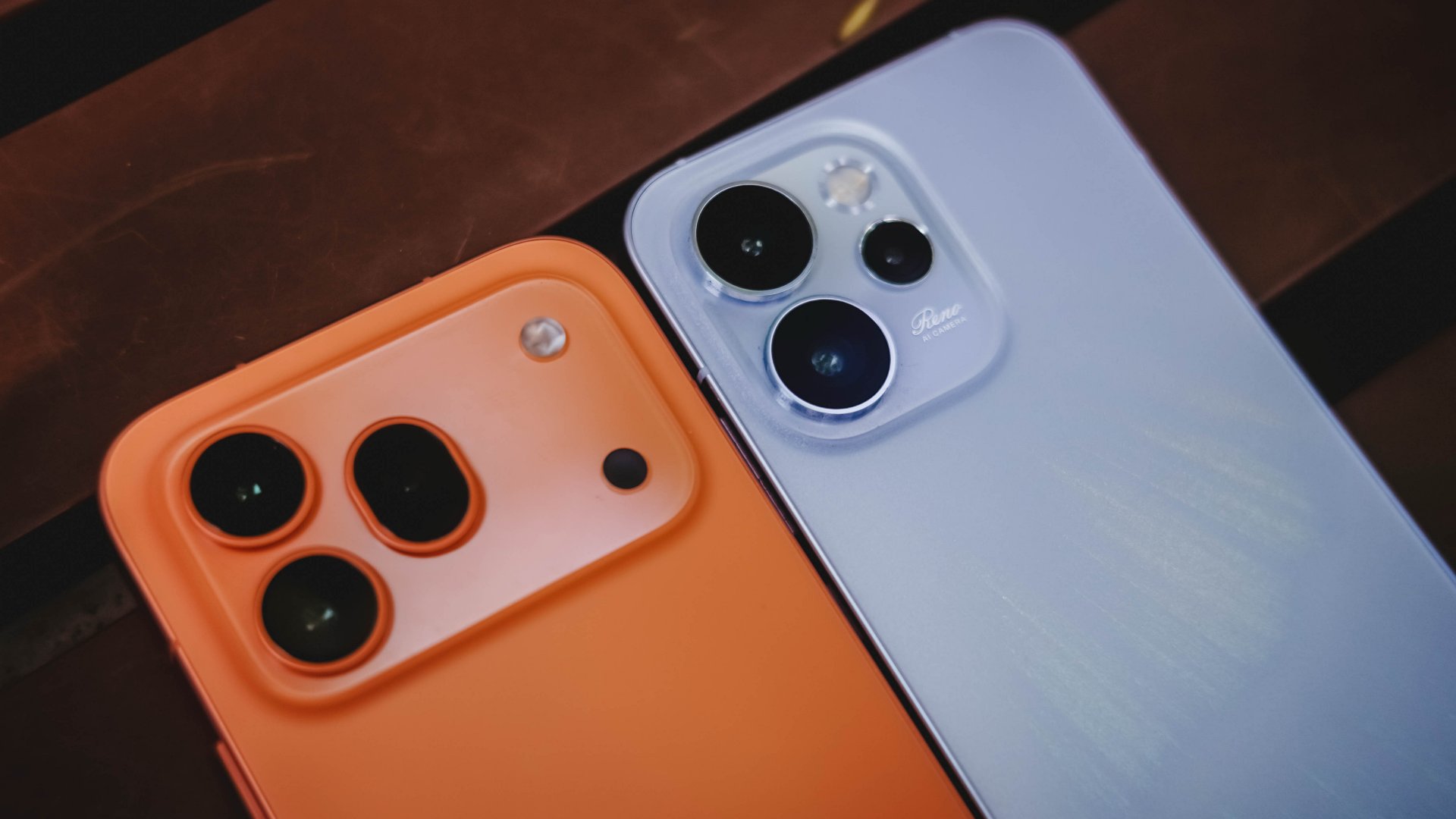
Clearly, the camera hardware isn’t the most “powerful” out there. Still, they are clear with the positioning of these phones. They are your pro-grade cameras for less.
As similar as their camera hardware, the HONOR 600 Pro and OPPO Reno15 Pro also have similar SRPs — at least the 12+512GB configuration.
- HONOR 600 Pro = PhP 48,999 / MYR 3299 / SG$ 1049
- OPPO Reno15 Pro = PhP 48,999 / MYR 3299 / SG$ 1049 (as Reno15 Pro Max)
HONOR your Reno?
Over the years of making dedicated camera shootout write-ups, I always thought that photos that look closer to our naked eyes is something that I should call “the better smartphone camera” — especially because of the accuracy of their output.
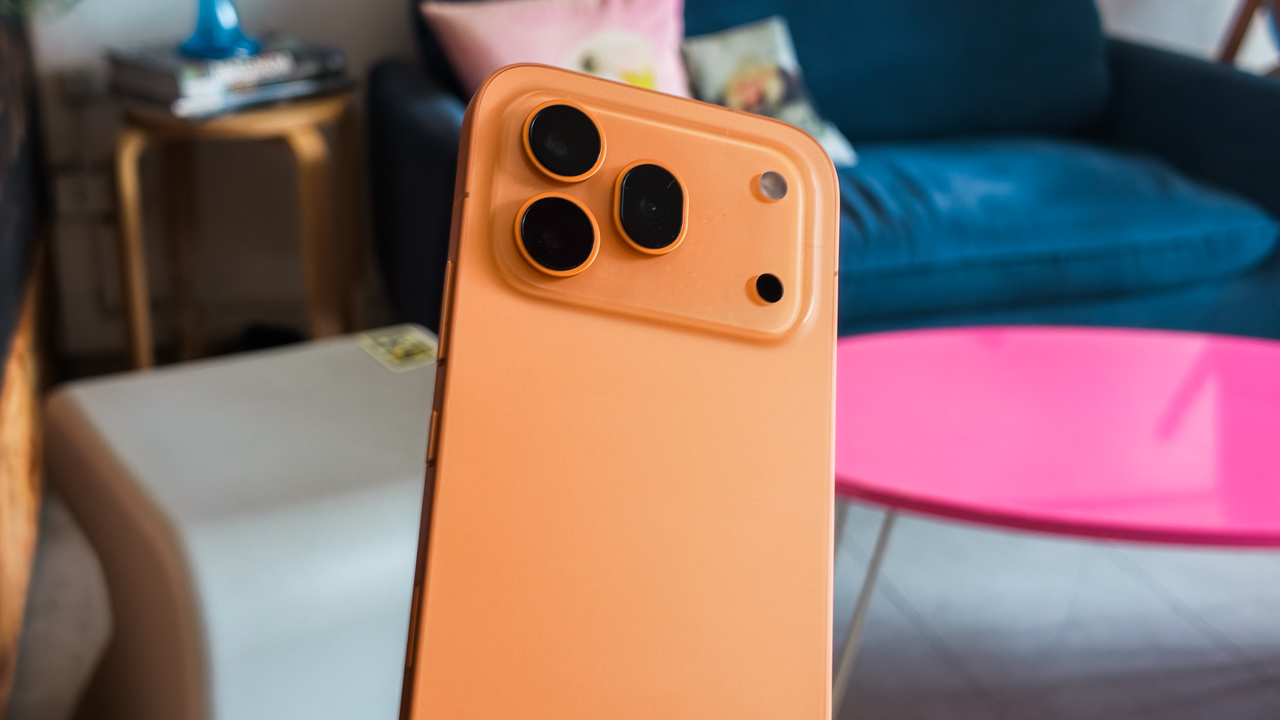
Now, with the advent of smartphone cameras with countless camera partnerships and all the imaginable profiles / presets / styles / recipes (or whatever you want to call ’em) to ever exist, it got harder to decide which smartphone to recommend for most users.
Such sentiment made me realize that there is no single clear winner at all.
So what’s the point of making another extensive camera comparison like this? Well, it’s still for you to show how each phone is capable (or incapable) both in camera hardware and software. It’s also for you to choose the camera look that’s closer to your liking.
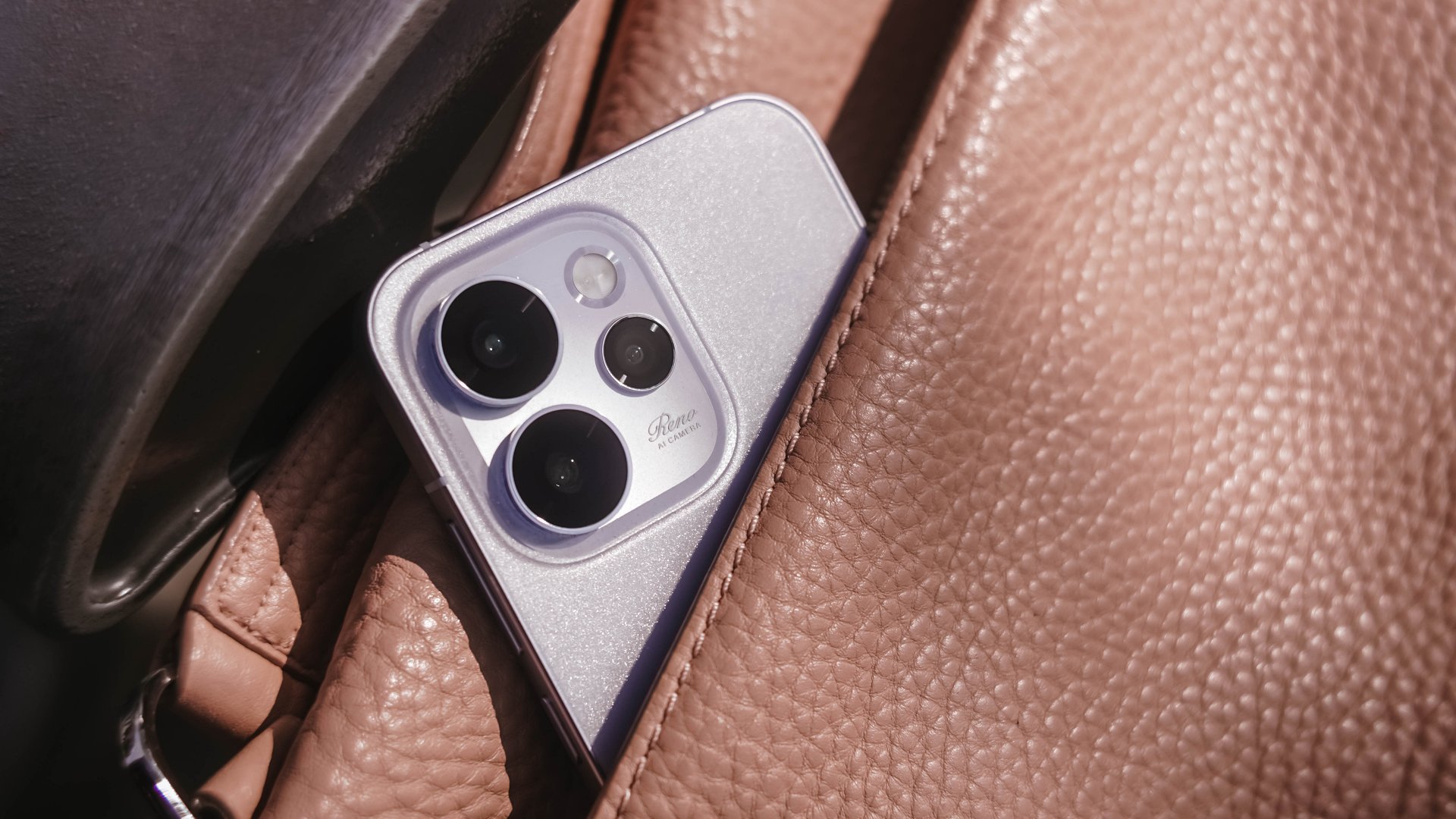
Clearly, both the HONOR 600 Pro and OPPO Reno15 Pro are very capable smartphone cameras. But, at the end of the day, it’s your power as a buyer which pro-grade midranger wins your eyes and heart.
Now, if you will consider other aspects such as their core hardware, OS skin, and even after-sales service, that’s clearly for another story.


The first leg of Spartan Race’s Philippine National Series doesn’t wait for anyone.
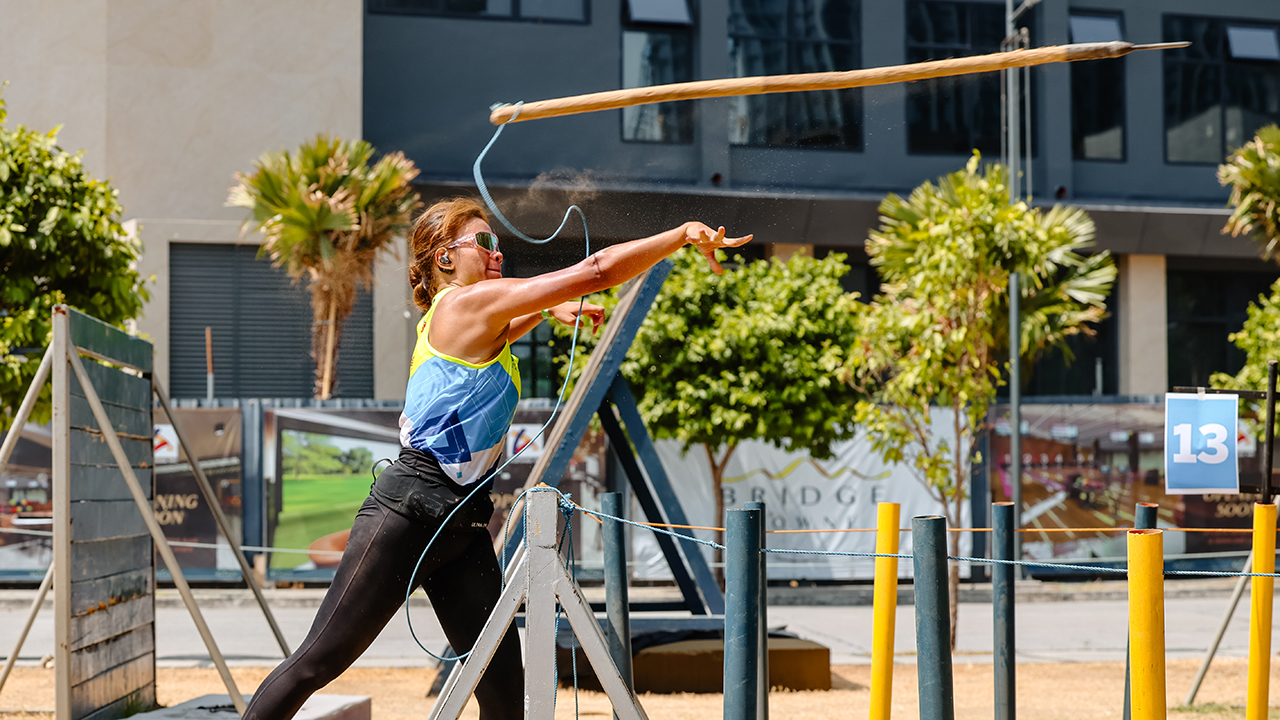
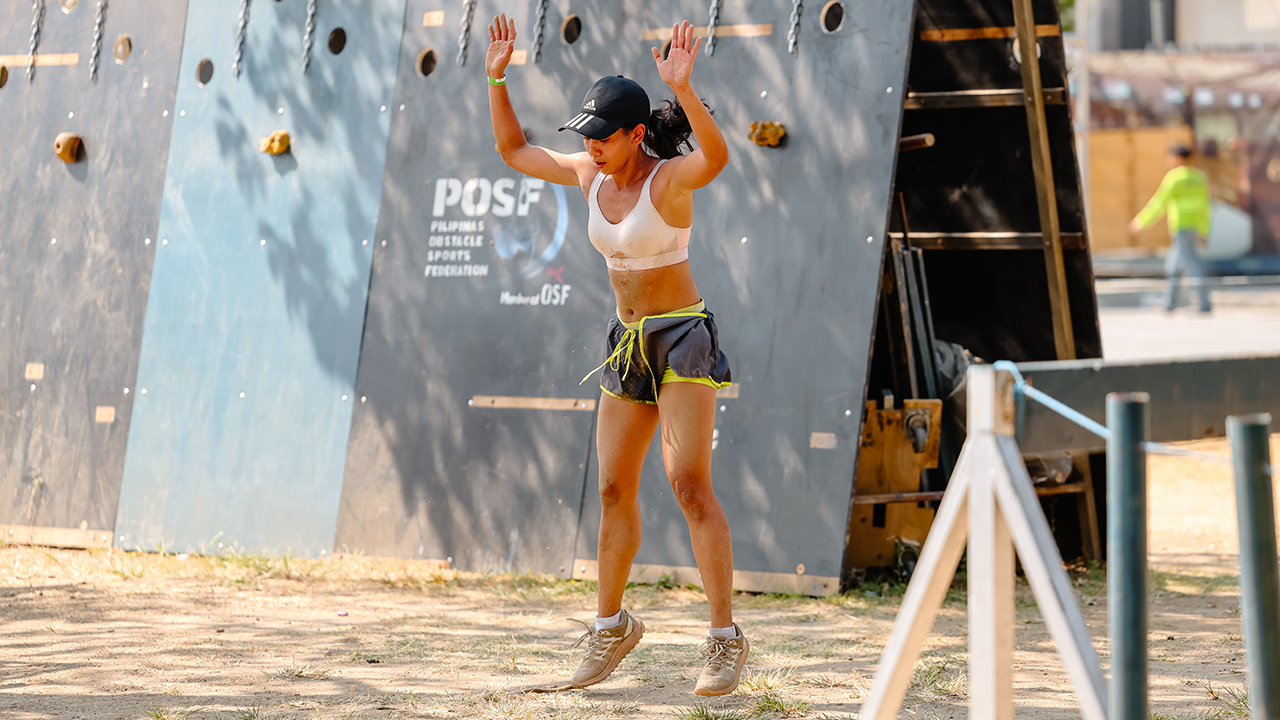
We joined an OCR team, BGY BYG aka Bring Your Game, at Bridgetowne Obstacle Park as they put themselves through an obstacle course race simulation. I brought the Canon EOS R6 Mark III to document every athlete giving their best.
Shooting under direct midday sun is its own challenge. The 32.5MP sensor handled the harshness of open daylight without blowing out detail. The 40fps electronic shutter and Pre-continuous shooting meant we were already in the frame before the moment fully happened.
Athletes were moving fast and in every direction, but the 8.5-stop IBIS kept every shot steady as we moved alongside them.
The Dual Pixel CMOS AF II stayed locked mid-sprint, mid-climb, and everywhere in between.
This is what race prep looks like up close.
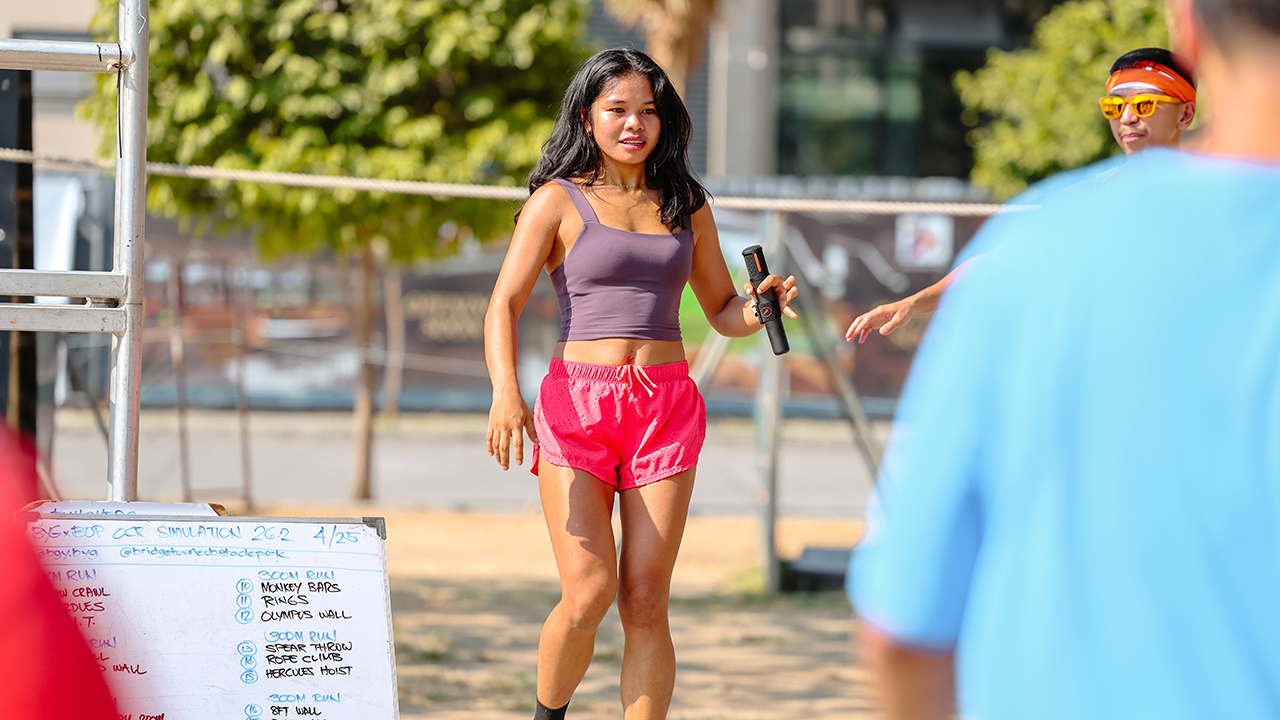
Abegail Manzano, UAAP Season 85 Rookie of the Year in women’s athletics at UP Diliman, leading the warm-up session.



Jeri Vega Oro from All-female Pop-Rock Band, ROUGE.
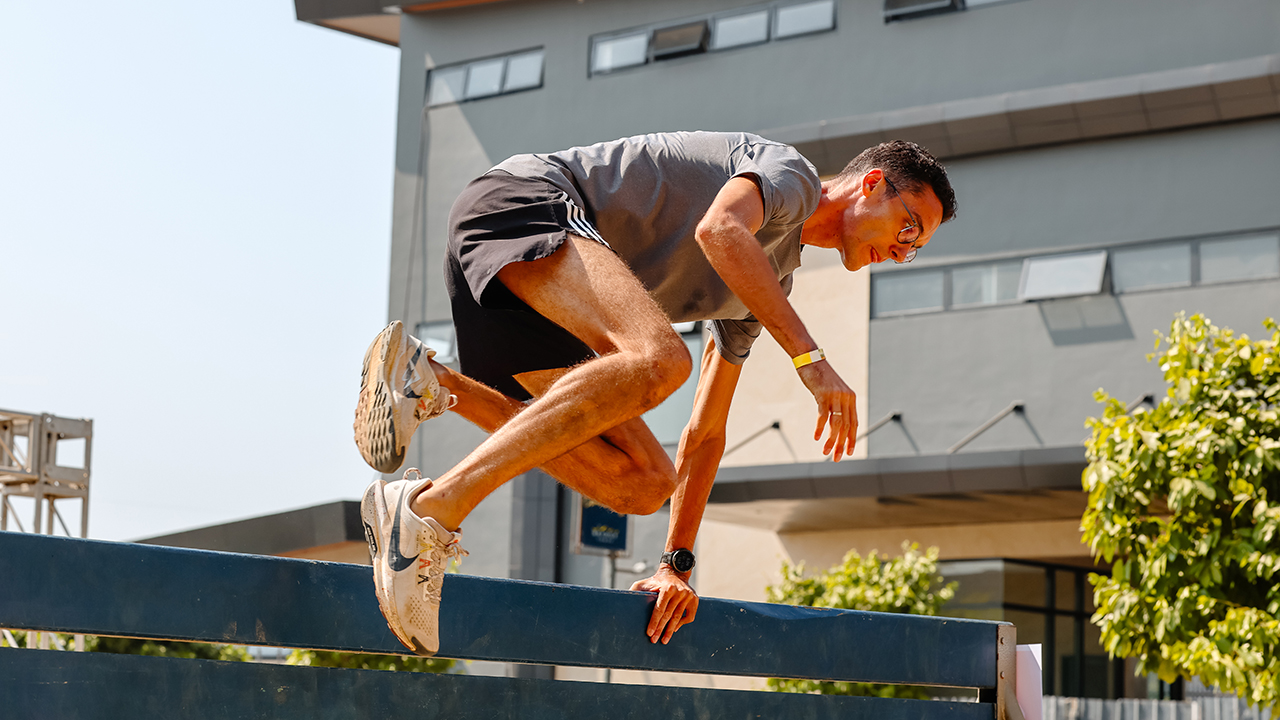
In photo: Georgii Brisuela









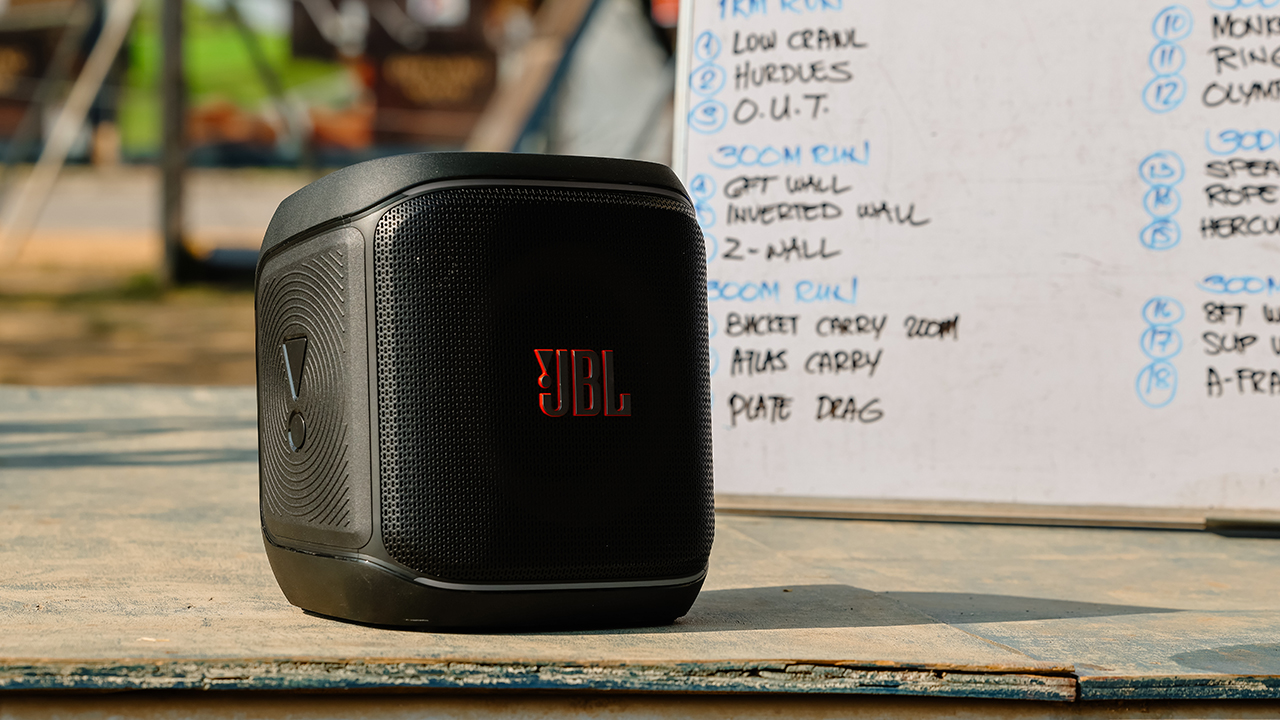
In photo: JBL PartyBox Encore Essential 2

BGY BYG/Bring Your Game’s Team Captain, Aldrin Collantes


SEE ALSO: What HYROX Hong Kong looks like up close
Words and photos by MJ Jucutan.
Computex 2026
Why is AI loved in COMPUTEX but hated in the rest of the world?
Two sides of the same coin.


To cover COMPUTEX 2026, I found myself staying in the Grand Hilai Taipei, a 5-star hotel right beside the Taipei Nangang Exhibition Center (TaiNEX), the historical home of the annual conference. I can’t help but think of The Grand Budapest Hotel, a Wes Anderson flick about a similarly decadent hotel. But it’s not the plush hotel rooms, the hospitable staff, or the Romanesque public sauna that has me thinking of the iconic 2014 film. Rather, it’s the man of the hour himself, NVIDIA’s Jensen Huang, the king of today’s AI.
In The Grand Budapest Hotel, Ralph Fiennes plays Monsieur Gustave, the eponymous hotel’s flamboyant concierge. Always the life of the party, Gustave blends seamlessly into the hotel’s luxurious pink decor as he cavorts willy-nilly with the elder clientele. While the film flings Gustave around a thrilling chase for a deceased friend’s inheritance, the film’s subtext is one of politics, mistrust, and war. Around the hotel, the world haplessly descends into the geopolitical turmoil that brought about the Second World War. And yet, Gustave remains indifferent, content as he is to be atop his lofty pulpit while luxuriating in L’Air de Panache.

The amicable Gustave as he lures you in.
Jensen Huang, clad in his trademark leather jacket, is our story’s Monsieur Gustave. Much like Gustave, Huang revels in the fanfare around him. In COMPUTEX, he’s a hero adored by the masses. Wherever he goes, fans bend over backwards to take a selfie. His merchandise (and yes, it exists), touting AI-generated versions of him, is constantly sold out. It’s a stark contrast to the world and all its doom-and-gloom for a future bloated with AI.
The silence behind the applause
Before the official start of COMPUTEX, Huang conducted his own keynote speech for NVIDIA. If you’ve been to one of his keynotes in the past, you’ll hardly recognize what it’s become. There’s no more talks of realistic graphics or faster gaming performance. It’s all about AI.
Most of his time was dedicated to Vera Rubin, a multi-rack AI supercomputer destined to power the future’s data centers. Amid the drone of technical jargon (almost bordering on technobabble), I was quietly asking myself what I was doing here. Meanwhile, beside me, an enthusiastic woman clapped with as much fervor as if Huang was the second coming of Christ himself. Even if Huang could hear her individual applause (and he most certainly didn’t), he couldn’t have seen her Googling frantically what a multi-rack AI supercomputer was.

NVIDIA’s Vera Rubin
After what felt like forever on the Vera Rubin, Huang finally talked about a consumer-ready product: the new RTX Spark laptops. Admittedly, my interest was piqued. After all, it’s supposed to be the next evolution of PCs. Cue: more applause.
Although, the subtext here is as loud as the clamor. Though it’s certainly impressive that a single RTX Spark notebook can deliver 1 petaflop of AI performance and 192GB of unified memory, this next big thing is not for you and me. No one wanted to talk about the price of these things; not a single OEM, not even Huang himself.
All the hype is on productivity and profitability. It will make more work and more money… but not for you. If anything, you’ll probably end up worse.
The price of progress
Building a PC these days can bankrupt you just as easily as visiting an American hospital. A decent stick of RAM is no longer as accessible as it was a few years ago. And it’s all thanks to AI.
Touting them as humanity’s next evolution, the world’s biggest tech companies want you, a regular consumer, to believe that the technology is coming to your home. But first, they need acres of real estate for data centers. Several states in America have already relegated land to put up these centers, much to the chagrin of their residents. Despite assurances that newer ones can more effectively balance the load on the grid, these same data centers need a lot of space, power, and water. All three of which are coming from the communities surrounding them. At the time of this writing, some state governments are pushing back against the incoming infrastructure, perhaps realizing the mistake of unimpeded data center developments. The outside world is slowly turning on AI, but it’s not a global crackdown.
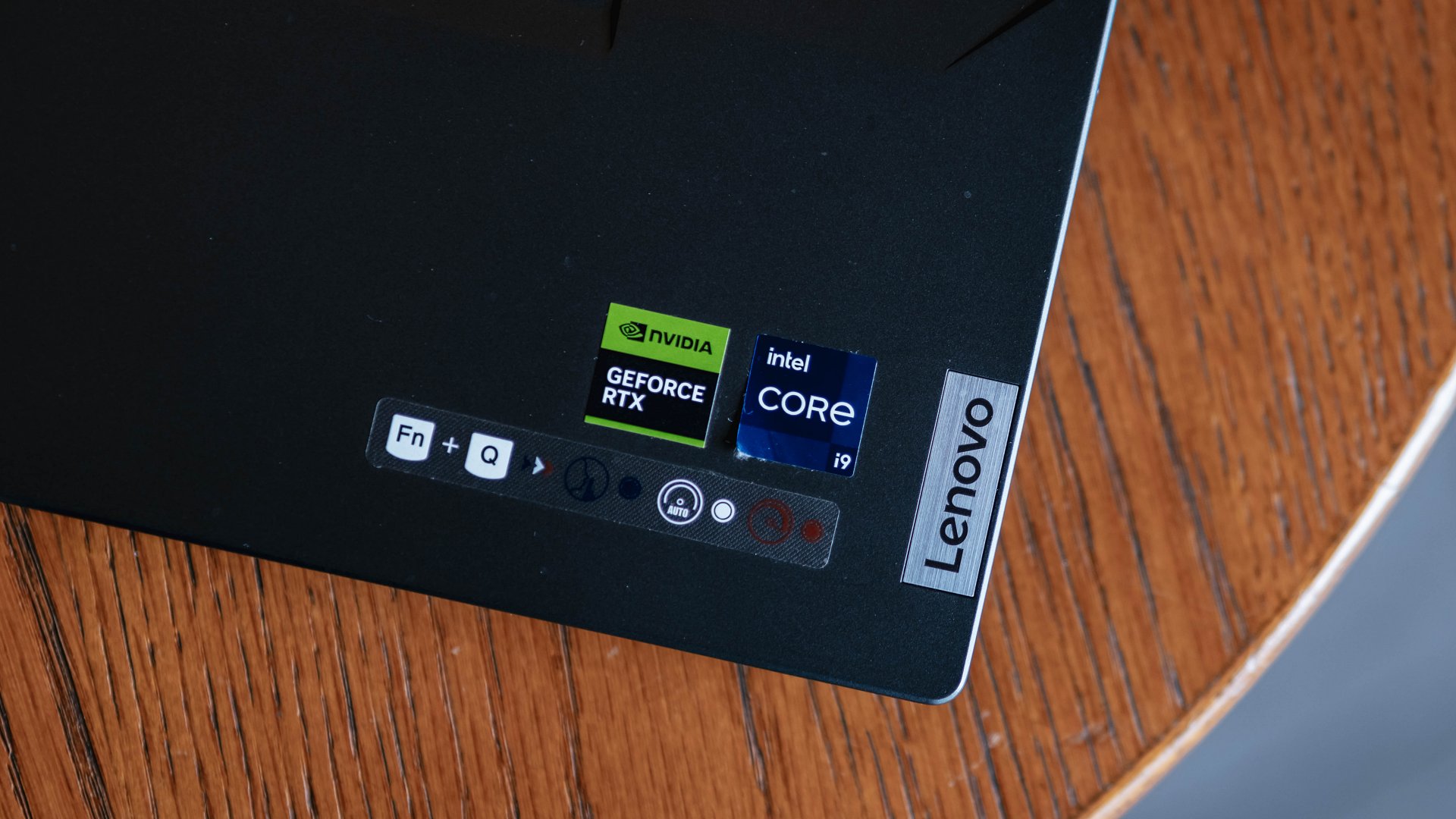
These stickers are getting more expensive.
And that’s before the effect of these data centers on regular consumer technology. Besides all that land, they need a horde of silicon. That’s why NVIDIA has stopped positioning itself as a GPU company, and that’s why all the chips just disappeared. All those data centers are buying up the world’s stock of chips. It’s all a matter of supply and demand at that point; scarcity drives prices up, and we’re left to pick up the pieces. The GPU that was supposed to go to your new PC is now inside a data center somewhere in the States.
Even if you don’t live near a data center, you’re still not safe. Companies, especially in the Western world, believe that AI can replace human workers, leading to mass layoffs. To be clear, while AI can help with productivity when used as a tool, a full replacement isn’t the most feasible option yet. In fact, according to Fortune, AI is just a convenient scapegoat when companies simply want to cut labor expenses by any means necessary.
And yet, the party goes on. Huang is adamant that you are on the ground floor of a revolution that will change the world. But, sorry, bucko; that elevator is going up without you.
The mask falls
As tempting as it is to pick on a single target, the NVIDIA CEO wasn’t the only Monsieur Gustave gallivanting around COMPUTEX. Qualcomm’s Cristiano Amon had his own keynote speech to herald the annual conference. But, opposed to decadence of Huang’s optimism, Amon lets his mask fall just a tiny bit.
To his credit, Amon didn’t extol Qualcomm’s developments exclusively. Rather, he spoke of the overall effects of AI on our world. It’s, of course, the usual optimistic accoutrements of harder, better, faster, stronger for society. Eventually, his excitement gets the best of him and lets slip some shadier effects.
“6G will turn us all into walking cameras,” he said, talking about how AI will affect connectivity.
Now, to be fair, radio frequency sensing isn’t new technology. It’s already been possible to detect objects using only radio signals. 6G, bolstered by AI, will expand this to cover a much wider area for more possible uses.
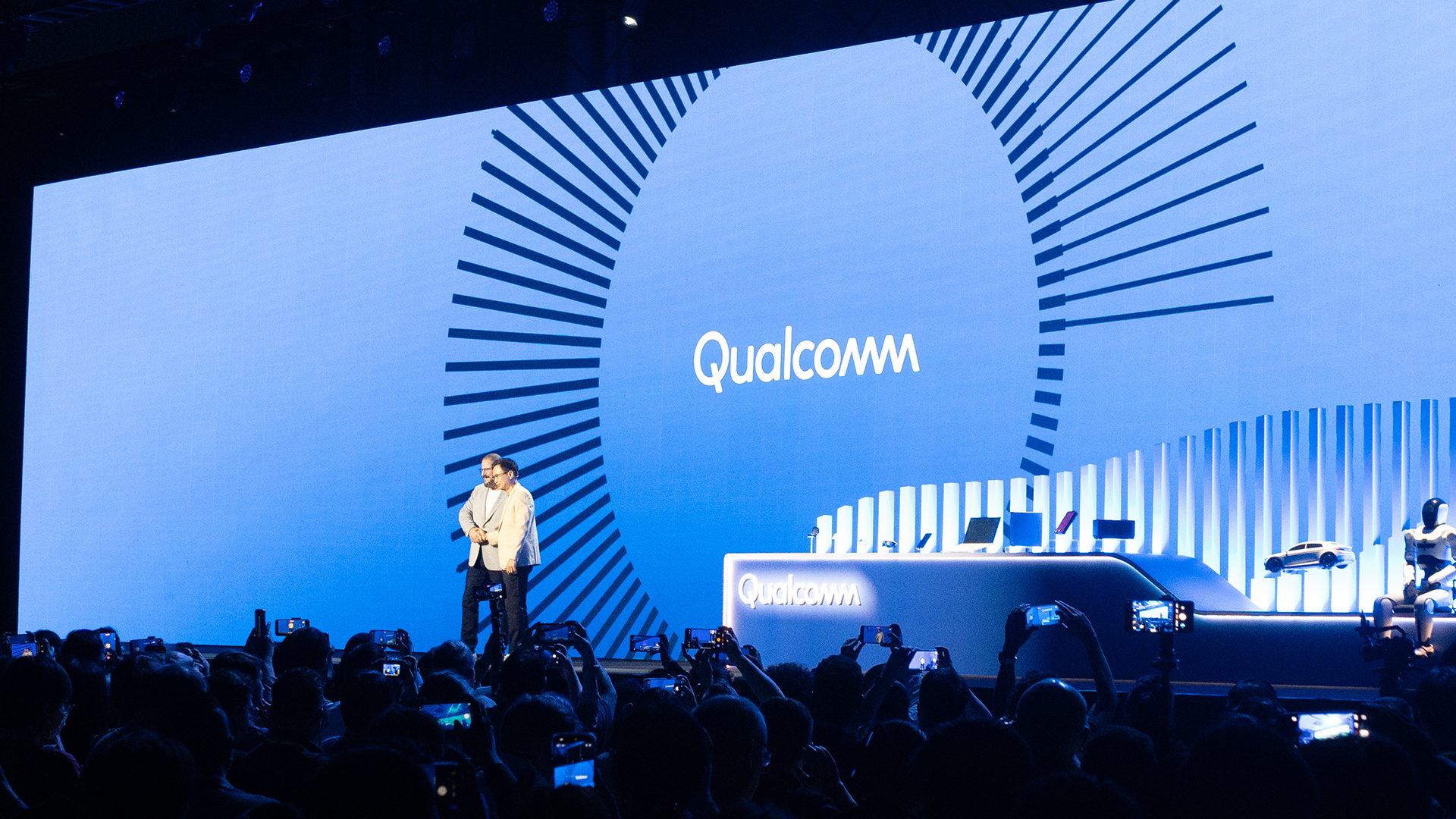
Amon himself admits that it was a controversial statement. But perhaps, he doesn’t know (or care) about any potential invasions of privacy. He remains ever-so-confident that the use of 6G for surveillance will ultimately help with public safety and infrastructure.
All I can think of is The Dark Knight‘s Lucius Fox doing the moral thing and shutting off Batman’s mass surveillance system after finding the Joker.
It’s a tiny slip, but it speak volumes. Your privacy is a sacrifice that they’re willing to take.
As if that’s not enough, Amon signs off on his diatribe with a succinct “resistance is futile,” talking to those who still oppose AI.
An odd way to start off a celebration of AI, isn’t it? Traditionally, that phrase is one oft used by villainous characters, but that’s just par for the course in today’s AI-infested world. Peter Thiel, one of the moguls of AI, infamously named his company Palantir, the same malevolent surveillance tool used by Sauron in The Lord of the Rings. For some, masks don’t really exist.
The other concierge
Speaking as someone who keeps his finger on the pulse of AI more on the Western side of the world, it’s strange to see a different side of the coin. Huang and Amon are icons. You can’t last two seconds without seeing a single mention of AI somewhere on the show floor. There’s a palpable electricity when talking about the potential of AI.
And to be fair, when I talked to a few developers and engineers, I can feel the optimism. One talked about a voice assistant that would suggest better gift ideas for her spouse based on their history. Another one passionately talked about how much gaming has been better with DLSS 4.5. They truly believe that AI can work to their (and our) benefit, and I believe them. Underneath the smarminess of tech billionaires are ordinary people who found ways to better society. That’s where the conversation about AI should start.
But that’s not what the people want. The people want the parties, the glitz and the glamor. And all these billionaires desperately want to be the next Steve Jobs, the next Great Gatsby. And everyone else wants someone to hate.
In Taiwan, it’s not easy to hate a Monsieur Gustave that wants to make you feel welcome. It’s much easier to come for a monster taking your land, your jobs, and your money.
In Taiwan, Monsieur Gustave can have his parties, his adoring friends, and his fancy leather jacket. But in the rest of the world, he finds in himself the caretaker of an entirely different hotel, The Shining’s Overlook Hotel. Beneath Monsieur Gustave is Jack Torrance, and he’s always been the caretaker.
“Here’s Jensen!”
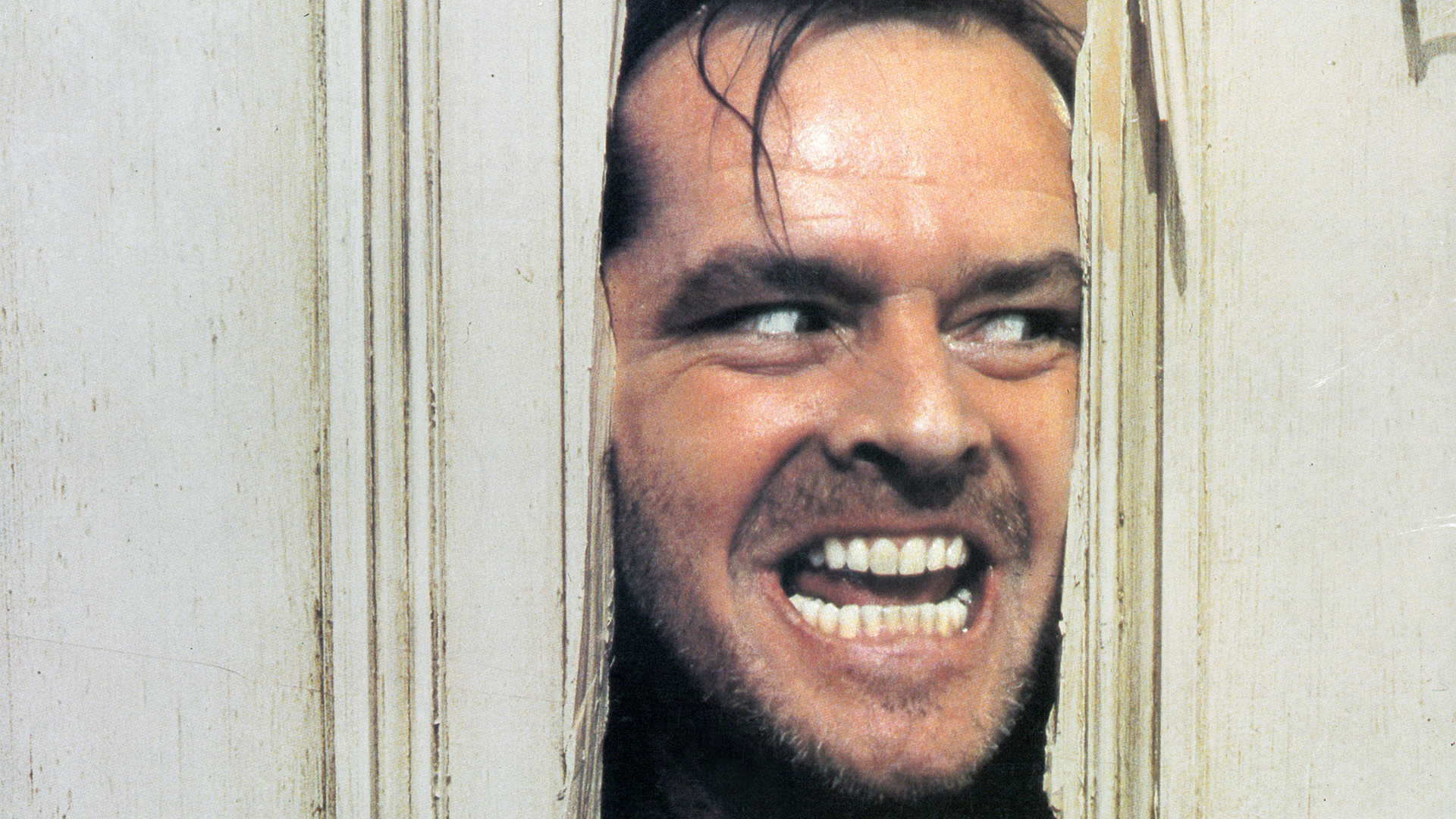
The other concierge.


vivo X300 Ultra review: A “Whole Different Animal”
Got the beast (finally) unleashed!


The realme P4 Power: realme’s midrange power play?
A power bank and a phone — and more


HONOR Watch 6 Review: Less guessing, more knowing
Beyond educated guesses

The vivo X Fold6 is the first foldable to support teleconverter lens

Now Playing: Supergirl

Apple raises the prices of iPad and MacBook lineups

LE SSERAFIM to perform at BlizzCon 2026

Xiaomi opens largest Singapore store yet at VivoCity

TECNO’s POVA 8 5G is both futuristic and future-ready

realme launches P4 Series 5G, including Power with 10,001mAh battery

The Xiaomi Watch S5 proves you don’t have to take it off

Buyer’s Guide: Xiaomi Pad 8 Series

HONOR Magic V6 review: The best version of a book-style foldable?


-

 News2 weeks ago
TECNO’s SPARK 50 Pro is the latest budget smartphone battery beast
-

 Buyer's Guide1 week ago
Buyer’s Guide: TECNO SPARK 50 Pro vs SPARK 50 5G
-
 Singapore4 days ago
Xiaomi opens largest Singapore store yet at VivoCity
-
Reviews1 week ago
vivo X300 Ultra review: A “Whole Different Animal”
-

 News1 week ago
Budget smartphone realme C100 Series launches
-
Reviews2 weeks ago
HONOR Watch 6 Review: Less guessing, more knowing
-

 Laptops2 weeks ago
ROG launches 2026 Strix gaming laptop series
-
Reviews1 week ago
The realme P4 Power: realme’s midrange power play?