
News
First look: ASUS ZenFone 3 Laser, ZenFone 3 Max


While the world awaits the arrival of the ZenFone 3, in Vietnam, two new ASUS budget phones were made official as the company continues its 2016 makeover of popular smartphone spin-offs.
The ASUS ZenFone 3 Laser and ZenFone 3 Max join the ZenFone 3, ZenFone 3 Ultra, and ZenFone 3 Deluxe announced in its native Taiwan last May 2016.
And just like their higher-end cousins, the 2016 Laser and Max feature polished metal unibody designs that look identical and feel better in the hand—not to mention they’re thinner and lighter than their predecessors’. It’s obvious they share the same DNA, but there are different selling points for each phone: a more capable camera for the Laser; a long-lasting battery for the Max.
The designs don’t match the premium aesthetic of the other ZenFone 3 models—we’re not entirely convinced the cases are entirely made of metal—but that can be forgiven.
Android 6.0 Marshmallow is the platform of choice for these latest ZenFones, and this time around, the software nuances that layer the interface are prettier and less intrusive and don’t seem to impact responsiveness too much. Of course, they come with (mostly) upgraded internals as well, which is expected of smartphone successors.
The one thing you won’t find on most budget phones, however, is a fingerprint scanner present on the back of both devices. It’s fast and reliable, though it bears noting the Laser unlocks faster. Neither is as good as the one on the ZenFone 3 or ZenFone 3 Deluxe. For what it’s worth, the scanner on the Laser is oblong in shape; the Max’s has a squarish design with rounded edges.

Of the two, the ZenFone 3 Laser takes photography more seriously, with a camera bump to show for it. The device sports a 13-megpixel rear camera that takes better photos than the 13-megapixel shooter on the Max, and works well enough to allow for some background blur. There’s also an improved laser autofocus system around the back (which the Max doesn’t have) for quick, crisp shooting.
A 5.5-inch, full-resolution display with curved corners dominates the front of the device, while an octa-core Qualcomm 430 chip backed by 4GB of RAM powers the entire assembly.
The ZenFone 3 Max, meanwhile, is better equipped to handle the rigors of daily use, with its moderately sized 5.2-inch display and 4,100mAh battery and ability to charge other phones or devices.

ASUS ZenFones old and new. From left to right: ZenFone 3 Max, ZenFone Max, ZenFone 3 Laser, ZenFone 2 Laser
But although the high-capacity cell is something all road warriors will appreciate, we can’t help but question ASUS’ choice to include a smaller battery than that of the original Max. We suppose a compromise had to be made to come up with a sleeker phone, but time will tell if consumers embrace the decision. Nevertheless, the 3GB of RAM inside the new Max should be plenty for multitasking.
Anyway, you get the idea. Different phones for different types of users—ASUS followed the same formula last year to great success. The company shipped 20.5 million ZenFones in 2015; this year, it has set a grander goal: 25 million units sold globally.
The ZenFone 3 Laser and ZenFone 3 Max are priced at 5,990,000 (around $270) and 4,490,000 ($200) Vietnamese dong, respectively. They’ll soon be available in Vietnam, and a wider rollout is expected in the future. The Philippines might see them hit stores in August at the earliest; India and the rest of the world might have to wait until the third quarter of 2016.
[irp posts=”7939″ name=”ASUS ZenFone 3 Max 5.5-inch review”]






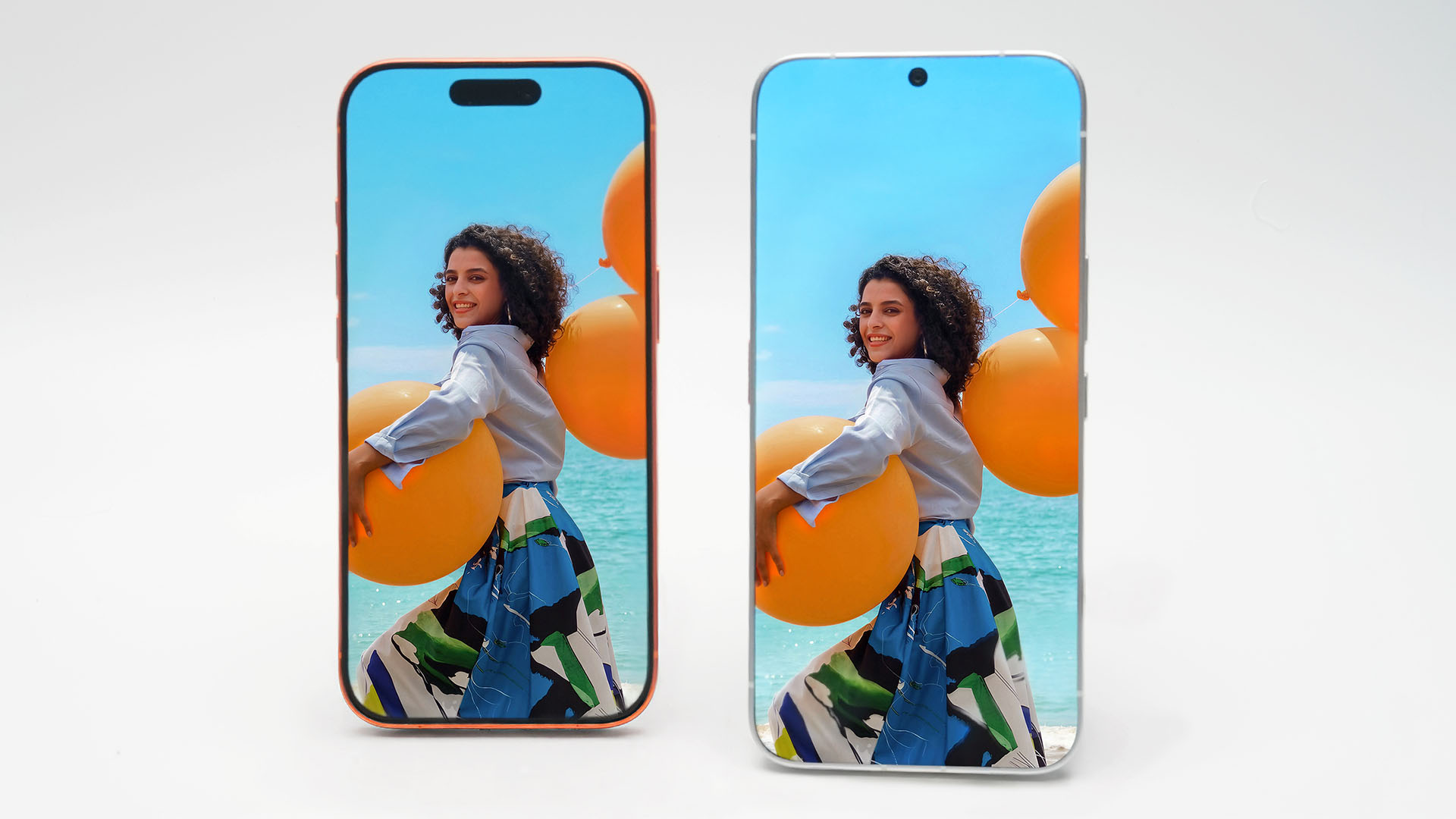
It seems like the race towards an all-screen smartphone isn’t over just yet.
While most in the tech industry are currently obsessed over Samsung’s latest wide foldable, TECNO announces a more refreshing sight — at least for the regular “slab-type” phone form factor.
Black borders begone
Modern flagship smartphones already have incredibly slim bezels, but there’s still a thin black border separating the active display from the frame. That’s due to the internal circuitry and safety clearances required by current display technology
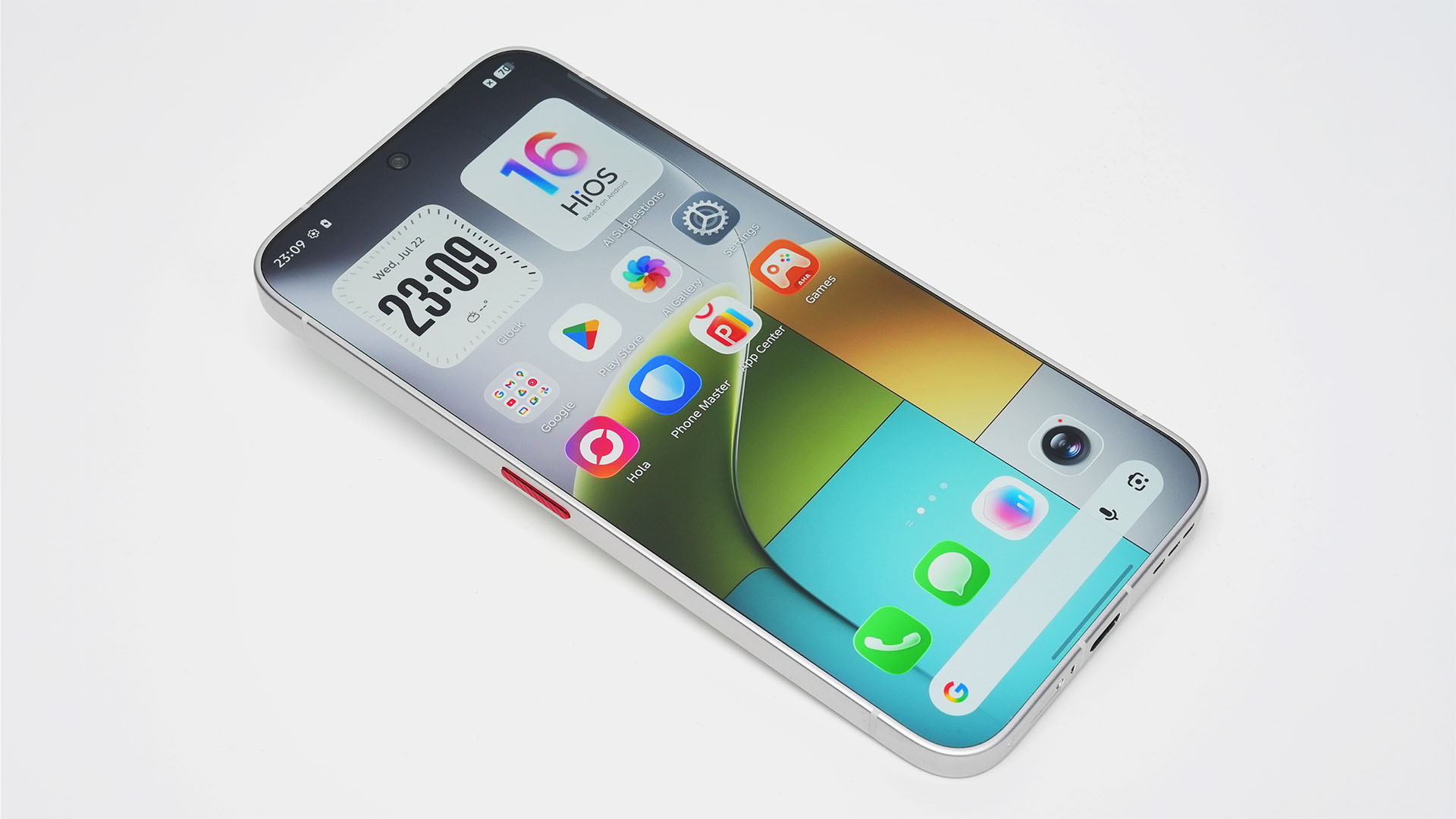
TECNO proves it’s possible to dissolve that with their Next-Gen Bezelless Concept Phone. And this is actually the industry’s first smartphone with a true 0mm display bezel.
With this fresh concept, the uprising brand says it has solved that “final millimeter” by redesigning the phone’s internal structure and display packaging. The result is a display with a visible border measuring 0 microns (0mm). This makes the screen appear to stretch all the way to the edges.
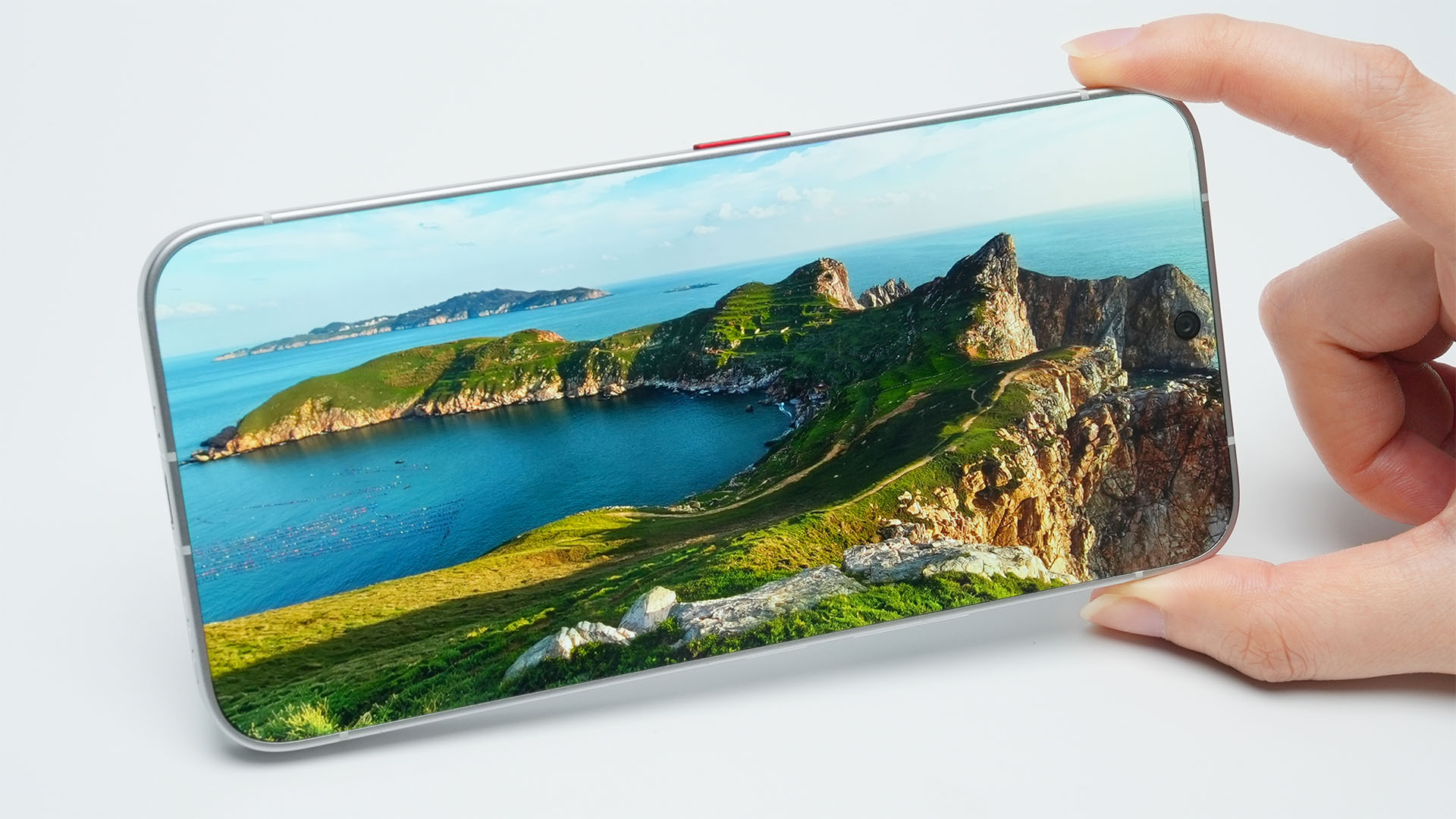
Removing the bezel completely isn’t just about aesthetics. The company says such uninterrupted display makes a more immersive experience — whether you’re watching videos, playing games, browsing photos, or simply reading.
Without these visible borders, content appears to flow naturally from edge-to-edge, making the display look as if it’s floating in your hand.
A glimpse at TECNO’s future
As with most concept devices, there’s no word yet on whether this exact design will make it into a commercial smartphone. Still, TECNO says the engineering behind the concept goes beyond the display itself.
The technologies developed for the project (such as improvements related to cameras, touch responsiveness, audio, and AI-driven user interactions) could eventually find their way into the brand’s future flagship devices.
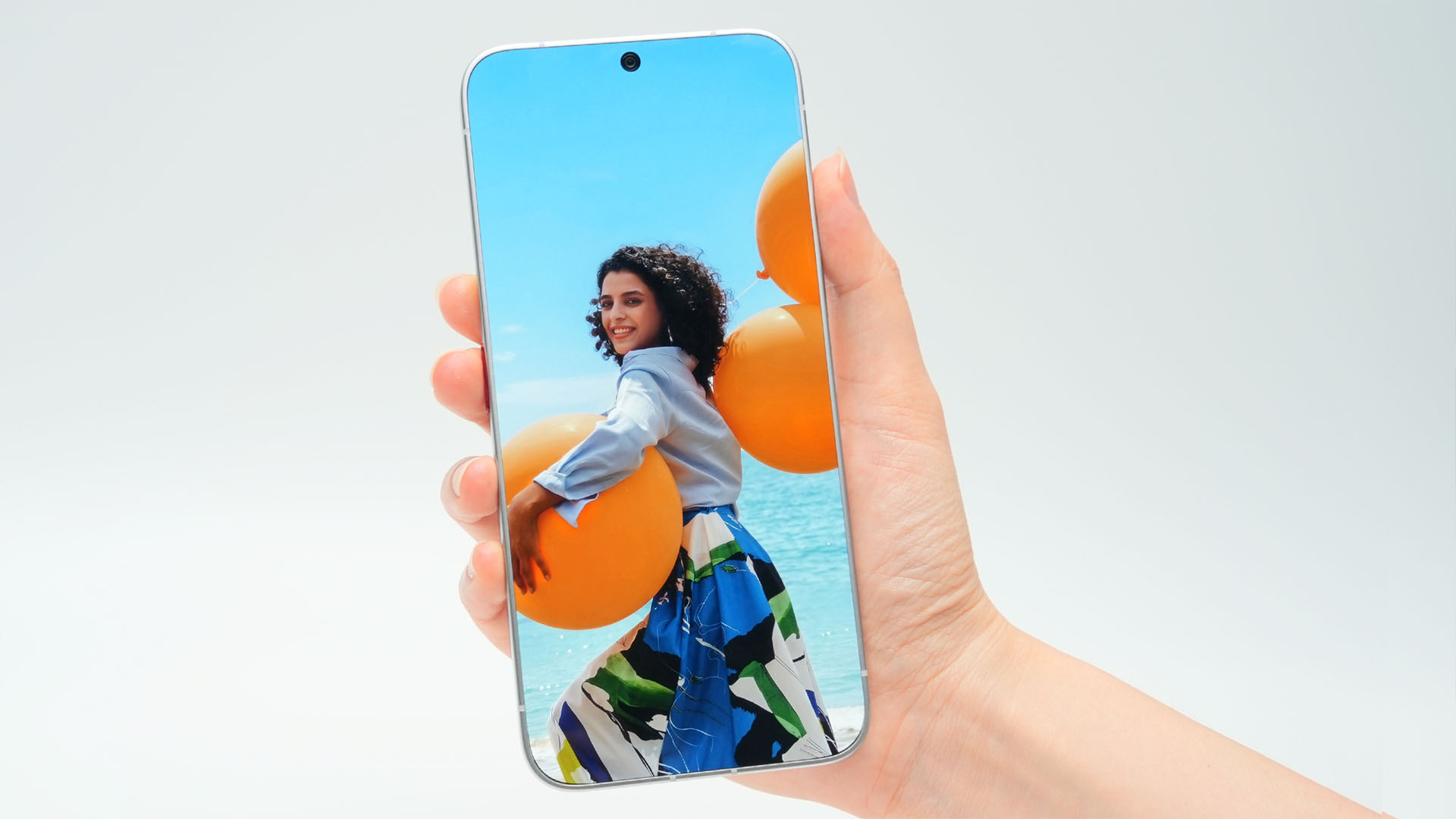
Whether or not a true bezel-free phone becomes reality anytime soon, the concept offers a glimpse at where smartphone design could be heading next. After all, TECNO’s super slim concept last 2025 actually became an actual retail product with the existence of TECNO Slim.
The concept is set to make its public debut on the upcoming ShowStoppers at IFA 2026 this September 3.

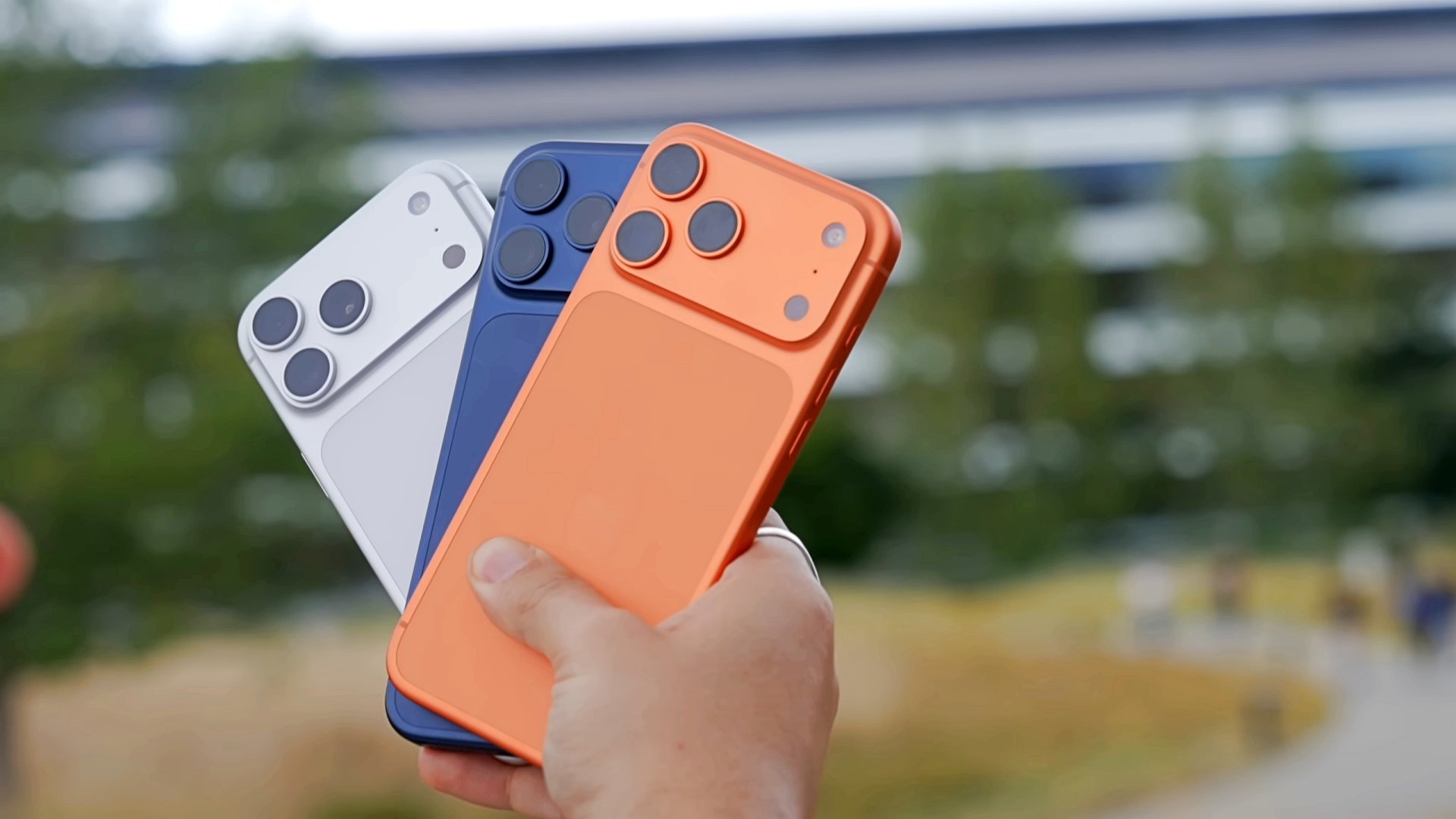
Apple has introduced Apple Upgrade, a new leasing program that makes it easier to get an iPhone, Mac, iPad, or Apple Watch through monthly payments. The program also gives customers more flexibility to upgrade to newer devices over time.
Apple Upgrade replaces new enrollments for the iPhone Upgrade Program with a single offering that covers four product categories. Apple partnered with Klarna to power the service.
Customers can lease an iPhone or Apple Watch for one or two years. Mac and iPad leases are available for two or three years.
At the end of the lease, customers have three options. They can upgrade to a newer device, purchase the leased device by paying the remaining balance, or return it with no further obligation.
Monthly payments start at US$17.99 for iPhone and US$24.99 for Mac, depending on the selected model and configuration. Customers must also qualify through Klarna before enrolling.
More than iPhones
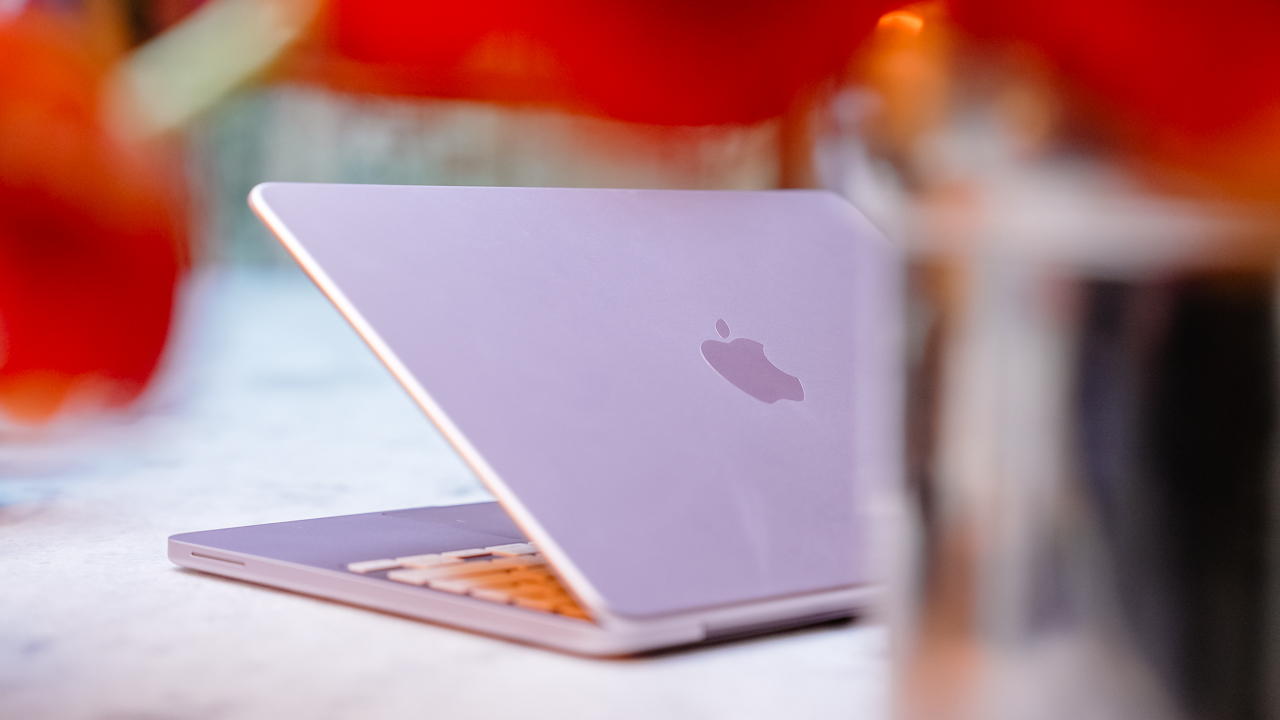
Apple Upgrade expands beyond the company’s previous iPhone-only financing program. It brings iPhone, Mac, iPad, and Apple Watch under one leasing service, making upgrades more consistent across Apple’s hardware lineup.
Customers can manage their lease through Apple, while Klarna handles financing and lease administration. They can also pay off their device early, although additional terms and fees may apply depending on the agreement.
Apple Upgrade is currently available only in the United States. Apple has not announced plans to expand the program to other regions.
News
Is the Pixel 11 copying a feature from Nothing?
A new ad is hinting at something like the Glyph interface.

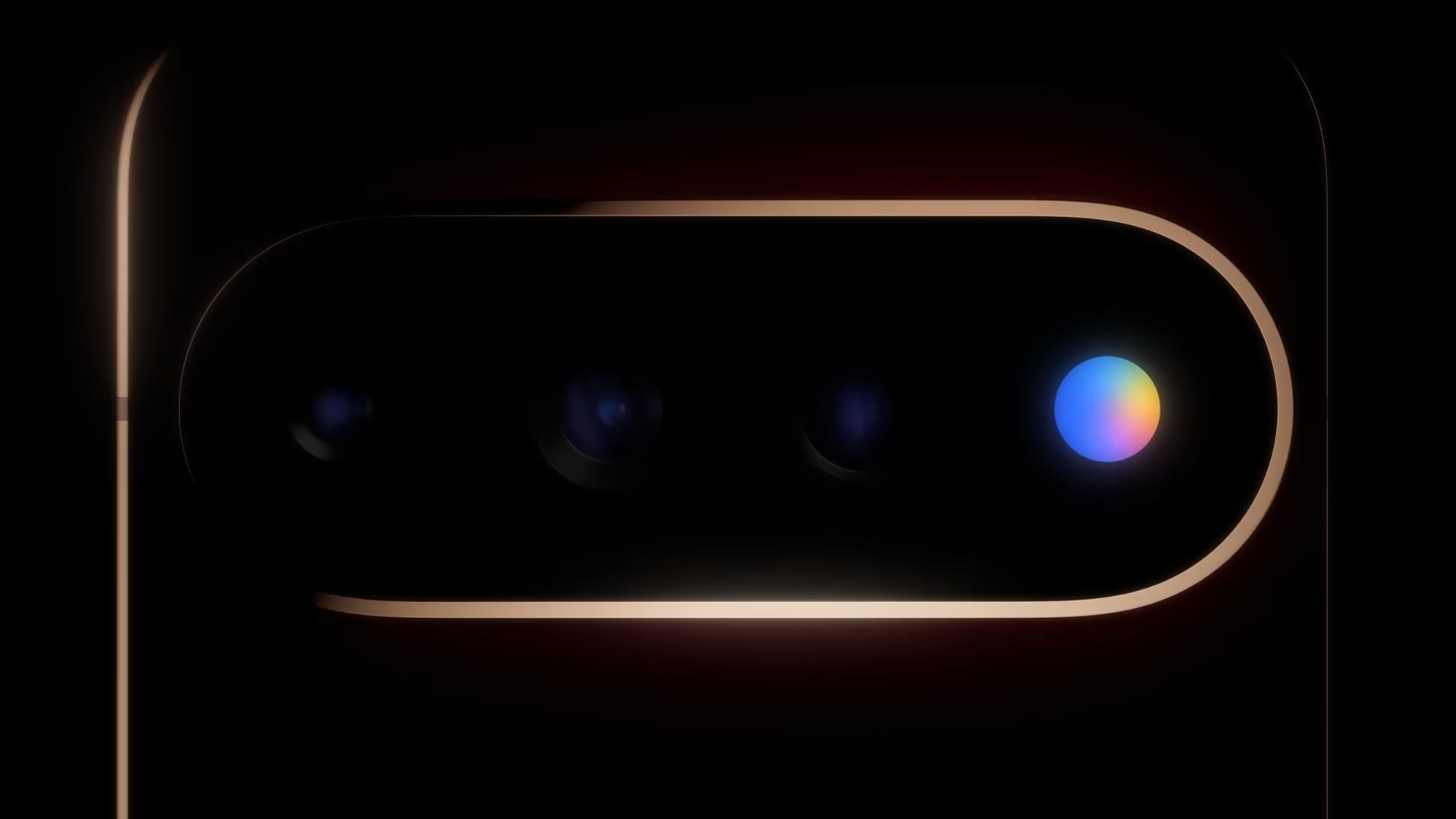
August 12 cannot come soon enough. On that date, Google is set to launch the upcoming Pixel 11 series. There isn’t much to indicate that the brand is changing the formula this year. Now, a rampant rumor, now seemingly confirmed by Google’s own ad, is hinting that a popular feature from Nothing is making its way to the Pixel.
Besides the transparent rear, Nothing prides itself with numerous iterations of the Glyph interface, a lighting system that serves as customized notifications for your phone. It’s mostly a novelty, but the feature is a unique take in a smartphone market plagued with too much sameness. It looks like Google wants to take a page from that same notebook.
For a while now, it’s been rumored that Google is adopting a version of the feature for the Pixel 11 series. The so-called Pixel Glow will reportedly add a light-based notification feature. Now, Google itself has seemingly confirmed the rumors.
In a new ad, titled “The Obvious Next Move,” Google is teasing a new feature coming to the flagship series. Though the ad leaves the feature untitled and without a description, it’s clear that it’s a circular glowing thing similar to Nothing’s take. The glowing thing is right on the Pixel’s iconic camera bar, just like Nothing.
But again, Google didn’t name the feature. However, if it helps, the ad says that we already use the Pixel for Gmail, Maps, Search, Calendar, and Docs, so the next evolution is whatever is depicted in this ad. August 12 really cannot come soon enough.

realme C100: Enduring and durable in spite of entry-level realities
Enough power but needs more agility


The ASUS ExpertBook Ultra wins you over
The laptop sneaks up on you


Nexal Watch Sport review: A rugged watch for small budgets
I couldn't believe that watches this good could come for this cheap.

Xiaomi debuts SkyNomad Series featuring new Kunlun platform

GAC launches new trio of MPVs

TECNO unveils the world’s first 0mm bezel-less phone

We hosted a Spider-Man block screening with Samsung — here’s what went down

Apple introduces Apple Upgrade leasing program


-

 Wearables2 weeks ago
Garmin launches its first screenless fitness band
-
 Hands-On1 week ago
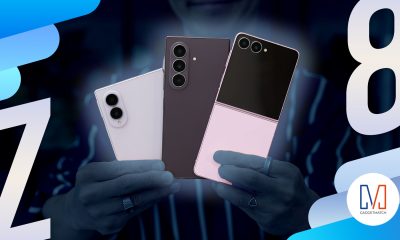
Hands-on: Samsung Galaxy Z Fold8, Flip8, Ultra
-

 Gaming1 week ago
NBA 2K27 cover athletes unveiled: Wemby, Clark, DRose
-

 Accessories1 week ago
CASETiFY revives Spider-Man collection for Brand New Day
-

 Gaming2 weeks ago
Call of Duty, Aston Martin unveil Dreadnought for Modern Warfare 4
-

 Cameras1 week ago
Sony announces new FX5 full-frame camera
-

 Gaming1 week ago
FINAL FANTASY X | X-2 HD Remaster launches on Nintendo Switch 2
-

 Entertainment2 weeks ago
Avengers: Doomsday trailer assembles Marvel’s biggest heroes against Doctor Doom