
Enterprise
Google fined $21.1M by Indian watchdog for unfair search bias
That equates to around five percent of its turnover in India


The Competition Commission of India (CCI), the country’s antitrust watchdog, on Thursday imposed a INR 136 crore (approximately US$ 21.1 million) fine on Google for “search bias” and abuse of its dominant position, in the latest regulatory setback for the world’s most popular internet search engine.
“Google was leveraging its dominance in the market for online general web search, to strengthen its position in the market for online syndicate search services,” the CCI said.
The CCI says its investigation found that Google was directing web users who were searching for flights to its own flight search page, and thereby disadvantaging businesses trying to gain market access, while also unfairly imposing its products on users of general search services as well.
The size of the CCI’s fine was calculated based on Google’s revenue from its operations in India only, and equates to around five percent of its turnover in the market. The regulator said that it has given thoughtful consideration on the submissions made by Google on issue of penalty and found it appropriate to impose a fine.
The watchdog has cleared Google of any competition violations related to other elements of its business like AdWords, Search Design, and other distribution agreements.
The ruling brings to an end a probe first started by the watchdog in 2012 on complaints filed by matchmaking website Bharat Matrimony and a not-for-profit organisation, Consumer Unity and Trust Society (CUTS).
On the CCI ruling, a Google spokesperson said the company is “reviewing the narrow concerns identified by the Commission and will assess our next steps,” according to a PTI report.
Last year, The European Commission imposed a record EUR 2.4 billion (approximately US$ 3 billion) fine on the company for favoring its shopping service and demoting rival offerings. Google has appealed against the order. This is one of the rare cases wherein Google has been penalized for unfair business practices globally, even though it has been under probe in several countries.
Source: CCI






Enterprise
Global Connect Show Shenzhen empowers Chinese enterprises
Opportune time for new Chinese enterprises to go global


The Global Connect Show Shenzhen 2026 (GCS SZ 2026) was successfully held on June 1 at China’s innovation hub.
More than 100 Chinese enterprises joined the event, encouraged to expand into international markets.
The program focused on three core pillars:
- Chinese brand going global
- Global channel connection
- Dedicated “Into the Enterprise” series
China has developed a new generation of internationally competitive companies across various sectors, including:
- consumer electronics
- smart hardware
- artificial intelligence
- robotics
As these companies enter a new phase of going global, demand is growing for global communications, brand building, market trust, and localized business networks.
As such, the Global Connect Show is one of the platforms to be able to strengthen the relationship across enterprises, partners, business associations, and even media and influencers.
It is a significant window for innovative brands to enter global retail channels by building compelling brand narratives and developing strong localized operations.
This year’s GCS is the third staging of the show, which consistently aims to match Chinese brands with partners through a results-first approach. Such an approach includes hands-on product experiences, presentations, and one-on-one meetings.
Enterprise
New US-China ban might affect 75% of phones, laptops
Companies can no longer use Chinese labs to test their products.

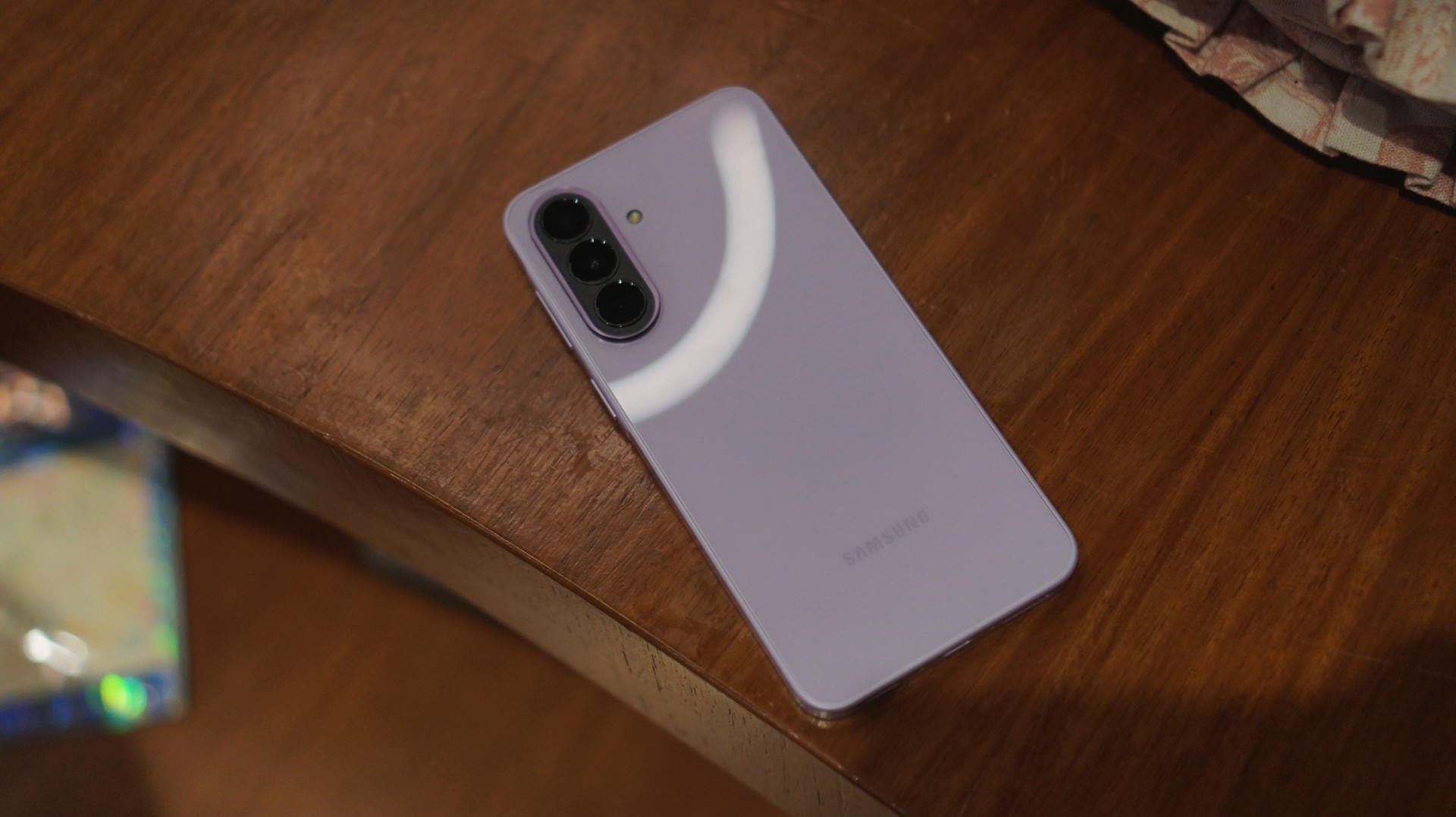
The United States is continuing its crusade against Chinese technology today. However, the target now isn’t a company from China but a method important to a lot of non-Chinese brands.
Today, via Reuters, the Federal Communications Commission (or FCC) has unanimously voted to prohibit companies from using Chinese labs to test their electronic devices if they are to be sold for use in the United States. Naturally, this includes smartphones and computers.
Notably, the prohibition doesn’t directly target Chinese brands. However, it will still affect a huge swath of the industry. The FCC estimates that around 75 percent of the entire market are devices tested in labs based in China.
This means that companies who wish to sell future products in the country must move their testing to labs in the United States or other countries that it deems secure. At its current iteration, the prohibition will not affect devices that already earned their certification prior. However, it might prevent them from getting recertified once their current one expires.
Now, the prohibition isn’t an absolute lock just yet. The FCC will allow the industry to submit comments about the proposal. But, with a unanimous vote from the FCC, companies might have to start looking for alternative testing sites if they want to stay operation in the United States.
Enterprise
OnePlus has reportedly merged with realme
Both brands were previously rumored for restructuring early this year.
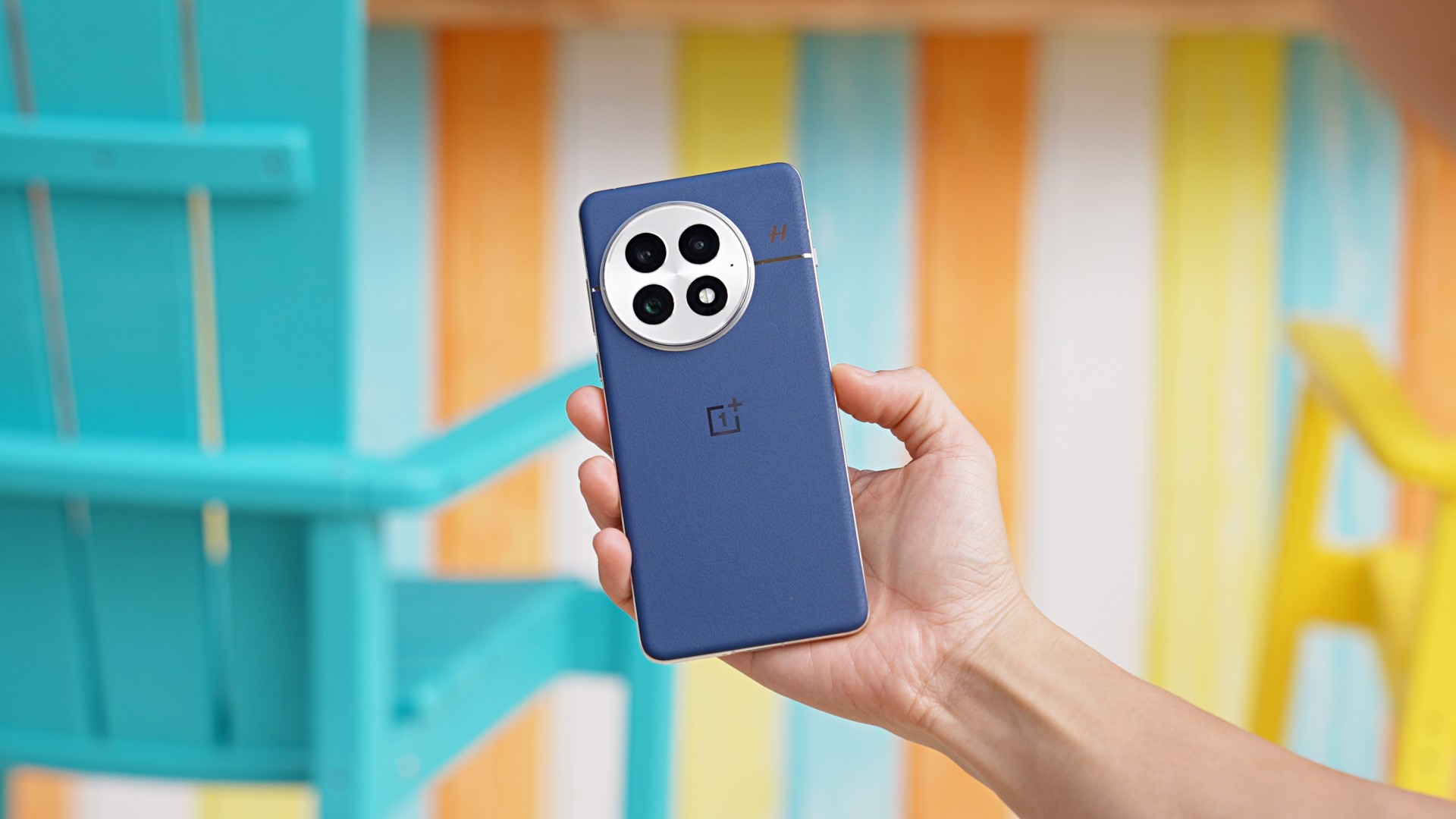
OnePlus has a problem. For a while now, rumors have swirled about the company’s dissolution. For their part, the company has continued to deny the reports, citing business as usual. Likely to their dismay, the reports just keep coming. Today, sources have hinted that OnePlus has merged with realme.
Back in January, it was rumored that OnePlus would be closing up shop this year. Since the company very quickly denied the rumors, the report hardly made waves. However, a suspected merger with realme is more difficult to debunk.
For one, realme is itself in a very interesting position. Also back in January, realme was reportedly moving back into being a sub-brand of OPPO. Coupled together with the OnePlus debacle, all this internal restructuring seems par for the course.
According to Digital Chat Station on Weibo, OnePlus and realme have already concluded the merger. The two brands have reportedly united their Chinese and international operations under one roof. Likewise, their marketing will be the same. Pete Lau will still be the main head for this new division.
As with anything of this nature, take this with a grain of salt. OPPO, OnePlus, and realme have not issued any official statements concerning a merger or a shutdown for any brand.
SEE ALSO: realme is reportedly going back to being an OPPO sub-brand

The realme P4 Power: realme’s midrange power play?
A power bank and a phone — and more


HONOR Watch 6 Review: Less guessing, more knowing
Beyond educated guesses
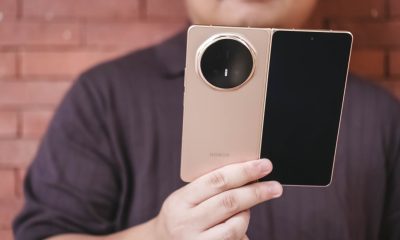

HONOR Magic V6 review: The best version of a book-style foldable?
Little left to sacrifice
The realme P4 Power: realme’s midrange power play?

The Adventures of Elliot: The Millennium Tales out now

Spider-Man: Brand New Day trailer offers biggest look yet

Inside an OCR training day with Bring Your Game

Why is AI loved in COMPUTEX but hated in the rest of the world?

TECNO’s POVA 8 5G is both futuristic and future-ready

Close without crossing: A Xiaomi 17T Pro photo essay

realme launches P4 Series 5G, including Power with 10,001mAh battery

The Xiaomi Watch S5 proves you don’t have to take it off

Samsung’s SECRET That Made OLED Even Better


-
 India1 week ago
TECNO’s POVA 8 5G is both futuristic and future-ready
-
 Buyer's Guide2 weeks ago
Buyer’s Guide: Xiaomi Pad 8 Series
-
Reviews1 week ago
HONOR Magic V6 review: The best version of a book-style foldable?
-

 Gaming1 week ago
Kingdom Hearts IV gets new trailer, confirms Switch 2 release
-

 Gaming1 week ago
Final Fantasy fans have two big reasons to look forward to 2026
-
 Smartphones1 week ago
Upcoming realme C100 series to feature 8,000mAh battery
-

 Gaming2 weeks ago
Nintendo officially announces Ocarina of Time remake
-

 News5 days ago
TECNO’s SPARK 50 Pro is the latest budget smartphone battery beast