
Gaming
A non-Potterhead’s verdict on Harry Potter: Wizards Unite
Use your phone, Harry!


More than a week has passed since the global release of the mobile game Harry Potter: Wizards Unite and we’re ready to give our thoughts. As the title states, I’m not into the franchise that much although I’m a big Pokémon Go player. It basically has the same gameplay as they’re under the same developers — Niantic, Inc.
That being said, I won’t be diving too much on the lore and will instead focus more on gameplay and its overall experience.
For those unfamiliar, Harry Potter: Wizards Unite is a location-based AR game that requires you to go out of the house in order to get more experience points, unlock special items, and advance in the game. The same goes for Pokémon Go and the game before that, Ingress. While PoGo, in the real world, has PokéStops that give out PokéBalls, HP:WU has Inns that you get Spell Energy from. This is then required so you can cast spells and return Foundables to their rightful place and time (the game’s version of catching different Pokémon in the wild).



ALSO READ: A beginner’s guide to Harry Potter: Wizards Unite
During the first day of release and being curious as to how the game works, I went out and tried to “catch” as much Foundables as I can and just like PoGo, it gets you in the momentum of just wanting to go around and get as much as you can. I initially noticed the wider array of different “species” you can come across with on HP:WU as compared to when PoGo first launched. I remember all I did back then was to catch Pidgey and Rattata because that was pretty much everything that was available. This was also the main reason why most players quit back then.

You get to choose your house, profession, and design your wand
Back to Wizards Unite, the similarities it has with PoGo made it easy for me to get a grasp of its general gameplay even though I have no idea who most of the characters are. The idea is to basically level up by grinding for experience points in the most efficient way. This means planning where to go and making sure the place is populated by in-game stops and spawns — usually parks and shopping malls are good choices.
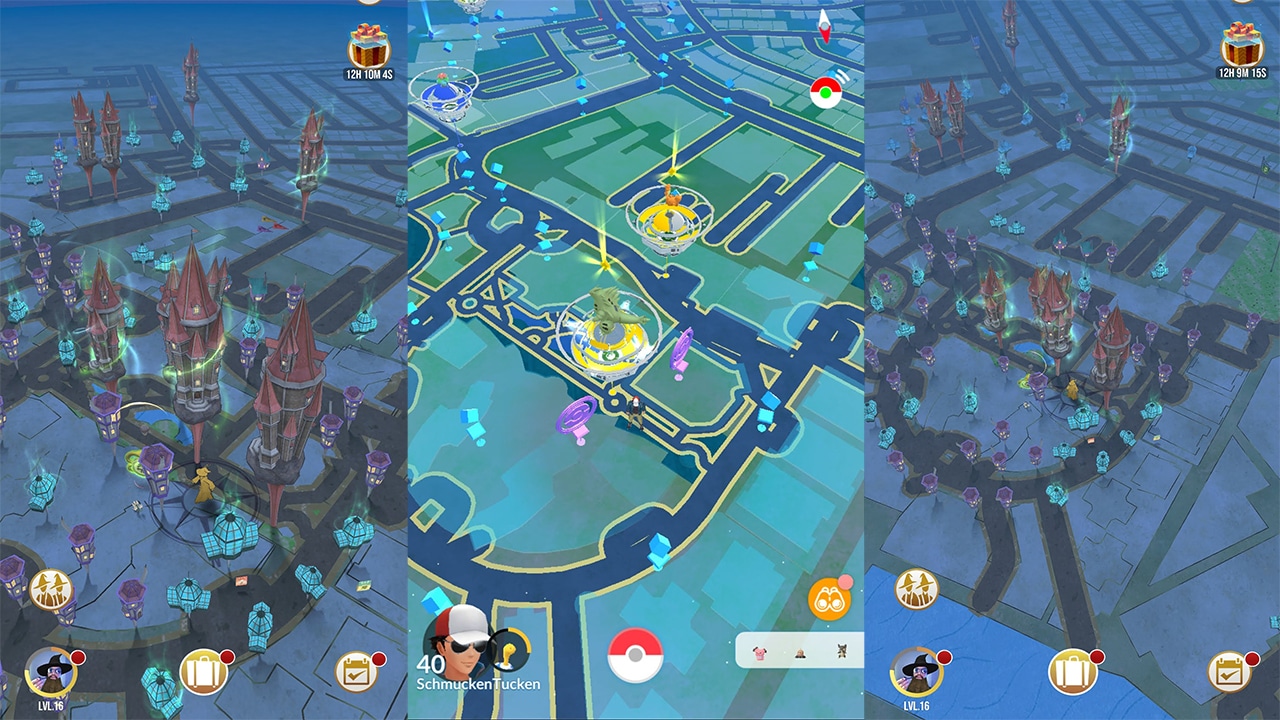
Comparison of HP:WU’s UI vs PoGo in the same area
While it parallels Niantic’s other games in many levels, Wizards Unite brings its own charm through its visuals. The environment of HP:WU is simply more immersive than PoGo‘s and even the encounters have more detail in them. It could get distracting at times since there are more elements in HP:WU, but is overall nicer to look at.
A unique aspect from the company’s games is that unlike other multiplayer games where you meet your friends online, you actually play with them in real life and this is also the case for Wizards Unite. These games basically build a community that helps each other accomplish in-game tasks that are usually challenging to accomplish alone. What HP:WU did better, though, is to go for a more immersive gameplay by making you trace different patterns on your screen as if waving your wand as compared to the tapping mechanics of PoGo.

Overall, Harry Potter: Wizards Unite could be a more enjoyable game for some players who are not big fans of the Pokémon franchise. I personally enjoy it enough to switch between HP:WU and PoGo whenever I play out. It will keep you walking around drawing on your screen and pretending to wave your make-believe wand.
It’s a game that’s far more complete than Pokémon Go at launch, that’s for sure. Although, it’s still far from reaching its full potential since there are things that could still be added to the game like a dueling system, for example.
If you want to try the game and get some cardio while casting spells, Harry Potter: Wizards Unite is available on Google Play and the App Store.






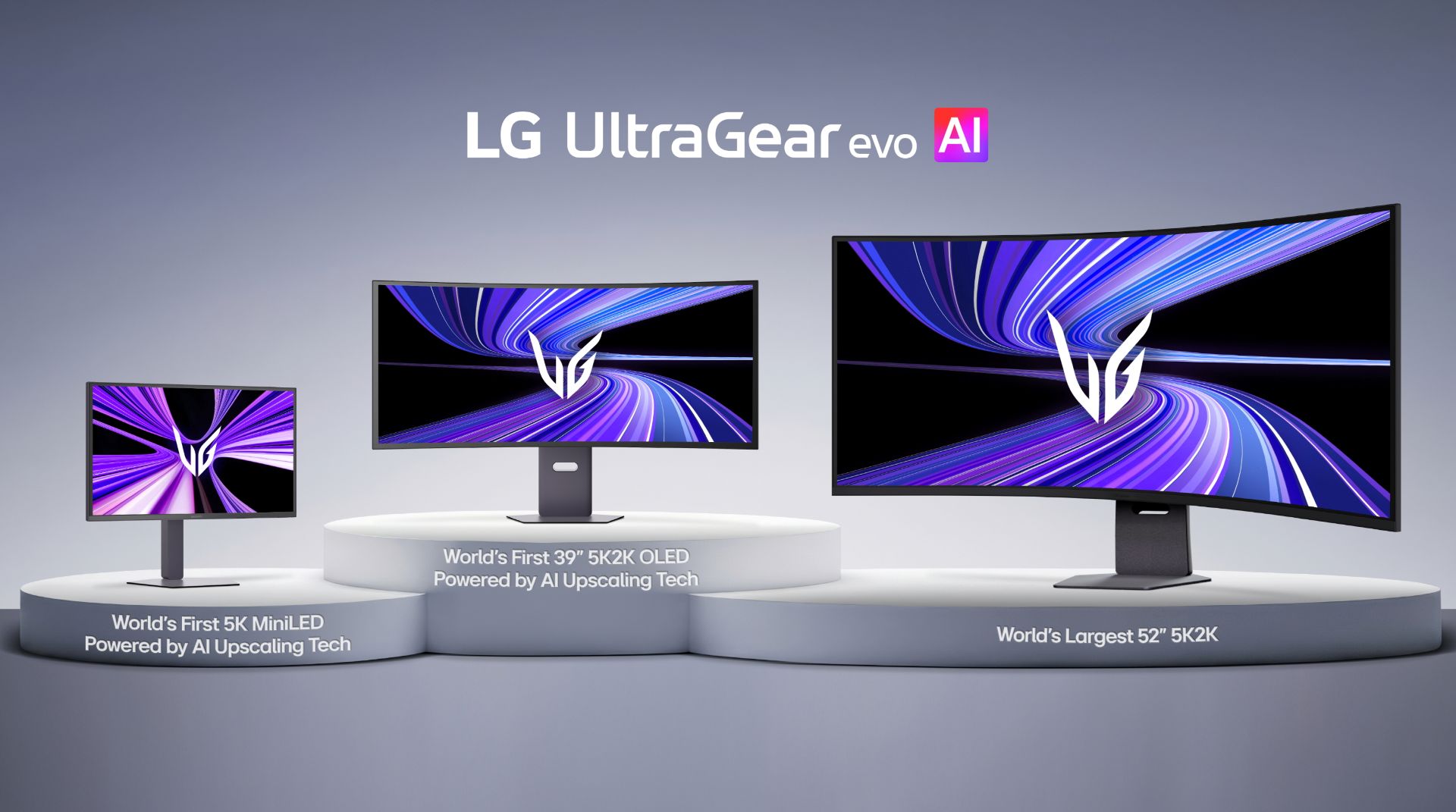
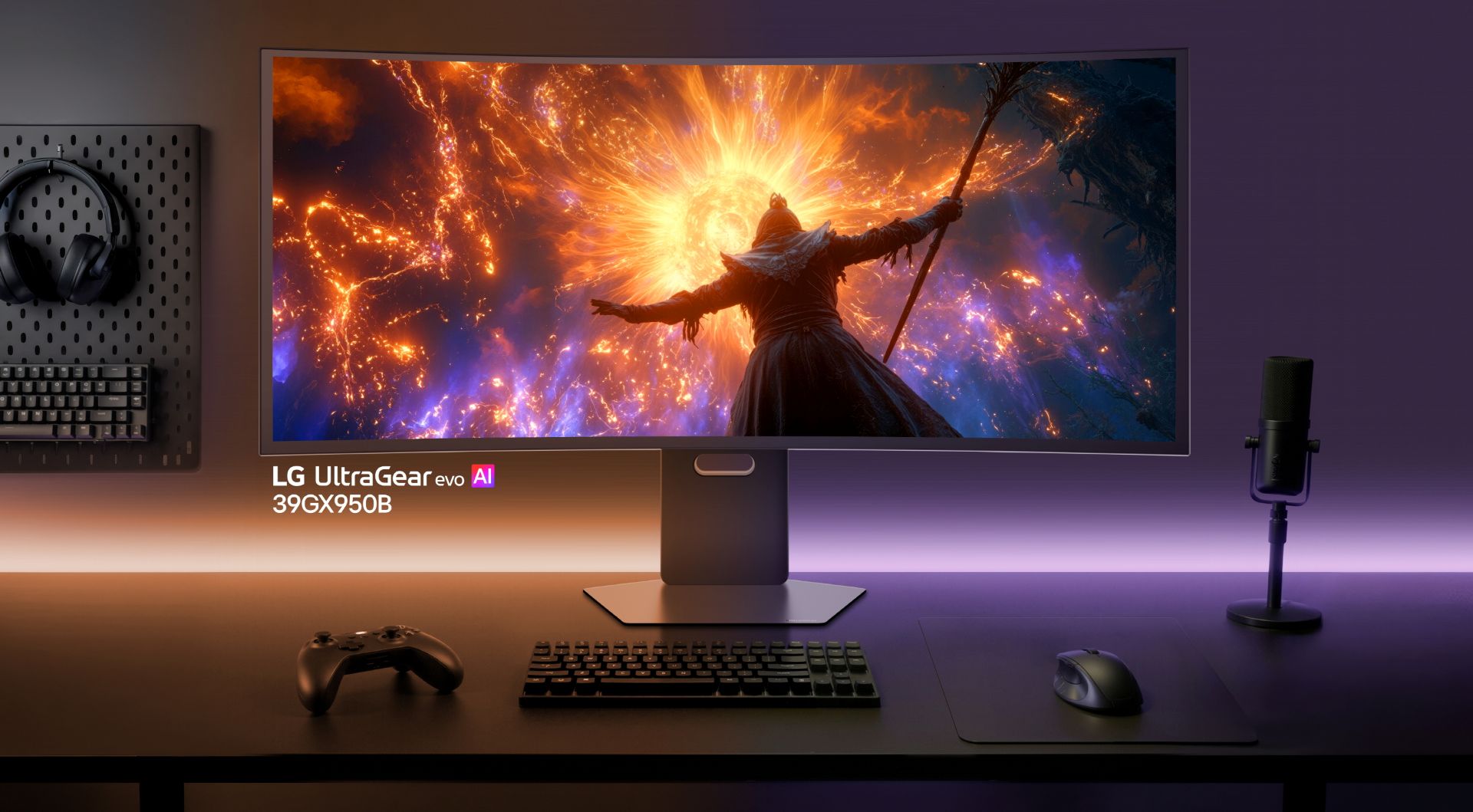
LG Electronics has introduced the UltraGear evo, a new premium gaming monitor brand. It was first debuted at CES 2026.
The UltraGear evo line includes 5K-and-above resolution gaming displays in OLED, MiniLED, and ultra-wide formats. They are designed to deliver high definition, speed, and immersive gameplay.
To make things work, LG developed the world’s first 5K AI Upscaling technology. This on-device AI solution enhances content in real time without requiring GPU upgrades.
The three primary offerings are the 39GX950B, 27GM950B, and 52G930B. Here’s a quick breakdown for each:
39GX950B
- 39-inch 5K2K OLED gaming monitor
- AI Scene Optimization
- AI Sound
- Dual Mode
- Allows users to switch between high-res 165Hz and ultra-fast 330Hz
27GM950B
- World’s first 5K New MiniLED gaming monitor
- Significantly reduces blooming using 2,304 local dimming zones
- Zero Optical Distance technology
- Supports 5K AI Upscaling, Dual Mode up to 330Hz
52G930B
- Massive 52-inch display
- 240Hz refresh rate
- Panoramic 12:9 viewing experience
- 1000R curvature
LG positions the new UltraGear evo lineup as a major leap forward in gaming displays. They eliminate trade-offs between brightness, contrast, speed, and screen size.
The lineup will again be showcased at CES 2026, including a “Dream Setup” installation and racing simulation using the 39-inch model.
An additional UltraGear GX7 (27GX790B) will be launched globally. It is a 27-inch QHD Tandem OLED gaming monitor with 540Hz refresh rate and Dual Mode support.
Gaming
PlayStation 6 reportedly delayed to 2029 because of RAM shortage
The Switch 2 might also get a price hike this year.

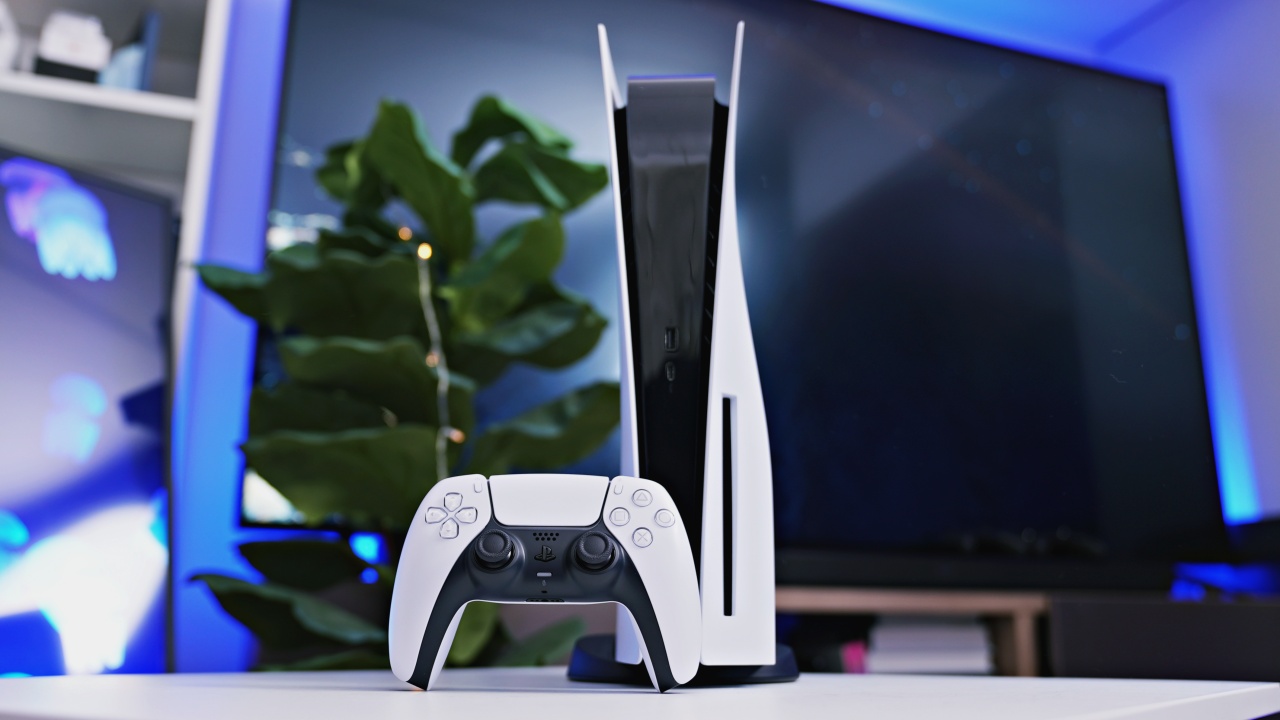
The current console generation is arguably a tepid one, especially compared to preceding generations. Though the PlayStation 5 certainly has its certified hits, it’s difficult to classify the home console as a quintessential piece of hardware that everyone must own. All eyes are now on what comes next, the PlayStation 6. However, because of an ongoing RAM shortage, those curious eyes might have to wait a little bit longer.
As you probably know, an ongoing RAM shortage is currently terrorizing the entire tech world. Upcoming devices are getting delayed, and currently available ones are expecting a price increase sometime this year. The unannounced PlayStation 6 is reportedly part of the first group.
According to Bloomberg, the shortage has pushed the projected release of the next console to 2028 or 2029. The delay is apparently disruptive to Sony’s plans.
There aren’t a lot of rumors swirling around the PlayStation 6 yet. However, the absence of news, coupled with anticipated titles like the remake of the God of War trilogy far off into the future, hints that PlayStation is waiting for the right time.
On the other hand, the same report claims that the Nintendo Switch 2 is part of the second group of RAM shortage victims. That is, Nintendo is reportedly considering a price hike for the currently available console this year.
To be clear, neither Nintendo nor Sony have confirmed anything happening to their respective consoles, current or otherwise. However, the shortage is a very real thing. Even if its effects aren’t readily felt now, it’s still expected to spread throughout the industry in the medium term.

Star Wars: Galactic Racer made a fresh appearance at Sony’s State of Play, revealing new gameplay ahead of its 2026 launch.
The new trailer highlights high-speed races across both new and familiar planets from the Star Wars galaxy. It also confirms the return of podracing, the franchise’s most iconic motorsport, alongside a wider range of repulsorcraft built for different racing styles.
Players step into the role of Shade, a lone pilot drawn into the Galactic League. The league operates outside the law in the Outer Rim and is currently controlled by Kestar Bool, a powerful and corrupt figure. With his league on the brink of collapse, organizer Darius Pax turns to Shade to fight back and reclaim control.
The campaign features a branching structure. Choices affect events, alliances, and access to parts, tools, and upgrades. Players can experiment with landspeeders, skim speeders, speeder bikes, and podracers, then fine-tune each vehicle with the help of mechanic Hibi.
Beyond the story, the game offers multiple modes. Online races support up to 12 players across several competitive formats. Arcade mode focuses on instant action, time trials, and leaderboard runs. Scenarios mode introduces unique challenges, from practice sessions on new tracks to demanding races designed to test mastery and precision.
Star Wars: Galactic Racer launches on PS5, Xbox Series X|S, and PC in 2026.


iPhone 17 Pro Max is somehow the most traded-in phone today

vivo V70 launched globally, introduces 4K 60fps, OriginOS 6, more

Osmo Pocket 4 makes a surprising appearance in public

Google launches the Pixel 10a

ACMobility Launches ChargeFleet: Seamless solution for businesses

HONOR X9d 5G review: Tougher, more long-lasting and optimized

Now playing: Final Fantasy VII Remake INTERGRADE on Switch 2

Breaking up with Adobe Photoshop after 20 years

Razer fully unwraps these limited BLACKPINK Edition gaming gear

Forza Horizon 6 launches on May 19


-

 News1 week ago
TECNO will showcase the CAMON 50 and POVA 8 series at MWC 2026
-

 Laptops2 weeks ago
TECNO MEGABOOK K16s 13th review: No-frills beneath those grills
-
 Features1 week ago
HUAWEI MatePad 11.5 S 2026: The better-than-ever 4-in-1 productivity tablet
-

 Gaming1 week ago
Now Playing: Yakuza Kiwami 3 & Dark Ties
-

 Gaming2 weeks ago
Valve is delaying the launch of the Steam Machine
-

 Gaming2 weeks ago
Horizon Hunters Gathering is an upcoming co-op roguelite spinoff
-

 Reviews6 days ago
The art of being in and behind the frame
-

 News2 weeks ago
HONMA x HUAWEI WATCH GT 6 Pro for golf launches