
Smartphones
iPhone 14 Pro, Pro Max gets rid of the notch
In comes something better

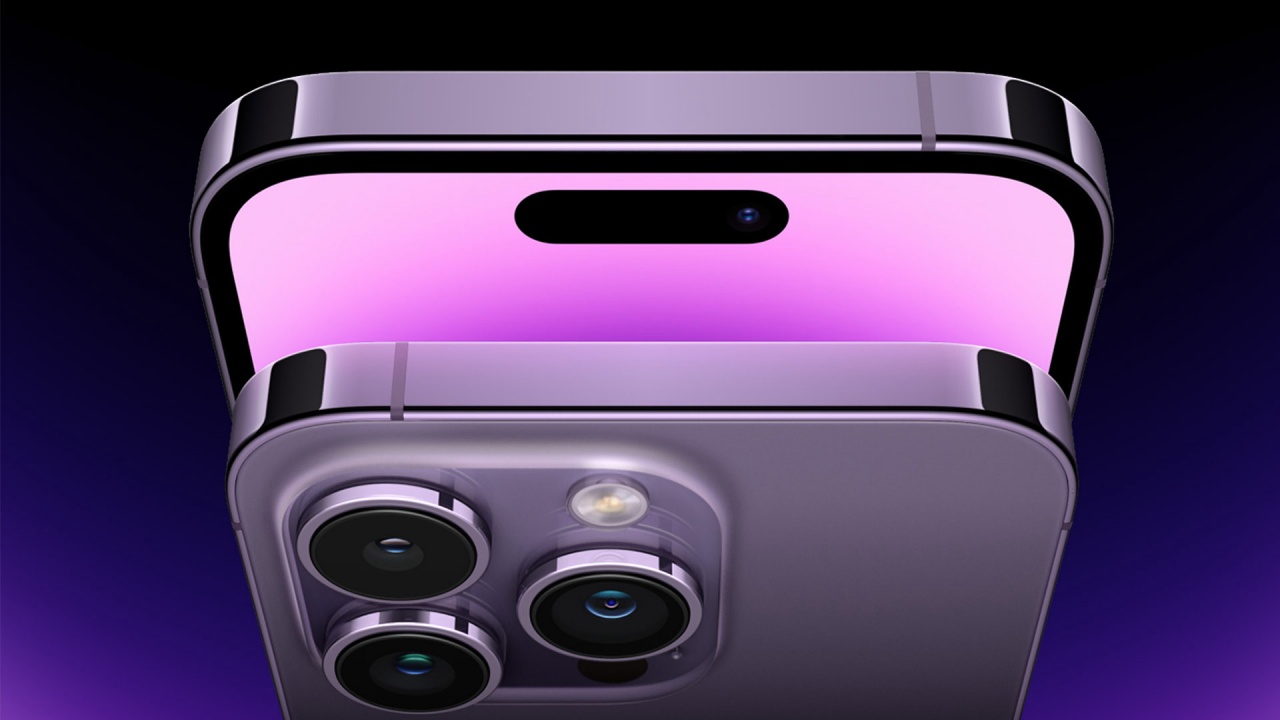
It’s been a long time coming. Apple is finally transitioning away from the controversial camera notch. In today’s Far Out event, the iPhone 14 Pro and Pro Max introduced the first iPhone without the iconic notch. What comes next, however, is more surprising than what it lost.
The new notch
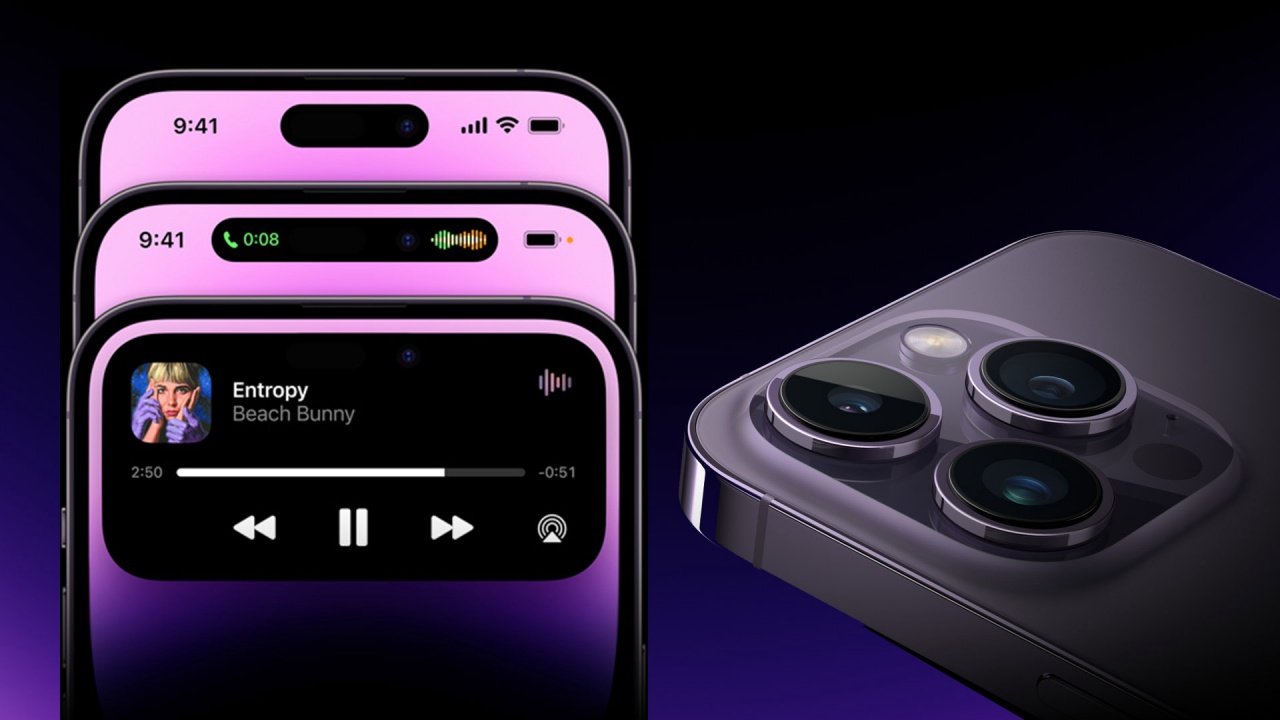
Image by GadgetMatch
For the first time, the iPhone 14 Pro and Pro Max will have a pill-shaped camera island. Now, you might think that the island is larger than most smartphones today. However, the new Dynamic Island feature is a marvel. Users can extend the pill to show notifications, settings, and calls in the background. It can even show album art.
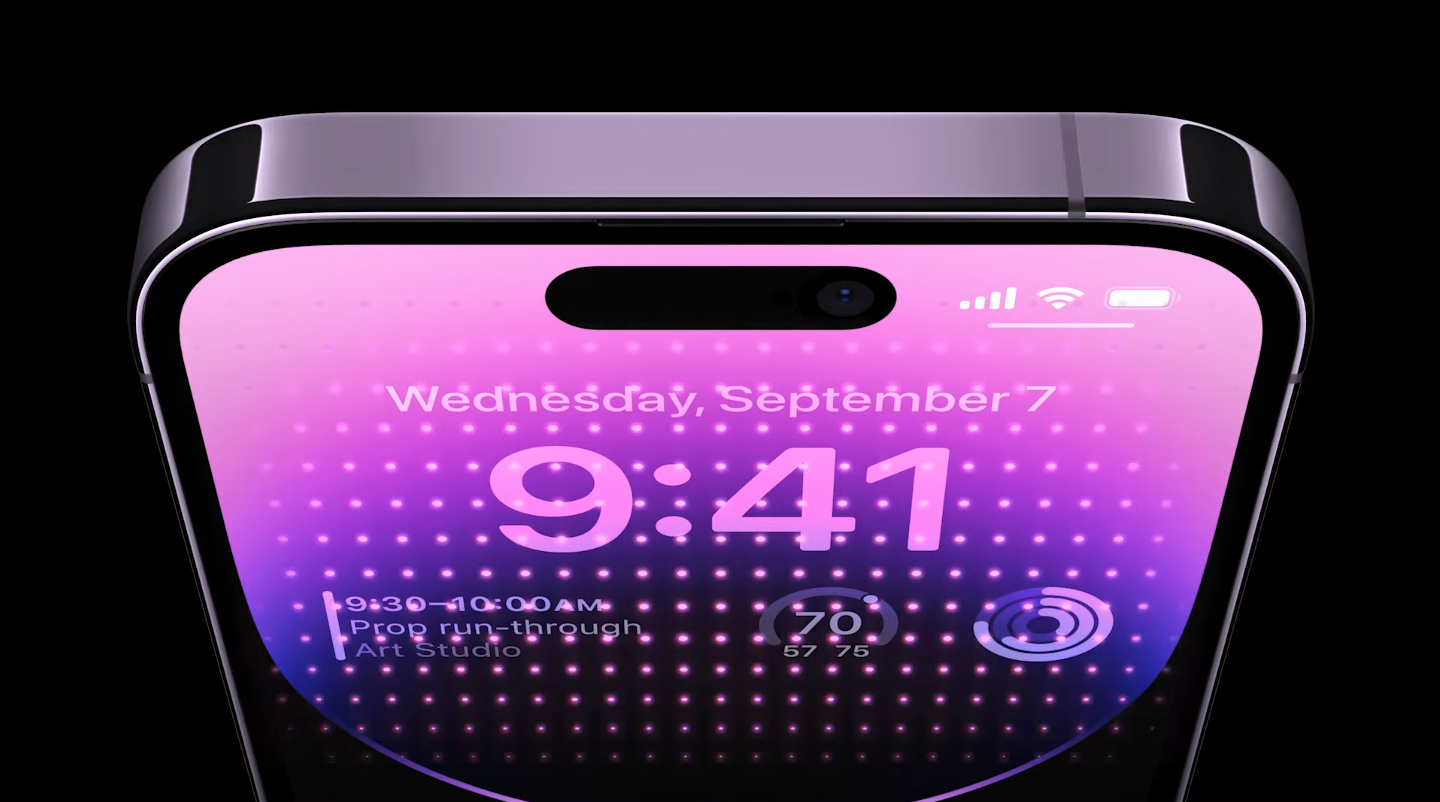
While the iPhone 14 Pro comes with a 6.1-inch display, the 14 Pro Max has a huge 6.7-inch display. Touting the same brilliance as the Pro Display XDR, it can display images at 1600 nits (peaking at 2000 nits outdoors). Supplementing this, the series will have always-on display and an intelligently dimming screen.

And unlike last year’s 120Hz ProMotion displays, the 14 Pro series feature an all-new LTPO OLED technology that goes as low as 1Hz (a la Apple Watch) and enables Always-On display for the first time in an iPhone.
Under the hood, both models will come with the new A16 Bionic chipset. With two high-performance cores and four high-efficiency cores, the chipset is reportedly 40 percent faster than the competition.

On its back, the series comes with a 48-megapixel main camera featuring a quad pixel sensor. It has a 65 percent larger sensor than the iPhone 13 Pro. Plus, an additional 12-megapixel ultra-wide camera and 12-megapixel telephoto camera helps brings out amazing images. Complementing all the hardware, the Photonic Engine analyzes and improves lighting conditions. Apple boasts better low-light photos with the duo.

For professional filmmakers, the duo can shoot 48-megapixel ProRAW images. The new Action Mode will help keep videos stable in intense situations, too.
For safety, the duo will share in the new features introduced in other models. Starting with the series, users can now communicate with satellites for SOS messages. The new crash detection ensures safety while on the road.
They will come with all-day battery life, touting up to 29 hours of video playback on the Pro Max.
Pricing and Availability

Image by GadgetMatch
The iPhone 14 Pro and Pro Max will come in Space Black, Silver, Gold, and a new Deep Purple colorway.
Here are all the pricing configurations for US, Singapore, and the Philippines:
iPhone 14 Pro
- 128GB – US$ 999 / SG$ 1649 / ₱70,990
- 256GB – US$ 1099 / SG$ 1819 / ₱77,990
- 512GB – US$ 1299 / SG$ 2149 / ₱89,990
- 1TB – US$ 1499 / SG$ 2479 / ₱102,990
iPhone 14 Pro Max
- 128GB – US$ 1099 / SG$ 1799 / ₱77,990
- 256GB – US$ 1199 / SG$ 1969 / ₱84,990
- 512GB – US$ 1399 / SG$ 2299 / ₱96,990
- 1TB – US$ 1599 / SG$ 2629 / ₱109,990
SEE ALSO:






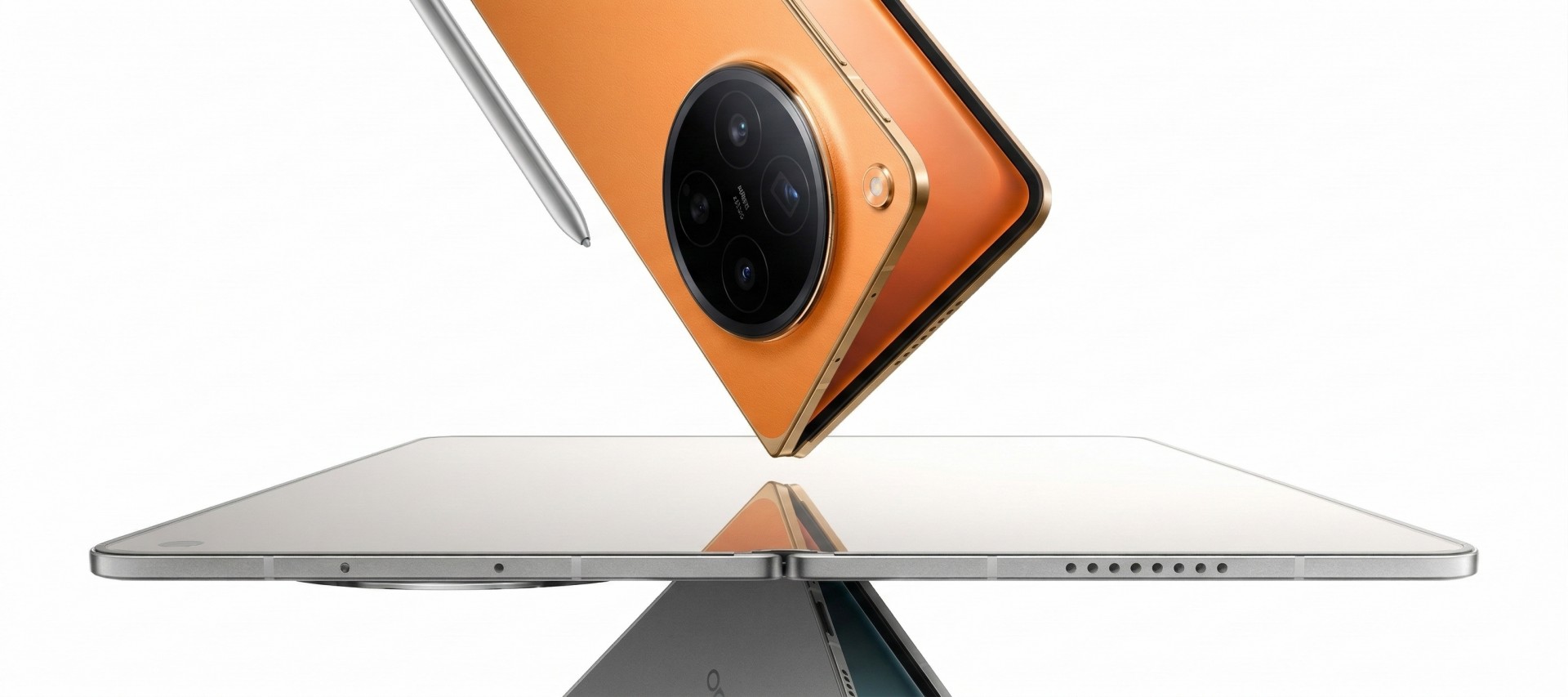
OPPO has confirmed the global launch date of its next foldable flagship. The OPPO Find N6 will debut on March 17, 2026 at the company’s Binhai Bay Campus in China.
The upcoming device aims to push foldable technology further with what OPPO calls a “Zero-Feel Crease,” designed to deliver a flatter display and a smoother touch experience even after years of use.
According to OPPO Senior Vice President and Chief Product Officer Pete Lau, the Find N series has consistently focused on advancing foldable innovation. With the Find N6, the company says it has achieved a major breakthrough in hinge architecture and display materials to reduce the visibility and feel of the screen crease.
Zero crease
Creases have long been a common concern among foldable phone users. OPPO first addressed the issue with the original Find N in 2021, which introduced the waterdrop-style Flexion Hinge. The design helped minimize deep creases by allowing the display to fold more naturally.
With the Find N6, OPPO claims it has taken another step forward. The new hinge and display structure aim to create a more seamless large-screen experience, keeping the inner display smooth and flat over long-term use.
Thin design meets flagship camera
The Find N6 also continues the series’ focus on thin and comfortable hardware. OPPO says the device is among the thinnest book-style foldables available, with ergonomics comparable to conventional bar-style flagship smartphones.
On the back, a redesigned symmetrical Cosmos Ring houses a new 200MP Hasselblad Ultra-Clear camera system. The setup aims to deliver professional-grade photography while maintaining a relatively slim camera module.
The foldable will launch in two color options: Stellar Titanium and Blossom Orange. The latter features a titanium hinge casing with a rose-gold finish achieved through a gilding technique that incorporates genuine gold.
OPPO AI Pen
OPPO is also positioning the Find N6 as a productivity device. It will support the OPPO AI Pen stylus, designed to take advantage of the larger foldable display and integrate AI-powered tools for note-taking and multitasking.
More details about the OPPO Find N6 will be revealed during the global launch event on March 17.
For more than a decade, the smartphone industry has been defined by a familiar race. More megapixels. Faster processors. Bigger batteries. Thinner designs. Being first. Being the most. And being the fastest.
The industry rewarded brands that appeared to be chasing specs. Bigger numbers meant progress. At least on paper.
But if you ask Samsung, the days of chasing specs may no longer define the future of Galaxy smartphones.
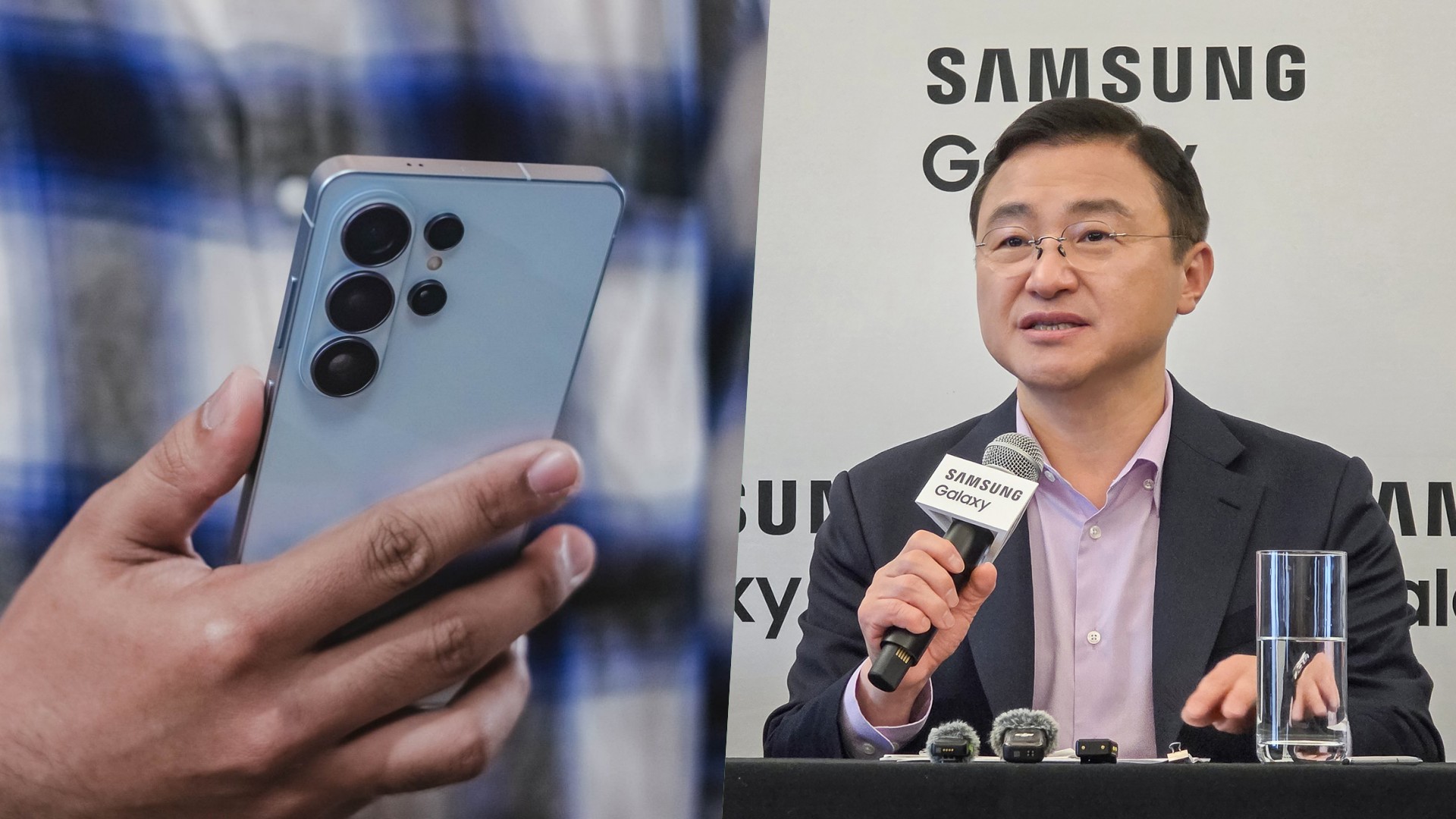
During a regional roundtable following the launch of the latest Galaxy devices, I asked TM Roh how the company decides when it’s time for a major hardware upgrade if it isn’t simply chasing specs.
His answer revealed how Samsung now approaches the future of its flagship smartphones.
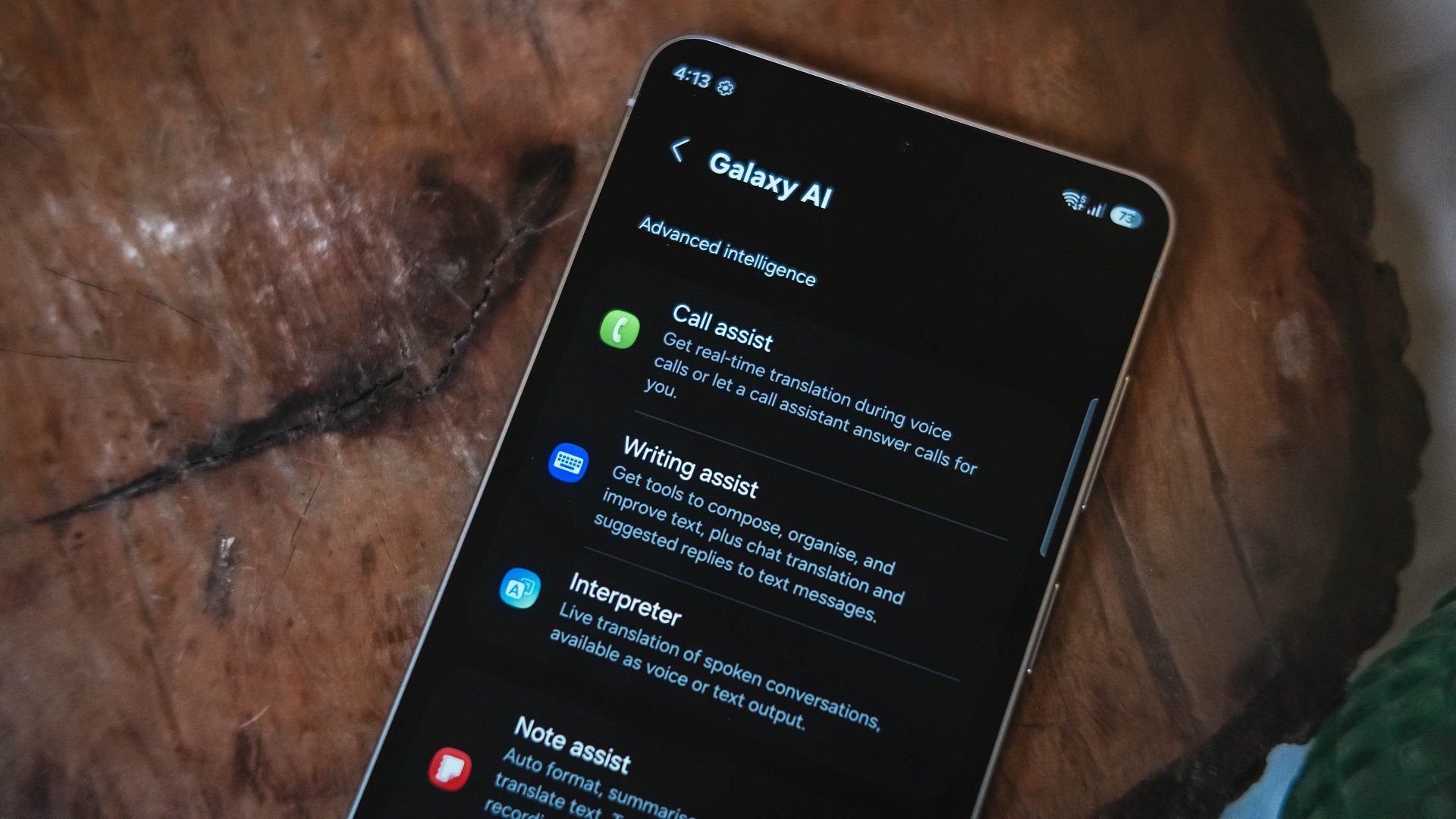
According to Roh, hardware upgrades are increasingly tied to how well they support Galaxy AI.
“To make Galaxy AI run smoothly, it must be backed by strong hardware,” Roh said during the session, speaking through a translator. He added that Samsung develops its hardware, software, and AI capabilities together — and that major upgrades tend to arrive only when the company reaches what he described as the “desired level of excellence.”
(Quotes are approximate translations.)
“To make Galaxy AI run smoothly, it must be backed by strong hardware.”
(Approximate translation from TM Roh during the roundtable)
In short, Samsung says it’s no longer chasing specs for the sake of winning spec-sheet battles. Not anymore.
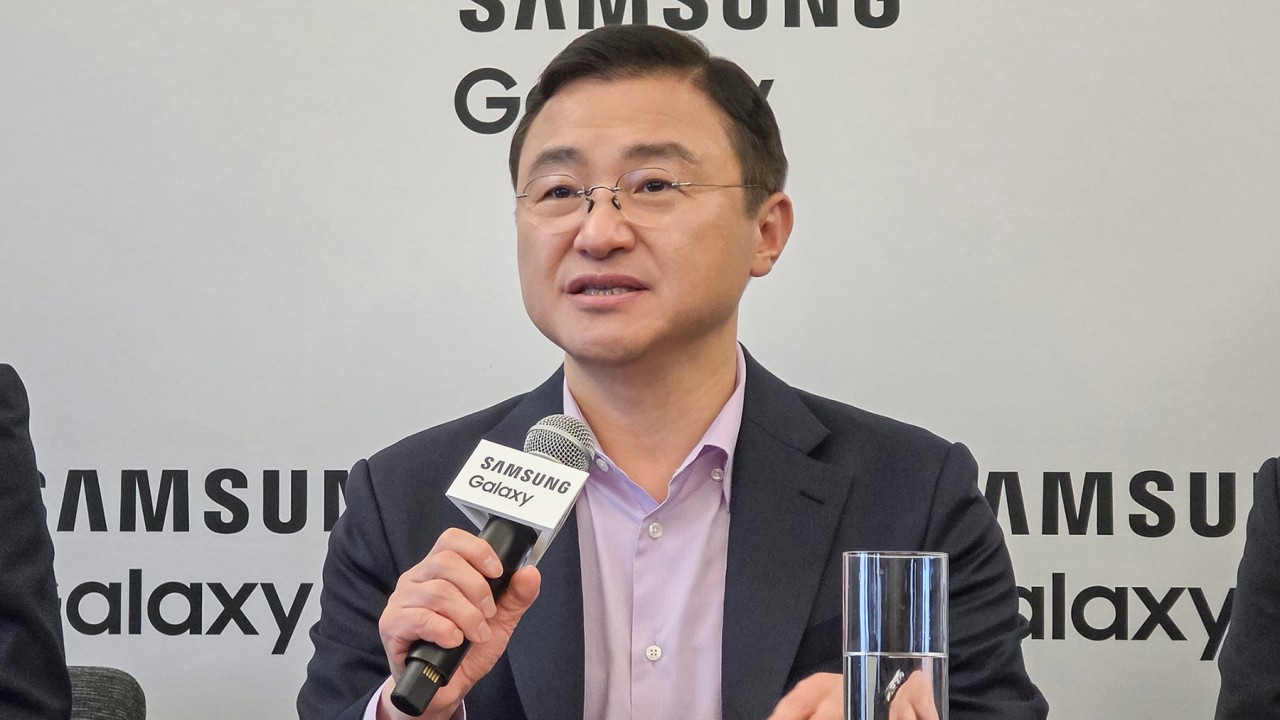
Samsung CEO TM Roh answering questions at a media roundtable in San Francisco
When hardware stops chasing numbers
Hardware innovation still matters. But Samsung increasingly frames those improvements as tools that enable smarter software experiences.
During the roundtable, Roh pointed to Samsung’s custom application processors, which now include stronger neural processing capabilities designed to handle AI workloads more efficiently. Dedicated hardware is also being introduced to strengthen privacy and security — including technologies embedded directly into the display. (See: Privacy Display)
Even cameras, historically one of the biggest battlegrounds for smartphone innovation, are evolving in the same direction.
Roh noted that while sensors and lenses remain important, modern smartphone photography now relies heavily on AI-powered image processing working alongside the hardware. This could also explain why, as of writing, Samsung has resisted the extra telephoto lens accessories that is prevalent with other brands.
The shift is subtle but important. Instead of emphasizing bigger numbers on spec sheets, Samsung positions hardware upgrades as part of a broader system designed to support intelligent software.

Why Samsung gets dunked on online
That philosophy, however, exists in tension with how smartphones are often discussed online.
In a landscape driven by benchmark charts and viral comparisons, incremental refinement rarely generates the same excitement as dramatic hardware leaps. Over the past few years, the Galaxy S series has occasionally become an easy target for criticism — especially as rival Android manufacturers compete to deliver the biggest numbers, the fastest charging speeds, or the thinnest designs.
The temptation in tech media, particularly on platforms like YouTube, is often to dunk on Samsung rather than examine the nuance behind its approach. Spectacular upgrades and dramatic spec sheets make better thumbnails.
Yet listening to Samsung executives across multiple briefings reveals something interesting: the messaging is remarkably consistent. Whether discussing cameras, processors, or ecosystem features, the company repeatedly returns to the same principle. Hardware innovation matters most when it unlocks a better overall experience.
A company that knows its role
That consistency suggests Samsung knows exactly who it is in the smartphone industry.
As the largest Android smartphone manufacturer globally, Samsung occupies a position where competitors often measure themselves against it. Many brands differentiate by pushing aggressive specifications or experimenting with bold hardware changes.
In many ways, everyone else is punching up.
Scale changes priorities. When you’re building devices for hundreds of millions of users, the focus shifts toward reliability, ecosystem integration, and increasingly, AI-powered experiences that work consistently across products.
Why Southeast Asia matters in Samsung’s AI strategy
During the roundtable, Roh also emphasized the importance of Southeast Asia and Oceania to Samsung’s AI strategy.
According to the company’s internal research, the region ranks among the most receptive markets for AI-powered mobile features. Younger demographics and heavy social media usage are driving adoption.
In markets where smartphones are central to communication, content creation, and digital services, AI-powered tools — from translation features to image editing — have found strong traction.
That context helps explain why Samsung continues to position AI as the defining layer of its next-generation devices.
Is the smartphone spec race ending?
For years, smartphone makers built their identities around chasing specs.
Bigger numbers meant better phones. Faster chips meant progress.
Samsung, it seems, is chasing something else.
Whether that bet ultimately reshapes the smartphone experience remains to be seen. But if Roh’s comments are any indication, the next major leap in Galaxy hardware won’t happen simply because the numbers can go higher.
It will happen when Samsung believes the experience — not the spec sheet — is ready to move forward.
Laptops
Hands-on: NEW iPhone 17e, iPad Air, MacBooks, Studio Displays
What Apple has announced other than the MacBook Neo

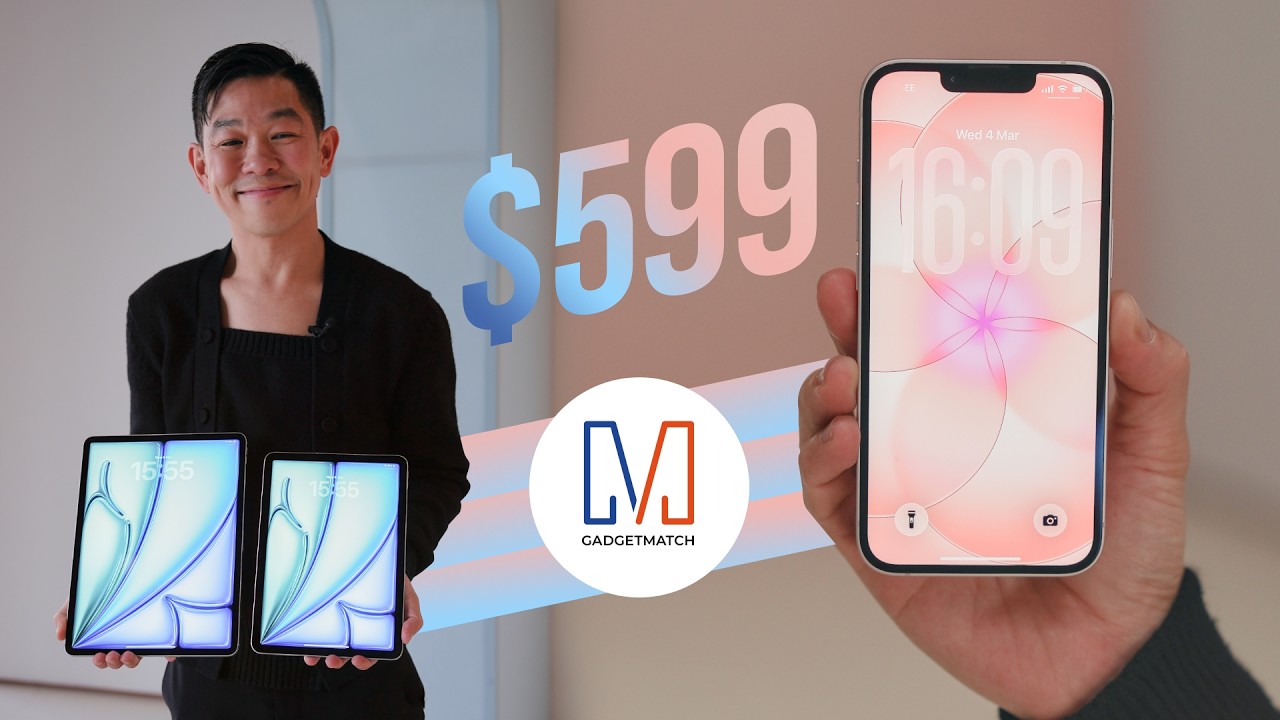
The MacBook Neo was the star of yesterday’s Apple event, and it has every right to be but it’s been a big week for Apple.
So as promised, we also went hands-on with every other device announced this week: iPhone 17e, M4 iPad Air, M5 MacBook Air, MacBook Pro with M5 Pro and M5 Max chips, and the new Studio Displays.


Disney+ launches a TikTok-coded vertical feed called Verts

Google Maps is finally getting a 3D mode

KPop Demon Hunters is officially getting a sequel

Bringing Care-a-Lot to my daily carry

Galaxy AI on the Samsung Galaxy S26 Ultra


-
 Reviews2 weeks ago
TECNO CAMON 50 Ultra review: End of an era?
-
 MWC 20261 week ago
Infinix NOTE 60 Ultra makes a motorsport-inspired debut
-
 MWC 20262 weeks ago
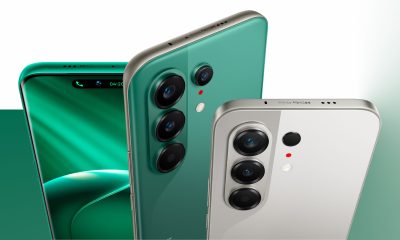
TECNO launches the all-new CAMON 50 series
-
 MWC 20262 weeks ago
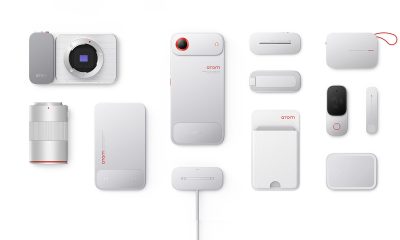
TECNO showcases cool concepts at MWC 2026
-
 MWC 20262 weeks ago
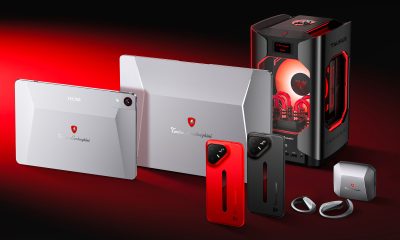
TECNO unleashes Tonino Lamborghini collection
-

 Computers2 weeks ago
AMD announces Ryzen AI 400, AI 400 PRO series at MWC 2026
-
 MWC 20262 weeks ago
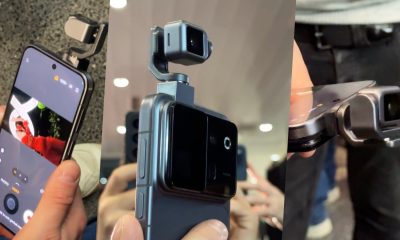
HONOR unveils Robot Phone concept at MWC 2026
-
 MWC 20262 weeks ago
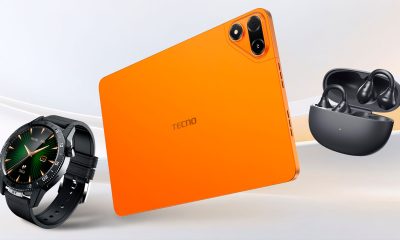
TECNO debuts latest devices, HiOS 16, upgraded Ella at MWC 2026