

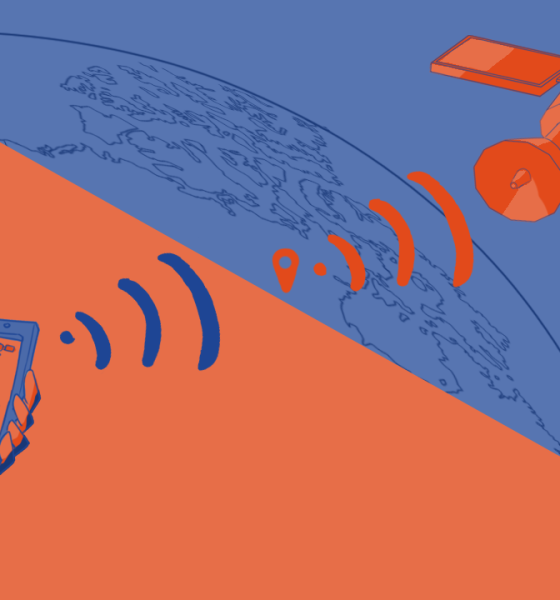

If you watched the latest Far Out event from Apple, you might have noticed the debut of a new technology coming to smartphones: satellite connectivity. Though Apple has made the biggest deal of the new feature, the technology has existed even before Apple’s announcement. In fact, various smartphone makers are also announcing their own takes to go along with Apple’s satellites.
But what exactly is satellite connectivity? Before the world gets more of the new feature, let’s take a look at this emerging technology.
Look at the sky
The night sky is filled with satellites. Though you might not see any of them with the naked eye, they are all there in low Earth orbit (LEO). As you might imagine, their uses are aplenty. Most attribute LEO satellites to imaging, navigating, and measuring data. However, one emerging use is the improvement of connectivity for consumer devices.
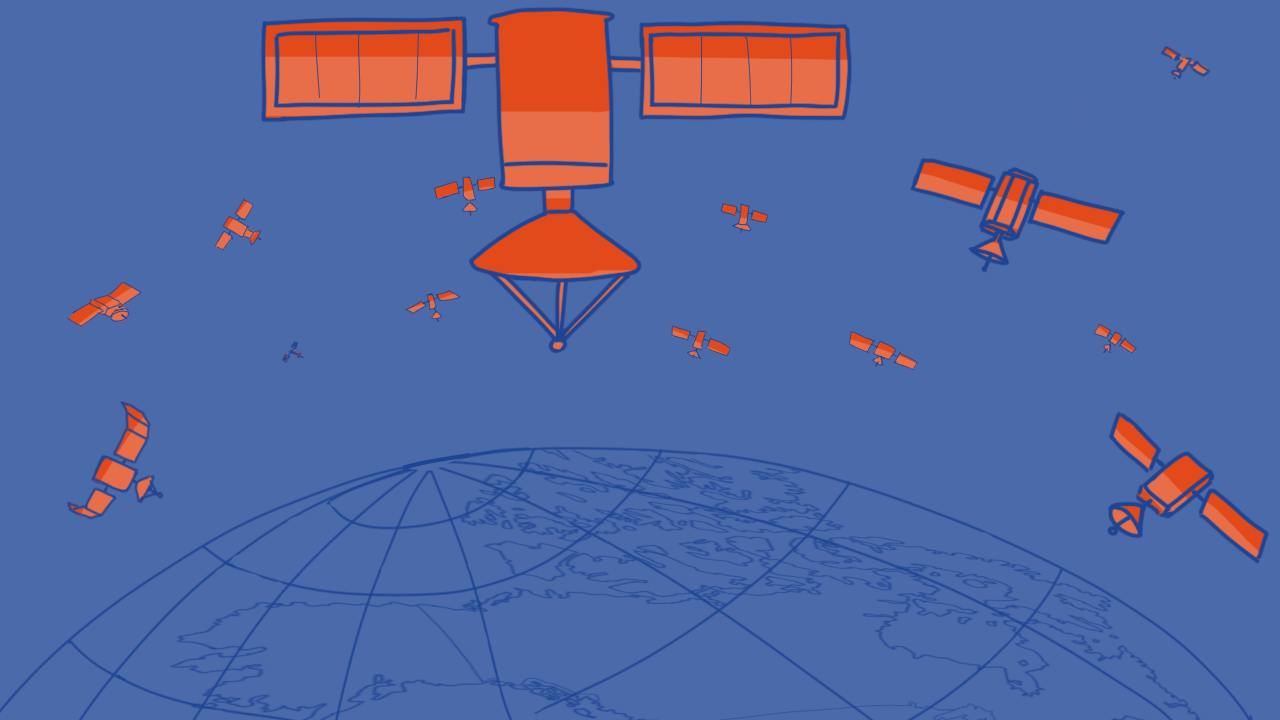
Now, the biggest proponent of satellite internet is Starlink, a project of Elon Musk’s SpaceX. With over 300,000 satellites, the company’s satellite constellation provides internet to several countries including areas with low coverage. In fact, the company’s services are already somewhat in the Philippines.
Satellite internet does have its benefits. While the service isn’t the fastest, it offers connectivity that regular towers can’t normally reach. Imagine being out on a hike but you suddenly remember, oh my God, you left your stove running at home. Satellite internet will allow you to connect to the internet and notify a neighbor to check if your apartment has any wayward burn marks running up its walls.
Quite a feat, isn’t it? But is this what Apple just launched?
SOS, please someone help me
Contrary to what you might think, Apple’s new satellite connectivity doesn’t offer internet. It’s also not Starlink. Instead, it’s a simple SOS messaging service through the Globalstar satellite constellation. It won’t solve your faulty 5G service. However, it’ll help you in a pinch if you find yourself lost in the middle of nowhere.
Once again, imagine you’re out hiking. Suddenly, you fall down an unseen slope and break your ankle. You find yourself miles and miles away from civilization, and no one knows where you are. Apple’s satellite connectivity can help you send an SOS message to the authorities.
Here’s how it works. When you’re in a predicament, fire up the feature and point your phone towards the satellite nearest you. (Don’t worry; the phone will tell you where it is).
Now, it might take a few seconds to a minute before the phone can connect to a satellite — especially if the skies aren’t clear or if you’re underneath a canopy of trees. It might not even connect if the skies are completely obstructed. Regardless, while it tries to connect, the phone will ask a series of questions including who needs help and if anyone was harmed. This helps the phone craft and compress the necessary information for your message.
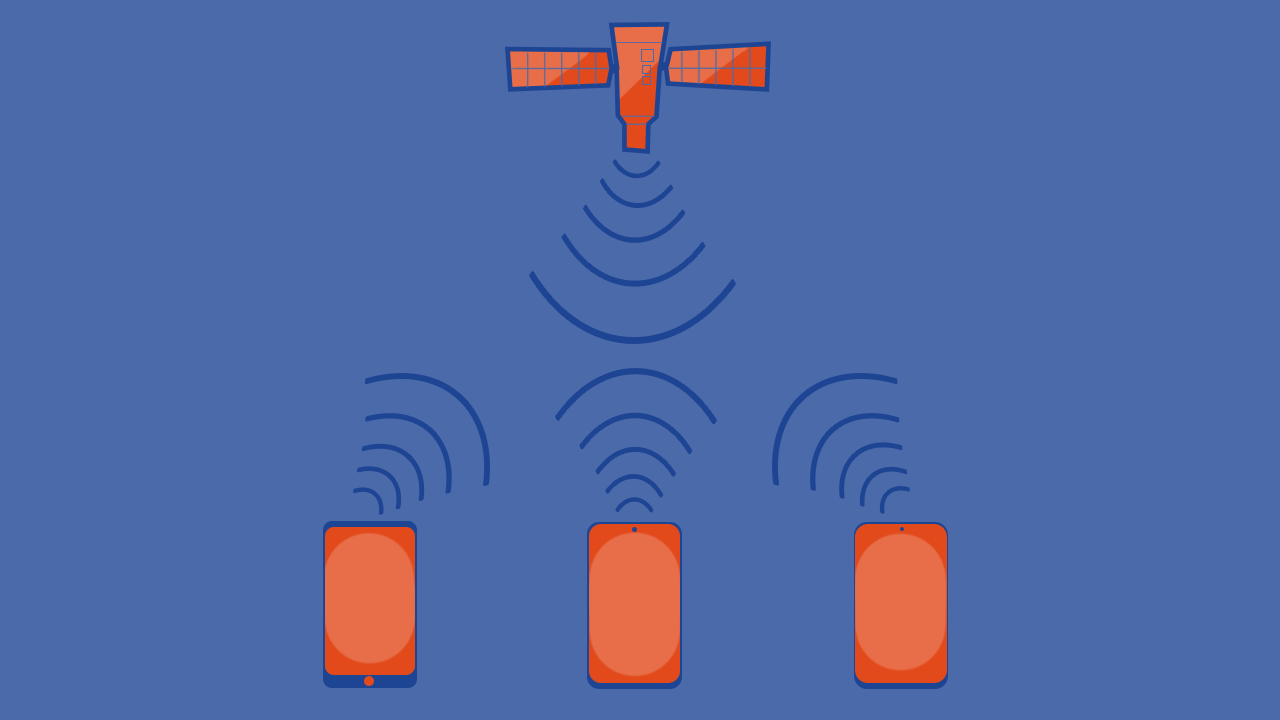
Because the service is only for emergencies, you can’t write an essay. Apple says that it will squeeze messages three time as small to ease transmission. It’s a wide-reaching 911 call for when you can’t actually call 911.
After compressing the message, the satellite will then beam the message to a nearby relay station on the ground, which will alert authorities for you.
Who can use it?
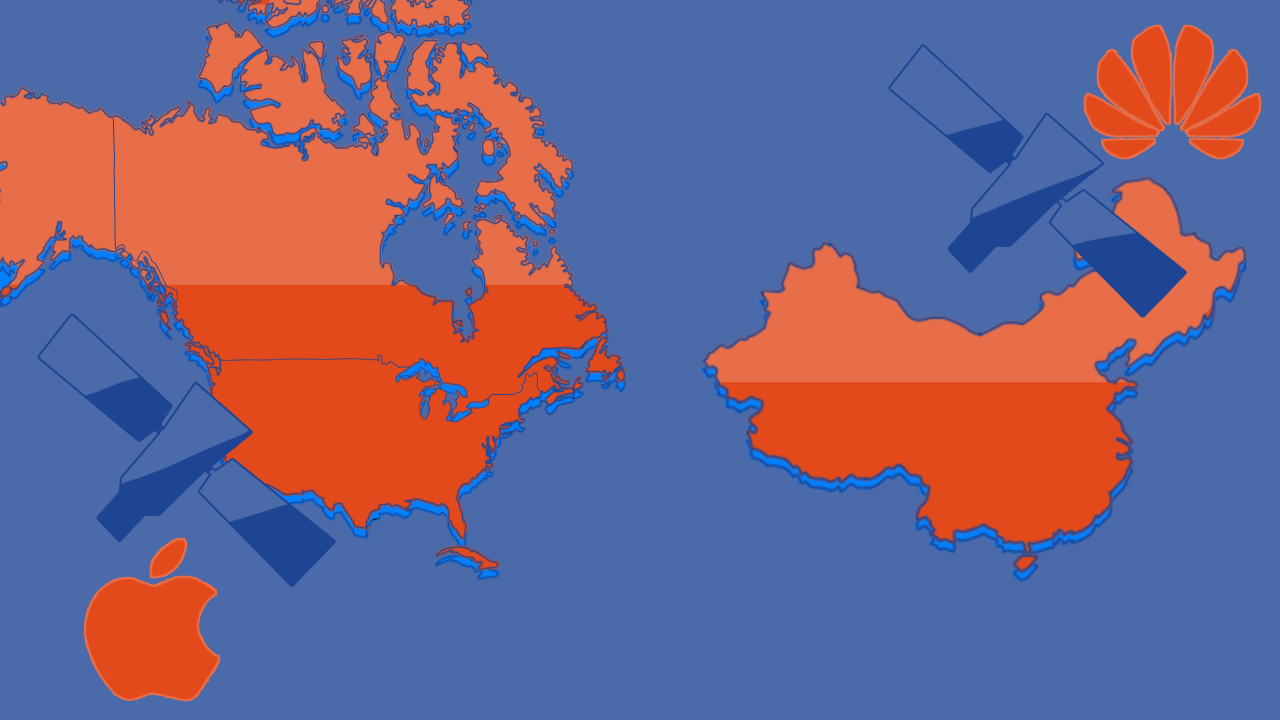
Naturally, only Apple users who have the latest devices will have the feature for now. Also, because it’s so new, it’s only coming to the United States and Canada with the upcoming iOS 16 update later this year. Of course, it might arrive to other territories soon after the initial launch.
China, however, is a no-go. Huawei launched its own satellite connectivity, packing the feature in the new Mate 50 series. If you’re in mainland China, you’ll have to use Huawei’s services.
Interestingly, Apple made it a point to say that the feature is free for the next two years. The implication seems clear: Users might have to fork over cash to keep the feature once the two years are up. Now, if you’re celebrating the coming of this arguably essential feature, the possibility of a paywall might leave a sour taste in your mouth. Should companies gatekeep who gets to send emergency messages in their time of need?
Passing fad or the future?
If you’re not a regular hiker, satellite connectivity might not appeal to you. However, it’s still interesting to wonder if the technology will make an impact outside of Apple. And it does seem that way.
It’s no coincidence that a few brands, including Apple and Huawei, have suddenly launched their own satellite connectivity features within a short span. Companies are putting a lot of money into the future of satellites. Very likely, Apple won’t be the last company to adopt the new feature.
Emergency satellite services are essential. Even if you don’t hike, you’ll never know when you might get into a precarious situation without cell coverage. Satellite connectivity mitigates that risk.
Now, how will the technology evolve beyond emergency services? Coupled with the efforts of Starlink, the early stages of satellite connectivity proves the concept of a satellite-laden future. Currently, a lot of services still struggle with the lack of towers in certain locations. The aid of satellites creates a future that won’t need towers everywhere. Though speed might be an issue, connectivity won’t.
That future is quite a possibility. However, it will also come with a host of questions. With space limited to only a handful of providers, will companies launch more satellites to address the potential need? How will space look like then? Will it just be a wasteland of used satellites? How much will everything cost? Though it’s coming, the future still has much to clarify.
Illustrations by Garel Perpetua.







With a huge change in naming scheme, Apple promises a big leap ahead.
The all-new Liquid Glass design isn’t just breath of fresh air — it’s a bold redesign ever since the iOS 7 came out.
It’s not limited just to the iPhone. It’s coming to the iPad, Mac, and even the Apple Watch!
And with latest Public Beta now available across all devices, now is the perfect time to try ’em out.
Here are our favorite features, design updates, and hidden gems in Apple’s latest OS 26 series of software updates.
Namely iOS 26, iPadOS 26, watchOS 26, visionOS 26, and macOS Tahoe.
Shopping for a new Windows laptop?
With so many choices out there, it can be tough to know where to start.
Should you prioritize performance, battery life, or portability? Can you find something affordable and premium-looking?
In this video, we break down everything you need to know about the new Snapdragon X Series laptops — a new category of Windows PCs that promise power, efficiency, and sleek design in one package.
Whether you’re a student, creative, or just looking to upgrade, this buyer’s guide will help you decide if a Snapdragon X Series laptop is right for you.

Apple dropped a ton of surprises in this year’s WWDC — and there’s more than just the Liquid Glass redesign.
From Workout Buddy, to game-changing Apple Intelligence features.
All the way to collaborative visionOS updates, and the next generation of iOS 26, macOS 26, and iPadOS 26.
Watch to see the top announcements NEED to know from the WWDC 2025 keynote!
Here are Michael Josh’s biggest takeaways from WWDC 2025 in one video — with the help of some TechTuber friends!


Galaxy Buds4 Pro review: I thought I was done with in-ears
This Buds4 you


WWE 2K26 lets you live out all the fantasy matches you could want
But you have to play for hours and hours to unlock everyone.

The HONOR X8d is serviceable
Steady but slow?

DJI officially launches the Avata 360 with 8K immersive imaging

The Changan Eado Plus officially lands in the Philippines

PLDT Home, Samsung team up for exclusive entertainment deals

Maya waives withdrawal, InstaPay transfer fees for Middle East remittances

Nintendo will make it cheaper to buy digital games than physical


-
 Reviews1 week ago
POCO X8 Pro Max review: A new beast from the far east
-

 News1 week ago
POCO X8 Pro Series: Price, availability in the Philippines
-

 Features2 weeks ago
Galaxy AI on the Samsung Galaxy S26 Ultra
-

 Apps2 weeks ago
Google Maps is finally getting a 3D mode
-

 Reviews1 week ago
POCO X8 Pro Iron Man Edition review: Midrange phone in superhero armor
-
 Reviews2 weeks ago
Samsung Galaxy S26 Ultra review: A phone you live with
-
 News1 week ago
POCO introduces X8 Pro Series with Dimensity 9500s
-

 Gaming1 week ago
NVIDIA’s DLSS 5 can turn your favorite AAA game into AI slop