
Lifestyle
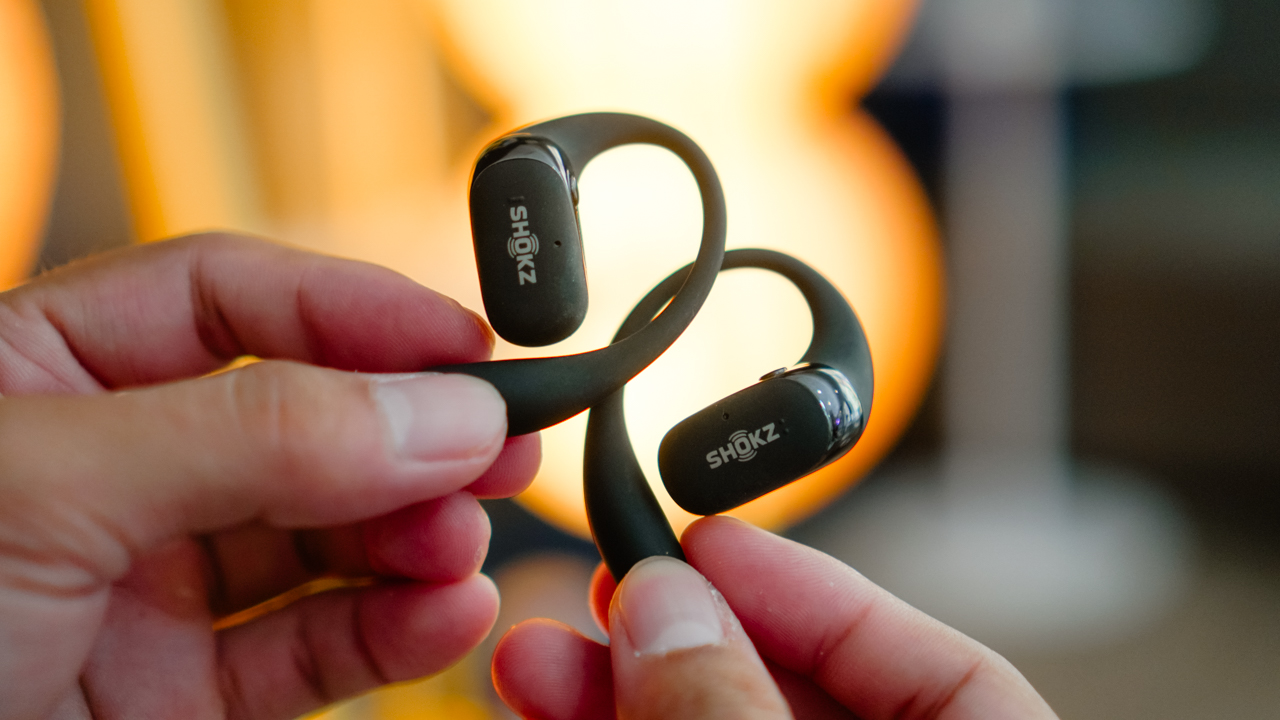
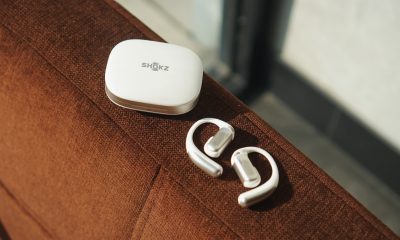
Shokz OpenFit 2+ review: A love letter to an ultramarathoner
What open-ear freedom feels like when you are chasing a comeback

There is always a moment in every athlete’s life when the universe nudges you in a direction you swore you were not ready to face again.
Mine arrived softly, almost shyly, in the form of a date circled on my calendar: Spartan Trail 50K. The last piece of my so-called “Trailfecta.” It stared back at me like an old friend I loved deeply and feared at the same time.
I had conquered the 10K and the 21K earlier in the year. They felt like small victories; reminders of who I used to be. Yet beneath them lingered a shadow from a different mountain range. A memory from the Cordilleras that still pricked at my ribs.
The kind of memory where you fight for your life. You survive, but a part of you walks away shaken. And for a long while, I thought that version of me was gone.
Then one day, on an ordinary afternoon, a package arrived at my doorstep: the Shokz OpenFit 2+. They rested inside the box like a whisper from the universe saying, “You want a comeback. Take the first step.” And so I did.
Resting gently on your ears
I grew up in the world of open-ear audio. Not literally, of course, but you know what I mean.
After four years of living an endurance athlete’s life, open-ear earbuds became less of a gadget and more of a ritual. They were the pre-run talisman I reached for before lacing my shoes. The companion waiting for me beside my hydration pack.
It’s the one constant that never complained whenever I trained in places that didn’t always feel safe.

Most tech journalists don’t understand these ear-shaped talismans. They look at the Shokz OpenFit 2+ and frown like it is abstract art they didn’t sign up to interpret.
“It’s strange,” they say. “It’s odd.” And maybe it is. But it only seems odd when you do not spend your hours running through cities and trails, weaving through traffic, or lifting in gyms where someone is always dropping a dumbbell somewhere near your foot.
For me, the OpenFit 2+ felt natural. Familiar. Like another part of my training routine that never asked for attention yet always showed up for the work.
They sit on your ears the same way confidence sits on you after a successful training block: quietly, but securely.
There was no pinching or awkward reshuffling mid-run. No pressing against your skin when sweat turns your face into a waterfall.
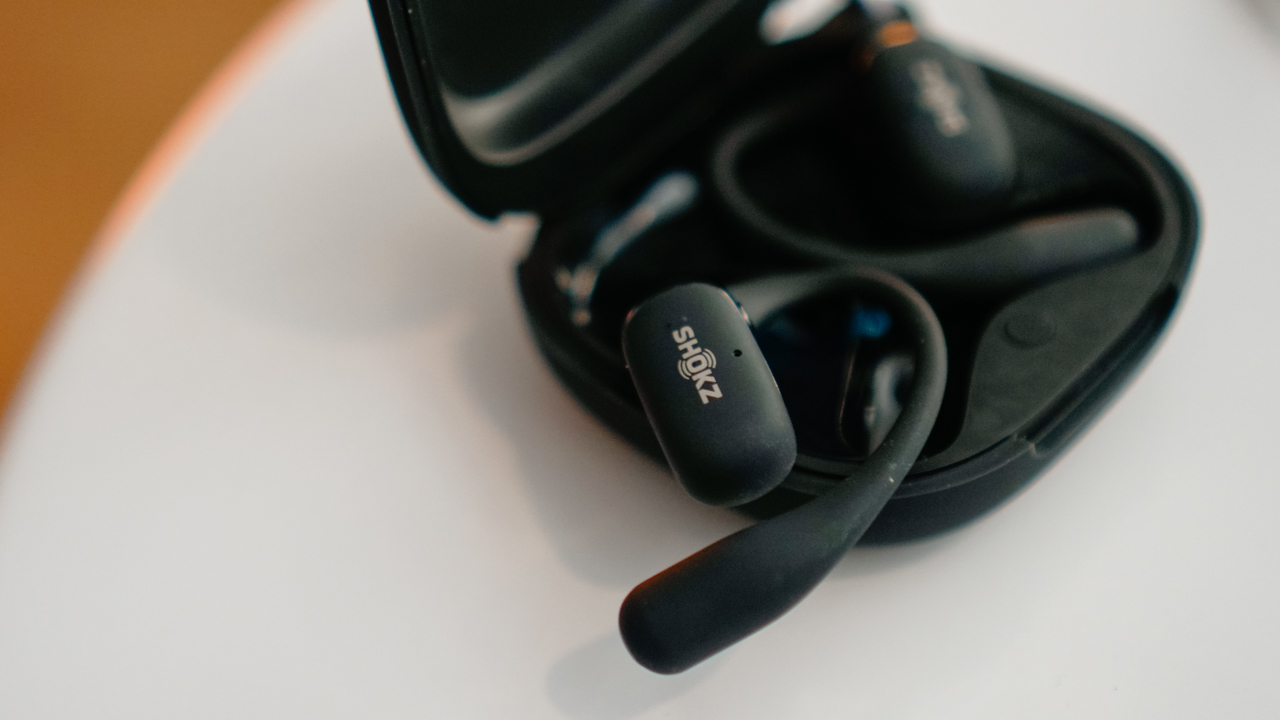
With open-ear earbuds, awareness becomes part of the soundtrack. You hear your playlist, and you hear the city. You hear your breath, and you hear the wind. In my experience, I have become more connected to my run, not less. That is why athletes like me gravitate toward them.
They do not isolate you from the world. They teach you how to move through it mindfully.
Weightless enough to forget
Compared to the other open-ear companions I have worn — JBL Soundgear Sense and Xiaomi OpenWear Stereo — the OpenFit 2+ felt almost unreal. So light it made me question physics.
They disappeared on my ears in the same magical way race-day nerves disappear once your feet start moving. One step, two steps, breathe, and suddenly your mind remembers what your body is built for.
The comfort surprised me. When training gets intense, everything on your body begins to irritate you. Your shirt scratches. Your watch strap sticks to your skin.
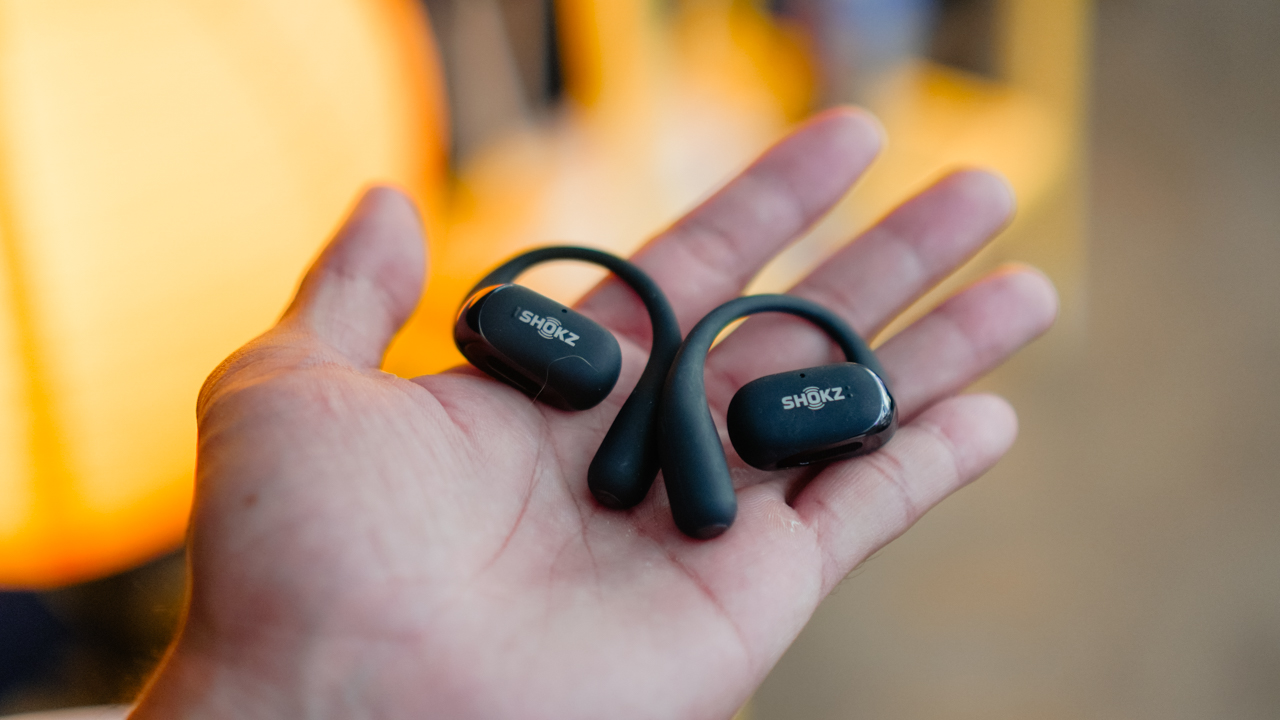
Even your hydration vest becomes a test of patience. Yet the OpenFit 2+ stayed soft, even during the sweatiest sessions. Their ultra-soft silicone 2.0 material feels like it was designed by someone who has actually suffered through humid outdoor runs.
The nickel-titanium hooks mold themselves to your ears like muscle memory. They adapt to you without asking you to adapt to them.
During my long solo runs — and these truly are solo because I can’t stand running with a group — the OpenFit 2+ stayed with me. They stayed in place through deadlifts at Anytime Fitness during peak hours in the evening.
They stayed with me through slow, frustrating MotoTaxi rides, where your only job is to survive the traffic and not lose your patience. And then one day, they didn’t.
The heartbreak of losing one half of a perfect pair
I had finished a long ride on a MotoTaxi. I removed my helmet and felt a strange lightness on my right ear. Not the peaceful kind. The “something-is-missing” kind.
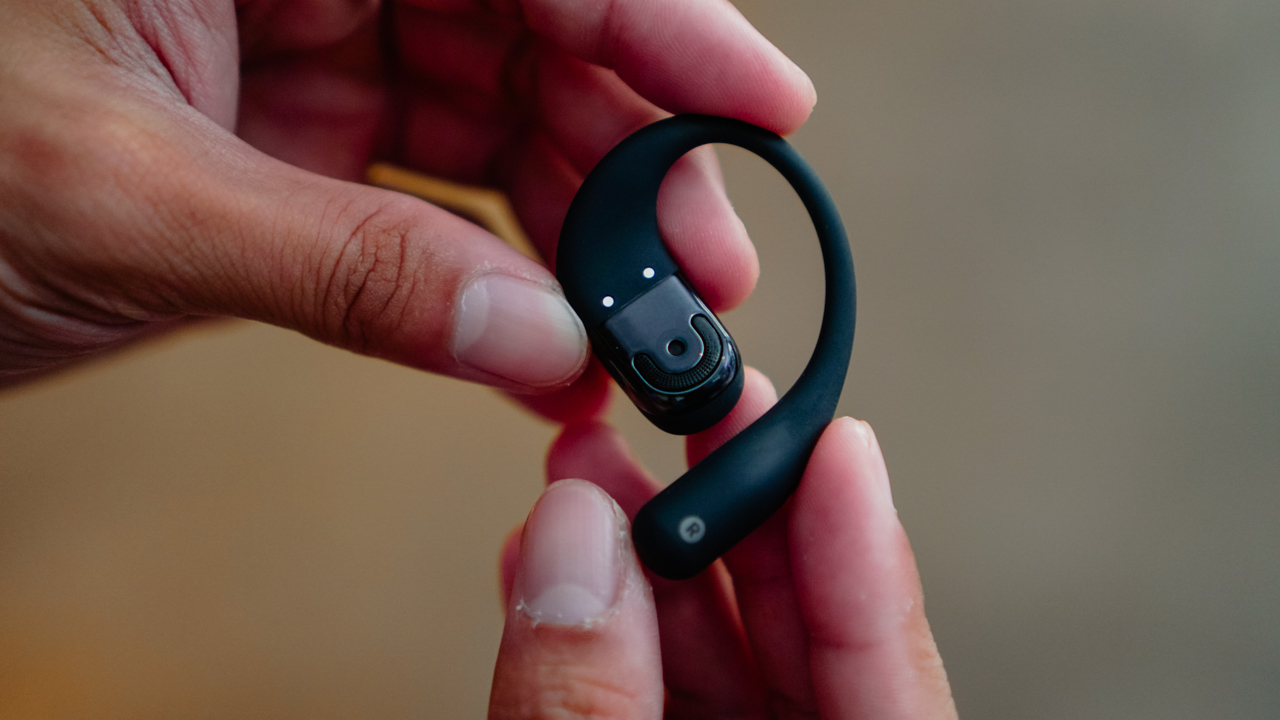
My right OpenFit 2+ had fallen somewhere along the way. I retraced my steps like a detective in running shorts. I scanned the pavement, checked the corners, and prayed it had simply slipped somewhere. But… nothing.
And to make things worse, the battery had already died. The app could not reconnect. My tracking option was gone. The trail had gone cold.
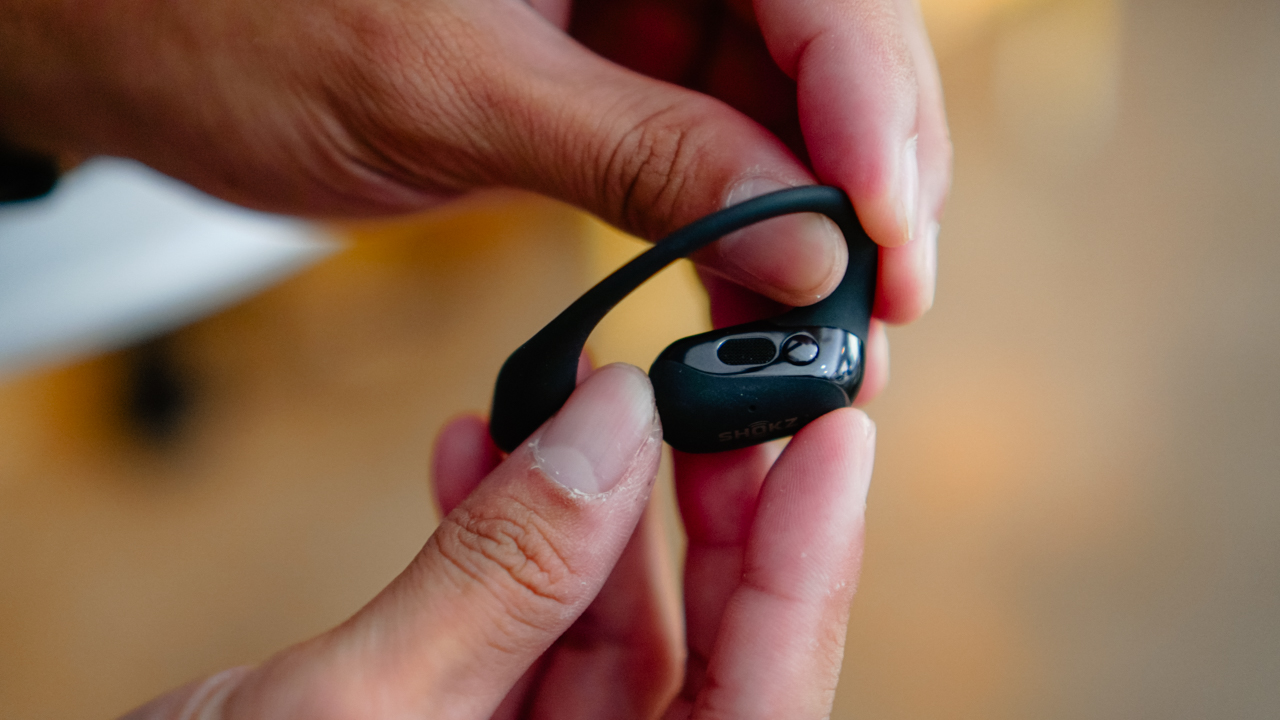
The loss felt strange. Not dramatic, but emotionally inconvenient. Like when you lose a water bottle on a long run and pretend you don’t care until you realize you’ll think about it for days.
I tried other earbuds the next morning. It felt wrong and empty, so I got a new pair. Sometimes, we do not choose our attachments. They choose us.
Long runs and long hours
People imagine endurance athletes as superhumans, but the truth is we spend half our lives managing energy. Training teaches you that effort is currency. You cannot spend it carelessly.
Which is why I appreciated the OpenFit 2+ battery life more than I expected. My usage pattern is predictable. I run, work out, commute, and move between meetings. And still, it takes me a full week before the earbuds reach zero and ask for mercy.
Each pair lasts up to 11 hours of playtime. With the case, you get around two days, sometimes more. It reminded me of how endurance athletes stretch every calorie on race day.
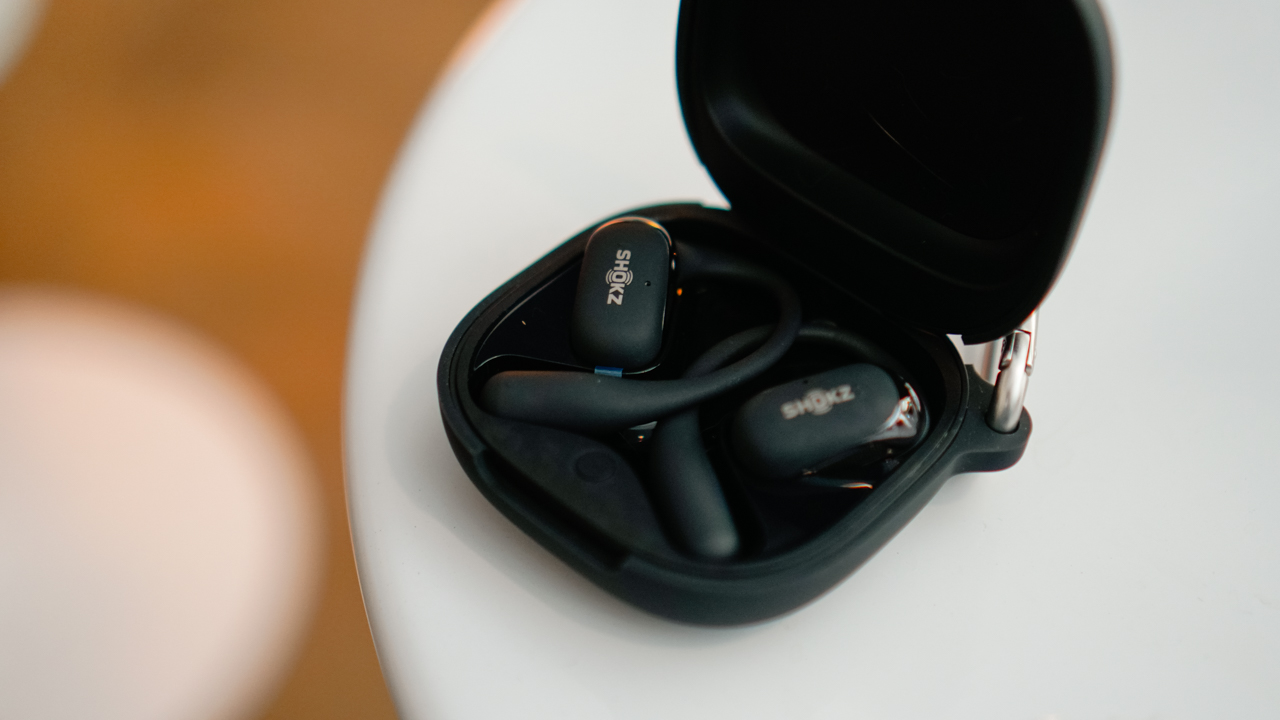
Efficiency becomes instinct. You learn to conserve and push only when needed. The OpenFit 2+ works the same way. They’re generous with energy when you ask for it, and thoughtful when you don’t.
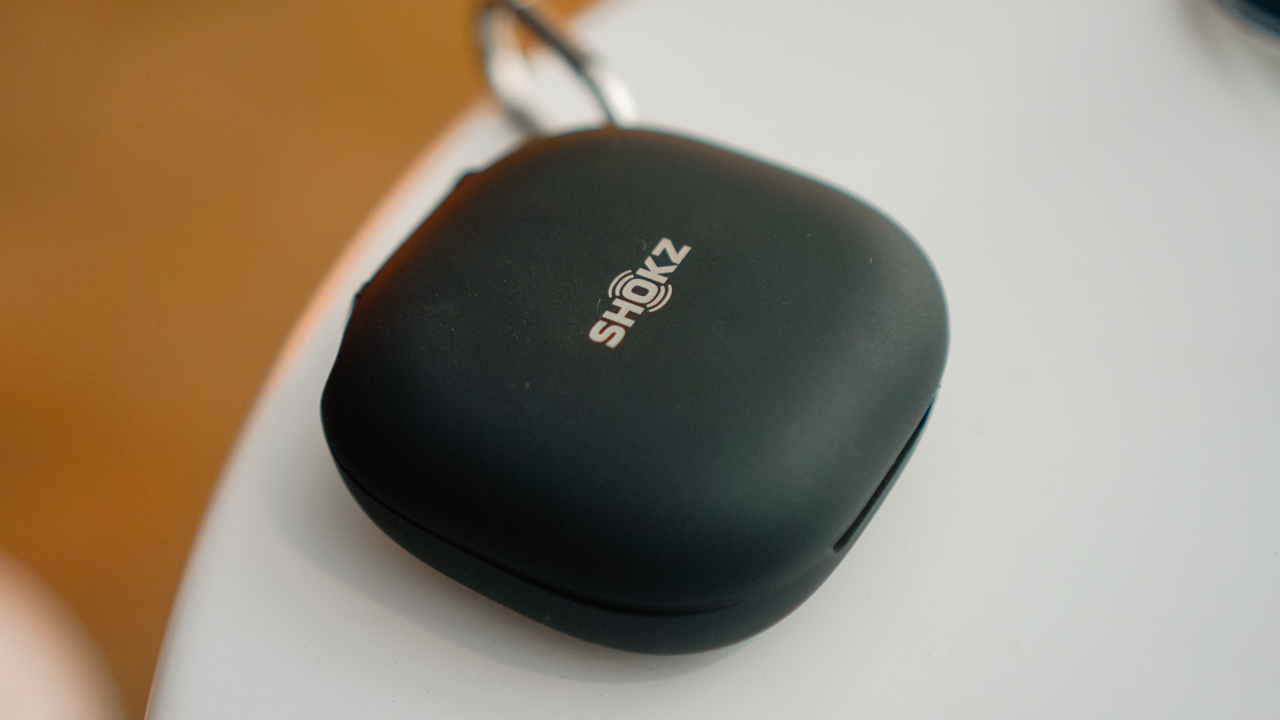
My only real gripe is a funny one. When the earbuds are inside the closed case, my iPhone sometimes decides it is still connected.
Imagine scrolling through TikTok and hearing nothing, only to realize your earbuds are quietly vibing inside the case. Not ideal, but manageable.
But every morning, they connect quickly. I leave the house, play “Maneater” by Nelly Furtado, and let myself strut down the hallway like it’s a runway disguised as daily life.
A soundtrack that made the miles feel lighter
The best thing about the OpenFit 2+ is not the volume, or the clarity, or the surprisingly balanced bass. It is the feeling it gives you.
At moderate volume, the audio wraps itself around your day like a soundtrack in a coming-of-age movie about an endurance athlete with questionable life choices and a stubborn heart.
My Spotify algorithm is as messy as my mind. Show tunes. Rock. Lofi beats. Taylor Swift. Ariana Grande. Olivia Rodrigo. Olivia Dean. Sabrina Carpenter.
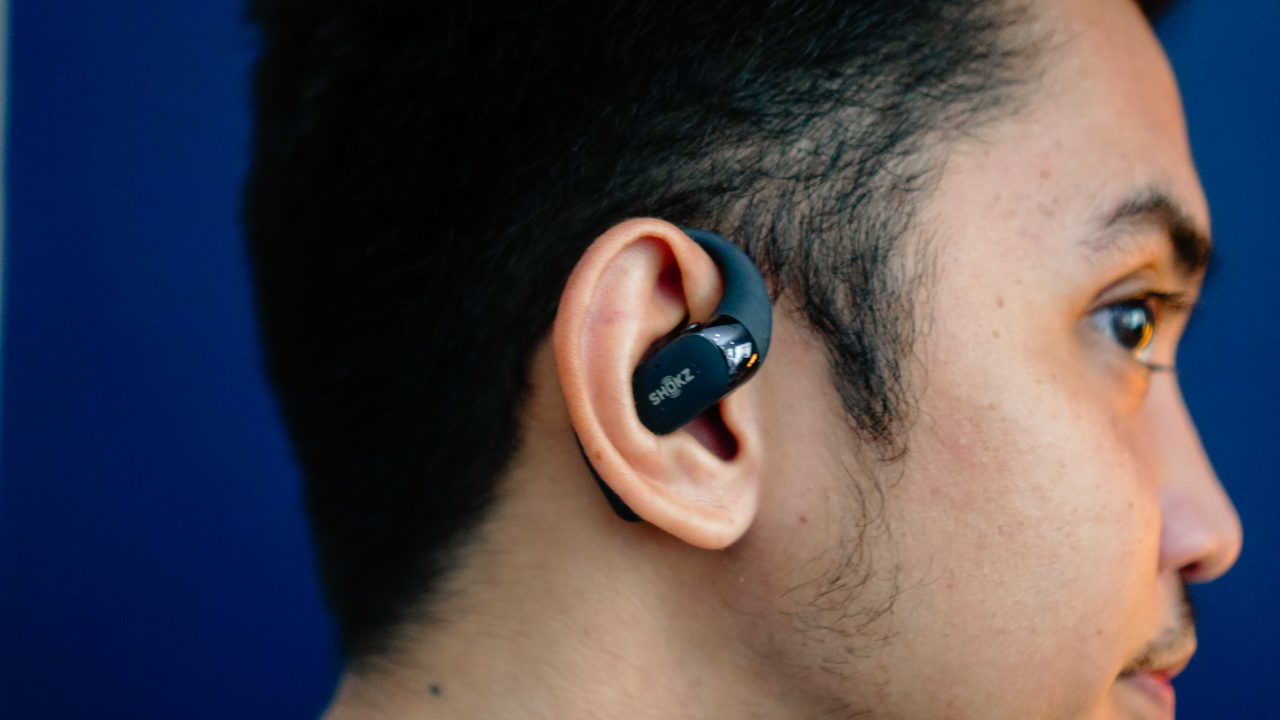
It is a circus, and yet the OpenFit 2+ handles everything like a concert.
Running with them feels like training inside a music video. The world stays audible, but your flow becomes heightened. You can hear the cars, the dogs, the wind, your breath, and still lose yourself in the melody because it frames the run without overwhelming it.
Turning the volume too high can sound cranky, but this is not the device for noise cancellation addicts. This is for runners. Lifters. Commuters. People who need to stay present.

And when it comes to calls, the OpenFit 2+ performs better than many in-ears. I once attended a meeting while running — yes, running — and no one noticed the traffic, the footsteps, or my heavy breathing.
My colleagues said the audio was clean. Maybe they were not paying attention. Maybe the noise-cancelling mics are that good. Either way, I survived both the meeting and the run.
Tools that stay out of your way
The Shokz app is simple enough to complement your routine without distracting you.
You can adjust EQ, customize button controls, switch between Bass Boost or Vocal mode, or toggle Dolby Audio when you want your life to feel cinematic.

Multipoint pairing is smooth, especially when switching between a smartphone and a smartwatch. But the true beauty of the app is that it never feels like homework.
With the OpenFit 2+, life always comes first, music second. It becomes the soundtrack of grocery runs, slow walks, errands, and morning routines.
You start to feel like the protagonist of a charming 90’s romcom wandering through cobblestone streets even when you are just crossing the street to buy electrolytes.
Is the Shokz OpenFit 2+ your GadgetMatch?
The Shokz OpenFit 2+ is not for everyone.
Open-ear earbuds require a lifestyle that benefits from awareness and movement. If you stay indoors or prefer complete isolation, you will not enjoy them. You may even find them strange, like many do at first glance.
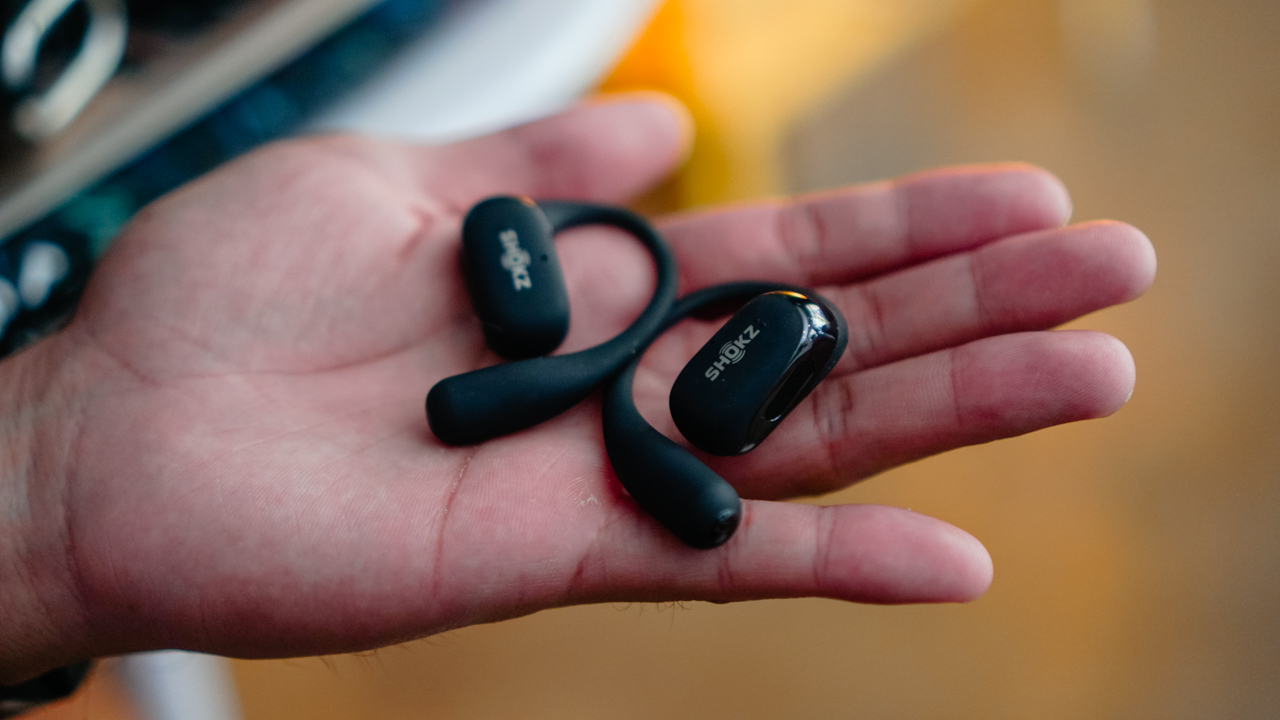
If you want awareness but in a different form, the Shokz OpenDots One might suit you. It clips onto your ear like jewelry and offers a similar open-ear experience. If that is the vibe you are leaning toward, it is time to Swipe Left.
The OpenFit 2+ is for people like me. The ones who train and the ones who move. The ones who sweat through sessions and still have a full day ahead of them.
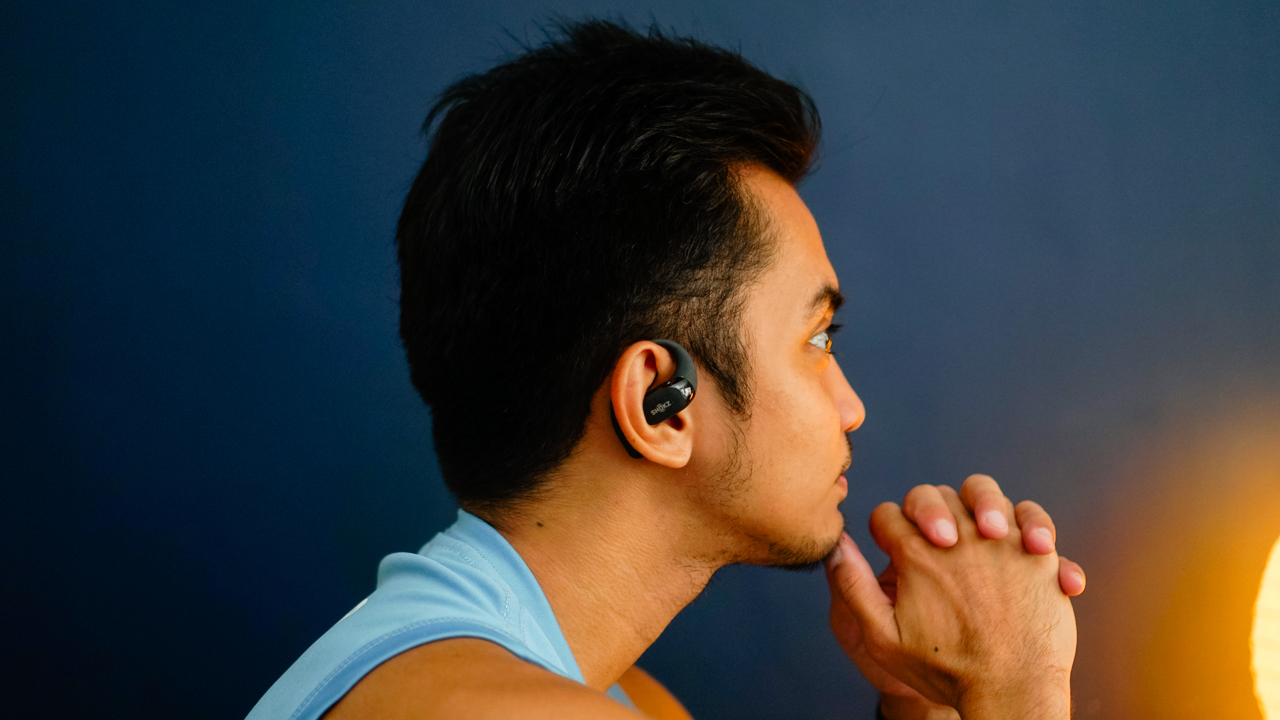
It is for people who want comfort, durability, awareness, and audio that levels up their way of life. Sounds like you? Then it’s a Swipe Right.
At PhP 11,990, it feels like a steal when you consider how much higher other open-ear wearables cost for similar quality. For me, it is a Super Swipe. It earns the GadgetMatch Seal of Approval.
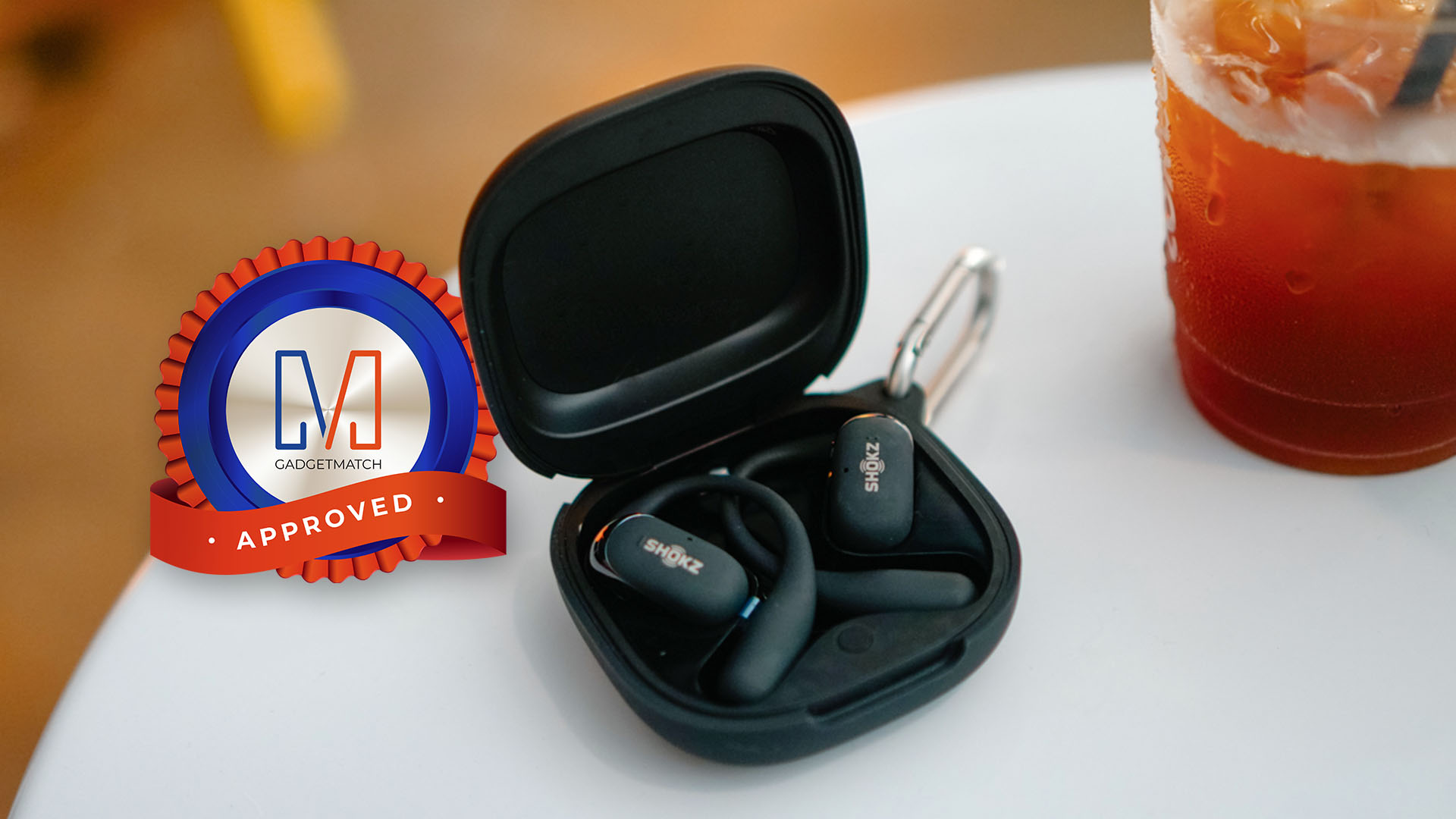
More importantly, it has earned a place in my life longer than any other open-ear earbuds I have owned. Long enough that when I lost one pair, I got another. That alone tells the full story. You know it: This is my GadgetMatch of the year.






Lifestyle
Nike’s Alphafly 4 is built for the part of the marathon ~that actually hurts~
Made to protect your stride when fatigue sets in.
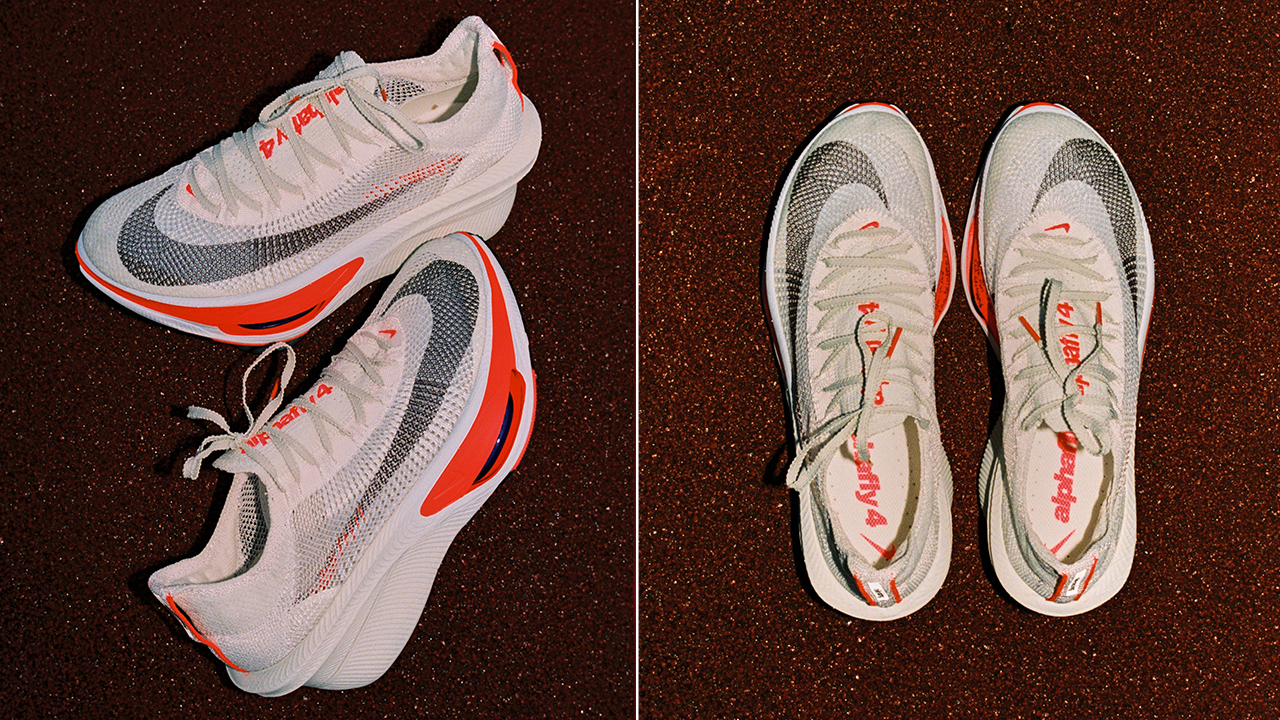
Every marathoner knows the exact moment the race truly begins.
It’s not at the starting line amidst the early morning excitement, but around the 32-kilometer mark, when your legs begin to feel heavy and your form starts to fall apart.
Nike designed its latest marathon racer specifically for that critical window. The Alphafly 4 shifts the focus away from chasing sheer top-end speed, targeting instead the physical breakdown that happens late in a long run.
By studying how fatigue alters a runner’s mechanics over time, Nike rebuilt its flagship distance shoe to help athletes maintain their stride when energy starts to dip.
Holding the line when fatigue sets in
On the road, the shoe operates as a complete, unified system designed to protect your stride.
A redesigned Atomknit upper wraps the foot with breathable support, using targeted midfoot cables and an integrated heel unit to keep your fit secure without adding unnecessary weight or friction over long distances.
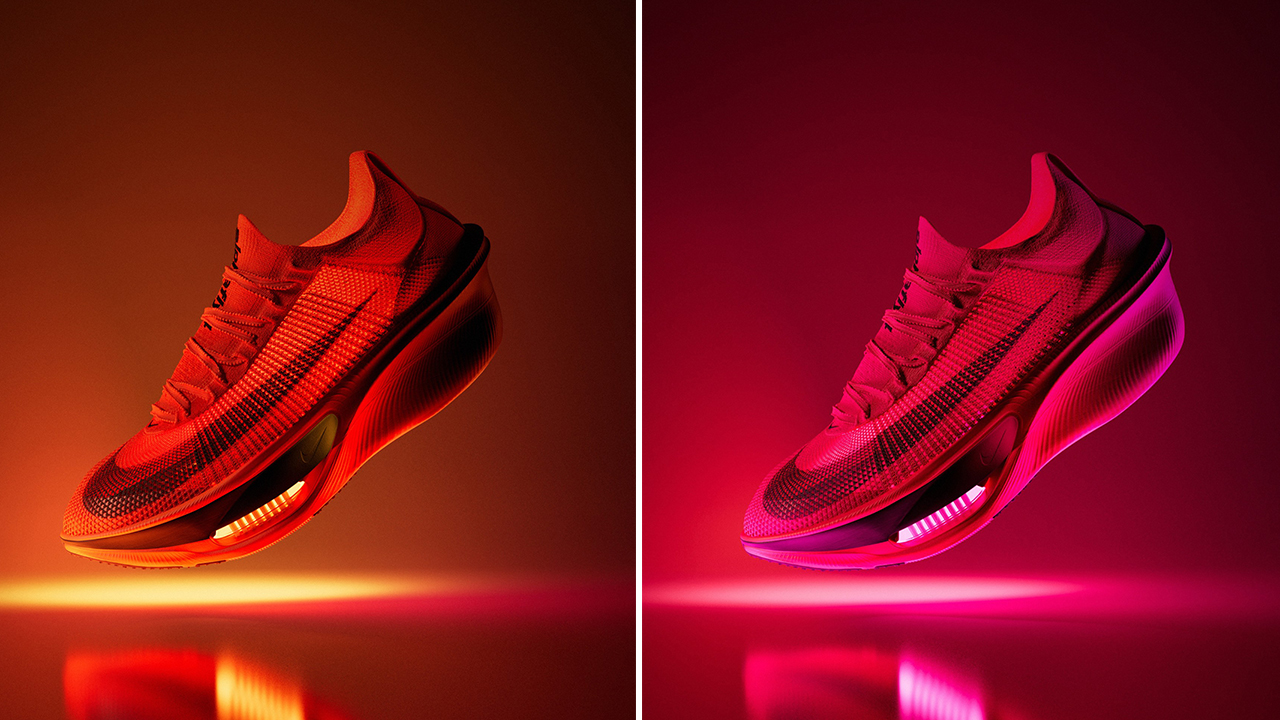
Underfoot, the new ZoomX LT foam layer works alongside Nike’s contoured carbon-fiber Flyplate. The lighter foam returns maximum energy with every footfall, while the plate smooths out your rolling motion.
Together with dual forefoot Air Zoom units and a durable Fast Shot outsole, the setup keeps your cadence consistent and your legs feeling fresh well into the back half of the race.
As Emily Farina from the Nike Sport Research Lab notes, their goal was to help runners stay confident, balanced, and capable from the start line all the way to the finish.
Built on the miles that came before
That focus on real-world endurance stems directly from athlete testing.
Nike developed the shoe using feedback from its Project Dreamweaver initiative and extensive trials with women distance runners, prioritizing stability and comfort alongside high performance.
The lineage carries significant weight. The Alphafly family has grounded some of distance running’s greatest moments, from historic sub-two-hour efforts to major course records.
With the Alphafly 4, that legacy translates directly into everyday marathon training, helping athletes hold their target pace just a little bit longer. Marathoners won’t have to wait long to feel the difference on race day.
The Nike Alphafly 4 drops in an early, limited release on September 17 at nike.com, followed by a wider global release on October 29 online and at select retail stores.
Entertainment
SEGA, Netflix announce Crazy Taxi film adaptation
1st in planned slate of film adaptations, including Sonic and STRANGER THAN HEAVEN


SEGA and Netflix have announced a new Crazy Taxi film adaptation. This will usher in a new collaboration era with the parties also developing adaptations for Sonic and STRANGER THAN HEAVEN.
Such a slate of future adaptations reflects the range of SEGA’s library as it draws on Netflix’s experience bringing beloved game worlds to new audiences.
The first project features Crazy Taxi, which will be written by Dan Gregor and Doug Mand. The beloved writing duo was behind the 2025 reboot of The Naked Gun.
Also on board to help helm the production are the same visionaries behind the Sonic franchise: Neal H. Moritz, Toby Ascher, and Toru Nakahara.
Crazy Taxi has been an arcade hit since 1999, putting players behind the wheel of a fearless cabbie racing the clock through chaotic city streets.
There’s flying off ramps, dodging traffic, and chasing tips with punk-rock energy that has become the series’ signature.
The latest title in the franchise, Crazy Taxi: World Tour, is set for a 2027 release. You can watch its trailer below:
Entertainment
Now Playing: Resident Evil
Horror and comedy join forces in Zach Cregger’s latest masterpiece.


The intersection between horror and comedy is separated by a thin wall of air. In modern times, we’ve seen comedy legends, such as Jordan Peele and John Krasinski, make the successful jump into horror. Some have theorized that laughter is a pain response, which links it to the adrenaline-filled thrill of experiencing horror. Personally, I believe that mastering comedic timing also complements the timing of scary moments in horror. Comedy-trained directors just get it. That’s why the melding of the two genres is always something to look for, and that’s why Zach Cregger’s Resident Evil is a must watch.
Coming from last year’s Weapons, Cregger established himself in the annals of horror history, despite learning the art of filmmaking from cult comedy classics like Miss March and The Whitest Kids U’Know. Weapons (and Barbarian before it) expertly balances the essentials of horror with dark comedy. If you’ve seen either of these movies, then you know what you’re in for with Resident Evil.
Based on the games or the past movies?
Resident Evil is tagged as second reboot of the movie franchise after 2021’s disastrous attempt, starring Kaya Scodelario, which barely registered a hiccup in the oeuvre of Resident Evil films. However, like 2021’s failure, Cregger’s take bases itself primarily on the events of the games, specifically around the plot of Resident Evil 2.
Bryan, a medical courier played by Austin Abrams, is tasked with delivering a top-priority package to Raccoon City. Unbeknownst to him, the way leading into Raccoon City (and the fabled city itself) is already overrun with mutated monstrosities.
And so, Bryan, a courier inexperienced with combat (much less surviving against zombies), must fight his way into the city to deliver his charge.
A worthy protagonist
Over the years, the franchise has seesawed between capable action heroes, like Leon Kennedy, and those who can barely survive, like Biohazard‘s Ethan Winters. On that scale, Bryan falls deeply into Winters’s side of the spectrum. He’s ill-equipped to survive a zombie apocalypse. He even admits that his barebones knowledge of guns comes from videogames. He attempts to shoot locks, thinking they’d work as they do in games. He is not a character you’d want to follow if you’re looking for a gruff man gunning down hordes of zombies with a machine gun.

But that’s exactly what makes this horror film worth watching. Bryan is us. Though there were times I was screaming at the screen because he wouldn’t do the obviously logical thing of running away from blatant traps, our fragile protagonist mimics how we would all react in a horrific situation: a deer in the headlights stuck staring.
Every situation feels more frightful. You don’t know how you’d react. He doesn’t know how he’d react. We’re just stuck trailing along for his ride. If he lingers too long looking at a zombie about to bite him, you have no choice but to look along with him. As a horror protagonist, he’s perfect.
When a camera does the work
Of course, inept protagonists aren’t new to horror. Practically all good horror films will feature a helpless hero standing up to the monster. See: the “final girl” era of horror.
Resident Evil elevates this trope by allowing the camera to do the heavy lifting. The film’s expert transitions into first-person perspectives and over-the-shoulder ones amp up the frights. When Bryan sweeps a room with a gun, the camera takes you down to the muzzle. You become the one sweeping along with him. You see the darkness as he does. The style creates an impressive layer of immersion that brings you into his trauma. Plus, if we’re going with comparisons, the transitions feel like a game taking you from a cutscene back into control of your character.
And it’s not just the perspectives, too. The film mimics several tense moments oft found in horror games, like gingerly creeping through a thin ledge when one false move can mean plummeting to your death. Resident Evil also has scenes in a dark tunnel, the sewers, and an overrun hospital. It’s a veritable who’s who of horror settings. But they all just work. It’s like you’re in a Resident Evil game.
When goofy becomes scary
But that’s enough of how the movie was made. How scary is it?
Taking them from their respective contexts, each monster is goofy. There’s an infirm zombie spewing acid bile that Bryan just bullies around. There’s a seemingly innocent young girl with a tentacle foot. There’s a zombie katamari.
And if that’s not enough, the casting is filled with masters of comedic timing like Paul Walter Hauser, Zach Cherry, and Austin Abrams himself. The first two play bumbling representatives of Umbrella Corporation, people who are too incompetent to do their job. Abrams is the bumbling everyman who can’t make heads or tails of what’s happening. Comedy is a living, breathing presence in this film.
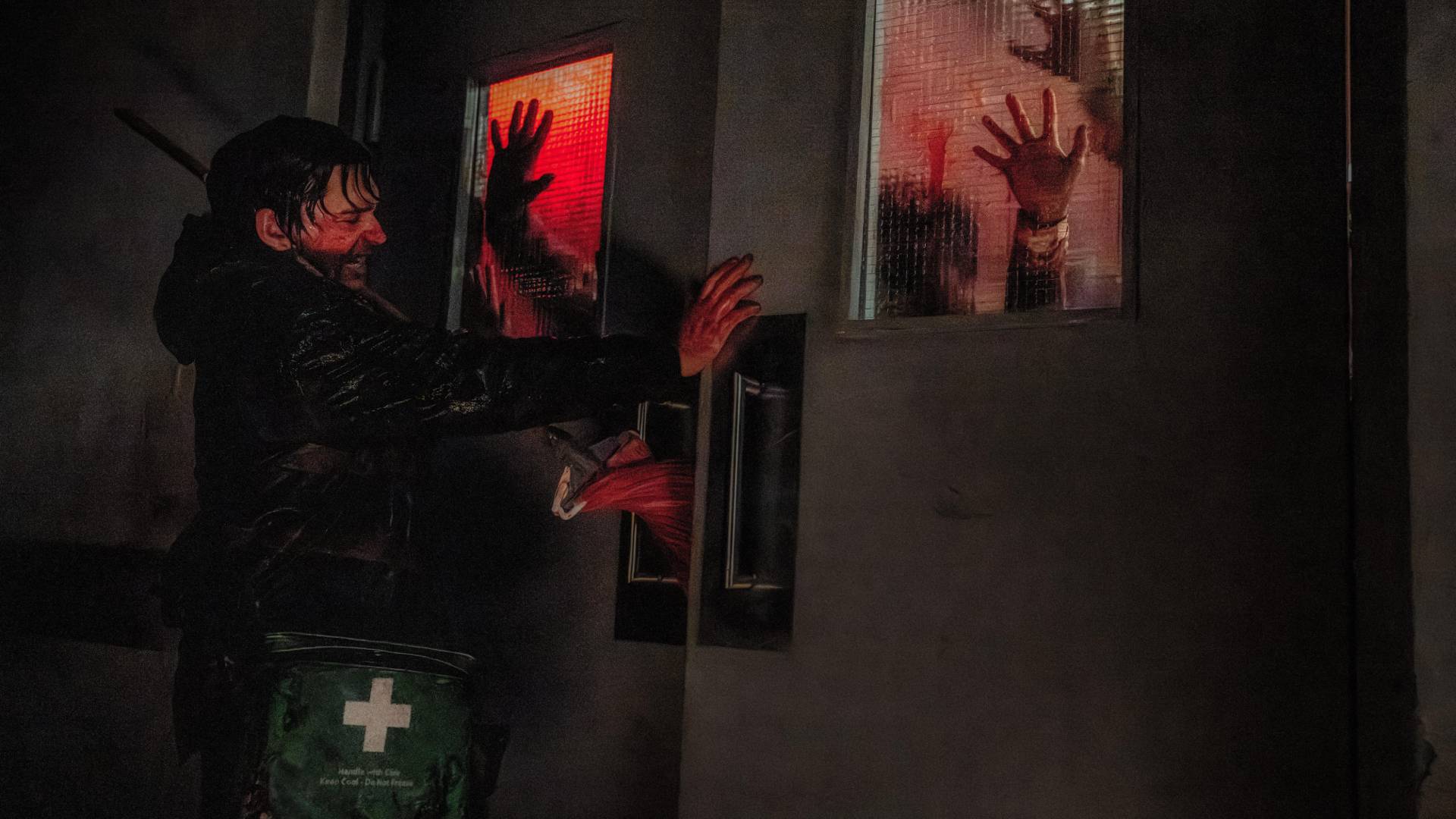
But that’s not to say that this is a comedy film. The horror is still top notch. Cregger just knows how to time everything right.
Unlike modern films today, like in The Conjuring universe, Resident Evil is not a scare-a-minute film. It will not bombard you with jumpscares.
Now, to be fair, there are a fair bit including fakeouts. In fact, under normal circumstances, I’d dislike how many there are. But here, each jumpscare comes with a lengthy period to catch your breath. The film gives you time to relax, to laugh, and, eventually, lower your guard for the next scare. It’s a balanced pace that’s kept up throughout the entire film.
This is exactly how you should pace a horror movie.
Should you watch Resident Evil?
Even with its uniquely comedic style, Resident Evil is one of the most faithful adaptations of a video game I’ve ever seen. Like a game, Cregger’s pacing knows when to let you, the viewer, breathe and when to thrust you back into its monstrosities.
Humor will always go hand in hand with horror. Though the responses to these two categories are technically different, they’re both genres about facing the unexpected. On the box, Resident Evil says that it’s a horror film, but it’s so much more. If you want to laugh, cry, and cower in fear all in the same movie, this is the movie to watch.


DJI Lito X1 review: Is this the best lightweight drone for creators?
Making a strong case as a travel companion and a capable B-cam!


REDMI Note 17 Pro Max review: A new breed born from AI greed
Welcome to the new normal


Marvel’s Wolverine review: When the claws come out
A brutal, cinematic superhero adventure

Epson Lifestudio Grand Plus EH-LS970B with 4K projection, more launches

Jackery Explorer 300D: Power and portability in one

Nike’s Alphafly 4 is built for the part of the marathon ~that actually hurts~

SEGA, Netflix announce Crazy Taxi film adaptation

Smart launches LiveSmart App for exclusive deals

TECNO MEGAPAD 2 review: Eyes on the size

realme 16T 5G with 8000mAh battery, IP69 Pro rating launches in PH

HUAWEI Pura X View is 2026’s first WIDE slab-type smartphone

REDMI reveals the refreshed Note 17 and Note 17 Pro series

REDMI Note 17 Series: Price, availability in Singapore


-
 News2 weeks ago
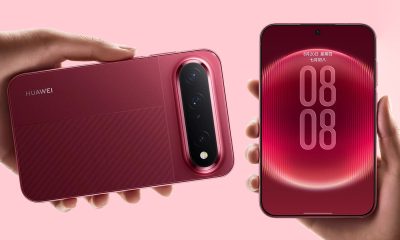
HUAWEI Pura X View is 2026’s first WIDE slab-type smartphone
-

 News2 weeks ago
The CAMON Slim 5G is TECNO’s latest ultra-slim smartphone
-
 News1 week ago
iPhone 18 Pro series: Price, availability in the Philippines
-
 Singapore1 week ago
iPhone 18 Pro series: Price, availability in Singapore
-

 News1 week ago
iPhone Duo: Price, availability in the Philippines
-
 News2 weeks ago
HUAWEI Mate XT 2 tri-fold launches with Kirin 9050 Pro
-
 News2 weeks ago
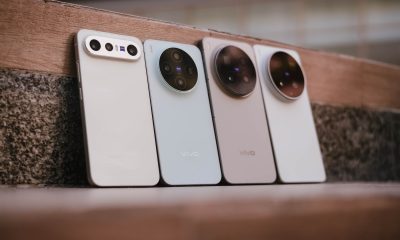
vivo introduces refurbished versions of X300 FE, X300 Ultra for less
-

 News1 week ago
iPhone Duo: Price, availability in Singapore