


Gaming
ASUS ROG Phone review: A true gaming phone done right?
Undeniably a phone built for mobile gamers

Finally, the ROG Phone from ASUS is out in the market! We first saw the gaming smartphone back in Computex 2018 last June, and we waited a long time (four months to be exact) to take one home.
We received a lot of questions about this phone. Is it the best gaming smartphone today? How is it different from other flagship phones with similar specs? And, how much value are you getting out of it?
To answer all those, here’s my review of the ROG Phone. You know the drill, let’s start with the phone’s physique.
Its AMOLED display measures 6 inches diagonally

With a Full HD+ resolution and 18:9 aspect ratio
It features stereo front-facing speakers

It’s not exactly borderless, but you get great loudspeakers
The physical buttons are on the right side

They are made of metal
The left has the card tray and side-mounted USB-C port

The phone doesn’t support expandable storage via microSD
Another USB-C at the bottom along with a 3.5mm jack

This phone doesn’t sacrifice wired connectivity
The back looks aggressive with the ROG logo

The logo lights up!
The phone is pretty angular with lots of unusual shapes

The ROG persona goes mobile
In case you’re wondering what ROG means…

It’s definitely for gamers
There are two rear cameras and a fingerprint reader

Almost forgot about those!
Obviously designed with gaming in mind
One look at the ROG Phone and it already screams that it’s a gaming smartphone. Unlike other game-centric phones from Honor and Razer which have subtle gaming looks, the ROG Phone belongs with the rest of the ROG laptops and peripherals that are made by ASUS.
When there are a number of phones on the table like in our office, it’s not difficult to differentiate the ROG Phone from the rest. The front of the phone has a distinct copper accent on its front stereo speakers, and the back is uniquely ROG. If you own an ROG laptop or desktop and use ROG-branded peripherals, the ROG Phone should be part of your collection.

Like with other 2018 phones, the ROG Phone has a glass back using Corning’s tough Gorilla Glass. Don’t expect things to be symmetrical here because the dual rear cameras and the LED flash are housed in an unusual shape. Even the fingerprint reader is slightly positioned to the right of the phone, but don’t worry, it’s still reachable using either index fingers.
The ROG Phone’s bold design doesn’t end there. The back also has a futuristic styling using lines and an ROG logo that lights up in virtually any color you want. To top things off, the phone even has an exterior for its cooling system.

Encased in a metal frame, the ROG Phone is premium all around. It certainly feels more well-built than its ZenFone cousins. But of course, the loud design is not everyone’s cup of tea. Some gamers might even find it too much, but ASUS is not following Razer’s design choices.
Apart from the phone’s body, there is also a lot to talk about the phone’s display. The 6-inch display is not just your ordinary AMOLED panel. Apart from producing deep blacks and vibrant colors, the display is capable of a 90Hz refresh rate with 1ms pixel response time. Basically, you can play with the phone in uber-smooth motion. On top of that, it supports HDR and has a wide color gamut that’ll please professionals.
The fastest Android gaming phone today
The ROG Phone is powered by a Snapdragon 845, which is practically found on all high-end Android phones that came out this year. To place this gaming smartphone ahead of them, ASUS threw in an overclocked variant of the already-powerful chip and paired it with lots of memory and speedy flash storage. The result is one of the fastest Android phones available today.
Android Oreo runs the show, but it’s customized by ASUS to make it one of their own. Being an ROG device, it comes with a combative theme. Turning on the “X Mode” will even make everything red, which means that the ROG Phone is performing at its peak.

Like with ROG notebooks and desktops, the phone has a command center where you can closely monitor the phone’s condition. The Game Center is as aggressive-looking as the phone’s body. Here you can check the CPU and GPU speeds, the battery’s temperature and remaining power, the setting for the RGB light customization, and the fan speed control for the external cooler.

The configuration I have for review has 8GB of memory and 128GB of storage. If you find 128GB not enough for all your games and personal files, there’s also a 512GB model. Without a doubt, the ROG Phone is insanely fast. Coupled with a 90Hz display, this will be your smoothest Android experience. The 120Hz display of the Razer Phone 2 is more fluid, but the eyes can already appreciate what the ROG Phone has.

Keep in mind that not all games take advantage of the high refresh rate, but popular titles already do. My all-time favorite, Asphalt 9: Legends, is more enjoyable when it’s rendered in 90fps. Other graphics-intensive titles like Free Fire (which comes pre-installed) is fully supported and PUBG: Mobile is playable in the highest settings without lag, as well.
Also, the AirTriggers, which are ROG’s virtual shoulder buttons, aid in mobile gaming. Basically, the sides of the phone are touch-sensitive. They are kind of gimmicky in a way because they are pretty difficult to reach during gameplay. When you get used to it, you’ll have an edge against other players using regular phones.
It even comes with fun cameras
The ROG Phone is not just fun in gaming, but it’s also a good picture taker. It won’t match the likes of the Pixel 3 and Mate 20 Pro, yet I am impressed with the phone’s cameras. Maybe because I wasn’t expecting it to be this good?
It’s got dual rear shooters. The main one is a 12-megapixel sensor with f/1.8 lens, optical image stabilization, and Dual Pixel autofocus. Of course, the phone’s camera is powered by AI that detects the scenes and adjusts the settings accordingly. Thankfully, there’s no over processing going on like with other AI-enabled shooters.
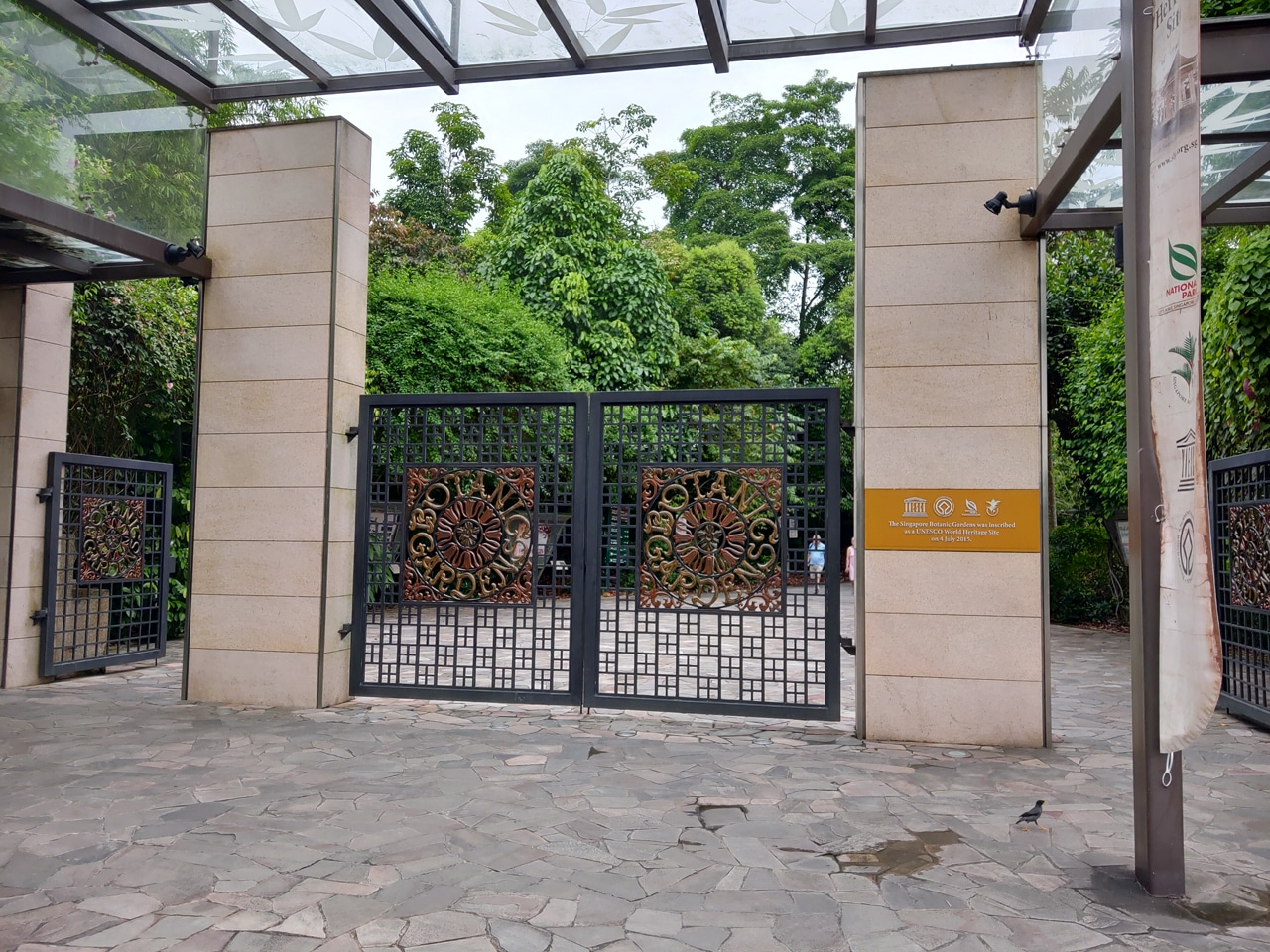
Here are some photos taken using the main sensor in Auto mode:







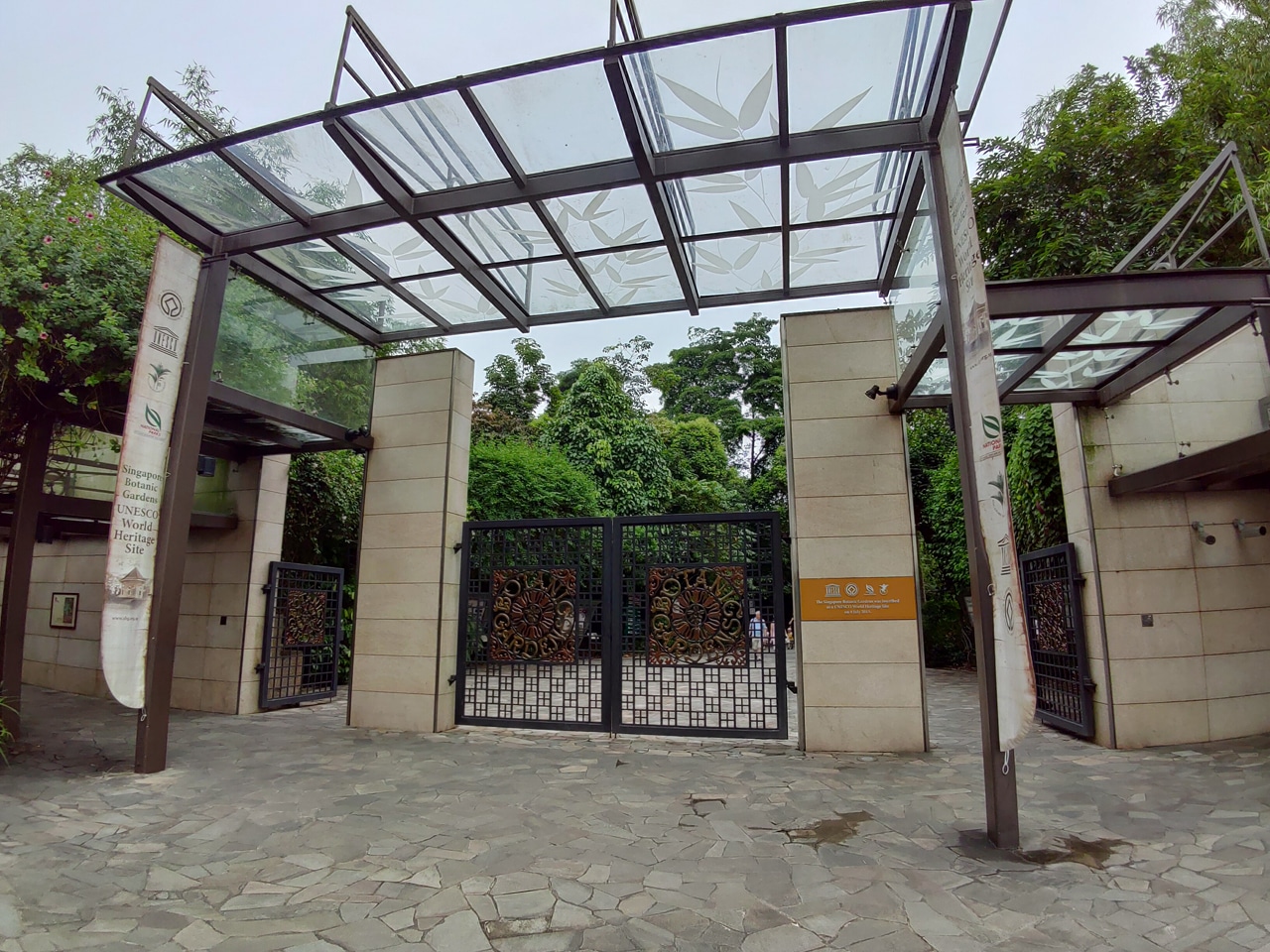
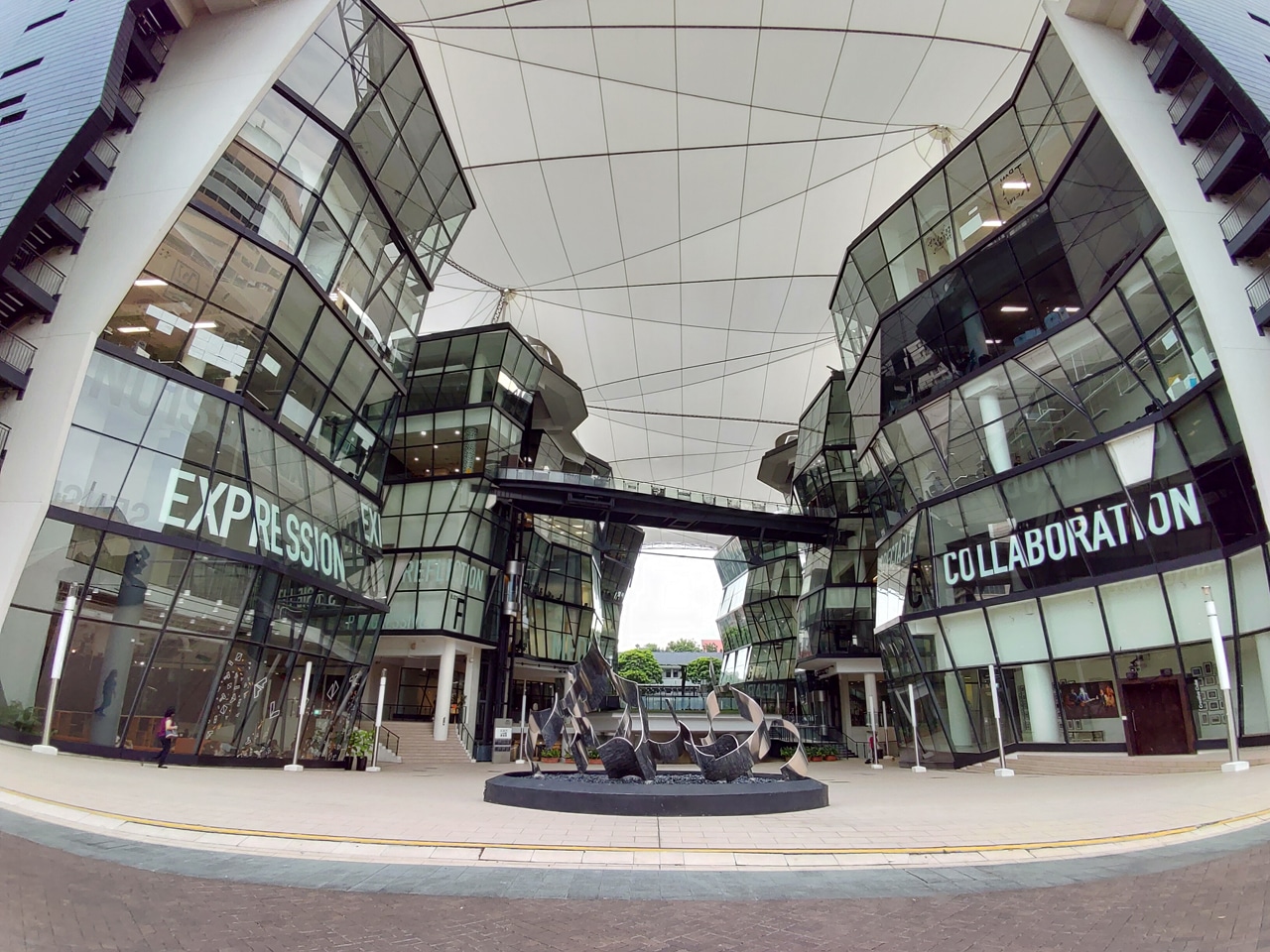
They aren’t bad, right? Although, ASUS didn’t put much attention on the 8-megapixel secondary shooter with an ultra wide-angle lens. I’m a fan of wide-angle secondary cameras, so I enjoyed shooting GoPro-like shots. Too bad it’s got no autofocus and the quality isn’t at the level of the main sensor.
Here are some samples taken using the main sensor and the wide-angle camera for comparison:
-

- Normal
-

- Ultra wide-angle
-

- Normal

-

- Ultra wide-angle

-

- Normal

-

- Ultra wide-angle
-

- Normal

-

- Ultra wide-angle

-

- Normal

-

- Ultra wide-angle

-

- Normal

-

- Ultra wide-angle

Moving to the front, we have another 8-megapixel shooter but it’s just wide enough to take spacious selfies. It comes with an f/2.0 aperture, so low-light shots shouldn’t be a problem — at least on paper. You can also apply bokeh effects to your selfies for added depth.
-

- No effect

-

- With bokeh

-

- With bokeh

-

- Low-light with bokeh

No one is buying the ROG Phone for photography purposes, but those who are interested in it will be able to take great photos. The use of an ultra wide-angle secondary lens is also a good choice by ASUS. Why? Because it’s more fun to take wide shots.
Incredible power takes a toll on battery
With all the features the ROG Phone has, a trusty 4000mAh battery keeps the lights on. But, it is enough? Based on my usage, no. If you wish to enable the phone’s highlighted features such as the 90Hz refresh rate, you should make sure to have a power bank around.
The phone didn’t last a full day as my daily driver. I usually get fewer than three hours of screen-on time. My usage includes typical work duties with the phone constantly connected to either Wi-Fi or LTE, and lots of gaming in X Mode.

When I set the refresh rate back to default (60Hz), I was able to get better battery life. The ROG Phone was my secondary device during my four-day business trip to Singapore and I only had to charge it twice. I mainly used the phone for taking photos, checking out web pages, uploading IG stories, and, of course, for playing mobile games once in a while.
Speaking of charging, the ROG Phone comes with a super-fast charger in the box. In just 15 minutes, I was able to charge the phone from zero to 26 percent. The charging rate slows down when you’re nearing 100 percent, so a full charge takes about an hour and 40 minutes. That is still very impressive, though.
Is this your GadgetMatch?
The ROG Phone is a premium device from ASUS with all the bells and whistles of a gaming smartphone. Some might argue that regular flagship phones are already good at gaming. Yes, that’s true but they are not meant for it. That’s where gaming smartphones, such as the ROG Phone, come in.
It has the fastest available processor, super-smooth refresh rate, loud front speakers, optimized software, and extra hardware features such as shoulder triggers and both passive and active cooling systems.

But, everything comes at a price. When the ZenFone 5Z came out earlier this year, we were in awe at how ASUS is offering a flagship-specced phone at an affordable price. It’s even cheaper than OnePlus in some regions, but not as affordable as a Xiaomi flagship. Things are different with the ROG Phone and ASUS is asking quite a lot of money for it, but at least it’s not your usual Android phone.
The ROG Phone has an official starting price of US$ 899 for the 128GB model. In the Philippines, it goes for PhP 49,995, which is not far from the international pricing. If you want more storage, you can get the 512GB model for US$ 1,099. You can also get the top-tier model for PhP 61,995 in the Philippines, SG$ 1,598 in Singapore, and NT$ 31,990 in Taiwan where it’s the cheapest.
If you wish to complete the set, the ROG Phone is being sold along with all of its accessories but the asking price puts it in the league of gaming laptops, so you might want to think carefully before purchasing any of them.







Gaming
Dune: Awakening makes it way to the PS5 and Xbox Series X
Surviving the harsh land of Arrakis one sandstorm and bloodlust at a time

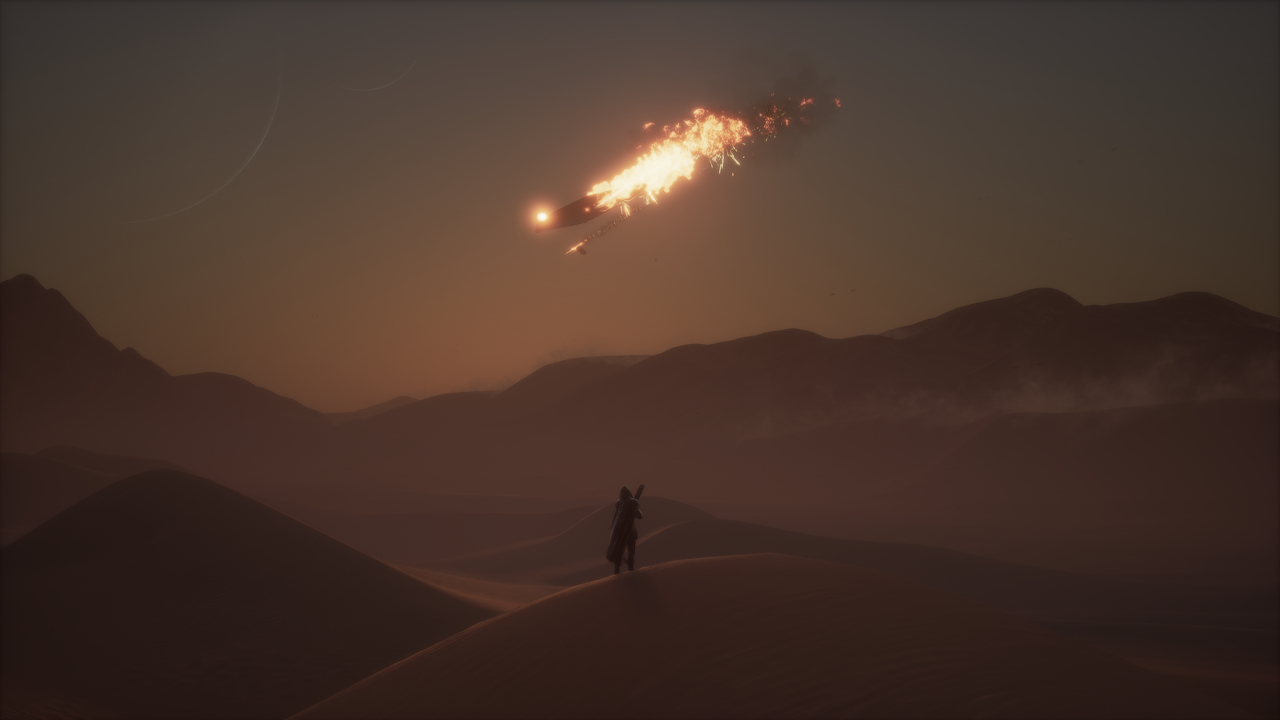
Back in June of 2025, Funcom released its multi-nominated open world survival game, Dune: Awakening. Inspired by the renowned movie franchise, the game takes place within the deserts of Arrakis as players survive and thrive through intense combat and strategic decision making. Now, in the big 2026, Funcom is finally bringing that experience to PlayStation 5 and Xbox Series X|S players as Dune: Awakening officially launches on console!
For the newbies finally getting it on console, here’s all you need to know:
Take the lead or do it together
Dune: Awakening takes you into the desolate land of Arrakis, and gives you the option to do it on Single Player or Multiplayer upfront. Through your own bidding in strategy, combat, and resource management, your goals are simple: survive the terrain, make more allies than enemies, and conquer the land through your affiliation to the powers that be.
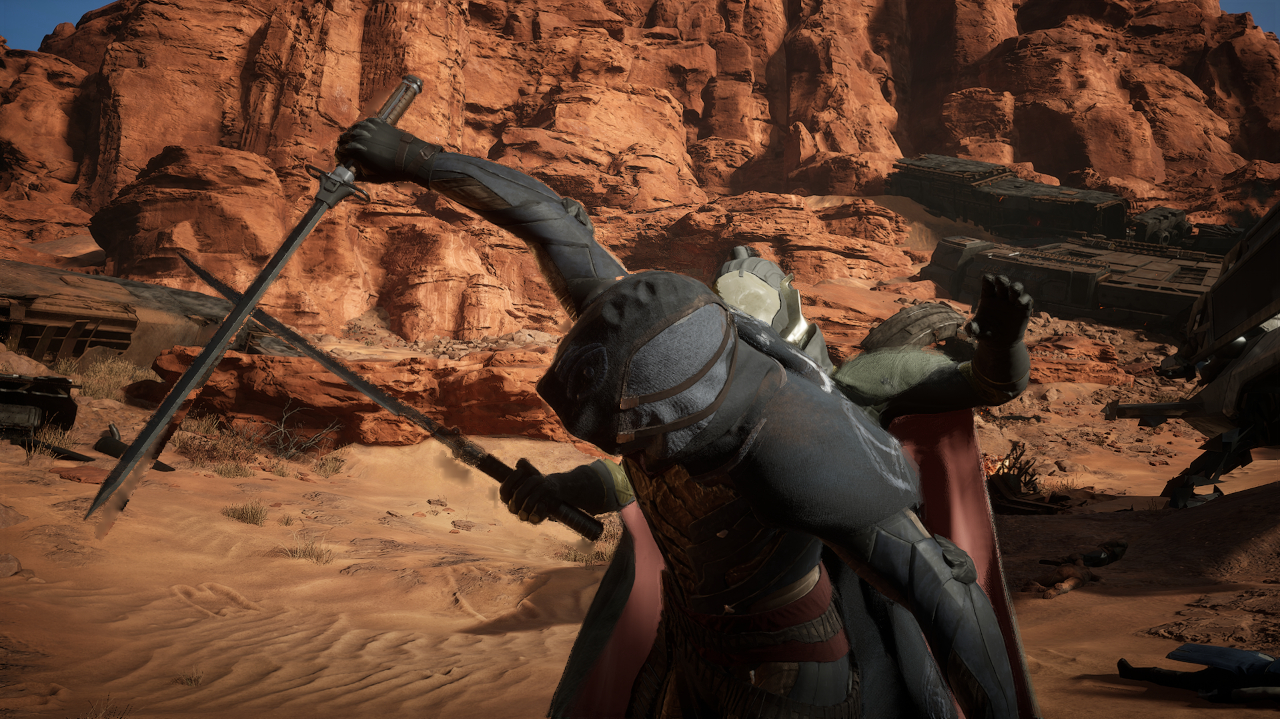
This version of the game is as exact and as one-to-one as it possibly could with the PC version released last year, down to the story arcs, quests, and PvE/PvP areas you take on. Since launch, Funcom has introduced new weapons, areas, and cosmetics through DLCs that will be available to console players, as well. Also, several key features in story and mission progression that have changed on the PC version will take into effect.
If you want to engage with multiplayer, it is still a viable option when you want to gather more resources and reinforce your bases against other players and the natural elements. However, you still won’t be able to host your own server on a console just yet, as it is more stable to do so on the PC version.
Become whoever and whatever to survive
Character customization became the game’s bread and butter through its extensively library of features and unique take on story progression. As you begin your journey, Lady Jessica welcomes you in and asks you on your origin story, mentorship, and initial skill set — all of which are to your choosing based on your play style. Honestly, none of these completely influence the difficulty in progressing the story too much but it will give you full control of the experience.
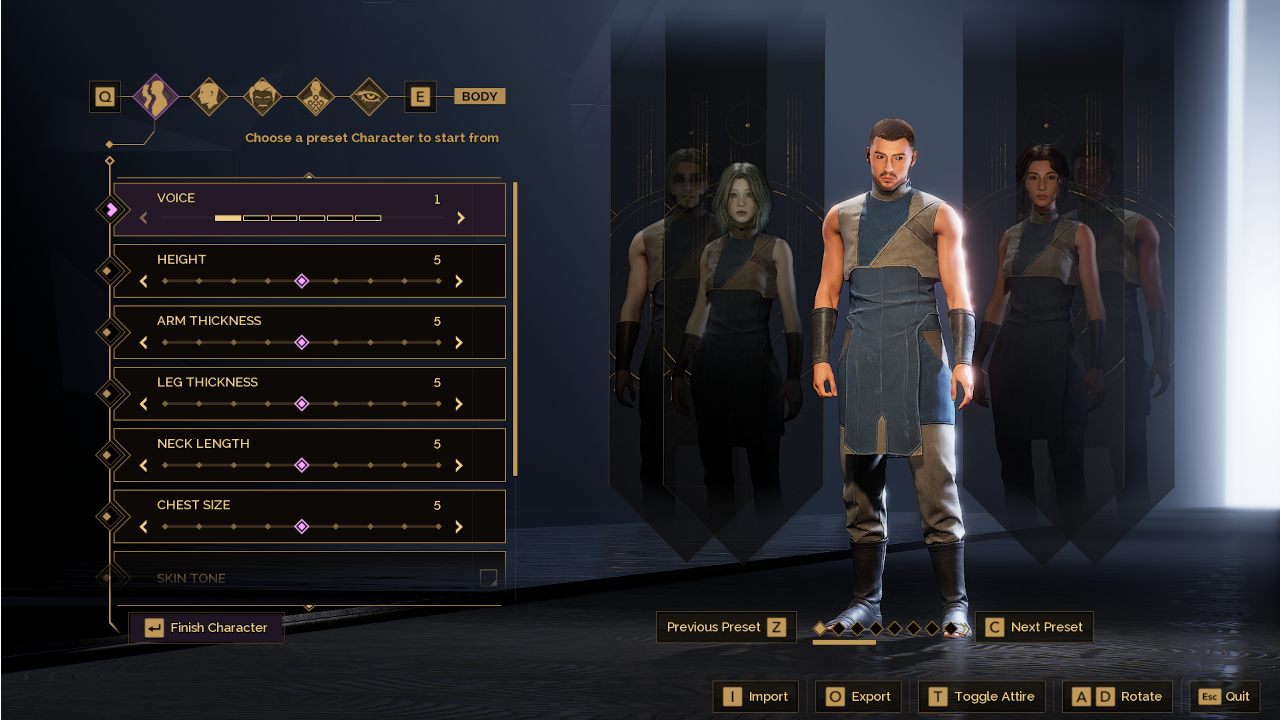
As you progress further into the game, you will unlock more skills and abilities to aid you in your quest for power and survival. These will help you earn XP, along with accomplishing tasks, gathering resources and researching newer technologies, plus engaging in combat both within the PvE and PvP areas. Ultimately, you and, potentially, other players must build enough rapport and influence to shape the world of Arrakis to your liking.

Consistent visual expectations
For most players on the PC version, graphical fidelity relied heavily on the hardware of choice. When transitioning the game into a console-friendly environment, Funcom worked out the details seamlessly by adding a Performance and Quality mode. In this fashion, you can opt for crystal-clear graphics at a decent 30 FPS or go for a constant 60 FPS to keep up with the action.
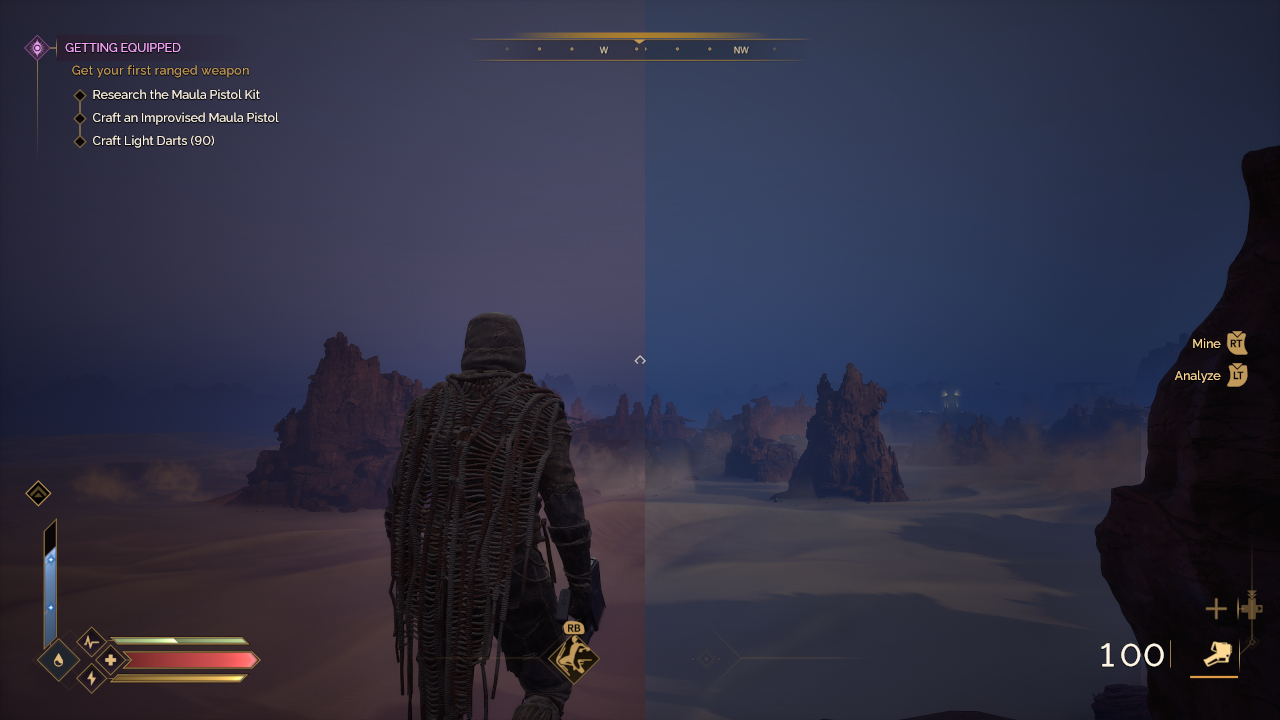
Left: Performance | Right: Quality
No matter which mode you choose, the overall visual identity of the game doesn’t change drastically. Environments look rich and vibrant, while the tiniest of details within character models are preserved. Although, given frame rate differences, rendering of background elements also reflects that but it won’t ruin the gaming experience.
Dune: Awakening will be available on the PlayStation 5 and Xbox Series X|S on September 22. For Xbox Game Pass owners, this will also be a Day One release with Play Anywhere support and cross-play within Xbox and PC players upon launch.
Funcom has also planned an exciting map update later this year plus potential DLC tie-ins to the upcoming Dune: Part Three theatrical release in December.

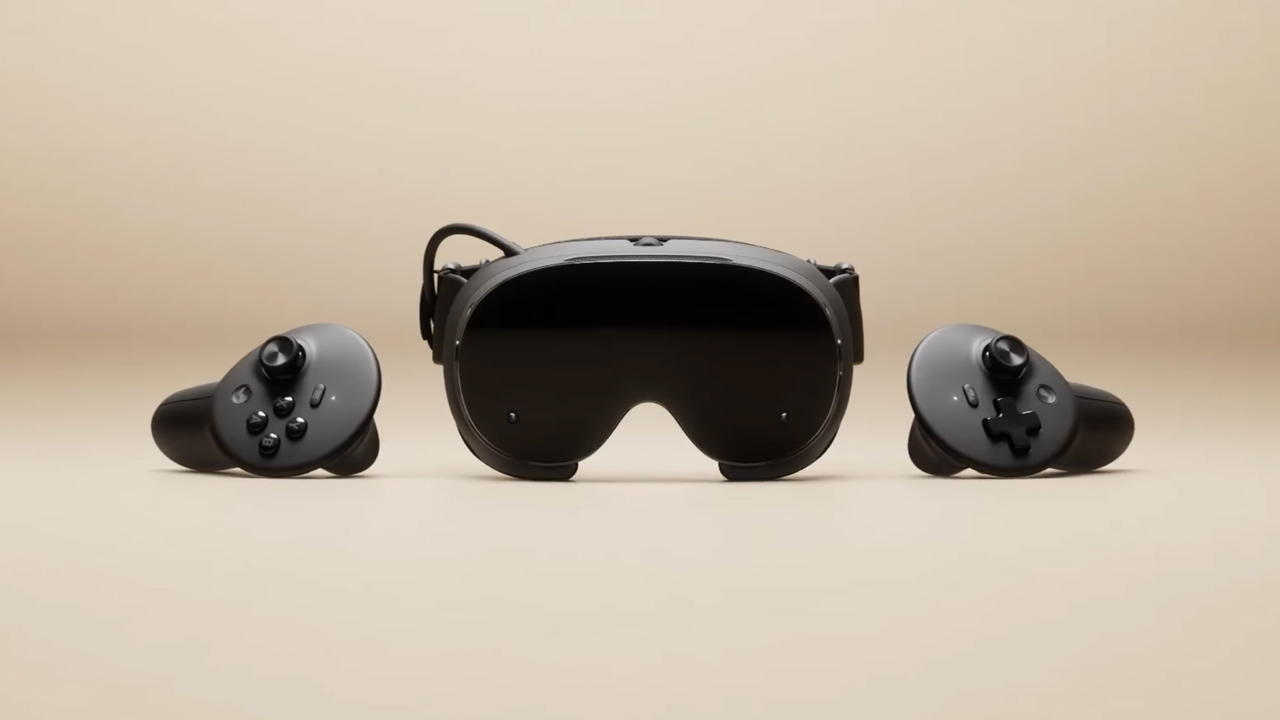
The trifecta is complete. Almost a year after announcing their new hardware, Valve has finally unveiled the price tag of the Steam Frame, complementing the Steam Machine and Steam Controller revealed a few months ago.
Whereas the Steam Machine is a console of its own, the Steam Frame is a traditional VR headset with a pair of controllers for both hands. Unfortunately, despite being in a different segment, the headset is not immune to the rising prices of technology. The Steam Frame will start at US$ 1,059 for a 256GB model and can go up to US$ 1,299 for the 1TB model. On the plus side, each box will come Half-Life: Alyx packaged along with the headset.
Here’s a more detailed rundown of what you’re getting. The Steam Frame will ship with the Snapdragon 8 Gen 3 chipset, paired with 16GB of RAM. Each eye comes with a 2160 x 2160 LCD screen, putting out images at up t0 a 144Hz experimental refresh rate. As mentioned above, the headset will start with 256GB of storage but can go up to 2TB. It will come packaged with SteamOS 3 and a rechargeable 21.6Wh battery.
This might be a hard buy for some. The industry currently has more affordable options, for one. Also, virtual reality isn’t the most thriving segment of gaming today.
If you’re still decided on buying one, however, Valve is using its lottery system. Interested customers can sign up from now until September 17. The company will then randomize the purchasing order. Those who draw the first ones in the lottery can get a purchase email as soon as September 18. Meanwhile, anyone who registers after September 17 will automatically be put at the back of the queue.
SEE ALSO: Valve announces its own console called the Steam Machine
Gaming
BlizzCon 2026 announces World of Warcraft: Forever and Diablo V
StarCraft, Overwatch, Hearthstone, and more also get news


Blizzard Entertainment kicked off BlizzCon 2026 with a packed Opening Ceremony featuring new games, major expansions, updates, and other announcements across its biggest franchises.
Blizzard Entertainment President Johanna Faries opened the event at the Anaheim Convention Center, celebrating the community behind the company’s games and the teams that bring its worlds to life.
World of Warcraft: Forever and Diablo V
The biggest announcement was World of Warcraft: Forever, a new World of Warcraft experience launching November 5 AEDT, with its beta beginning September 18 AEST. The new experience will feature three zones, more than 1,000 quests, nine dungeons, two raids, and a new Skyborne race.
Blizzard also officially announced Diablo V, marking the next era of the franchise. The game is set to launch in North America in Spring 2029, with Sanctuary having fallen and Diablo having won.
StarCraft is also returning with a new story-driven, open-world shooter. The game is currently planned for a Spring 2030 release in North America.
Beyond games, Blizzard revealed that an animated series set in the Diablo universe is in development with Netflix. The company says this is only the beginning of its plans to expand its universes beyond gaming.
For Warcraft III Reforged, the new Forsaken Kingdom campaign is available today. It marks the Warcraft RTS series’ first new storyline in more than 23 years and explores the fall of Lordaeron and the origins of the Undercity. The accompanying 3.0 update also brings graphical improvements and a revamped World Editor.
Heroes of the Storm is adding Xal’atath as its newest Hero. She arrives in the Nexus on September 29 AEST, with her PTR release scheduled for September 15 AEST.
Existing games updates
Meanwhile, Diablo IV is preparing for its next major content drop. Season of Hell’s Legacy begins September 16 AEST and celebrates the franchise’s 30-year history with the return of the Prime Evils and Deckard Cain, alongside themed rewards and gear.
The legendary Amazon class will also arrive in the first half of 2027 as part of Diablo IV’s first class pack. The Diablo IV: Age of Hatred Collection is additionally coming to Nintendo Switch 2 on September 16 AEST with cross-platform play and cross-progression.
For World of Warcraft, Blizzard teased the next major update for Midnight. Eclipse (12.2) will see Xal’atath move closer to her goal of claiming Azeroth’s Worldsoul. Blizzard also offered another look at The Last Titan, the next expansion in the Worldsoul Saga and a major culmination of more than two decades of Warcraft storytelling. More information is coming early next year.
Overwatch is getting a major update with Season 5. The season introduces new Support Hero Doctrine, reworks for Sombra and Roadhog, and the new Watchpoint: Grimsvötn map. It will also conclude The Reign of Talon, Overwatch’s first year-long narrative arc.
LE SSERAFIM & YOASABI
BlizzCon also featured performances from YOASOBI and LE SSERAFIM. YOASOBI will perform during the first-ever esports halftime show at BlizzCon, while LE SSERAFIM will return to the Main Stage to close the weekend. A new LE SSERAFIM in-game collaboration is available now, with another Overwatch Spotlight scheduled for February 2027.
Finally, Hearthstone is getting its first new class in more than six years. The Monk arrives in 2027, while the upcoming Reign of the Black Empire expansion takes players back to the earliest age of Azeroth. It introduces the Assemble keyword, which combines two cards into a new one. Battlegrounds is also adding Aberrations as a new minion type.
BlizzCon 2026 is now underway, with Blizzard promising more announcements and details throughout the weekend.


DJI Lito X1 review: Is this the best lightweight drone for creators?
Making a strong case as a travel companion and a capable B-cam!


REDMI Note 17 Pro Max review: A new breed born from AI greed
Welcome to the new normal


Marvel’s Wolverine review: When the claws come out
A brutal, cinematic superhero adventure

When your body talks, the Galaxy ecosystem listens

MediaTek launches the Dimensity 9600 Pro

Qualcomm unveils the Snapdragon 8 Elite Gen 6 series

OPPO Find X10 Pro Max is the first phone with a triple 200MP camera system

70mai launches the A900 series with 4K front, rear recording

realme 16T 5G with 8000mAh battery, IP69 Pro rating launches in PH

HUAWEI Pura X View is 2026’s first WIDE slab-type smartphone

REDMI reveals the refreshed Note 17 and Note 17 Pro series

REDMI Note 17 Series: Price, availability in Singapore

The CAMON Slim 5G is TECNO’s latest ultra-slim smartphone


-

 Hands-On2 weeks ago
Apple iPhone 18 Pro Series Hands-on
-

 News3 days ago
vivo X500 Series launches with major imaging upgrades
-
Gaming2 weeks ago
Marvel’s Wolverine review: When the claws come out
-

 Gaming1 week ago
BlizzCon 2026 announces World of Warcraft: Forever and Diablo V
-

 Singapore5 days ago
Epson Lifestudio Grand Plus EH-LS970B with 4K projection, more launches
-
Reviews1 week ago
REDMI Note 17 Pro Max review: A new breed born from AI greed
-

 First Look2 weeks ago
First Look: Apple iPhone Duo
-

 Entertainment2 weeks ago
PH to celebrate 1st ever National Cinema Day; movies start at less than $2