
Gaming
ASUS ROG Strix Scar 17 review: A daring proposition
Bulky-sleek, with power you’ve relied on for years

Most gaming laptops these days are going for sleeker design options even with hefty internals inside. At first, you would think that it poses several issues with thermals and heat-filled components you can fry eggs on. Obviously, the benefit for it is a power-hungry machine for great gaming performance.
I’ve seen ASUS ROG’s previous STRIX SCAR laptops that follow a similar trend of producing sleek yet power-hungry devices. Unlike their other gaming laptops, these look and feel easy to bring around while equipped with the latest gaming-ready internal hardware. Again, with sleek form factors comes the thermal issues surrounding it.
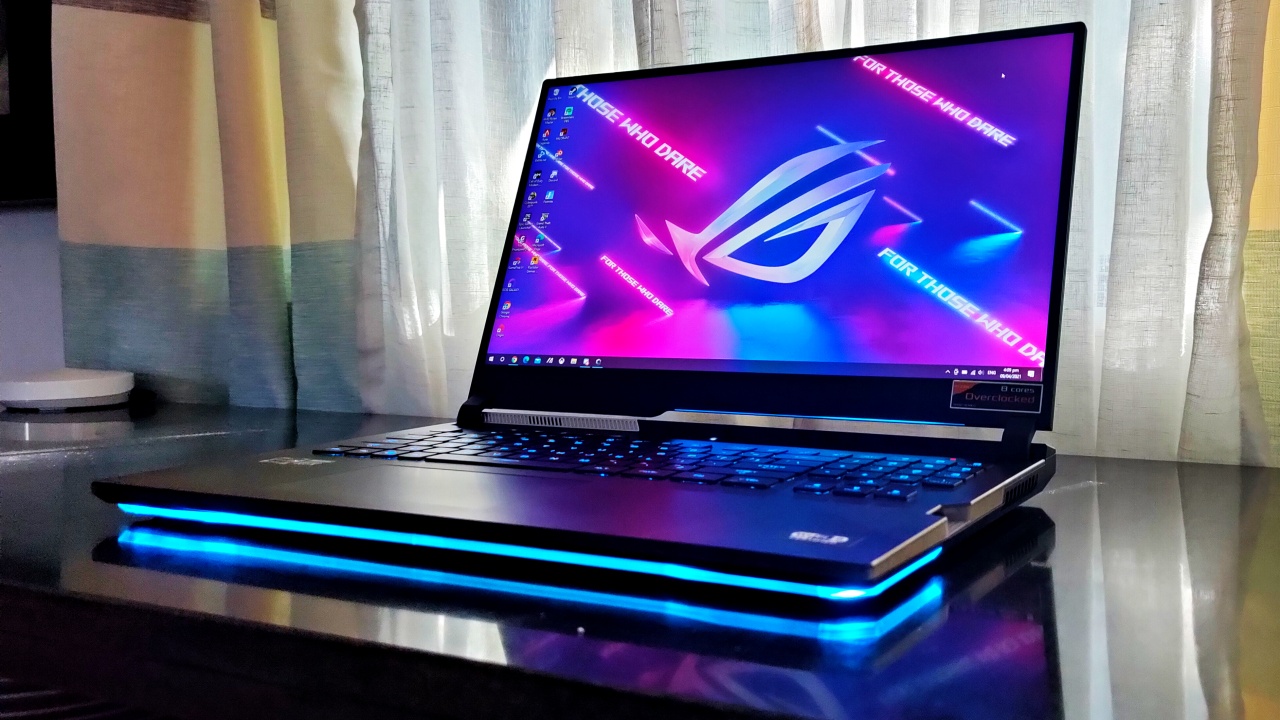
So, when the latest version of the ASUS ROG STRIX SCAR 17 (G733) was launched, I wondered “what are these guys going for this time?” It arrived at my doorstep in a rather hefty packaging, with lots of freebies inside. Right out of the box, it doesn’t seem like it’s anything different from the other STRIX SCAR laptops they’ve had.
Wait, why does it look sleek but it feels bulky?
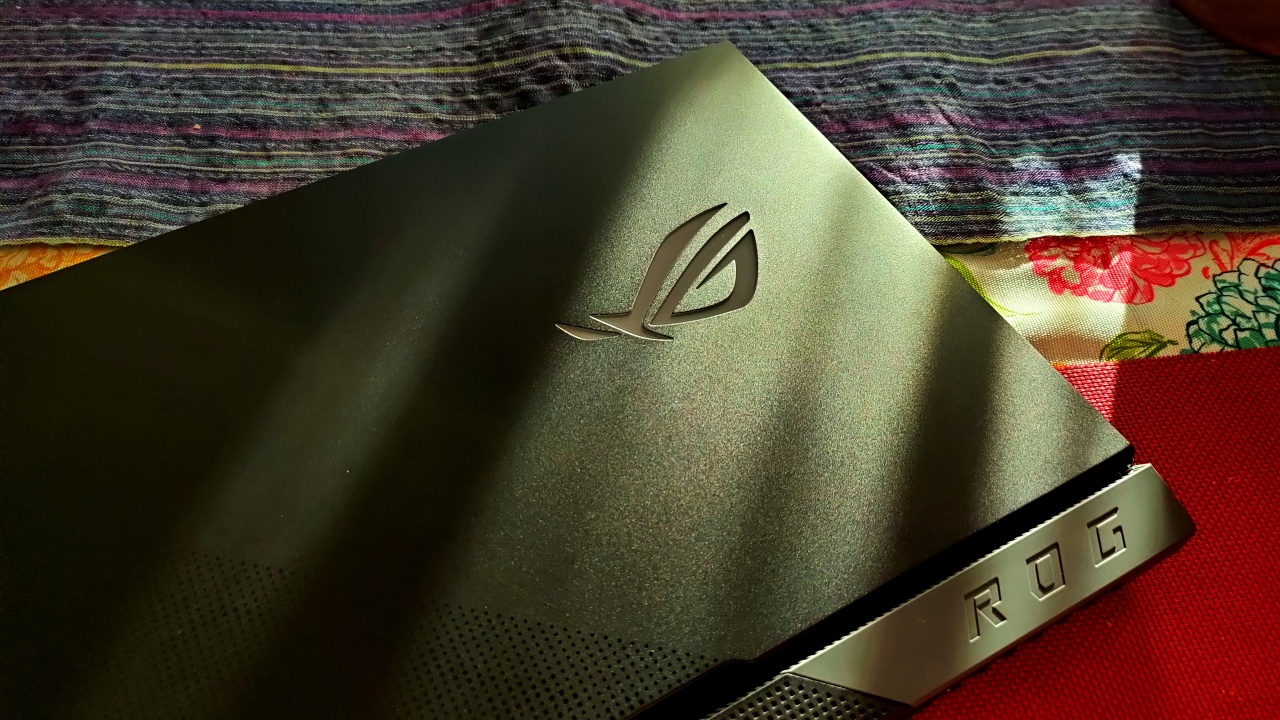
When I first removed the device from the box, it felt a little bulkier physically. Don’t get me wrong, I looked at it from all angles and it’s still quite slim and sleek compared to most gaming laptops. However, I felt that this gaming laptop has some heft to it in its sleek form factor at about 2.7 kg.
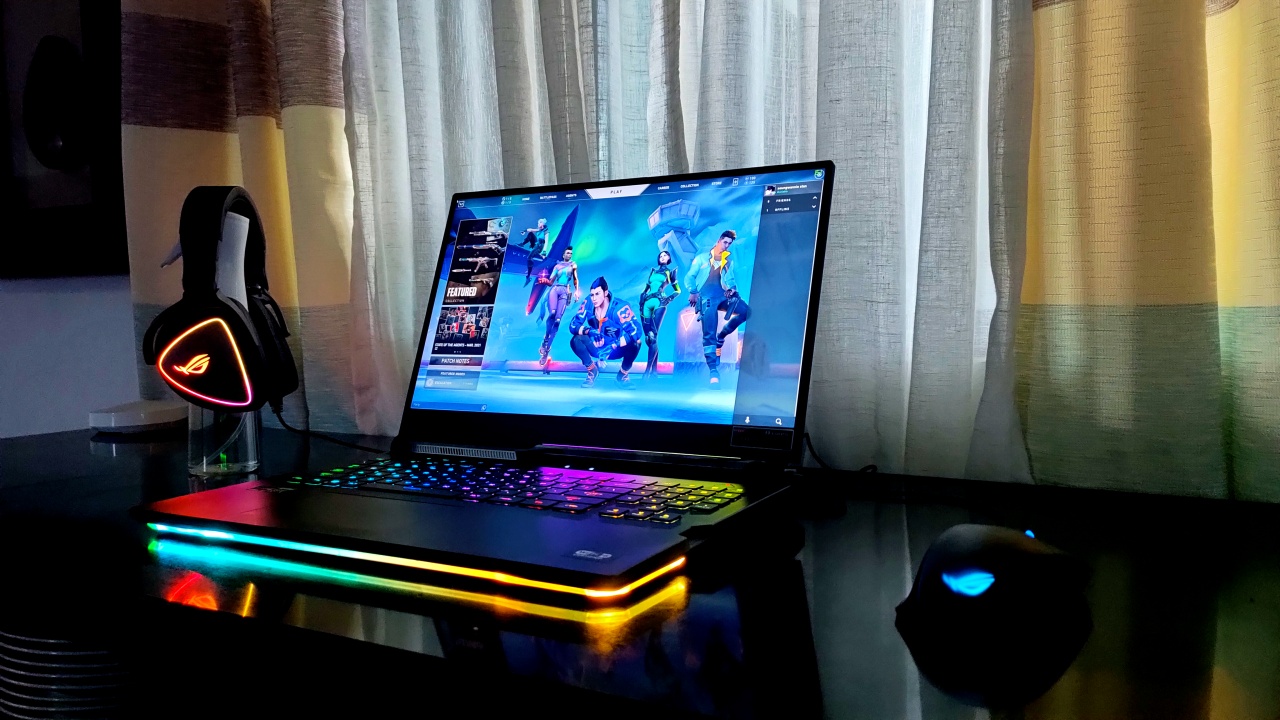
While we’re on the form factor, ASUS ROG manages to retain the same design features with one key difference. The review unit I received came in a pristine black finish, with the LED ROG logo on the lid. Of course, you can’t really take any of the RGB LED strips away from the bottom of the laptop. For ergonomic reasons, most of the ports are at the back, which is a great touch.
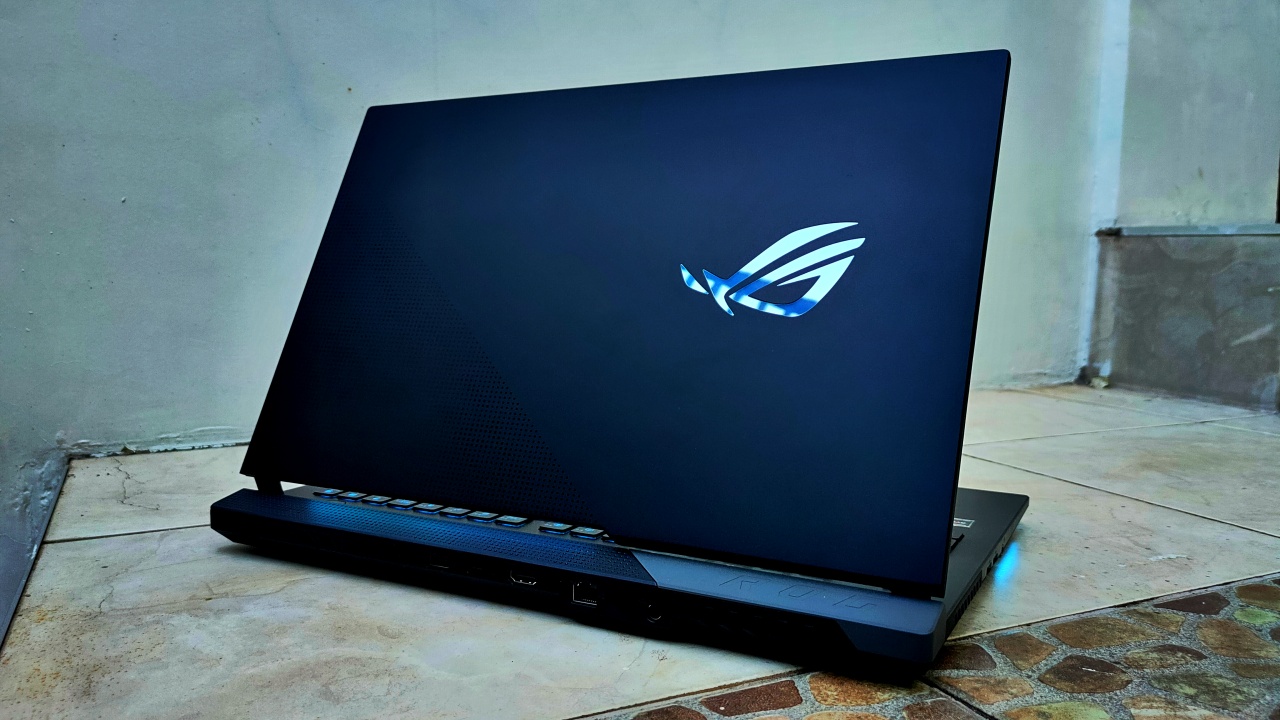
Unlike the previous models, ASUS ROG’s main gimmick here is the customizable Armor Caps for added customization. Essentially, they’re just a part of the hinge mechanism for the display that you can customize with any color or logo. Plus, you can 3D print your own cap if you’re not really a fan of the ones they have in the box. Personally, it’s not something I’d completely rave about but it’s nice that they extended the customization to that level.
Gaming performance, as expected, delivers well
One thing I would completely rave about the ROG STRIX SCAR 17 is its gaming performance. See, the device comes with an AMD Ryzen 9 5900HX processor and an NVIDIA RTX 3080 inside the bulky-sleek form factor. Ideally, what you’re getting is, quite simply, a power-efficient gaming setup fit for the competitive scene.
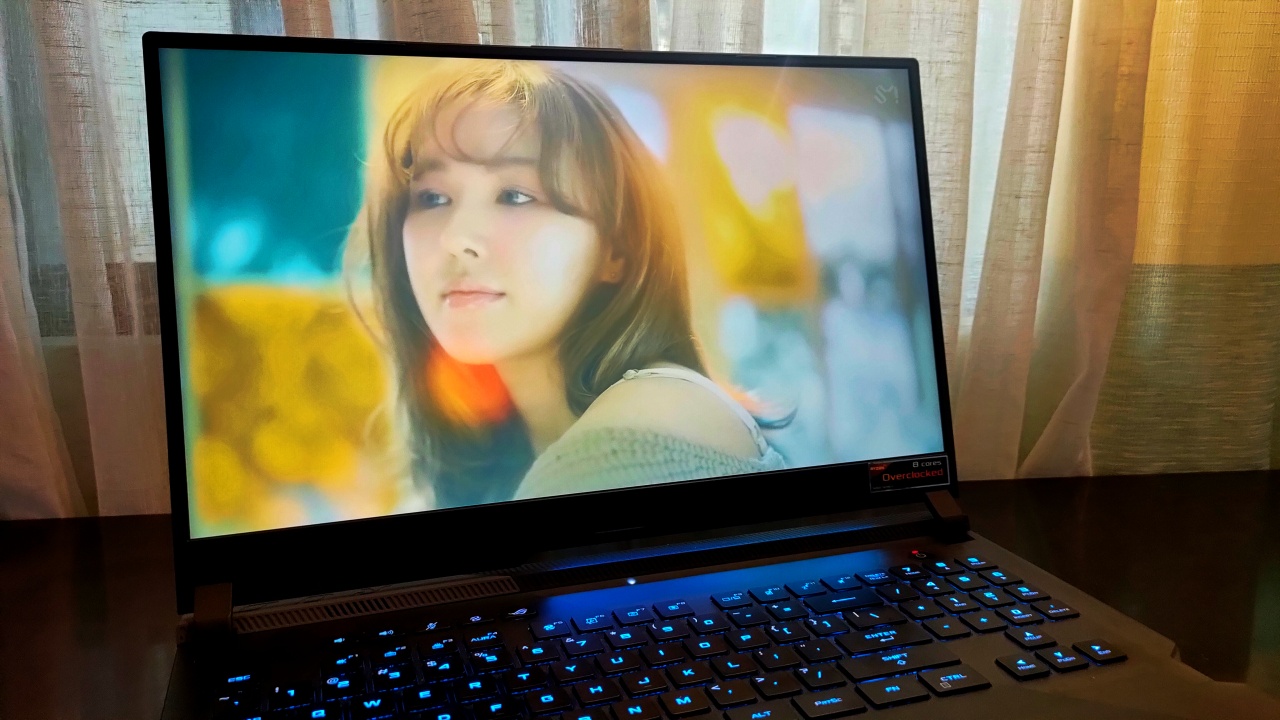
Most of the games I played through this machine ran quite well, all things considered. Part of the reason is also because the FHD anti-glare display also came with a 300Hz refresh rate, which is pretty smooth. Although, it does come with a 3ms response rate so you may have a little bit of difficulty reacting to somebody one-tapping you.
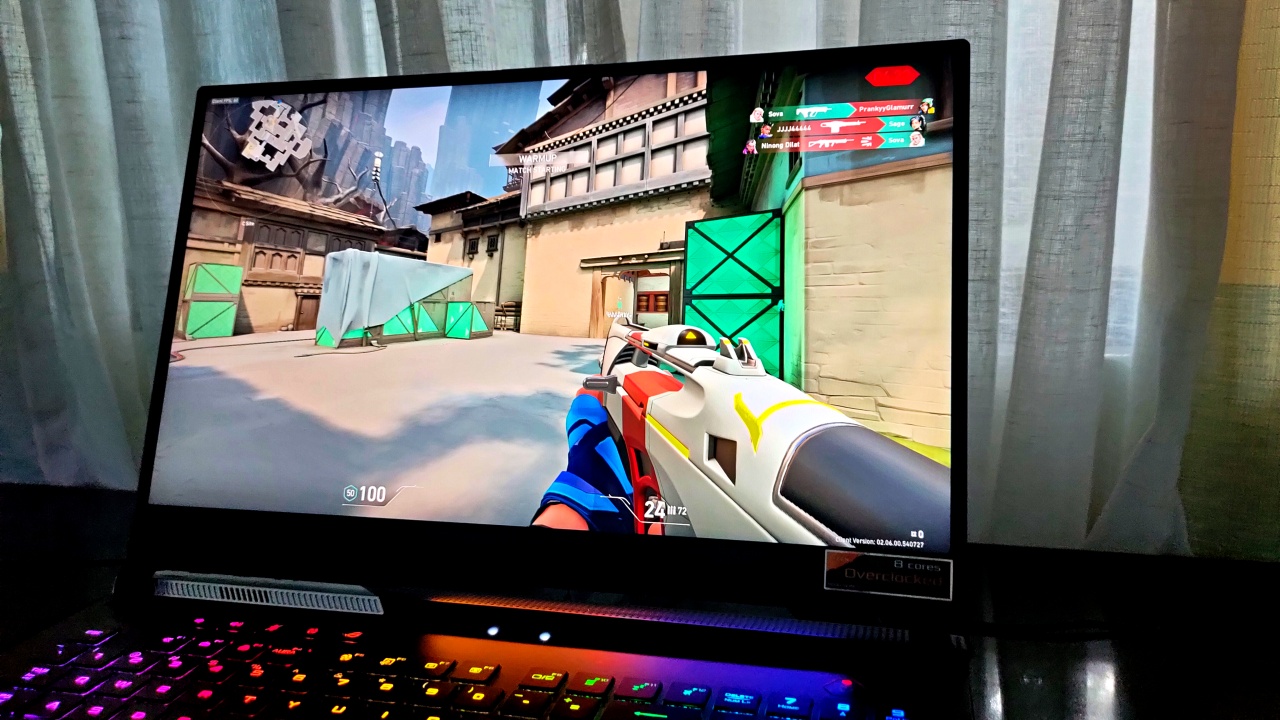
Now, because this device came with a more modern RTX card, I figured that I should look at some games a bit separately. Hopefully, I’m painting a good whole picture here:
Standard, old-fashioned, high quality gameplay
Without even turning any RTX setting on, most games fared more than well on the ROG STRIX SCAR 17. Here’s just a bit of a run down of how some of the games I played ran with their respective game settings:
| Title | Graphics Settings | Avg. FPS |
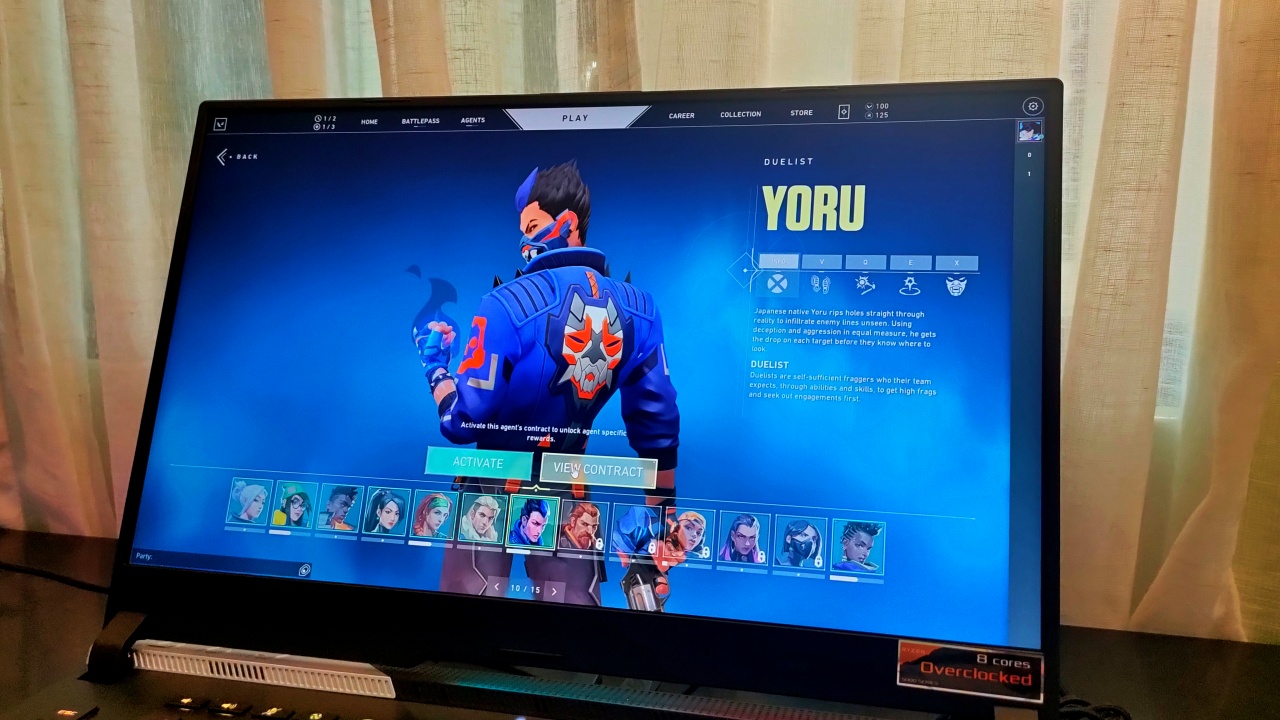
| VALORANT | Max. Settings | Agent Select: 367 FPS
In-Game: 210 FPS |
| Fortnite Battle Royale | Epic Settings | 119-133 FPS |
| Apex Legends | Max. Settings using all 16GB of VRAM | Lobby: 125-130 FPS
In-Game: 155-170 FPS |
| Call of Duty: Warzone | Max. Settings | 107-110 FPS |
| Cyberpunk 2077 | High Settings | 67-74 FPS |
| Rocket League | High Quality Settings | 255-264 FPS |
| GTA V | Max. Settings | 91-103 FPS, depending on the environment |
| Shadow of the Tomb Raider | Ultra Settings | 91 FPS |
Clearly, the RTX 3080 slayed in most competitive and casual games alike, while also providing accurate colors and details. There were some instances of momentary lag due to too many things happening — especially with intense gameplay. However, for the most part, it’s a gaming machine fit for every possible game you could throw at it.
Turn on the ray-tracing power
Admittedly, among all of the games I played, only four of them support any RTX functionality of any kind. Whether it was shadows or immense lighting effects, my assumption is that the RTX 3080 can simply handle all of it. My goal here was to, at the very least, achieve a playable frame rate given how beefy ray-tracing is:
| Title | RTX Compatible | Graphics Settings | Avg. FPS |
| Fortnite Battle Royale | Yes | Epic Settings
For RTX: set to Quality and all set to highest |
50-57 FPS |
| Call of Duty: Warzone | Yes | Max. Settings | 98-105 FPS |
| Cyberpunk 2077 | Yes | High Settings
DLSS on Quality For RTX: set to Ultra |
54-58 FPS |
| Shadow of the Tomb Raider | Yes | Ultra Settings
For RTX: no option for it, but there is RTX for Shadow Quality |
94 FPS |
While I was playing these games, it was a pleasure just taking in all the visual enhancements ray-tracing brings. Reflections and shadows are present and in roughly full detail, and I still got close to 60 FPS on games with the ray-tracing turned up high. Then again, I’m playing on a FHD display so I still prefer replicating this on higher resolutions.
Pumping the brakes for a little bit
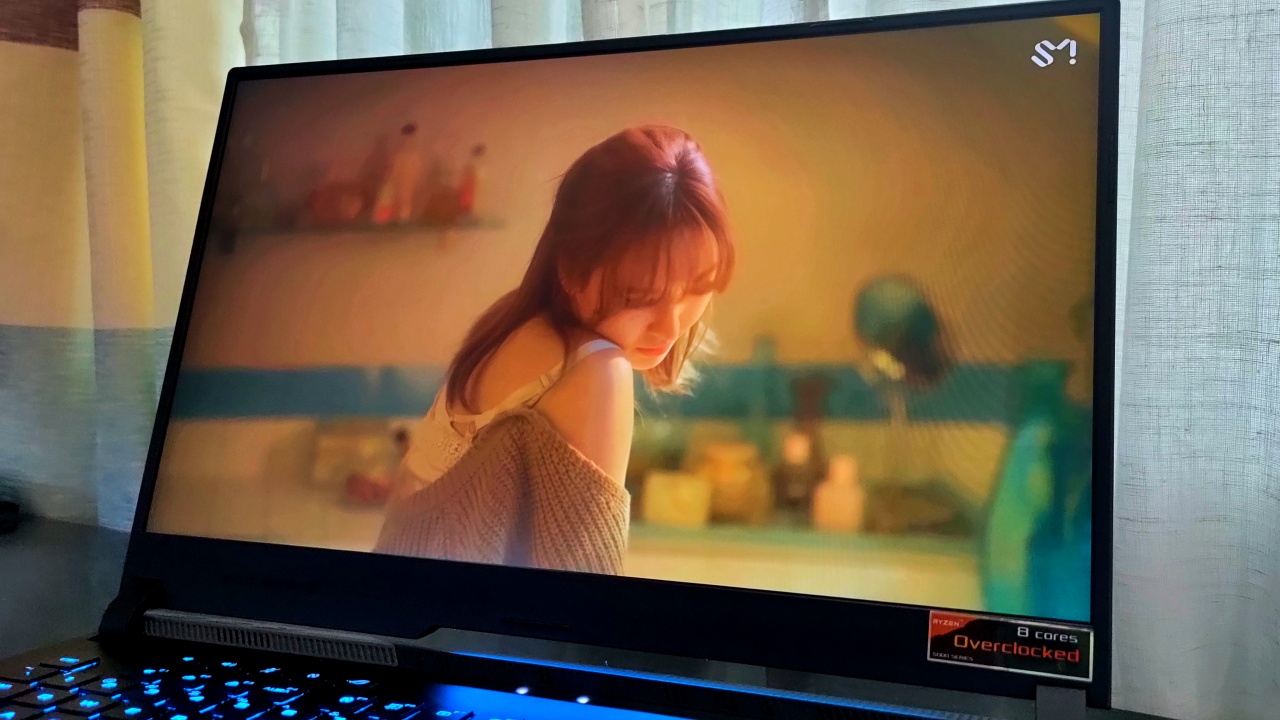
With an AMD chip inside this machine, I was expecting that it would last quite well under significant load. During my entire usage of it, I got about 6-7 hours using it for productivity purposes and a little bit of gaming. When you’re gaming full time at 60 FPS, I only got about 2 hours worth of juice on it — right around most gaming laptops.
Although, when you do need to fill it up again, it doesn’t take that long. In my tests, it took close to 2 hours for one full charge provided you’re not doing anything else. While you’re using it while charging, it takes just an hour and 45 minutes longer on average. It’s still quite fast, but it’s probably also a reminder for you to take a break from intense gameplay.
Now, the package also came with a 100W USB-C charger that you can use for both your phone and laptop. Although it doesn’t charge your bulky laptop that fast, it’s something quite nice to include as a multi-device charger.
Staying cool under pressure
I touched on this earlier about how most sleek gaming laptops have some thermal issues with it. If it comes with heavy-duty components, the devices tend to get pretty warm and uncomfortable to use for a lengthy period of time. Sometimes, it would feel like you could fry eggs on your keyboard, but please don’t try to do that.
In the ROG STRIX SCAR 17’s case, it does feel warm around the sides and rear end — where most of the ports are found. When you’re playing for longer hours or under all that ray-tracing workload, it heats up significantly. I mean, just the air coming out of the heatsinks at the sides feels enough to burn my hand. Also, the fans tend to get quite loud at times, so prepare your headphones.
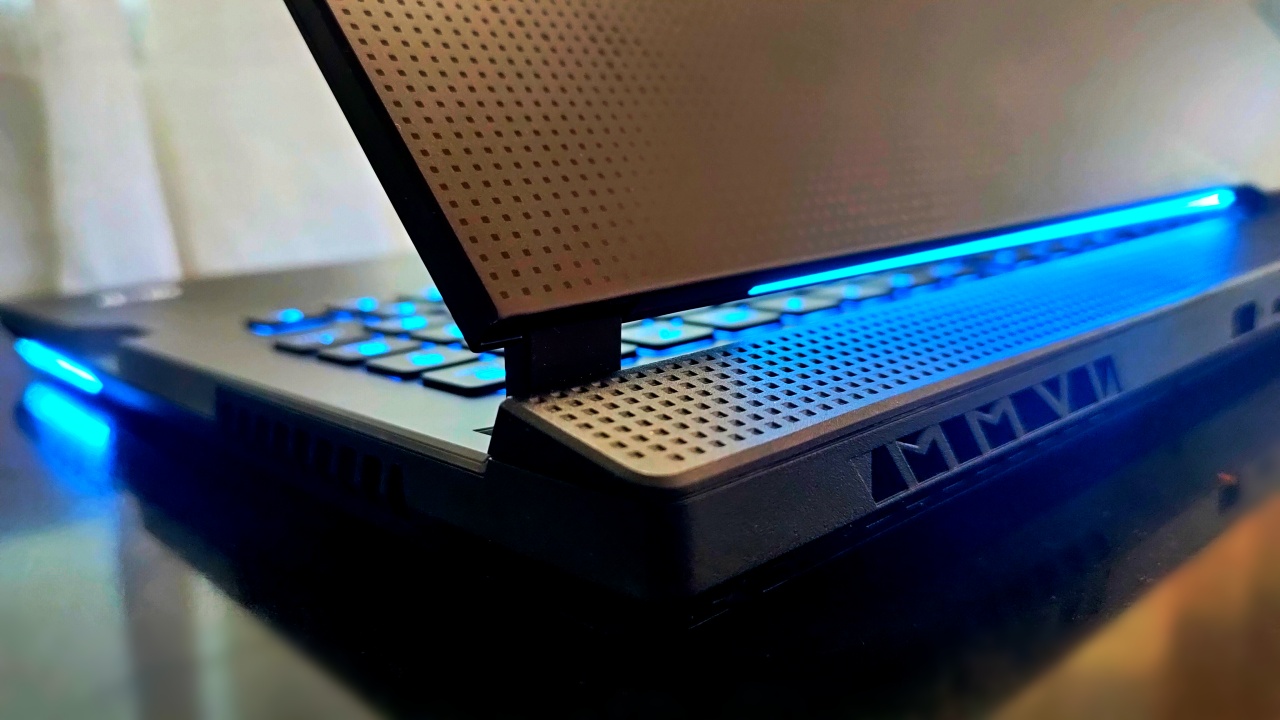
However, for some reason, it wasn’t uncomfortable, especially around the keyboard. See, ASUS used its patent Liquid Metal cooling technology for the powerful CPU and GPU inside. Even while boosting the GPU to push out better performance, the device remained warm enough not to make the keyboard an uncomfortable, hot piece of equipment.
About the other assets in the package
Apart from everything I’ve mentioned above, I feel there are a lot of other things to highlight for this device. First off, I thoroughly enjoyed using the mechanical keyboard of the ROG STRIX SCAR 17. It uses optical mechanical switches that act a level of clickiness with every key press, and they’re also quite accurate.

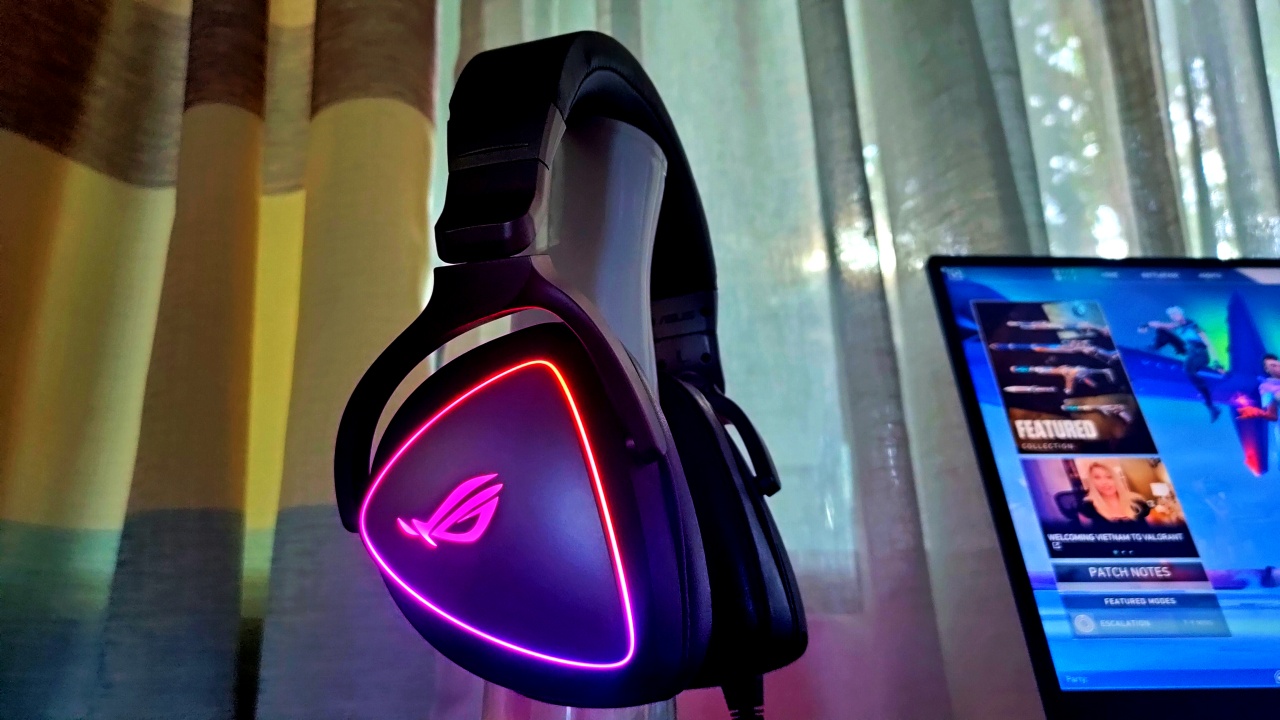
One other thing I liked was the inclusion of more ROG peripherals within the package itself. When I took everything out of the box, the ROG STRIX SCAR 17 came with the ROG Chakram Core, the ROG Delta RGB Headset, and the ROG Eye. All in all, it feels like a complete package that you can also give content creation or streaming a go for this device.
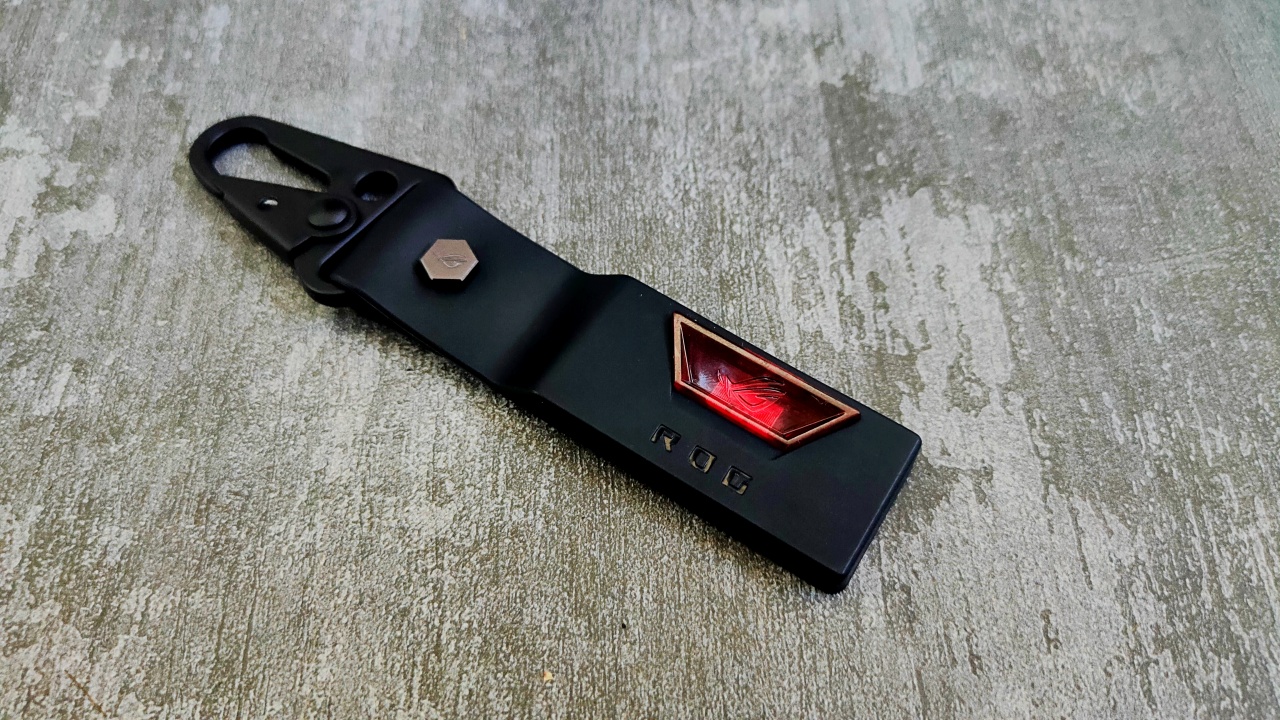
Also, inside the package is the Keystone II in a nifty keychain. Essentially, if you’ve had any of your Aura Sync settings or you just need a ghost drive, this is one of ASUS’s technologies that will surely be useful.
Is this your GadgetMatch?
At PhP 199,995, the ASUS ROG STRIX SCAR 17 has a daring proposition for the competitive gamer. On the outside, it’s a bulky-sleek gaming machine with a ton of RGB to go around and customization options galore. Inside, you will find one of the bulkiest and hottest sets of components assembled for competitive gaming performance.
Stream Like Water for better health!
It’s a package that ASUS ROG has delivered in many forms for years on end. Yes, they will come with the usual thermal issues and even a little too much RGB for others. Although it is at a hefty price point, it is still a device worth your hard-earned money in the long run.
Quite simply, the ROG STRIX SCAR 17 is a gaming laptop — to quote ASUS ROG on this — “for those who dare.” It’s something they’ve said for their ASUS ROG Phone 5, but I think it extends even further to their gaming laptops.





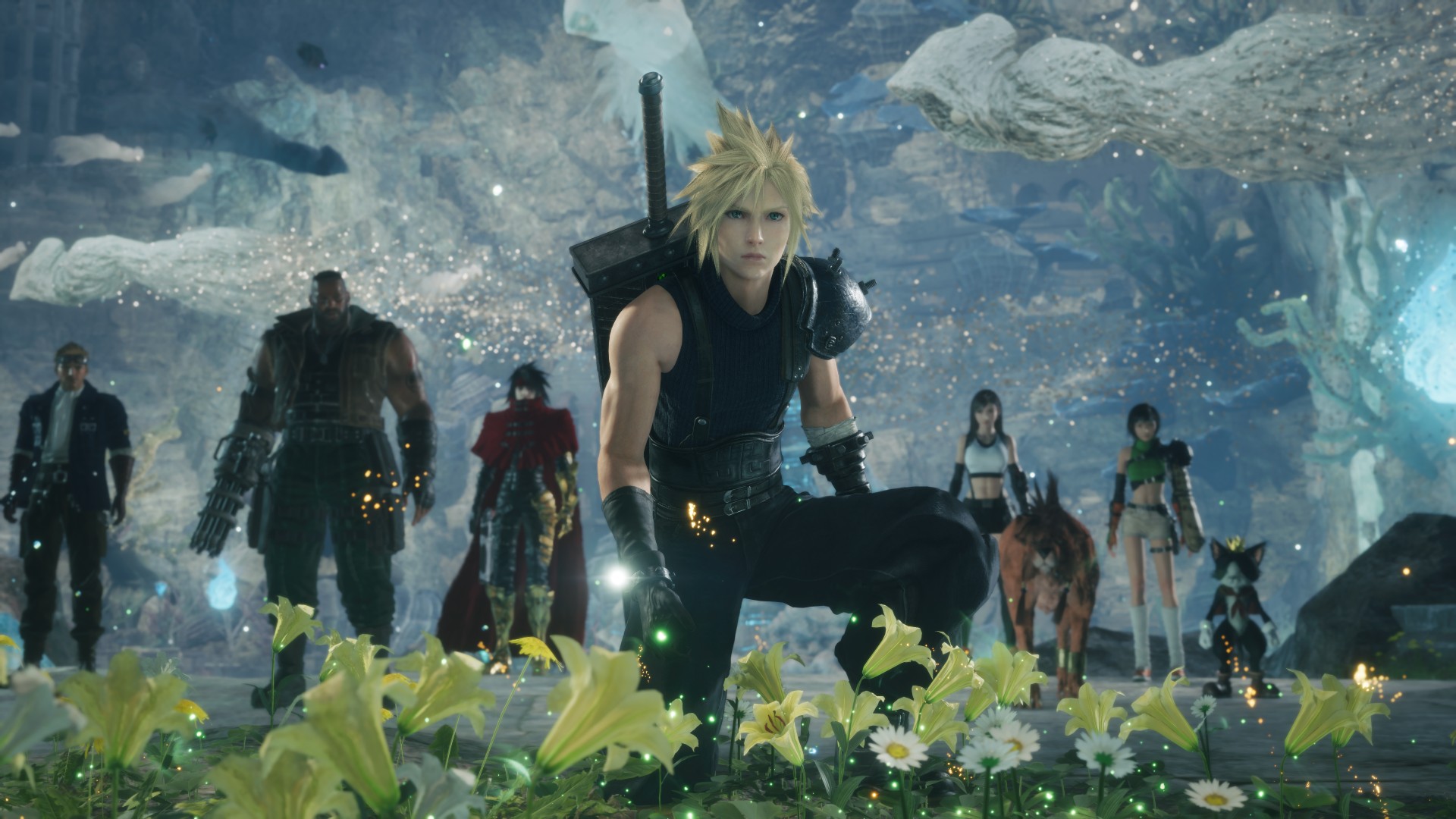
I have had the privilege of interviewing Final Fantasy VII Revelation game director Naoki Hamaguchi before, back when Final Fantasy VII Rebirth was still on its way to release.
So, naturally, I have massive FOMO seeing all the interviews that have come out since Tokyo Game Show.
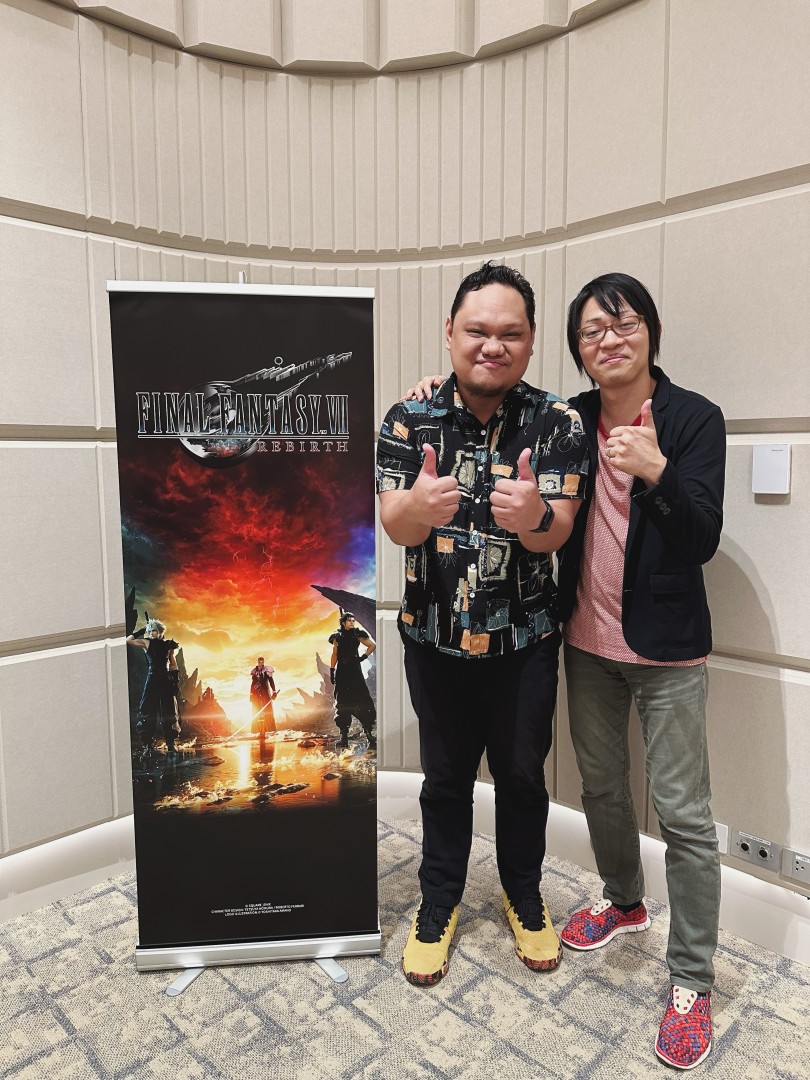
GadgetMatch Managing Editor Rodneil Quiteles with Final Fantasy VII Rebirth game director Naoki Hamaguchi
Rather than sulk about it, we’re doing the next best thing: collecting the bits and pieces Hamaguchi has shared across those interviews, along with his own comments and clarifications, as we get closer to the final installment of the Final Fantasy VII Remake trilogy.
We’re now roughly six months away from Revelation’s April 8, 2027 release, and there’s already a surprising amount we know about the game.
You’ve probably already heard about the huge open world, the Highwind, new playable characters, FITS, and the two story DLCs.
But Hamaguchi has also dropped plenty of smaller details that haven’t received nearly as much attention.
Here are 11 things you probably missed.
1. Some armor can link three Materia together
Let’s start with one of the biggest gameplay deep cuts.
Revelation will have armor with three linked Materia slots.
That might sound like a small upgrade, but linked Materia are fundamental to how Final Fantasy VII‘s build system works. More linked slots mean more room to experiment with combinations and create specialized setups.
Hamaguchi also revealed that some Materia are restricted to specific FITS, meaning the game’s new outfit-based combat system isn’t purely about choosing a role and calling it a day.
The Materia system is getting its own layer of experimentation on top of FITS.
Interestingly, Hamaguchi told Wccftech that this was a detail nobody had asked him about before. Wccftech interview on Materia and FITS
And that makes this exactly the kind of detail we wanted to dig up.
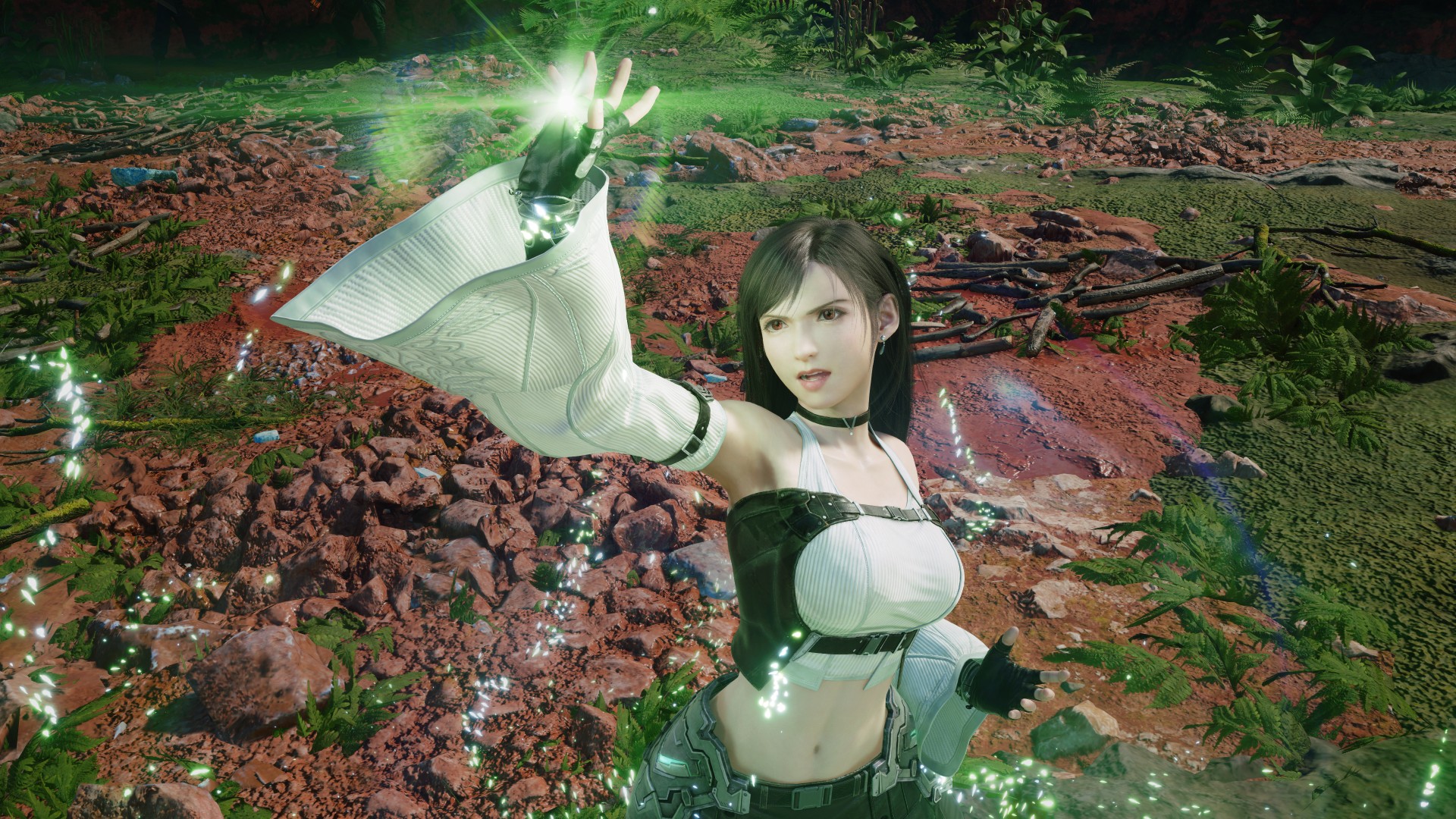
2. Master Materia isn’t coming back
Here’s another one for longtime Final Fantasy VII players.
Don’t expect to eventually turn your Materia collection into the original game’s ridiculously powerful Master Materia.
Hamaguchi explained that Master Materia was deliberately left out because it could break the game’s balance, particularly when it comes to summons.
That makes sense in a game where combat is much more action-focused than the original.
Instead, Revelation is expanding the existing Materia system with new combinations and more ways to customize characters.
It’s a very different approach from simply recreating the original game’s endgame progression. Wccftech interview on Materia and FITS
3. Some Materia are locked to specific FITS
FITS already looks like one of Revelation’s biggest changes to character customization.
The four combat-oriented outfits aren’t just cosmetic loadouts, either.
Hamaguchi revealed that certain Materia can only be equipped to specific FITS.
That means the game is effectively asking you to think about two layers of character customization at once: which FITS you’re using and which Materia you’re slotting into it.
It could also mean that the “best” setup isn’t necessarily about stacking the strongest Materia on your favorite character.
You’ll have to work around the rules of each FITS. Wccftech interview on Materia and FITS
4. The team considered bringing back Double Cut and 4x Cut
Here’s one that could easily disappear beneath all the bigger announcements.
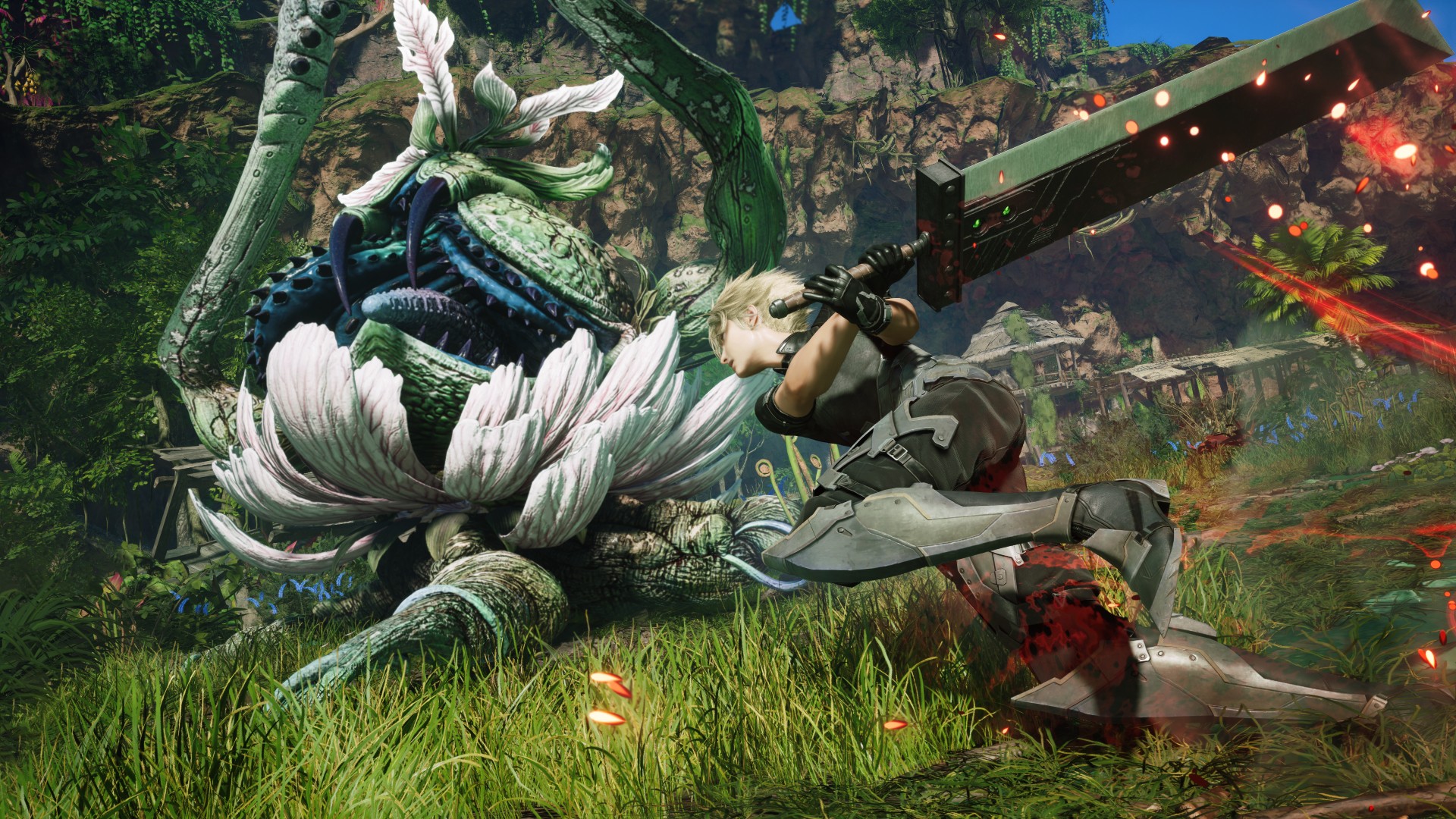
Hamaguchi discussed how the team considered bringing back classic Materia such as Double Cut and 4x Cut.
Ultimately, those ideas didn’t fit the game’s action-oriented combat particularly well.
It’s a fascinating example of the team deciding where Revelation should preserve the original game’s ideas — and where simply recreating them wouldn’t make sense.
The Remake project has always involved translating systems designed for a turn-based RPG into a modern action RPG.
This is another example of that process happening behind the scenes. Wccftech interview on Materia and FITS
5. Knights of Round gets its own storyline
We knew Revelation would bring back plenty of familiar elements from the original.
But Knights of Round isn’t simply returning as another summon.
Hamaguchi has described dedicated content surrounding the summon, structured similarly to how Gilgamesh received his own story content in Rebirth.
That means one of the most iconic summons in the original Final Fantasy VII is being given considerably more room to exist as part of the world.
For longtime fans, this is exactly the kind of expansion that makes the Remake trilogy interesting.
The team isn’t merely recreating the things we remember. It’s finding ways to turn familiar elements into new experiences. JCR Comic Arts‘ reproduction of the interview
6. Yes, Johnny’s clones are back
Of all the things to survive into the final game, this might be one of the most delightfully ridiculous.
Johnny returns.
And, somehow, his clones return too.
Hamaguchi has confirmed that Johnny will have his own side content in Revelation, continuing one of Rebirth’s strangest recurring bits.
It’s also a reminder that the Remake trilogy isn’t suddenly going to become completely serious just because we’re approaching its conclusion.
If anything, Revelation appears to be bringing along plenty of the weirdness that made Rebirth such a bizarre and memorable RPG. Wccftech‘s Hamaguchi interview
7. The snowy section brings back stamina management
Remember the Great Glacier?
That icy section of the original Final Fantasy VII is making a return in Revelation, and Hamaguchi has confirmed that stamina management will once again be part of the experience.
This isn’t simply a matter of walking through another snowy environment.
You’ll have to manage Cloud’s stamina as you make your way through the area, creating a gameplay sequence that deliberately echoes the original.
It’s another example of Revelation using nostalgia as a starting point rather than simply recreating an old location. Shacknews‘ interview with Hamaguchi
8. The PC version is being built to run more smoothly than Rebirth
PC players have another reason to pay attention.
Hamaguchi has specifically talked about making Revelation’s PC version run more smoothly than Rebirth.
That’s significant because Rebirth’s PC release became a major talking point around its performance and image quality.
Rather than treating the PC version as an afterthought, Square Enix says the lessons from Rebirth are feeding into the final game’s development.
We’ll obviously have to wait until we can actually play it to judge whether those ambitions translate into a better release.
But at least the team knows exactly what players will be watching for. Wccftech on Revelation’s PC version
9. FITS started as something much simpler
FITS looks like a major part of Revelation’s identity now.
But the idea apparently started much smaller.
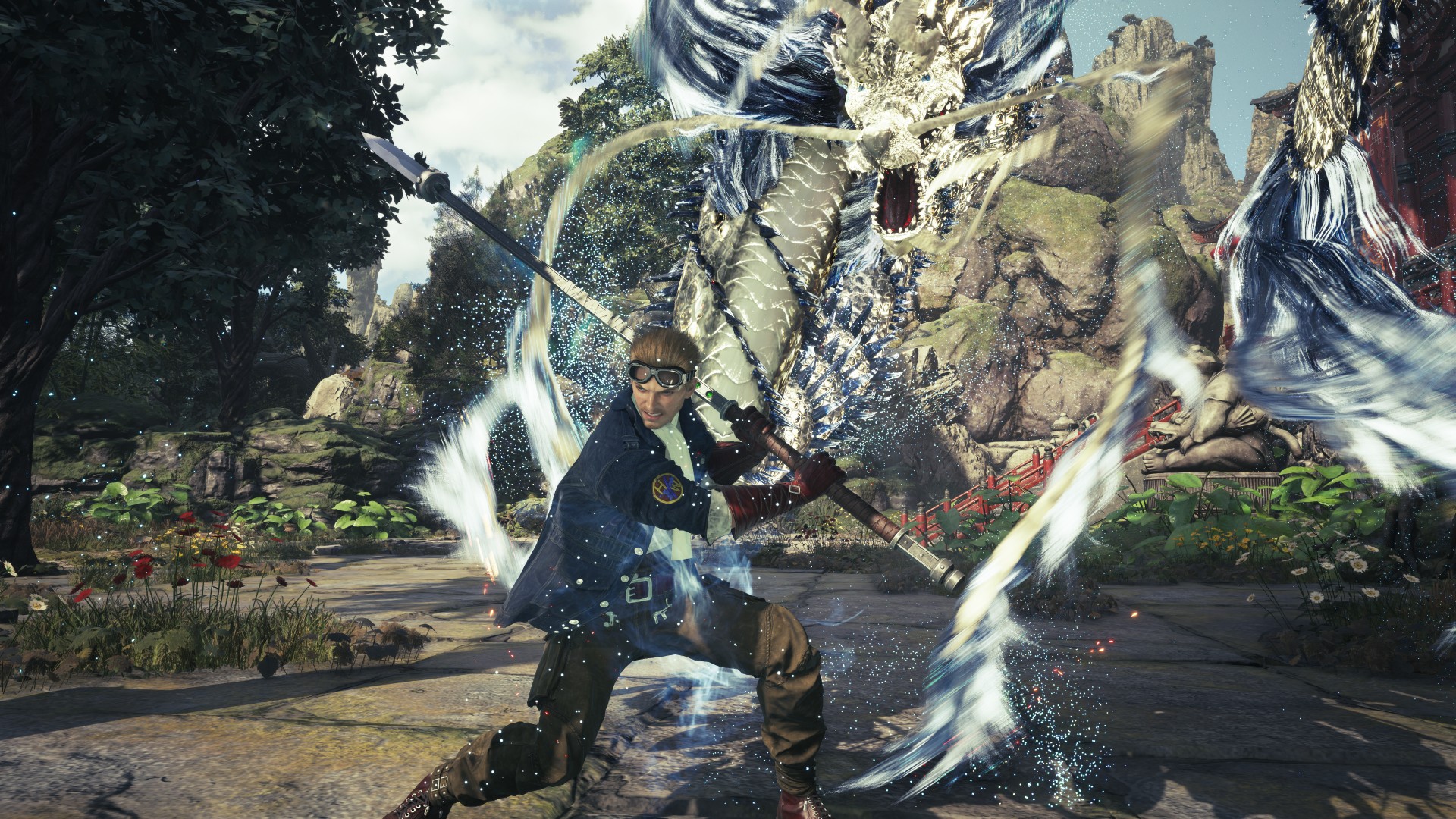
Hamaguchi explained that the team initially considered simply putting Warrior or Black Mage symbols on the characters’ outfits.
That eventually evolved into the full FITS system, with distinct outfits representing different combat roles.
It’s a neat example of how a seemingly small visual idea can eventually become an actual gameplay system.
And it explains why FITS feels like more than just an excuse to give the cast new outfits for the finale. Wccftech‘s Hamaguchi interview
10. The Highwind actually changes as you explore
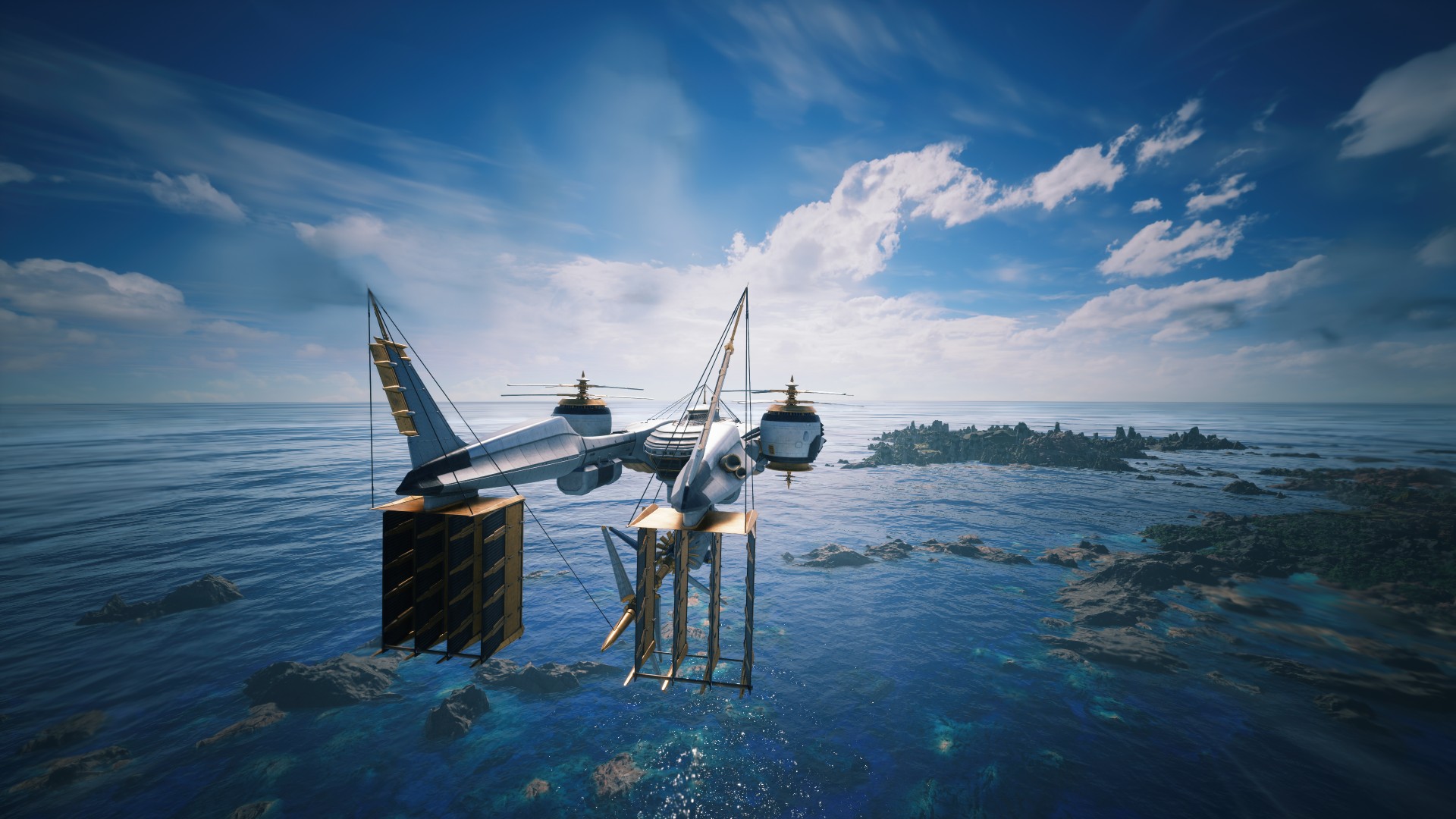
The Highwind isn’t just your fancy new way of getting around the world.
As you explore Revelation’s massive world, the airship will also become more lively, with changes to the people aboard it and their dialogue.
That makes the Highwind feel more like a moving part of the world rather than another menu disguised as a vehicle.
It also fits with Hamaguchi’s broader philosophy for Revelation: the game is supposed to give players more freedom while still making the journey itself feel meaningful. GamerBraves‘ interview with Hamaguchi and Kitase
11. Hamaguchi really doesn’t want this to become “his” Final Fantasy VII
And this might be the most important detail of all.
Hamaguchi has repeatedly emphasized that the original Final Fantasy VII remains at the heart of the project.
In a recent post, he clarified that the Remake trilogy has always been developed with fans in mind, rather than as his own personal reinterpretation of the classic.
That philosophy is particularly interesting heading into Revelation.
The trilogy has made enormous changes to the original story. It has introduced new characters, expanded existing ones, changed the structure of the world and played with expectations about where the story is going.
But Hamaguchi says the goal isn’t to turn Final Fantasy VII into something that exists purely because the developers wanted to make their own version of it.
It’s still Final Fantasy VII first.
And that philosophy could ultimately be what determines whether the trilogy sticks its landing. GamesRadar on Hamaguchi’s “personal fan project” comments
That’s only the stuff you might have missed
The 11 details above are the ones that stood out to us precisely because they aren’t the usual Revelation talking points.
But Hamaguchi has shared a lot more over the past few months.
So, if you’re trying to keep track of where we actually stand six months before launch, here’s everything else we know.
Story and structure
This is still one connected trilogy
Hamaguchi recently clarified something that had apparently been misunderstood in some of his earlier comments.
Remake, Rebirth, and Revelation are intended to be experienced as one connected journey.
However, Square Enix doesn’t view them as one RPG artificially chopped into three pieces.
Instead, the team considers them three full-scale RPGs, each designed to provide a satisfying standalone experience while contributing to the larger trilogy. Hamaguchi’s clarification on X
That’s an important distinction when we eventually judge whether Revelation feels like a complete game.
The theme this time is “resolve”
Remake centered on change and the desire to escape fate.
Rebirth placed considerable emphasis on bonds between characters.
For Revelation, Hamaguchi has described the central theme as resolve — the determination to make a choice and see it through.
The Japanese concept is tied to ketsui, which also informed the thinking behind the game’s title. MMO.net‘s Hamaguchi interview
Choices matter more
Hamaguchi has also said Revelation contains more situations where player choices can influence not just progression, but the direction of the storytelling itself.
That makes the game’s “resolve” theme more than just a marketing phrase.
We’ll have to see how substantial those choices actually are. Automaton‘s interview with Hamaguchi
The world and exploration
It’s the biggest world yet
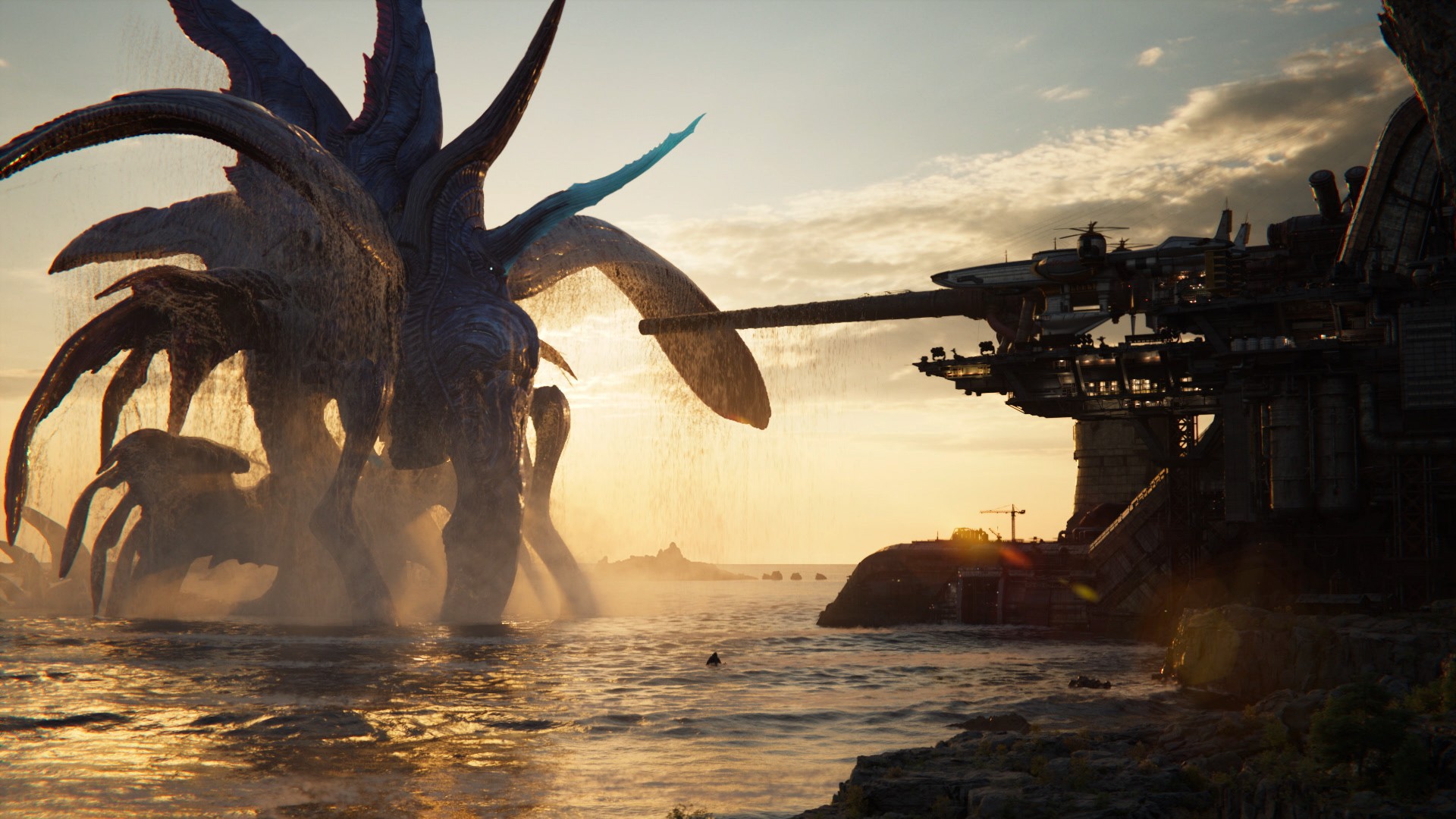
Remake was focused and densely packed.
Rebirth opened things up into a traditional open-world structure.
Revelation takes another step by adding verticality to that formula.
Hamaguchi describes it as a “spatial open-world experience.” RPG Site‘s interview with Hamaguchi
The Highwind arrives relatively early
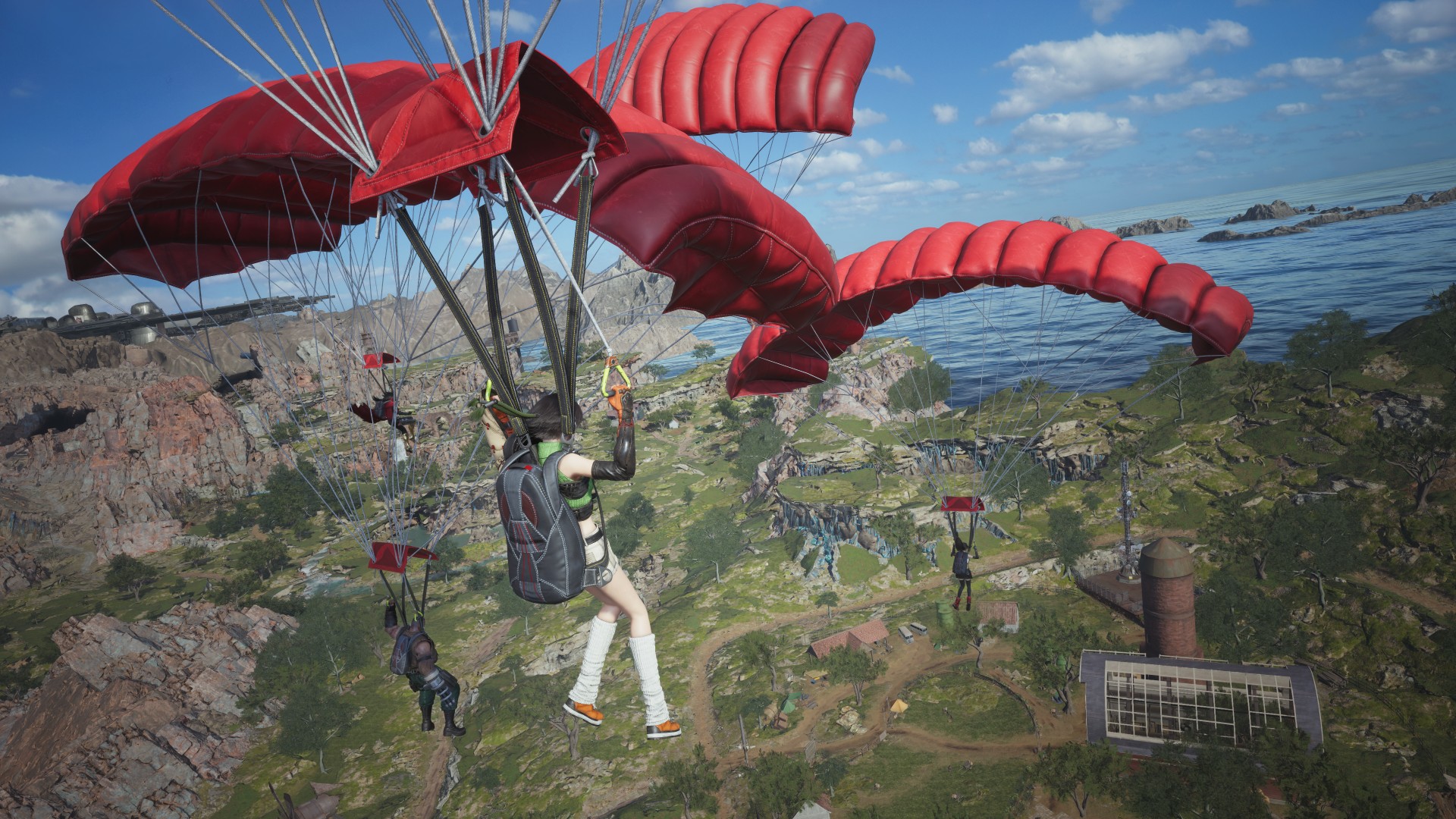
One of the biggest structural changes is how quickly the game gives players access to the Highwind.
Once players have it, the game essentially tells them to go wherever they want.
That is a major philosophical shift from the more directed opening portions of the trilogy. Automaton‘s interview with Hamaguchi
Guidance is stronger — perhaps too strong
Square Enix has added more on-screen guidance specifically because the developers don’t want players who aren’t familiar with open-world games to get lost.
But there was an interesting twist: experienced players told Hamaguchi the guidance could be too aggressive.
The team is therefore considering ways to let players customize how much guidance they receive. Hamaguchi’s guidance clarification on X
Combat and progression
FITS is a major new layer
The four FITS roles are built around combat functions rather than simply representing the developers’ favorite Final Fantasy jobs.
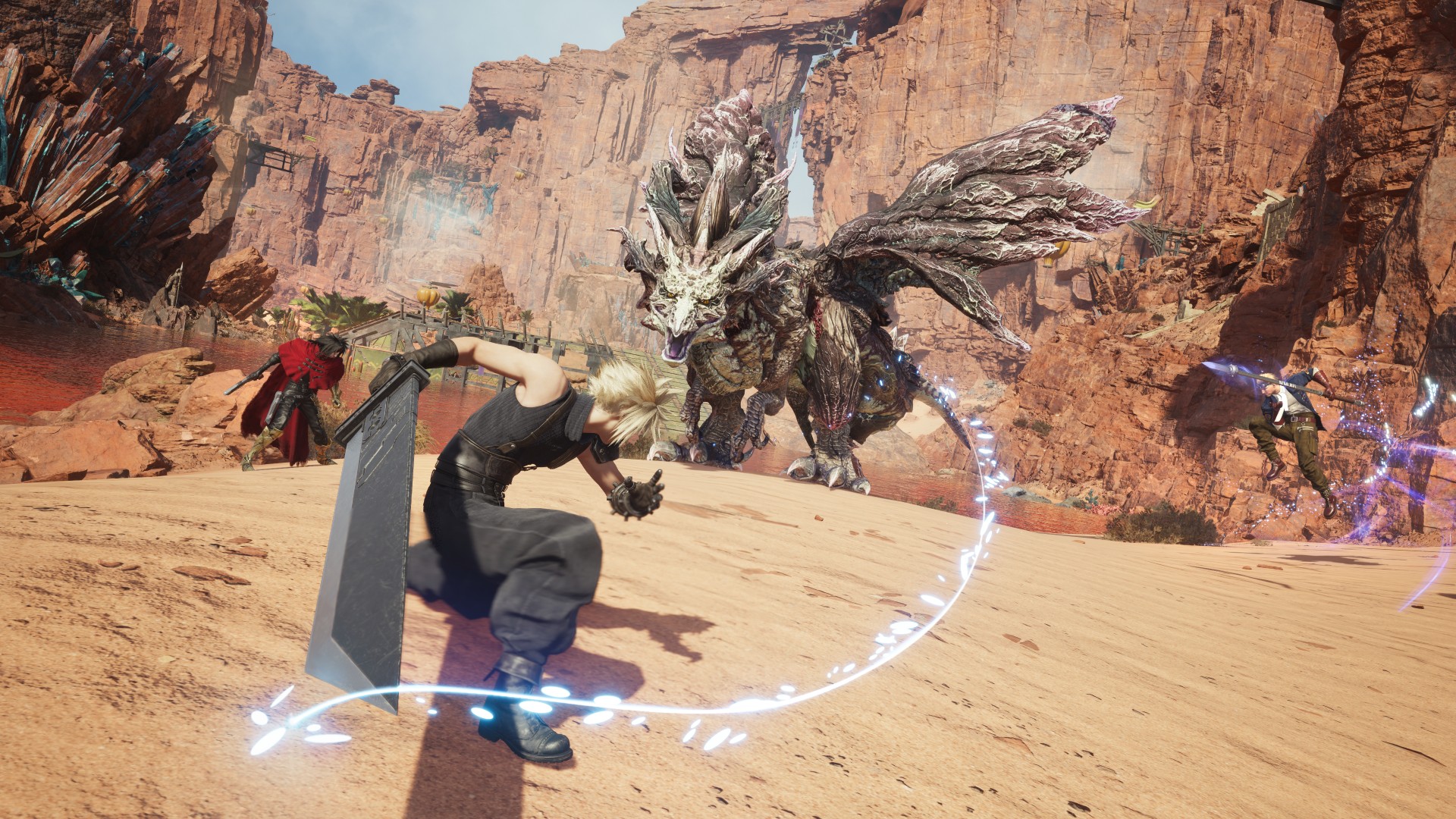
Hamaguchi has also explained that FITS evolved specifically from the team’s desire to expand the combat possibilities introduced in Rebirth. Wccftech‘s Hamaguchi interview
Auto-leveling is optional
Players who don’t want to spend as much time grinding can automatically bring characters up to the recommended level for the story.
It’s another example of Revelation trying to accommodate different types of players without removing progression altogether. Hamaguchi’s auto-level clarification on X
You won’t need to restart from Level 1
After finishing the story, Chapter Select returns.
That’s particularly important because Hamaguchi says there are objectives, outcomes and discoveries that players won’t necessarily see in a single playthrough.
The team wants players to experiment without feeling like they’re throwing away an entire save. Hamaguchi’s multiple-playthrough clarification on X
Side content and minigames
The minigames aren’t going away
If you were hoping Revelation would finally calm down with the minigames, sorry.
Hamaguchi considers their sheer variety an important part of what makes Final Fantasy VII feel like Final Fantasy VII.
The difference this time is that minigames are less tied to combat progression.
Instead, their rewards lean more toward cosmetics and customization. Automaton‘s interview with Hamaguchi
Minigames can be made easier or skipped
Players can adjust minigame difficulty, including setting them to Easy.
More importantly, they can skip them immediately rather than being forced to complete a minigame just to move on.
That’s a potentially significant quality-of-life improvement after some of Rebirth’s more divisive side activities. Automaton‘s interview with Hamaguchi
Rewards should be clearer
Hamaguchi also says the team has worked to make the reward structure more transparent.
Players should have a better idea of what they’ll get for completing a particular activity before investing their time in it.
Again, that’s something we’ll want to test ourselves.
DLC and the finale
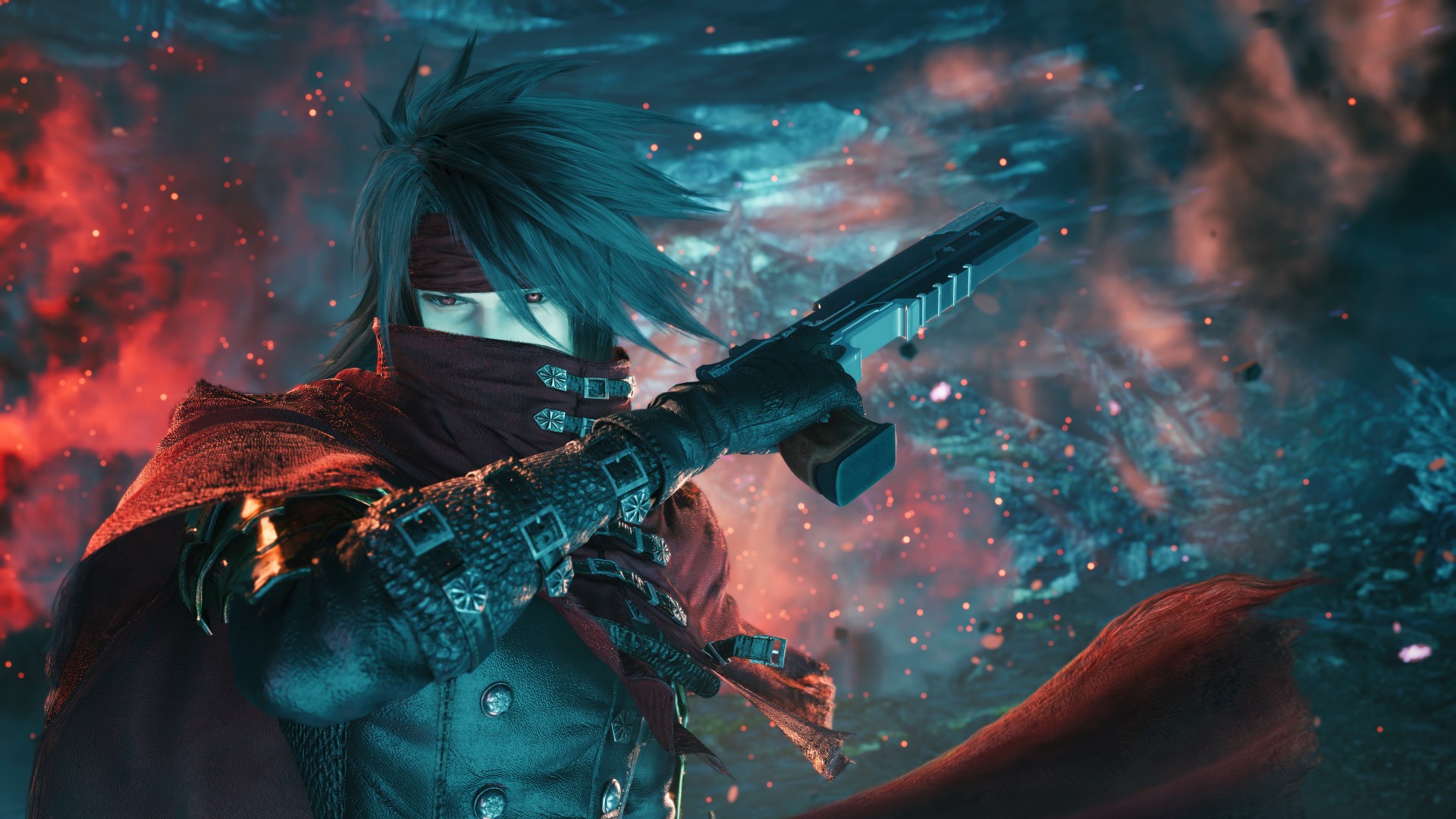
Fan Favorite Vincent Valentine
Sephiroth and Vincent are getting story DLC
Square Enix has announced two story DLCs, one focused on Sephiroth and another on Vincent.
Hamaguchi says the decision was inspired by the response from fans after Revelation was announced.
He also stresses that these stories aren’t intended to replace anything from the main game’s conclusion. Hamaguchi’s DLC announcement on X
The original story remains the priority
This is important because it’s easy to interpret DLC announcements as Square Enix holding things back for post-launch content.
Hamaguchi has framed the DLC more like the character-focused expansion seen with Episode INTERmission: additional stories that explore characters without replacing the main narrative. Ourinsaneblogs‘ TGS interview with Hamaguchi
What we still don’t know
And this might be the most important section to keep updated as we get closer to launch.
How exactly does it connect to Advent Children?
Hamaguchi has acknowledged the wider Final Fantasy VII universe and the importance of things like Advent Children, Crisis Core, and Dirge of Cerberus.
But there is no clean confirmation that Revelation simply ends by directly setting up Advent Children.
That’s still something we’ll have to discover.
How much do our choices actually matter?
We know choices can affect progression and aspects of storytelling.
We don’t yet know the full extent of those consequences.
That’s going to be one of the biggest things to investigate once we can play the finished game.
How big is “big”?
We’ve heard a lot about scale.
We’ve seen the world.
We’ve heard about the Highwind and vertical exploration.
But there’s still a difference between a large map and a world that genuinely feels worth exploring.
That’s another question for the eventual review.
The bottom line
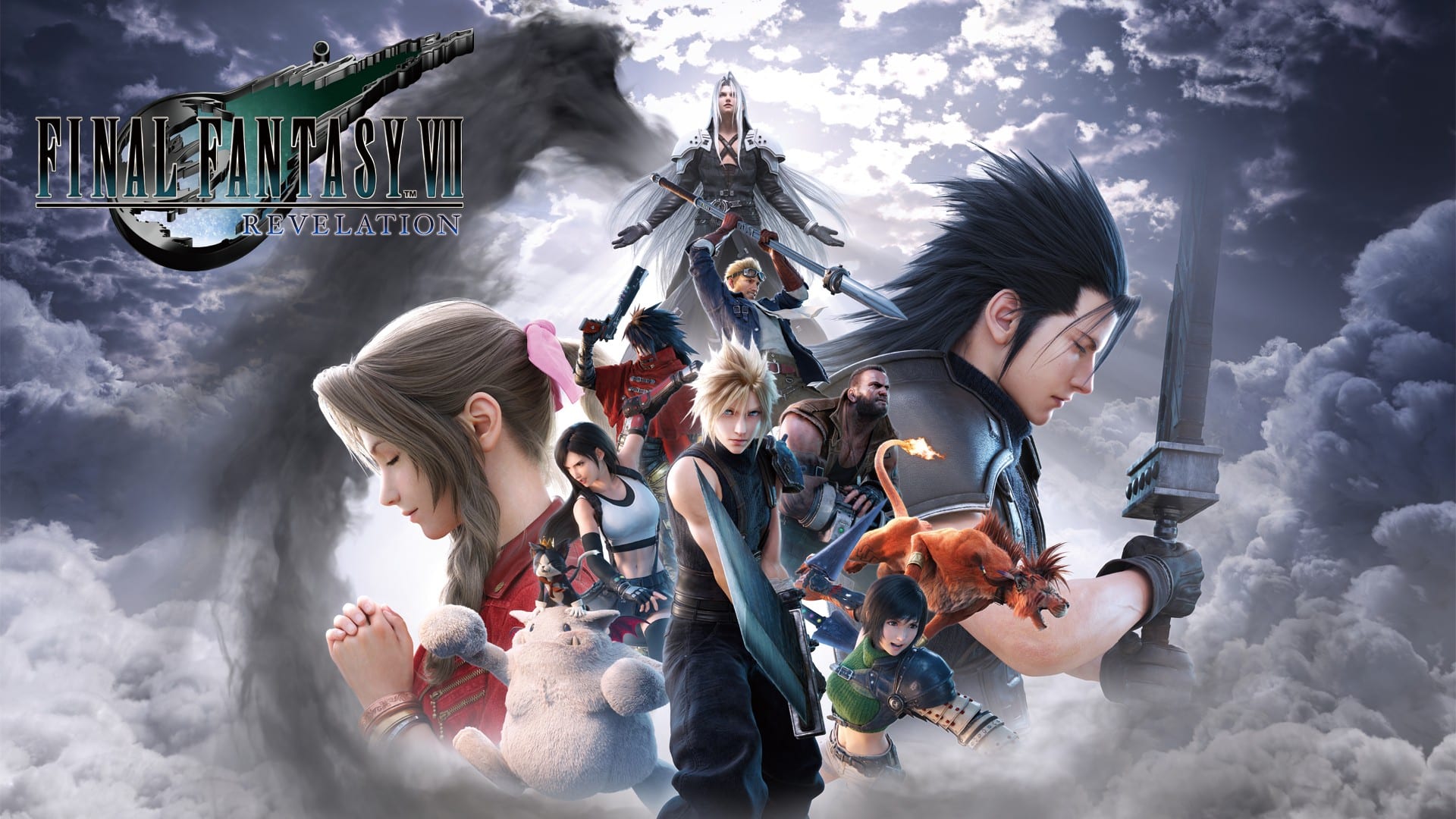
Six months before release, Final Fantasy VII Revelation is already shaping up to be an absurdly ambitious finale.
It’s bigger than Rebirth. It’s more open. It’s more vertical. It has a new combat customization system, a revamped Materia setup, more meaningful choices, an earlier Highwind, a ridiculous number of minigames, and two post-launch story expansions.
But the smaller details are arguably more interesting.
- Three linked Materia slots.
- FITS-locked Materia.
- No Master Materia.
- Johnny’s clones.
- Knights of Round getting its own storyline.
- A returning stamina mechanic in the snow.
- A PC version specifically targeting better performance.
- And a combat system that started life as nothing more than symbols on everyone’s clothes.
Those are the details that make Revelation feel less like “the third Final Fantasy VII Remake game” and more like a game that has spent years trying to figure out exactly what the finale should be.
We’ll find out whether all of those ideas come together when Final Fantasy VII Revelation launches on April 8, 2027.
And yes, we will absolutely be keeping this list updated as Hamaguchi inevitably gives us even more things to obsess over.
Gaming
The Ace Combat 8: Wings of Theve launch event is happening this week
Head to Orchard Central from October 7 to 11 for exciting experiencies


The Ace Combat 8: Wings of Theve official launch event is happening this week in Singapore.
From October 7 to 11, Ace pilots are all invited to report to the Stage Area outside Molly Tea at Orchard Central (181 Orchard Rd., Singapore, 238896) from 11:00 AM to 9:00 PM daily.
Open to the public, the launch event commemorates the arrival of the first mainline entry in the Ace Combat series after seven years.
The title promises to elevate the franchise to new heights, harnessing the power of Unreal Engine 5 and proprietary technology to create a visually stunning and ultra-realistic aerial experience.

Players will take to the skies and rise above every challenge to earn their place among the elite.
At the event, visitors can take on the Ace Combat 8: Wings of Theve Hanging Bar Challenge for a chance to top the leaderboard and win prizes.
Fans can also meet and snap photos with special guests, momoko_pigsfly (Wednesday to Thursday) and djharharuka (Friday to Sunday). Exclusive freebies are up for grabs as well, while stocks last.
SEE ALSO: ACE Combat 8: Wings of Theve Review
Gaming
The regular PlayStation 5 is getting an AI upscaling feature
The feature debuts with Wolverine and Ghost of Yotei.


If you’re an owner of a regular PlayStation 5, watching a PS5 Pro owner might touch you with a tinge of jealousy. Besides the upgraded console’s better hardware, it also has something called the PlayStation Spectral Super Resolution (PSSR), which uses AI to improve resolution and framerate. Unfortunately, that feature isn’t available on the regular console. But Sony is throwing the classic console a bone today by adding Quick Spectral Super Resolution (QSSR), which does the same as PSSR but on the older machine.
Since the introduction of PSSR, fans and developers alike have asked whether the older console can have a version of the technology. Developed with AMD, QSSR is an AI upscaling feature that improves performance for modern games on the PlayStation 5. For now, the feature is debuting first on Ghost of Yotei and Marvel’s Wolverine via a set of patches. Moving forward, Sony will also allow its developers to add the feature for their respective games.
Now, the choice of games is deliberate. Marvel’s Wolverine is still fresh on everyone’s mind. Meanwhile, Ghost of Yotei has just released a Complete Edition, which packs in a new story expansion and a roguelike mode. You don’t even need to Complete Edition or the corresponding paid upgrade to enjoy the new feature.
SEE ALSO: Ghost of Yōtei Complete Edition review: More of a great thing




Garmin Enduro 4 promises up to 320 hours of battery life

Spotlight: Marshall Heston 60

Apple sets home-themed event on October 13

ASUS Zenbook 14 lineup expands with new colors and processors

OPPO Find X10 Series launches globally October 21

vivo X500 Series launches with major imaging upgrades

OPPO Find X10 Pro Max is the first phone with a triple 200MP camera system

BYD says that way better EV batteries are coming next year

TECNO CAMON Slim 5G: Price, availability in the Philippines

HONOR Magic9 Pro Max launches in China with ARRI-powered imaging


-
 Automotive2 weeks ago
BYD says that way better EV batteries are coming next year
-
 Philippines1 week ago
TECNO CAMON Slim 5G: Price, availability in the Philippines
-
 News2 weeks ago
HONOR Magic9 Pro Max launches in China with ARRI-powered imaging
-
 Reviews1 week ago
TECNO CAMON Slim 5G review: Slim on size, big on surprise
-

 Smartphones2 weeks ago
TECNO CAMON Slim 5G teases an ultra-slim design ahead of launch
-
 Reviews2 weeks ago
TECNO POVA 8 Pro Tonino Lamborghini review
-
 Smartphones2 weeks ago
When TECNO-logy meets Tonino Lamborghini legacy
-

 News1 week ago
Apple wants to release new iPhones more regularly