
Gaming
ASUS ROG Zephyrus M GU502 review: Real gaming buddy
Bask in the ROG Experience


I like to play video games for many reasons, and for all occasions. Whether as a stress reliever or as a weekend plan with friends, I always find time to game. Naturally, I would want a device that can keep up with my gaming demands, and that also includes great visuals while playing. Even if it’s overwhelmingly expensive, I’d still look for the “cream of the crop.”
Then I heard about this ROG Experience concept from ASUS, and I figured that I should definitely give it a shot. The company’s dedicated gaming brand introduced the ASUS ROG Zephyrus M GU502 back in April. The main selling point: a device that offers both high-quality performance for work and gaming. To me, it promises to be one monster package altogether.
But does it fully live up to its selling point? Let’s find out.
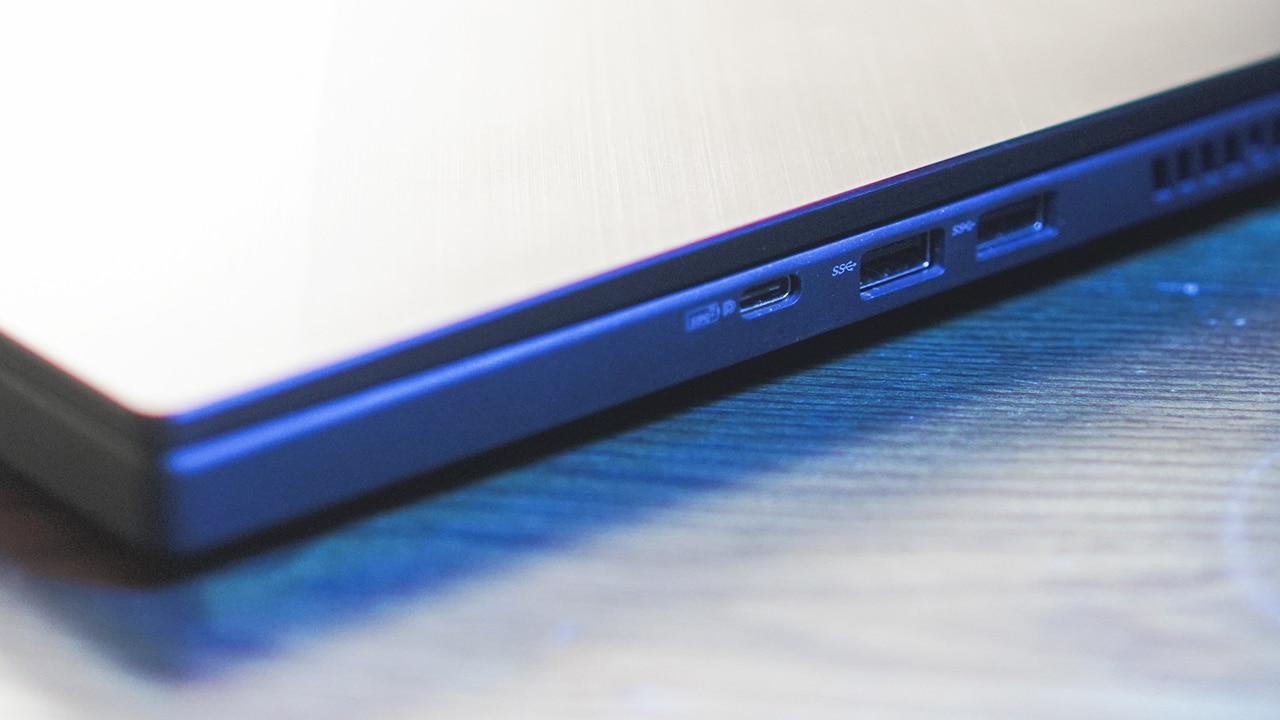
It comes in a slim form factor, unlike previous Zephyrus models
It has a 240Hz FHD display with a 3ms response rate
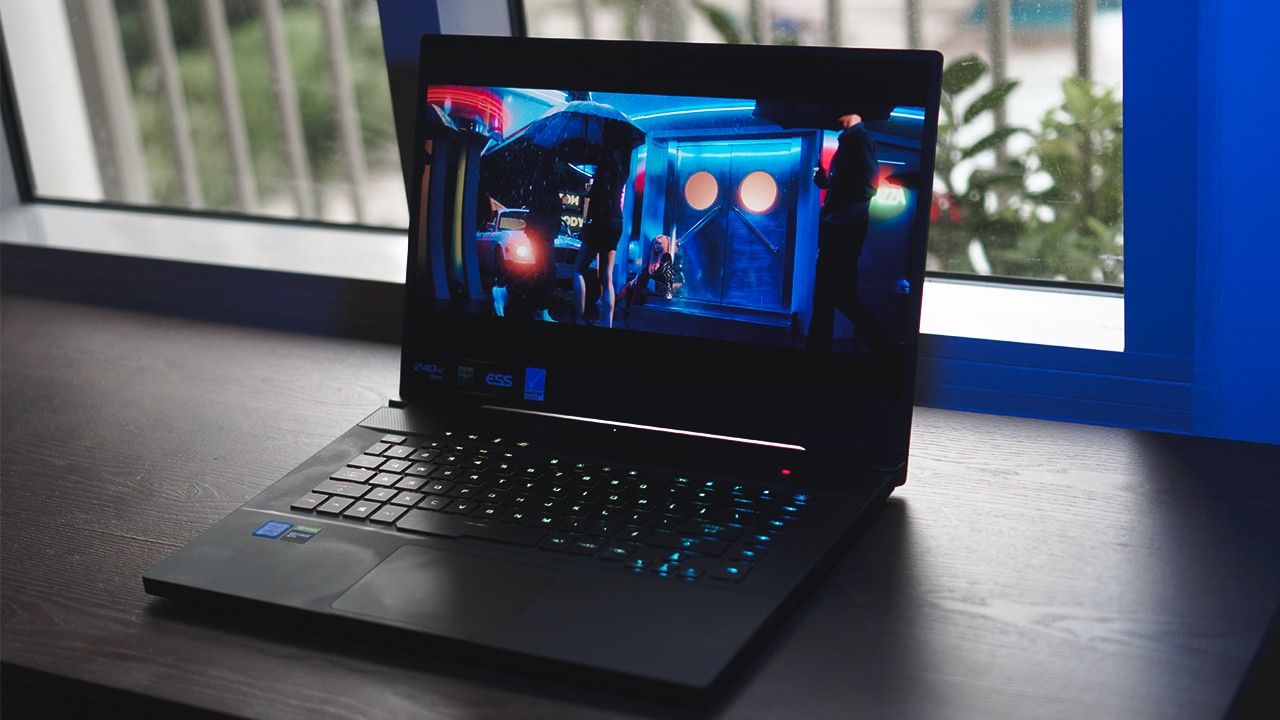
It comes with an NVIDIA GTX 1660Ti graphics card inside

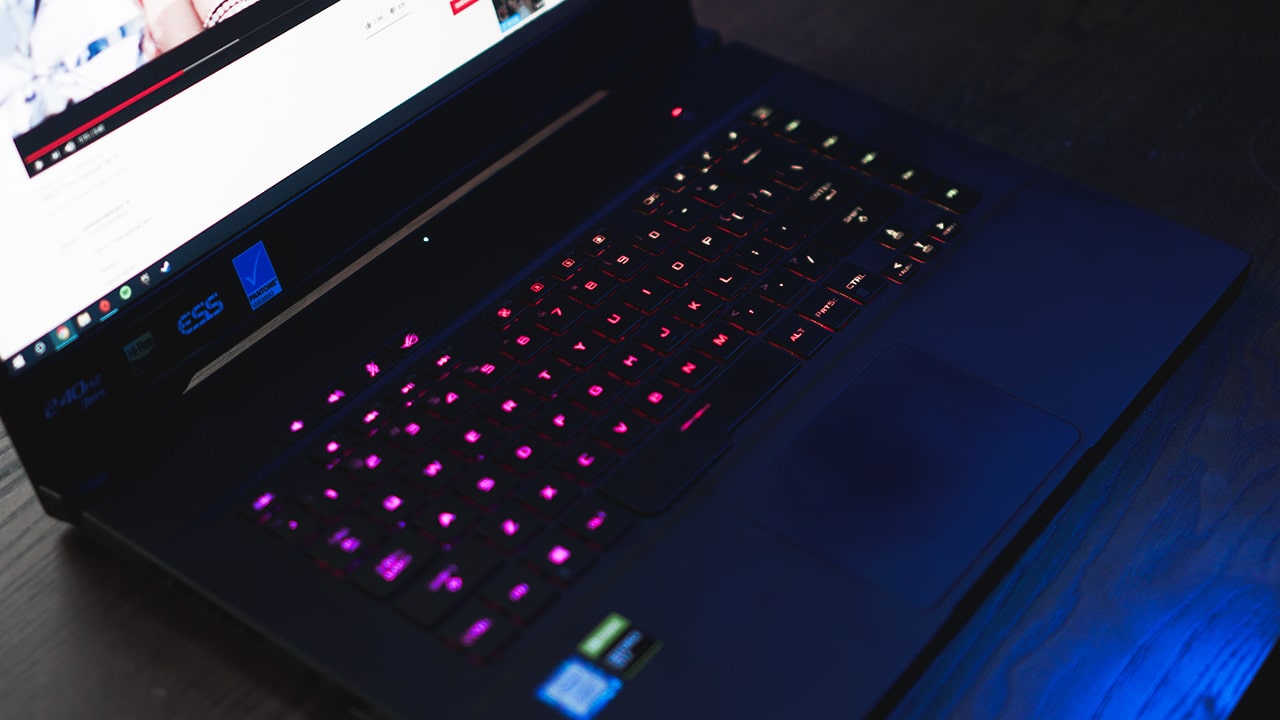
It has an RGB-backlit keyboard with ASUS’ Aura Sync technology
All that power, all the productivity in the world
This device comes in a powerful yet visibly thinner package. It has a 9th-generation Intel Core i7-9750H processor inside, which delivers top tier productive performance. I ran several light and heavy applications all at once, and I felt like a god just multitasking through all of them.
It also helped that the device runs on 16GB of RAM and a 512GB solid-state drive. All that memory, disk space, and disk read speed meant that applications quickly booted up. I found myself speeding through most of my day-to-day tasks because of how quick this device is.

It’s like I could watch YouTube videos, work on Excel spreadsheets, browse social media and Spotify all in one sitting. You can even add more windows for video editing, graphic design, and light gaming. This is one heavy-duty device for someone like me.
Playing harder at any rate without missing a moment
This device rocks an NVIDIA GTX 1660Ti, which to me feels like a tiny downgrade from the RTX 2070 option. Nonetheless, gaming performance on the ASUS ROG Zephyrus M was splendid. Heavy-duty, popular titles such as Fortnite, PUBG, and Apex Legends all reached a 60 FPS threshold at their highest possible settings.
Gameplay just feels smooth, with no visible lag spikes in between high-pressure moments. The 6GB of VRAM that comes with the graphics card just provides all the power you need to play harder. Just make sure your internet doesn’t occasionally disconnect when you’re about to win.
To achieve higher frame rates, you do need to keep the charger plugged. Keeping the device unplugged while gaming still allows you to reach 60 FPS. It’s just that you could go as low as 25 FPS on average, which makes these games barely playable.
The wonderful, colorful, and fast display
To supplement the raw processing and gaming power, you need the ideal display for the job. At least, that’s how I would describe the FHD near bezel-less display this device came with. It’s one of those Pantone certified displays so naturally, I expected great color accuracy for images and videos.
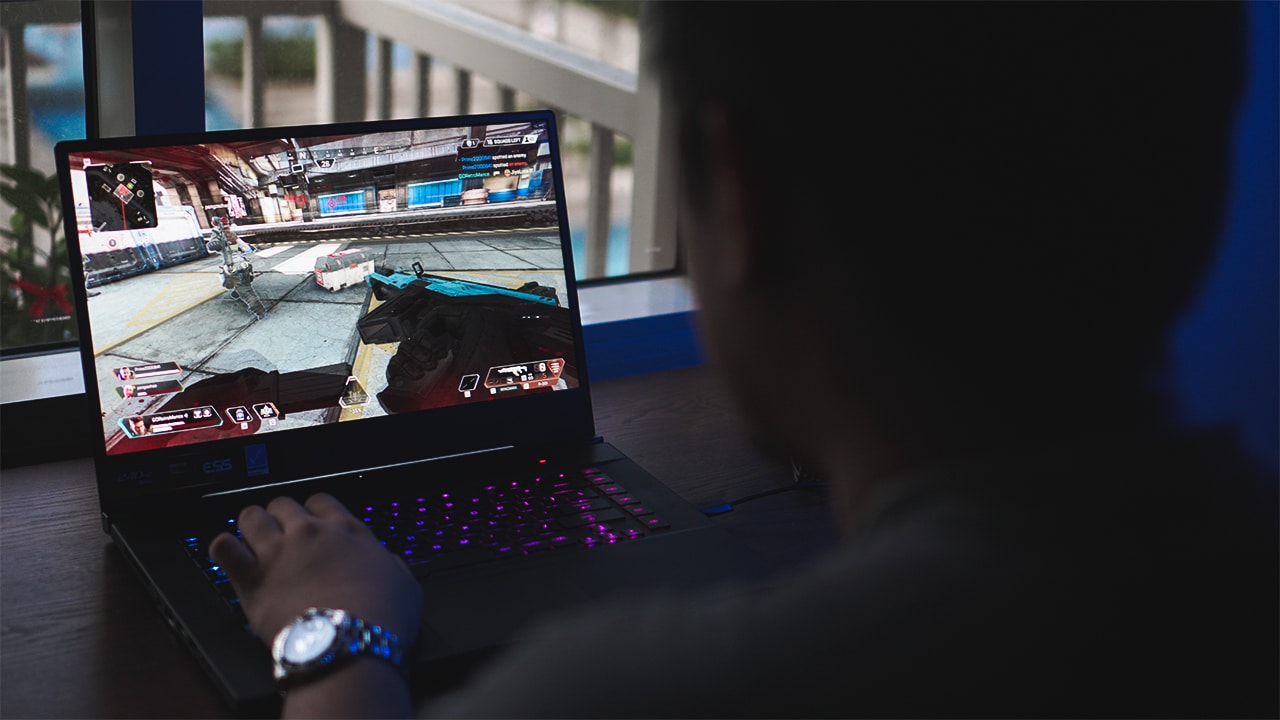
And true enough, that’s exactly what I got. I don’t know about you, but there’s something about a display with vibrant and accurate color grading that makes images much clearer. This is ideal for those who wish to use this device for creative pursuits, as well. Or, if you just want to watch Feel Special or Fake & True over and over, and bask in the glorious visuals.
Also, it comes with a whopping 240Hz refresh rate at a 3ms response time, ideal for gamers. I could literally play non-stop, and not miss a single frame to react to. Also, with these refresh rate elements on the screen just feels and looks extra smoother.
It tries to keep cool, but blasts a lot of heat out
With most gaming machines, you need proper cooling systems to keep the device running. ASUS takes no exception to this, as they decide to put two cooling fans underneath this bad boy. Of course, the goal is to blast heat out of the device while you’re doing heavy-duty workload.
In my experience, the laptop still feels relatively warm even if I turn the fans to its recommended performance setting. The fans do get noisy when they’re on full blast, but that’s something I already expected. It can be bothersome for some people, especially when you’re playing games and you want quiet surroundings.
You can do all of these for a fairly good amount of time
Naturally, I’d like to assume that battery life is a touchy subject for gaming laptops. Most gaming laptops typically boast short battery lives, ranging from two to three hours when strictly gaming. The ASUS ROG Zephyrus M is no different, as I was only able to use the device for strictly gaming purposes for three and a half hours.
However, when you’re not fully gaming, its battery life is pretty decent. I got about six and a half to seven hours on one full charge doing mostly work-related tasks, light gaming, and video streaming. Windows’ Battery Saver gave me an extra hour and a half, which is still pretty decent considering the workload.

Charging the device doesn’t take too long, either. I got the battery level to 60 percent within 45 minutes, with one full charge taking two and a half hours. Of course, when I was using the device while charging, it took close to three hours.
Is this your GadgetMatch?
At PhP 109,995, the ASUS ROG Zephyrus M is one supreme machine. You get unrivaled performance for almost any way you want to use this device. Be it just for playing video games, video editing, or even simple productive workload, it covers all of those.
Of course, there are things you have to worry about with a device like this. From battery life to its intricate cooling system, some things will have to give way for you to experience nothing but the best.
All that power compressed into one thin package, making this the ideal on-the-go gaming device. And quite honestly, the ROG Experience truly was worth having thanks to this device.






Gaming
Pokémon FireRed and LeafGreen are coming to the Switch
Both games will be available starting February 27.


Millennials, prepare to have your nostalgia get hit right in the feels. Nintendo has officially announced that Pokémon FireRed and LeafGreen are coming to the Switch.
This year, the Pokémon franchise is celebrating its 30th anniversary. Naturally, with Pokémon Day coming up, it’s only right to celebrate the event with something huge. Finally, two of the most prolific titles in the series are coming to a modern console.
Originally released in 2004, Pokémon FireRed and Pokémon LeafGreen were remakes of the original Pokémon Red and Pokémon Blue. At the time, the two titles reimagined the older games for the Game Boy Advance. Additionally, they introduced new post-game content set in the Sevii Islands, where Ho-Oh, Lugia, and Deoxys reside in the Kanto region.
Based on the short teaser trailer, the upcoming Switch versions will feature all of both games’ content. It will likely be remastered for the Switch’s larger screen.
To showcase more of the Switch version, Nintendo is hosting a Pokémon Presents on February 27. The brand has not mentioned anything about a potential physical version yet. However, they do promise that both games will be available on the Nintendo eShop as soon as next week’s Pokémon Presents concludes. Each game will cost US$ 19.99.
SEE ALSO: A Pokémon leak reveals an MMO-style remake of Hoenn, Sinnoh

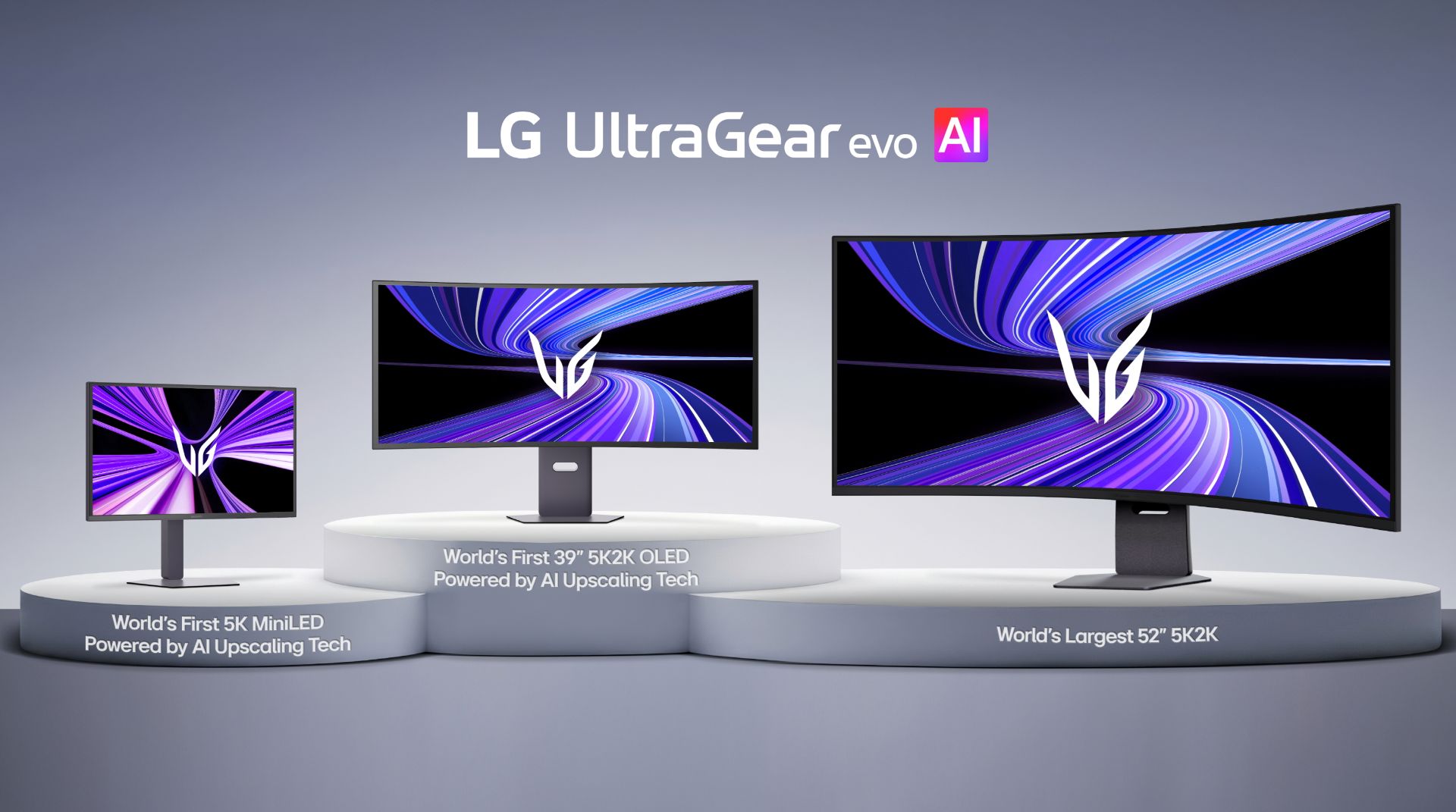
LG Electronics has introduced the UltraGear evo, a new premium gaming monitor brand. It was first debuted at CES 2026.
The UltraGear evo line includes 5K-and-above resolution gaming displays in OLED, MiniLED, and ultra-wide formats. They are designed to deliver high definition, speed, and immersive gameplay.
To make things work, LG developed the world’s first 5K AI Upscaling technology. This on-device AI solution enhances content in real time without requiring GPU upgrades.
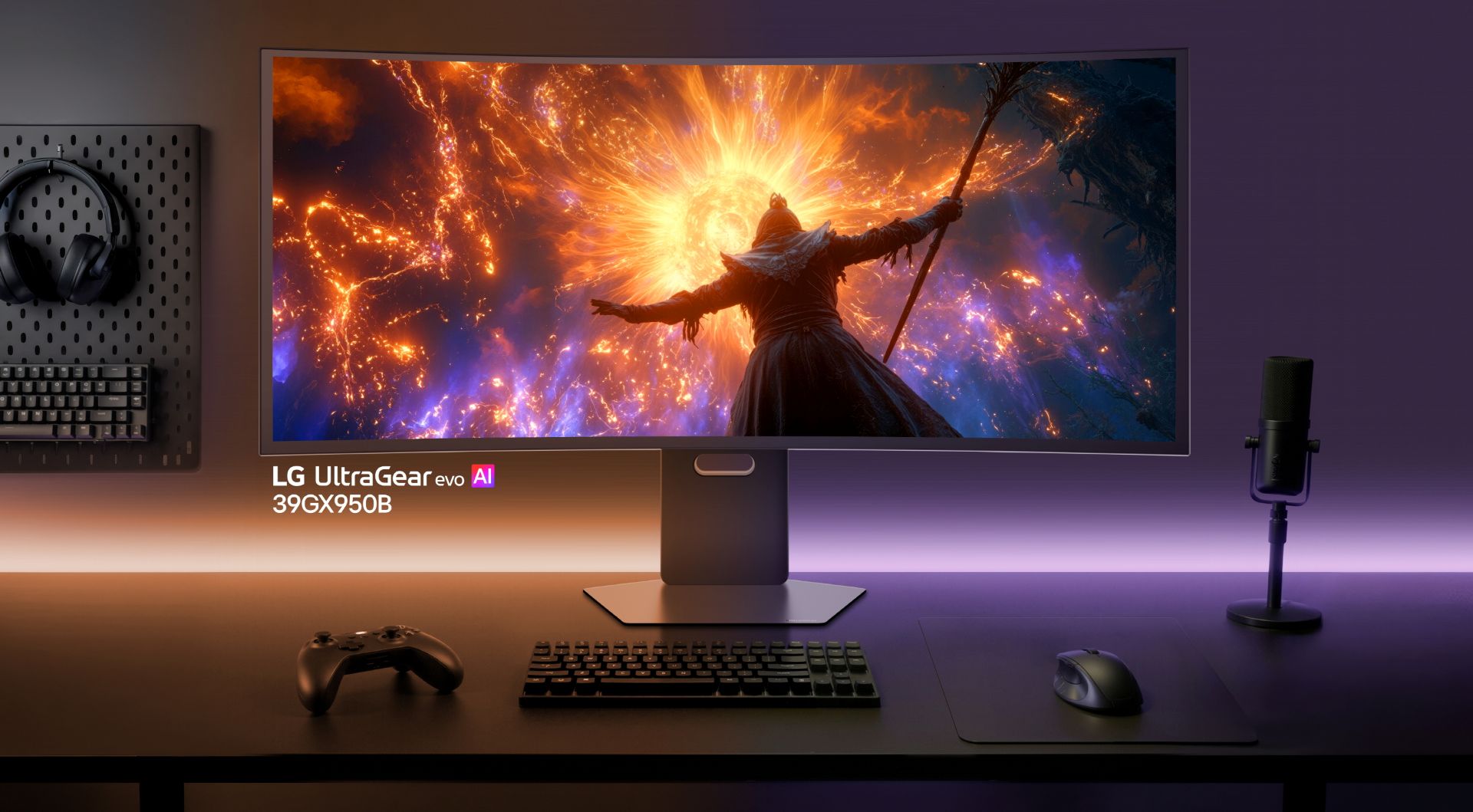
The three primary offerings are the 39GX950B, 27GM950B, and 52G930B. Here’s a quick breakdown for each:
39GX950B
- 39-inch 5K2K OLED gaming monitor
- AI Scene Optimization
- AI Sound
- Dual Mode
- Allows users to switch between high-res 165Hz and ultra-fast 330Hz
27GM950B
- World’s first 5K New MiniLED gaming monitor
- Significantly reduces blooming using 2,304 local dimming zones
- Zero Optical Distance technology
- Supports 5K AI Upscaling, Dual Mode up to 330Hz
52G930B
- Massive 52-inch display
- 240Hz refresh rate
- Panoramic 12:9 viewing experience
- 1000R curvature
LG positions the new UltraGear evo lineup as a major leap forward in gaming displays. They eliminate trade-offs between brightness, contrast, speed, and screen size.
The lineup will again be showcased at CES 2026, including a “Dream Setup” installation and racing simulation using the 39-inch model.
An additional UltraGear GX7 (27GX790B) will be launched globally. It is a 27-inch QHD Tandem OLED gaming monitor with 540Hz refresh rate and Dual Mode support.
Gaming
PlayStation 6 reportedly delayed to 2029 because of RAM shortage
The Switch 2 might also get a price hike this year.
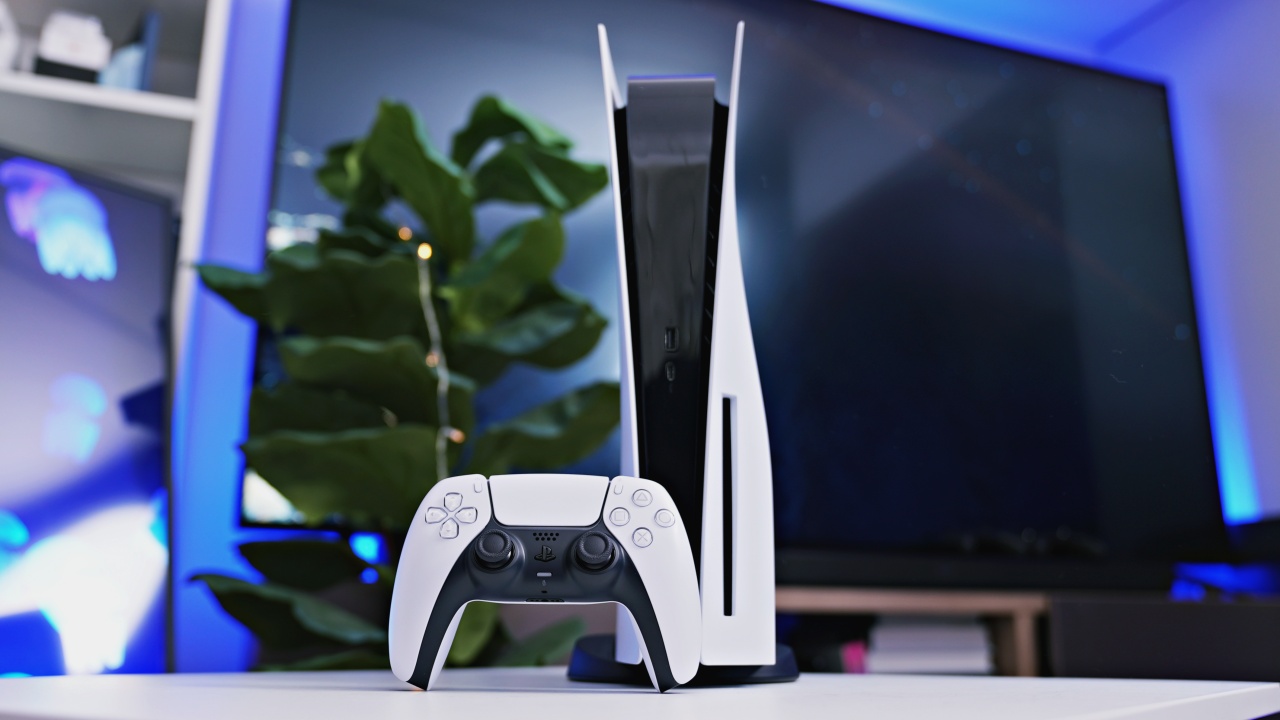
The current console generation is arguably a tepid one, especially compared to preceding generations. Though the PlayStation 5 certainly has its certified hits, it’s difficult to classify the home console as a quintessential piece of hardware that everyone must own. All eyes are now on what comes next, the PlayStation 6. However, because of an ongoing RAM shortage, those curious eyes might have to wait a little bit longer.
As you probably know, an ongoing RAM shortage is currently terrorizing the entire tech world. Upcoming devices are getting delayed, and currently available ones are expecting a price increase sometime this year. The unannounced PlayStation 6 is reportedly part of the first group.
According to Bloomberg, the shortage has pushed the projected release of the next console to 2028 or 2029. The delay is apparently disruptive to Sony’s plans.
There aren’t a lot of rumors swirling around the PlayStation 6 yet. However, the absence of news, coupled with anticipated titles like the remake of the God of War trilogy far off into the future, hints that PlayStation is waiting for the right time.
On the other hand, the same report claims that the Nintendo Switch 2 is part of the second group of RAM shortage victims. That is, Nintendo is reportedly considering a price hike for the currently available console this year.
To be clear, neither Nintendo nor Sony have confirmed anything happening to their respective consoles, current or otherwise. However, the shortage is a very real thing. Even if its effects aren’t readily felt now, it’s still expected to spread throughout the industry in the medium term.


Pokémon FireRed and LeafGreen are coming to the Switch

HUAWEI launches Mate X7, MatePad 11.5 S 2026, FreeClip 2

iPhone 17 Pro Max is somehow the most traded-in phone today

vivo V70 launched globally, introduces 4K 60fps, OriginOS 6, more

Osmo Pocket 4 makes a surprising appearance in public

HONOR X9d 5G review: Tougher, more long-lasting and optimized

Now playing: Final Fantasy VII Remake INTERGRADE on Switch 2

Breaking up with Adobe Photoshop after 20 years

Razer fully unwraps these limited BLACKPINK Edition gaming gear

TECNO will showcase the CAMON 50 and POVA 8 series at MWC 2026

-
 News2 weeks ago
TECNO will showcase the CAMON 50 and POVA 8 series at MWC 2026
-

 Laptops2 weeks ago
TECNO MEGABOOK K16s 13th review: No-frills beneath those grills
-
 Features2 weeks ago
HUAWEI MatePad 11.5 S 2026: The better-than-ever 4-in-1 productivity tablet
-

 Gaming2 weeks ago
Now Playing: Yakuza Kiwami 3 & Dark Ties
-

 Reviews1 week ago
The art of being in and behind the frame
-

 First Look1 week ago
Match Pulse: OPPO Reno15 Pro
-
 India1 week ago
TECNO POVA Curve 2 5G packs an 8000mAh battery
-

 Accessories1 week ago
Sony WF-1000XM6 is out now: Price, availability