
Gaming
Civilization VII preview: Immersion takes center stage
Improving on a classic formula

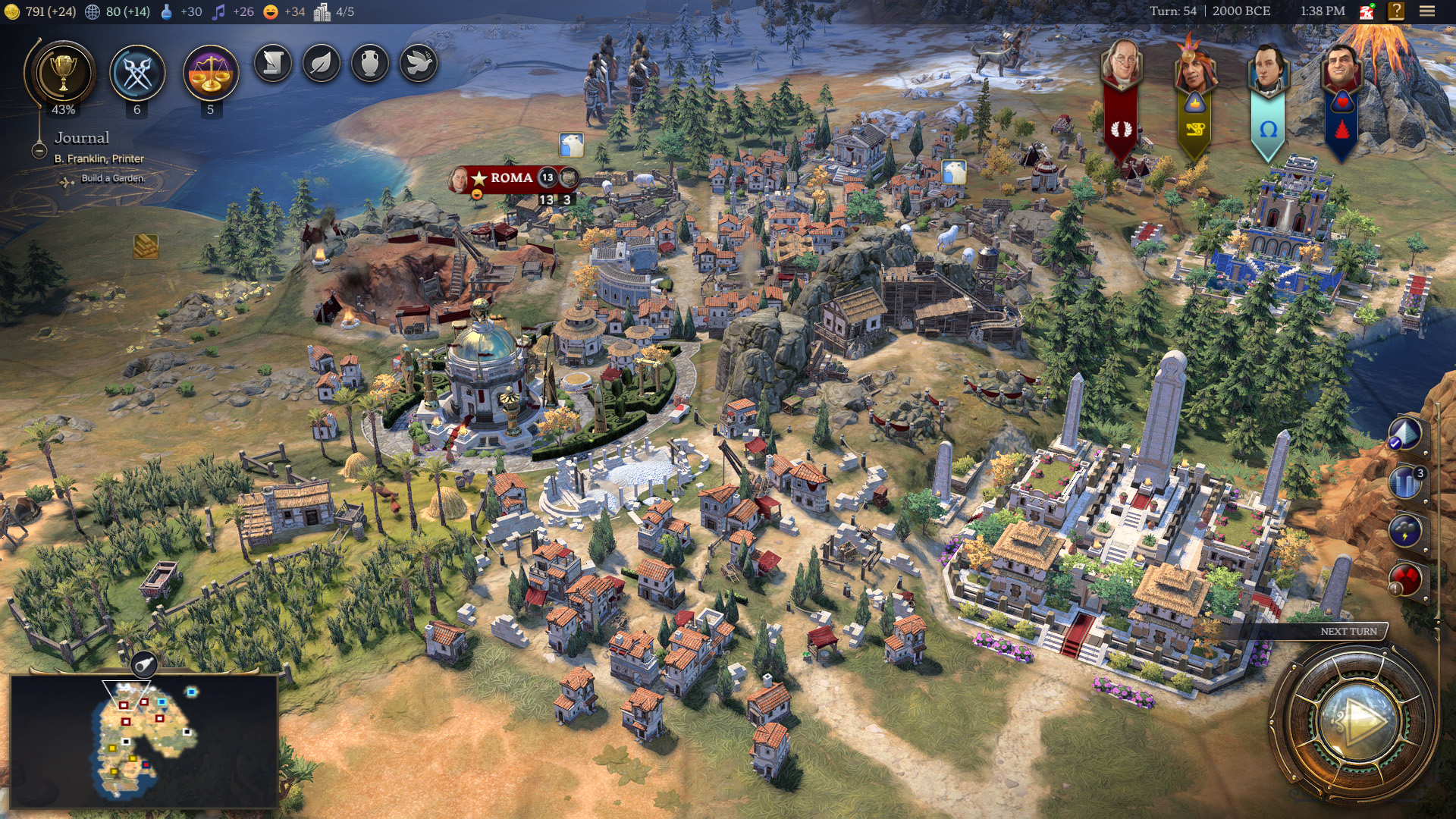
When I was seven years old, I got my very first video game: Civilization III. Because I was so young, I didn’t understand how to play most effectively. Still, my lack of game sense didn’t stop me from immersing myself in an alternate history where I could pit Greek hoplites against Aztec jaguar warriors. Immersion was key.
It wasn’t until Civilization VI that I fully understood the inner workings of a Civ game. The world turned into a set of manipulable numbers to secure victory. Immersion melted away. I was, however, still hooked. Even if I couldn’t imagine myself as the leader of a nation anymore, Civilization VI remains my most played game according to Steam.
Now, Civilization VII is reinventing the wheel once again. In recreating the iconic game’s systems, Firaxis has crafted something that expertly maneuvers between immersing the player in alternate history and allowing them to master the game’s mechanics.
Three games in one
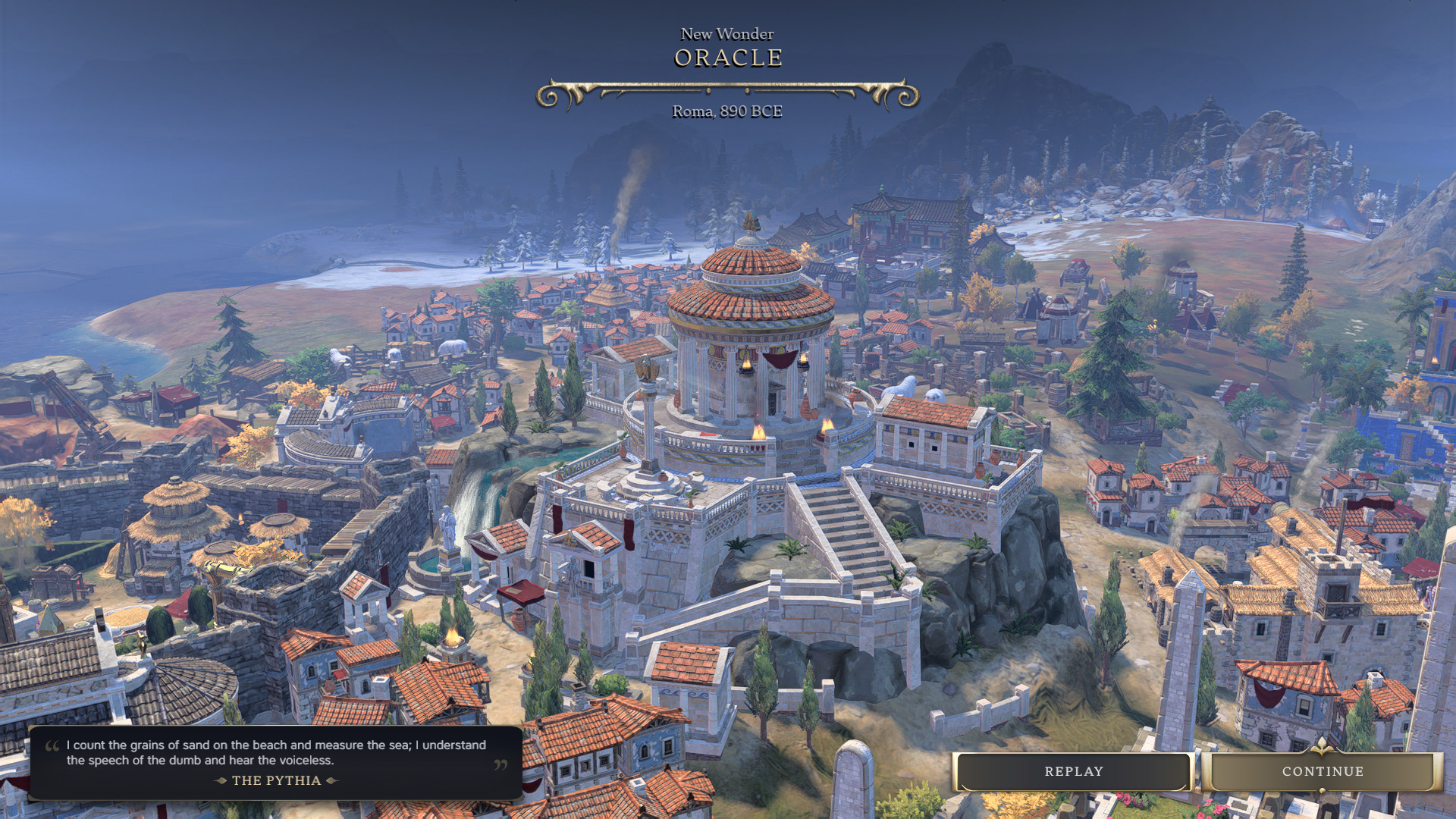
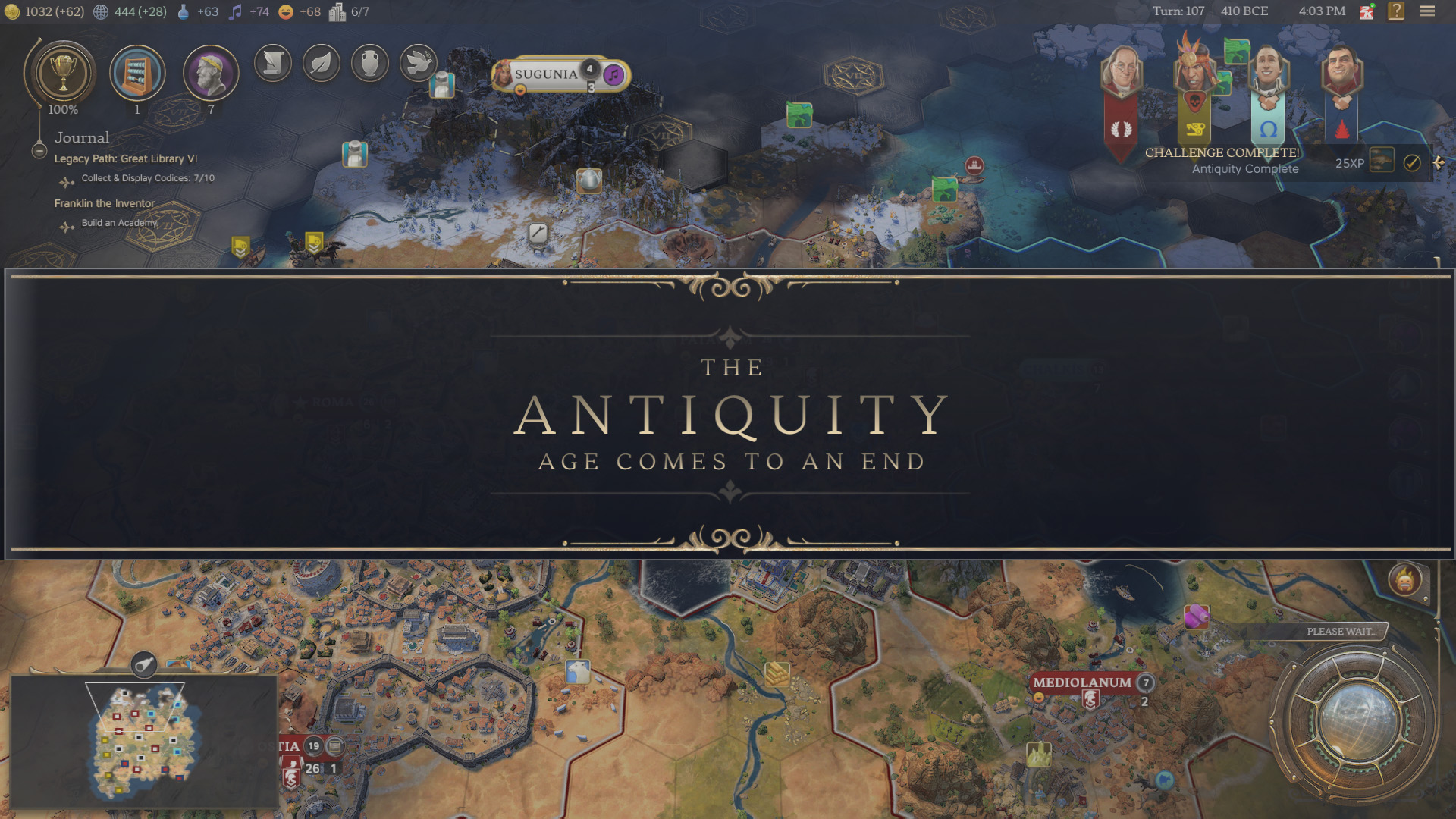
In the trailers and previews leading up to today, Civilization VII looked less like itself and more like a copy of other 4X games (which were, in turn, copying from Sid Meier’s series). Instead of the seamless transitions between eras that were characteristic of the series in the past, the new title pares everything down into three Ages. Plus, at the end of each Age, Civs can reinvent themselves into one more apt to the incoming Age. Humankind, anyone?
However, after playing the game for a day, I can safely say that calling Civilization VII a Humankind copy is terribly unfair. Each Age stands up for itself but still lets one build up from another. It’s a feat that Humankind was never able to do.
Plus, in making each Age stand out, it rekindles the epic transitions that were in Civilization III. Back then, the end of each era came with a transition screen that transformed old cities into new. Civilization VI did away with this entirely. The seventh game, on the other hand, has its own setup screen, making it an extremely big deal that the times are changing.
All their own Ages
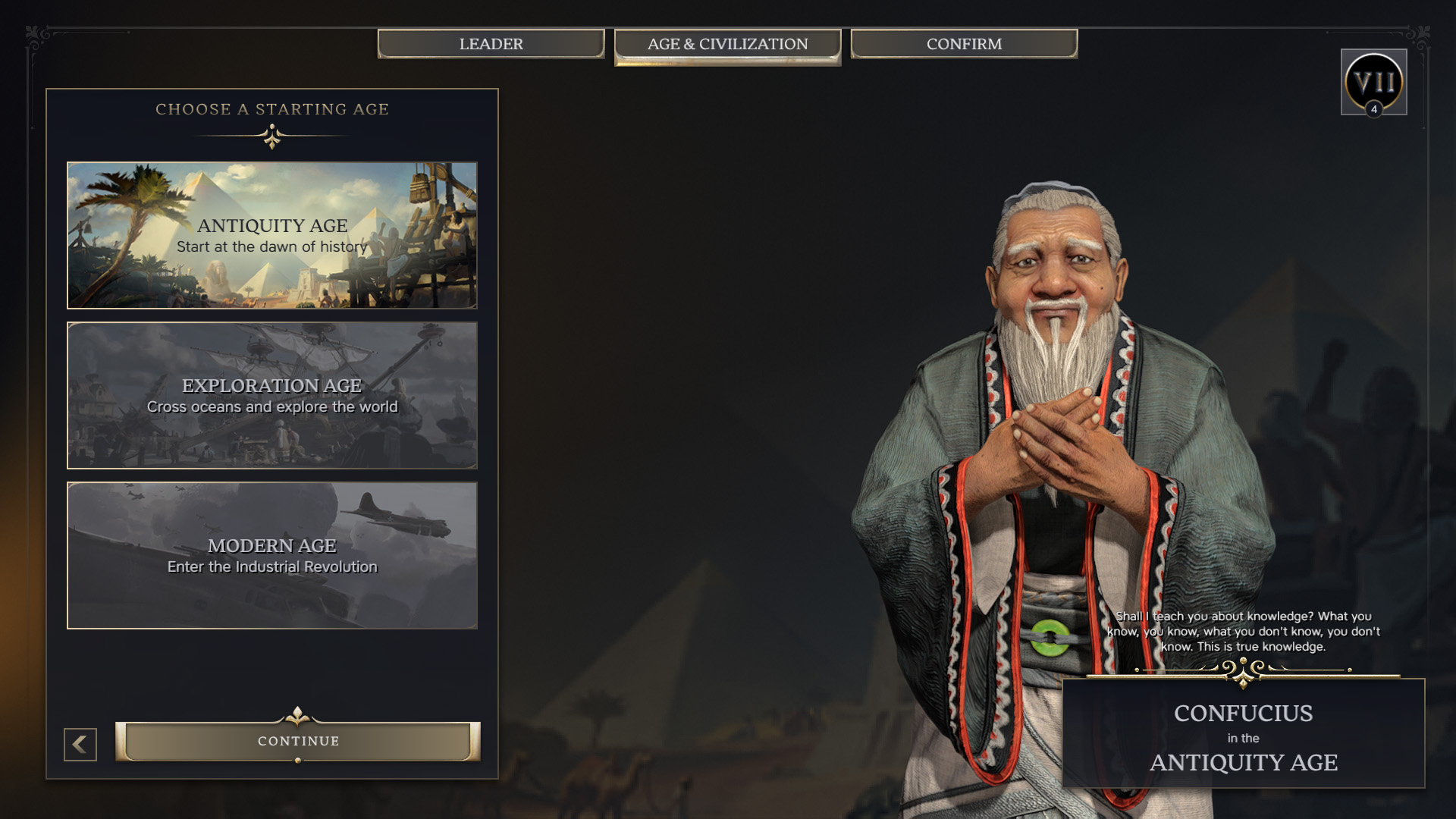
I’ve only played through the Age of Antiquity and the Age of Exploration. However, just from those two, I can see how different each Age is.
In the Age of Antiquity, the game is about expanding throughout your entire starting continent. It’s a game that seasoned Civilization players will find familiarity with.
However, things change drastically in the Age of Exploration. In most of my games in the previous title, I almost never dabble in colonialism and exploration. I was perfectly content with turtling in my home continent. In most cases, I still won my game. In this game, however, the system forces you to engage in exploration. It is, after all, how you “win” that Age.
As such, the Age of Exploration feels like an entirely different game. However, it’s still based on the previous Age. Though it seems like a fresh start, it doesn’t make me feel that everything I did in the Age of Antiquity was for naught.
Making them feel different
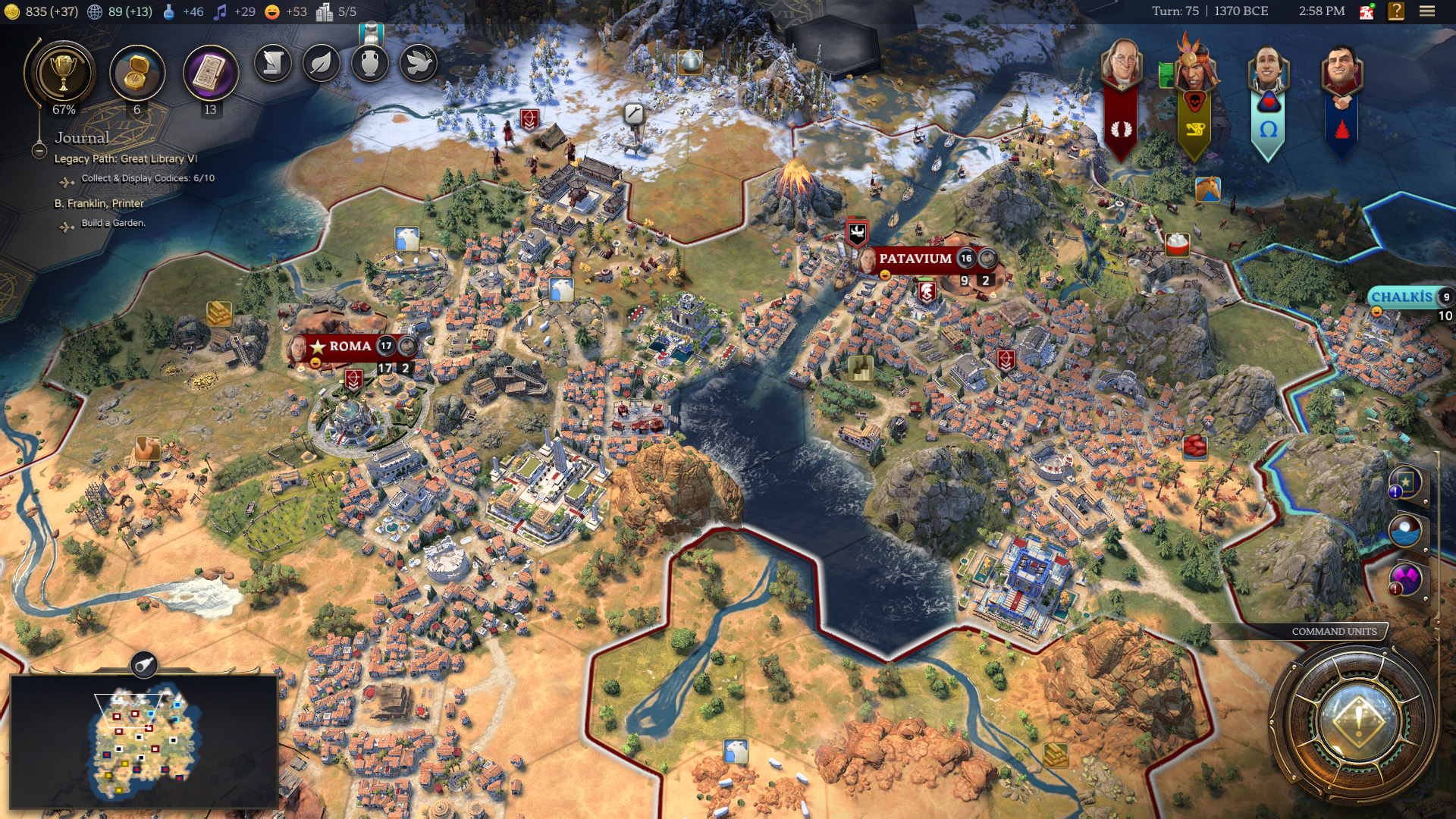
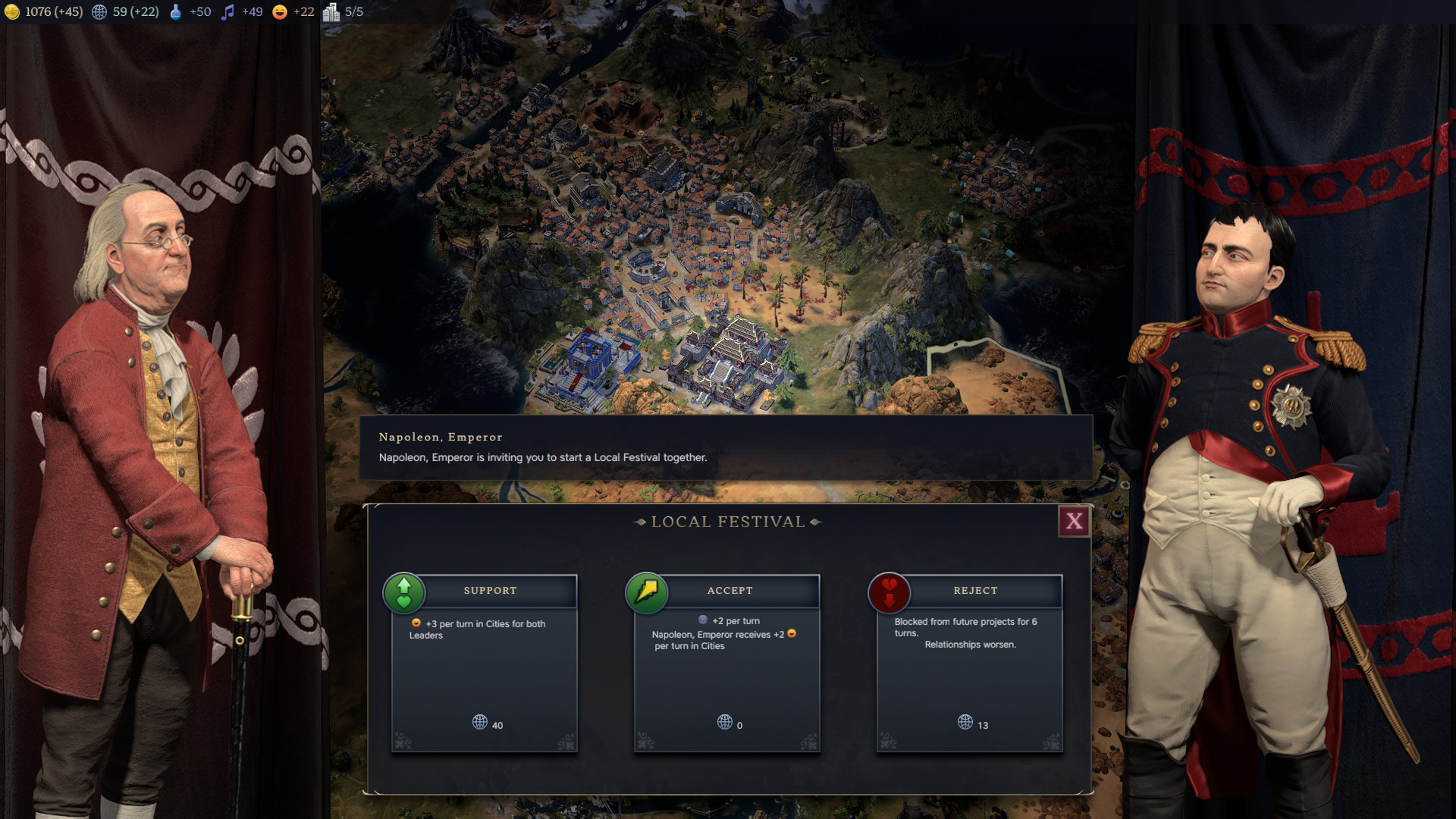
Beside the systems themselves, one of the biggest reasons why each Age has its own identity is a better focus on visual and audio design. In Civilization VI, changes between the different eras were there but not pronounced. You might not have even noticed them.
In Civilization VII, it’s more apparent. Your Civ’s buildings change in a much more blatant way to follow the time period. Additionally, buildings can change depending on the tile they’re settled on. For example, tundra-settled cities are more obviously covered in snow.
Another huge win is a much more identifiable soundtrack. Never mind the epic pieces composed by Christopher Tin, the franchise’s soundtrack since the fourth game has always felt like an afterthought. Sometimes I still listen to the third game’s soundtrack on loop. I don’t do that with the fourth through the sixth’s soundtracks. I think this changes with the seventh game. The new game’s soundtrack sounds more alive, more willing to immerse you in your chosen Civ’s culture.
Randomness in immersion
Another way that immersion slowly left the series is through an air of predictability. Everything could have been boiled down to numbers and charts. The sixth game was all about optimizing yields to outclass the opponent. Don’t get me wrong; having a more gameplay-focused system worked well for the series. But if you’re looking for a mix between an RPG and a strategy game, you’re better off somewhere else.
Civilization VII changes this by adding narrative events peppered throughout the experience. There’s a new and refreshing air of randomness. Though the rewards for participating in an event are quantifiable, the flavor text makes it worthwhile. You’re actually writing your Civ’s story while helping them get a leg up on their goals.
And these events are also steeped in the leader you chose. It’s not just a single set of random occurrences. An event can sometimes reflect your leader’s characteristics.
Bringing back the charm of the series
Civilization III remains one of my favorite games because of the nostalgia it brings from the countless hours I played it as a kid. Over time, the game matured, albeit still keeping its addictive nature. Today, Civilization VII feels like returning to an old toy where I can get lost for hours and hours roleplaying as an iconic figure or civilization from history.






Capcom is celebrating the arrival of Yasmine, the first-ever Filipina character in the Street Fighter series, with an official community event in the Philippines this August.
The Official Street Fighter 6 ‘Yasmine’ Community Event takes place on August 9, 2026 at Salud! by Primera Bar & Restaurant in Palanan, Makati. Doors open at 2:00 PM, with tournament matches, community activities, giveaways, and free play sessions scheduled throughout the day.
Meet Yasmine, Street Fighter 6’s first Filipina fighter
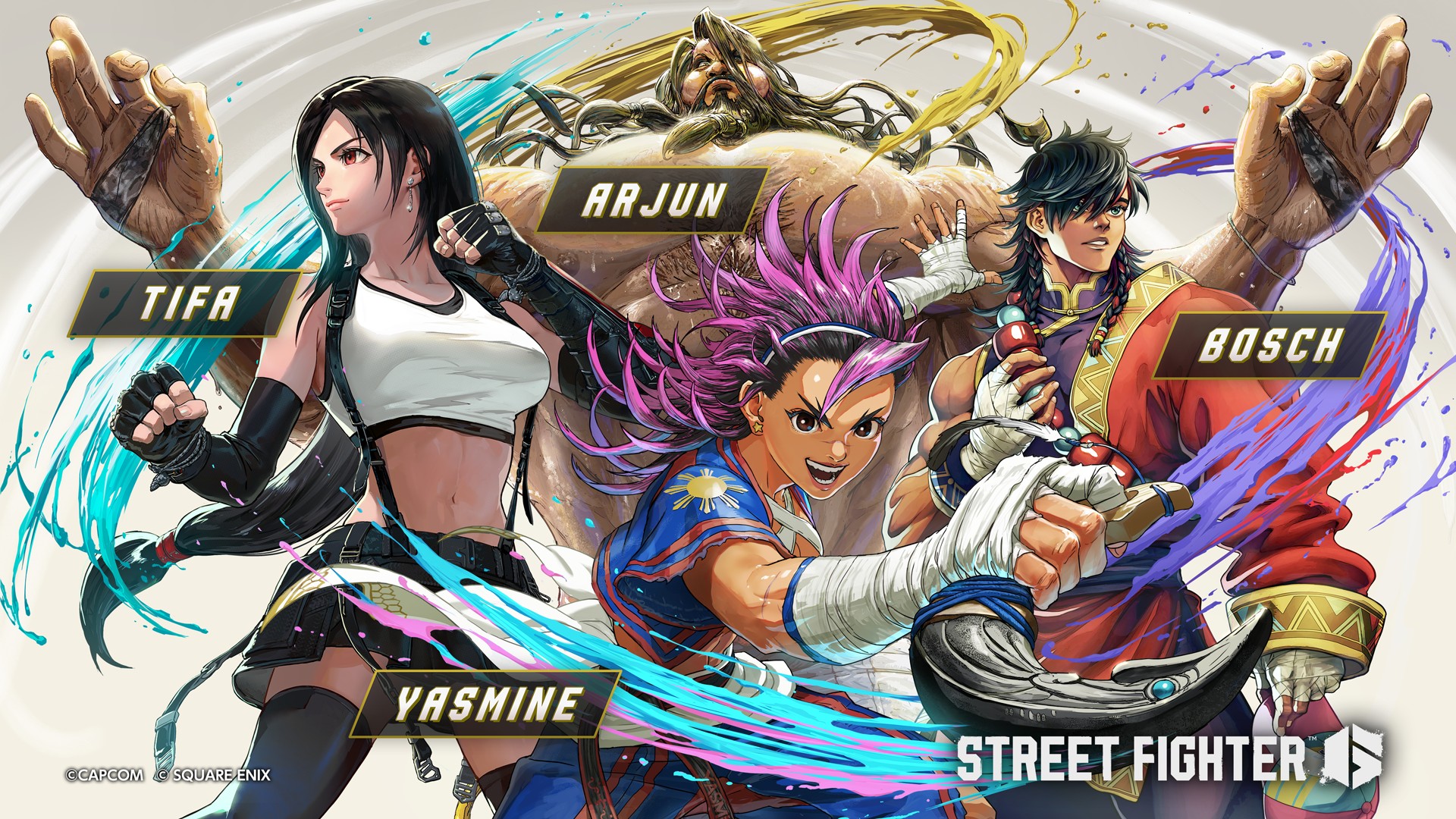
Yasmine joins Street Fighter 6 as the first playable character in the game’s Year 4 roster.
According to Capcom, she learned to fight alongside her older brother under the guidance of her grandfather. After her brother’s disappearance, she returns to combat using high-speed Eskrima techniques while wielding a Karambit knife.
She is joined in the Year 4 lineup by Arjun, Tifa from the Final Fantasy VII Remake series, and Bosch. Her release also coincides with balance updates for the entire Street Fighter 6 roster.
Yasmine becomes available on August 3, 2026 for players who own the Year 4 Character Pass or Year 4 Ultimate Pass.
Community tournament and exclusive merchandise

The Makati event will feature a double-elimination tournament, beginning with Best-of-3 matches before switching to Best-of-5 during the Top 8 Finals.
The schedule includes:
- 2:00 PM: Doors Open, Player Check-in, Controller Button Checks, and Free Play Warmups
- 3:00 PM – 3:15 PM: Welcome Speech & Official Street Fighter 6 Yasmine Gameplay Showcase
- 3:15 PM – 5:00 PM: Tournament Pools
- 5:00 PM – 6:30 PM: Top 8 Finals (Main Stage Broadcast) & Prize Presentation Ceremony for Champion, 2nd and 3rd Placements.
- 6:30 PM – 7:00 PM: Premium Community Giveaways, Group Photo Ops, and Closing Remarks
- 7:00 PM – 9:00 PM: Free Play and Community Networking
Attendees can also receive exclusive event merchandise while supplies last, including a Yasmine-themed T-shirt, lanyard, keychains, and themed food and refreshments.
Capcom says admission is subject to venue capacity and will be handled on a first-come, first-served basis.
Watch the event online
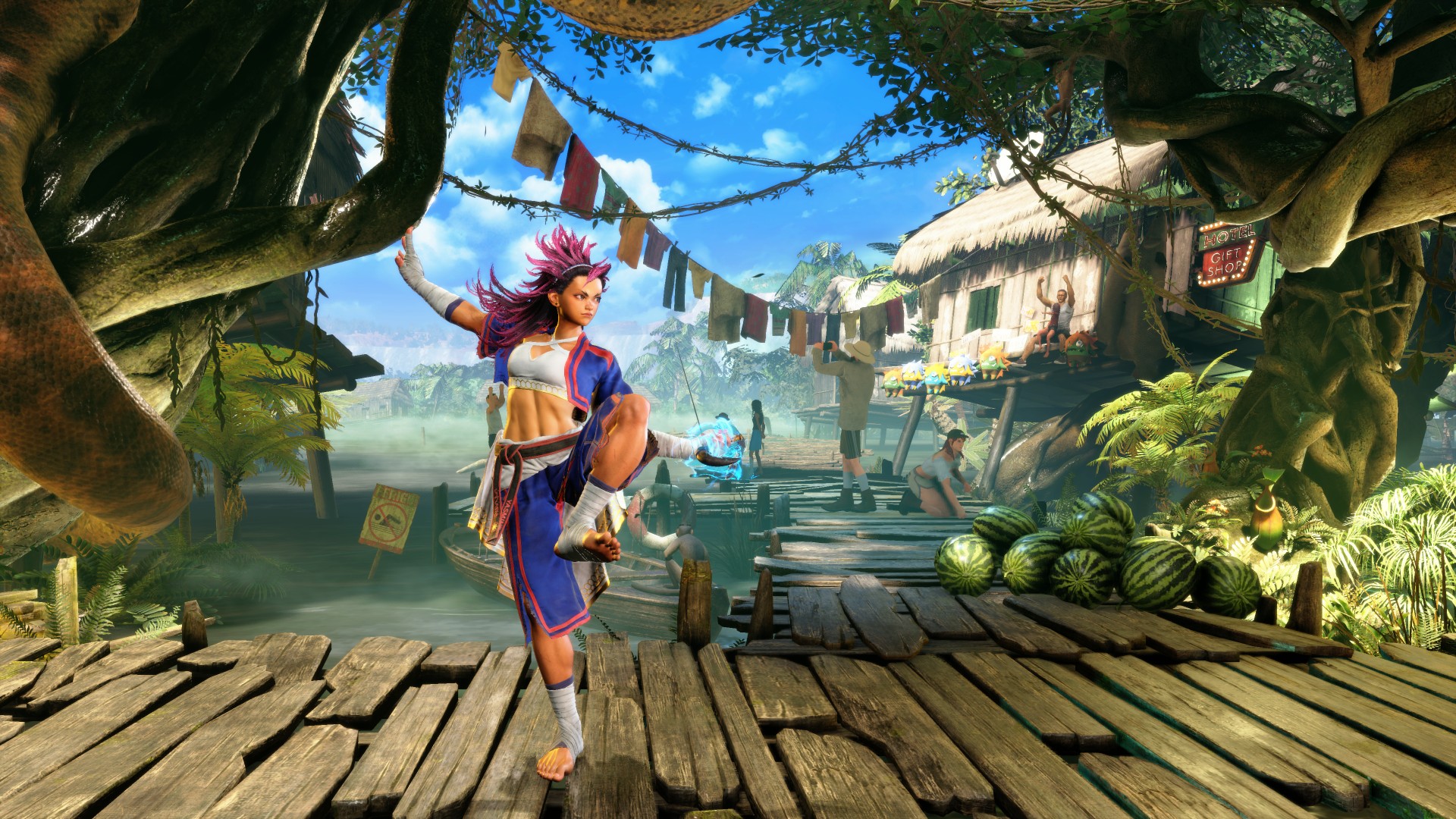
Fans who cannot attend in person can watch the tournament live through the Capcom Asia Official YouTube Channeland the Enduins Games Official YouTube Channel.
Capcom also teased additional announcements, including appearances from cosplay personalities, fighting game veterans, and content creators, which will be revealed closer to the event.
Street Fighter 6 Yasmine community event details
- Date: August 9, 2026
- Time: 2:00 PM – 9:00 PM
- Venue: Salud! by Primera Bar & Restaurant, Palanan, Makati City
- Tournament: Double-elimination (FT2, Top 8 FT3)
- Livestream: Capcom Asia Official YouTube Channel and Enduins Games Official YouTube Channel
Gaming
Most of the world’s PlayStations will be officially useless by 2028
PlayStation’s disastrous no-disc policy is now a lot worse than you thought.

Last week, we lamented the loss of the PlayStation disc. As we described, the loss isn’t just a major blow to nostalgia for aging gamers, but it also puts a huge question mark on game ownership. Well, there’s another wrinkle that the world is slowly realizing. By deleting physical discs, PlayStation has effectively blockaded their entire service from countries without an official online store.
If you haven’t heard, PlayStation is ceasing the production of physical discs for new games starting 2028. The console will become an all-digital platform. Now, we can blather on and on about how this sucks for ownership, but all gamers will still have access to games online at the very least. Right?
Wrong.
Not every country has an official PlayStation Store or the ability to create a PSN account. In fact, a staggering amount don’t; 121 countries (or 62 percent of the entire world) don’t have official access to the online storefront.
If you live in any of these countries, you’re likely familiar with some unofficial solutions: that is, setting your country elsewhere where the store exists. But, because it’s an unofficial solution, doing this is technically against PlayStation’s policies and can result in bans.
That being said, as noted by users on Reddit, this means that, on a very technical and legal level, these 121 countries will no longer be able to buy physical or digital games starting 2028. Because of a clarified policy, you can still play older games, but if you want to play the latest Call of Duty or NBA 2K, you are out of luck.
There’s no official list of affected countries, other than those collated by others manually. But if you’ve never been able to set your own country on the PlayStation Network, you’re a part of it.
Gaming
Assassin’s Creed Black Flag Resynced comes to life at Skypark Macau
Themed event lets fans experience the game in real life from July 17 to 26


Assassin’s Creed fans are invited to celebrate the launch of Black Flag Resynced through a limited-time themed experience at the Skypark Macau Tower.
The experience will run from July 17 to 26, and will feature elements from the title brought into a real-world setting. There’s themed installations, photo opportunities, and exclusive event rewards.
Aside from that, there is a concept art gallery and replica props inspired by the action-adventure.
The experience opens to the public from 11:00 A.M. on Friday, and will remain available until the last Sunday of the month.
It will be more fulfilling to come on the first day, as there will be exclusive merchandise sold only on July 17.
Guests who purchase the game on-site, or present proof of purchase of the game at the event will be eligible to redeem an exclusive item, available only until supplies last.
Moreover, those who complete an eligible activity during the Assassin’s Creed event period at Skypark Macau will receive a paper scroll replica of the “Letter for Duncan Walpole”, while supplies last.
Assassin’s Creed Black Flag Resynced is a faithful remake of 2013’s Assassin’s Creed IV Black Flag. Rebuilt from the ground up and powered by the latest Anvil engine, the game features updated visuals, enriched gameplay, and new narrative content.
Set during the Golden Age of Piracy, the game invites players to sail the Caribbean as Edward Kenway. The rebellious pirate captain is drawn into the centuries-old conflict between Assassins and Templars.
As the protagonist pursues glory and fortune, he crosses paths with legendary figures such as Blackbeard, Anne Bonny, and Calico Jack. All this while the fate of everything the pirates have built hangs in the balance.
The game is available on PlayStation 5, Xbox Series X|S, and PC.


realme C100: Enduring and durable in spite of entry-level realities
Enough power but needs more agility


The ASUS ExpertBook Ultra wins you over
The laptop sneaks up on you


Nexal Watch Sport review: A rugged watch for small budgets
I couldn't believe that watches this good could come for this cheap.

Mercedes-Benz celebrates 140th anniversary at the Presidential Car Museum

Street Fighter 6’s first Filipina fighter arrives August 3

Samsung releases teaser with Spider-Man: Brand New Day Easter eggs

iOS 27 public beta gives us our first taste of Siri AI

The case for traveling without a plan

Buyer’s Guide: TECNO SPARK 50 Pro vs SPARK 50 5G

New York becomes first state to ban smart glasses

vivo X300 Ultra review: A “Whole Different Animal”

DJI Osmo Pocket 4P launches with dual lenses and a 1-inch sensor

HONOR Watch 6 review: Less guessing, more knowing


-
 News1 week ago
New York becomes first state to ban smart glasses
-

 Singapore7 days ago
Sony launches IER-M500 in-ear monitors
-

 Gaming1 week ago
Microsoft dictates that a new Fallout game is coming
-

 Computers1 week ago
GIGABYTE releases new AORUS RTX 5080 INFINITY graphics cards
-

 Gaming1 week ago
HoYo FEST 2026 details announced; tickets on sale from July 16
-
 Gaming1 week ago
Assassin’s Creed Black Flag Resynced available worldwide now
-
Reviews7 days ago
realme C100: Enduring and durable in spite of entry-level realities
-

 Automotive2 weeks ago
The Kia Carnival Hybrid is a gentle giant