
Gaming
Cyberpunk 2077 PC review: Looks can be deceiving
It lived up to the hype, then undid some of it

Last December 10, 2020, CD Projekt Red (CDPR) finally dropped its much awaited video game title for the past seven years. Set in the year 2077, this new open-world experience explores the possibilities of human existence with science at its core. Beneath all the scientific breakthroughs, an everlasting human conflict resides.
In my opinion, this is how the world of Cyberpunk 2077 seemingly positions itself as a video game. It prides itself as a sprawling open world, with a character-driven story of your own choosing. With a great deal of combat opportunities and side missions inherent to open world games, it shaped up according to the hype.
And then, I felt it’s hype go through a cycle of life and death as a game that’s just, well, good.
A promising start with every single new game
At the onset of starting a new save file, you’re given three life paths to choose from. For the majority of my playthrough, I simply went with the Street Kid since I felt it had the most to mess around with. If you’re up to it, you can also choose between the Nomad or Corpo life path, each with their own sets of storylines to unfold.
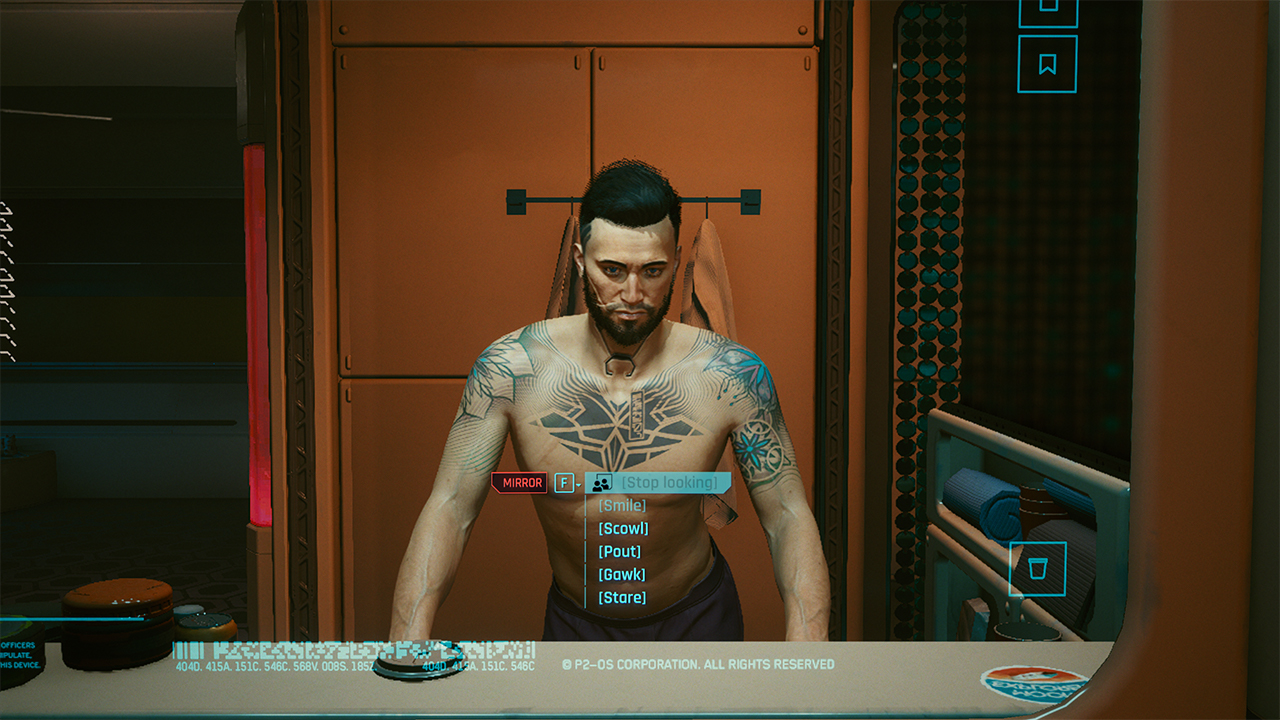
After you configure every physical aspect — yes, including the private parts — of your character named “V”, the game throws you into the action outright. It’s the usual get-a-feel-for-the-controls type of thing, which is par for the course if you ask me. From movement to combat styles, the game does its best at orienting you with how it works.
The game then proceeds to give you a rough six-hour prelude detailing events of V’s first mission with Jackie Welles. I say a rough six hours because the game already gives you a glimpse of just how open the world is to explore. You’re also introduced to a few side missions that ultimately influence the rest of your playthrough. Honestly, it’s a great start leading up to Act 1.
You shape the story, but you also don’t feel it?
After the prelude, you basically proceed however you like, which I felt wasn’t necessarily a bold thing that CDPR implemented. However, it complements the grander scheme of the open-world adventure through Night City. At this point, I thought that this would allow me to pour myself out into the lore.
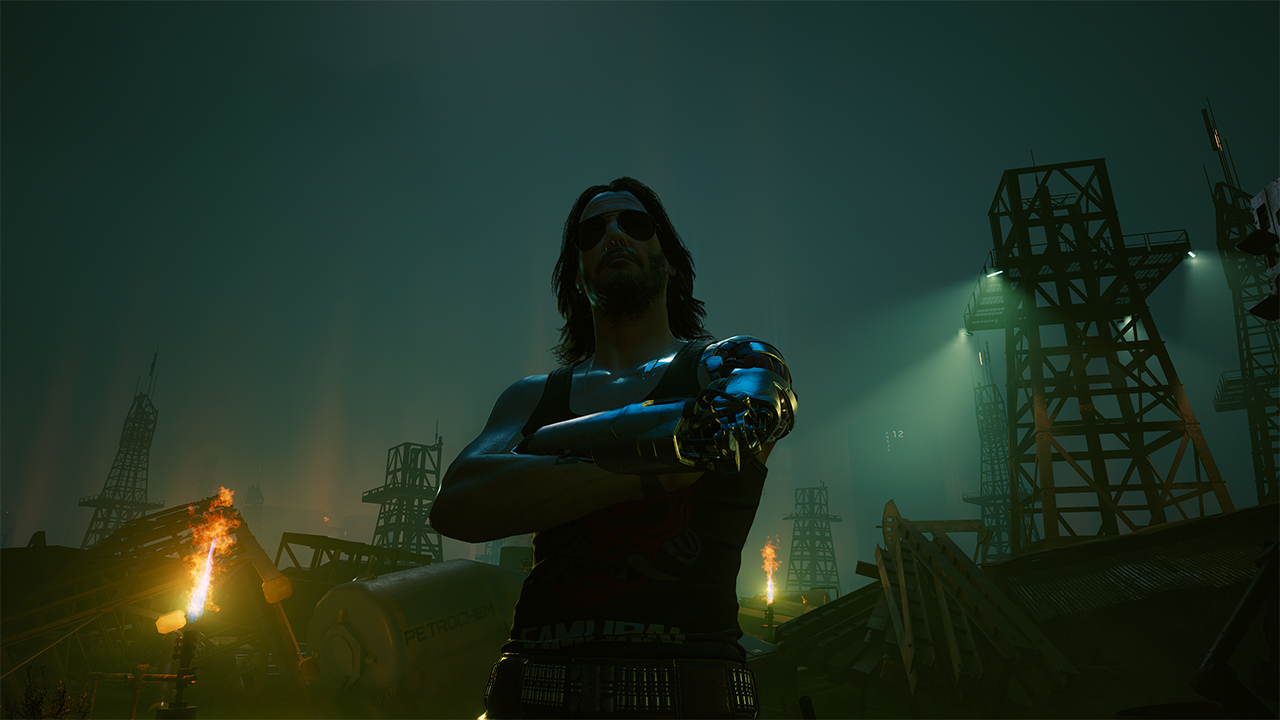
But after nearly 45+ hours of gameplay, I just didn’t feel the story bringing me into its world. See, regardless of the life path you took, V goes on a quest to free himself of the engram of one Johnny Silverhand. After stealing Arasaka’s prized relic and injecting it into his brain, the character voiced by Keanu Reeves is basically seizing control of V.
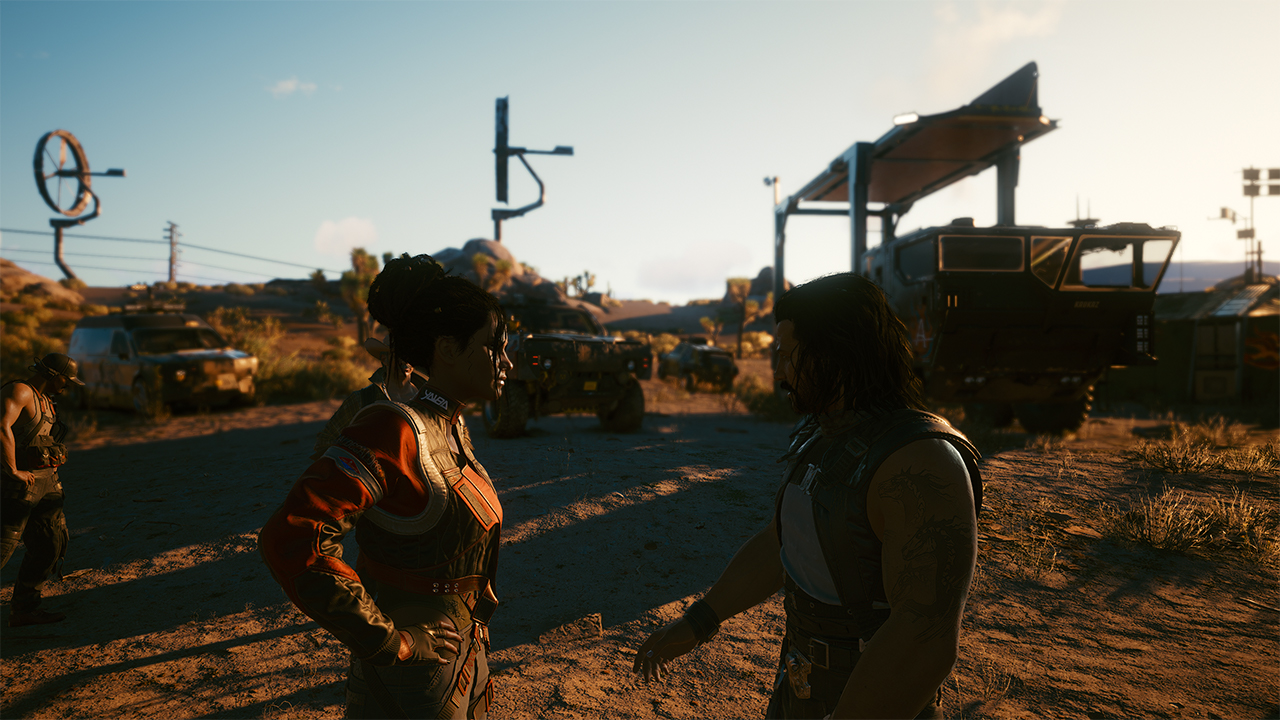
For the most part, you are given choices in both dialogue and actions to help you steer the story. Much like other choice-driven storylines like in Until Dawn, there are so many ways the main story could end. Personally, I felt that the main culprit for this is the fact that side missions are integrated well into the main story at some points.
In essence, there’s no one clear way to end Cyberpunk 2077, and I just can’t seem to find myself drawn into that.
Combat and movement mechanics I can get behind
Now, I can wholeheartedly say that this game truly shines mostly due to how the gameplay mechanics worked out. This game took a whole page out of Grand Theft Auto, but added much greater incentives to keep you exploring all sorts of gameplay styles. I truly felt that the gameplay feels intricate, yet unique towards several situations.
Combat and stealth are the main attractions when you go around all of Night City. For the most part, this game gives you a ton of ways to practice combat and stealth through the side missions, which is pretty good.
Gunplay relies a little bit on crosshair placement, which you mostly see on competitive shooters. So, just be aware of where you’re aiming your gun.

Moving around the overworld feels natural, along with driving around in the vehicle of your choice. Although, if I had one gripe with this game, it’s the physics for some of your actions and vehicles. For instance, how come you’re still standing when you jump out of a moving car? Or, how come some motorcycles are a literal chore to turn while driving? Sometimes, I like some realism in my open-world, futuristic games.
Incredible amounts of bodyhacking
Other key features in this game are a much more intricate skill tree and Cyberware enhancements. As a half-human, half-cyborg, you have access to a series of skills depending on which aspect of your character you want to focus on. Most skills you earn are combat and stealth based, and how often you use them increases its efficacy.
Personally, I admire this level of intricacy with CDPR’s approach to a character skill tree. Depending on how you want to progress through the story, there are a ton of ways you can go about upgrading certain skills. Also, this game offers unique dialogue options depending on how high your skill level is.
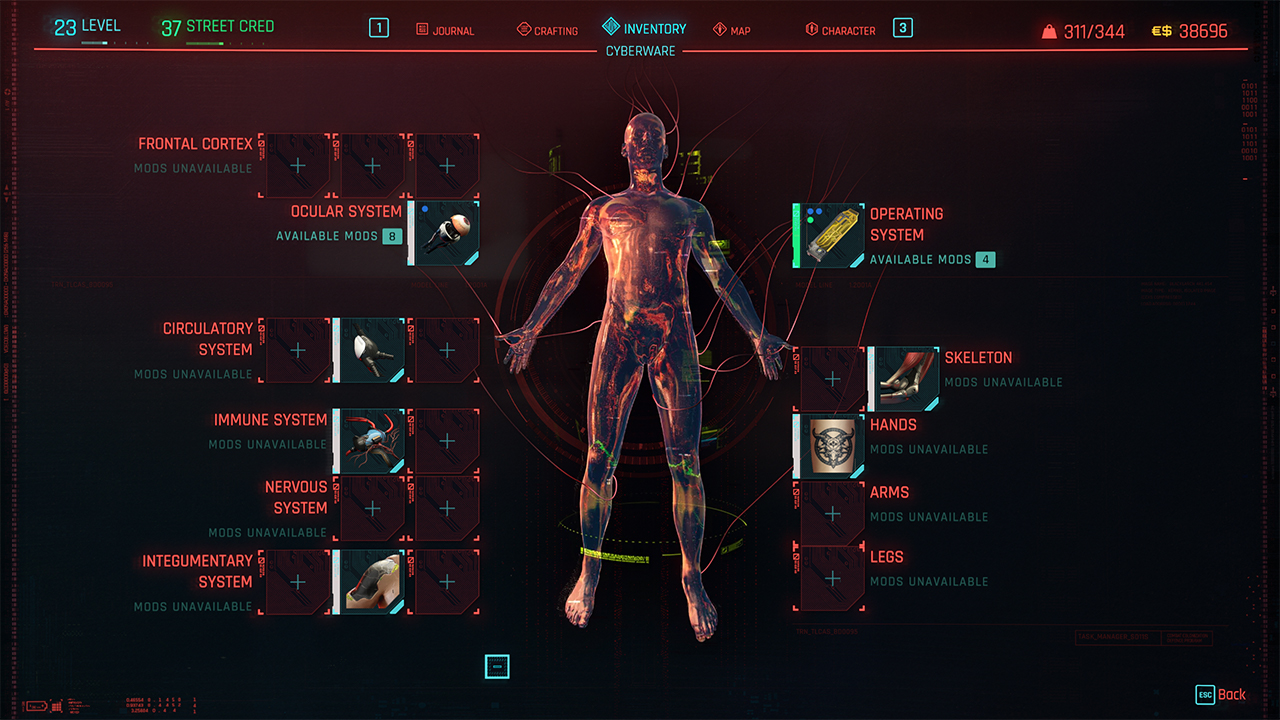
When it comes to what I call the “bodyhacking” section, it’s also extensive. Basically, you can attach a bunch of cyberware mods to certain parts of your body to increase certain attributes. You can even apply it to your weapons and clothes, and it greatly complements the combat in certain situations. It’s honestly a lot to take in, but it doesn’t overwhelm you.
Visual spectacle? Not entirely, I suppose
As of the time I’m writing this, the game had six rounds of patches to address a ton of issues. In such a short amount of time, CDPR managed to make the PC version look a little better than how it was on launch day. However, it still doesn’t excuse the developers from those issues because, well, this game was well-hyped.

Now, I’ll admit that the visuals of this game are pretty impressive. Even when I turned a ton of graphical settings down because of my hardware, it still looks aesthetically pleasing. Honestly, I appreciate the colors and the textures a bit more during the night time segments of the game. Is that why they called the main location Night City?
But, it isn’t consistently great the longer, and the farther you get into the story. I had some gameplay plagued by textures loading later than usual, and items that just don’t show up. For instance, during combat, my weapons don’t show up when I try to draw them out — which somehow does not allow me to use them. Last-gen console players had it way worse, but at least for the PC, the visuals were great at times.
Was this really all worth seven years of waiting?
Cyberpunk 2077 had a promising start after seven years of being in total limbo. It presents itself as an open-world experience, centered around a technologically-advanced universe still plagued by human existence. With manageable combat and stealth mechanics, different life paths to explore, and an abundance of customization options, it sets you up quite nicely.
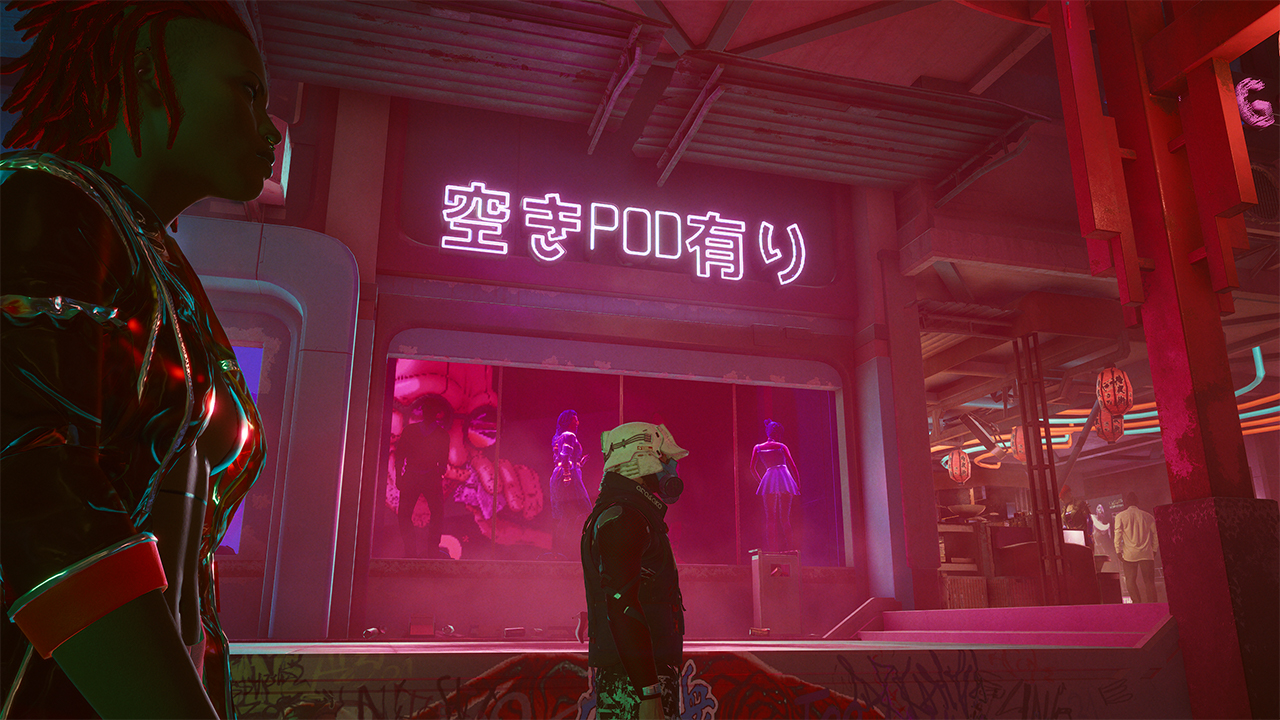
But when you play this game long enough, and through six rounds of patches to fix several bugs and visual errors, it makes you think if it was truly worth the wait. Honestly, the story doesn’t draw you in, I felt I couldn’t fully resonate with any of the characters, and the aforementioned bugs slightly ruined the experience.
This isn’t the near-perfect game everyone was hyping it up to be, especially given the seven year wait. However, it’s still great for what it offers if you had planned to get this for the PC anyway.




I’ve never played the original Ocarina of Time. Every time I’ve tried through Nintendo Switch Online, I was always put off by the dated graphics and the aging control system. Still, I can’t ignore that the title is universally considered as one of the best games of all time. So, when the remake came out, I couldn’t pass on the chance.
After finishing the remake, there’s little else you can use to describe 2026’s Ocarina of Time other than a true labor of love. This isn’t just a simple cash grab; it’s a genuine attempt to reintroduce an all-time classic to a new audience, young and old alike.
Welcome to 2026, Ocarina of Time
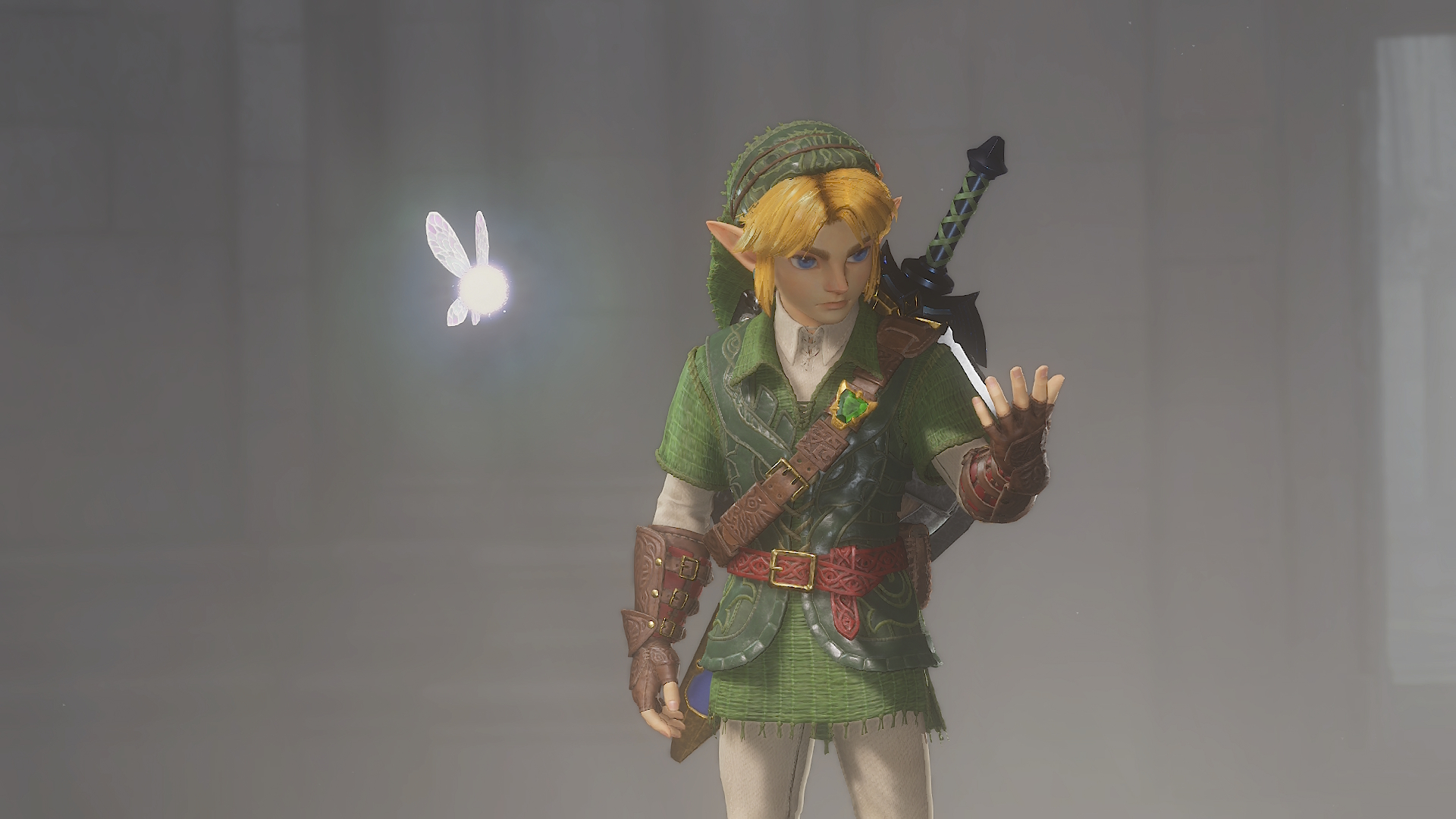
Dated graphics is no longer an issue in the remake. Whereas the original was plagued with blocky characters and wide open rooms, the remake adds smooth curves and flavorful environments that can put even Breath of the Wild to shame.
It’s apparent that, even when transposed to 2026 standards, Ocarina of Time features a dynamic world where every corner feels like it’s hiding secrets and Easter eggs. It feels like a playground, albeit more linear than the platformer styles of Donkey Kong Bananza and Mario Odyssey. Even the vast Hyrule Field looks ripe for exploration in this remake.
The characters themselves are lovingly brought to life. Every character was remade from scratch, turning them more lifelike while retaining the cartoonish charm of the original. Even adult Link looks drastically different from his child version.
Graphics aside, the real star of the show is the animation. Making everything look more realistic affords more time to improve how the world moves. Every blade of glass flutters with the wind. Objects (and enemies!) react precisely according to how you attack them. (For example, a sign is sliced exactly from the direction it’s attacked.)
Characters, too. Link, for example, pauses to catch his breath when he’s playing his ocarina. Characters fidget when idle.
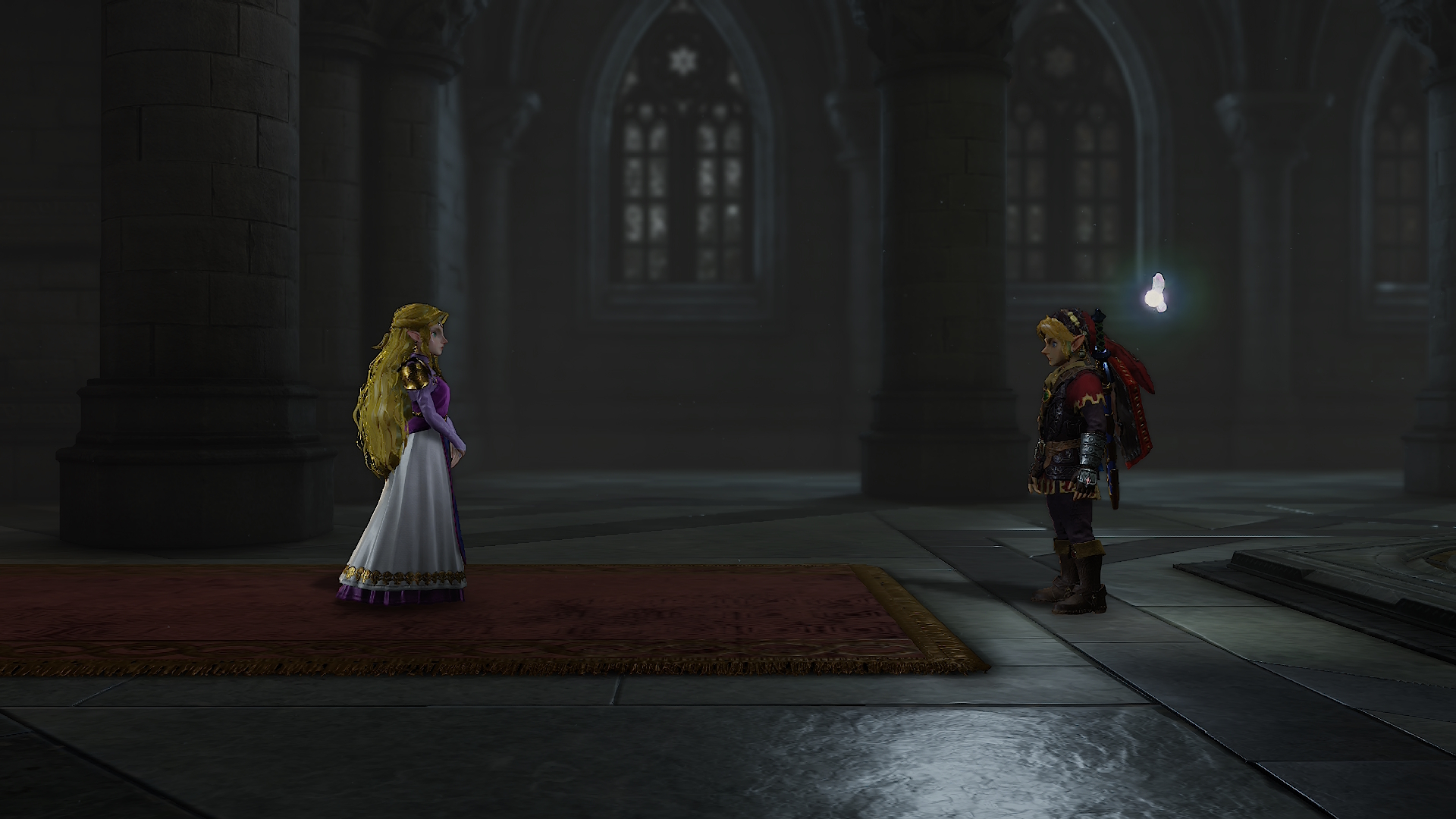
And, finally, cutscenes are completely remade, turning them into the more epic style of Breath of the Wild or Tears of the Kingdom. Moments can feel more grandiose and rewarding. Reveals are treated like plot twists.
A smooth game for the Switch 2
Despite being an almost exact translation of the original, the remake’s system feels smoother, as if dropping the clunk of yesteryear’s console. This is a true Switch 2 game. It’s so easy to pick up both on handheld and on docked. The addition of motion controls and Zelda Notes adds that much flavor to the experience.
Now, I’ve heard complaints that Nintendo dumbed down the experience to be easier for younger audiences. While I’ve found this to be half true, I still found the right amount of challenge, especially when it comes to combat. Boss fights are treated with respect, as if they were bosses from Dark Souls. Which, in itself, is a huge full-circle moment, since the original Ocarina of Time is a progenitor for a lot of action RPGs like Dark Souls.

As for what stays, though, the puzzles are still enjoyable to solve. The colorful history of puzzle-solving in platformers hasn’t dulled the charm of the original puzzles in the remake. That just goes to show how timeless Ocarina of Time is. It’s satisfying to solve the game’s secrets. Although, admittedly, there were a few that felt too contrived for comfort.
Still one of the best stories in gaming history
There are several reasons why Ocarina of Time is considered one of the best games of all time. Yes, everyone can continue praising the graphics (for its time), the mechanics, and even the audio. But the same can also be said for its story.
To be fair, Ocarina of Time’s story isn’t that revolutionary, especially today after tons of RPG plots already. Then again, it doesn’t need to be. It’s a classic after all.
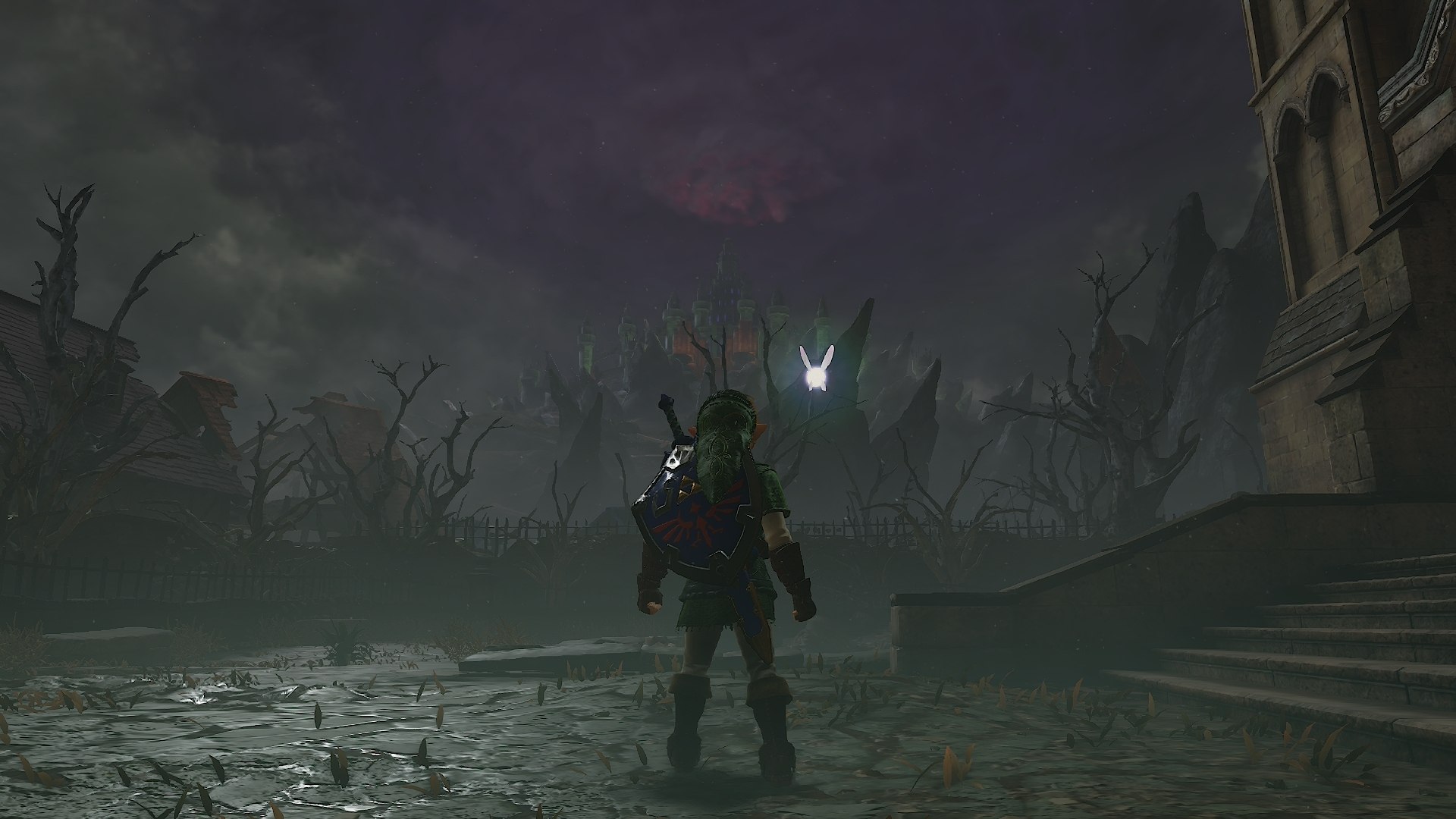
Once again, Link is the chosen one, tasked to be the only one who can save Hyrule from Ganondorf. Along the way, he has to find special pieces that can grant him the necessary power to defeat the big evil. If you’ve played a Legend of Zelda game in the past, this should be familiar to you. Heck, if you’ve played an RPG in the last two decades, this should tug at your heartstrings, too.
The remake, however, makes this much livelier, going back to how the renewed graphics brings new life to the dated game. For example, Saria, one of the beloved characters you meet early in the game, is rendered with a more lifelike and relatable face, attaching herself to Link’s story. It’s much easier to feel the connection between character. So, especially in Saria’s case, every character’s transitions through the plot has more weight.
Is 2026’s The Legend of Zelda: Ocarina of Time worth playing?
Yes, absolutely. Of course, I can’t speak much from the perspective of an older gamer revisiting Hyrule. But, as a newer visitor to Ocarina of Time, the remake is an incredibly fun caper that breaks the shackles of aging machinery, while elevating its core elements into today’s age.
The original Ocarina of Time is already a classic. However, the remake elevates this even further, making one of the best games of all time into what it should already be: a timeless classic.


Ubisoft announced a new Brawlhalla x My Hero Academia crossover event launching on December 9.
The collaboration brings the anime’s eccentric cast to Brawlhalla as playable characters. This includes Izuku Midoriya, Katsuki Bakugo, and Shoto Todoroki.
The integration was first revealed during this year’s annual Brawlhalla World Championship Expo in Atlanta, Georgia, with an exclusive announcement trailer.
Inspired by the first two seasons of the anime, players can expect to see their favorite MHA characters engage in combat with the following features:
- Izuku Midoriya – The series protagonist joins the game with his persistent nature
- Katsuki Bakugo – Always ready to prove himself, Bakugo will be right at home in Brawlhalla
- Shoto Todoroki – Todoroki will duel it out in the arena with a first-of-its-kind asymmetry to accommodate his fire and ice powers
More details about the crossover will be revealed closer to launch.
Gaming
Five new (and better) games you can play instead of GTA VI
There are so many worlds to explore besides Vice City.

In case you’ve been living under a rock, everyone right now is head over heels playing Grand Theft Auto VI. If you’re not playing the most anticipated game of the decade yet, it’s probably because of a few reasons: no console to play it on, no 60fps mode, or the insane price tag. Now, if you fall under any of these reasons, here are a few (arguably better) games you can sink your teeth into, instead.
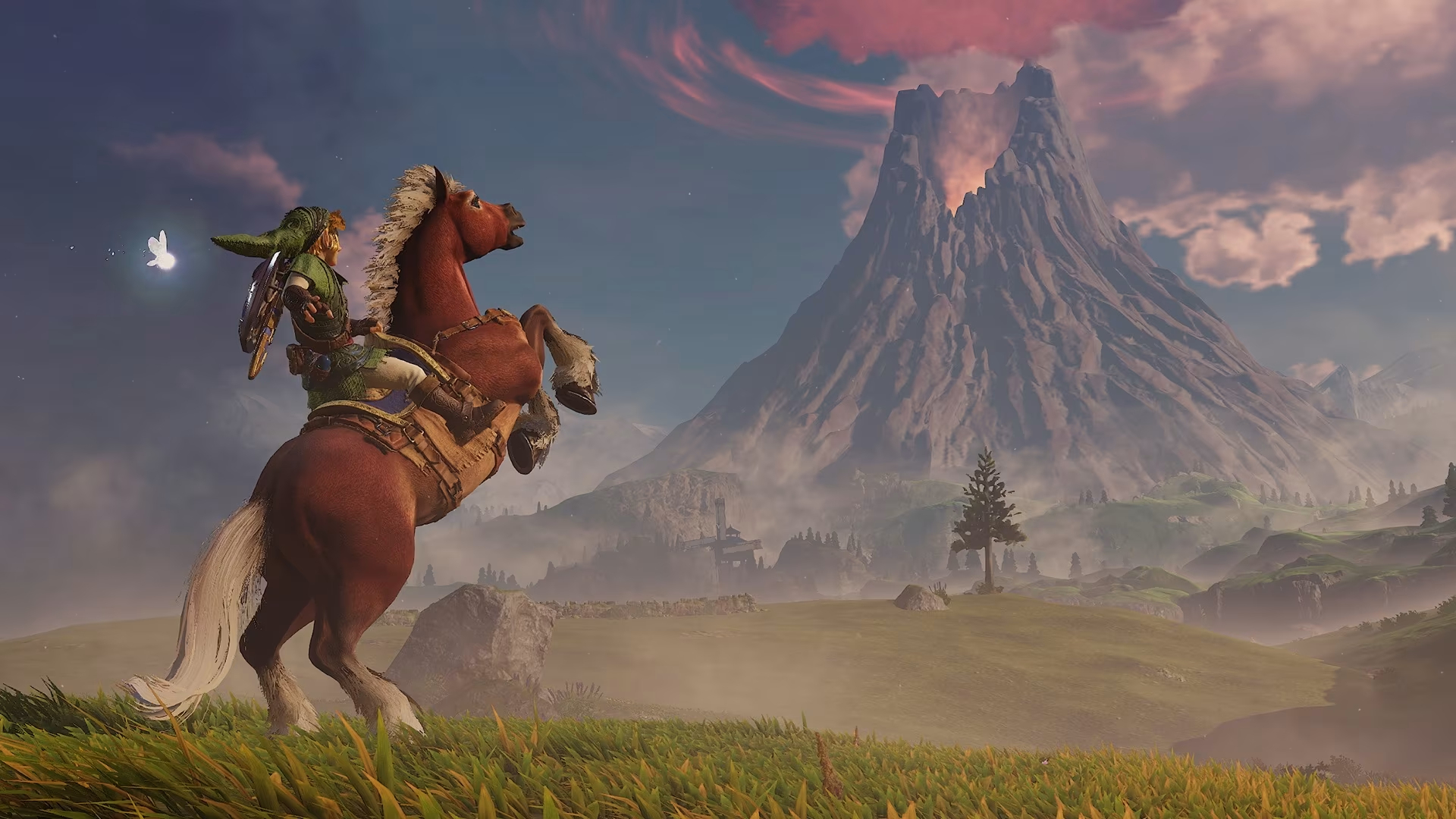
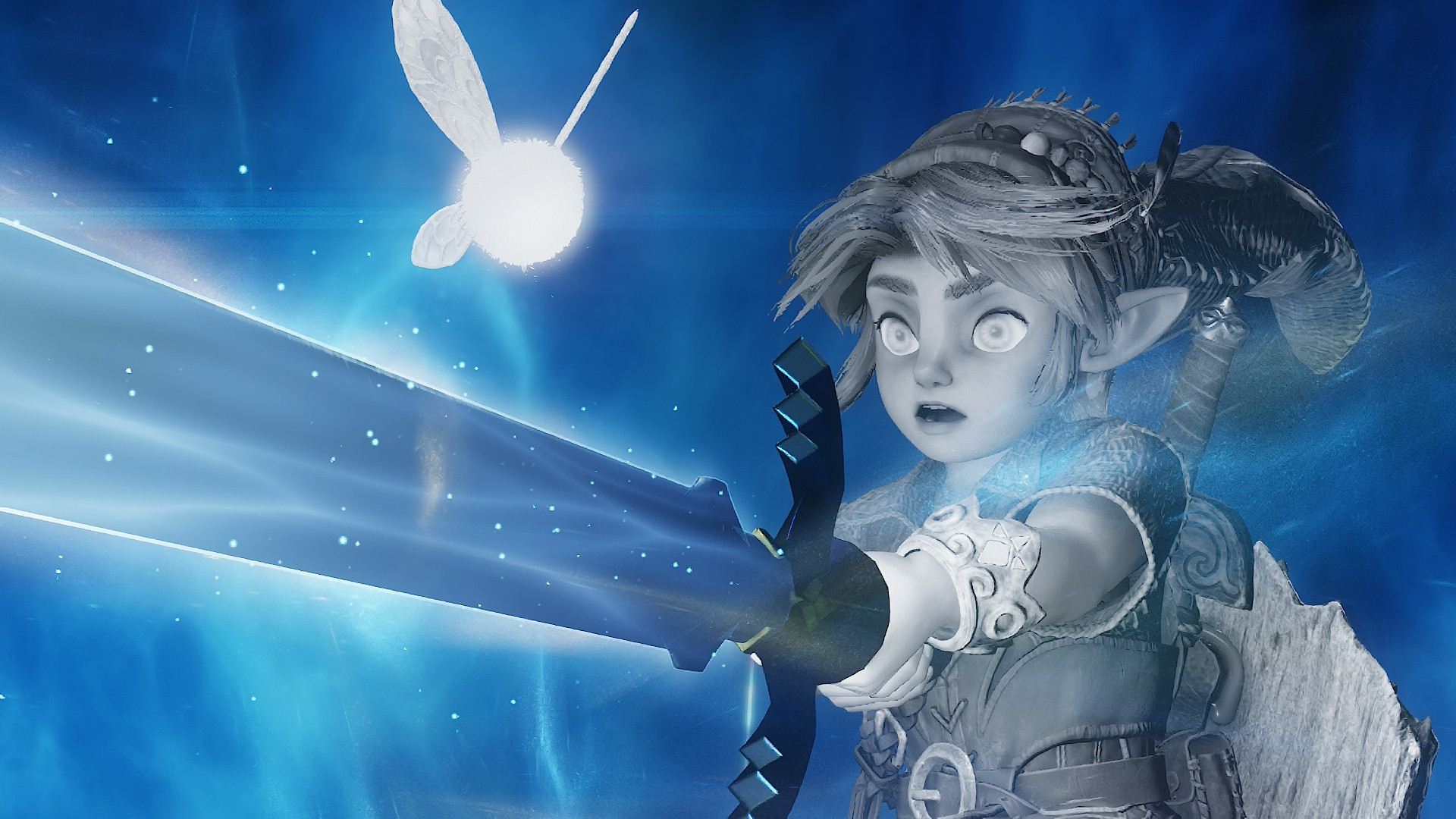
The Legend of Zelda: Ocarina of Time
Let’s get the obvious out of the way first. Ocarina of Time is one of the best games in history. Though released in 1998, the original title still holds up to scrutiny. And now, the 2026 remake reintroduces the game to a newer audience.
And make no mistake: The Ocarina of Time remake is just as good as the original. It uses every bit of the Switch 2 to bring Hyrule to life, while retaining the original’s seamless gameplay. The only catch, however, is, like Grand Theft Auto VI, you’ll need a console to play this masterpiece.
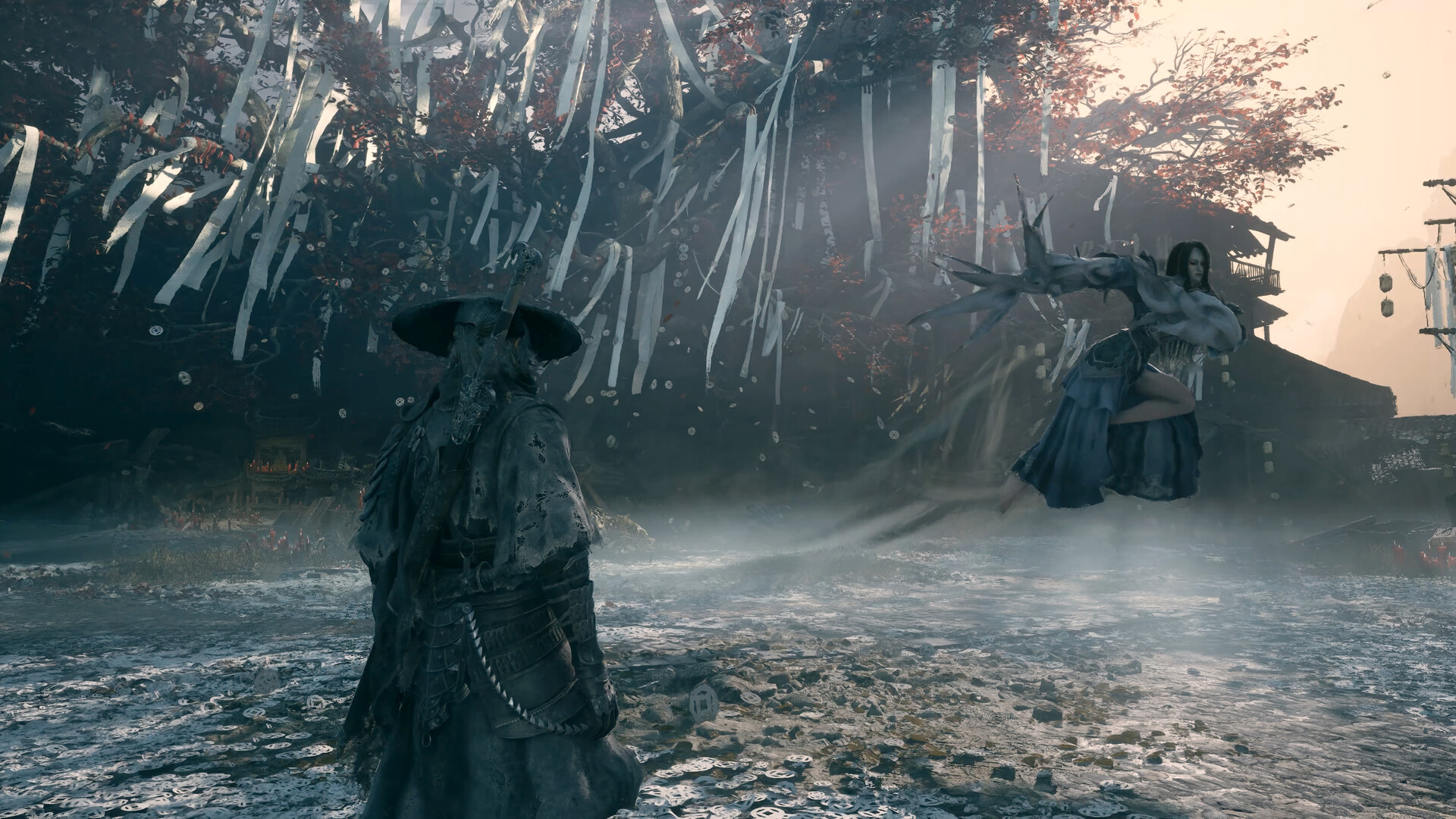
Phantom Blade Zero
Now, if you prefer bashing your head over difficult bosses, Phantom Blade Zero will give you a challenge. If you’re a fan of the action RPG genre, the title continues the Chinese trend started by Black Myth: Wukong.
It’s not as mythological as Wukong, though. Soul, an elite assassin, is betrayed by his own Order and framed for the death of one of their own. After suffering a fatal wound, the assassin has a little over two months to discover the conspiracy behind his betrayal. The game is available on PC and PlayStation.
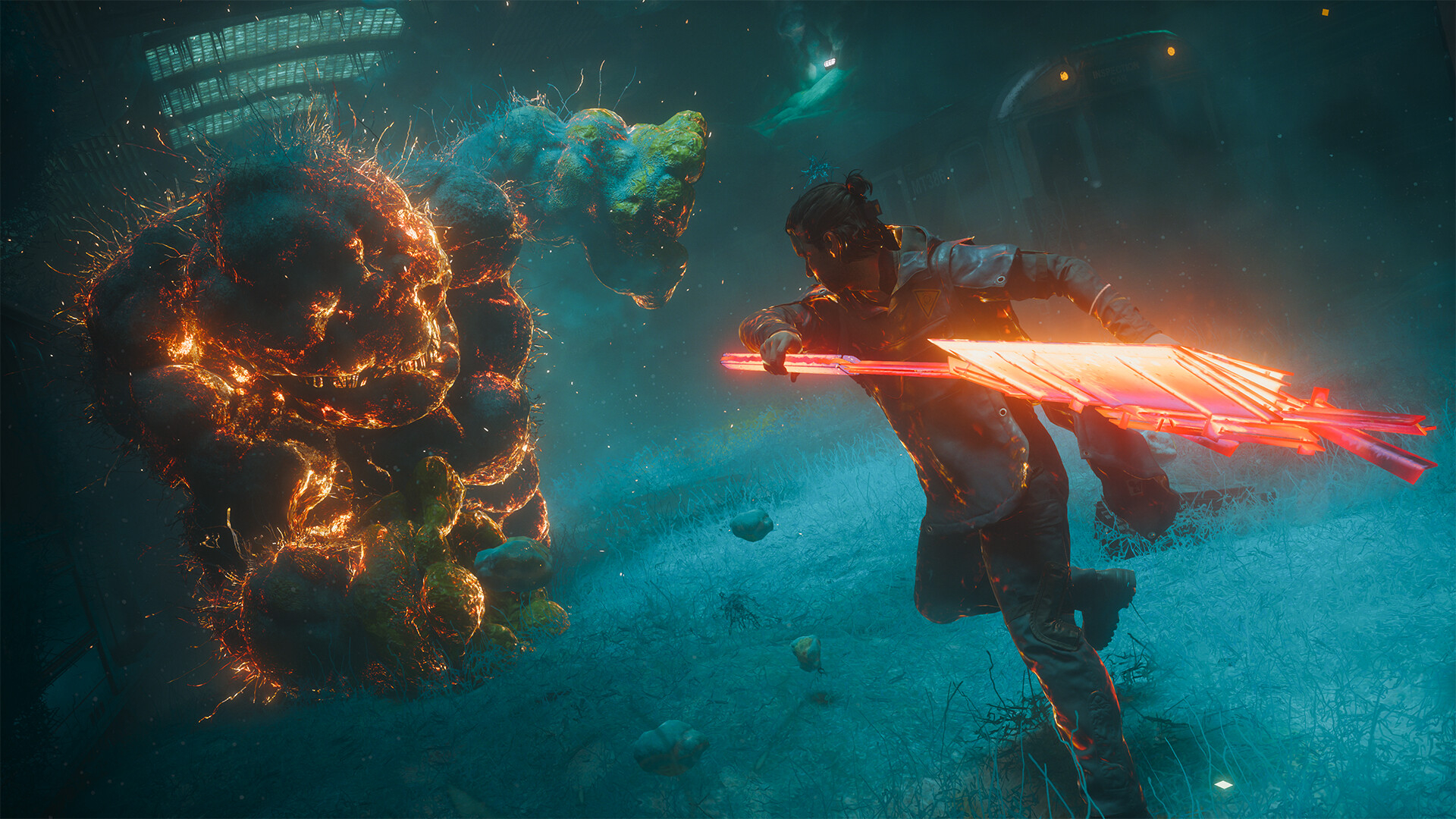
Control Resonant
Continuing the story of critically acclaimed Control, Control Resonant gives players control Dylan Faden, a superpowered individual and the sister of original protagonist Jesse Faden. Like his sister, Dylan must save the world from supernatural forces, while trying to save his sibling.
Again, much like the original game, Control Resonant flew under the radar but still proved to be an intensely satisfying game with the original’s unique combat and eerie atmosphere.
Silent Hill: Townfall
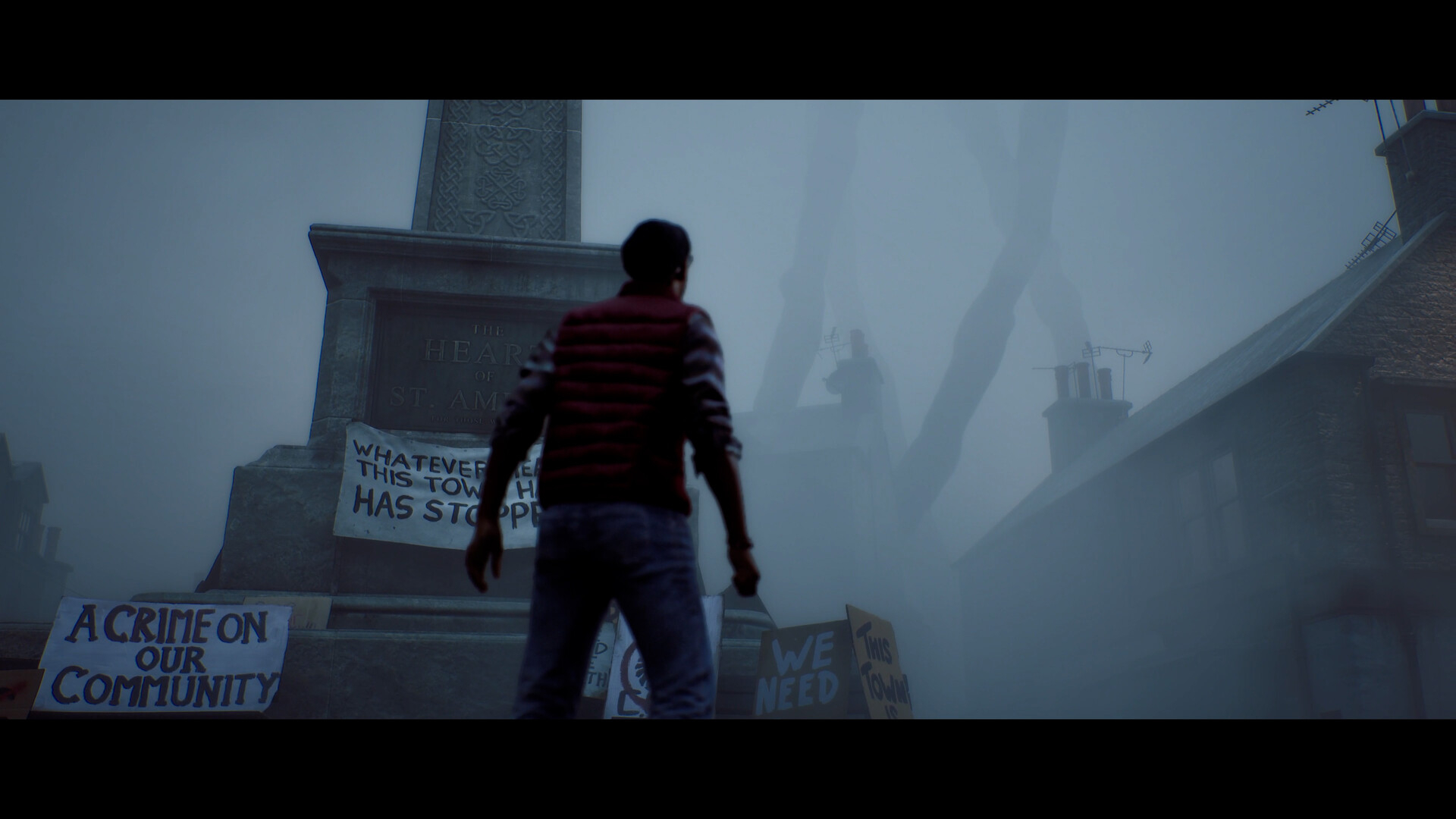
Speaking of eerie atmospheres, let’s not forget one of the creepiest franchises in gaming history. Silent Hill: Townfall once again features a protagonist waking up in a town plagued by mist. Simon Ordell finds himself in the mysterious Scottish town of St. Amelia. Here, amid all the monsters, he finds Zoe Ellis and Richard Shaw, two survivors also trying to make their way through the treacherous town.
Like other games in the franchise, Townfall features terrifying horror while its protagonists struggle through their pasts. If horror is your thing, the new Silent Hill should be your go-to.
9 Kings
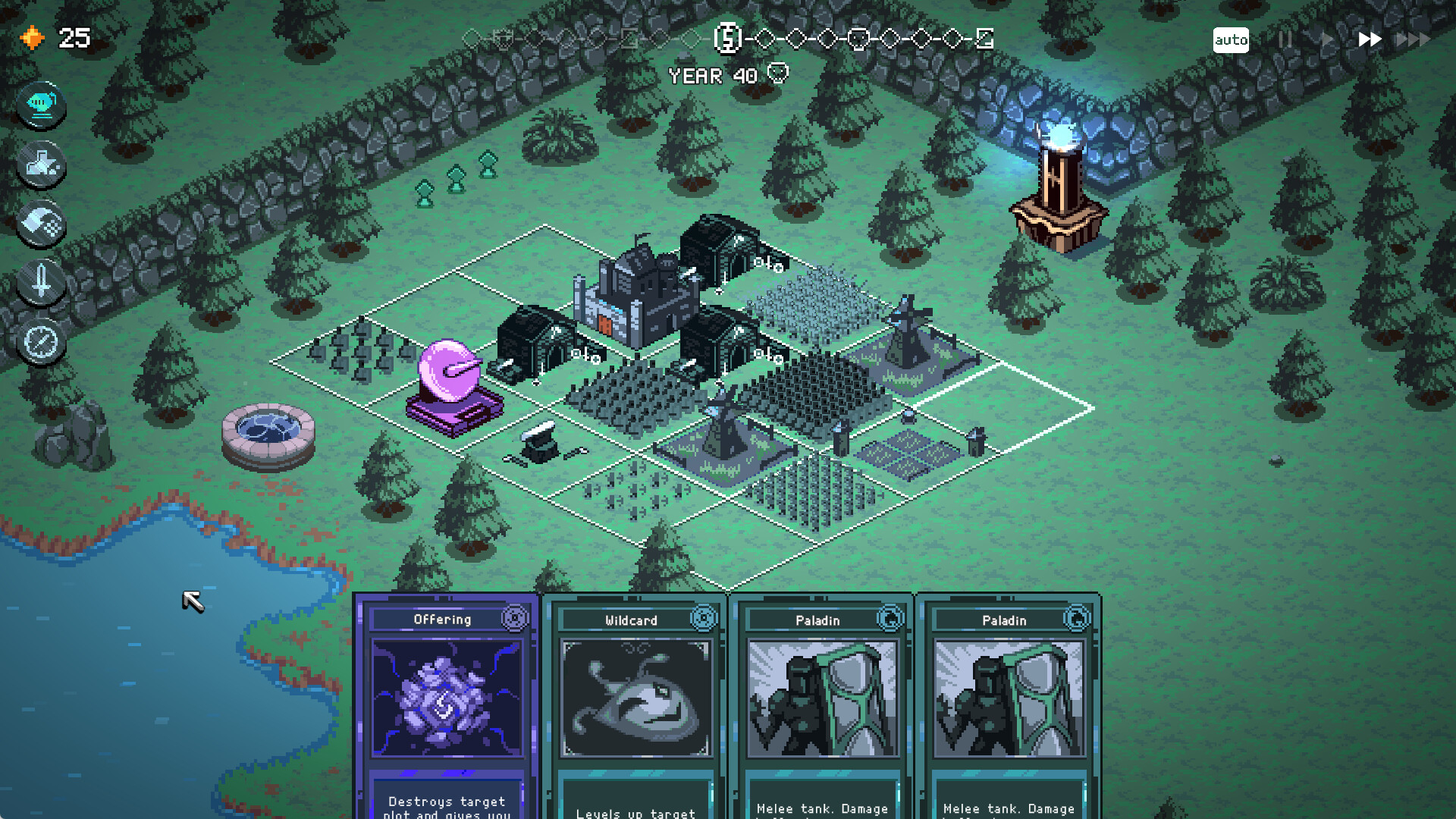
Now, let’s leave behind the world of AAA games. 9 Kings is a small but just-as-fun title that can provide hours and hours of entertainment. It’s difficult to explain what the title is without going through all the genres it plays around with: roguelike, deck-building, base-building, and tower defense. The simple goal is to build up your kingdom while protecting against hordes of enemies.
It’s not story-based like the other entries on this list, but it’s just as entertaining. I’ve heard it described as a cool mix between Teamfight Tactics and Balatro.
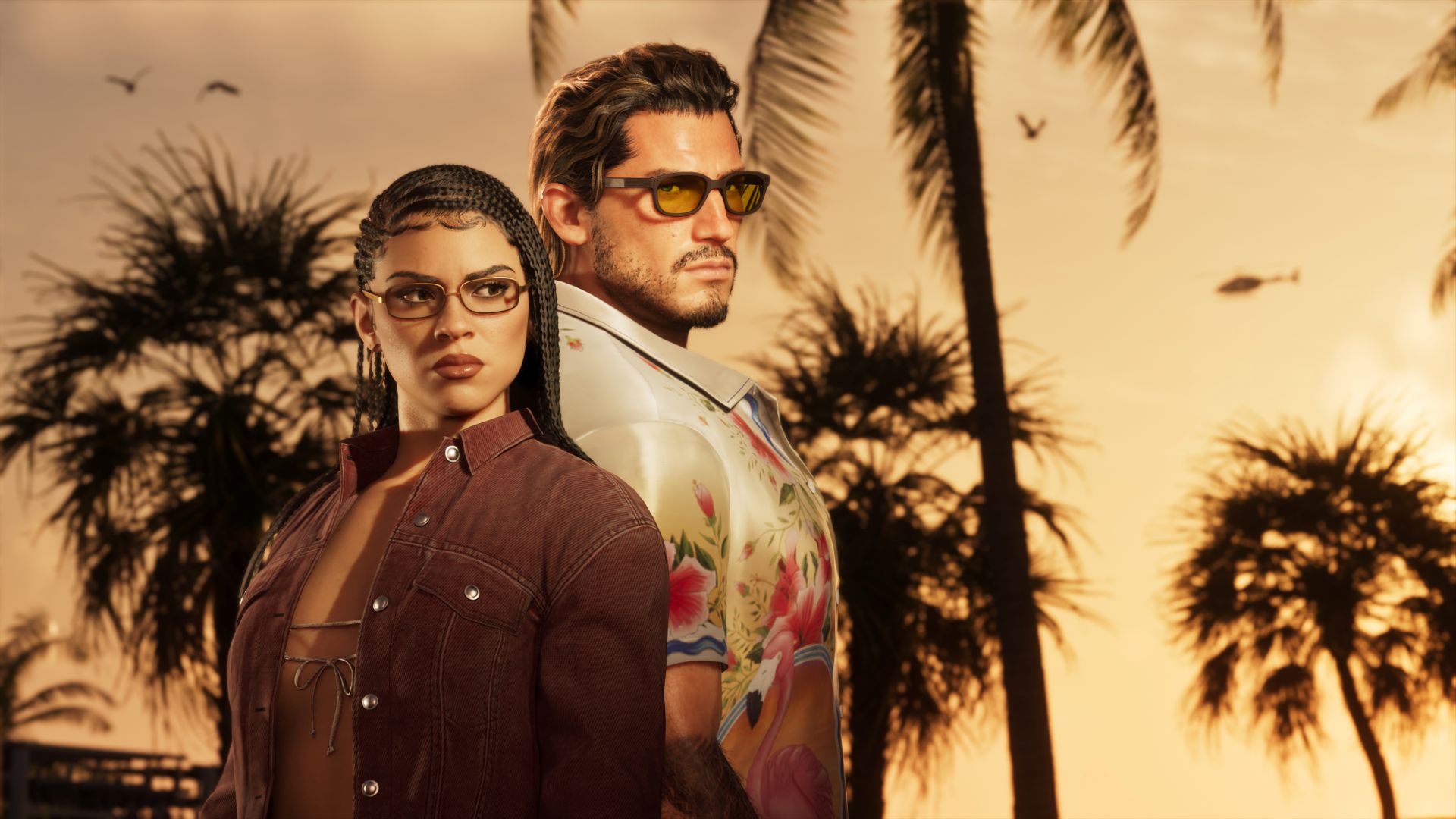
As you can probably read through reviews today, Grand Theft Auto VI might go down as one of the best titles in history. Regardless, it’s not for everyone. If your flavor gaming goes through a different gamut than the Rockstar Games formula, these games will be for you.

Now Playing: The Legend of Zelda: Ocarina of Time (2026)
It's a true labor of love.


My latest fashion accessory happens to play music
The JBL Soundgear Clips are the finishing touch my outfits needed!


Fujifilm instax Pal 2 review
A tiny digital camera that’s all about the keepsakes.

Samsung explores creative workflows with Galaxy Tab S12 Series

HUAWEI WATCH Air debuts as the world’s slimmest smartwatch

HUAWEI’s new foldable laptop comes with a tiny screen on its back

A week on Hon Tre Island where my face was the only ticket I needed
Now Playing: The Legend of Zelda: Ocarina of Time (2026)

Your coffee nook is getting a makeover with Starbucks’ holiday collections

Sticker season is back, and so is the planner your ~friends~ might fill in for you

Wild Rift Patch 7.3, celebrates K/DA comeback

ROG G700 review: The best prebuilt PC you can get off the shelf

vivo X500 Pro Max review: 500+ hours later


-
 Reviews1 week ago
vivo X500 Pro Max review: 500+ hours later
-
 Gaming1 week ago
Five new (and better) games you can play instead of GTA VI
-
Cameras4 days ago
Fujifilm instax Pal 2 review
-
 Accessories2 weeks ago
Secretlab brings Pikachu, Gengar, and Eevee to its Pokémon gaming chair collection
-

 Smartphones1 week ago
Spotlight: OPPO Find X10 Pro Max
-
 Smartphones1 week ago
The iPhone Duo is replacing my Kindle
-

 Entertainment2 days ago
Spider-Man: Brand New Day returns to cinemas with new scenes
-

 Tablets2 weeks ago
Infinix XPAD 30 launches, comes with AI features and expansive display