
Lifestyle
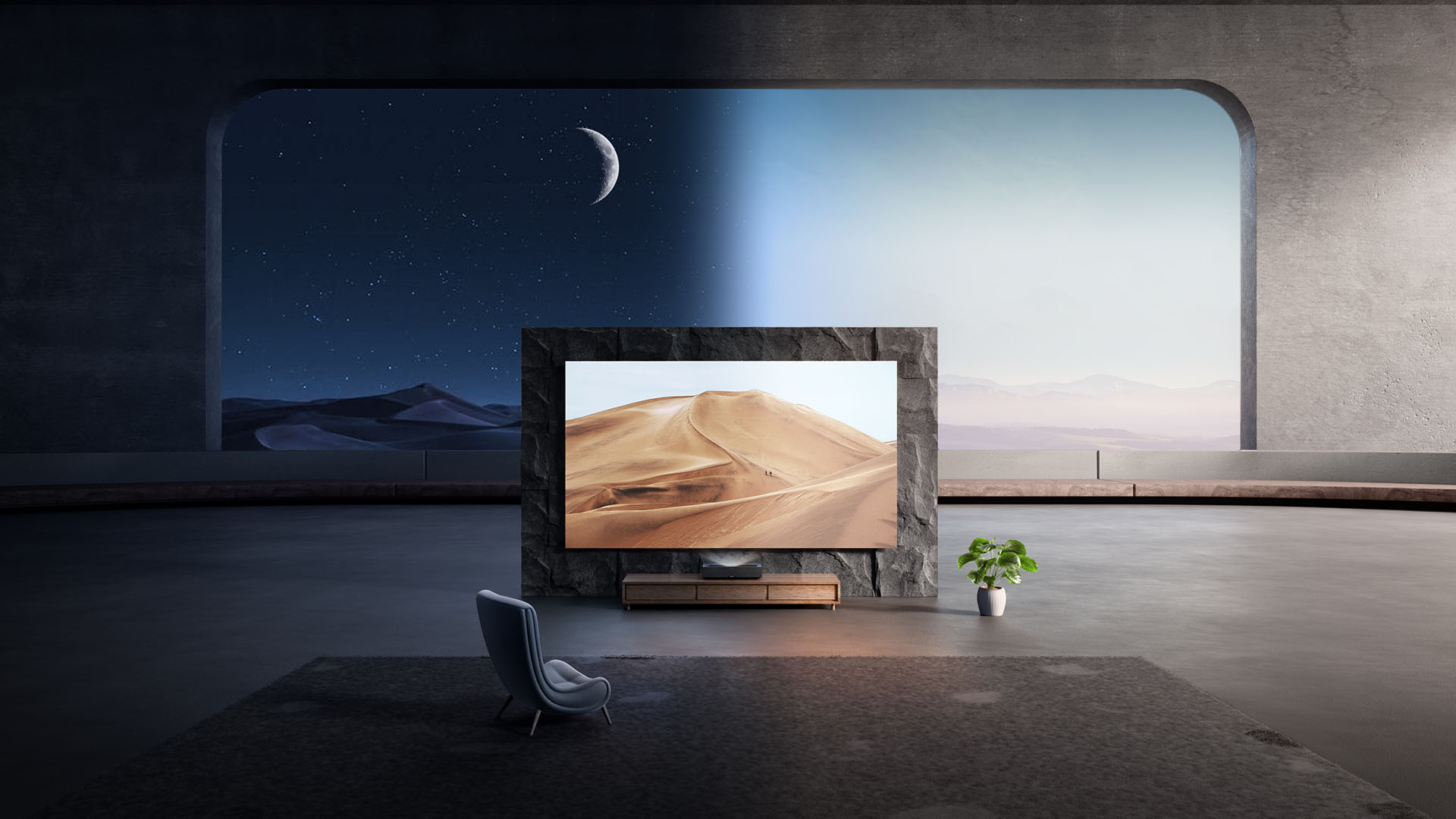
Formovie Theater Premium is a wonderful new ultra-short throw projector
The 4K laser projector you might actually need in your new home theater

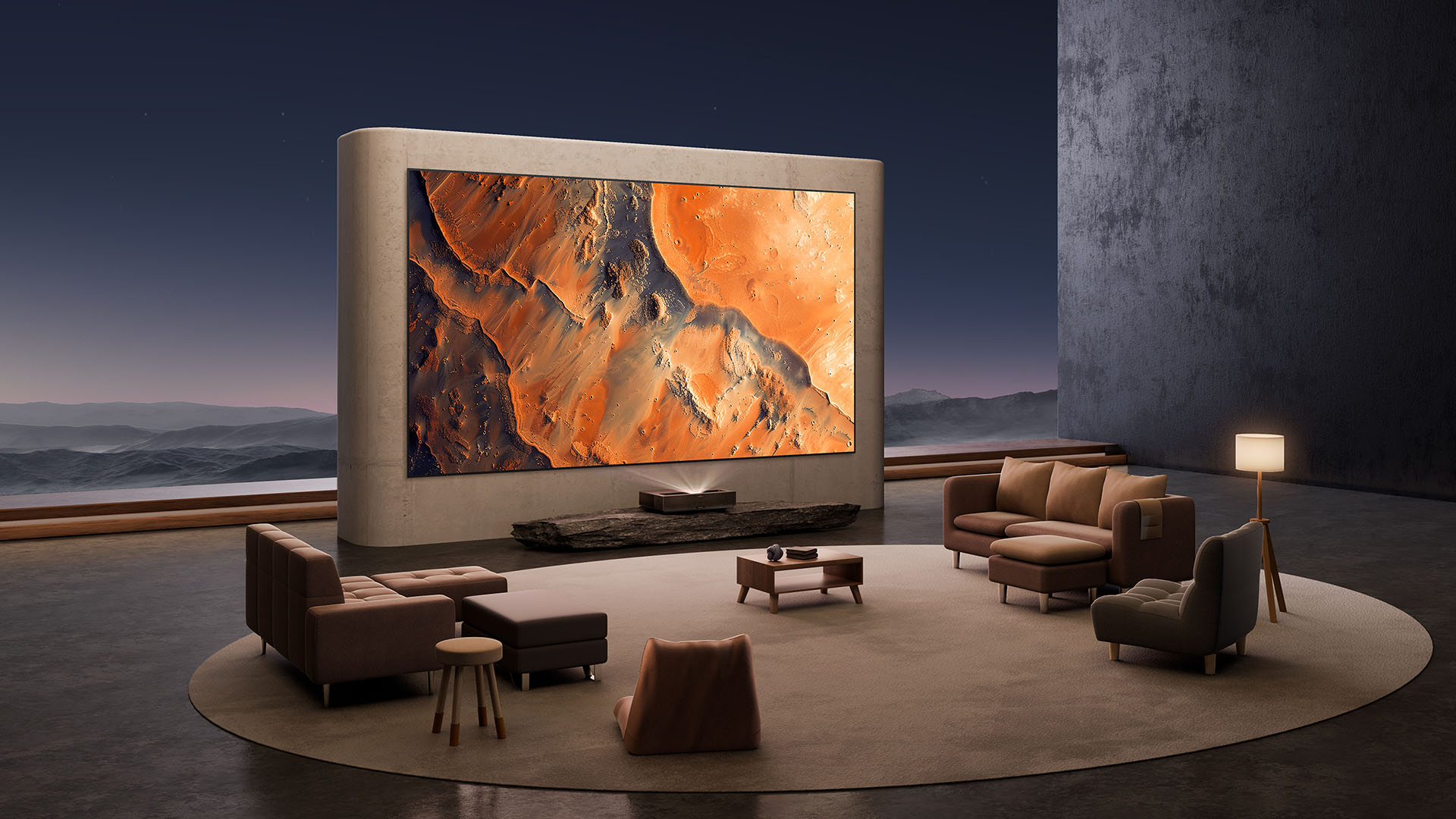
Projectors may not be for everyone but the continuous development in laser projection technology makes Formovie rise from the ground up.
Formovie? What?
You may have never heard of them before, but now you do!
Formovie is another revolutionary company from China that specializes in smart projectors and laser TVs.

Graphics by Vincenz Lee | GadgetMatch
But what makes them even more interesting is that, they’re actually co-founded by Xiaomi alongside Appotronics. This also makes them a part of the vast Mi ecosystem.
Theater-like in a nutshell
The newly-launched Formovie Theater Premium is the brand’s latest ultra-short-throw projector offering. Take note, this is NOT their first-ever projector. Its predecessor was named simply as “Theater”.
That said, it’s still powered by ALPD® 4.0 RGB+ triple laser technology. This was developed by, you guessed it, Appotronics — Formovie’s parent company.
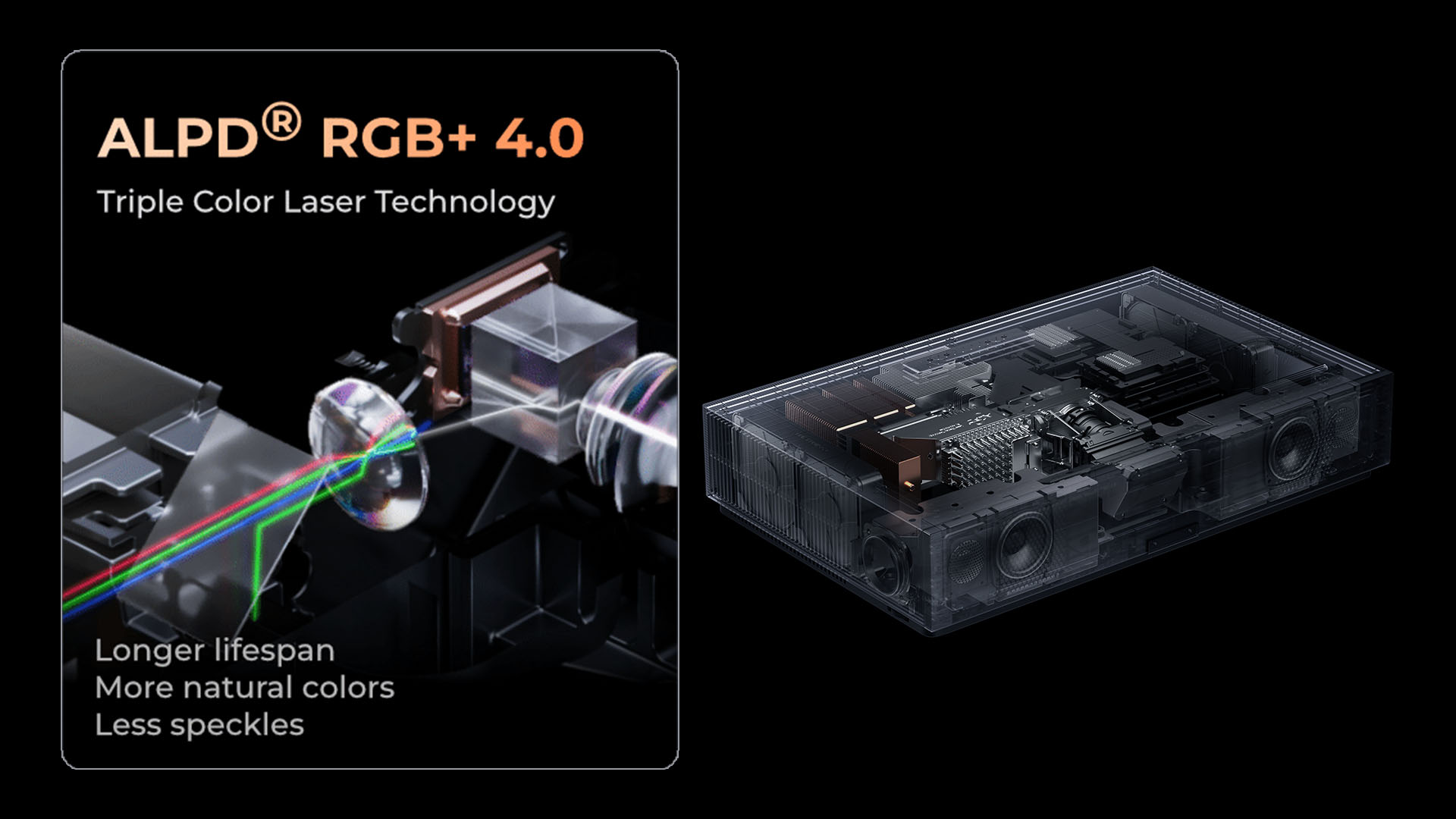
Such breakthrough in laser technology gives an astounding 107% BT.2020 wide color gamut coverage plus Dolby Vision support as well for HDR10 / HDR10+ content. Lifespan is expected of up to 30,000 hours for consistent brightness.
Formovie’s R&D Team even managed to make it 1.25x clearer and more color-accurate than the previous model. This projector can also produce over 2200 ISO lumens with a 3000:1 contrast ratio.
To make the audio experience truly world-class, they have partnered up with Bowers & Wilkins. This just means that audio quality is unrivaled with its excellent 2nd-gen acoustic system with upgraded materials and enhanced sound tuning.
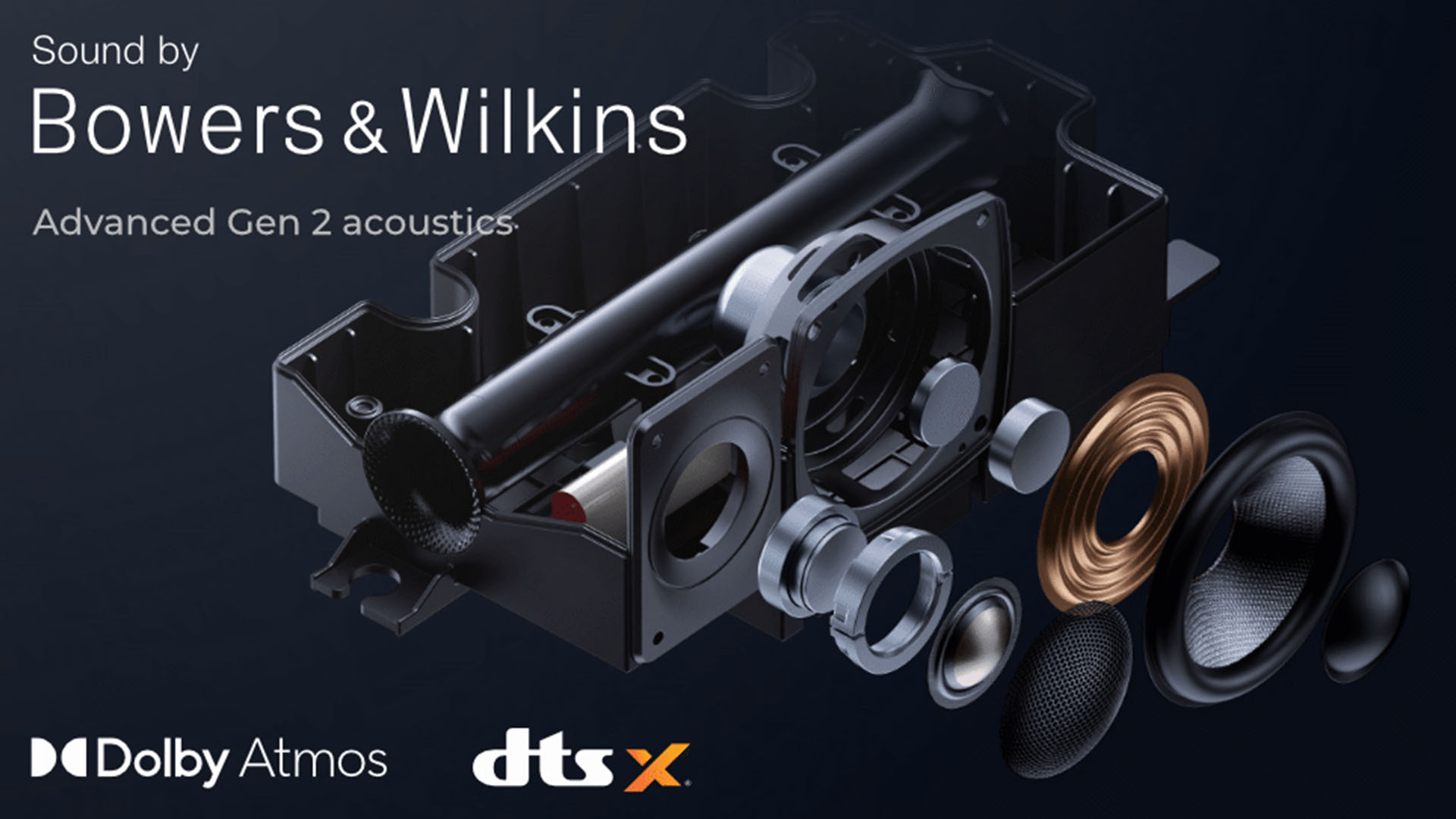
There are also dual 15W speakers with a 990cc sound chamber responsible for bringing that deeper bass. More so, a treble unit with a titanium diaphragm and filtering capacitors for great highs and clearer output.
Dolby Atmos and DTS-X support are also here to ensure ultra-premium sound quality.
Ultra-short in throw, not in performance
One of the key highlights of this projector is none other than its ultra-short throw ratio of just 0.21:1. This just means it allows to be placed 18% closer to the wall. Projection height can also be lowered further down by nearly 40% for an extra-large 100-inch image.
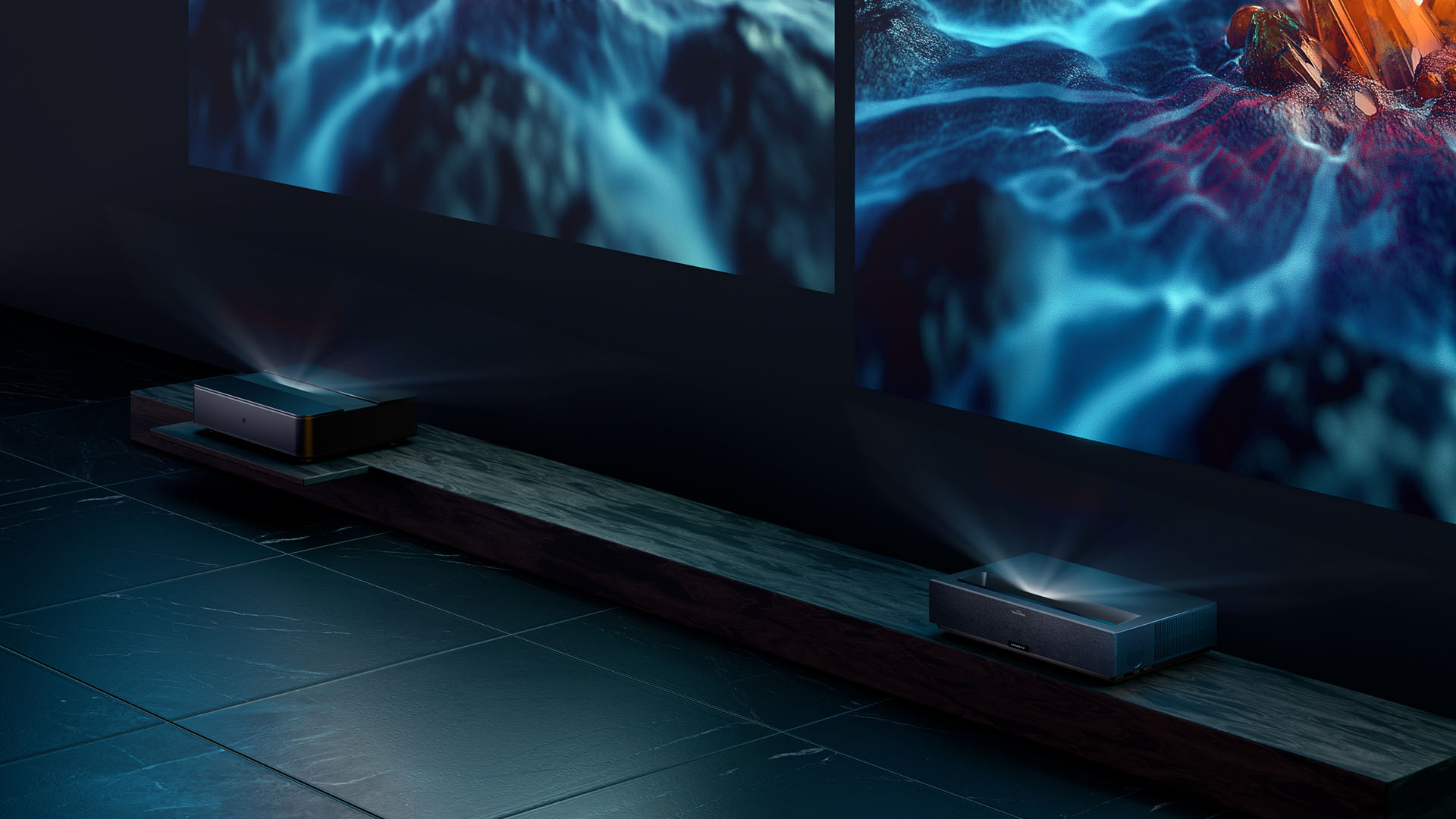
But that’s not just about it. It can project as massive as 150-inches even if it’s just placed just 42cm away. This makes it very suitable to transform rooms into theaters without sacrificing much of the overall screen size.

And unlike other projector brands, Formovie Theater Premium has an integrated Google TV with thousands of streaming apps such as YouTube, Amazon Prime, Disney+, and more. Plus!? Actual Native support for Netflix for that hassle-free streaming that most projector users seem to struggle with.
For viewers with sensitive eyes, MEMC (Motion Estimation, Motion Compensation) technology inserts frames in fast-paced action scenes and live sports to give smooth flow and reduce (or completely eliminate) motion blur.

Gaming on a projector? No problemo!
There’s a low-latency Game Mode feature with a response time of just 18ms. This just ensures a fluid and responsive gaming with no lag.
Pricing and Availability
The Formovie Theater Premium 4K laser projector retails at US$ 3499 / EUR 3499.
But if you pre-order it starting today (October 28) untiul November 5, you will get it for a discounted price of US$ 2999 / EUR 2999.
Formovie not only gives users 14-days of worry-free return, warranty support lasts up to 2 years, too!
Despite the very limiting North American and European pricing info, Formovie said this will also be available in several countries in Asia (including India, Singapore and the Philippines), as well as Oceania (Australia and New Zealand).






Entertainment
PH to celebrate 1st ever National Cinema Day; movies start at less than $2
Watch a movie on September 12 for a fraction of the cost

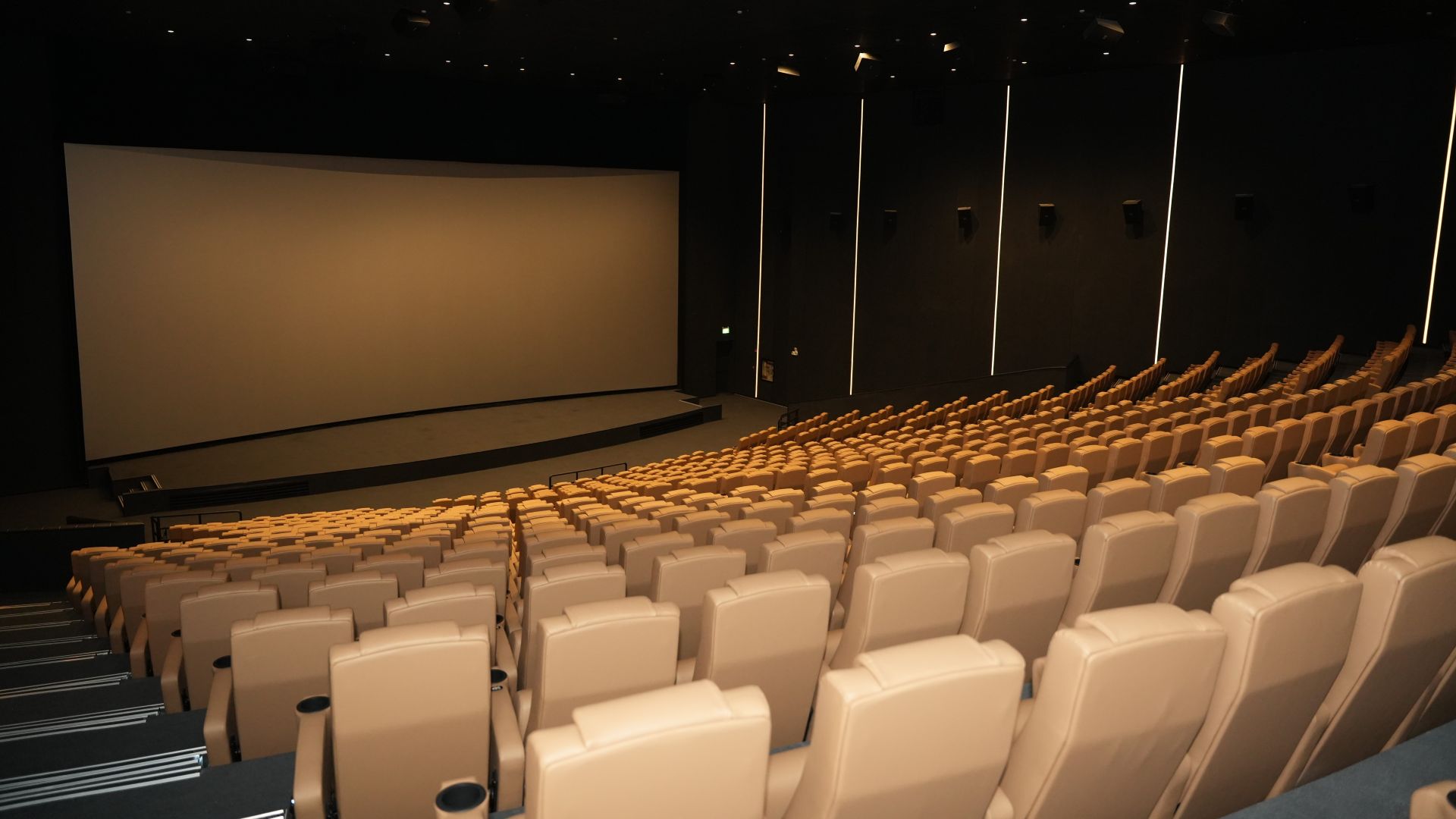
The Philippines will be celebrating its first ever National Cinema Day on September 12. On this day, movie tickets will go for as low as PhP 100 (US$ 1.60) at regular 2D cinemas.
The campaign aims to make moviegoing more accessible to audiences. This includes families, friends, students, and cinephiles in general.
Such initiative has been a staple in other countries, like the United States, United Kingdom, Spain, Germany, Australia, New Zealand, and more. The same concept applies, with movie tickets going on sale for a lot less.
What’s great about the celebration is that all movies scheduled for exhibition on September 12, whether local or international, shall get the special admission price.
Advanced tickets sales have already begun. Customers can purchase through participating box offices, official websites, mobile apps, and authorized platforms.
Tickets will be sold on a first-come, first-served basis and remain subject to theater capacity. Prices vary for other viewing formats like Director’s Club or IMAX, for instance.
The campaign is organized by the Cinema Exhibitors Association of the Philippines (CEAP), along with industry and government partners.
The initiative is supported by the Film Academy of the Philippines (FAP), Film Development Council of the Philippines (FDCP), Movie and Television Review and Classification Board (MTRCB), and the Metro Manila Film Festival through the MMDA.
Participating cinemas include Ayala Malls Cinemas, SM Cinemas, Robinsons Movieworld, CityMall Cinema, Megaworld Cinemas, and more.
Lifestyle
adidas’ hybrid training shoe gets a Solar Turbo makeover
Same hybrid-training tech, now in Solar Turbo / Lucid Pink~


adidas is giving the Adizero Dropset Pro a new look. Three months after the shoe first launched, the brand is rolling out a fresh colorway that keeps everything about the original build intact.
The Dropset Pro was built for hybrid athletes: the ones who run one day, hit the weight room the next, and throw in functional training somewhere in between.
adidas designed it to hold up across all three, and this newrefresh doesn’t touch that formula. What you’re getting is the same shoe in a much bolder shade.
A louder colorway
The new Solar Turbo / Lucid Pink colorway is hard to miss. adidas is positioning it as a style update on top of a shoe that already had its performance case made back in June.
The shoe still runs on full-length Lightstrike Pro foam, which adidas says handles cushioning and energy return without adding bulk.
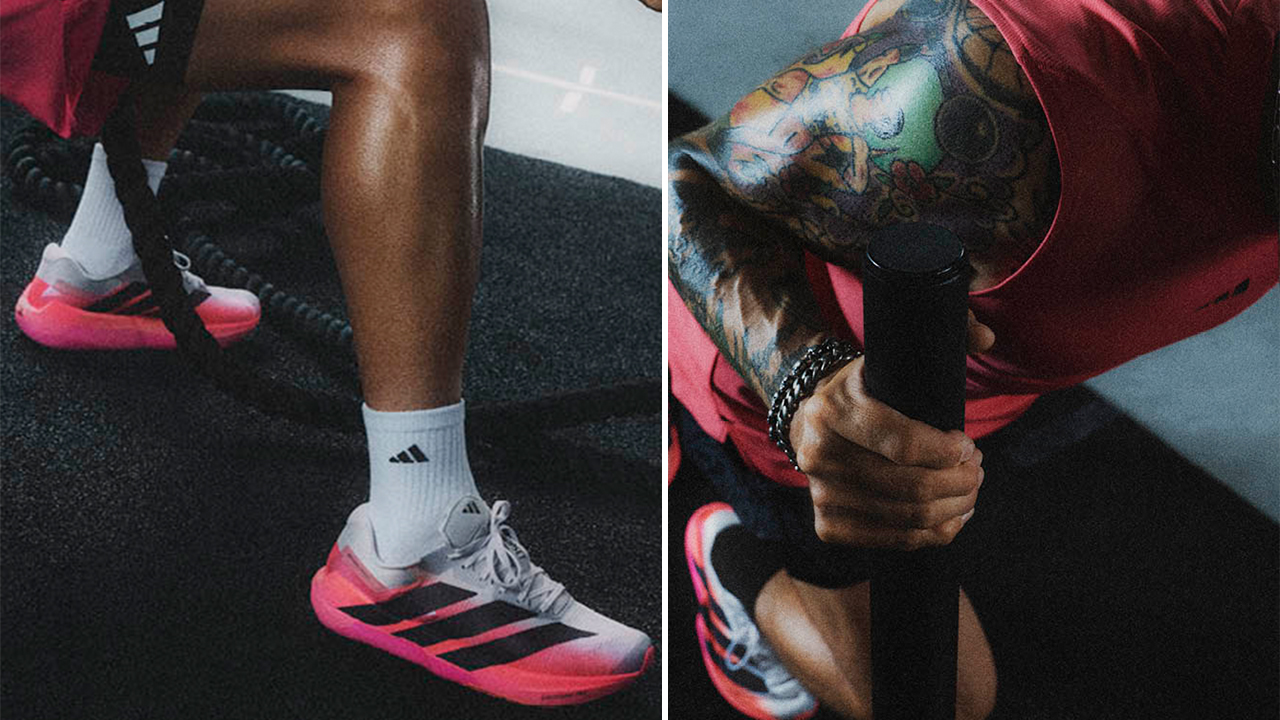
EnergyRods are built into the midsole to help the foot roll through each stride. Lighttraxion covers the outsole for grip that doesn’t weigh the shoe down.
There’s Continental Rubber underneath for traction whether you’re training indoors or catching wet pavement outside. Also, there’s a 2.6mm Adizero sockliner that’s there to keep the shoe light while still giving you a feel for the ground under you.
Price, availability

If you’ve already got a pair of Dropset Pros in the original colorway, this isn’t a reason to upgrade. If you’ve been eyeing the shoe but wanted something less understated, this might be the version that gets you to check out.
The adidas Adizero Dropset Pro in Solar Turbo / Lucid Pink is available now at PhP 8,500. It’s in stock since September 2 at adidas and sports retail stores nationwide, on adidas.com.ph, and through the adidas App.
Lifestyle
Setting your bedsheets ablaze with the Lovense Solace Pro
The closest proxy I could find where I’m guilty as sin

For almost a decade, I’ve reviewed gadgets. I used to tell people some of them are easy to evaluate. Switch them on, test what they can do, decide if they’re worth your money.
A few years ago, I dabbled in the intersection of pleasure and technology. I hadn’t thought about testing another intimate device until the Lovense Solace Pro was offered to me during a trip to London.
Writing about it felt unexpectedly difficult. It’s a piece of technology built explicitly around intimacy, and I had just parted ways with someone I loved deeply.
It feels surreal to write about physical pleasure when your heart is somewhere else entirely. In between panic attacks, I found myself seeing visions, longing for trysts without ever touching his skin, indulging in fatal fantasies that gave way to labored breath.
No one warns you how grief blurs the line between wanting to be touched and refusing it entirely. I craved connection; I just couldn’t bring myself to ask for it from someone real.
In a moment of raw vulnerability, I reached out to the Lovense Solace Pro. It was the closest proxy I had to an experience I genuinely wanted with someone who was no longer there.
Guilty as Sin?
This wasn’t my first time testing technology built around intimacy. I still remember when placing a Bluetooth chip inside a sex toy felt like a novel concept.
Back then, app connectivity just meant adding remote controls to something that already worked on its own. Sex technology has grown considerably more sophisticated since, and Lovense has continually pushed that evolution forward.

The Solace Pro shows how far their ecosystem has extended beyond basic app controls. It combines connected devices, interactive patterns, content synchronization, and artificial intelligence.
The AI-powered thrusting stroker is designed for hands-free use and comes with a sturdy desk mount. Holding the 1.2kg device during a session tires your hands fast, which makes the mount a necessary addition, not a bonus.
The mount lets you adjust the angle up to 180 degrees. Hands-free works only when the alignment actually matches your body.
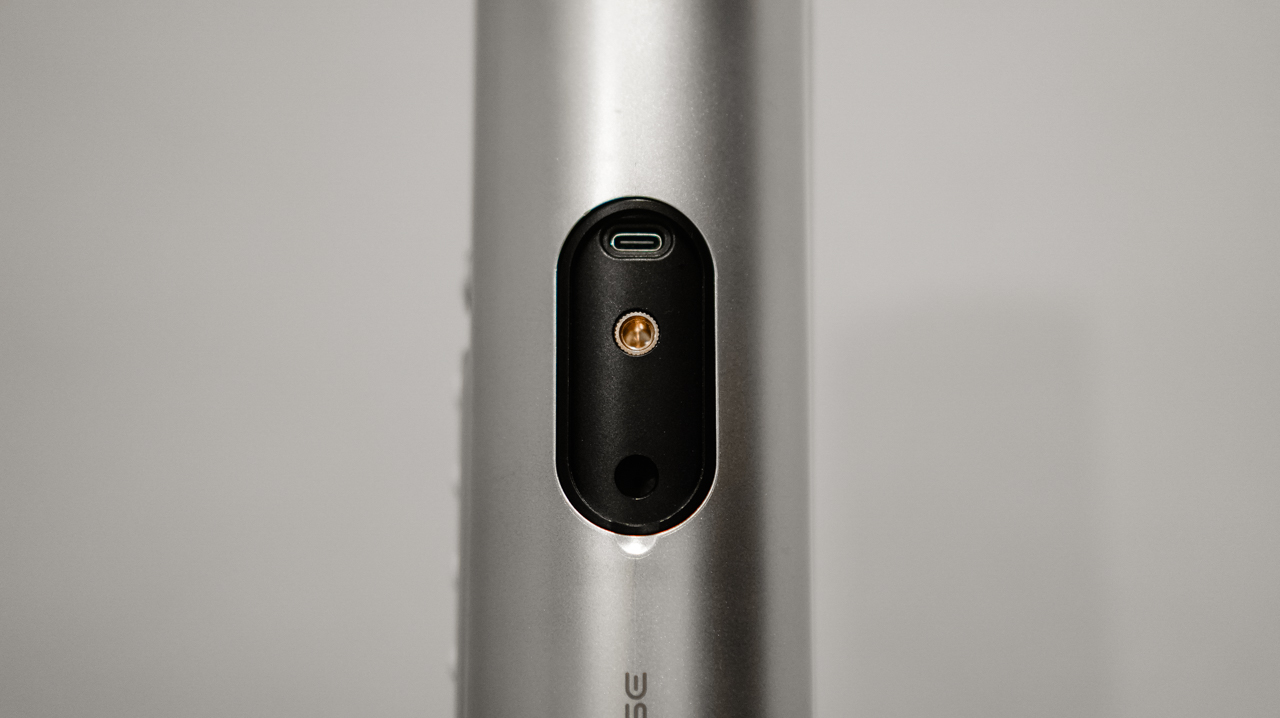
Mounting the toy to my office desk and adjusting my chair height worked well enough. But I no longer have the reckless enthusiasm of an eighteen-year-old who can indulge anywhere.
The bedroom remains my sacred space for intimacy.
One slip and falling back into the hedge maze
The standalone hardware gives you plenty of built-in controls to adjust stroke speed and intensity in small increments.

But opening the Lovense Remote app unlocks a much higher level of personalization. Pleasure is deeply subjective, so having room to experiment matters.
The app lets you explore various patterns and build your own sequences. It’s built to let you discover what suits your body, rather than forcing your body to adapt to the hardware.
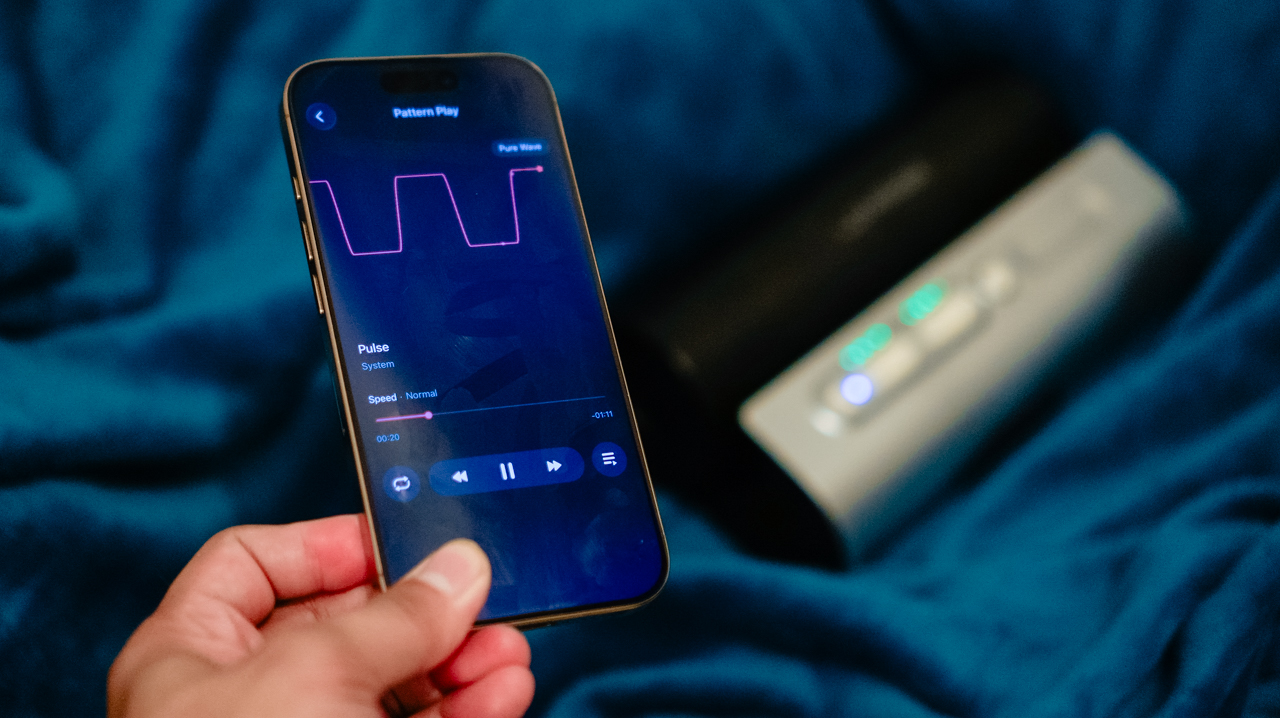
The AI Sync feature stands out. It pairs the device’s movements with interactive content or livestreams through VibeMate, an AI browser that syncs using audio cues.
During a 36-minute session watching my favorite creator, Titus Low, the tracking stayed smooth and lag-free. The feature works just as well in practice as it sounds on a product page.
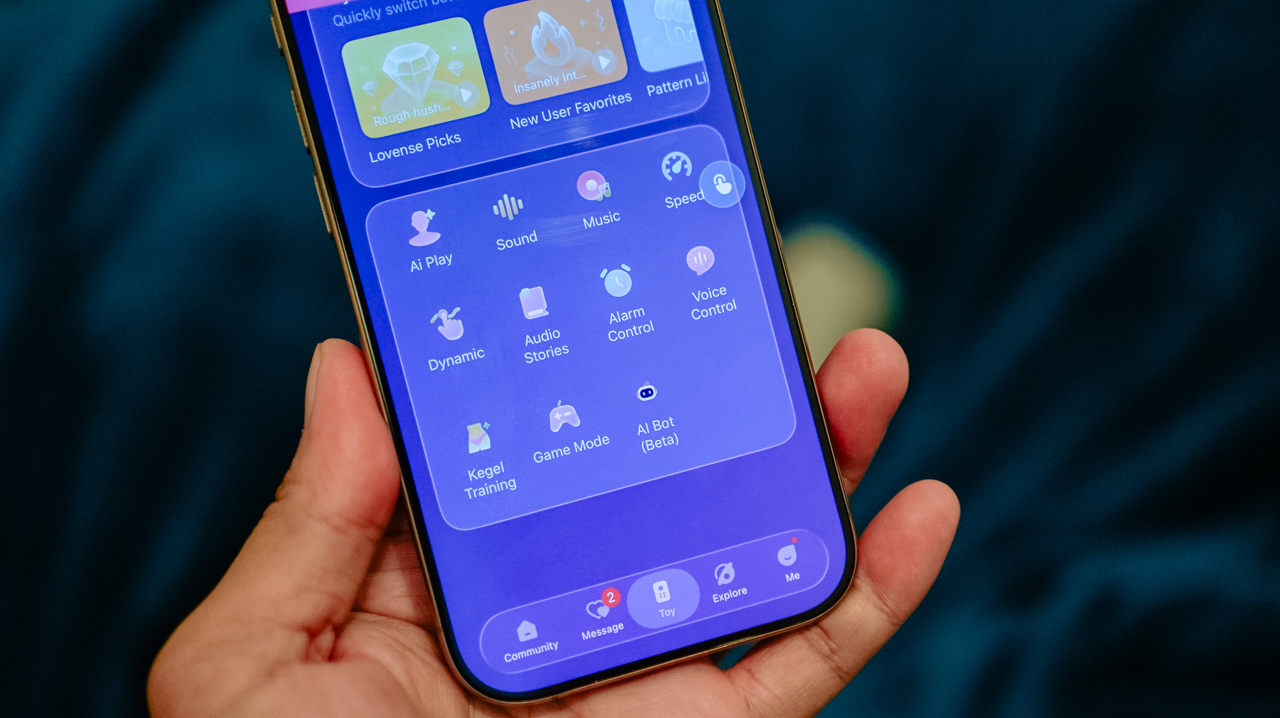
Beyond video sync, AI Play and Game Mode offer more interactive options. The real appeal isn’t replacing human intimacy.
It’s making solo routines feel less repetitive, giving your senses dynamic stimuli to respond to.
What if the way you hold me is actually what’s holy?
Lovense rates the Solace Pro at up to 300 strokes per minute. I couldn’t, as a matter of fact, count how many strokes there were when pleasure enveloped my whole body.
The soft TPE sleeve does a lot of the work here. It keeps the experience feeling supple, not rigid, despite the heavy hardware around it.
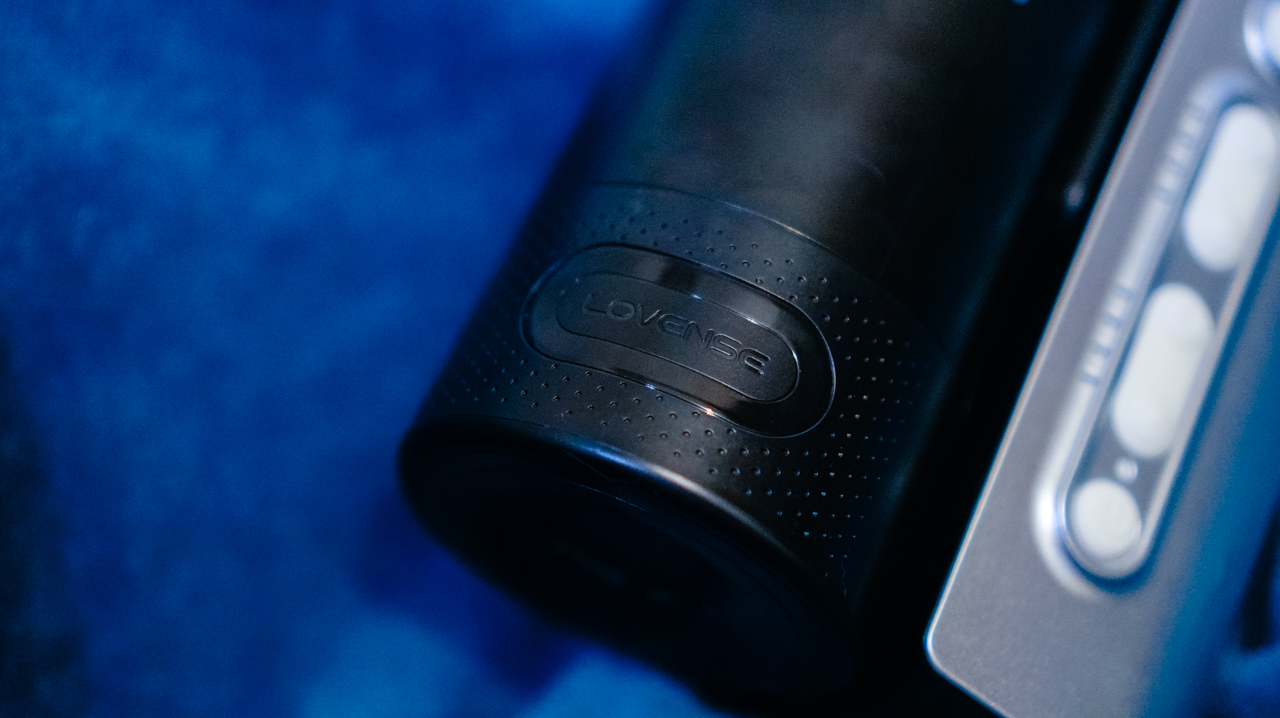
Ambient sound shapes the mood too. The device is rated at 63dB, about the volume of an ordinary conversation. The mechanical noise gets more noticeable at higher intensity.
I get distracted by the sound, so I turn up whatever I’m watching to compensate. Earbuds work even better if you want the sensation to lead, not the machine’s hum.
Battery life is respectable. Lovense rates it at 14 hours of use, 120 hours on standby. Two months in, I still haven’t drained it, and I haven’t charged it since.
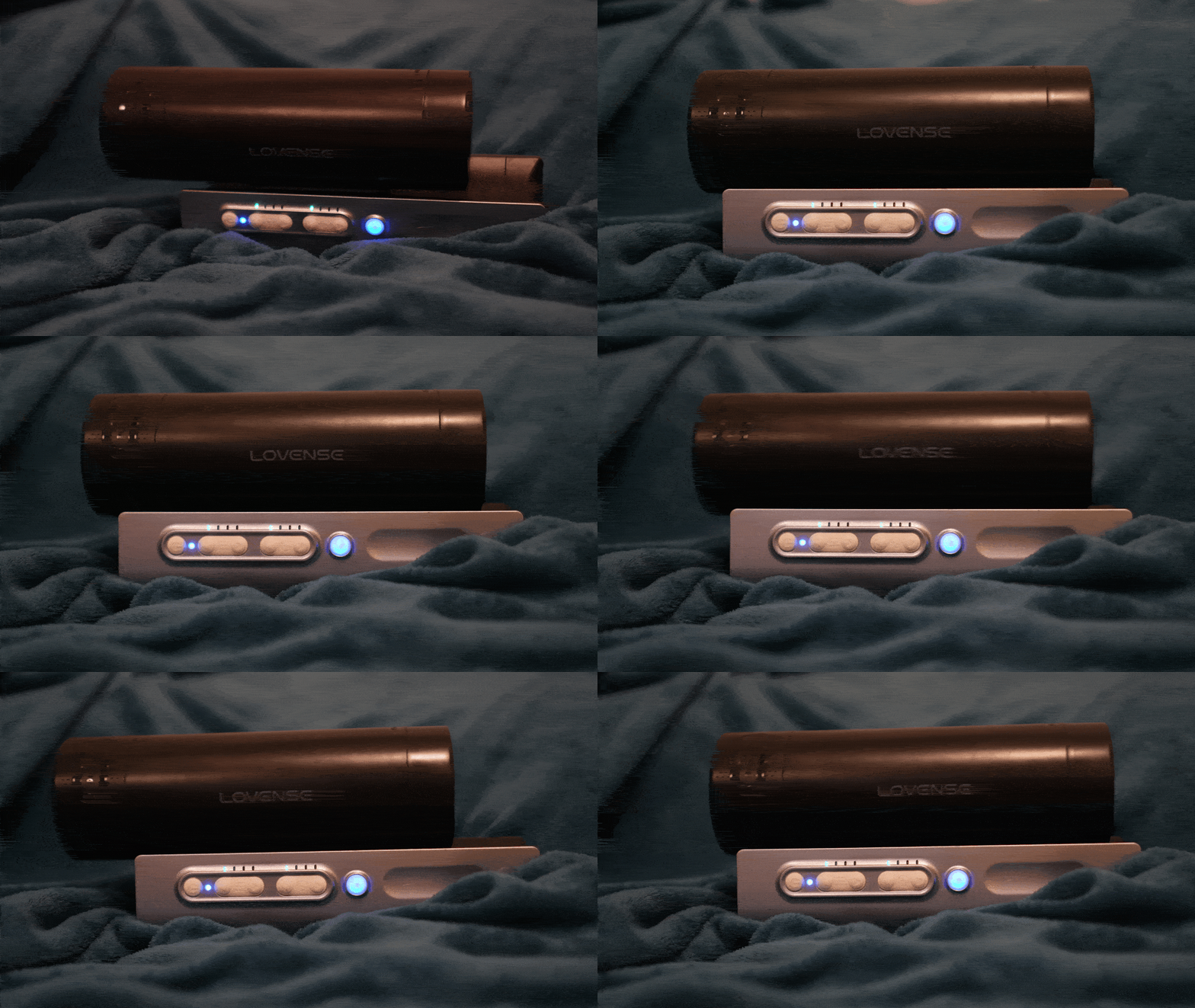
You’re unlikely to use it continuously anywhere close to 14 hours, though. But keeping that in mind, that kind of battery life still means plenty of sessions between charges.
They don’t know how you’ve haunted me so stunningly
Like most devices from the brand, the Solace Pro supports partner syncing for long-distance play.
Releasing control of my pleasure to a partner sounds intoxicating in theory, yet having a feature designed for someone you love feels haunting when that person is no longer in your life.
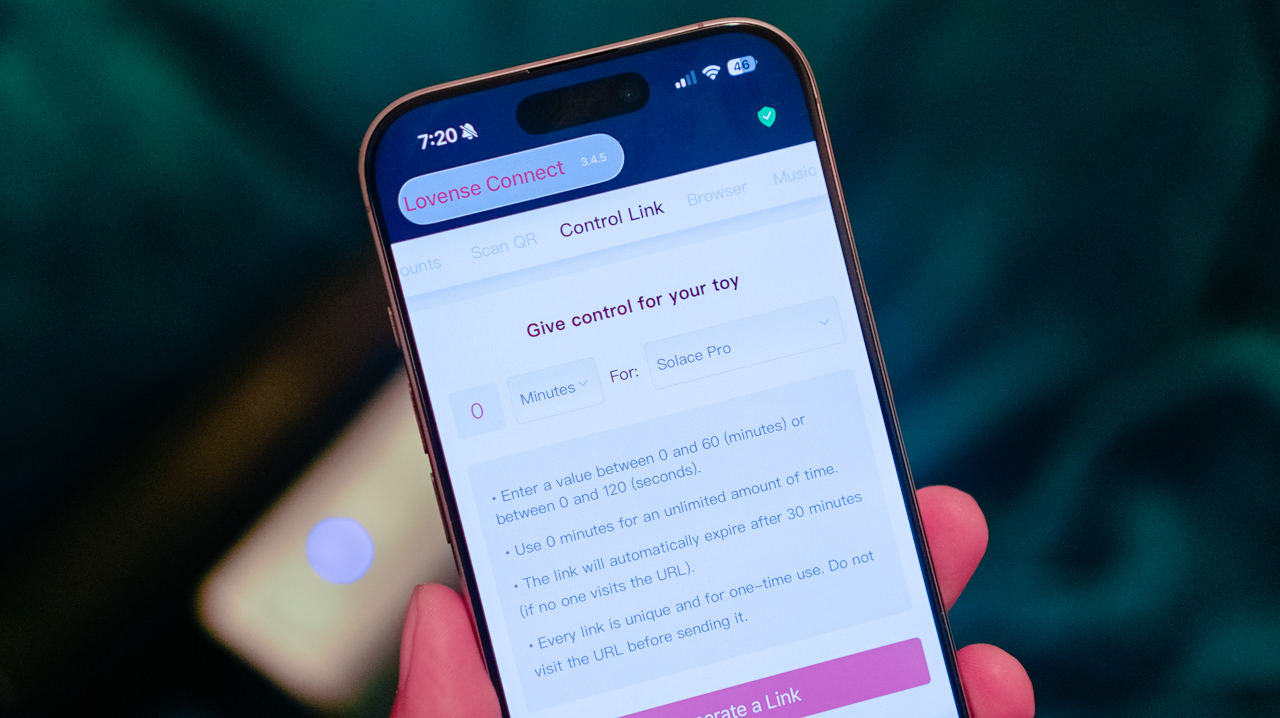
The device became something to lean on through the grief, stepping in during moments when I longed for the touch of my former partner.
It highlighted the strange borderland between fantasy and reality, where you try to keep these longings locked inside a vault while your imagination does everything it can to break the door down.
In those quiet moments, the fantasy alone is enough to make my bedsheets feel ablaze. There are nights when I have screamed his name into the silence, feeling the longing building up like waves, crashing over my grave.

Beyond the emotional weight, the practical side of owning an intimate device is also emotionally taxing. It requires proper maintenance.
Keeping the toy clean and completely dry is simple ’cause you remove the inner sleeve, rinse it, and let it drip-dry. And the sleeve is easily replaceable, meaning, the entire unit remains useful over time.
Amidst all this grief and longing, who needs a boy when you can have a toy? At least this one isn’t going to make you cry while you’re 30,000 feet up in the sky.
Is the Lovense Solace Pro your GadgetMatch?
At US$399, the Lovense Solace Pro is a premium intimate device. The question, then, isn’t whether its connected technology justifies the price. It’s whether you actually want all that technology wrapped around the experience.
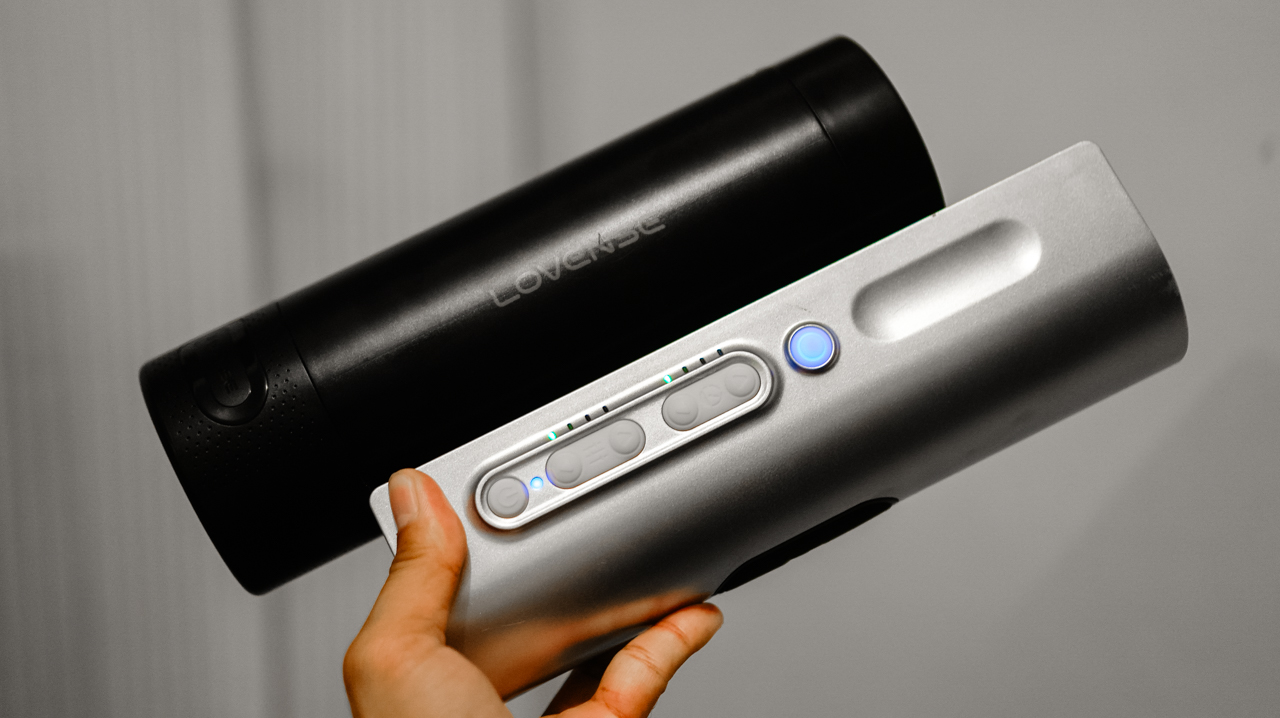
Swipe Right if you’re looking for a premium solo experience with smart features, hands-free control, and enough customization to keep things from feeling repetitive. Get it here.
If you’re looking for a simple stroker that you can pick up and get the job done, consider this a Swipe Left.
The Solace Pro makes sense for someone who wants to explore physical pleasure without asking themselves to be emotionally available to another person before they’re ready.
It gives you control over how you experience pleasure, whether that means letting the app dictate the rhythm, experimenting with different patterns, or simply finding your own pace.
Honestly, technology cannot replicate the feeling of being wanted by someone you love. It cannot replace their hands, their presence, or the connection that makes intimacy mean something. Instead, it gives you agency over your own experience.
The Solace Pro cannot replicate the person I want. It cannot make me forget him, either. What it can do is give me somewhere to put the longing when it gets too loud.


Marvel’s Wolverine review: When the claws come out
A brutal, cinematic superhero adventure

Setting your bedsheets ablaze with the Lovense Solace Pro
The closest proxy I could find where I'm guilty as sin


Now Playing: Elden Ring Tarnished Edition
Is the Switch 2 port worth the price?

Xbox saves Kojima’s PHYSINT after PlayStation drops support
Marvel’s Wolverine review: When the claws come out

PH to celebrate 1st ever National Cinema Day; movies start at less than $2

New AGON gaming monitor features up to 1000Hz refresh rate

Smart lets you go phone-free with Apple Watch

TECNO MEGAPAD 2 review: Eyes on the size

realme 16T 5G with 8000mAh battery, IP69 Pro rating launches in PH

HUAWEI Pura X View is 2026’s first WIDE slab-type smartphone

REDMI Note 17 Series focuses on long-term reliability

REDMI reveals the refreshed Note 17 and Note 17 Pro series


-
 News2 weeks ago
realme 16T 5G with 8000mAh battery, IP69 Pro rating launches in PH
-
 News4 days ago
HUAWEI Pura X View is 2026’s first WIDE slab-type smartphone
-
 Cameras1 week ago
DJI Osmo 360 II review: Going all-in on the ecosystem
-

 Features2 weeks ago
The designated photographer’s new favorite phone: OPPO Reno16 Series 5G
-

 News4 days ago
The CAMON Slim 5G is TECNO’s latest ultra-slim smartphone
-

 IFA 20261 week ago
TECNO MEGABOOK T15 360 unveiled at IFA 2026
-

 Gaming1 week ago
NBA 2K27 review: A two-way All-Star
-
 Reviews1 week ago
Samsung Galaxy Z Fold8 Ultra review: It’s time to get a foldable