
Cameras
Fujifilm announces new cameras at X-Summit Sydney
Two new cameras plus a telephoto and kit lens

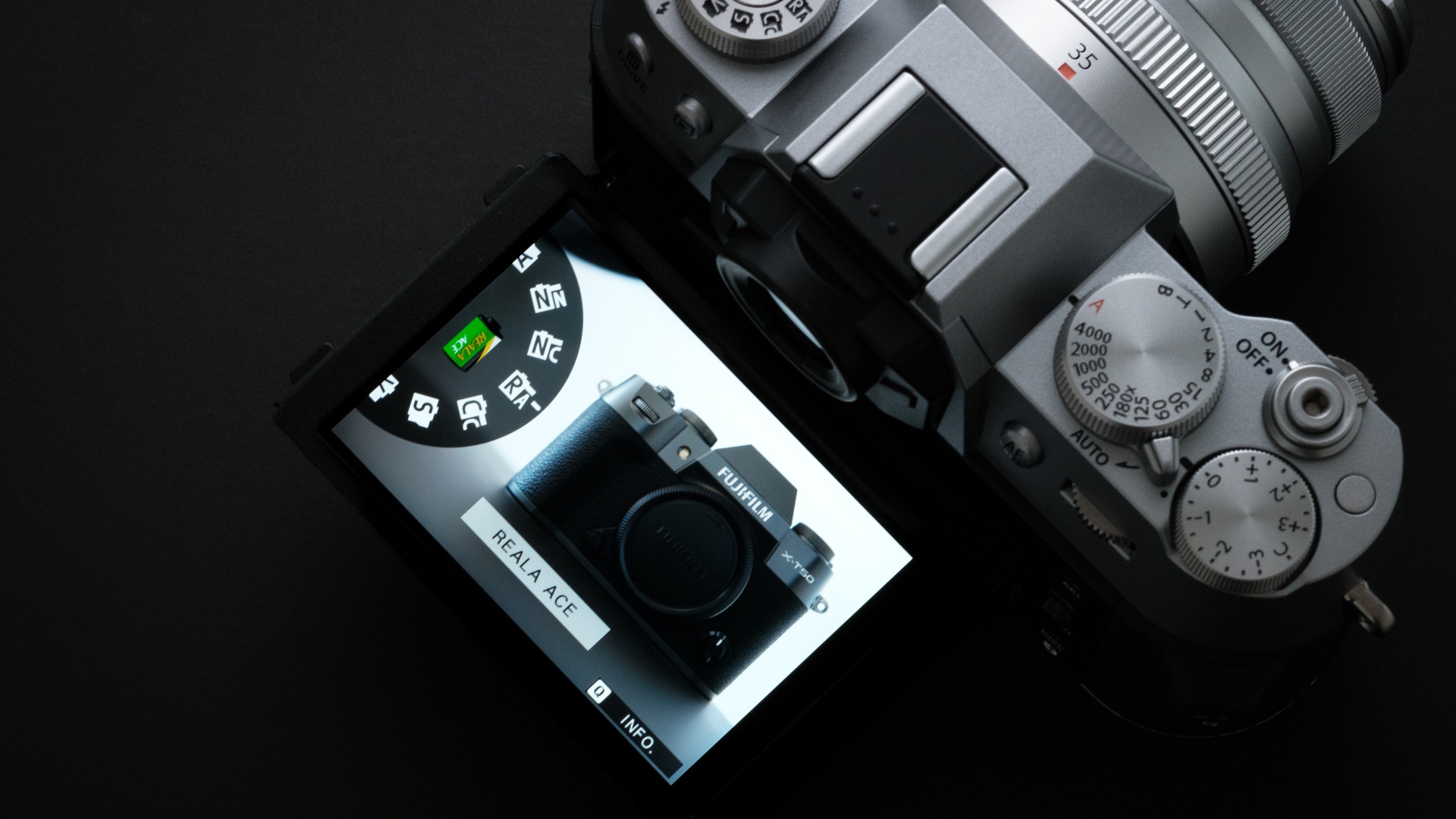
Fujifilm has announced four more new products at the X-Summit Sydney 2024. They are the GFX100SII and X-T50 mirrorless cameras, as well as a new telephoto prime lens and kit lens.
The two new digital cameras come with improvements in their autofocus system and light absorption efficiency, among other features. The new telephoto lens can capture subjects from an even longer distance, while the new XF16-50mm kit lens replaces the existing XF18-55mm.

Here is an overview of all four new offerings, as well as their local pricing details.
GFX100SII
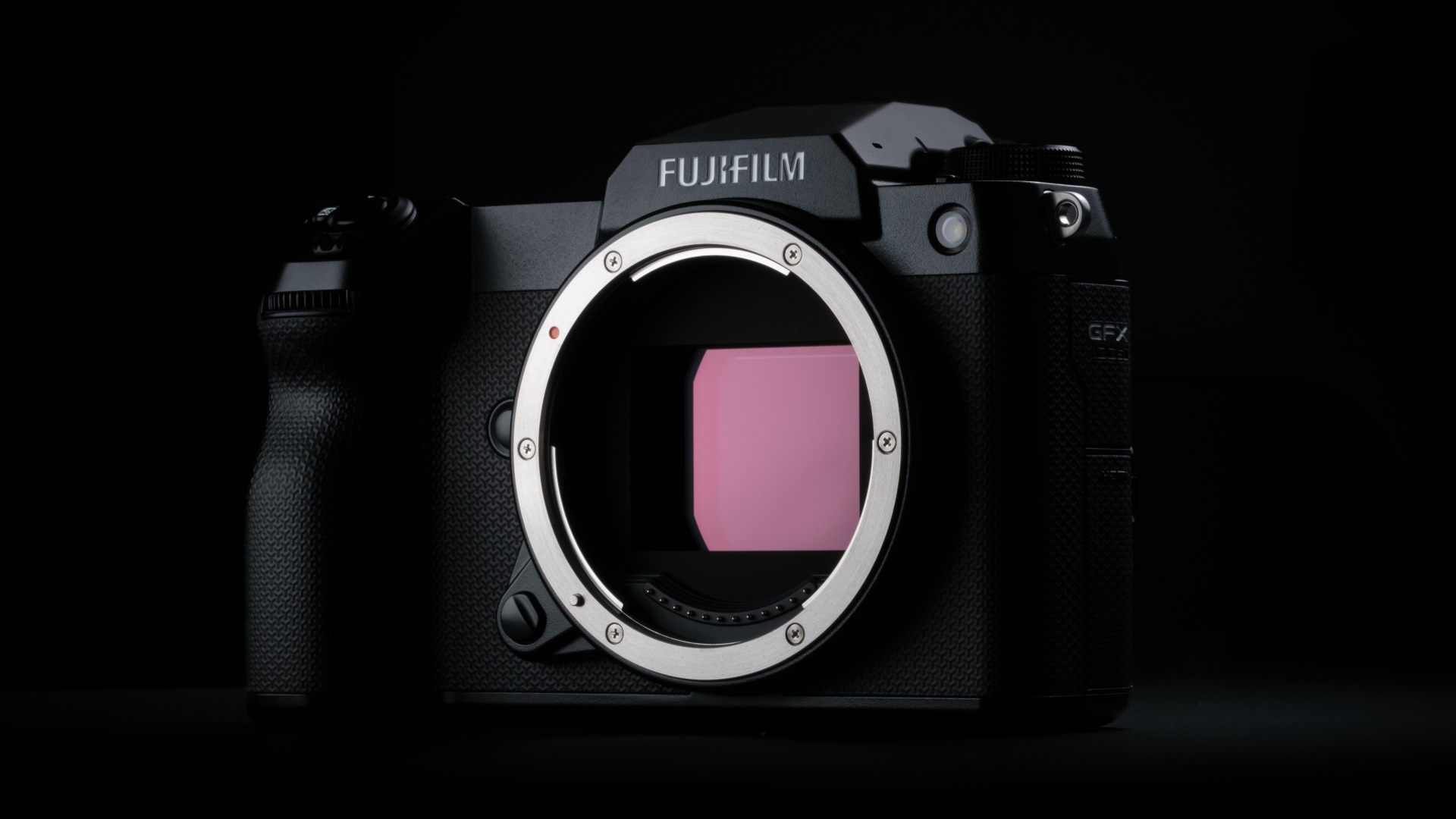
Price: PhP 329,990
The GFX100SII is the lightest FGX series offering yet at just 883 grams. This mirrorless camera boasts of a newly-developed GFX 102MP CMOS II sensor. The large-format sensor is 1.7 times larger than a 35mm full-frame. This new sensor’s micro lenses are improved to increase light use efficiency. This leads to better quality and AF accuracy at the edges.
The camera is powered by X-Processor 5, which utilizes AI-based subject detection autofocus with deep learning technology. With powerful in-body image stabilization (IBIS) and autofocus system, the GFX100SII can accurately track moving objects like never before. Moreover, it can shoot seven frames per second.
As for filming, the camera can support up to 4K videos at 30 fps. It also has 20 “film simulation” modes backed by REALA ACE, which combines color reproduction and tonal expression. This allows users to match scenes with the proper simulation mode.
X-T50
Price:
- Body only: PhP 92,990
- With XC15-45mm Kit: PhP 98,990
- With XF15-50mm Kit: PhP 117,990
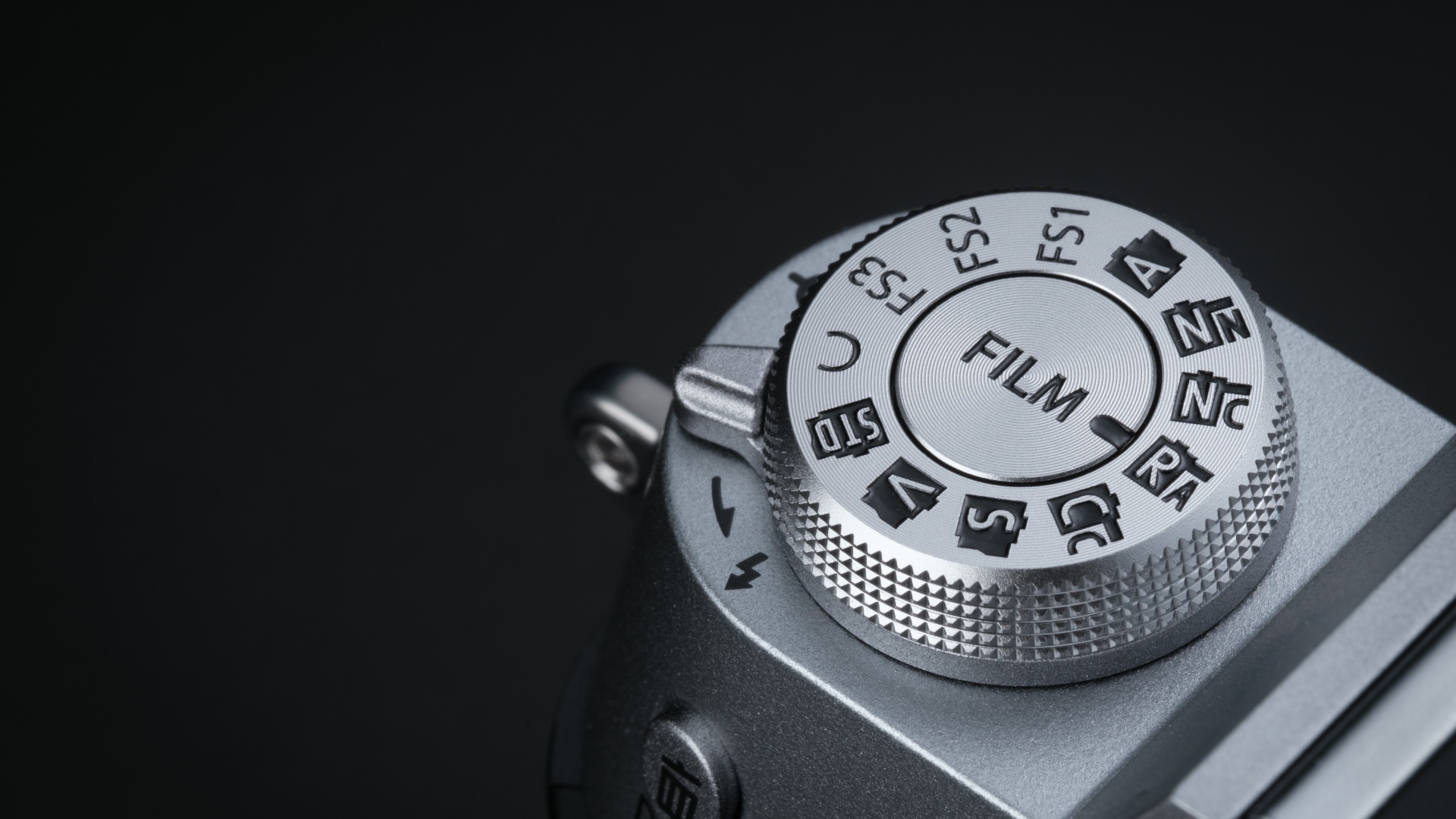
On the other hand, Fujifilm’s second new mirrorless camera model combines ease of shooting with a compact and lightweight design. It likewise utilizes the X-Processor 5 engine with AI capabilities.
The X-T50 has a 40MP X-Trans CMOS 5 HR sensor that comes with an improved pixel structure. This lets the camera use ISO 125 as its normal sensitivity, leading to more efficient light capture. Furthermore, it is also the first X-T series camera to incorporate IBIS (up to 7.0 stops).
What’s great about the X-T50 is its AI-based subject AF detection. Photographers will be aided in detecting various subjects, such as animals, birds, cars, motorcycles, airplanes, trains, and more. The autofocus prediction algorithm is also more advanced than that of previous models.
Lastly, it has a tiltable LCD monitor and a new film simulation dial on the top plate to enable a wide variety of color tones.
GF500MM F5.6 R LM OIS WR
Price: PhP 220,990
Meanwhile, Fujifilm has also introduced a new lightweight and compact telephoto primes lens. This lens features 6.0 stops of OIS and can resolve up to 102MP. It can capture subjects at twice the distance of previous GFX models, making it the longest telephoto prime lens.
XF16-50mm F2.8-4.8 R LM WR
Price: PhP 44,990
Last but not least is the company’s new kit lens, which replaces the current XF18-55mm option. As the name of the new product suggests, it has a focal length of 16-50mm and an aperture range of F2.8-4.8. It also features weather sealing and an internal focusing system.
The lens is compatible with X-Series models such as X-T5, X-S20, and X-T50. As such, customers may get it with the X-S20 for PhP 109,990 and the X-T50 for PhP 136,990.





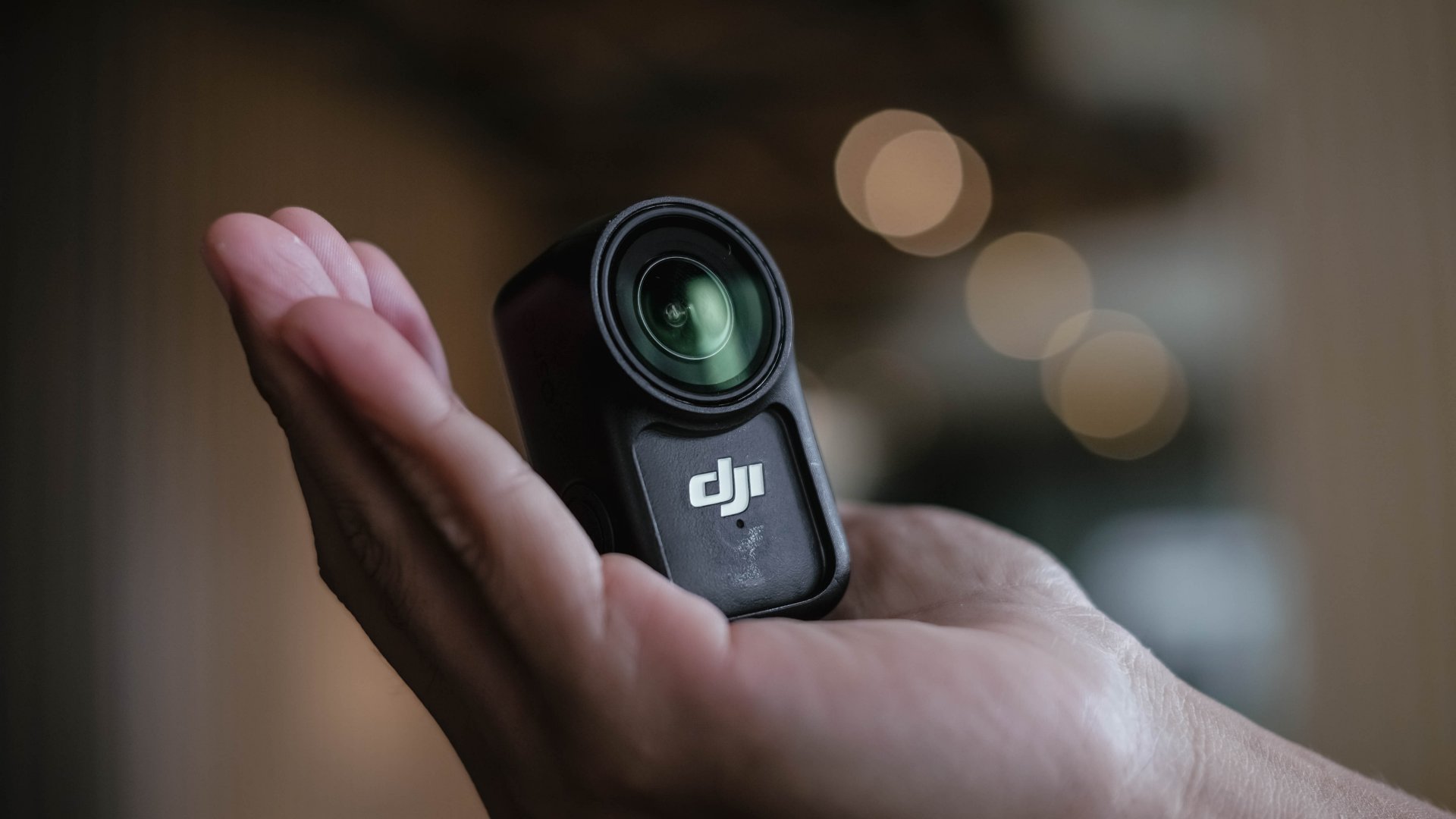
I’ve never been the kind of person who stays still for long.
My calendar looks more like a puzzle than a plan. Airports, races, trails, test drives, repeat.
Somewhere between boarding gates and finish lines, I try to squeeze in meetings, shoots, and the occasional night out.
For years, I’ve carried cameras that promised to keep up. They all said the same thing: lightweight, smart.
Yet they always ended up feeling like one more thing to hold. They’re more of a reminder that I was documenting life instead of living it.
Then the DJI Osmo Nano arrived, right before a flight to Hong Kong. I slipped it into my backpack without much thought.
Somewhere between the terminals of Hong Kong, the beaches of Shenzhen, the streets of Zhengzhou, and the mountain roads of Baguio, this tiny camera became part of my everyday life.

Hanging from a lanyard or docked on a dashboard, it was always ready. It’s strange how something so small can change the way you move through the world.
I stopped worrying about framing the perfect shot and started focusing on feeling the moment.
Made for people on the move
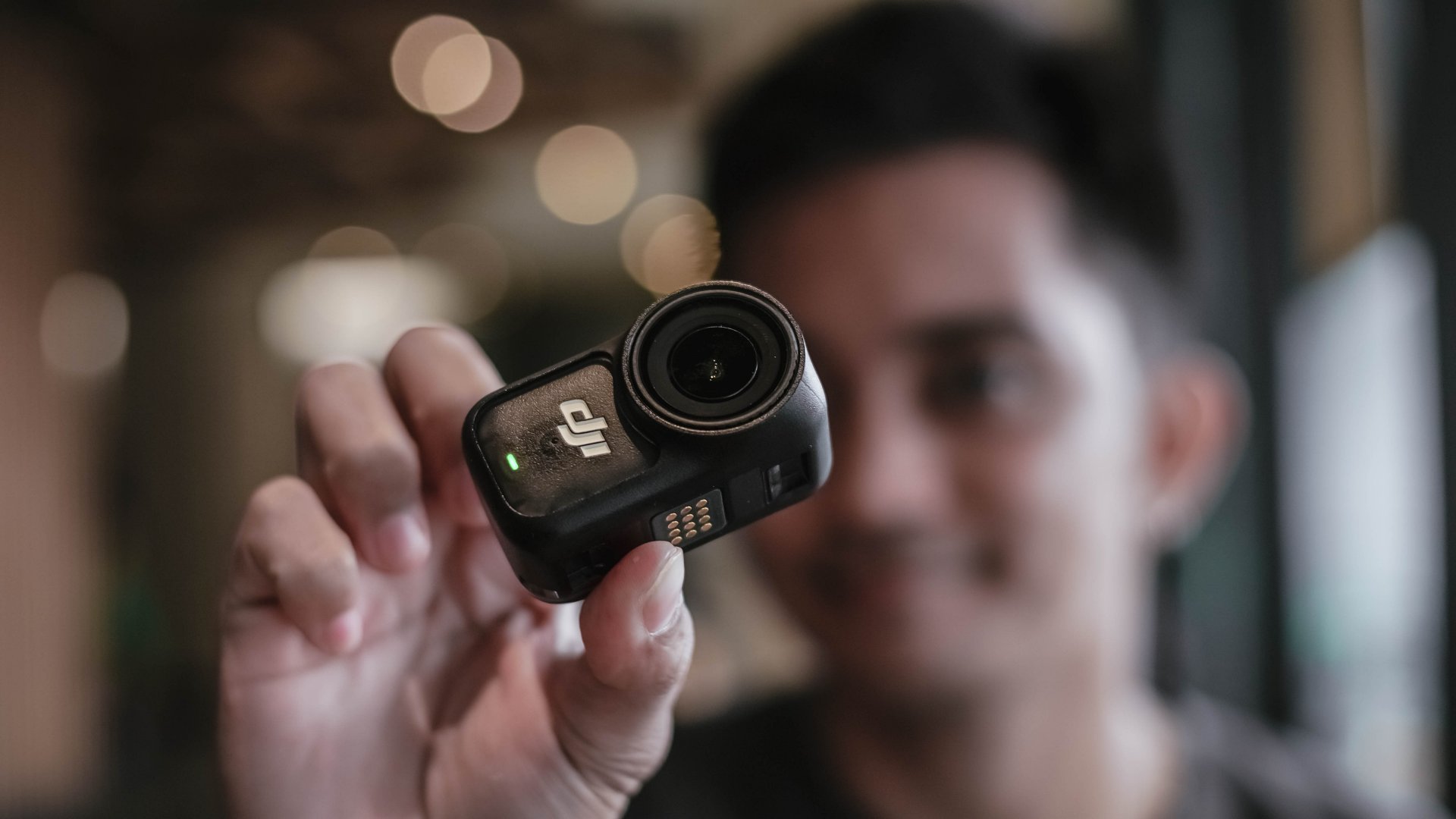
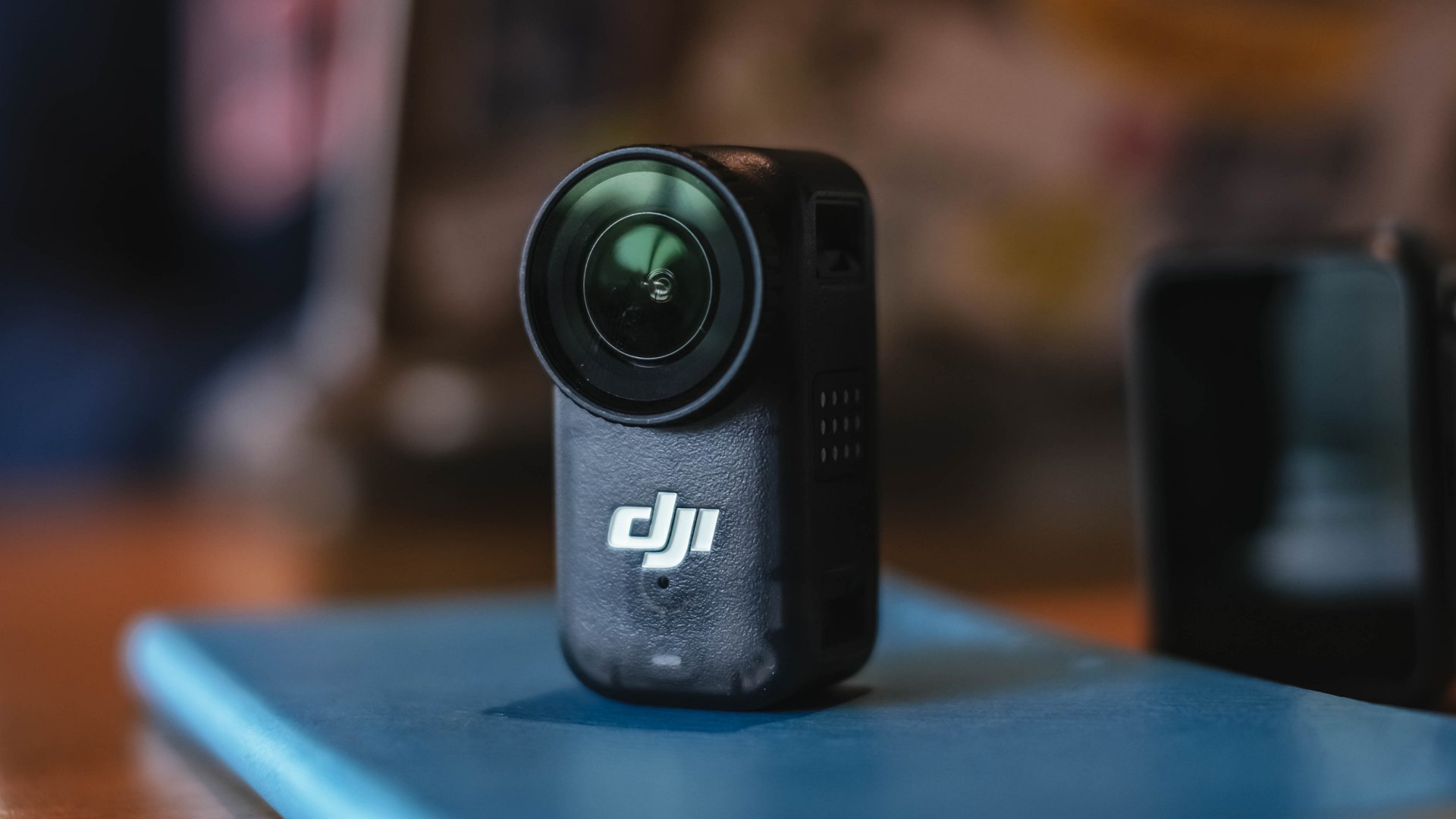
At 52 grams, the Osmo Nano is incredibly light yet feels substantial. It’s the kind of confidence that comes from precision engineering.
The matte finish resists fingerprints and the occasional drop of sweat. Simply put, it’s designed for motion.
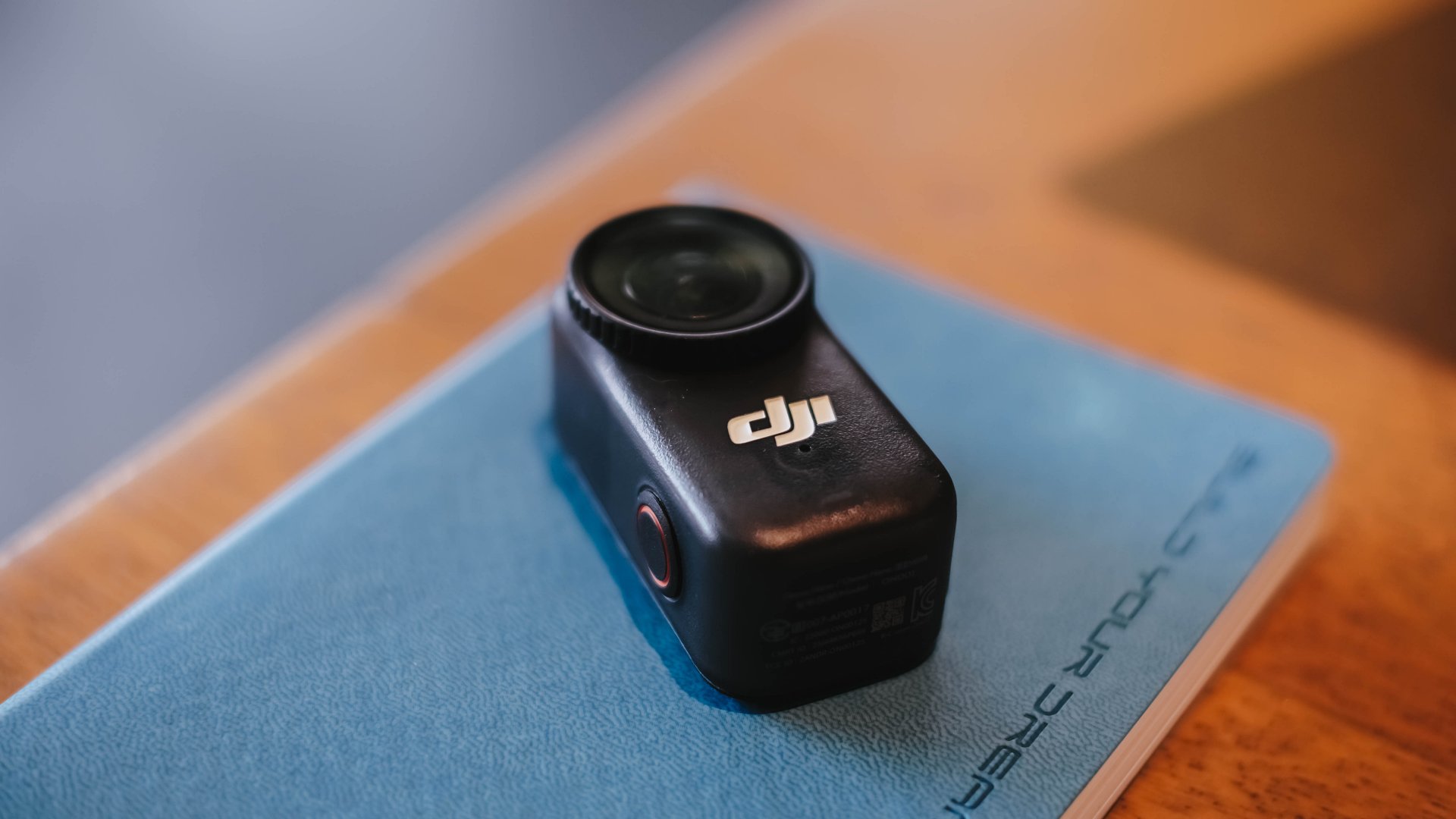
Then there’s the protective case. If there were an award for most underrated accessory, this would win it.
I accidentally dropped the Nano from a floor up and braced for heartbreak, but when I picked it up, both the body and the lens were flawless.
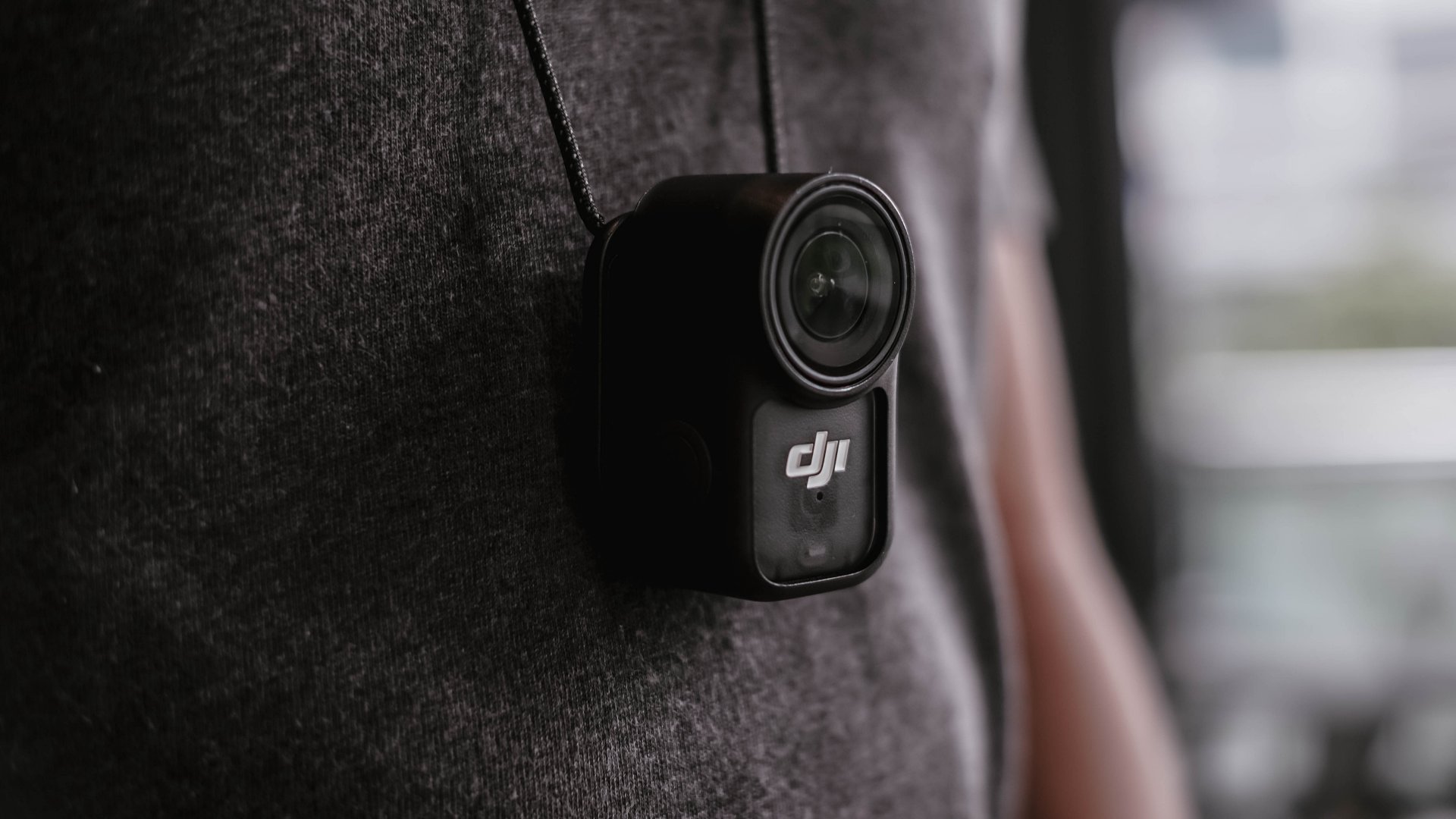
With or without a case, it also looks elegant. It doesn’t scream “camera.” You can clip it on your shirt or cap, and no one gives you a second look.
You can film without disrupting the mood, which gives the footage a sense of authenticity that’s hard to replicate.
A full system in your pocket
The Osmo Nano alone is impressive, but pair it with the Multifunctional Vision Dock and it becomes a complete ecosystem.

I brought it everywhere. In Shenzhen, it sat on the sand while I ran barefoot by the water. In Zhengzhou, it helped me capture temples and tourist sites that looked almost cinematic.
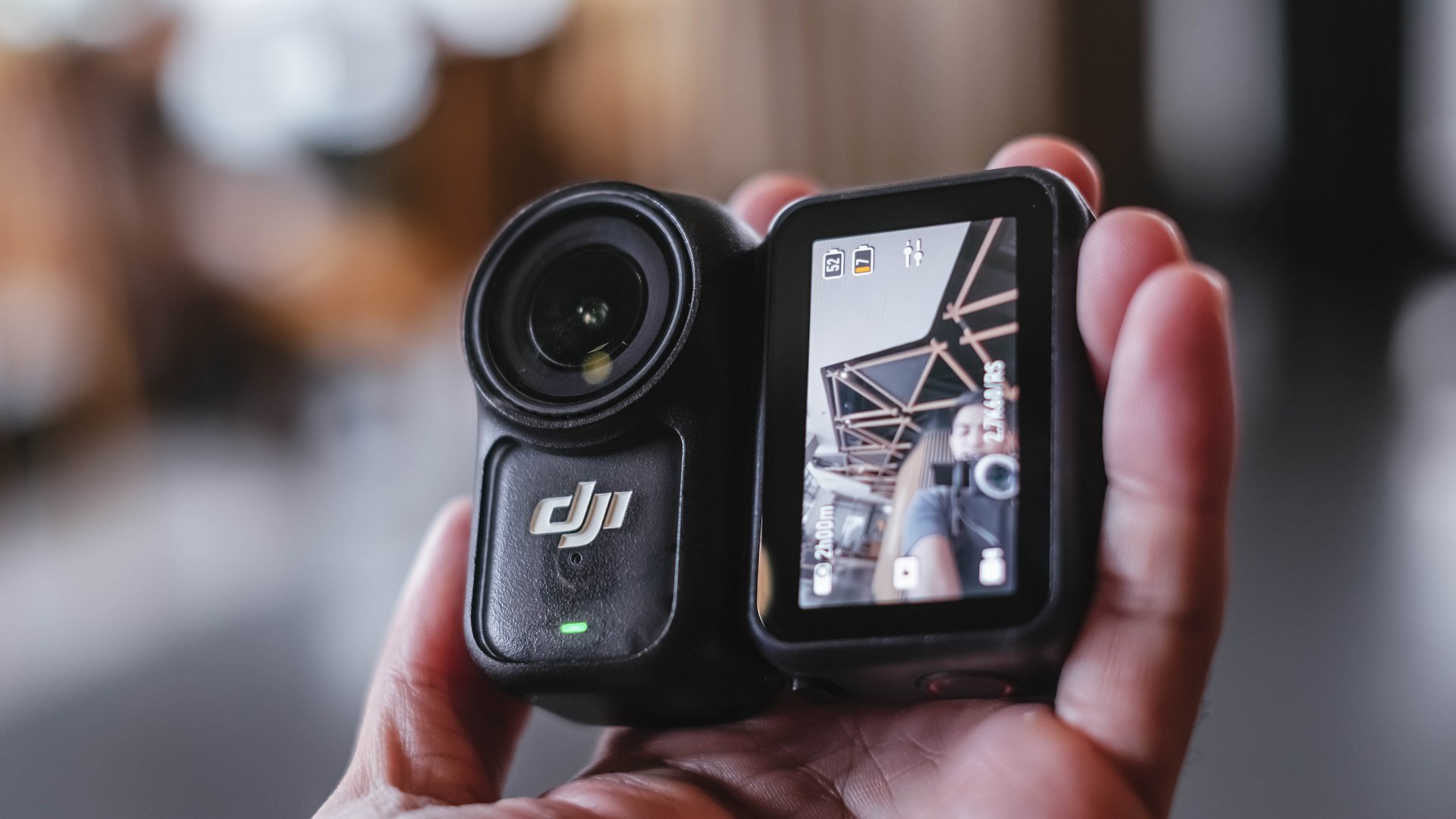
The dock acts like your all-in-one creative base: a power bank, tripod, remote control, and transfer hub built into one piece of aluminum.
It charges the camera to 80% in just 20 minutes, records for up to 200 minutes, and transfers data up to 600MB/s through its microSD slot.
It even doubles as a display for previewing or reviewing clips, which is a rare convenience in a setup this small.
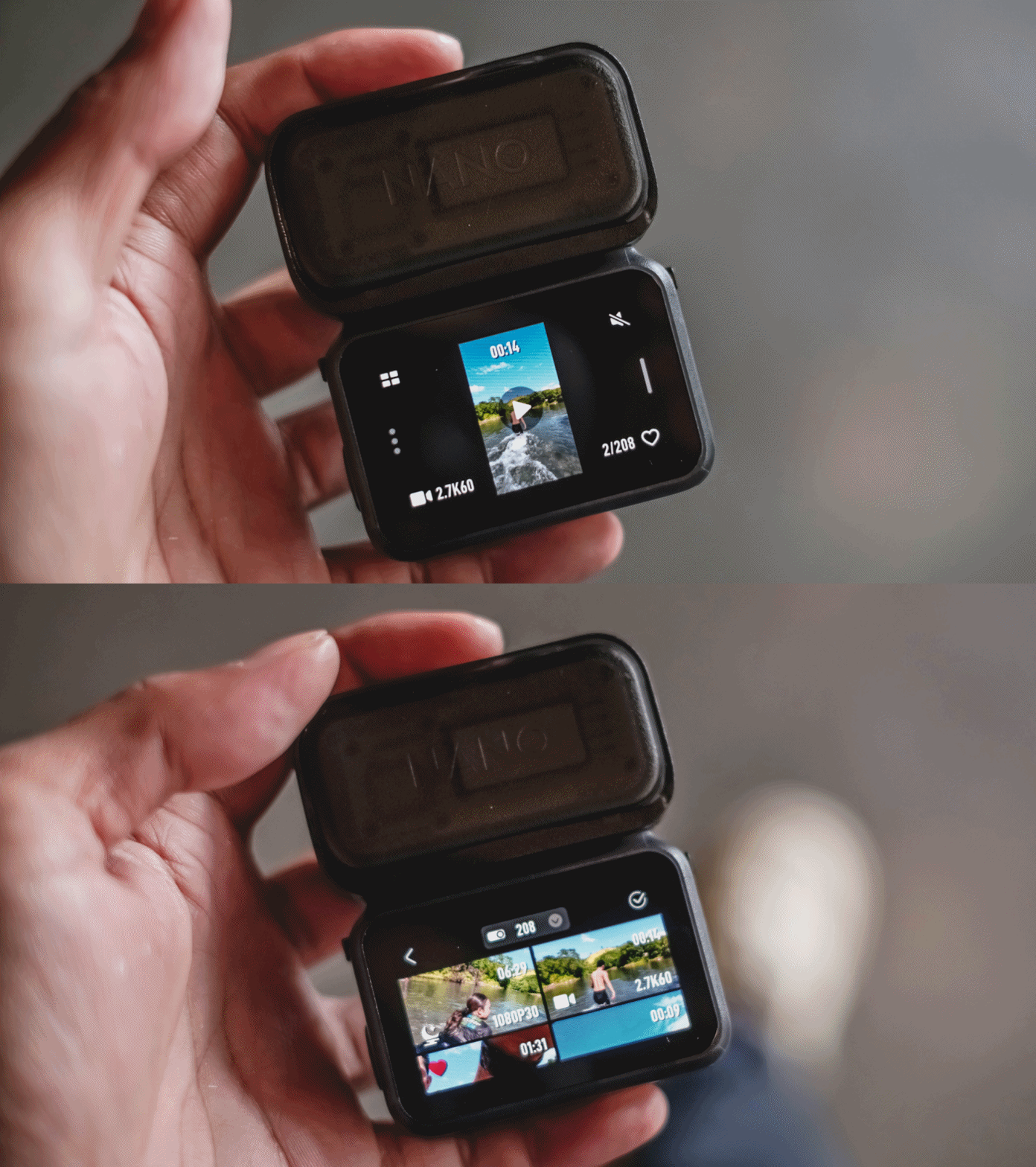
Together, the Nano and the dock feel like the definition of portable professionalism: a setup that fits in your pocket yet never feels like a compromise. It’s everything you need, minus the baggage.
The creative hub
What ties it all together is the DJI Mimo app. It’s the command center that turns the Osmo Nano into an extension of your creative workflow.
Footage syncs automatically, though I wish it keeps the connection longer, as the device kept disconnecting from the app time and time again.
Through the app, you can trim, color-grade, and export straight from your phone. Whether at an airport lounge, a café, or even the backseat of a car, editing feels effortless as long as you don’t use the One-Tap Edit feature.
I don’t know how to put it, but using AI to pick the ‘best’ frames doesn’t sit well with me after trying it and seeing its output.
While the frames it picked were ideal, composition-wise, it doesn’t have the emotions needed when producing a video.
Nevertheless, I particularly love how it adapts to my workflow. Syncing large files and previewing high-res clips happens with minimal lag.
For creators who thrive on momentum, that speed is priceless.
Race tracks and road trips
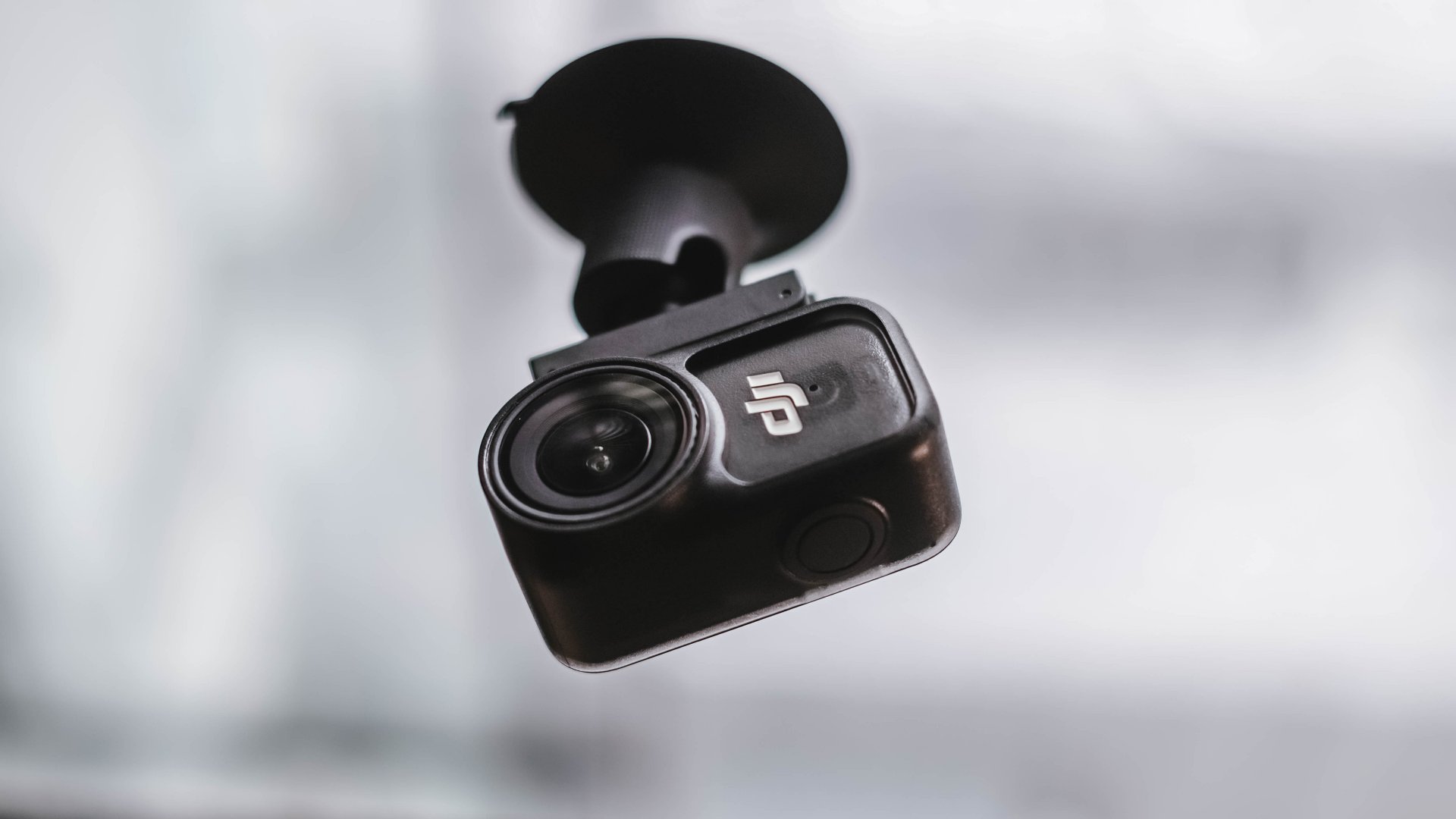
I’ve always believed that motion tells better stories than stillness, that the way a car turns a corner says as much as the driver’s expression.
When I tested cars at the BYD Zhengzhou All-Terrain Circuit, the Osmo Nano was mounted on the Dual-Direction Magnetic Ball-Joint Adapter Mount.

Through rough corners and high-speed bursts, the videos stayed unshaken thanks to RockSteady 3.0 and HorizonBalancing.
The footage looked like something out of a commercial. The 143° ultra-wide lens captured more story.
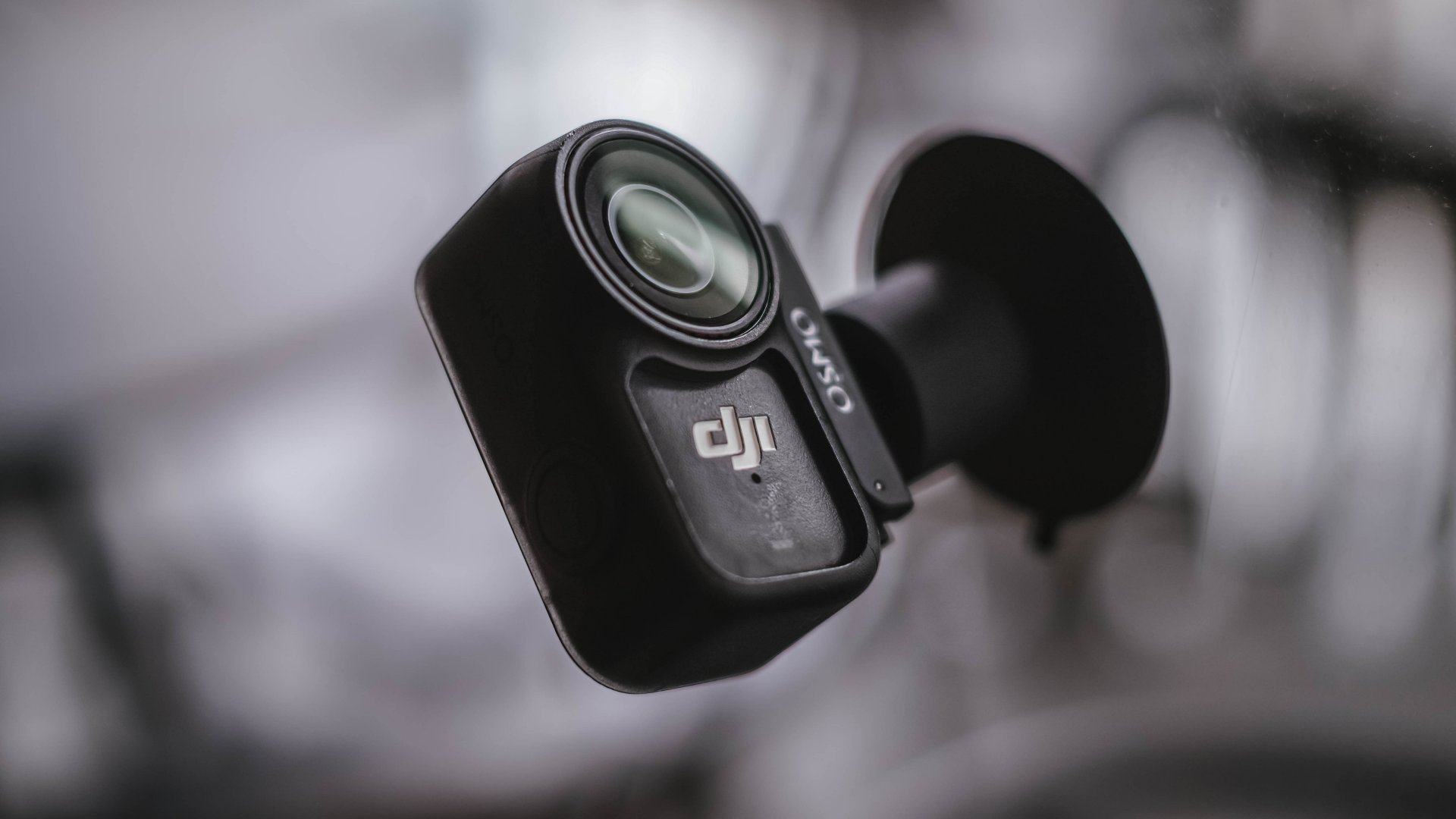
The only drawback was how the Nano tended to overheat during off-road and race track sessions, even after a firmware update.
Even when we were indoors at the BYD Di-Space Museum — a controlled, air-conditioned environment — I had to limit recordings to 2.7K or 1080p instead of 4K to keep recording.
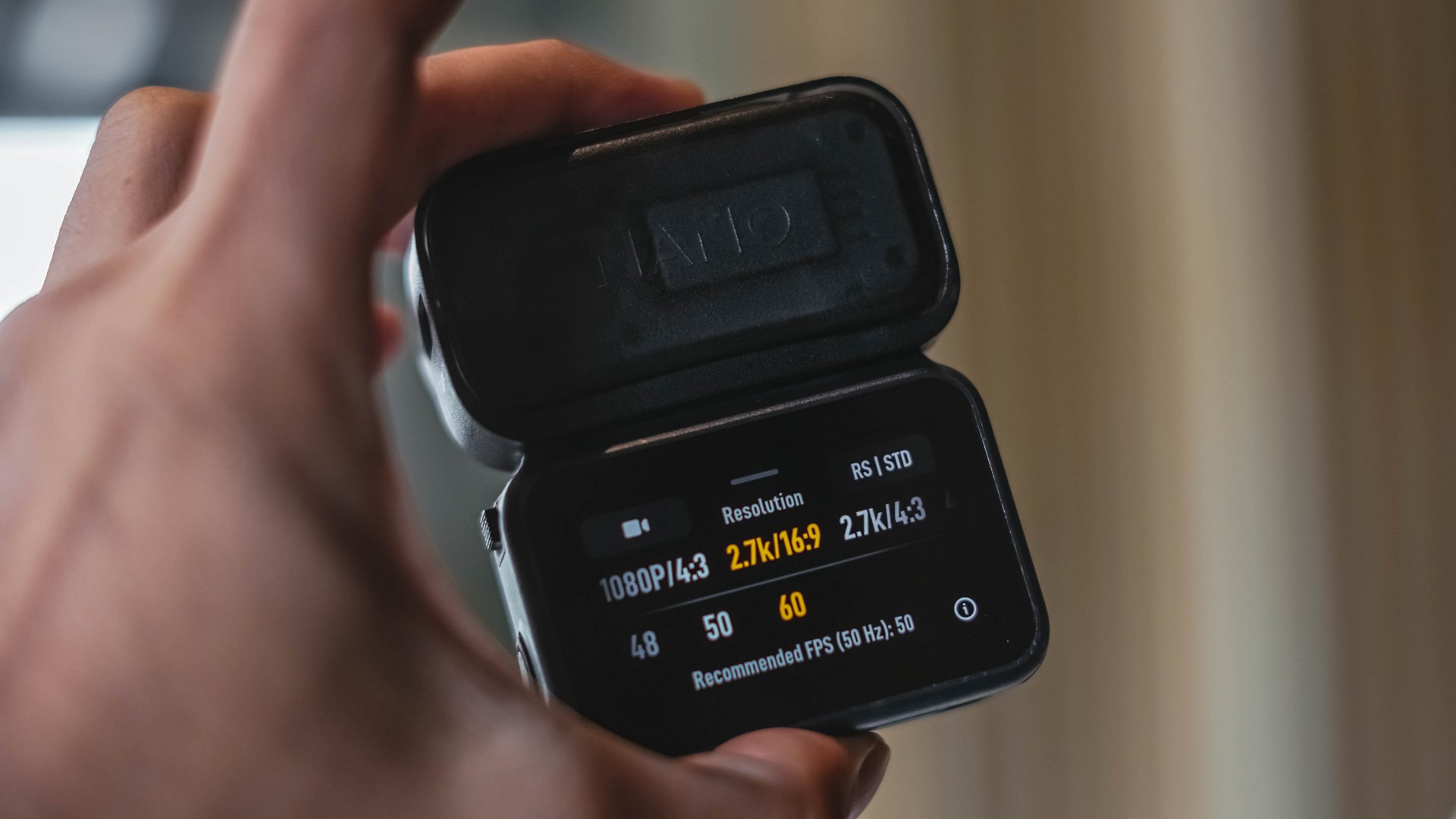
Later, I brought it to Baguio City, driving through pine-covered streets with the Ford Territory Hybrid.
The colors shifted with the light, from deep morning blues to warm golds by afternoon, and the Nano handled it all gracefully. It balanced light and shadow without flattening the details.
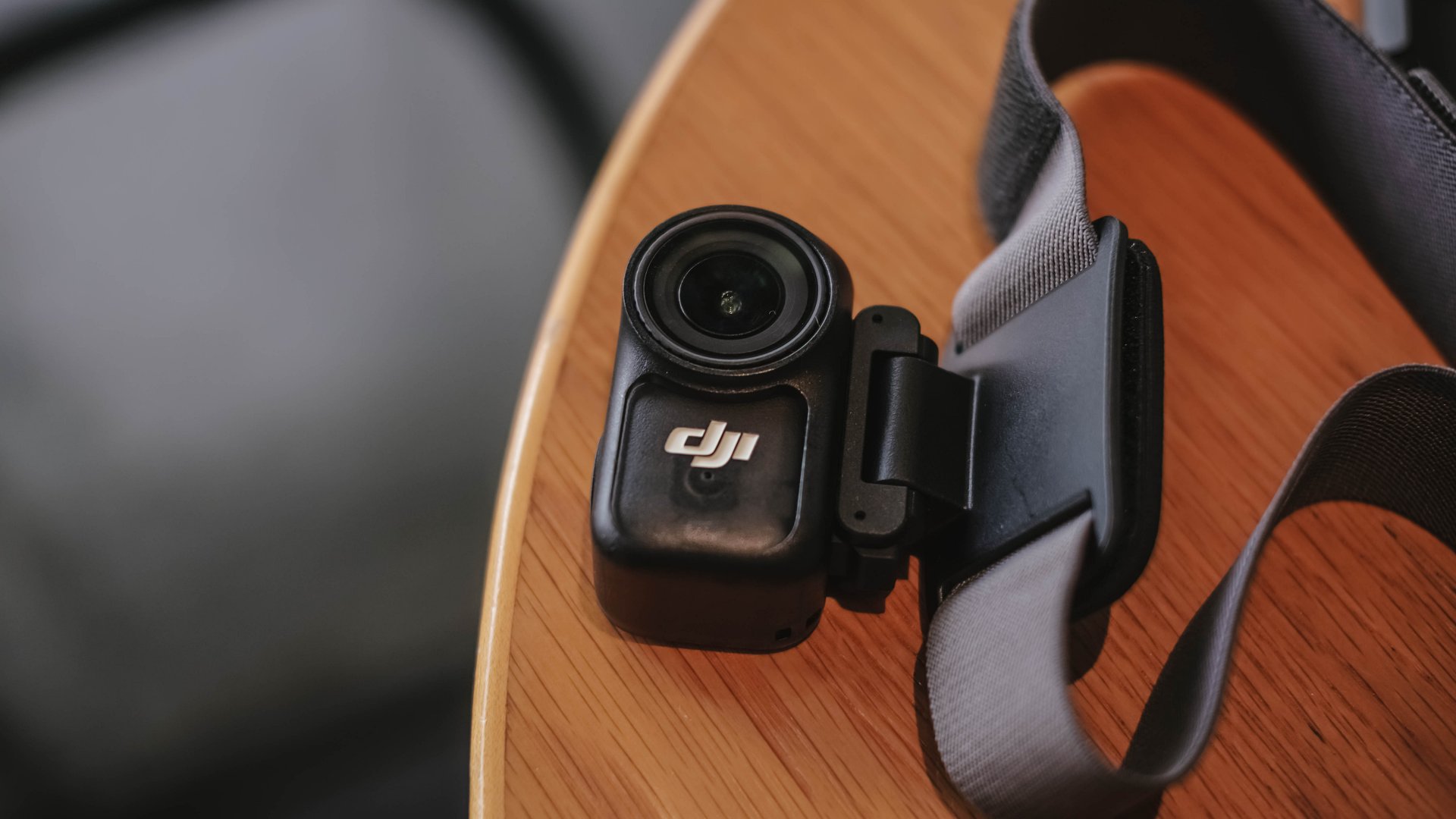
In moments where I could lose a shot quickly, I preferred setting color to Auto rather than using D-Log. Though I’m a creative director by profession, I don’t believe in using D-Log unless you can color grade perfectly.
Most creators who insist on it miss the point. It takes away the beauty of capturing things as they are. The Nano’s color quality is good enough to make every frame look polished and accessible.
Never missing a step
Of course, no camera review feels complete until I’ve taken it to the trail.
During BGY BYG’s OCR Simulation at Bridgetowne Obstacle Park, I used the Magnetic Headband and Lanyard, swapping between them as I watched participants go through obstacles.
I wanted to see how the Nano handled rain and movement, and it didn’t just survive. It performed well.
Thanks to the 1/1.3-inch CMOS sensor, it captured athletes at dusk with the SuperNight mode assisting in low light. The image quality was good, though not exceptional.
View this post on Instagram
Due to its fixed ultra-wide field of view, versatility remains limited. It doesn’t have a zoom lens, so I had to move closer to the athletes to frame their movements.
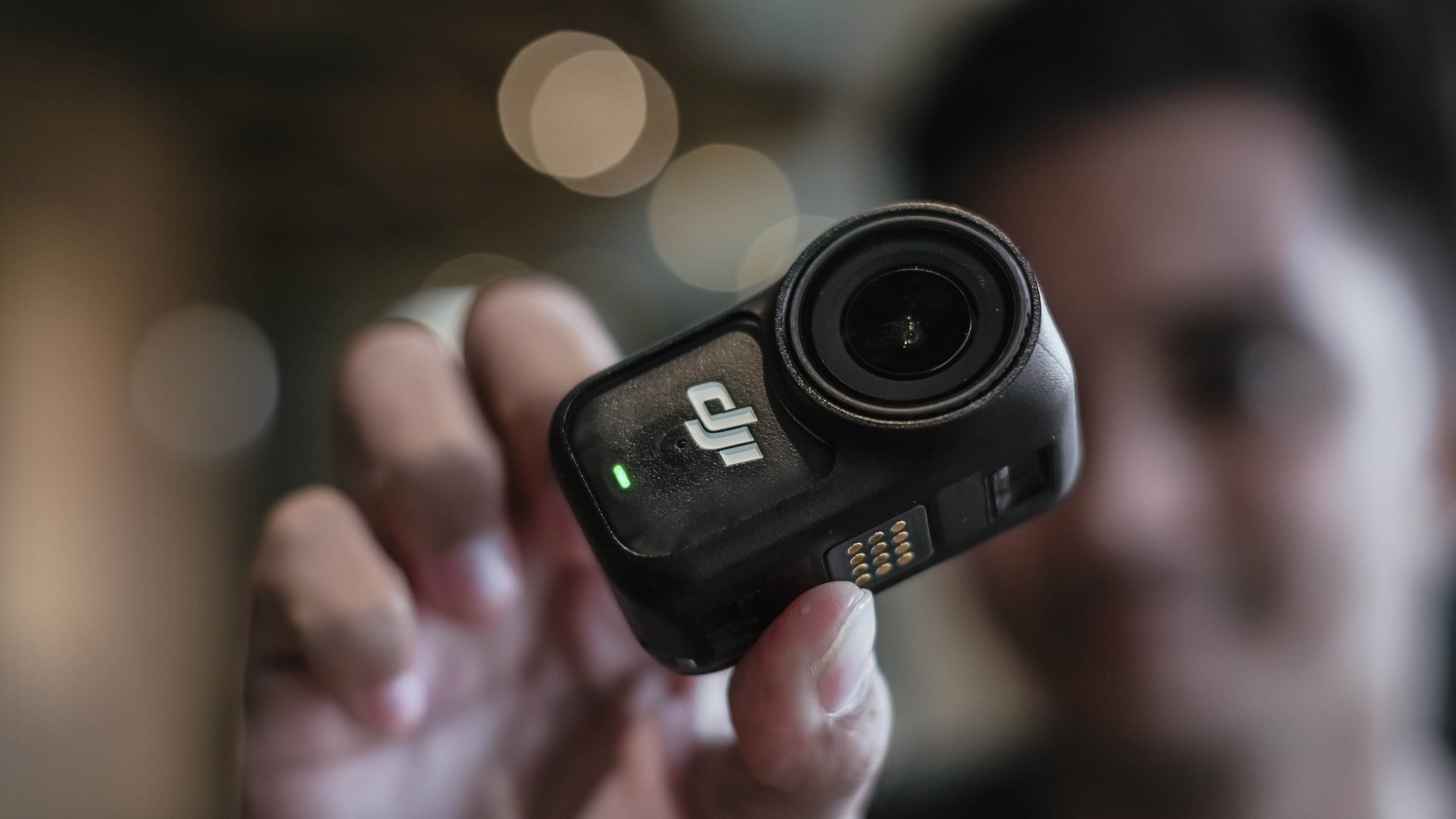
Then came the 32km trail run to Sitio Malasya in Rodriguez, Rizal. The terrain was brutal (as usual) and yet the Nano stayed locked in. I held it by hand without the dock, and the footage I captured became one of my favorites.
It’s rare for an action camera to feel emotional, but the Nano somehow made the footage feel alive.
During the run, the audio also impressed me. The built-in microphones captured ambient sound and reduced wind effectively. For those with DJI Mics, pairing is seamless and doesn’t require receivers.
Maybe next time, I can record a Trail Talks podcast so we don’t get bored running longer distances?
View this post on Instagram
At the end of Sitio Malasya is a raging river, where we stopped to eat and rest. When it drizzled mid-run, I kept recording without worry.
The Nano handled rain and splashes without fogging or glitching. I didn’t feel anxious bringing it into the unpredictable courses of my life.
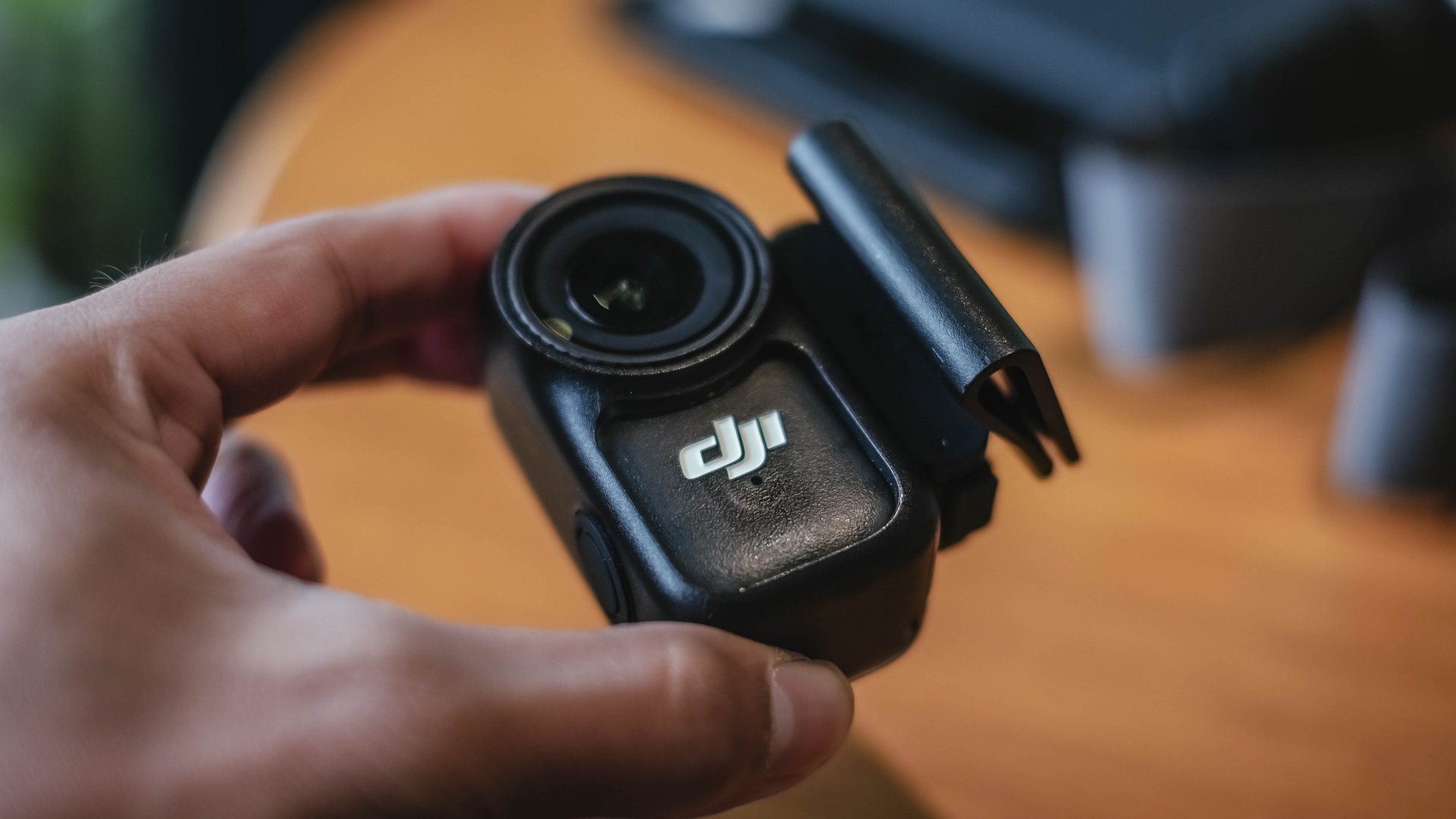
Running back to the jump-off point, I realized the DJI Osmo Nano isn’t just a piece of technology. It’s an adventure companion that understands the tempo of your life.
Unlocking its full potential
Like any performer, the Osmo Nano shines brighter with the right supporting cast.
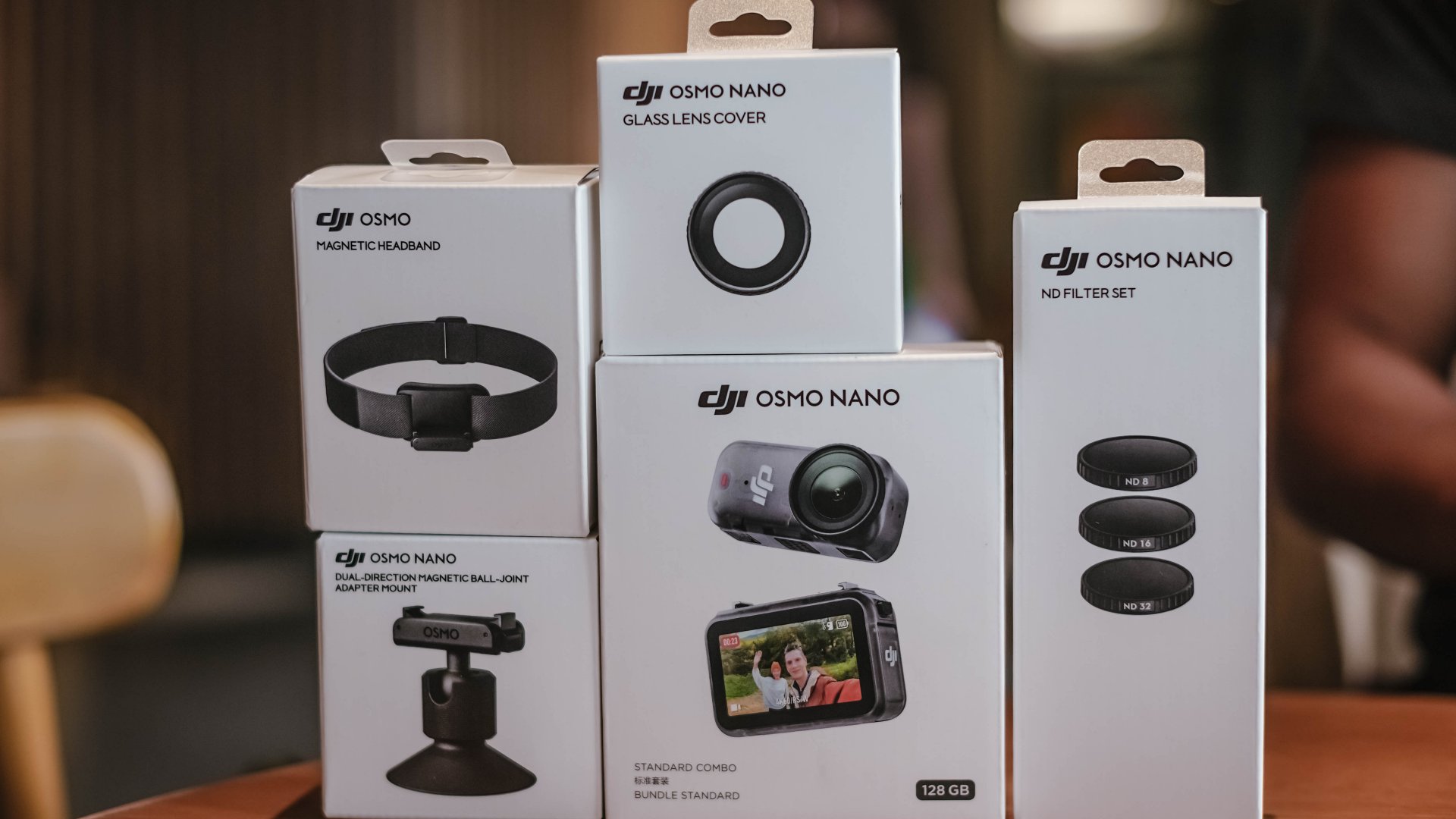
The ND Filter Set is a must for bright outdoor scenes, adding that polished, cinematic tone. The Magnetic Headband is perfect for hands-free capture during workouts or races.
For flexible angles, the Dual-Direction Magnetic Ball-Joint Adapter Mount is my second favorite.
My personal favorite is the Glass Lens Cover. It’s the reason my lens still looks brand new after that dramatic drop.
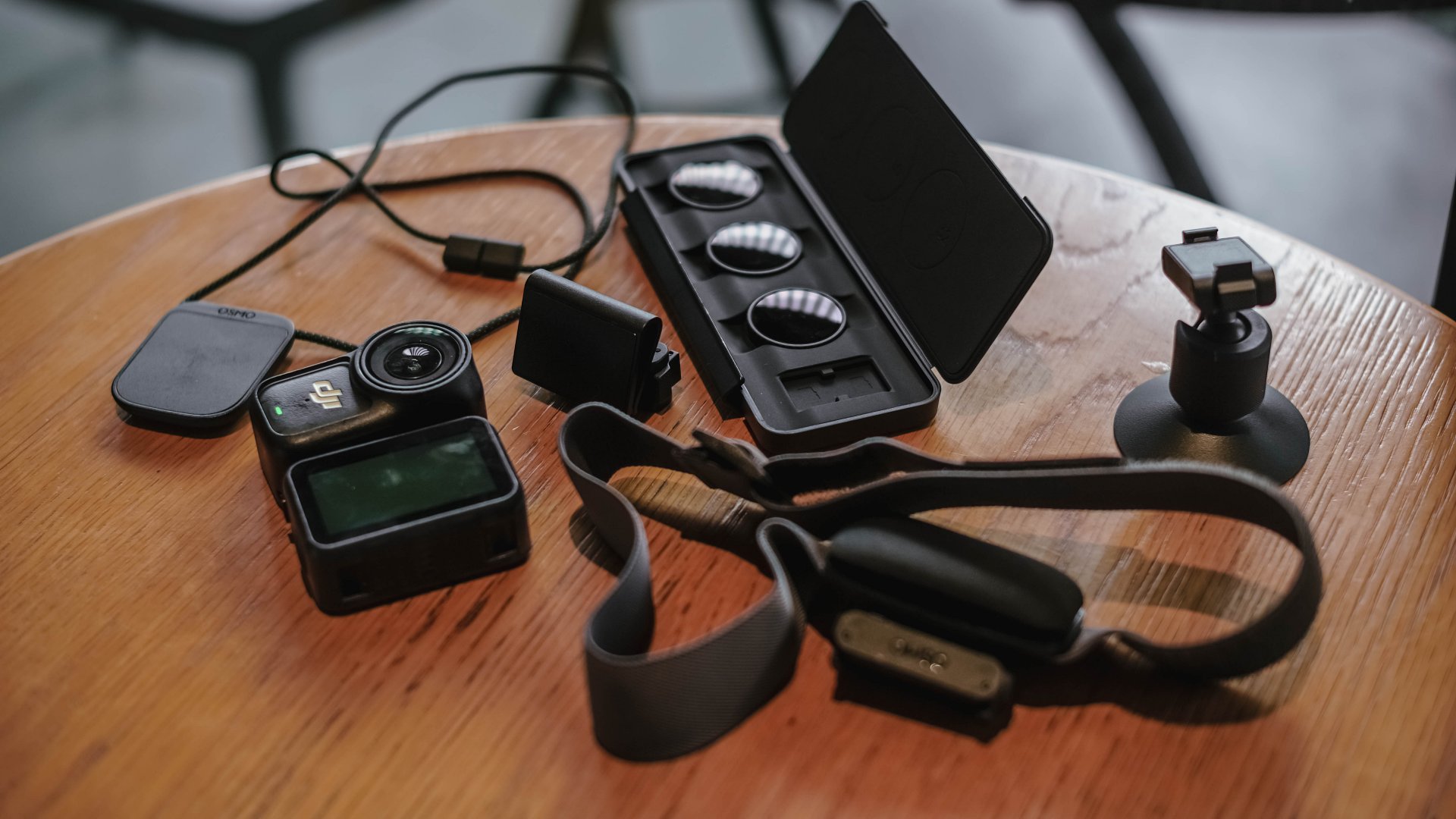
Out of the box, though, the DJI Osmo Nano already comes prepared with the camera, Magnetic Lanyard, Multifunctional Vision Dock, Dual-Direction Magnetic Ball-Joint Adapter Mount, Protective Case, Magnetic Hat Clip, and a USB-C 3.1 cable.
It’s a complete kit that gets you shooting right away. And once you see how capable it is, you’ll want to expand your setup anyway.
Is the DJI Osmo Nano your GadgetMatch?
The DJI Osmo Nano represents freedom. It’s made for people who live on the go, who don’t have time for complex setups but still want cinematic results.
I’ve always believed that the best camera is the one that never slows you down, and the Osmo Nano fits that perfectly. For an athlete and storyteller like me, it’s a Super Swipe.
Even if you’re not living life on the move, it’s still a Swipe Right, especially considering how complete the package is for its price: PhP 15,990 for the 64GB model and PhP 18,390 for the 128GB model.
Think of the stories you’ll tell once you bring it on your next trip. This is why it earns the GadgetMatch Seal of Approval.
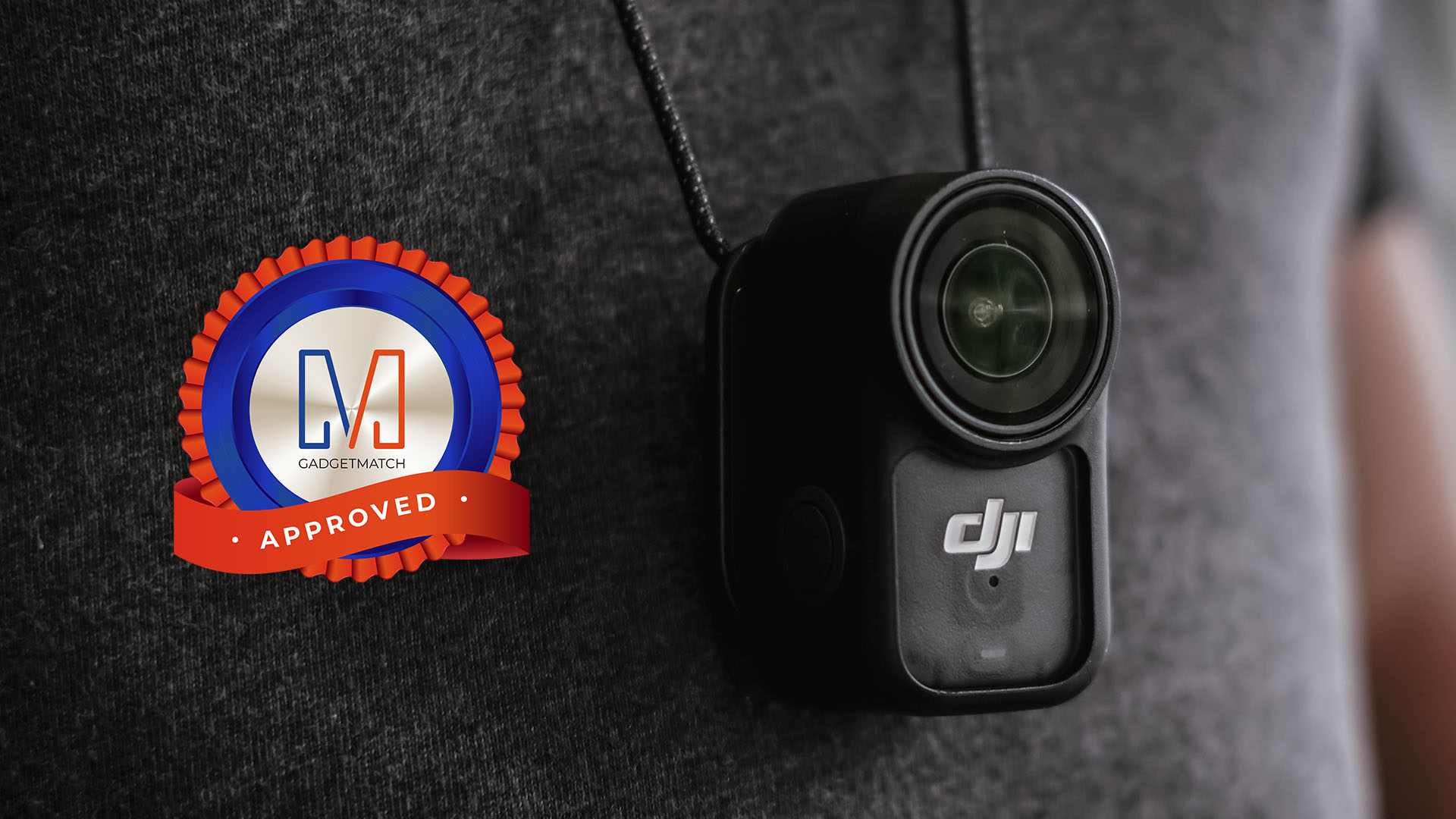
Of course, it’s not flawless. If you expect the same performance, image quality, or versatility of the Osmo Action 5 Pro, Osmo Pocket 3, or even its competitor, the Insta360 Go, you might need to temper your expectations.
But as a new device, the Osmo Nano is promising. So promising that five automotive journalists I was with in Zhengzhou bought one on the spot after seeing mine in action.
If that’s not convincing enough, I don’t know what is. Because right now, as most people see it, the DJI Osmo Nano deserves a spot in your camera arsenal, and perhaps, a place in the story of your life on the move.
Cameras
Fujifilm Philippines kicks off nationwide Photo and Video Walk 2025
Fujifilm is bringing together photographers and videographers across 32 cities for its biggest creative walk yet!
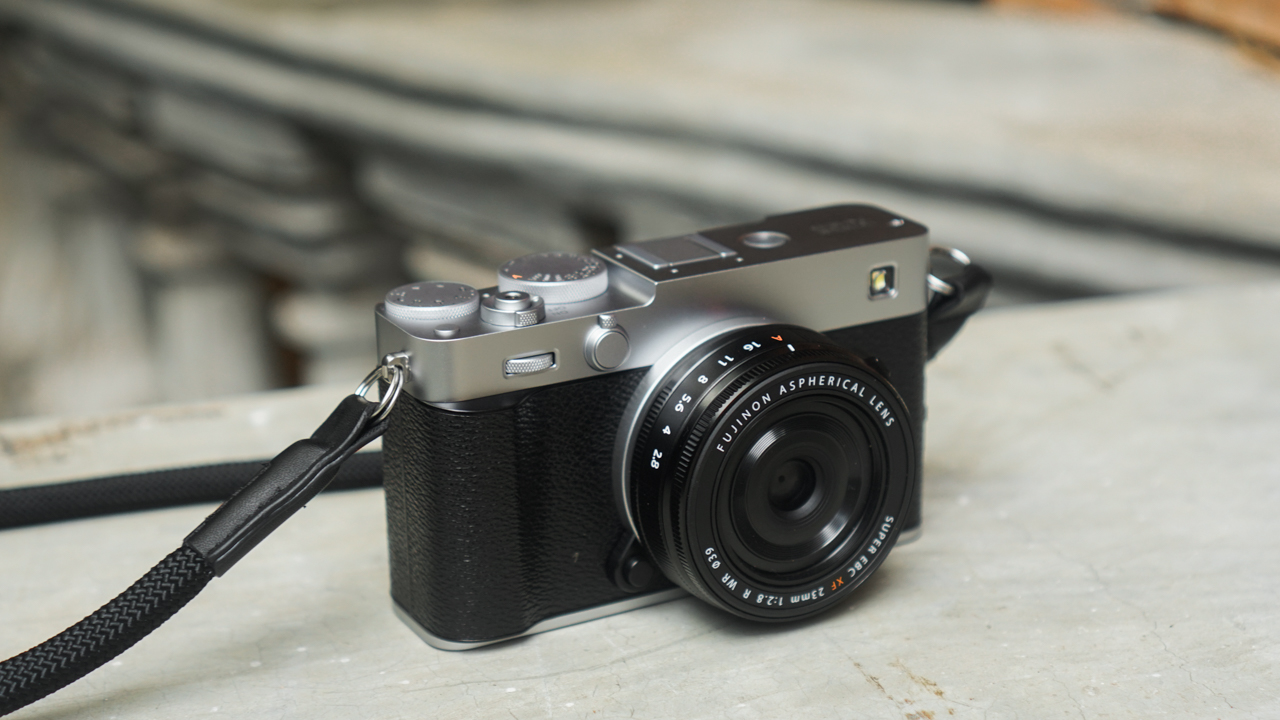
Fujifilm Philippines is inviting photographers and videographers to lace up and bring out their cameras on October 5, as the Nationwide Photo and Video Walk 2025 (NPVW 2025) unfolds across 32 cities from Luzon to Mindanao.
The highly anticipated event is open to creatives of all skill levels, giving everyone the chance to frame their cities’ stories through their lenses.
A nationwide celebration of moments
Anchored on Fujifilm’s global mission of “giving our world more smiles,” the walk is both a creative outlet and a celebration of community pride. Each participating city will host its own walk, beginning with a short talk before participants set off at 7:30 AM to capture scenes that matter to them.
To keep the spirit alive, Fujifilm is also collaborating with local cafés nationwide. The first 50 participants wearing the official NPVW t-shirt in each partnered café will be treated to a complimentary cup of coffee.

Prizes that inspire
Beyond the joy of documenting stories, participants have the chance to win exciting prizes. Three winners in the Open to All Photo category — one each from Luzon, Visayas, and Mindanao — will take home a Fujifilm X-E5 camera with an XF23mm F2.8 kit lens.
Dedicated Fujifilm users are also in for a treat. One winner of the Fujifilm-exclusive Photo category will receive a Fujifilm X-T5 with an XF16-80mm kit lens, while one winner of the Fujifilm-exclusive Video category will get the powerful Fujifilm X-H2S paired with an XF23mm F1.4 II lens.
A community guided by experts
This year’s walk will be guided by 61 industry leaders and mentors, including last year’s winners like Rey Ann Llaguno, Justin Varela, Javes Molles, and Joshua Bughao.
Their presence ensures that budding talents can learn, be inspired, and grow while they shoot.

How to join
Registration is open until September 30, 2025, at 11:59 PM. Those who sign up will receive an official event kit, including the NPVW 2025 shirt and exclusive Fujifilm merchandise.
From Manila to Zamboanga, Baguio to Borongan, this event is a call to celebrate creativity, pride, and connection. One morning, 32 cities, countless stories waiting to be told. Join by clicking through this link.
Cameras
The GoPro MAX2 is Insta360 X5’s tiny yet mighty rival
And DJI Osmo 360’s closest counterpart

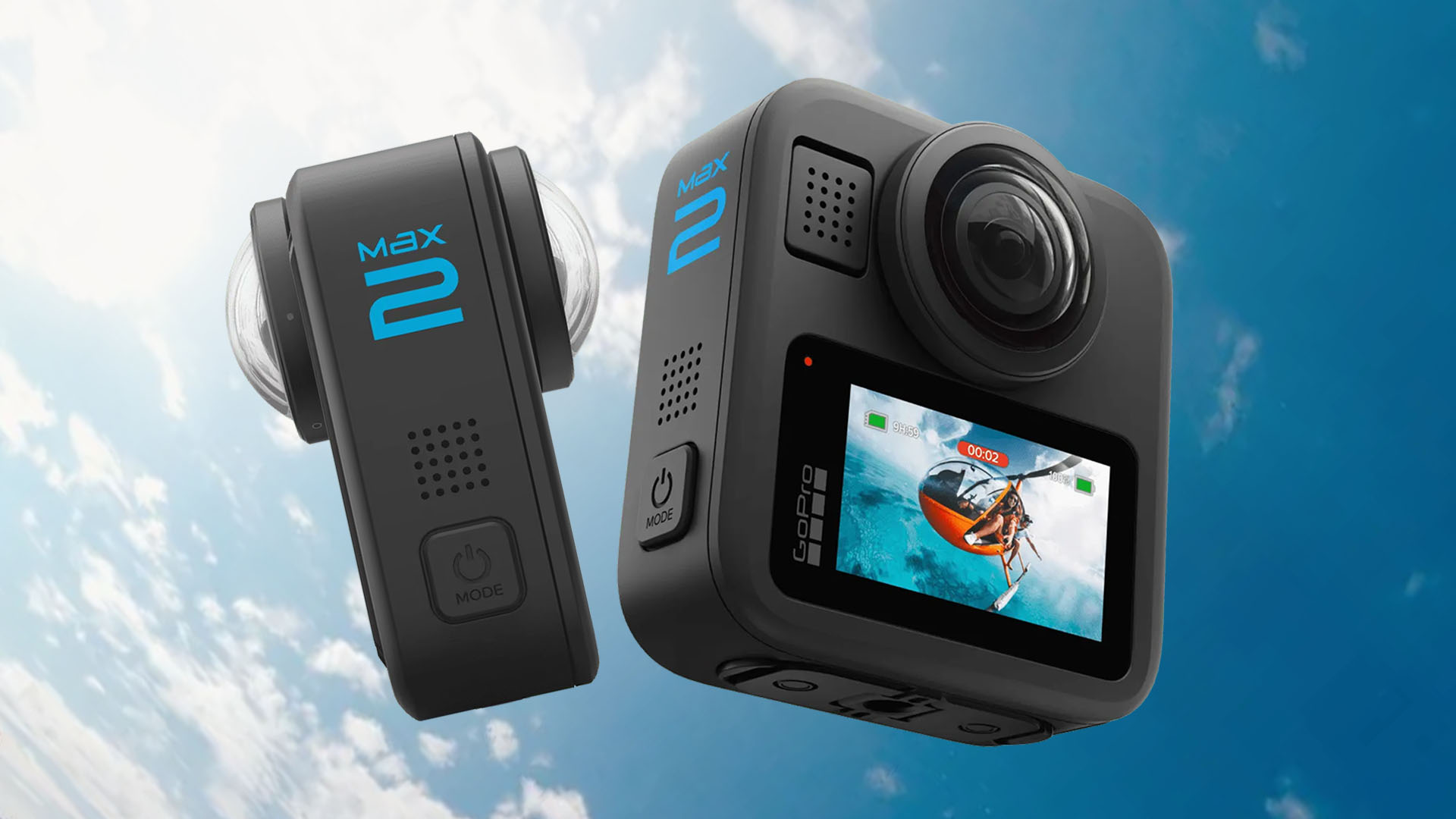
GoPro is always known for their action-packed HERO cameras.
But, if you’ve been wondering when the brand is going to release Insta360 X5‘s direct contender, the time has finally come.
The GoPro MAX2 has just arrived — which is a much-needed refresh since its first iteration way back in 2019.

On paper though, it’s closer competitor is none other than DJI’s Osmo 360.
And as coincidental as it seems, the MAX2 launches the same day as DJI’s Osmo Nano — also a contender to Insta360’s GO 3S.
MAX’d Out
After almost six years of nothing, GoPro went all out with MAX2’s host of upgrades.
First and foremost, its 360-degree video recording maxes out at 8K/30fps with 10-Bit LOG support. Insta360 X5 only has 8-bit color depth alongside its proprietary i-Log Encoding.
Max video bit rate of the MAX2 caps at 120Mbps (versus 180Mbps) but 300Mbps is achievable through GoPro Labs together with GP-Log with LUT Encoding.
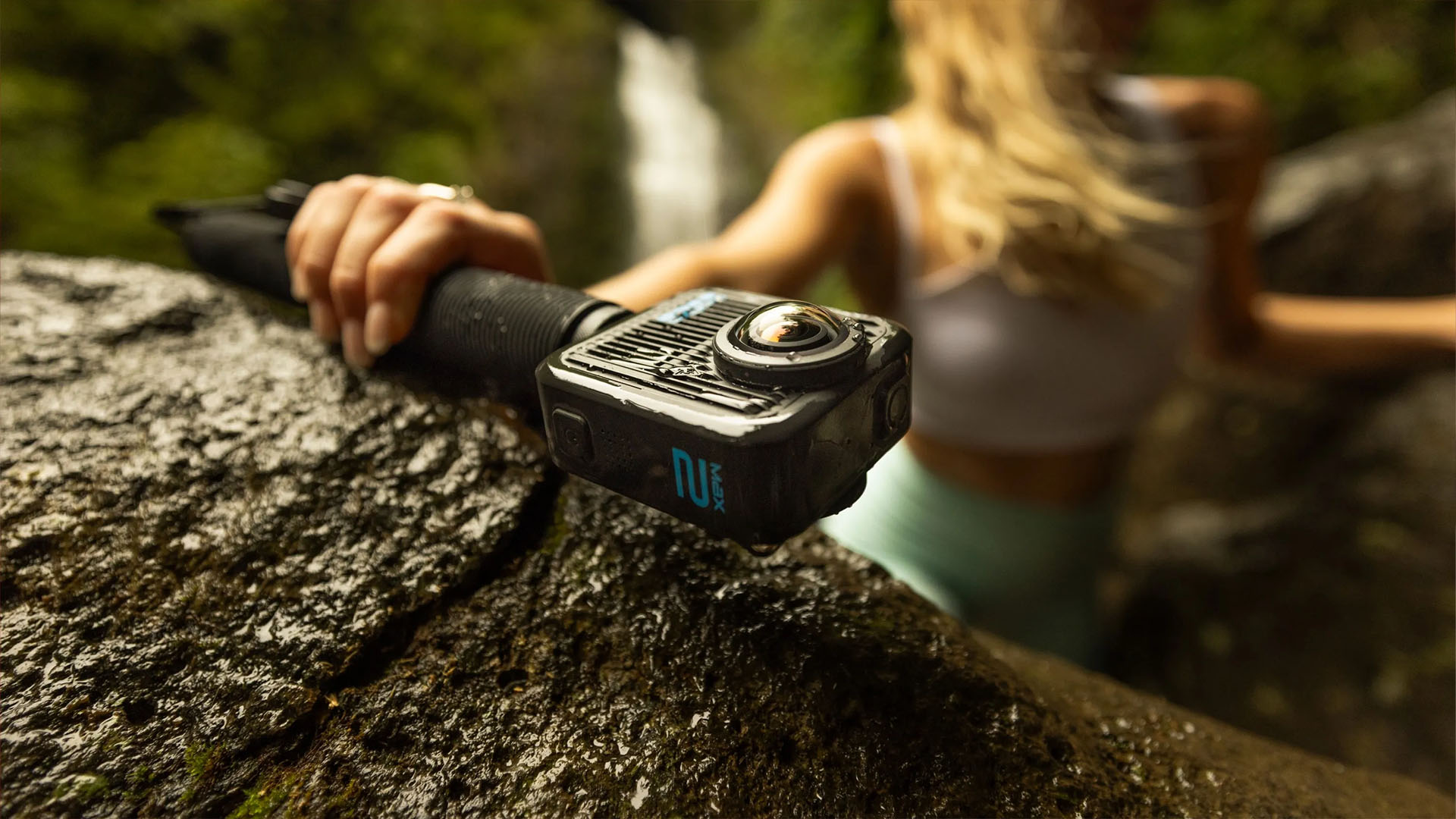
360-degree slo-mo is also possible at 4K/100fps. Higher resolution 5.6K/60fps shooting is doable as well, but at the expense of the lesser 2x slo-mo capability.
Although GoPro’s shiny new model has a wider aperture of f/1.8 (versus Insta360 X5’s f/2.0), it has a smaller 1/2.3-inch sensor size (versus 1/1.28 inches).
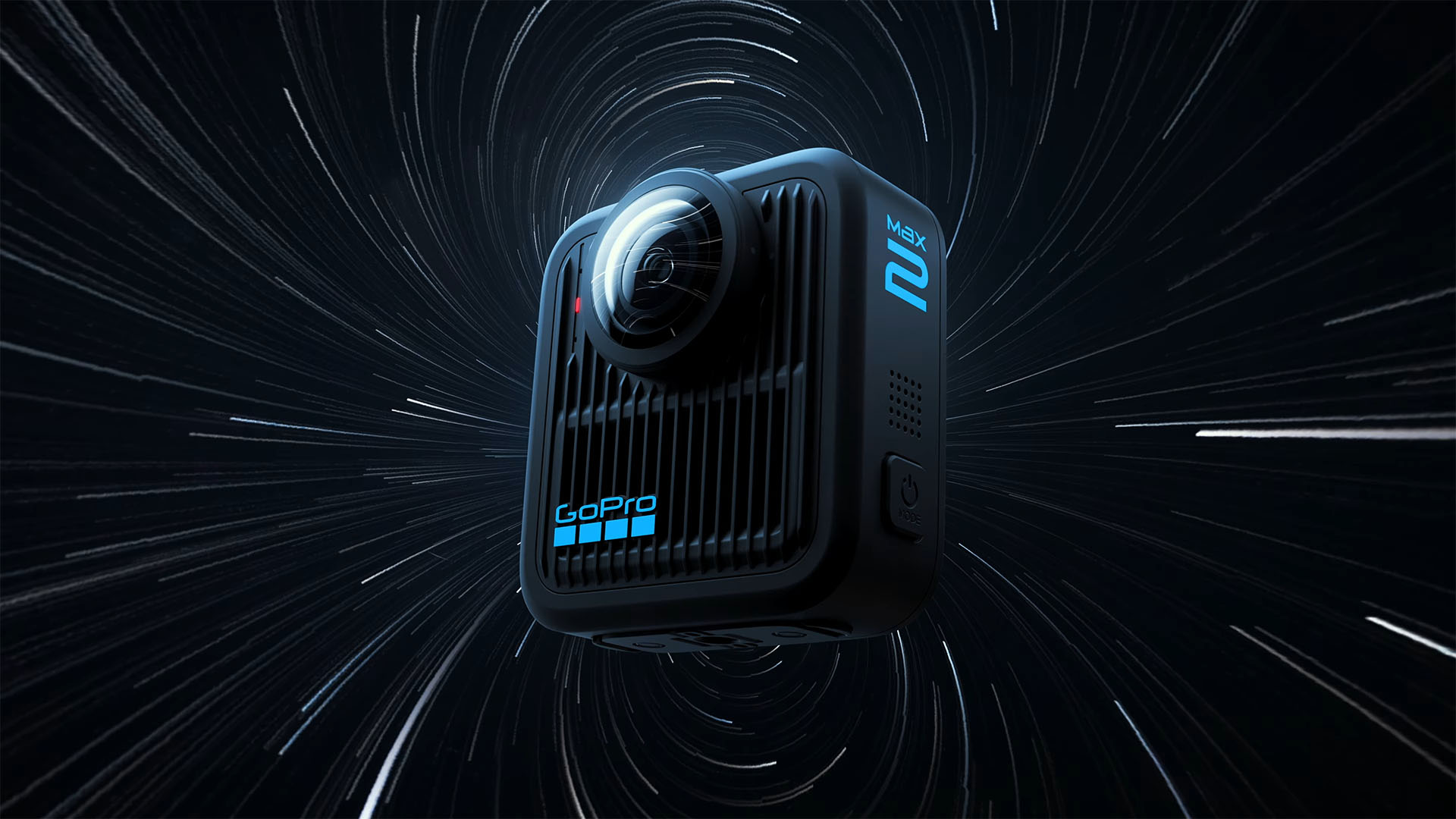
The MAX2 can even shoot wider than wide POVs with the Max HyperView digital lens. This delivers 180-degree 4K/60 clips. That’s alongside four (4) other digital lenses: Linear, wide, ultra-wide, and Max SuperView.
GoPro won’t miss out its stabilization prowess with Max HyperSmooth that promises maximum smoothness even in the roughest conditions. 360 Horizon Lock is also there to keep all your shots leveled — regardless if you’re spinning, flipping, or even chasing your pets (or kids).
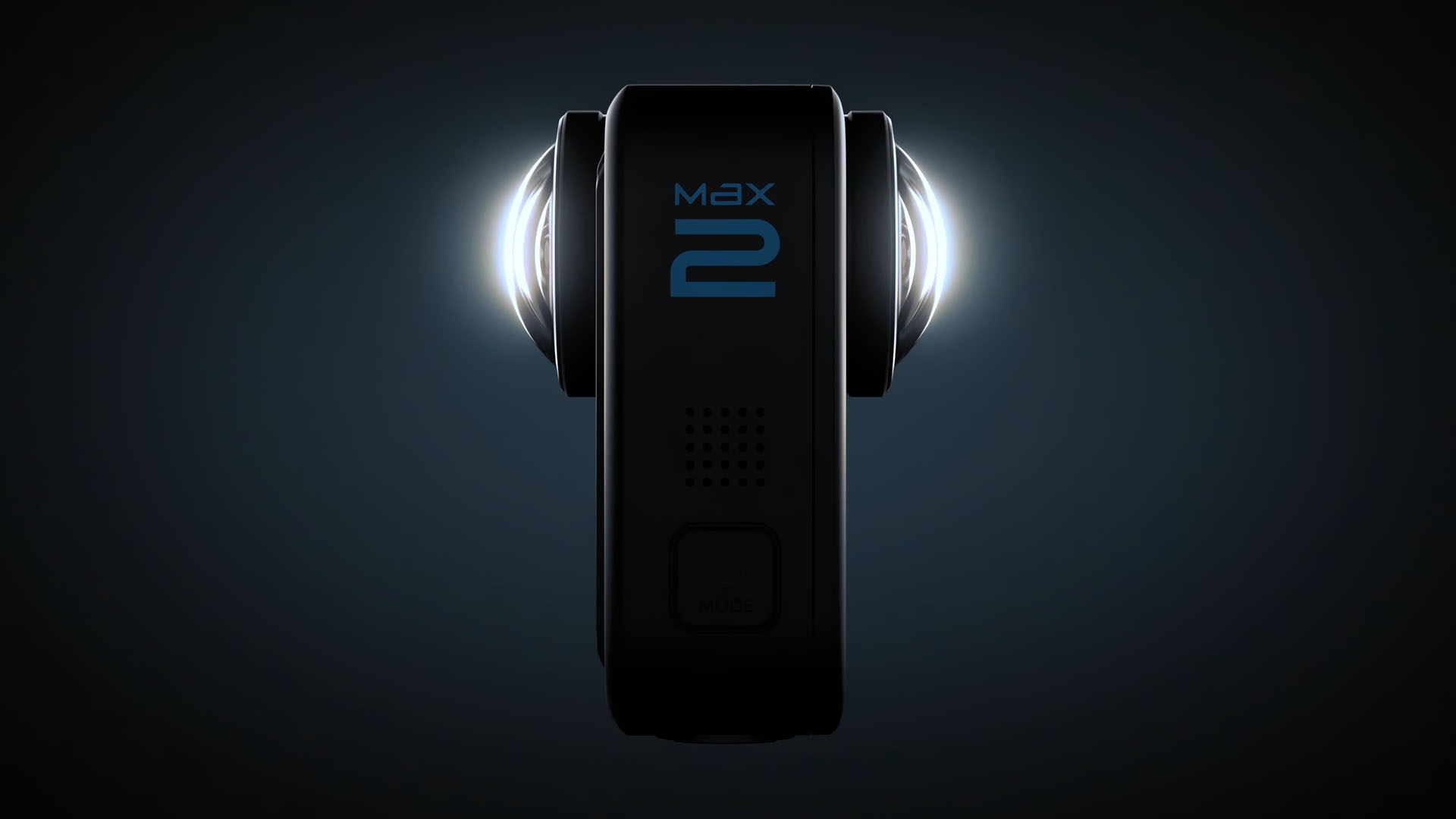
If you’re concerned about picture-perfect moments, it can capture 29MP 360-degree shots plus 12MP through a single lens. That’s lesser though compared to X5’s 72MP + 18MP combo.
Other features are found on both: ISO 6400 sensitivity limit in videos, H.265 video compression, RAW image support, three color profiles (Standard, Vibrant, Flat), 6-mic array, stereo audio recording, microSD support, and USB-C charging.

DJI Osmo 360 – Graphics by Vincenz Lee | GadgetMatch
On paper, at the very least, DJI Osmo 360 exceeded the limits in certain aspects: 4K/120fps support (single-lens), up to ISO 51,200 sensitivity, 120MP 360-degree photos, , built-in 128GB storage, faster USB-C 3.1 transfers. Best of all? Its massive pair of 1-inch image sensors.
Compact Companion
With dimensions (WxHxD) of just 64 x 69.7 x 48.7mm, the GoPro MAX2’s squarish body is obviously smaller than the elongated form of the Insta360 X5.
Still, the Osmo 360 is smaller and lighter at 185 grams (versus MAX2’s 195g or X5’s 200g).
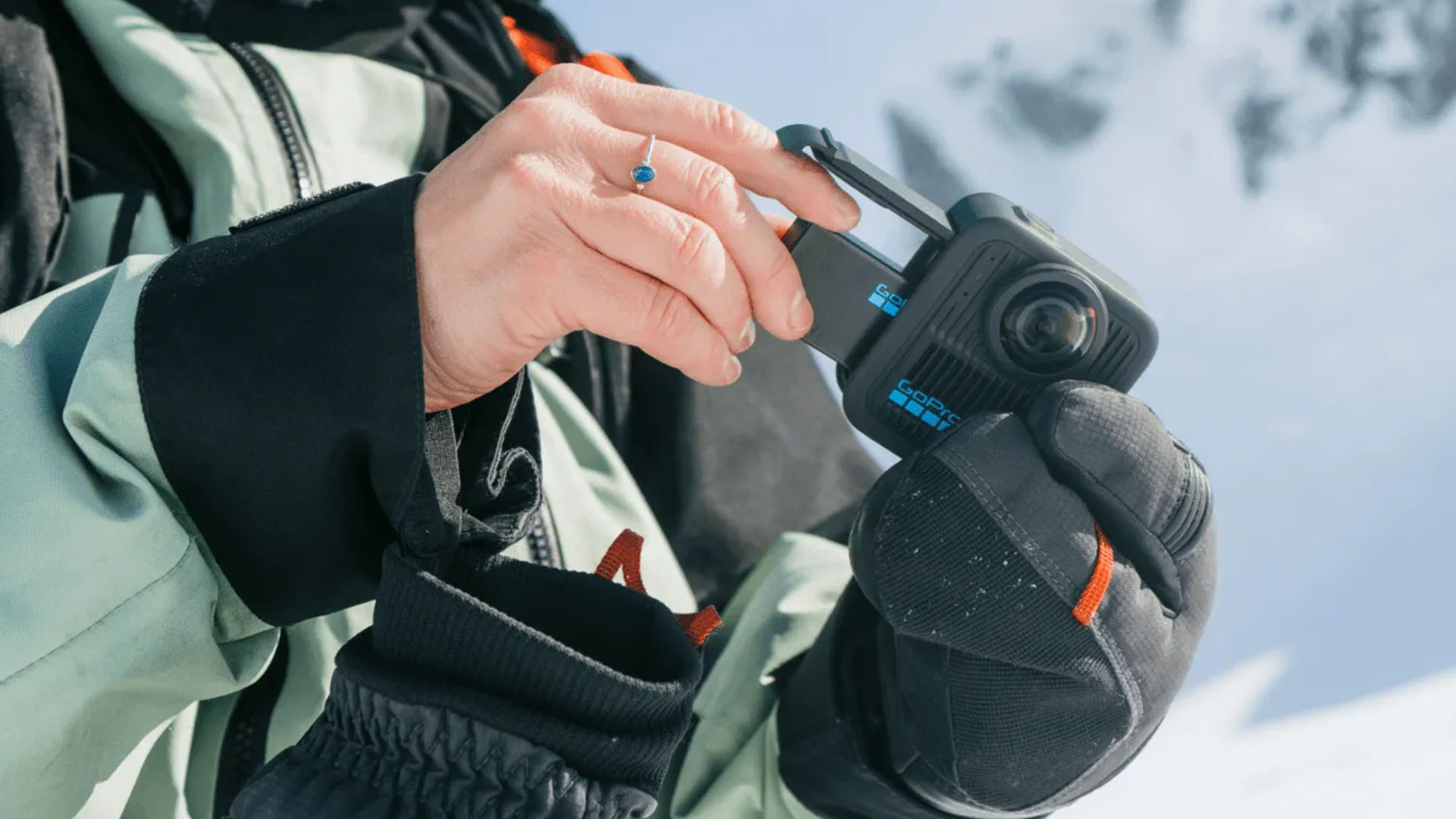
Albeit, that means it has a smaller 1960mAh battery capacity. But, coined from the term “Enduro”, it’s able to resist operating temperatures between -10 to 35 degrees Celsius (or 50 to 95-degrees Fahrenheit).
Touchscreen display is a tad bigger at 1.82-inch over MAX’s 1.67 inches. However, Osmo 360 is more operable with its tad larger 2.0-inch screen size.
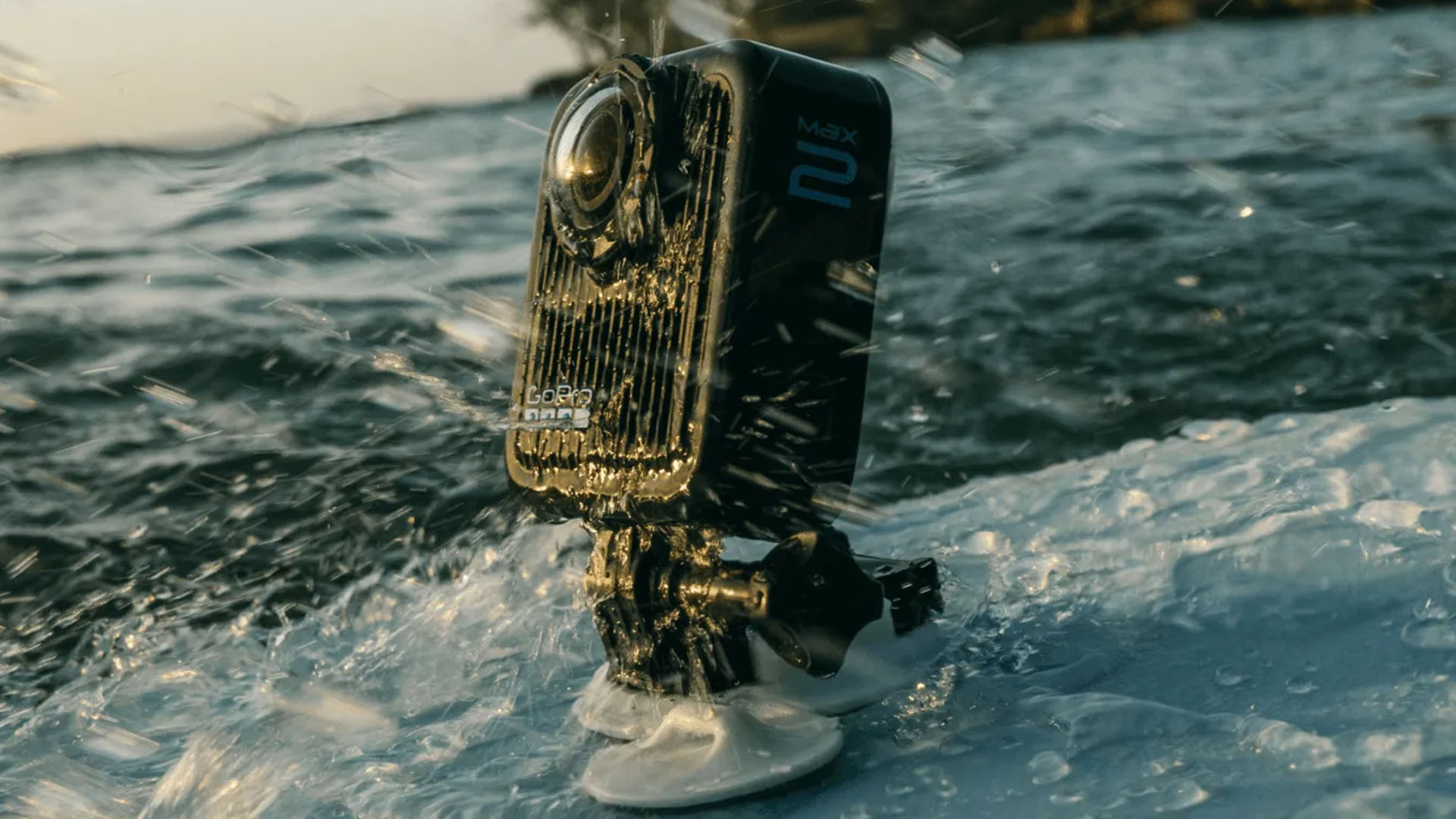
Although GoPro claims it’s the “toughest” 360-degree camera, it’s only capable of withstanding below 16ft. (or 5m) underwater. The Osmo can go deeper down to 33ft. (10m) while nowhere near X5’s 49 ft. (15m) claim.
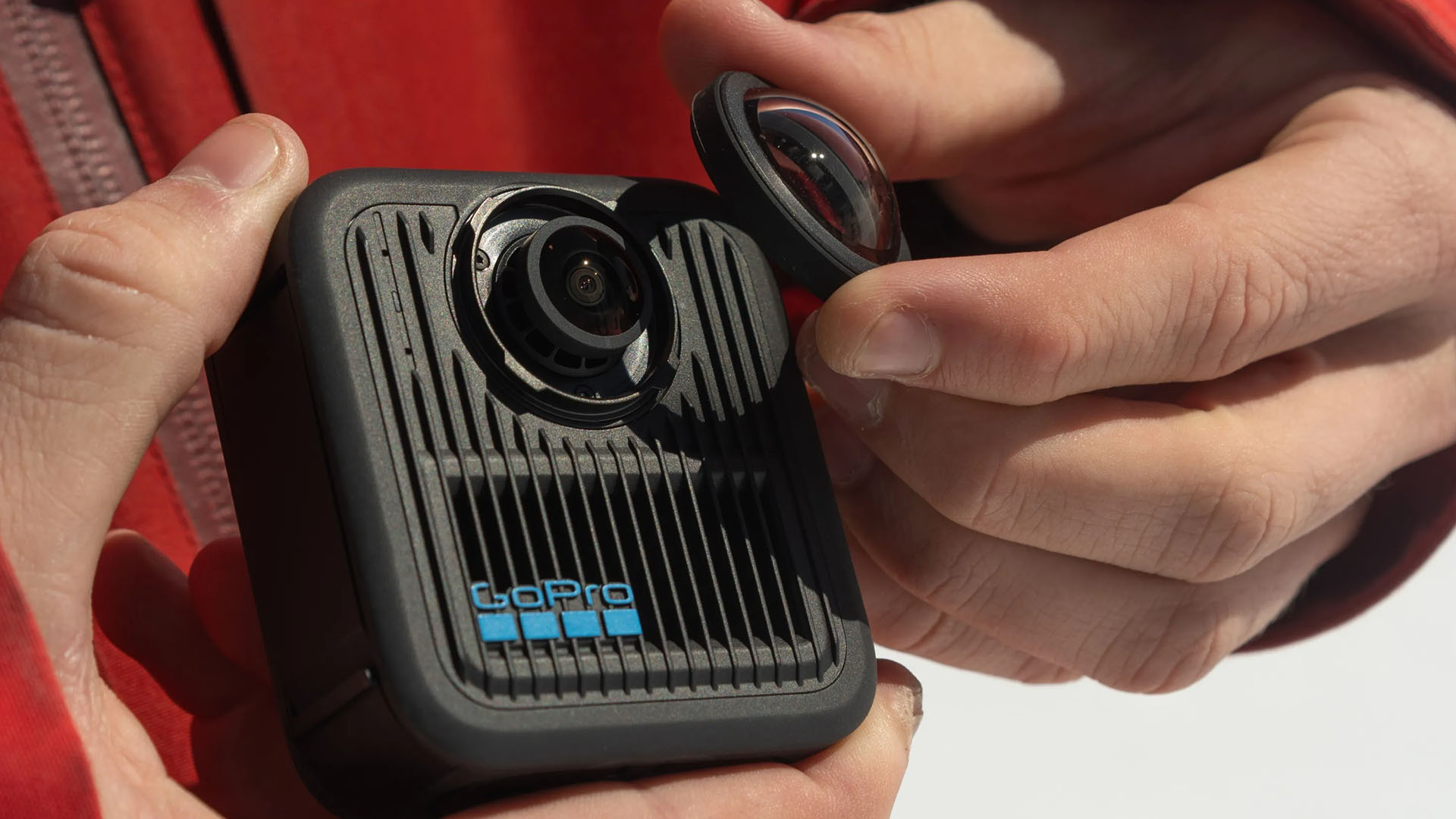
While GoPro tells the lenses are made from a super-strong optical glass, they’re still user-replaceable just in case one gets cracked — pretty much like its Insta360 counterpart.
All in all, the MAX2 offers significant upgrades over its predecessor — larger image sensor, bigger battery, better hardware and software feats.
Most of all, going past its 6K recording limits (or 5.6K when stitched).
Quik and Easy
GoPro also has a host of in-app capabilities post recording.
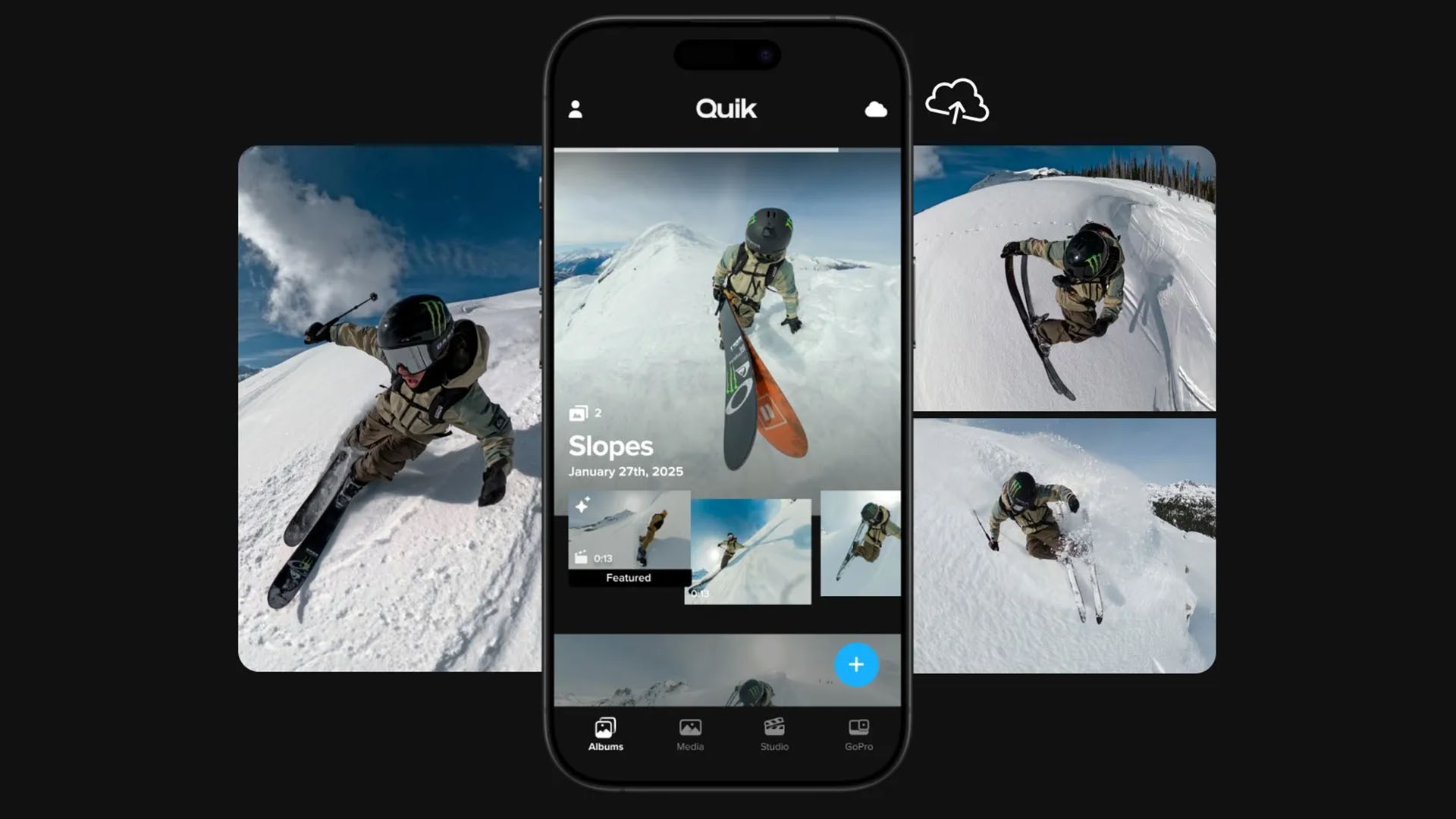
Aside from the built-in Subject + Object Tracking, it will be easier to track, focus, and edit your videos through GoPro’s Quik app along with these tools:
- Reframing
- MotionFrame
- Keyframes
- CameraFX
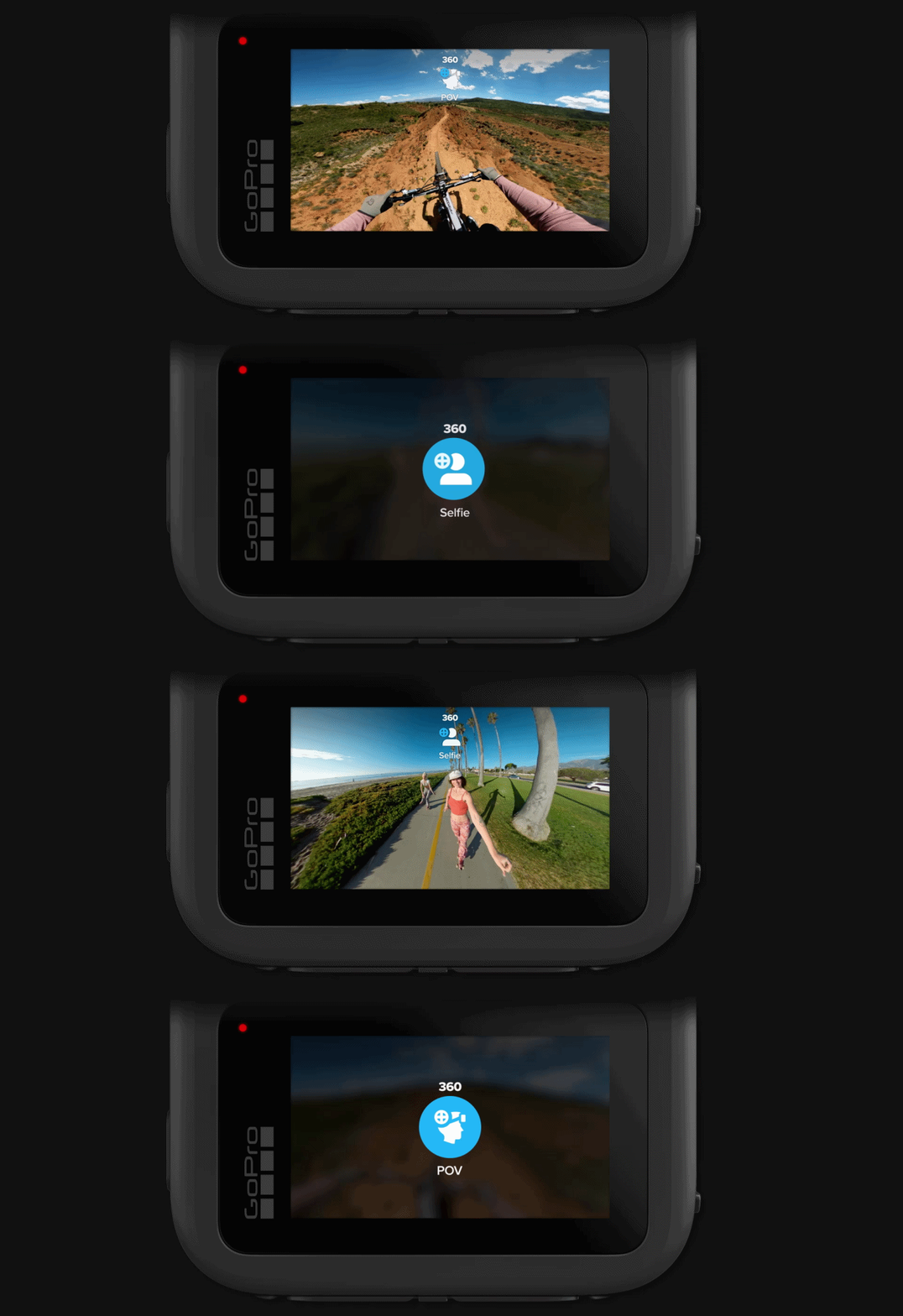
GIF by Vincenz Lee | GadgetMatch
Having the ability to shoot 360-degree isn’t limited to POVs and Selfies, the MAX2 can also shoot videos meant for both TikTok / Instagram Reels (vertical) and YouTube (horizontal) without the hassle of stopping and switching in-between.
Other creative capabilities by GoPro are present as well:
- 360 Night Effects (Star Trails, Light Painting, Vehicle Light Trails)
- Time Lapse + Night Lapse
- Max TimeWarp
- Scheduled Capture
- Timecode Sync
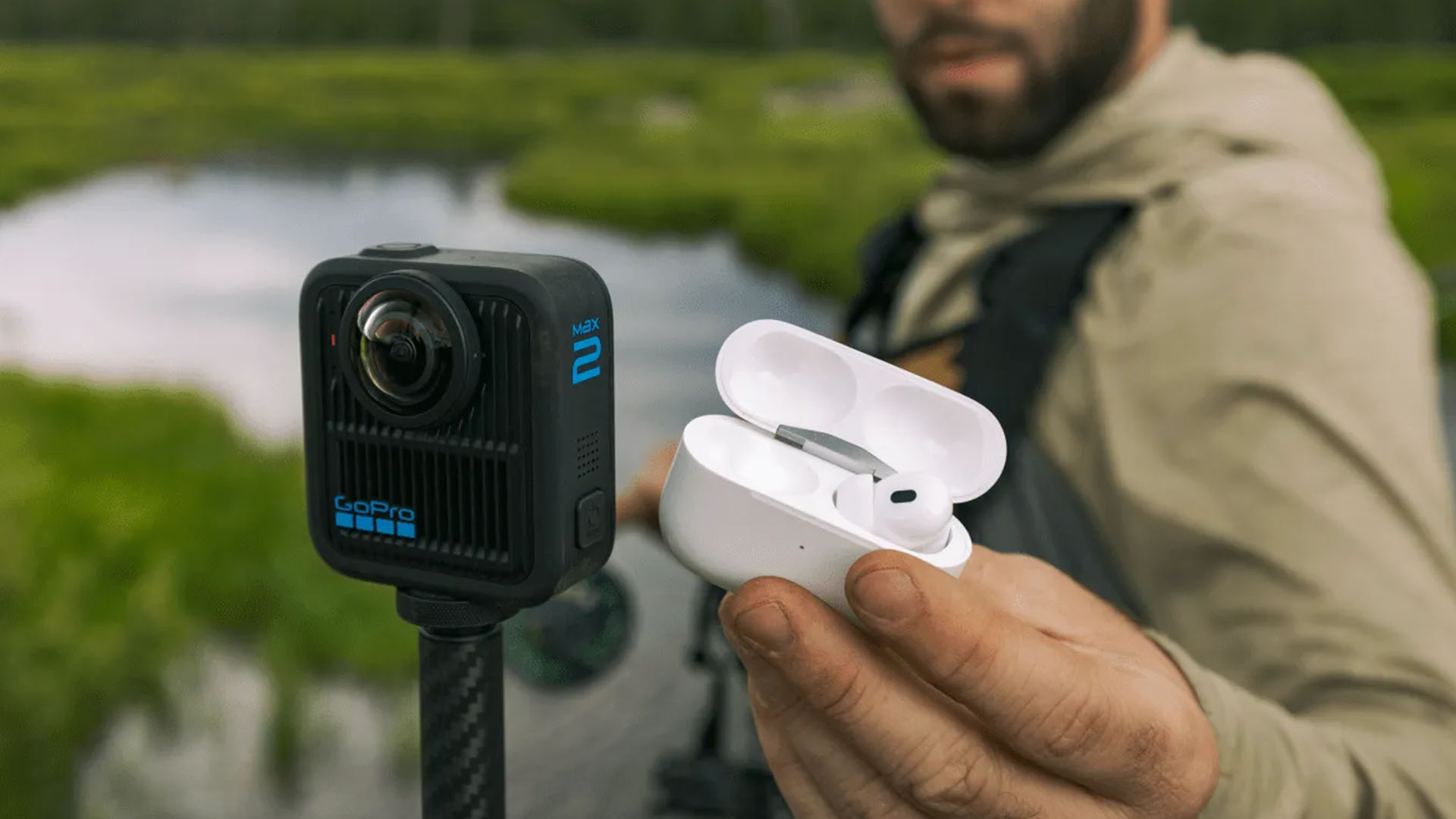
Lastly, recording audio with an external wireless device through Bluetooth is possible. Whether that’s an AirPods, any type of TWS earbuds, or other wireless mics, it will be more than helpful for interviews.
You can also control your MAX2 remotely via voice commands.
Pricing and Availability
The GoPro MAX2 launches for US$ 499.99 / EUR 519.99 / GBP 449.99 / SG$ 700.00. That’s quite cheaper than Insta360 and DJI’s latest offerings.

Early MAX2 buyers will also get a FREE 1-year GoPro Premium Subscription with unlimited cloud storage, damaged lens replacement, and as much as 50% off of official mounts (through its magnetic latch) and accessories — including the 4ft. (1.2m) and 9ft. (2.7m) Extension Poles.
It will then be renewed yearly at US$ / EUR / GBP 49.99 or SG$ 68.98.


Samsung Galaxy S25 FE review: Closer to flagship than ever
Thoughtfully refined


The HONOR MagicPad 3 is an almost perfect premium pad partner
Ever-reliable for work, chill, and play BUT with some catch

DJI Osmo Nano review
Fits perfectly into a life that never stays still

vivo X300 Pro headlines Dimensity 9500 and Sony’s LYT-828 image sensor
Samsung Galaxy S25 FE review: Closer to flagship than ever

Green GSM, Xentro partner to boost all-electric ride hailing

What to Expect at gamescom asia x Thailand Game Show 2025

Avatar: The Last Airbender is getting a fighting game

Xiaomi 17 Pro Max takes a jab at Apple’s iPhone 17 Pro Max

Redmi 15C review: Big features on a small budget

Logitech adds comfort and speed to 2025 keyboard, mice lineup

The Xiaomi Pad Mini is discounted until October 13

Xiaomi 15T Pro review: Big battery, clean shots, smooth performance

Unboxing: Ghost of Yotei Collector’s Edition

Unboxing the latest Apple Watch × Hermès

Lenovo Yoga 7i Aura Edition: Ten generations of foldable goodness

21-Day Battery, Pro Sports Tracking: HUAWEI WATCH GT 6 Series

The Glow That Changed Everything + Govee TV Backlight 3 Pro GIVEAWAY
-
 Tablets1 week ago
The Xiaomi Pad Mini is discounted until October 13
-

 Laptops1 week ago
The Lenovo Yoga 7i Aura Edition gets it right after ten generations
-

 Deals1 week ago
The new Lenovo Legion Tab comes with a free GameSir G8+ this month
-

 Reviews1 week ago
vivo X200 Pro review: 200+ Days After
-

 Gaming2 weeks ago
Digimon Story Time Stranger: Back to the digital past
-

 News1 week ago
realme 15T also releasing on October 8
-

 Gaming1 week ago
realme 15 Pro named official M7 World Championship gaming phone
-
 Gaming2 weeks ago
Unboxing: Ghost of Yotei Collector’s Edition