
Entertainment
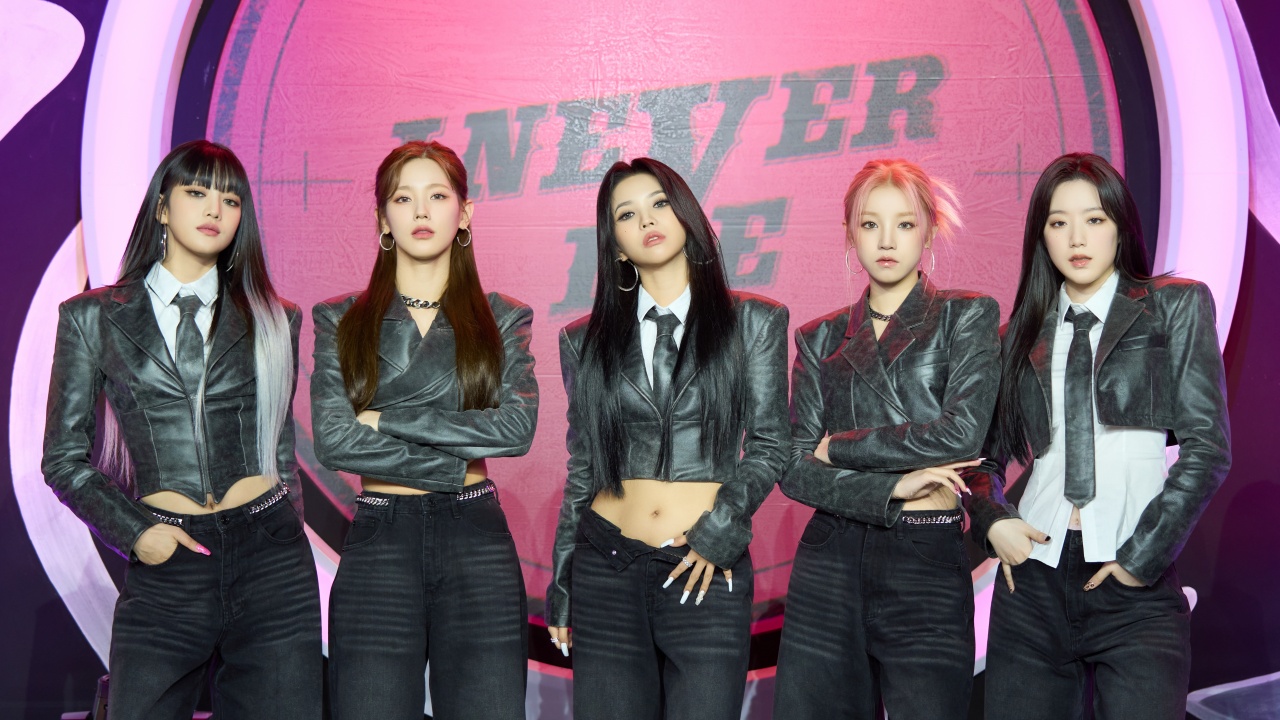
(G)I-DLE are ‘Tomboys’ in their first full album comeback
First full album release since debut in 2018

The fast-filling music video views and online music streams (plus the strong album sales) are enough to say (G)I-DLE is ready to slay!
With almost 28 million NEVERLANDs following them on Facebook, Twitter, Instagram, and TikTok, millions of streams in Spotify and Apple Music, and amassing over a billion of views on YouTube, there’s no doubt that (G)I-DLE [여자(아이들)] is one of the hottest K-Pop acts not just in South Korea, but in the global Hallyu (한류 / Korean Wave) scene as well.
Who is (G)I-DLE?
For starters, the group is a multi-national K-Pop girl group act composed of two Koreans together with Chinese, Taiwanese, and Thai members. Overall, they’re five in the group with members Miyeon (미연/K), Minnie (민니/T), Soyeon (소연/K), Yuqi (유기/C), and Shuhua (슈화/T).
They’re from CUBE Entertainment which is also one of the biggest entertainment agencies in South Korea and home to other popular K-Pop acts such as CLC, BTOB, PENTAGON, LIGHTSUM, and formerly hit groups 4MINUTE (with HyunA) and BEAST.
They’re legendary enough as most of you might have already heard their hit songs including their debut song LATATA, as well as other releases like Oh My God, HANN, HWAA, LION, and even the hit collaboration song of K/DA’s POP/STARS featuring members Miyeon and Soyeon.
Room of firsts
Ever since the release of ‘HWAA‘ last January 2021, the girls are ready to take over the stage again after a year of hiatus. (G)I-DLE has put in a lot of effort in making their long-time break meaningful.
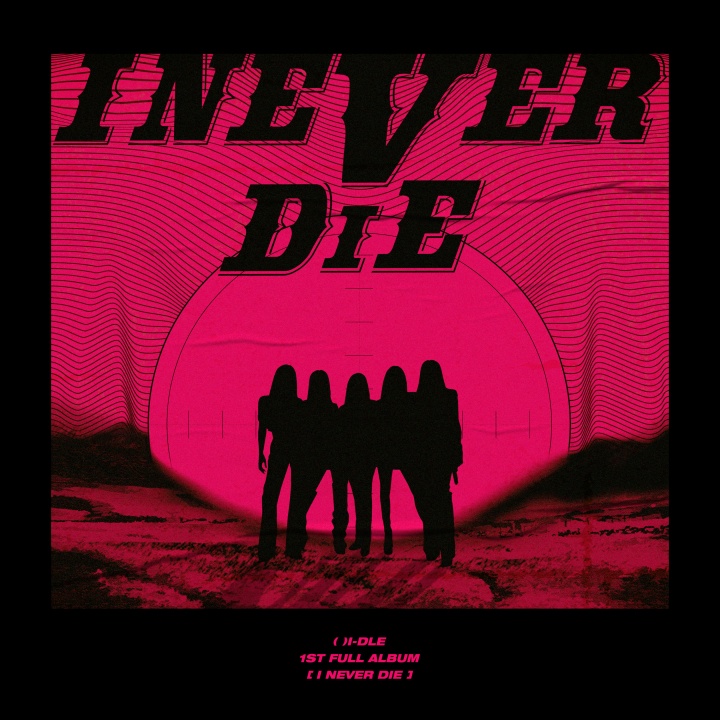
‘[I NEVER DIE]’ is the group’s first full album release since their debut in 2018 with previous releases just mostly singles and EPs. It’s also their first comeback this 2022.
With the uncanny album title, it still has a strong meaning to it. As there is no end to the genre of (G)I-DLE, their musical journey will also continue endlessly. This album comprises a total of nine (9) tracks with various genres ranging from alternative rock, pop, R&B, and hip-hop:
- TOMBOY (Title Track)
- Never Stop Me
- VILLAIN DIES
- ALREADY
- POLAROID
- ESCAPE
- LIAR
- MY BAG
- TOMBOY (CD only)
Here’s also a special video of their side track ‘MY BAG’
Unfortunately, this is also their first release as a 5-member group especially with the withdrawal of their former member Soojin from the group last August 2021.
Being a ‘TOMBOY’ isn’t a bad thing
While the term “tomboy” is coined more for its derogatory term against “boyish-acting” women, the title track ‘TOMBOY’ reveals more of (G)I-DLE’s bold and confident attitude. Those on-the-point lyrics “I’m not a doll” and “Just me I-DLE” further prove that the members have peculiar yet daring charms.
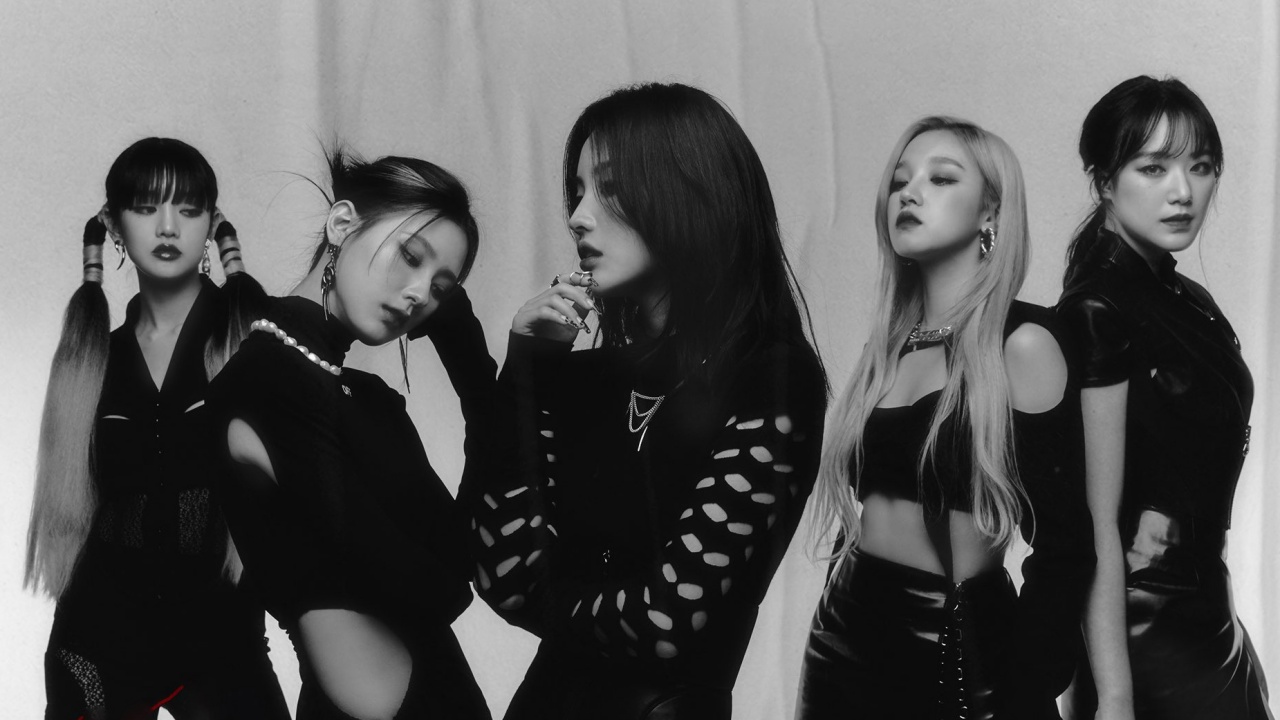
Together with each of the member’s unique voices accompanied with rough and magnificent instrumental, the song is both mood-heightening and addictive. And with the music video showing the rebellious heroic sides of the members rather than being the cliché heroine who sheds tears for love, it shows that the song is meant to stand up and don’t end up getting fooled and being hurt.
Early Stage Pass
During the online media showcase held before the official comeback release at 6PM KST (Korean Standard Time), (G)I-DLE performed their latest comeback song to us live.
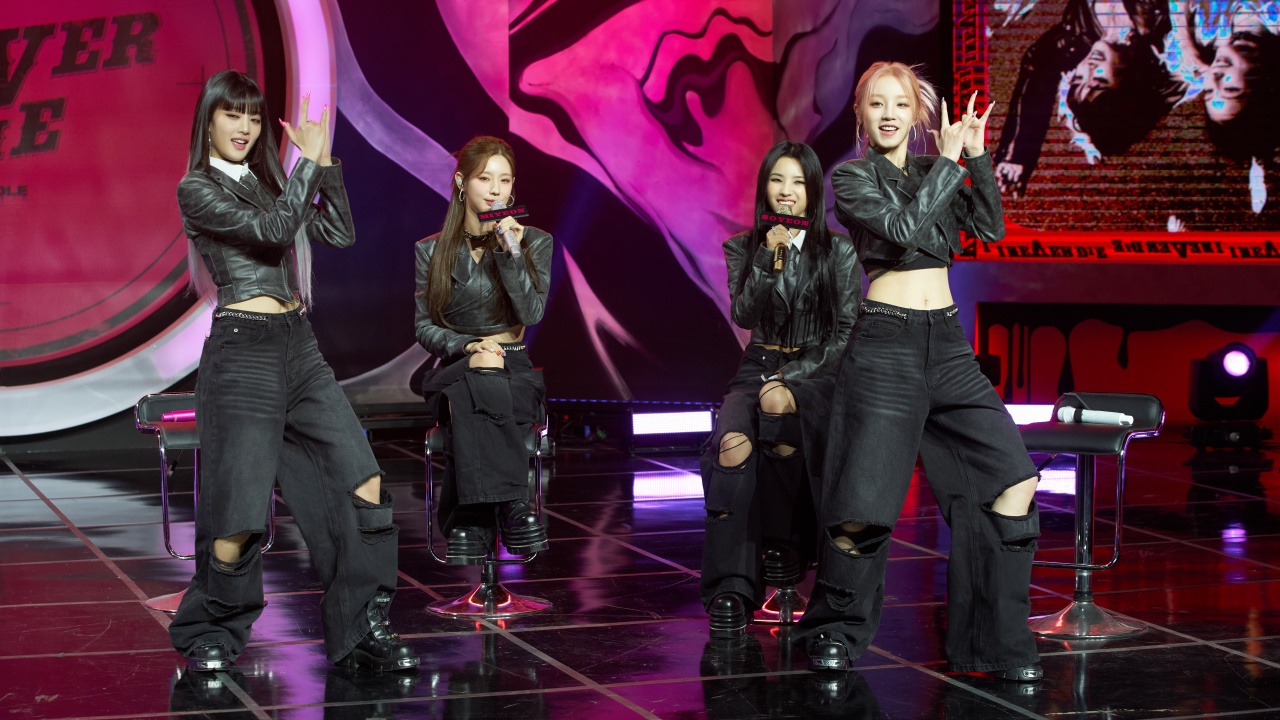
They have also answered some of the sought-after questions.
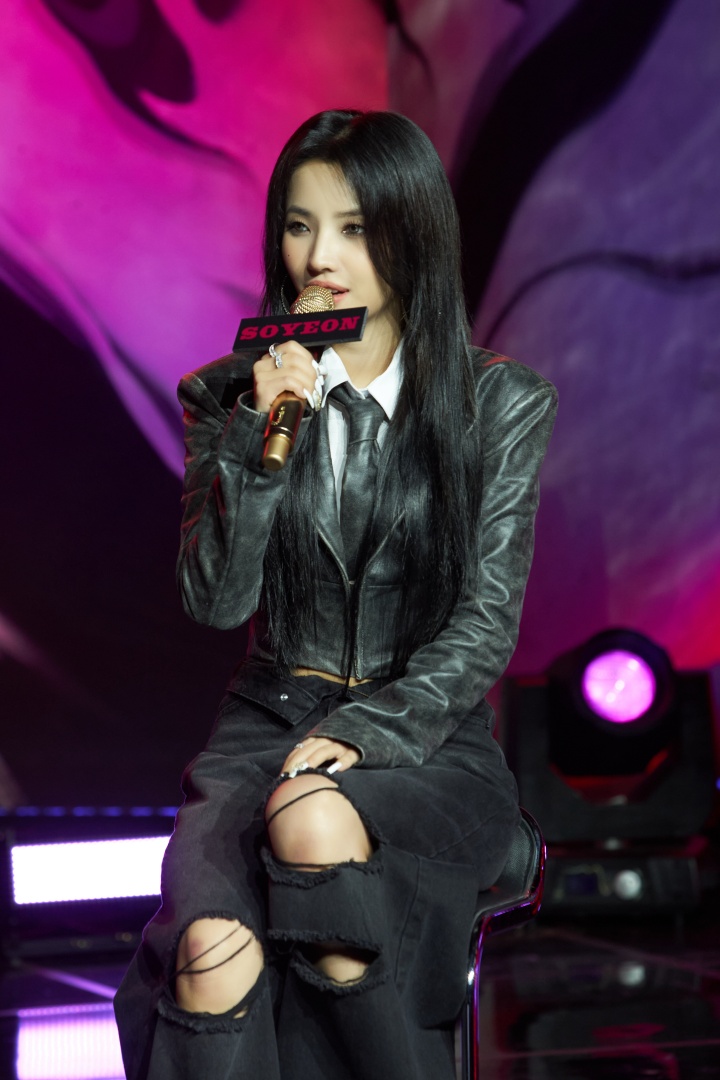
Unlike past comebacks where Soyeon is the member who works behind their song and album production, Minnie and Yuqi have also helped her this time in making their first full-length album more meaningful. She was even touched that her members understood what she meant to say even if she didn’t say anything.
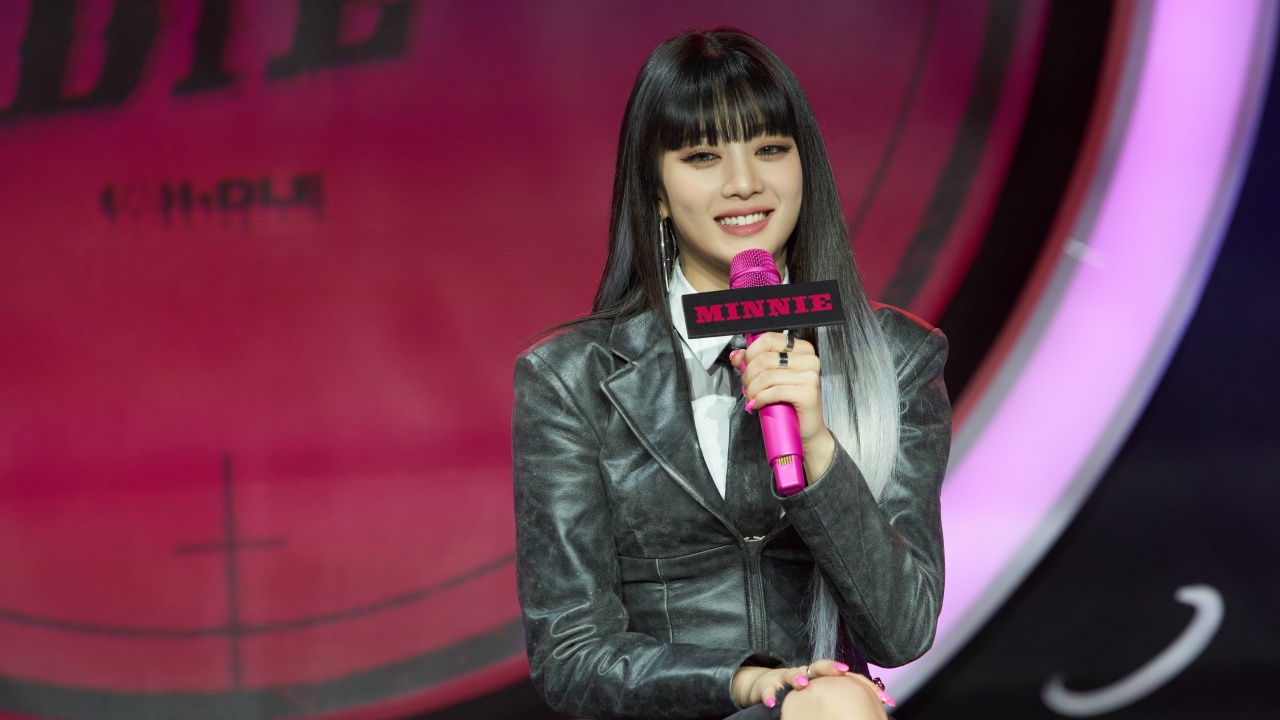
Minnie has participated in the production of ‘ALREADY’ and ‘ESCAPE’. Yuqi even encouraged her members to try different vocal styles than their usual ones.
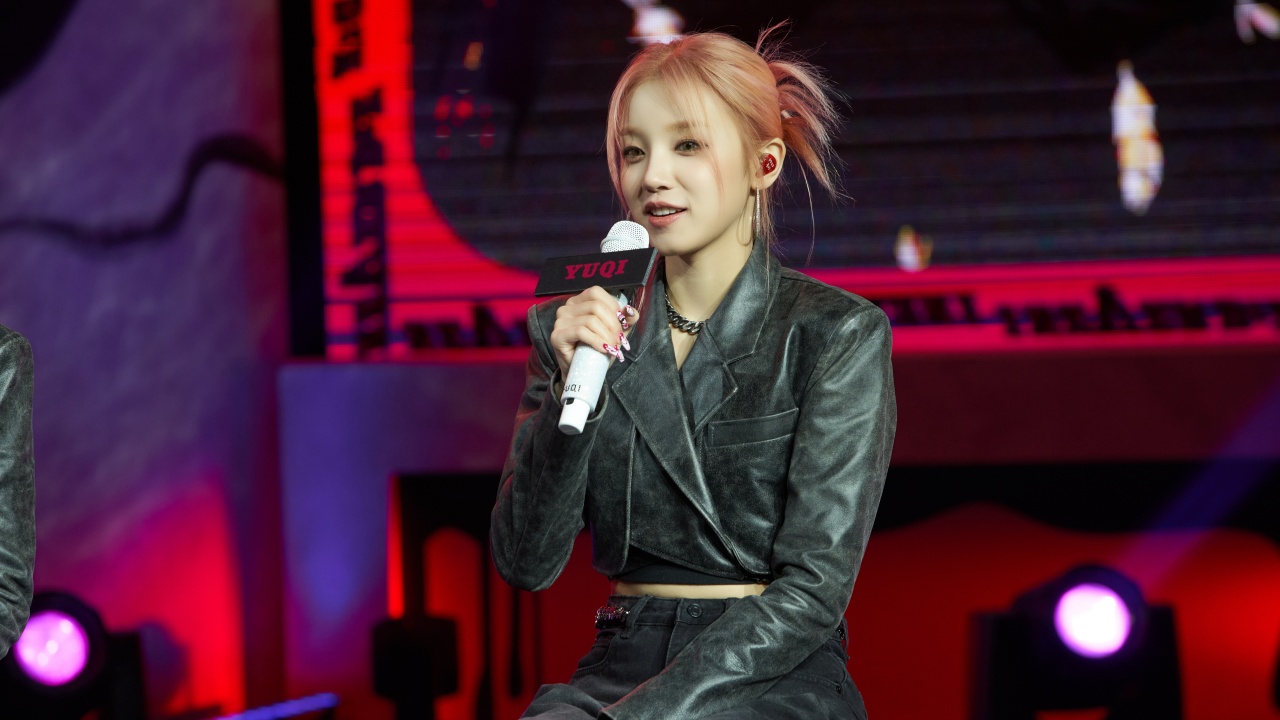
When asked, the members said they love all songs in the album but other than ‘TOMBOY’, ‘LIAR’ and ‘ESCAPE’ are also in their A-list.
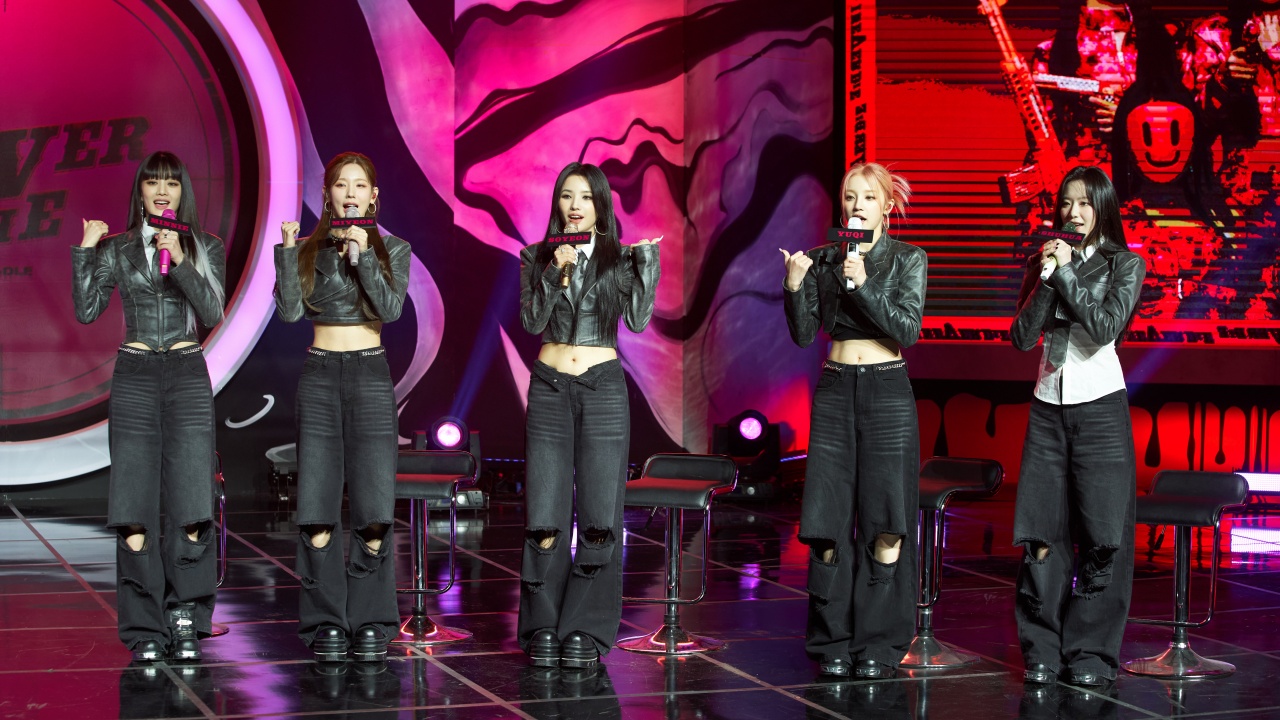
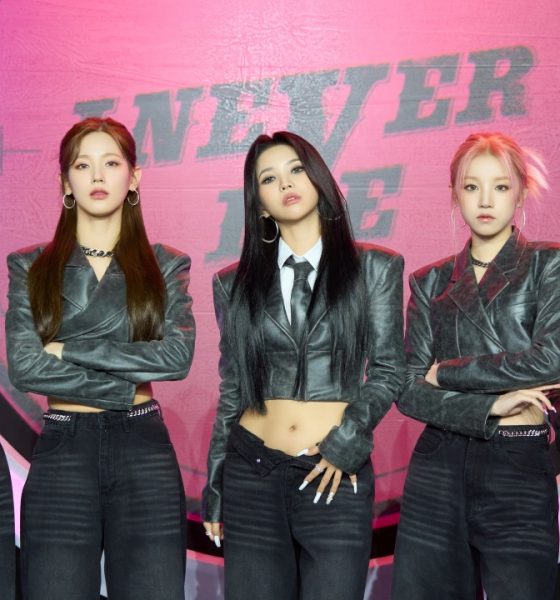
(L > R) Minnie, Miyeon, Soyeon, Yuqi, Shuhua
And if you notice the subtle graffiti-styled “G” in their group logo that’s a little bit hard to see, it symbolizes that the group wants to get rid of any prejudices — just like in the ‘TOMBOY’ comeback track itself. The best words to describe this new album, it says “Just Me”.

With their former member’s departure, they have honestly thought that they’ve debuted again. They completed this album with the thought of showing their growth as a group. All members of (G)I-DLE want this album to be memorable to the fandom.

Wrapping the showcase up, the members of (G)I-DLE has promised that if they’ll win during their comeback promotions, fans get to decide what concept they’ll do for their special video.
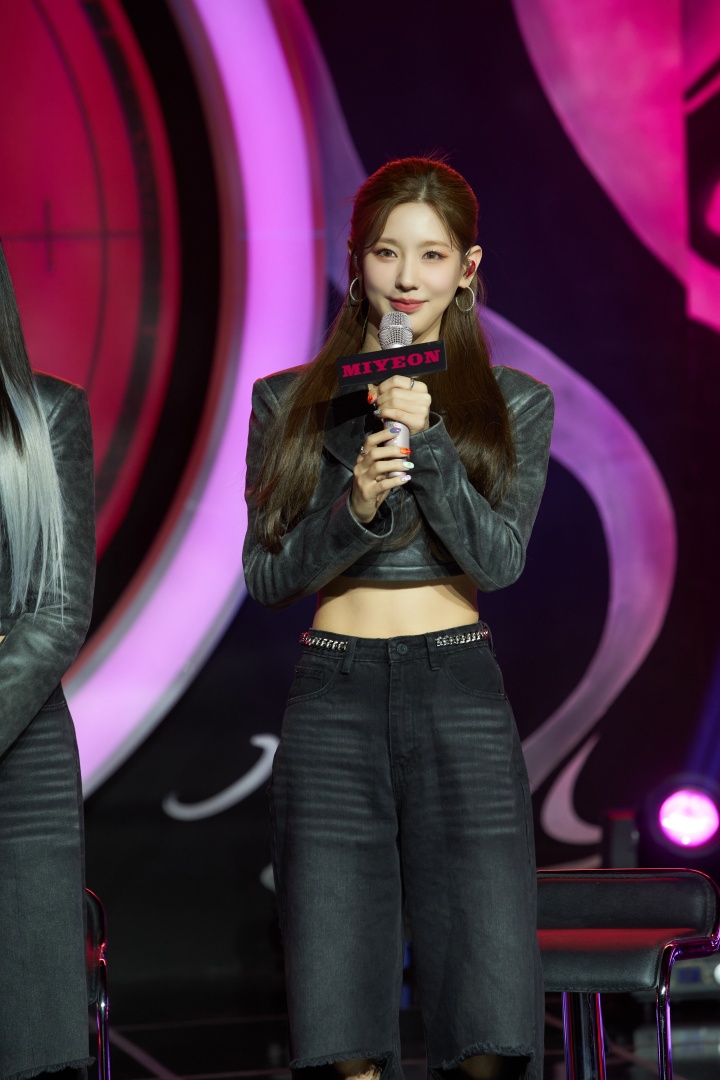
And just like how confident the (G)I-DLE is with their latest comeback release, I think NEVERLANDs (like me) are confident enough that they can fulfill that dream for the girls. We just have to wait for their first music show win with ‘TOMBOY’ once they perform it live on-stage.
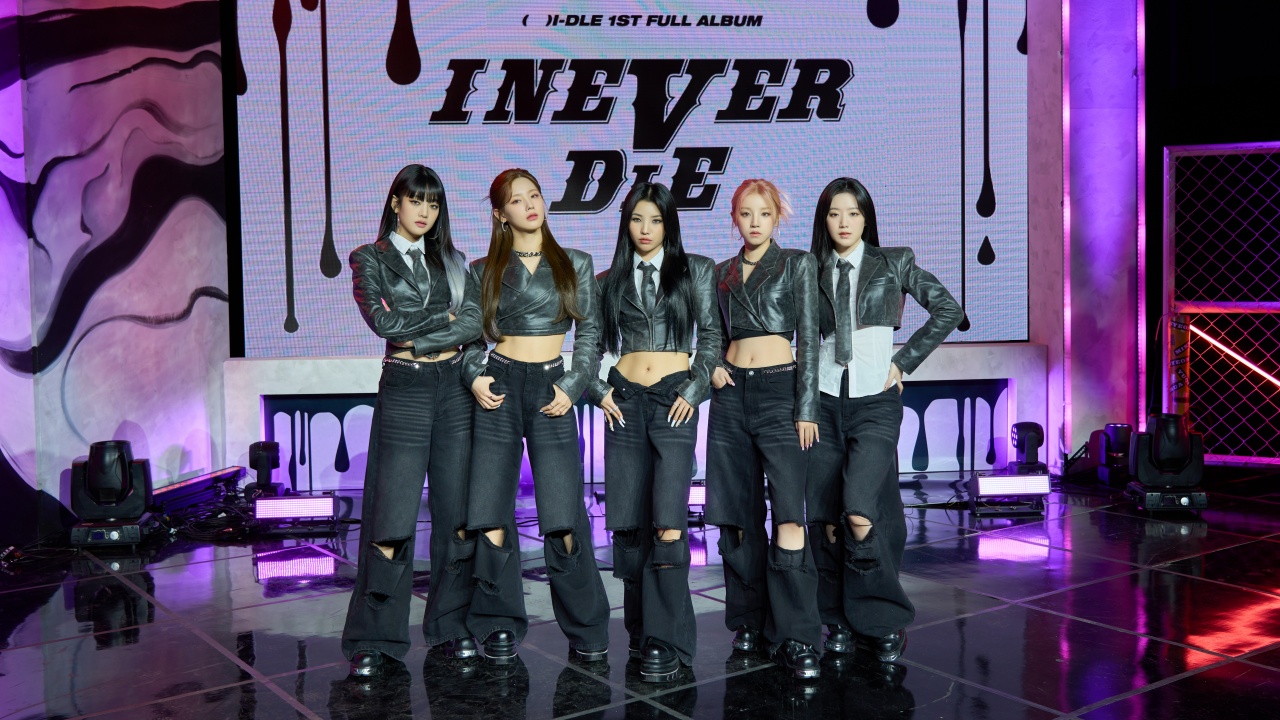
And as GadgetMatch’s in-house K-Pop insider, I can simply say I’ve been a Neverland since debut. It’s more evident when I mentioned them before here twice, specifically in the Now Playing Volume 3 article 😉





Entertainment
Marvel Studios announces Ghost Rider, Black Panther 3 at SDCC
What lies ahead of Multiverse Saga now taking shape


What lies ahead of the Multiverse Saga in the Marvel Cinematic Universe (MCU) is now taking shape, as Marvel Studios have made major announcements at San Diego Comic Con (SDCC) 2026.
The first major reveal was the Ghost Rider feature film, set to release in 2028 with Ryan Gosling playing the protagonist.
Shawn Levy, who directed Deadpool and Wolverine and the Night at the Museum trilogy as both director and producer, will direct the film. Jonathan Tropper is writing the script. All three worked with Star Wars: Starfighter in the same capacities.
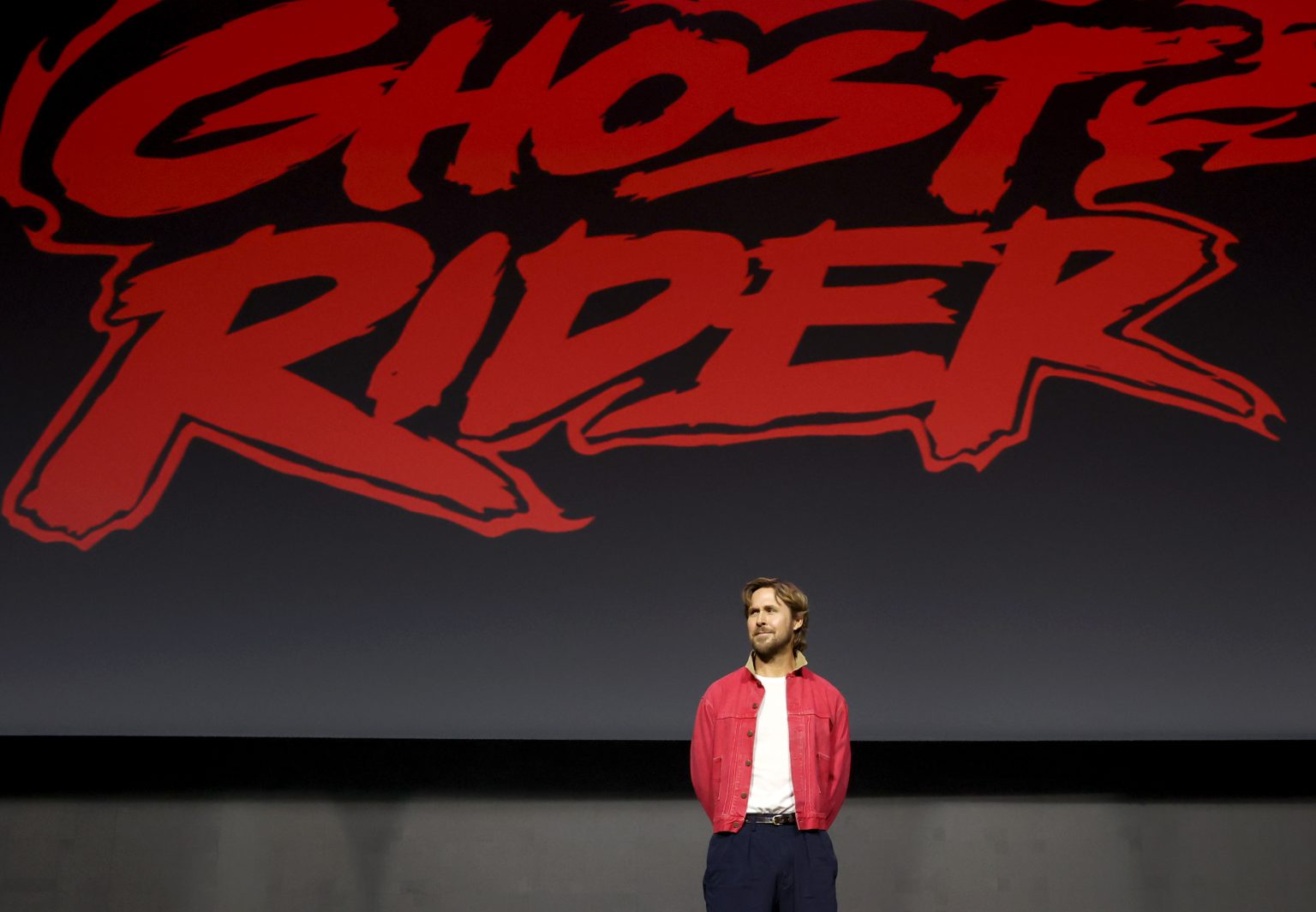
Gosling said Johnny Blaze “is a character” he “wanted to play for a very long time.”
The Marvel character has been shown in two live-action movies between 2007 to 2012 starring Nicolas Cage.
More recently, Gabriel Luna played the younger host to Ghost Rider, Robbie Reyes, in Agents of S.H.I.E.L.D. in which the story revolved around him and Chloe Bennet’s Daisy Johnson/Quake for most of the first season.
Avengers: Doomsday panel, Spider-Man: Brand New Day
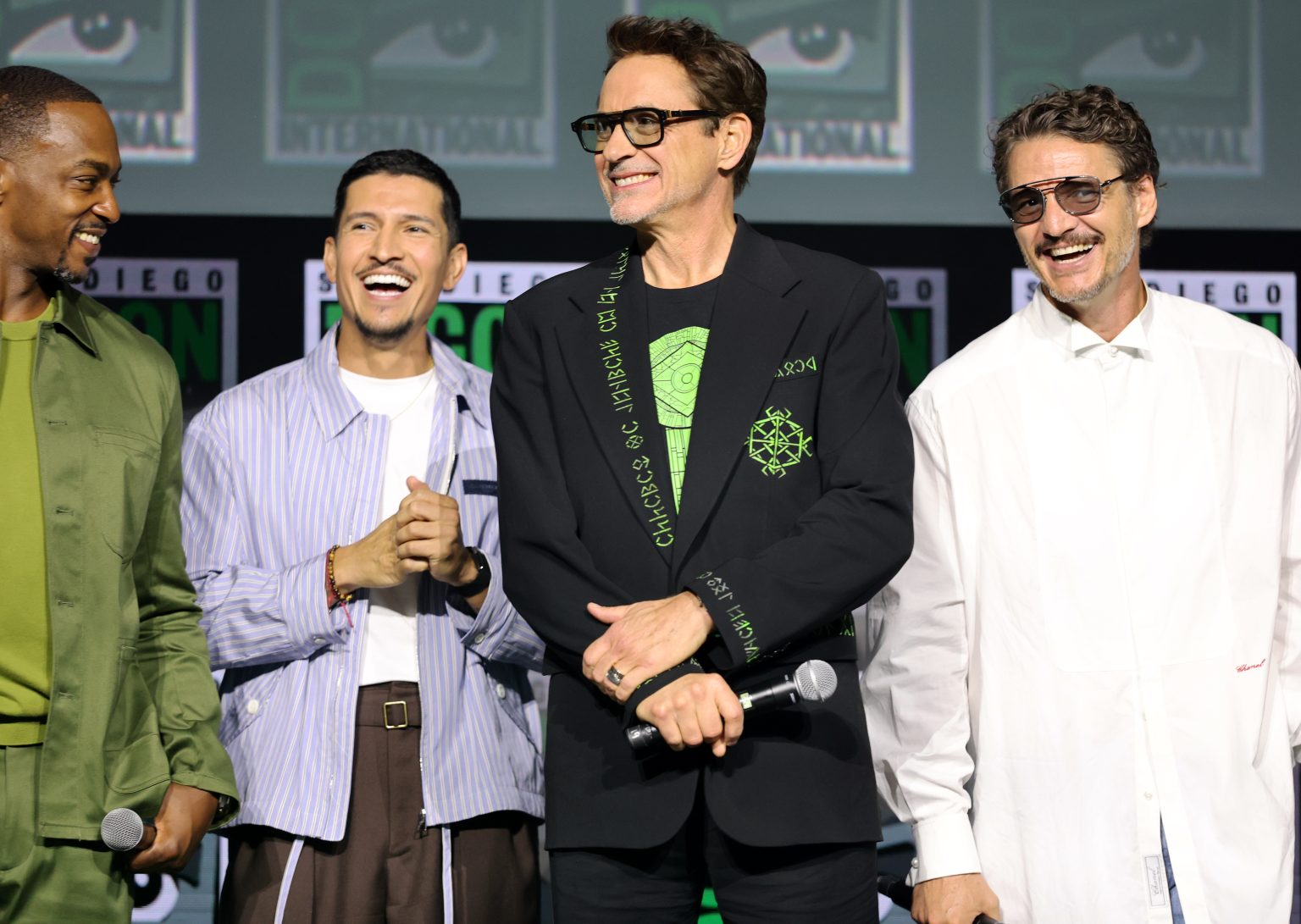
Marvel Studios then filled SDCC’s Hall H with the massive cast of Avengers: Doomsday, moderated by directors Anthony and Joe Russo.
This segment featured some of the biggest stars of the MCU. There’s Robert Downey Jr., Chris Evans, Pedro Pascal, Paul Rudd, Anthony Mackie, Simu Liu, James Marsden, David Harbour, Letitia Wright, Lewis Pullman, Kelsey Grammer, Danny Ramirez, Winston Duke, Hannah John-Kamen, Rebecca Romijn, and Tenoch Huerta Mejia.
Hayley Atwell also joined the panel, confirming she will return in the new film as Peggy Carter.
WATCH: Avengers: Doomsday trailer assembles Marvel’s biggest heroes against Doctor Doom
After all, the mid-credits scene in Avengers: Endgame showed that when it was time to return the infinity stones back where they belonged, Chris Evans’ Steve Rogers/Captain America went back in time and instead lived the life he wanted to have with Peggy.
Meanwhile, Jon Bernthal later on made a surprise appearance. This was to talk about his role as Frank Castle/The Punisher in Spider-Man: Brand New Day.
Black Panther 3 revealed
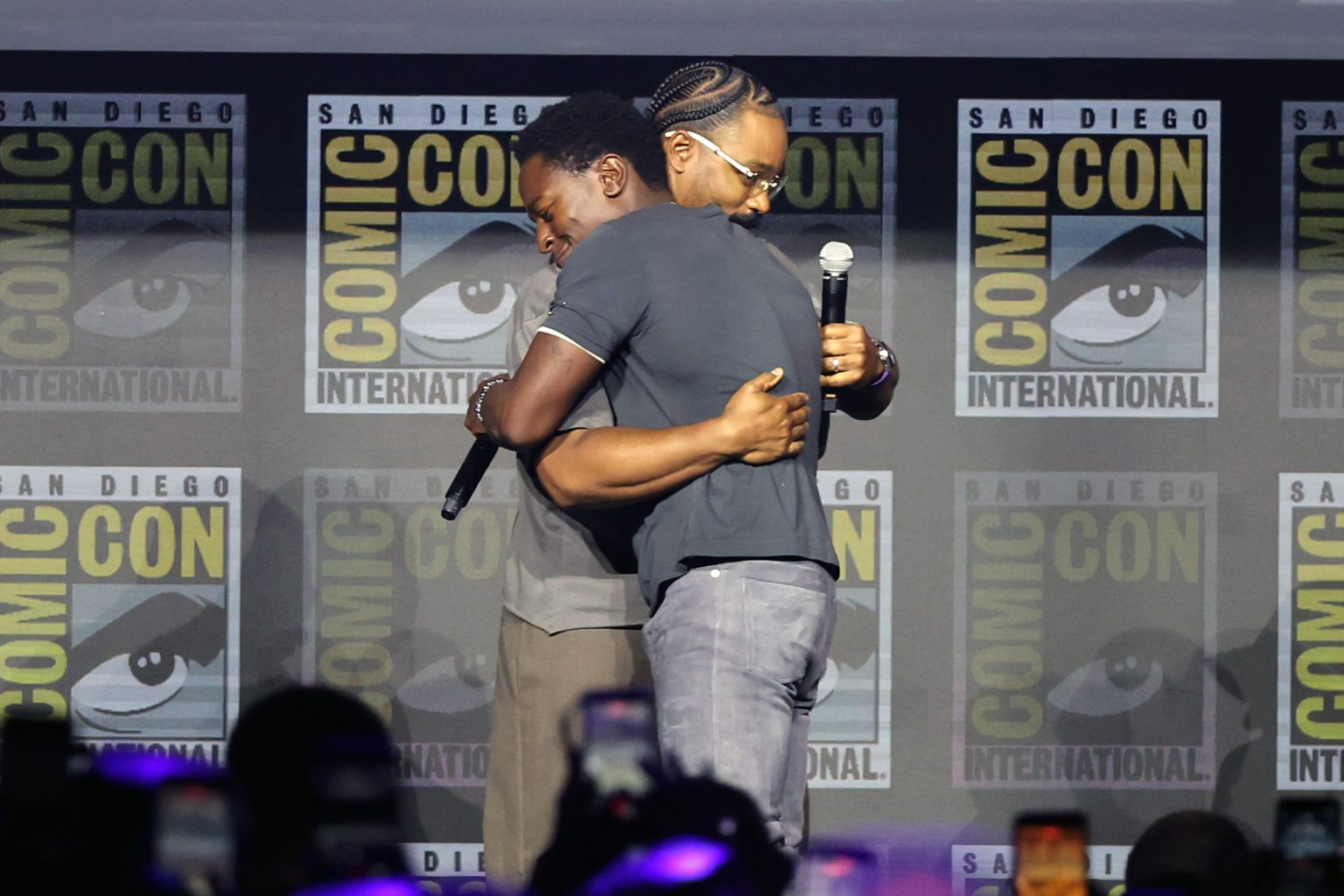
To cap off the panel, Black Panther 3 has been confirmed for December 15, 2028. Writer and director Ryan Coogler came out to the stage to introduce David Jonsson as the new Black Panther.
The Alien: Romulus actor will play Toussaint/T’Challa II, the son of the late Chadwick Boseman’s T’Challa. In the third Black Panther film, his character will be all grown-up. Naturally, the events in Avengers: Doomsday and Avengers: Secret Wars will make the transition and his on-screen “aging” a lot smoother.
What this means is Letitia Wright’s Shuri is preparing to step down as the Black Panther. Doomsday will be among her final battles wearing the suit.
Winston Duke’s M’Baku, who is the King of Wakanda in the current events of the MCU, will also play an integral part in setting up T’Challa II for the throne — be it through a traditional Wakandan ritual for the leadership or through other means.
Entertainment
Resident Evil movie reboot finally gets a scary trailer
Can you spot the Easter eggs for longtime fans?

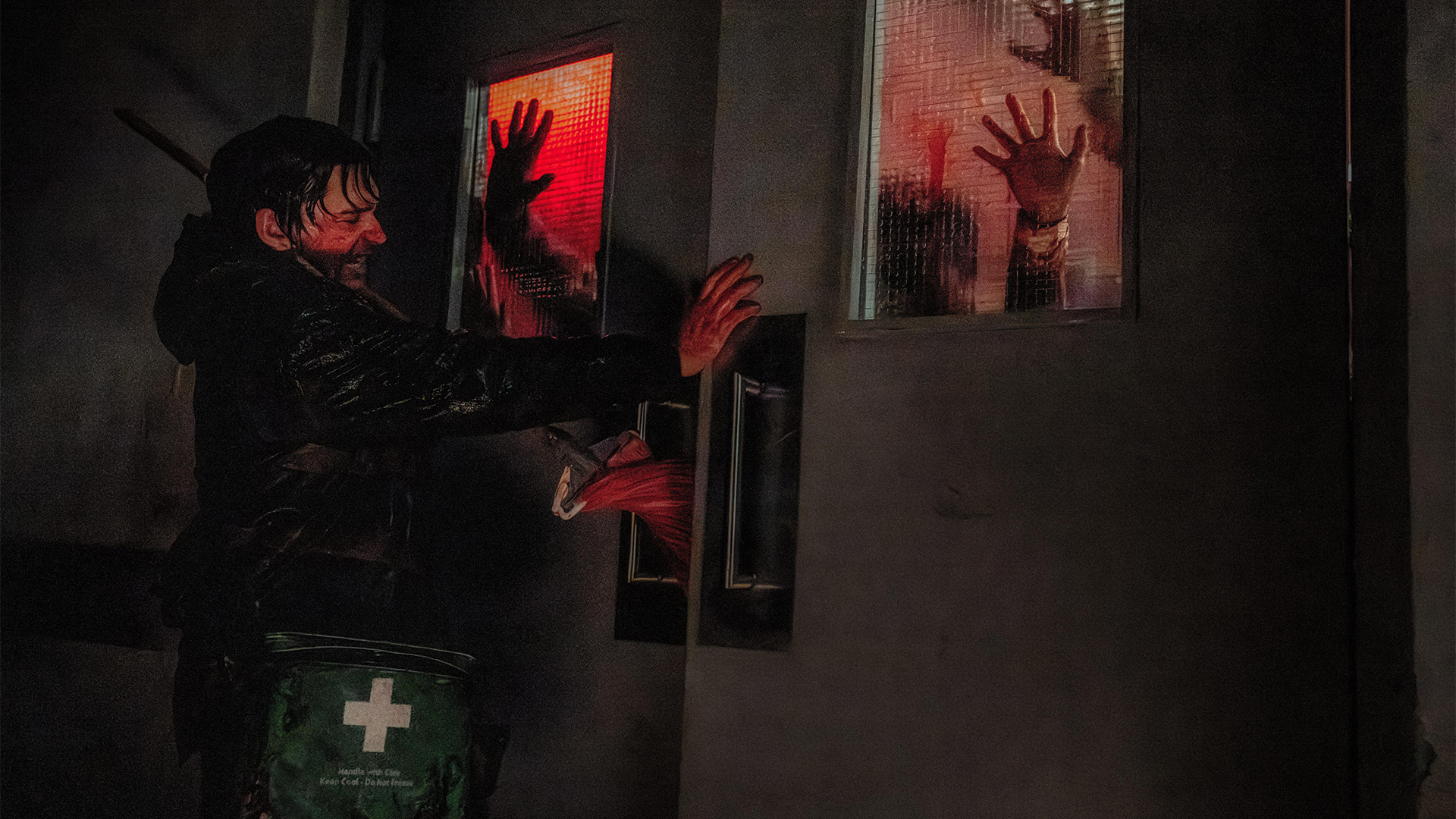
After briefly losing its way in the middling fifth and sixth entries, the Resident Evil series rediscovered its way back to the survival horror genre with the seventh entry onwards. However, the series doesn’t have the best reputation in Hollywood with its lackluster reviews. Now, the Hollywood series wants to right the ship with the upcoming reboot, simply titled Resident Evil.
Much like the gaming franchise’s renaissance, the upcoming film heads to the survival horror genre with a frightful caper. Medical courier Bryan (Austin Abrams) is tasked with delivering a vital organ to somewhere outside Raccoon City. Along the way, he runs over a rabid woman, who just disappears when he steps out to check.
Forced to seek help at a nearby shack, he finds himself in a struggle for survival when he discovers monstrous beings lurking around. It gets worse when he returns to the city and finds it overrun with the zombie outbreak.
The trailer has a few Easter eggs, including a typewriter, one of the most traditional ways that the game series uses to save games. Director Zach Cregger (Weapons) promises that the movie itself will have more Easter eggs for longtime fans of the series.
Resident Evil will premiere in theaters on September 18.
Entertainment
Avengers: Doomsday trailer assembles Marvel’s biggest heroes against Doctor Doom
Thor warns of Doom

After teasing fans with four short clips last year, Marvel has finally dropped the official trailer for Avengers: Doomsday, which opens in theaters this December.
The trailer revolves around Thor as he gathers the New Avengers, the Fantastic Four, and older Avengers like Scott Lang and Sam Wilson. Together, they prepare for the arrival of Doctor Doom.
Thor warns everyone that the multiversal threat is unlike anything he has ever faced.
“I’ve fought with many warriors in my time,” he says. “They were far stronger than all of us put together. And they died.”
He speaks from experience. Later in the trailer, he charges at Doctor Doom with Stormbreaker, much like his arrival during the Battle of Wakanda. Doom simply catches the lightning-infused attack with one hand. He doesn’t even flinch.
Thor has lived for thousands of years. He has fought countless Avengers-level threats, including Hela and Thanos. He also witnessed the fall of Asgard during Ragnarok. That makes his warning hard to ignore.
It’s also fitting that the trailer revolves around him. As the last active original Avenger from the Infinity Saga, Thor has seen more than anyone else in the room.
Familiar faces and new alliances
As Thor speaks, the trailer cuts between several heroes preparing for the coming battle.
It opens at Xavier’s School for Gifted Youngsters, where Professor X witnesses destruction outside the mansion before warning that everyone will soon face an “unthinkable decision.”
The Fantastic Four, led by Reed Richards, arrive alongside Sam Wilson, Bucky Barnes, and Scott Lang for what appears to be a strategy meeting with Wakanda’s leaders.
The trailer also revisits several moments from last year’s teasers, this time from different angles.
There’s the Wakandans, led by King M’Baku, meeting Ben Grimm. Black Panther charges into battle with Wakandan forces. Cyclops unleashes a full-powered optic blast. Gambit clashes with Shang-Chi.
A few scenes are completely new. Namor finally joins the action instead of simply observing events. Mystique shapeshifts into Yelena Belova. Loki appears holding what looks like a TVA device. Professor X also shares a quiet moment with Magneto.
The trailer also includes emotional beats. Scott Lang shares a moment with his daughter Cassie, perhaps thinking that they’ll be separated for the nth time as he participates in battle. Meanwhile, Johnny Storm comforts Sue Storm as a massive wall of water looms behind her.
A familiar hero returns
The trailer concludes with Thor standing alone against Doctor Doom. Even his strongest attack fails to make the villain budge.
“We are going to need a miracle,” a voice says.
Moments later, Mjolnir suddenly flies into someone’s hand.
“Hey, pal… It’s not possible,” Thor says in disbelief.
The final reveal shows Chris Evans’ Steve Rogers casually catching Mjolnir before smiling back at Thor. The moment confirms that, regardless of which universe he comes from, Captain America remains worthy.
To this point, Marvel still keeps most of the story under wraps. The trailer focuses more on the scale of the threat than the plot itself.
One thing is clear, though. Defeating Doctor Doom will take far more than the Avengers alone.
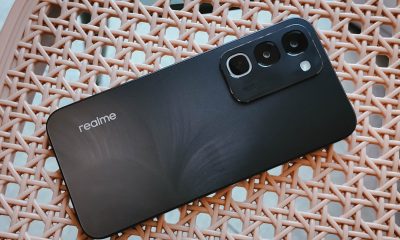

realme C100: Enduring and durable in spite of entry-level realities
Enough power but needs more agility


The ASUS ExpertBook Ultra wins you over
The laptop sneaks up on you
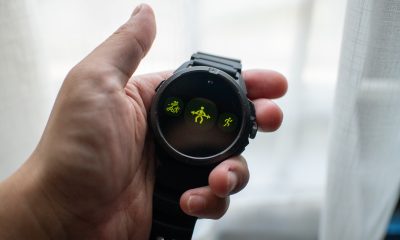

Nexal Watch Sport review: A rugged watch for small budgets
I couldn't believe that watches this good could come for this cheap.

Marvel Studios announces Ghost Rider, Black Panther 3 at SDCC

Xiaomi Singapore expands lineup of smart washing machines

AORUS MASTER 16 Gen 2 2026 AI gaming laptop launches

GCash future-proofs MSMEs with new payment innovations

Smart announces postpaid offers for Samsung Galaxy Z8 series

New York becomes first state to ban smart glasses

DJI Osmo Pocket 4P launches with dual lenses and a 1-inch sensor

Lenovo says RAM prices are not coming back down again

Sony launches IER-M500 in-ear monitors

The vivo X Fold6 is the first foldable to support teleconverter lens


-
 News1 week ago
Samsung releases teaser with Spider-Man: Brand New Day Easter eggs
-

 Wearables4 days ago
Garmin launches its first screenless fitness band
-

 Gaming2 weeks ago
Most of the world’s PlayStations will be officially useless by 2028
-
 News2 weeks ago
FIFA World Cup: Lenovo’s Referee View received positively by fans
-
 Gaming2 weeks ago
Assassin’s Creed Black Flag Resynced comes to life at Skypark Macau
-

 Apps2 weeks ago
Plot twist: Starbucks PH is letting you actually pick your reward now
-
 Features2 weeks ago
Spotlight: HUAWEI WATCH GT Runner 2 Racing Legend Edition
-

 Automotive1 week ago
Mercedes-Benz celebrates 140th anniversary at the Presidential Car Museum