


Best for professionals
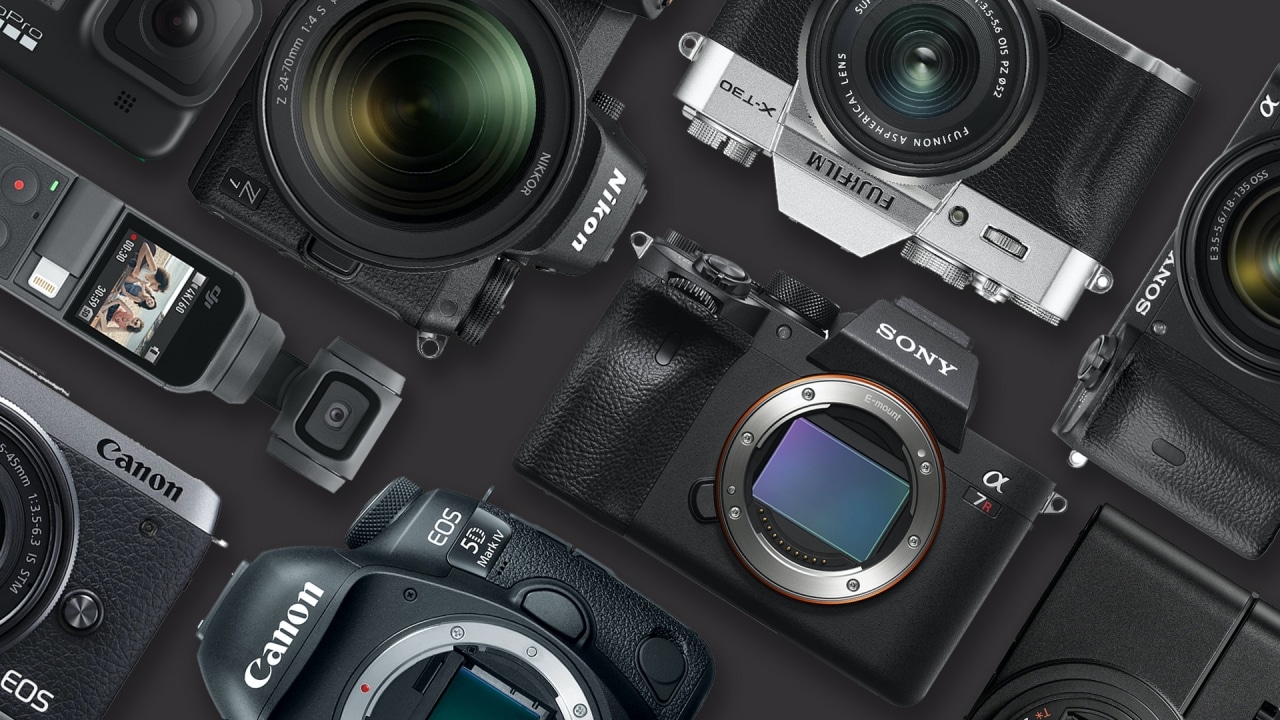
The professional photography world is (and will always be) divided into two: Mirrorless camera users versus DSLR camera enthusiasts. Here’s a list that caters to both.
Mirrorless
Sony a7R IV
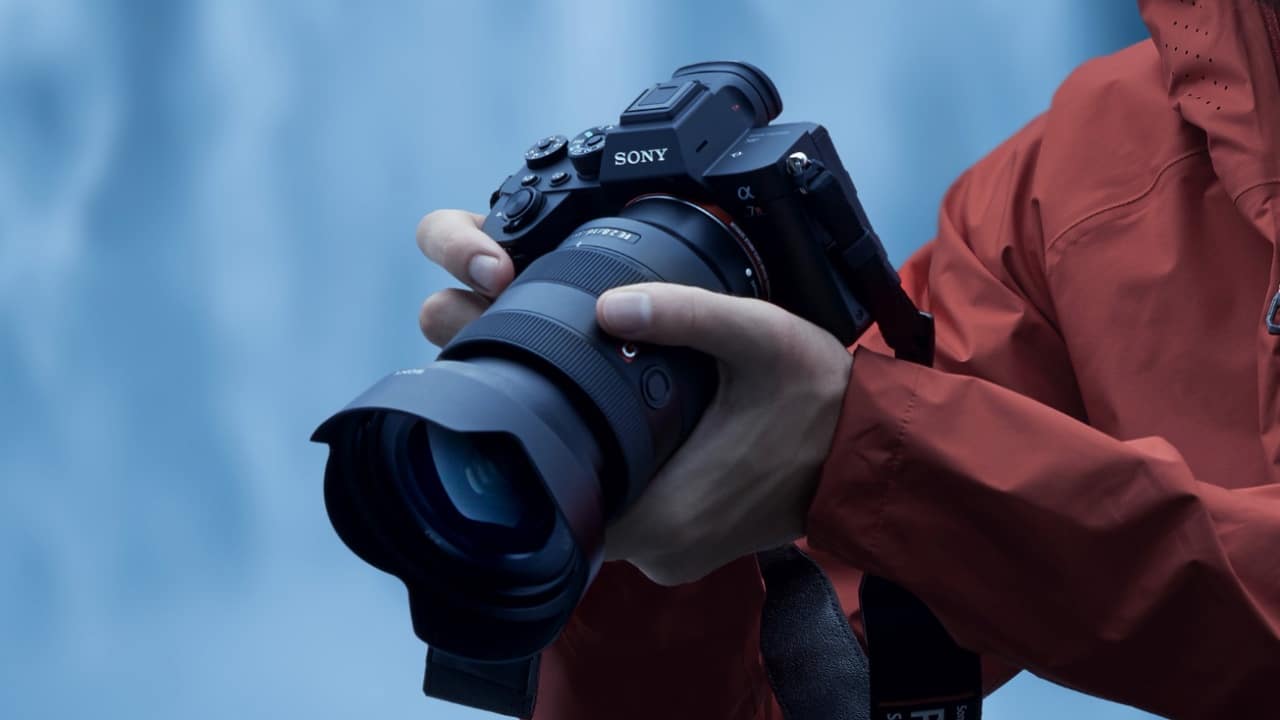
Being the first 61.2-megapixel 35mm full-frame shooter, a lot is expected of this camera. Other than the 5-axis SteadyShot stabilization, 10fps continuous shooting, 567 phase-detection AF points, and Real-time Eye AF Tracking, you also get a professionally-inclined 15-stop dynamic range plus 4K 30fps recording (whether full or crop) with S-Log 2/3 and HDR for manual color grading. ISO sensitivity can be expanded to 102,400 and it has two SD card slots that both support a faster UHS-II interface.
SEE ALSO: Sony a7R IV has a massive 61MP sensor
Sony a7 III

The A7 III is already a year old, but it’s still a great contender when it comes to full-frame mirrorless photography and videography. It sports a 24-megapixel sensor and shoots as intense as 10fps. It also offers 693 phase-detection AF points (93 percent coverage), plus 425 contrast AF points for accuracy. Other than those feats, the 5-axis SteadyShot stabilization is usually present for smoother video footages, while ISO sensitivity can go as high as 204,000 through Expanded Mode. It also retails much less than its other counterparts from both Sony and other brands, making it a great buy overall.
SEE ALSO: Sony A7 III hands-on review
Canon EOS RP

Canon made the RF lens mount in mind for better lens optics on the EOS RP, which is also meant for the newest R-series. People might say the EOS RP skimps on most areas compared to its larger sibling: lower 26.2-megapixel sensor, slower shutter speed at 1/4000 sec., up to just 5fps continuous shooting, limited 25fps 4K video without Canon Log, and lack of a second card slot — but it’s far from being bad. What makes this better than the EOS R? It’s a more practical full-frame choice because it’s a lot more affordable.
SEE ALSO: Learning street photography with the Canon EOS RP
DSLR
Canon EOS 5D Mark IV

Its predecessor has been triumphant in the full-frame DSLR category for years. Three years had passed since the fourth iteration was announced, and it performs better than ever. The 30.4-megapixel full-frame sensor is handy as well as the max shutter speed of 1/8000 sec. 7fps continuous shooting and 61 AF points (plus 41 cross-type) are also notable. ISO sensitivity (when boosted) can reach as high as 102,400, ideal for low-light shooting and astrophotography. It shoots DCI 4K for up to 30fps. Some users may find the fixed 3.2-inch touchscreen LCD disappointing, but the long-lasting battery life and dual CF/SD card slots are great deals.
Nikon D850

Unlike the 5D Mark IV, the D850 features a larger 45.7-megapixel BSI CMOS sensor and has a tilting 3.2-inch touchscreen LCD. Shutter durability and battery are aboth rated to last longer. There are also a better number of AF points (153 plus 99 cross-type) and up to 9fps continuous shooting with a battery grip. What remains is the boosted ISO sensitivity of up to 102,400. It can shoot 4K 30fps video but internal video stabilization only works in 1080p mode. Unlike CF slot, this features an XQD card, together with an SD card slot that’s UHS-II compliant for faster speeds.
Canon EOS 6D Mark II
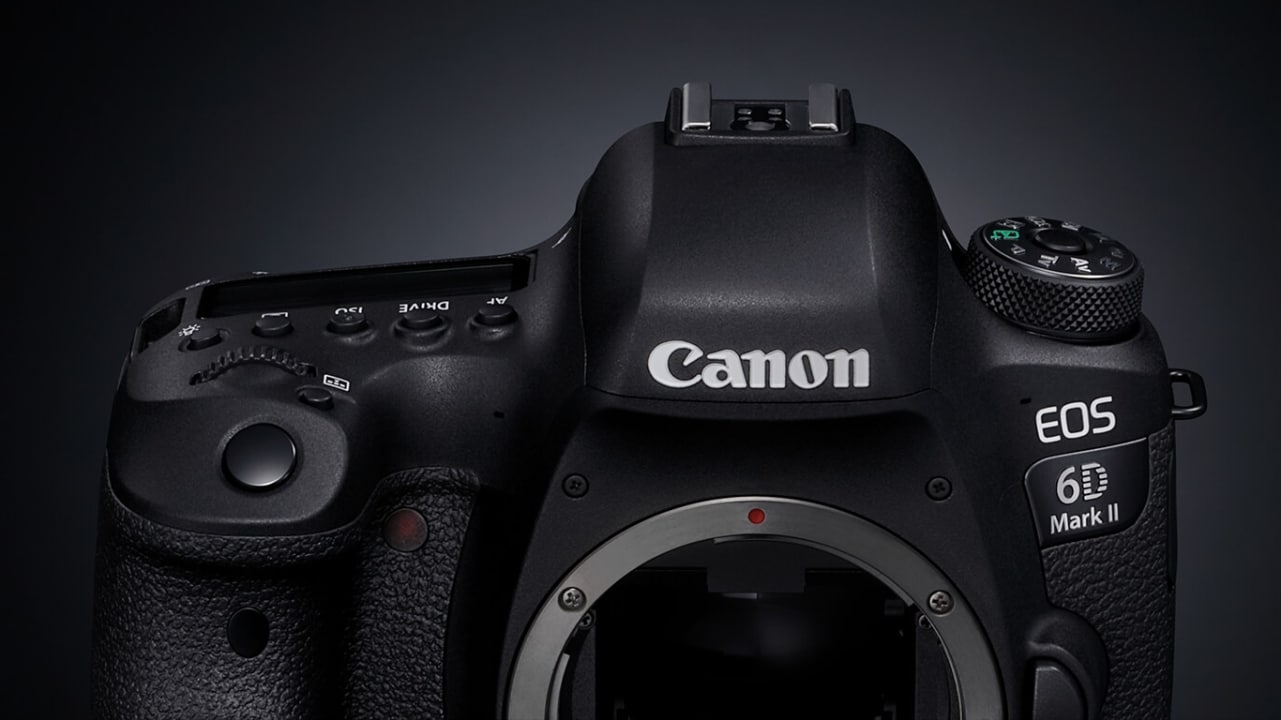
The 6D Mark II is a year younger than the 5D Mark IV, but it features a smaller 26.2-megapixel full-frame CMOS sensor and video recording is limited to only 1080p 60fps with no stabilization. There are 45 AF points (that can also be cross-type). Burst shooting is rated up to 6.5fps. Max native ISO is at 40,000 and can be boosted up to 102,400. Most specs may sound downgraded, but it’s a step ahead of its predecessor. Although there’s only a single SD card slot, kudos to Canon for including a 3-inch VariAngle touchscreen LCD and larger batteries — something you can’t find on higher-end full-frame Canon DSLRs.






Cameras
DJI’s Inspire 3 Basic Package make 8K aerial filmmaking more accessible
A streamlined kit for independent filmmakers!


DJI has officially introduced the Inspire 3 Basic Package, a streamlined kit designed to lower the barrier of entry for professional aerial cinematography.
Since its debut in 2023, the Inspire 3 has established itself as the primary choice for studio film and television productions.
This new package provides a cost-effective path for independent filmmakers to integrate 8K aerial imaging into their workflow or for production houses to scale their existing fleet.
Cinema-grade performance in a portable form factor
The Inspire 3 remains a revolutionary all-in-one drone, built to handle the rigorous demands of high-end sets.
At the core of the package is the Zenmuse X9-8K Air Gimbal Camera, which features dual native ISO and more than 14 stops of dynamic range.
These specifications translate to high-fidelity footage that retains authentic colors and accurate skin tones, even when filming in challenging urban environments or varying lighting conditions.
By utilizing the DJI Cinema Color System (DCCS) and the O3 Pro transmission system, the drone acts as a reliable partner in movement, ensuring that technical performance supports the creative vision without the need for overly complex setups.
Essential tools for modern production
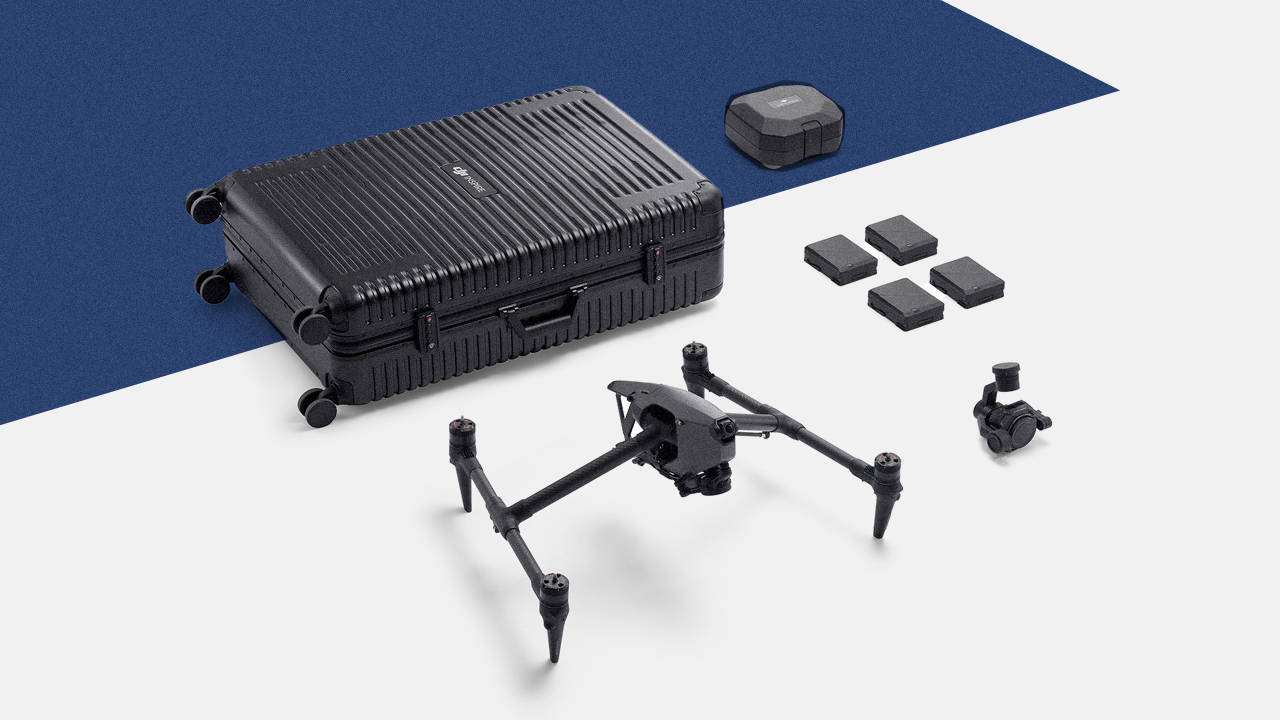
The Basic Package is curated to include the core hardware necessary for professional use while allowing for modular expansion. The kit features:
- The Inspire 3 Aircraft and Zenmuse X9-8K Air Gimbal Camera
- Four TB51 Intelligent Batteries to support extended shooting schedules
- Specialized storage solutions, including the Inspire 3 Trolley Case and Gimbal Camera Case
Filmmakers who require the full ecosystem can still purchase key peripherals separately, such as the RC Plus remote controller, allowing the gear to grow alongside their specific project needs.
Price, availability
The DJI Inspire 3 Basic Package is available starting today through authorized retailers and the official DJI store. The package retails for PhP 615,049.
This release reinforces the philosophy that while technology provides the tools, the focus remains on the life and stories captured through the lens.

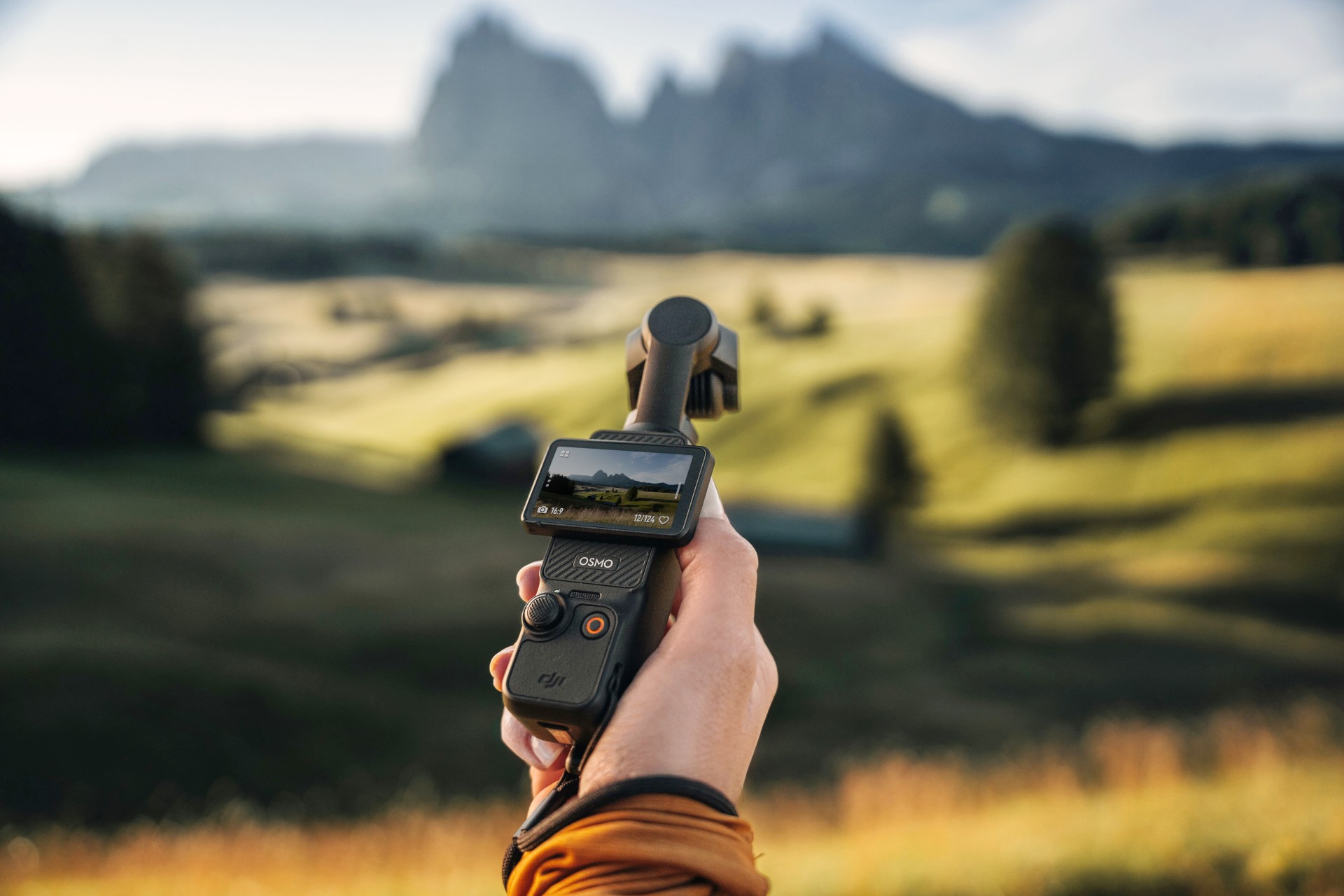
The DJI Osmo Pocket 3 might be the most popular camera in recent history. The tiny action camera constantly sells out, thanks to creators and would-be vloggers. Because of the current generation’s popularity, everyone is looking forward to the next-generation Osmo Pocket 4. Though it’s still unannounced, the new camera has suddenly made a surprising appearance out in the wild.
The leak shockingly comes from an authorized DJI retailer in Kuala Lumpur. Supposedly, a customer entered the store with what they claimed was an Osmo Pocket 4. The store, DronesKaki, even shot a now-deleted video of the unannounced camera, rescued by New Camera.
Based solely on the short video, the Osmo Pocket 4 looks and feels very familiar to those who’ve already used the Pocket 3. The three-axis gimbal system still keeps shots in place for taking videos while on the move. The 2-inch rotating screen looks identical to the current one, especially because of intuitive settings and controls.
However, the biggest standout is the built-in LED light sitting atop the camera. Despite how convenient and easy to use it is, the Pocket 3 doesn’t exactly shine in low-light conditions, prompting users to always bring an external flash. If the leak is true, the Osmo Pocket 4 cures this issue to some extent. (Built-in flashes aren’t usually standout solutions, but they can work in a pinch.)
Still, take the leak with a grain of salt. Though the store could have deleted the video because of a request from DJI, they could have also deleted it because it’s not the Osmo Pocket 4. At this point, we won’t know, but current rumors speculate that the camera is launching soon.
SEE ALSO: DJI Osmo Action 6 review: An adventurer’s best friend
Cameras
Canon PhotoMarathon returns, introduces video, open categories
Happening on April 18 in BGC, Taguig

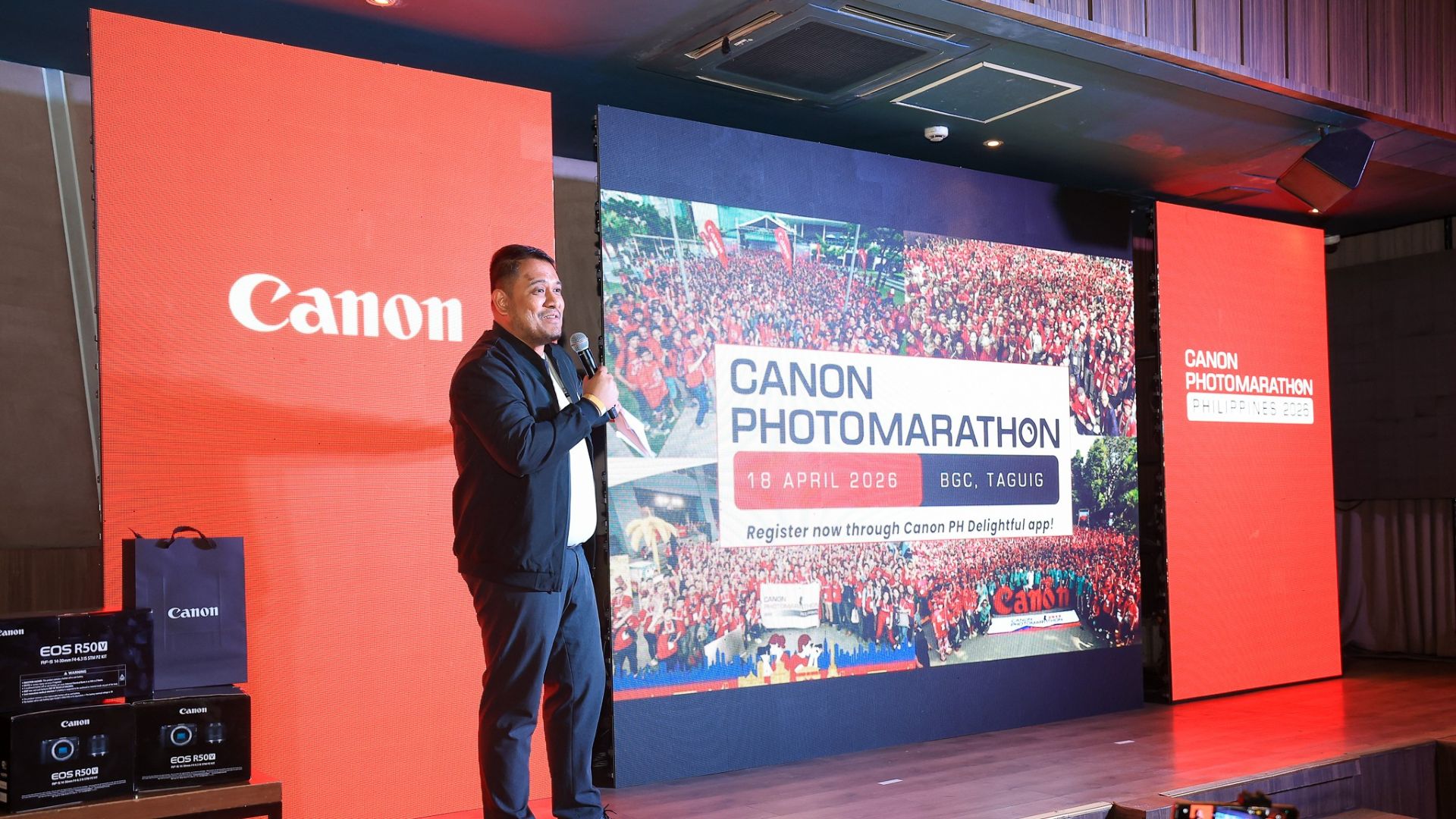
The Canon PhotoMarathon is officially returning this year and is introducing more categories for enthusiasts to join in.
The 2026 edition, the 19th in the Philippines, will happen on April 18 at the BGC Amphitheater in Taguig City.
For the first time, Canon is opening the competition to non-Canon users. Even those with just smartphones can register. The brand has also added a video category.
Here’s a quick breakdown of the contest categories and their corresponding prizes:
Main Category (Photo)
- Open to Canon users only
- Prize: Canon EOS R6 Mark III with RF24-105mm f/4-7.1 IS STM
Open Category (Photo)
- Open to all camera brands
- Prize: Canon EOS R8 with 24-50mm
Video Category
- Open to all camera brands
- Canon Prize winner: Canon EOS R50 V
- Non-Canon Prize winner: Canon Powershot V1
The full mechanics will be announced on the day of the competition itself to make it even more challenging for those taking part.
To join, simply download the Canon PH Delightful app, create an account, go to the Events tab and select the Canon PhotoMarathon banner. Registration is already open.
To build up hype for the upcoming event, Canon will host photowalks, school tours, and regional tours leading up to the PhotoMarathon.
These are designed to engage photographers at every skill level. Admission is free and open to all digital camera users.


Galaxy Buds4 Pro review: I thought I was done with in-ears
This Buds4 you


WWE 2K26 lets you live out all the fantasy matches you could want
But you have to play for hours and hours to unlock everyone.


The HONOR X8d is serviceable
Steady but slow?

Life is Strange: Reunion now available on consoles and PC

Why this AI-powered eye health exam is the only reading you need this season

DJI officially launches the Avata 360 with 8K immersive imaging

The Changan Eado Plus officially lands in the Philippines

PLDT Home, Samsung team up for exclusive entertainment deals


-

 Reviews1 week ago
POCO X8 Pro Max review: A new beast from the far east
-

 News1 week ago
POCO X8 Pro Series: Price, availability in the Philippines
-

 Reviews1 week ago
POCO X8 Pro Iron Man Edition review: Midrange phone in superhero armor
-

 Automotive1 week ago
VinFast extends free unlimited charging in 3 markets amid rising fuel prices
-
 Reviews2 weeks ago
Samsung Galaxy S26 Ultra review: A phone you live with
-
Philippines1 week ago
The HONOR X8d is serviceable
-

 News1 week ago
POCO introduces X8 Pro Series with Dimensity 9500s
-

 Gaming2 weeks ago
NVIDIA’s DLSS 5 can turn your favorite AAA game into AI slop