
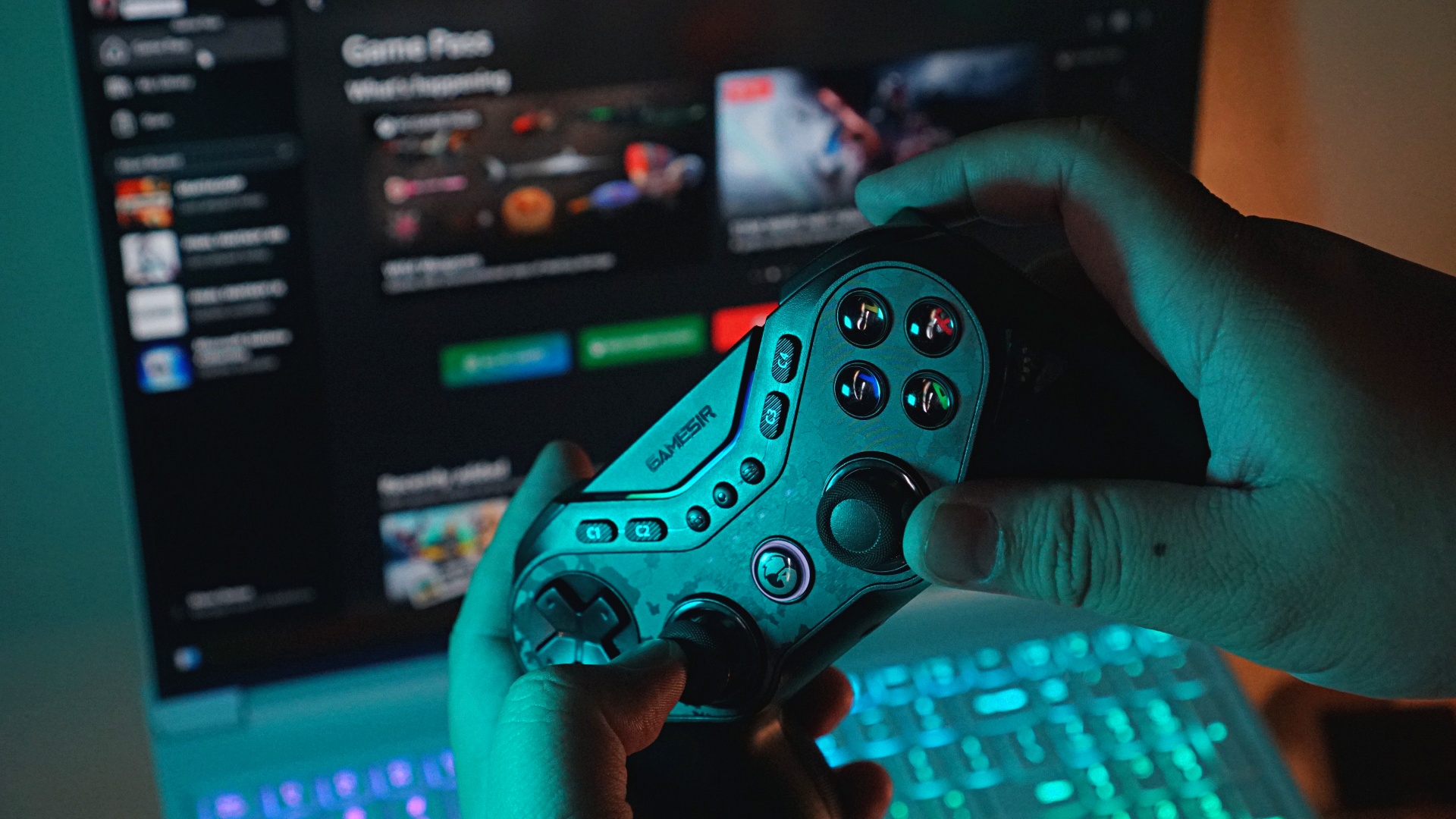
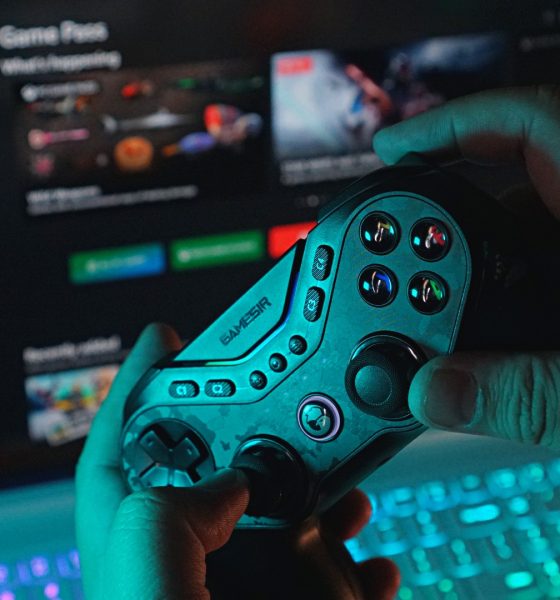

We thought we were over GameSir controllers for a while. But then they reached out about the GameSir Tarantula Pro. Not only does it come with an acrylic charging stand, it’s also the first one that has a symmetrical thumbstick layout reminiscent of PlayStation controllers. It was definitely up my alley.
While it’s not really compatible with the PlayStation, having that layout and overall feel helped bring some familiarity to the other platforms it’s compatible with. These are PC/Steam, Nintendo Switch, iOS, and Android. During our time with it, we mostly played on PC.
But first, a quick unboxing
@gadgetmatch Multi-platform controller with mechanically changing face buttons and more. This is the #GameSirTarantulaPro @GameSir ♬ original sound – GadgetMatch
It’s a pretty standard set package from GameSir. With the Tarantula Pro you’re getting the controller, the acrylic charging stand, a UBS-C dongle, cable, plus the usual documentation and stickers.
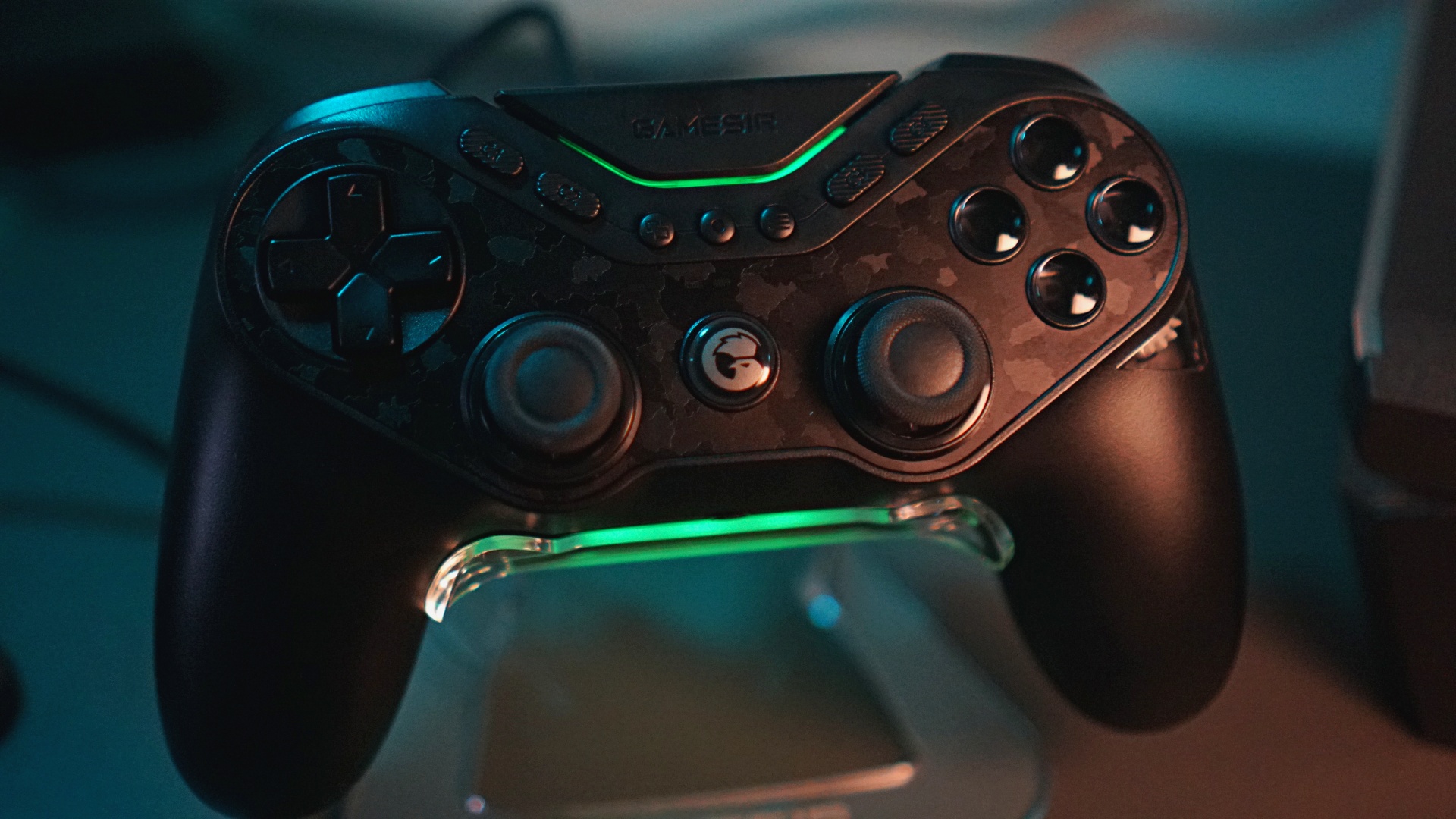
Feature-packed
The GameSir Tarantula Pro features tri-mode connectivity. Users can connect the peripheral via Bluetooth, 2.4GHz, and the old-fashioned wired option. These choices make it seamless switching between devices for a hassle-free gaming experience.

Immediately noticeable on the controller though, are multiple extra buttons in front. All nine of these buttons, aligned like its spider-species namesake, provide pro-level control and a personalized gaming style. These can be remapped at any time depending on your preferences.
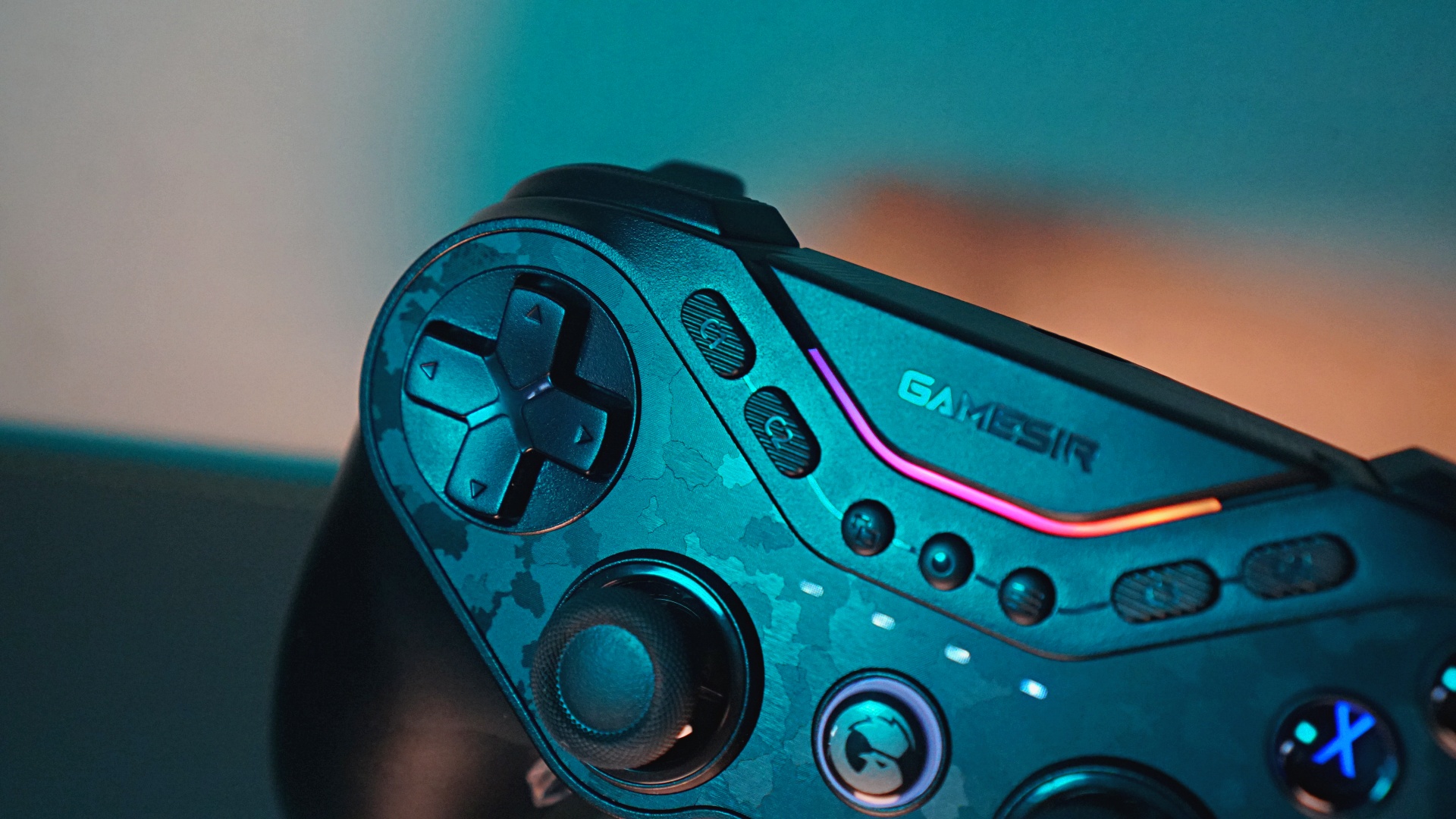
Even the RGB Home indicator, light strip, and face buttons’ lighting effects can be customized, including saturation, animation speed, and color.
Again, another standard inclusion in GameSir products, you get a couple more back buttons that can likewise be remapped. More than that, they can also be disabled preventing accidental inputs.
For even more customization, use the GameSir Connect app. There’s adjustments to stick and trigger dead zones, vibration intensity, and more. You can also download firmware updates from the app.
And the really cool part, you can simply hold a key combo and the face button gear mechanism can rotate to change the layout between Switch or Xbox.
View this post on Instagram
Performance and feel
As mentioned earlier, the overall layout and hand-feel of the GameSir Tarantula Pro is reminiscent of PlayStation controllers. More specifically, it feels a lot like the DualShock controllers.
The rumble on this thing gets pretty intense. Equipped with HD Rumble technology, you’ll definitely feel the haptic feedback no matter what game you’re playing. We played some Marvel’s Spider-Man, Final Fantasy XIII, and the game we played most with it – Marvel vs Capcom 2 through the recently released Marvel vs Capcom: Fighting Collection.
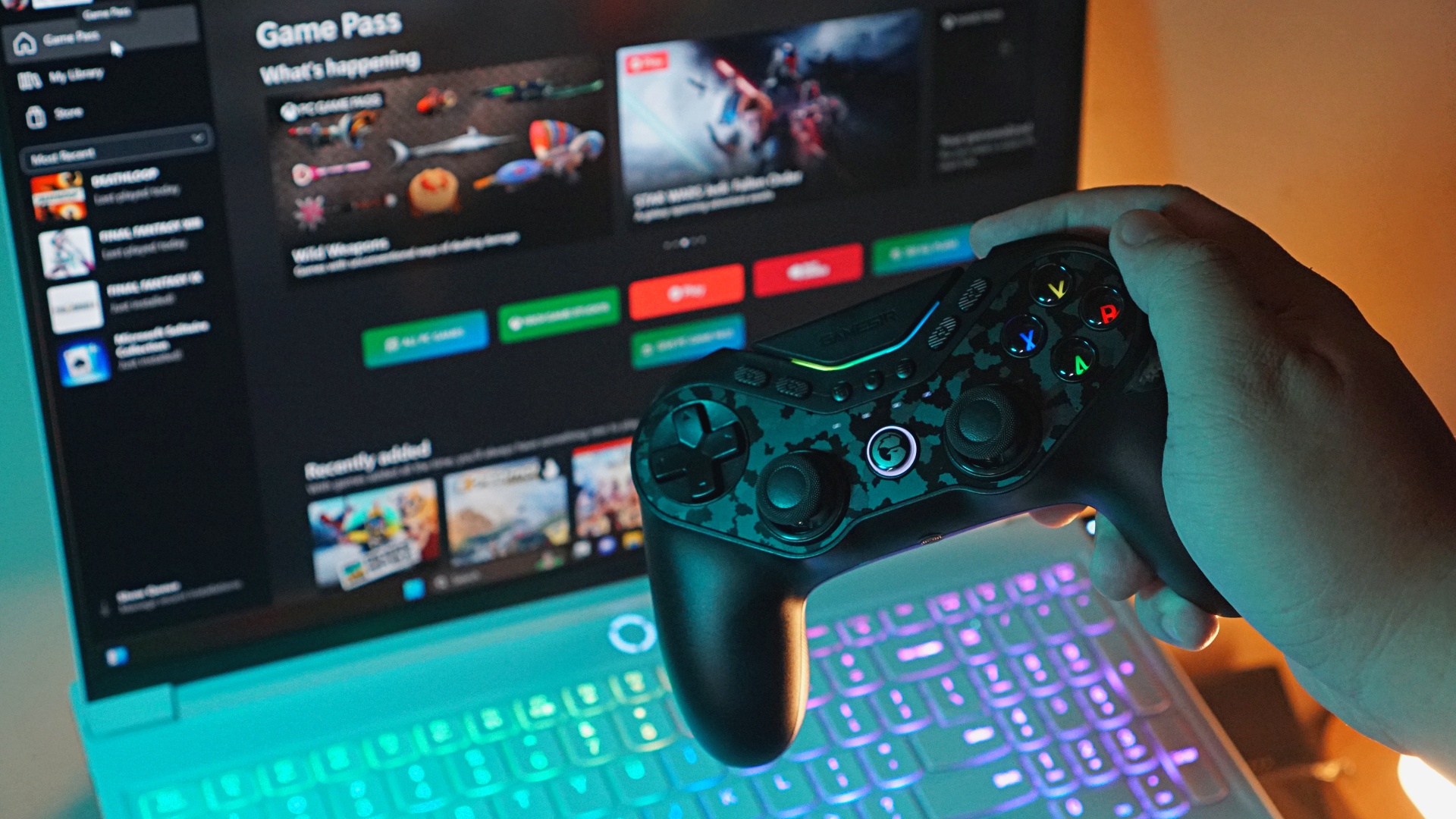
In fact, the shakes are even stronger and more frequent than what we’re used to playing the same games but with a different controller.
The thumb sticks are as good as ever. Like most of GameSir’s new releases, these are Hall Effect and now consume less power. They say it’s for a higher and more stable polling rate.
The triggers also have what’s called a Hair Trigger Mode, perfect for first-person shooter (FPS) titles. If these aren’t the games you’re playing, they can be easily switched to the default.
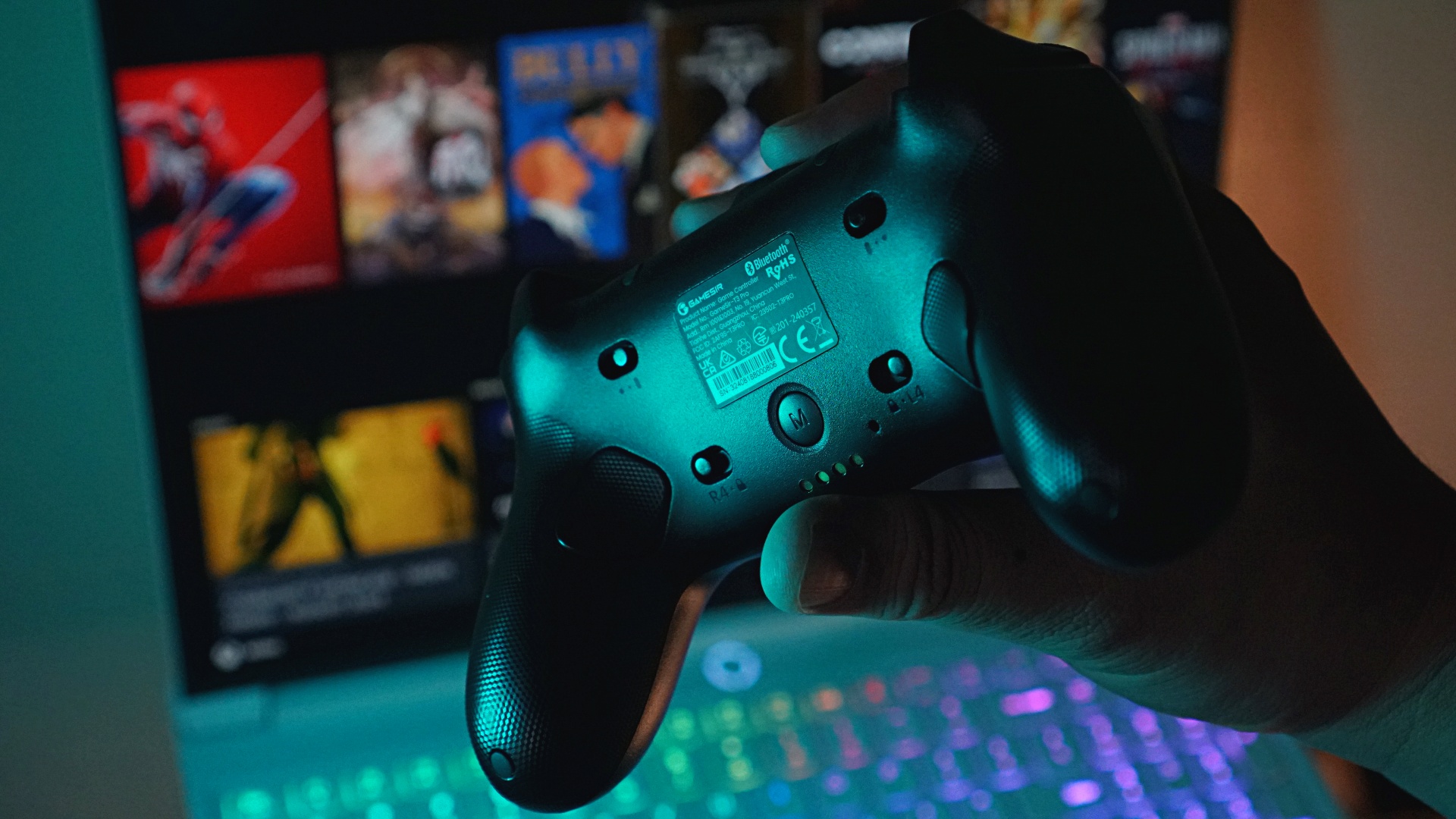
We did have some minor issues with the trigger and shoulder buttons in Marvel’s Spider-Man as it didn’t seem to bite quite as effectively especially during swinging. It took a while to get used to, but that’s most likely because of the excellent adaptive trigger implementation on the PlayStation where the game was first launched.
For Switch users, the built-in 6-axis gyroscope also supports motion control for even more intuitive gameplay. The Tarantula Pro’s NFC functionality also works seamlessly with the console.
GameSir Tarantula Pro: Multi-platform maven

The GameSir Tarantula Pro is another excellent addition to GameSir’s portfolio of controllers. Their lineup includes controllers for mobile, Nintendo Switch, and Xbox, and PC – and the Tarantula Pro combines all of that in an ultra-customizable package.
GameSir also incorporated with it many of the tech that you’d want from a modern controller. These include Hall Effect sticks, intense HD Rumble, clever Hair Trigger, and the extremely cool mechanical face button layout change.
And now that they’ve dabbled in a more PlayStation-like controller, hopefully they’re able to partner with the brand in the future for a “Pro” DualSense-like controller.
Pricing and availability
The GameSir Tarantula Pro retails for PhP 4,700/ USD 79.99/ GBP 55. That’s the version that comes with the acrylic charging stand. If you’re buying from the official website, use the code 10Tarantula at checkout for a discount. Discount code validity varies per country.





Accessories
Hollyland announces LARK M3 for multi-camera, multi-person setups
Scalable wireless audio system configurable up to 4 transmitters, 4 receivers
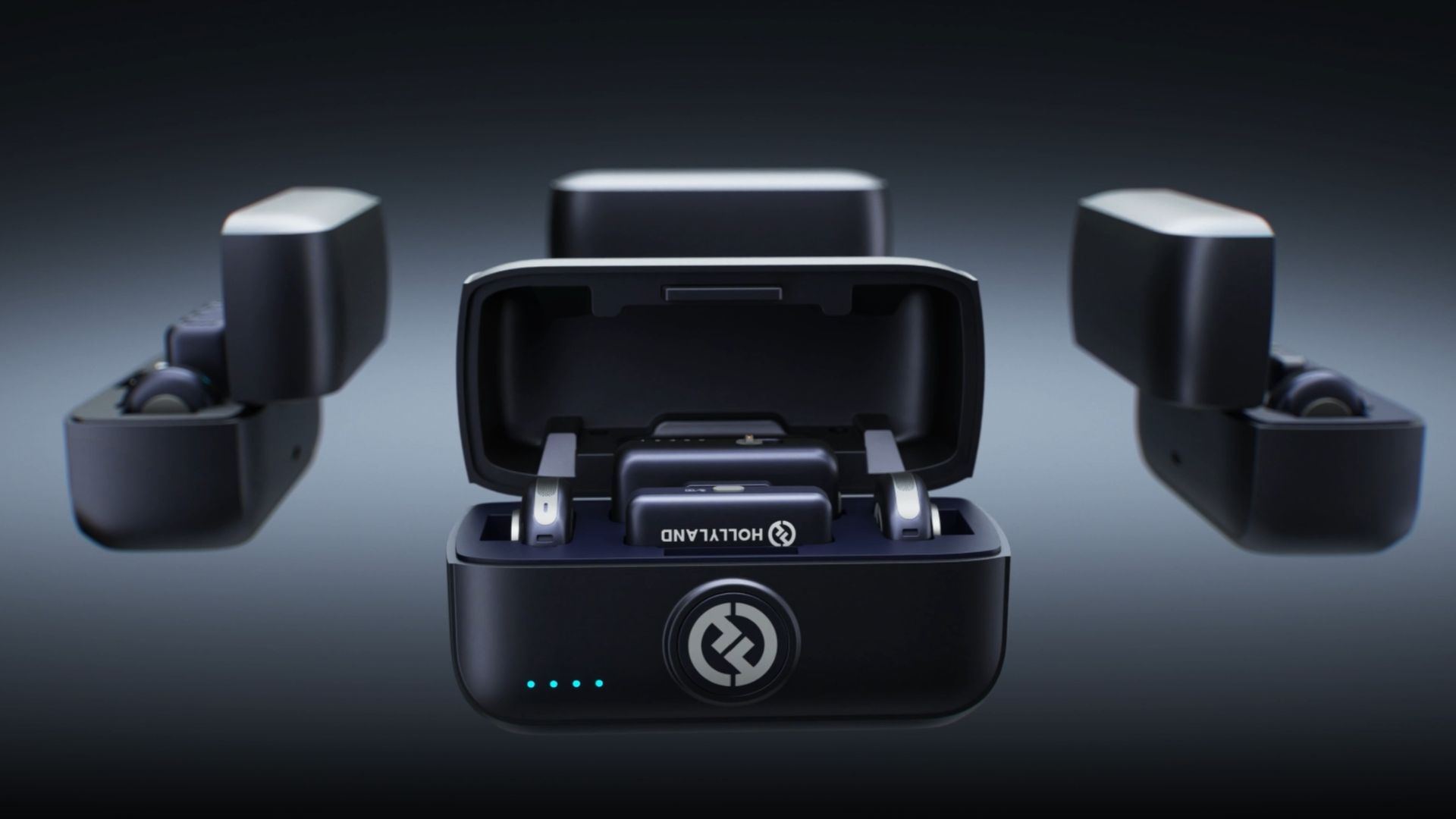
Hollyland has announced the LARK M3, a flexible and scalable wireless audio system designed for multi-camera, multi-person productions.
Rather than functioning as a single wireless microphone, the LARK M3 can be a one-to-many or many-to-one audio system.
This way, it can capture group interviews, podcasts, multi-person content, and multi-camera shoots with a setup that easily adapts to the number of people and devices involved.
At the core of LARK M3 is its multi-transmitter and multi-receiver architecture. Up to four transmitters can connect to a single receiver. Each person can wear their own mic and be recorded independently.
Conversely, one transmitter can connect to up to four receivers simultaneously. A single speaker’s voice can be captured by multiple cameras or smartphones at once.
That flexibility extends into post-production through four-track independent recording. When paired with the hot shoe adapter, or by connecting a USB-C or Camera receiver to a computer, LARK M3 delivers four isolated audio tracks. This gives editors full control to adjust each speaker’s volume and sound separately.
Ultra-portable professional-grade audio
The LARK M3 pairs studio-level specs with an easy-to-use design. It can record at 48kHz/32-bit with a 70dB signal-to-noise ratio and 125dB max SPL.
The system uses Hollyland’s Hollyland’s proprietary HDT wireless technology to move audio data 50% faster for richer, clearer sound over distances of up to 300m.
AI noise cancellation can suppress wind, traffic, running water, and other background noise across three adjustable levels.
Custom voice tuning provides one-tap vocal enhancement for all transmitters, along with eight vocal presets. Each preset can be customized in the app as well.
Auto-Limit Clip Protection keeps volume levels stable across dynamic ranges, while a Primary/Secondary receiver setup is designed to prevent recording interruptions, meaning if the Primary RX drops out, a Secondary RX instantly takes over.
Accessories
Lisa x PlayStation: DualSense Lisa Limited Edition arrives this October
Available in limited quantities this October; pre-orders start soon

Sony has unveiled its latest collaboration with global pop superstar Lisa, in the form of the new DualSense wireless controller – Lisa Limited Edition.
The controller was designed by the singer herself. And fans won’t have to look far to find Lisa in the details. Parties worked closely together to incorporate elements that held personal meaning for her.
Her iconic bangs and eyes take center stage on the DualSense wireless controller touch pad. These are joined by her signature stars and bold “LL” lettering, all set against a Chroma Pearl colorway – Lisa’s personal favorite.
The Southeast Asian market can look forward to the release of the DualSense wireless controller – Lisa Limited Edition starting October 30th at participating resellers.
Of course, the controller will come in very limited quantities, for the following retail prices:
- SG$ 115
- MYR 419
- IDR 1,549,000
- THB 2,890
- PhP 5,411
- VND 2,399,000
Pre-orders begin on October 2, while supplies last. The release coincides with Lisa’s upcoming new EP, Press Play, which comes out on October 23.
Accessories
70mai launches the A900 series with 4K front, rear recording
Two new 4K dual-channel dash cams, both with 4G

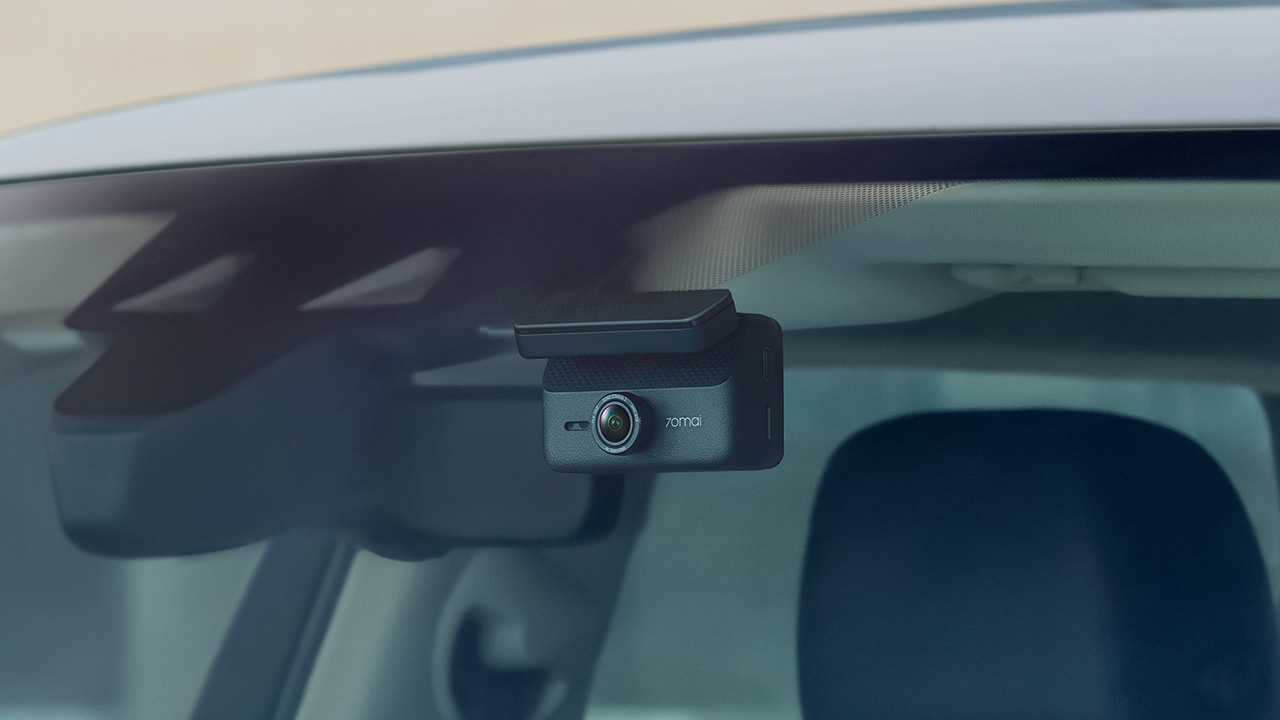
70mai has launched the A900 Series, led by the flagship 70mai Dash Cam 4K A900 Ultra, with the 70mai Dash Cam 4K A900 joining it in the lineup.
Both models record in 4K from the front and rear cameras, and both support 4G, so your footage stays reachable from your phone even when you’re away from the car.
4K recording from both cameras
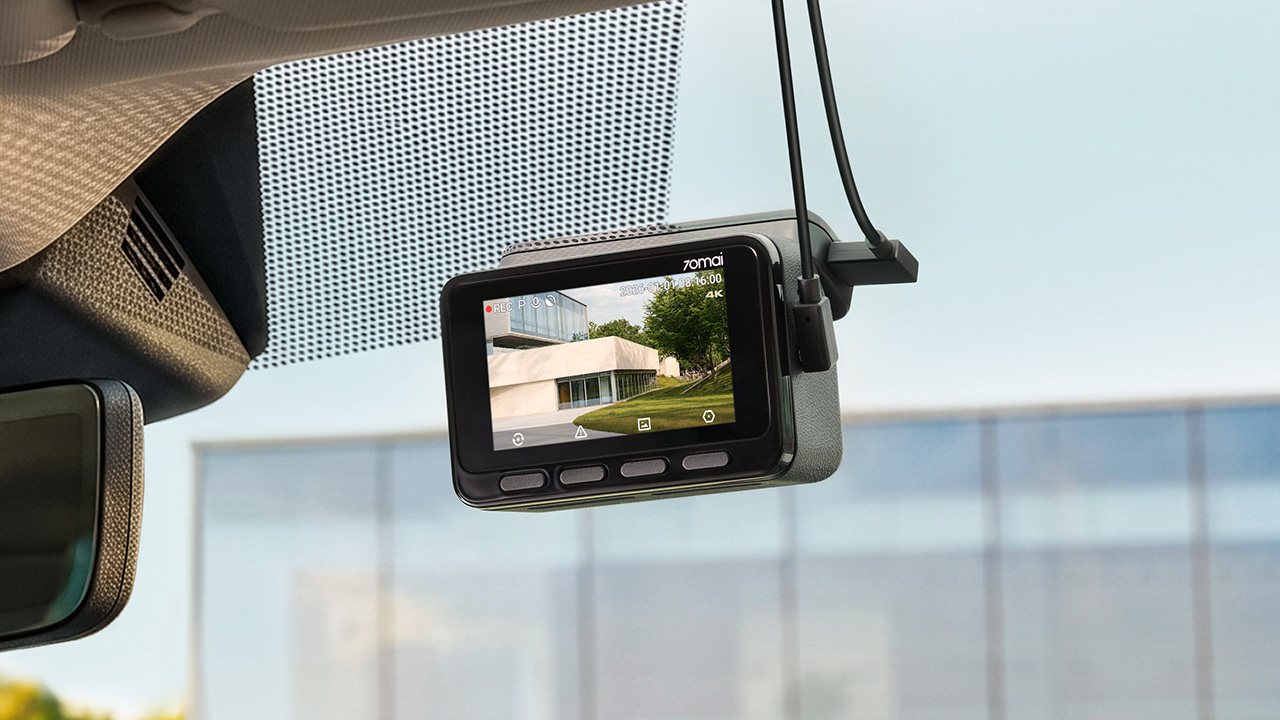
The A900 Ultra uses dual Sony STARVIS 2 IMX678 sensors to capture clear 4K footage from both directions. As a result, details like license plates and road signs remain sharp.
Smart HDR balances bright and dark areas under shifting light. Users can also adjust color tones and contrast. To keep feeds synced, the rear camera uses LVDS digital transmission. This tech sends a lossless 4K feed with just 20ms of latency.
Handling changing light
Driving into a tunnel or under the shadow of a tall building changes the lighting quickly, and 70mai built three imaging technologies into the A900 Ultra to deal with it.
MaiColor Vivid+ Solution 2.0 is meant to give more natural colors and finer detail, along with smarter scene adaptation. Night Owl Vision 2.0 reduces noise and glare to help with nighttime clarity.
Lumi Vision is made for parking surveillance in near-total darkness, where it automatically adjusts exposure and gain and applies noise reduction. 70mai says this produces clear, full-color footage in extremely low light.
Parking mode and remote access
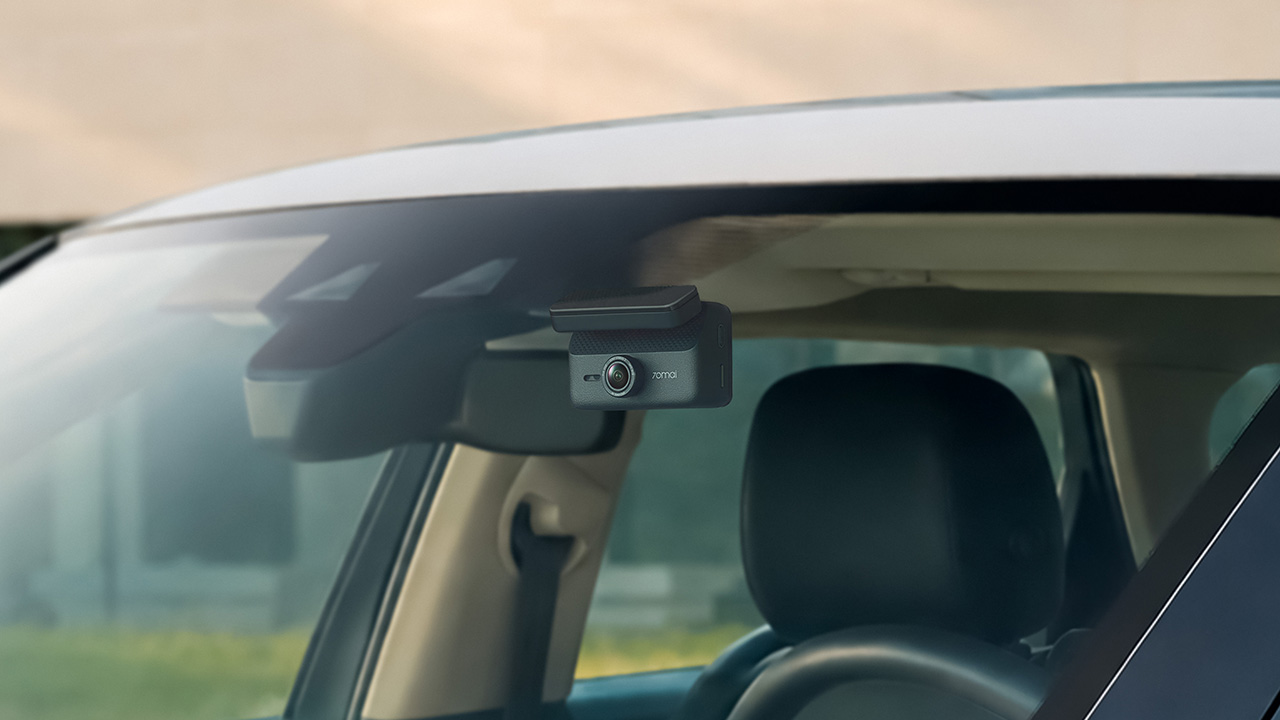
Smart Parking Guardian Mode 2.0 protects your vehicle while parked. It combines AI motion detection, dual-channel collision detection with pre-recording, and time-lapse options.
The system draws just 5mA on standby to prevent battery drain. For extended coverage, the optional 70mai Battery Pack Mini powers surveillance for up to 30 days.
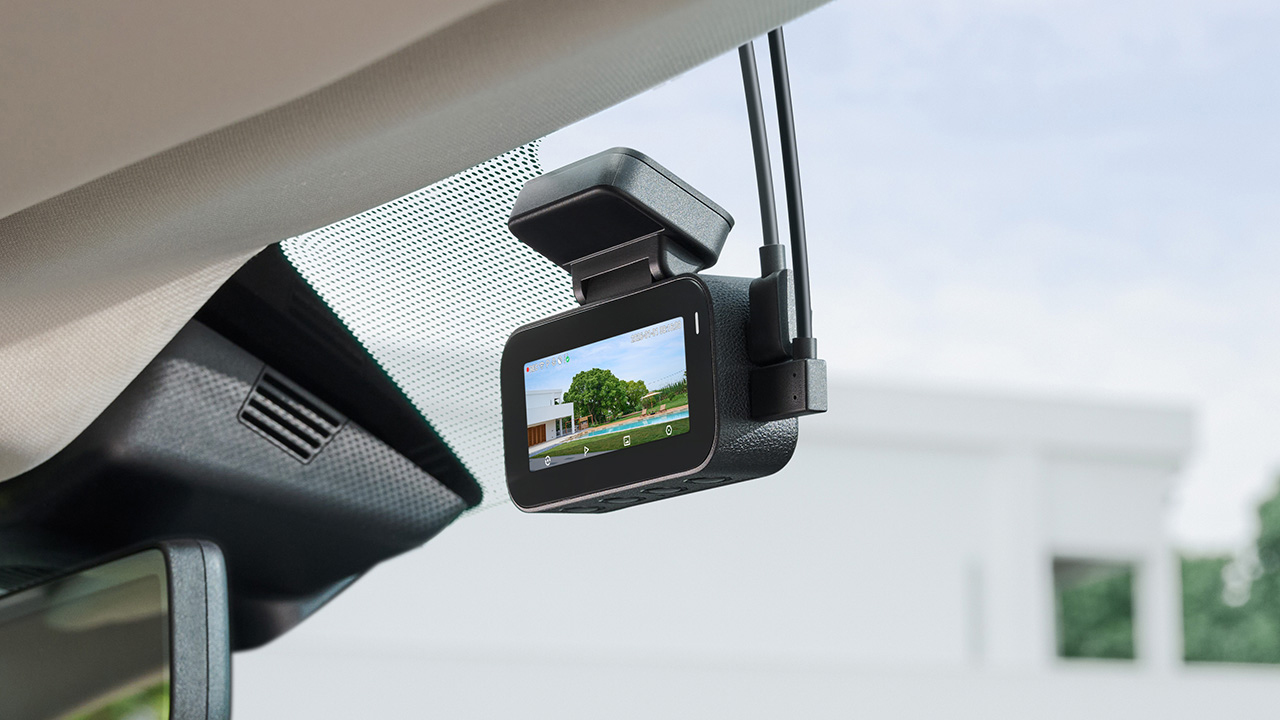
In photo: A900
Pairing the camera with the 4G Hardwire Kit unlocks 70mai 4G Cloud+ 2.0 features on the app. Enhanced Buffered Emergency Recording saves up to 190 seconds before an incident and 30 seconds after.
It automatically uploads this footage to the cloud for immediate remote viewing.
The 70mai Dash Cam 4K A900
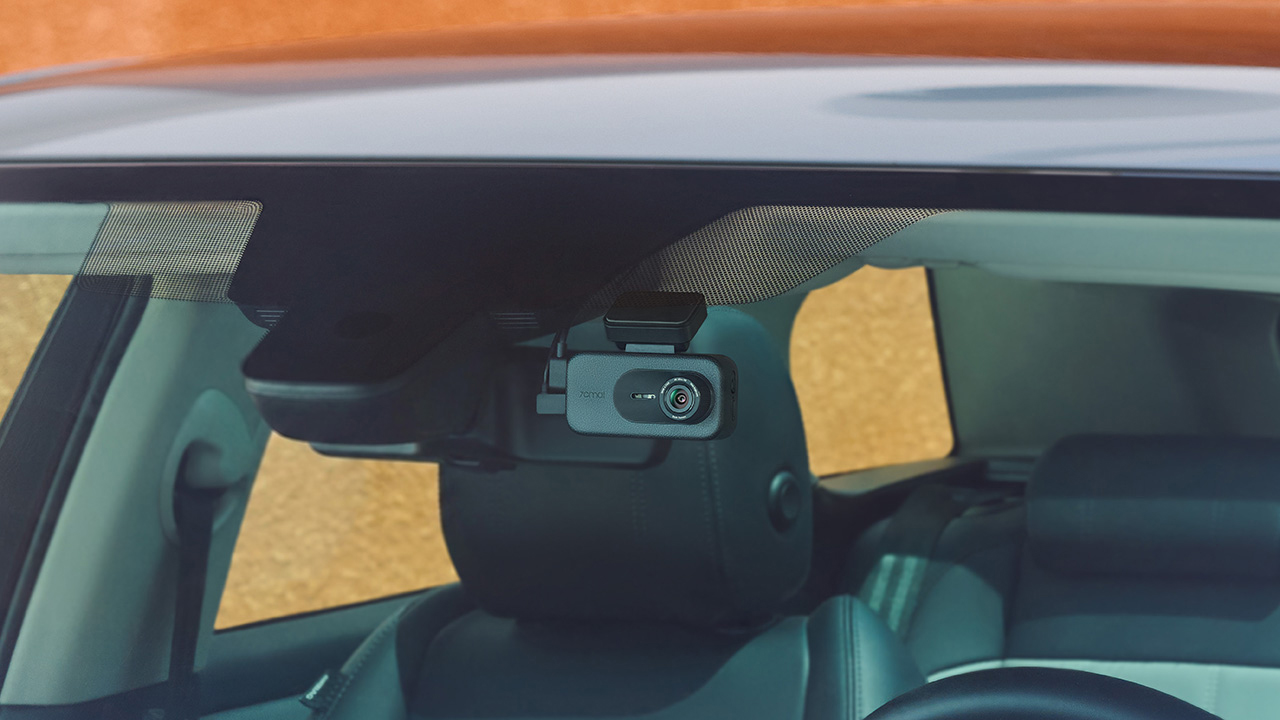
In photo: A900
The A900 sits alongside the Ultra as the more accessible option. It records True 4K HDR at 30FPS from both the front and rear cameras, and Smart HDR can be scheduled to turn on at set times.
Its f/1.55 aperture is meant to help in low light, and 4G Cloud+ 2.0 keeps the dash cam connected to the 70mai App. It’s the model for drivers who want dual-channel recording and 4G connectivity at a lower price.
The 70mai Dash Cam 4K A900 Ultra retails for US$ 300, available for pre-order at US$ 240. Meanwhile, the A900 is priced at US$ 200, currently 20% off at US$ 170.


Now Playing: ACE Combat 8: Wings of Theve
A refreshing change of pace

TECNO POVA 8 Pro Tonino Lamborghini review
Truly a rare gem in 2026


DJI Lito X1 review: Is this the best lightweight drone for creators?
Making a strong case as a travel companion and a capable B-cam!

HONOR Magic9 Pro Max launches in China with ARRI-powered imaging

TECNO and Angélica Dass visit the Philippines next for its grand portrait project

BYD says that way better EV batteries are coming next year

Globe records fastest average download speed of 2026 in August
Now Playing: ACE Combat 8: Wings of Theve

HUAWEI Pura X View is 2026’s first WIDE slab-type smartphone

The CAMON Slim 5G is TECNO’s latest ultra-slim smartphone

iPhone 18 Pro series: Price, availability in the Philippines

DJI Osmo 360 II review: Going all-in on the ecosystem

iPhone 18 Pro series: Price, availability in Singapore


-

 News1 week ago
vivo X500 Series launches with major imaging upgrades
-

 News6 days ago
OPPO Find X10 Pro Max is the first phone with a triple 200MP camera system
-

 Reviews2 weeks ago
REDMI Note 17 Pro Max review: A new breed born from AI greed
-

 Singapore1 week ago
Epson Lifestudio Grand Plus EH-LS970B with 4K projection, more launches
-

 News1 week ago
vivo introduces OriginOS 7 with smarter multitasking and AI features
-
Drones2 weeks ago
DJI Lito X1 review: Is this the best lightweight drone for creators?
-
 Gaming2 weeks ago
Valve unveils price of the Steam Frame
-

 Philippines2 weeks ago
REDMI NOTE 17 Series: Price, availability in the Philippines