
Gaming
Ghost of Yotei review: A tale sharpened by vengeance
Cold steel, quiet moments, and the heavy cost of revenge

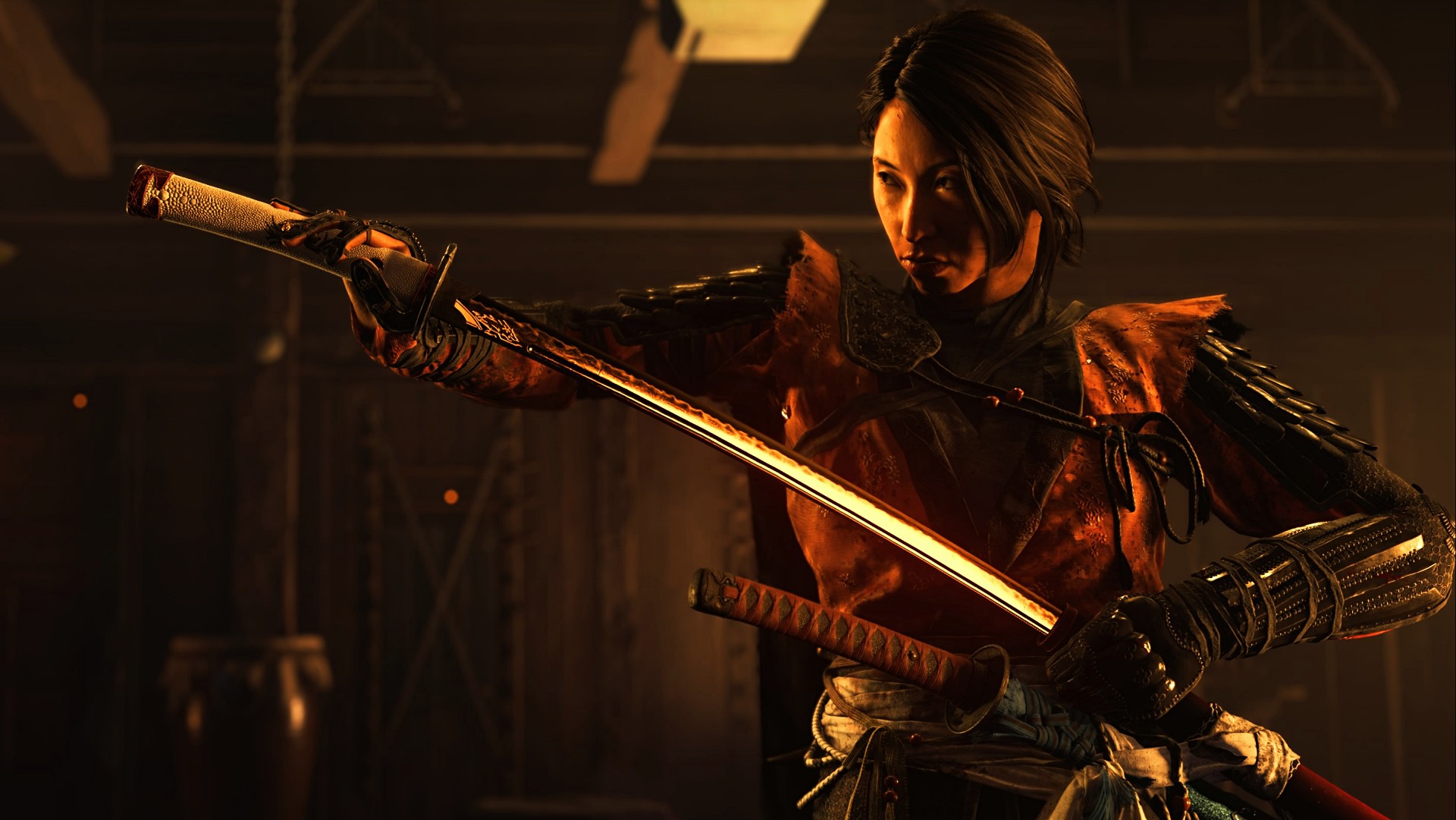
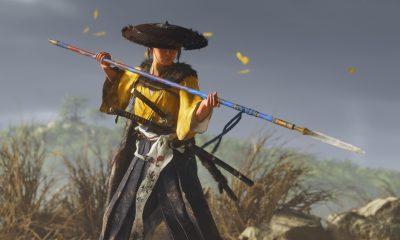
Revenge doesn’t leave room for ceremony. It doesn’t wait for drums to roll or banners to rise. Revenge is quick, sharp, and personal—like a blade pressed against the throat of the one who wronged you. That’s the story Ghost of Yotei tells, and it’s the story you live the moment you step into Atsu’s sandals.
If Ghost of Tsushima was about honor, legacy, and the soul of a nation under siege, Ghost of Yotei takes a different cut. It strips away the grandeur of armies clashing on fields and the dilemma of fighting as samurai or ghost. Instead, it focuses on something more primal: one woman’s burning need to reclaim her home and carve justice into those who tore it from her.
This shift makes Yotei a different kind of ghost story. One less about how history remembers you and more about how vengeance consumes you.
First impressions: A premier PS5 experience
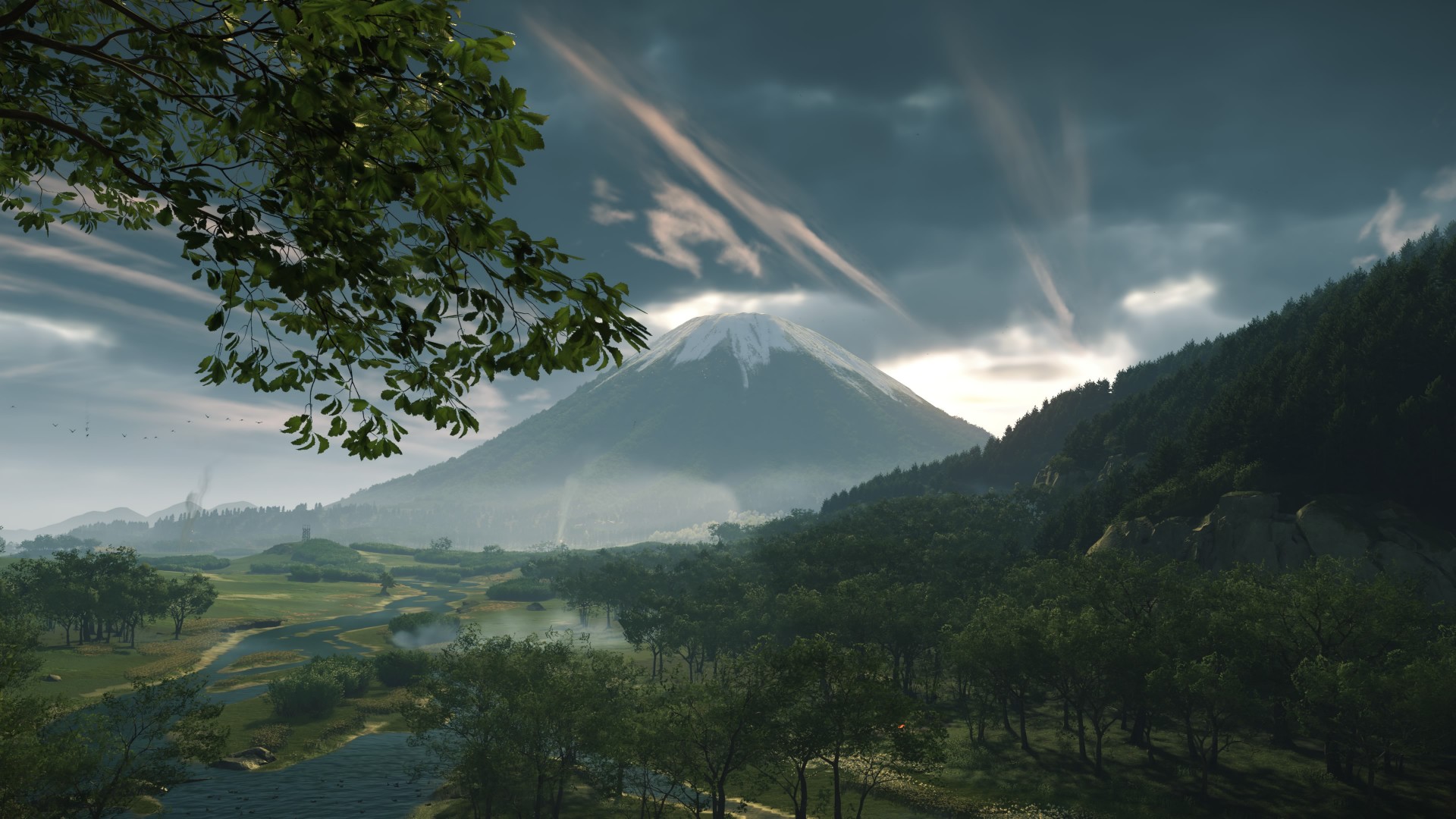
Within the first hour, Ghost of Yotei asserts itself as a premier PS5 title. That’s almost a given these days, but here it’s worth pausing to appreciate. Yotei is breathtaking, from snowcapped peaks to dense villages, rendered with such clarity that you find yourself slowing down just to look.

Even the act of riding your horse feels cinematic, the camera pulling back ever so slightly to give you a wider, painterly view of the world. It’s a quiet but effective touch that makes exploration feel grand without losing intimacy.
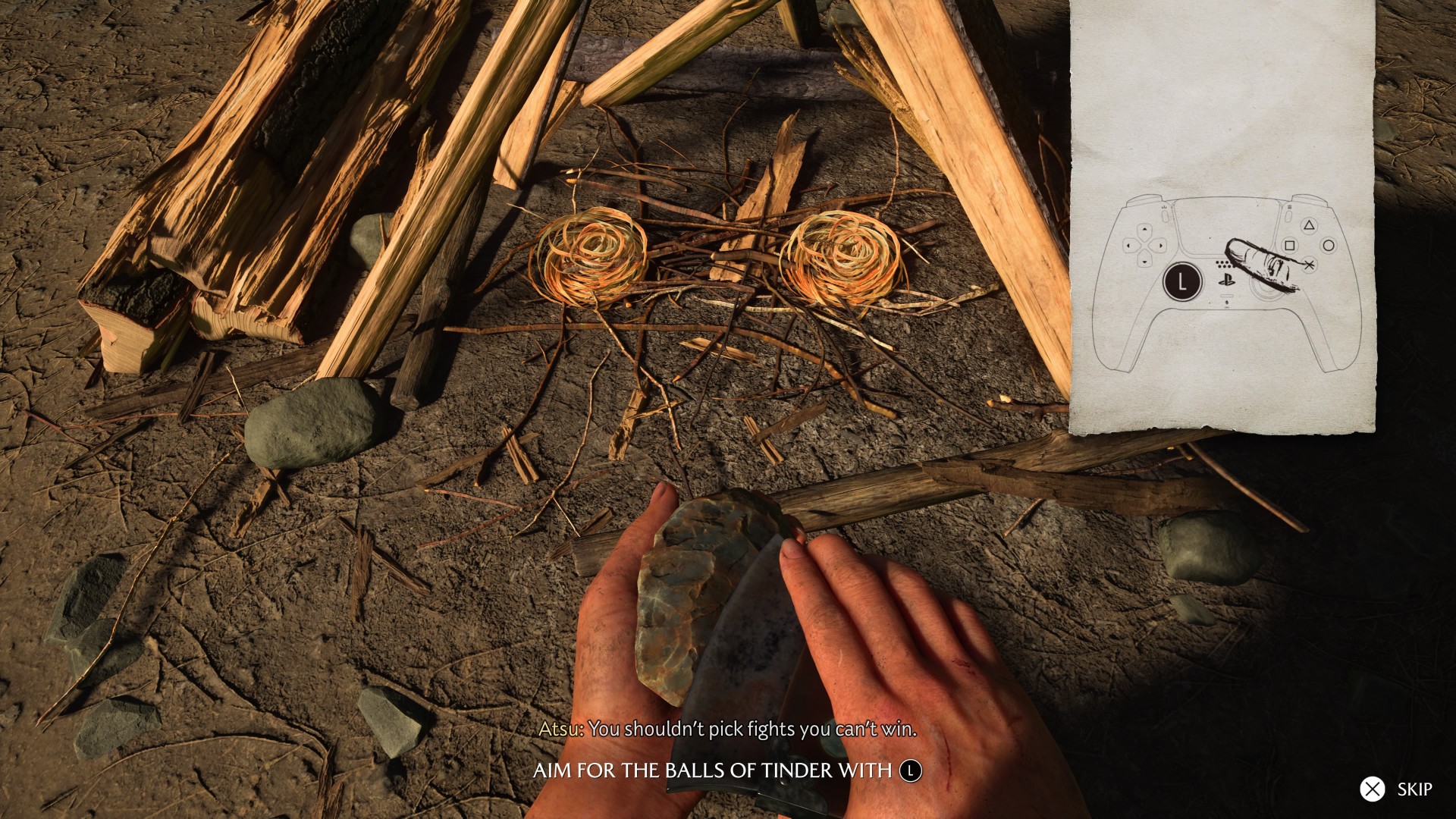
The DualSense controller adds another layer, not with flashy gimmicks but with quiet, mundane moments. You feel it in the strain of building a fire, the tension of stringing a shamisen, the rhythm of cooking, or the delicate strokes of sumi-e side missions.
They don’t change the game, but they draw you into its quieter spaces—the stillness between battles where Atsu is more than her vengeance.

The opening sequence also sets the tone. Forget the sweeping invasion of Tsushima, where armies clashed and honor hung in the balance. Here, Atsu’s journey begins with something far smaller and more personal: a confrontation with one of her primary targets. No soldiers at your back, no sprawling battlefield—just you, your steel, and the first taste of revenge.
Combat and exploration: Sharpened and reforged
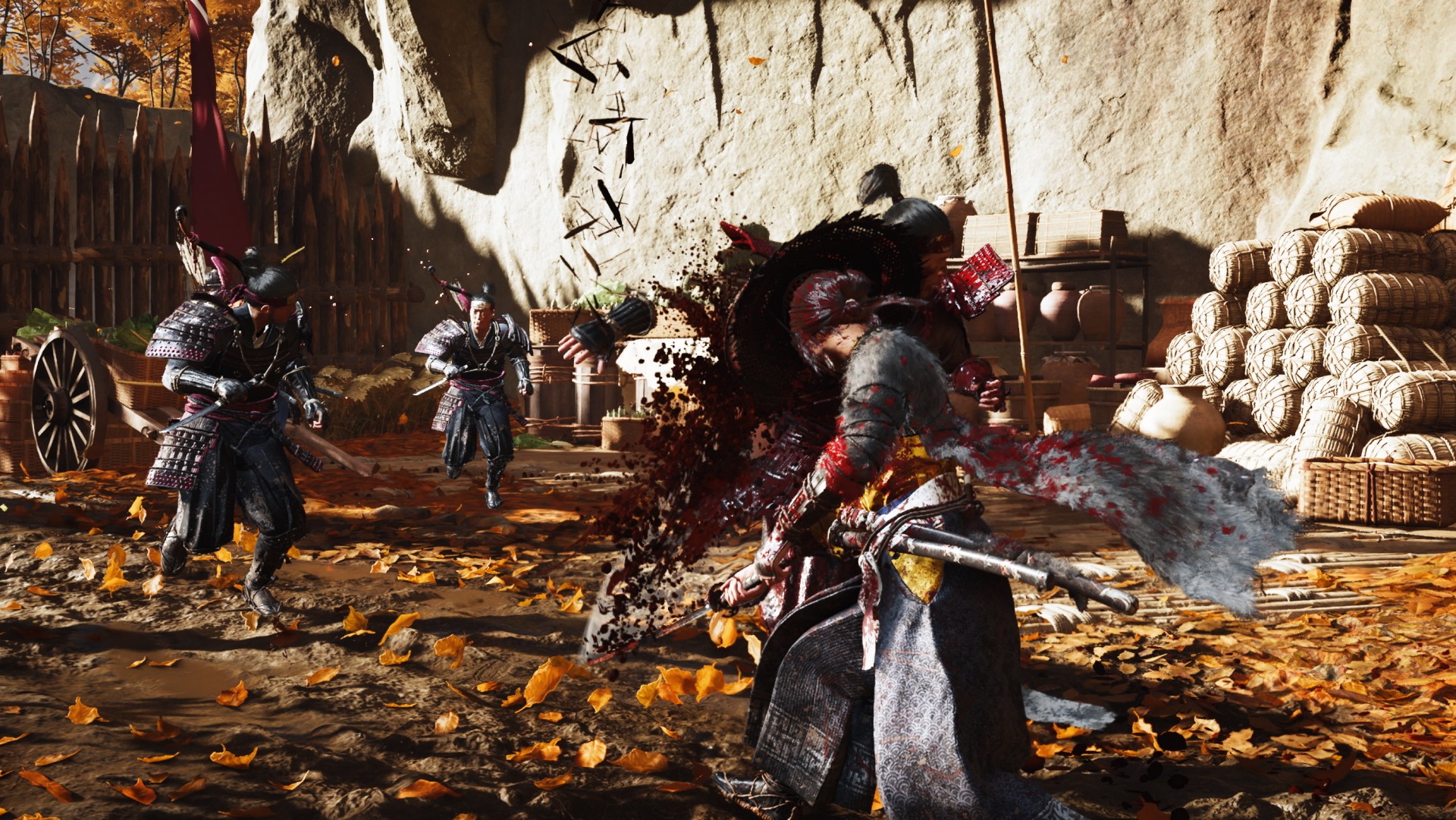
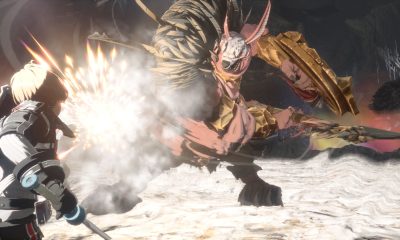
If Tsushima made combat dance-like with its flowing stances, Yotei changes the rhythm. Stances are gone, replaced instead with switching weapons tailored to enemy types.
On paper, it’s a neat twist. In practice, it can feel clunkier. Switching mid-fight, I often tried to chain an attack only to end up swapping weapons instead. Some of that might be muscle memory, but even after adjusting, the mechanic occasionally broke the flow.

That said, the expanded arsenal adds versatility. You’re no longer bound to katana-only duels. Since Atsu isn’t weighed down by samurai honor, every tool at your disposal is fair game—even in duels.
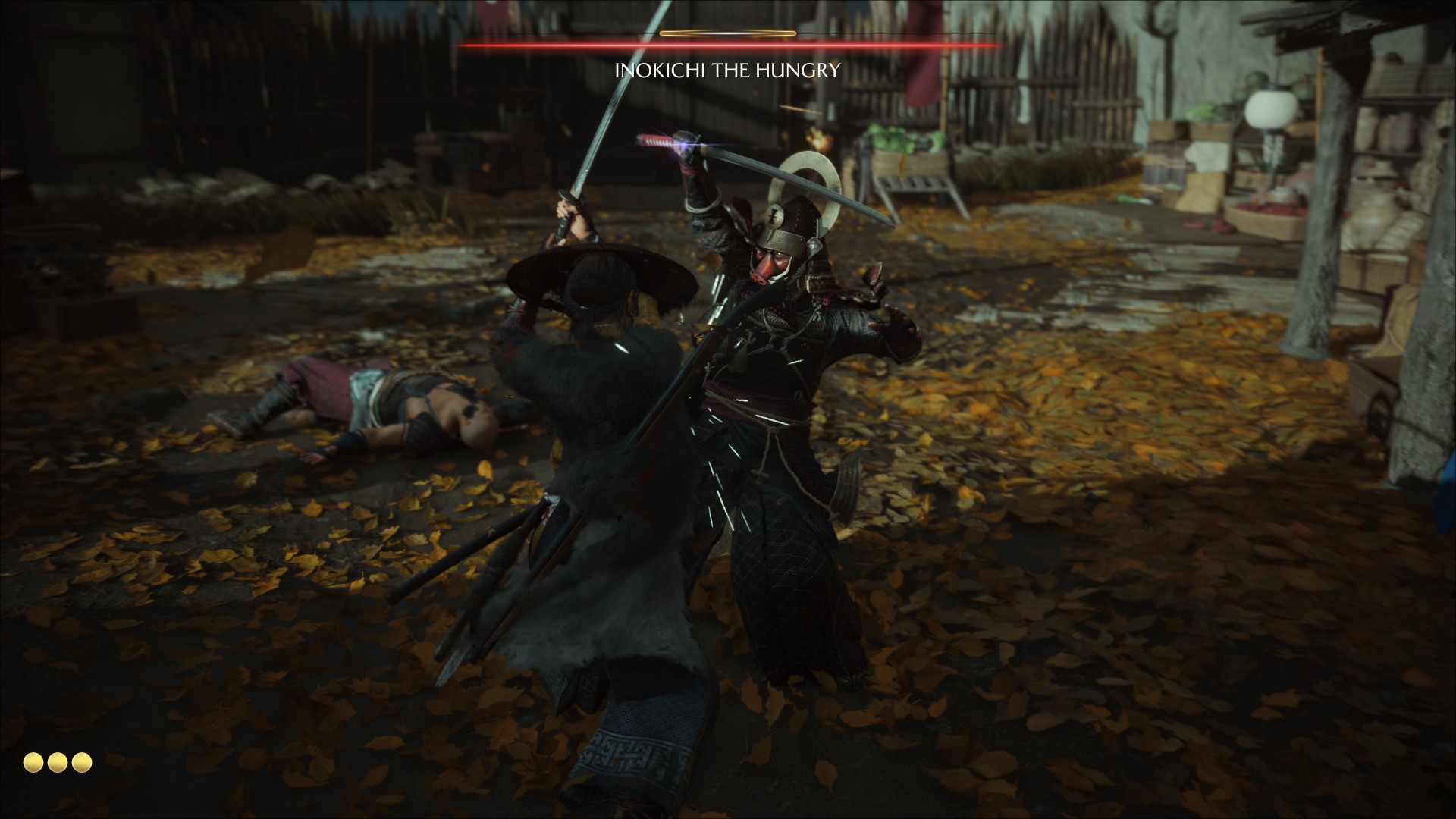
Throwing kunai, other ghost tools, and heavier weapons all come into play, making fights unpredictable and deeply satisfying when you string the right combinations together.
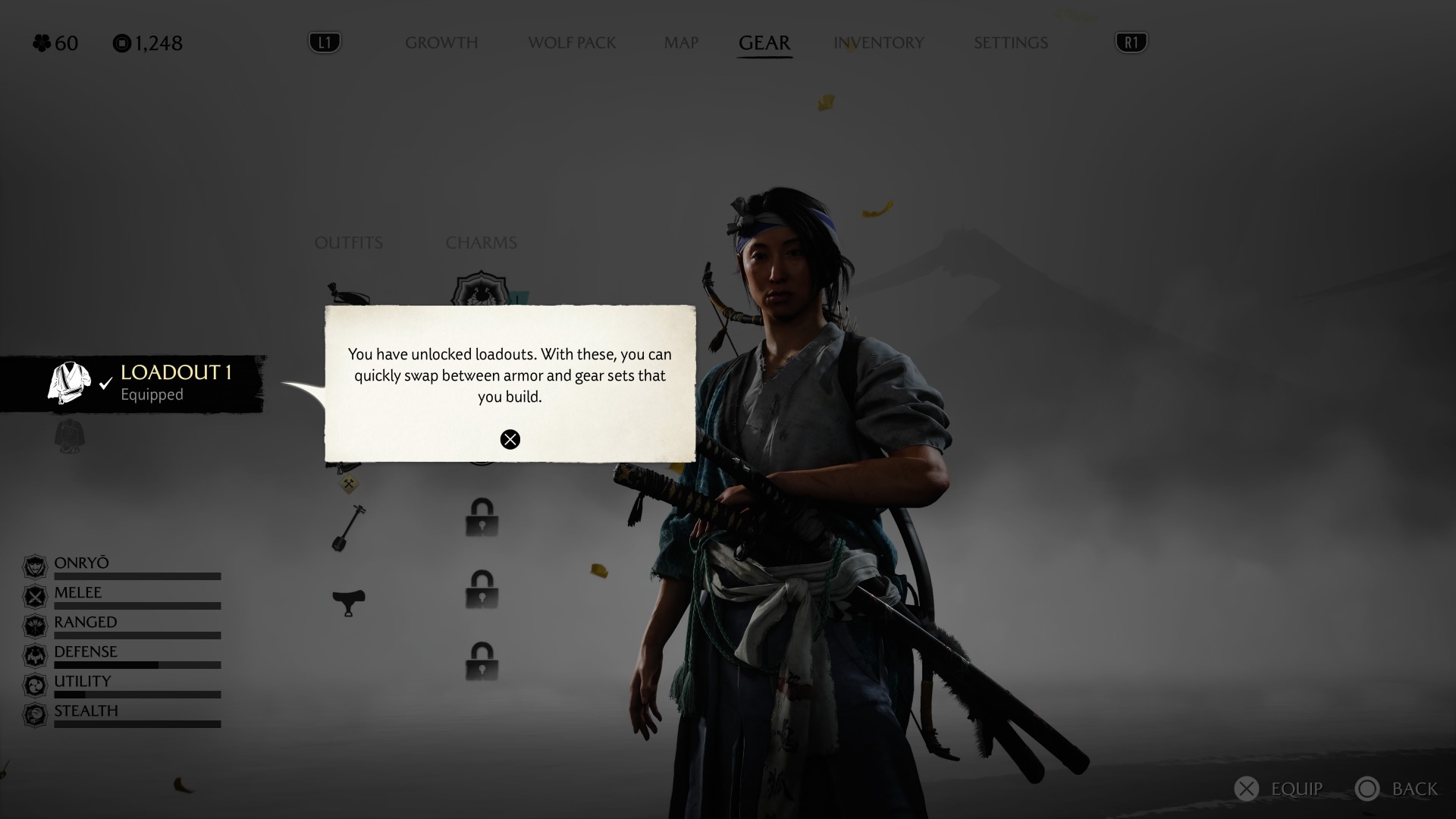
Loadouts are another standout addition. You get five customizable sets of armor and charms, and you can switch between them mid-fight. It’s a system that rewards experimentation, letting you prepare builds for stealth, brute force, or balanced encounters.

Progression feels organic, too. Yotei doesn’t spell out what you can or can’t handle. It’s only when you test yourself against strongholds that you discover just how outmatched you are.
That trial-and-error loop—failing, upgrading, returning stronger—feels like a lesson taught through scars, perfectly in line with Atsu’s path of vengeance.
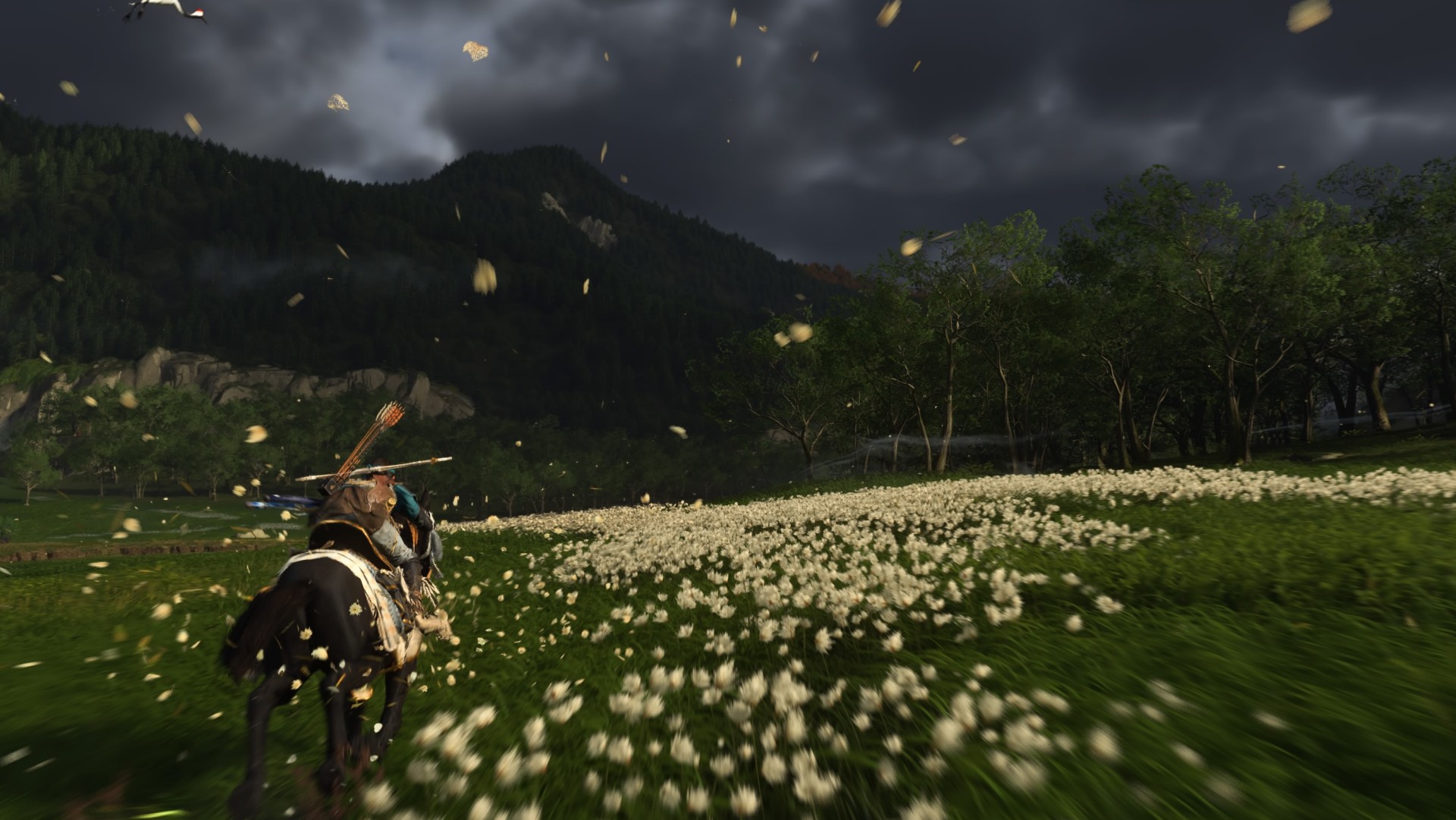
And then there’s exploration. You’re free to roam after the prologue, but the game gently nudges you toward key areas first. Along the way, incidental encounters teach mechanics without overt tutorials.
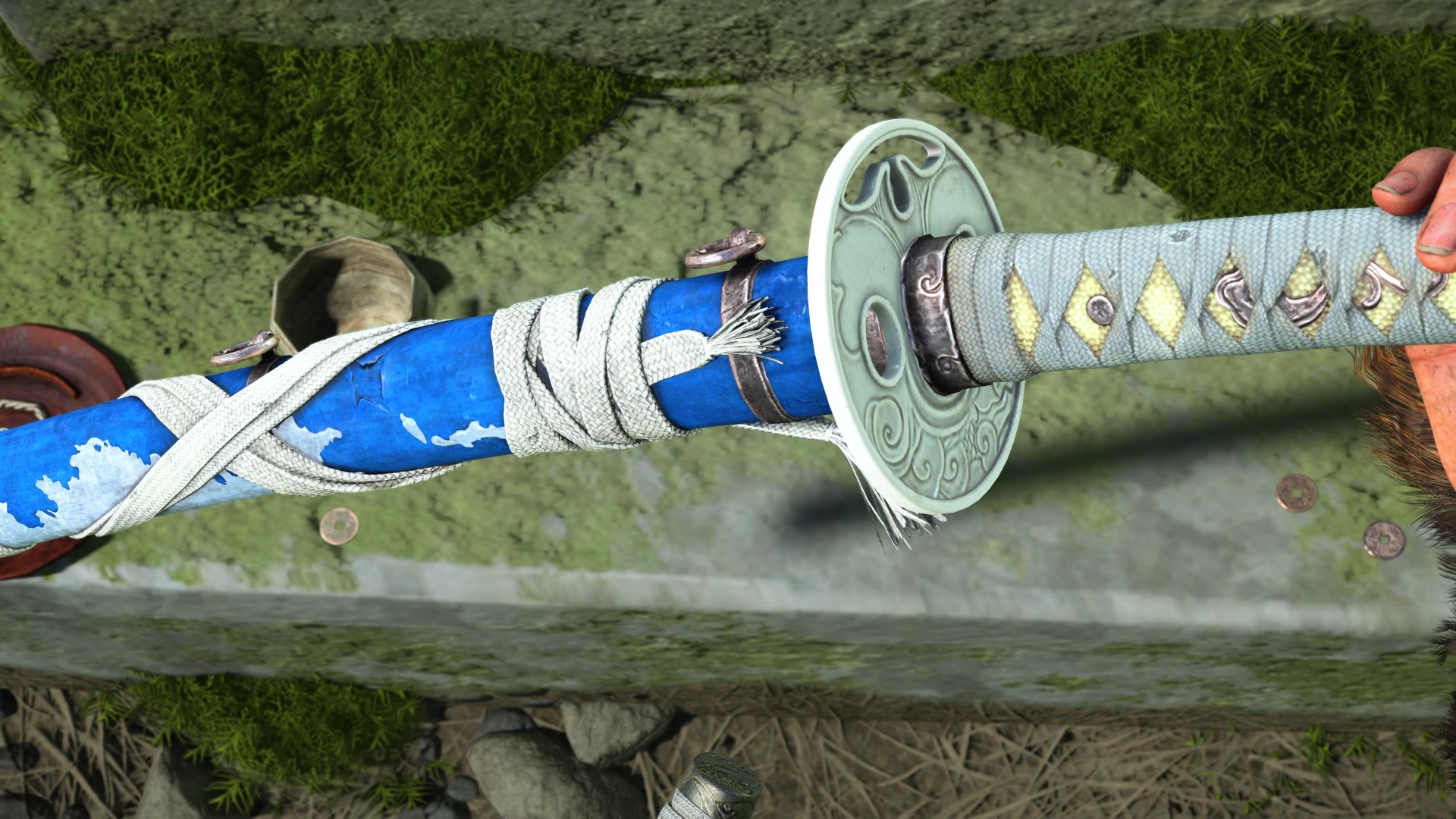
Birds and foxes still guide you, but less intrusively than before. Often it’s NPCs whose chance encounters point you toward bamboo strikes, hot springs, or vanity items, making the world feel more lived in.
Story and side quests: Revenge with depth

What surprised me most about Ghost of Yotei is how well story and gameplay hold each other. The cohesion here is tighter than in Tsushima — which was already tight to begin with. Every side quest, every diversion, flows back into Atsu’s journey.
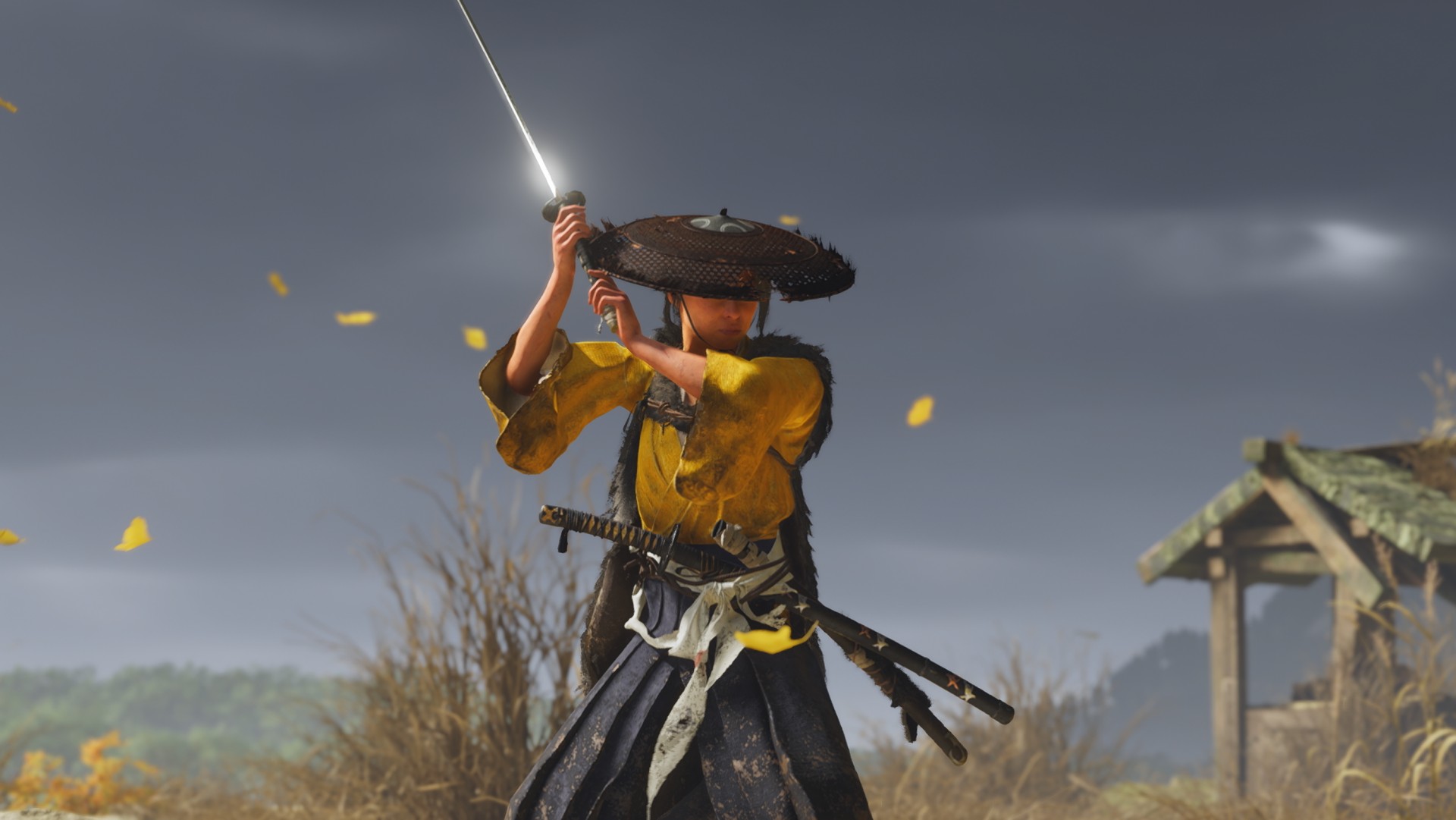
On the surface, Atsu is a mercenary and bounty hunter, her blade guided by vengeance. But the side quests are where cracks show. You see her warmth, her compassion—the humanity she tries to bury beneath her steel. It’s this duality that shapes pivotal story beats. Atsu isn’t just a vessel for revenge; she’s someone who struggles with how much of herself she’s willing to sacrifice to see it through.
That’s what makes her story resonate. You aren’t just dishing out cold steel—you’re watching someone wrestle with the very cost of vengeance.
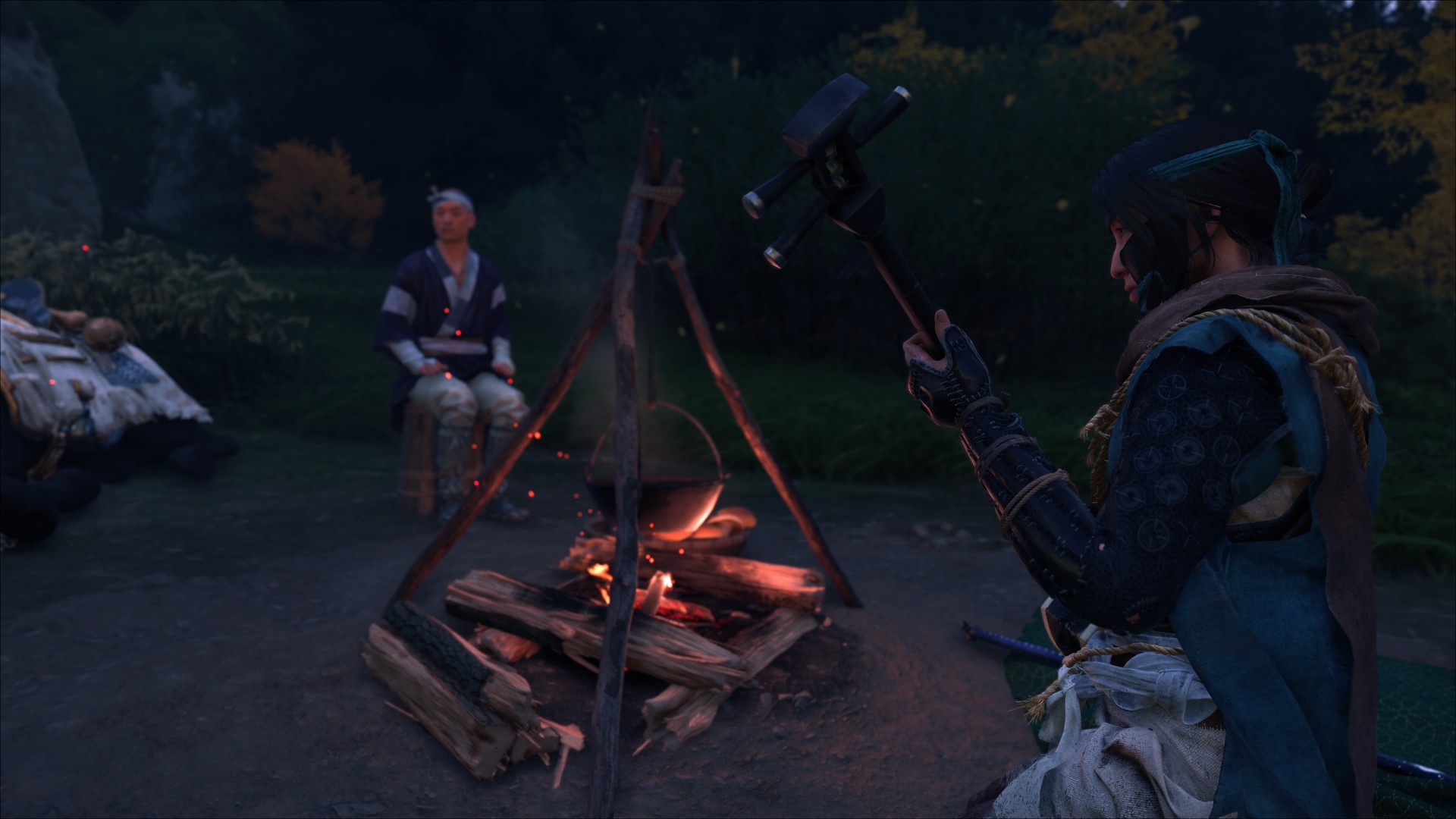
It’s also where the game sneaks in moments that make you smile. Twenty hours in, I switched the dialogue to Japanese and noticed NPCs calling Atsu rurouni. That’s “wanderer” in English—a reminder that while the localized anime Rurouni Kenshin was branded as Samurai X, its truer translation is Kenshin the Wanderer. It’s a subtle cultural touch that grounded Atsu’s character even more, a drifter carrying vengeance but also a heart still searching.
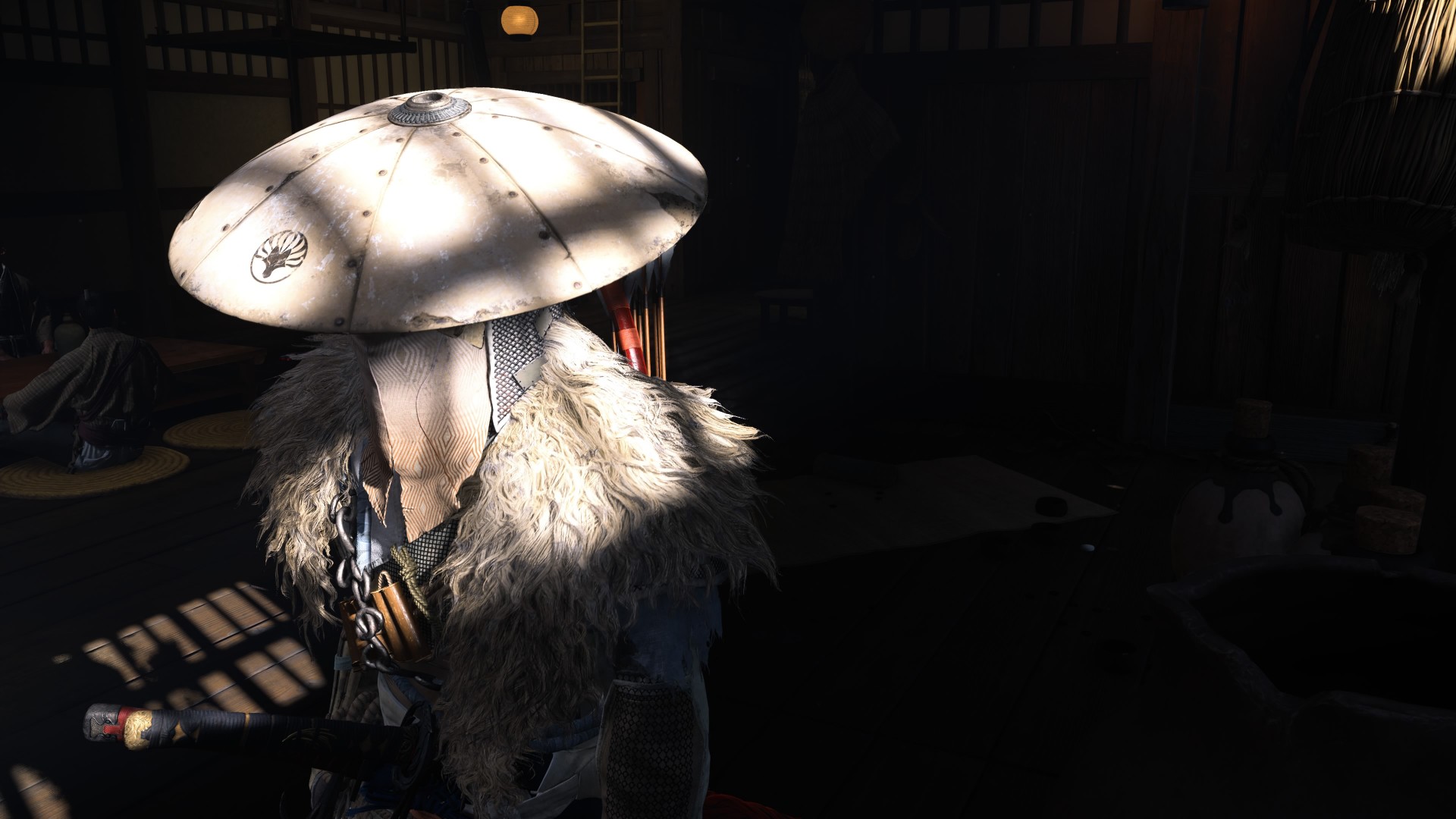
Around the 60-percent mark, I switched to Watanabe mode, where the creator of Samurai Champloo lends his signature lo-fi beats to exploration and combat.
After 40 to 45 hours, the change in music breathed new life into the experience. Still, the tracks lacked variety. A handful more would have gone a long way toward making the mode feel as dynamic as it deserved.
Variety and challenge
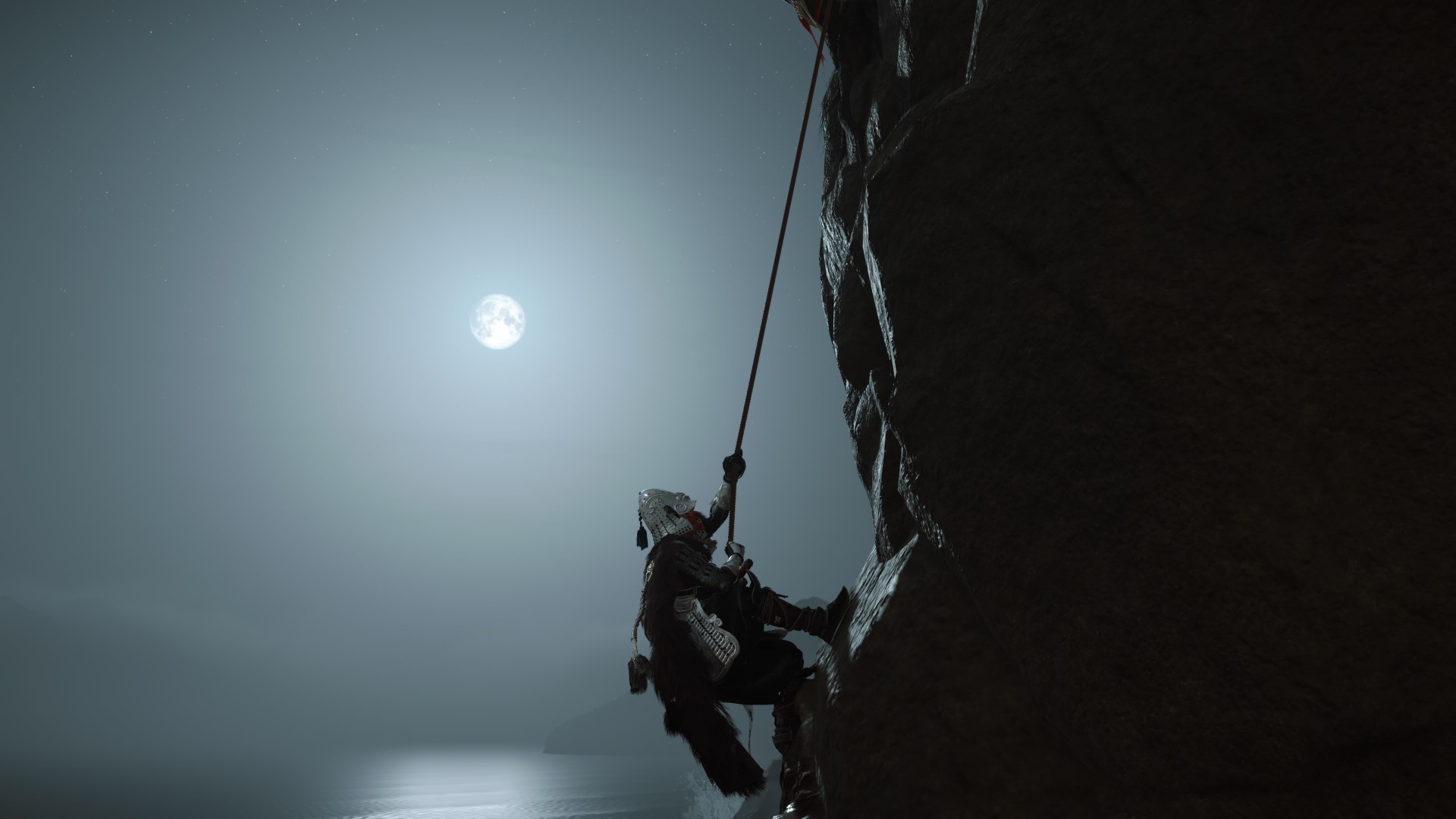
Combat and exploration may carry the game, but variety keeps it fresh. Early hours separate puzzles, platforming, and raids. Deeper in, the game starts blending them.
Solve a puzzle, it opens into a platforming section, which then rewards you with a raid. It’s a satisfying escalation that prevents fatigue from setting in.
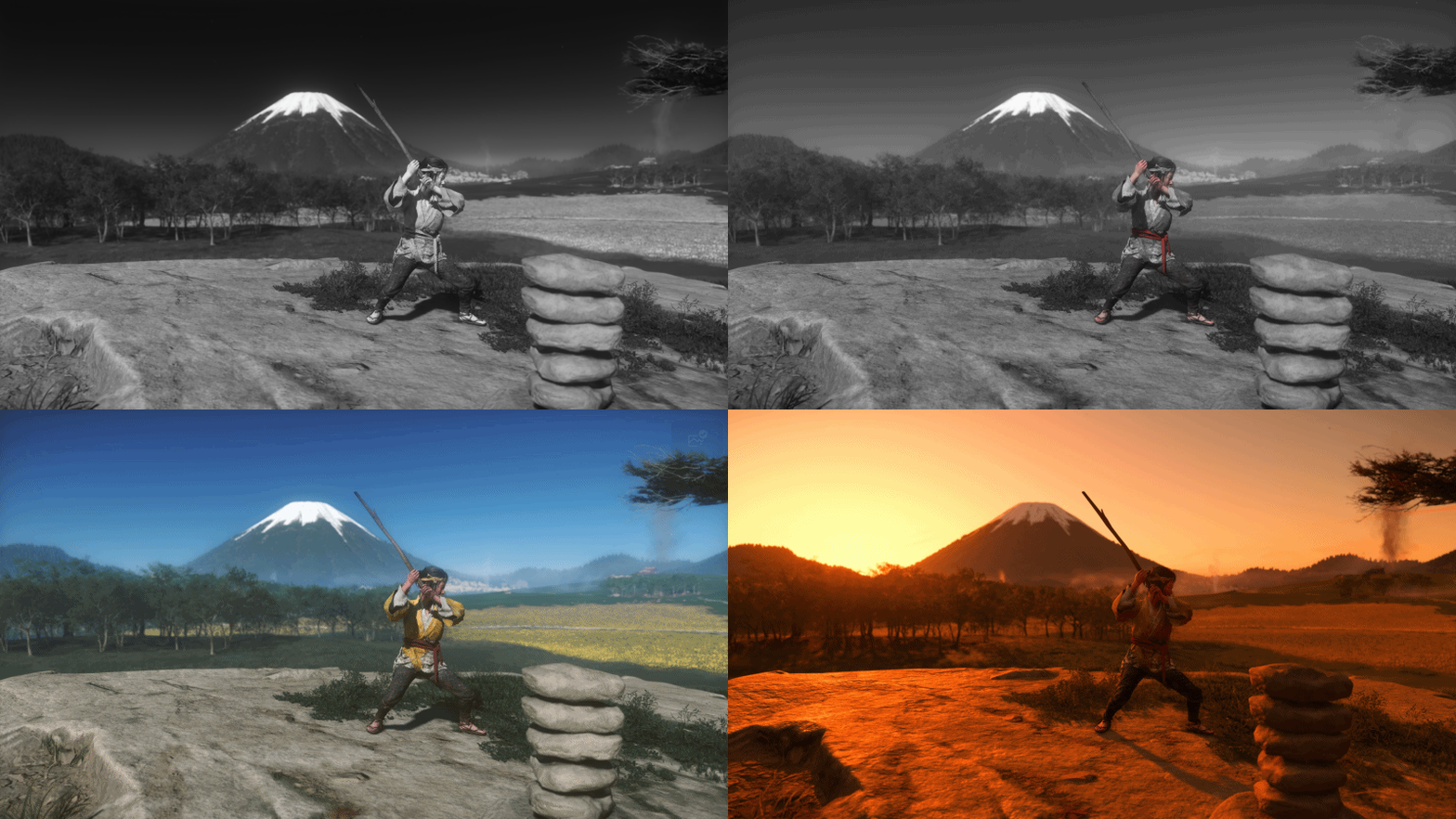
Photo mode is fun as always.
And of course, the Easter eggs are back. Just as Tsushima tucked little surprises for fans to find, Yotei does the same. They’re never heavy-handed, always small delights for those paying attention.
The price of vengeance
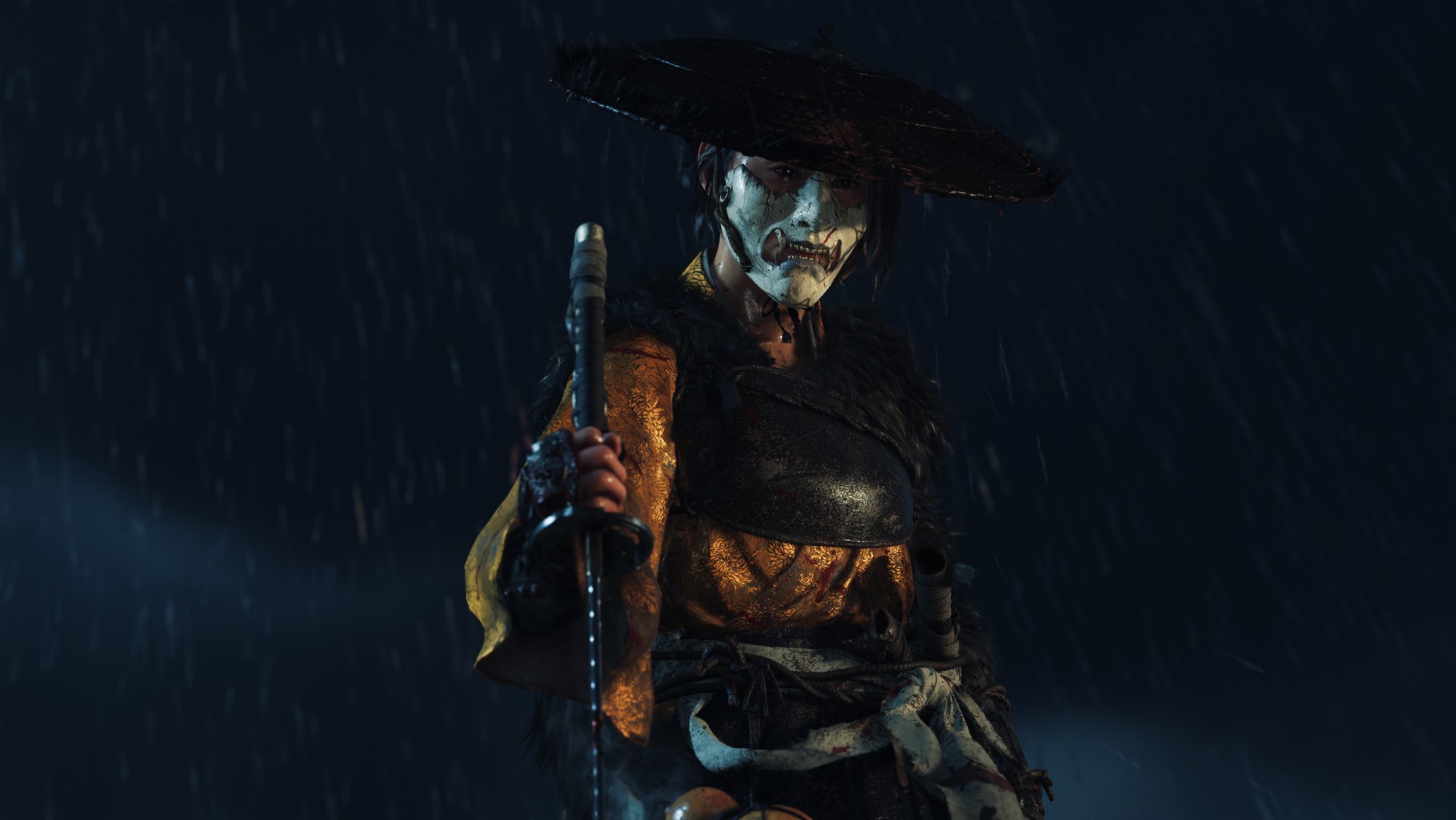
By the time the credits roll, Ghost of Yotei leaves you with something sharper than spectacle. Where Tsushima gave you the weight of history, Yotei carves its mark with intimacy. Revenge doesn’t need armies or nations to matter—it just needs a blade and a target.
That’s why Ghost of Yotei stands on its own. It may lack the grandeur of its predecessor, but it’s more cohesive, more personal, and more daring in how it tells its story. Atsu’s journey isn’t about how the world remembers her; it’s about how far vengeance will take her—and how much of herself she’ll lose along the way.
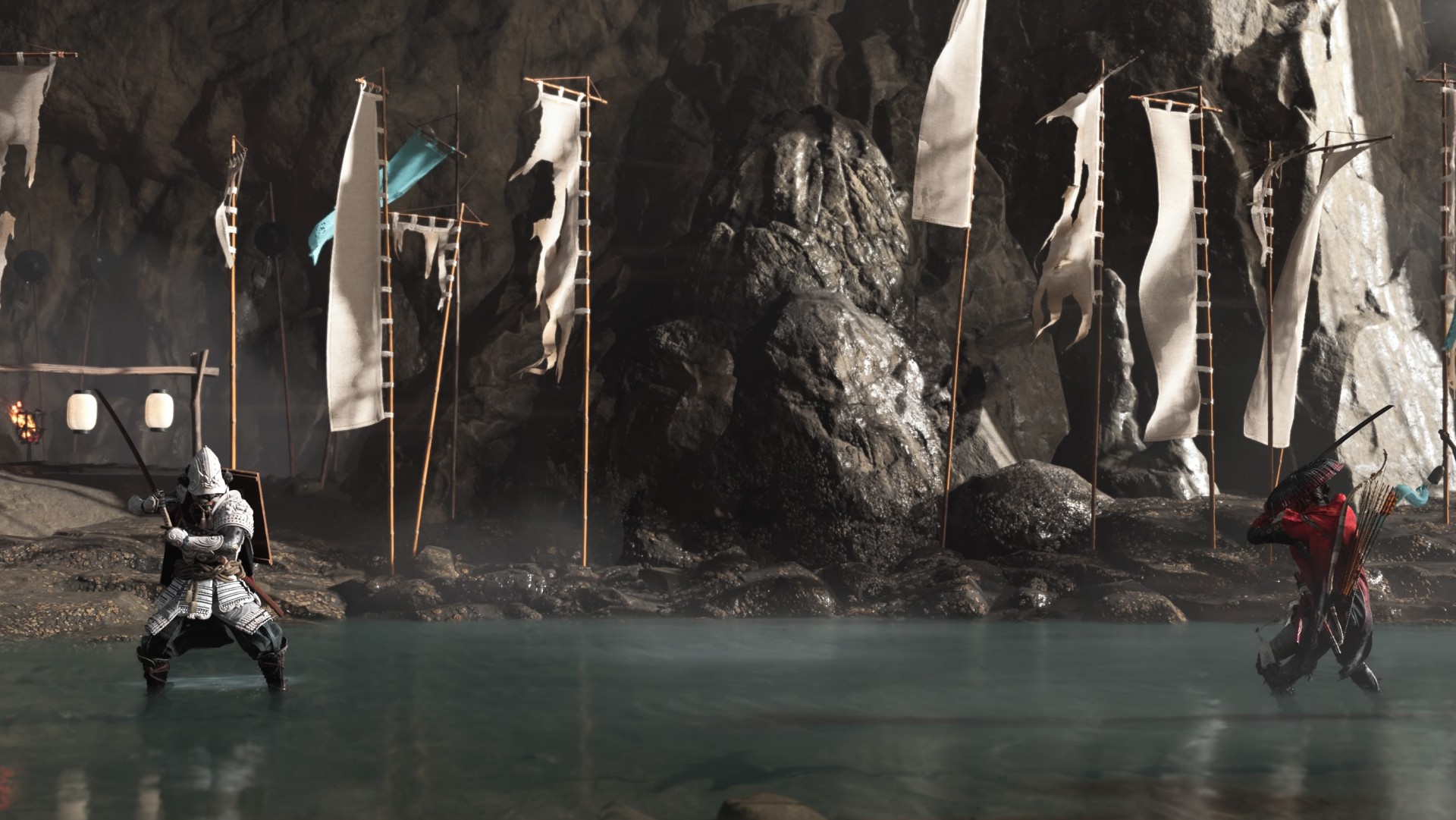
In the end, Ghost of Yotei is less a story about honor and more a reminder of the cost of revenge. And it’s a price you’ll feel, long after the controller is set down.
I highly recommend this game. It’s a swift Swipe Up—as swift as Atsu unleashing a katana strike.
Ghost of Yotei was reviewed on a PlayStation 5. The Publisher provided the review keys.




Gaming
The hunt begins: The Witcher in Concert hits Manila with surprises in tow
The Continent comes alive

If you’ve ever heard a haunting chant echo through a battlefield or felt the weight of a choice that isn’t as simple as good or evil, then you already know—the Path has a way of calling you back.
And if you haven’t stepped into that world just yet, consider this your invitation.
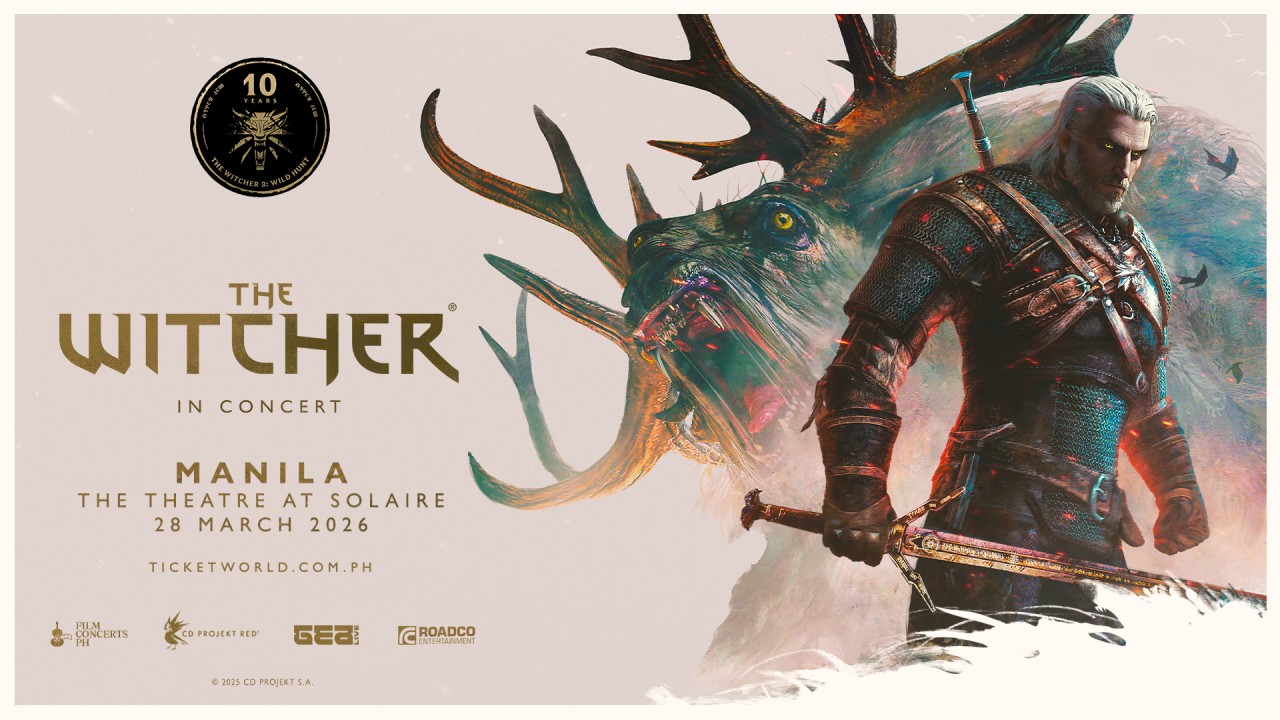
With less than two weeks to go, The Witcher in Concert is set to take over Manila for a one-night-only performance. It’s happening on March 28, 2026 at The Theatre at Solaire—bringing with it not just the music of a beloved RPG, but a full-on return to the Continent.
Celebrating the 10th anniversary of The Witcher 3: Wild Hunt, the concert transforms one of gaming’s most iconic soundtracks into a live experience. Expect performances from selected musicians of the Filharmonika Orchestra alongside Percival Schuttenbach—the Polish folk-metal band whose distinct sound helped define the game’s identity. Paired with in-game visuals, it’s a show designed to feel both nostalgic and entirely new.
As the night draws closer, here are three things fans can look forward to:
Relics from the Continent: official merchandise
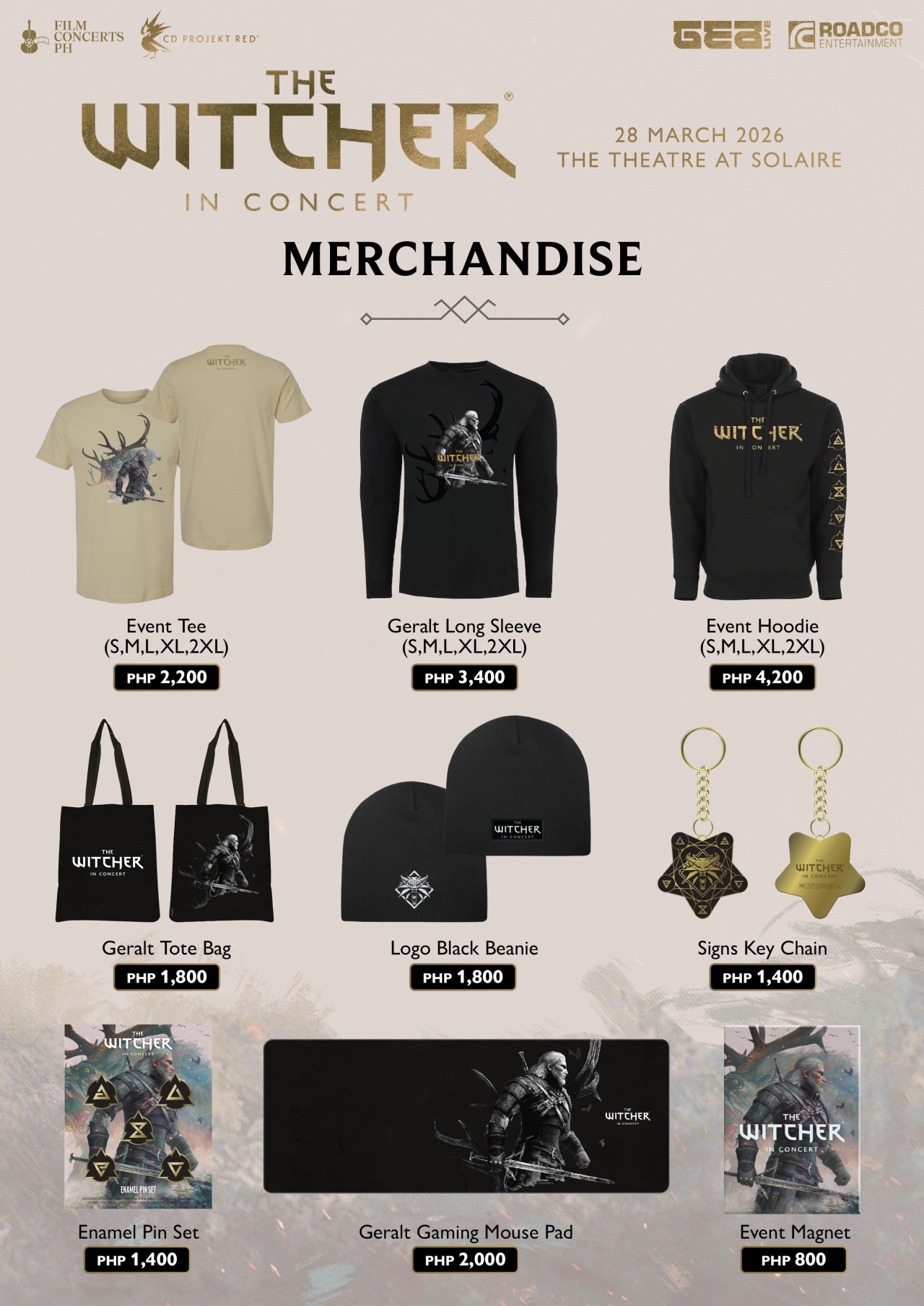
For those who want to take a piece of the experience home, exclusive event merchandise will be available in limited quantities.
This includes the following:
- Event Tee (PhP2,200)
- Geralt Long Sleeve (PhP3,400)
- Event Hoodie (PhP4,200)
- Beanie (PhP1,800)
- Tote bag (PhP1,800)
- Key chain (PhP1,400)
- Enamel pin set (PhP1,400)
- Event magnet (PhP800)
- Geralt gaming mouse pad (PhP2,000)
It’s the kind of loot drop fans won’t want to miss.
The path to Solaire: getting there made easier
Getting to the venue is part of the journey—and this time, it’s a little easier. Attendees can use the Grab code FCPH2026 to get 20% off rides (up to PhP75). With the condition of a minimum fare of PhP250. The promo is valid for two rides per user and applies to trips to and from Solaire Entertainment City.
A rare encounter: meet Percival Schuttenbach
For a handful of lucky fans, the experience goes beyond the stage. Ten winners will get the chance to meet Percival Schuttenbach and receive an autographed CD.
To join, ticket holders need to share any official The Witcher in Concert post on their Instagram Story. They need to write what they’re most excited to hear live and tag @filmconcerts.ph. They need to submit their entry before March 24, 2026 at 5:00 PM. Winners will be announced on March 25.
Answer the call
As the Continent arrives in Manila, fans are encouraged to lean all the way in—whether that means coming in cosplay as a monster hunter, mage, bard, or something far more dangerous.
Tickets are available via TicketWorld and participating outlets nationwide.
The Path is open. The question is—will you answer the call?
Gaming
Monopoly: Star Wars Heroes vs. Villains launching on June 11
Introducing a team-based, cinematic twist to the classic board game
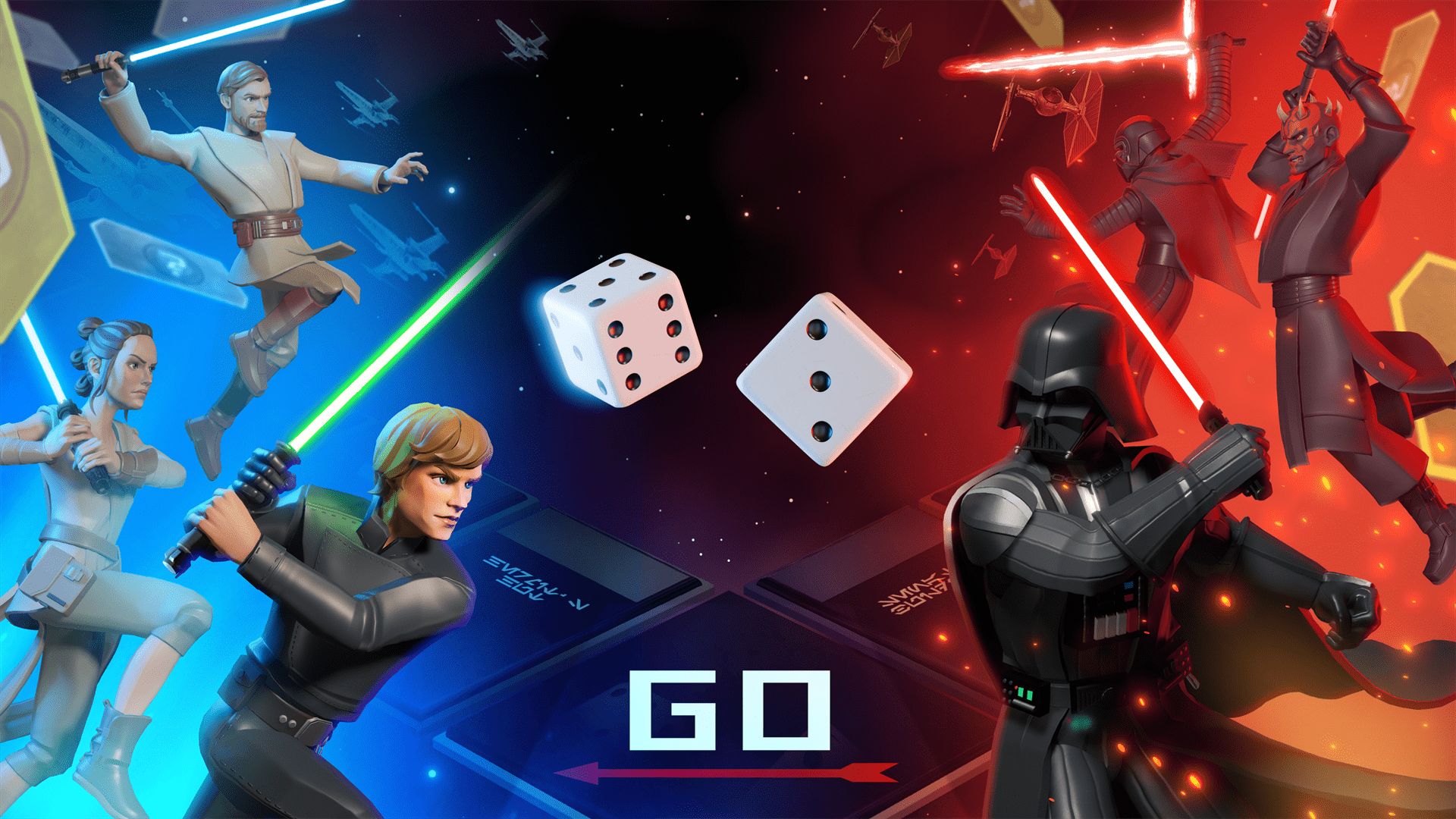
Monopoly: Star Wars Heroes vs. Villains will launch on June 11, Ubisoft has announced. It will debut on PlayStation 5, Xbox Series X|S, Nintendo Switch 1 and 2, GeForce Now, and PC through Steam, Epic Games, and the Ubisoft Store.
The Behavior Interactive title introduces a team-based combat twist to the traditional real estate board game. It includes competitive 2v2 and 3v3 modes, available online and through couch co-op.
This transforms the classic Monopoly gameplay into an action-packed, strategic showdown where teamwork and hero combinations matter.
Every turn carries high stakes as properties change hands in an instant. Dynamic GO events also introduce game-altering twists.
The full reveal will be on April 29.
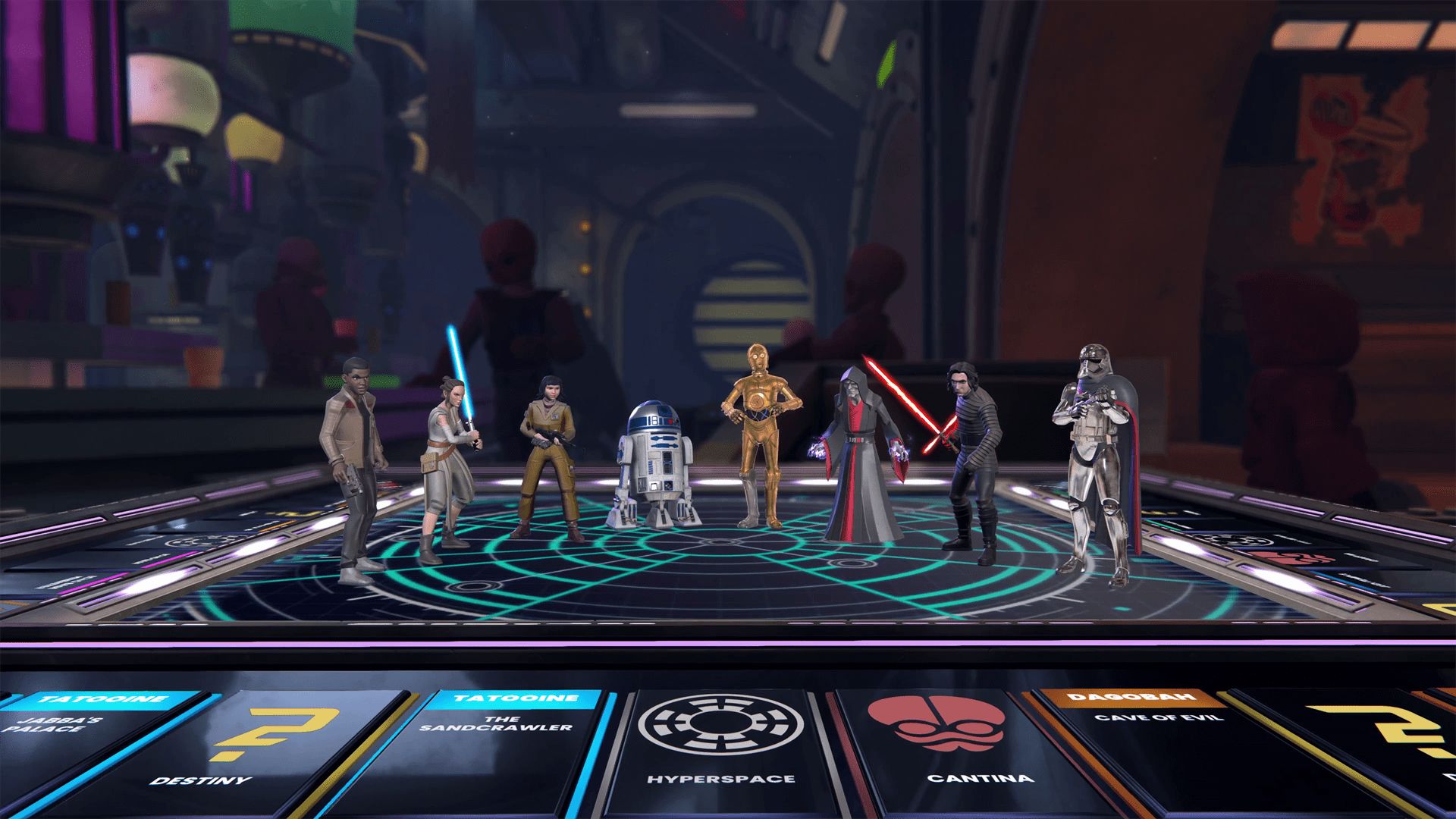
Monopoly: Star Wars Heroes vs. Villains transports players into the Star Wars galaxy with a custom Monopoly board, packed with iconic locations from across the saga.
The gameplay is reimagined with thrilling cinematic moments, themed spaces, and dynamic elements. These make up for a refreshed experience from start to finish.
Players can choose from a wide roster of Star Wars heroes and villains. There’s plenty of options, from Luke Skywalker and Princess Leia to Darth Vader and Darth Maul.
Each character brings unique abilities to shape the team’s strategy and affect the match’s complexion with every roll of the dice.
Gaming
Switch 2 now lets you play old games in 1080p
It tricks old games into thinking that the console is docked.

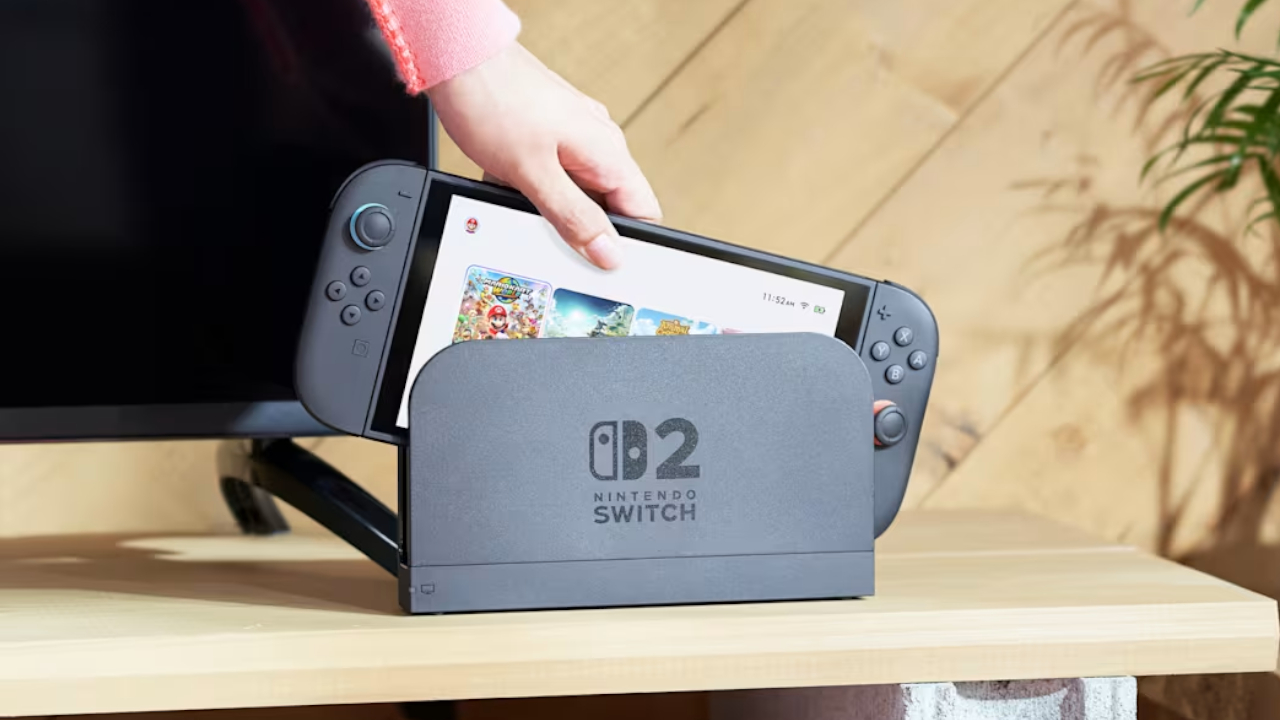
The Switch 2’s popularity is astonishing, to say the least. Just recently, a single game, Pokémon Pokopia, was responsible for taking the free times of over two million players on the Switch 2. Now, Nintendo has released a new feature which should make the console much more playable, especially for those who already had the original Switch.
Today, the Switch 2 received the 22.0.0 system update. Though the update is mostly a variety of smaller updates, one feature, called the Handheld Mode Boost, stands out among the rest. As per the patch notes, “Handheld Mode Boost will cause compatible Nintendo Switch software to run as if the console is being played in TV mode.” Put simply, the feature will unlock 1080p resolution for older games.
For gamers who had the original Switch, game resolution was a huge problem. The first console lived on a 720p screen, so the early games supported only lower resolutions. The only exception is when the console was docked, which allows 1080p resolution.
Now, the Switch 2 supports backwards compatibility. Players can access their older Switch games on the new console. The catch, however, is that these games are still stuck in 720p. Some titles, at least, have released an update to increase resolution on the new console.
Handheld Mode Boost tricks the console into thinking that it’s hooked up to the dock. In effect, the game will play in 1080p. The catch, however, is that it also thinks that the Joy-Cons are a single Pro controller, so players might lose some game features. It’s still a decent price to pay, though.
In other news, the update has also updated the naming of the “Hong Kong/Taiwan/South Korea” to “Hong Kong/Taiwan/South Korea/Southeast Asia,” potentially hinting that Southeast Asia might finally get an online store.
SEE ALSO: Now Playing: Yakuza 0 on Switch 2




Stylish, student-friendly HONOR X8d launches

The HONOR X8d is serviceable

Why the OPPO Reno15 5G series is a creator’s essential

The hunt begins: The Witcher in Concert hits Manila with surprises in tow

WATCH: The Super Mario Galaxy Movie final trailer


-

 Reviews2 weeks ago
The Xiaomi 17 shoots Leica dream
-

 Hands-On2 weeks ago
OPPO Reno15 F 5G hands-on
-
 Gaming2 weeks ago
Project Helix is Xbox’s next console, and it plays PC games
-

 Computers1 week ago
GIGABYTE collaborates with Capcom for RE Requiem custom PC
-

 Entertainment1 week ago
The internet is thirsting over the One Piece Season 2 cast
-

 Laptops1 week ago
Apple MacBook Neo Review
-
 News2 weeks ago
Globe postpaid opens pre-orders for Samsung Galaxy S26 series
-

 Apps6 days ago
Google Maps is finally getting a 3D mode