
Lifestyle
Google head promises to fix cheeseburger emoji


Over the weekend, author Thomas Baekdal tweeted about his groundbreaking observation regarding cheeseburgers in the time of social media.

See the differences: Noticeably, Apple’s emoji puts the cheese on top of its beef patty. Google, on the other hand, has the cheese at the very bottom of the burger. Lettuce placements also differ between the two.
Google CEO Sundar Pichai was quick to react to this important matter.

Good to know that these big companies have their priorities in check and that they truly care about the things that matter most to their consumers — cheeseburger emojis.
The tweet has since sparked a debate on proper cheese placement for optimum burger consumption.
There is only one way: the cheese must melt directly on top of the patty.
— ☃️Susan J. Fowler? (@susanthesquark) October 29, 2017
Maybe you can Google the answer?
— Steven Levy (@StevenLevy) October 29, 2017
Facebook and Messenger also joined in on the fun!

These are poppy seeds. But our cheese is excellent.
— David Marcus (@davidmarcus) October 29, 2017
And, even a whole bunch of burger puns surfaced:
Well you could leave it up to each hardware maker to decide. But then people would complain about burger fragmentation.
— Ina Fried (@inafried) October 29, 2017
If Sundar says they’ll do it, then consider it bun
— ???☕️? (@hunterwalk) October 29, 2017
Oof. These burger puns are going to ketchup with you in a bad way.
— Paul Reynolds (@MugOfPaul) October 29, 2017
Says ah’ you or sesame?
— ???☕️? (@hunterwalk) October 29, 2017
People, PLEASE lettuce quit while we’re ahead
— Alex Bowles (@alexqgb) October 29, 2017
Personally I relish this sort of discussion
— Ina Fried (@inafried) October 29, 2017
What a time to be alive, people!
SEE ALSO: Ideebank Mic is a portable karaoke machine
[irp posts=”23032″ name=”Apple Engineer gets sacked after daughter’s iPhone X video goes viral”]




Apps
Plot twist: Starbucks PH is letting you actually pick your reward now
Starting July 21, you choose what you redeem and when, from just 50 Stars, on the new Starbucks PH app.

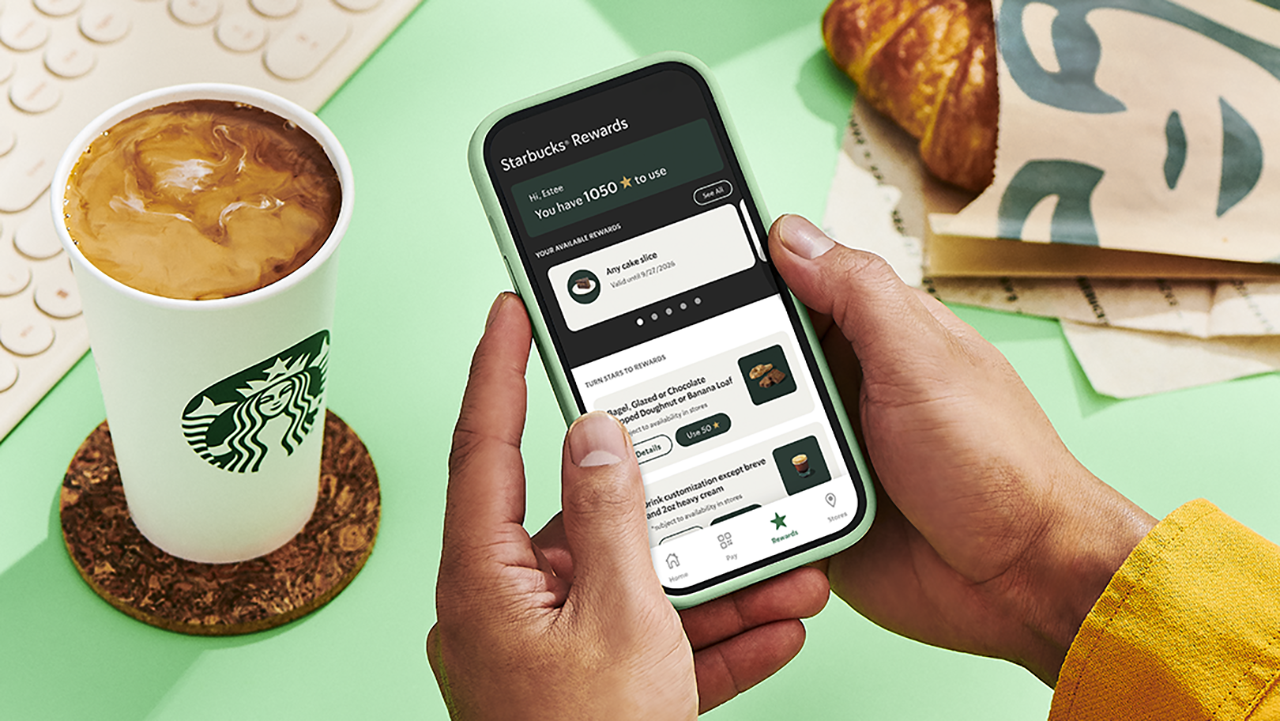
Confession time: I have spent an embarrassing number of hours doing mental math in line at Starbucks, staring at my Stars balance like it owes me money. Ninety-eight Stars. So close!
Two Stars short of a free drink that would just… appear, whether I wanted it that week or not. That’s the old system for you. It decided for me and I just showed up to collect.
Well, girl, the glory days of blind Star hoarding are over, and honestly? I’m thrilled.
Starting July 21, Starbucks Philippines is scrapping the automatic 100-Star-equals-one-voucher system it’s run since 2019. In its place: a Multi-Tiered Rewards system that finally treats members like adults who know what they want. Which, let’s be real, is exactly what I’ve wanted the whole time. I didn’t want a random cake slice I never asked for. I wanted to choose.
Tiers, explained (because I know you’re already doing the math)
Here’s where it gets good: You’re no longer stuck waiting for triple digits to cash in.
At 50 Stars, you can get a free drink customization or a bakery pick like a bagel, a banana loaf, or my personal weakness, the doughnut. Fifty Stars used to get you nothing but a longer wait. Now, it gets you a treat.
At 100 Stars, the world opens up. Any handcrafted beverage or bakery item are all yours to pick. This used to be the only option on the menu. Now, it’s just the middle tier.
And then there’s the new 150-Star tier, which lets you trade in for pasta, a sandwich, or a full cake slice. A whole meal, earned in caffeine.
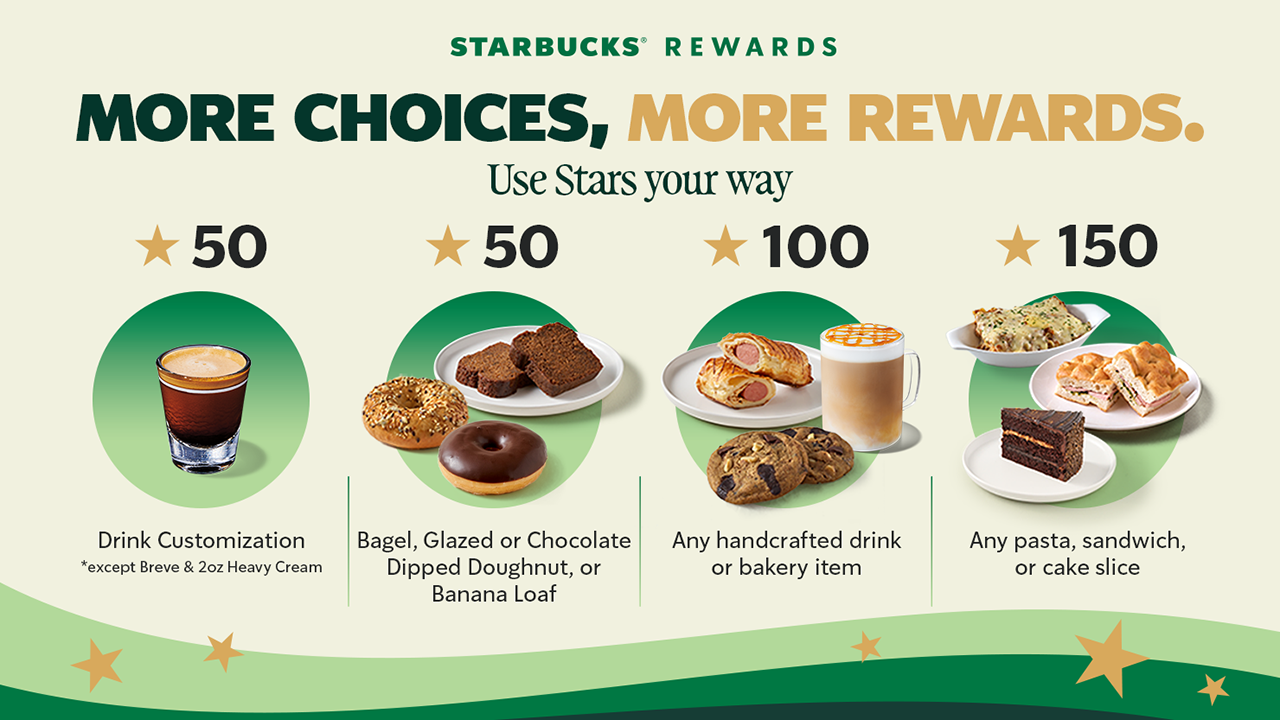
The only real exclusions to keep in mind: breve and the 2 oz heavy cream customization aren’t included at 50 Stars, and the Coffee Traveler Kit, French Press, and Reserve Ice Cream beverages sit outside the 100-Star tier. Small print, but worth knowing before you get to the counter with big plans.
The app situation (Deep breath, it’s fine)
Now, I’ll admit, hearing “you need a whole new app” gave me a small moment of panic.
New app, new login, new everything, right when I finally memorized where the barcode scanner button lives on the old one.
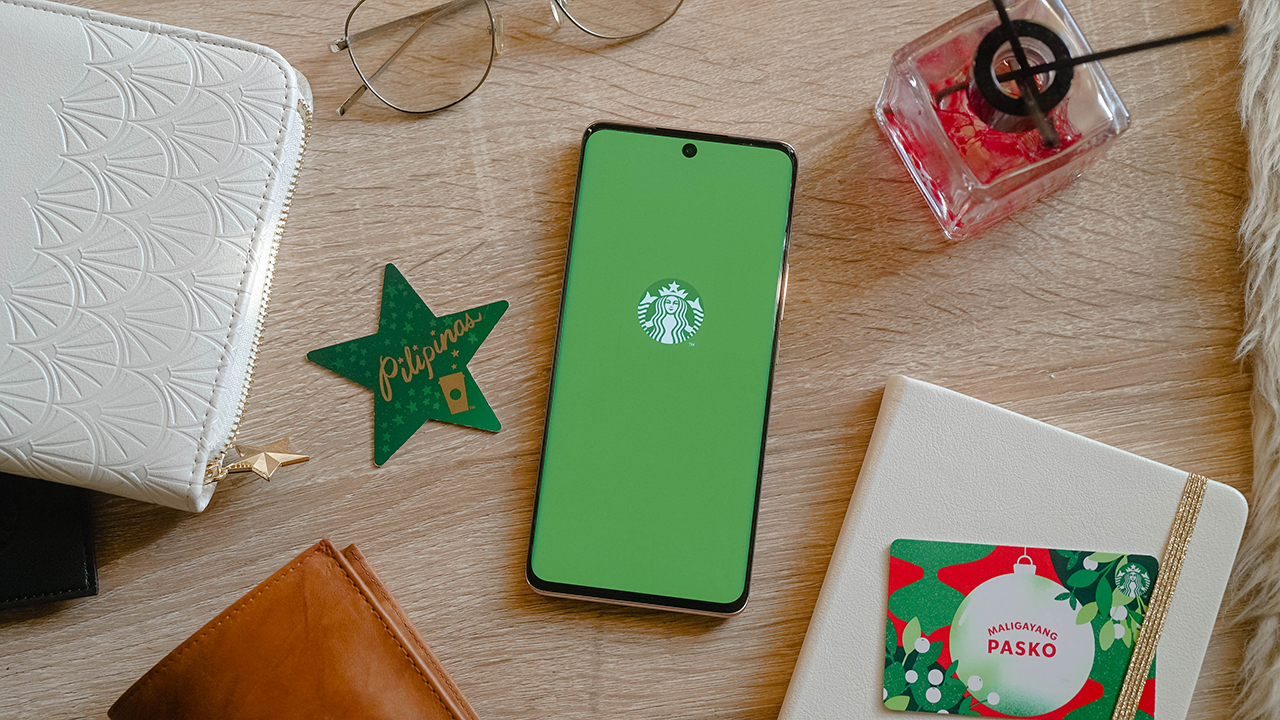
But here’s the relief: your Stars, your load balance, your account, all of it carries over automatically. No re-registering, and no starting from zero. You just download the new Starbucks PH App from the App Store or Google Play starting July 21, and your loyalty history walks right in with you.
The old app gets discontinued, so this isn’t optional, but it’s also not a hassle. Sign-in is faster, Star tracking updates in real time, and honestly, watching my Stars tick up instantly instead of refreshing the app like I’m checking a crush’s read receipts sounds like an upgrade I can get behind.
One thing to note if you’re a Mobile Order and Pay loyalist like me: it won’t be available on day one. Starbucks says it’s coming back in a future update, but the timing is still unannounced. Mildly inconvenient, but not a dealbreaker.
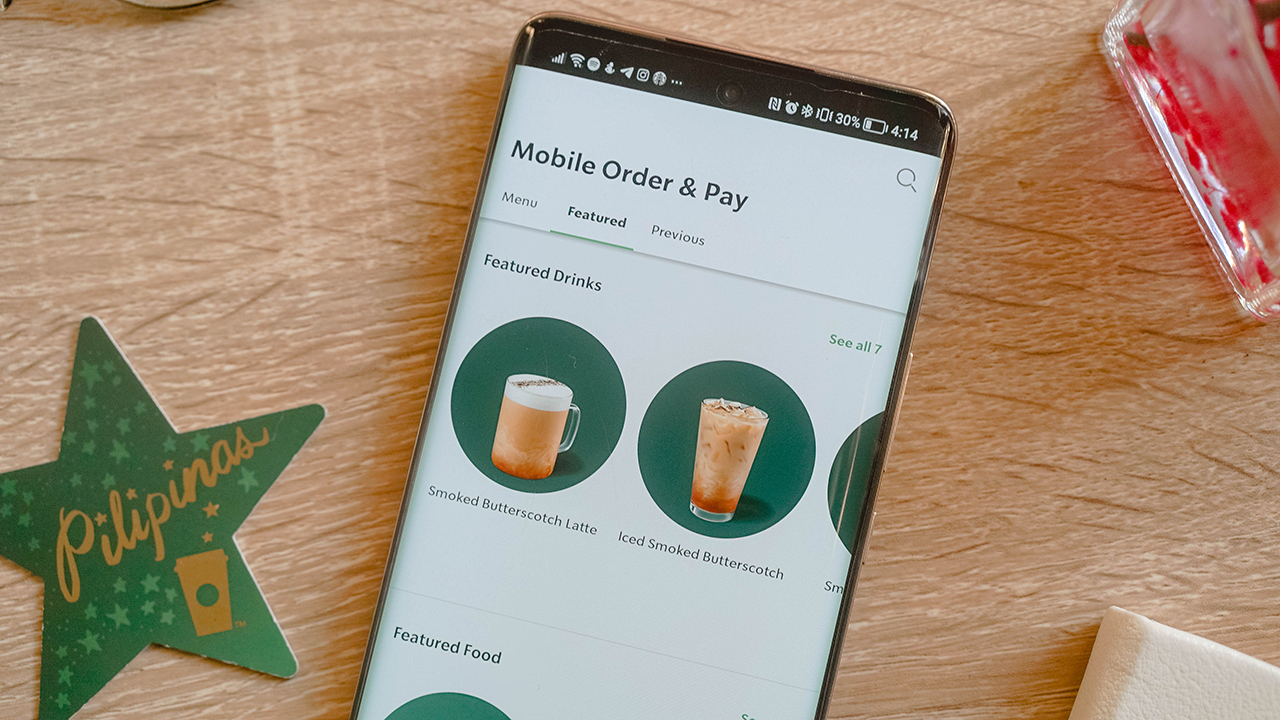
The part that actually changes how I use my Stars
Here’s the detail I didn’t expect to care about this much: Under the old system, your voucher’s 90-day countdown started the moment you crossed 100 Stars, whether you were ready to redeem or not.
Now, that 90-day clock only starts once you actually issue the reward yourself. Which means no more panic-ordering a bakery item I didn’t want just because the voucher was about to expire. I get to decide when the countdown even begins.
Stars still need to convert into a reward within a year, and anything unconverted still expires on your account anniversary, so it’s not an invitation to hoard forever. But within that window, the control is finally mine.
So, what now?
Mark your calendar for July 21. Download the new app, let your Stars migrate themselves while you do absolutely nothing, and start planning what you’re actually going to redeem instead of settling for whatever the algorithm decided you’d earned.
Fifty Stars for a banana loaf on a rough Monday. A hundred and fifty for a full pasta situation on a day that calls for one. My inner spreadsheet is already recalculating, and for once, that feels less like a chore and more like a plan.
Features
Spotlight: HUAWEI WATCH GT Runner 2 Racing Legend Edition
A marathon coaching system wrapped in the lightest titanium running smartwatch.
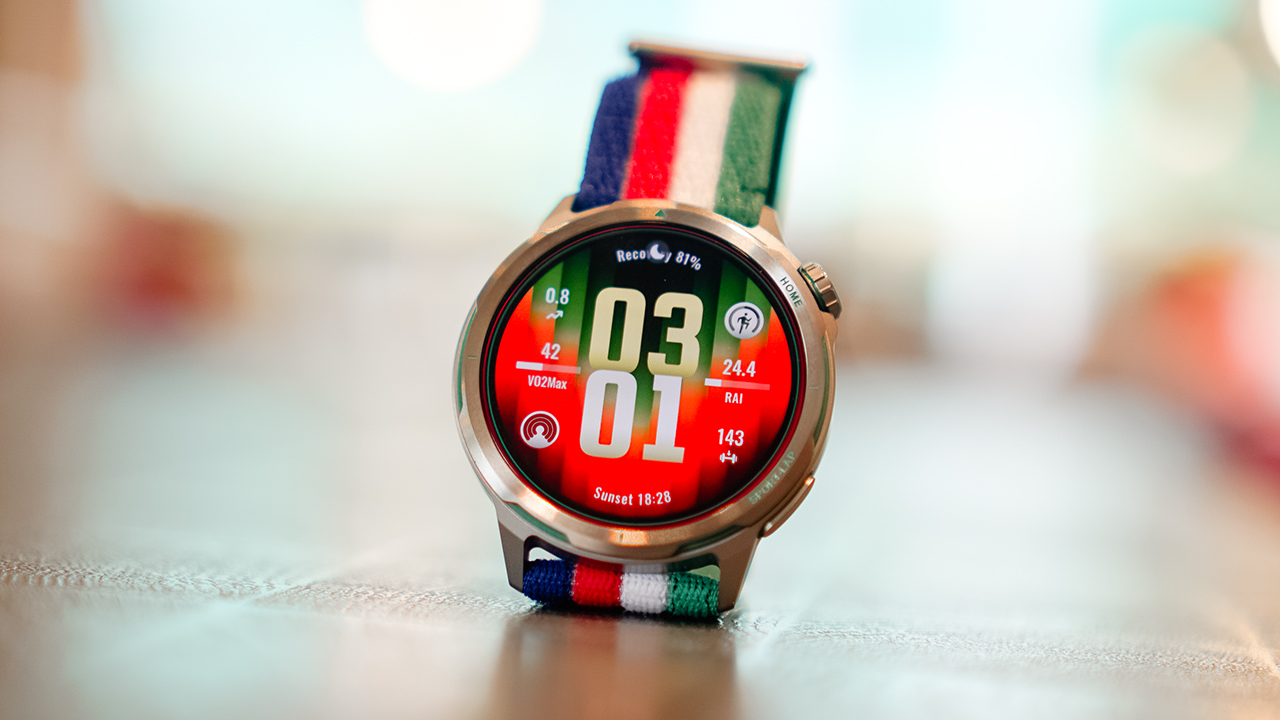
@gadgetmatchEliud Kipchoge, the world’s greatest marathon runner, helped design this watch. The HUAWEI WATCH GT Runner 2 Racing Legend Edition is the lightest titanium smartwatch built for runners, featuring the most accurate GPS in its class. It packs an AI-powered marathon coaching system alongside comprehensive health and fitness tracking built right into your wrist. #HUAWEIWATCHGTRunner2RacingLegendEdition HUAWEI Online Store – https://tinyurl.com/479ee4zk Shopee – https://tinyurl.com/yex4dvp9 Lazada – https://tinyurl.com/yu47bktt TikTok – https://tinyurl.com/yxsjsyhw♬ original sound – GadgetMatch
Eliud Kipchoge ran a marathon in under two hours. That’s not a marketing line. It’s one of the most significant feats in the history of human endurance.
So when Huawei says the HUAWEI WATCH GT Runner 2 Racing Legend Edition was designed with his input, that detail deserves more than a passing mention. It shapes what this watch actually is, and more importantly, what it’s trying to do.
The GT Runner 2 isn’t a smartwatch that happens to track runs. It’s a running tool built from the ground up, wrapped in titanium, and finished in a colorway that carries Kipchoge’s energy in its gradient and clean lines.
Lightest titanium watch
The first thing you notice when you put the GT Runner 2 on is how little you notice it.
At 43.5 grams for the watch body, it’s Huawei’s lightest metal running watch to date. For reference, that’s roughly the weight of a small packet of sugar.
On paper that sounds like a marketing metric. On a long run, it’s the kind of thing you actually feel — or more accurately, the kind of thing you stop feeling, which is the point.
The case is aerospace-grade titanium alloy, the same material used in aircraft construction. It’s strong without adding bulk, and at 10.7mm thick, it slides under a long sleeve without a second thought.
The display is a 1.43-inch AMOLED panel with 3,000 nits of peak brightness, enough to read clearly under direct sunlight mid-run, which is where it needs to perform.
The Racing Legend Edition colorway is the visual anchor of the whole package. It doesn’t read as a sports watch in the traditional chunky sense.
The strap situation is thoughtful, too. The in-box AirDry woven strap is designed to breathe.
There’s also a Fluororubber quick-release strap included for race days when you want something more locked in against your wrist.
Accurate GPS
This is the centerpiece of the GT Runner 2, and Huawei has invested the most engineering effort here.
To understand why the GPS on this watch is different, you need to understand a basic problem with how most GPS watches work.
Satellites broadcast signals in a circular, spiral pattern. Most smartwatches are built to receive signals linearly, meaning they’re only catching part of what’s being sent. The result is data loss, and data loss means inaccurate tracking.
The GT Runner 2 addresses this at the hardware level with what Huawei calls a 3D Floating Antenna Architecture. The titanium bezel and metal middle frame of the watch itself function as external receivers, which expands the antenna surface area significantly.
More of the watch is actively listening for satellite signals, which means it captures more of those spiral broadcasts. Huawei positions this as a 50% improvement in antenna performance.
Then there’s the software layer, which is arguably more interesting for anyone running in an urban environment.
Anyone who’s tracked a city run knows the problem: you go under an overpass, cut through a tunnel, or run between towers, and your GPS trace goes straight. The watch gives up and draws a line where your route should be.
The GT Runner 2 has an AI system — Huawei calls it the XDR Inertial Navigation AI Algorithm — that fills that gap intelligently.
It learns your movement patterns: your stride length, your arm swing, your pace. When satellite signal drops out, it uses that accumulated knowledge to estimate your route accurately. When the signal returns, it stitches the two together seamlessly.
Marathon mode
The Marathon Mode on the GT Runner 2 was co-developed with Eliud Kipchoge’s team. That partnership matters because it means the feature set was shaped by people who actually race at the highest level, not just engineers working from data.
The system covers the full race cycle. Before your event, the watch builds you a personalized training plan and tracks your lactate threshold in real time, the point at which your body starts accumulating fatigue faster than it can clear it.
Knowing where that threshold sits is how serious runners train in the right zones and avoid hitting the wall during a race. The GT Runner 2 brings that metric to your wrist without requiring a lab visit or a coach.
During a race, the pace guidance isn’t a static target you set and follow. It adjusts in real time based on how you’re actually performing. The watch also sends smart refueling alerts — not based on a generic timer, but on your personal health data and international nutrition guidelines. So when it tells you to eat or drink, it’s working from your numbers, not a one-size-fits-all schedule.
After the race, it gives you dynamic recovery guidance and exports your full session automatically to Strava and Komoot.
Health tracking that actually goes beyond the basics
The GT Runner 2 tracks your health around the clock, and a few of its features stand apart from what most smartwatches offer.
Heart rate accuracy is rated at 98%. For a wrist-worn device, that’s a serious number. The watch achieves this through Huawei’s TruSense system, which uses an upgraded NPU and advanced algorithms to pull more precise readings from the sensor.
The ECG monitoring is CE-certified, which means it meets the regulatory standard for detecting early signs of irregular heart rhythms.
More importantly, the GT Runner 2 does this in the background — passively, while you’re awake or asleep — without requiring you to manually activate a check.
Sleep tracking includes breathing awareness to flag potential signs of sleep apnea.
HRV — heart rate variability, one of the most reliable indicators of how recovered your body actually is — gets tracked across 24 hours.
There’s also a stress and emotional wellbeing tracker that categorizes your state in real time. When you’re deep in a training block and everything feels harder than it should, this is the kind of data that tells you something concrete rather than just confirming that you’re tired.
Battery life that doesn’t ask you to compromise
Running watches live or die by their battery, and the GT Runner 2 doesn’t disappoint here.
Continuous GPS tracking lasts 32 hours. To put that in running terms, that’s enough to cover five to six full marathons without stopping to charge. Enable Trail Run mode and that extends to 35 hours. Under normal daily use, you’re looking at up to 14 days on a single charge. When it does need power, it charges wirelessly.
Storage comes in at 64GB, which holds thousands of offline songs and heavy map data simultaneously. You can leave your phone behind on a long run and still have music and navigation on your wrist. It works with both Android and iOS, and syncs automatically to Strava and Komoot after every session.
For users in the Philippines, there’s one more practical addition worth calling out: GCash Watch Pay. You can pay at any GCash QR terminal directly from your wrist. For anyone who stops mid-run to refuel, this removes the friction of digging through a bag or pocket to complete a transaction.
Is the HUAWEI WATCH GT Runner 2 Racing Legend Edition your GadgetMatch?
The HUAWEI WATCH GT Runner 2 Racing Legend Edition was built around one clear premise: give runners access to the kind of data and guidance that previously lived inside expensive coaching programs and professional setups, and put it on a wrist that doesn’t feel like it’s carrying anything.
The titanium build, the GPS architecture, the Marathon Mode co-developed with the world’s greatest marathon runner — none of these are incidental features. They’re the point. And the way the watch surfaces all of that information keeps it accessible.
Every purchase comes with a complimentary three-month HUAWEI Health+ membership, which unlocks professional coaching videos, custom sleep music, and personalized nutrition and training plans.
The HUAWEI WATCH GT Runner 2 is available at HUAWEI Experience Stores nationwide, the HUAWEI Online Store, and Huawei’s official stores on Shopee, Lazada, and TikTok Shop.
Purchases made from June 30 onwards come with an exclusive bundle worth up to PhP 11,384 — including a free fluoroelastomer strap, a free pair of HUAWEI FreeArc earphones (on a first-come, first-served basis), the three-month Health+ membership, and a two-year warranty with accidental damage protection.
There’s also a PhP 2,000 trade-in token for buyers coming from an older device.
This feature is a collaboration between GadgetMatch and Huawei Philippines.
Entertainment
Crunchyroll: Sports anime to watch during the FIFA World Cup
Get pumped up even during World Cup downtime

The FIFA World Cup has officially taken over the planet, causing chronic sleep deprivation, spontaneous living-room screaming matches, and an sudden urge to wear jerseys to formal events.
But what are you supposed to do during those agonizing hours between match kick-offs? Stare at a blank TV screen? Absolutely not.
While the world’s best footballers battle it out on the pitch, Crunchyroll has a bench full of elite sports anime ready to keep your adrenaline levels dangerously high.
From ego-driven strikers to lightning-fast running backs, grab your snacks and settle in for a marathon of victories, setbacks, and comebacks worthy of the world stage.
Who knows, it might inspire you to begin your sports journey too.
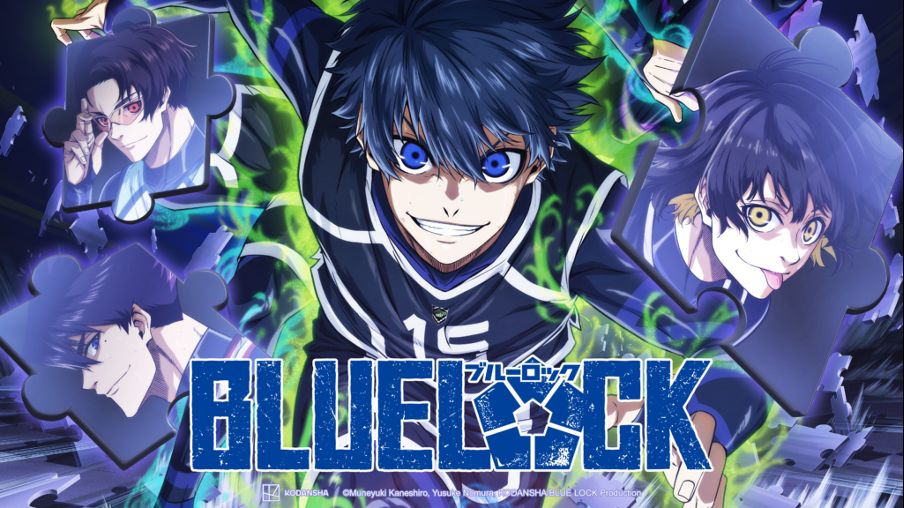
BLUE LOCK
Following a disappointing World Cup exit, the Japanese Football Association decides they’ve had enough of “teamwork” and launches a brutal, hyper-isolated training camp called Blue Lock.
The goal? Throw 300 of the country’s best high school forwards into a cutthroat battle royale to breed the ultimate, entirely selfish, world-class striker.
Only one will survive to lead Japan to glory.
Haikyu!!
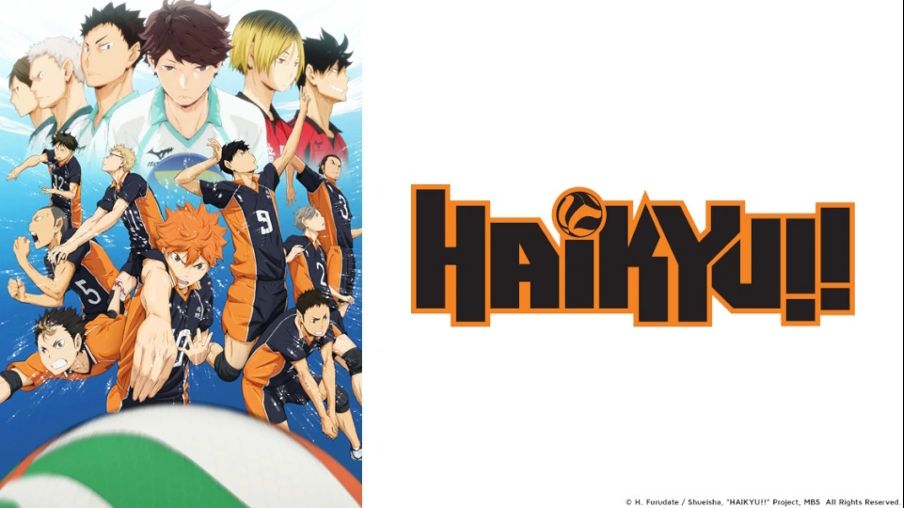
Shoyo Hinata is pint-sized but possesses an insane vertical leap. After his middle school team gets absolutely demolished by the genius “King of the Court” Tobio Kageyama, Hinata vows revenge.
He enrolls at Karasuno High School to finally crush his rival, only to walk into the gym and find out Kageyama just enrolled there, too.
Now, the sworn enemies have to weaponize their freakish chemistry to bring a fallen powerhouse school back to the national stage.
Shoot! Goal to the Future
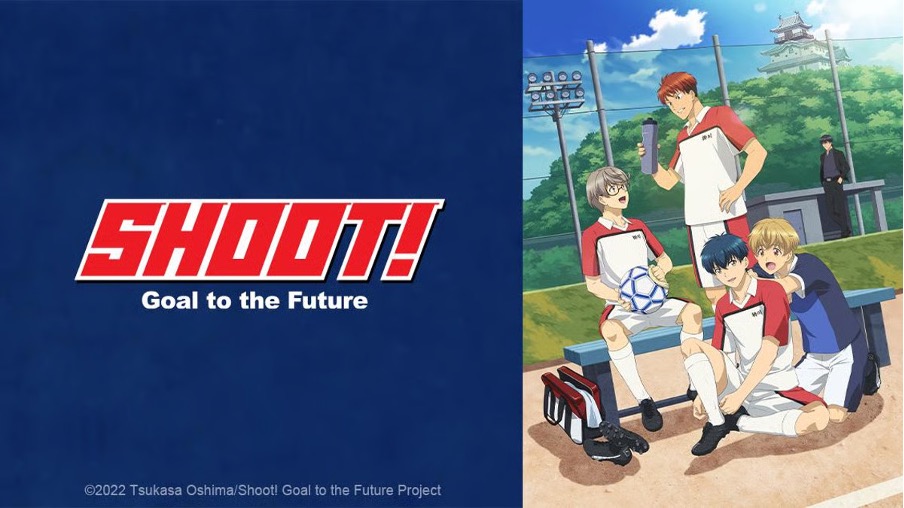
Kakegawa High School used to be a legendary name in high school soccer. But these days, the team is a shell of its former self.
Enter Atsushi Kamiya, a former Kakegawa captain turned international soccer star, who returns to coach the struggling squad.
His biggest hurdle? Hideto Tsuji, a profoundly talented player who has completely given up on the sport.
It’s a race against the clock to spark the team’s passion before the whistle blows on their season.
Kuroko’s Basketball
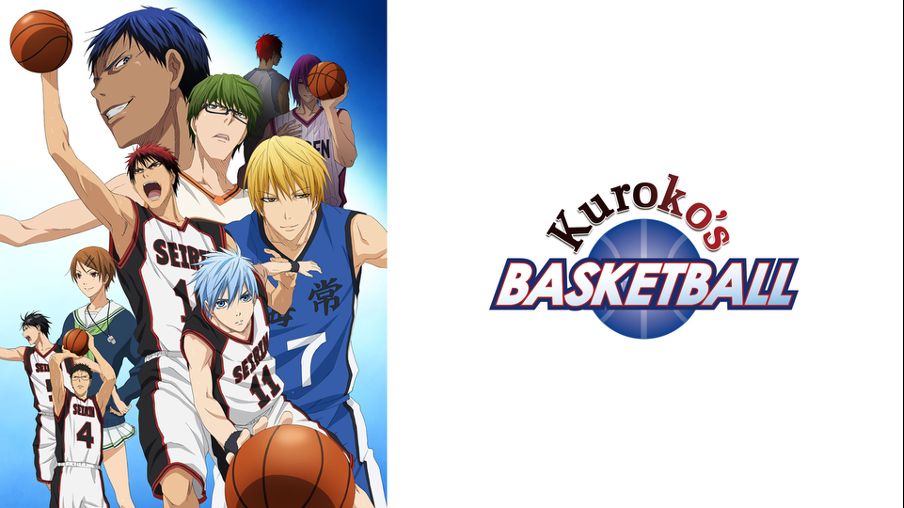
Seirin High just recruited Taiga Kagami, a powerhouse player fresh out of America, alongside Tetsuya Kuroko, a boy so aggressively ordinary he practically blends into the background.
Kagami is horrified to find out Kuroko is terrible at shooting and dribbling until he sees him play. Kuroko’s utter lack of presence allows him to act as an invisible passing ghost, revealing himself as the secret “Sixth Man” of the legendary Middle School Generation of Miracles.
Together, they aim to take down Kuroko’s former teammates one by one.
Eyeshield 21
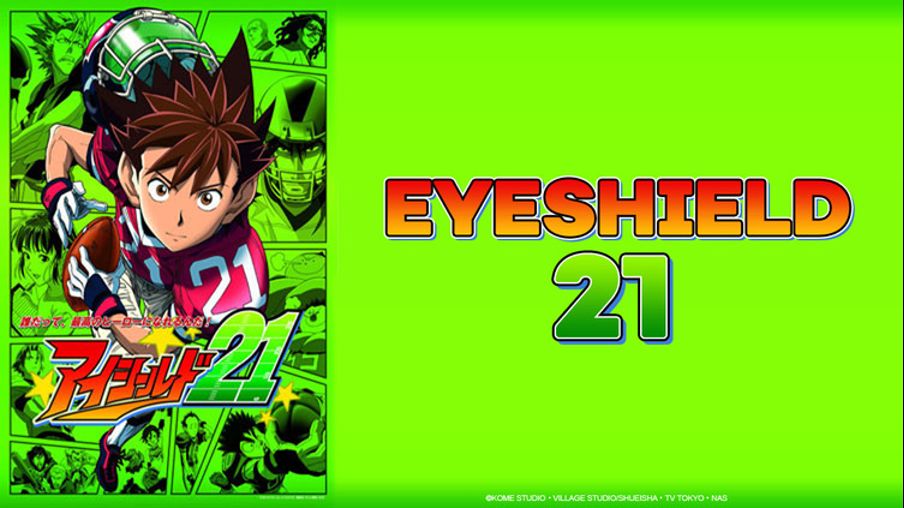
Sena Kobayakawa is a timid kid who has spent his entire life running away from bullies. Decades of acting as an errand boy have accidentally gifted him with superhuman speed and an uncanny ability to navigate tight spaces.
When the terrifying, submachine-gun-toting captain of the school’s American football team spots Sena’s agility, he forcefully drafts him into the squad.
To hide his identity from rival schools, Sena is forced to don a tinted visor and take the gridiron under the legendary alias: “Eyeshield 21.”
Yuri!!! on ICE

After a crushing, rock-bottom defeat at the Grand Prix Final, Japan’s top figure skater, Yuri Katsuki, heads home with zero confidence and every intention of retiring.
His career seems entirely iced over until a video of him mimicking a routine goes viral, catching the eye of five-time reigning world champion Victor Nikiforov.
In a shocking move, Victor flies to Japan and offers to become Yuri’s coach, sparking a beautiful, high-stakes journey back to the world stage.
MF GHOST
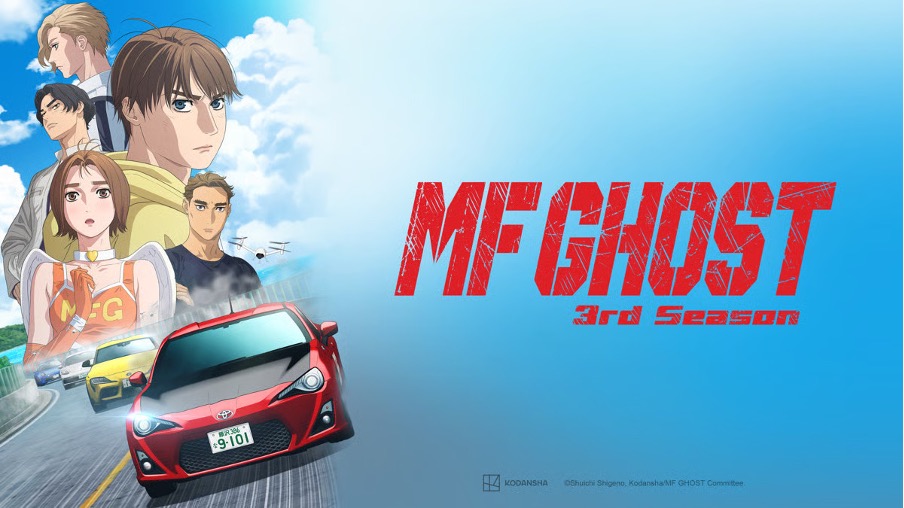
It’s the 202X decade, and Japan has fully embraced self-driving electric vehicles. Traditional cars are all but extinct.
However, internal combustion gets a roaring second life thanks to MFG, a dangerous street-racing circuit held on public motorways.
Kanata Rivington, a brilliant 19-year-old trained by a legendary racer in the UK, arrives in Japan to compete in the MFG with a humble Toyota 86. In the process, he tracks down clues about his missing father.

realme C100: Enduring and durable in spite of entry-level realities
Enough power but needs more agility

The ASUS ExpertBook Ultra wins you over
The laptop sneaks up on you


vivo X300 Ultra review: A “Whole Different Animal”
Got the beast (finally) unleashed!

Cebu Pacific becomes 1st SEA low-cost carrier with Starlink Wi-Fi

Going ‘back to school’ as an adult with the HP Smart Tank 580

Samsung introduces Flex Titanium tech for foldable displays

Plot twist: Starbucks PH is letting you actually pick your reward now

GoTyme Bank grows to 10 million users in the Philippines

Buyer’s Guide: TECNO SPARK 50 Pro vs SPARK 50 5G

TECNO’s SPARK 50 Pro is the latest budget smartphone battery beast
vivo X300 Ultra review: A “Whole Different Animal”

DJI Osmo Pocket 4P launches with dual lenses and a 1-inch sensor

New York becomes first state to ban smart glasses


-
 News5 days ago
New York becomes first state to ban smart glasses
-
 Singapore4 days ago
Sony launches IER-M500 in-ear monitors
-
Laptops2 weeks ago
The ASUS ExpertBook Ultra wins you over
-

 Gaming2 weeks ago
PlayStation goes all-digital in 2028
-

 Computers6 days ago
GIGABYTE releases new AORUS RTX 5080 INFINITY graphics cards
-

 Gaming5 days ago
Microsoft dictates that a new Fallout game is coming
-
 Laptops2 weeks ago
ASUS launches the ExpertBook Ultra
-
 Gaming2 weeks ago
Xbox might get rid of physical discs too