
News
Google Pixel 4, Pixel 4 XL still great for photos, now with 90Hz panel
All leaks mostly confirmed

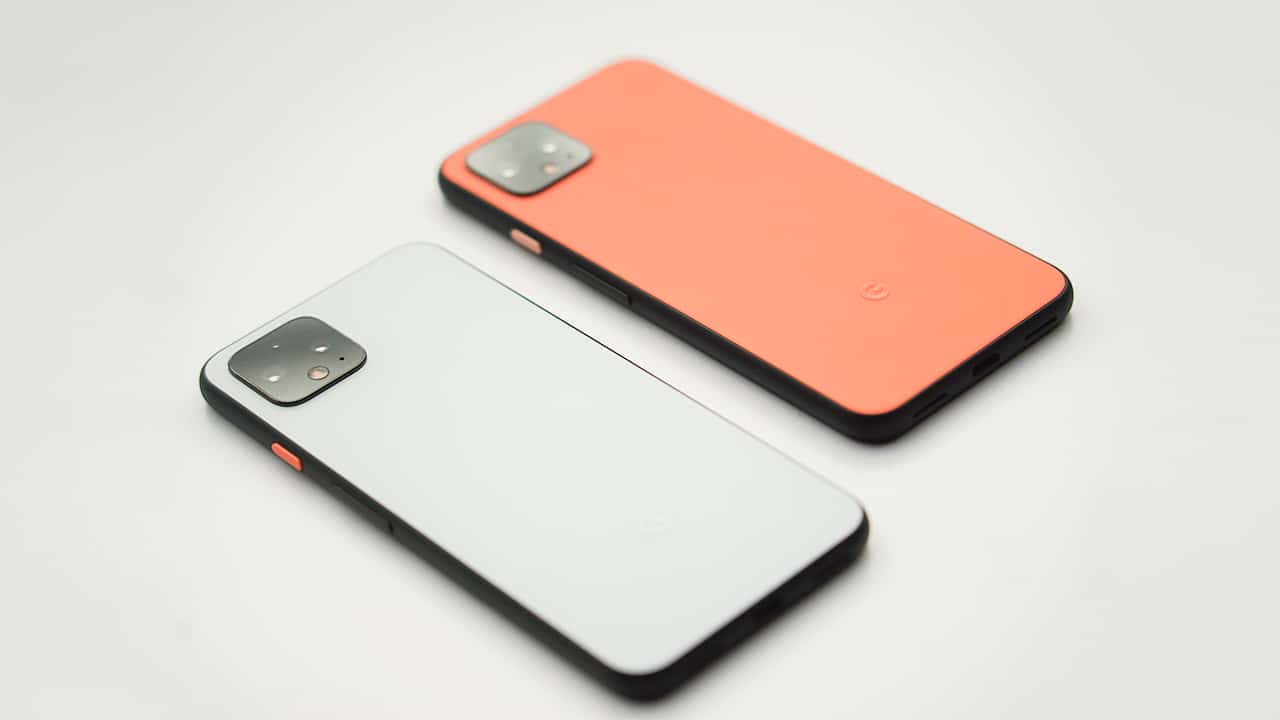
The Google Pixel 4 and Pixel 4XL are now official confirming most of the leaks that came out leading up to its launch. So what’s different, what improved, and what stayed the same? We’ll go through all of that right now.
No fancy waterfall displays, just thoughtful design
Google appears to be taking plenty of cues from Apple in the design department in the sense that not much has changed. Looking at the device up front, you might mistake it for the Pixel 2XL. That’s because Google is doing away with the notch but it’s keeping the thick bezel for a reason that we’ll get to later on.
On the back, the most notable difference is the square holding its dual camera setup. Yes, just two. One main shooter and another one that’s “roughly 2x telephoto.” Google says, “While wide angle can be fun, telephoto is more important.”
The back is also moving away from the two-toned design we’ve grown to associate with the Pixel. In its place is a solid glass back with only a single color and a frosted matte coating.
The power button is still a different color from the rest of the phone depending on the variant you choose.
Still the best camera on a smartphone?
Plenty of people are eagerly waiting for the Pixel just to see well they will fair in the camera department. Based on the latest numbers by DxOMark, the Huawei Mate 30 Pro currently holds the crown but that might be quickly taken away soon.
The hardware on the Pixel 4 are as follows: 12.2MP main camera with f/1.7 aperture, plus a 16MP f/2.4 telephoto zoom lens that supports hybrid zoom. But the Pixel has always been more than just hardware.
The true crowning glory of the Pixel cameras is Google’s computational photography. And that applies even on the telephoto lens. It combines both the 2x telephoto lens along with Super-Res Zoom to produce high quality, zoomed in images.
There’s now also what Google is calling Live HDR+. It basically means the HDR application happens real-time. Basically, whatever you see right before you take a shot is the photo that you should expect to come it.
That same feature allows Double Exposure — separate slides for highlights and shadows on Pixel 4 before you take your shot.
Computational photography also lends a huge hand in white balancing along with a wider range for portrait mode, and improved night sight.
That front-camera setup
Again, just like on the iPhone, there’s now a lot going on in that thick forehead bezel.
It’s not home to a bunch of new sensors that work together towards a more secure face recognition suite. There’s the selfie camera, a pair of IR cameras, flood illuminators, and DOT projectors.
Google says it’s the first smartphone equipped with a radar. It enables Motion Sense which Google claims is the fastest and most secure face unlock feature on a smartphone. It also allows you to control the Pixel 4 without touching it — similar to the Air Gestures that Samsung first tried a few years back.
Overall equipped with better hardware
Displays with high refresh rate might be a growing trend and the Pixel doesn’t want to be left behind. The phone is equipped with a 90Hz panel, similar to the one on the most recent OnePlus smartphones.
The rest of the device also gets a spec bump. Powering the Pixel 4 is Qualcomm Snapdragon 855 SoC along with 6GB of RAM and either 64GB or 128GB of storage. Nothing to write home about as the numbers pale in comparison to other flagships in 2019. But, again like the iPhone, the Pixel isn’t exactly about the numbers.
You might also be happy to know that both the Pixel 4 and Pixel 4 XL have an IP68 rating.
Pricing and availability
The Google Pixel 4 starts at US$ 799 and will start shipping on October 24. It will come in three colors: Just Black, Clearly White, and Oh So Orange. It will be available through all major US carriers.





News
NBA experimenting with smart basketballs, wrist wearables
Bluetooth chips integrated into smart basketballs can provide information for officiating


The NBA is experimenting with the use of smart basketballs and official wrist wearables ahead of its 2026-2027 regular season — two technologies which NBA Commissioner Adam Silver has mentioned can potentially be used officially in games as early as next season.
Per the Associated Press, select preseason games have included a smart basketball that has a Bluetooth sensor, manufactured with the league’s official provider Wilson. This can collect data for future use in real-time officiating decisions.
In a later interview with CNBC, Silver detailed that the smart chip integrated into the basketball weighs “roughly a gram” and does not affect the players’ feel or perception of the ball — at least in their tests.
“We A/B tested the ball with the chip, without the chip, and nobody could tell the difference, so that’s a good sign,” Silver said.
Both the official wearables and the smart basketballs underwent pilot testing during the summer league. The G-League also participated in the testing.
The NBA mentioned information from the Wilson-developed connected balls will be “for research only” for now. As such, the technology will not be used throughout the regular season and playoffs through mid-2027.
But Silver already sees the practical applications of the smart basketball, including determining out-of-bounds and goal-tending calls.
These can be based on whether the ball changed its arc, spin, or direction, as well as whether a finger touched it or not.
As such, the league could adapt its use as early as the 2027-2028 season.
Furthermore, the information the chip can provide can also be processed by players, as in the case of shooters observing which spin is most optimal for accuracy.
Wilson has not shied away from innovations, having introduced an airless basketball in the past.
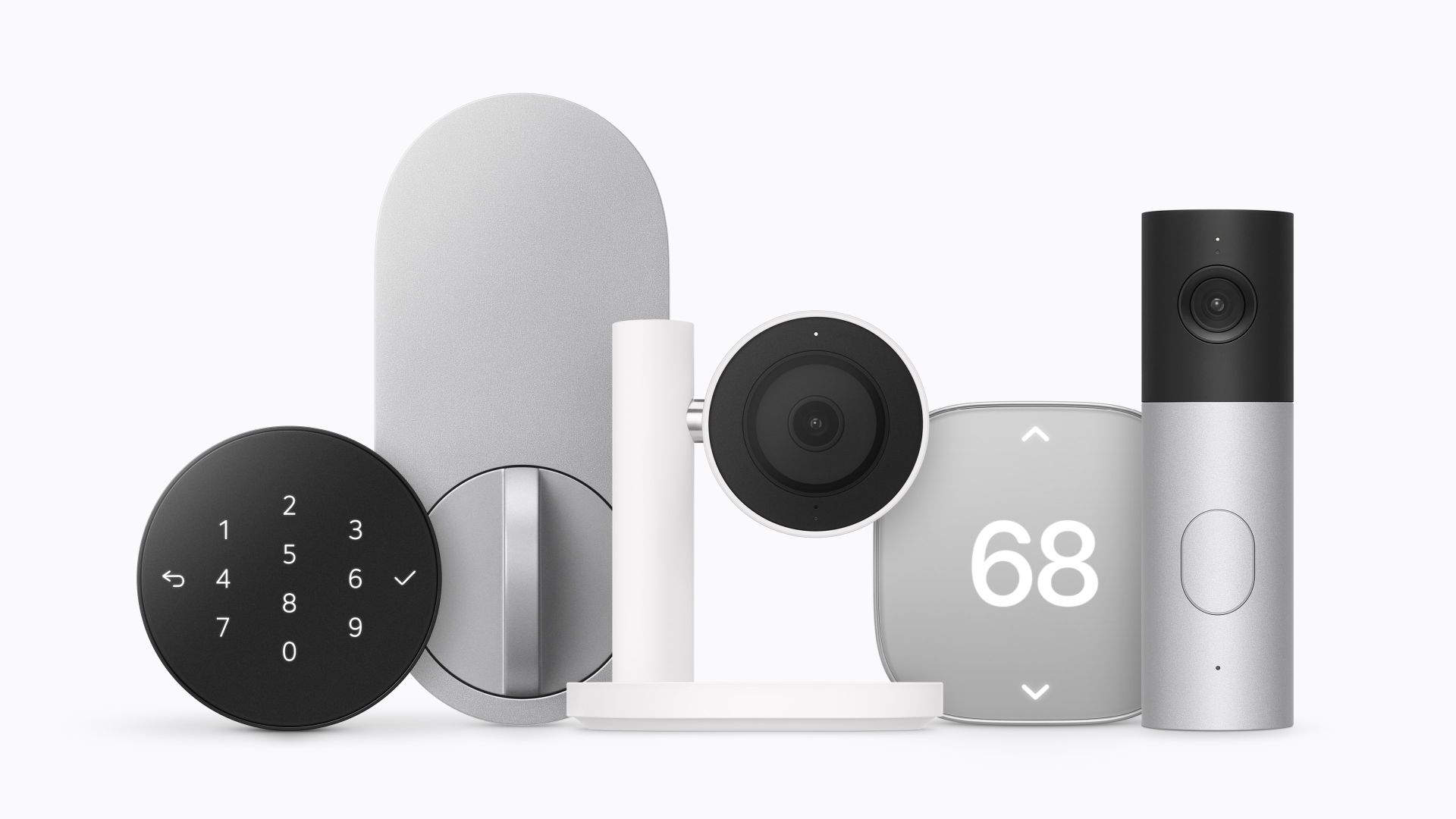
Apple has announced the new Apple Home Collection, a new lineup of smart home accessories in collaboration with LG Electronics and Schneider Electric.
The collection includes indoor and outdoor cameras, thermostats, temperature sensors, and a video doorbell and door lock.
They are simple to set up starting with one tap with iPhone, and everything is managed through the Apple Home app. Each product features a clean, minimal aesthetic and premium materials.
Works with Apple Home and Matter certification have allowed a wide array of third-party accessories to connect with Apple’s smart home ecosystem for years.
The Apple Home Collection takes this even further. Working closely with the two parties, Apple has created an integrated Apple Home experience across the new product lineup.
Moreover, like all Apple Home accessories, the new collection is designed for privacy. Home app data is encrypted end-to-end.
Home monitoring
- LG Video Doorbell: dual cameras to capture separate views of visitors, packages; users can switch between front and bottom cameras
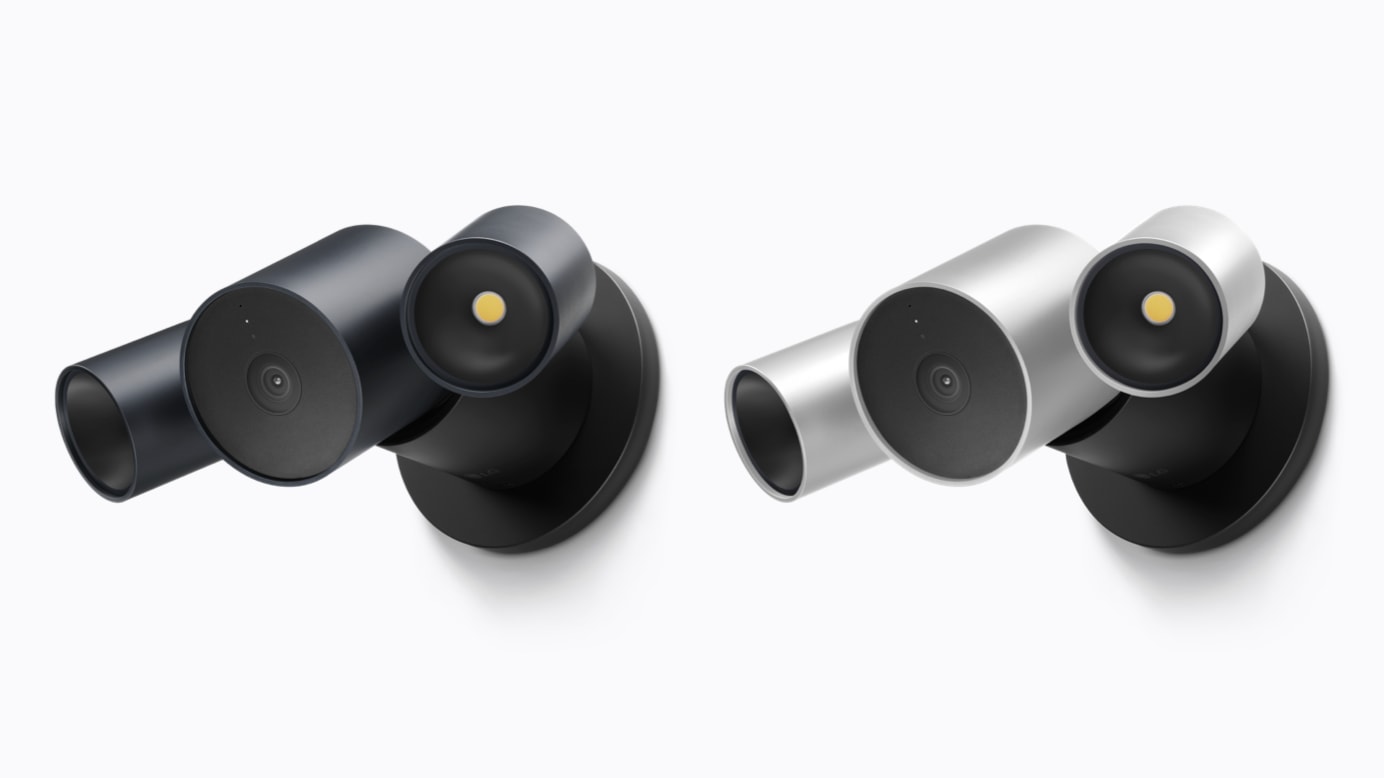
- LG Floodlight Cam: powerful perimeter monitoring with adaptive dual floodlights that activate automatically when motion is detected
- LG Outdoor Cam: offers low-light color night vision and can be easily angled
- LG Indoor Cam: automatically tilts upward and downward to adjust view when users check in on the home
Home Access
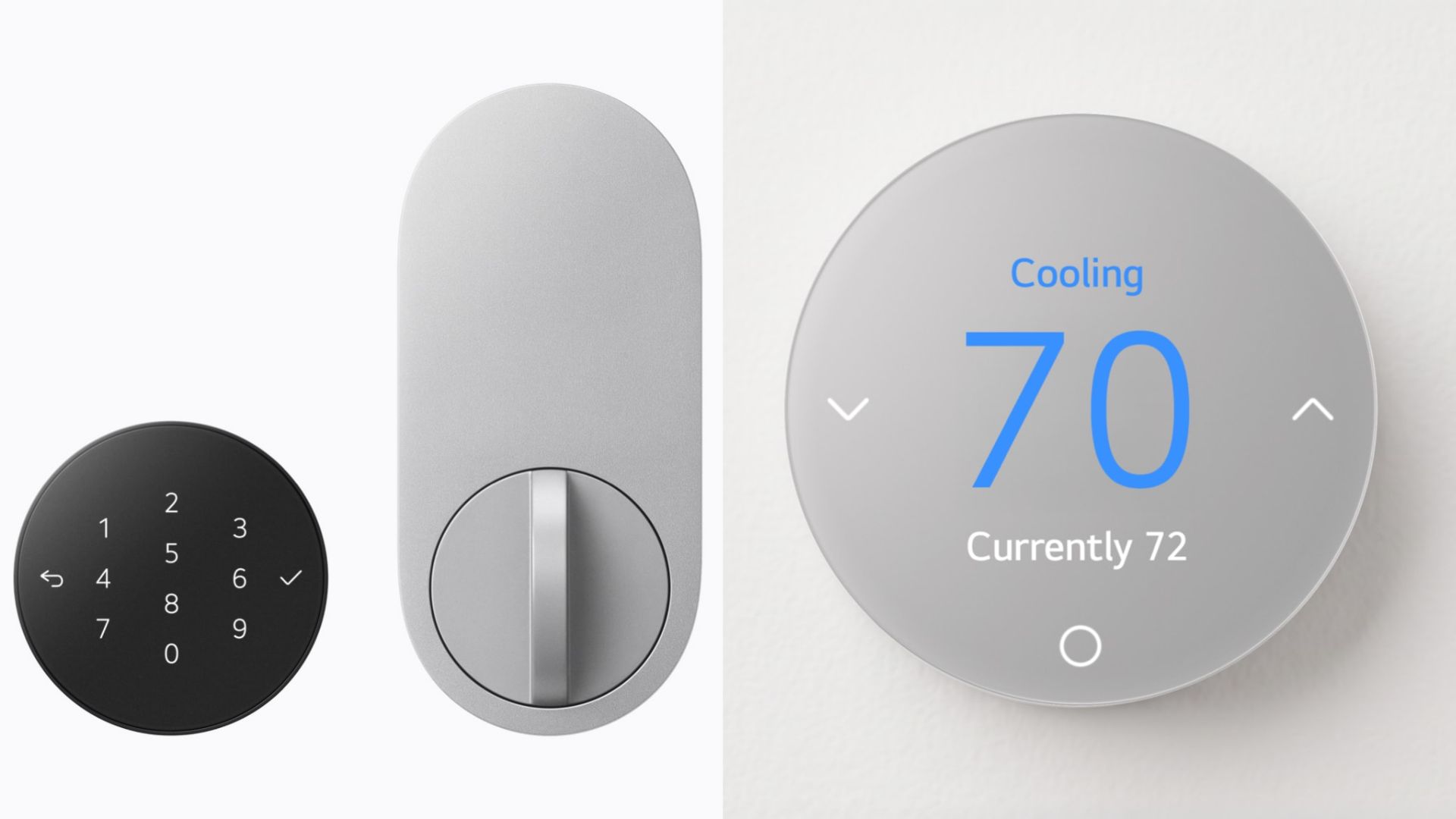
Meanwhile, LG’s Smart Deadbolt Lock brings a new level of convenience to home access.
Using Ultra Wideband technology, the lock can tell how close a user is and when they’re approaching the door.
As a user with a home key on a compatible iPhone or Apple Watch walks up, the door unlocks automatically, with no tapping required.
For flexibility, users can also tap to unlock with an iPhone or Apple Watch, use an integrated PIN pad, or rely on a hidden backup key slot.
The lock can sense if the door has been opened, closed, or tampered with, alerting users if it’s open even while locked.
Guest access can also be shared directly through the Home app, making it simple to grant a dog walker, house sitter, or visiting family member their own way in.
Home Climate
Furthermore, two new Smart Thermostats are available — one from LG Electronics and one from Schneider Electric. Users can choose the product that best fits their home’s broader energy ecosystem.
Using on-device intelligence from iPhone, Adaptive Temperature in the Home app automatically adjusts the thermostats based on whether someone is at home, winding down at night, or away, ensuring the home is always at the right temperature without any manual scheduling.
Pricing, availability
The Apple Home Collection will be available starting in December at apple.com/store, in the Apple Store app, and at Apple Store locations, with select accessories available starting early 2027.
- LG Video Doorbell Wired: starts at US$ 249.95
- LG Floodlight Cam: starts at US$ 399.95
- LG Outdoor Cam Plug-In: starts at US$ 299.95
- LG Indoor Cam Plug-In: starts at US$ 199.95
- LG Smart Deadbolt Lock: starts at US$ 349.95
- LG Smart Thermostat: starts at US$ 199.95
- LG Temperature Sensor starts at US$ 39.95
- Schneider Home Smart Thermostat: starts at US$ 199.95
- Schneider Home Room Sensor: starts at US$ 39.95
Installation accessories for smart thermostats are available separately at apple.com/store and in the Apple Store app.LG C‑Wire Power Adapter starts at US$ 24.95, Schneider Home Trim Plate starts at US$ 14.95, and Schneider Home C‑Wire Power Adapter starts at US$ 24.95.

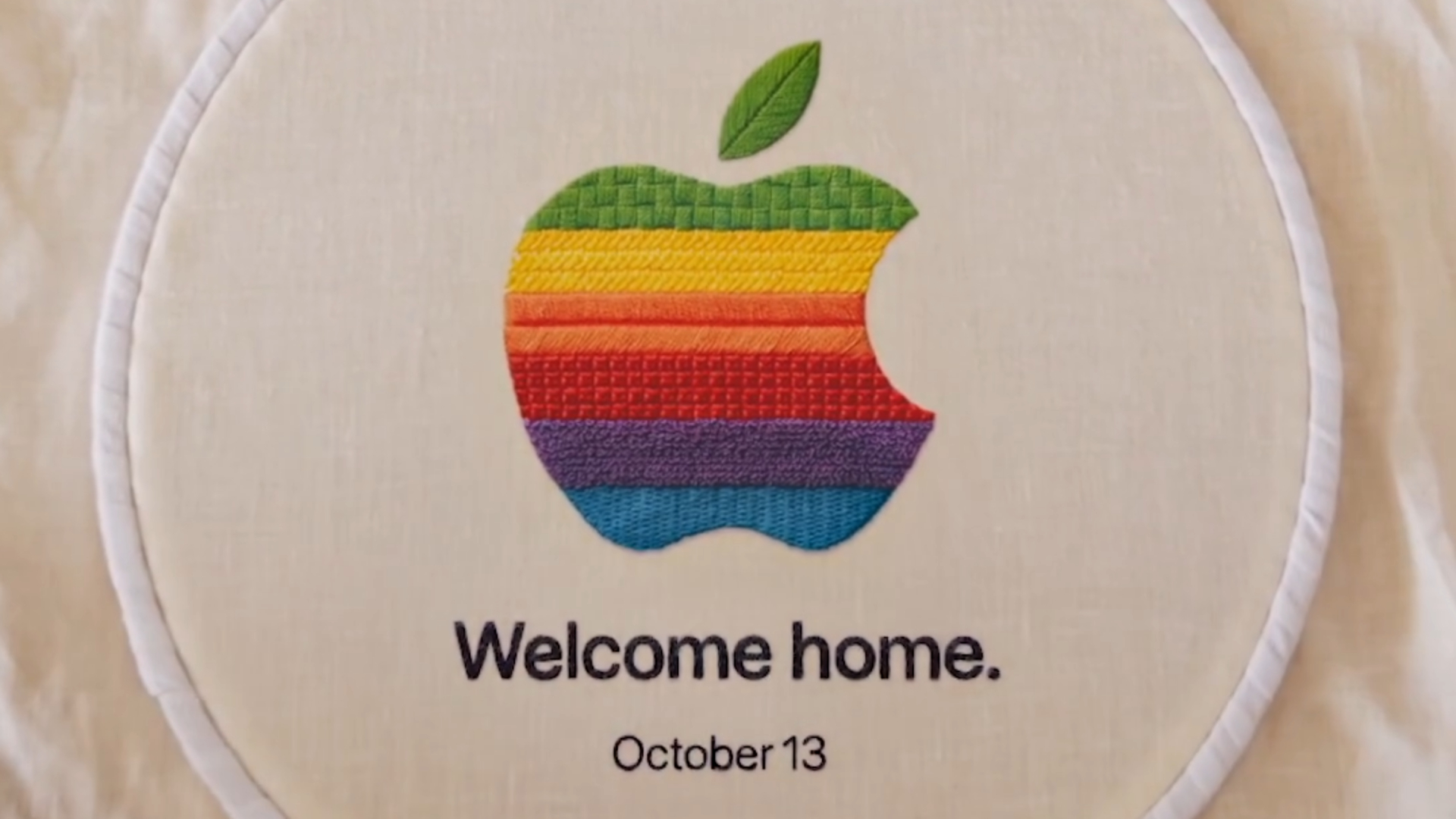
Recently, Apple CEO John Ternus declared his intentions to make his company release new devices more regularly. Well, he isn’t playing around. So soon after the launch of the new iPhone 18 Pro series and the iPhone Duo, Apple has just scheduled a new event on October 13 titled “Welcome Home.”
As the name implies, this isn’t an event for more iPhones. Rather, the event will likely focus on Apple’s suite of home-related products. We might see an all-new HomePod and an Apple TV. Plus, it’s been rumored that the company will launch a new smart home hub.
Besides new mobile products, Apple is focusing on adding more ways to have their ecosystem inside your home. Naturally, this could mean that Apple is improving the ecosystem itself, ensuring that all of its products work seamlessly with one another.
Sadly, that’s all we can say about the upcoming October 13 event. This is, after all, a new era for Apple after Tim Cook stepped down from his post as the company’s CEO. We don’t know if the company wants a grand entrance for its new products or a more subtle one. Either way, stay tuned next week for a preview of whatever the brand has cooking in the kitchen.



Your Samsung fridge might know what’s for dinner

Now Playing: Shin Godzilla

The new Apple TV 4K might be the smartest TV you can own

Apple unveils a new smart home hub called the HomeView

I don’t want a phone that unfolds — the Galaxy Z Fold8 gets why

vivo X500 Series launches with major imaging upgrades

OPPO Find X10 Pro Max is the first phone with a triple 200MP camera system

TECNO CAMON Slim 5G: Price, availability in the Philippines

BYD says that way better EV batteries are coming next year

HONOR Magic9 Pro Max launches in China with ARRI-powered imaging


-
 Philippines2 weeks ago
TECNO CAMON Slim 5G: Price, availability in the Philippines
-
 News2 weeks ago
vivo X Fold6 makes global debut with 200MP camera and 6900mAh battery
-

 Gaming2 weeks ago
Ghost of Yōtei Complete Edition review: More of a great thing
-

 Philippines2 weeks ago
Bambu Lab opens first Authorized Store in the Philippines
-
 News7 days ago
OPPO Find X10 Series launches globally October 21
-
 Features1 week ago
Nike’s new race-day system, explained
-

 News1 week ago
Sony teams up with Hello Kitty for exclusive limited-edition collection
-

 Computers2 weeks ago
Lenovo tech behind DreamWorks Animation hit ‘Forgotten Island’