
Cameras
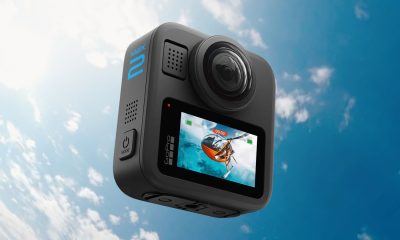
The GoPro MAX2 is Insta360 X5’s tiny yet mighty rival
And DJI Osmo 360’s closest counterpart

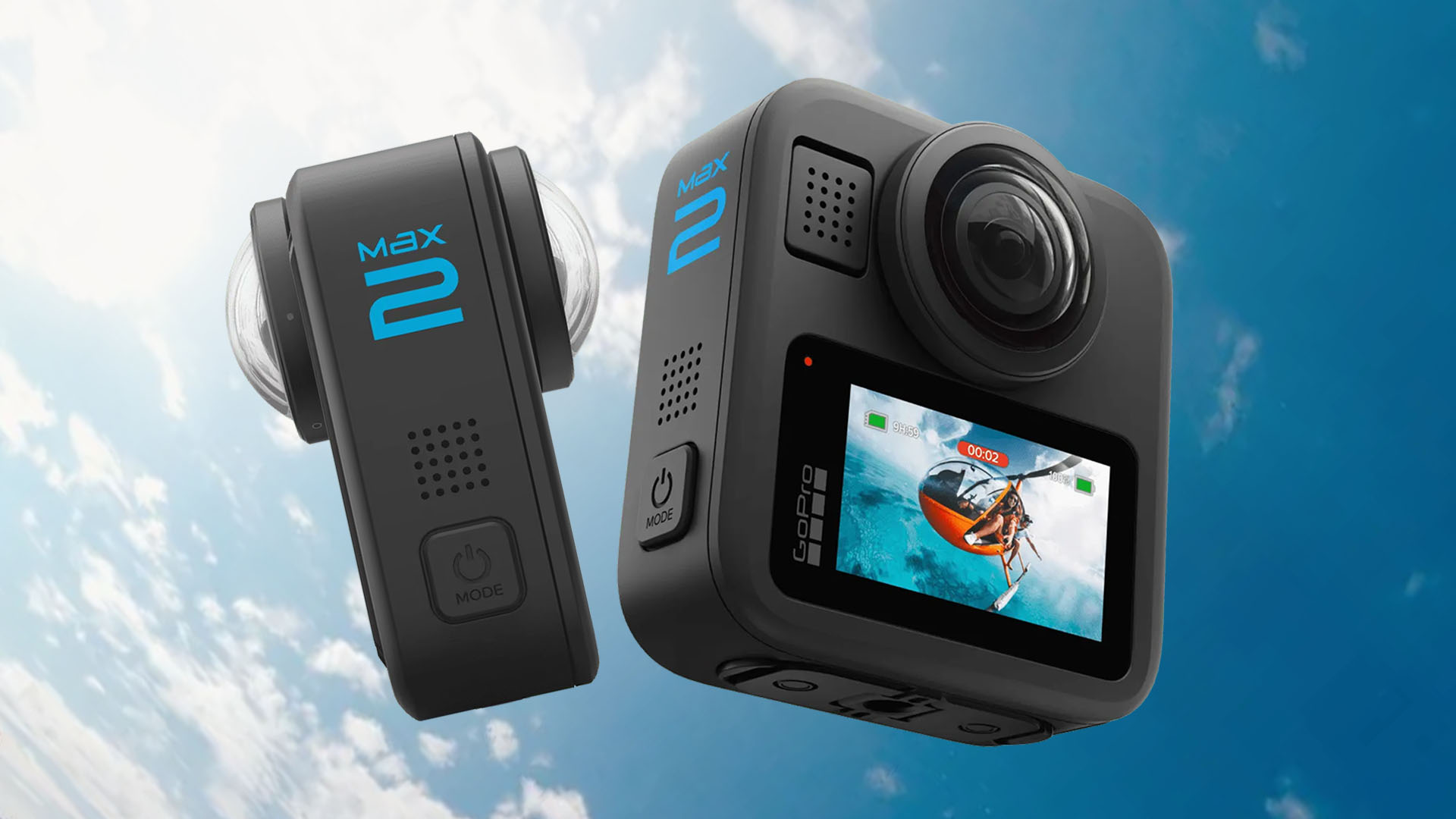
GoPro is always known for their action-packed HERO cameras.
But, if you’ve been wondering when the brand is going to release Insta360 X5‘s direct contender, the time has finally come.
The GoPro MAX2 has just arrived — which is a much-needed refresh since its first iteration way back in 2019.

On paper though, it’s closer competitor is none other than DJI’s Osmo 360.
And as coincidental as it seems, the MAX2 launches the same day as DJI’s Osmo Nano — also a contender to Insta360’s GO 3S.
MAX’d Out
After almost six years of nothing, GoPro went all out with MAX2’s host of upgrades.
First and foremost, its 360-degree video recording maxes out at 8K/30fps with 10-Bit LOG support. Insta360 X5 only has 8-bit color depth alongside its proprietary i-Log Encoding.
Max video bit rate of the MAX2 caps at 120Mbps (versus 180Mbps) but 300Mbps is achievable through GoPro Labs together with GP-Log with LUT Encoding.
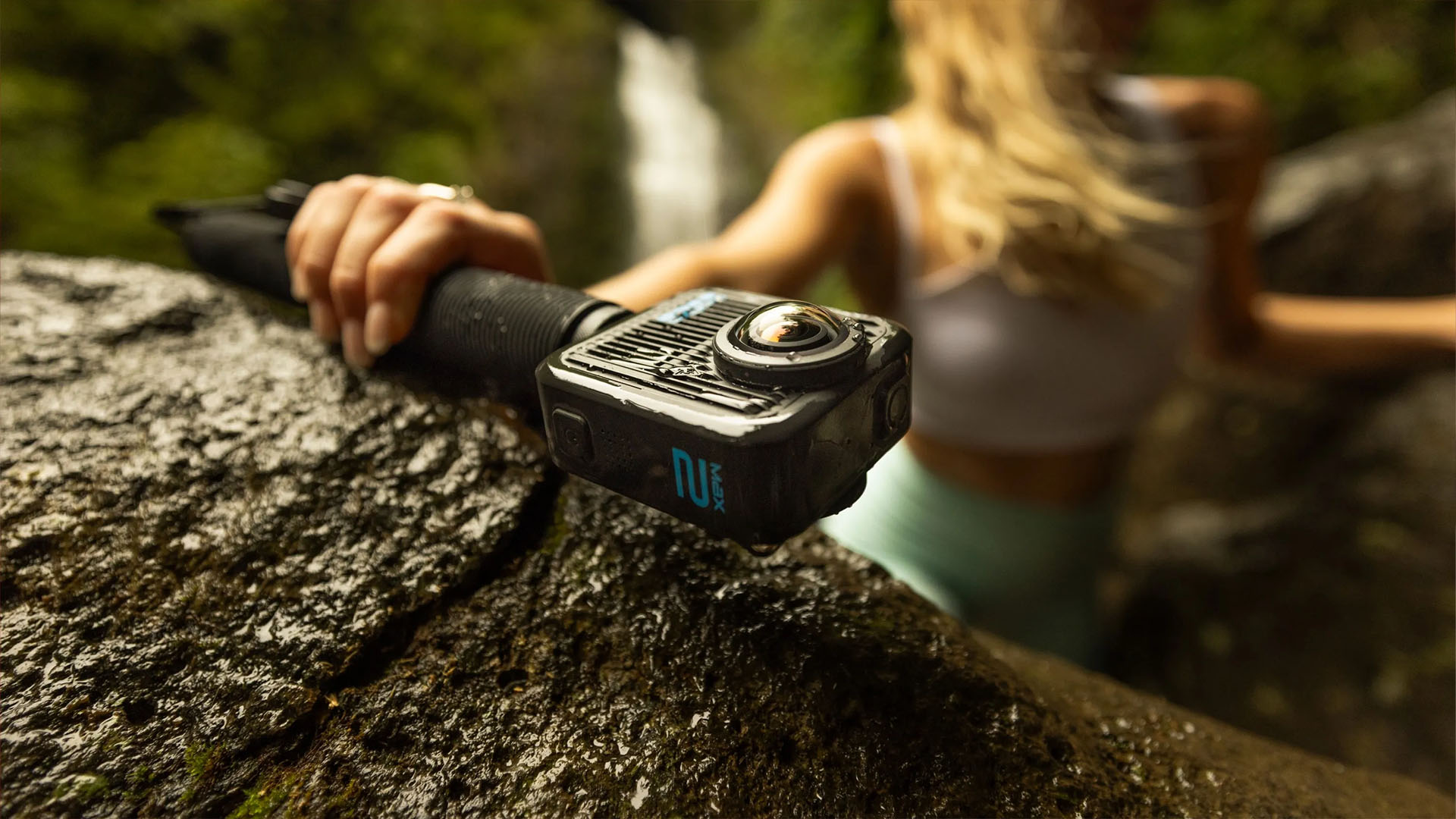
360-degree slo-mo is also possible at 4K/100fps. Higher resolution 5.6K/60fps shooting is doable as well, but at the expense of the lesser 2x slo-mo capability.
Although GoPro’s shiny new model has a wider aperture of f/1.8 (versus Insta360 X5’s f/2.0), it has a smaller 1/2.3-inch sensor size (versus 1/1.28 inches).
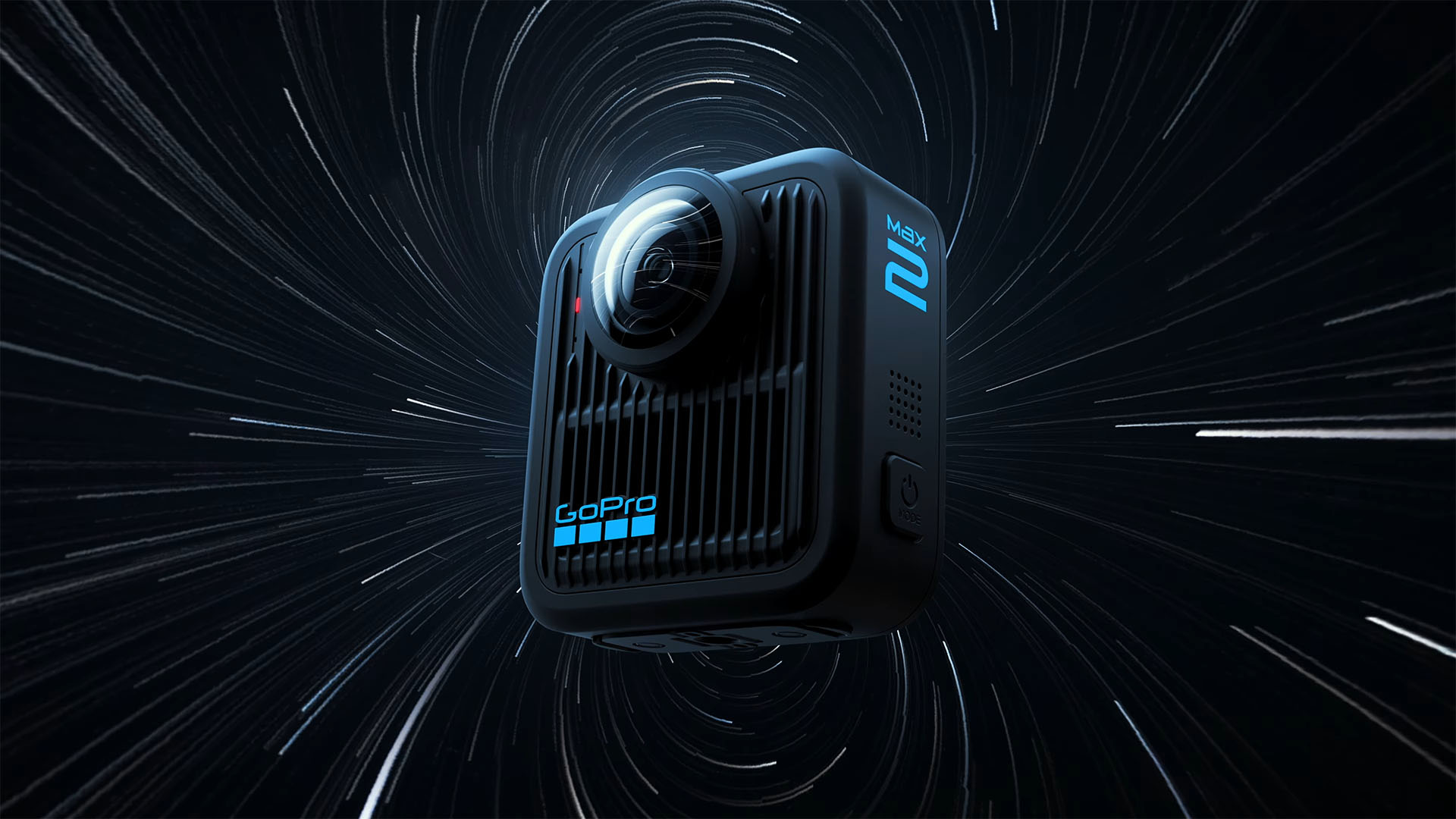
The MAX2 can even shoot wider than wide POVs with the Max HyperView digital lens. This delivers 180-degree 4K/60 clips. That’s alongside four (4) other digital lenses: Linear, wide, ultra-wide, and Max SuperView.
GoPro won’t miss out its stabilization prowess with Max HyperSmooth that promises maximum smoothness even in the roughest conditions. 360 Horizon Lock is also there to keep all your shots leveled — regardless if you’re spinning, flipping, or even chasing your pets (or kids).
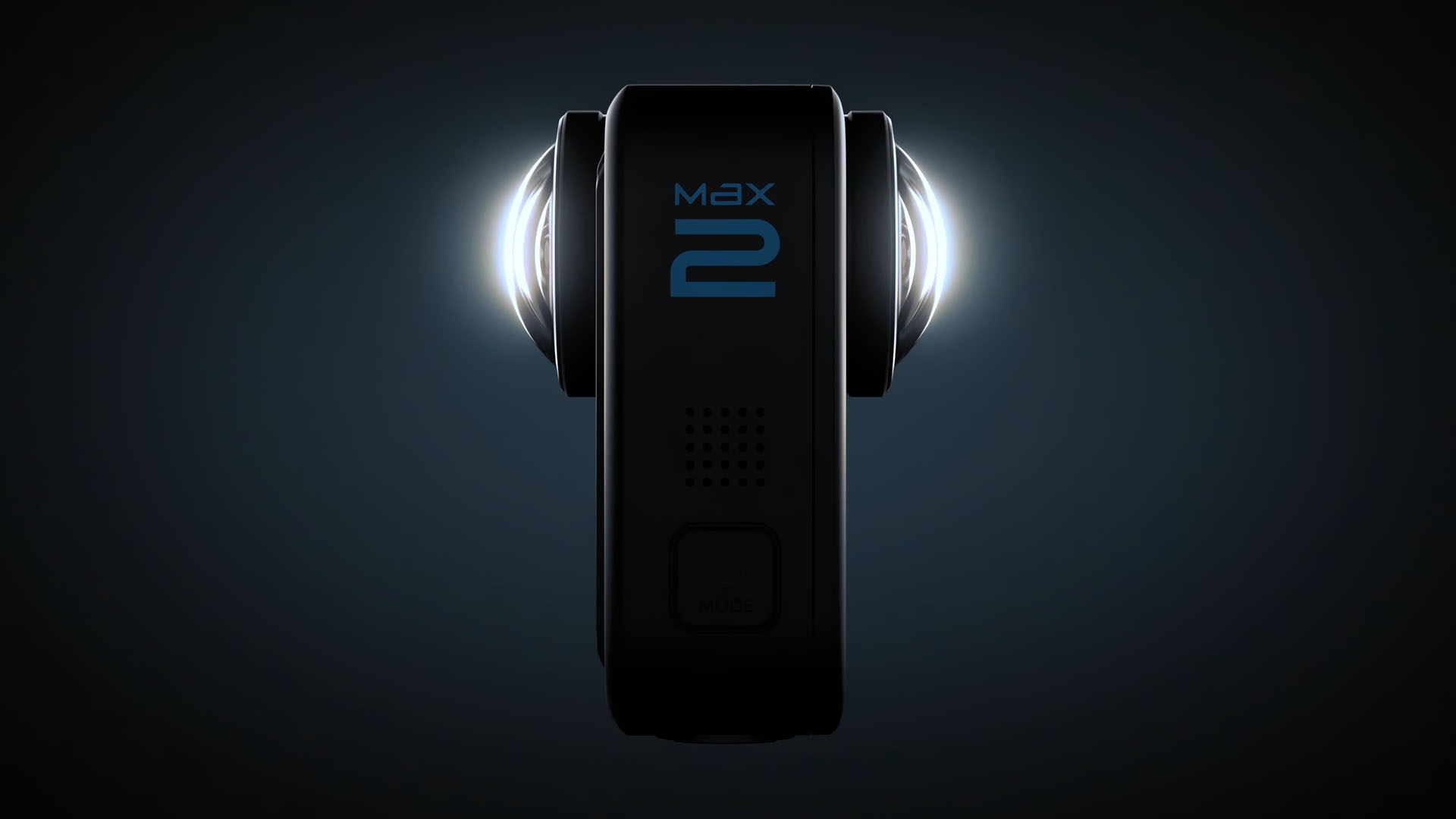
If you’re concerned about picture-perfect moments, it can capture 29MP 360-degree shots plus 12MP through a single lens. That’s lesser though compared to X5’s 72MP + 18MP combo.
Other features are found on both: ISO 6400 sensitivity limit in videos, H.265 video compression, RAW image support, three color profiles (Standard, Vibrant, Flat), 6-mic array, stereo audio recording, microSD support, and USB-C charging.

DJI Osmo 360 – Graphics by Vincenz Lee | GadgetMatch
On paper, at the very least, DJI Osmo 360 exceeded the limits in certain aspects: 4K/120fps support (single-lens), up to ISO 51,200 sensitivity, 120MP 360-degree photos, , built-in 128GB storage, faster USB-C 3.1 transfers. Best of all? Its massive pair of 1-inch image sensors.
Compact Companion
With dimensions (WxHxD) of just 64 x 69.7 x 48.7mm, the GoPro MAX2’s squarish body is obviously smaller than the elongated form of the Insta360 X5.
Still, the Osmo 360 is smaller and lighter at 185 grams (versus MAX2’s 195g or X5’s 200g).
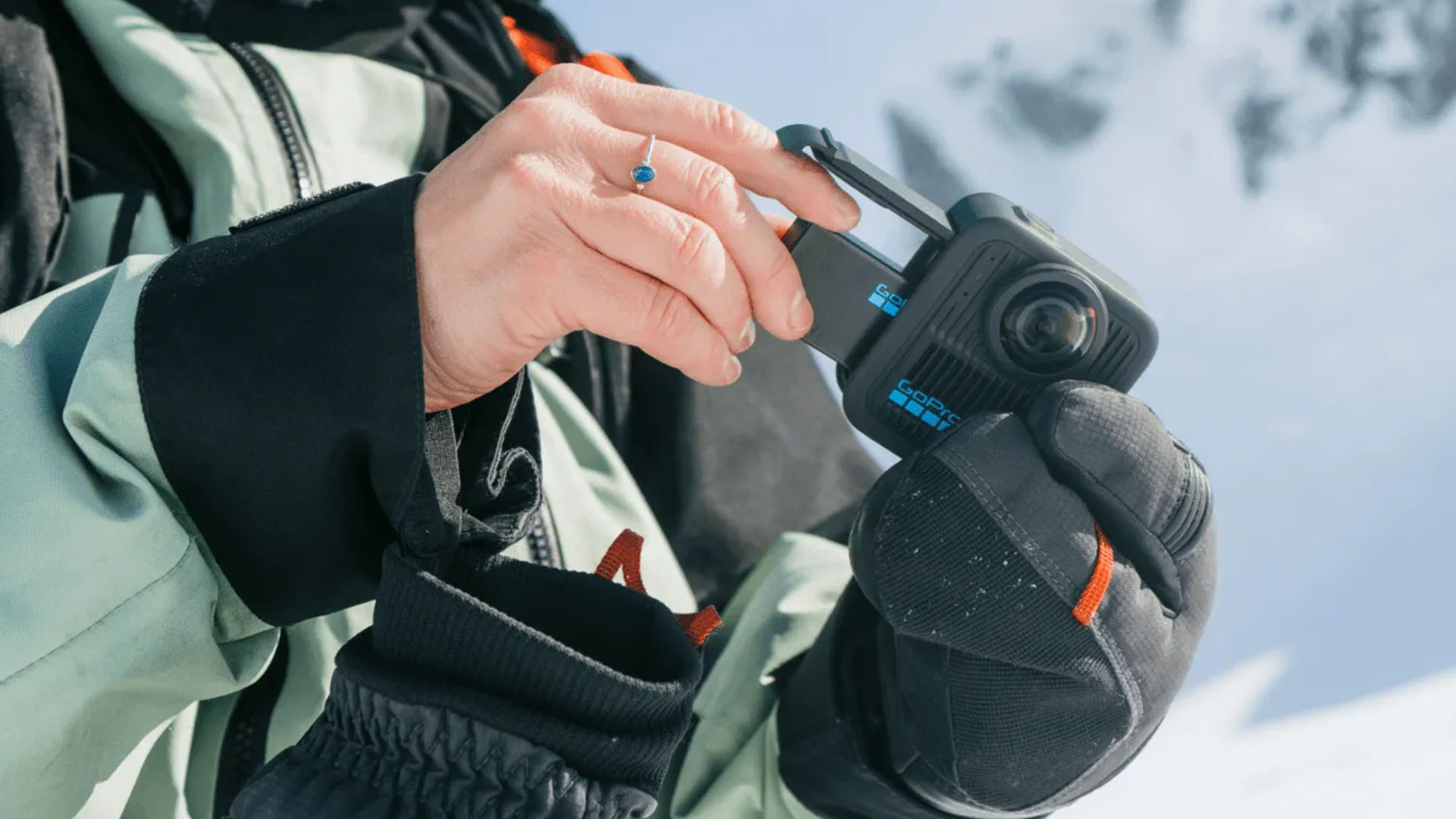
Albeit, that means it has a smaller 1960mAh battery capacity. But, coined from the term “Enduro”, it’s able to resist operating temperatures between -10 to 35 degrees Celsius (or 50 to 95-degrees Fahrenheit).
Touchscreen display is a tad bigger at 1.82-inch over MAX’s 1.67 inches. However, Osmo 360 is more operable with its tad larger 2.0-inch screen size.

Although GoPro claims it’s the “toughest” 360-degree camera, it’s only capable of withstanding below 16ft. (or 5m) underwater. The Osmo can go deeper down to 33ft. (10m) while nowhere near X5’s 49 ft. (15m) claim.
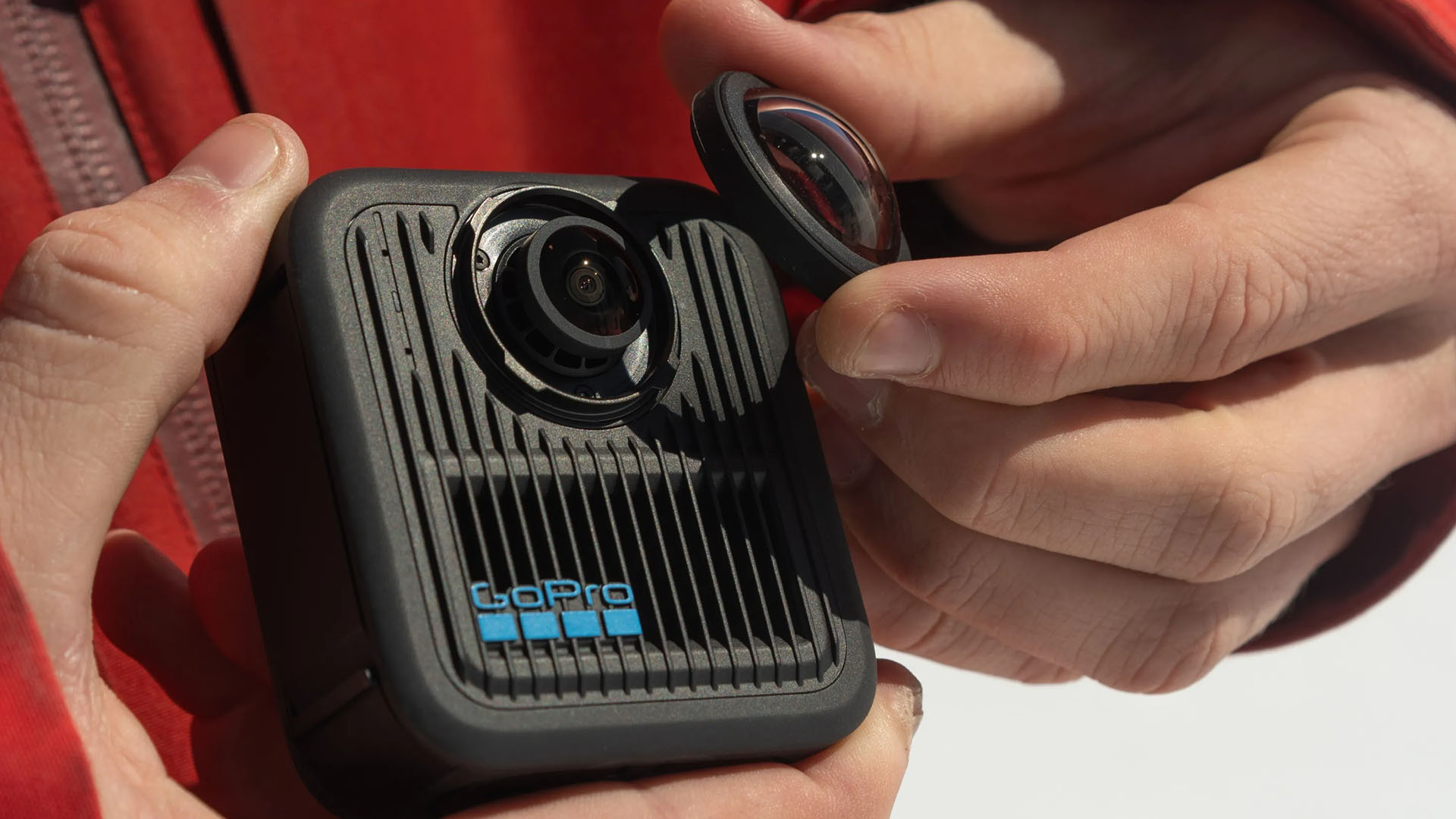
While GoPro tells the lenses are made from a super-strong optical glass, they’re still user-replaceable just in case one gets cracked — pretty much like its Insta360 counterpart.
All in all, the MAX2 offers significant upgrades over its predecessor — larger image sensor, bigger battery, better hardware and software feats.
Most of all, going past its 6K recording limits (or 5.6K when stitched).
Quik and Easy
GoPro also has a host of in-app capabilities post recording.

Aside from the built-in Subject + Object Tracking, it will be easier to track, focus, and edit your videos through GoPro’s Quik app along with these tools:
- Reframing
- MotionFrame
- Keyframes
- CameraFX
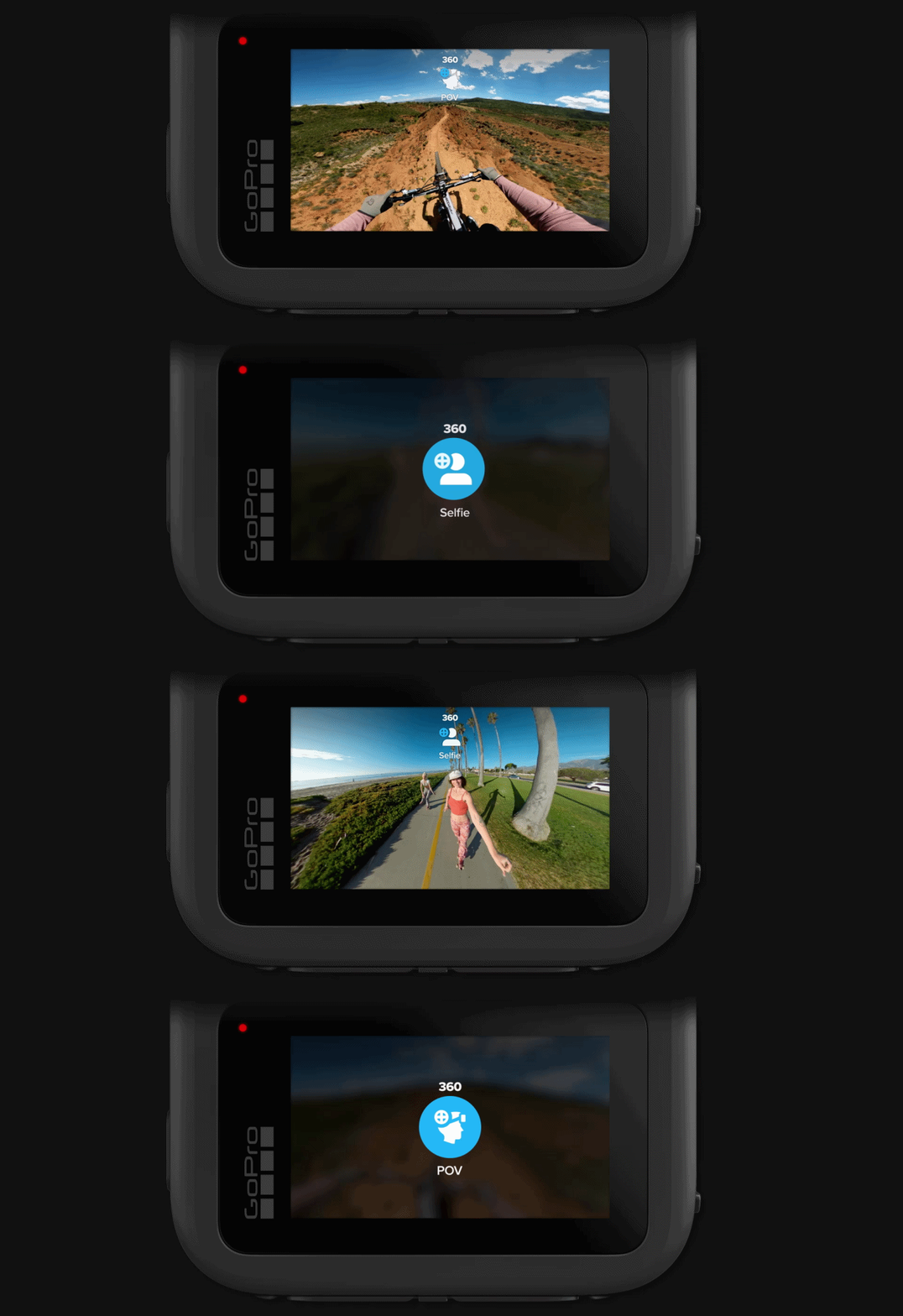
GIF by Vincenz Lee | GadgetMatch
Having the ability to shoot 360-degree isn’t limited to POVs and Selfies, the MAX2 can also shoot videos meant for both TikTok / Instagram Reels (vertical) and YouTube (horizontal) without the hassle of stopping and switching in-between.
Other creative capabilities by GoPro are present as well:
- 360 Night Effects (Star Trails, Light Painting, Vehicle Light Trails)
- Time Lapse + Night Lapse
- Max TimeWarp
- Scheduled Capture
- Timecode Sync
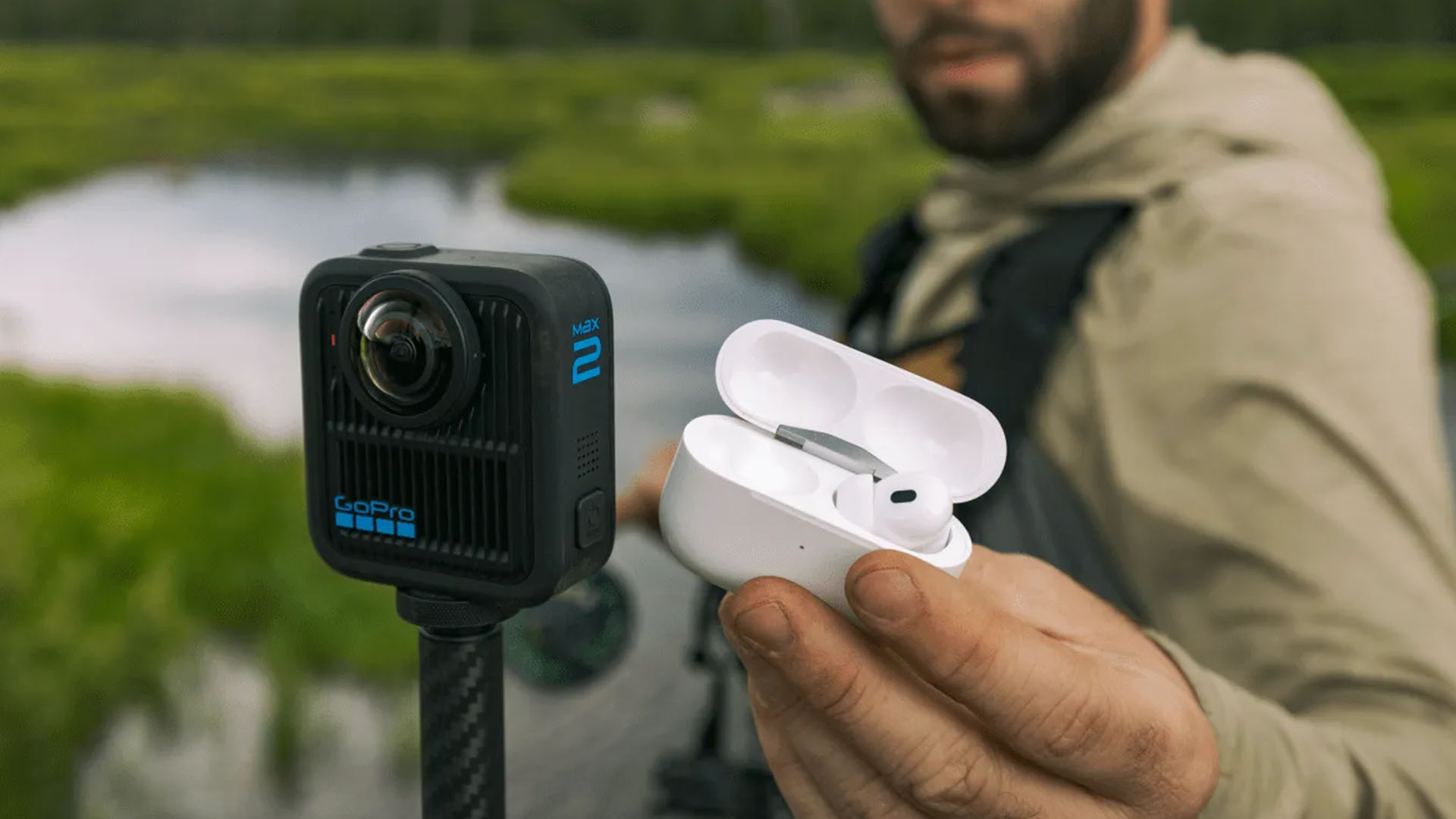
Lastly, recording audio with an external wireless device through Bluetooth is possible. Whether that’s an AirPods, any type of TWS earbuds, or other wireless mics, it will be more than helpful for interviews.
You can also control your MAX2 remotely via voice commands.
Pricing and Availability
The GoPro MAX2 launches for US$ 499.99 / EUR 519.99 / GBP 449.99 / SG$ 700.00. That’s quite cheaper than Insta360 and DJI’s latest offerings.

Early MAX2 buyers will also get a FREE 1-year GoPro Premium Subscription with unlimited cloud storage, damaged lens replacement, and as much as 50% off of official mounts (through its magnetic latch) and accessories — including the 4ft. (1.2m) and 9ft. (2.7m) Extension Poles.
It will then be renewed yearly at US$ / EUR / GBP 49.99 or SG$ 68.98.






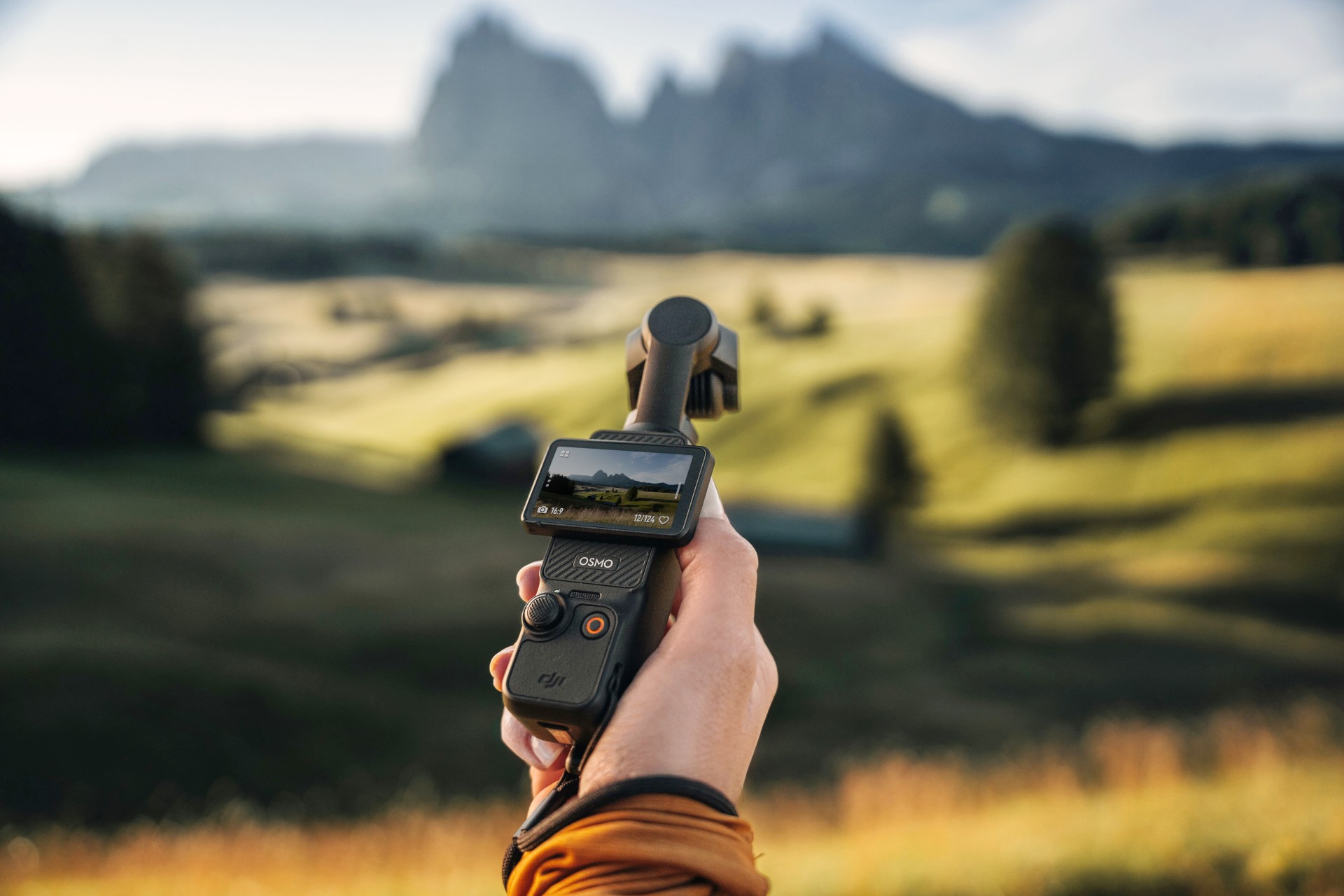
The DJI Osmo Pocket 3 might be the most popular camera in recent history. The tiny action camera constantly sells out, thanks to creators and would-be vloggers. Because of the current generation’s popularity, everyone is looking forward to the next-generation Osmo Pocket 4. Though it’s still unannounced, the new camera has suddenly made a surprising appearance out in the wild.
The leak shockingly comes from an authorized DJI retailer in Kuala Lumpur. Supposedly, a customer entered the store with what they claimed was an Osmo Pocket 4. The store, DronesKaki, even shot a now-deleted video of the unannounced camera, rescued by New Camera.
Based solely on the short video, the Osmo Pocket 4 looks and feels very familiar to those who’ve already used the Pocket 3. The three-axis gimbal system still keeps shots in place for taking videos while on the move. The 2-inch rotating screen looks identical to the current one, especially because of intuitive settings and controls.
However, the biggest standout is the built-in LED light sitting atop the camera. Despite how convenient and easy to use it is, the Pocket 3 doesn’t exactly shine in low-light conditions, prompting users to always bring an external flash. If the leak is true, the Osmo Pocket 4 cures this issue to some extent. (Built-in flashes aren’t usually standout solutions, but they can work in a pinch.)
Still, take the leak with a grain of salt. Though the store could have deleted the video because of a request from DJI, they could have also deleted it because it’s not the Osmo Pocket 4. At this point, we won’t know, but current rumors speculate that the camera is launching soon.
SEE ALSO: DJI Osmo Action 6 review: An adventurer’s best friend
Cameras
Canon PhotoMarathon returns, introduces video, open categories
Happening on April 18 in BGC, Taguig


The Canon PhotoMarathon is officially returning this year and is introducing more categories for enthusiasts to join in.
The 2026 edition, the 19th in the Philippines, will happen on April 18 at the BGC Amphitheater in Taguig City.
For the first time, Canon is opening the competition to non-Canon users. Even those with just smartphones can register. The brand has also added a video category.
Here’s a quick breakdown of the contest categories and their corresponding prizes:
Main Category (Photo)
- Open to Canon users only
- Prize: Canon EOS R6 Mark III with RF24-105mm f/4-7.1 IS STM
Open Category (Photo)
- Open to all camera brands
- Prize: Canon EOS R8 with 24-50mm
Video Category
- Open to all camera brands
- Canon Prize winner: Canon EOS R50 V
- Non-Canon Prize winner: Canon Powershot V1
The full mechanics will be announced on the day of the competition itself to make it even more challenging for those taking part.
To join, simply download the Canon PH Delightful app, create an account, go to the Events tab and select the Canon PhotoMarathon banner. Registration is already open.
To build up hype for the upcoming event, Canon will host photowalks, school tours, and regional tours leading up to the PhotoMarathon.
These are designed to engage photographers at every skill level. Admission is free and open to all digital camera users.
Cameras
Canon EOS C50 cinema camera price in the Philippines
Smallest, lightest cinema camera made for today’s filmmakers, creators

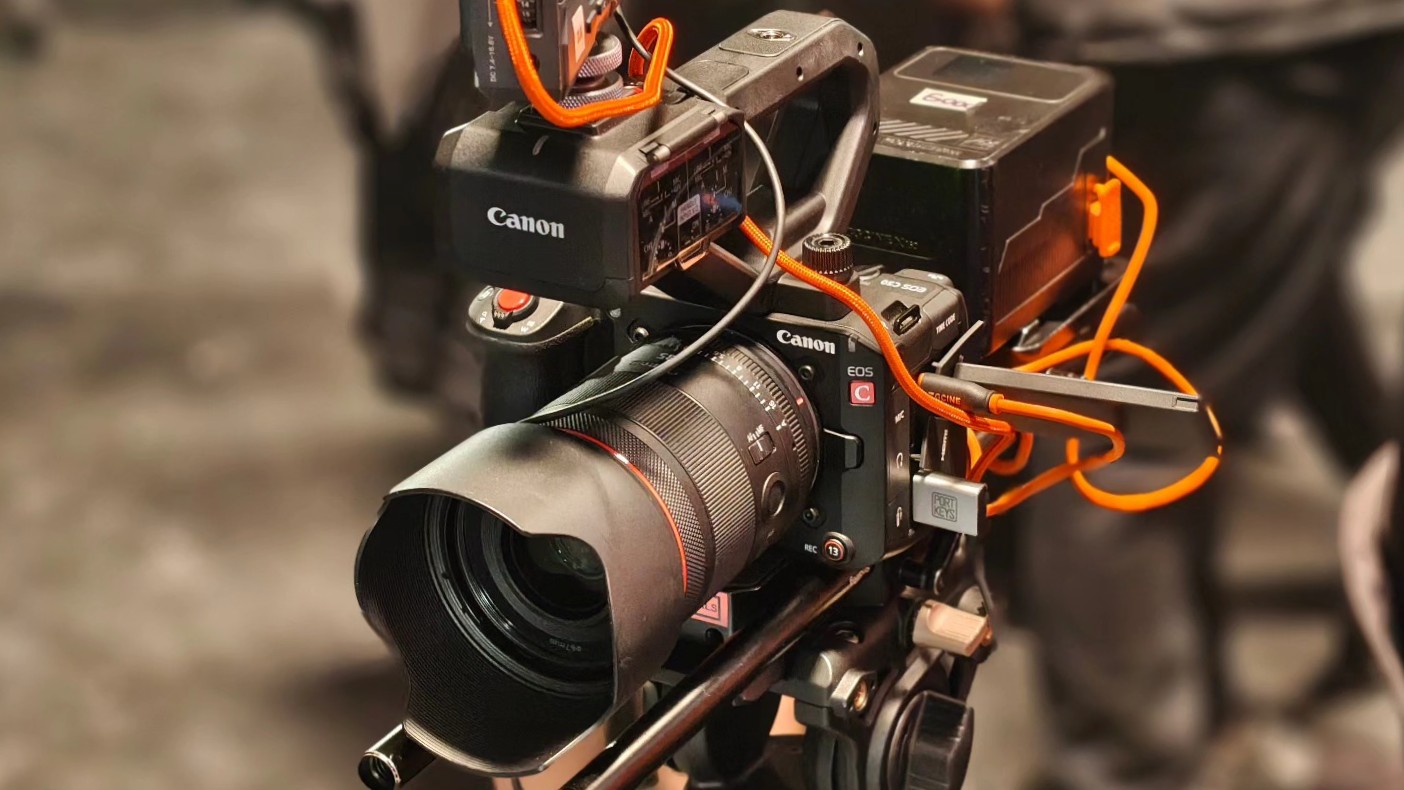
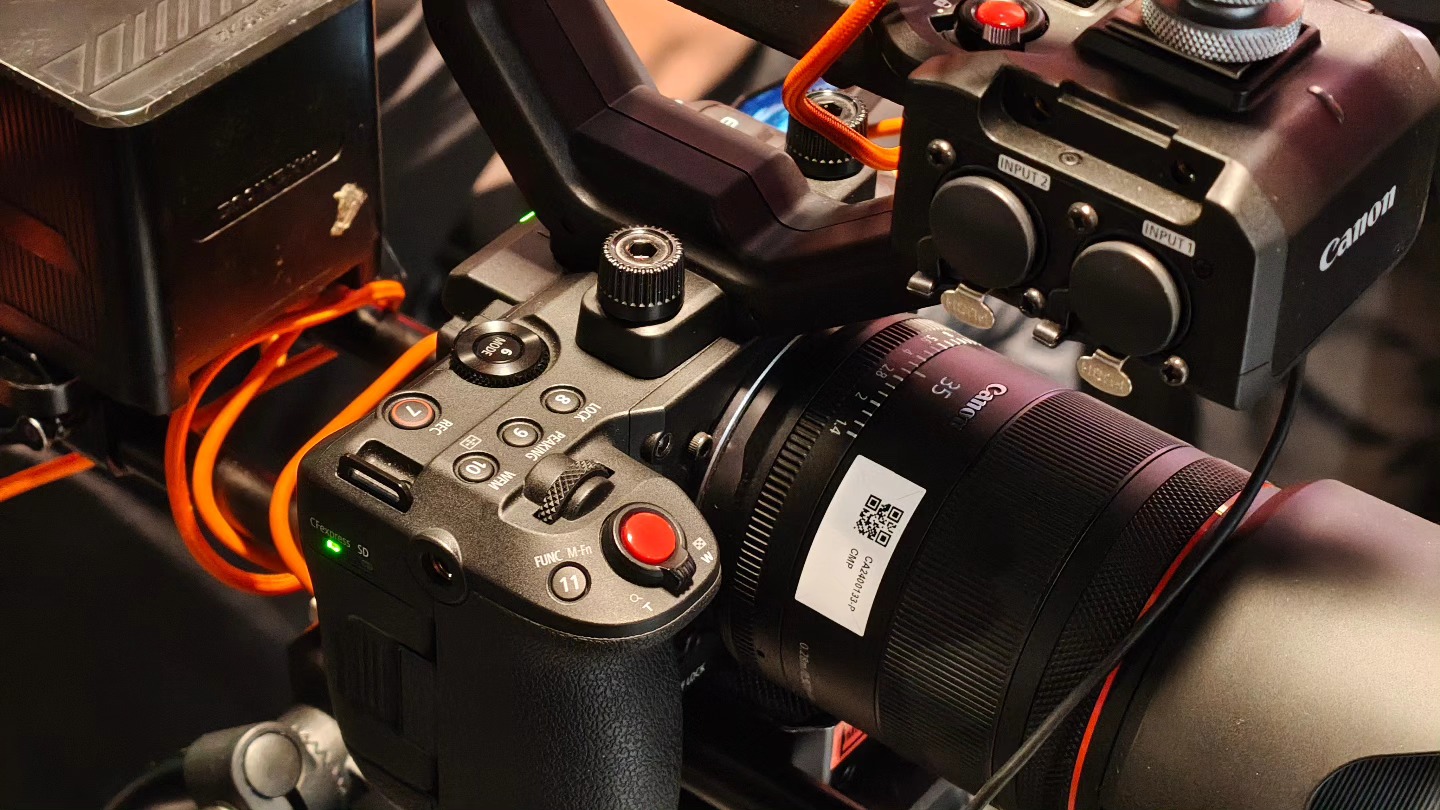
Canon Philippines is capping the year strong with the release of the Canon EOS C50 in the market. The cinema camera is priced at PhP 189,998 for the body along with an XLR handle.
The Canon EOS C50 is designed for both filmmakers and creators who need mobility and professional-grade quality.
It has the same 3:2 Open Gate recording feature also on the EOS R6 Mark III, which gives users flexibility for post-production.
Creators can extract full 4K footage along with cropped 2K vertical or square versions from the same capture with the Simultaneous Crop Recording feature.
This is ideal for producing multi-platform content, like 16:9 landscape videos for YouTube then vertical shortform videos for social media.
Also, an added edge is the up to 7K 60p RAW recording capability on the C50, compared to just 7K 30p for the Mark III.
Filmmakers can also record at up to 4K 120fps should they need high frame rate captures. Recording in 4:2:2 10-bit is also available for rich color and flexibility in post-production.
In addition, the EOS C50 features dual CFexpress and SD card slots. 7K RAW can be saved to CFexpress while other formats can be saved to the SD card.
Different format, resolutions, and color sampling can be assigned for backup, distribution, or quicker edit-ready files.
Photo performance
For stills, users can take advantage of the 32MP CMOS sensor for capturing up to 40 shots per second (with electronic shutter).
The camera also supports pre-continuous shooting and AF performance improvements with its Dual Pixel CMOS AF II.
Enhancements include Auto setting, animals, vehicle priority, and eye AF, as well as the new left/right priority.
Moreover, the camera features Dual-Base ISO with Auto Selection, automatically switching between ISO 400 and ISO 3200 depending on the scene.
This ensures the highest signal-to-noise ratio while maintaining a wide dynamic range. Users can also manual select the ISO to match lighting conditions.
Professional interface
Onto its controls, the EOS C50 has a TIME CODE terminal, which is perfect for seamless multi-camera setups. It also features two XLR terminals and a handy control dial for professional audio input.
There are 14 assignable buttons, each thoughtfully positioned for quick, instinctive access while filming. There are about 100 customizable functions available so the camera can match a user’s workflow.
During the launch event, Canon Philippines demonstrated a wide range of scenarios for the EOS C50, including multi-angle live broadcasts with just one camera.





Infinix NOTE 60 Ultra makes a motorsport-inspired debut

MacBook Neo enters the chat with a $599 starting price

One Piece: Into the Grand Line unveils final trailer ahead of premiere

AMD announces Ryzen AI 400, AI 400 PRO series at MWC 2026

ASUS launches 2026’s Zenbook S16, Zenbook 14

Xiaomi 17 Ultra is now available outside China

TECNO will showcase the CAMON 50 and POVA 8 series at MWC 2026

PlayStation, LE SSERAFIM Chaewon team for the ‘Love of Play’ campaign

The art of being in and behind the frame

HUAWEI MatePad 11.5 S 2026: The better-than-ever 4-in-1 productivity tablet


-
 News4 days ago
Xiaomi 17 Ultra is now available outside China
-

 Camera Walkthrough2 weeks ago
OPPO Reno15 Pro: Camera Review
-

 Cameras2 weeks ago
Osmo Pocket 4 makes a surprising appearance in public
-

 News2 weeks ago
iPhone 17 Pro Max is somehow the most traded-in phone today
-

 News2 weeks ago
HUAWEI launches Mate X7, MatePad 11.5 S 2026, FreeClip 2
-

 Events2 weeks ago
Capcom to hold Resident Evil Requiem launch event in Jakarta
-
 Gaming2 weeks ago
Pokémon FireRed and LeafGreen are coming to the Switch
-

 Reviews4 days ago
Xiaomi Pad 8 review: Slab that slaps!