
Automotive
GrabProtect is Grab’s safety measures as it resumes operations
Stringent measures against COVID-19


Grab Philippines is introducing new safety measures as it resumes ride-hailing operations on June 1, 2020. GrabProtect is the company’s safety measure intended to protect drivers and passengers against the threat of COVID-19. The company is also introducing new changes to the booking process for a safer and more efficient ride experience during these times.
Selfie verification feature and feedback
Under GrabProtect, Grab will introduce and implement changes to its GrabCar service. By the end of June, drivers must take an online health and hygiene checklist to verify their well-being. They must also submit a selfie with a mask on as a verification feature. Grab passengers can cancel a booking should they see that their driver is not wearing a mask.
The same also goes for the drivers. If they saw that their passengers are not wearing a mask, they can cancel the booking. Both the drivers and passengers are encouraged to submit feedback after every trip for cases where both parties appear unwell or are not wearing a mask.
Disinfection measures
Vehicle disinfection must take place before and after every ride. Grab will provide special disinfectant kits for every driver. These disinfectants are partially subsidized by the company, with special disinfection rates being planned to cover the rest of the expenses. There will also be a deep disinfection process every other day to ensure safety and cleanliness at all times.
Before boarding the ride, passengers have to show their booking code to the driver for confirmation. They will only be allowed to seat at the back of the vehicle. A non-permeable acetate barrier provided by Grab must separate the drivers from the passengers. The company also encourages both parties to carry hand sanitizers at all times for personal disinfection.
And to minimize the spread of pathogens, only drivers will be allowed to open and close the doors for their passengers. A maximum of two passengers is allowed for every GrabCar trip.
Other changes to GrabCar service
Aside from GrabProtect, Grab is also introducing new changes to its booking process to comply with the government’s guidelines.
Drivers who want to resume driving for Grab must undergo training to receive safety and hygiene certification from the company. This training is done in a warehouse in Marikina, where drivers are taught how to disinfect their vehicles as well as how to install the acetate barrier. The company has already trained more than 40,000 drivers under its new safety measures.
Grab is also introducing new changes in the payment process for all bookings. There will be a cap in surge for the meantime as the company expects reduced demand for the first few months of resumption of operations. Physical cash transactions are not allowed in the meantime too. As such, passengers must pay through one of the two options:
- Credit card/ debit card option
- GrabPay
Grab will also cover the medical expenses for drivers who test positive for COVID-19. As per guidelines, the company is not allowing individuals under age 21 or those above 60 to make a booking. Individuals who are pregnant and those with a compromised immune system are also not allowed to book a ride.
Earlier this month, Grab also introduced changes to its delivery service by doubling down on GrabPay. Now, the company is introducing more changes as the Philippines move to a new normal. These changes will ensure a much-streamlined process while minimizing the spread of the deadly coronavirus.







Automotive
BYD’s high-end brand Denza launches in the Philippines
The debut starts with the Denza D9, a full-size MPV.

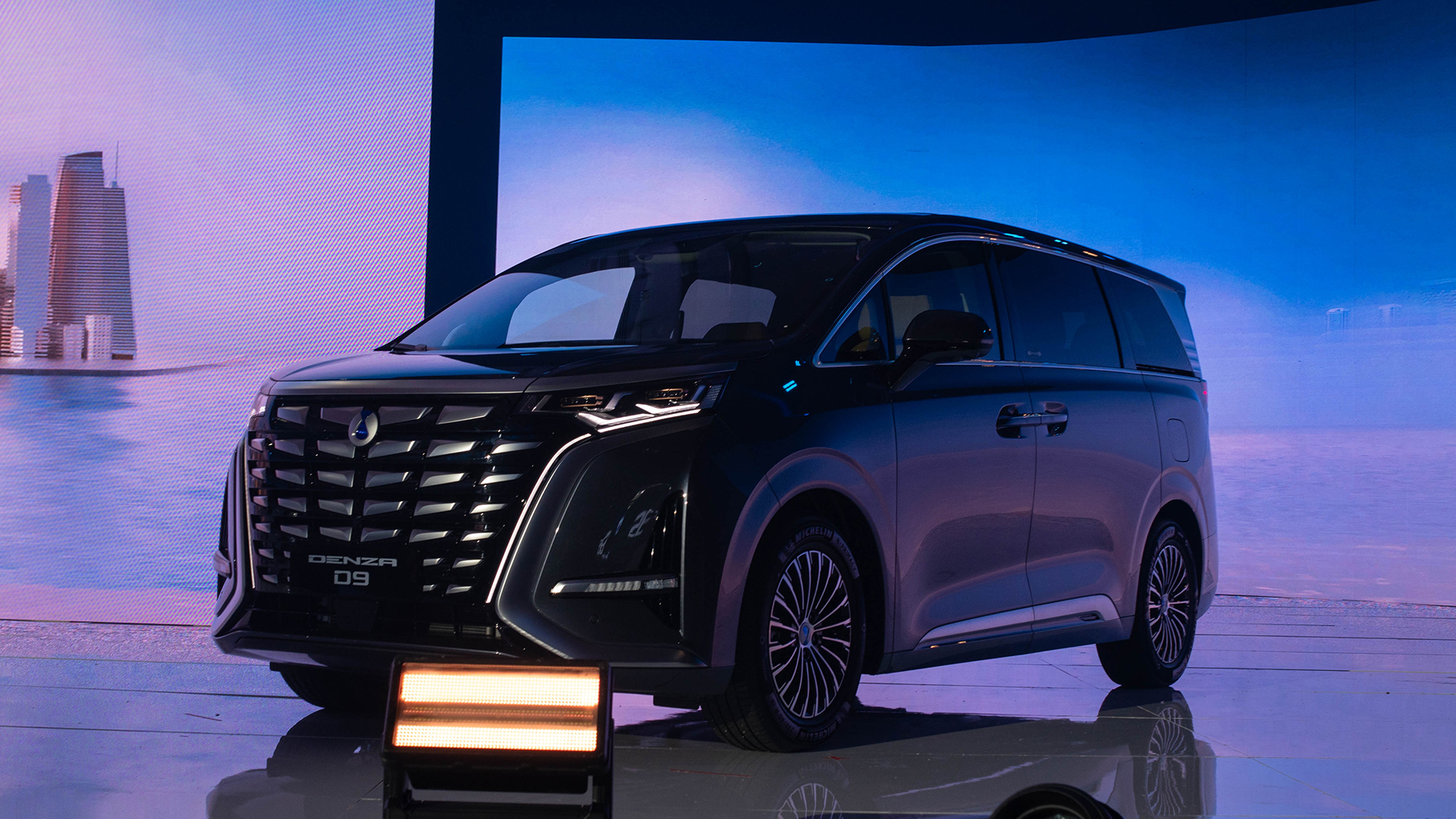
The BYD family in the Philippines just got bigger. After testing the waters and succeeding gracefully with the main brand, the Chinese automotive company is bringing in a new brand to the country: Denza.
Denza started off as a brand co-owned by both BYD and Mercedes-Benz (then known as Daimler). BYD’s meteoric success eventually led to Denza’s concurrent rise as well. Eventually, Mercedes-Benz relinquished all but 10 percent of the brand’s total shares to BYD in 2021. Then, in 2024, the German company withdrew entirely, leading to Denza being completely owned by BYD today.
The brand is known for delivering high-end PHEVs to several markets, which now includes the Philippines. The stint will start off with its ever-popular full-size MPV, the Denza D9.
Introducing the Denza D9
Prior to today’s launch, I already saw the Denza D9 plowing through the streets. The sizable MPV already made quite an impression, to say the least.
Up close, the Denza D9 has a bold front fascia, exuding modern elegance and sleek body lines.
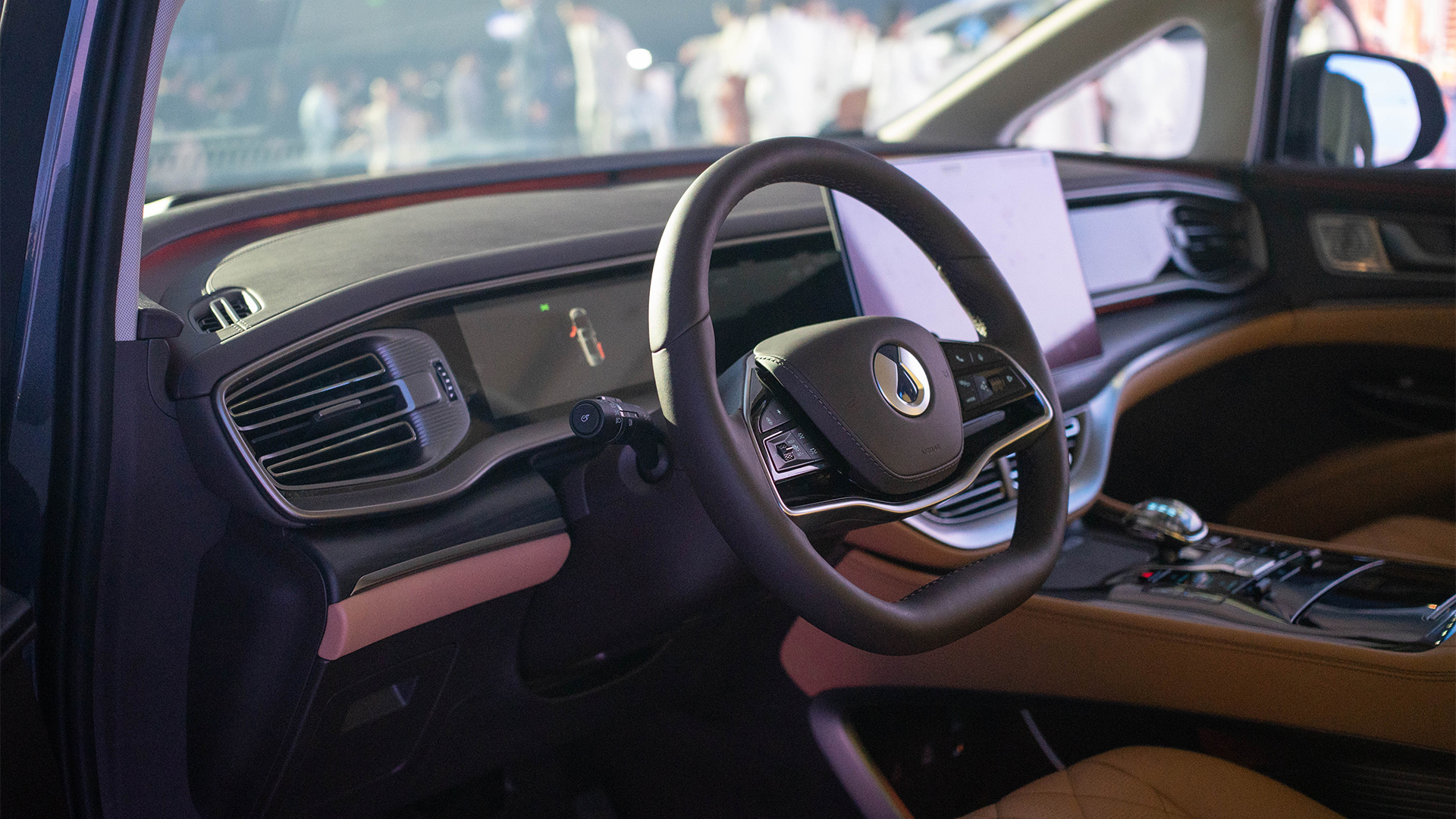
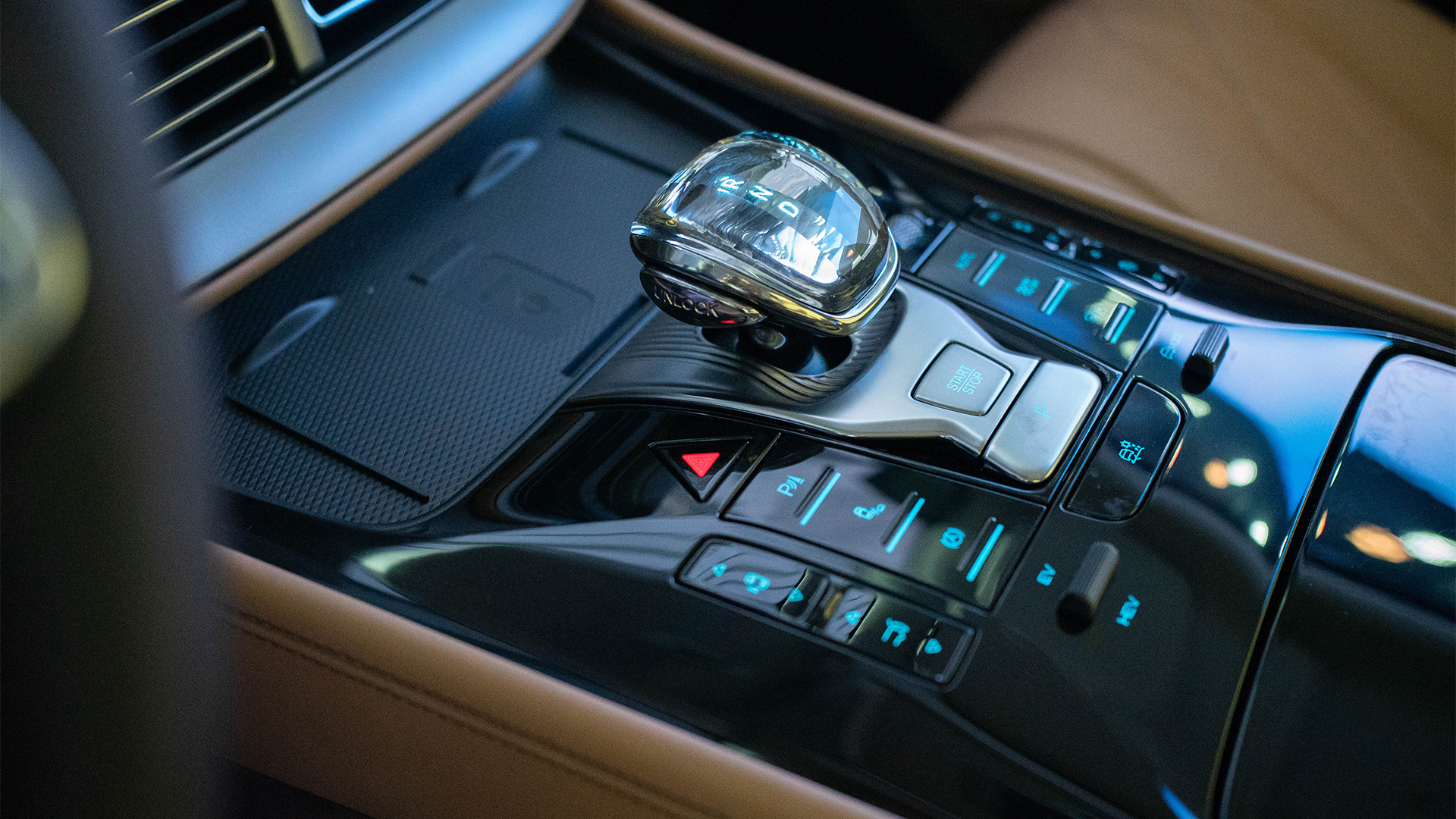
Inside, the car prioritizes comfort for all passengers with luxurious captain seats. Those seats feature a ten-way electric adjustment six-way adjustable headrests, and leg rests. They also come with seat ventilation to get through an intensely sunny day. Finally, each seat comes its own LED panel for maximum control.
The DiSus system keeps the car balanced throughout any situation. The drive will remain comfortable even during high-speed cornering, full-throttle acceleration, and sudden braking. It will also come with nine airbags to keep all passengers protected.
Price, availability
The Denza D9 is available now in Cosmos Black, Arctic White, Whale Sea Blue, and Starry Sky Grey. It will cost PhP 4,298,000.
Additionally, the MPV will have an exclusive premiere price of PhP 3,998,000 for the first 300 customers.
Automotive
VinFast updates battery subscription policy for large upfront savings
Up to 20% upfront savings with a battery subscription model

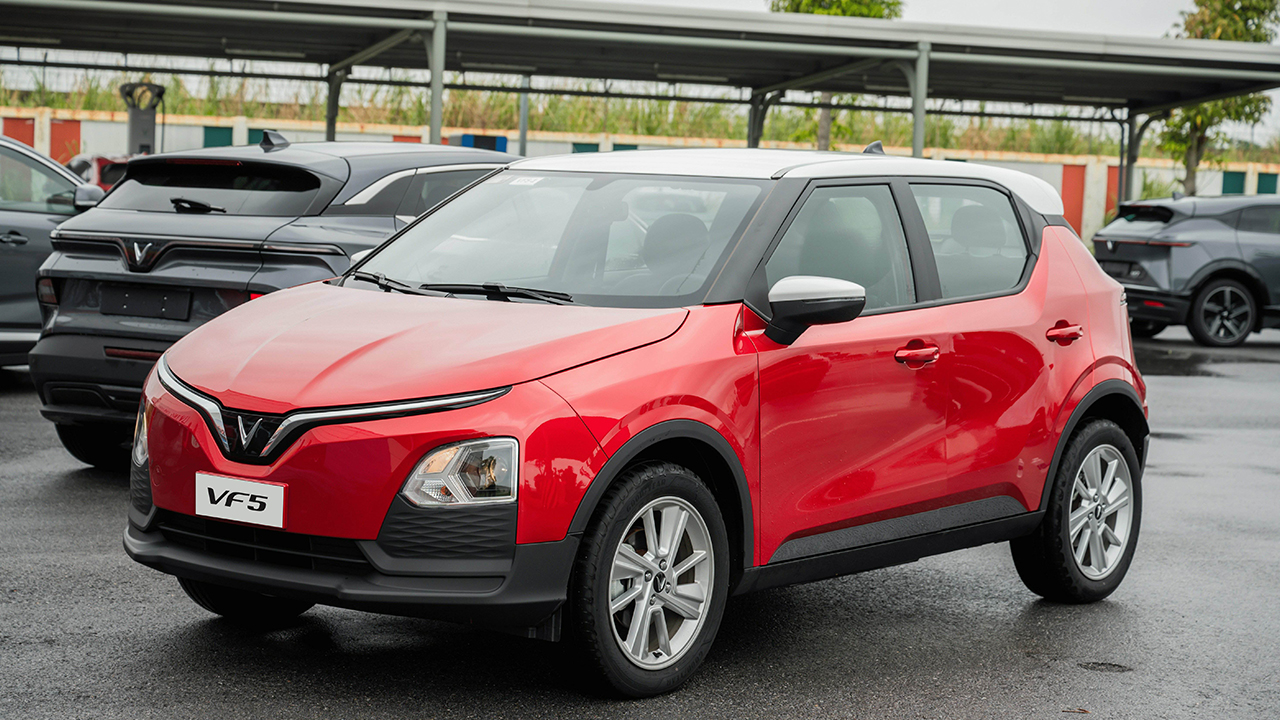
VinFast has updated its battery subscription policy for the Philippine market, offering consumers up to 20% savings in upfront costs.
In addition to the traditional vehicle purchase with battery included, customers can own a VinFast EV under a battery subscription model.
This option offers a more attractive initial investment, with upfront costs reduced by up to 20% — depending on the model.
Battery subscription fees are applied flexibly, starting from PhP 1,600 per month, based on actual distance.
For instance, the VinFast VF3 can be purchased at PhP 590,000 under the battery subscription model rather than PhP 745,000. The monthly subscription fee then starts at PhP 1,600.
Meanwhile, for the VF6 and above variants, the monthly costs start at PhP 2,350. Customers can also save more than PhP 1.5 million on the VF 9 Plus.
Flexible financial tool
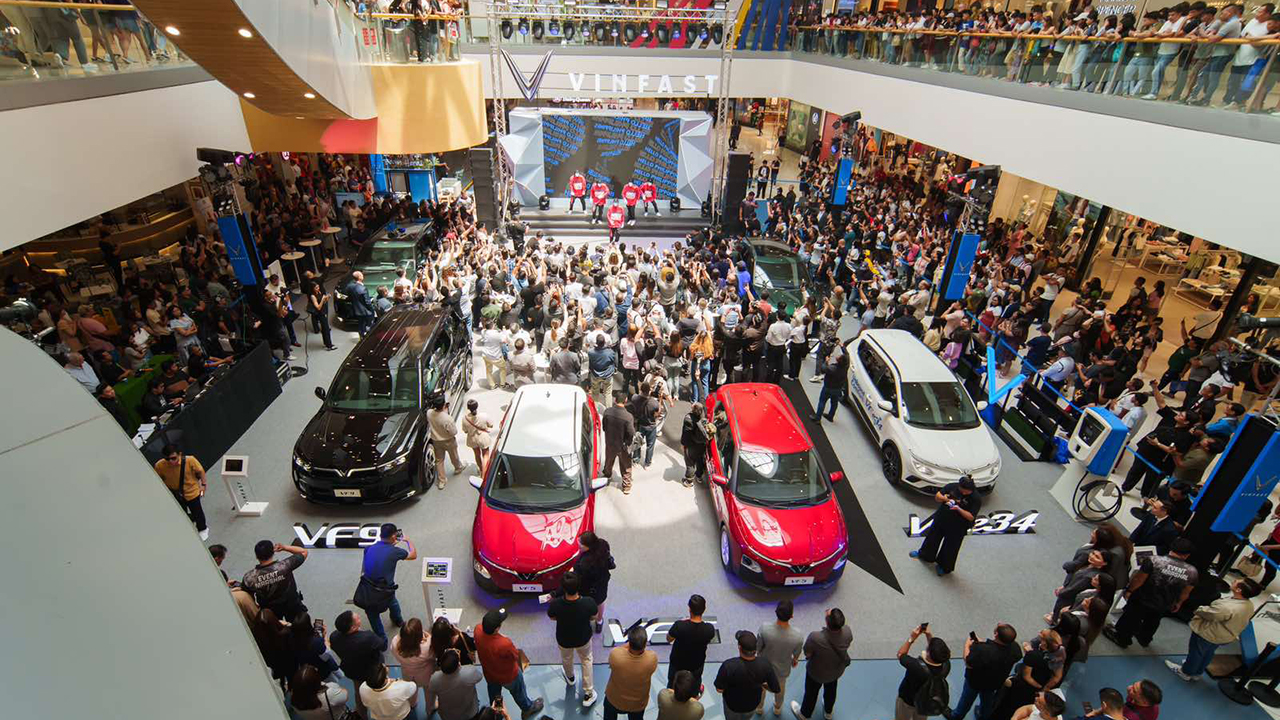
Positioned as a “lifetime battery warranty” solution, the battery subscription policy is a flexible financial tool that optimizes cash flow. It is likewise a long-term commitment to consumers.
VinFast assumes full responsibility for battery performance throughout the subscription period. This includes maintenance, repairs, and free replacement when battery capacity drops below 70 percent.
In the event of battery damage caused by an accident, VinFast will handle the issue under the battery subscription policy. This helps minimize financial risks for customers.
The pioneering policy reinforces VinFast’s customer-centric commitment, advancing green mobility in the market.
Meanwhile, customers who opt for the traditional vehicle purchase with battery included, VinFast can still offer comprehensive aftersales benefits. This includes a battery warranty of up to 10 years or 200,000 kilometers.
The dual approach allows interested consumers to be in control of the ownership model that best suits their needs and personal financial capabilities.

BYD Group premium sub-brand DENZA is officially entering the Philippine market.
The move marks a strategic shift to capture the luxury “new energy vehicle” (NEV) segment, beyond the company’s existing mass-market offerings.
This expansion follows a period of rapid growth for BYD in the Philippines under its distributor, ACMobility.
By introducing DENZA, the group aims to offer a tiered ecosystem of electrified transport that ranges from budget-friendly options to high-output luxury ones.
The sub-brand’s initial lineup could possibly include the high-end MPV, DENZA D9.
It features a triple-motor system and high-capacity batteries that provide significant electric-only range before the gasoline generator engages.
Potentially, SUVs DENZA B5 and DENZA B8 will also be introduced locally, positioned as plug-in hybrid EVs.
Offerings under the DENZA sub-brand will be distributed locally by BYD Philippines Corp.
Advanced technology, comfort
DENZA’s entry focuses on “passenger-centric engineering” rather than traditional luxury excess.
The vehicles will feature two of BYD’s flagship technologies: the DiSus system and e3 platform.
The first is an intelligent body control system that manages vehicle motion to balance executive-level ride comfort with sharp handling.
Meanwhile, the e3 Platform is a high-performance architecture utilizing a three-motor drivetrain.
This setup lets drivers pull off advanced maneuvers such as “crab-walking” and “compass turns,” while enhancing stability during high-speed travel or emergency situations.
Strategic presence
DENZA will establish a dedicated retail network separate from standard BYD showrooms to support its positioning.
The sub-brand is planning four initial locations in Makati, Greenhills, Alabang, and Cebu.
Once it officially rolls out, DENZA expects to compete against luxury vans like the Toyota Alphard and Lexus LM.




Forget the Phone: Xiaomi 17 Ultra Is A CAMERA!

Xiaomi Pad 8 review: Slab that slaps!

Xiaomi 17 Ultra is now available outside China

The Xiaomi Pad 8 series is now official

Samsung Galaxy S26 Ultra OLED receives Privacy Display verification


-
 News10 hours ago
Xiaomi 17 Ultra is now available outside China
-

 Accessories2 weeks ago
Apple AirTag 2 Review
-
 Camera Walkthrough1 week ago
OPPO Reno15 Pro: Camera Review
-
 First Look2 weeks ago
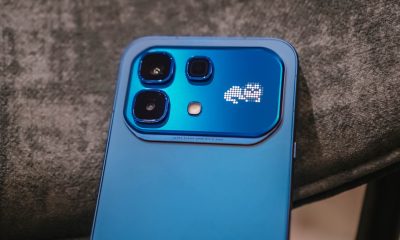
Match Pulse: Infinix NOTE 60 Pro
-

 Cameras1 week ago
Osmo Pocket 4 makes a surprising appearance in public
-

 Gaming2 weeks ago
Star Wars: Galactic Racer shows off new gameplay at State of Play
-

 Gaming2 weeks ago
LG unveils UltraGear evo, redefines 5K gaming with AI Upscaling
-

 News1 week ago
iPhone 17 Pro Max is somehow the most traded-in phone today