
News
HTC U11 Life is company’s first Android One smartphone


The Android One platform is back, and it’s in full swing with its latest entry, the HTC U11 Life.
This is HTC’s first smartphone in the revived program, bringing in a stock Android interface similar to what we see on Google’s own Pixel phones. By being an Android One device, the U11 Life is guaranteed to receive timely software updates with no bloatware along the way.

The 5.2-inch U11 Life is loosely based on the original U11, but forgoes some of the flagship features in favor of a more affordable package. For one, a lower-end yet highly capable Snapdragon 630 processor is in place, and the memory and storage configurations are capped at 4GB and 64GB, respectively.
Its cameras also won’t be as incredible as the U11’s, but HTC seems confident that the 16-megapixel cameras on the front and back will still be competitive in this segment.
Aside from those, the U11 Life has several features unheard of on an Android One handset, including HTC’s Edge Sense function to activate certain apps by squeezing the body, IP67-level water and dust resistance, as well as high-res audio capabilities with the bundled noise-canceling earphones.

As expected, it’ll ship with Android 8.0 Oreo right away, providing you with an instant leg up over phones that are still stuck on Nougat. You’ll just have to deal with the lack of an audio port and the less-than-stellar 2600mAh battery capacity.
The other catch is that this won’t be available in North and Latin America; those regions will receive another version of the U11 Life, which comes with Android 7.1 Nougat and HTC’s own Sense user interface — no Android One for them.
We’ll update this space as we learn more about the regional pricing and availability.
SEE ALSO: 24 hours in Beijing with the HTC U11
[irp posts=”21239″ name=”24 hours in Beijing with the HTC U11″]






Gaming
Horizon Hunters Gathering is an upcoming co-op roguelite spinoff
If you liked Nightreign, you might like this.


Like Valve, the PlayStation’s tentpole franchises are allergic to the number 3. The Last of Us, the ongoing God of War arc, Spider-Man, and Horizon all don’t have a third game yet. These franchises, however, have all gotten rumors of spinoffs. Now, Horizon is getting more than just a rumor; an official co-op spinoff is happening. Say hello to Horizon Hunters Gathering!
Today, Guerilla unveiled Horizon Hunters Gathering, an official co-op roguelite set in the Horizon universe. The game will feature multiple players working to take down difficult enemies, bosses, and dungeons.
The title shares similarities with Elden Ring Nightreign. For one, players can choose between six characters with different roles. The main mode, called Machine Incursion, takes players to a wide map with powerups and roaming monsters. The map then has a shrinking ring that… well, you know what a shrinking ring does.
Horizon Hunters Gathering also has a different game mode called Cauldron Descent. Compared to the Nightreign type of gameplay, Cauldron Descent is a more traditional roguelite mode. Players enter a dangerous dungeon and choose alternate paths that vary in challenges.
Both game modes will be available through an upcoming closed playtest through the PlayStation Beta Program.
Because this is from Guerilla themselves, this is an official game. But it’s far from the only spinoff for the universe. Previously, NCSoft, a South Korean gaming studio, announced Horizon Steel Frontiers, an MMO set in the Horizon universe. Like Horizon Hunters Gathering, Steel Frontiers has an unknown launch date.
SEE ALSO: Horizon Steel Frontiers is an MMO set in the Horizon universe
News
Report: HONOR tops global smartphone shipment growth in 2025
HONOR also improves overall market share

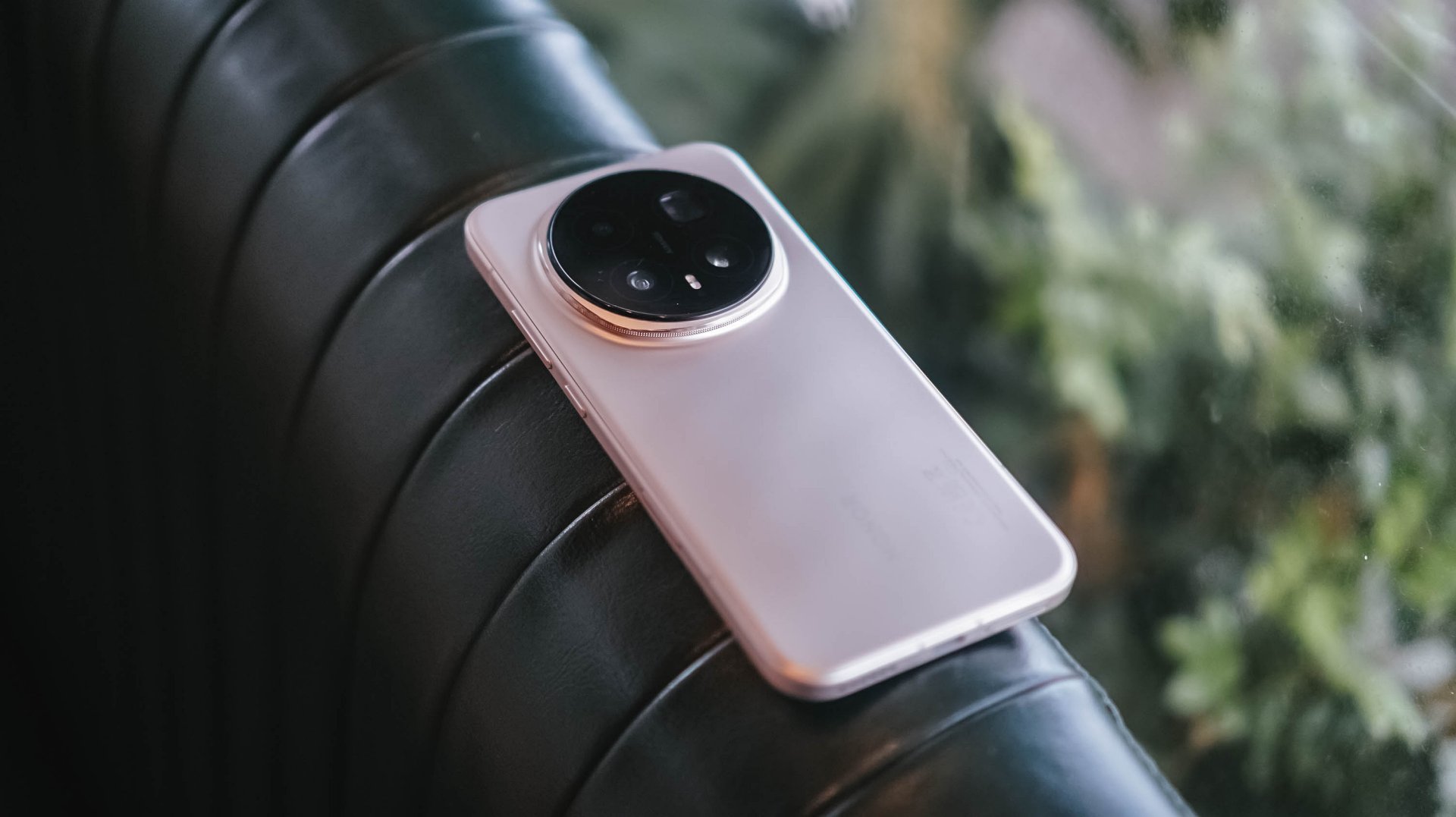
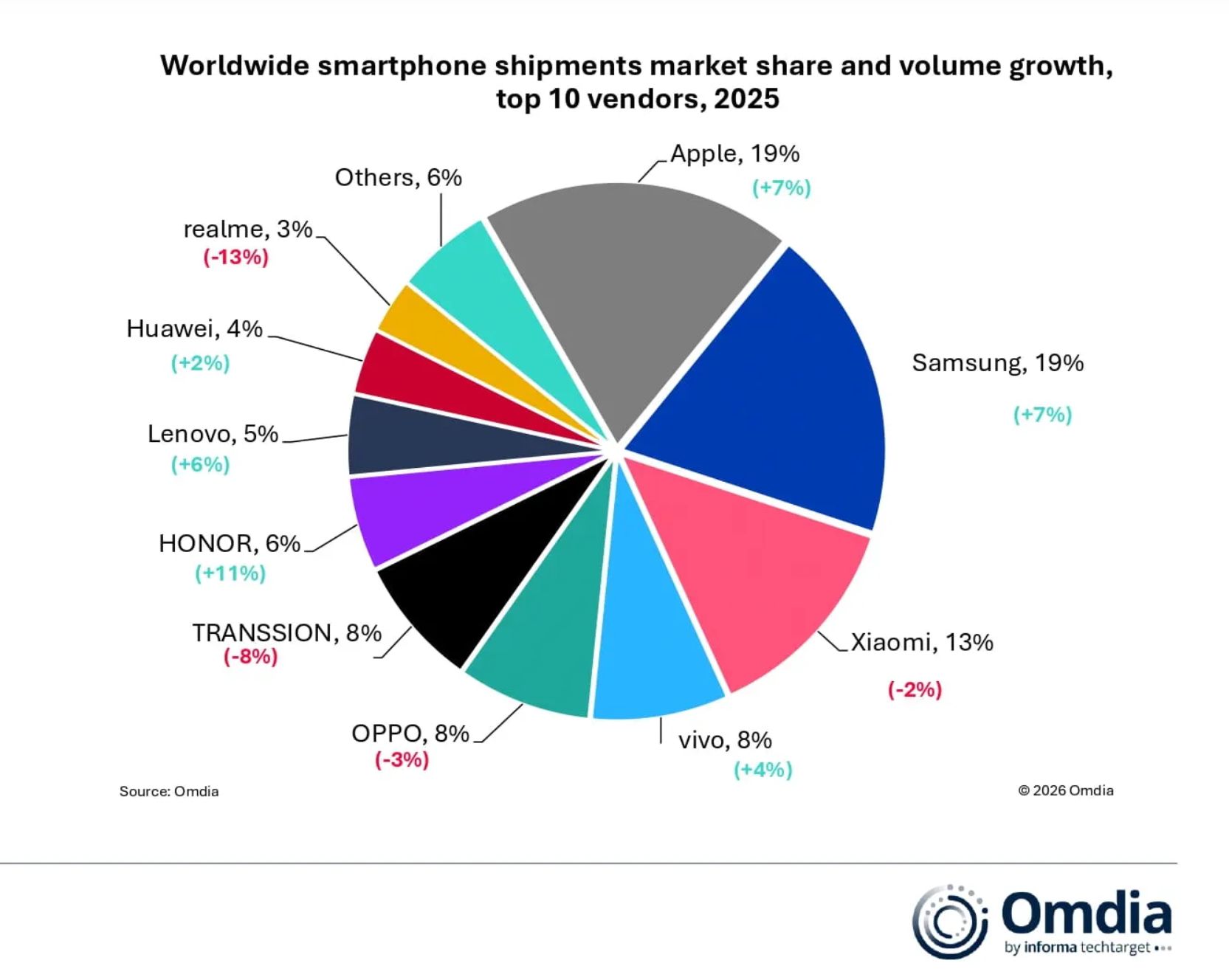
HONOR topped last year’s global smartphone shipment growth, according to an Omdia report. The manufacturer achieved an 11% year-over-year growth, which ranked first among the world’s top 10 smartphone vendors.
Furthermore, as per data from IDC, in the first three quarters of 2025, HONOR also led all top brands in overseas shipment growth across these premium segments:
- Smartphones priced above US$ 300 (premium and upper-mid-tier)
- Tablets in the US$ 300 to US$ 600 price band (upper-mid)
Such growth enabled HONOR to improve their overall market share to 6% in 2025. They’ve already edged Lenovo (5%), HUAWEI (4%), and realme (3%) after a strong calendar year.
Unarguably contributing to their performance are the releases of the flagships HONOR Magic V5 and HONOR Magic7 Pro, as well as mid-rangers like the HONOR 400 series and a handful of HONOR X series devices.
Meanwhile, Transsion, which holds the Infinix, TECNO, and itel brands, have an 8% market share combined, which is the same as OPPO and vivo. Xiaomi is at 13%, while giant players Apple and Samsung both have a 19% market share each.
Building on their growth, HONOR is set to unveil groundbreaking products at MWC 2026 in Barcelona this March.
These include the HONOR Robot Phone and the brand’s latest flagship foldable, the HONOR Magic V6. The impending releases accelerate the momentum of HONOR’s Alpha Plan.
Gaming
Valve is delaying the launch of the Steam Machine
But it’s still scheduled for the first half of 2026.
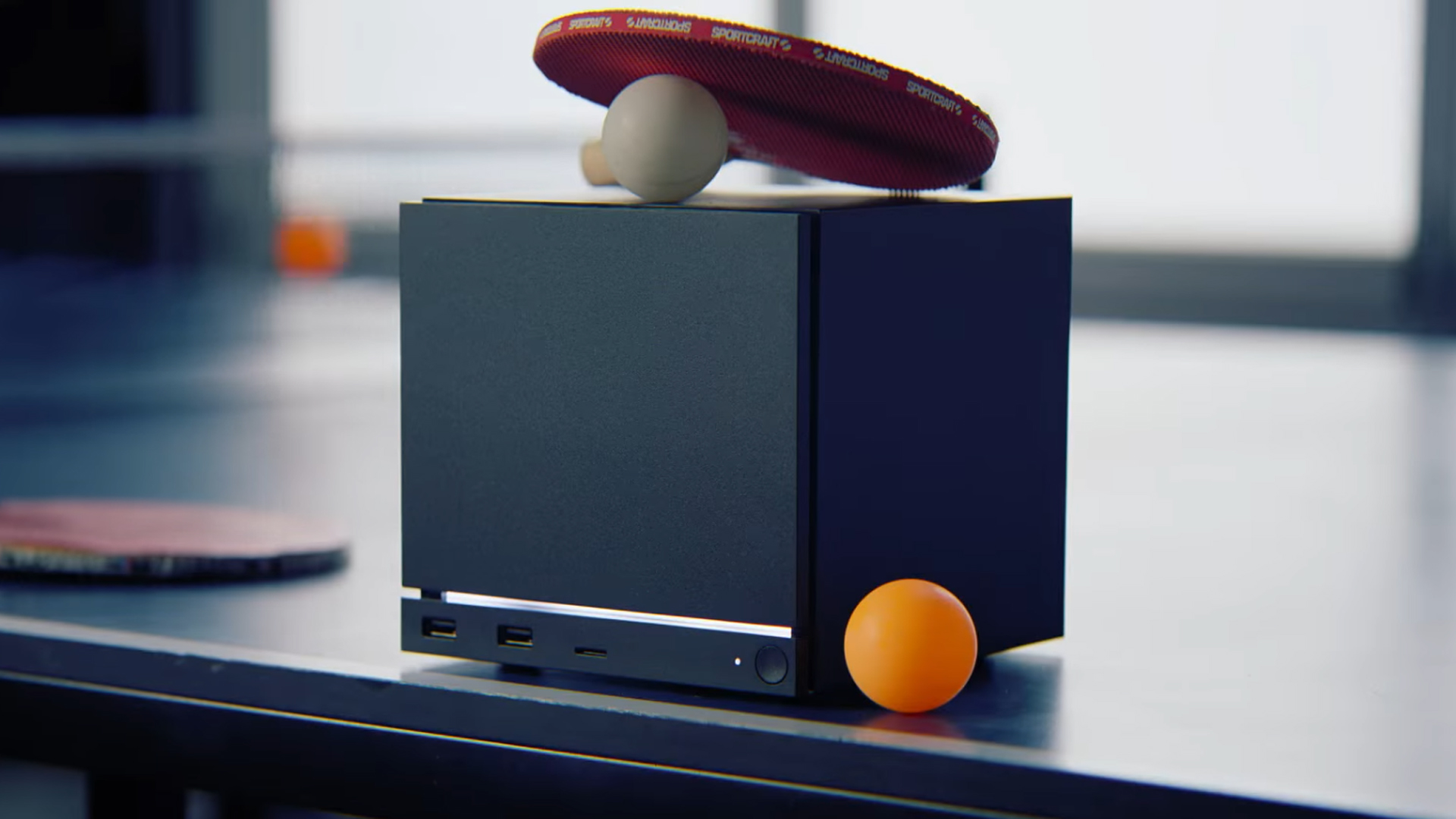
Overshadowed only by the Nintendo Switch 2, the upcoming Steam Machine was one of the most exciting gaming devices announced last year. Unfortunately, especially if you were waiting intently for the console’s launch, Valve is delaying the device by an undisclosed amount of time.
Initially, Valve anticipated a launch for the Steam Machine sometime in the first half of 2026. However, as the calendar rolls on into the second month of the year, the company has yet to announce either a price or a launch date for the console. Valve says that both should be out by now.
In a recent update, the company confirms that ongoing chip shortages have forced a reevaluation of the Steam Machine’s price and shipping date. This also goes for the Steam Controller and the Steam Frame. Valve is going back to the drawing board to figure out what is feasible for the console market.
On the bright side, Valve is still aiming to launch all three devices in the first half of the year. It’s just a matter of determining when that is.
The Steam Machine is just the latest in a growing line of devices affected by the chip shortage. Today, chipmakers are funneling their supplies to the supposed demand for AI servers. Naturally, more infrastructure means less chips reserved for regular consumers.
Also recently, NVIDIA was rumored to skip this year for a new GPU launch because of the AI “boom”. It’s the first time that this has happened in thirty years.
SEE ALSO: Valve announces its own console called the Steam Machine


My Hero Academia: All’s Justice: A familiar Final War, made playable
Reliving the Final War


nubia V80 Max: Long battery, marginal upgrades, casual budget phone
Upgrades here and there, but is the price increase worth it?


Breaking up with Adobe Photoshop after 20 years
Wedding planning and Apple Creator Studio made me realize it was time

Horizon Hunters Gathering is an upcoming co-op roguelite spinoff

Report: HONOR tops global smartphone shipment growth in 2025

Valve is delaying the launch of the Steam Machine

No new NVIDIA GPUs this year, report says

HONMA x HUAWEI WATCH GT 6 Pro for golf launches

HONOR X9d 5G launches in the Philippines: Price, preorder, availability

Infinix NOTE Edge debuts: High-end features for accessible pricing

POCO M8 Pro review: Goin’ loco over this POCO

HONOR Magic8 Pro review: What sorcery is this?

Redmi Note 15 Pro+ 5G review: The midrange fashion piece


-
 News2 weeks ago
nubia joins durability competition with launch of V80 Max
-

 Gaming2 weeks ago
New DRAGON BALL game project “AGE 1000” for 2027 announced
-
Apps7 days ago
Breaking up with Adobe Photoshop after 20 years
-

 Gaming2 weeks ago
Blizzard will host four major game showcases starting this week
-

 Gaming4 days ago
PlayStation, LE SSERAFIM Chaewon team for the ‘Love of Play’ campaign
-

 Automotive1 week ago
VinFast updates battery subscription policy for large upfront savings
-

 Gaming1 week ago
Xiaomi SU7 Ultra makes Gran Turismo 7 debut
-
 Accessories4 days ago
Sony WF-1000XM6 was accidentally leaked online