
Enterprise
Huawei’s 5G technologies face potential ban in Europe
This could result in slow 5G rollout


The controversies and issues surrounding Huawei are far from over. Just last week, the telecommunications giant from China was charged by the US government with bank fraud, obstruction of justice, and theft of technology, among others. Things are not that different in Europe according to Reuters‘ latest report.
You might have heard about Huawei getting banned in certain countries including the US and Australia. These countries have restricted the Chinese company from building next-generation mobile networks or 5G infrastructure due to concerns regarding China’s National Intelligence Law which requires Chinese companies to cooperate willingly to the government when asked.

In Europe, a similar story may soon unfold as the European Commission is considering a de facto ban on Huawei’s 5G technologies within the European Union citing comparable concerns about security.

Huawei’s Executive Director Richard Yu unveiling their latest 5G device | Image credit: Huawei
GSMA, a mobile communications industry body, is open to discuss these issues about Huawei in their next board meeting. The agenda, which was proposed by GSMA Director General Mats Granryd, will take place in late February during Mobile World Congress (MWC) in Barcelona. MWC is the industry’s biggest annual gathering spearheaded by GSMA.
As a leader in telecommunications equipment, Huawei is already in partnership with a number of operators worldwide to put up 5G infrastructure. This means a ban will make a big impact on the 5G rollout, at least in Europe. As an example, Europe’s largest telecoms company Deutsche Telekom will have to delay their 5G plans by up to three years if they have to take Huawei out of the picture.
Huawei continuously denies the existence of any backdoor granting easy access to the Chinese government. The company and its founder also deny the allegation that they would spy for China.
SEE ALSO: US officially charges Huawei with technology theft







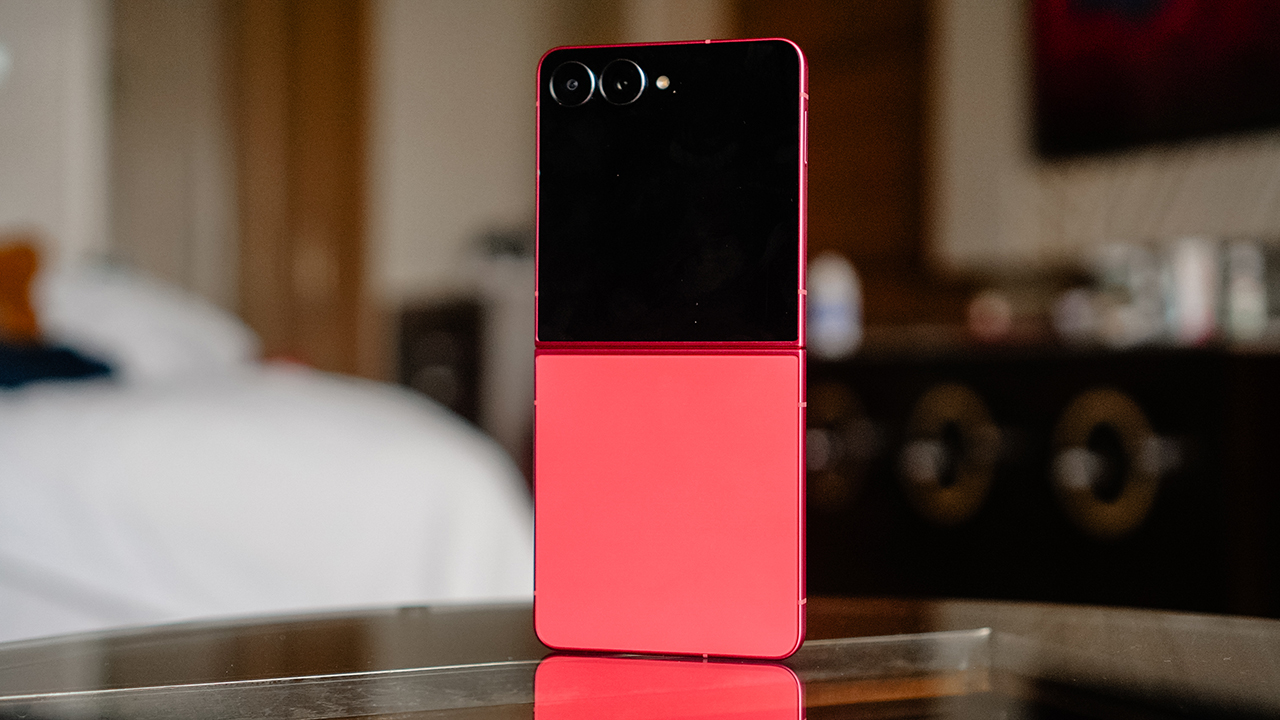
The big story late last year was the skyrocketing prices of chips. Analysts are predicting that the demand for RAM will cause the entire industry to experience hikes this year. Some users, especially in the PC building scene, are already feeling the burn. PCs won’t be the only victims, though. Xiaomi is already expecting hikes across the board. Now, Samsung is adding its voice to the growing list of warnings about price increases.
During CES 2026, Wonjiun Lee, Samsung’s global marketing chief, confirmed that the memory shortages are, in fact, real (via Bloomberg). Moreover, the company is now evaluating whether more price hikes are needed this year for its products. Though Lee expressed regret over pushing the prices to consumers, the state of the industry might force the company’s hand.
Samsung’s opinion has a lot of weight. While other brands have also voiced out their opinions lately, Samsung itself is a producer of chips. If a chip supplier is already warning users of prices affecting them, the effect will likely cascade even more when it comes to device manufacturers.
The ongoing shortage of chips is a result of the overwhelming demand from companies looking to build and bolster AI-based servers. The business-to-business demand is notably different from how regular consumers, who will soon find it hard to buy their own devices, see it.
At the very least, Samsung has not confirmed any price increases yet. However, all eyes are on the next Galaxy Unpacked, when Samsung will launch its newest Galaxy products. Will prices increase or stay the same?
Enterprise
TikTok finally gets a buyer in the United States
The deal targets a closing date in late January.


The year started with a ban. A day before Donald Trump started his second term, TikTok went dark, in anticipation of an impending ban. The platform quickly went back online, leading to an ultimatum that saw TikTok hunt for an American buyer to full stave off a definitive ban in the United States. Now, as the year ends, a buyer is finally here.
Via CNBC, TikTok has reportedly inked a deal to finalize a deal in the United States, as stated in an internal memo from CEO Shou Zi Chew. The memo, which was sent just this week, details a plan that will see the deal close by January 26, 2026.
Fifty percent of TikTok’s newly restructured U.S. arm will be held by a collection of American investors including Oracle, Silver Lake, and MGX. Meanwhile, already existing investors of TikTok will hold 30.1 percent. Finally, ByteDance will retain 19.9 percent.
Additionally, TikTok’s algorithm in the United States will be retrained with American data. The American arm will also handle the country’s “data protection, algorithm security, content moderation, and software assurance.” Oracle will be the “trusted security partner” in charge of making sure the company keeps within regulations in the country.
With a deal pushing through, the long-running TikTok saga in the United States might finally come to a close.

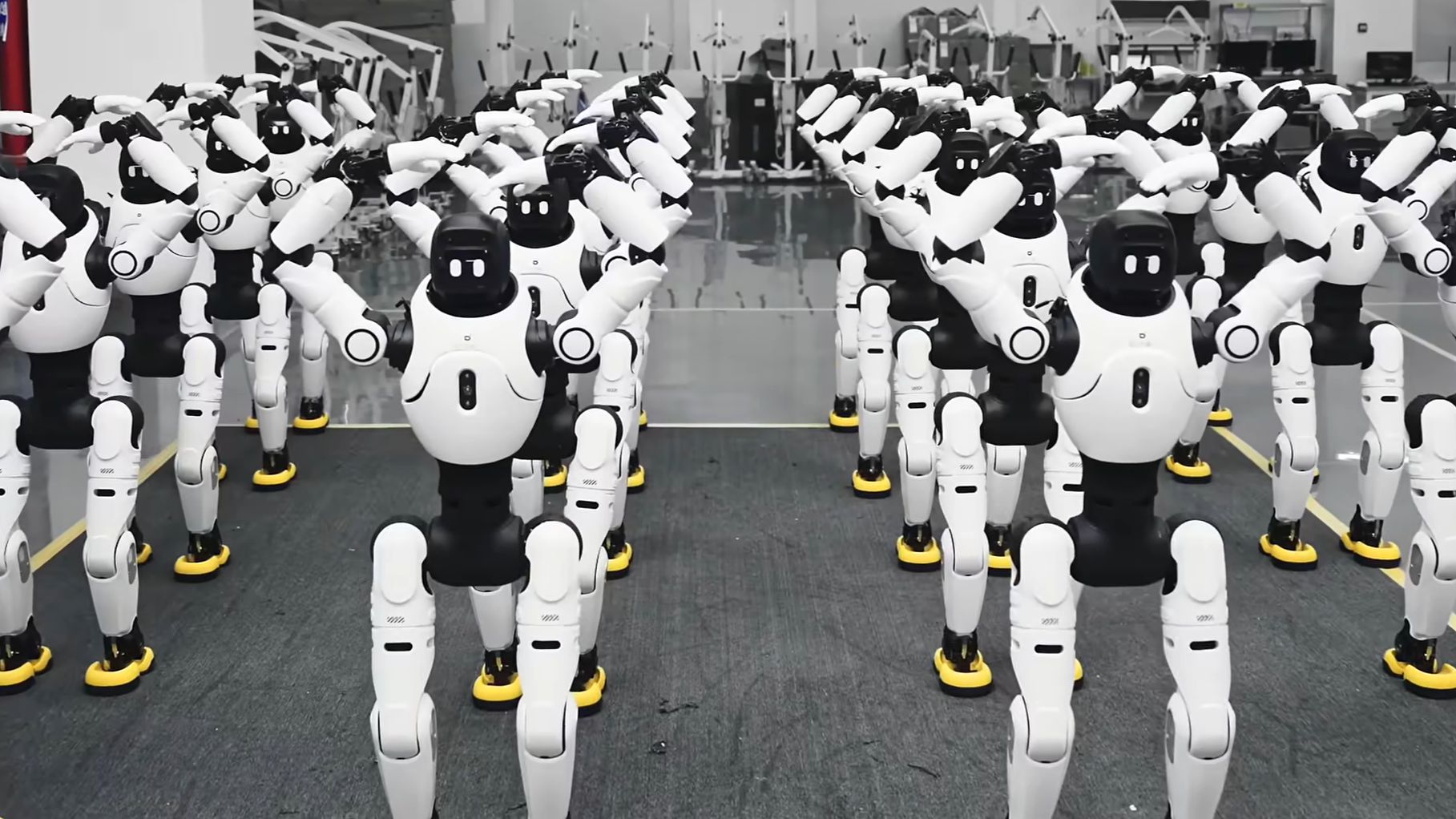
AgiBot has reached a milestone after the Shanghai, China-based robotics company rolled out its 5000th humanoid robot.
The milestone represents a step forward in AgiBot’s ongoing efforts to improve the mass production and practical use of embodied robotics.
AgiBot specializes in the development, mass production, and commercial deployment of such robots which have AI integrated onto them.
These robots are deployed across a wide range of commercial scenarios, including production lines, logistics sorting, security, education, and even entertainment purposes.
To date, the full-size embodied robot AgiBot A-Series has achieved mass production with 1,742 units. Meanwhile, the AgiBot X-Series, an agile half-size robot, has reached 1,846 units.
Lastly, the task-optimized AgiBot G-Series, designed for more complex operations, has reached 1,412 units.
Through widespread adoption across multiple industries, AgiBot is demonstrating the potential of embodied AI to drive industrial upgrades, transform service and production processes, and support broader digitization efforts.
Just recently, AgiBot has successfully deployed its Real-World Reinforcement Learning (RW-RL) system on a pilot production line with Longcheer Technology.
AgiBot’s RW-RL system addresses pain points in production lines such as relying on rigid automation systems. The robots learn and adapt directly on the factory floor.
And in just minutes, robots can acquire new skills, achieve stable deployment, and maintain long-term performance without degradation.
In addition, the system also autonomously compensates for common variations such as part position and tolerance shifts.


OPPO A6 Pro: Adequate tool, no definitive punch
Ample, all-around, just alright — you name it — but no definitive punch anew


Inside the Next-Gen Ford Ranger Wildtrak 4×4
A closer look at the cabin that makes this truck feel smarter and more comfortable than expected.


iQOO 15 review: Made for players who take performance seriously
For people with endless games in between

Upgraded POCO M8 Series launches in Singapore

Lenovo Legion Pro Rollable Concept was possible thanks to TCL CSOT

Dell admits AI PCs were a mistake

MSI releases refreshed Prestige, Raider, Stealth, Crosshair series

Ford Philippines kicks off the year with Drive Now, Pay Later


-

 Accessories2 weeks ago
Razer teams up with BLACKPINK for limited-edition gear
-

 News2 weeks ago
HONOR WIN headlines the first 10,000mAh smartphone with built-in fan
-

 News2 weeks ago
Xiaomi 17 Ultra debuts as 2025’s last full-fledged flagship
-

 Accessories2 weeks ago
Trade doomscrolling for these 12 intentional New Year’s resolutions and side quests
-
Reviews5 days ago
OPPO A6 Pro: Adequate tool, no definitive punch
-

 Automotive2 weeks ago
The price I paid for trusting my car too much
-

 Blog1 week ago
The GadgetMatch Team’s Favorite Picks of 2025
-

 Editors' Choice1 week ago
Lifestyle Favorites of 2025