
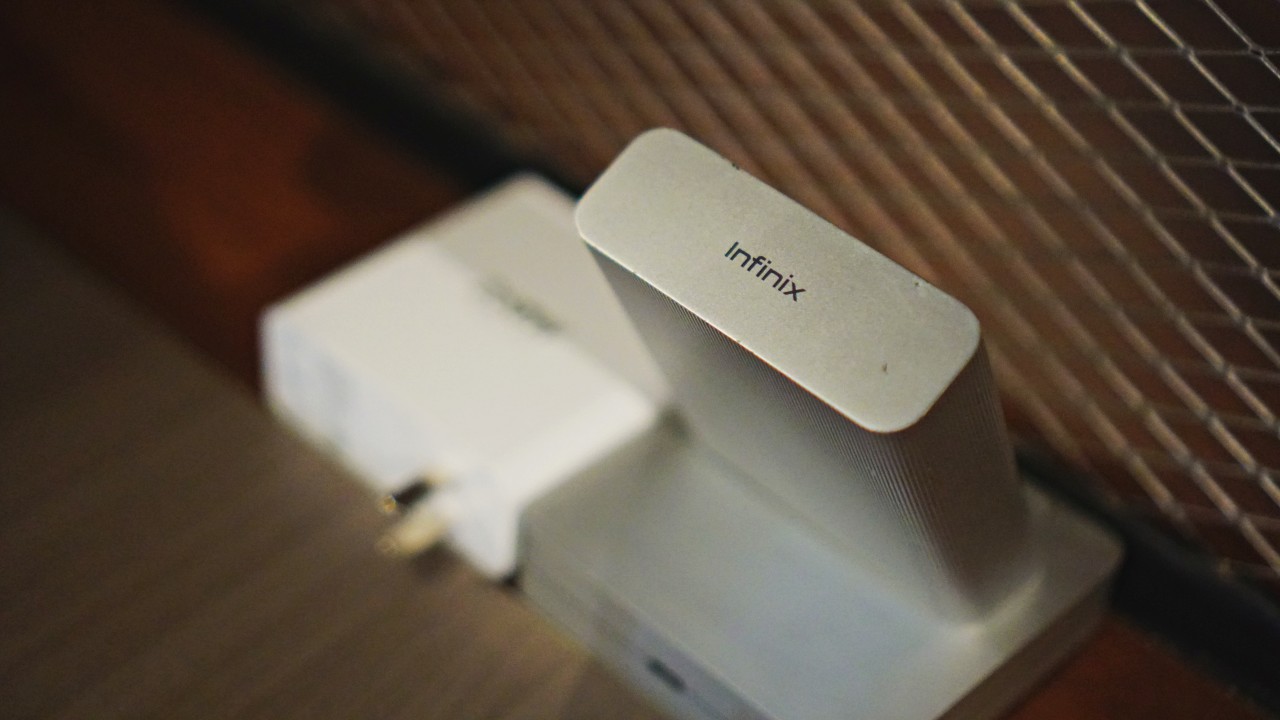

Smartphone charging technology keeps developing at a rapid speed. And Infinix just took “fast” to another level with the Infinix 260W&110W All Round FastCharge.
On paper, this new charging tech has lofty promises Infinix says the 260W All-Round FastCharge can charge a phone to 25% in just one (1) minute. Going from zero to 100% takes only 7.5 minutes. Meanwhile, the 110W Wireless All-Round FastCharge can charge up a device to 100% in 16 minutes.
But how will it fare in an actual charge test? That’s what we wanted to know. Luckily, Infinix sent over an entire test kit, complete with a prototype phone.
What’s in the test kit?
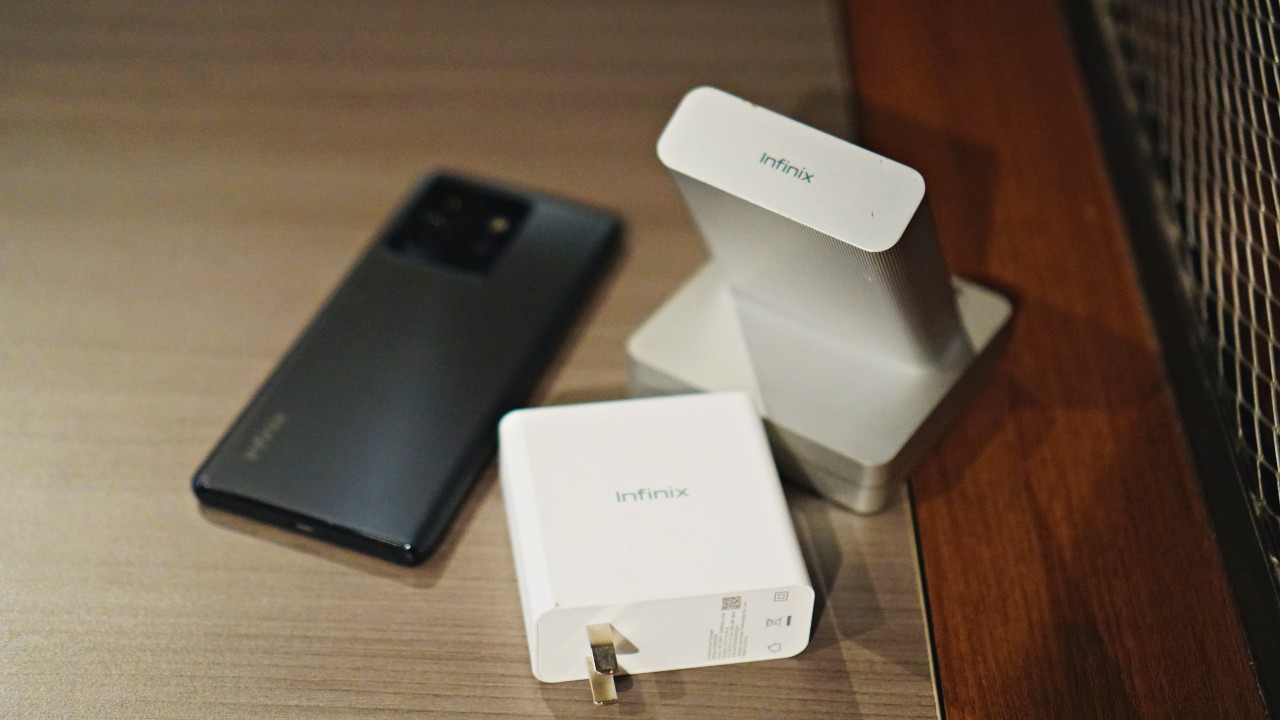
Not in photo: USB-C Cable
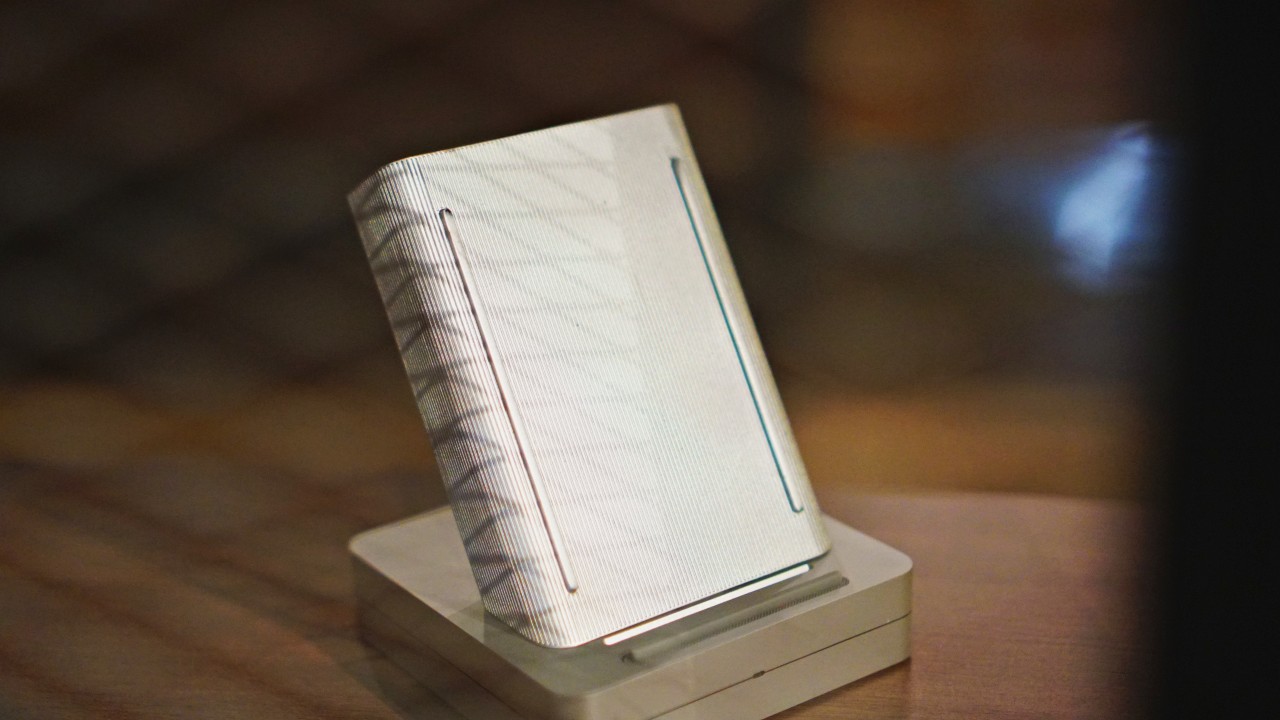
Nothing fancy here, just the basics. Front and center is the wireless charging stand. To the left, there’s the 260W power brick and a USB-C to USB-C cable. And to the right is the aforementioned prototype phone.
110W Wireless

We charged the smartphone straight out of the box. At the time it had 43% of battery left. But we were eager to try the charging and just recorded the numbers straight away.
The number on the right is the battery percentage while the number on the left is the timer at hours: minutes: seconds.
Test 01 – Wireless:
- 43% — 0:00:00
- 80% — 0:05:23
- 90% — 0:07:00
- 96% — 0:08:04
- 100% — 0:08:39
Given that Infinix promised going to 100% in 16 minutes from zero percent, the charge rate totally checks out with our test.
In the interest of time, we started charging the smartphone around 19-22% which is usually when the battery indicator on smartphones turns red. Our succeeding tests yielded similar results.
Test 02 – Wireless:
- 20% — 0:00:00
- 40% — 0:03:53
- 65% — 0:09:44
- 95% — 0:12:03
- 100% — 0:12:42
Test 03 – Wireless:
- 22% — 0:00:00
- 50% — 0:04:44
- 73% — 0:08:59
- 94% — 0:10:36
- 100% — 0:11:57
On average, the 110W wireless All Round Fast Charge was juicing up the phone at a rate per minute as the one promised by Infinix. That’s already fast for wired standards. But for wireless charging, that’s just unheard of.
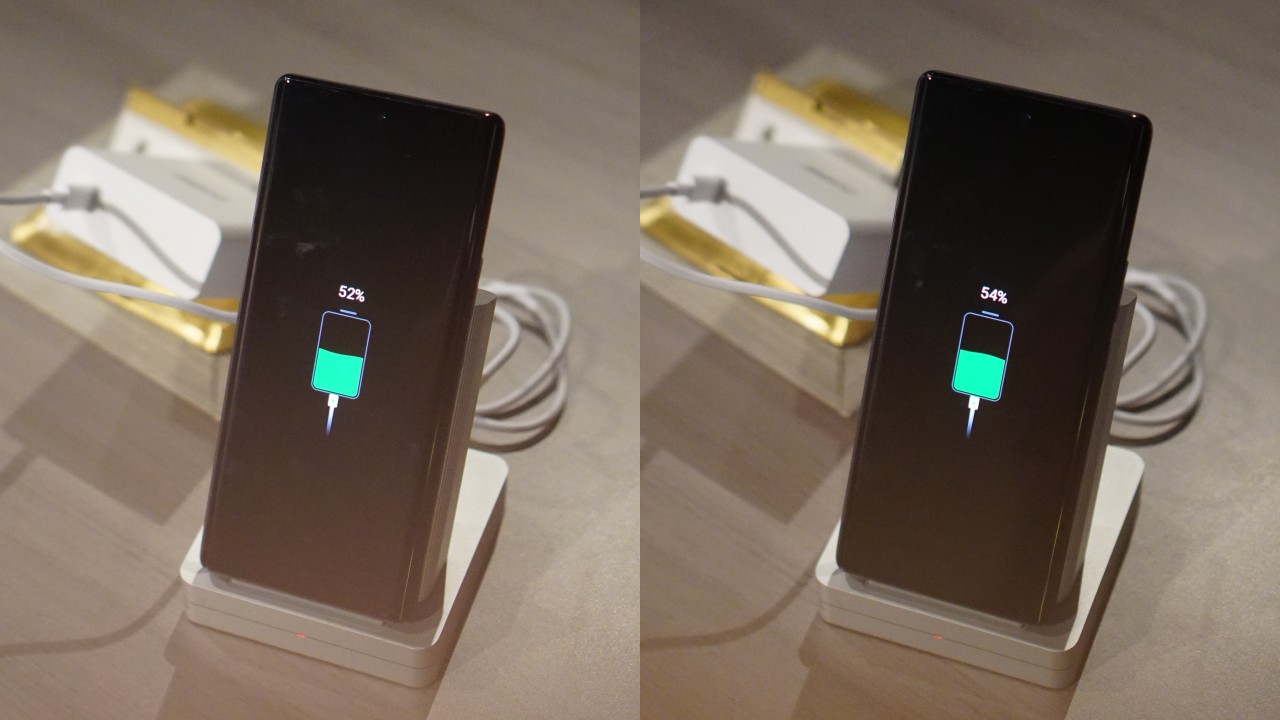
Fun tidbit: These photos were taken about 2-3 seconds apart
Your phone will finish charging faster than you can finish the discography of Fifty Fifty which is a relatively new K-Pop girl group that you should totally check out.
260W Wired
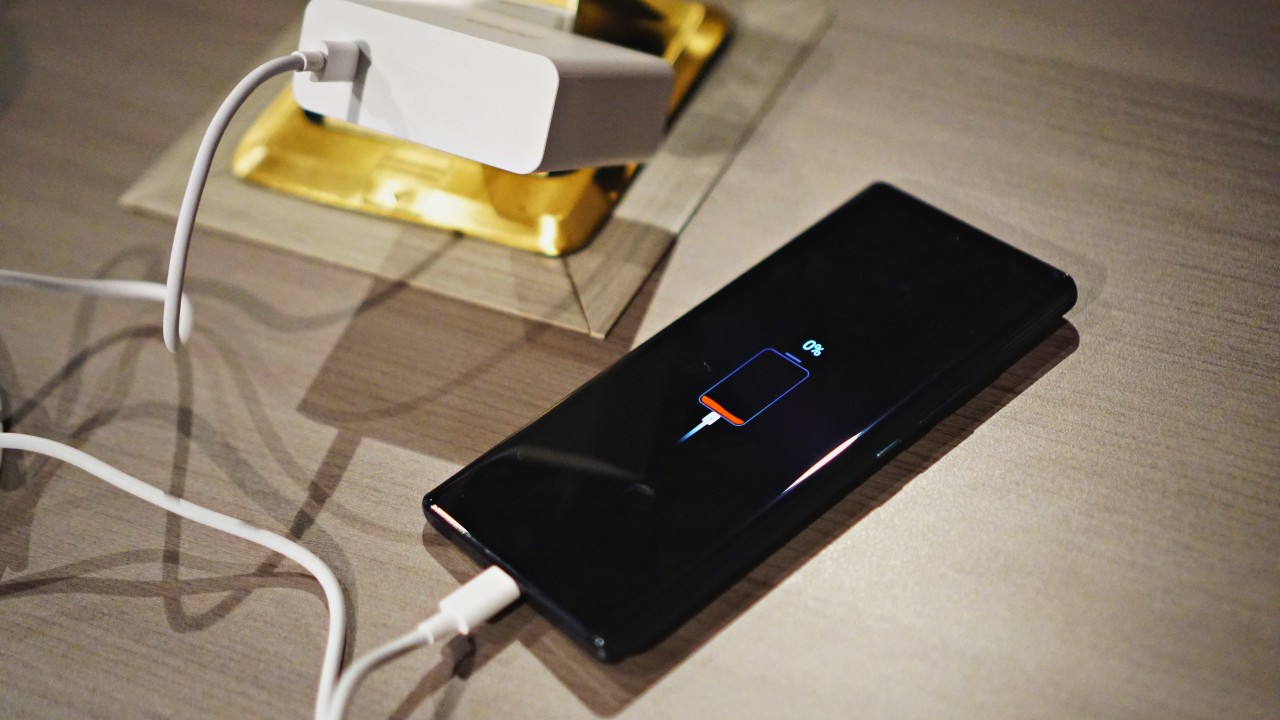
If you thought wireless charging was fast, things go up another level with wired charging. Full disclosure though, we did the wired fast charging test immediately after draining the battery for roughly around 5-6 hours.
The prototype phone came with an app that pushes the phone to the limit and discharges it faster than you would on regular usage. We started the wired charging process with the phone having 19% battery left. But we ran into a problem.
Test 01 – Wired:
- 19% — 0:00:00
- 43% — 0:01:01
- 61% — 0:02:05
- 65% — 0:03:05
The phone, for some reason, stopped charging at 65%. We theorized it must have been because of the level of stress put on the battery. The wireless charging, forced discharging, and then charging all happened just hours apart.
We kept the phone plugged for about a minute, but figured something was wrong since it stopped going up from 65% at that point. For our next tests, we made sure to have the phone cool down first before charging. These were the results:
Test 02 – Wired:
- 21% — 0:00:00
- 53% — 0:03:01
- 91% — 0:06:05
- 95% — 0:06:15
- 100% — 0:06:46
Test 03 – Wired:
- 20% — 0:00:00
- 40% — 0:02:41
- 73% — 0:04:55
- 96% — 0:06:01
- 100% — 0:06:36
The last two tests all clocked in under 7.5 minutes which aligns with Infinix’s promise of going from 0% to 100% in the aforementioned time frame. That’s the length of roughly about two regular songs and shorter than “All Too Well (Taylor’s Version).”
Other observations
It’s important to note that the device heats up significantly when going wired. This wasn’t much of an issue when going wireless as the wireless charging stand had a fan that helps cool the smartphone as it is charging.
As it is now, it’s likely safer to charge the phone wireless than wired, especially if you’re using the charging device together with a non-Infinix phone.
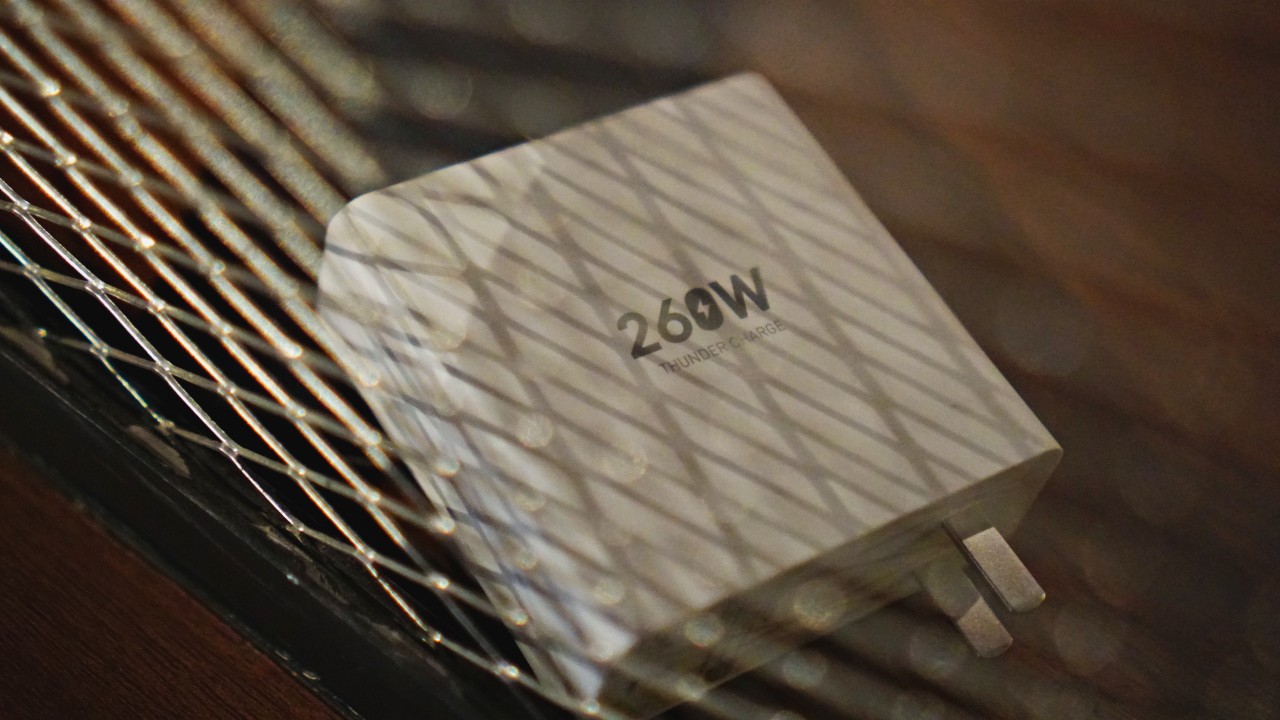
Infinix says the All-Round FastCharge will arrive alongside an upcoming Infinix NOTE series. Whatever that phone ends up being, it’ll likely have an internal cooling solution that should be able to handle the intense wired charging better.
This is promising charging technology from Infinix. It will definitely affect the charging experience and habits of people as more and more brands adopt faster charging tech.
WATCH: realme GT3 Charge Test




Features
This is the history of basketball videogames since the ’73 Knicks
Did you know that the first basketball videogame was invented in 1973?

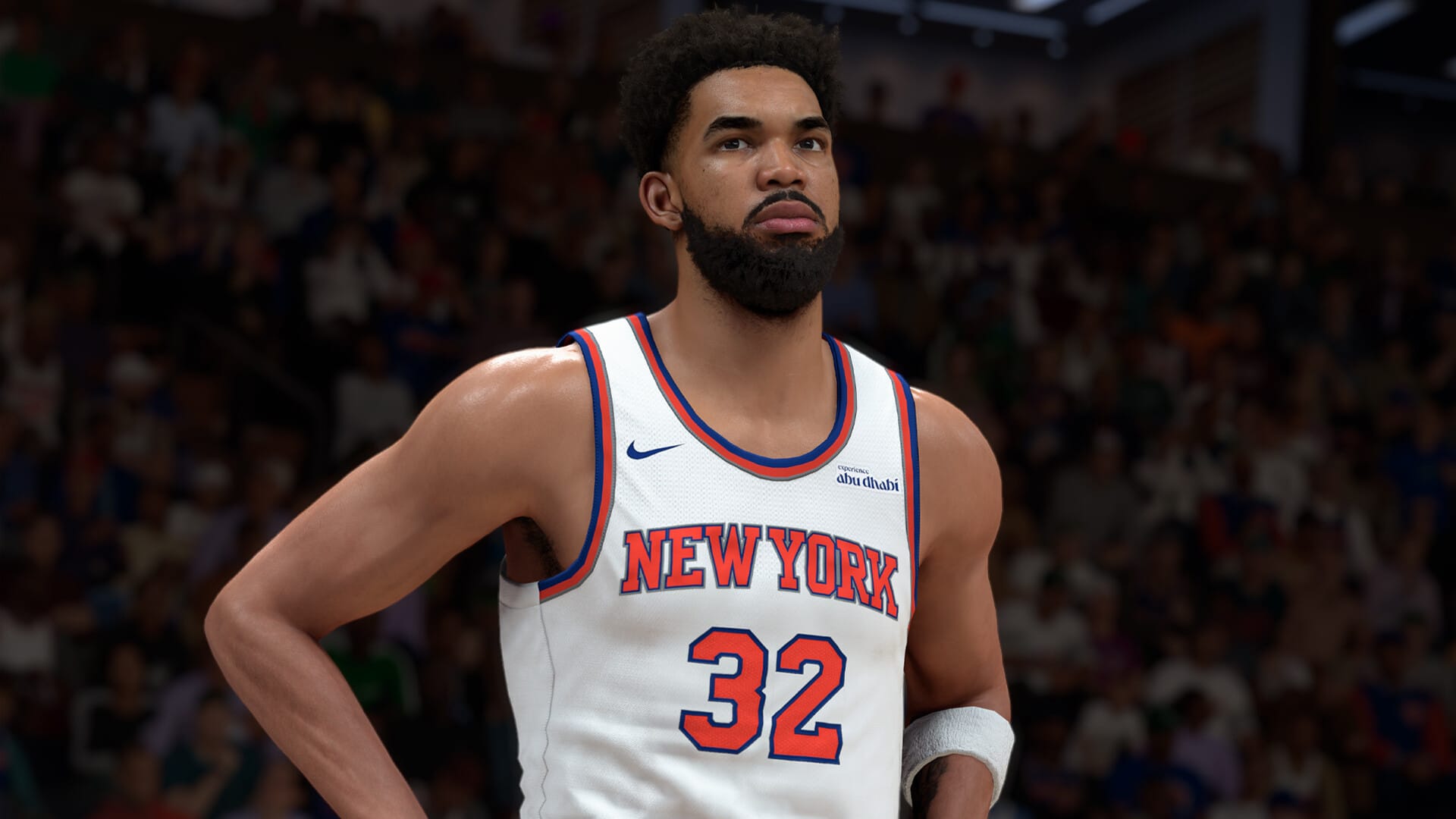
Knicks fans, rejoice; your long, long wait is finally over! The New York Knicks are once again the NBA Champions. As you’ve probably heard so many times by now, the last time that New York’s own was on top of the basketball pyramid was in 1973, 53 years ago.
Here’s a fun fact that you might not know, though: The last Knicks championship is tied to the history of the basketball in videogames. Did you know that the very first basketball video game was invented in 1973, the exact same year that the Knicks won their last championship?
But, of course, a lot of things have happened since then, and a lot of videogames have come and gone. Here are the most notable basketball games you might have played (or missed playing) in history:
NBA 2K
It would be pointless to start a list of basketball games without stating the obvious first. The NBA 2K series is the quintessential hooper sim today. When you think of the sport in videogames today, you can’t spend two seconds without thinking of the long-running franchise.
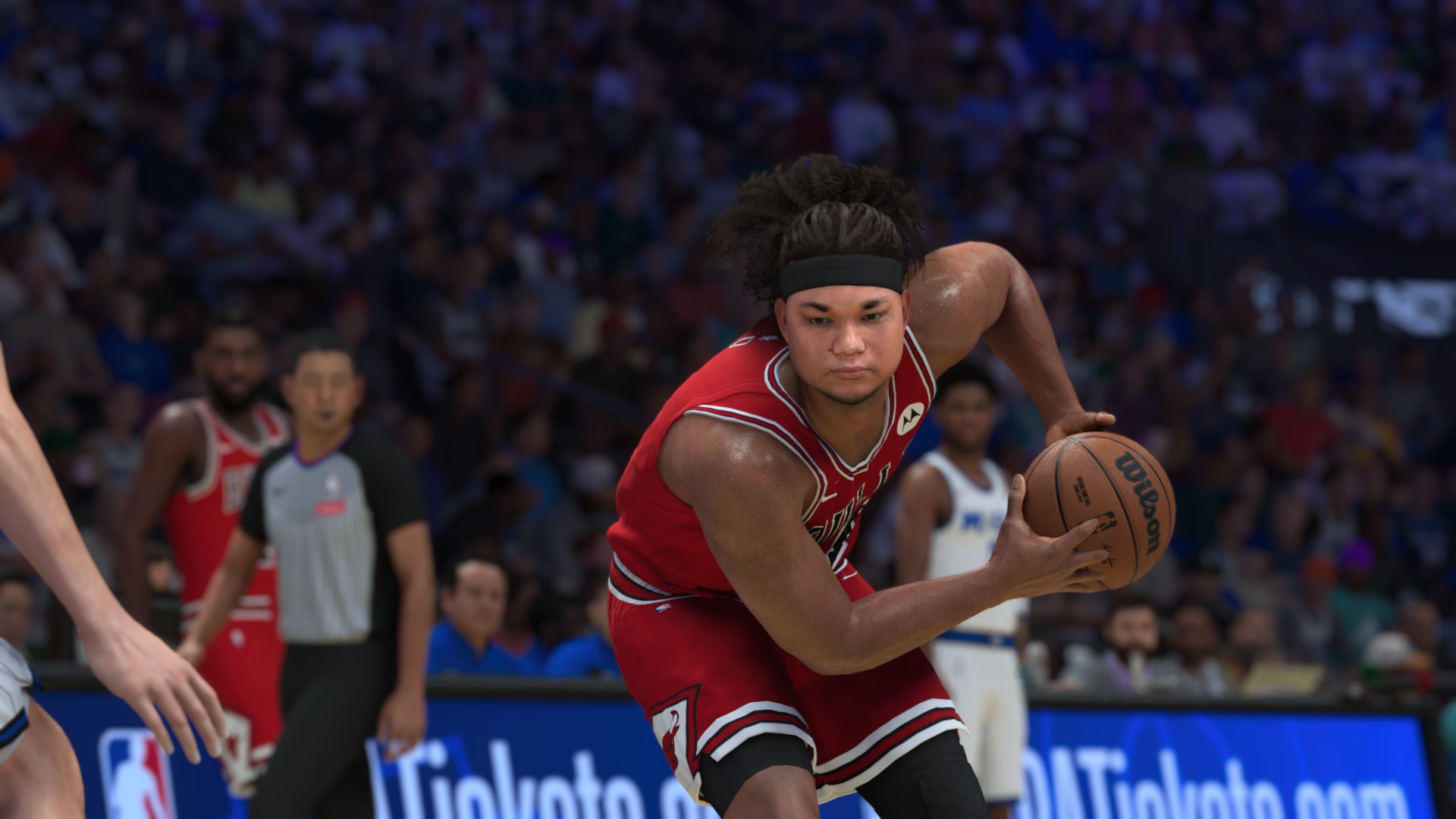
Now an annually releasing series, NBA 2K started in 1999 for the Sega Dreamcast. At the time, it was just another drop in a sea of ‘90s basketball games. Now, it’s an institution with constantly updating graphics and mechanics.
NBA Live
Around the time that NBA 2K first started, NBA Live was the king of the jungle. Up until 2018, it was another annually releasing series going alongside (and against) the behemoth known as 2K.
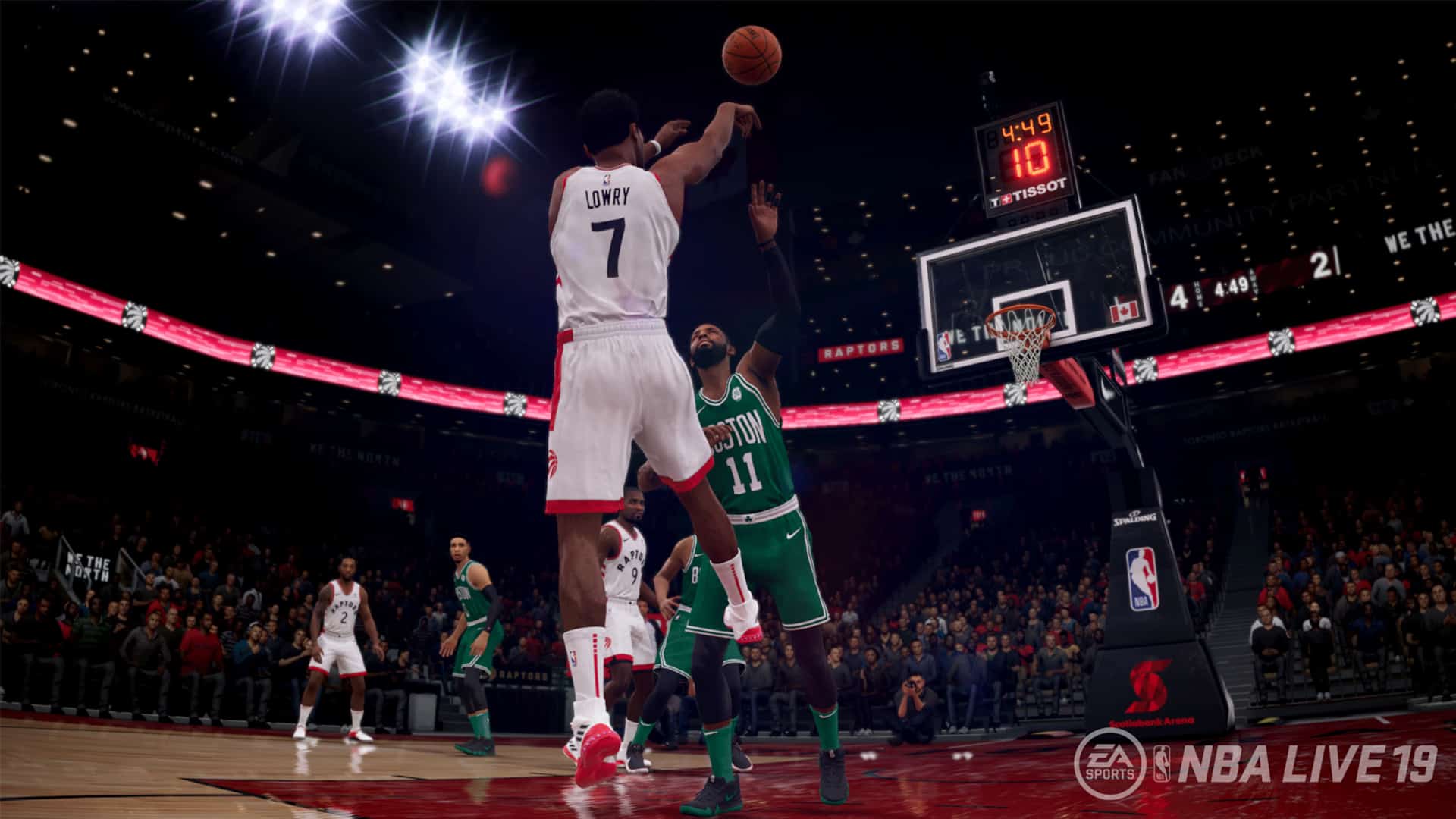
But it’s had a storied history as well. It started off as the NBA Playoffs series. The first one, 1989’s Lakers versus Celtics and the NBA Playoffs, featured eight teams who were part of that year’s playoffs. This went on until 1993 when it evolved into NBA Showdown, one of the first games to feature every NBA team. In 1994, Showdown reinvented itself once again into NBA Live and turned into an annual series before its unfortunate cancellation in 2018.
NBA Street
If sports simulators aren’t your thing, NBA Street is an arcade-style series that has ups the fun with trick shots and streetball rules. It features three-on-three hooping with 29 teams and 5 players from each. Whereas NBA 2K and NBA Live helped gamers live out their dreams to become an NBA superstar, NBA Street was one for the gamers who just wanted a fun time.
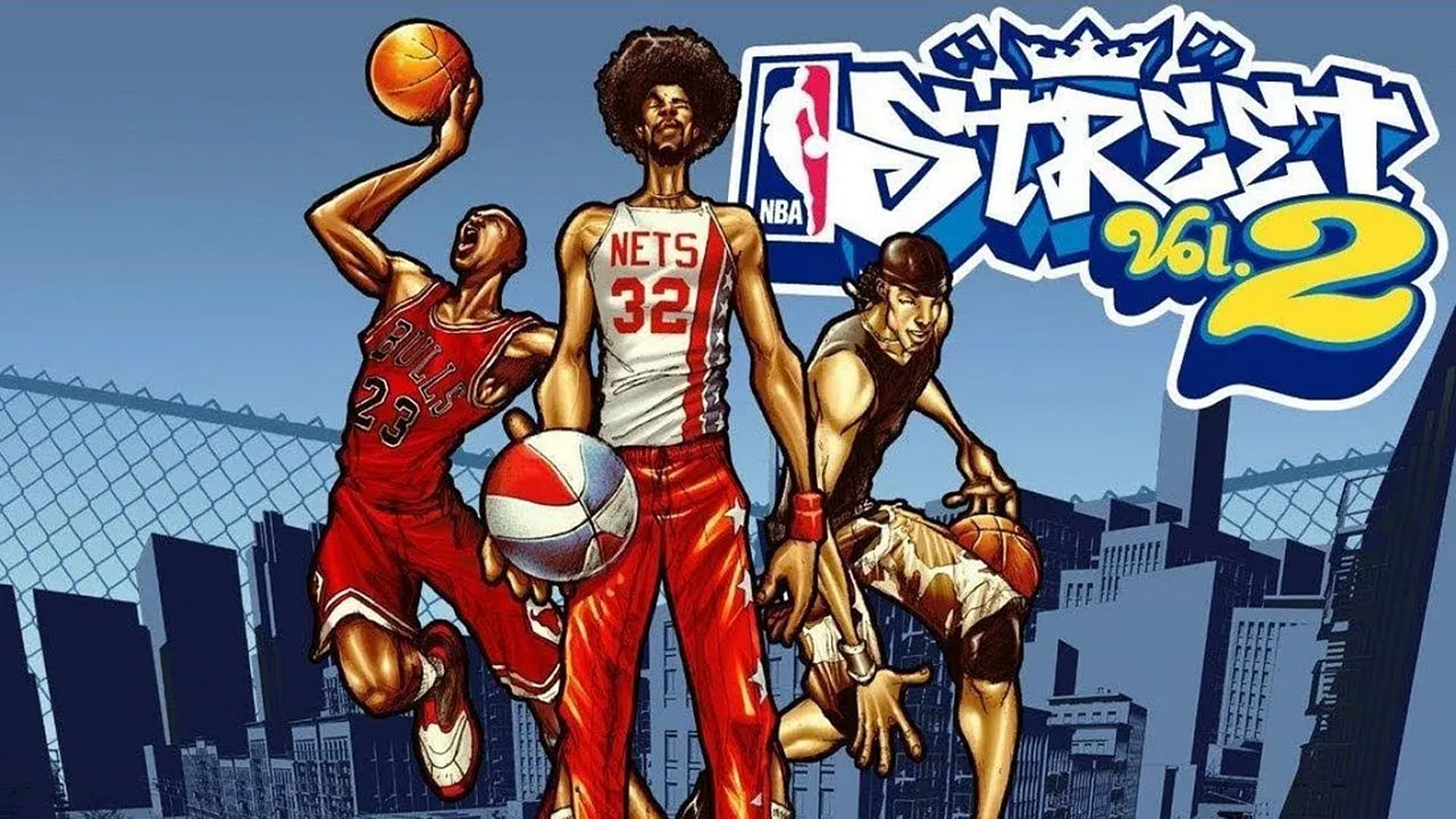
The series spawned a few sequels since 2001 but eventually met its end in 2007. Now, however, you can continue the legacy in the recently launched NBA the Run, a spiritual successor created by developers of the original NBA Street games.
NBA Jam
“Boomshakalaka! He’s on fire!”
Even if you’ve never played NBA Jam before, you’ve probably heard its most iconic catchphrase. NBA Jam was so influential that it’s considered one of the most important games of the SNES and the arcade cabinet generation.
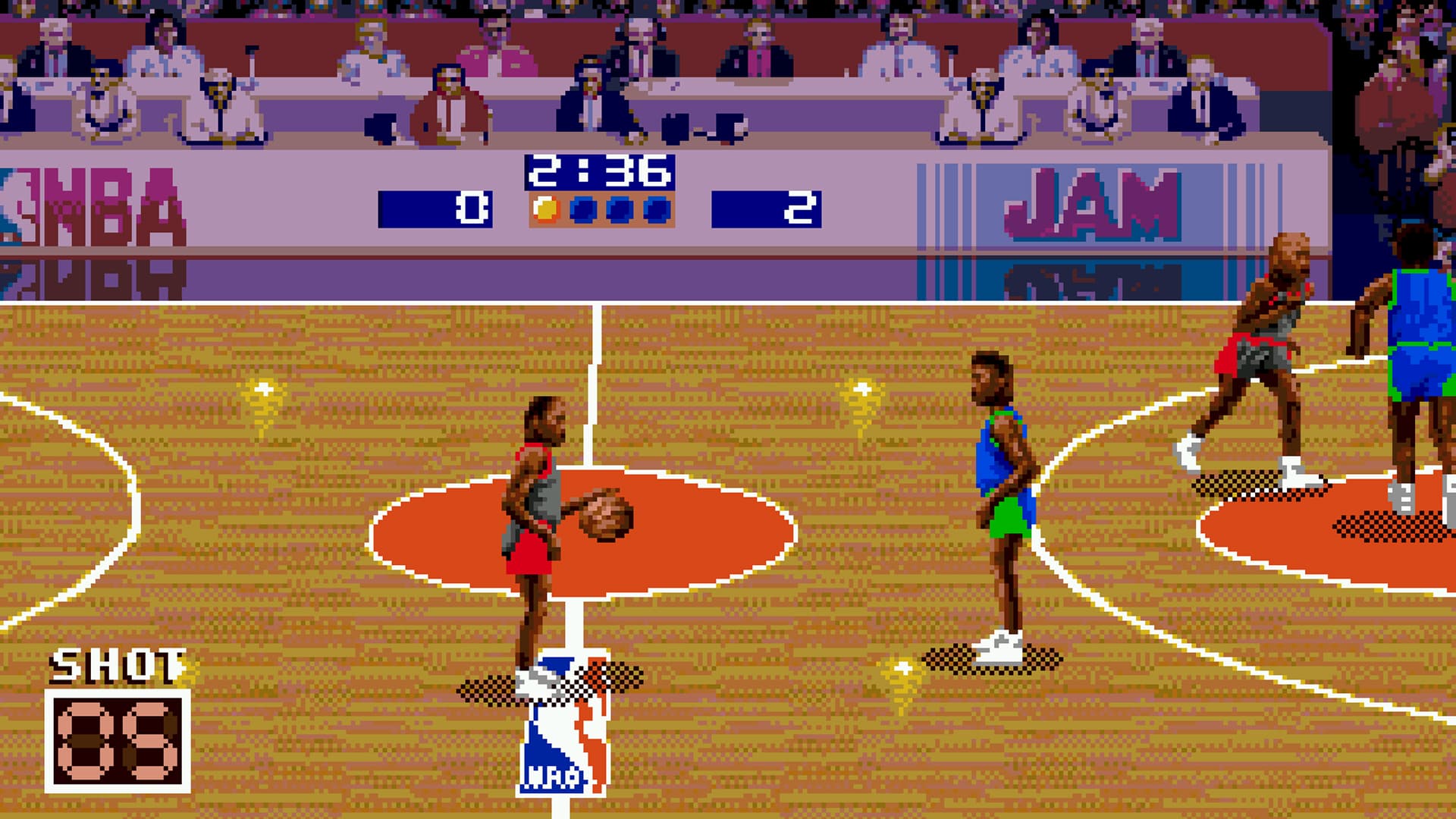
Besides impressive graphics for its time, it was a spectacle. Because it had no fouling system, you can physically bully people out of your way. You can catch fire if you’re too good at shooting, hence the “he’s on fire” line. You can jump to gravity-defying heights to make a dunk. Plus, the game features so many fun Easter eggs, including one that turns you into a literal tank on the court.
Double Dribble
Technically a sequel to Konami’s Super Basketball, 1986’s Double Dribble was a fairly straightforward simulator that attempted to feature realistic gameplay in a very two-dimensional time. For its time, the game was remarkable because it featured highly detailed animations for fancy moves like slam dunks.

However, the game came out before the rise of the NBA’s massive popularity in media. It doesn’t have a license to feature actual teams or players. Then again, haven’t you heard of the Boston Frogs or the New York Eagles?
One on One: Dr. J vs. Larry Bird
Contrasted to the above’s five-versus-five or three-versus-three formats, 1983’s One on One featured, as the title says, a mano-a-mano duel between Julius Erving and Larry Bird. With an isometric half-court layout, either player takes turns dunking or shooting over the other.

While one-versus-one modes are available in today’s games, One on One let players live out their fantasies as two of the biggest basketball stars at the time. It even let you shatter the backboard Though the game isn’t much of a talking point nowadays, it was so popular for its time that it helped establish Electronic Arts as a household name in gaming.
Atari’s Basketball
As the father of modern basketball games, 1978’s Basketball, built for the Atari, was the first game to feature the full-court format so popular today. Like One on One, Basketball features only two players. The game was so rudimentary that the two hoops were represented with two sticks, and the two players were different colored blobs.
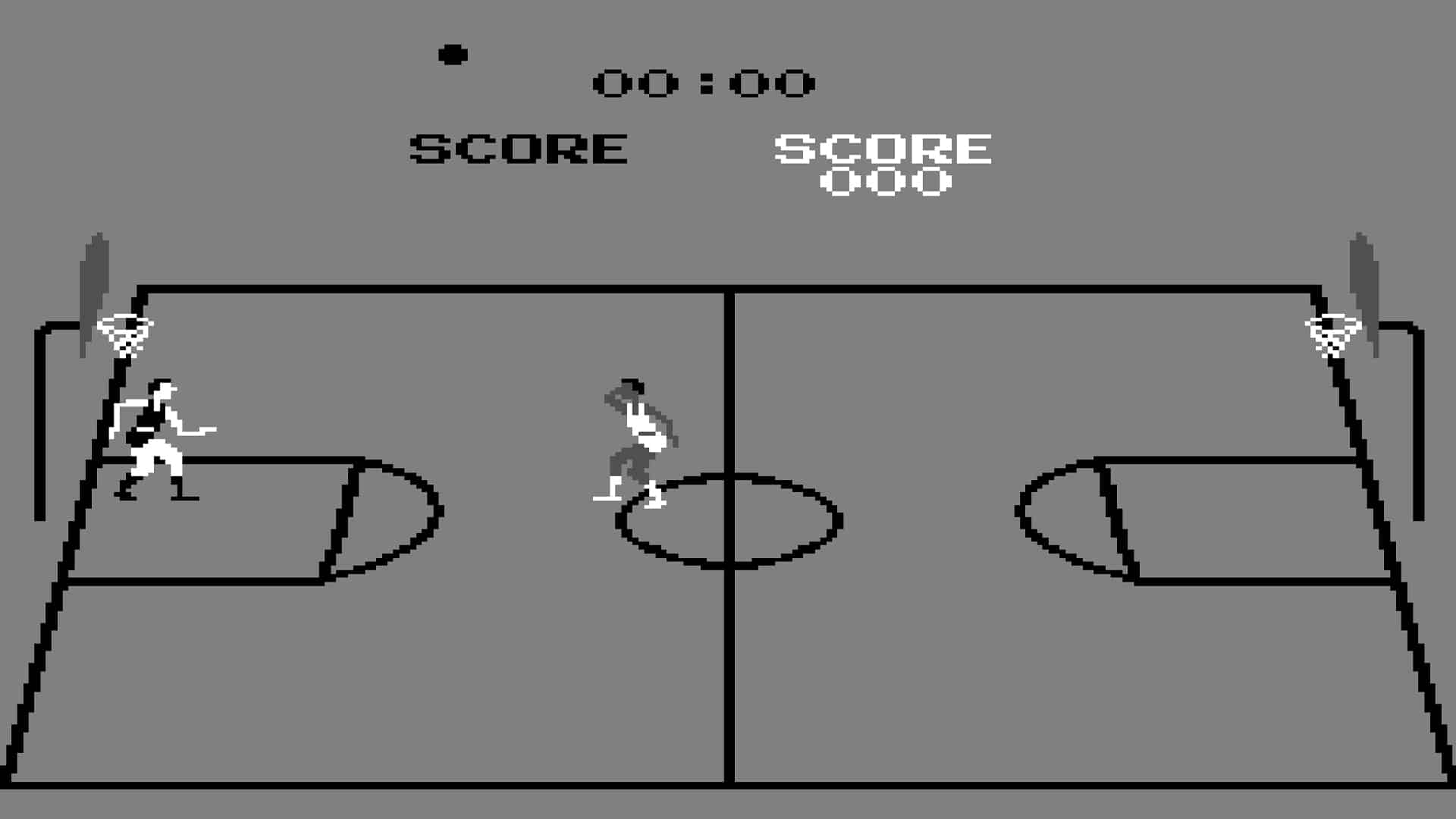
However, in 1979, Atari released an updated version with detailed graphics. It was also controlled with a trackball, the first of its kind to do so. Though it didn’t have named superstars or teams, it’s clearly the predecessor of the games we all know and love.
Basketball!
And now, we’ve come to the beginning. Released on 1973, Basketball! is officially the first basketball video game in history. Since it’s on the Magnavox Odyssey, the very first home gaming console, that comes as no surprise.
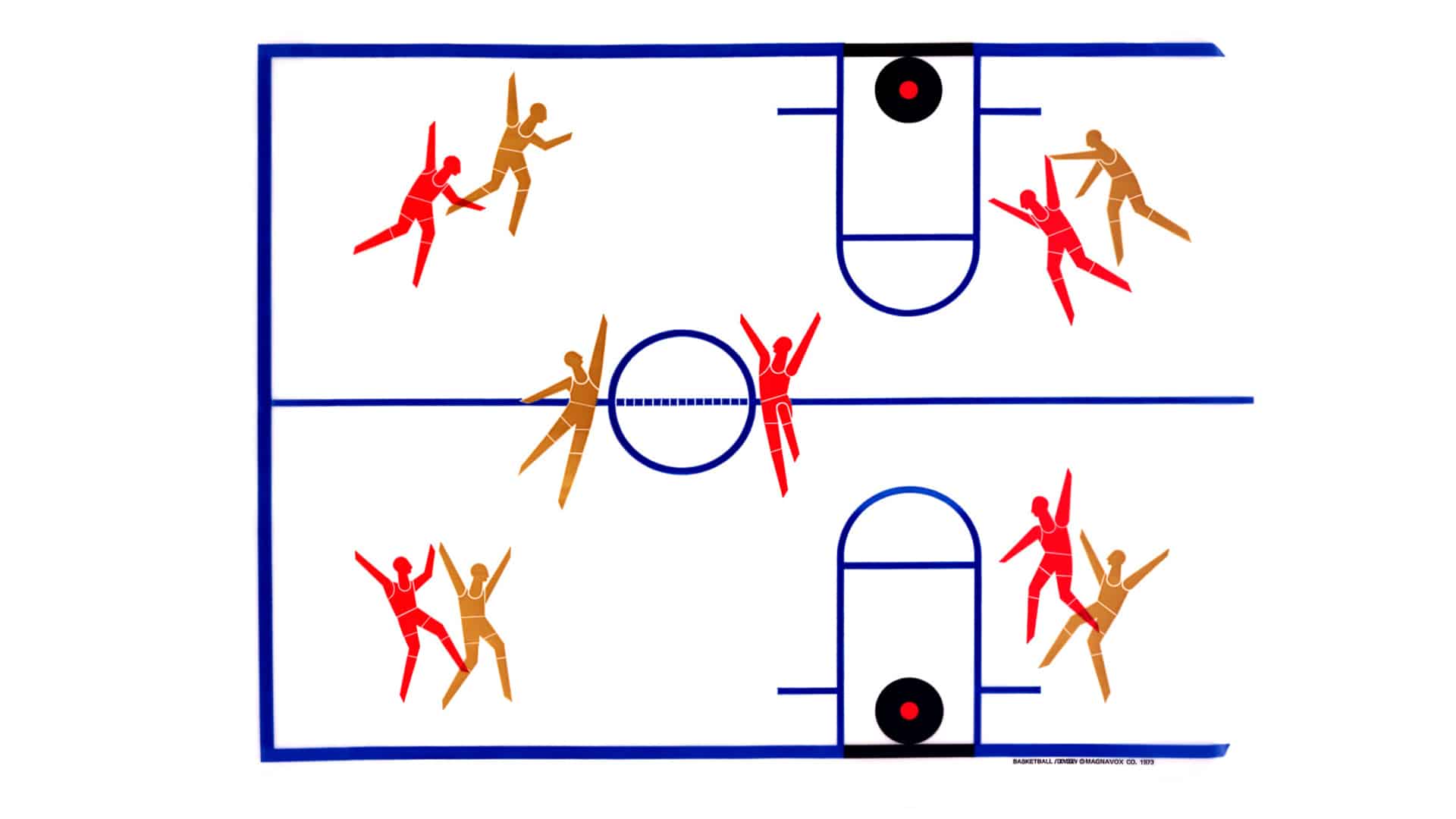
Like Pong, which also found a home in the Magnavox Odyssey, Basketball! features two square dots (the players) bouncing a smaller dot (the ball) into two “hoops” on both sides of a court. The game had a static image laid over the dots to simulate an ongoing basketball game. It was so basic that it didn’t even have a computing system for point. Players had to manually tally scores on their own based on where the small dot lands.
If it’s hard for you to imagine just how long today’s Knicks fans have waited for a championship, this was the state of gaming when they got their last ring.
SEE ALSO: NBA 2K26 review: Pick and pop maestro

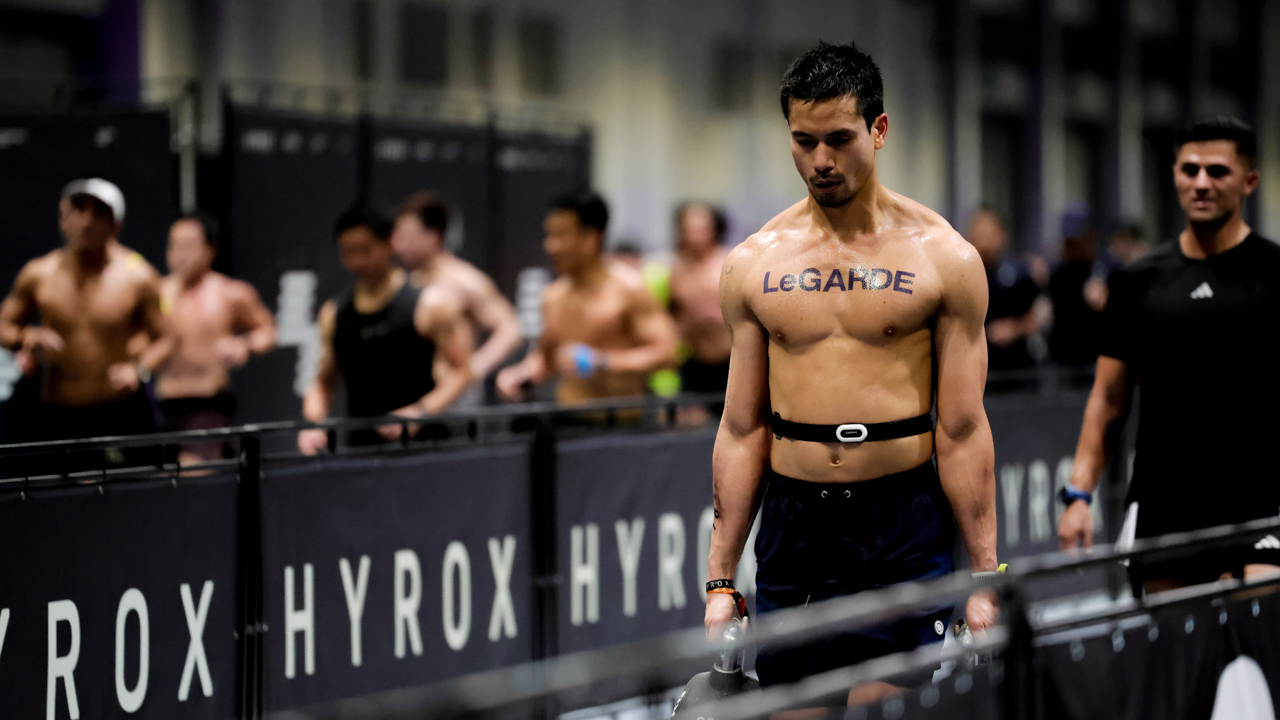
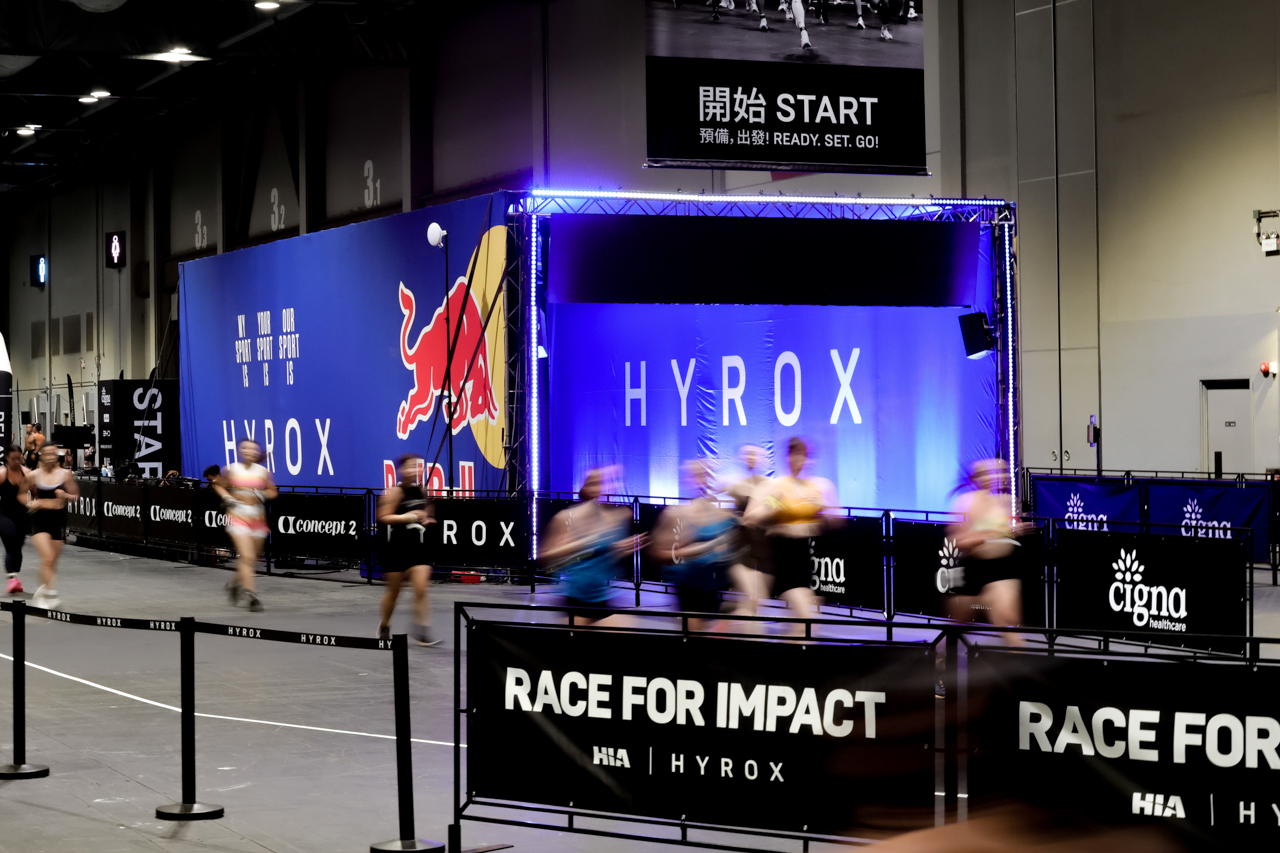
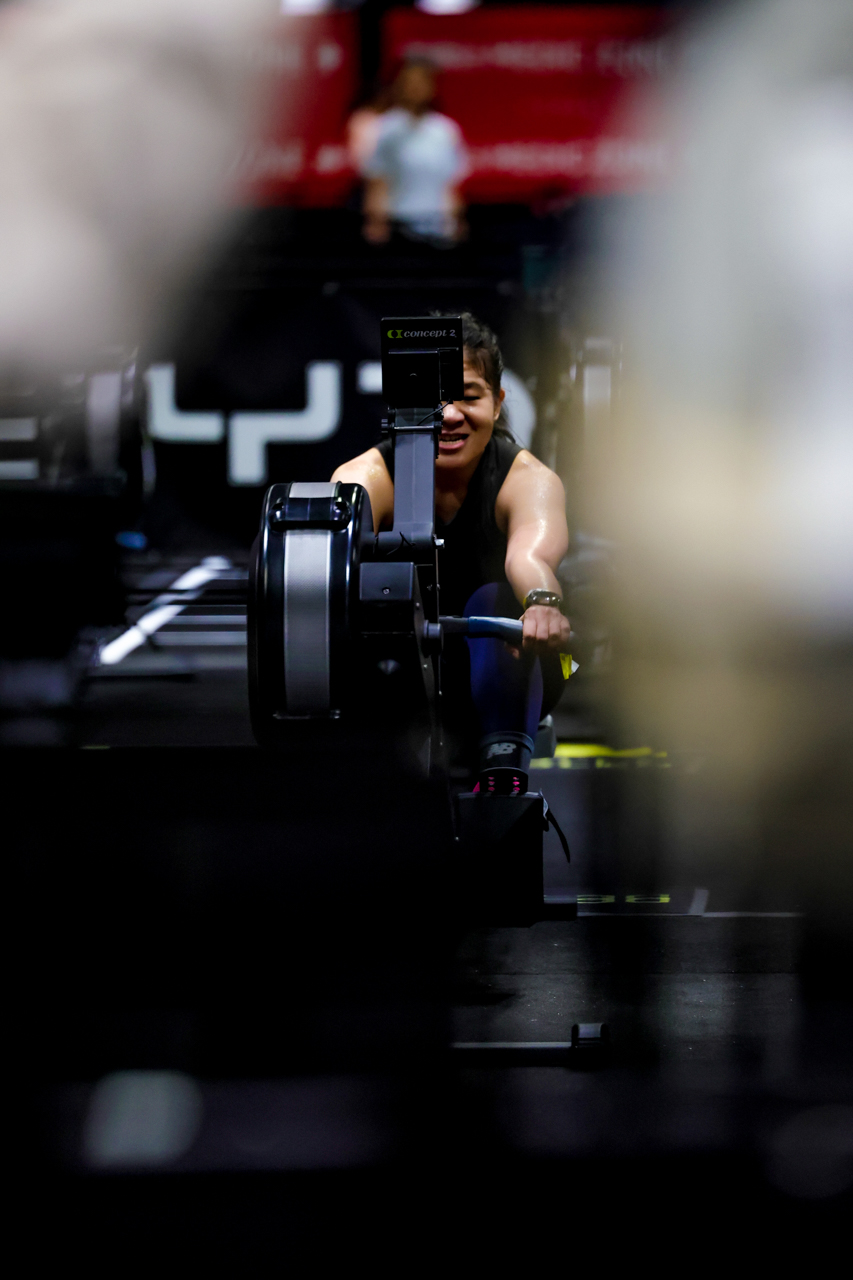
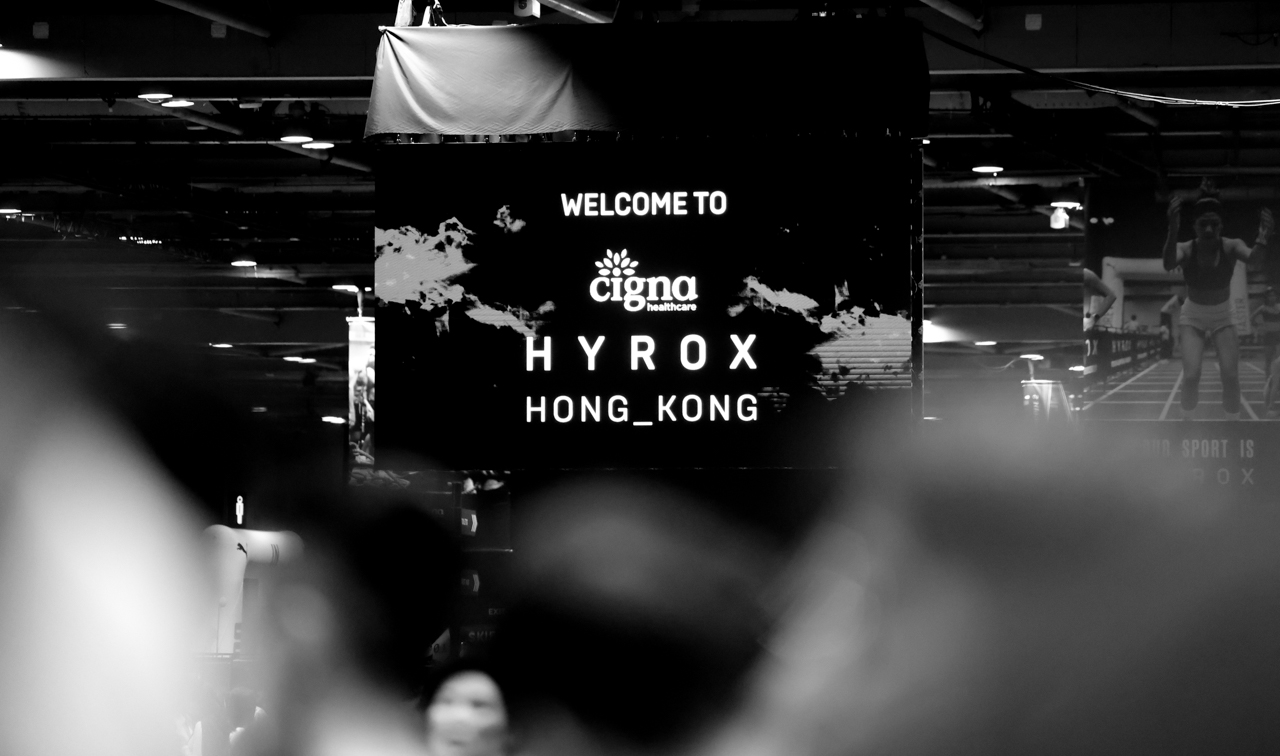
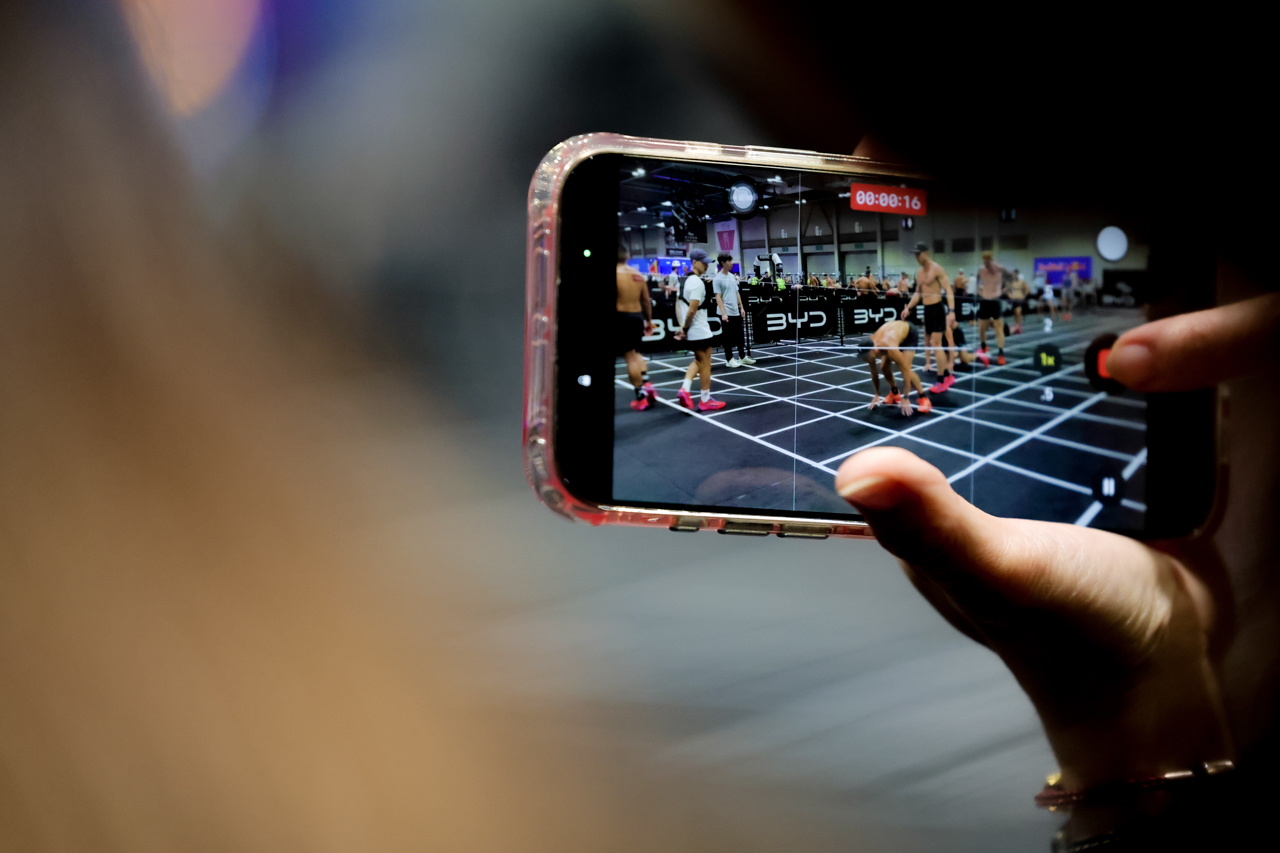
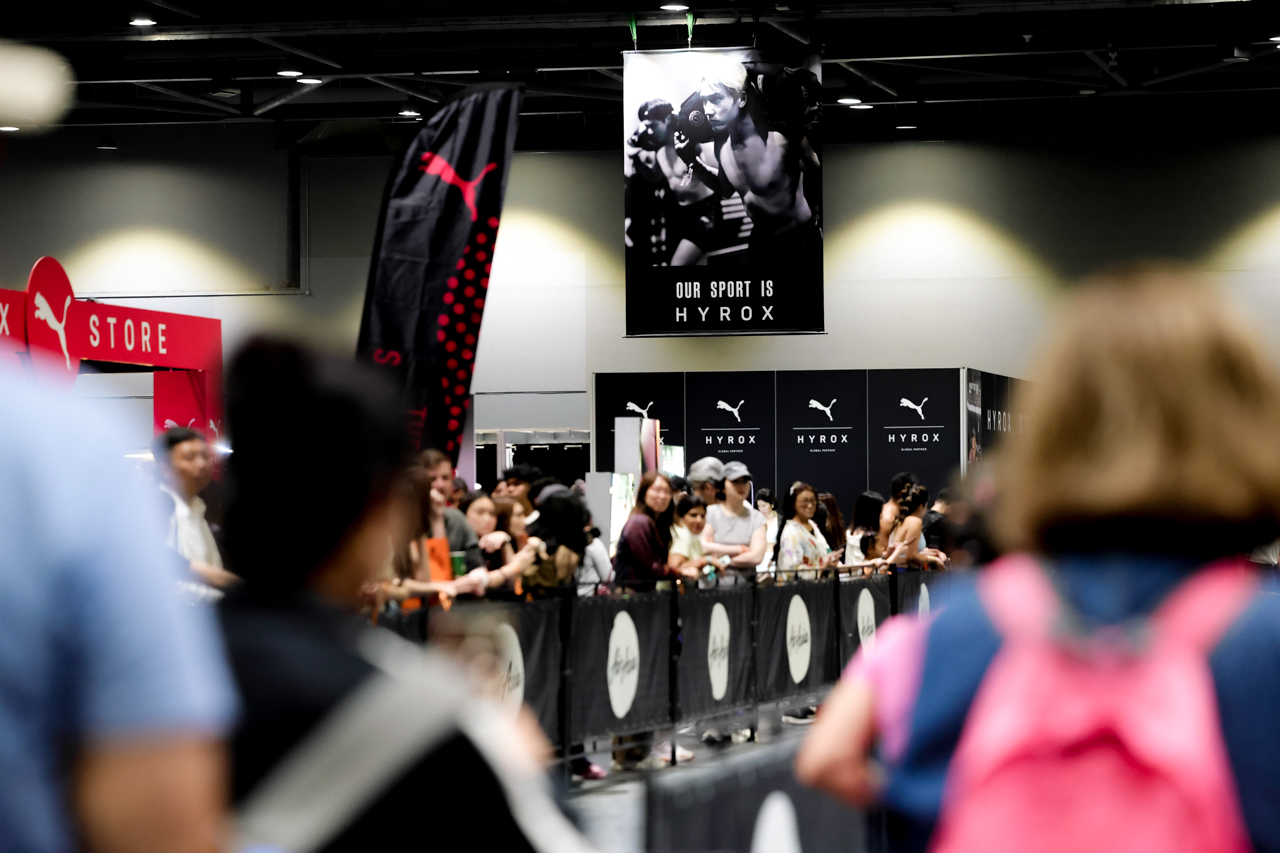
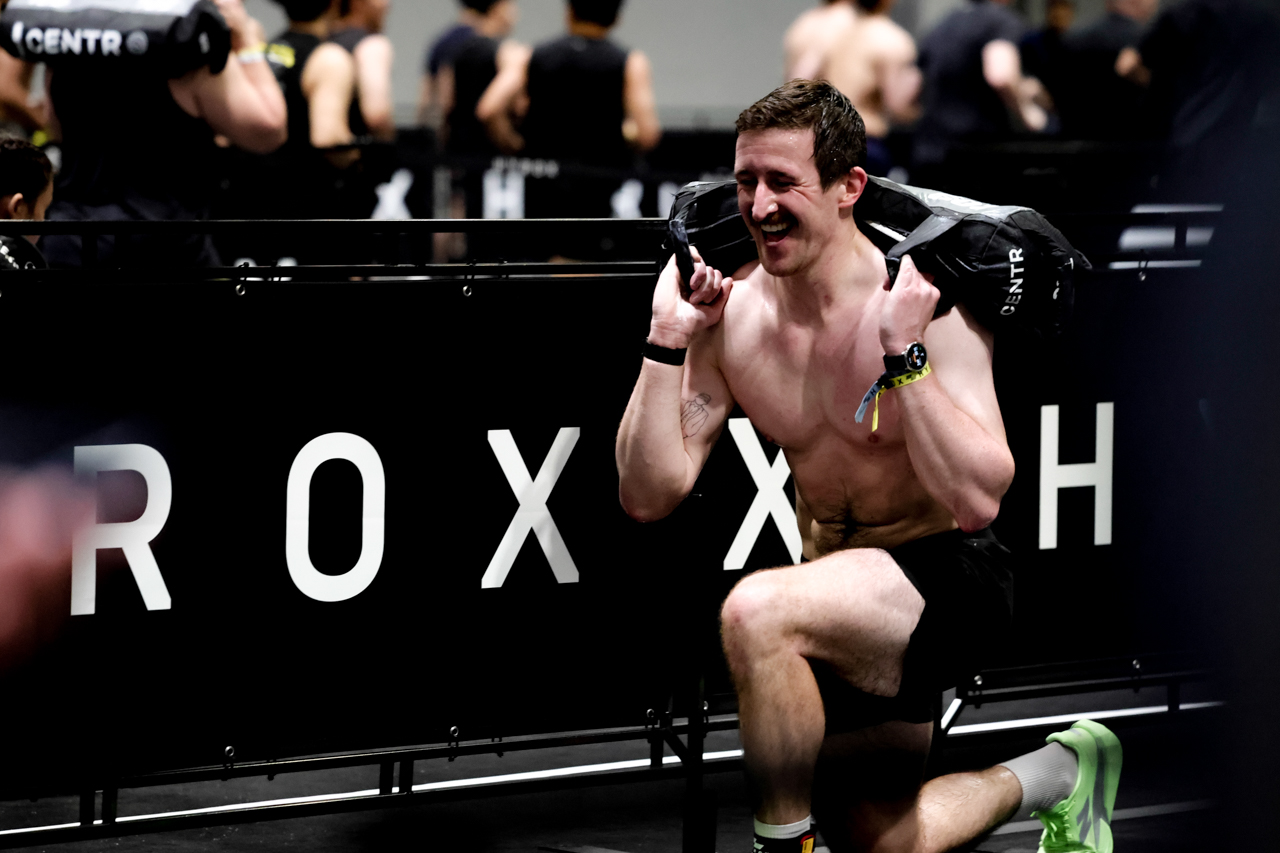
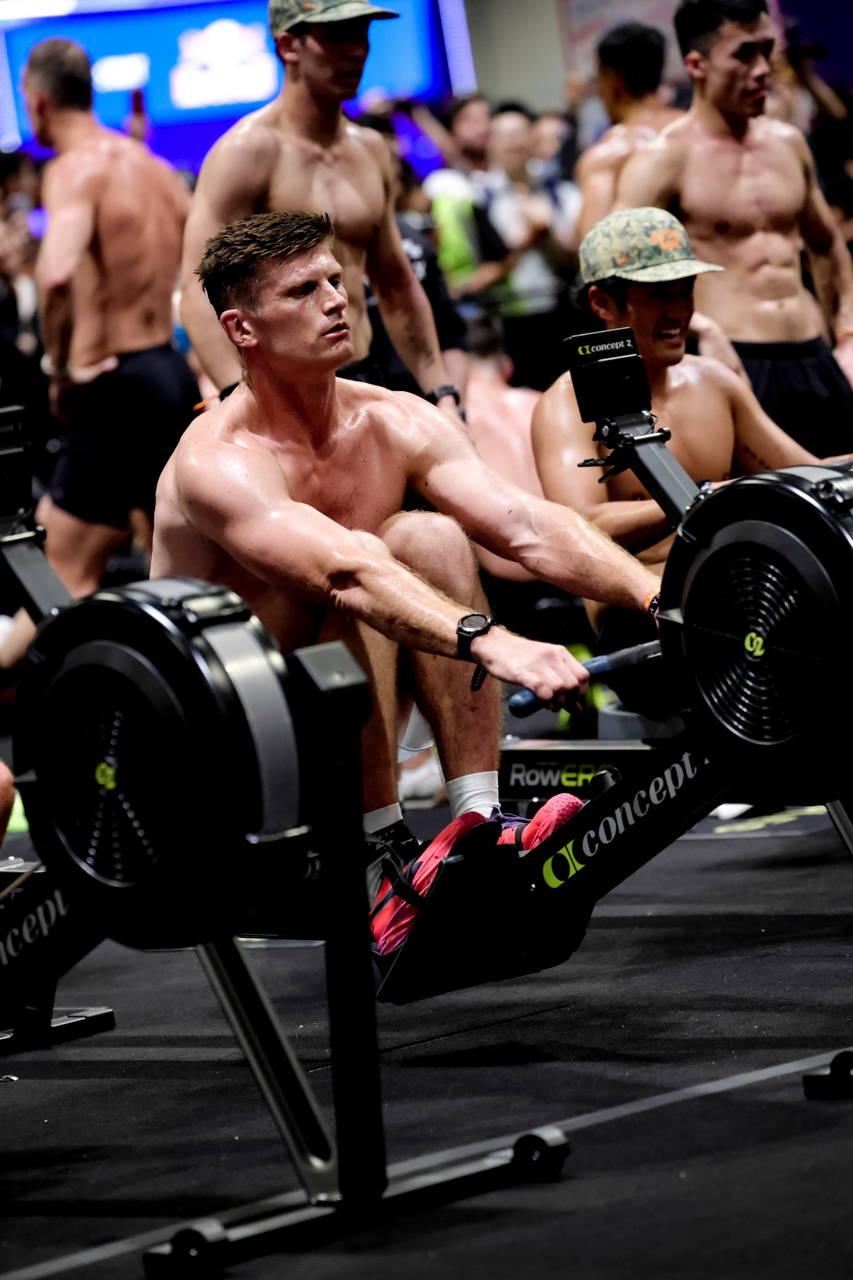
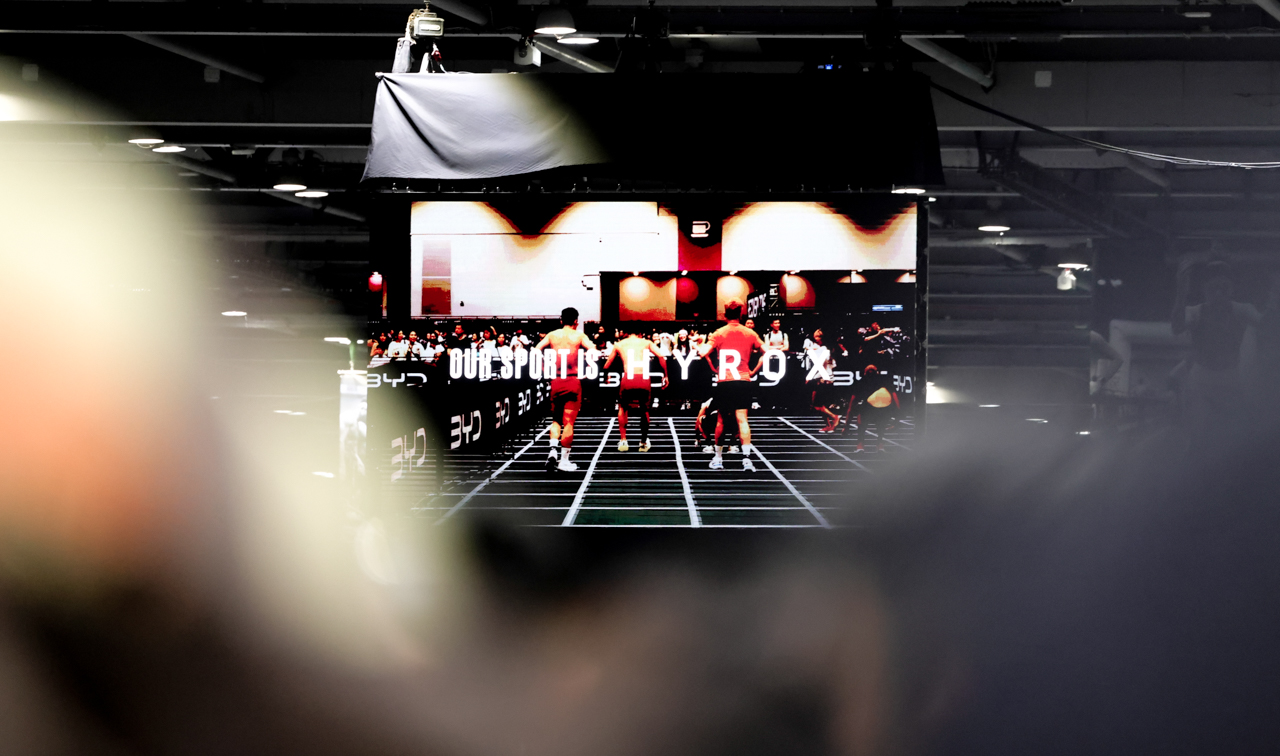
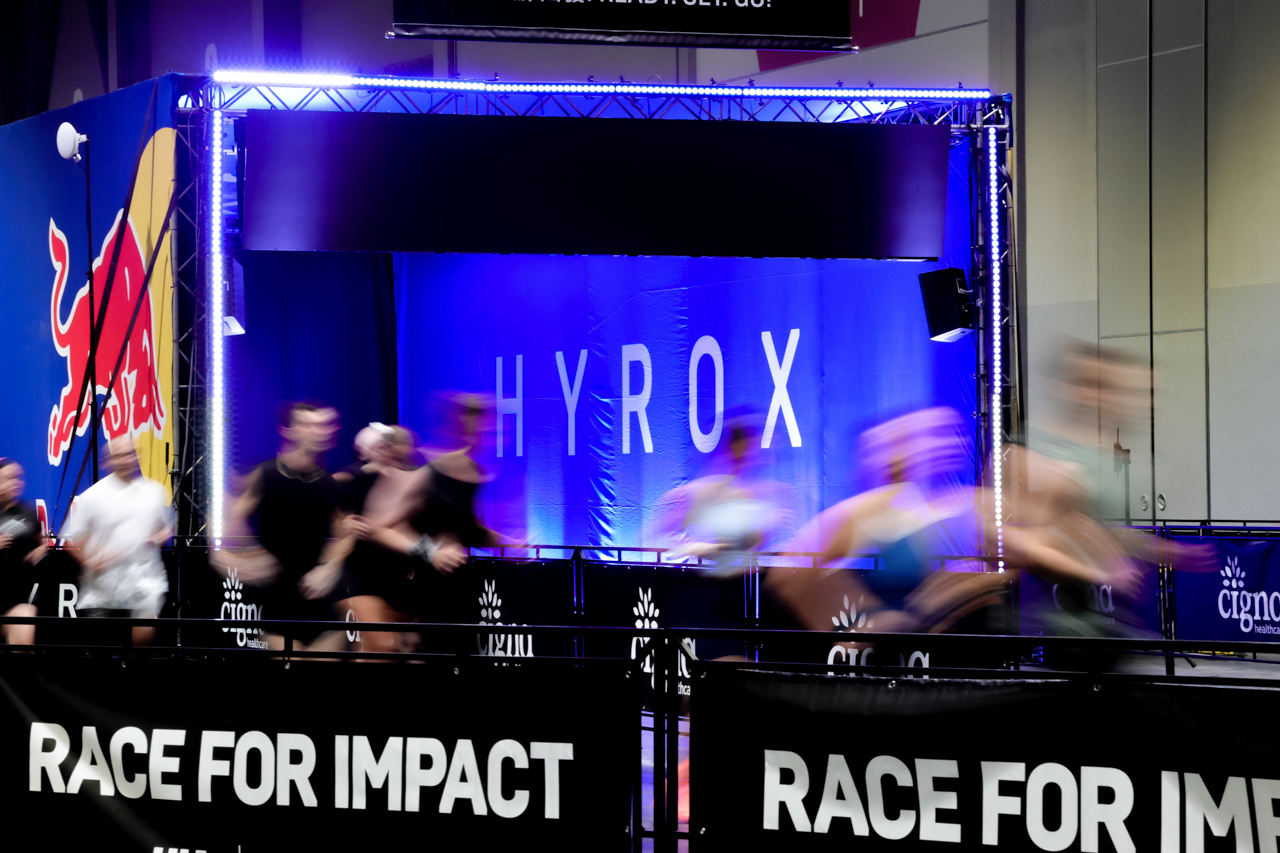
HYROX drew people from all over the world for a single purpose: finish the course. In Hong Kong, athletes showed up at AsiaWorld-Expo ready to run, row, and push through 8 stations of pure functional fitness.
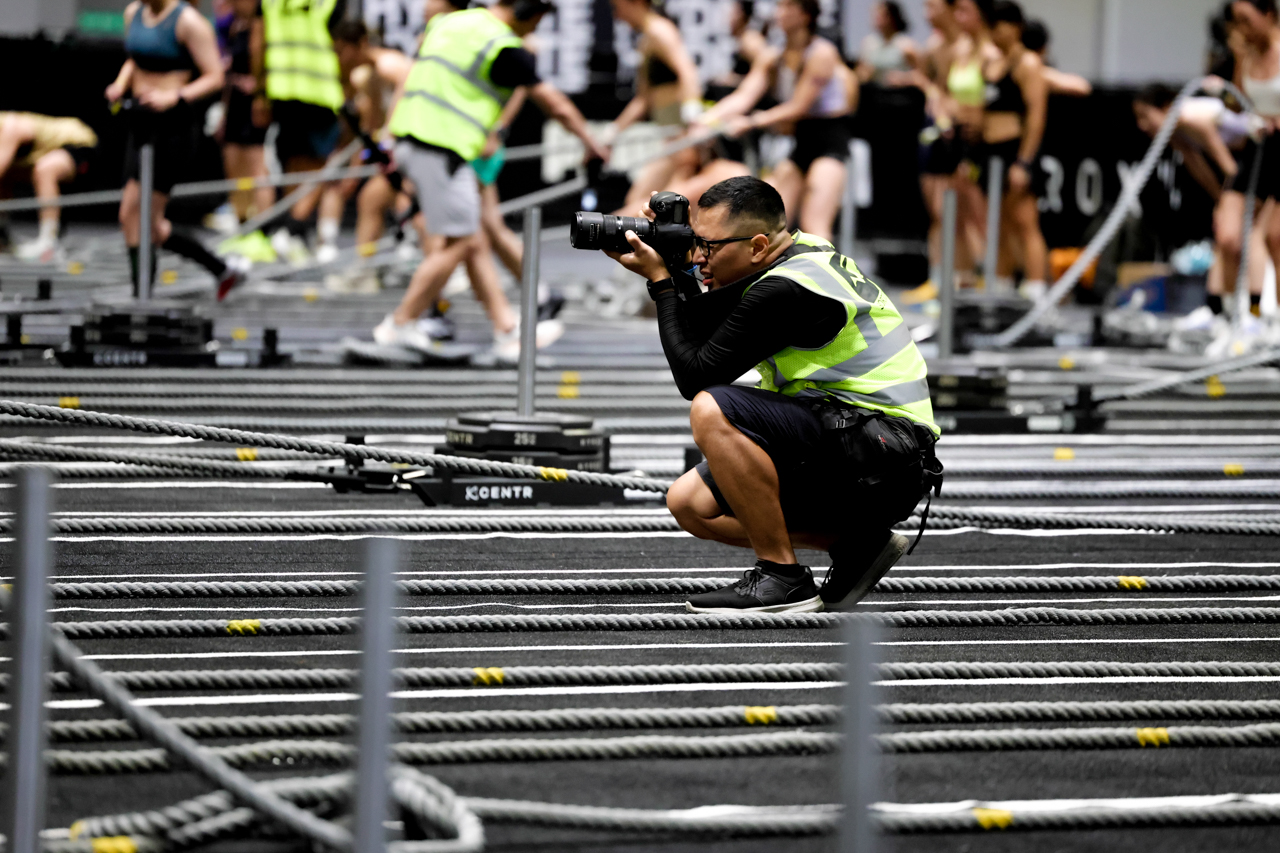
So, we brought the Canon EOS R6 Mark III to capture one of the most demanding fitness races on the planet.
The Expo floor is a lighting nightmare, a mix of harsh overheads and deep shadows, but the 32.5MP sensor handled the contrast without breaking a sweat.
The 40fps electronic shutter and Pre-continuous shooting meant we were already capturing the moment half a second before we consciously decided to press the shutter.
Covering a race means staying mobile, and the 8.5-stop IBIS let us move freely alongside athletes without losing the shot. The Dual Pixel CMOS AF II stayed locked on athletes even when they were squinting through the final stretch.
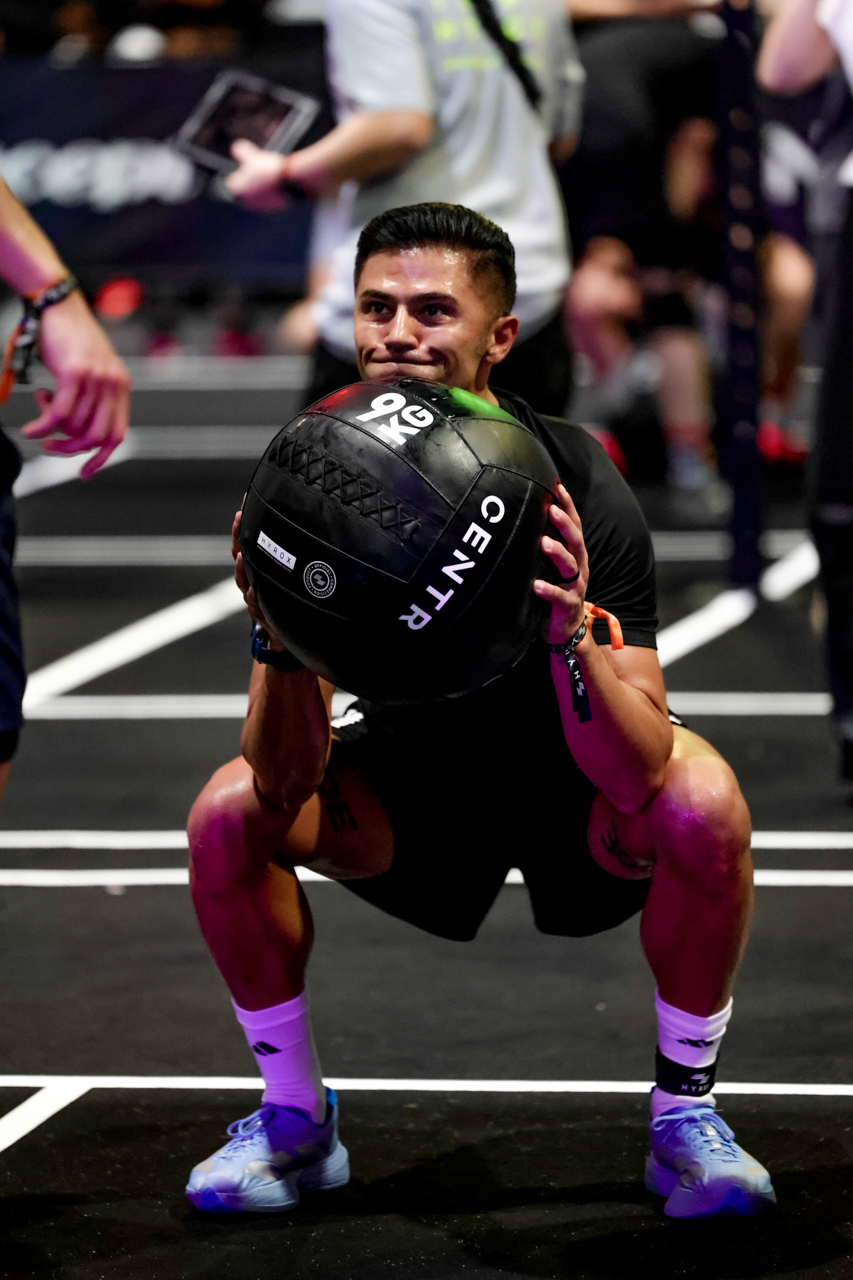
What came out were stories of triumph and determination. Even when their bodies were screaming, they pushed through anyway.
This is what HYROX Hong Kong looked like from the inside.
























Words by MJ Jucutan. Photos by Sky Rodillas.
Choosing between the Xiaomi Pad 8 and the Xiaomi Pad 8 Pro feels like picking between a “sweet treat” and a “full-course meal.”
It’s deciding between a reliable travel companion and a specialized workstation. Both tablets rock a slim 5.8mm profile and a manageable 485-gram weight, and a 9200mAh battery.
However, under the hood, they are playing in different leagues. Especially since the “Pro” moniker adds serious muscle to the internals, and a solution for that glossy screen distraction.
Specs at a glance
| Product | Xiaomi Pad 8 | Xiaomi Pad 8 Pro |
| Processor | Snapdragon 8s Gen 4 (4nm) | Snapdragon 8 Elite (3nm) |
| Display | 11.2″ 3.2K IPS LCD (144Hz) | 11.2″ 3.2K IPS LCD (144Hz) |
| Surface | Ultra-Glossy Glass | Optional Matte Nano-Texture |
| Storage/RAM | Up to 12GB LPDDR5X / 256GB | Up to 16GB LPDDR5T / 512GB |
| Rear Camera | 13MP | 50MP |
| Front Camera | 8MP | 32MP |
| Charging | 45W Turbo Charge | 67W HyperCharge |
| Pricing | Starts at PhP 20,999 | Starts at PhP 38,999 |
Why you should pick the Xiaomi Pad 8
The standard Pad 8 is that “Goldilocks” device, hitting that sweet spot between price and premium hardware.
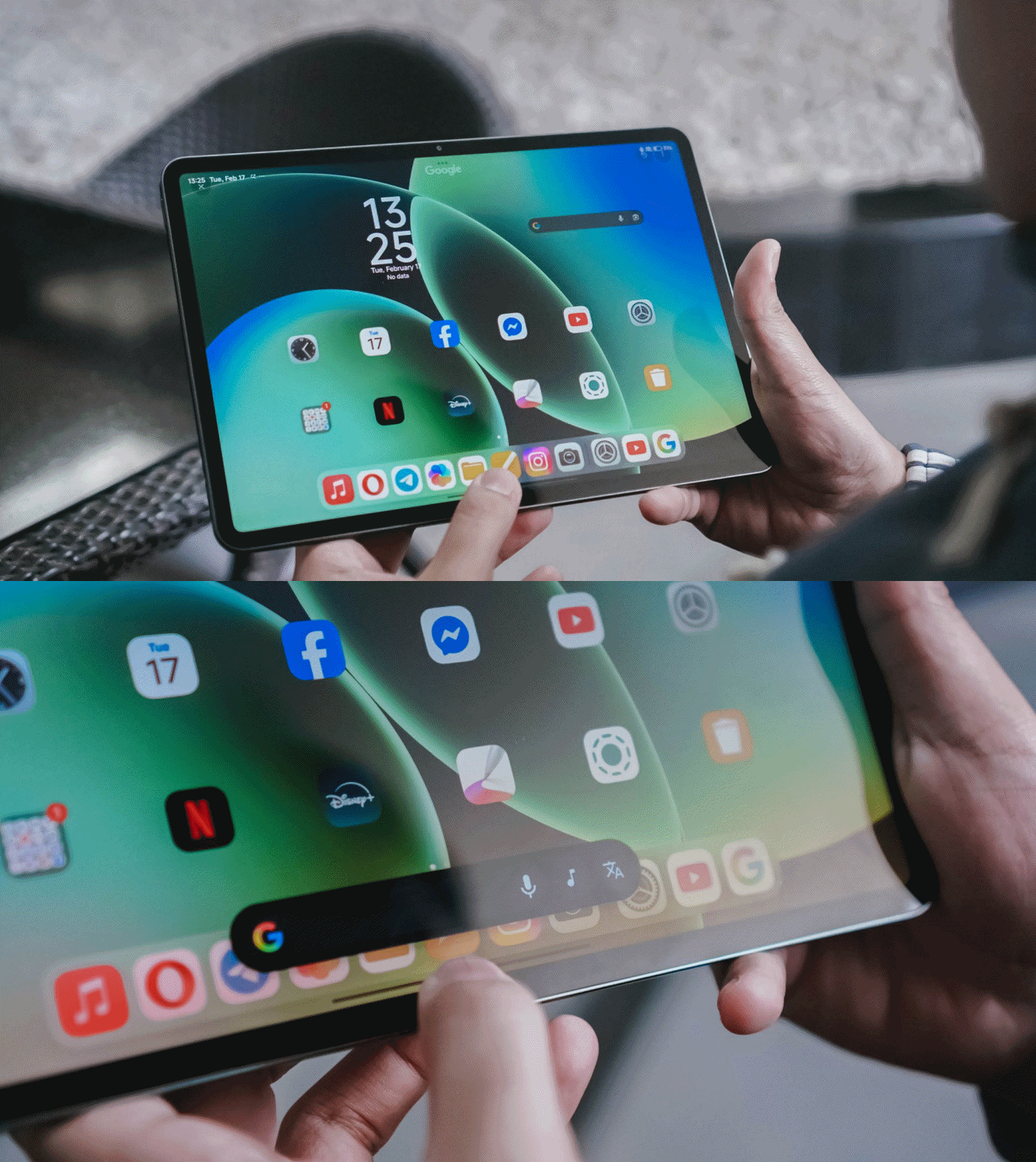
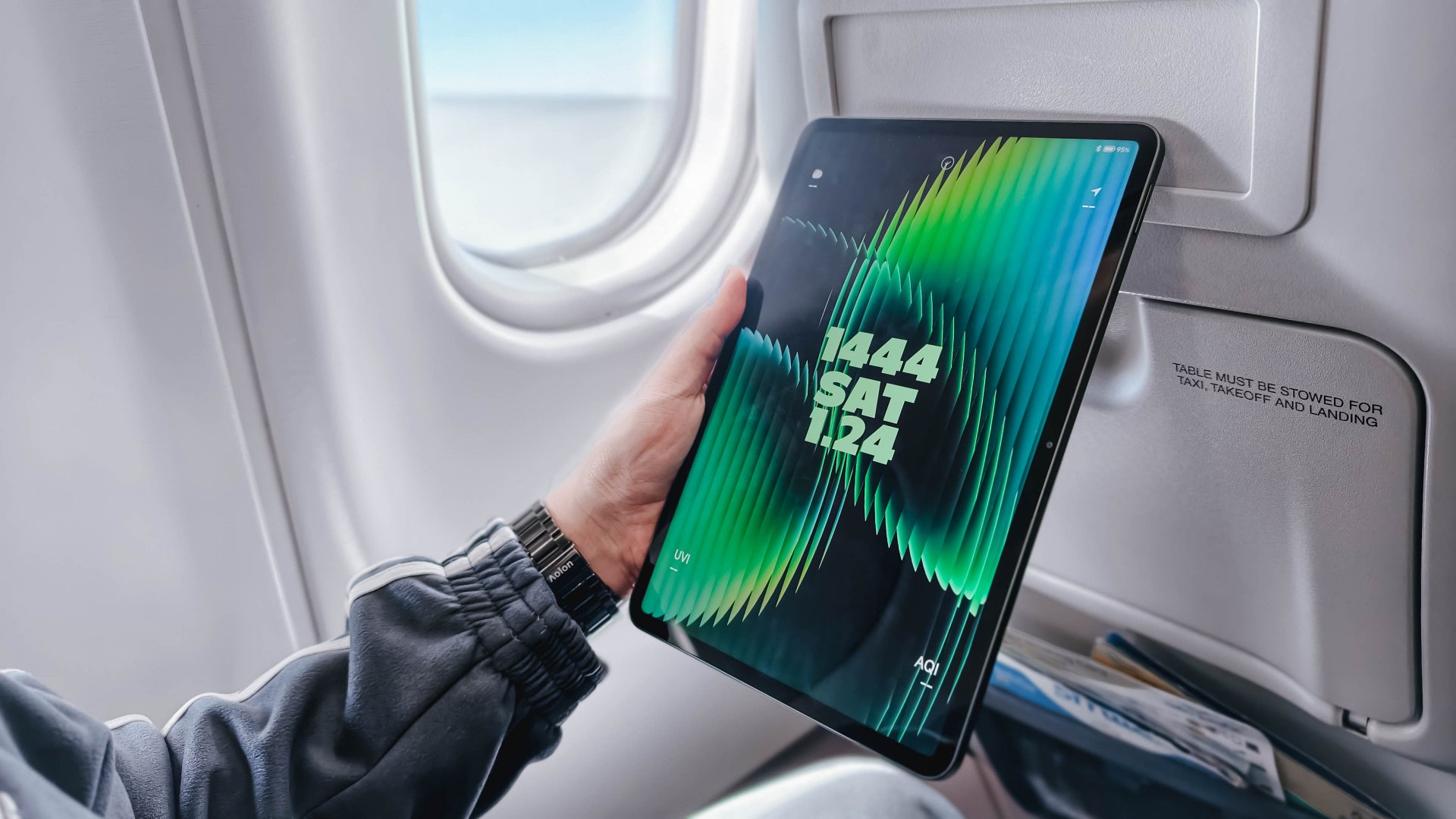
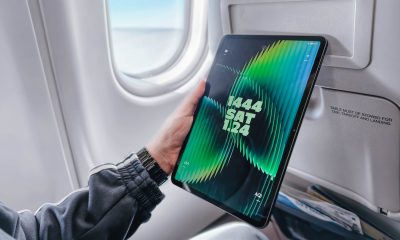
It’s ideal if your tablet usage is centered on media consumption and light productivity. Since it shares the same 11.2-inch screen size as the Pro, it fits perfectly on an airplane tray table, making it a dream for frequent flyers.
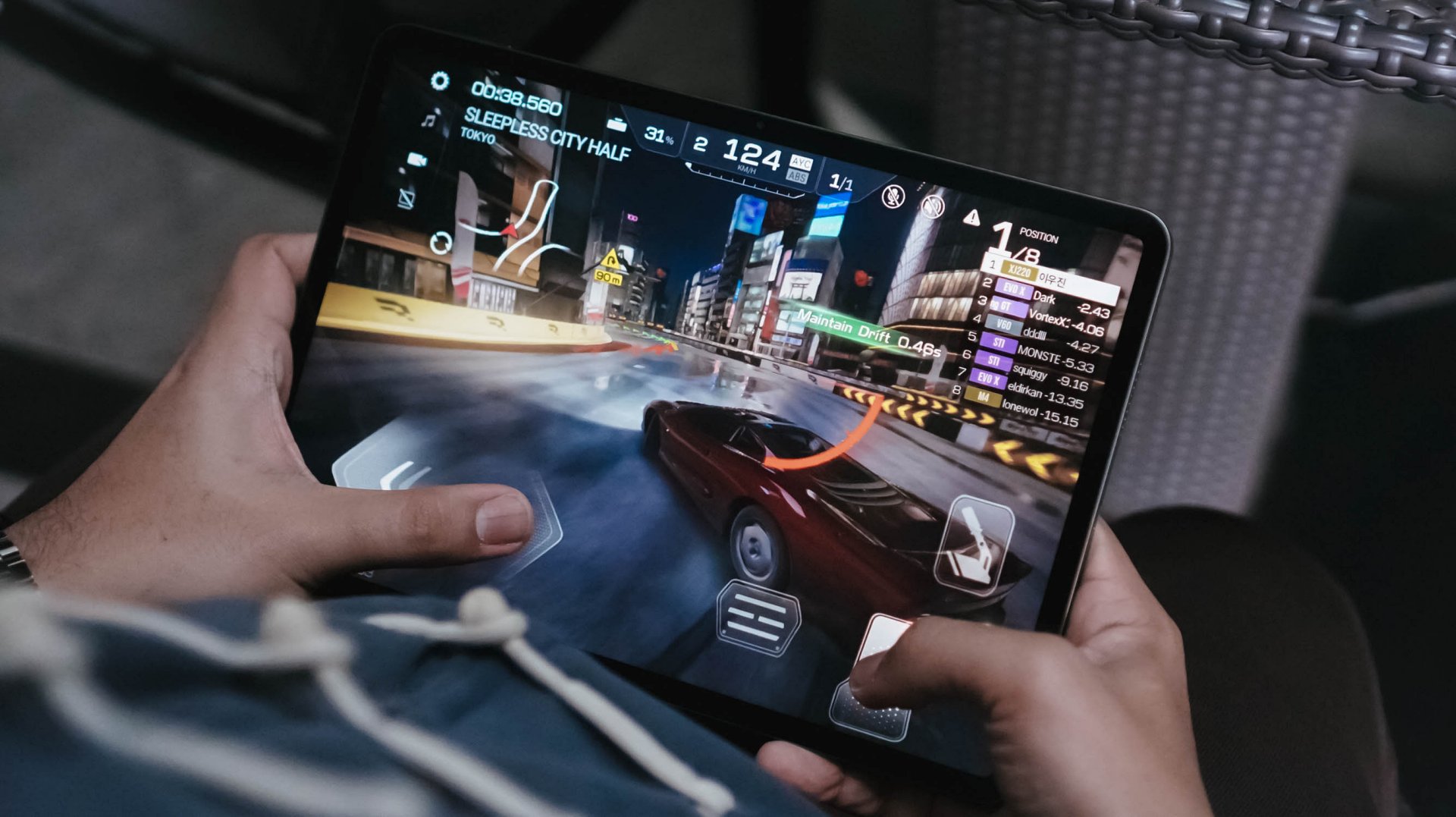
The Snapdragon 8s Gen 4 is no slouch; it still runs titles like Racing Master at 60fps on Ultra-High settings. If you’re a fan of XG or KiiiKiii, you’ll appreciate the quad-speaker setup and Hi-Res Audio support without needing to pay the “Pro” tax.
It’s the smart choice for those who want a capable second screen to complement their main laptop.
Why you should level up to the Xiaomi Pad 8 Pro
The “Pro” is for those who found the standard model’s limitations — like the glossy screen reflections or the 128GB storage ceiling — to be a dealbreaker.
The biggest upgrade is the Snapdragon 8 Elite, a powerhouse chip that turns the tablet into a legitimate workstation for video editing in CapCut or heavy multitasking in HyperOS 3.0.

Beyond power, the Pro version offers a Matte Glass Edition, which completely solves the “reflection” issue that can ruin your movie sessions or drawing time under bright lights.
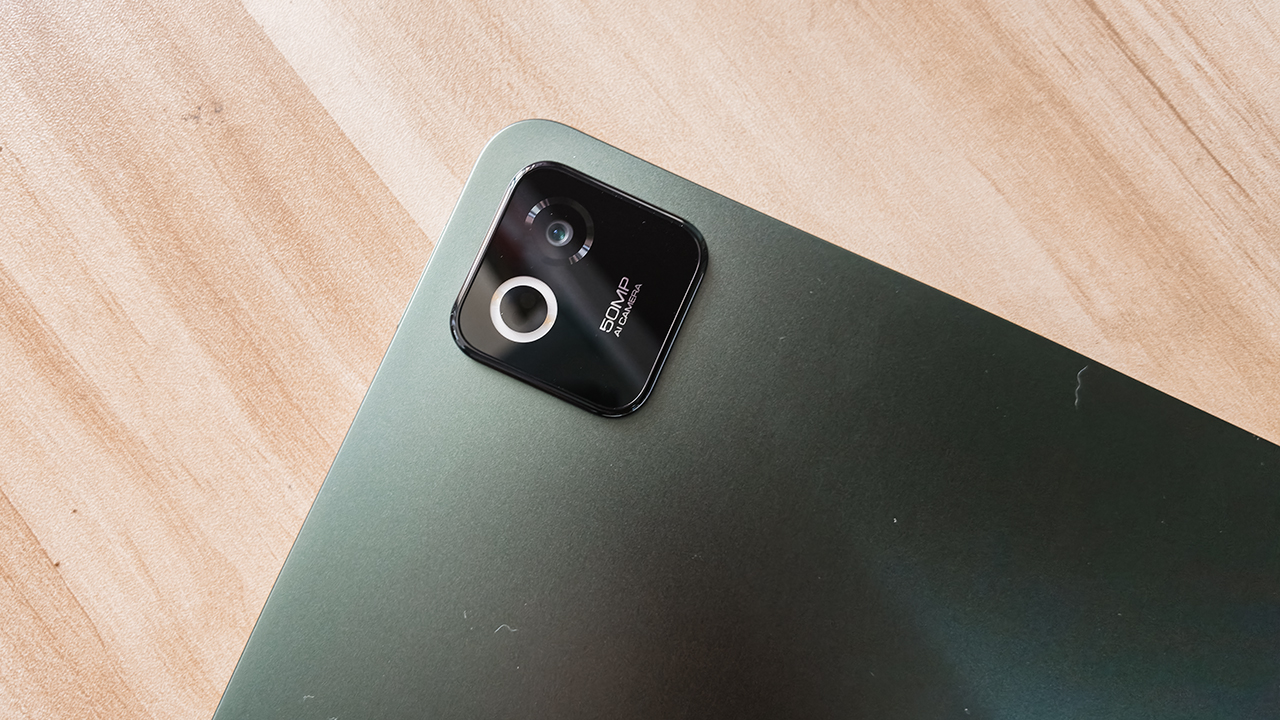
You also get significantly better cameras, such as a 32-megapixel front sensor for professional-looking video calls. There’s also a 50-megapixel rear camera for high-res document scanning.
Finally, the 67W HyperCharge means you spend less time tethered to a wall and more time being productive.
Which Xiaomi Pad is your GadgetMatch?
Swipe Right on the Xiaomi Pad 8 if you want the best value for your money.
It’s thin, light, and powerful enough for 90% of users. It handles gaming, writing, and music playback with ease, making it a worthy recipient of a seal of approval for anyone on a budget.
Just be sure to skip the 128GB entry model and go for the 256GB version to ensure you get those faster storage speeds.

Swipe Right on the Xiaomi Pad 8 Pro if you are a “power user” who hates screen glare. If you plan to use the Focus Pen Pro for serious creative work or need 512GB of space for a massive game library, the Pro is worth the extra investment.
It’s a high-speed machine that charges faster, captures better photos, and runs every app with flagship-level fluidness.
The Xiaomi Pad 8 starts at PhP 20,999 with Normal Keyboard while the Xiaomi Pad 8 Pro starts at PhP 38,999 with Touch Keyboard. Both tablets come with free Focus Pen Pro.


HONOR Magic V6 review: The best version of a book-style foldable?
Little left to sacrifice

Close without crossing: A Xiaomi 17T Pro photo essay
Distance and closeness are not always opposites.


Spring reset: Growing more at home with Auk Mini
From kitchen counter experiment to everyday habit

Nothing is coming to over 500 Best Buy stores in the United States

This is the history of basketball videogames since the ’73 Knicks

Kingdom Hearts IV gets new trailer, confirms Switch 2 release

Final Fantasy fans have two big reasons to look forward to 2026

TECNO’s POVA 8 5G is both futuristic and future-ready

The Infinix GT 50 Pro has the most inspired design for a gaming phone

UGREEN MagFlow Air review: Airy Yet Mighty
Spring reset: Growing more at home with Auk Mini

The UGREEN Nexode Air 65W is the only charger I travel with now
TECNO’s POVA 8 5G is both futuristic and future-ready


-
 India5 days ago
TECNO’s POVA 8 5G is both futuristic and future-ready
-
 News2 weeks ago
realme launches P4 Series 5G, including Power with 10,001mAh battery
-
 Hands-On2 weeks ago
The Xiaomi Watch S5 proves you don’t have to take it off
-

 Gaming2 weeks ago
God of War Laufey puts Faye in the spotlight
-
 Buyer's Guide1 week ago
Buyer’s Guide: Xiaomi Pad 8 Series
-

 Gaming2 weeks ago
Marvel’s Wolverine showcases brutal combat, confirms Jean Grey
-
Reviews5 days ago
HONOR Magic V6 review: The best version of a book-style foldable?
-
 Gaming5 days ago
Kingdom Hearts IV gets new trailer, confirms Switch 2 release