
News
iPhone 11 Pro: The first iPhone with ‘Pro’
There’s also the iPhone 11 Pro Max


The first thing that will jump at you about the new iPhone 11 Pro and iPhone 11 Pro Max is the triple camera module. While people will talk about whether its design and layout is attractive or otherwise, what’s not debatable is how it will perform.
Triple cameras make iPhone a pro
It’s these cameras and what they can do that put a lot of the Pro in the iPhone 11 Pro. Apple’s calling it the (hold your breath) Cutting-Edge Pro Camera System. The three cameras will give you three different views: Ultra Wide, Wide and Telephoto.
Naturally, with the three new perspectives come improved overall image quality. It promises to produce better portraits and better low-light shots with Night Mode. The next-generation Smart HDR will help a lot in improving lighting. Apple says it will intelligently relight a scene to produce a more natural-looking image with greater detail.
However, perhaps the biggest developments are in video. Apple has typically always led the way in mobile phone videography and the iPhone 11 Pro is no different. Video mode will let you seamlessly switch between all three cameras. Coupled with improved dynamic range and stabilization, this adds versatility to the shots you can take.

You can even take it to another level and use Filmic Pro when shooting. The app will allow you to use all of the iPhone 11 Pro’s cameras at the same time. Giving you even more different approaches you can take when filming a scene.
Taking things a step further, refining and putting together all your shots all on the iPhone is also just flat out better. All the editing tools — including color correction — previously only available for photos will now also work in videos. Mind. Blown. 🤯
A13 Bionic — the pro chip
All of the above mentioned are possible because of the (very android sounding) new chip — the A13 Bionic. The new processor is built for machine learning, with a faster Neural Engine for real-time photo and video analysis.
Apple is calling it their fastest ever chip performing 20 percent faster than its predecessor. The chip is supposed to outperform Qualcomm’s Snapdragon 855 and Huawei’s Kirin 990.
The chip not only boosts performance but also helps lengthen battery life. Apple is promising up to five hours more screen time with the iPhone 11 Pro and iPhone 11 Pro Max compared to the iPhone XS and iPhone XS Max.
Superior Display
Completing the trifecta of the Pro billing is the display. The iPhone 11 Pro is equipped with the new Super Retina XDR display It’s a custom-designed OLED screen that provides users an immersive HDR viewing experience for movies and other high-definition video.
It also has the rumored new taptic engine called Haptic Touch. Deeply integrated in iOS 13, the new engine provides shortcuts for things like the home screen, checking your calendar, previewing email, and taking selfies. Speaking of selfies, it also has something new.
Slofies and other features
Yes. Slofies. The same company that brought us the Animoji and Memoji is now making slofies a thing. What’s a slofie, you ask?
Apple has equipped the front-facing camera of the iPhone 11 with slow motion video. They promoted the feature in a very tongue-in-cheek manner showing a girl being assisted by a younger sibling as she takes a slofie complete with wind effect.
We’re not sure exactly how useful it will be but I’m sure people will come up with different ways to use it.
Other features include a faster and safer FaceID, a U1 chip that gives the iPhone better spatial awareness which will aid AirDrop, better audio, and a Gigabit-class LTE.
Pricing and availability
The iPhone 11 Pro and iPhone 11 Pro Max will be available in 64GB, 256GB and 512GB models starting at US$999 and US$ 1,099, respectively. The phones will come in four colors: midnight green, space gray, silver and gold.
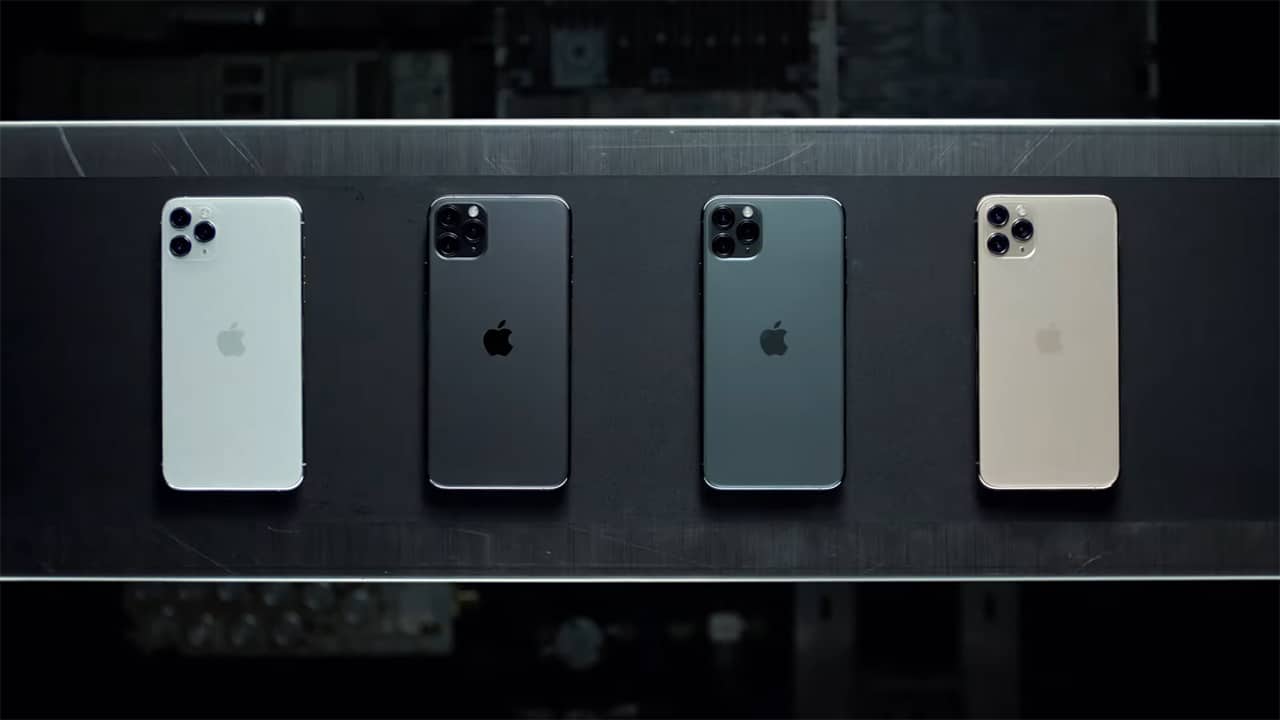
Customers can also get the iPhone 11 Pro for US$ 24.95 a month or US$ 599 with trade-in and the iPhone 11 Pro Max for US$ 29.12 a month or US$ 699 with trade-in from apple.com, in the Apple Store app and Apple Stores. iPhone 11 Pro and iPhone 11 Pro Max are also available through Apple Authorized Resellers and select carriers.
It will be available in the US, Puerto Rico, the US Virgin Islands and more than 30 other countries and regions. Pre-orders begin at 5AM PDT (12MP GMT) on Friday, September 13 with availability beginning Friday, September 20.
Apple Event: iPhone 11 | iPhone 11 Pro | Apple Watch Series 5 | iPad 7th Gen






Gaming
NVIDIA’s DLSS 5 can turn your favorite AAA game into AI slop
DLSS 5 will launch on select games.


Have you ever wondered why RAM prices are going up this year? Everyone is rightfully saying that AI is the reason for the price hike, but it’s hard to palpably see why. Today, NVIDIA is showing off where its hard-earned profits are going by revealing DLSS 5.
For gamers who don’t have a particularly strong machine, NVIDIA’s DLSS technology upscales a game’s graphics quality and frame rate to artificially keep up with newer hardware. A few months ago, the company unveiled DLSS 4.5, which marks the latest step to help games sparkle. Today, with DLSS 5, the technology is going all-in on AI.
In a tech demo, NVIDIA showcased the latest version of the technology. This time, the feature will use photoreal lighting and materials to alter graphics. It can allegedly analyze a scene’s elements — including hair, fabric, and translucent skin — based simply on a single frame.
The demo’s most prominent example is Resident Evil Requiem. Grace Ashcroft, the gamer’s protagonist, evolves from her doll-like appearance into… well, something you might see on an AI-generated mobile game ad.
NVIDIA claims that the new version will make games look closer to real life. The jury is still out, especially with such a low sample size. However, in this writer’s humble opinion, it’s gonna be a no for me, dawg. I’d rather play with what the developer originally intended for their game than with yet another generic AI filter.
The new feature is rolling out to some of the biggest games today including Assassin’s Creed Shadows, Hogwarts Legacy, Resident Evil Requiem, and Where Winds Meet.
News
Samsung has reportedly stopped selling the Galaxy Z TriFold
The alleged end comes after only three months in the market.
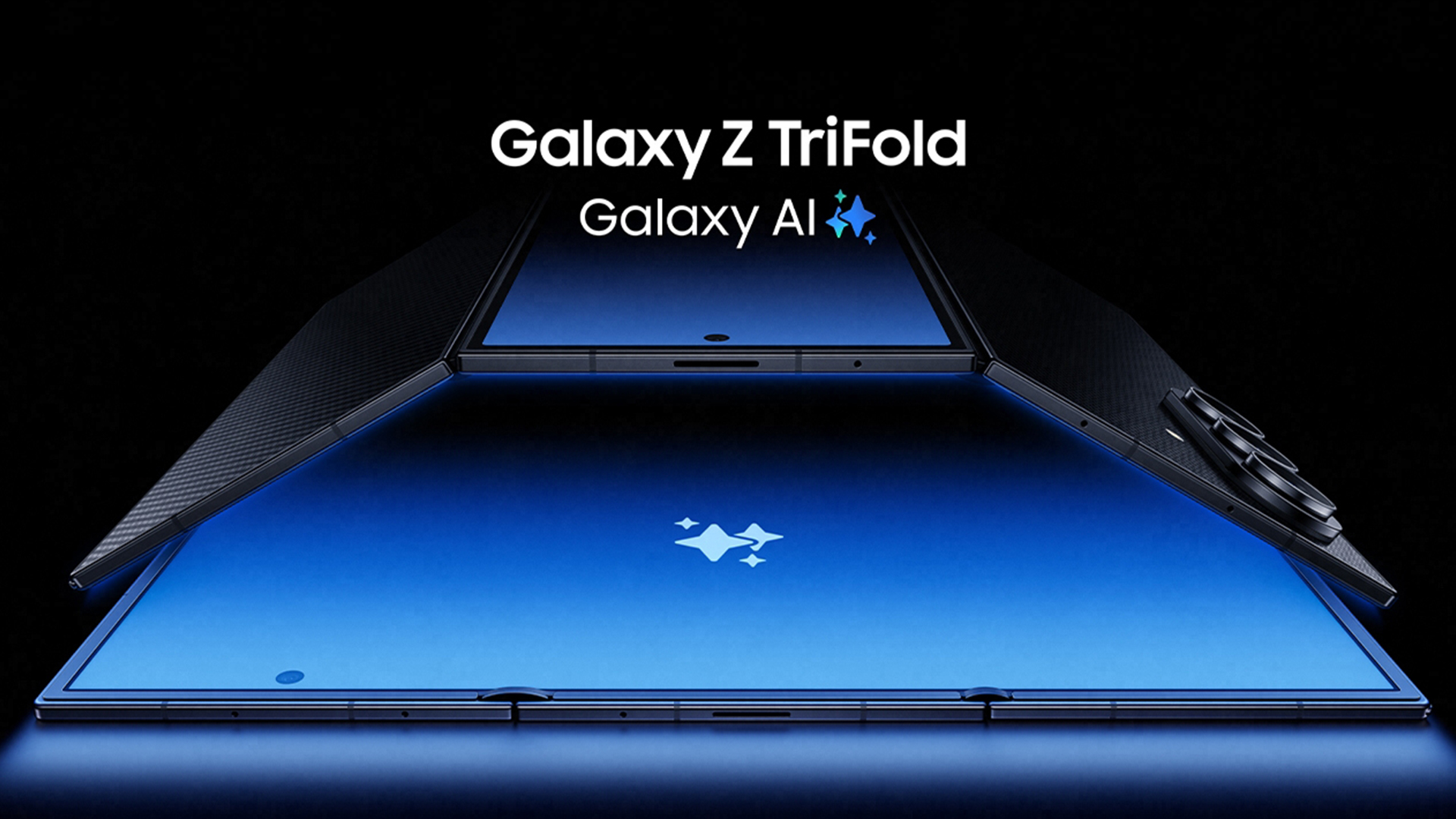
With the Galaxy Z TriFold, Samsung is hoping to take the infantile tri-fold smartphone market by storm. For the meantime, however, the band’s dream is short-lived. Samsung is reportedly done selling the Galaxy Z TriFold to the public.
According to South Korean outlet Dong-A Ilbo, Samsung has stopped selling the tri-fold smartphone. The alleged decision comes only three months after the brand unveiled the device.
Though the report seems to hint some doom and gloom for the brand’s new segment, it’s not entirely unexpected. Since this is the first of its kind for the company, the Galaxy Z TriFold hasn’t really meant to be a bestseller, merely a trial run for early adopters.
In context, Samsung’s experiment is still a success. The phone sold out in Korea almost instantly after sales first opened, despite selling for an eye watering US$ 2,899. Additionally, we got our hands on the phone, and we were rightfully impressed.
That said, Samsung probably isn’t done with the segment just yet. The brand will likely develop more variants, especially in response to this iteration’s success in the market.
But also, take this all with a grain of salt. Samsung has not confirmed that its first tri-fold phone is actually done for the day. There is a reason to keep selling a tri-fold phone today. After all, Huawei is still ruling the segment with last year’s Mate XT.
SEE ALSO: First Look: Samsung Galaxy Z TriFold
Gaming
Infinix expands SEA footprint with more official MLBB tourney partnerships
Infinix becomes MPL Indonesia, MSL Thailand official partner


Infinix has announced a landmark expansion of its partnership with Mobile Legends: Bang Bang (MLBB) Esports.
As part of the strategic move, Infinix is now the official partner of various MLBB tournaments across Southeast Asia.
The smartphone brand is now the Presenting Partner of the MLBB Professional League (MPL) Indonesia, as well as the Titling Partner of the MLBB Development League (MDL) Indonesia.
Infinix also strengthens its regional footprint further as the Official Sponsor of the MLBB Super League (MSL) Thailand.
These partnerships build on successful collaborations with the Philippines and Malaysia, deepening Infinix’s commitment to the region’s most competitive markets.
Next-level fan, community engagement
As an official partner, Infinix will deliver comprehensive end-to-end support for the tournaments. This includes supplying tournament-grade hardware and executing localized fan engagement initiatives.
Infinix’s AIoT devices are also going to be on display at the tournaments. Moreover, their flagship regional esports IP, the Infinix Campus Cup, will bring the competition to campuses with offline matches played on Infinix gaming phones.
Uniting Southeast Asian markets
The 2026 MLBB Tournament Series officially kicks off on March 20, with the brand powering the opening matches of MPL Philippines and MSL Myanmar as their Official Gaming Phone.
On March 27, Infinix will debut its presence at MPL Indonesia Season 17, followed by the opening of MDL Indonesia three days after.
As a presenting partner, Infinix will also crown the MPL Indonesia season champions with the “KINGFINIX” title.
The regional expansion continues on April 3 with the start of MPL Malaysia and MPL Cambodia. Infinix’s strong presence across the region then culminates with MSL Thailand on April 18.



NVIDIA’s DLSS 5 can turn your favorite AAA game into AI slop

Samsung has reportedly stopped selling the Galaxy Z TriFold

Now Playing: Project Hail Mary

Zenless Zone Zero Version 2.7 available on March 24

Infinix expands SEA footprint with more official MLBB tourney partnerships


-

 Reviews2 weeks ago
TECNO CAMON 50 Ultra review: End of an era?
-

 MWC 20262 weeks ago
Infinix NOTE 60 Ultra makes a motorsport-inspired debut
-
 MWC 20262 weeks ago
TECNO launches the all-new CAMON 50 series
-

 MWC 20262 weeks ago
TECNO unleashes Tonino Lamborghini collection
-

 Computers2 weeks ago
AMD announces Ryzen AI 400, AI 400 PRO series at MWC 2026
-
 MWC 20262 weeks ago
TECNO debuts latest devices, HiOS 16, upgraded Ella at MWC 2026
-

 Reviews1 week ago
The Xiaomi 17 shoots Leica dream
-

 Laptops2 weeks ago
Apple unveils MacBook Pro with M5 Pro and M5 Max