
News
iPhone XR takes the spot for best-selling smartphone of 2019
A lot of people are really into iPhones

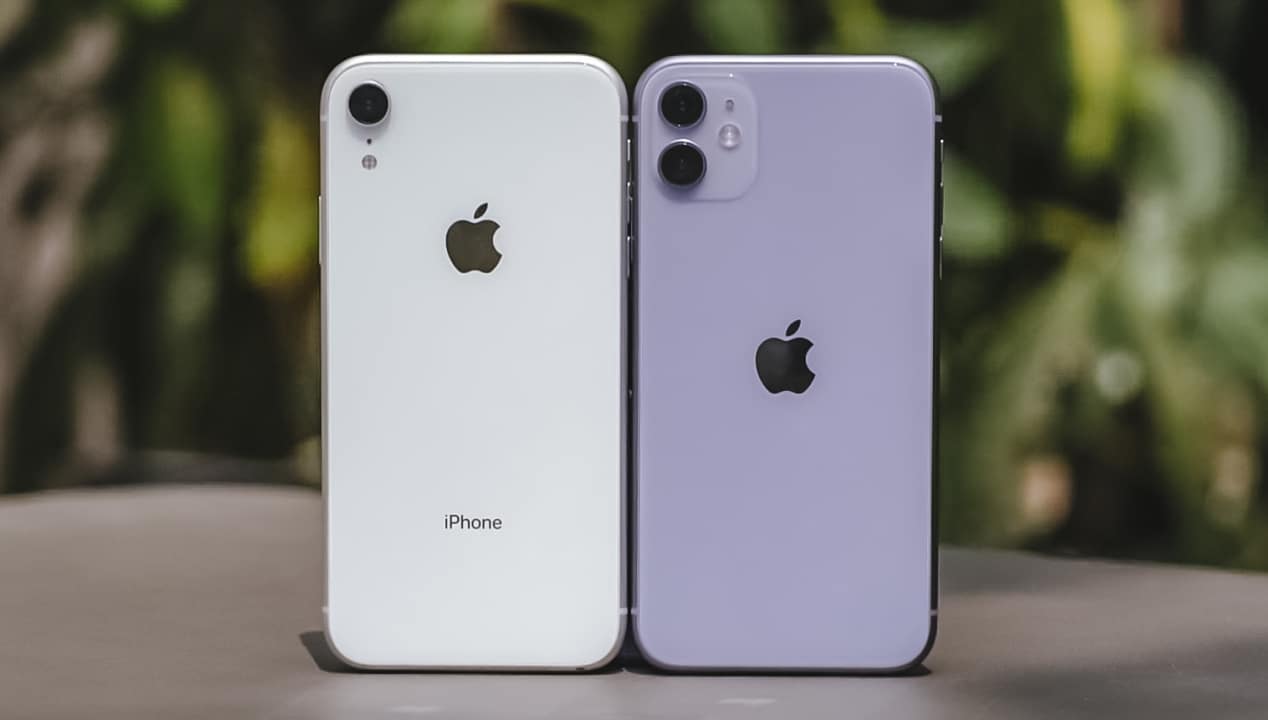
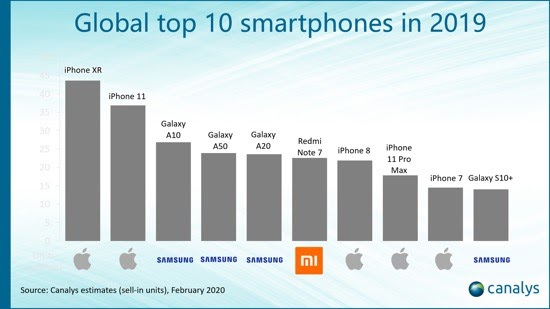
Canalys’ latest sales figure for 2019 is surely a piece of good news for Apple. Last year, iPhone XR took the no. 1 spot for the best-selling smartphone globally, beating all other smartphones by a wide margin.
Apple’s recent pricing strategy has worked in favor of the company. Their 2018 “budget” smartphone — iPhone XR — lead the pack among the company’s best-seller. With the company lowering the price even further than 2019’s iPhone 11, many people were attracted by the prospect of owning an iPhone.
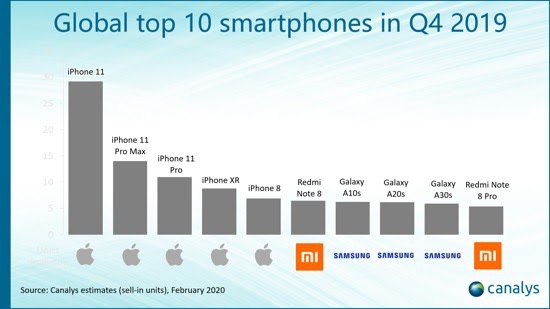
The iPhone 11 also did well, securing the top two in the global top 10 smartphones for 2019. Furthermore, the device crushed its competitors by a wide margin in the global top 10 smartphones for Q4 2019.
The lowered price of Apple’s smartphone helped the company sell their products even if they were released a long time ago. For example, 2017’s iPhone 8 grabbed the 7th spot for the whole of 2019, and the 5th spot for Q4 2019. Interestingly, iPhone 7 placed 9th for 2019 even if Apple phased it out a long time ago.
Apple’s flagship device — iPhone 11 Pro — didn’t make it to the list for the whole 2019. Still, it placed 3rd for the list of Q4 2019.
Samsung’s budget devices lead the pack for Android devices
Meanwhile, the best-selling Android smartphone globally for 2019 was Samsung Galaxy A10. This is unsurprising, given the marketing and specs poured on this entry-level device. Overall, the device landed the third spot for the best-selling smartphone globally. Its improved variant, the Galaxy A10s, landed the 7th spot for the best-selling smartphone last Q4 2019.
Other Galaxy devices made the cut for the best-selling smartphone too. Galaxy A50 and A20 took the 4th and 5th spots, respectively. These mid-range devices pack great specs for a decent price, making them a favorite among people with a limited budget.
Then, there’s the flagship Galaxy S10+, which finished last in the global best-selling smartphones for 2019.
Meanwhile, both the Galaxy A20s and A30s sold well during the last Q4 2019, taking the 8th and 9th spots, respectively. Clearly, Samsung’s decision to revamp its A-series worked well for the company facing serious competition against Chinese manufacturers.
Xiaomi makes a dent
The only Chinese manufacturer to make a dent in the global best-selling smartphones for 2019 was Xiaomi. Only one of its devices sold well for the whole of 2019. Redmi Note 7 made it to the 6th spot, which is a testament to the device’s popularity.
Xiaomi’s follow-up to the Redmi Note 7 — Redmi Note 8 — didn’t make it to the global best-selling smartphone for 2019. However, the device had a much better standing for Q4 2019, grabbing the 6th spot. Its bigger brother — Redmi Note 8 Pro — snatched the 10th spot last Q4 2019.
Dominated by trio
Overall, the list of global best-selling smartphone was dominated by three companies. Only Apple, Samsung, and Xiaomi managed to grab a spot for the top 10 best-selling smartphones. One company noticeably absent from the list is Huawei. This is not surprising given the effect of the continuing US trade ban impacting the sales of Huawei smartphones.
Other companies like OPPO, Vivo, and OnePlus were absent from the list. Only time will tell if one of their devices could make the cut in future list for the top 10 best-selling smartphone worldwide.





News
Sony teams up with Hello Kitty for exclusive limited-edition collection
Sony and Hello Kitty join forces.


Sony has teamed up with Hello Kitty for a limited-edition collaboration that combines selected Sony products with exclusive merchandise featuring Sanrio’s beloved character.
Available exclusively through Sony Store channels, the collection marks Sony’s first collaboration with Hello Kitty. It covers the Xperia 10 VIII smartphone and three wireless headphone models: the WH-1000XM6, WH-CH730N, and WH-CH530.
Each collaboration model comes with exclusive Hello Kitty merchandise designed specifically for Sony Store customers.
Sony x Hello Kitty collection
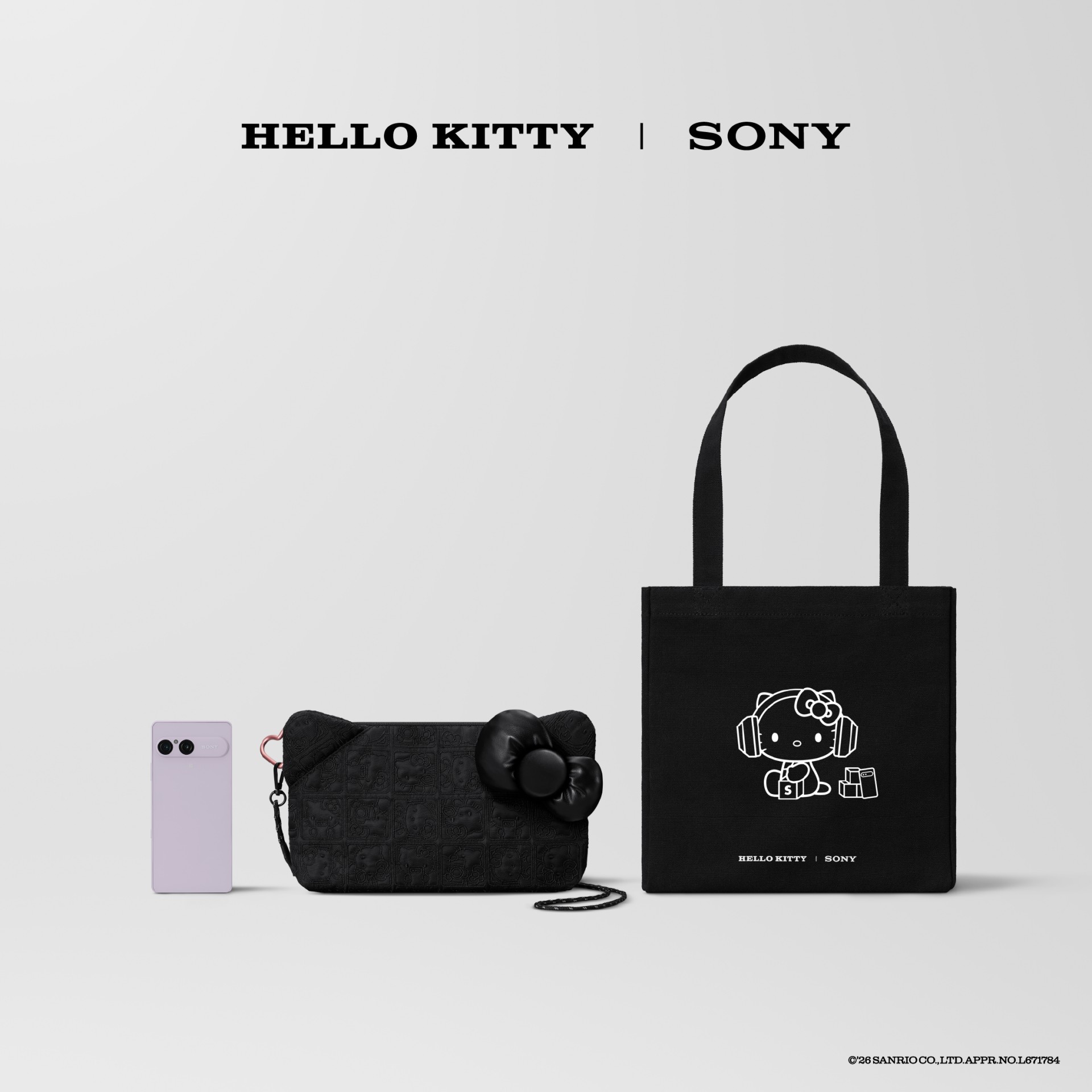
The Xperia 10 VIII collaboration model is priced at SGD 919. It comes with an exclusive Hello Kitty sacoche-style shoulder bag designed to carry the smartphone and other small essentials, along with a Hello Kitty tote bag.
Meanwhile, the WH-1000XM6 collaboration model costs SGD 609. The WH-CH730N is priced at SGD 249, while the WH-CH530 costs SGD 149.
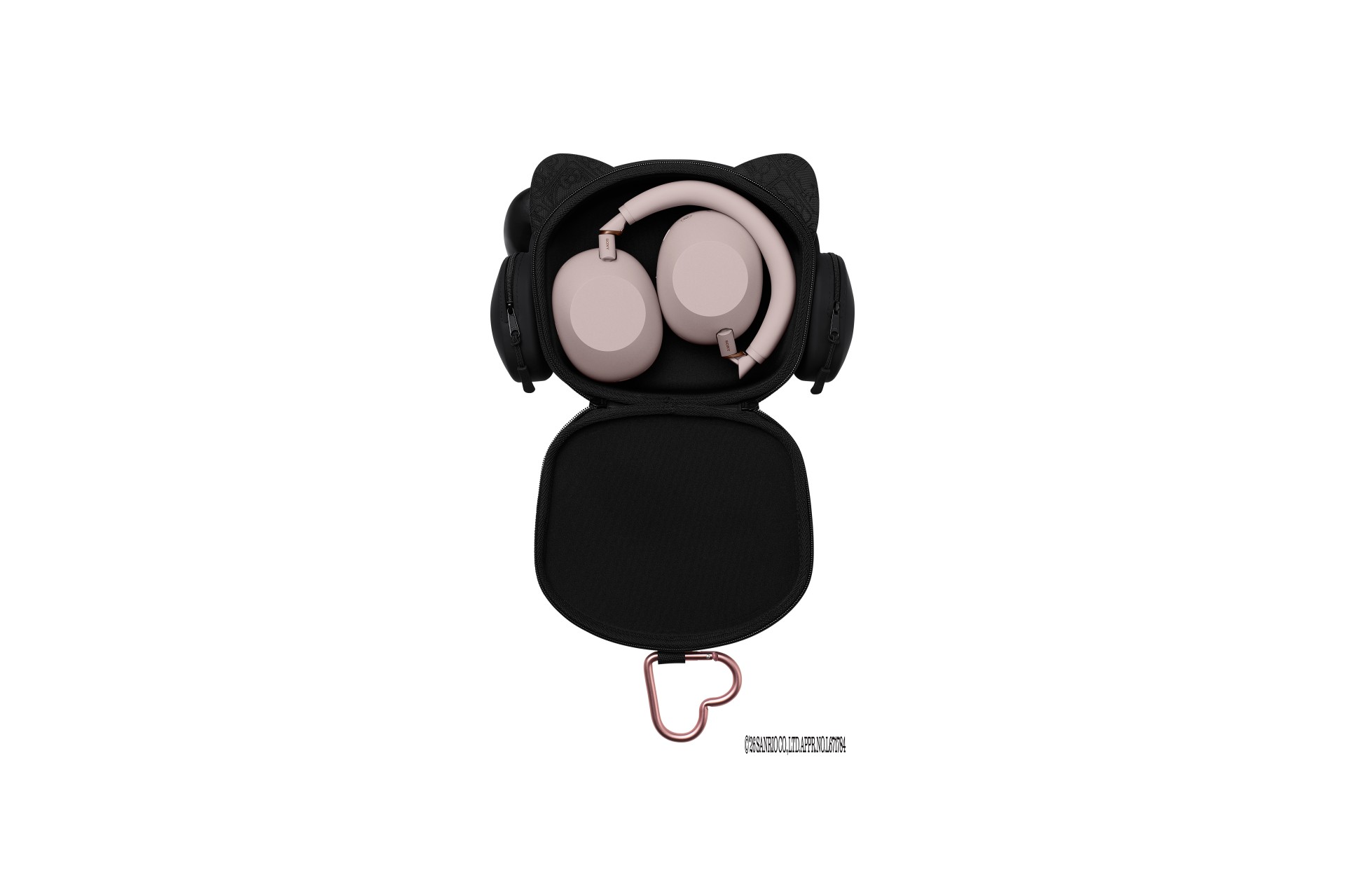
Each headphone collaboration package includes a Sony Store-exclusive Hello Kitty pouch for carrying the headphones and personal belongings, as well as a Hello Kitty tote bag.
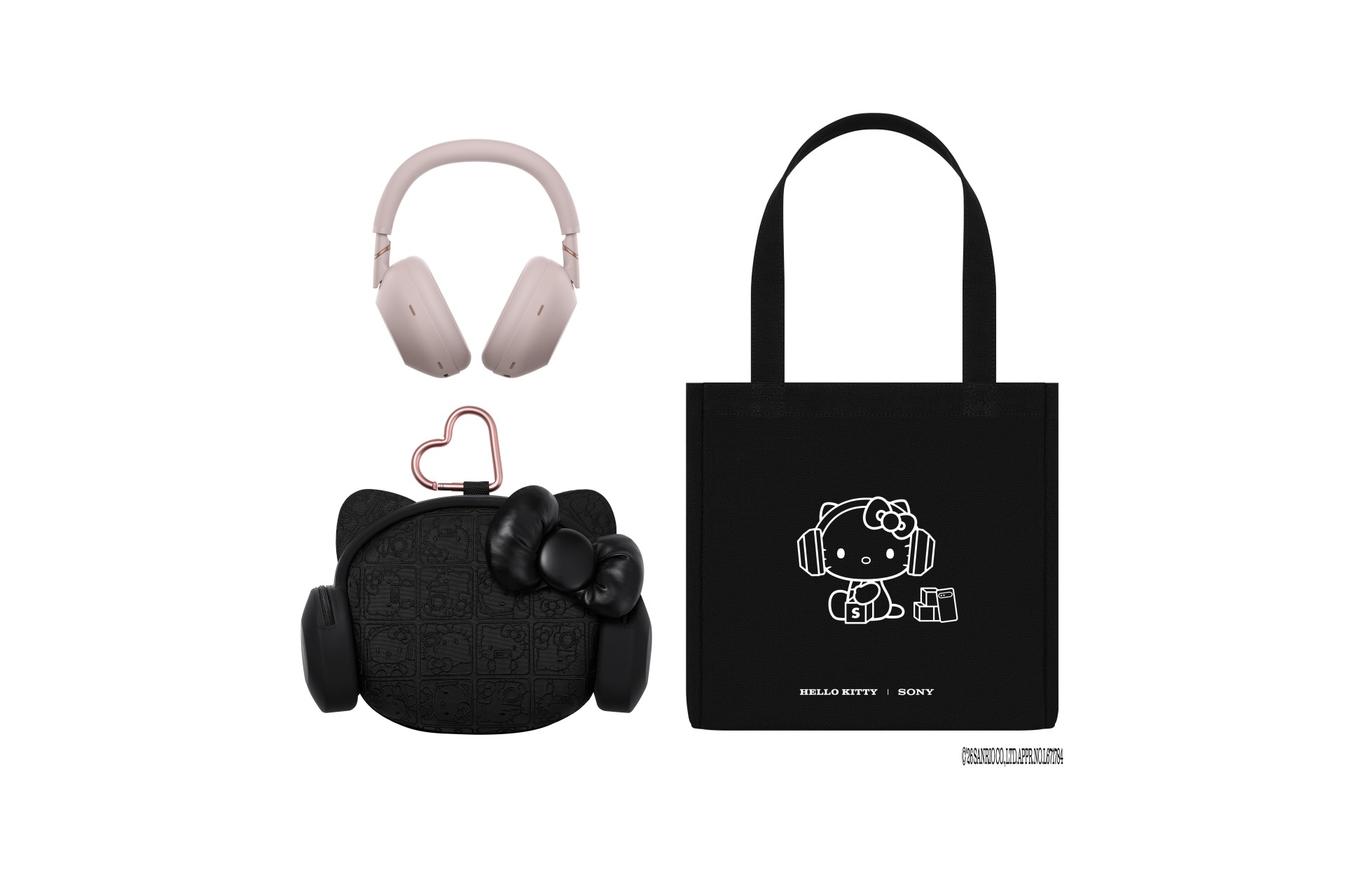
The products retain Sony’s existing designs while adding Hello Kitty-themed accessories. The collection aims to bring the character’s signature charm into everyday use without changing the core design of the Sony devices.
Available now in Singapore
Pre-orders for the Sony x Hello Kitty collaboration models are now available through Sony Store channels in Singapore.
Sony is also showcasing the collection at the Sony Store at 313@somerset. Visitors can try the products firsthand and take photos at a dedicated Hello Kitty photo wall.
The collaboration models are available in limited quantities.
For more information, visit the official Sony Store Singapore website.
News
iPhone 18 series breaks records in Vietnam as pre-orders triple
Despite hefty price tag, market saw immense demand for latest Apple devices

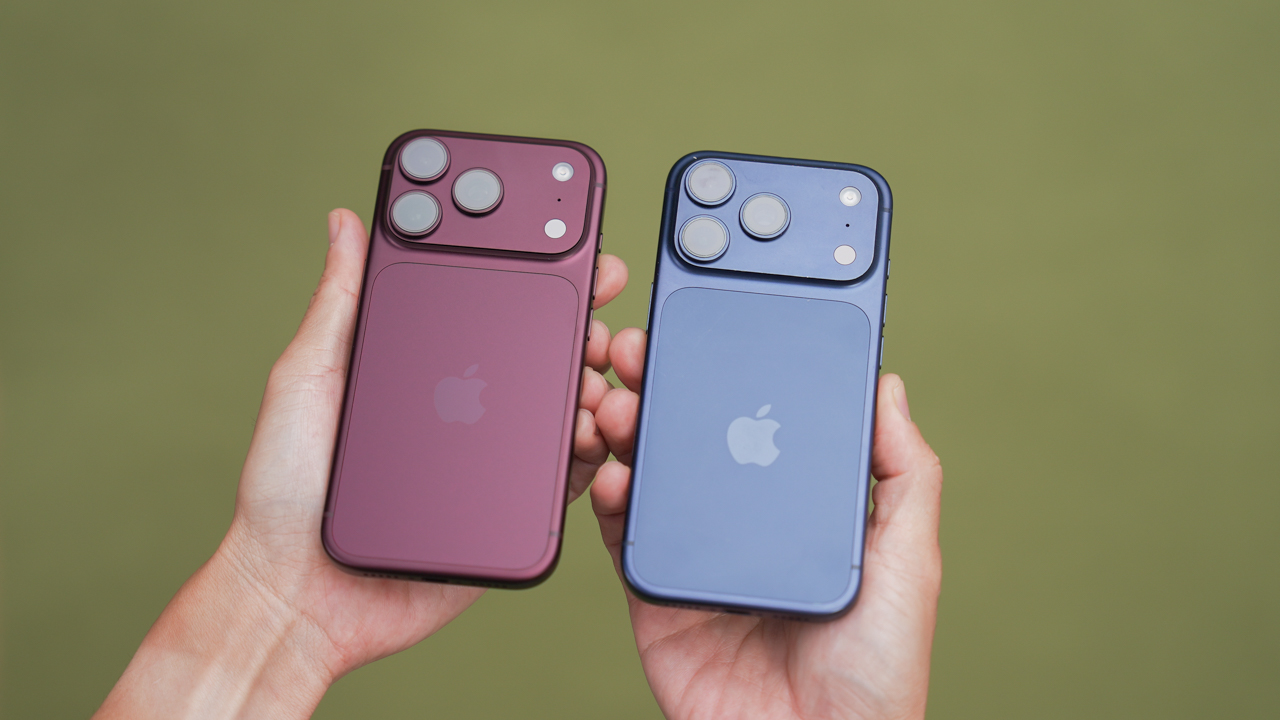
The iPhone 18 series saw immense demand upon its availability in Vietnam, with reports indicating that pre-orders at some local retailers for the latest Apple devices more than tripled compared to the previous generation during the same window.
Pre-orders in the market officially opened last month and saw hundreds of thousands of deposits in just days. Devices officially began hitting shelves and delivering to consumers last September 18.
The iPhone 18 Pro Max has been the sought-after model, as XO Tours noted, accounting for about 80% to 90% of the total number of pre-orders. Meanwhile, Burgundy has been the hit color option.
Retailers did have a few safeguards in place, like limiting each customer to a maximum of two Pro or Pro Max units combined.
And in spite of the hefty price tags, the availability of 0% interest installment plans, as well as Buy Now, Pay Later options kept the flagship models as an accessible luxury for consumers, with trade-ins also providing additional discounts.
As with many developing markets, Vietnam also relies heavily on smartphones as everyday devices over laptops, tablets, or PCs.
News
vivo V80 Lite launches in the PH: Price, availability, pre-order details
Pre-order until October 16 for perks

vivo has launched the Guinness World Records holder vivo V80 Lite in the Philippines for a starting price of PhP 24,999.
The midrange offering is available for pre-order until October 16. Customers can enjoy the following benefits when they place pre-orders during the period:
- vivo Buds Air3, worth PhP 1,799
- PhP 1,000 pre-order discount
- vivo Silver Membership exclusive privileges via the vivo Store app
- four-year battery warranty, worth PhP 1,510
- 100GB Google One cloud storage for six months (can be claimed until October 2, 2027)
Customers can also get an additional PhP 500 discount when purchasing through Home Credit at 0% interest until October 31, 2026. Use the voucher code HCV80LITE.
The vivo V80 Lite comes in two configurations:
- 6GB+128GB: PhP 24,999
- 6GB+256GB: PhP 27,999
The smartphone is designed for everyday use, as well as extended hours, with a 10,000mAh BlueVolt battery.
It becomes the latest handset to offer such a battery capacity, addressing a common pain point in smartphone usage.
The phone is also reinforced with IP68 and IP69 dust and water resistance for overall ruggedness.
In front is a 1.5K OLED display with high brightness for visible content even when outdoors.




FFVII Revelation: 11 things you missed

Sony teams up with Hello Kitty for exclusive limited-edition collection

iPhone 18 series breaks records in Vietnam as pre-orders triple

The Ace Combat 8: Wings of Theve launch event is happening this week

30 days with the LG AeroMini

HUAWEI Pura X View is 2026’s first WIDE slab-type smartphone

The CAMON Slim 5G is TECNO’s latest ultra-slim smartphone

iPhone 18 Pro series: Price, availability in the Philippines

vivo X500 Series launches with major imaging upgrades

iPhone 18 Pro series: Price, availability in Singapore


-

 Automotive1 week ago
BYD says that way better EV batteries are coming next year
-
 News1 week ago
HONOR Magic9 Pro Max launches in China with ARRI-powered imaging
-

 Philippines5 days ago
TECNO CAMON Slim 5G: Price, availability in the Philippines
-

 Smartphones1 week ago
TECNO CAMON Slim 5G teases an ultra-slim design ahead of launch
-
 Reviews6 days ago
TECNO CAMON Slim 5G review: Slim on size, big on surprise
-
 Reviews1 week ago
TECNO POVA 8 Pro Tonino Lamborghini review
-
 Smartphones1 week ago
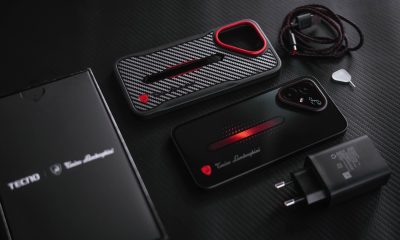
When TECNO-logy meets Tonino Lamborghini legacy
-
 News5 days ago
Apple wants to release new iPhones more regularly