
Laptops
Lenovo introduces new tablets and notebooks for the holidays
That’s a lot of devices


Lenovo always gets into the spirit of Christmas. Instead of sprinkling releases throughout the year, the company unleashes a flurry of its devices at set times during the year. Now, it’s time for the next set of devices to make their appearance. Check out what Lenovo has in store for the holidays this year.
Lenovo Tab P11 series
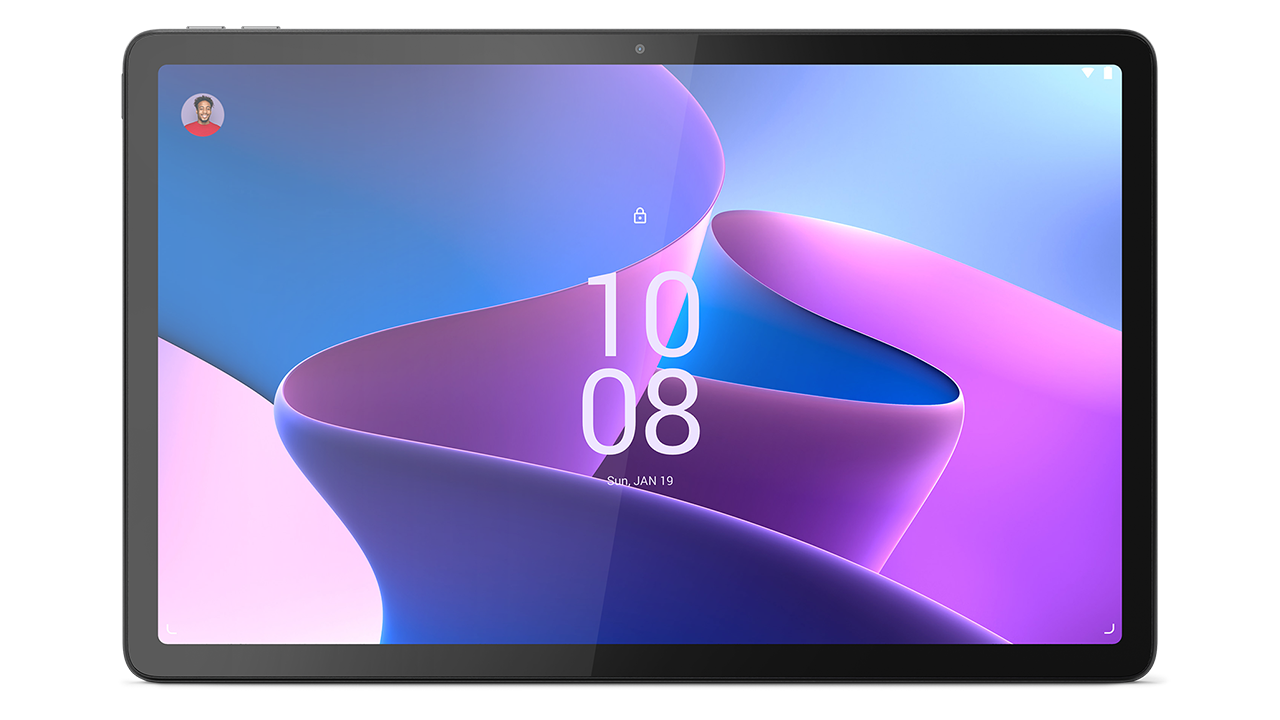
The new lineup starts off by taking a break. Rather than just a productivity-oriented product, the 2nd-generation Tab P11 series focuses on me time. Armed with an 11.2-inch OLED screen, Dolby Vision HDR, and 120Hz, the Tab P11 Pro is the perfect device after a hard day’s work. However, if you can dabble with both work and me time on the same device, it can support the optional Lenovo Precision Pen 3 with compatibility for Instant Memo and Freestyle.
Under the hood, the tablet sports a MediaTek Kompanio 1300T octa-core processor with up to 8GB of RAM. It can also last up to 14 hours on a single charge.
On the other hand, the regular Tab P11 sports an 11.5-inch LCD display with 120HZ refresh rate — a capable driver on its own. It sports the MediaTek G99 chip, up to 6GB of RAM, and Android 12L.
While the Tab P11 Pro will come out this month, the regular Tab P11 will release in January 2023. The Tab P11 Pro will cost US$ 399.99, and the P11 will cost US$ 249.99.

Lenovo ThinkPad X1 Fold
Before we move on to notebooks, let’s take a look at a new device that straddles the fine line between both a notebook and a tablet. Combining power and flexibility, the ThinkPad X1 Fold delivers by packing high-end specs inside a foldable form factor.
Unfolded, the ThinkPad X1 Fold carries a whopping 16.3-inch screen with a 4:3 aspect ratio. In this mode, the device can deliver brilliant images with up to 600nits of HDR brightness and Dolby Vision. Users can also configure a pen with Wacom protocol to use the device as a drawing surface. Also, users can connect an external keyboard to truly make use of the device’s entire screen.
Alternatively, when folded, the ThinkPad X1 Fold can fit in an on-screen keyboard down to the device’s lower half, making it a perfect laptop for cramped spaces. Users can also configure book mode to optimize the device for reading material.
Under the hood, the ThinkPad X1 Fold packs in 12th-generation Intel Core i7 processors, Iris Xe graphics, up to 32GB of LPDDR5 RAM, and up to 1TB of internal storage.
Starting November 2022, the ThinkPad X1 Fold will retail starting at US$ 2,499.
Lenovo ThinkBook 16p Gen 3
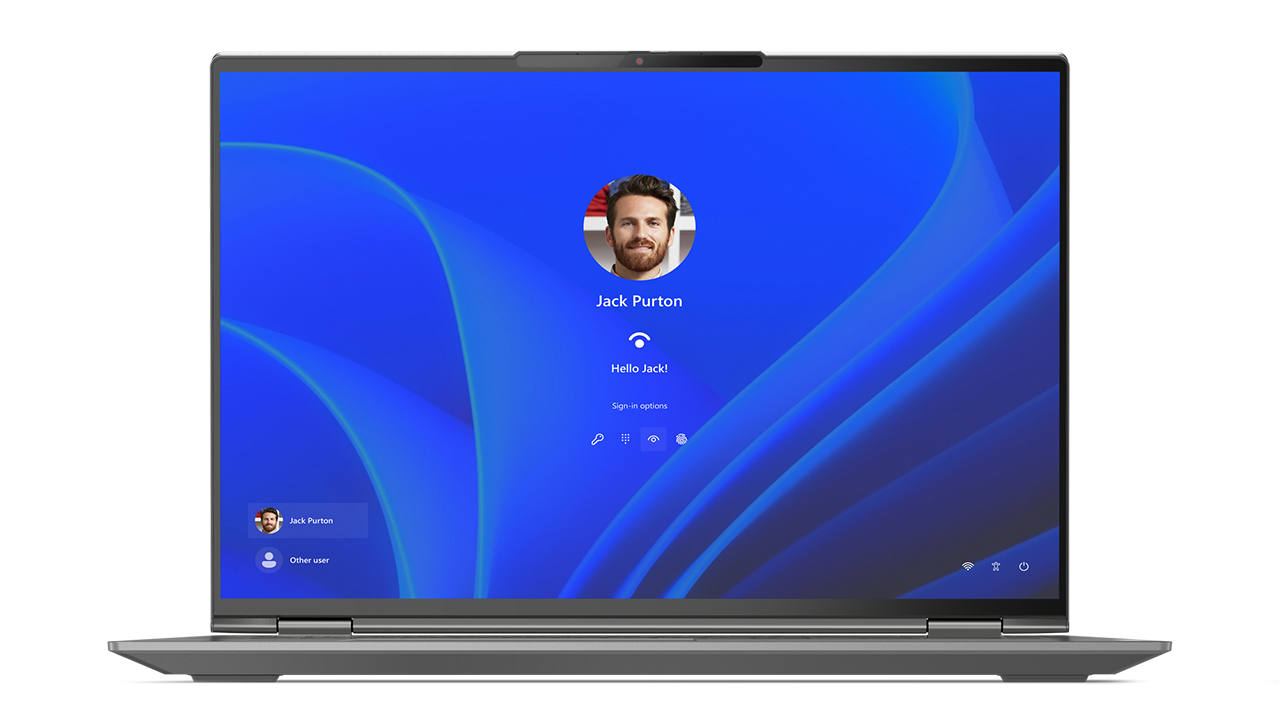
Now, it’s time for power. The new ThinkBook 16p Gen 3 packs in a lot of power underneath its 16-inch 2.5K IPS display. But first, speaking of its display, users can choose between a 400nit 60Hz panel or a 500nit 165Hz HDR400 panel.
However, underneath it all, the laptop boasts up to an AMD Ryzen 9 6000 H-series processor and a NVIDIA GeForce RTX 3060 GPU. It also comes with up to 32GB of LPDDR5 RAM, up to 2TB of dual SSD storage, and a 71Wh battery perfect throughout the day. For additional security, it has a fingerprint-enable Smart Power Button.
Now available, the ThinkBook 16p Gen 3 starts at US$ 2,379.
IdeaPad 5i Chromebook
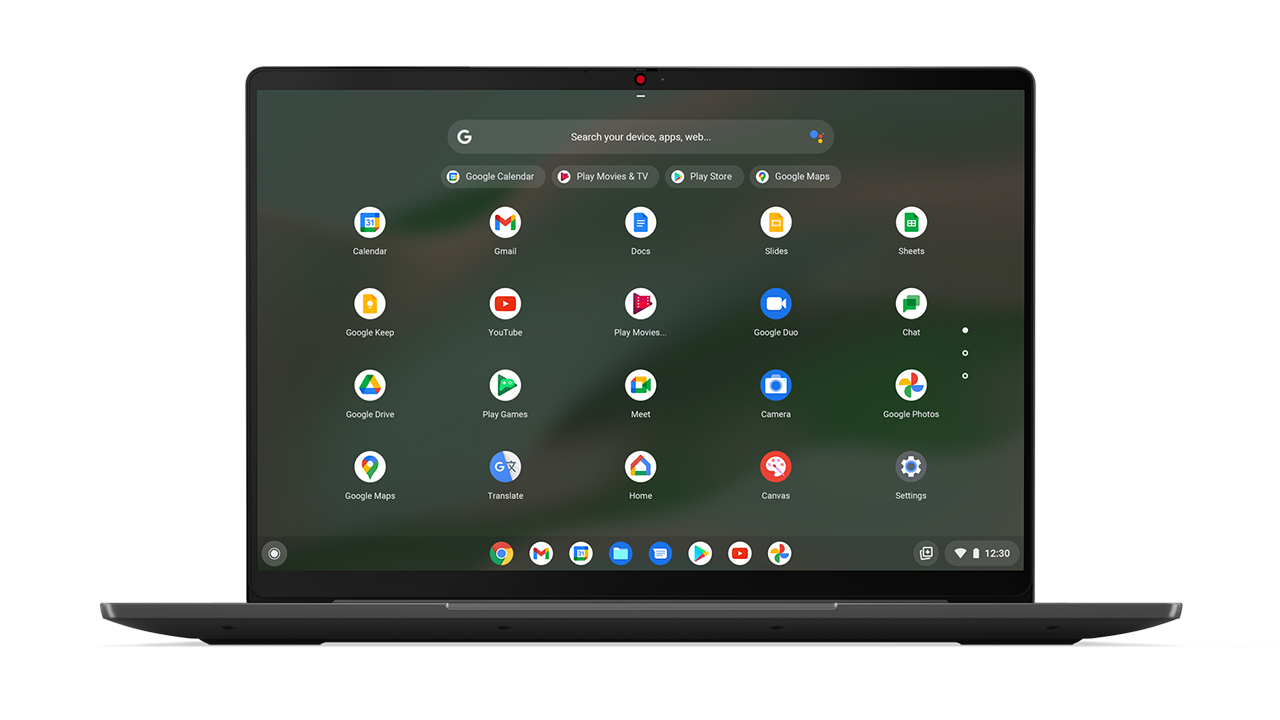
For a more modest offering, Lenovo is launching its first 16-inch Chromebook. The device still features a capable 2.5K display with 120Hz refresh rate. With an optional 12th-generation Intel Core i3 processor, users can keep productivity going throughout the day, especially with up to 12 hours of battery life.
For a productive day, the device comes with an FHD camera and two user-facing speakers. It also comes with Wi-Fi 6E for faster speeds.
Starting this month, users can grab the IdeaPad 5i starting at EUR 549.




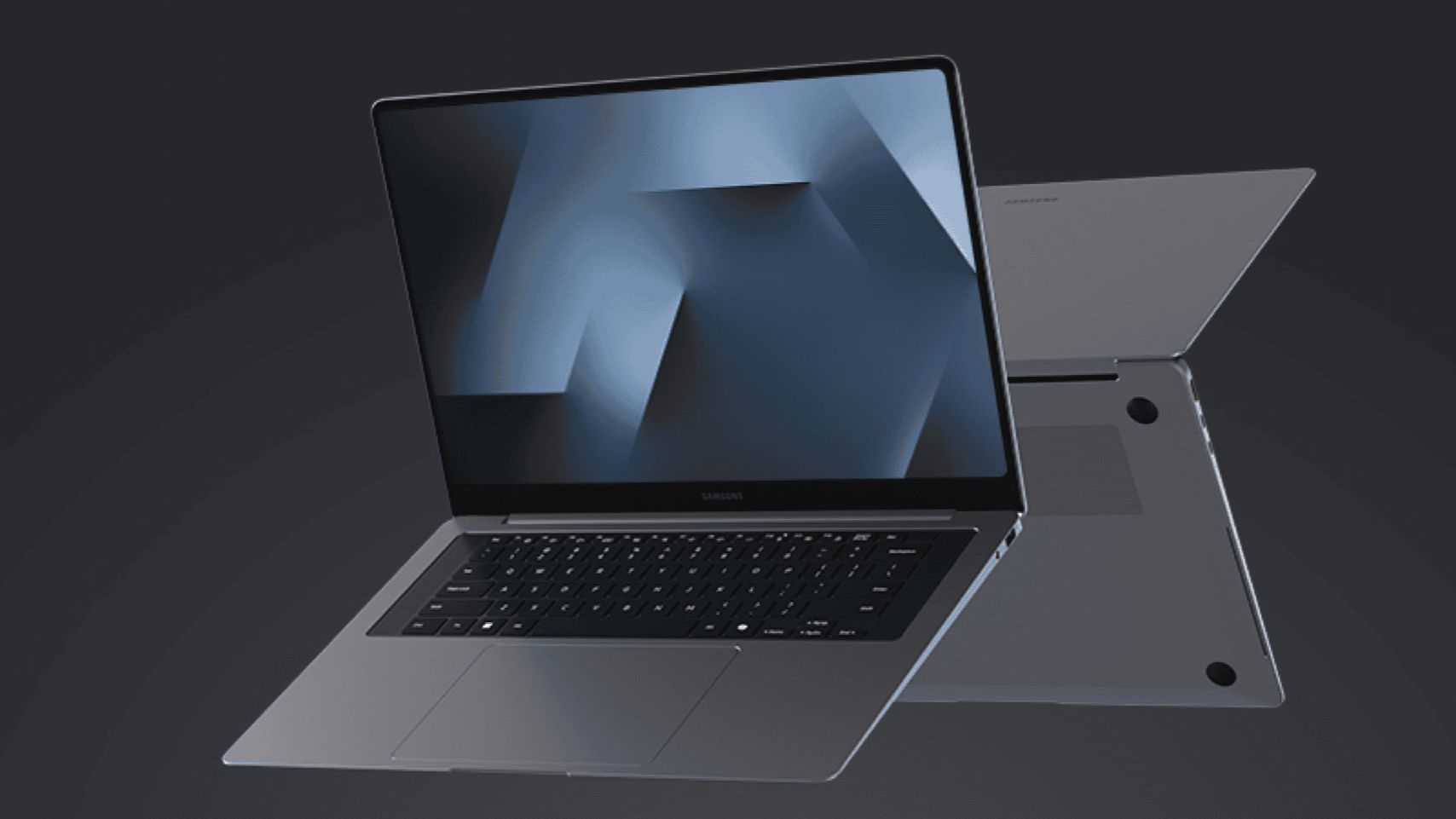
Samsung’s most advanced AI-powered PC lineup yet, the Samsung Galaxy Book6 series, will be available in the United States starting March 11.
The Samsung Galaxy Book6 Ultra, Book6 Pro, and Book6 are all powered by Intel Core Ultra Series 3 processors to deliver improved CPU, GPU, and NPU performance.
Galaxy AI features like AI Select and Intelligent Search streamline workflows, while Multi-Control and Second Screen enable seamless productivity across Galaxy devices.
Users can connect the Galaxy Book6 series to their Galaxy smartphone or tablet for multi-screen productivity. This includes accessing one’s phone storage straight from the Book6 PC.
And similar to Circle to Search on Galaxy mobile devices, the upcoming PCs have a feature wherein users can just trace whatever is on their screen and search.
In addition, the series combines ultra-thin designs with up to 30 hours of video playback.
Price, availability
Here are the pricing of the three devices under the series:
- Galaxy Book6 Ultra: Starts at US$ 2,449.99
- Galaxy Book6 Pro: Starts at US$ 1,599.99
- Galaxy Book6: Starts at US$ 1,049.99
They will be available nationwide at Samsung.com and Samsung Experience Stores beginning on March 11. Customers who reserve early will get a US$ 30 credit.
More details will be unveiled during the Samsung Galaxy Unpacked event on February 25 at 10:00 A.M. PT / 1:00 A.M. ET.
Laptops
Are you ready for a more colorful MacBook?
Apple is experimenting with quirkier colorway options for the MacBook.
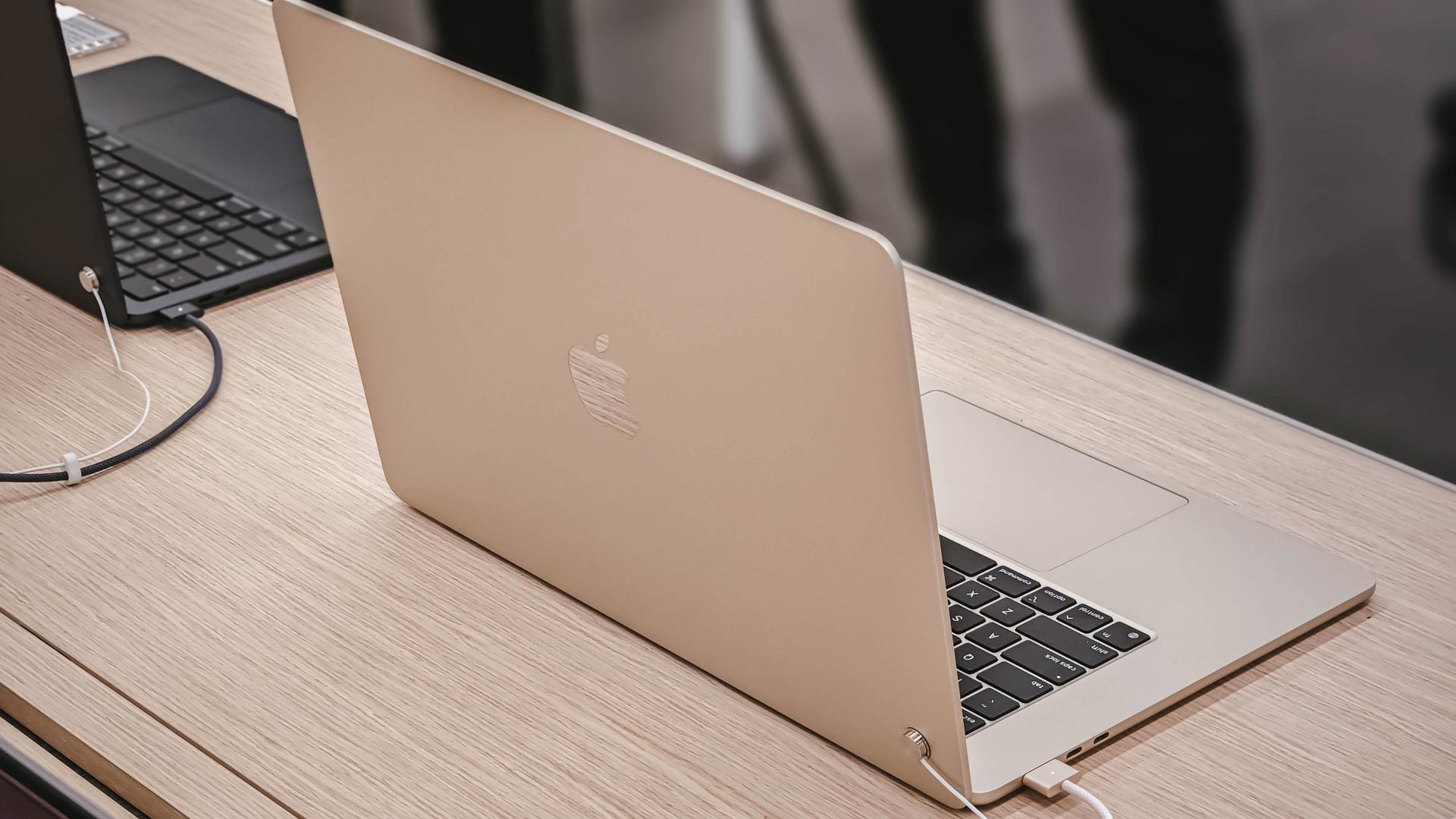
In recent years, Apple has relented on limiting the colors of its devices to only the more premium-looking options. Users can now pick quirkier colors for their iPhones, highlighted currently by the Cosmic Orange iPhone 17 Pro Max. Soon, the same splashes of color might make its way to the MacBook lineup.
According to Bloomberg’s Mark Gurman, Apple has been testing different colorway options for its upcoming entry-level MacBook. The unannounced lineup might come in pink, light yellow, light green, and blue.
It’s a big change for MacBooks. Currently, the only “quirky” option that users can get is the MacBook Air’s Sky Blue, which honestly looks more silvery than blue. Other than that, the MacBook simply seesaws from different shades of gold, silver, and black.
To be fair, the upcoming MacBook will still have the traditional colorways of the current lineup. Additionally, it’s unclear whether Apple will ultimately include all its experimental colors into the final lineup.
Reportedly, the new lineup will cost somewhere between US$ 699 to US$ 799. Of course, the lower price tag will come at the expense of some specs. Although, it should still be good if we’re talking about an entry-level laptop.
It’s even more interesting if it’s hinting at the return of truly colorful options but for the notebook. The iMac already got a similar renaissance back in 2024, which mimics the classic computer’s colorful history.
SEE ALSO: M5 MacBook Pro review
Brands getting banned are commonplace in today’s tech landscape. These usually happen because of geopolitical reasons, especially if it’s in the United States. In Europe, brands sometimes get banned for anticompetition reasons. Today, however, a commonly used codec, HEVC, is at the center of a controversy that has led to the banning of ASUS and Acer in Germany. Even crazier, Nokia is involved.
For context, Nokia owns several patents for video codecs. One of those codecs, HEVC (or High-Efficiency Video Coding) is ubiquitous in every PC, which means that every PC maker must purchase a license to include the codec in their machines. It’s an essential these days, so it’s unusual for ASUS and Acer to miss it.
In Germany, where licensing is stricter, both companies were found guilty of infringing the patent, as reported by German outlet Hardwareluxx. As a result, ASUS and Acer must stop selling PC and laptop sales until they obtain a license from Nokia.
To be clear, this doesn’t mean that the two brands have disappeared from the country. Third-party retailers can still sell their remaining stock. However, the companies cannot import or sell any new stock, pending a conclusion to the issue.
Naturally, the easiest fix is to just buy the license. Hisense, another company that found itself in the same mire, bought a license last month. Either ASUS and Acer are running into more technical issues, or they just didn’t feel the license was worth it for a single market.
SEE ALSO: ASUS is leaving the smartphone industry


Now Playing: Iron Lung
The premise will leave you wanting for more.


Infinix NOTE Edge: Stellar at street photography
Despite trailing in other specs, the Infinix NOTE Edge was built for point-and-shoot photography.


OPPO Reno15 Pro: Camera Review
Why is this even considered a "Reno"?

Smart opens pre-orders for Samsung Galaxy S26 series
Now Playing: Iron Lung

TECNO resurrects modular phones with this new concept

Privacy Display | Galaxy S26 Ultra

Audio Eraser now works on third-party apps | Galaxy S26 Ultra

Breaking up with Adobe Photoshop after 20 years

TECNO will showcase the CAMON 50 and POVA 8 series at MWC 2026

PlayStation, LE SSERAFIM Chaewon team for the ‘Love of Play’ campaign

VinFast updates battery subscription policy for large upfront savings

Xiaomi SU7 Ultra makes Gran Turismo 7 debut


-

 Reviews2 weeks ago
The art of being in and behind the frame
-

 India2 weeks ago
TECNO POVA Curve 2 5G packs an 8000mAh battery
-

 Gaming2 weeks ago
New Resident Evil Requiem trailer teases a return to the RPD
-

 Accessories2 weeks ago
Apple AirTag 2 Review
-

 Gaming2 weeks ago
John Wick, Kena sequel, more new games showcased at State of Play
-

 Cameras1 week ago
Osmo Pocket 4 makes a surprising appearance in public
-

 First Look1 week ago
Match Pulse: Infinix NOTE 60 Pro
-

 Gaming2 weeks ago
Metal Gear Solid: Master Collection Vol.2 launches August 27 on PS5