
News
LG jumps ahead in Android Nougat rollout race


Android Nougat is the most mature and well-designed operating system to ever come out of Google’s labs. Too bad less than a percent of the population has it.
In the latest distribution data from the Android development team, the seventh version of the OS holds a total of 0.3 percent of the entire market. It would be dead last in the rankings if not for the 0.1 percent distribution of Android 2.2 Froyo.
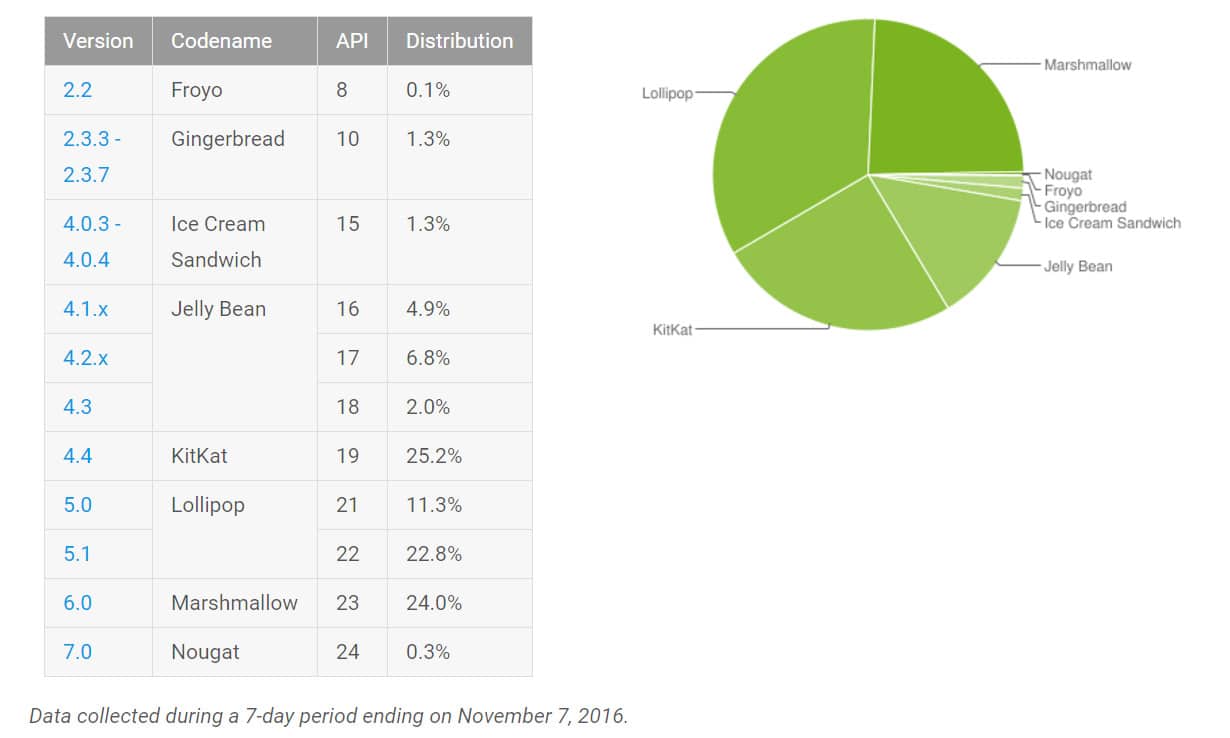
Android’s version distribution as of November 7, 2016
We’re not surprised. Google’s mobile OS is experiencing the worst fragmentation of any active platform; every new version rolls out at a snail’s pace because of poor adaptation from third-party device manufacturers and heavy aftermarket modifications from brands and mobile network operators.
Fortunately, we have LG coming to the rescue.
The Korean electronics giant was the first to announce a smartphone with Android 7.0 Nougat out of the box. Even though it was overshadowed by the newer 7.1 version built into Google’s recently launched Pixel phones, LG’s V20 can claim better software integration than its rivals.
And now, the G5 will be the first non-Google phone to be updated to Nougat. The 5.3-inch flagship of LG was announced in February this year, and came with partial modularity in the form of “Friends.”
Although only South Korean users will get a taste of the latest flavor beginning today, consumers in other parts of the world will experience it too in the coming weeks.
This development puts LG at the forefront of Nougat distribution — way ahead of the likes of Samsung, Sony, HTC, and rival Chinese brands.
With the exception of the LG flagships and Google’s lineup (Pixel, Nexus, and Android One), there are no official means of enjoying Android’s latest variant at the moment, which is a real shame. The beta preview of 7.1 Nougat is already available on Nexus devices, and that’ll worsen the distribution percentage even more.
As mentioned in our Android Nougat article last August, you must consider yourself lucky if you’re part of the minority, because Marshmallow users and older are definitely missing out on some useful productivity features.
[irp posts=”4025″ name=”Nougat is Android’s best, but there’s still room for improvement”]
Sources: Android Developers, GSMArena




News
nubia to launch new Neo 5 series gaming phones on March 28
Head to SM Megamall for activities, guest appearances, surprises

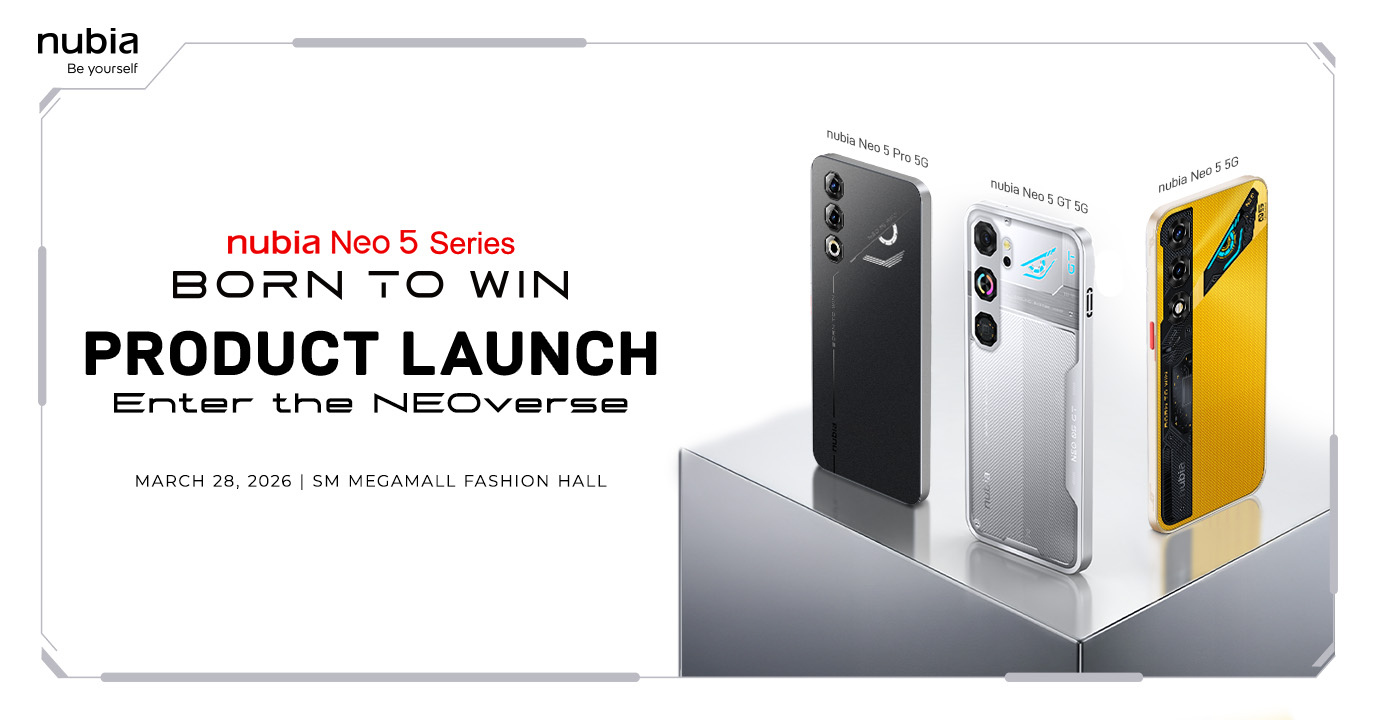
nubia Philippines will officially launch the nubia Neo 5 series gaming smartphone on March 28 at their “Enter The NEOVerse: Born To Win” event. It will be held at the SM Megamall Fashion Hall in Metro Manila.
The nubia Neo 5 series’ design and details will be unveiled during the event. It is inspired by the REDMAGIC Gaming Lab, which is behind the REDMAGIC’s high-performance gaming ecosystem.
The nubia Neo 5 series will introduce a bold gaming-centric aesthetic, paired with performance-driven specs.
Customers can expect a sleek, futuristic styling, as well as powerful hardware engineered to elevate everyday mobile gameplay.
Across the lineup, users can expect high refresh rate displays, powerful processors, advanced cooling systems, and the familiar gaming triggers from the previous series.
It does look like nubia is adding AI-powered gaming optimization to give players an extra edge for every competitive match.
All these, of course, minus the flagship price tag.
Enter the NEOverse
At nubia’s launch event, the activity area will be transformed into a gaming-inspired universe.
Guests can explore interactive zones, participate in challenges, and experience the nubia Neo 5 series firsthand. They can also unlock exclusive rewards and prizes.
Moreover, the event will feature appearances from nubia ambassadors Sanya Lopez and ONIC Philippines.
From there, there will be 1v1 gaming sessions with ONIC PH players, as well as a special “Play” segment featuring a yet-to-be-revealed cosplayer.
nubia will also offer event-exclusive deals for early shoppers during the launch. Customers can enjoy up to seven premium freebies per nubia Neo 5 model. This is available for the first 100 customers.
Furthermore, nubia will officially announce its TikTok Super Brand Week, as well as partnerships with Yanlala and Geely.
News
REDMI Note 15 Series named Presenting Partner for Spartan Race Philippines 2026 season
Titan Toughness takes center stage!

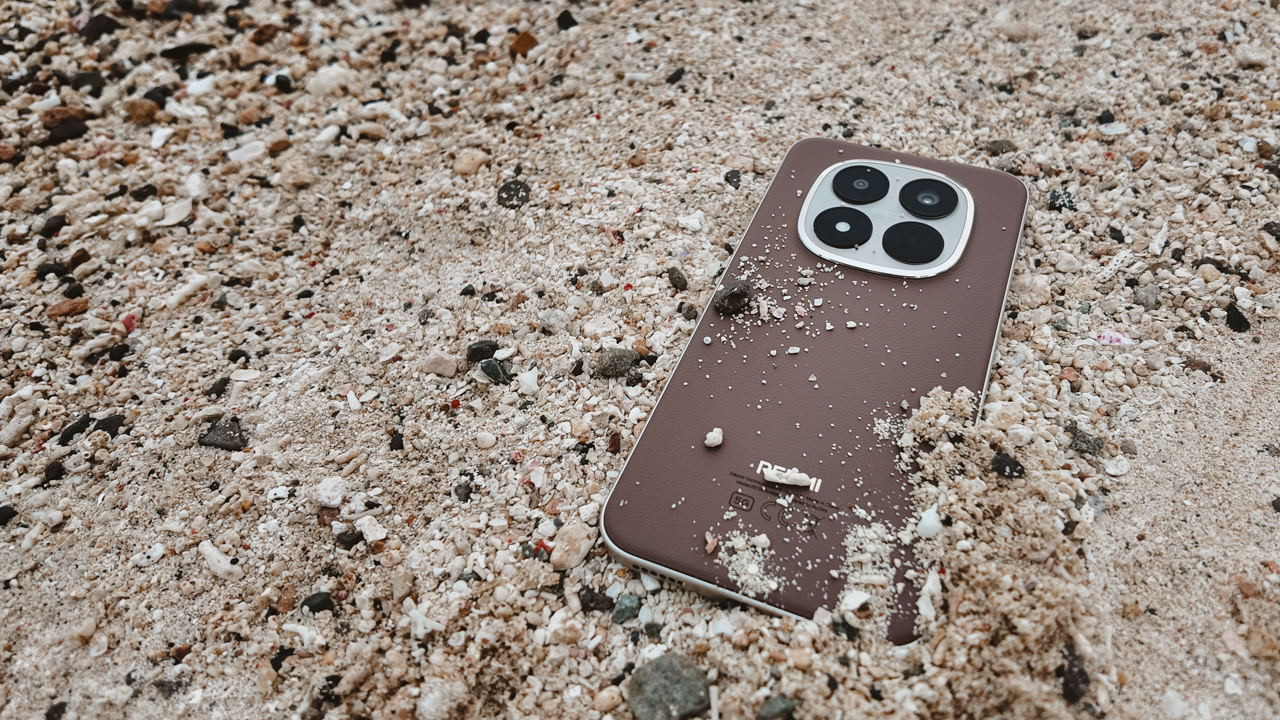
Being a Spartan athlete for five years has taught me that endurance isn’t just about physical strength; it’s about the mental grit to keep moving when your body begs you to stop.
In this world, “toughness” becomes more than just a marketing buzzword. Now, it’s a requirement for survival. That’s why the partnership between Spartan Race Philippines and the REDMI Note 15 Series feels like a shared philosophy.
Partner for a tough course
Starting March 21, 2026, at Parklinks, Pasig City, the REDMI Note 15 Series officially joins the Spartan circuit.
For someone who has navigated these obstacles for years, I know that technology usually doesn’t belong in the mud. But the “Titan Tough” promise of the REDMI Note 15 is built for this exact routine.
It’s designed to be there for the moments that matter. For capturing the raw, unpolished triumph of the finish line; for surviving the grit of the course so you can focus on the next hurdle; and for finding the device at the heart of the festival area and the winner’s circle, mirroring the resilience of the athletes themselves.
Join the journey
Whether you are a seasoned elite racer or stepping into your first Open heat, this season is about testing your limits.
To help you get to that starting line, you can use the discount code REDMINOTE15 to get 10% OFF on all Spartan Race OCR, Spartan Kids Race, and Hurricane Heat events.
See you at the starting line. AROO!

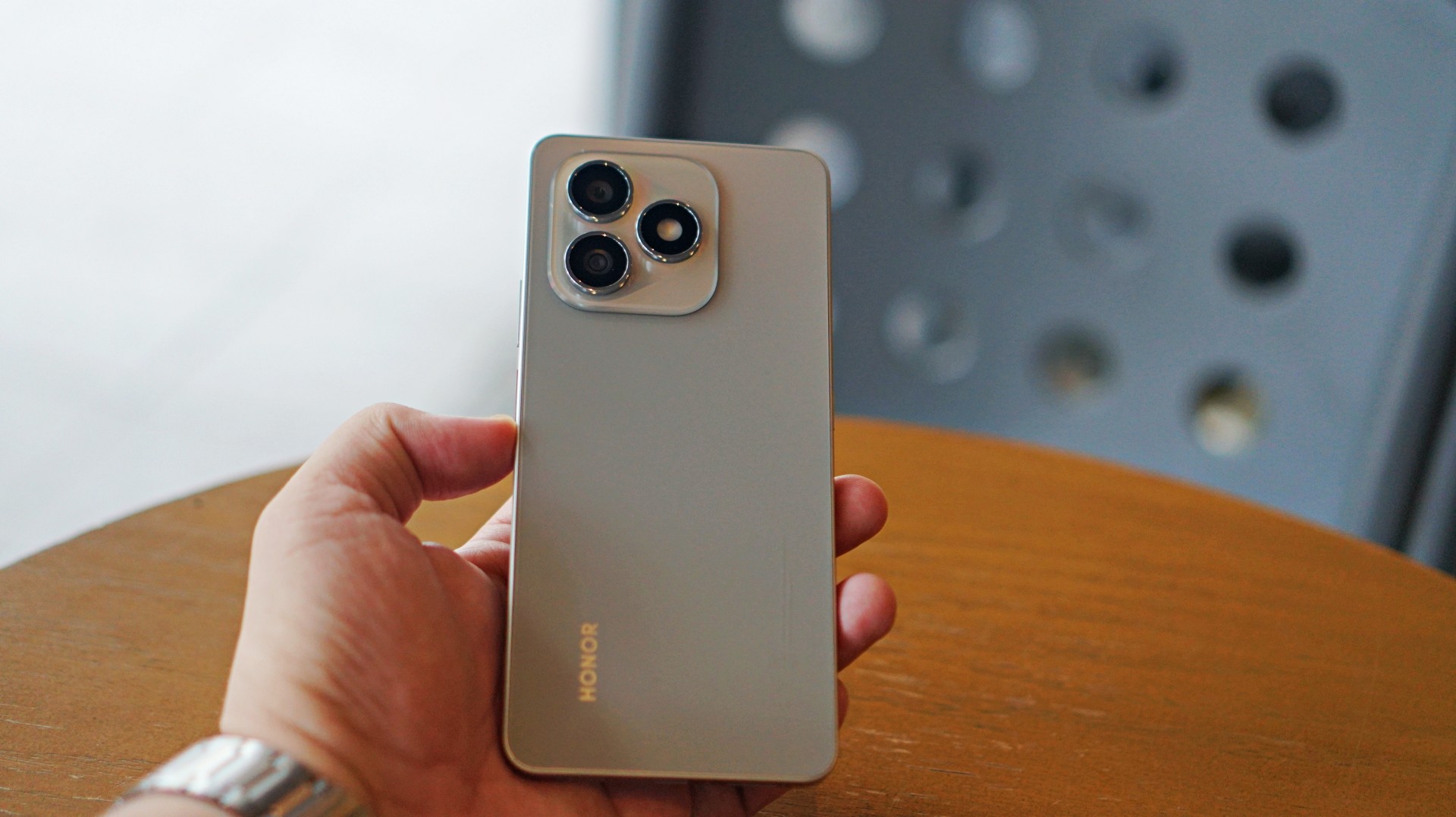
HONOR Philippines has launched its latest mass-market smartphone entry that caters to students and the youthful market in general: the HONOR X8d.
The budget smartphone is priced at PhP 15,999 and is available in Blue, Velvet Black, and Velvet Grey colors.
As part of launch offers, those who pre-order until March 27 can get a free accessory and can also avail of 0% installment plans via credit cards and Home Credit.
Customers can get the device through Lazada, Shopee, and HONOR stores.
REVIEW: The HONOR X8d is serviceable
The HONOR X8d is powered by a Snapdragon 6s 4G Gen 2 processor and comes with 8GB of RAM (plus 8GB expansion) and 256GB of storage.
It has a large 7,000mAh battery which supports 45W charging, making it a very long-lasting daily value companion.
The device features a 6.77-inch 120Hz display which has up to 3,000 nits of brightness, making it useful for practical situations.
The handset comes with usual display certifications and protections, including 3840Hz PWM dimming, E-Book mode, SGS drop resistance, and an IP65 rating.
For its cameras, the X8d has a 108MP main camera, plus a 16MP front camera. The main shooter can capture decent quality at 1x, 2x, and 3x zoom ranges.
There are also handy AI editing tools like AI Eraser, AI Cutout, and AI Upscale.
Out of the box, the HONOR X8d runs on MagicOS 10 based on Android 16. It also has staple productivity tools like AI Translate, AI Writing, AI Notes, and AI Recorder, alongside features such as Magic Portal and Circle to Search.





Now Playing: Hoppers

Jackery SolarSaga series: Free power for small devices

UGREEN adds new Nexode Pro power bank, charger to lineup

nubia to launch new Neo 5 series gaming phones on March 28

SHINOBI: Art of Vengeance’s SEGA Villains Stage out on April 3


-
 Reviews5 days ago
POCO X8 Pro Max review: A new beast from the far east
-

 News5 days ago
POCO X8 Pro Series: Price, availability in the Philippines
-

 Laptops2 weeks ago
Apple MacBook Neo Review
-

 Computers2 weeks ago
GIGABYTE collaborates with Capcom for RE Requiem custom PC
-

 Apps1 week ago
Google Maps is finally getting a 3D mode
-

 Entertainment2 weeks ago
The internet is thirsting over the One Piece Season 2 cast
-
 Features1 week ago
Galaxy AI on the Samsung Galaxy S26 Ultra
-
 Automotive2 weeks ago
BYD is reportedly considering an F1 team