
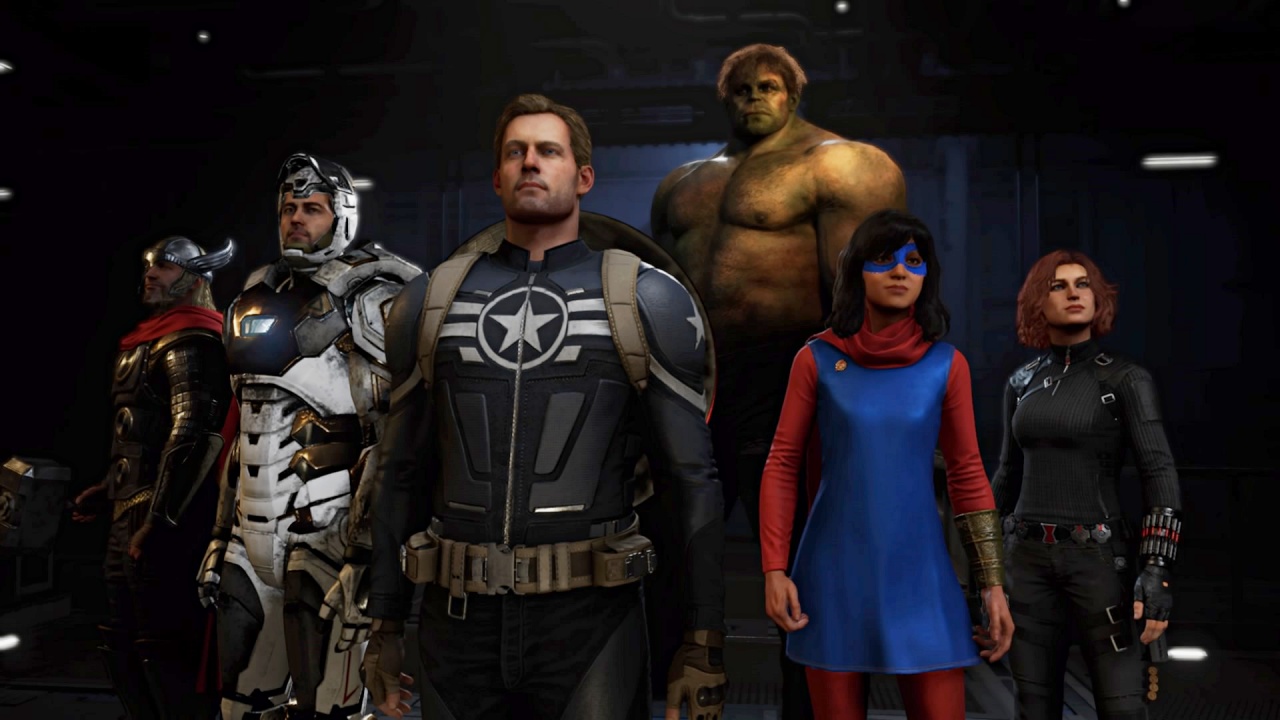
Gaming
Marvel’s Avengers: Does it stick the superhero landing?
A title featuring Earth’s mightiest heroes carries great expectations

The Avengers is the most popular superhero team today thanks in large part to the 23 films and counting that belong to the Marvel Cinematic Universe or MCU. This could lead one to believe that anything that has “Marvel’s Avengers” on it will be well-made and polished because of heightened expectations and the backing of perhaps the largest entertainment company today. Well, not quite.
Perhaps we should have seen this coming following the rather lukewarm reception to the A-Day trailer that was released in E3 2019. But that was just a trailer. Square Enix and Crystal Dynamics — the companies responsible for the game’s development — still had time to address things.
While there may have been improvements here or there, the overall experience just falls a bit short of the grandiose, spectacle, and fun factor that we’ve come to associate with the Avengers.
Heroes divided
So what’s wrong with it, exactly? There’s not one big glaring thing. But the sum of its parts just doesn’t feel like it makes up a cohesive whole.
Just like how the team was split up after the disaster that was A-Day, the game feels like it’s split between two disjointed parts.
The first is the Reassemble Campaign which takes you through a 10-12 hour single-player Action-RPG type of campaign. You get a chance to play as all of the Avengers but the story is mostly told through the perspective of Kamala Khan AKA Ms. Marvel.

Ms. Marvel hard-carrying this game
The second is the Avengers Initiative which is the multiplayer live service part of the game. It’s the part that the developers hoped would keep players coming back.
While the two game modes share the same combat, skills, items, and mission design, the overall experience varies heavily depending on what type of game you’re into.
Ms. Marvel coming of age story
At the core of the Reassemble Campaign is Kamala Khan/ Ms. Marvel. She goes from this bright-eyed fangirl in A-day to a hero in her own right, fighting alongside the heroes she admired.
As someone who generally prefers single-player games, this was the part of the game I enjoyed the most. It’s got enough heart, humor, and character that made the MCU such a mainstream hit, while also sprinkling a little bit of Saturday-morning-cartoon campiness.
The best thing about the story is the dynamic between the characters: Kamala and Bruce Banner’s mentor-mentee relationship, the anger between Tony Stark and Bruce after the latter’s testimonies in court after A-Day, and this bromance between Tony and Steve Rogers.
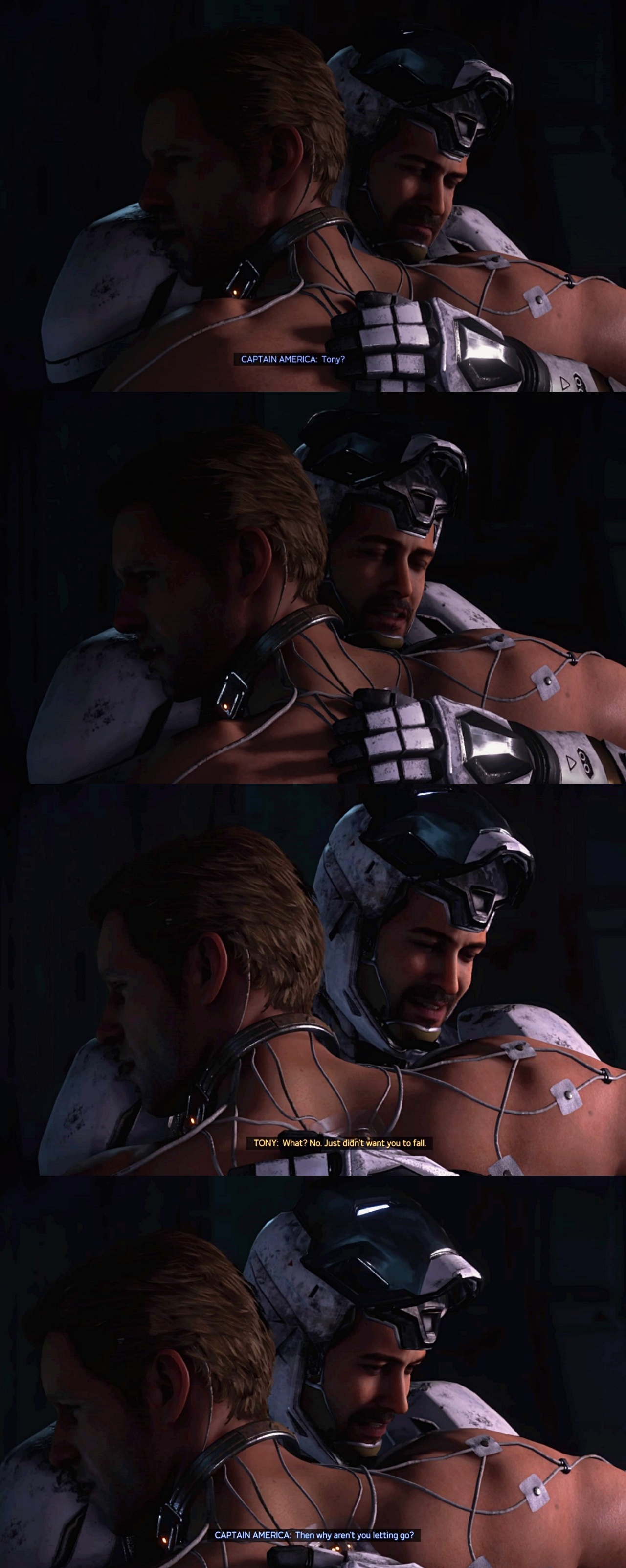
There’s a lot of great character moments here that should be familiar to Marvel fans whether you came in from the comic books, TV series, or the MCU.
It isn’t without any problems though. Thor had very little to do with the plot except for just being there. He played the deus ex machina role when he first rejoined the team. I guess that’s fitting for a literal god.
The boss battles are also very mediocre. After squaring off against Taskmaster and the Abomination, the next boss battles will all be against AIM Robots. For a superhero hero team with such a rich rogues gallery, this was rather disappointing.
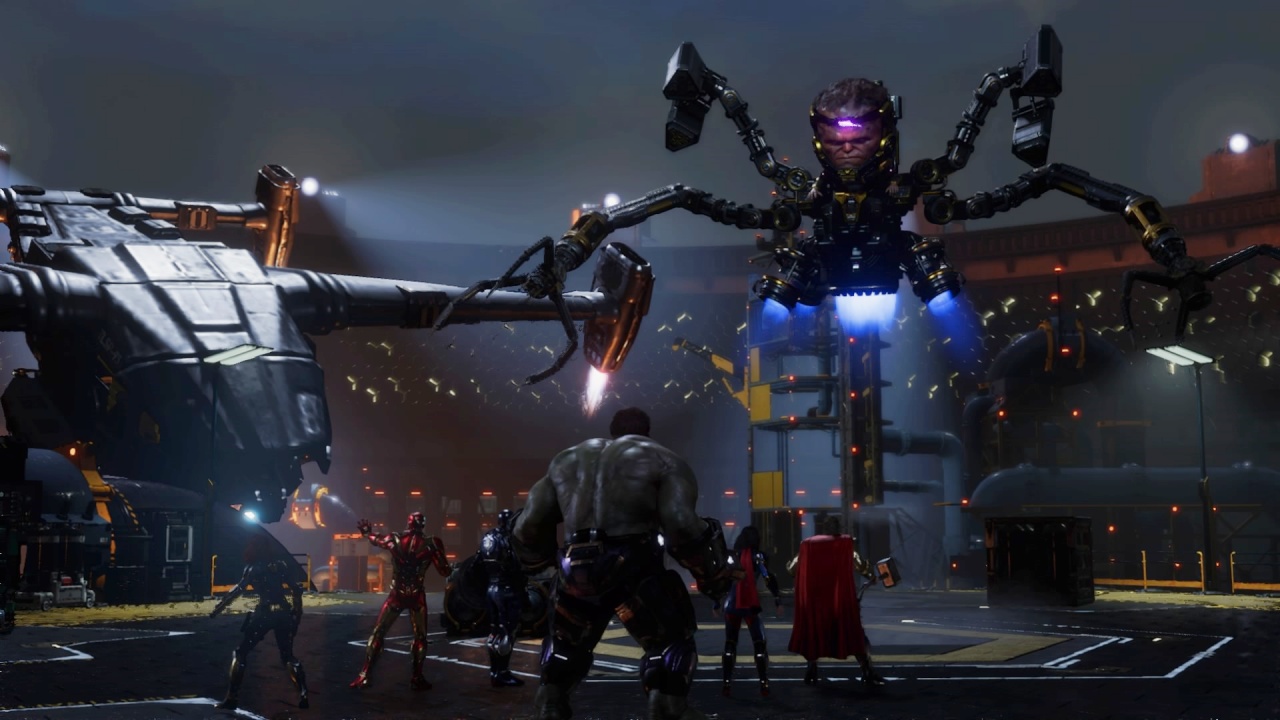
Modok was the only other non AIM robot villain
While it sort of makes sense given the flow of the story, I think they could have thrown in even at least one more Marvel villain there or at least have another tussle against Taskmaster and the Abomination.
Other than that, the story is pretty solid. I wish I could say the same for gameplay.
Grinding for gear
The core of the gameplay is the combat, skills, and gears. This is what connects the single-player campaign to the multiplayer missions. It’s a mixed bag to say the least.
The skill tree for each character is deep but you’ll have to grind through the missions to really get to all of them. More on this later. Meanwhile, the gears are… okay.
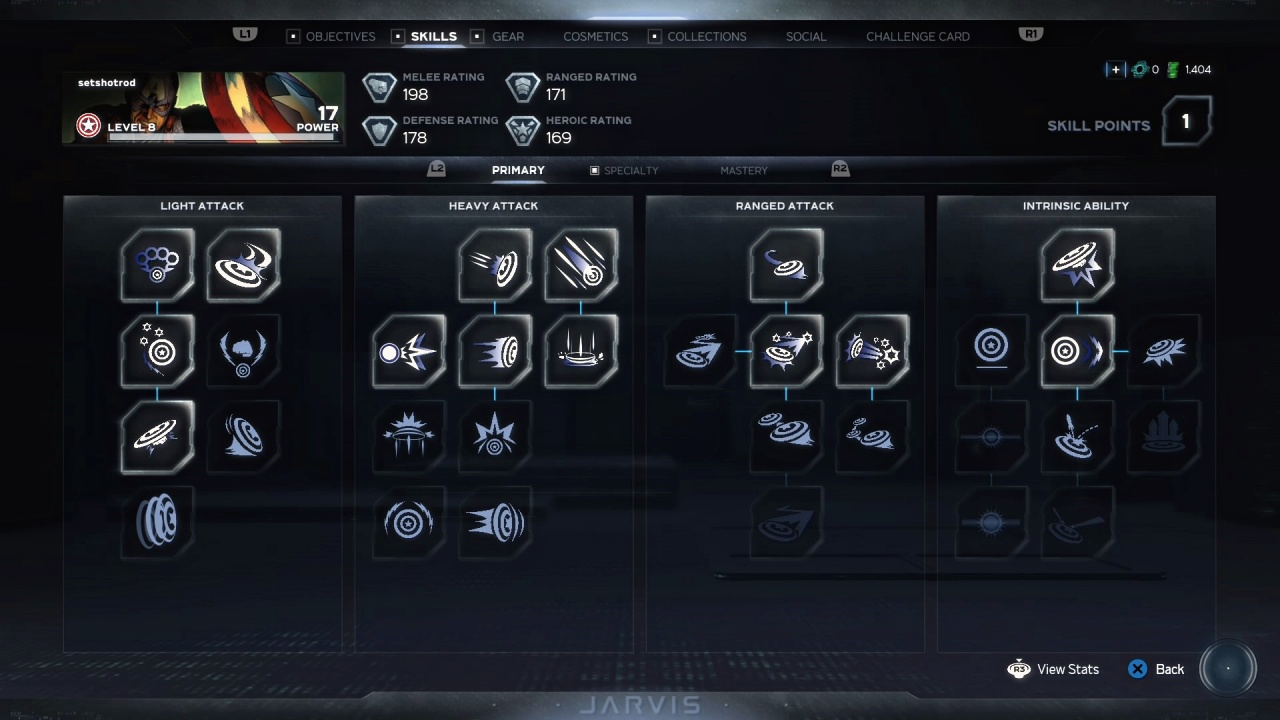
There are plenty of skills to unlock
While most other reviewers griped about the lack of cosmetic effect from the gear you pickup, I thought this was mostly okay. It’s almost the same with Marvel’s Spider-Man where I can pick whatever suit I want but change my abilities depending on what the mission requires.
The thing is, in the Spider-Man game by Insomniac, the suit came at no cost. In Marvel’s Avengers, while you can grind your way into some awesome cosmetic changes, a bulk of the better looking ones are stuck behind a paywall. That’s what really grinds most people’s gears, I think.
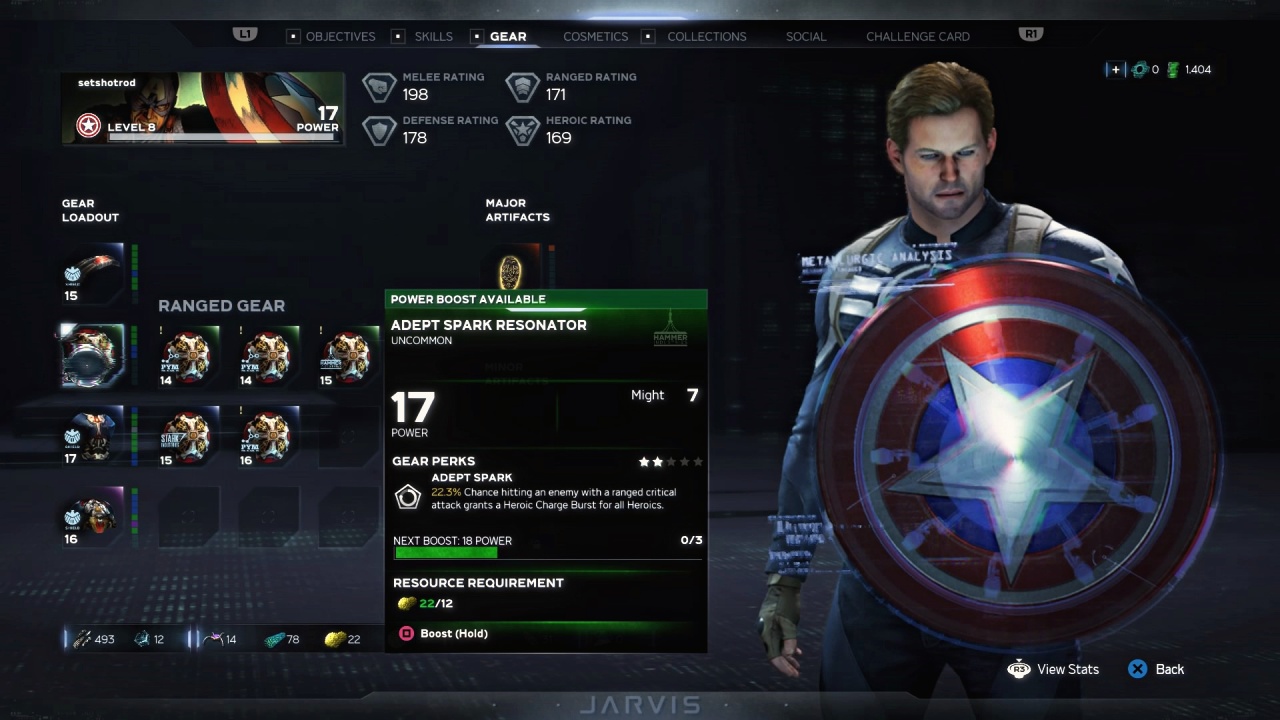
What grinds your gears?
I also recognize that more thought could have been put into the gears seeing as the whole point of the game is getting loot and items while you’re out on missions. For instance, they could have opted to have a set of cosmetic options for gear that negate certain status effects like frosting.
Feel like a superhero
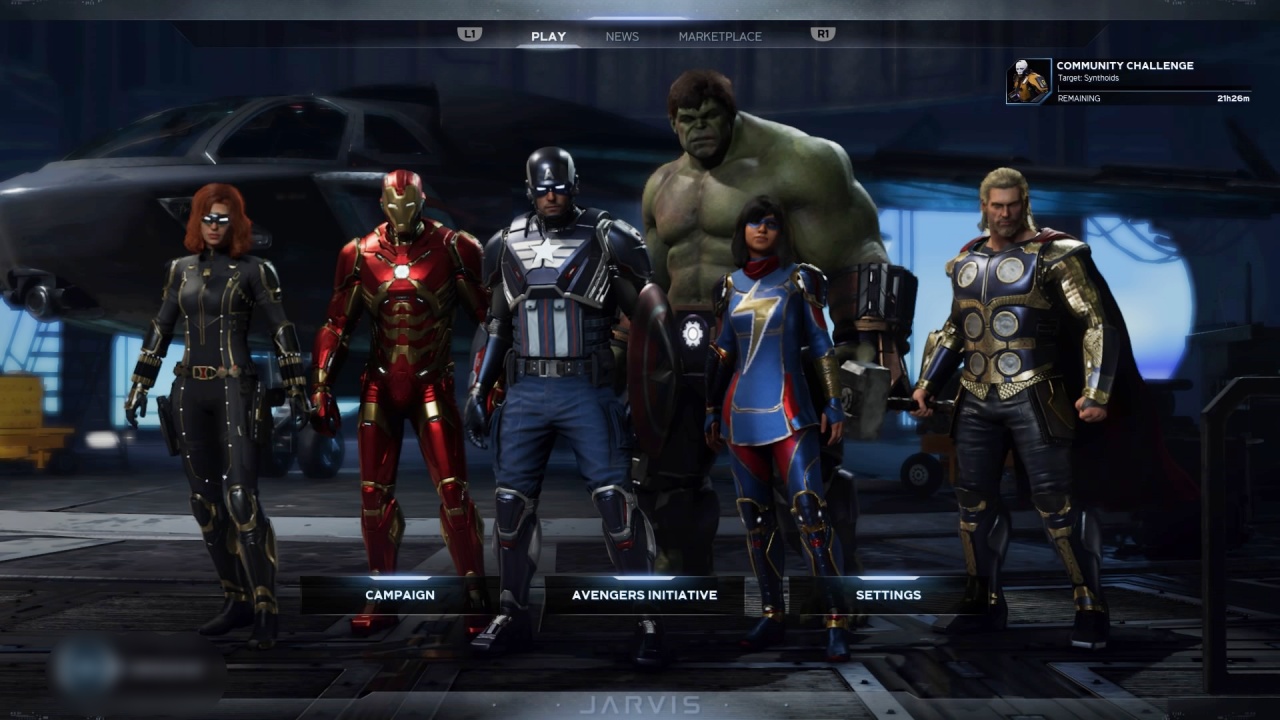
Despite sharing mostly the same controls — light and heavy attacks, dodging, and jumping on the main buttons plus special abilities on the shoulder buttons — the game does a good job of making each character feel distinct.
Your experience playing as Iron Man will be very different from the one playing as Thor despite both sharing the ability to fly. Same is true for Captain America and Black Widow even though they’re both mostly grounded melee fighters.
Marvel’s Avengers
The stretchy Ms. Marvel also offers perhaps one of the most unique play styles as she also has the ability to heal. It’s perfect for when you’re embarking on multiplayer missions.
Mission unbearable
The missions are where I think the game fumbles a lot. They have a relatively good combat core to build around, but the level designs and challenges leave so much room for improvement.
The missions revolve around retrieving an item, defeating hordes of AIM robots and soldiers, and most frustratingly, defending a small circular area while being swarmed by even more AIM robots and soldiers.
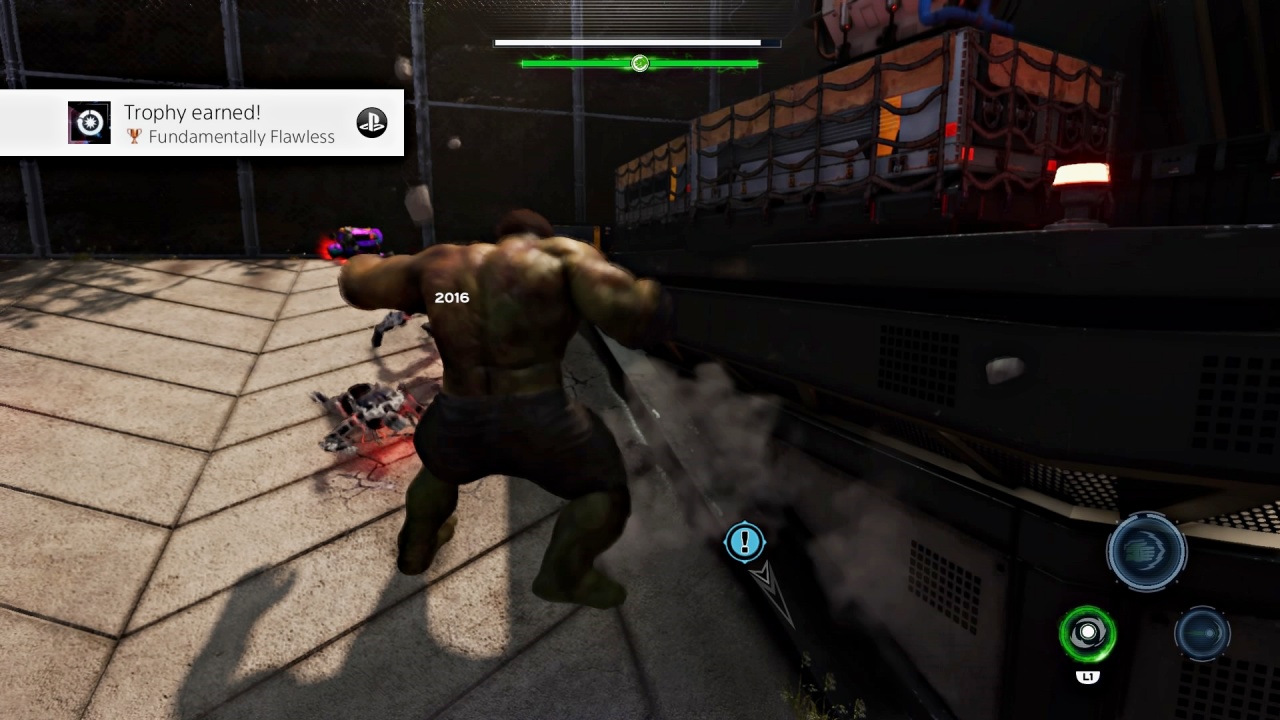
Combat can get chaotic
It’s just a whole bunch of small fries coming at you from left and right. There’s very little variation and it can get old real quick. What’s even more frustrating is to really level up the characters, these are the missions you have to grind through. You don’t get to the really good parts of the combat unless you go through these missions.
Remember the final act of both The Avengers and Avengers: Age of Ultron where the team is battling against armies of Chitari and Ultron’s robots? That’s what the missions feel like except it happens over, and over, and over, and over again.
Good for team players
To balance the opinion, I spoke with our good friend Francis Romero who is both a long-time gamer and huge Marvel fan. Unlike yours truly, Francis actually finds enjoyment in the missions.
What struck me the most with his observation is how team play is crucial in the missions. You can customize your characters’ loadouts to fit the needs of the team. Each one can play a certain role so you can accomplish missions with relative ease.

Flying to a mission
For instance, he said he wasn’t a fan of Ms. Marvel being part of his main team but being a healer, she would be an essential part of the team.
In this regard, the play-with-friends appeal is real. It’s honestly not my cup of tea, but there’s certainly something here that can be enjoyed by people with actual friends or those who play well in a team-setting.
A better future
The other appeal of Marvel’s Avengers being a live service game is the promise of a better future. The developers have already promised that any future DLC content will be free-of-charge.
Hawk-eye — both Will Barton and Kate Bishop — have already been teased and there are more characters coming in the future. Each character, I supposed, will come with their own unique story that will build on the campaign. Their abilities will also be something to consider when building a team for the Avengers Initiative missions.
While the present may be slightly disappointing, a promising future awaits.
Does it stick the superhero landing?
The promise of a better future shouldn’t be the leg that a game stands on. The game can be a little fun at best and a messy, buggy experience at worst.
The loading time from one segment of the game to another is ridiculously long. It almost feels like you can watch an entire MCU film and the game would still be loading when you come back to it.
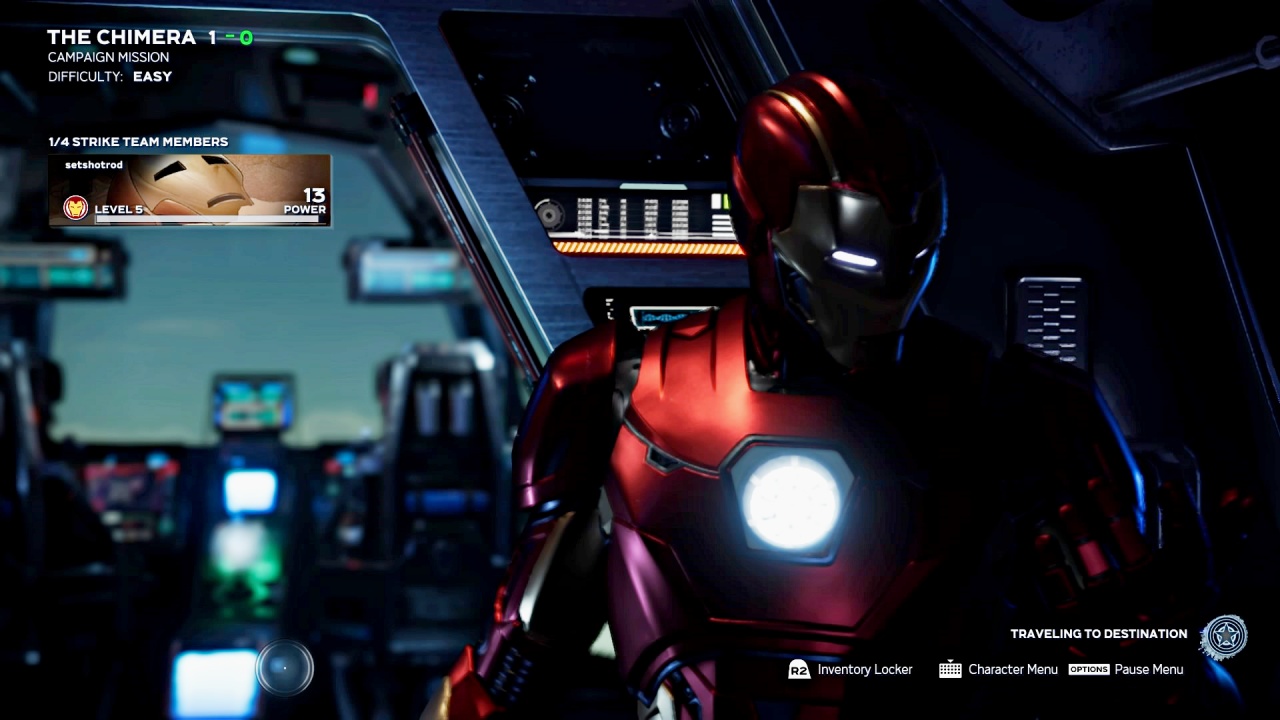
This loading screen can go on FOREVER
Marvel’s Avengers is weighed down by the expectations surrounding it. When you have a title so mainstream and the backing of an entertainment giant that has dominated the mainstream consciousness for a better part of the decade, it’s fair to expect a polished game. One that feels like the triumphant third act of most MCU films.
Instead, it feels more like the first time Tony Stark took the Iron Man Mark II out for a spin in the first Iron Man movie. It was a fun but clunky ride, and when he soared to go higher he ran into an icing problem.
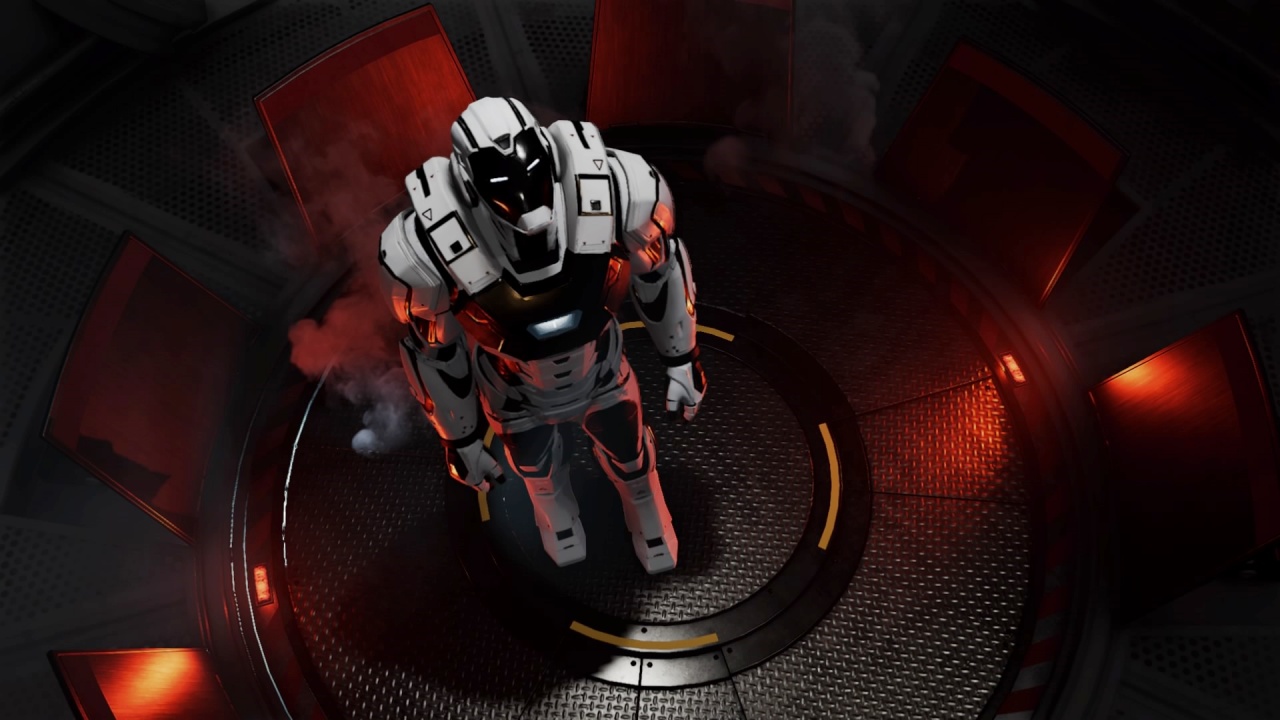
Marvel’s Avengers
In many ways, that’s what this Marvel’s Avengers game feels like. It’s clunky but fun and while it’s not perfect, there’s certainly something here that Square Enix and Crystal Dynamics can build on.
It doesn’t quite stick the superhero landing, but it sure as hell didn’t crash and burn.




Gaming
CRISIS CORE -FINAL FANTASY VII- REUNION physical edition now available for Switch 2
Zack Fair’s story comes to Switch 2.

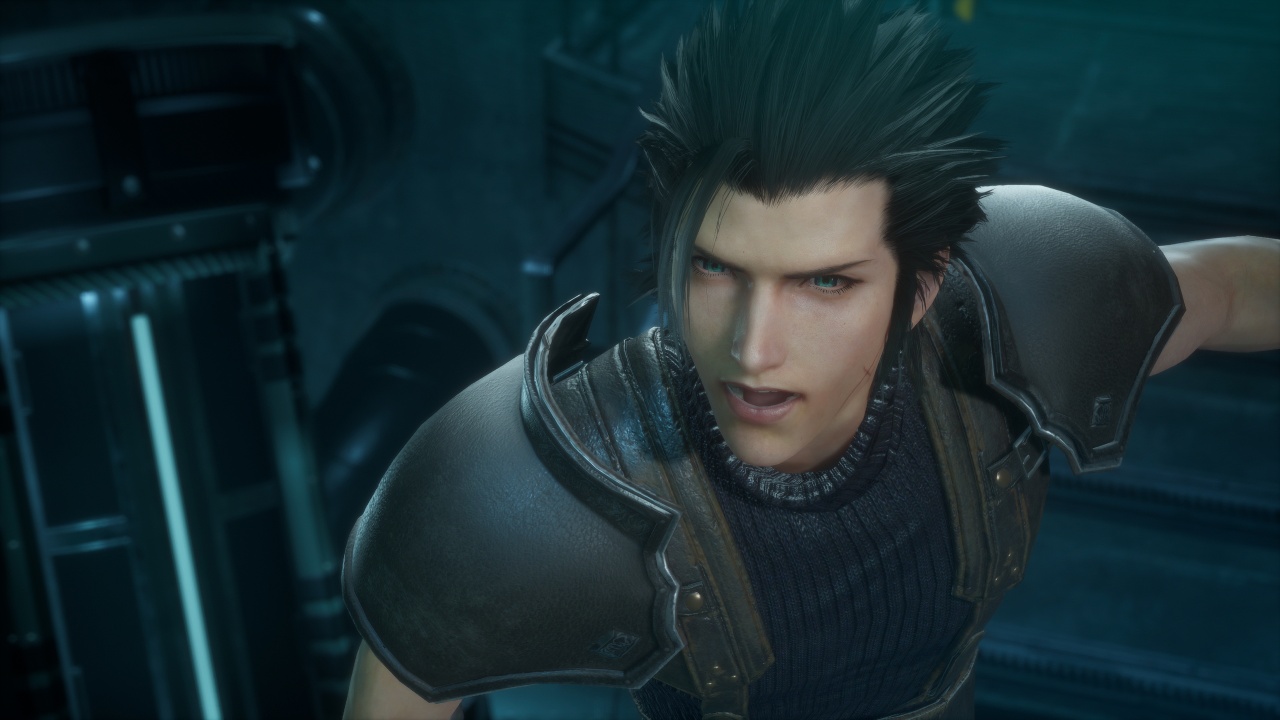
Bandai Namco Entertainment Asia and SQUARE ENIX have released the physical edition of CRISIS CORE -FINAL FANTASY VII- REUNION for Nintendo Switch 2 in Southeast Asia.
Players can also purchase the game digitally on the platform. Availability may vary by region and retailer.
Zack Fair’s story returns
Set in the mako-powered metropolis of Midgar, CRISIS CORE -FINAL FANTASY VII- REUNION follows Zack Fair, a young operative in Shinra’s elite SOLDIER unit.
Zack investigates the mysterious disappearance of SOLDIER operatives alongside his mentor, Angeal, and the legendary Sephiroth. His journey reveals the events that shaped the world of FINAL FANTASY VII and his connection to Cloud Strife.
The game revisits Zack’s story with an HD graphical overhaul of its character models, user interface, and environments. It also features fully voiced dialogue in English and Japanese, alongside an updated action-combat system.
Players can trigger Limit Breaks and Summons as they battle their way through the story. The game also supports handheld and docked play on Nintendo Switch 2.
A look back at Zack’s legacy
Originally released as a remaster of the PSP classic, CRISIS CORE -FINAL FANTASY VII- REUNION offers a refreshed take on one of the franchise’s most significant prequel stories.
In our GadgetMatch review, we explored how the remaster brings Zack Fair’s journey to modern platforms while preserving the emotional core of his story.
The release also gives players another way to experience the events leading into FINAL FANTASY VII, ahead of the upcoming FINAL FANTASY VII REVELATION, the third and final entry in the FINAL FANTASY VII Remake series.
For more information about CRISIS CORE -FINAL FANTASY VII- REUNION and other Bandai Namco Entertainment Asia titles, visit the official website.
Gaming
Dune: Awakening makes it way to the PS5 and Xbox Series X
Surviving the harsh land of Arrakis one sandstorm and bloodlust at a time

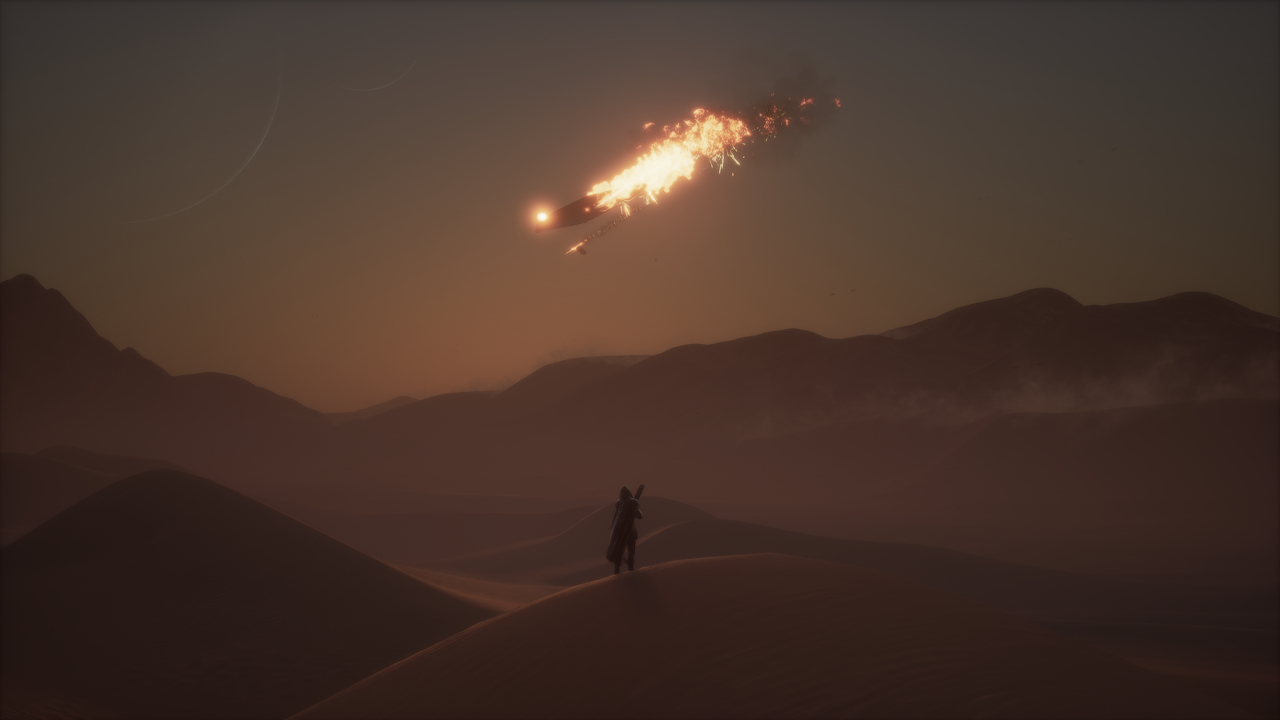
Back in June of 2025, Funcom released its multi-nominated open world survival game, Dune: Awakening. Inspired by the renowned movie franchise, the game takes place within the deserts of Arrakis as players survive and thrive through intense combat and strategic decision making. Now, in the big 2026, Funcom is finally bringing that experience to PlayStation 5 and Xbox Series X|S players as Dune: Awakening officially launches on console!
For the newbies finally getting it on console, here’s all you need to know:
Take the lead or do it together
Dune: Awakening takes you into the desolate land of Arrakis, and gives you the option to do it on Single Player or Multiplayer upfront. Through your own bidding in strategy, combat, and resource management, your goals are simple: survive the terrain, make more allies than enemies, and conquer the land through your affiliation to the powers that be.
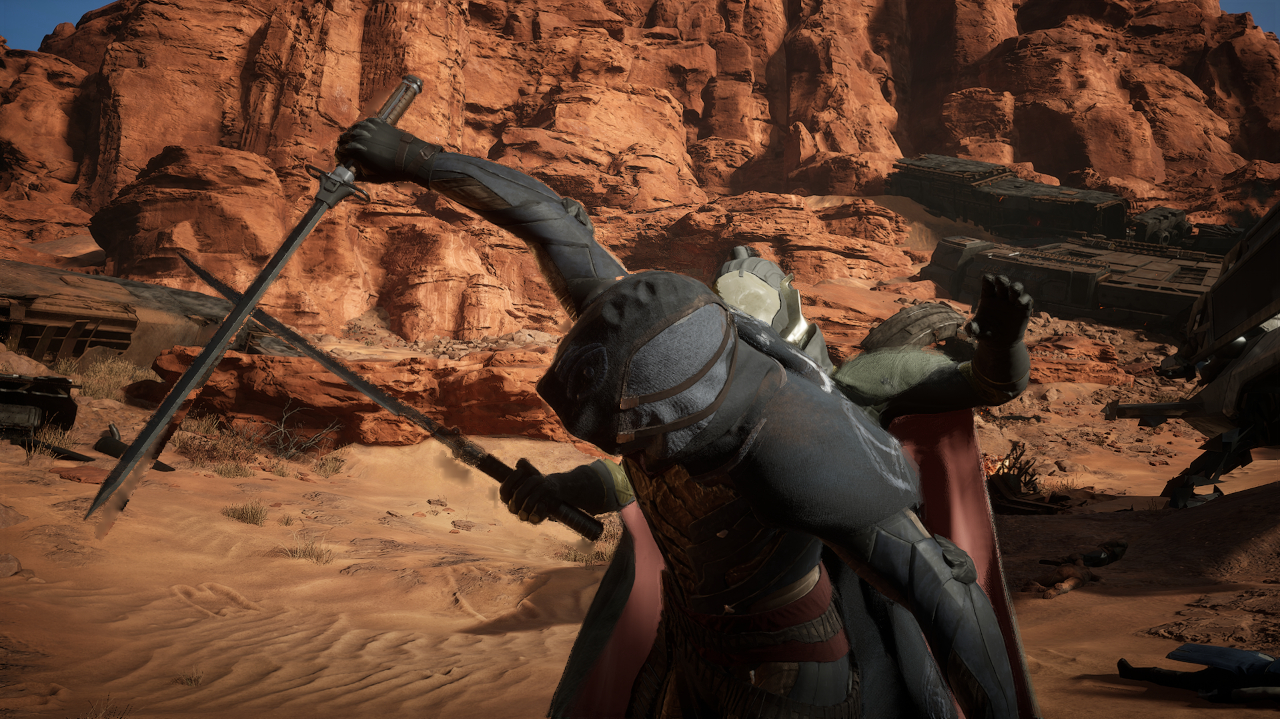
This version of the game is as exact and as one-to-one as it possibly could with the PC version released last year, down to the story arcs, quests, and PvE/PvP areas you take on. Since launch, Funcom has introduced new weapons, areas, and cosmetics through DLCs that will be available to console players, as well. Also, several key features in story and mission progression that have changed on the PC version will take into effect.
If you want to engage with multiplayer, it is still a viable option when you want to gather more resources and reinforce your bases against other players and the natural elements. However, you still won’t be able to host your own server on a console just yet, as it is more stable to do so on the PC version.
Become whoever and whatever to survive
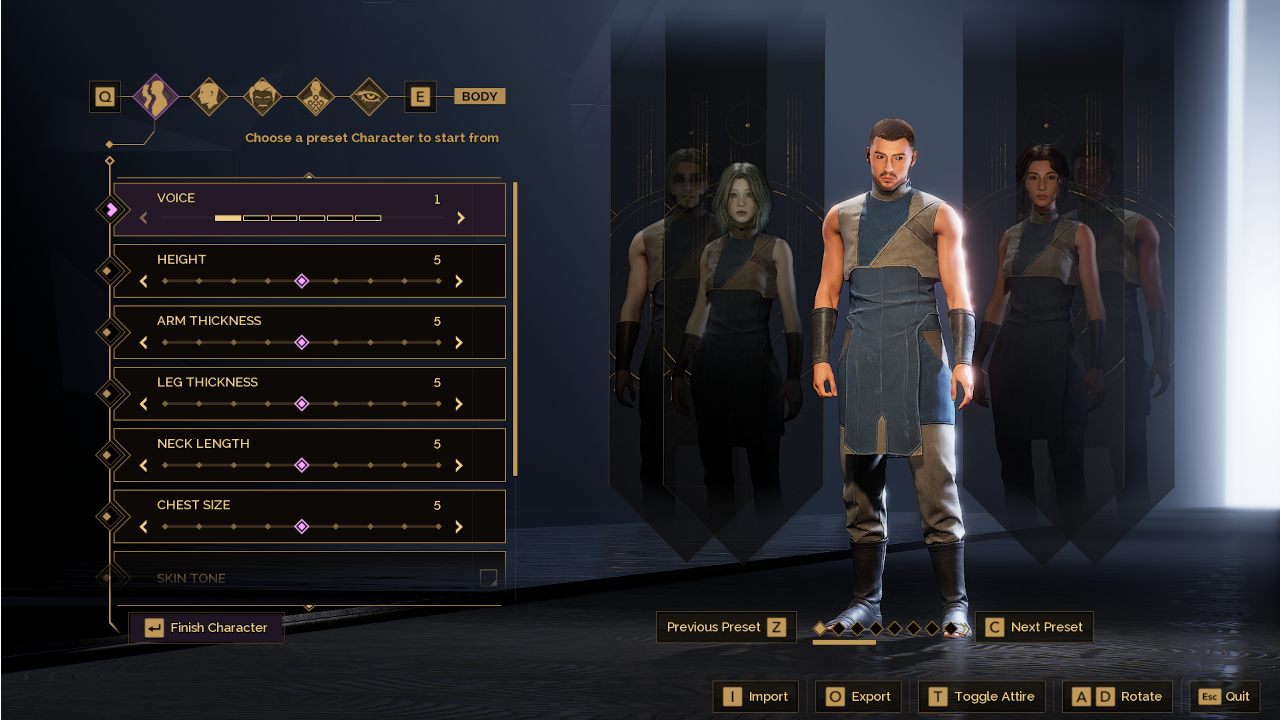
Character customization became the game’s bread and butter through its extensively library of features and unique take on story progression. As you begin your journey, Lady Jessica welcomes you in and asks you on your origin story, mentorship, and initial skill set — all of which are to your choosing based on your play style. Honestly, none of these completely influence the difficulty in progressing the story too much but it will give you full control of the experience.
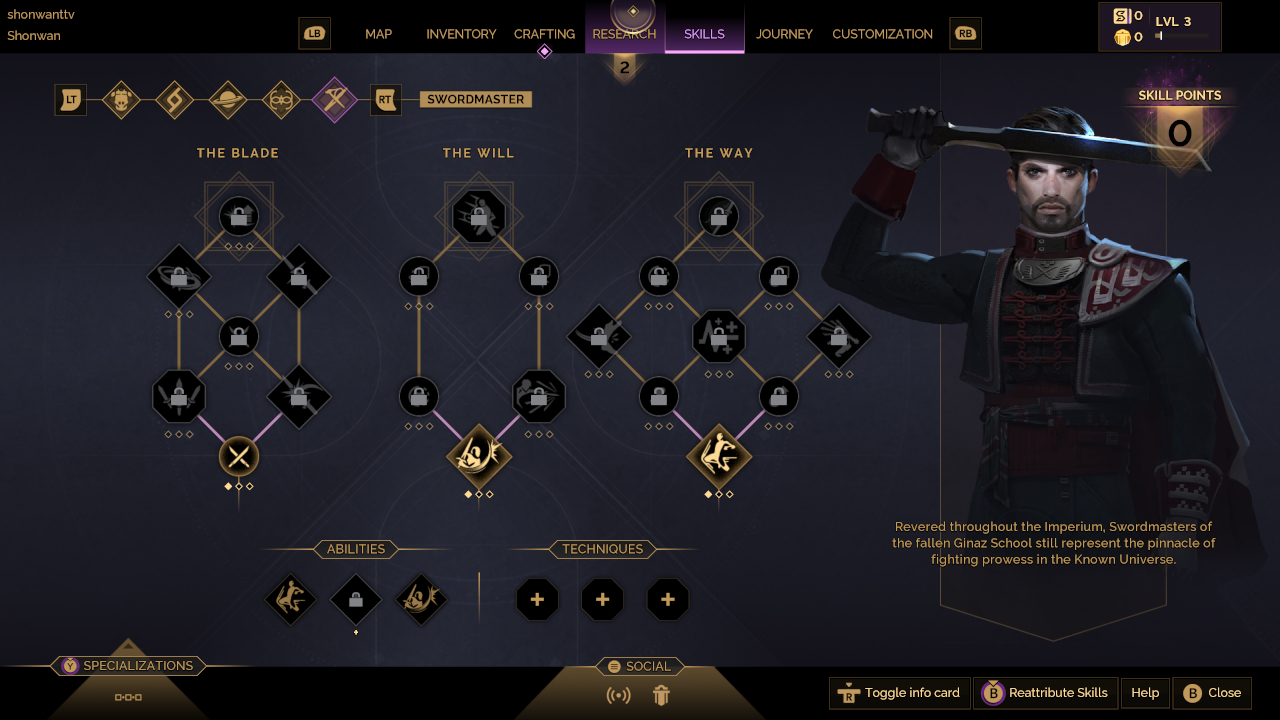
As you progress further into the game, you will unlock more skills and abilities to aid you in your quest for power and survival. These will help you earn XP, along with accomplishing tasks, gathering resources and researching newer technologies, plus engaging in combat both within the PvE and PvP areas. Ultimately, you and, potentially, other players must build enough rapport and influence to shape the world of Arrakis to your liking.
Consistent visual expectations
For most players on the PC version, graphical fidelity relied heavily on the hardware of choice. When transitioning the game into a console-friendly environment, Funcom worked out the details seamlessly by adding a Performance and Quality mode. In this fashion, you can opt for crystal-clear graphics at a decent 30 FPS or go for a constant 60 FPS to keep up with the action.
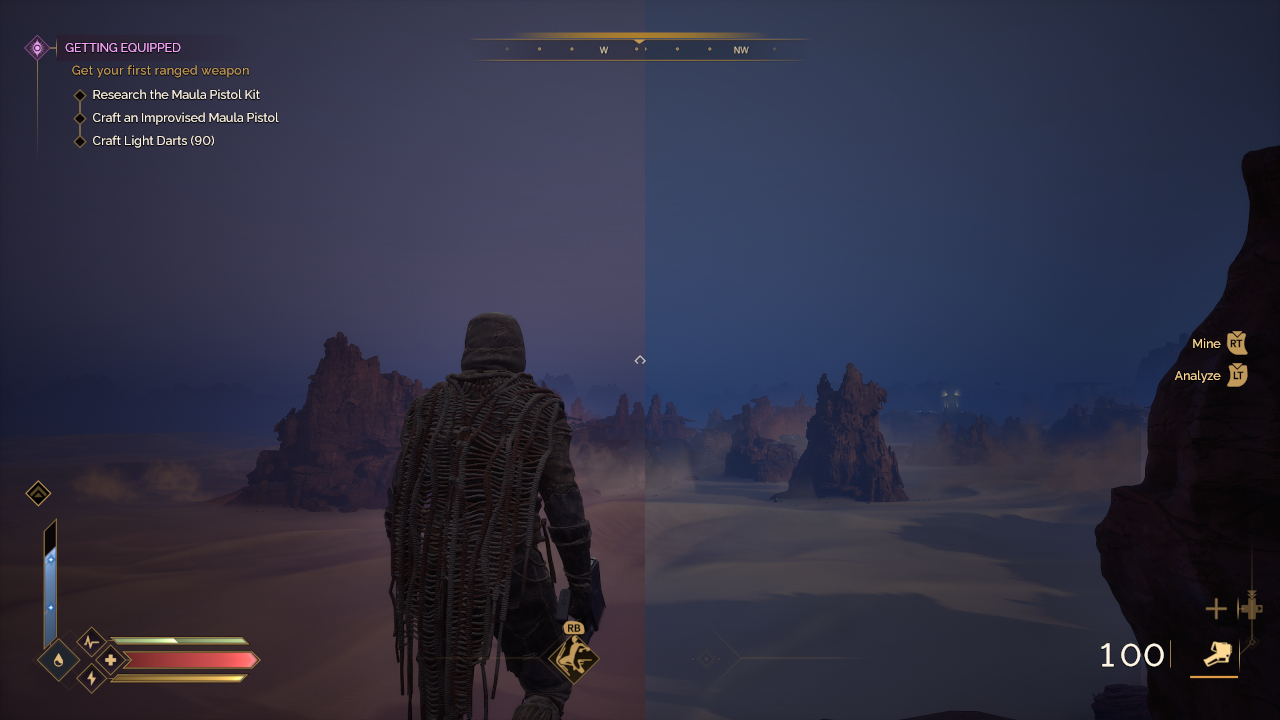
Left: Performance | Right: Quality
No matter which mode you choose, the overall visual identity of the game doesn’t change drastically. Environments look rich and vibrant, while the tiniest of details within character models are preserved. Although, given frame rate differences, rendering of background elements also reflects that but it won’t ruin the gaming experience.
Dune: Awakening will be available on the PlayStation 5 and Xbox Series X|S on September 22. For Xbox Game Pass owners, this will also be a Day One release with Play Anywhere support and cross-play within Xbox and PC players upon launch.
Funcom has also planned an exciting map update later this year plus potential DLC tie-ins to the upcoming Dune: Part Three theatrical release in December.

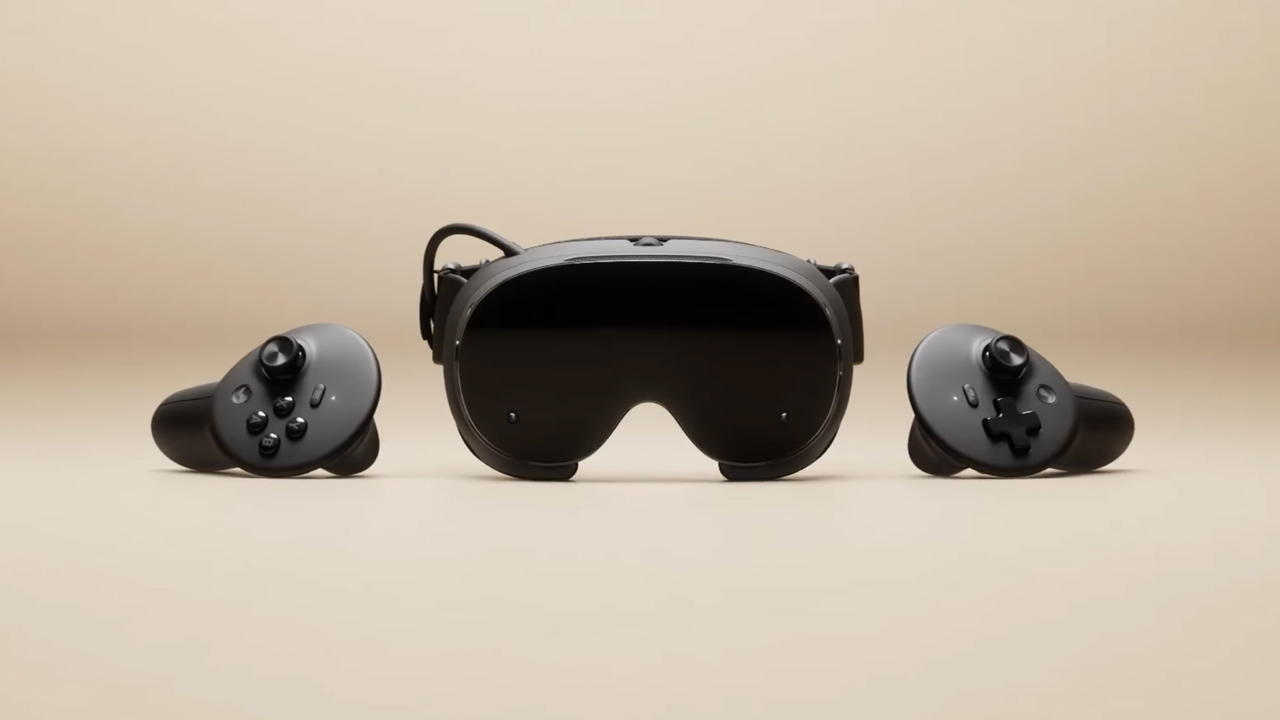
The trifecta is complete. Almost a year after announcing their new hardware, Valve has finally unveiled the price tag of the Steam Frame, complementing the Steam Machine and Steam Controller revealed a few months ago.
Whereas the Steam Machine is a console of its own, the Steam Frame is a traditional VR headset with a pair of controllers for both hands. Unfortunately, despite being in a different segment, the headset is not immune to the rising prices of technology. The Steam Frame will start at US$ 1,059 for a 256GB model and can go up to US$ 1,299 for the 1TB model. On the plus side, each box will come Half-Life: Alyx packaged along with the headset.
Here’s a more detailed rundown of what you’re getting. The Steam Frame will ship with the Snapdragon 8 Gen 3 chipset, paired with 16GB of RAM. Each eye comes with a 2160 x 2160 LCD screen, putting out images at up t0 a 144Hz experimental refresh rate. As mentioned above, the headset will start with 256GB of storage but can go up to 2TB. It will come packaged with SteamOS 3 and a rechargeable 21.6Wh battery.
This might be a hard buy for some. The industry currently has more affordable options, for one. Also, virtual reality isn’t the most thriving segment of gaming today.
If you’re still decided on buying one, however, Valve is using its lottery system. Interested customers can sign up from now until September 17. The company will then randomize the purchasing order. Those who draw the first ones in the lottery can get a purchase email as soon as September 18. Meanwhile, anyone who registers after September 17 will automatically be put at the back of the queue.
SEE ALSO: Valve announces its own console called the Steam Machine


TECNO POVA 8 Pro Tonino Lamborghini review
Truly a rare gem in 2026


DJI Lito X1 review: Is this the best lightweight drone for creators?
Making a strong case as a travel companion and a capable B-cam!


REDMI Note 17 Pro Max review: A new breed born from AI greed
Welcome to the new normal
TECNO POVA 8 Pro Tonino Lamborghini review

When TECNO-logy meets Tonino Lamborghini legacy

Spotlight: Amazon Kindle Scribe Colorsoft

Chimelong’s newest attraction might be the robots themselves

Xiaomi 18 Pro series is launching globally, Xiaomi confirms

realme 16T 5G with 8000mAh battery, IP69 Pro rating launches in PH

HUAWEI Pura X View is 2026’s first WIDE slab-type smartphone

The CAMON Slim 5G is TECNO’s latest ultra-slim smartphone

iPhone 18 Pro series: Price, availability in the Philippines

DJI Osmo 360 II review: Going all-in on the ecosystem


-

 News6 days ago
vivo X500 Series launches with major imaging upgrades
-

 Hands-On2 weeks ago
Apple iPhone 18 Pro Series Hands-on
-

 News5 days ago
OPPO Find X10 Pro Max is the first phone with a triple 200MP camera system
-

 Gaming2 weeks ago
BlizzCon 2026 announces World of Warcraft: Forever and Diablo V
-
Reviews2 weeks ago
REDMI Note 17 Pro Max review: A new breed born from AI greed
-

 Singapore1 week ago
Epson Lifestudio Grand Plus EH-LS970B with 4K projection, more launches
-

 News6 days ago
vivo introduces OriginOS 7 with smarter multitasking and AI features
-
 Gaming2 weeks ago
Valve unveils price of the Steam Frame