
Enterprise
MediaTek hosts world’s first demo of Wi-Fi 7
Here’s what to expect

We’ve come a long way from dial-up. Now, the name of the game is Wi-Fi 6. Amid the rise of 5G connectivity, the home internet sector is adopting the current standard for their devices. But, of course, the advance of technology is not stopping. As Wi-Fi 6 tries to take over the entire market, the industry is already working on Wi-Fi 7. With development well underway, what can you expect from the upcoming standard?
Naturally, better speeds. Recently, MediaTek showcased the world’s first live demo of the new technology. In an impressive show, the standard will reportedly achieve speeds 2.4 times faster than what Wi-Fi 6 can do. The technology can maximize uses for the current spectrums available for Wi-Fi at up to 6GHz. The technology can also reduce latency and interference using MLO and MRU features.
According to MediaTek, Wi-Fi 7 will support the ever-growing need for faster internet speeds brought on by emerging uses for online users. These needs include AR/VR applications, cloud gaming, 4K video calling, and 8K streaming. With technology advancing the way it is, high-speed internet — even faster than what’s available today — is turning into a necessity to cope with multi-user households.
MediaTek predicts that products that can support Wi-Fi 7 will start coming out in 2023.






Enterprise
Sony teams up with 13 companies for sustainable global supply chain
Sustainability through introduction of renewable plastics


Sony, along with several companies, have established the world’s first global supply chain for the production of renewable plastics that can be used in Sony’s high-performance audiovisual products.
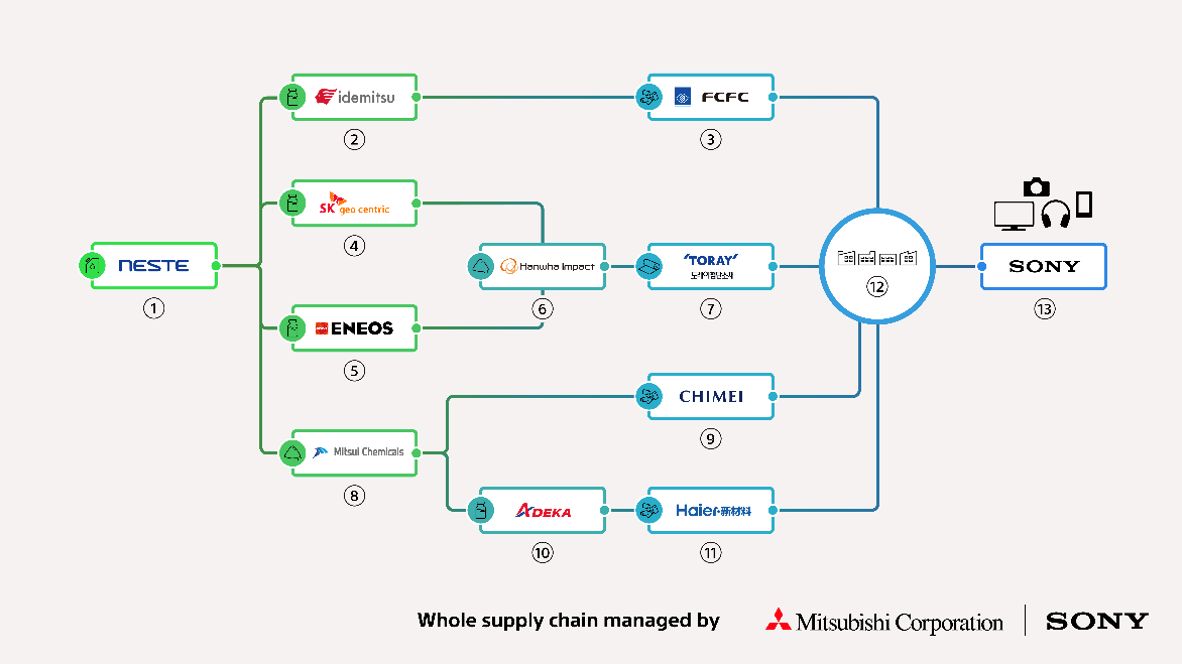
The supply chain consists of 14 companies across five countries and regions. The various plastic materials manufacture through this supply are slated for use in Sony’s products that will launch worldwide.
High-performance products such as audiovisual equipment involve a wide variety of plastics. The result is a complex supply chain that makes it difficult to visualize and manage the entire flow.
Additionally, plastic components that require high performance in terms of flame resistance and optical properties cannot be fully replaced with plastics from material recycling.
To address these challenges, these 14 companies have collaborated to visualize the existing supply chain for Sony’s products:
- Sony Corporation
- Mitsubishi Corporation
- ADEKA CORPORATION
- CHIMEI Corporation
- ENEOS Corporation
- Formosa Chemicals & Fibre Corporation
- Hanwha Impact Corporation
- Idemitsu Kosan Co., Ltd.
- Mitsui Chemicals, Inc.
- Neste Corporation
- Qingdao Haier New Material Development Co.
- Ltd., SK Geo Centric Co., Ltd.
- Toray Industries, Inc.
- Toray Advanced Materials Korea Inc.
Sustainability through renewable plastics
The new supply chain created will enable the production of multiple types of renewable plastics from biomass resources with a mass balance approach.
This allows Sony to proactively source raw materials for its products with quality, as well as properties equivalent to virgin fossil-based plastics.
Defining the supply chain also helps the companies track and document GHG (Greenhouse Gas) emissions data in a verifiable way.
This allows participating companies to leverage the data to advance efforts to reduce their carbon footprint going forward.
Sony’s initiative with a wide range of global partners is part of the “Creating NEW from reNEWable materials” jointly launched by the electronics giant and Mitsubishi.
It aims to achieve zero usage of virgin fossil-based plastics through the introduction of renewable plastics.
Enterprise
realme is reportedly going back to being an OPPO sub-brand
All scheduled phones will still launch on time, though.
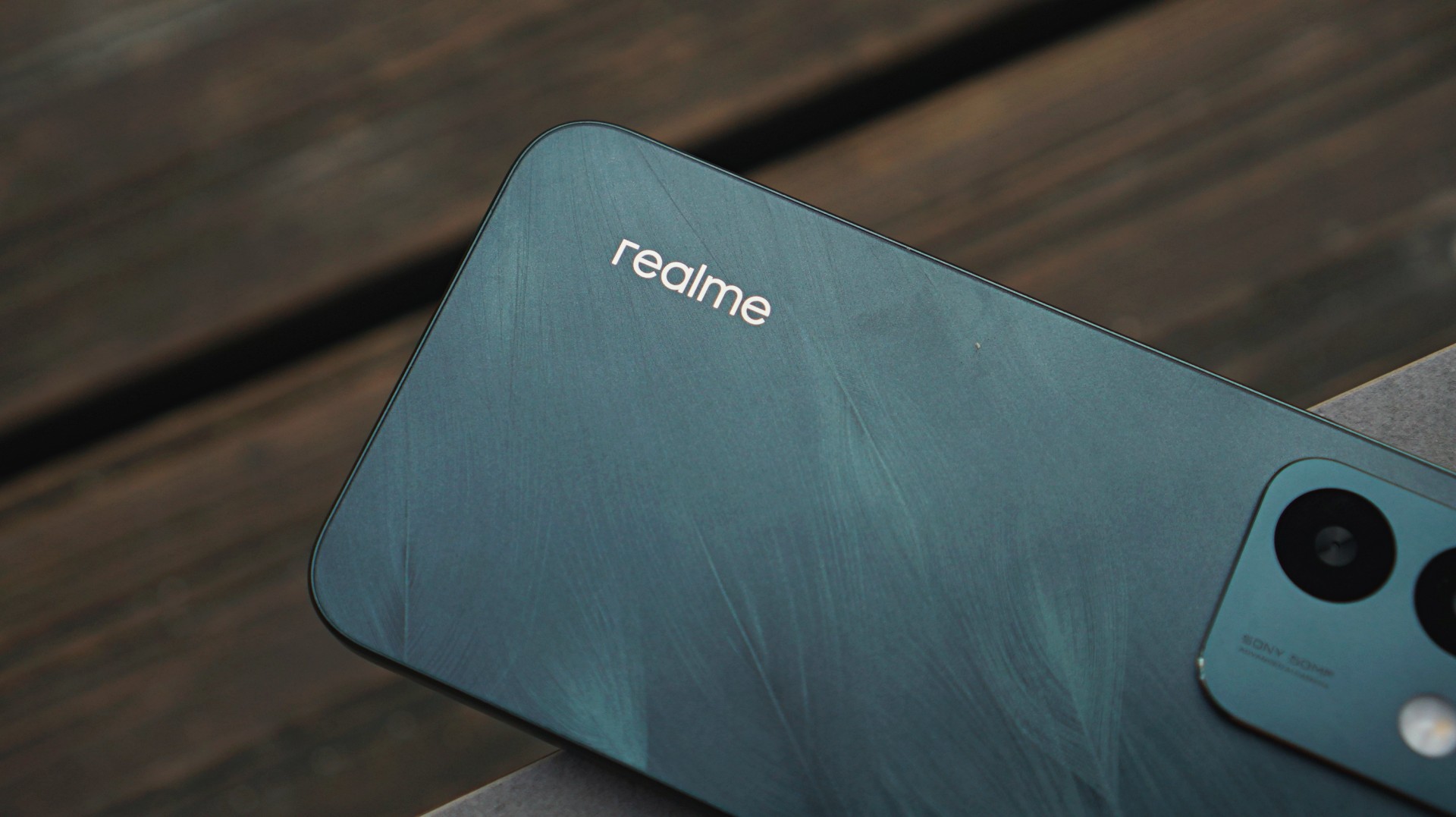
A popular story among Chinese smartphone brands is whenever a sub-brand spinning off into its own independent entity. A less common one is when an independent entity suddenly merges back into the main entity. And yet, that’s the story we have today. realme is reportedly going back to being a sub-brand of OPPO.
If you don’t remember realme’s time as a sub-brand, then it’s hardly your fault. It’s been a long while since realme was considered a sub-brand. In 2018, the brand spun off on its own to form one of the most popular names in the Chinese smartphone space.
Today, via Leiphone, realme will return to OPPO as a sub-brand. Current realme CEO Sky Li will still retain his responsibilities heading the brand. Plus, all products on the current release schedule will still come out as planned.
However, starting this year, realme will start reintegrating back into OPPO, particularly through the latter’s after-sales programs. OnePlus will also follow the same structure going forward.
Currently, realme has not officially announced the move. That said, we also don’t know how the brand will address the reported change. It’s possible that the shift is just internal and has no effect on how the brand faces the public. For now, only time will tell.
SEE ALSO: realme C85 with 7000mAh battery, 5G connectivity officially launches
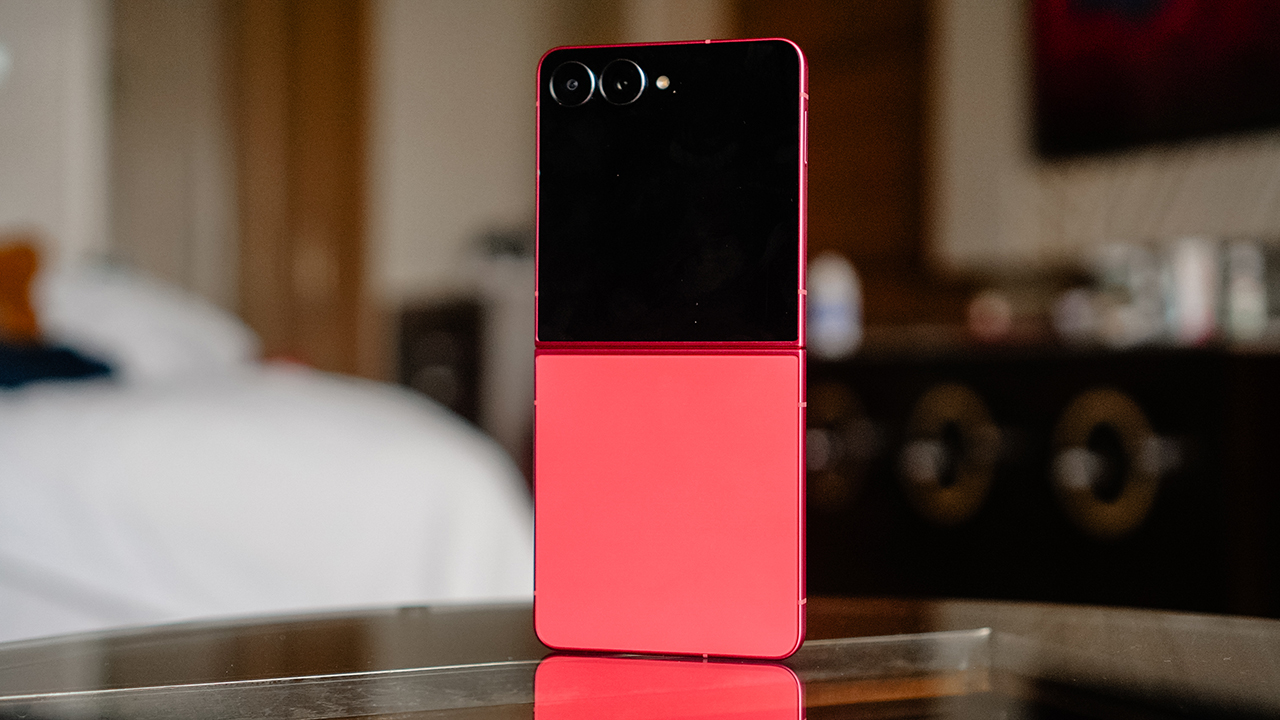
The big story late last year was the skyrocketing prices of chips. Analysts are predicting that the demand for RAM will cause the entire industry to experience hikes this year. Some users, especially in the PC building scene, are already feeling the burn. PCs won’t be the only victims, though. Xiaomi is already expecting hikes across the board. Now, Samsung is adding its voice to the growing list of warnings about price increases.
During CES 2026, Wonjiun Lee, Samsung’s global marketing chief, confirmed that the memory shortages are, in fact, real (via Bloomberg). Moreover, the company is now evaluating whether more price hikes are needed this year for its products. Though Lee expressed regret over pushing the prices to consumers, the state of the industry might force the company’s hand.
Samsung’s opinion has a lot of weight. While other brands have also voiced out their opinions lately, Samsung itself is a producer of chips. If a chip supplier is already warning users of prices affecting them, the effect will likely cascade even more when it comes to device manufacturers.
The ongoing shortage of chips is a result of the overwhelming demand from companies looking to build and bolster AI-based servers. The business-to-business demand is notably different from how regular consumers, who will soon find it hard to buy their own devices, see it.
At the very least, Samsung has not confirmed any price increases yet. However, all eyes are on the next Galaxy Unpacked, when Samsung will launch its newest Galaxy products. Will prices increase or stay the same?


Now Playing: Yakuza Kiwami 3 & Dark Ties
How old should a game be before it gets a remake?


TECNO MEGABOOK K16s 13th review: No-frills beneath those grills
All-around laptop without messing around


My Hero Academia: All’s Justice: A familiar Final War, made playable
Reliving the Final War

OPPO Reno15 Series 5G Philippines price, availability, preorder perks

Sony WF-1000XM6 is out now: Price, availability

Crossing an island to see if love would show up

OPPO Reno15 Series 5G features smart tools for creative travel content

ASUS, ROG announce 2026 desktops, AiO availabilities in PH

Infinix NOTE Edge debuts: High-end features for accessible pricing

POCO M8 Pro review: Goin’ loco over this POCO

HONOR X9d 5G review: Tougher, more long-lasting and optimized

Redmi Note 15 Pro+ 5G review: The midrange fashion piece

Mijia Smart Audio Glasses review: Immerse yourself in the music


-

 Apps2 weeks ago
Breaking up with Adobe Photoshop after 20 years
-

 Gaming1 week ago
PlayStation, LE SSERAFIM Chaewon team for the ‘Love of Play’ campaign
-

 Accessories1 week ago
Sony WF-1000XM6 was accidentally leaked online
-

 Gaming2 weeks ago
Esports Nations Cup 2026 secures US$ 45M funding
-

 Gaming2 weeks ago
CODE VEIN II now available for consoles, PC
-

 Reviews1 week ago
nubia V80 Max: Long battery, marginal upgrades, casual budget phone
-

 Gaming1 week ago
Zenless Zone Zero Version 2.6 launches February 6 with idol group debut
-

 News2 weeks ago
Nothing will not release a Phone (4) this year