
Entertainment
Now Playing: Women’s Month Edition
Let’s all celebrate women!


Happy Women’s Month! To celebrate women all over the world, we asked women and allies about movies, shows, music, and podcasts you can watch and listen to, along with books you should read.
This list is also a good pick me up, in case you’re looking for something to empower you as a woman. You may refer to this article — Women’s Month or not! Here’s what’s Now Playing at Her GadgetMatch!
Movies to see
On the Basis of Sex
Carol: A bit late to the party but I can’t believe I didn’t watch this sooner. On the Basis of Sex is the story of Ruth Bader Ginsburg’s struggle to make discrimination based on gender illegal in the United States. Brilliantly poignant with a script teeming with wit, On the Basis of Sex is a movie that should be required for all children to see. A movie that will also give any adult woman a confidence boost when and wherever needed.
Little Women
Leez: If you’ve read the classic Little Women by Louisa May Alcott, this film isn’t the first. It’s the most recent iteration of a film adaptation to the book and before you click away and lose interest, you might want to seriously watch this film. It dabbles in the complexity of family, womanhood, and standing up for one’s self. There’s more to this book and film adaptation than just four sisters. There’s love, sorrow, and growth wrapped up in such a timeless impactful story.
Taylor Swift: Miss Americana
MJ: Miss Americana is a glimpse of Taylor Swift’s personal life. A peek at her vulnerable moments, life-changing opportunities, and chances at redefining herself and the way she sees love and praise. For Swifties (and even most viewers), this documentary allowed people to connect with Swift. It’s so raw, honest, and emotional that it felt like she’s just one of us — fragile, pregnable, and most of all, human.
Shows to binge-watch
Sex Education Season 2
Leez: It’s exhausting to live in a world where sex is shoved aside as too taboo to educate people with. The science? Abstinence is an absolute lip service. Doesn’t work, never have, and never will. Sex Education dives deep into the complexity of sex with a stunning grip of contextual circumstances. It’s a show about getting into the nitty and the gritty of emotions, sexuality, gender, sex of course, and even trauma. How it all pans out is never how we expect it to and this show depicts that perfectly.
The Marvelous Mrs. Maisel
Carol: Becoming a comedian in the 1950s was no easy feat, even harder as a woman whose marriage was falling apart. Rachel Brosnahan shines as Midge Maisel, Jewish housewife who realizes that her wit and humor are not out of place in society — she just needed a stage to go with them. Great story and a script written by Gilmore Girls’ Amy Sherman Palladino, you’ll keep re-watching the series while waiting for the next season. Bonus: Mrs. Maisel’s outfits are utterly fabulous, proving that a lady can be smart and funny while being pretty and fashionable.
The Bold Type
MJ: Millennials — who were always mistaken as Gen Z — are now at the forefront of the working force. Live everyone else, millenials have have struggled to find direction. The Bold Type perfectly illustrates this struggle, featuring three young women working in a fictional magazine while navigating modern life and struggle in love, career, and identity. For the most part, the show tackled stories women can relate to, with some themes centralizing on pressing social and cultural issues. This gives The Bold Type that perfect, woke millennial vibe.
Albums/Songs/Podcasts to listen to
Living Out Loud by Sia
MJ: When you feel like the only way is to go up or move forward, this song will be the perfect soundtrack to accompany you. ‘Living out loud’ played when The Bold Type‘s main characters decided to go after what they want in life: Kat Edison realizing there’s more to life than social media and heading out to travel, Sutton Brady enjoying her dream job and taking another chance at love, and Jane Sloan leaving her comfort zone to pursue something that will make her grow. Listen to this song when you want to make the most out of every moment in life.
Listen to The Bold Type‘s playlist.
Butterfly by Loona
Vincenz: LOONA (or known as 이달의 소녀 / idarui sonyeo or Girl of the Month) has been known as an ally of both the LGBT+ community and women for their empowering tracks. Butterfly is meant for all the LOONAs around the world — and the music video storyline proves that you’re beautiful just like a “butterfly” regardless of one’s race and age.
Listen to 12 K-Pop tracks to empower every woman.
Dying for Sex
Chay: Funny, compelling, and heart-warming, Dying for Sex is a podcast about Molly’s life and sexcapades after she was diagnosed terminal with stage IV breast cancer. Her sexual adventures will make you laugh, but her insights on life and relationships are what will resonate more.
Conservative Ako
MJ: ‘Conservative Ako’, translated to ‘I’m Conservative’, is the Philippines’ first-ever podcast about female pleasure and sexuality. Hosted by licensed psychologist and sex & relationships therapist Rica Cruz, ‘Conservative Ako’ breaks barriers by giving voice to questions that Filipinas have been afraid to ask.
Listen to other female-centric podcasts hosted by PumaPodcast.
Women at Work
Chay: Gender bias and discrimination at the workplace is still a problem we face in 2020. Harvard Business Review’s Women at Work talks issues and real life experiences, and poses solutions and advice to help women overcome obstacles that hinder them from having a successful career.
Books to read
Men Explain Things to Me by Rebecca Solnit

Chay: Reading this will make women (and men) feel both hopeful and helpless at times. If you need convincing why feminism is still necessary in this day and age, look no further.
Becoming by Michelle Obama
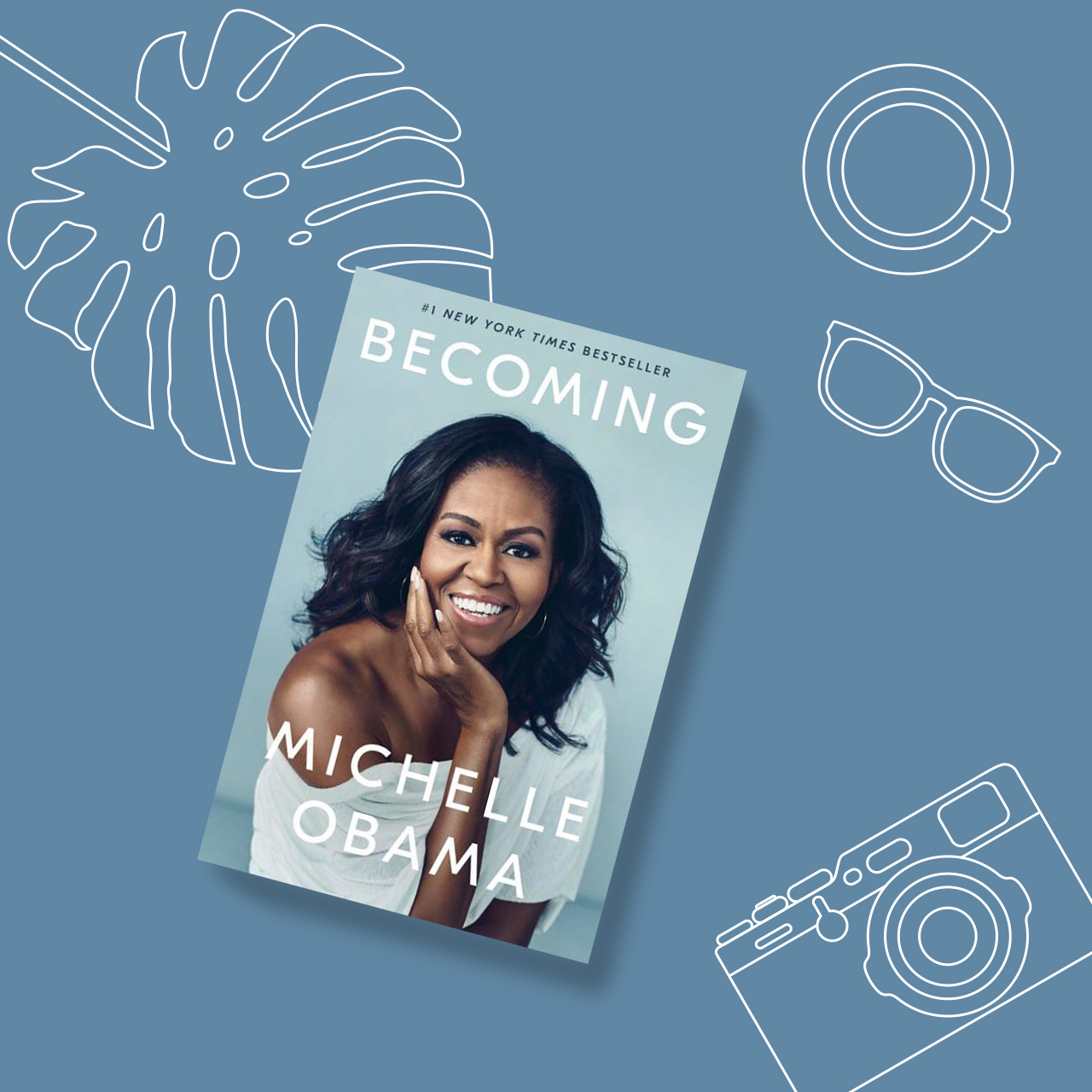
Suzie: This book is a testament that hard work, determination, and drive never go out of style. Michelle Obama’s journey from the Southside of Chicago to the White House serves as an inspiration for readers to daringly dream and courageously break the status quo.
Eleanor and Park by Rainbow Rowell

Leslie: If you want to remind yourself what young love’s like, this is a good choice.
Circe by Madeline Miller
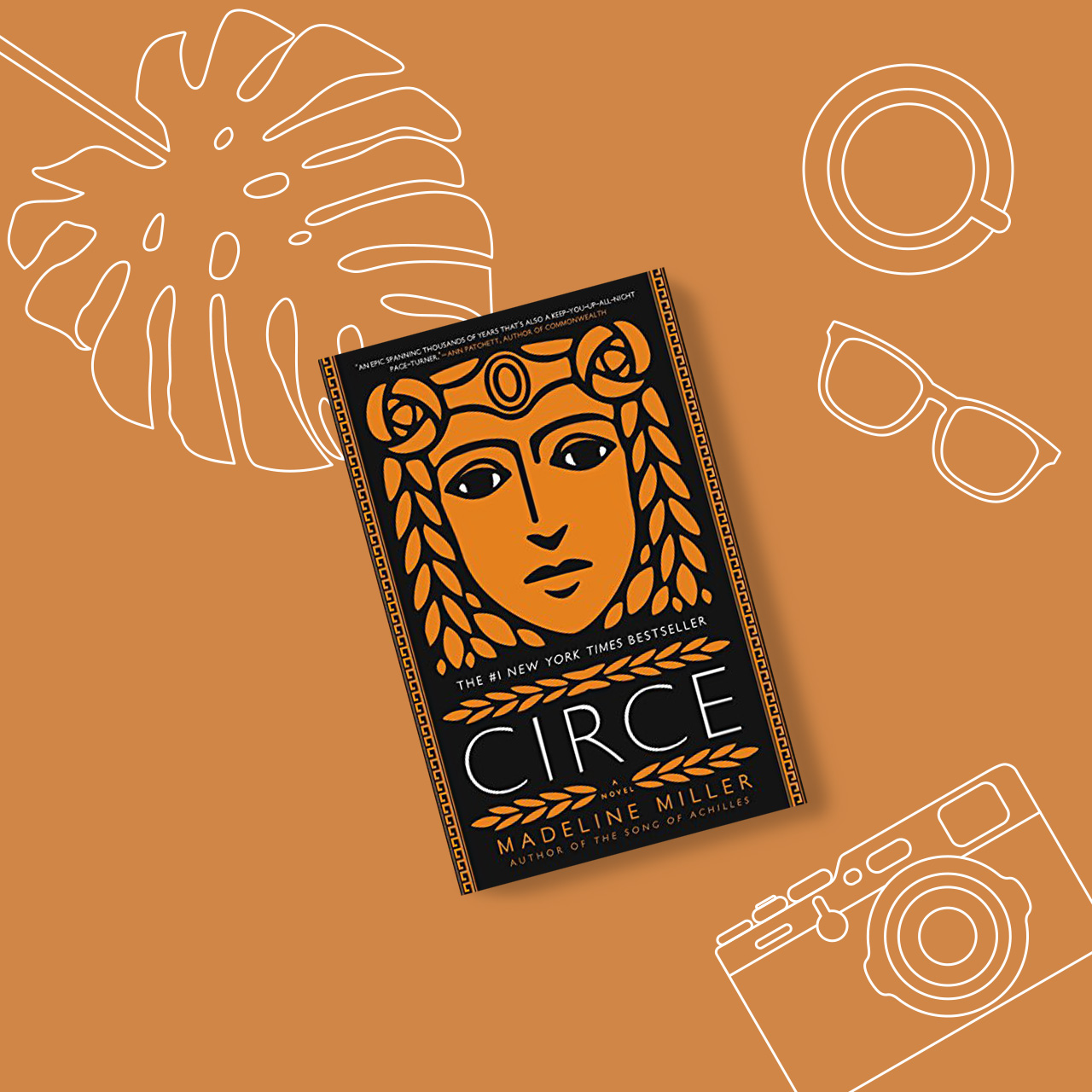
Ali: Yes, Circe, as in the daughter of Helios. The story is about making a place for yourself in a world that doesn’t understand you. A bold and feminist take on Greek mythology.
His Majesty’s Dragon (Temeraire Series) by Naomi Novik
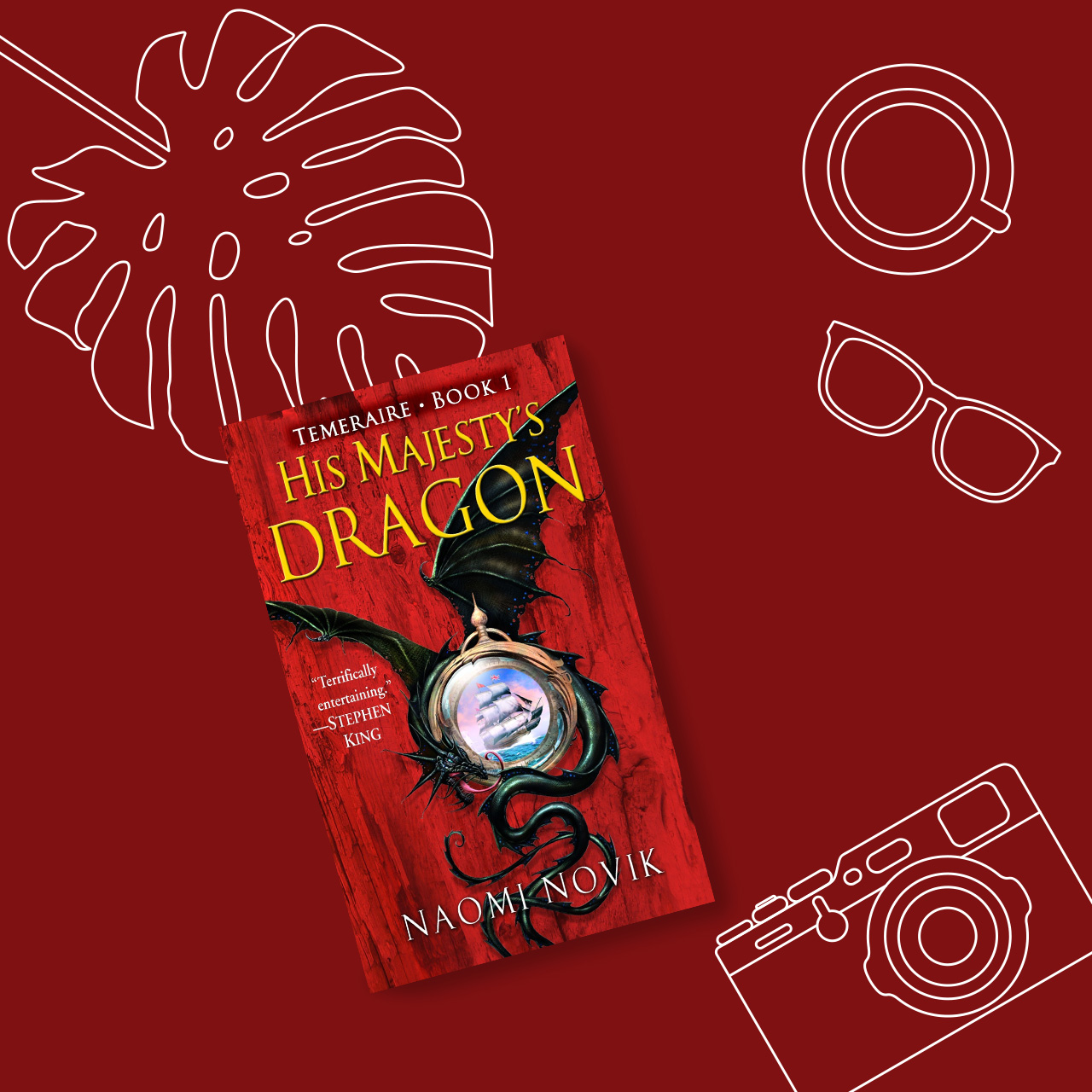
Geneva: The Napoleonic era fought with dragons! Reading sci-fi fantasy broadens even the most practical of minds, and this strong story by an amazing female writer is a must
To Kill a Mockingbird by Harper Lee
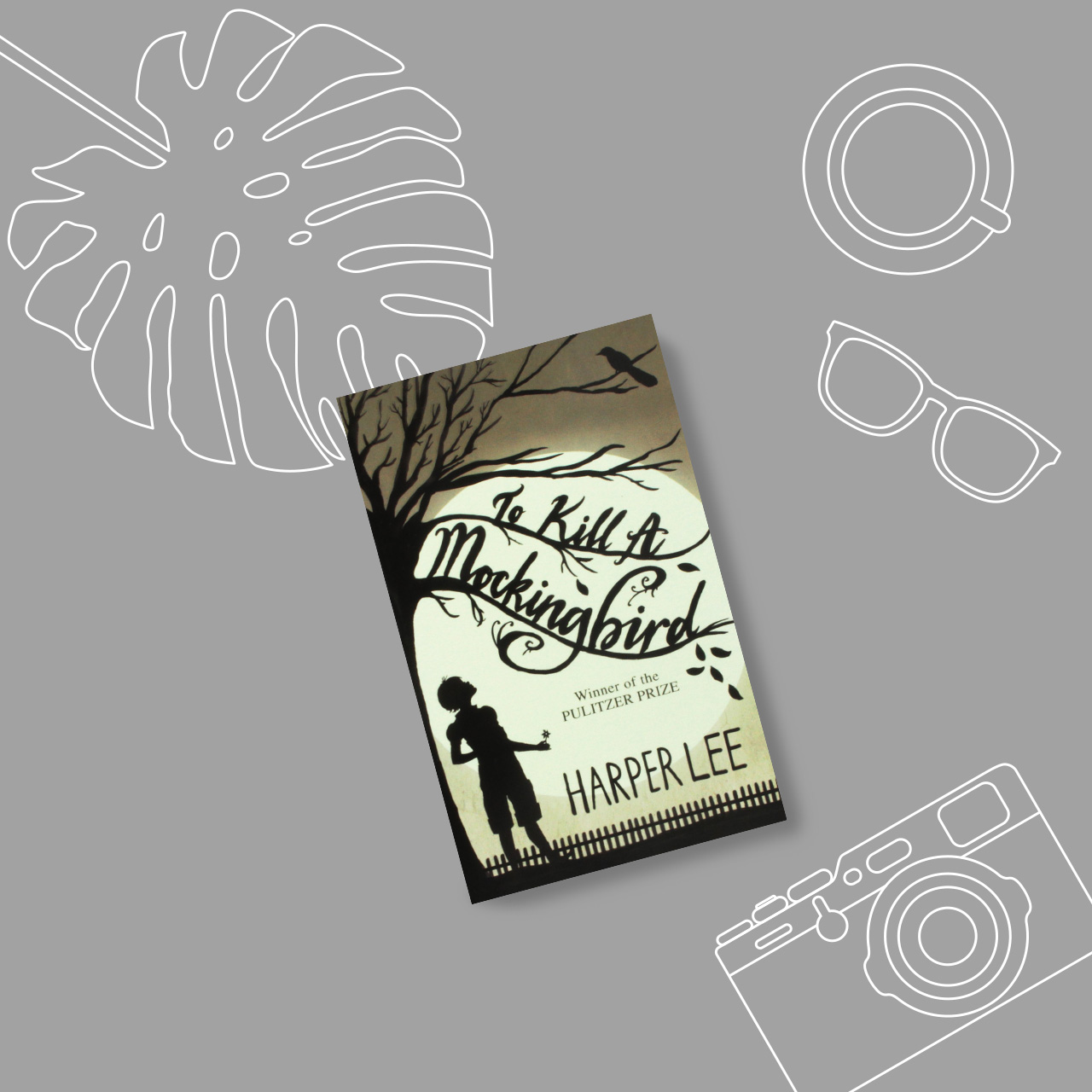
Marian: I cannot stress this enough. It’s one of those few books where I vividly remember how I felt when I finished it. You’ll know that feeling when you read it.
Normal People by Sally Rooney

Mik: It’s a simple story of the right person, wrong timing. It’s heartbreakingly beautiful.
Dear Girls by Ali Wong
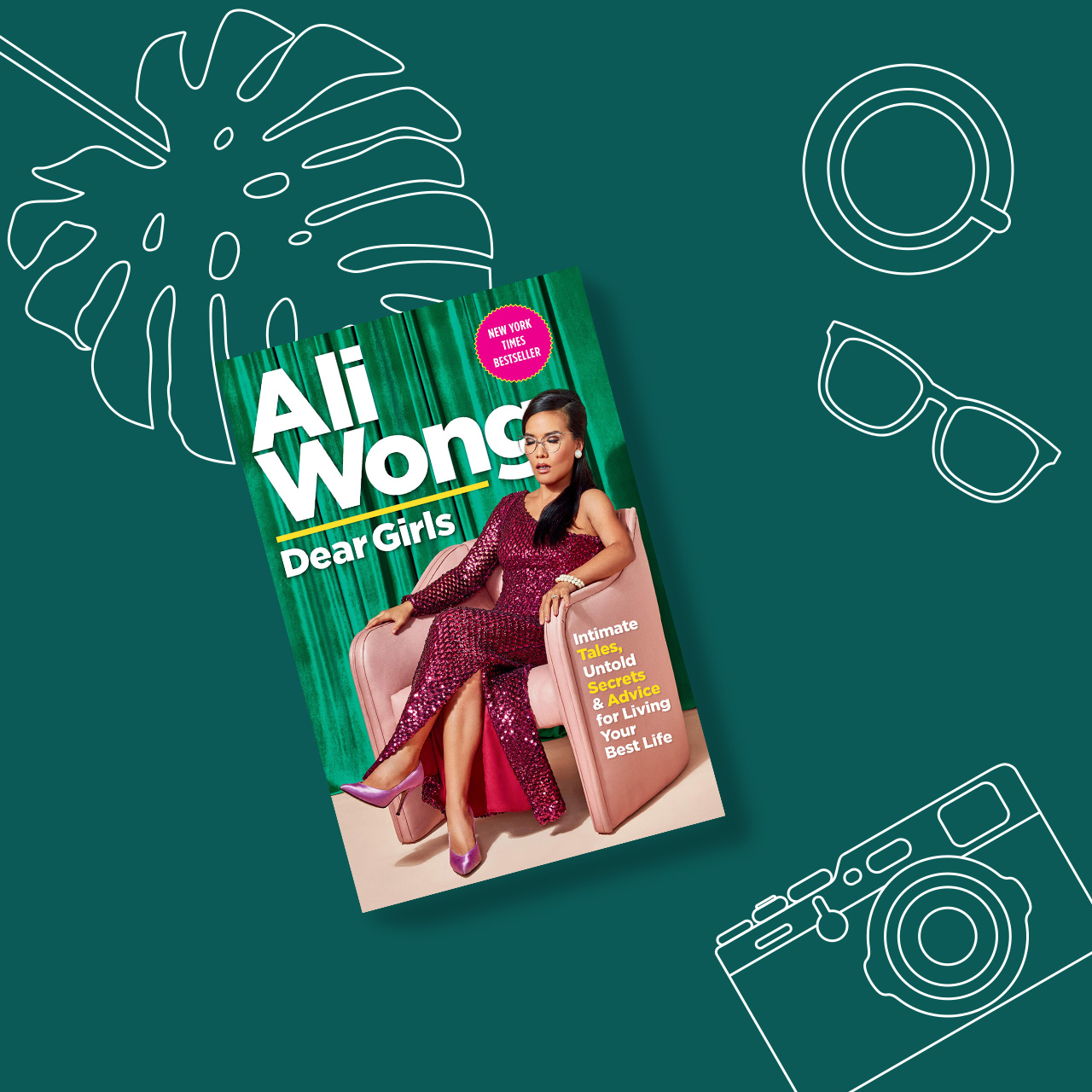
Bonnie: Dear Girls is a series of candid, hilarious letters from Ali Wong to her two daughters about topics from working women to Asian culture to love. I pulled an all-nighter in a hotel room reading this entire book and cackling to myself
Hyperbole and a Half by Allie Brosh

Leez: This is a strikingly quirky collection of comics that dabbles into silly, borderline psychopathic, memories and tendencies Allie Brosh embodies. This book is relatable, hilarious, and shamelessly Allie Brosh that you have to read it.
Check out: 22 must-read books written by women.
Now Playing is the GadgetMatch team’s favorite games, movies, TV shows, and more each month. If you’re curious to know what we’re into at the moment, this is what you should check out. So grab your popcorn, get some drinks, and enjoy what’s now playing!







Computers
Lenovo tech behind DreamWorks Animation hit ‘Forgotten Island’
Partnership powers modern demands of animation production


DreamWorks Animation’s Forgotten Island has definitely become a big screen hit, debuting with a 100% Rotten Tomatoes score and being well received particularly by a large Filipino fanbase.
And behind the movie is DreamWorks Animation’s partnership with tech giant, Lenovo. The collaboration is helping power the former’s production slate, including the studio’s animated feature inspired by Filipino culture, mythology, and experiences.
In 2025, DreamWorks expanded its relationship with Lenovo by naming the company its preferred compute services, workstation, and solutions provider.
Such partnership brings together Lenovo workstations, high-performance infrastructure, data center technology, and services to support the demanding needs of modern animation production.
It is a collaboration that builds on years of work between the two companies. DreamWorks has used Lenovo workstations as part of workflows across the studio.
Lenovo infrastructure has also supported the large-scale computing requirements involved in creating animated worlds and characters.
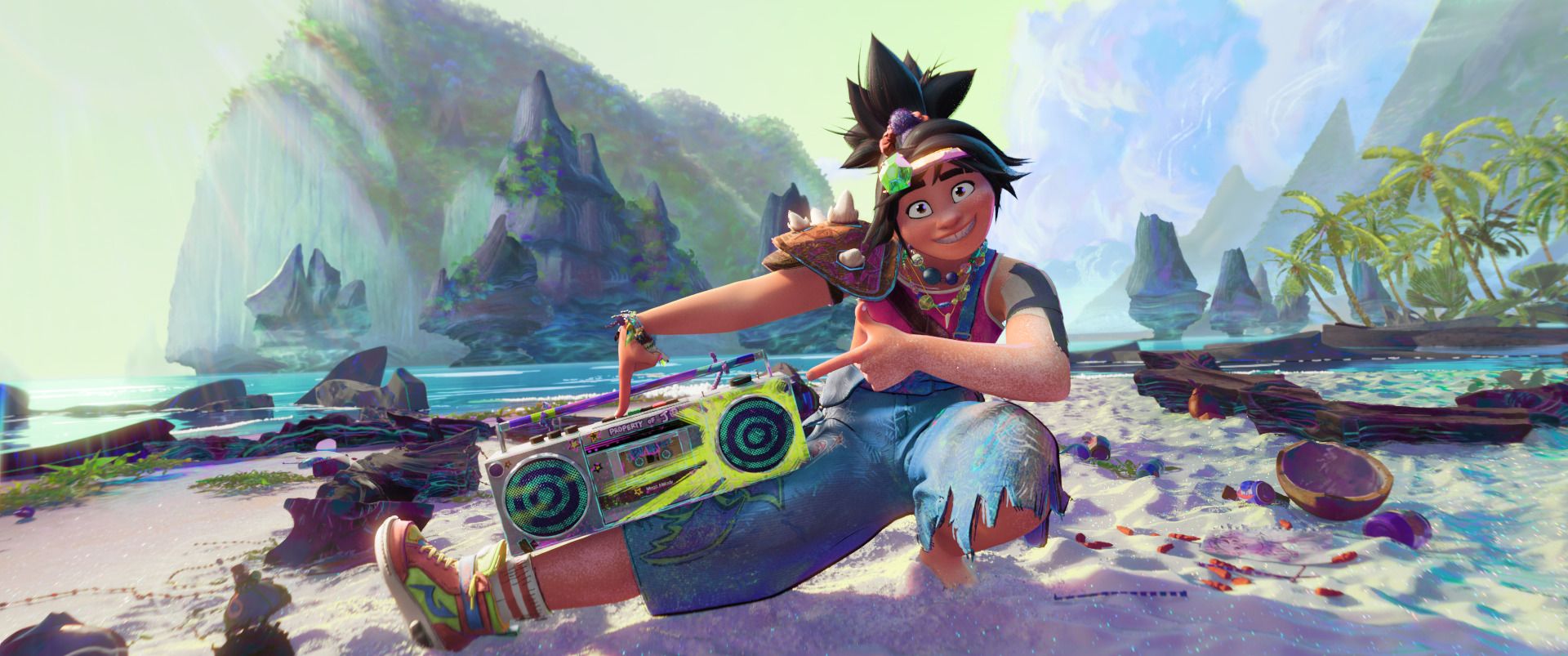
Still in cinemas, Forgotten Island follows lifelong best friends Jo and Raissa, voiced by Grammy and Academy Award winner H.E.R. and Filipino actress Liza Soberano.
As the two prepare to take different paths after high school, they unexpectedly find themselves transported to Nakali, a fantastical island populated by magical and mythological creatures rooted in stories from their Filipino families.
The film is written and directed by Academy Award nominee Joel Crawford and Januel Mercado and produced by Academy Award nominee Mark Swift, the filmmaking team behind Puss in Boots: The Last Wish.
Its voice cast also includes Dave Franco, Jenny Slate, Manny Jacinto, Dolly de Leon, Jo Koy, Ronny Chieng, and Lea Salonga.
Entertainment
SEGA, Netflix announce Crazy Taxi film adaptation
1st in planned slate of film adaptations, including Sonic and STRANGER THAN HEAVEN

SEGA and Netflix have announced a new Crazy Taxi film adaptation. This will usher in a new collaboration era with the parties also developing adaptations for Sonic and STRANGER THAN HEAVEN.
Such a slate of future adaptations reflects the range of SEGA’s library as it draws on Netflix’s experience bringing beloved game worlds to new audiences.
The first project features Crazy Taxi, which will be written by Dan Gregor and Doug Mand. The beloved writing duo was behind the 2025 reboot of The Naked Gun.
Also on board to help helm the production are the same visionaries behind the Sonic franchise: Neal H. Moritz, Toby Ascher, and Toru Nakahara.
Crazy Taxi has been an arcade hit since 1999, putting players behind the wheel of a fearless cabbie racing the clock through chaotic city streets.
There’s flying off ramps, dodging traffic, and chasing tips with punk-rock energy that has become the series’ signature.
The latest title in the franchise, Crazy Taxi: World Tour, is set for a 2027 release. You can watch its trailer below:
Entertainment
Now Playing: Resident Evil
Horror and comedy join forces in Zach Cregger’s latest masterpiece.

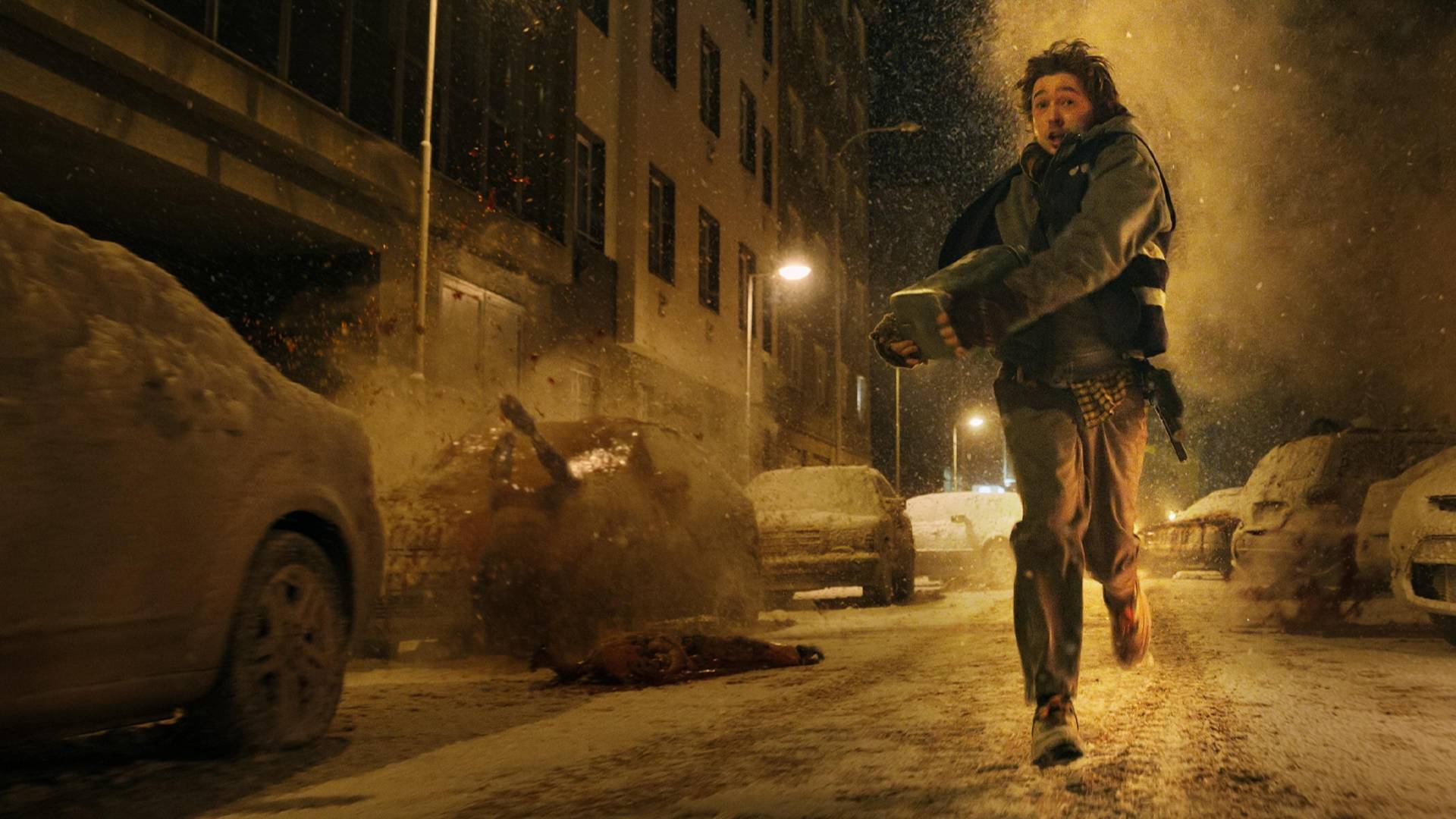
The intersection between horror and comedy is separated by a thin wall of air. In modern times, we’ve seen comedy legends, such as Jordan Peele and John Krasinski, make the successful jump into horror. Some have theorized that laughter is a pain response, which links it to the adrenaline-filled thrill of experiencing horror. Personally, I believe that mastering comedic timing also complements the timing of scary moments in horror. Comedy-trained directors just get it. That’s why the melding of the two genres is always something to look for, and that’s why Zach Cregger’s Resident Evil is a must watch.
Coming from last year’s Weapons, Cregger established himself in the annals of horror history, despite learning the art of filmmaking from cult comedy classics like Miss March and The Whitest Kids U’Know. Weapons (and Barbarian before it) expertly balances the essentials of horror with dark comedy. If you’ve seen either of these movies, then you know what you’re in for with Resident Evil.
Based on the games or the past movies?
Resident Evil is tagged as second reboot of the movie franchise after 2021’s disastrous attempt, starring Kaya Scodelario, which barely registered a hiccup in the oeuvre of Resident Evil films. However, like 2021’s failure, Cregger’s take bases itself primarily on the events of the games, specifically around the plot of Resident Evil 2.
Bryan, a medical courier played by Austin Abrams, is tasked with delivering a top-priority package to Raccoon City. Unbeknownst to him, the way leading into Raccoon City (and the fabled city itself) is already overrun with mutated monstrosities.
And so, Bryan, a courier inexperienced with combat (much less surviving against zombies), must fight his way into the city to deliver his charge.
A worthy protagonist
Over the years, the franchise has seesawed between capable action heroes, like Leon Kennedy, and those who can barely survive, like Biohazard‘s Ethan Winters. On that scale, Bryan falls deeply into Winters’s side of the spectrum. He’s ill-equipped to survive a zombie apocalypse. He even admits that his barebones knowledge of guns comes from videogames. He attempts to shoot locks, thinking they’d work as they do in games. He is not a character you’d want to follow if you’re looking for a gruff man gunning down hordes of zombies with a machine gun.
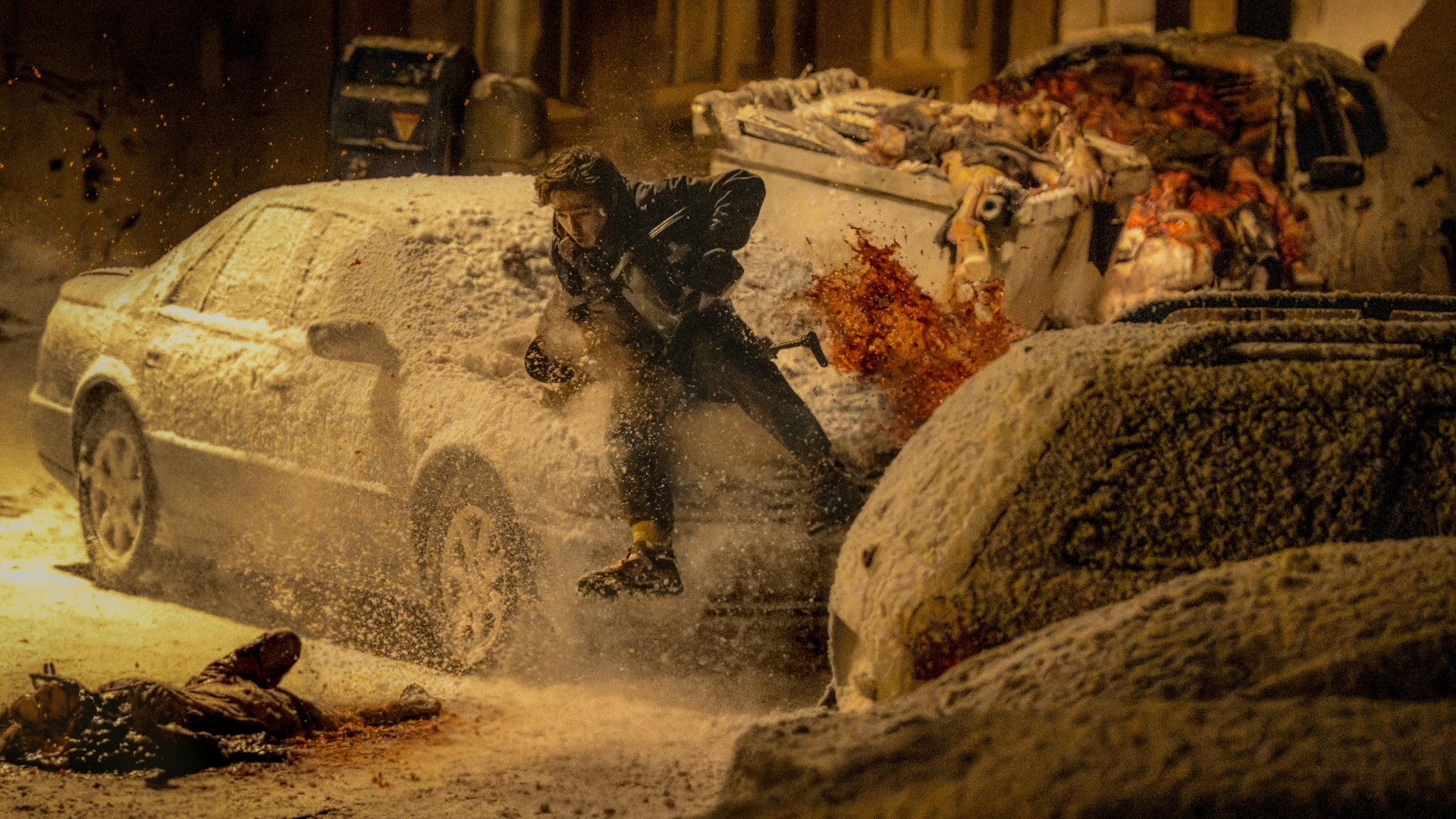
But that’s exactly what makes this horror film worth watching. Bryan is us. Though there were times I was screaming at the screen because he wouldn’t do the obviously logical thing of running away from blatant traps, our fragile protagonist mimics how we would all react in a horrific situation: a deer in the headlights stuck staring.
Every situation feels more frightful. You don’t know how you’d react. He doesn’t know how he’d react. We’re just stuck trailing along for his ride. If he lingers too long looking at a zombie about to bite him, you have no choice but to look along with him. As a horror protagonist, he’s perfect.
When a camera does the work
Of course, inept protagonists aren’t new to horror. Practically all good horror films will feature a helpless hero standing up to the monster. See: the “final girl” era of horror.
Resident Evil elevates this trope by allowing the camera to do the heavy lifting. The film’s expert transitions into first-person perspectives and over-the-shoulder ones amp up the frights. When Bryan sweeps a room with a gun, the camera takes you down to the muzzle. You become the one sweeping along with him. You see the darkness as he does. The style creates an impressive layer of immersion that brings you into his trauma. Plus, if we’re going with comparisons, the transitions feel like a game taking you from a cutscene back into control of your character.
And it’s not just the perspectives, too. The film mimics several tense moments oft found in horror games, like gingerly creeping through a thin ledge when one false move can mean plummeting to your death. Resident Evil also has scenes in a dark tunnel, the sewers, and an overrun hospital. It’s a veritable who’s who of horror settings. But they all just work. It’s like you’re in a Resident Evil game.
When goofy becomes scary
But that’s enough of how the movie was made. How scary is it?
Taking them from their respective contexts, each monster is goofy. There’s an infirm zombie spewing acid bile that Bryan just bullies around. There’s a seemingly innocent young girl with a tentacle foot. There’s a zombie katamari.
And if that’s not enough, the casting is filled with masters of comedic timing like Paul Walter Hauser, Zach Cherry, and Austin Abrams himself. The first two play bumbling representatives of Umbrella Corporation, people who are too incompetent to do their job. Abrams is the bumbling everyman who can’t make heads or tails of what’s happening. Comedy is a living, breathing presence in this film.
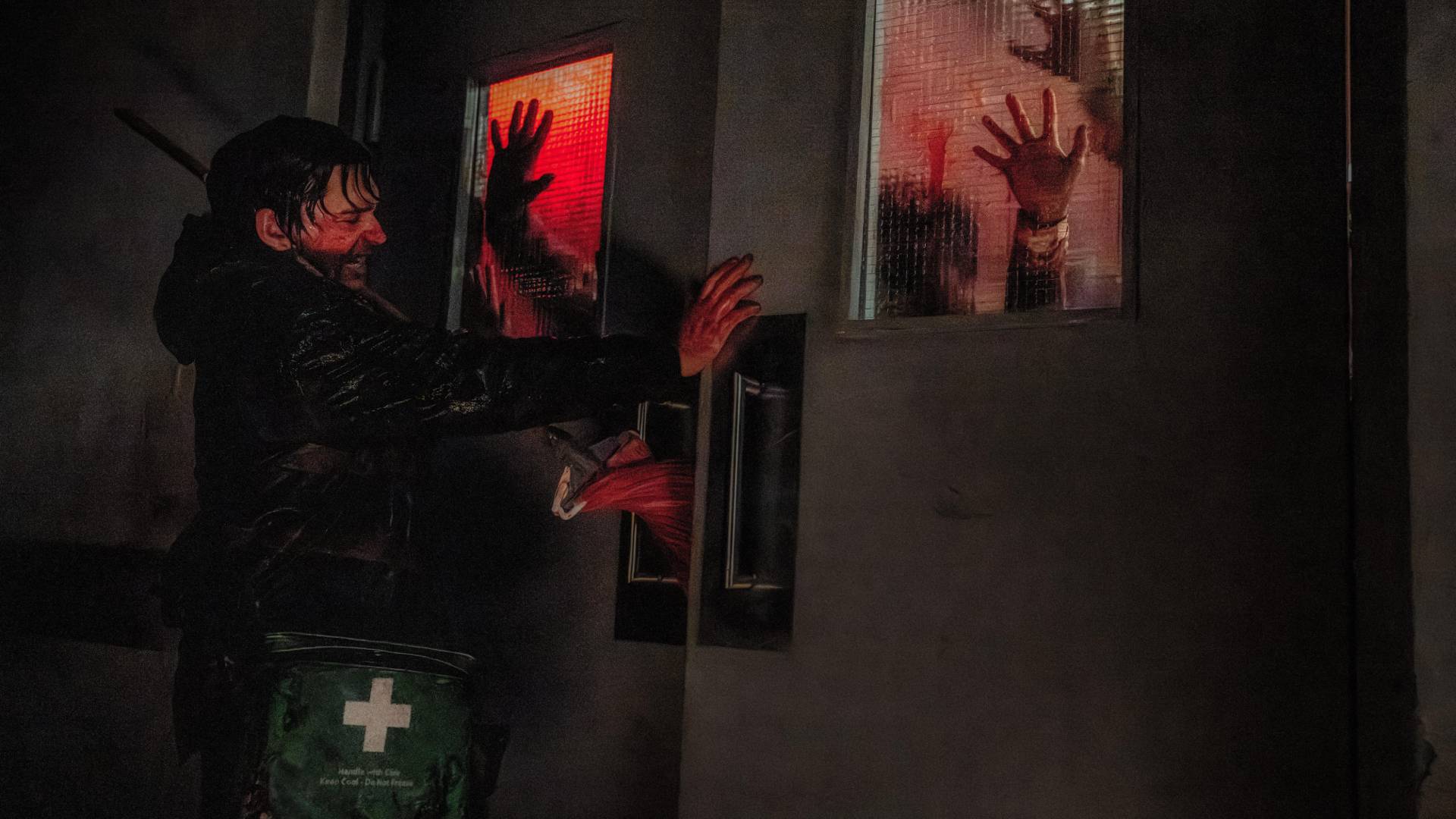
But that’s not to say that this is a comedy film. The horror is still top notch. Cregger just knows how to time everything right.
Unlike modern films today, like in The Conjuring universe, Resident Evil is not a scare-a-minute film. It will not bombard you with jumpscares.
Now, to be fair, there are a fair bit including fakeouts. In fact, under normal circumstances, I’d dislike how many there are. But here, each jumpscare comes with a lengthy period to catch your breath. The film gives you time to relax, to laugh, and, eventually, lower your guard for the next scare. It’s a balanced pace that’s kept up throughout the entire film.
This is exactly how you should pace a horror movie.
Should you watch Resident Evil?
Even with its uniquely comedic style, Resident Evil is one of the most faithful adaptations of a video game I’ve ever seen. Like a game, Cregger’s pacing knows when to let you, the viewer, breathe and when to thrust you back into its monstrosities.
Humor will always go hand in hand with horror. Though the responses to these two categories are technically different, they’re both genres about facing the unexpected. On the box, Resident Evil says that it’s a horror film, but it’s so much more. If you want to laugh, cry, and cower in fear all in the same movie, this is the movie to watch.
-

 News2 weeks ago
vivo X500 Series launches with major imaging upgrades
-

 News2 weeks ago
OPPO Find X10 Pro Max is the first phone with a triple 200MP camera system
-

 Automotive6 days ago
BYD says that way better EV batteries are coming next year
-

 News2 weeks ago
vivo introduces OriginOS 7 with smarter multitasking and AI features
-

 News5 days ago
HONOR Magic9 Pro Max launches in China with ARRI-powered imaging
-

 Accessories2 weeks ago
70mai launches the A900 series with 4K front, rear recording
-

 Smartphones1 week ago
When TECNO-logy meets Tonino Lamborghini legacy
-

 Reviews1 week ago
TECNO POVA 8 Pro Tonino Lamborghini review