
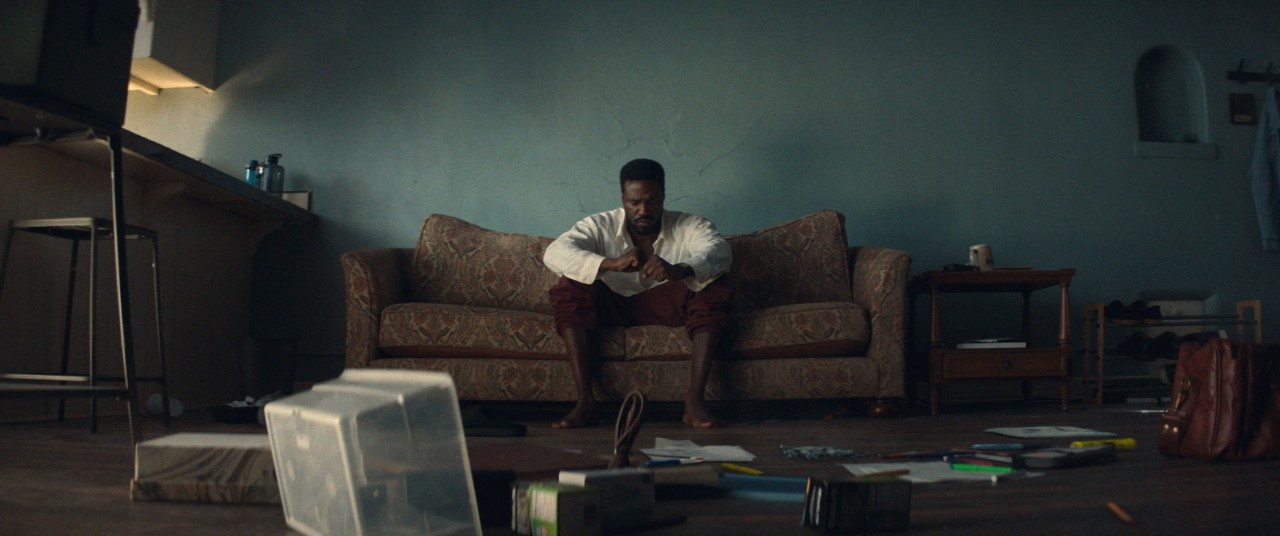
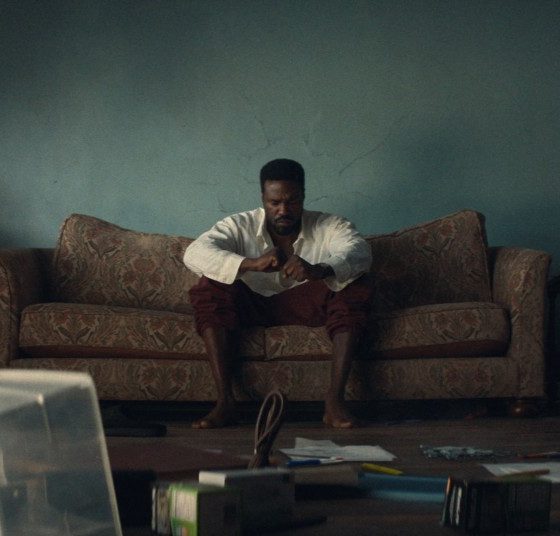

I just want to feel really excited again about the MCU — not cautiously optimistic all the time.
Somewhere along the way, keeping up with Marvel TV on Disney+ started to feel more like obligation than anticipation. So much so that I skipped Agatha All Along without much thought. Wonder Man was headed down the same path. Another Marvel Spotlight project I assumed I could safely ignore.
Then a weekend plan didn’t push through. I suddenly had time. And after coming off a personal binge streak that included The Copenhagen Test on HBO Max and Steal on Prime Video in the weeks prior, I pressed play on Wonder Man without much expectation.
That might have been the best way to watch it.
What I got was a pleasant surprise. Not a reinvention of the MCU. Not a must-watch cultural moment. Just a grounded, character-driven show that reminded me why this universe can still work when it stops trying so hard to be loud.
Simon Williams and the problem with overthinking
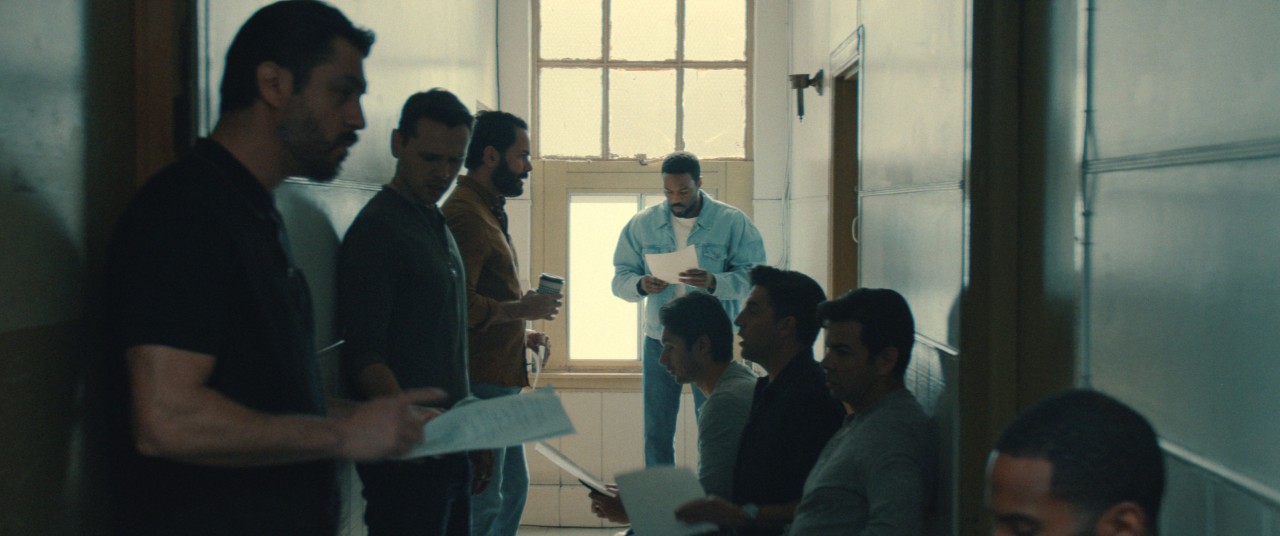
(Center) Simon Williams/Wonder Man (Yahya Adbul-Mateen II) in Marvel Television’s WONDER MAN, exclusively on Disney+. Photo courtesy of Marvel Television. © 2025 MARVEL.
Simon Williams is introduced doing something deceptively simple: rehearsing.
He’s given a scene. He offers notes. Thoughtful ones, at first. Then more. And more. Until the production team’s patience wears thin. In that moment, Simon isn’t framed as misunderstood genius. He’s framed as difficult. A little exhausting. And kind of a pain to work with.
Simon’s biggest obstacle isn’t a villain or a grand conspiracy. It’s his inability to get out of his own head. He intellectualizes emotion. He wants specificity where instinct would do. And he tries to control the performance instead of trusting it.
What Wonder Man does right is that this flaw doesn’t disappear after one heartfelt conversation. It keeps coming up. Again and again. Sometimes he improves. Sometimes he backslides. Often, he doesn’t even realize he’s doing it.
Character development arcs don’t happen in an instant. That’s why they’re arcs to begin with. The show understands that, and it lets Simon’s growth feel gradual, uneven, and frustrating in the way real personal change usually is.
The Doorman and the cost of power
Episode four, titled The Doorman, is where the show quietly proves how smart it can be.
It’s a largely self-contained story that explains why superpowered individuals are barred from acting in the first place. What could have been a throwaway rule becomes a fully realized backstory. We see the incident, understand the fallout, and feel the ripple effects.
And suddenly, the ban isn’t arbitrary. It’s policy born from consequence.
This episode does more than justify a plot device. It adds another layer to a world where superpowers exist alongside unions, contracts, and liability insurance. It reminds you that in the MCU, enhanced individuals don’t just fight aliens. They disrupt industries, create legal gray areas, and leave scars.
The Doorman doesn’t rely on spectacle. It relies on context. And in doing so, it deepens the stakes of Simon’s struggle in a way that feels earned.
Watching as a casual fan
I’ll be upfront: I don’t know Wonder Man from the comics.
I came into this with general MCU familiarity and nothing else. No expectations about power sets. No attachment to comic lore. And honestly, that worked in the show’s favor.
If there are deep comic references here, they never get in the way of the story being told. Wonder Man plays just fine as a character piece first and a Marvel project second, which makes it easier to recommend to anyone who doesn’t feel like doing homework.
Trevor Slattery, recontextualized
There’s something quietly poetic about Trevor Slattery’s role in this story.
Here’s a man who gained notoriety by pretending to be powerful. Now, he’s mentoring an actor who is powerful but trying to hide it.
Trevor, of course, is best known for the controversial Mandarin twist in Iron Man 3. At the time, many fans felt shortchanged. Over the years, the MCU slowly reframed that decision, most notably in Shang-Chi and the Legend of the Ten Rings, where Trevor was given consequence and context.
Wonder Man might be where the character finally feels fully at home.
Bringing Trevor back not as a punchline but as a mentor is a clever use of a once-maligned character. He understands performance and deception. He understands what it means to survive by playing a role. By the end of the show, he’s not just tolerable — he’s genuinely endearing.
An unlikely pairing that works
Much of Wonder Man plays like a low-key buddy comedy.
Trevor is a seasoned actor who’s already been burned by the superpowered reality of this world. Simon is an enhanced individual trying desperately to live a normal creative life within it. Their banter carries the show. Their conversations feel lived-in rather than scripted for punchlines.
Trevor’s advice to Simon is simple: get out of your head. Be in the moment. Stop hiding who you are.
But the show wisely doesn’t let those words land all at once. They take time. Fail. And repeat. Somewhere along the way, Trevor himself changes too. What begins as a deal with the Department of Damage Control slowly turns into genuine concern for Simon’s growth, even if it costs Trevor his easy way out.
That shift sells the relationship.
Grounding the MCU, one small story at a time
Stories like this help ground a universe where an alien once snapped half of existence away, only for time travel to undo the damage in Avengers: Endgame.
There’s no undo button here.
Whether the stakes are multiversal or minute, actions have consequences. Consequences that can’t be erased — only learned from, in the hope that the next decision leads to a better outcome. Wonder Man lives in that space. It doesn’t try to escalate. It tries to observe. That restraint is refreshing.
Where it stumbles
For all its strengths, Wonder Man does feel like it’s missing an episode.
Simon’s eventual control over his emotions — and by extension, his abilities — is implied more than it’s shown. The pieces are there, but a few connective scenes feel absent. One more episode focused squarely on that internal breakthrough could have made the arc feel more complete.
It doesn’t ruin the experience, but it’s noticeable.
A quiet reminder of why this can still work
Ultimately, Wonder Man isn’t about saving the world. It’s about learning to stop shrinking yourself in it.
It’s about being present. About embracing your strengths instead of hiding from them. About letting yourself exist without constantly managing how you’re perceived.
I didn’t go into this expecting to care. I came out glad that I did.
And for the first time in a while, it reminded me that the MCU can still surprise me — not by being bigger, but by being smaller.




Entertainment
LE SSERAFIM Chaewon flexes Galaxy S26 Ultra Privacy Display
She says the feature is cool
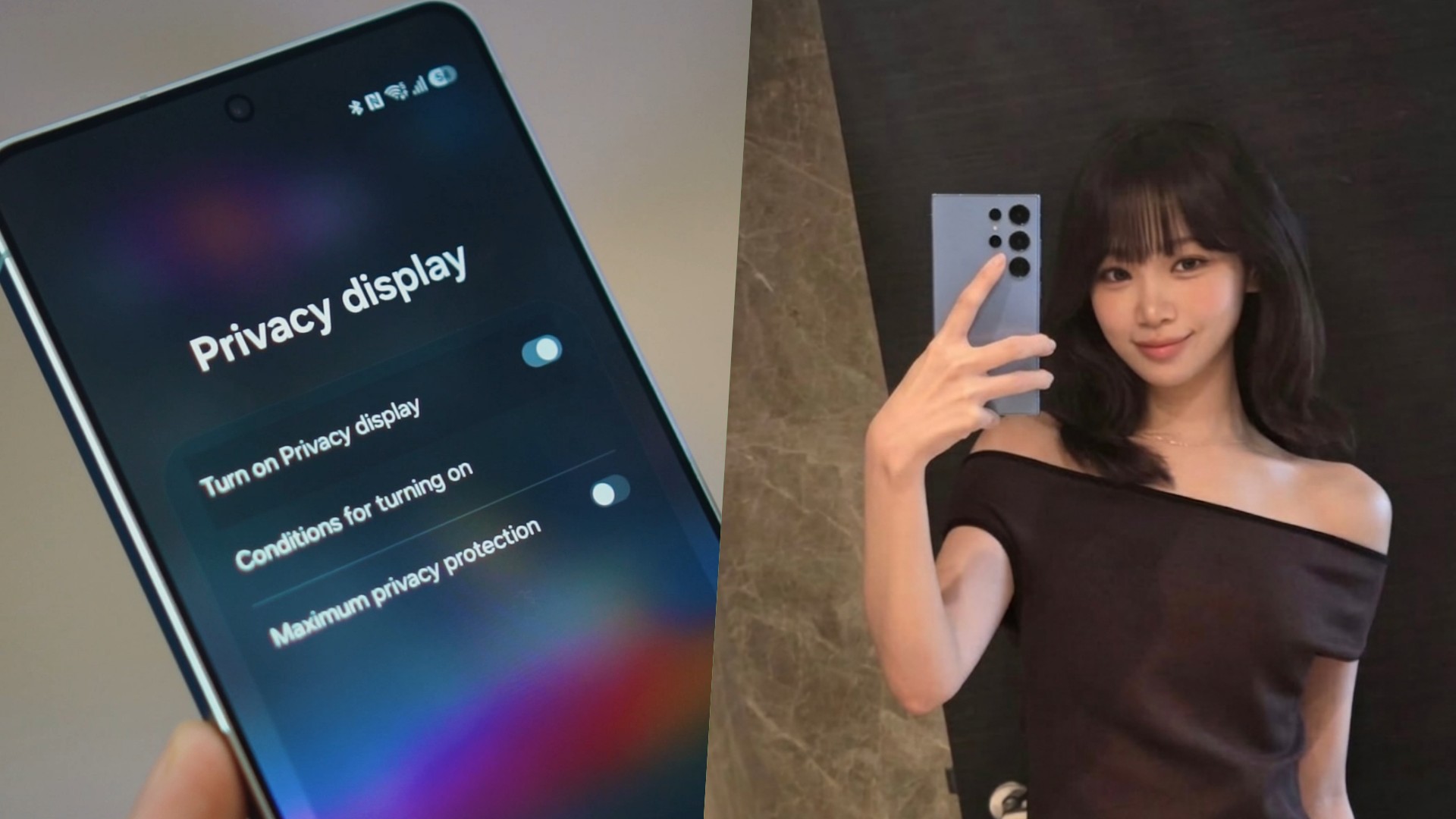
LE SSERAFIM’s Kim Chaewon didn’t set out to show off a feature. But somewhere in the middle of a Weverse live, she ended up doing exactly that. It’s a pretty good flex.
In a clip that’s now making the rounds online, Chaewon shared that she recently switched to the Galaxy S26 Ultra and has been enjoying one specific feature in particular:
“I just changed my phone lately to Galaxy S26 Ultra. And it has a privacy screen feature, right? It’s so cool. You really can’t see anything from the side. I show this to everyone I meet and make them jealous.”
It’s just someone genuinely impressed by a feature — and casually flexing it.
chaewon talking about how she recently got the Galaxy S26 Ultra and how she’s really been enjoying the privacy screen feature pic.twitter.com/Dfh1Tiz6Mx
— AJ | 不死 (@Lesseraphic) March 30, 2026
A feature that makes sense instantly
The feature Chaewon is referring to is Privacy Display, one of the headline additions on the Galaxy S26 Ultra.
When enabled, it limits the viewing angles of the screen. That way. only the person holding the phone can clearly see what’s on it. Anyone looking from the side gets a dimmed or obscured view.
If you’ve ever used a privacy screen protector, the concept is similar. The difference here is that it’s built directly into the phone and can be toggled on or off, or even set to activate only for specific apps.
It’s a small addition on paper, but one that solves a very real, very common problem — especially if you’re using your phone in public spaces.
Samsung contract renewed?
It’s worth noting that LE SSERAFIM has been using Galaxy smartphones for a while now. That’s likely due to a partnership with Samsung and/or Google.
The music video for their track “Come Over” heavily features the smartphone, along with Google Gemini features integrated into the experience.
Another member, Sakura, also mentioned to fans recently that she has switched phones — from a Galaxy Z Flip to now also using a Galaxy S26 Ultra.
#SAKURA Weverse dm update
: It’s been a while since I changed my phone
Galaxy S26 Ultra
It’s amazing that it’s not a flip for the first time in a while lol: I can’t send selfies…
Because…
It’s a secret🤫
What should I eat for lunchTHE BEGINNING OF COMEBACK MAYBE, NEW OF… pic.twitter.com/Tww7mnklSK
— le sserafim pics (@sserapics) March 23, 2026
Whether this points to a renewed partnership or just continued preference isn’t something officially confirmed. But moments like Chaewon’s certainly keep Galaxy devices in the spotlight.
It’s easy to imagine the same scenario playing out anywhere — on a commute, in a café, or sitting next to someone who’s just a little too curious about what you’re doing on your phone.
It’s also something we’ve explored ourselves.
In one of our reels, we showed a straightforward demo of how Privacy Display works. We tilted the phone to show how the screen becomes unreadable from the side. In another, we leaned into a more playful skit: someone trying (and failing) to peek at what’s on the screen of the person beside them.
View this post on Instagram
The result is the same. From certain angles, the display practically disappears.
The kind of feature you show off
Privacy Display isn’t the flashiest feature on the Galaxy S26 Ultra. But it’s the kind of feature you end up showing people. Not because you have to — but because it’s surprisingly satisfying to see in action.
If Chaewon’s experience is anything to go by, it’s also the kind of feature that makes people just a little bit jealous.
Entertainment
Forgotten Island is an upcoming film based on Filipino culture
The film features the talents of H.E.R., Liza Soberano, and Lea Salonga.

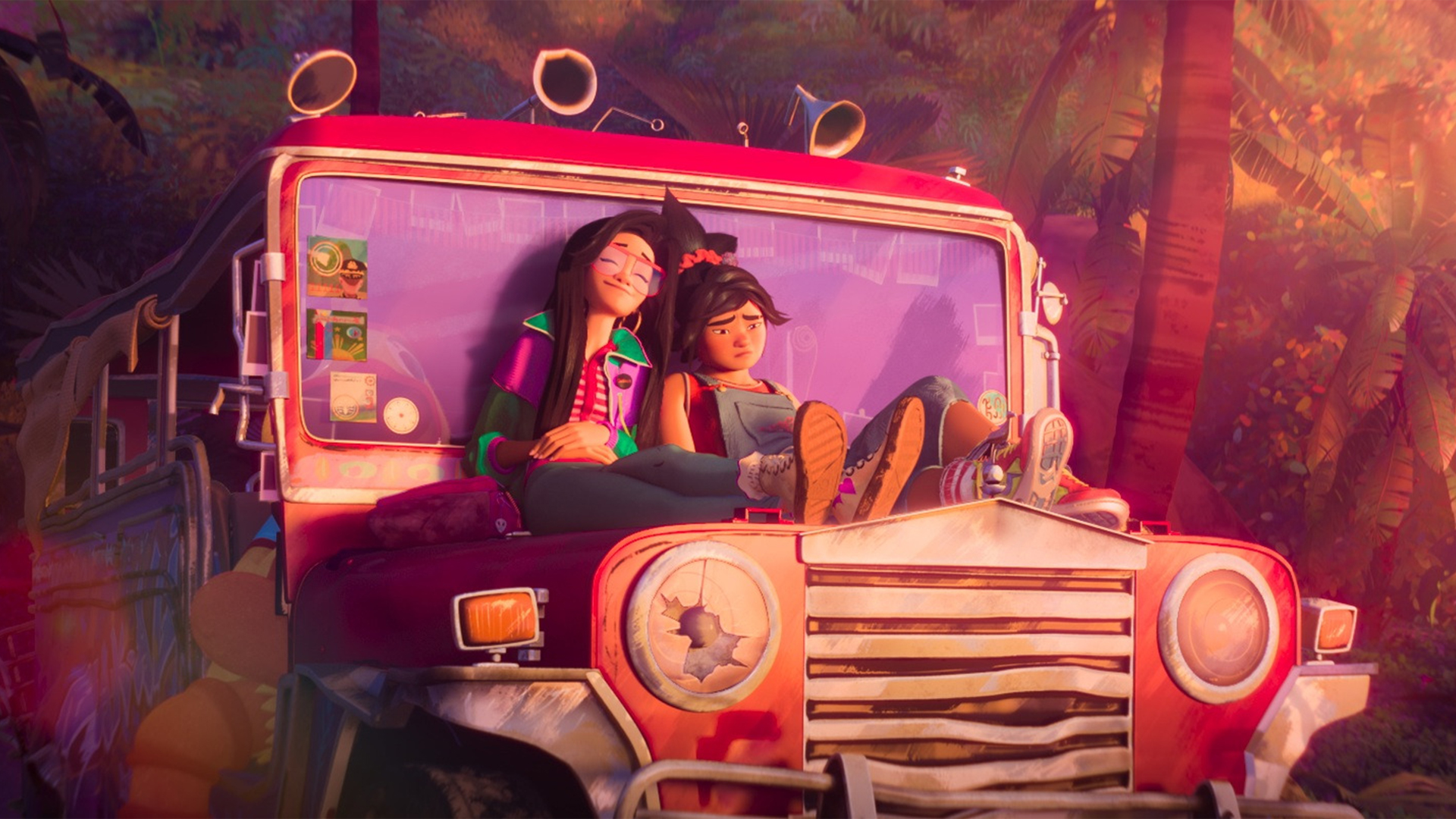
Despite all the Filipino actors in Hollywood today, it’s still difficult to feel scene in an industry where Filipino stories aren’t as abundant. Now, it’s time for the Philippines to shine. DreamWorks Animation has just released the first trailer for Forgotten Island, an upcoming animated film based on Filipino culture.
Played by H.E.R. and Liza Soberano, Jo and Raissa are childhood best friends about to go their separate ways after one decides to study abroad. However, during their last night together, they discover a magical portal that takes them to Nakali, the Forgotten Island.
The island calls itself home to an army of creatures from Philippine mythology including The Dreaded Manananggal (voiced by Lea Salonga). Dave Franco also plays a weredog named Raww.
Besides the presence of all these monsters, the island has an even more dangerous quirk. The longer that Jo and Raissa stay on Nakali, the more of their memories are erased until they eventually forget each other. It then becomes a race to find their way home before they lose memories of their friendship forever.
Supporting the main cast, the film will feature the voice talents of Manny Jacinto, Jenny Slate, Jo Koy, Dolly de Leon, Amielyn Abellera, and Ronny Chieng. It will be made by Joel Crawford and Januel Mercado, the prolific team behind the critically acclaimed Puss in Boots: The Last Wish.
Forgotten Island premieres in Philippine cinemas on September 23.
Entertainment
Marvel’s Wonder Man greenlit for a rare second season
The first season holds a 91% rating on Rotten Tomatoes.
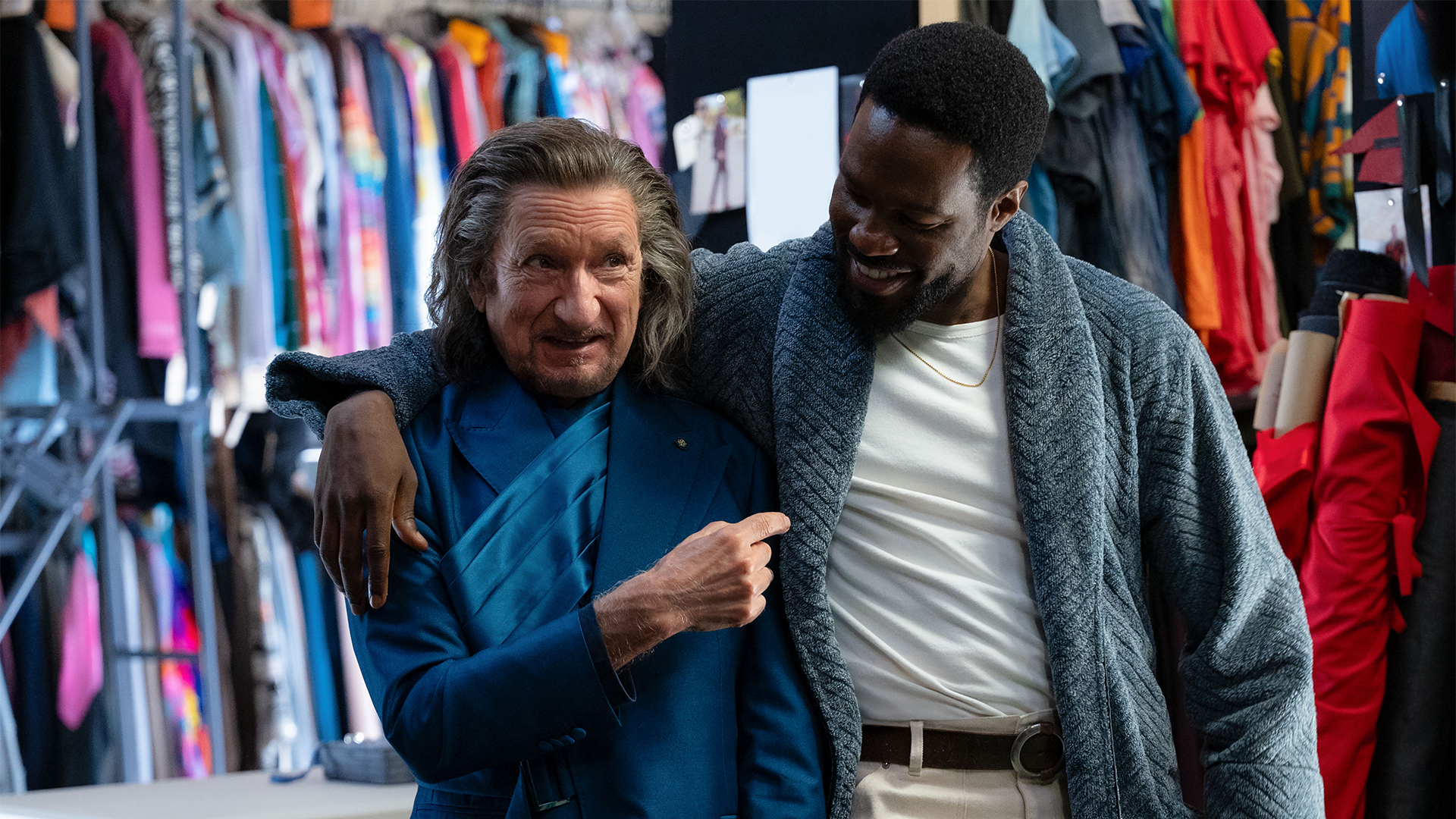
Is the Marvel Cinematic Universe back? After years of floundering through Phases Four and Five, Marvel Studios is poised to get its mojo back from a flurry of much-awaited Phase Six projects this year, including the second season of Daredevil: Born Again, Spider-Man: Brand New Day, and Avengers: Doomsday. And it all started this year with the critically acclaimed Wonder Man. Now, after the success of that series, a second season is officially in the works.
When its first trailer came out, Wonder Man did not look like anything that Marvel Studios has worked on before. For one, it was incredibly grounded, perhaps overshadowed only by Daredevil: Born Again. Second, it was about the reboot of a fictional superhero movie, itself called Wonder Man.
Actor Simon Williams (played by Yahya Abdul Mateen II) wants to energize his career by performing in the upcoming Wonder Man revival from acclaimed director Von Kovak (Zlatko Burić). Helping the former is the returning Trevor Slattery (Ben Kingsley), who you might remember as the fake Mandarin from Iron Man 3.
Despite how different it looks compared to previous Marvel Studios projects, the series is one of the most acclaimed, currently holding a 91 percent approval rating on Rotten Tomatoes. Because of this, Wonder Man has received the green light for a second season, via Variety.
A second season is relatively rare for Marvel Studios with its history of one-and-done series. There are some exceptions, though. Loki, for example, ended its run with a second season. Daredevil: Born Again will air its second season very soon (with a third one potentially in the works already).
SEE ALSO: Marvel’s Wolverine gets a release date

Infinix NOTE 60 Ultra: Not bad for a flagship push
It's definitely got the looks, though.

JBL Sense Pro review
My daily driver met a loud and capable rival in this quest for a superior training companion.


Shokz OpenFit Pro: Somewhere between awareness and focus
Find your balance

Homture Magic Frame: Reliving wedding moments you didn’t get to see

Dunk City Dynasty update adds new NBA stars, cosmetics

Acerpure Chill: Air conditioners for the summer

Match Pulse: TECNO SPARK 50 5G
Infinix NOTE 60 Ultra: Not bad for a flagship push


-
 Gaming2 weeks ago
WWE 2K26 lets you live out all the fantasy matches you could want
-
 Smartphones2 weeks ago
Spotlight: OPPO Find N6
-

 Reviews2 weeks ago
Galaxy Buds4 Pro review: I thought I was done with in-ears
-

 Automotive2 weeks ago
How the Ford Ranger is powering community resilience
-
 News6 days ago
nubia Neo 5 series launches in the PH, starts below PhP 12K
-

 Gaming1 week ago
Razer Blade 16 (2026) packs more cores, faster memory
-

 News2 weeks ago
nubia to launch new Neo 5 series gaming phones on March 28
-
 Accessories1 week ago
Razer sharpens its competitive edge with Viper V4 Pro and Gigantus V2 Pro