
News
OnePlus 6T will not have a headphone jack
But promises more battery life


Today, staunch Android users will adamantly proclaim that their favored brands started Apple’s “innovations” first. Even before, the debate raged on fruitlessly, regardless of its truth.
However, in today’s iPhone-infested world, Android phones are curiously adopting some of Apple’s unique features, too. Unfortunately, some of these shared features often irk both Apple and Android users. Besides the controversial notch, these include the removal of the celebrated 3.5mm audio port.
Since Apple’s decision to remove theirs, other phones have followed suit. Thankfully, a few brands have established themselves as bastions for the dying feature, as headlined by Samsung. Sadly, today, we wave goodbye to one of those stalwart defenders — OnePlus.
Through an interview with TechRadar, OnePlus founder Carl Pei confirmed his company’s tough decision to remove the jack. Despite previous defenses for the jack, he states that now is the right time to make that decision.
Pei claims that 59 percent of OnePlus users already own a wireless headset. He hopes that removing the port now will upset less than half of OnePlus’ market.
Additionally, Pei also claims that the decision allowed OnePlus to fit in more features. Across the industry, brands have always used the same reason to justify the jack’s removal. In OnePlus’ case, the first jack-less phone will flaunt more battery.
Speaking of phones, Pei does not name the OnePlus 6T directly. He only points to the brand’s next model. At this point, multiple leaks have already implied that this is the OnePlus 6T.
Curiously (or perhaps, not), OnePlus is also launching the new Bullets V2. Citing improvements over its predecessor, the new brand-exclusive earphones have switched to a USB Type-C cable from the 3.5mm standard. Timely coincidence or something else?
Regardless of their reasons, Pei and OnePlus will face significant backlash when their first jack-less phone launches.
(In fact, the OnePlus 6 previously bagged extra points on our list for best smartphones with a headphone jack. With the latest decision, that advantage has now been rescinded.)




Gaming
Nintendo retires the original Switch in Europe
The original Switch will no longer be sold in Europe after early 2027.
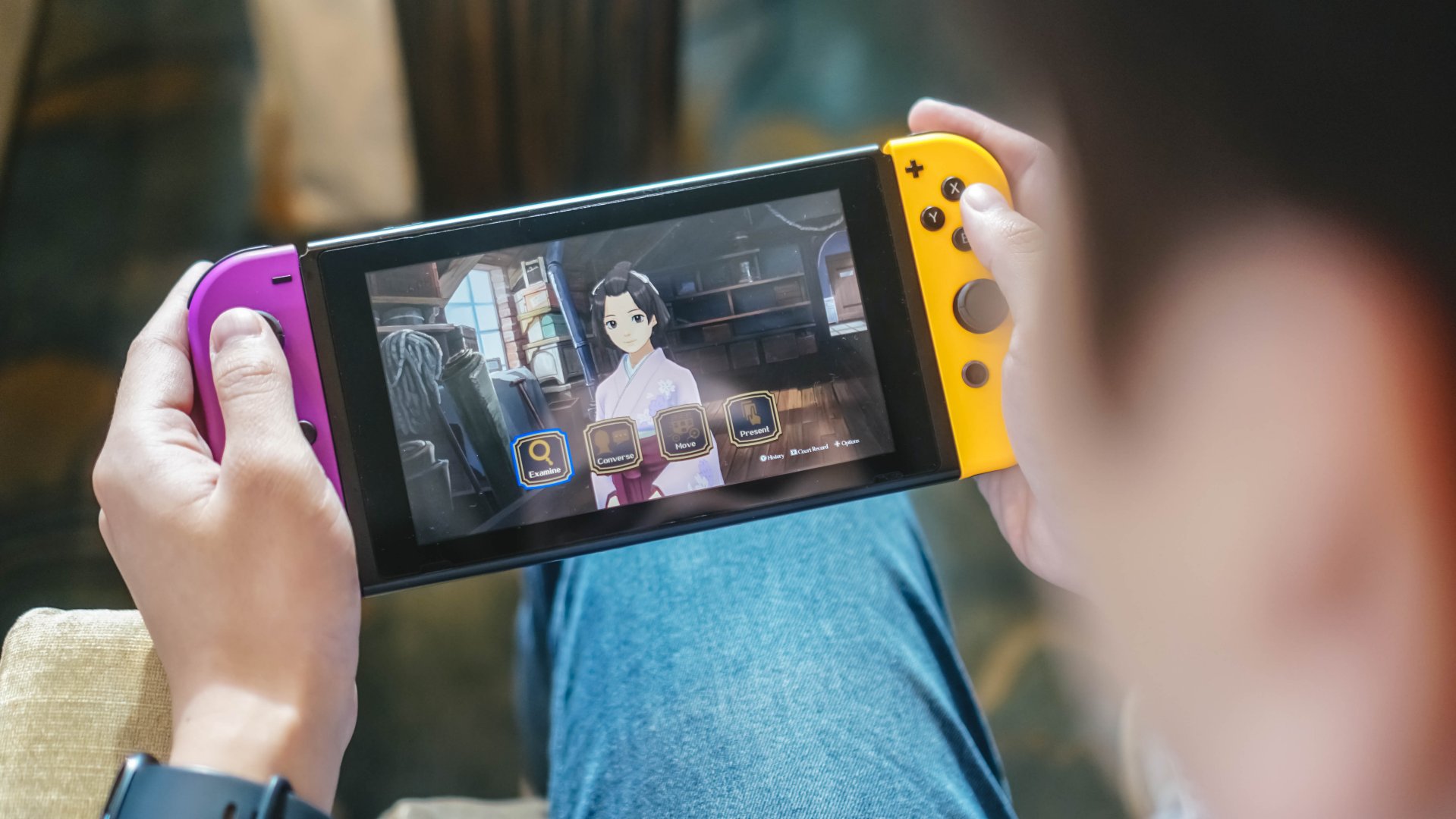
It’s been almost a decade since the original Nintendo Switch. As with every technology reaching a certain age, it’s natural to expect its impending doom. But despite its age, the Nintendo Switch still feels like it’s too young to go off into the sunset. Europe, however, has other plans. The original console will no longer be sold after early 2027.
As always, Europe is a bastion for consumer-friendly devices. The European Union has no qualms about forcing corporations to adopt better practices for consumers. Part of those efforts is to force Nintendo to sell devices with replaceable batteries.
Starting February 2027, Nintendo will start replacing its current with models carrying replaceable batteries. The new lineup is headlined by a new Switch 2. It’s virtually identical to the old model but with a replaceable battery.
The official list of new devices conspicuously lacks the entirety of the original Switch generation, including the Lite and the OLED. That’s because Nintendo has decided to skip these models for the update. If you live in Europe after February 2027, the original console is effectively dead.
That’s not to say that the original consoles will just shut down. Existing consoles sold before February 2027 will continue to work. Likewise, you can still get the old ones in countries that don’t have an updated policy regarding device batteries.
Alongside the Switch, Nintendo has also skipped the NES Controller, Pokémon GO Plus +, SEGA Mega Drive Control Pad, SNES Controller, and the Switch Pro Controller.
Gaming
PlayStation declares AI as “foundational piece” in future
The brand, however, sees it more as a tool than a cost-cutting measure.
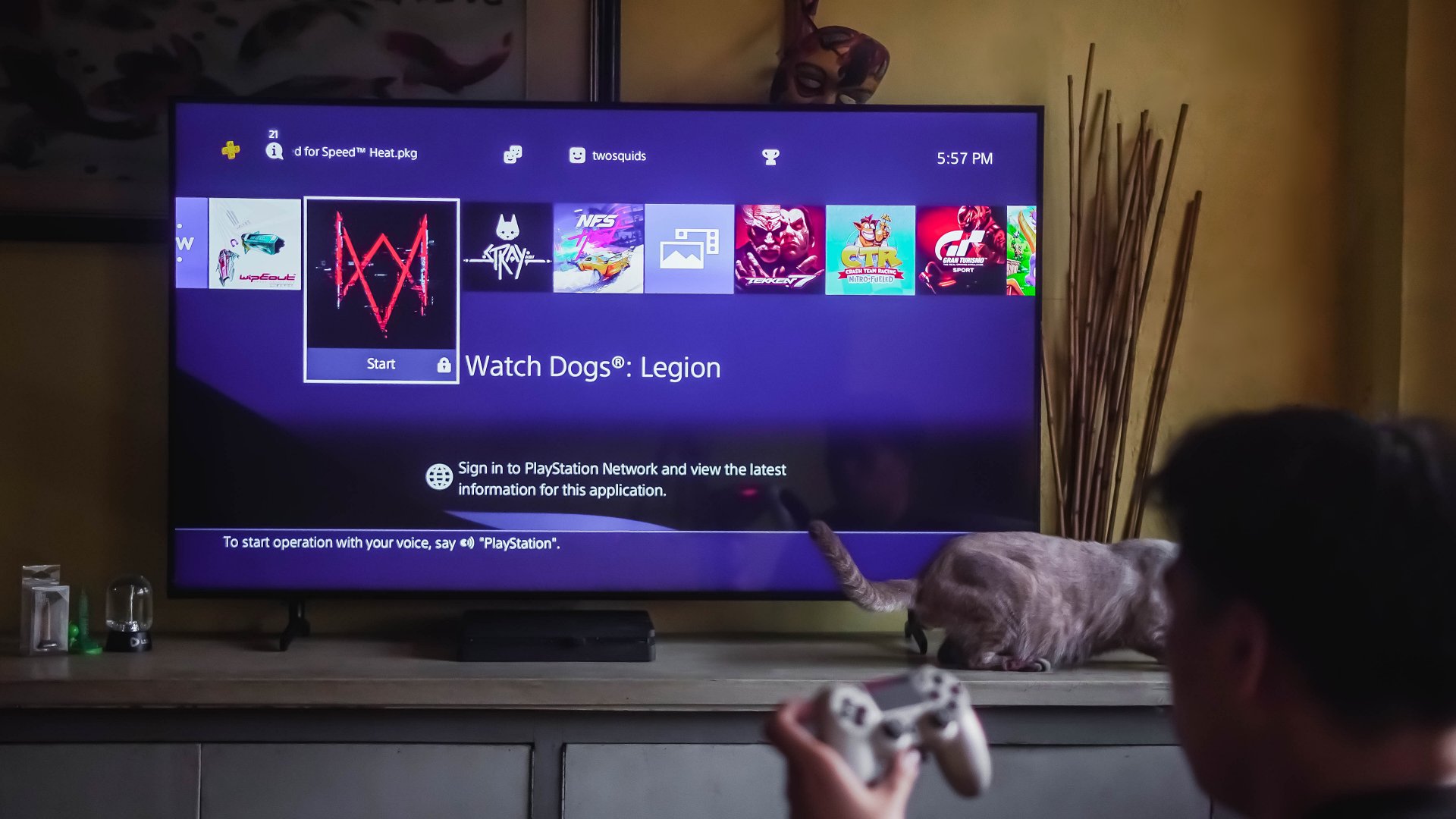
Being the gaming company that they are, Sony has embarked on a speedrun of its own: to deliver as much eyebrow-raising decisions as it can in a short span of time. Last week, PlayStation announced that the company will stop producing physical copies of its games in 2028. Now, the brand has confirmed that it will rely on AI for future game development.
In an interview with CEO Hideaki Nishino, via TweakTown, PlayStation has stated that AI will be a “foundational piece” in the company’s future game development. It is, however, some consolation that Nishino is adamant that it’s only a tool, rather than a cost-cutting measure.
Nishino says that AI usage can cut out repetitive tasks which frees developers up for more critical tasks. Interestingly, he also confirms that it will be used for asset placeholders and synthetic voices.
AI in game development isn’t completely new. In fact, some developers already use the technology just as how PlayStation describes it. However, it’s relatively uncommon for companies to essentially push AI to the forefront of development. Also, to be fair to Nishino, AI isn’t as maligned in Japan as it is in the Western world.
That said, it’s still an interesting decision to make, especially coming after Sony’s decision to cut off physical copies in 2028. PlayStation’s upcoming AI usage will surely raise some eyebrows.
SEE ALSO: PlayStation clarifies discs will still exist (somewhat) after 2028
News
Not even Nokia phones are safe from AI features
Users have to pay for the AI after 180 days, too.
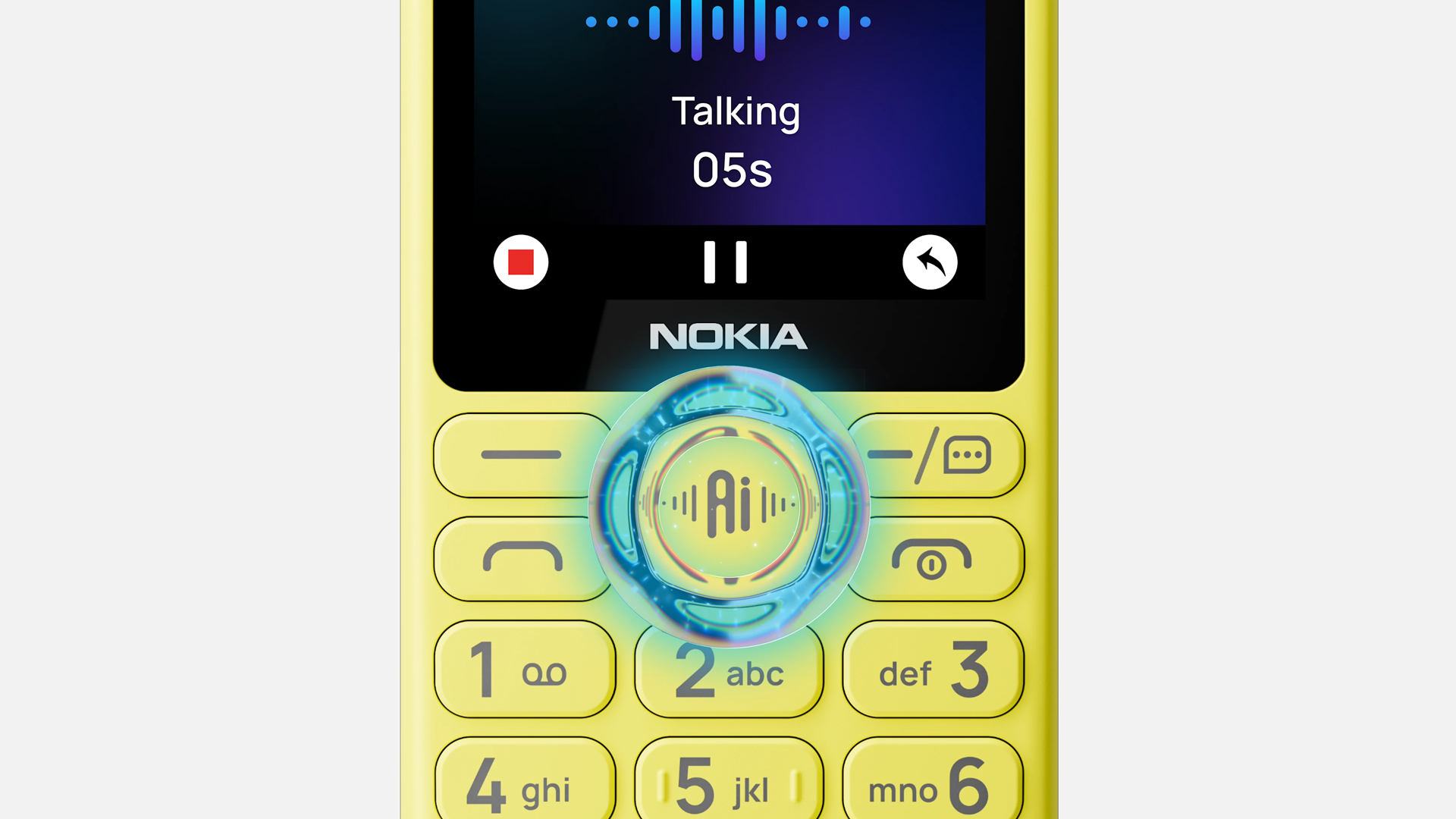
Did you mistakenly assume that the only way to escape the deluge of AI is to go for a more budget-friendly smartphone? With major brands infusing their phones with AI, it’s a reasonable assumption. However, a batch of new Nokia phones proves that even the budget market isn’t safe from artificial intelligence.
Recently, Nokia, thanks to HMD, is launching four new phones: Nokia 200 4G, 210 4G, 215 4G 2nd Edition, and 235 4G 2nd Edition. It’s easy to get bogged down on the detailed specs of all four phones, but it’s even easier to focus on the ginormous AI button present on all of them.
All four phones are powered by Sikey AI. Pressing that big button lets users ask basic queries, so it’s more a voice assistant in essence than anything. However, when it’s literally a giant button, it’s also a very hard sell.
Even worse, the AI is free for only 180 days. Users will need to subscriber afterwards and on a separate smartphone (because the Nokia doesn’t have apps) to continue using the features. Otherwise, the AI logo turns into something completely useless.
In other news, all four phones are pleasantly dumb. The Nokia 215 and the 235 have a 2.8-inch IPS display, while the 210 4G and the 215 4G have 2.4-inch QVGA displays. All four models have everything you need from a simple communication device.





Nothing launches the Ear (3a)

Nothing launches the Phone (4b)

Nintendo retires the original Switch in Europe

Crunchyroll Anime Expo announcements: Solo Leveling, Ghost of Tsushima, more

Demon Slayer: Kimetsu no Yaiba Infinity Castle I coming to Crunchyroll

TECNO’s POVA 8 5G is both futuristic and future-ready

Buyer’s Guide: Xiaomi Pad 8 Series

HONOR Magic V6 review: The best version of a book-style foldable?

TECNO’s SPARK 50 Pro is the latest budget smartphone battery beast

Buyer’s Guide: TECNO SPARK 50 Pro vs SPARK 50 5G


-

 Cameras1 week ago
DJI Osmo Pocket 4P launches with dual lenses and a 1-inch sensor
-
 News1 week ago
Lenovo says RAM prices are not coming back down again
-

 Singapore2 weeks ago
Xiaomi opens largest Singapore store yet at VivoCity
-
 News2 weeks ago
The vivo X Fold6 is the first foldable to support teleconverter lens
-
 Apps2 weeks ago
HONOR, Xiaomi are working on their own Privacy Displays
-
 Smartphones2 weeks ago
HONOR continues APAC expansion, to launch 600 series in Taiwan
-

 Laptops2 weeks ago
Apple raises the prices of iPad and MacBook lineups
-

 Gaming2 weeks ago
ASUS brings 2026 ROG Zephyrus Duo, G16, and G14 to the Philippines