Smartphones
OnePlus trolls Samsung with fake foldable ad
Announces something different instead
As you probably know now, Samsung just unloaded an impressive battalion of foldable phones on the market. The new Galaxy Z series paves the way for a more foldable future for both Samsung and its competitors. Naturally, other smartphone makers want to hop in on the trend. Case in point, OnePlus, mere days before the Galaxy Unpacked event, teased a foldable phone on its social media accounts. However, as we also know now, things are not as they seem.
When the video dropped, it was more than a coincidence. The video teased a dual-screen device which looked incredibly similar to today’s foldable devices. The timing was also suspect. OnePlus was teasing an announcement for August 11 at 10 a.m. EDT, the exact same time that Samsung was starting its own event.
Now, we know it was just a massive troll campaign. On the time they indicated, OnePlus unveiled not a new foldable device, but a 50 percent off sale for the OnePlus 9. The video showed a hand taking one screen from the “foldable device,” revealing that it was two phones all along.
Currently, OnePlus has not teased, announced, or launched a foldable device of its own. In fact, the company has adamantly stuck by its resolve that foldable phones are not the future. The smartphone maker has persistently released slab phones despite its competitor’s efforts to compete in the foldable market. That said, it’s still possible that this is a prelude to a future foldable phone.
SEE ALSO: OnePlus teases a white version of the OnePlus 9 Pro
In a modern world dominated by flagships and midrangers, budget smartphones are often undervalued just because of the mere value they bring to the table.
But, let’s be real. Not everyone chases specs. There are users who simply need a phone they can afford without all the best-in-class bells and whistles often glorified but spec-obsessed nerds.
Well, the TECNO SPARK 50 5G might just be that handy-dandy everyday companion you need.
First Look
Right off the bat, the TECNO SPARK 50 5G will instantly remind you of Google’s recent Pixel phones. That camera bar is very reminiscent of the Pixel 9 and 10’s camera “visor.”
This isn’t a complaint. SPARK 50 5G’s camera island looks cleaner than that overly-used, left-justified square camera cutout popularized by Apple during the reign of their iPhone Pro series.
More so, it avoids joining the bandwagon of phones imitating the all-new “camera plateau” of the iPhone 17 Pro series.
Coincidental or not, it even reminds me of Apple’s pill-shaped Dynamic Island — or that interactive area around the punch-hole cutout that’s found among newer iPhones.
And now that we’re at it, let’s flip the SPARK 50 5G to its front.
The moment you power on the device, you’d be welcomed by its large 6.78-inch punch-hole display. However, bigger doesn’t always mean better.
Not-so-thin bezels and that awfully-thicc bottom chin aside, I’m more concerned about its display quality.
I’m not trying to be very nit-picky but, my clear eyes can easily distinguish that its 720p screen resolution is quite a stretch for a screen this big.
Ain’t even expecting a class-leading OLED display (this is an IPS LCD type, BTW). However, a 1080p Full HD would have been more plausible.
Don’t even get me started with that subpar max brightness, backlight bleeding, alongside poor viewing angles and legibility.
And, even if it features a 120Hz refresh rate that smoothens day-to-day scrolling and switching, it doesn’t totally override the fact that the display is not up to par.
Still, the choice of punch-hole is heaps better than other phone makers continuously making phones with teardrop notches — which is turning almost a decade next year.
I’m just glad TECNO halted (if not completely stopped) putting it among their recent budget offerings.
First Date
While I have strong feelings against its display, the overall feel of the SPARK 50 5G is of the opposite. Holding the phone for the first time barely looked and felt cheap at all.
Setting the bar high, TECNO’s SPARK 50 5G is made from aviation-grade aluminum — which some other plasticky budget phones can only dream of.
With that durability talk, it’s also worth noting it’s also IP64-rated as well as MIL-STD-810H certified.
Personally, I love the classy and luxe Champagne Gold colorway that I’ve dated.
There are bolder colors too such as Mint Green and Fantasy Purple. More so, the subdued Titanium Grey and Ink Black options.
After setting everything up, the phone greets you with TECNO’s latest HiOS 16 based on Android 16.
Despite its price point, TECNO didn’t leave out all the usable AI feats originally announced in the recent CAMON 50 series.
Not only it includes the usual AI Tools and Ella (or its smart AI Assistant), the newer AI FlashMemo as well as AI MindHub are ever-present as well. These intelligently discern content you consume or whatever you’re curious about.
I’m not a total h-AI-ter as I believe that AI, when used responsibly, gives much leverage to users. It balances an individual’s time so s/he can work and focus more on things that need to be prioritized.
Still, I blame AI for the sharp price rise of components among all consumer devices imaginable.
Now that I’ve mentioned it, TECNO’s SPARK 50 5G comes in either 128 or 256GB of storage and memory choices between 4/8/12/16GB (region-dependent).
At its core lies MediaTek’s Dimensity 6400 SoC. For the market it tries to lure, this is a chipset capable of handling most tasks.
It’s a better option if you’re someone like me who relies on 5G connectivity most of the time. Its Helio G200 counterpart, while speedy and reliant, has 4G as its biggest drawback.
Gaming? Well, it’s obviously not built for that.
Still, it’s playable for the not-so-demanding-games: 60fps in PUBG while 90fps with the widely popular Mobile Legends: Bang Bang (MLBB).
Even with just a chassis of 8.18mm, TECNO has managed to put in a 6500mAh single-cell battery (or a lesser 6150mAh dual-cell variant that I have with me).
Still, the TECNO SPARK 50 5G has outlasted me more — way past midnight after that full-day first date.
If you’re already in a pinch, the phone can be charged through its 45W fast-charging adapter bundled in its box. ICYMI, last year’s SPARK 40 5G relied on a painfully-slow 18W charging.
And, before I forget, I just missed the novelty of side-mounted fingerprint scanner. I still consider it better than the optical ones.
Lastly, despite that elongated camera bar at its rear, the SPARK 50 5G is only equipped with a lone 50MP camera.
Although AI FlashSnap exists, the camera app being somewhat sluggish evades the purpose of that camera feature per se.
While cameras have never been the strong point of the SPARK series, it should be enough for users who just want a functioning rear camera not just for document-scanning, but for life moments as well.
Its 8MP shooter can still capture selfies — or just be used for those unavoidable school and/or work video calls.
First Impressions
With a starting price (4+128GB base config) of INR 16,999 (approx. US$ 180 / EUR 160 / GBP 135 / SG$ 235 / MYR 735 / PhP 10,995), the TECNO SPARK 50 5G isn’t the most well-rounded budget smartphone around.
Still, this phone will satisfy the general, non-tech-savvy population. That sophisticated design, solid build quality, ginormous battery with reliable fast charging, smart AI-powered OS. Even 5G-capable chipset in this price range?
Did I even mention that it still rocks the almost obsolete microSD card slot and 3.5mm audio jack?
Obviously, I’m not the target user of this phone. Especially as a creative guy who values display and cameras a lot.
However, technophobes might get the hang of this phone when they take it out on a lovely, more intimate date more than twice. The phone is as straightforward as it can get. Sans, exploring the more complex AI tools within.
Still, this is a phone suitable for a wider range of user base consisting of kids, young students, the elderly, or even everyday workers who just need a reliable phone that they can bring around without sacrificing too much of their hard-earned savings — especially in an economy we live in right now.
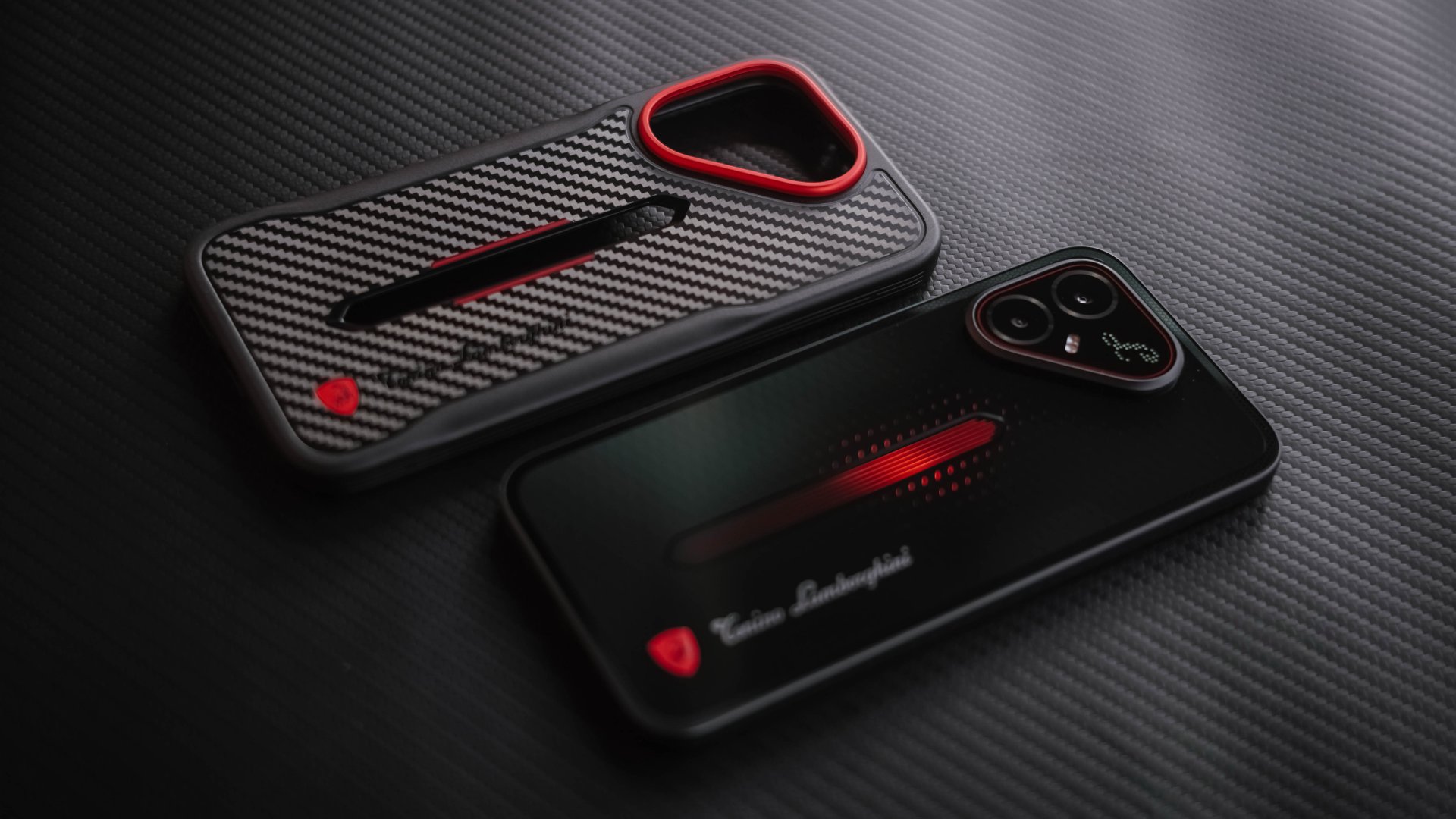
Why are some of today’s smartphones enamored with rear-mounted lighting systems? ASUS, Nothing, and Infinix all have recently released devices that show off with LEDs at the back. To me, a good number of these phones are either tacky or too gimmicky to be of any practical use. One, however, stands out as a true premium offering for the segment: the Infinix NOTE 60 Ultra.
Smartphone meets supercar
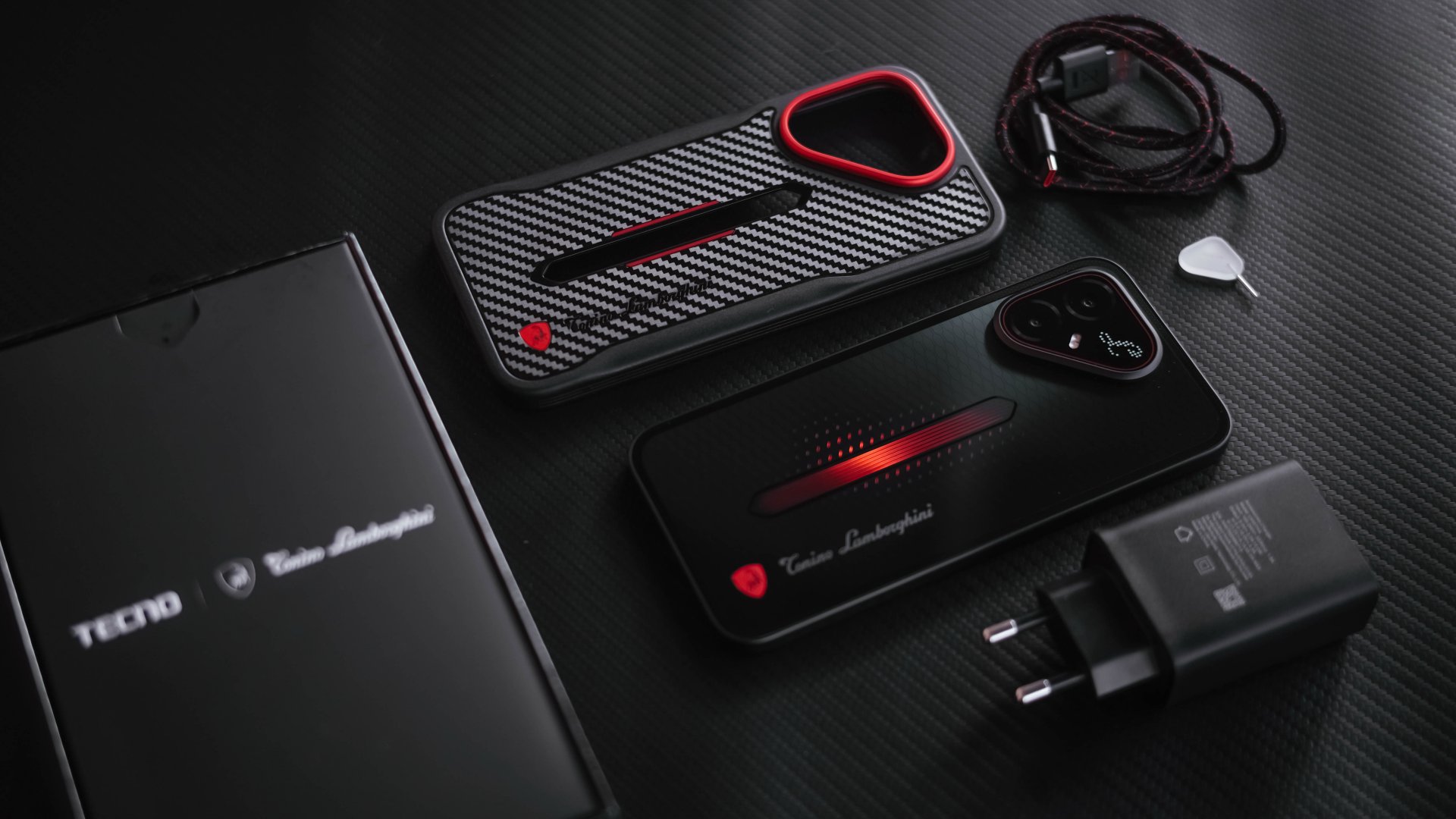
Designed with Pininfarina, the NOTE 60 Ultra subtly mixes the contours of a premium car with the curves of a flagship phone. The result of this pairing is an artistic piece that shines in its simplicity but also stands out in an industry inundated with over-large camera islands.
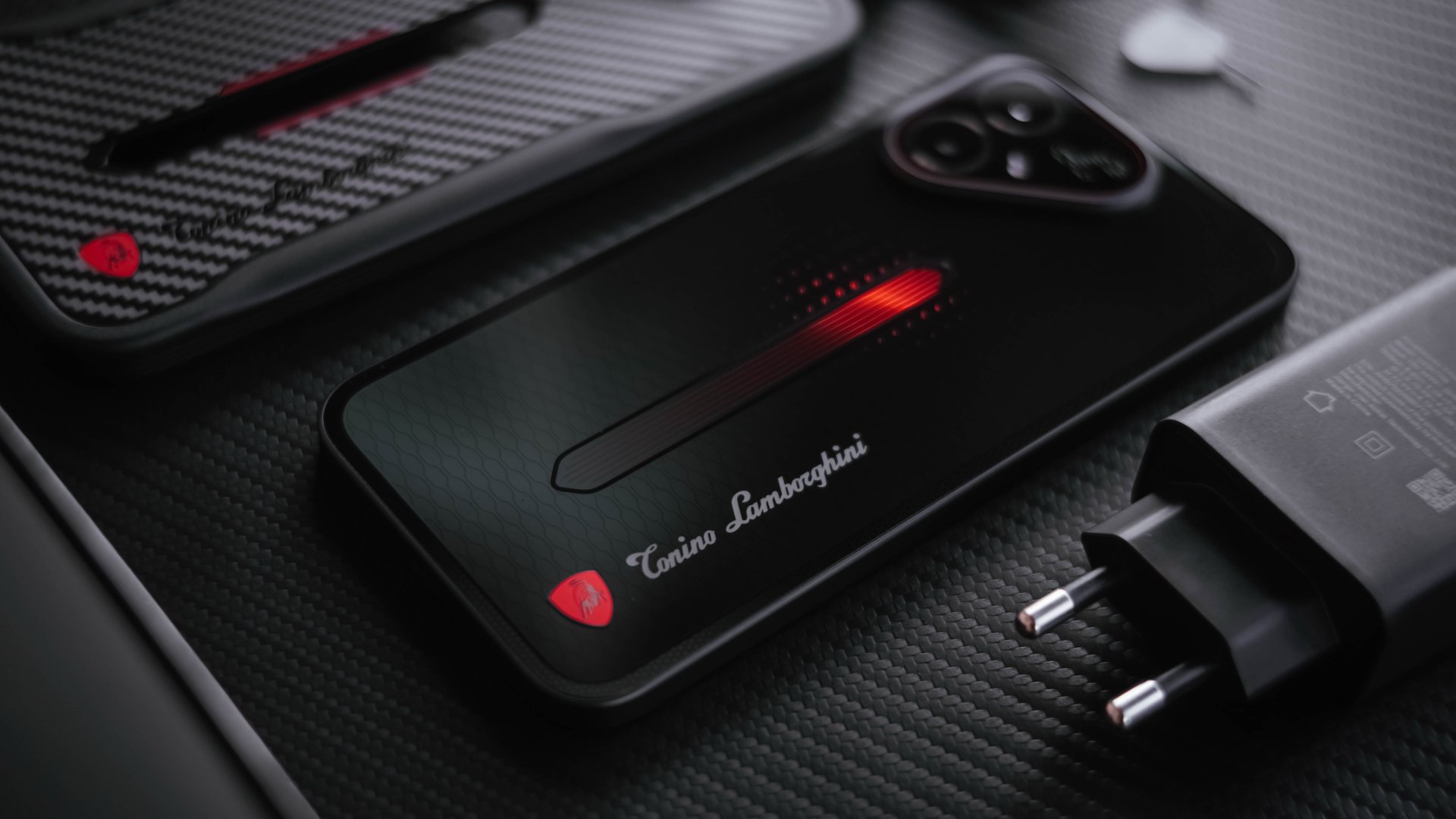
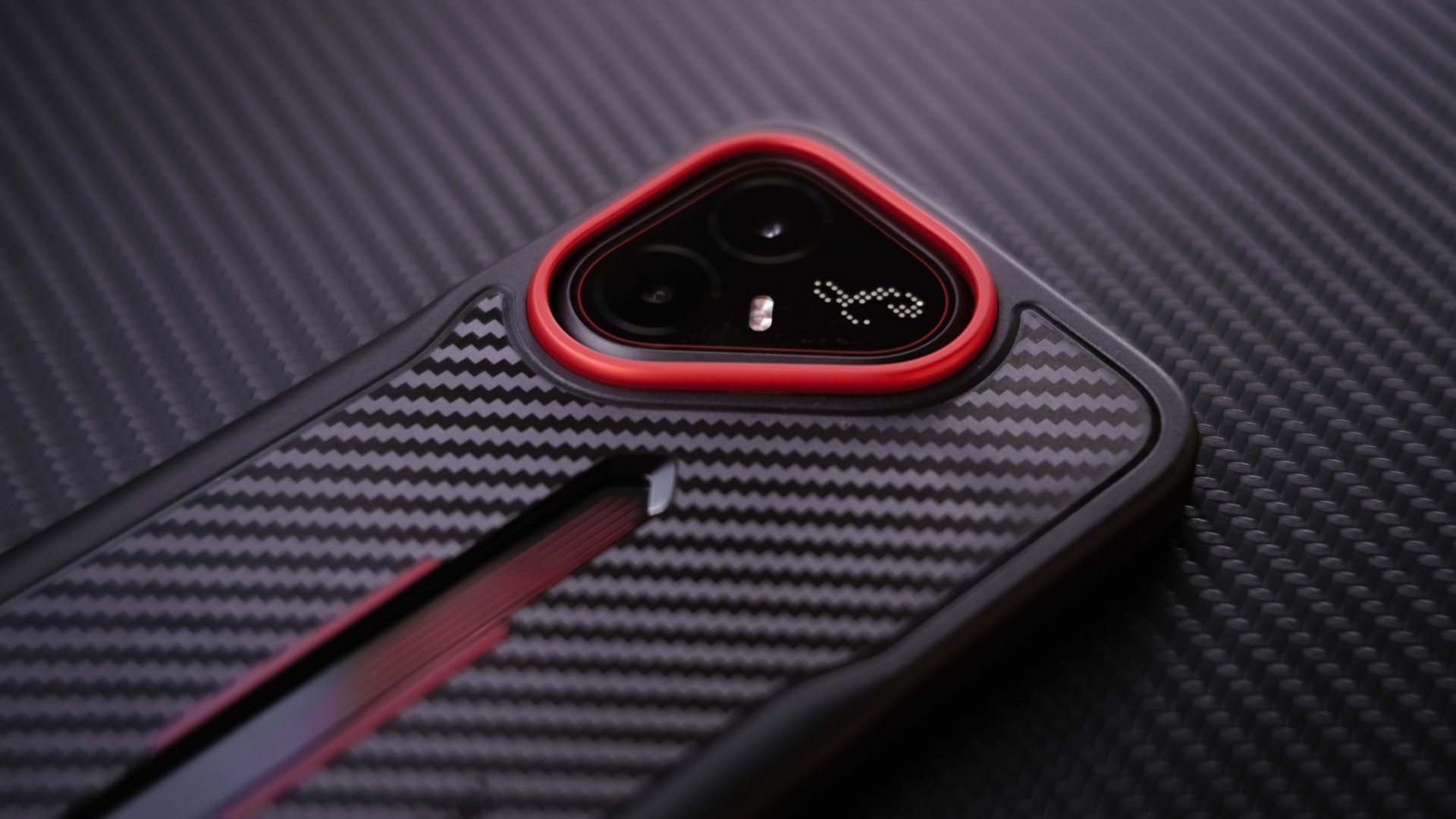
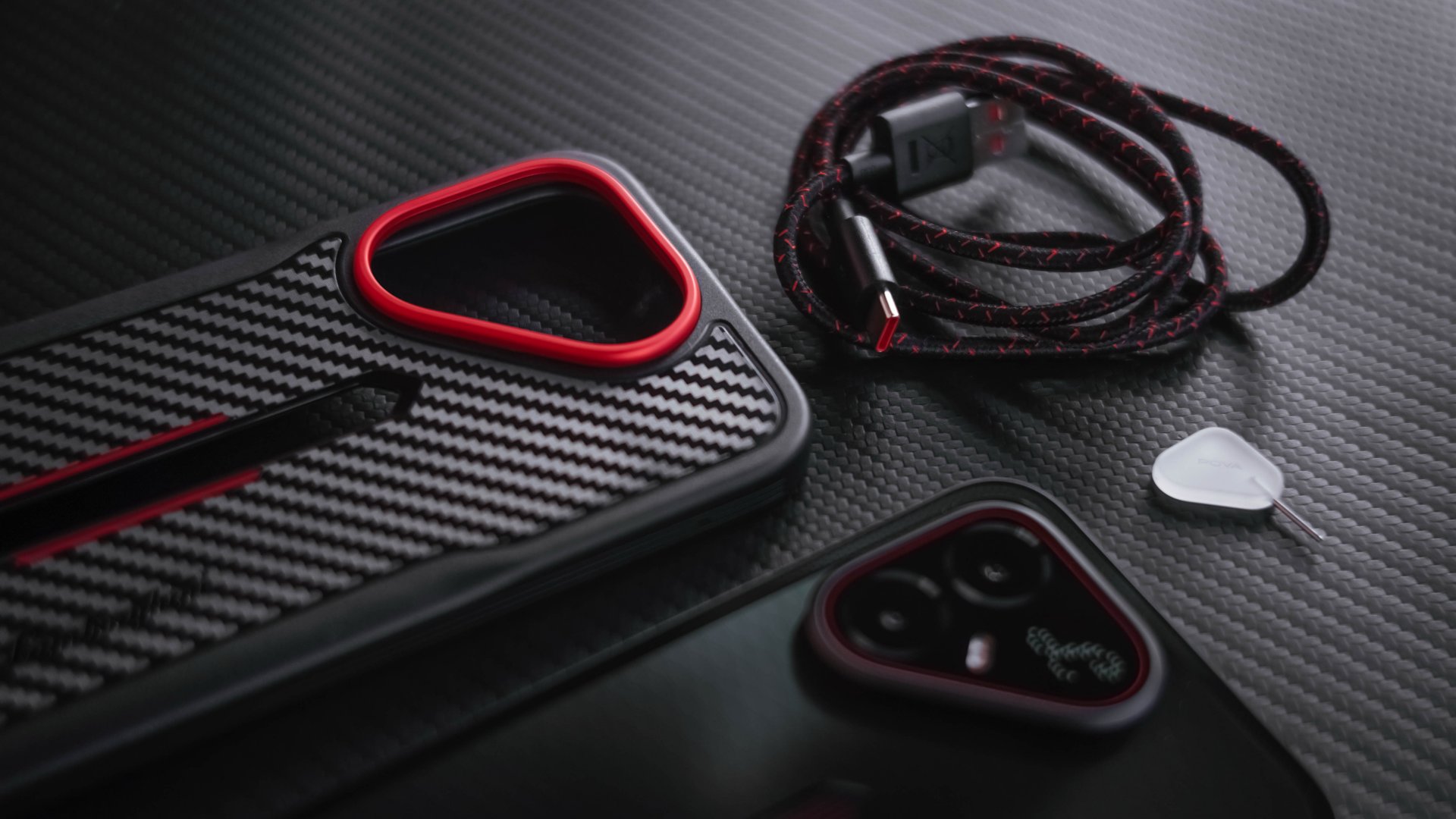
The rear offers a subdued carbon fiber pattern. The included case accentuates this even further in a tactile sense. Reminiscent of other premium phones, the metallic sides have the usual array of buttons and design quirks, except for a sparkling Pininfarina logo and an optical fingerprint sensor.
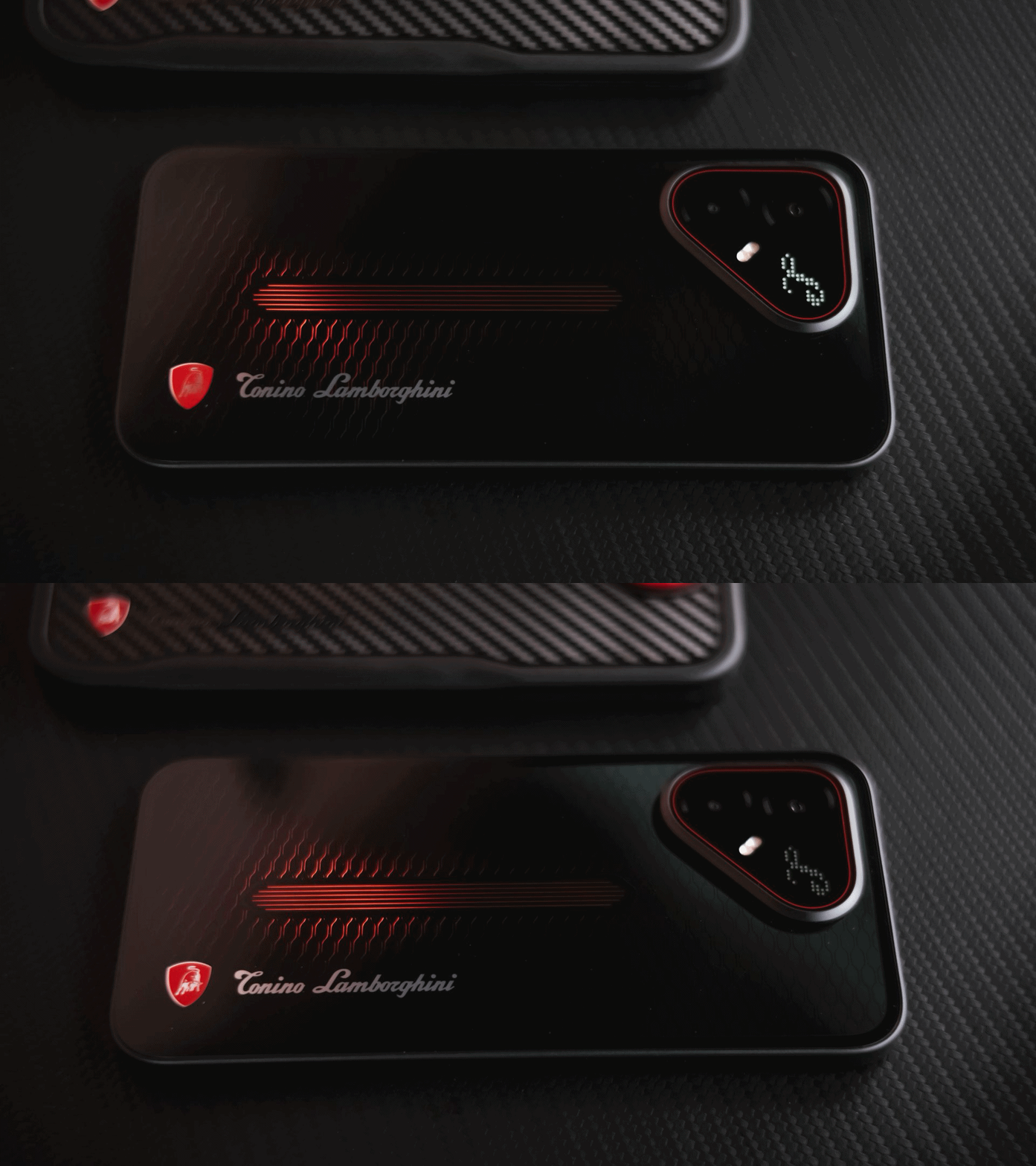
Meanwhile, the camera island embraces the current era by extending itself from end to end. A full fourth of the rear is enclosed in glass just for this area. It’s surrounded by pleasantly tactile grooves. The area itself contains the camera system, the Active Matrix Display (which we’ll get into later), and a floating taillight.
Overall, the NOTE 60 Ultra’s design is amazing in its uniqueness. I’m tired of the same-old. Infinix’s latest offering doesn’t break away from the ongoing tradition of over-large cameras but instead pushes the trend to its capacity without ruining its premium feel.
Active Matrix Display: Feature or gimmick?
The last Infinix phone I reviewed was the NOTE Edge. That particular midranger had the Active Halo Lighting, a simple ring that breathes in and out to signify notifications. Though the oddity was largely unobtrusive, I still thought that it was too much of a gimmick to be of any use to most users.
On the other hand, the NOTE 60 Ultra’s Active Matrix Display is something entirely new. Instead of just a notification ring, it’s an actual display. It also has a plethora of uses, including icons for notifications, a graphic for music playback, a quirky “screensaver,” and a few minigames.
Just by sheer numbers, the Active Matrix Display feels more useful than most rear LED systems including my own Nothing Phone 3. Though there were still moments when I ignored the feature, there were more times when I engaged with the interface. The games weren’t difficult but were great ways to pass a few minutes of boredom. The light effect widget, which includes a few personas, looked visually interesting enough to be kept on all the time.
This doesn’t even include the aforementioned floating taillight yet. Much like the NOTE Edge’s Active Halo Lighting, this one breathes in and out. However, the NOTE 60 Ultra’s version is shaped like a car’s taillight and more effectively melds into the contours of the island. This makes it even less obtrusive than the Halo and adds to the phone’s premium feel.
I’m still on the fence about these lighting systems, but the NOTE 60 Ultra actually complements its design and offers something unique. For me, it’s the best version of this ongoing trend.
A set of peepers
The huge camera island isn’t just a gimmick; we’ve established that much with the Active Matrix Display. But besides the LED display, the island also houses a ginormous 200-megapixel Samsung ISOCELL HPE sensor, paired with a 50-megapixel Samsung ISOCELL JN5 periscope telephoto lens and a 112-degree ultra-wide camera.
Just on paper, this feels like overkill already. Do you really need a camera that can zoom in on your blackheads? Well, even if you don’t use the 100x zoom, the camera combination helps eke out so much more detail from moderately distanced subjects. Just take a gander at this bird I took.
The camera is also great at close subjects. It added so much juicy bokeh to focus on this flower. And it doesn’t look too artificial.
Wide-angle photos aren’t too bad, either. Personally, I’m not a fan of the format, but if you are, it’s a great shot.
Can we measure this in horsepower?
Under this supercar-slash-smartphone’s hood, you’ll get a Dimensity 8400 chipset from MediaTek. For all of its looks as a premium phone, the NOTE 60 Ultra misses out on a true flagship chipset. It’s still only a step behind, though.
It’s also adequate enough to play my HoYoverse vice of choice, Zenless Zone Zero. Though the phone put my settings under low to medium graphics settings by default, it had no complaints when I pushed everything to high at 60 frames per second.
My only problem was the immense coverage area of the camera island. Because of how huge it is, no case can ever cover the island completely. So, when you hold the phone horizontally, your hands are making bare contact with the phone.
This is naturally terrible for smudges, but it also doesn’t protect your hands from the phone heating up. And it does heat up after around 40 minutes. Though this ultimately depends on how you use the phone, playing ZZZ for an extended period of time was scalding.
The NOTE 60 Ultra has all the capabilities of a true powerhouse, despite lacking a true flagship chipset. It just gets too hot for comfort. Maybe for the next iteration, this supercar can get some air conditioning.
Now Playing: Steel Ball Run
Jojo’s Bizarre Adventure wouldn’t have lasted seven seasons (or nine, if you count the manga) if it weren’t a good series. Having read the manga, Steel Ball Run, the seventh part, is my favorite one, and it’s finally getting an anime adaptation.
It’s apropos that I’m watching a racing anime on a motorsport-themed phone. With the NOTE 60 Ultra’s 6.78-inch 1.5K Ultra HDR display, Gyro Zeppeli bounces to life in full color. Every character — Johnny Joestar, Diego Brando, Sandman, and Pocoloco — looks amazing in the anime’s signature style. It’s less shadowy, more vibrant and smoother.
Hearing Gyro’s signature “Nyo-ho!” was likewise great. The phone’s JBL-tuned speakers made it seem like I was holding my own mini cinema.
It was a bonus treat that the first episode was double the length of a traditional one and included everything in the first leg of the race. Unfortunately, the second episode still doesn’t have a schedule. Plus, who knows if the second “batch” will include more than just one episode? Netflix has been atypically cagey with this release.
Finally, some good mileage
The NOTE 60 Ultra has an impressive 7000mAh battery. A single hour of ZZZ used up only 18 percent of the battery, despite being on the highest possible settings. Following this trend, it took four hours with the game up before the battery dropped to concerning “I need to find a charger” levels, which was around 25 percent to me.
There was no reason to worry at all, though. The battery has spare juice left in the tank even if it’s low. It took an absurdly long time to completely drain the battery from 1 percent. I even turned ZZZ on again to speed things up, but it still lasted around 30 minutes on a single percent.
Because of how big the battery is, it also supports 100W wired charging. To be transparent, I don’t have a 100W charging brick, but I do have a 90W one. It took me 1 hour and 6 minutes to fill the tank from empty. If you’re not particular with filling the battery to full, a short 7.5-minute charge was enough for 10 percent.
Midrange software inside a premium package
When I buy a premium phone, I expect a premium-looking phone when I power it up for the first time.
To be fair, the interface’s custom theme does exude an expensive-seeming feel. However, it prioritizes being thematic over being functional. This isn’t something I expect from a flagship. To me, a flagship should have the easiest interface to use with no bloat or unnecessary frills.
Infinix’s XOS is blatantly unused to the flagship segment. The interface has rolls of suggested apps and games that clutter the home screen. It also has a bunch of pre-installed apps (like Facebook, Instagram, TikTok, and Shopee) and proprietary software.
This was the same problem I had with the NOTE Edge. Since it’s a midrange phone, it was a lot more forgivable, though. After all, that much bloatware usually lets the brand price their lower-end products more competitively. That shouldn’t be the case for flagships.
There is some leeway because it’s Infinix’s renewed shot at the premium flagship market, but hopefully it’ll be fixed in the second go-around.
Is the Infinix NOTE 60 Ultra your GadgetMatch?
For a flagship product, the Infinix NOTE 60 Ultra is a worthy try. It looks and feels premium out of the box. However, the brand clearly has some work left to do on the inside. It’s a tiny step behind on performance, and its interface doesn’t reflect the advertised flagship status.
Still, it’s a Swipe Right if you’re looking for the best version of over-large camera islands today. The NOTE 60 Ultra’s design philosophy should be an inspiration to today’s trends. Indeed, it’s a supercar packed into a smartphone.
However, Swipe Left on this phone if software is just as important to you as a phone’s looks. Though it’s strong enough to perform like a flagship, the phone’s operating system makes it harder to use than most of its contemporaries.
Entertainment
LE SSERAFIM Chaewon flexes Galaxy S26 Ultra Privacy Display
She says the feature is cool
LE SSERAFIM’s Kim Chaewon didn’t set out to show off a feature. But somewhere in the middle of a Weverse live, she ended up doing exactly that. It’s a pretty good flex.
In a clip that’s now making the rounds online, Chaewon shared that she recently switched to the Galaxy S26 Ultra and has been enjoying one specific feature in particular:
“I just changed my phone lately to Galaxy S26 Ultra. And it has a privacy screen feature, right? It’s so cool. You really can’t see anything from the side. I show this to everyone I meet and make them jealous.”
It’s just someone genuinely impressed by a feature — and casually flexing it.
chaewon talking about how she recently got the Galaxy S26 Ultra and how she’s really been enjoying the privacy screen feature pic.twitter.com/Dfh1Tiz6Mx
— AJ | 不死 (@Lesseraphic) March 30, 2026
A feature that makes sense instantly
The feature Chaewon is referring to is Privacy Display, one of the headline additions on the Galaxy S26 Ultra.
When enabled, it limits the viewing angles of the screen. That way. only the person holding the phone can clearly see what’s on it. Anyone looking from the side gets a dimmed or obscured view.
If you’ve ever used a privacy screen protector, the concept is similar. The difference here is that it’s built directly into the phone and can be toggled on or off, or even set to activate only for specific apps.
It’s a small addition on paper, but one that solves a very real, very common problem — especially if you’re using your phone in public spaces.
Samsung contract renewed?
It’s worth noting that LE SSERAFIM has been using Galaxy smartphones for a while now. That’s likely due to a partnership with Samsung and/or Google.
The music video for their track “Come Over” heavily features the smartphone, along with Google Gemini features integrated into the experience.
Another member, Sakura, also mentioned to fans recently that she has switched phones — from a Galaxy Z Flip to now also using a Galaxy S26 Ultra.
#SAKURA Weverse dm update
: It’s been a while since I changed my phone
Galaxy S26 Ultra
It’s amazing that it’s not a flip for the first time in a while lol: I can’t send selfies…
Because…
It’s a secret🤫
What should I eat for lunchTHE BEGINNING OF COMEBACK MAYBE, NEW OF… pic.twitter.com/Tww7mnklSK
— le sserafim pics (@sserapics) March 23, 2026
Whether this points to a renewed partnership or just continued preference isn’t something officially confirmed. But moments like Chaewon’s certainly keep Galaxy devices in the spotlight.
It’s easy to imagine the same scenario playing out anywhere — on a commute, in a café, or sitting next to someone who’s just a little too curious about what you’re doing on your phone.
It’s also something we’ve explored ourselves.
In one of our reels, we showed a straightforward demo of how Privacy Display works. We tilted the phone to show how the screen becomes unreadable from the side. In another, we leaned into a more playful skit: someone trying (and failing) to peek at what’s on the screen of the person beside them.
View this post on Instagram
The result is the same. From certain angles, the display practically disappears.
The kind of feature you show off
Privacy Display isn’t the flashiest feature on the Galaxy S26 Ultra. But it’s the kind of feature you end up showing people. Not because you have to — but because it’s surprisingly satisfying to see in action.
If Chaewon’s experience is anything to go by, it’s also the kind of feature that makes people just a little bit jealous.
-
Philippines2 weeks agoThe HONOR X8d is serviceable
-
Gaming1 week agoWWE 2K26 lets you live out all the fantasy matches you could want
-
Reviews1 week agoGalaxy Buds4 Pro review: I thought I was done with in-ears
-
Smartphones2 weeks agoSpotlight: OPPO Find N6
-
Gaming2 weeks agoThe hunt begins: The Witcher in Concert hits Manila with surprises in tow
-
Gaming2 weeks agoMonopoly: Star Wars Heroes vs. Villains launching on June 11
-
Automotive1 week agoHow the Ford Ranger is powering community resilience
-
News2 weeks agonubia to launch new Neo 5 series gaming phones on March 28