
Tablets
OPPO Pad SE now in the Philippines
Available on OPPO’s Shopee store for PhP 9,999

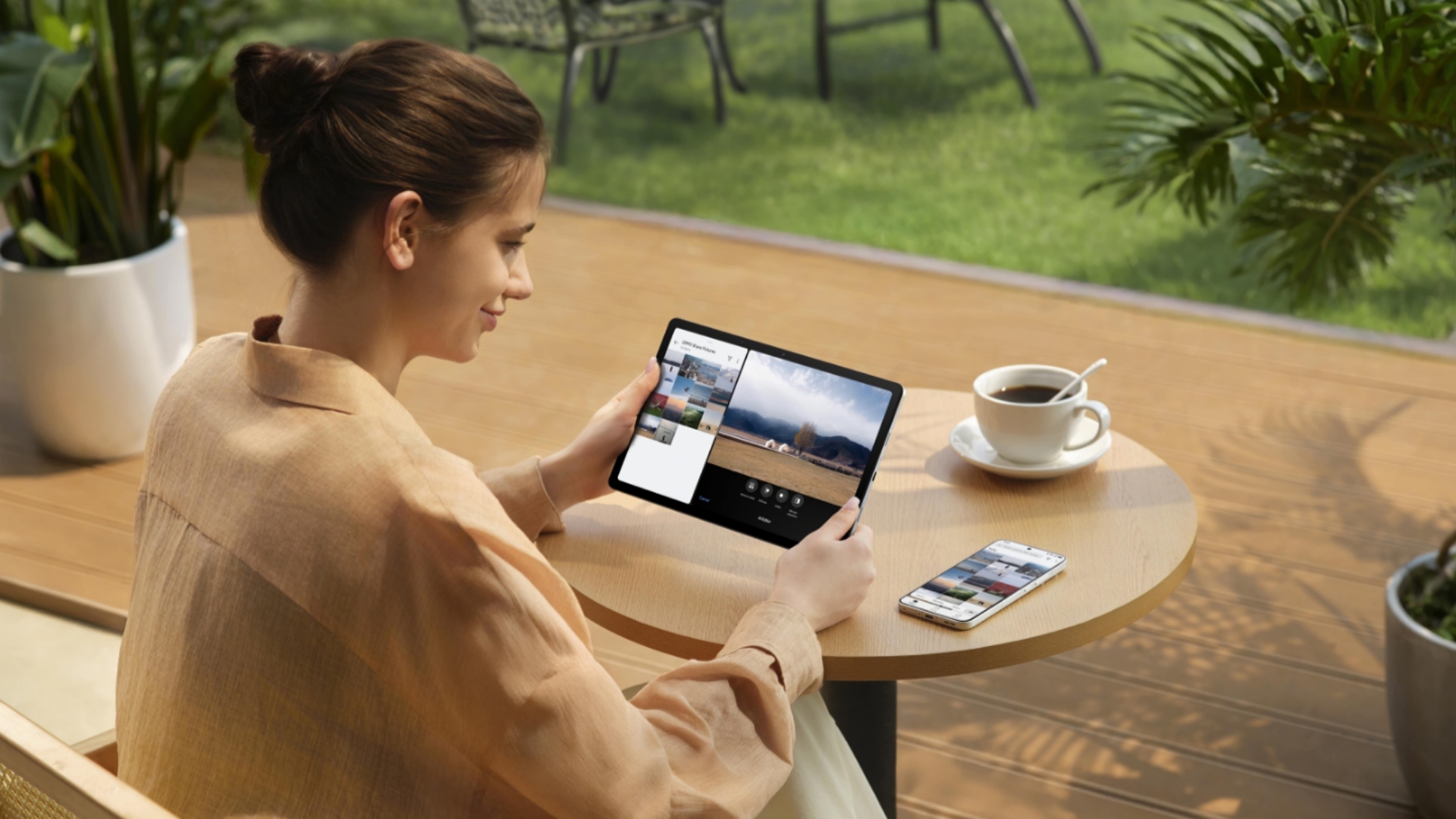
The OPPO Pad SE is now officially in the Philippines. The budget tablet is priced at PhP 9,999, and is available in Starlight White and Twilight Blue.
OPPO’s latest offering boasts of a 9,340mAh battery, the largest for a tablet of its price point.
The tablet chiefly focuses on productivity and being a tool for both students and professionals.
It has an 11-inch LCD Eye Care Display with a 16:10 aspect ratio and up to 500 nits of brightness.
This panel also has Low Blue Light and Flicker-Free certification for long sessions.
Meanwhile, the TÜV Rheinland-certified Anti-Reflective Matte Display Variant has an anti-reflective panel that gives users a paper-like experience for reading and writing (or even doodling).
Created for seamless experiences, the OPPO Pad SE also features real-time transfers, drag-and-drop file sharing, and seamless app switching. It also supports Content Sync and App Relay.
Moreover, users will be able to complete tasks with ease using Google Gemini, which comes pre-installed upon setup. Its AI tools offer smart support for work, planning, and more.
Lastly, the tablet also supports 33W SUPERVOOC charging, so replenishing its power back to full doesn’t take too long.
For now, customers can purchase the device on OPPO’s official Shopee platform.





Laptops
Hands-on: NEW iPhone 17e, iPad Air, MacBooks, Studio Displays
What Apple has announced other than the MacBook Neo
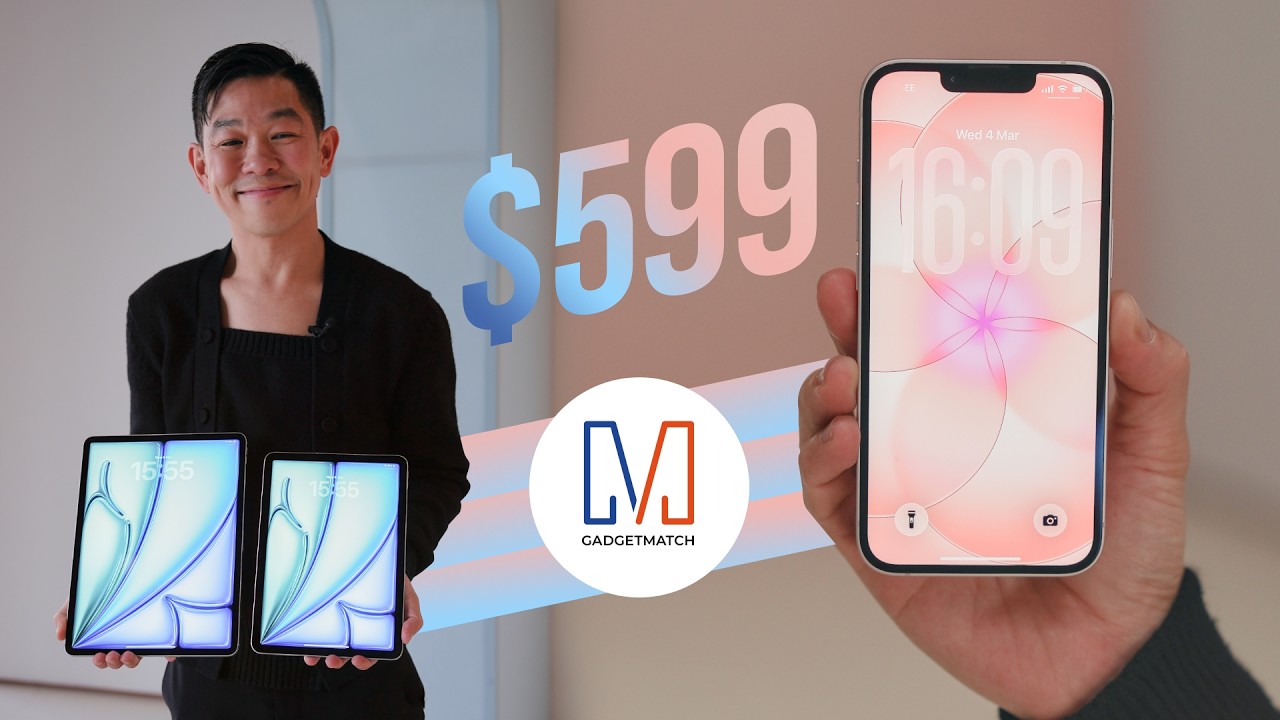
The MacBook Neo was the star of yesterday’s Apple event, and it has every right to be but it’s been a big week for Apple.
So as promised, we also went hands-on with every other device announced this week: iPhone 17e, M4 iPad Air, M5 MacBook Air, MacBook Pro with M5 Pro and M5 Max chips, and the new Studio Displays.

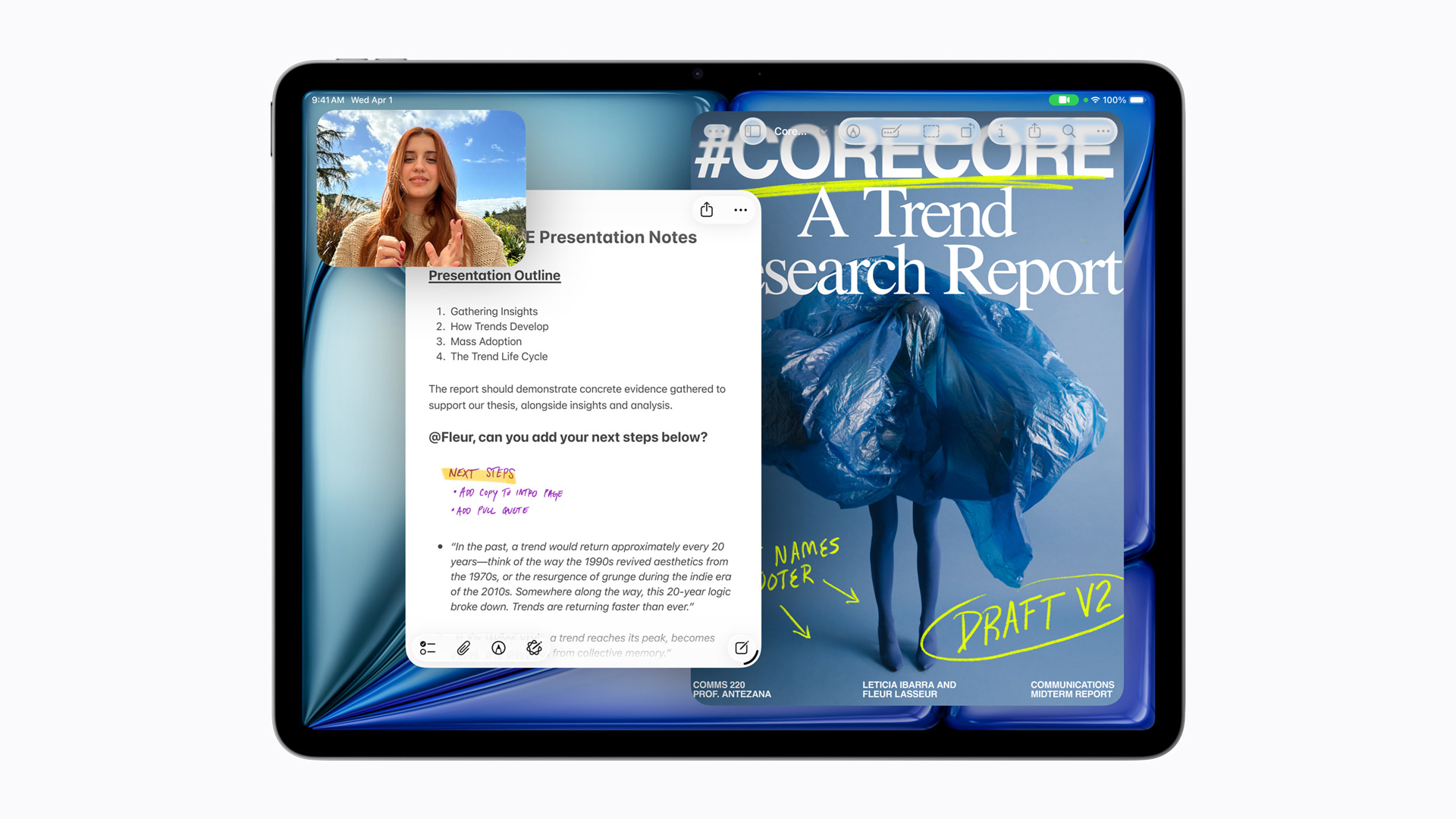
A year ago, Apple released the iPad Air featuring the M3 chip. Everyone’s needs, of course, grow, so why not the new iPad? Today, alongside the new iPhone 17e, Apple has launched the new iPad Air with the M4 chip.
For the last three iterations, Apple has been on schedule for its iPad Air updates. The M2 chip arrived in 2024, and the M3 arrived last year. Now, it’s the M4 chip’s turn. Using this chip, the new iPad Air features an 8-core CPU and a 9-core GPU. It’s supposed to be 30 percent faster than the previous Air.
There’s also much better speed with 12GB of unified memory and 120GB/s of memory bandwidth. This pairs well with iOS 26, which allows faster windowing.
Likewise, the 12-megapixel Center Stage camera, mics, and speakers make it perfect for calls.
The tablet features the Apple-designed N1 wireless chip, which enables Wi-Fi 7, Bluetooth 6, and Thread connectivity. However, the cellular models will also have the new C1X modem, which delivers 50 percent faster data performance.
Like others in the lineup, the new tablet will support accessories that squeeze more productivity and creativity from the powerful tablet. This includes the Apple Pencil, Apple Pencil Pro, and the Magic Keyboard.
Price, availability
The new iPad Air with M4 is available for preorder on March 4 and will ship out starting March 11. The 11- and 13-inch models will come in configurations of 128GB, 256GB, 512GB, and 1TB. It will come in four colorway options: blue, purple, starlight, and space gray.
The 11-inch iPad Air with M4 starts at US$ 599 (or PhP 42,990) for the Wi-Fi variant and US$ 749 (or PhP 52,990) for the Wi-Fi + Cellular variant.
Meanwhile, the 13-inch iPad Air with M4 starts at US$ 799 (or PhP 54,990) for the Wi-Fi variant and US$ 949 (or PhP 64,990) for the Wi-Fi + Cellular variant.
News
Xiaomi 17, Xiaomi Pad 8 series price, availability in PH
Xiaomi’s latest flagship devices have arrived
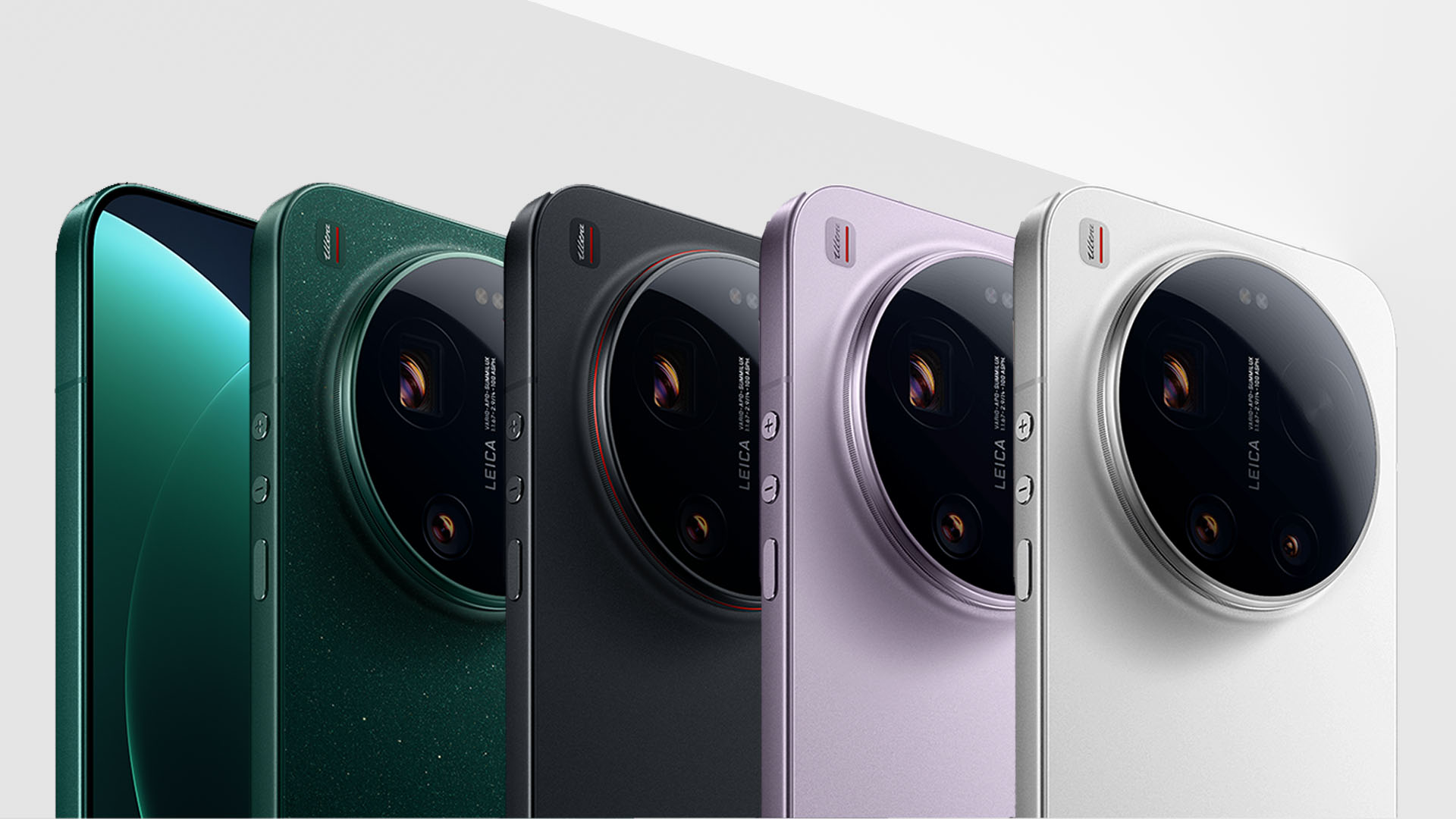
Xiaomi has officially launched its latest flagship smartphone series, the Xiaomi 17, in the Philippines. The lineup consists of two models: the Xiaomi 17 and the Xiaomi 17 Ultra.
Customers can get the Xiaomi 17 in four color options: Alpine Pink, Ice Blue, Venture Green, and Black. The base model is available via Lazada, Shopee, and Xiaomi authorized stores for the following prices:
- 12GB+256GB: PhP 49,999 (from 53,999) until March 19
- 12GB+512GB: PhP 53,999 (from 55,999) until March 19
Early purchases also come with the following perks:
- Up to PhP 4,000 off on Shopee
- Up to PhP 2,000 off on Lazada
- Free Xiaomi Watch S4 41mm worth PhP 7,799
- Chance to win a Leica Q3 worth PhP417,000 (only one entry per customer per purchase)
Meanwhile, the Xiaomi 17 Ultra is available at PhP 84,999 for the 16GB+512GB configuration. That’s a generous reduction from its base price of PhP 99,999.
Exclusive Shopee online perks until March 19 include:
- Free Xiaomi Watch 5 worth PhP 18,999
- Free Xiaomi Photography Kit
- Raffle entry to win Leica Q3
The Xiaomi 17 Ultra features an outstanding camera system, making it one of the best camera-focused flagships available now.
It comes with a 50MP f/1.67 main Leica Optical Summilux high-speed lens, with a large 1-inch sensor size.
This camera is complemented by a 50MP f/2.2 ultra-wide camera and a 200MP f/2.39~2.96 telephoto camera with 3.2x~4.3x continuous optical zoom. The latter uses a 1/1.4-inch Samsung ISOCELL sensor.
The Ultra is powered by a Snapdragon 8 Elite Gen 5 processor, and has a large 6.9-inch 120Hz 2k display.
For a comprehensive review, read here: Forget the Phone: Xiaomi 17 Ultra Is A CAMERA!
On the other hand, the Xiaomi 17 has a more compact 6.3-inch design, Leica triple cameras, a 6,330mAh battery with support for 100W charging, and the same Snapdragon 8 Elite Gen 5 processor.
Xiaomi Pad 8 series
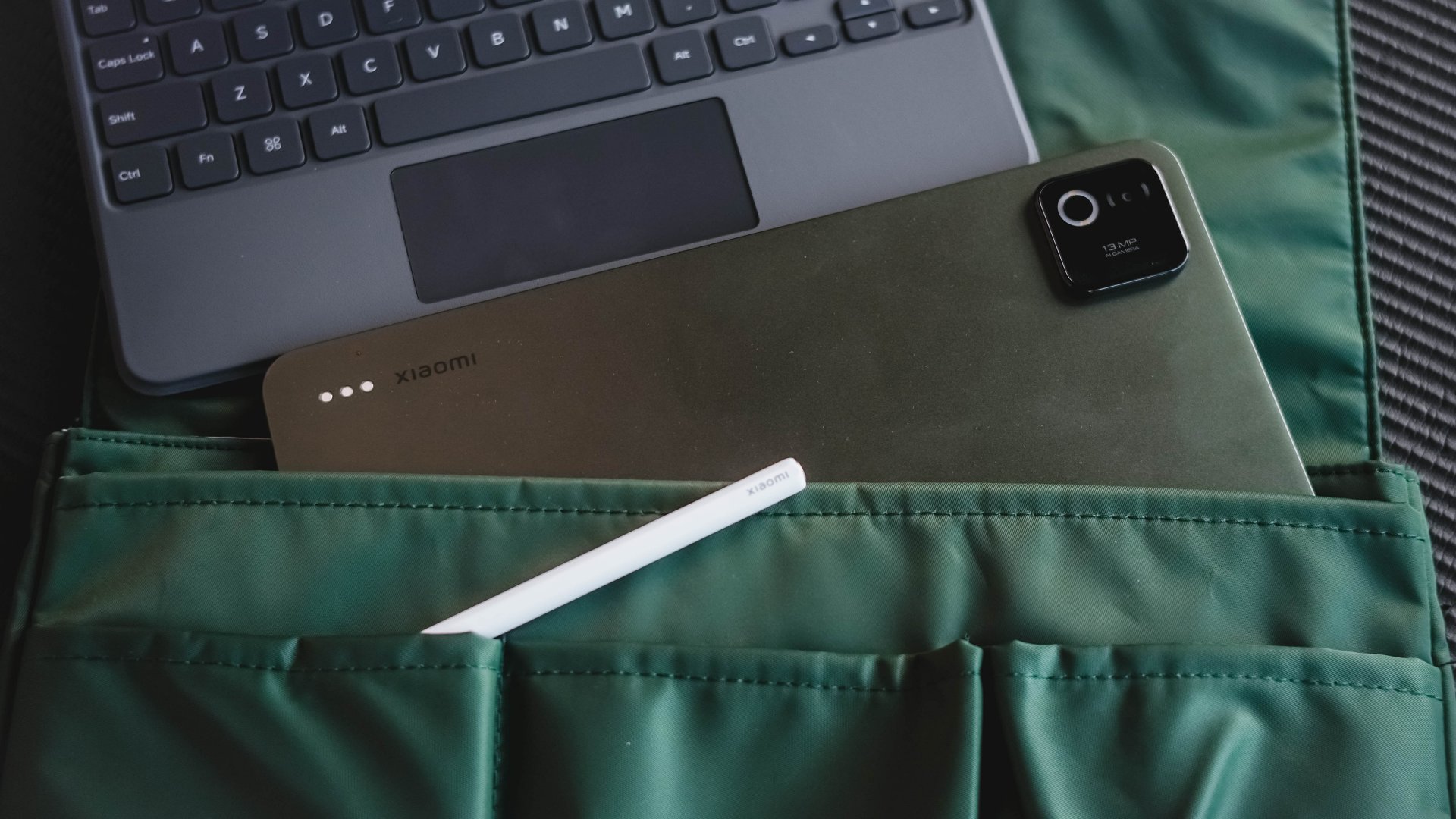
In addition to Xiaomi’s latest flagships, the company has also launched its latest premium tablet locally.
The Xiaomi Pad 8 series is now available in the Pad 8 and Pad 8 Pro variants. Both come in Pine Green, Gray, and Blue color options. Exclusive pre-order bundles are available until March 26:
- Pad 8 Pro: PhP 36,999 (from 38,999) with Touch Keyboard, free Focus Pen Pro
- Pad 8: PhP 27,999 (from 29,999) with Normal Keyboard, free Focus Pen Pro
In addition, there is also a Matte Glass version available from PhP 45,999.
The Xiaomi Pad 8 has an 11.2-inch 144Hz IPS LCD display with ample 3.2K resolution, 345ppi pixel density, and 800 nits peak brightness.
It comes in a lightweight body at 485 grams, and is even thinner than its predecessor at 5.75mm. The slate is also equipped with a 9,200mAh battery for longer use.
Professional workflows are likewise supported with integrated WPS Office PC.
Meanwhile, the Pad 8 Pro is powered by a Snapdragon 8 Elite. It even has a 50MP rear camera, 32MP front camera, and up to 512GB of storage, as well as 67W HyperCharge.
For the full review, read here: Xiaomi Pad 8 review: Slab that slaps!



Disney+ launches a TikTok-coded vertical feed called Verts

Google Maps is finally getting a 3D mode

KPop Demon Hunters is officially getting a sequel

Bringing Care-a-Lot to my daily carry

Galaxy AI on the Samsung Galaxy S26 Ultra


-
 Reviews2 weeks ago
TECNO CAMON 50 Ultra review: End of an era?
-
 MWC 20261 week ago
Infinix NOTE 60 Ultra makes a motorsport-inspired debut
-
 MWC 20262 weeks ago
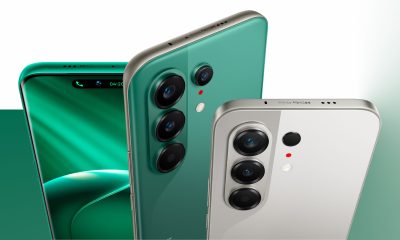
TECNO launches the all-new CAMON 50 series
-
 MWC 20262 weeks ago
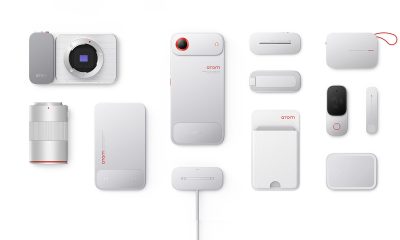
TECNO showcases cool concepts at MWC 2026
-
 MWC 20262 weeks ago
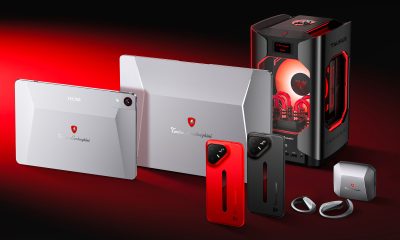
TECNO unleashes Tonino Lamborghini collection
-
 Computers2 weeks ago
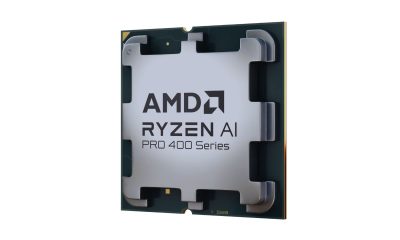
AMD announces Ryzen AI 400, AI 400 PRO series at MWC 2026
-

 MWC 20262 weeks ago
HONOR unveils Robot Phone concept at MWC 2026
-
 MWC 20262 weeks ago
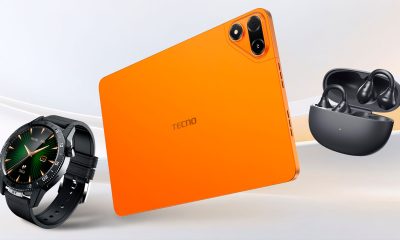
TECNO debuts latest devices, HiOS 16, upgraded Ella at MWC 2026