


Features
What is PLDT doing about its recent internet service issues?
Internal struggles lead to disgruntled customers

It’s needless to say, but the internet service in the Philippines leaves a lot to be desired. Not only have hard numbers shown poor internet performance in the archipelago, social media has been seeing a never-ending eruption of complaints about every provider, as well.
While steps have been taken to bring the Philippines up to speed with other countries through the use of next-generation 5G mobile networks by next year, citizens aren’t convinced, and internet in the country is still facing a slippery slope.
One incident that has been affecting local provider PLDT (Philippine Long Distance Telephone Company), in particular, is causing a lot of turbulence to both its workers and customers.
Reports have circulated that PLDT had recently terminated over 7,000 contracts from its workforce, causing many homes and offices with internet problems to be put on an indefinite hold. PLDT denied the allegations, citing that the DOLE (Department of Labor and Employment) was the one that ordered these contractual workers to halt their service to the company.
DOLE fired back by stating that PLDT’s workers are “employed by unqualified service providers” and PLDT has been warned months in advance. At the same time, disgruntled PLDT employees took to the streets in a recent protest.
LOOK: Around 1,500 PLDT employees protest in Mendiola, Manila | via @MMDA
📷 @jjayponce pic.twitter.com/4dbVXSjPQf
— CNN Philippines (@cnnphilippines) July 12, 2018
Whatever the case, these employees aren’t the only victims here, as customers are experiencing the harsh aftereffects, too.
My own team has been a victim of this ongoing debacle. After having absolutely no Fiber connection for nearly two months, it was only yesterday when our situation was dealt with and a service crew paid a visit to our home office to bring our internet back.
This came after we had to sit through hours and hours of being put on hold by PLDT’s customer service. We simply wanted to know what was wrong and when we’d get our connection back; all we were told was that they’ll look into it, but nothing came of it until someone finally arrived yesterday. They have yet to offer any rebate for the weeks of service loss.
A friend of mine has been on PLDT’s hotline for over a month now, trying to figure out why his DSL speeds are way, way below the advertised 5Mbps. “When I’m lucky, it becomes as fast as 1Mbps, but I usually deal with speeds of around 0.1Mbps,” Mr. Iglesias told me in a chat. “Whenever I’d call the hotline to complain, I’m either put on hold for an hour or get no response at all.”
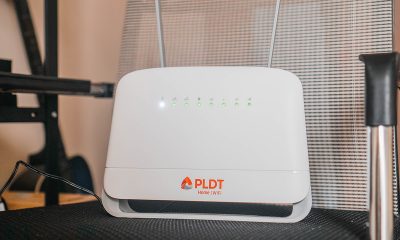
A PLDT customer who requested to be kept anonymous mentioned that his service “truly sucks” after the first 12 months of his 24-month contract were completed. “With regards to our internet, there are times we have no connection even though the LEDs of our modem are lit up,” he said. “We were requested to wait for seven to 30 minutes maximum just so we can speak to a ‘live’ agent and not an answering machine. Worse, from last night until now, our landline has no dial tone so we cannot call their hotline to report.”
Another source who works for PLDT (and also wishes to remain anonymous) was given an instant promotion to manager when most of her team was laid off at the end of June. “I had no choice. Now I’m handling all the customer complaints on my own,” she said.
And these are just a handful of cases. Social media is littered with angry posts about PLDT’s unsatisfactory — and sometimes non-existent — service.
You may now DM us your details, Mike. :) Send them to us and we will assist you regarding the concern.
— PLDT Cares (@PLDT_Cares) July 11, 2018
Welp! Since you obviously don’t care about most our concerns and no plans of getting them fixed. Might as well file a formal complain to DTI. Let’s see where this road’s going to take us. I just hope that other customers would do the same. @DtiPhilippines
— Paulo Gan (@nu_pgan) July 3, 2018
We still haven’t gotten any feedback from our technical team in regard to the trouble that you’re having with our service, Mac. Another follow-up was sent to them to expedite the resolution. Just kindly keep your communication lines open for any possible feedback. Thank you.
— PLDT Cares (@PLDT_Cares) June 30, 2018
Why is there no response on the FB messages I sent you. Your email address doesn’t work, your hotline, and even the PLDT Office in Pasig Rotunda can’t resolve our simple request. PLEASE check your messages, we are paying for a non-existent service.
— 🅽🅴🆁🅸🅴 | ℓσνє & ℓιgнт тσ єνєяуσиє 😘 (@nerie_b) July 2, 2018
Thank you for bringing this to our attention, Bryan. Don’t worry, we have this escalated to our higher management for proper handling. Rest assured that this matter is now being looked into.
— PLDT Cares (@PLDT_Cares) June 21, 2018
Wanting to dig deeper, I reached out to Ramon Isberto, Head of Public Affairs at PLDT, for answers.
Isberto explains that the DOLE’s order to regularize these 7,300 workers is “inconsistent with applicable law, jurisprudence, and the documentary and testimonial evidence.” And even though PLDT was issued a cease and desist order, call center and BPO companies have been exempted from similar regulations related to the coverage of labor contracting restrictions.
Referencing to allegations that PLDT terminated thousands of contracts, Isberto reassures that “it simply does not make any sense for PLDT to terminate these contracts in this way.”
Finally, he says that they’re taking care of everyone’s welfare and the “duty to deliver quality services to customers.” That last bit is what I’m least confident about.
PLDT’s Twitter handle is “PLDT_Cares” and while they do care a whole lot about becoming the country’s go-to source for everything internet, I wonder what’s being done to take care of the ever-increasing number of complaints being filed each day.
We currently have this to hold on to.
— PLDT HOME (@PLDTHome) July 1, 2018
Not much, but it’s all we have.






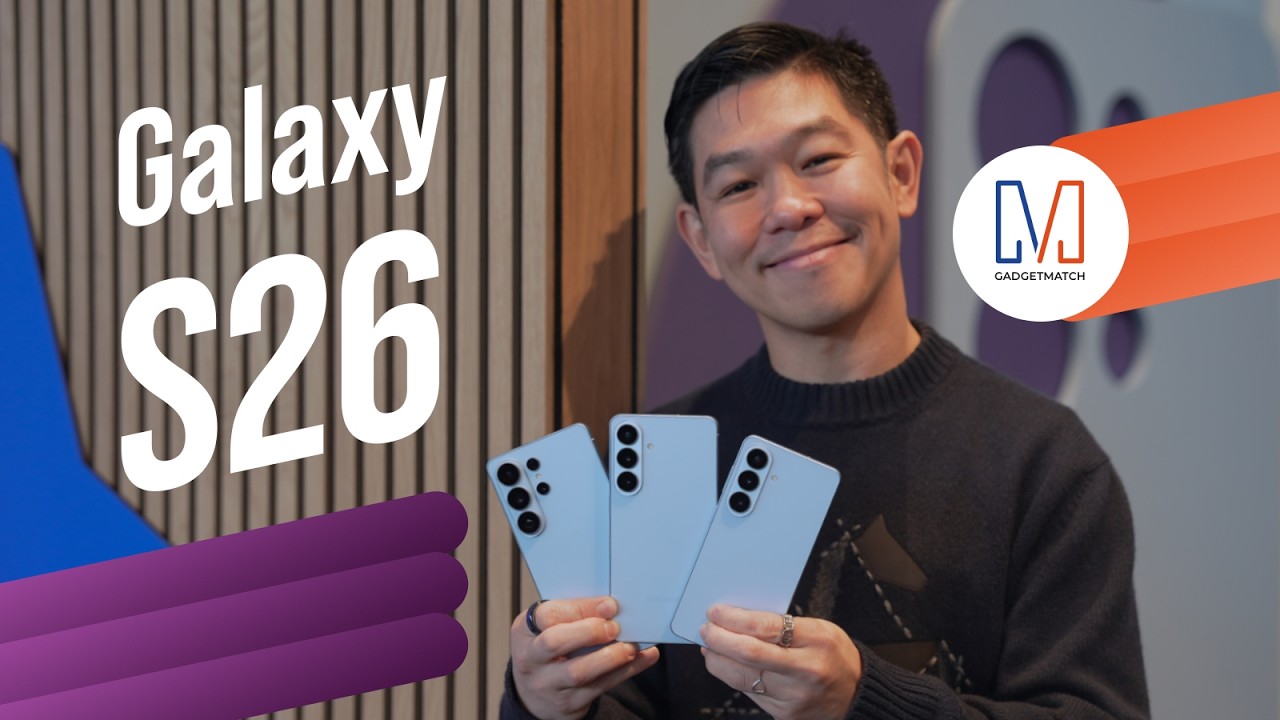
Did Samsung push forward or play it safe with the Samsung Galaxy S26 Series? Well, it’s a little bit of both.
Here’s our Hands-on with the new Samsung Galaxy S26 series to find out.
PRE-ORDER and SAVE up to $900 with enhanced trade-in credit:

“Our philosophy has never been about chasing specs.”
That line from Samsung’s presentation captures the Galaxy S26 Series better than any spec table.
This isn’t a year of radical hardware shifts. Battery capacities remain unchanged. Megapixel counts are familiar. The design language evolves rather than transforms.
But incremental doesn’t automatically mean irrelevant.
The S26 Ultra feels like Samsung refining its priorities — usability, privacy, and AI integration — instead of pursuing headline-grabbing numbers.
Hardware refinement, not reinvention
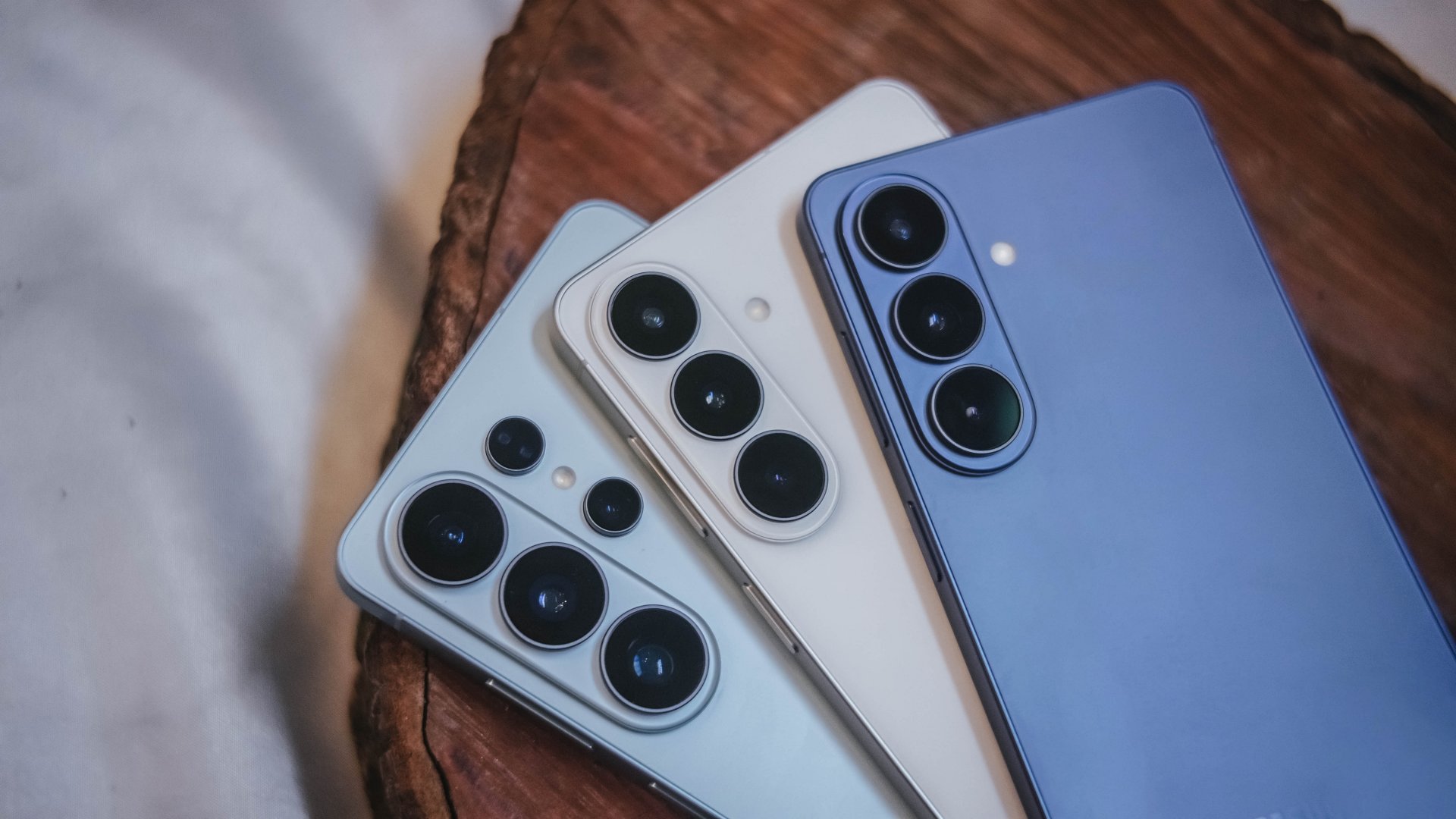
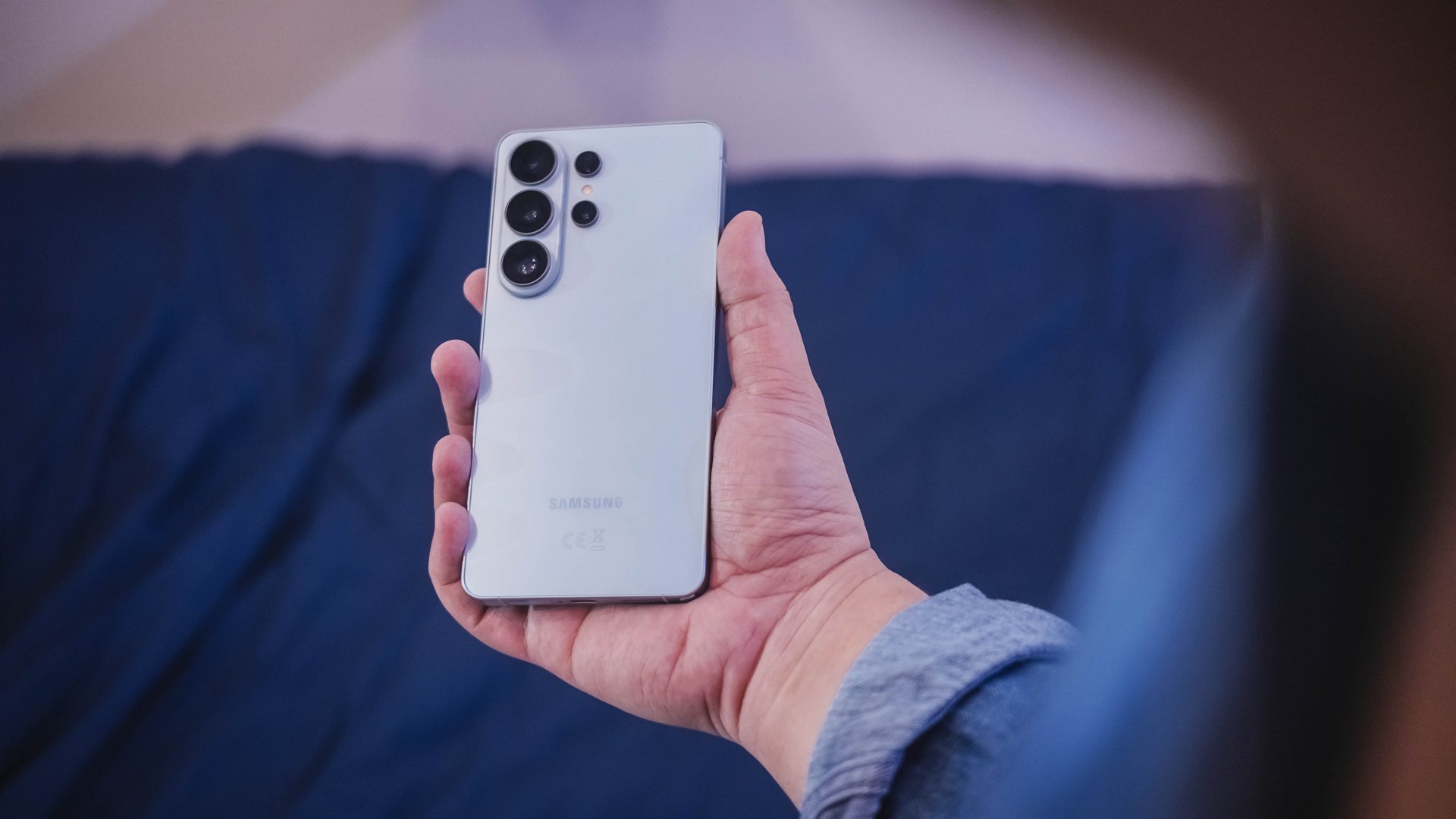
The Galaxy S26 series looks more unified. All three models now share the same corner radius, creating a consistent visual identity. The Ultra no longer stands apart with sharper edges. It’s a small change, but it makes the lineup feel cohesive.
The camera module sits on a more defined island rather than blending into the rear panel. It’s subtle, but noticeable in person.
Samsung also trimmed weight and thickness on the Ultra. At 7.9mm and 214 grams, it handles slightly better than last year’s model. The company switched to Light Armor Aluminum, which it claims improves heat dissipation and weight. The difference in hand isn’t dramatic, but it’s appreciated during extended use.
Charging finally moves forward. The Ultra supports 60W wired charging, up from 45W. Samsung says you can reach 75 percent in around 30 minutes. That’s a meaningful improvement for quick top-ups.
However, 60W isn’t industry-leading in 2026. Competing brands have offered similar or faster speeds for years. This feels less like Samsung setting a new benchmark and more like closing a gap.
Battery capacity remains 5,000mAh. That’s consistent with previous models. While fast charging helps daily convenience, endurance gains will depend on software optimization and real-world usage.
AI and software remain the headline
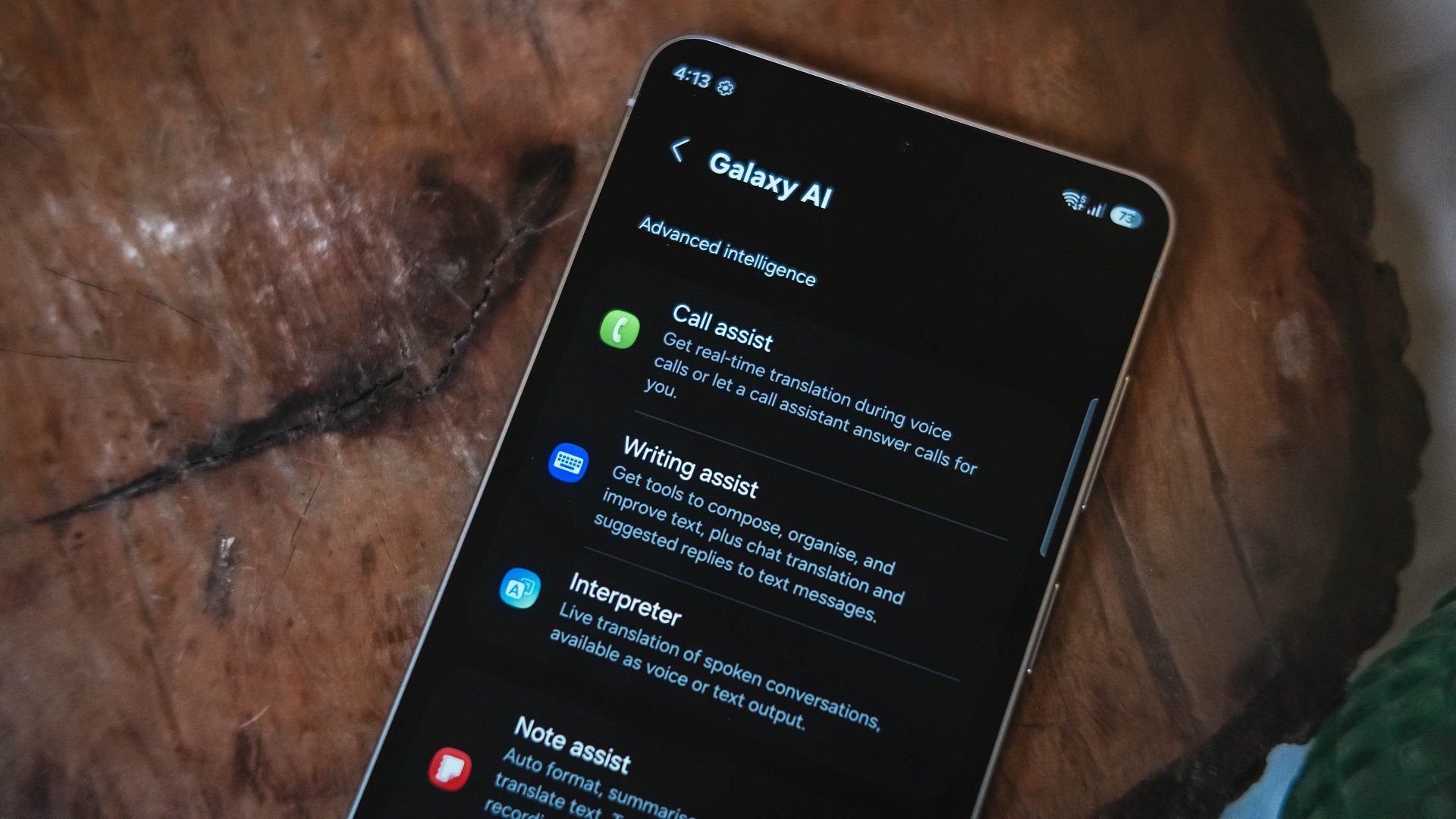
Like recent Galaxy generations, the S26 Series leans heavily on software features.
Privacy Display is one of the more practical additions. It restricts viewing angles at the pixel level, functioning like a built-in privacy filter. If you’re using your phone in public spaces, people nearby will struggle to see what’s on screen.
You can toggle the feature or enable it only for specific apps. That flexibility matters. It allows privacy protection for sensitive apps while keeping general use unaffected.
This addresses a real-world problem. Public screens are inherently visible. Privacy Display doesn’t eliminate that risk, but it reduces casual glances and unwanted observation.
Audio Eraser also gets an upgrade. It now works across third-party apps. We tested it on a noisy K-pop fancam from YouTube, and the background noise reduction was noticeable without destroying audio quality.
It’s not perfect. Overprocessing can occur in extreme cases. But for cleaning up shared videos or reducing ambient noise, it proves useful.
AI Photo Assist introduces text-prompt editing directly inside the Gallery app. Users can describe edits in natural language — remove objects, expand backgrounds, or modify elements — without exporting images to external tools.
This isn’t groundbreaking technology. Similar generative edits exist in other AI platforms. The difference is integration.
By embedding generative tools inside the Gallery, Samsung turns them into part of the default workflow. Photo editing becomes more accessible rather than requiring specialized knowledge or separate apps.
That shift is meaningful. It signals that generative AI editing is becoming a standard smartphone feature rather than an experimental add-on.
Cameras: computational evolution
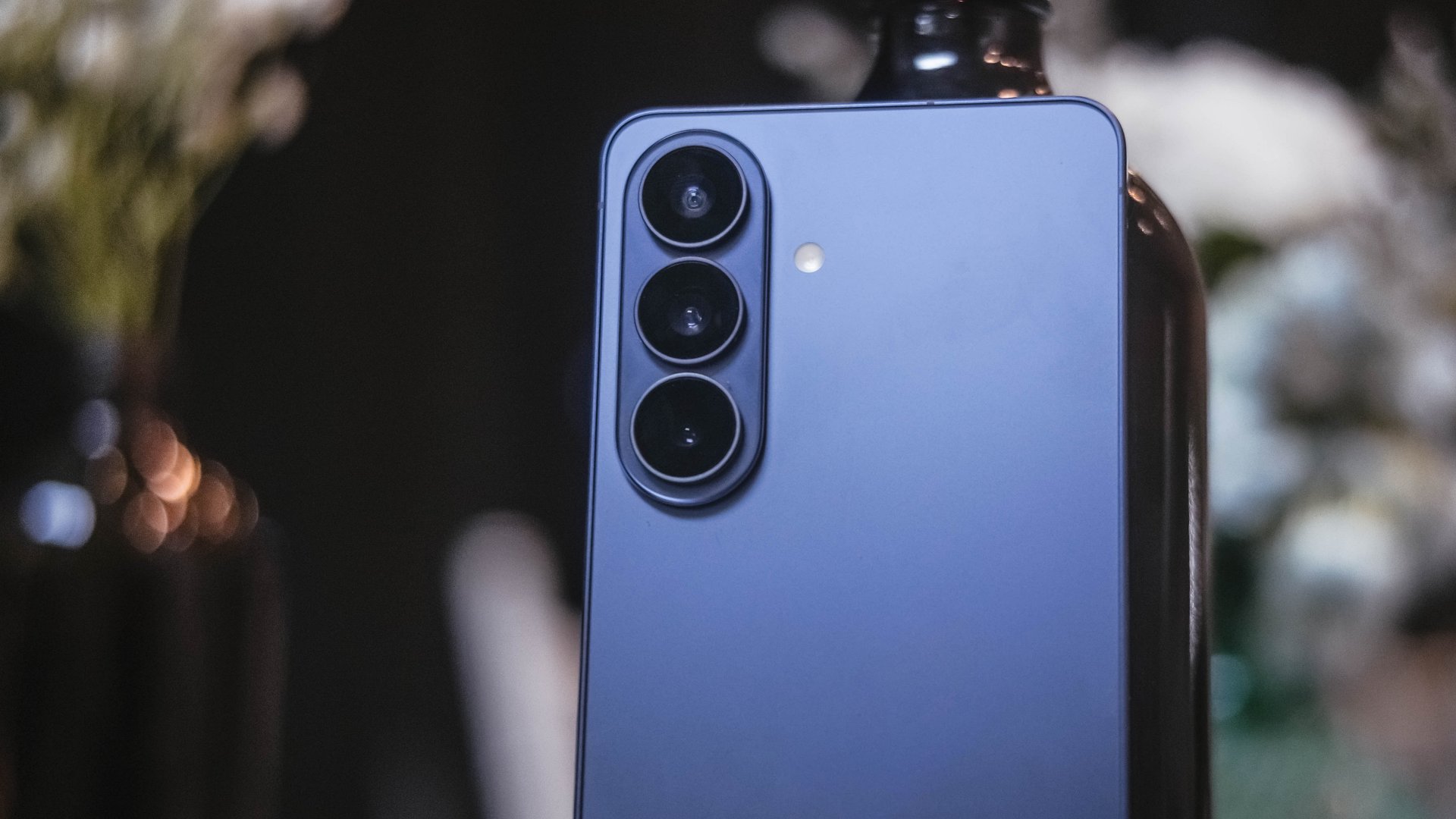
The camera hardware remains familiar. The Ultra continues with a 200MP main sensor and telephoto configurations similar to last year.
Improvements focus on computational photography.
Samsung widened apertures to allow more light. Stabilization has been refined. AI sharpening and Nightography processing aim to produce cleaner images with reduced noise.
From samples shown during the presentation, low-light shots appear brighter and cleaner. However, the processing can feel aggressive. Details sometimes look overly smoothed, and textures can appear artificial.
This reflects Samsung’s long-standing approach — prioritize computational enhancements over megapixel increases. The S26 continues that philosophy.
For video creators, APV (Advanced Professional Video) enables 8K recording with minimal quality degradation during edits. Super Steady Video also improves handheld stabilization.
These features cater to content creation workflows rather than casual snapshots.
Incremental but intentional

The Galaxy S26 Ultra doesn’t try to shock. It doesn’t reinvent Samsung’s design language or introduce dramatic hardware leaps.
Instead, it refines existing ideas.
Privacy Display addresses public visibility concerns. Audio Eraser improves real-world video cleanup. AI Photo Assist integrates generative editing into everyday photo workflows. Charging speeds improve without industry-leading ambitions.
Even the design changes — unified corner radii, a defined camera island, lighter materials — emphasize cohesion.
This strategy resembles the broader shift in the smartphone industry. Hardware innovation has slowed. Software and usability improvements drive differentiation.
Samsung appears comfortable with that reality.
Of course, first impressions only tell part of the story. We still need extended testing for battery life, thermal performance, camera consistency, and AI reliability.
The S26 Ultra may not represent a revolution. But refinement can matter — especially when it targets usability and practical features.
Samsung will have to make significant hardware upgrades eventually. But for now, it feels like the company is doubling down on incremental progress. Not flashy. Not radical. But purposeful.
Whether that strategy resonates will depend on real-world performance.
Samsung Galaxy S26 Series – Specs
| Feature | Galaxy S26 Ultra | Galaxy S26+ | Galaxy S26 |
| Display | 6.9″ Dynamic AMOLED 2X
|
6.7″ Dynamic AMOLED 2X
|
6.3″ Dynamic AMOLED 2X
|
| Rear Camera: Ultra Wide | 50MP, F1.9, 0.7 µm | 12MP, F2.2, 1.4 µm | 12MP, F2.2, 1.4 µm |
| Rear Camera: Wide | 200MP, F1.4, 0.6 µm | 50MP, F1.8, 1.0 µm | 50MP, F1.8, 1.0 µm |
| Optical Quality 2x | |||
| Rear Camera: Telephoto 1 | 10MP, F2.4, 1.12 µm | 10MP, F2.4, 1.0 µm | 10MP, F2.4, 1.0 µm |
| 3x optical zoom | |||
| Rear Camera: Telephoto 2 | 50MP, F2.9, 0.7 µm
|
— | — |
| Front Camera | 12MP, F2.2, 1.12 µm | 12MP, F2.2, 1.12 µm | 12MP, F2.2, 1.12 µm |
| Processor | Snapdragon® 8 Elite Gen 5 for Galaxy (3 nm) | Exynos 2600 (2 nm)* | Exynos 2600 (2 nm)* |
| Memory (RAM) | 12GB / 16GB | 12GB | 12GB |
| Storage | 256GB / 512GB / 1TB | 256GB / 512GB | 128GB / 256GB / 512GB |
| (Micro SD: N/A) | |||
| Battery | 5,000 mAh | 4,900 mAh | 4,300 mAh |
|
|||
| Dimensions | 78.1 x 163.6 x 7.9 mm
214 g (Sub6/mmWave) |
75.8 x 158.4 x 7.3 mm
190 g (Sub6/mmWave) |
71.7 x 149.6 x 7.2 mm
167 g (Sub6) |
| Colors | Standard: Cobalt Violet (Hero), Sky Blue, Black, White
Online: Silver Shadow, Pink Gold |
Standard: Cobalt Violet (Hero), Sky Blue, Black, White
Online: Silver Shadow, Pink Gold |
Standard: Cobalt Violet (Hero), Sky Blue, Black, White
Online: Silver Shadow, Pink Gold |






Paramount wins bid for HBO Max, plans to merge streaming apps

The razr fold enters motorola into the book-style foldable market

The quirky Legion Go Fold stole the show at MWC 2026

Globe extends roaming assistance to customers in the Middle East

CASETiFY relaunches Evangelion collab for 30th anniversary

Xiaomi 17 Ultra is now available outside China

TECNO will showcase the CAMON 50 and POVA 8 series at MWC 2026

PlayStation, LE SSERAFIM Chaewon team for the ‘Love of Play’ campaign

The art of being in and behind the frame

HUAWEI MatePad 11.5 S 2026: The better-than-ever 4-in-1 productivity tablet


-
 News3 days ago
Xiaomi 17 Ultra is now available outside China
-

 Camera Walkthrough1 week ago
OPPO Reno15 Pro: Camera Review
-
 First Look2 weeks ago
Match Pulse: Infinix NOTE 60 Pro
-

 Cameras2 weeks ago
Osmo Pocket 4 makes a surprising appearance in public
-

 Gaming2 weeks ago
LG unveils UltraGear evo, redefines 5K gaming with AI Upscaling
-
 News2 weeks ago
iPhone 17 Pro Max is somehow the most traded-in phone today
-

 News2 weeks ago
HUAWEI launches Mate X7, MatePad 11.5 S 2026, FreeClip 2
-
 Gaming2 weeks ago
PlayStation 6 reportedly delayed to 2029 because of RAM shortage